
Cars have long been more than just machines that get us from one place to another. For many people, they’re an extension of personality, lifestyle, and daily comfort. The idea of driving a luxury car often comes with a price tag that makes most people think twice.
Sleek interiors, smooth suspension, whisper-quiet cabins, and high-tech features are expected from high-end models, but what if similar experiences could be found at a fraction of the cost?
In recent years, a handful of affordable cars have managed to offer driving dynamics, comfort, and build quality that rival luxury brands. These cars may not have the prestige of a luxury badge, but when you’re behind the wheel, they feel anything but budget.
On the other side of the market, not all affordable cars manage to deliver that sense of refinement or confidence. While low prices attract buyers, the driving experience can sometimes feel stripped down or even unpleasant.
Cars in this category might struggle with road noise, offer limited comfort, or feel cheap and plastic-like inside and out. Driving them can remind you at every turn that compromises were made. They may be great for a short commute or as a first-time car, but for those looking for an enjoyable or smooth driving experience, they often fall short.
The contrast between these two types of vehicles is striking. Some affordable models surprise you with their refinement, almost tricking you into thinking you’re piloting something worth twice the price. And then there are others that, despite modern designs or decent specs on paper, deliver a ride that feels more like a toy than a well-rounded automobile.
The difference isn’t always obvious until you’re on the road and paying attention to the details, the steering feel, the comfort of the seats, the cabin noise, and how the car responds at different speeds.
This article aims to clearly outline five affordable vehicles that truly punch above their weight and feel luxurious without the cost, as well as five that, while budget-friendly, may feel too basic or underwhelming for those who expect more from their drive.
Whether you’re in the market for your next car or simply curious about which vehicles offer the most or least value for their price points, this breakdown provides a grounded perspective based on general knowledge and common user impressions.
5 Affordable Cars That Drive Like Luxury
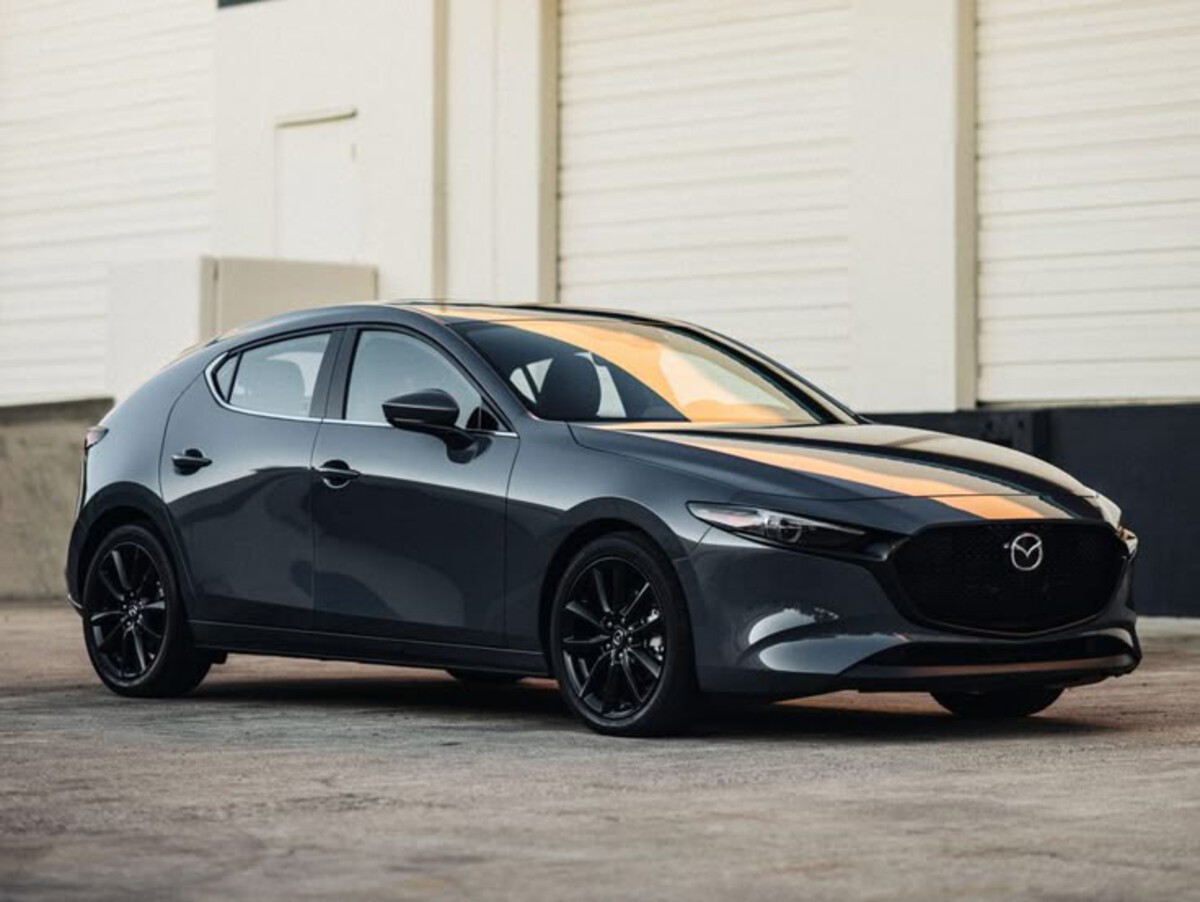
1. Mazda3
The Mazda3 is often praised for its impressive driving dynamics and refined interior, especially considering its price range. The cabin design borrows heavily from premium styling principles, using soft-touch materials, clean lines, and a minimalist dashboard layout.
Sitting in the Mazda3, one might notice how well-insulated the cabin feels from outside noise. The attention to detail is something more expected in vehicles from luxury brands, and it’s easy to forget that the Mazda3 competes in the compact car category.
In terms of handling, the Mazda3 delivers a level of control and precision that’s uncommon in affordable cars. Its steering feels responsive without being overly twitchy, and the car holds the road with confidence, especially through corners.
The suspension is tuned to absorb road imperfections without making the car feel floaty or disconnected. It’s a balance that many higher-priced vehicles struggle to achieve, yet Mazda manages to deliver it at an affordable cost.
The available powertrains add to the experience. Even though it’s not the most powerful in its class, the Mazda3 has a refined engine note and a responsive throttle, both of which contribute to a feeling of quality and connection.
The automatic transmission shifts smoothly, and for those who still enjoy driving stick, the manual version is one of the best among affordable cars. All-wheel drive is also an option, which is rare at this price point and further enhances the feeling of stability and control.
From the driver’s seat, it’s easy to feel like you’re in a much more expensive car. The infotainment screen is integrated cleanly, the control knobs feel solid, and everything you touch reinforces a sense of durability and care in design. For drivers who prioritize experience over status symbols, the Mazda3 offers a rare blend of budget and luxury-like comfort that makes it one of the most satisfying cars in its price bracket.
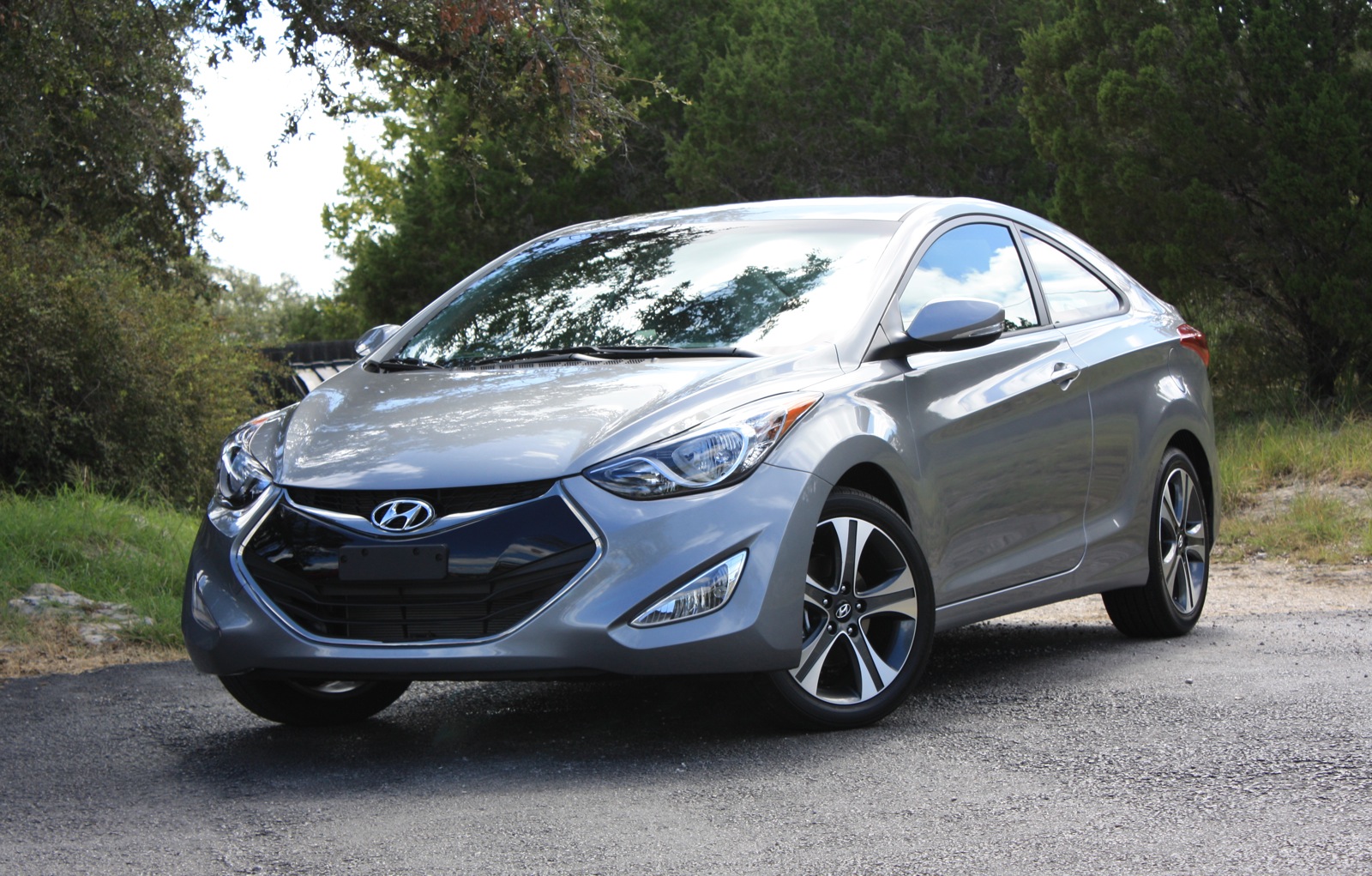
2. Hyundai Elantra
The latest generations of the Hyundai Elantra have shifted significantly from their earlier models, which were once associated more with affordability than refinement. Today, the Elantra feels well put together, especially in its higher trims.
The design of the interior features geometric shapes, high-resolution screens, and a cockpit-like feel that contributes to a more high-end experience. While still competitively priced, the Elantra now offers a surprising level of polish.
On the road, the Elantra is stable and predictable, but in a good way. The steering is light yet accurate, and the car feels planted at highway speeds. Suspension tuning offers a smooth ride without being overly soft.
Bumps and uneven roads are handled with a grace that wouldn’t seem out of place in a luxury sedan. The noise insulation is also surprisingly effective, helping reduce wind and road noise at cruising speeds.
Features that were once considered luxuries have now become available in the Elantra. Heated seats, wireless Apple CarPlay, a digital gauge cluster, and advanced safety features are either standard or available in reasonably priced trims.
The layout of the controls feels intuitive, and the material quality throughout the cabin is higher than expected. You don’t get the sense that cost-cutting was the priority during the design process.
For a daily commuter, the Elantra does more than simply get you to your destination. It provides a comfortable, quiet, and feature-rich environment that makes time behind the wheel more enjoyable. Hyundai has built a car that competes with some much more expensive vehicles in terms of how it feels and drives, giving it a strong place in the list of budget-friendly cars that behave like luxury ones.
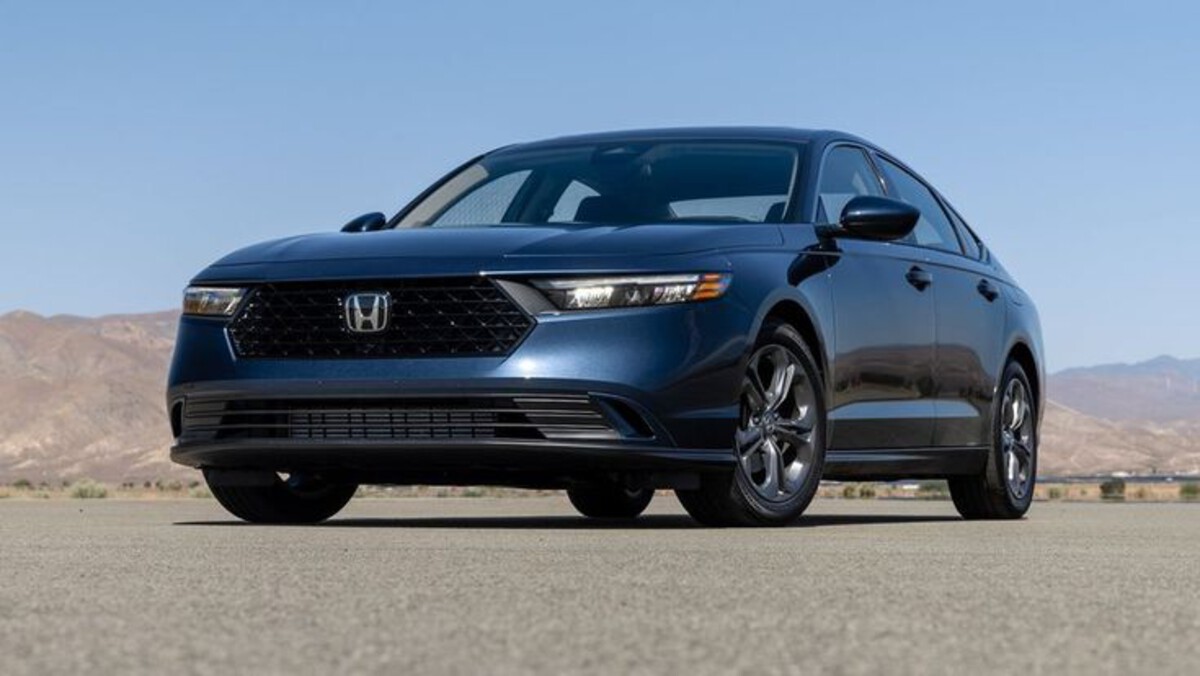
3. Honda Accord
The Honda Accord is often mentioned when people talk about value and reliability, but its luxurious driving feel is sometimes overlooked. With its spacious cabin, soft-touch materials, and strong engine choices, the Accord offers a premium experience for a mid-range price. From the moment you close the solid-feeling doors, there’s a sense of quality that extends throughout the entire vehicle.
The ride quality in the Accord is one of its biggest strengths. The suspension is tuned to glide over rough roads without feeling disconnected. Cabin noise is well controlled, and the engine remains quiet unless pushed hard.
At highway speeds, the car feels steady and composed, offering a level of calm that is reminiscent of more expensive sedans. Visibility is also excellent, thanks to thoughtful design and well-placed windows.
Inside, there’s plenty of space, and rear-seat passengers won’t feel cramped. The infotainment system is responsive and easy to use, and the physical controls are logically arranged. Higher trims add leather seating, premium sound systems, and even head-up displays, giving drivers the chance to enjoy luxury-level features without paying luxury prices.
Another area where the Accord stands out is its powertrain options. Even the base engine provides smooth acceleration and impressive fuel economy, while the turbocharged variant delivers more performance for those who want it. Hybrid models also offer a refined electric-assisted drive that feels seamless. All of this contributes to a driving experience that feels polished, solid, and confident.
4. Kia K5
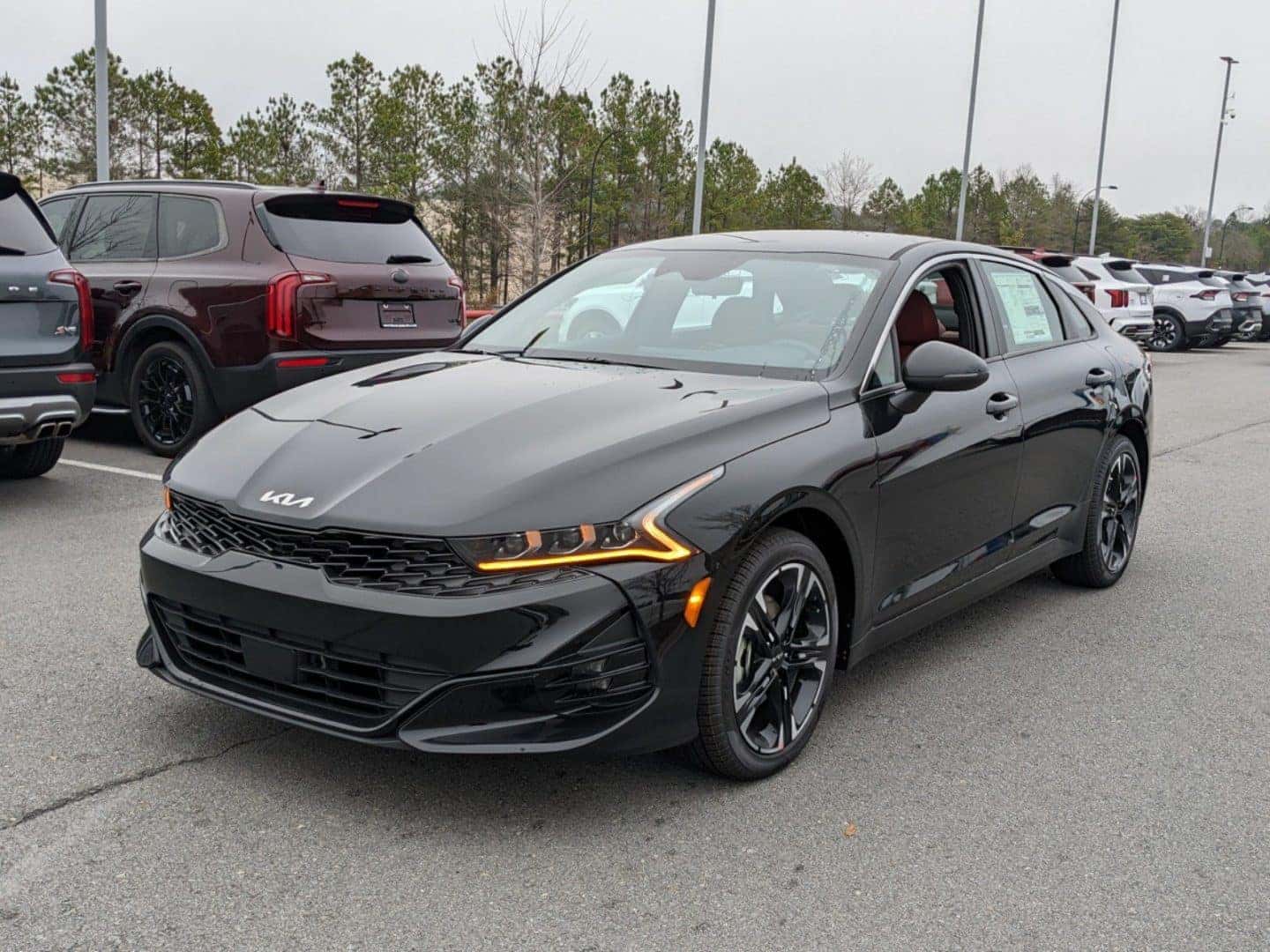
The Kia K5 replaced the Optima and brought with it a new design language and driving feel that immediately turned heads. The exterior looks upscale, with a bold front grille and flowing lines that are usually reserved for higher-end vehicles.
But the real surprise is what happens once you step inside and start driving. The K5 feels substantial and mature in a way that puts it on par with much more expensive models.
The driving feel is well-balanced. It doesn’t lean too sporty or too soft, but rather lands in a sweet spot that makes daily driving feel composed. Whether you’re navigating tight city streets or cruising on the open highway, the K5 handles each situation without stress. The cabin remains quiet, and the ride is smooth enough to make long trips feel relaxing.
Technology plays a big part in making the K5 feel upscale. A wide infotainment screen, clean dashboard design, and high-quality materials come together to create an environment that feels both modern and refined.
Even in lower trims, there’s a sense of thoughtfulness in how everything is laid out. The seats are comfortable and supportive, and the controls are within easy reach without feeling cluttered.
Another aspect worth mentioning is how confident the K5 feels at higher speeds. Some affordable sedans tend to feel light or uncertain on the highway, but the K5 tracks well and inspires confidence.
Its structure feels solid, and the insulation from road noise keeps fatigue to a minimum. For the price, it’s a car that delivers more than what’s expected, earning its place among affordable cars that provide a luxury-like experience.
5. Toyota Camry
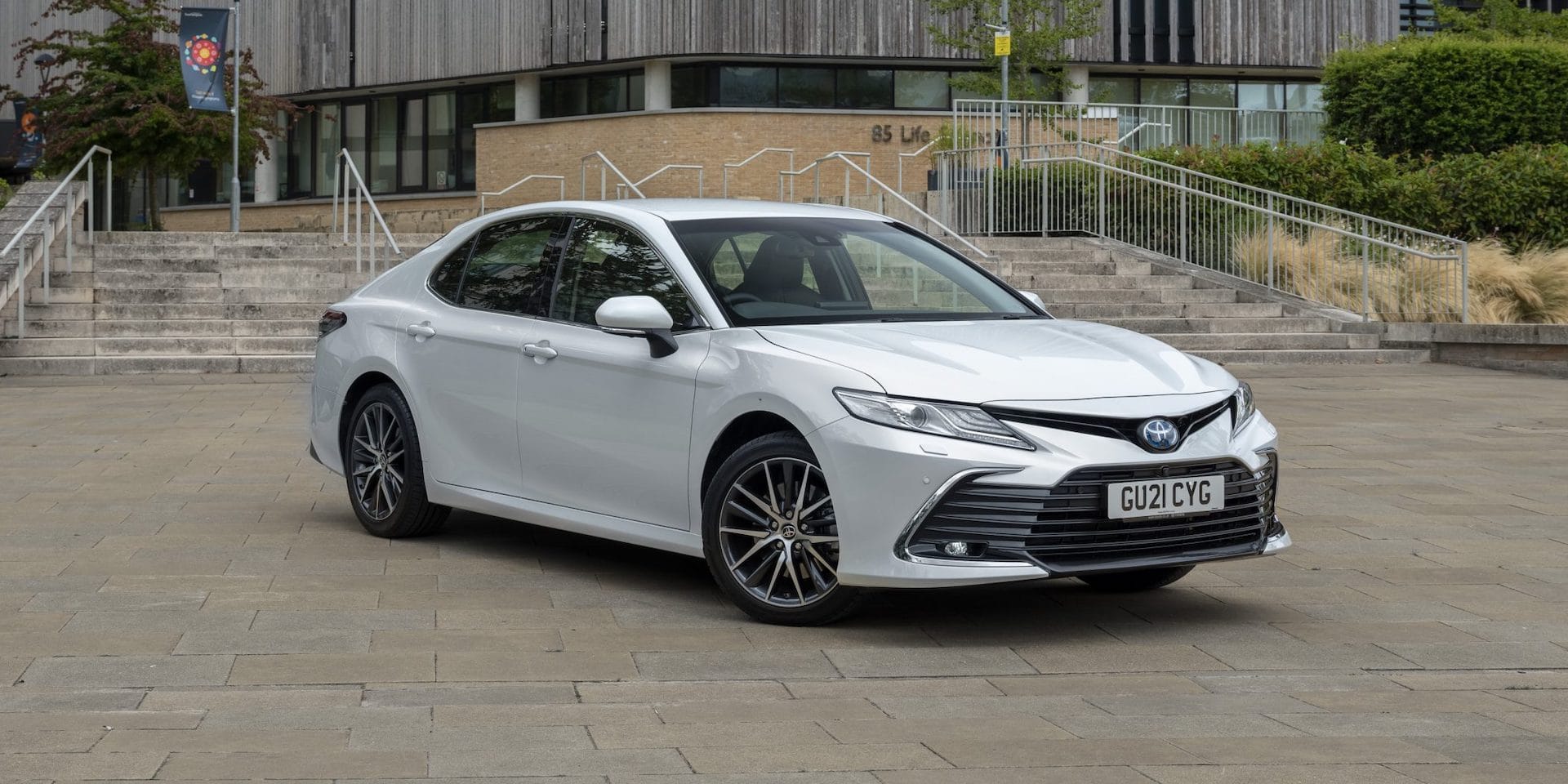
The Toyota Camry has long been known for reliability and practicality, but in its recent versions, it has also embraced a level of refinement that puts it closer to luxury territory than many expect.
The current generation of the Camry feels planted, quiet, and confident on the road, especially in the XSE and XLE trims. From the outside, the design has become more aggressive and modern, but inside is where the real shift has occurred.
The materials used throughout the cabin are soft to the touch, and there’s a distinct flow to the dashboard and center console that gives it a well-designed, cohesive feel. The seats are supportive for long drives, and the dual-zone climate control adds a small but appreciated layer of comfort. Every button and control has a sense of weight and finish that suggests attention to detail.
On the road, the Camry does not feel like a budget sedan. The suspension soaks up imperfections gracefully, while maintaining enough stiffness to avoid the bouncy, floaty sensation that plagues some other affordable cars. Steering is well-calibrated, and though not overtly sporty, it offers a reassuring amount of control.
The base engine is refined and responsive, and for those seeking more engagement, the available V6 provides a surprising burst of power and acceleration. Regardless of engine choice, the car remains composed and quiet, even at highway speeds. This level of calm and quiet in motion contributes heavily to that luxury-like sensation behind the wheel.
Perhaps what’s most impressive about the Camry is its consistency. It manages to check all the boxes: comfort, technology, reliability, performance, and design.
Many cars do one or two of these things well, but the Camry does them all at a high level without costing an absurd amount. It gives drivers a feeling that they’re getting more than they paid for, and that’s what places it squarely in the list of affordable cars that truly feel luxurious on the road.
5 Affordable Cars That Feel Like Toys
1. Mitsubishi Mirage
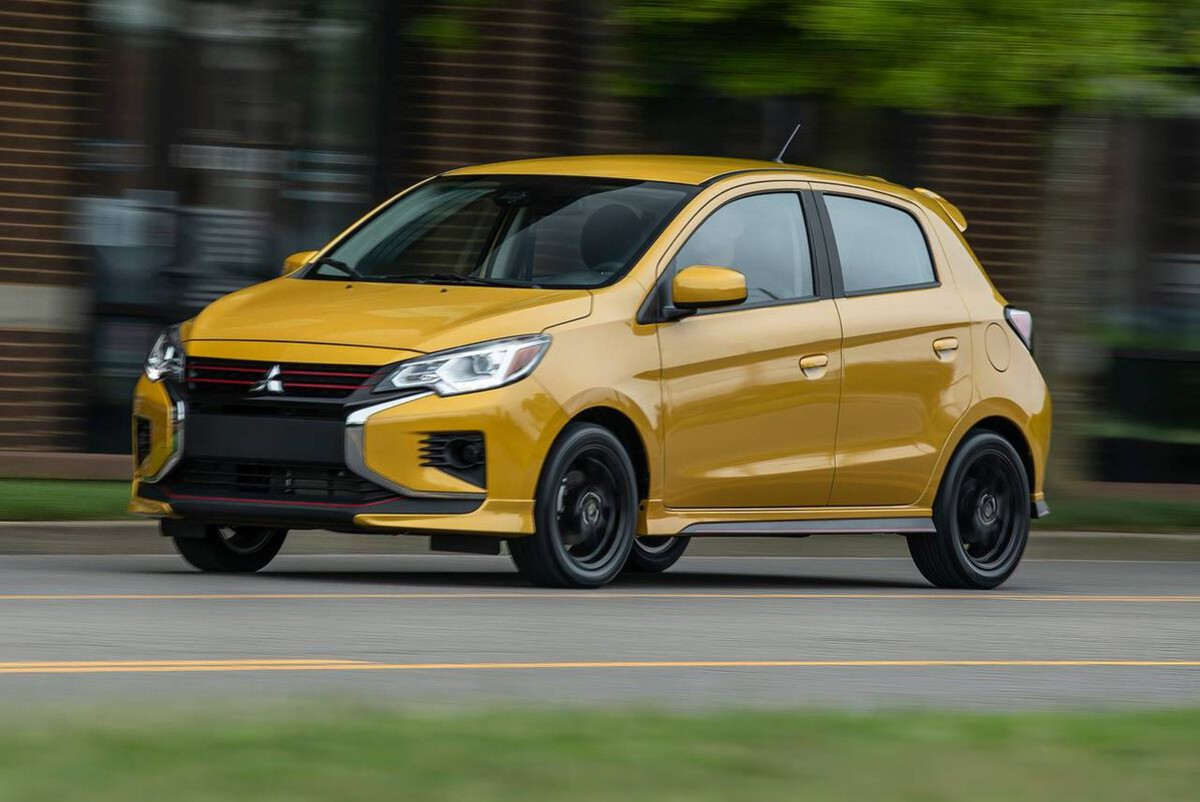
The Mitsubishi Mirage is one of the most affordable cars on the market, but that affordability comes with some serious trade-offs. From the first time you sit inside, it’s immediately apparent that cost-cutting was a top priority. The interior is full of hard plastics, the seats are thin, and even the steering wheel feels like it belongs in a toy.
There’s little to no insulation from road or engine noise, which makes any highway trip a noisy experience. The infotainment screen is basic, small, and slow to respond, and there’s little about the layout that feels modern or refined. While it may be acceptable for a first-time buyer or a city car, it lacks the depth and polish of other vehicles in the same price bracket.
On the road, the Mirage struggles to feel composed. The engine is a small three-cylinder unit that is both underpowered and harsh-sounding. Acceleration is sluggish, and merging into traffic can become a stressful task, especially when fully loaded with passengers or cargo.
The continuously variable transmission (CVT) doesn’t help, often holding the engine at an unpleasant drone without delivering meaningful acceleration. Steering is light but vague, offering little to no feedback to the driver. At higher speeds, the car feels twitchy and unsteady, which can make highway driving uncomfortable or even unsettling.
The suspension setup also leaves much to be desired. It’s soft enough to handle small bumps, but the ride quality still manages to feel unsettled. On rough roads, the Mirage bounces and transmits more jolts than it should. Body roll in corners is noticeable, and the brakes feel numb.
There’s a sense that the car is constantly working hard just to keep up with basic demands, and that stress is passed on to the driver. What’s worse is that even though the Mirage is small and light, it doesn’t feel particularly nimble or agile in daily use. It behaves more like a scaled-down version of a proper car than a finished product.
Understandably, a car at this price point won’t have premium features, but even basic expectations for comfort and control fall short here. While it technically gets the job done, moving people from point A to B, it does so with little confidence or refinement.
The driving experience feels more like operating a go-kart with a shell than piloting a car meant for modern roads. For drivers used to any level of quality or substance in a vehicle, the Mirage often feels more like a temporary tool than a car designed for long-term satisfaction.
2. Chevrolet Spark
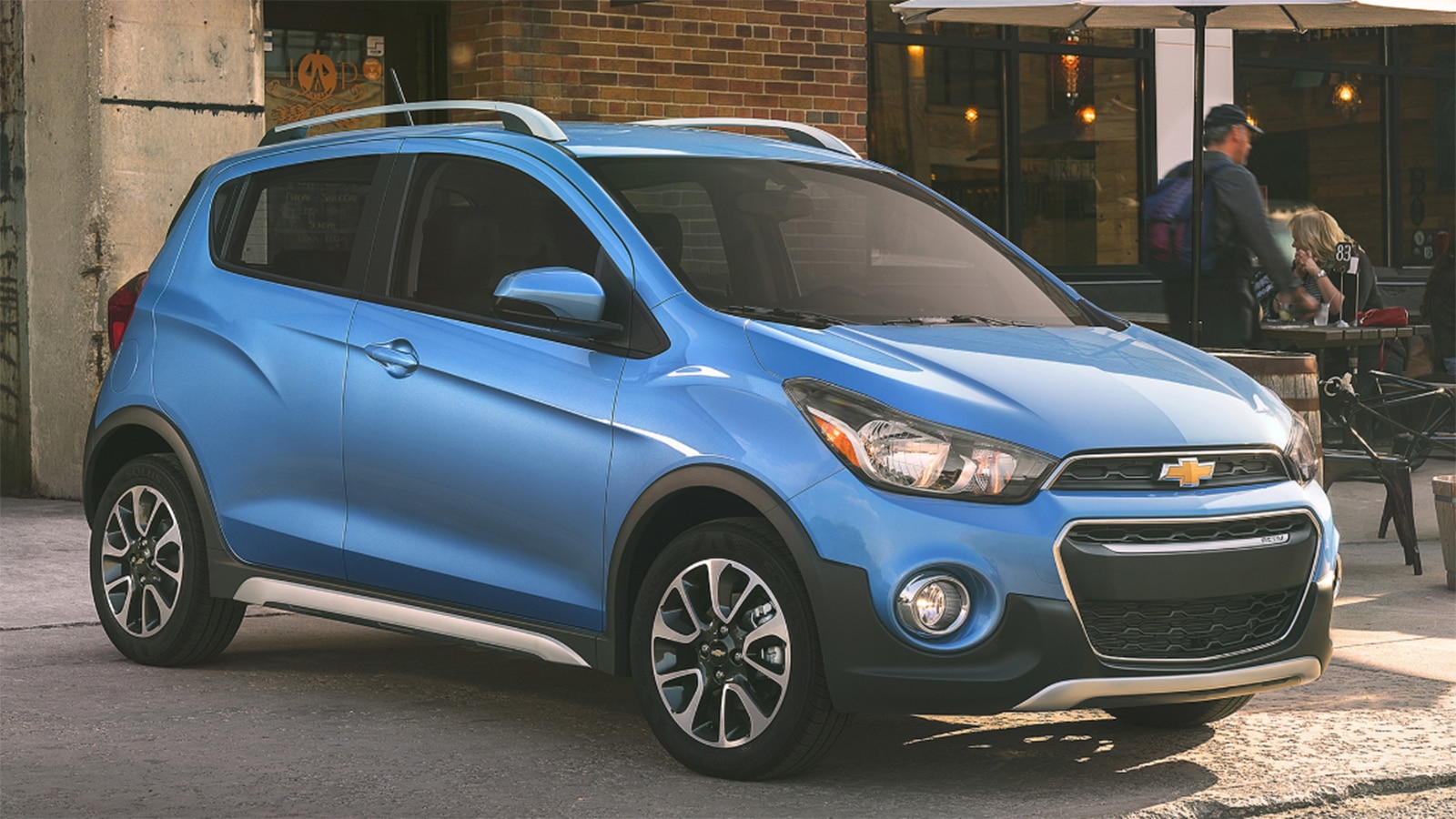
The Chevrolet Spark is another ultra-affordable option that has found a niche among city dwellers and budget-conscious drivers. While it has a small footprint and some quirky styling choices that appeal to younger buyers, the driving experience is decidedly underwhelming.
From the interior layout to the performance on the road, the Spark feels more like a short-term solution than a car designed for comfortable or confident driving. Most surfaces in the cabin are made of hard plastic, and although the design is not offensive, it’s basic in every sense. The seating position is upright and narrow, with minimal adjustability and limited support for longer drives.
Performance-wise, the Spark is hampered by a weak engine that produces modest horsepower. Even in city driving, acceleration is minimal, and any attempt to move quickly is met with noise rather than results.
The CVT in automatic models attempts to maximize the limited power, but results in a laggy, strained response under any throttle input except the lightest. The manual transmission version offers slightly more engagement, but it still doesn’t make the car particularly fun to drive. It lacks both the power and the responsiveness needed to feel stable or enjoyable on the road.
In terms of handling, the Spark is easy to maneuver in tight urban areas, thanks to its compact size. However, that same size works against it on the open road. At highway speeds, the car feels light and unsettled, and the road and wind noise become overwhelming.
The ride is stiff, and even small bumps translate directly through the cabin. Steering is serviceable at low speeds but becomes vague and overly sensitive when driving faster. It gives the impression of a car that was optimized strictly for parking lots and narrow streets, not long commutes or freeway travel.
While the Spark has a place for specific use cases, such as being a starter car or a second vehicle for short trips, it doesn’t provide a solid or refined enough experience to be considered a serious daily driver. For those who care about how a car feels, how it handles, or how comfortable it is over time, the Spark simply lacks the substance. It feels more like an appliance than a car that one can feel good about driving every day.
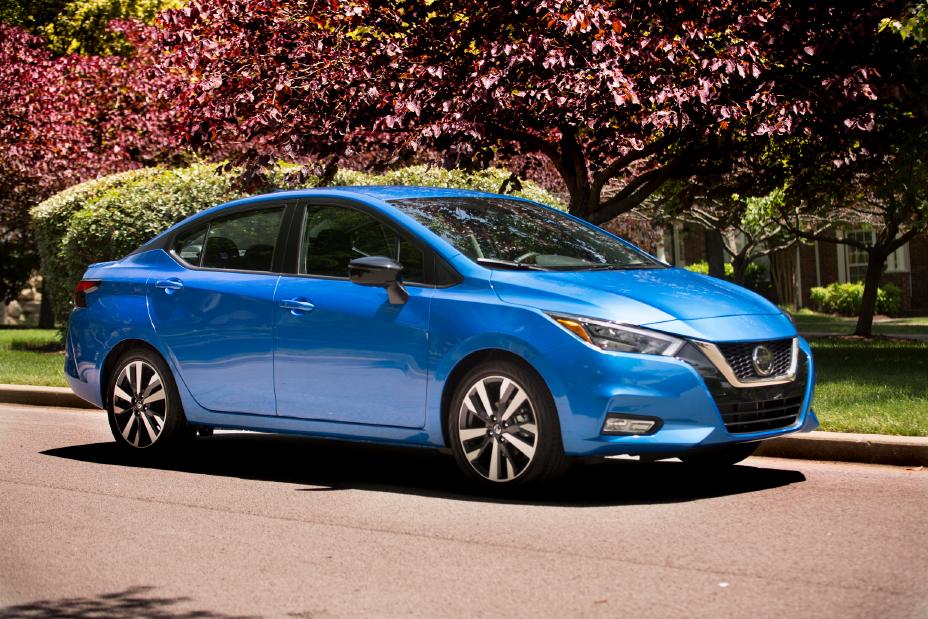
3. Nissan Versa
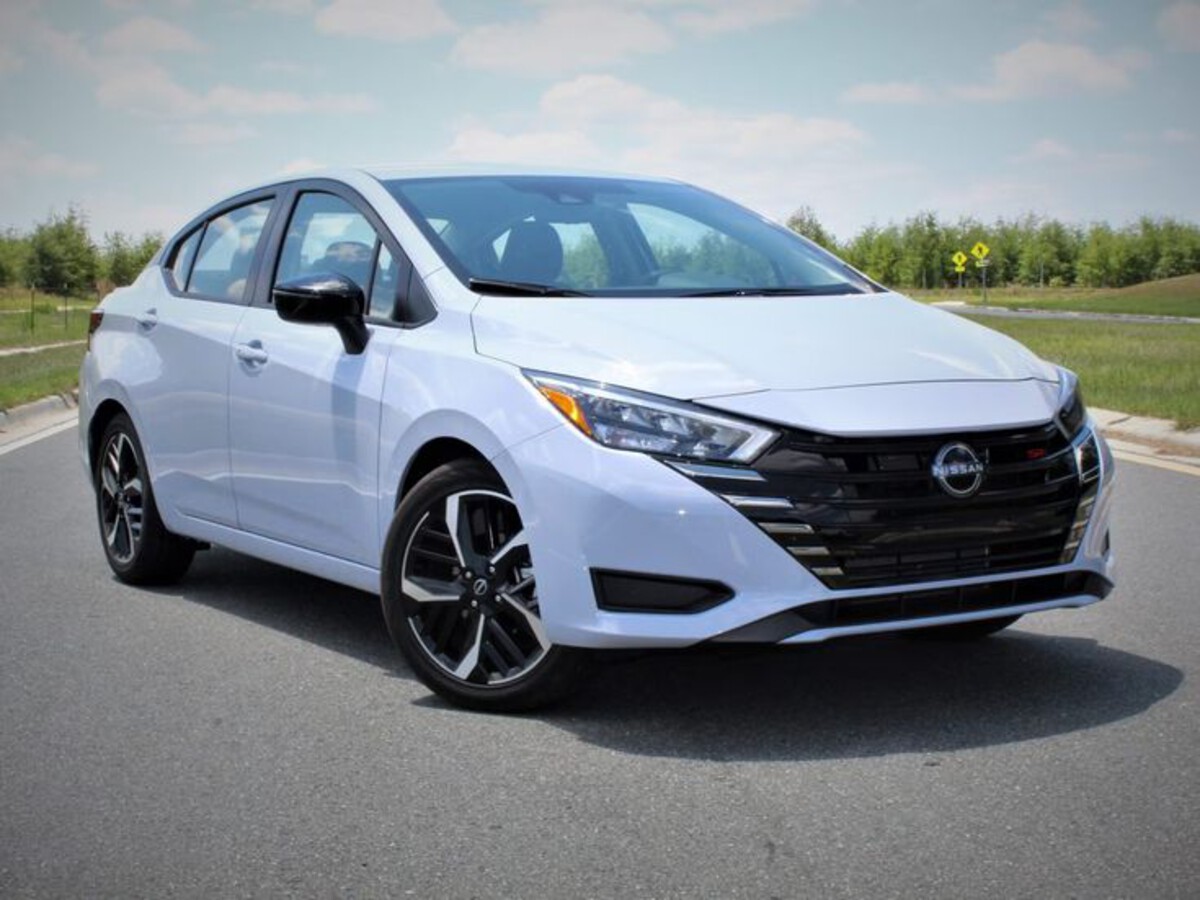
The Nissan Versa is another budget-friendly option that aims to offer basic transportation at a low cost, but in doing so, it often sacrifices driving engagement, comfort, and quality. The exterior styling has improved over the years, and the car does present itself a bit more maturely than previous generations, but the experience behind the wheel tells a different story.
Inside, the cabin is outfitted with minimal features, basic materials, and a feel that reminds you that this is very much an entry-level car. While Nissan has done a better job in recent models with soft-touch dash elements and slightly more modern infotainment displays, it doesn’t take long to notice the lack of refinement in the controls, textures, and layout.
Driving the Versa feels more like managing a chore than enjoying an experience. The engine, a small four-cylinder, is not particularly responsive, and the CVT used in most trims tends to sap what little energy the car has. Acceleration is slow, and merging onto highways can feel drawn-out and noisy.
Throttle response is soft, and there’s little in the way of torque, which means the car works hard even for moderate tasks like climbing a hill or overtaking on the road. The cabin doesn’t isolate this effort well either, so engine noise is very noticeable under load, adding to the sense that the car is straining.
Handling in the Versa is manageable at lower speeds but uninspiring. The steering is vague and offers minimal feedback, and though the suspension is set up to be comfortable over smooth roads, it becomes unsettled and jarring over rough or uneven surfaces.
The car tends to lean heavily in corners, and while that’s not unexpected in this segment, it gives the car a toy-like feel when pushed even slightly. Braking is adequate but lacks the precise pedal feel found in more polished vehicles. These characteristics add up to a car that feels fine in a small bubble, parking lots, suburban errands, and short commutes, but anything beyond that exposes its limitations.
The main selling point of the Versa is affordability, and it serves that purpose. But as a daily driver or a long-term companion, it doesn’t offer the comfort or confidence that even slightly more expensive cars can provide. There’s an unavoidable feeling that everything has been trimmed down to a minimum, from power output to interior quality to sound insulation. While it may suit those who just need a basic car to get by, the experience it delivers feels far from satisfying and leans heavily toward the toy-like category.
4. Fiat 500
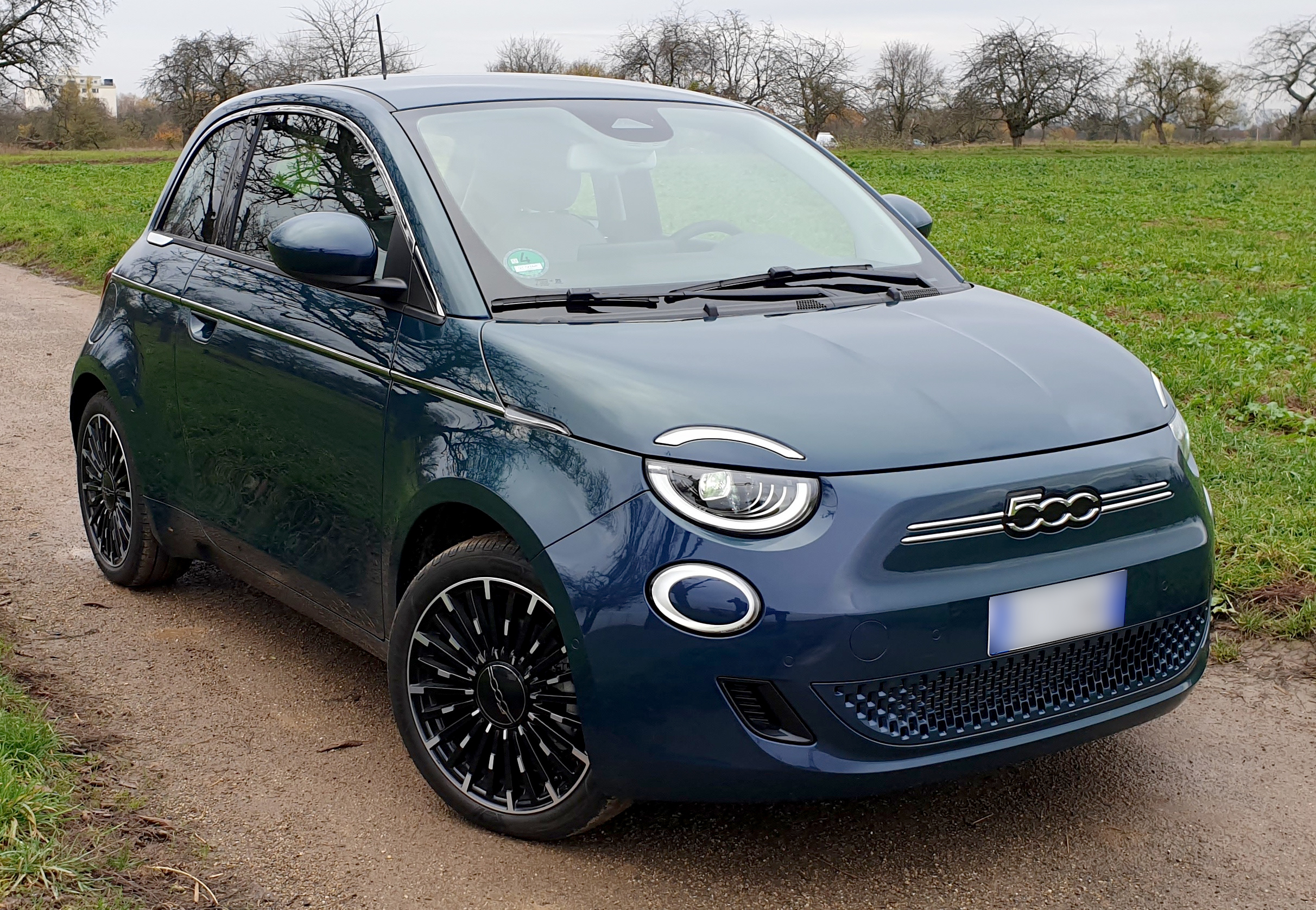
The Fiat 500 was marketed as a stylish, European alternative to the traditional compact car, and while its aesthetic appeal is unique, the driving experience often leaves much to be desired. With its short wheelbase, upright design, and quirky interior layout, the Fiat 500 initially feels like something different in a sea of small cars. But after some time behind the wheel, its shortcomings become very clear.
The cabin is cramped, and although the dashboard is colorful and retro-themed, it leans more toward novelty than practicality. Controls are oddly placed, and the seating position feels elevated and awkward. Even though the car tries to convey charm, the feel is more reminiscent of a gadget than a serious vehicle.
On the road, the Fiat 500’s small size and tight turning radius do give it some maneuverability in city driving, but the fun stops there. The suspension is stiff without being particularly sporty, which means you feel every bump and imperfection in the road.
At higher speeds, the car lacks the stability that gives drivers confidence. Wind and road noise are ever-present, and the cabin insulation is minimal. The base engine is also underpowered, and while turbocharged versions add some excitement, the power delivery is uneven and feels disconnected from the actual driving experience.
The steering in the Fiat 500 is light, which makes parking and low-speed driving easy, but it lacks precision and feedback. Combine that with a soft brake pedal and a tendency for the body to sway in turns, and you have a car that feels fragile rather than fun.
There’s a sense that the vehicle is better suited to casual, short drives around a quiet town than daily commutes or weekend trips. At highway speeds, the Fiat 500 can feel twitchy and unstable, which undermines any confidence the driver might want from a car, even one in this price range.
Fiat 500 offers style over substance. It may appeal to those looking for a distinct aesthetic or something with European flair, but the novelty quickly wears off when the driving quality doesn’t match the charm. It behaves more like a motorized accessory than a true daily driver. For those who value a comfortable ride, solid handling, or a quiet cabin, this car will feel like a downgrade, despite its initial appeal.
5. Smart Fortwo
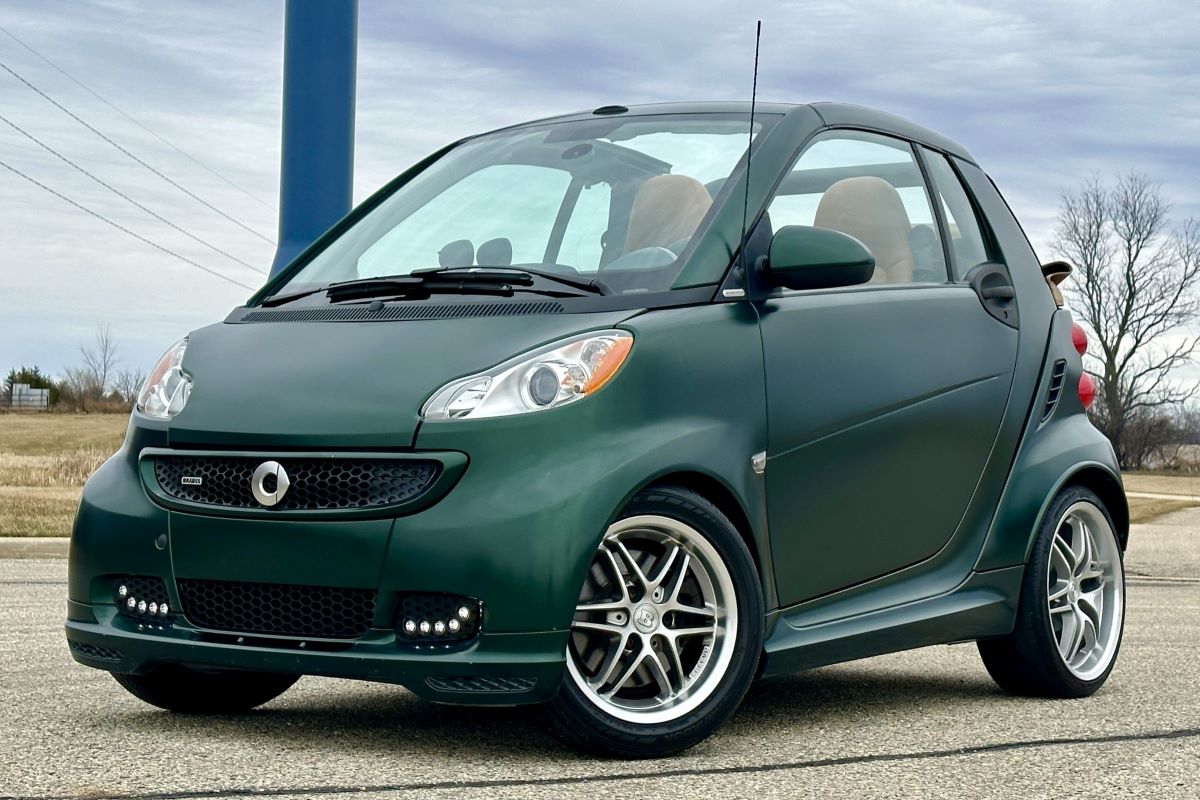
The Smart Fortwo is perhaps the most “toy-like” car on this list, not just in size but also in how it feels and behaves on the road. Designed to be ultra-compact for dense urban environments, the Smart Fortwo is a two-seater with one of the smallest footprints of any modern production car.
While that might sound ideal for parallel parking and zipping through traffic, it comes at a steep cost in nearly every other area of the driving experience. The car’s interior feels basic and plasticky, with little in the way of comfort features. While the seats are upright and surprisingly tall for the car’s size, the cabin gives off a sense of being inside a novelty vehicle rather than a practical mode of transport.
Driving the Fortwo reveals its biggest limitations. The car is powered by a tiny engine that struggles to produce enough power for anything beyond city streets. Acceleration is extremely slow, and the transmission, particularly in older models, shifts in a jerky and unpredictable manner.
The combination of underpowered performance and awkward gear changes makes it hard to drive smoothly. While the electric versions of the Fortwo improved in some areas, they still lacked the range and refinement needed to compete with other small electric vehicles on the market.
Stability is another concern. Due to its narrow track and very short wheelbase, the Fortwo can feel unstable at higher speeds or on windy days. There’s noticeable body roll in corners, and while it’s small enough to dart in and out of tight spaces, it never feels entirely planted.
On rough roads, the ride can become bouncy and jarring, since the car’s short length doesn’t give the suspension much room to work. Noise is also a constant companion, whether it’s from the road, wind, or the strained engine. It all adds up to a driving experience that feels more like operating a go-kart than a proper road vehicle.
The Smart Fortwo is, at best, a niche product. It works in highly specific situations, tight urban environments with short drives and minimal highway use. But for most drivers looking for a balanced, affordable car that feels secure and substantial, this car falls short.
It’s an interesting piece of engineering and design, but as a full-time driving solution, it’s simply too compromised. Most people would be better served by a small hatchback or compact sedan that offers more space, power, and confidence on the road.
