
Trucks are built for strength, endurance, and heavy-duty tasks, but even the most rugged machines can be vulnerable to mechanical issues. Among these, head gasket failure ranks as one of the most dreaded problems for truck owners.
When a head gasket fails, it can cause significant damage to the engine, often resulting in costly repairs or even a full engine replacement. For drivers who rely on their trucks daily, whether for work, towing, or long-distance travel, this is a nightmare scenario. It disrupts productivity, drains finances, and diminishes trust in the vehicle.
Head gasket reliability is closely linked to engine design, cooling efficiency, and how well a vehicle is maintained. Some trucks seem to have a nearly bulletproof reputation when it comes to head gasket integrity, while others develop a bad name for frequent visits to repair shops.
This variation isn’t always about age or mileage; sometimes, it’s tied to design flaws, engine layout, or poor manufacturing decisions. Certain models stand out because they rarely encounter overheating issues or combustion pressure imbalances that typically lead to gasket failure.
Others, despite strong marketing or appealing features, consistently let owners down by suffering from mechanical flaws that keep them in and out of shops.
This article breaks down five trucks that have earned a reputation for reliability when it comes to head gaskets, as well as five that are notorious for being problematic in this area. The idea isn’t to unfairly bash certain brands or models, but rather to highlight what works and what doesn’t based on years of owner reports, mechanic feedback, and mechanical tendencies seen across truck lineups.
If you’re in the market for a truck and want to avoid major headaches, knowing which ones tend to stay out of the shop can help you make a smarter investment. On the other hand, being aware of which models are commonly plagued with head gasket issues could save you thousands of dollars down the line.
Also Read: 5 Kias That Rarely Fail Tech vs 5 That Always Have Glitches
5 Trucks That Don’t Blow Head Gaskets
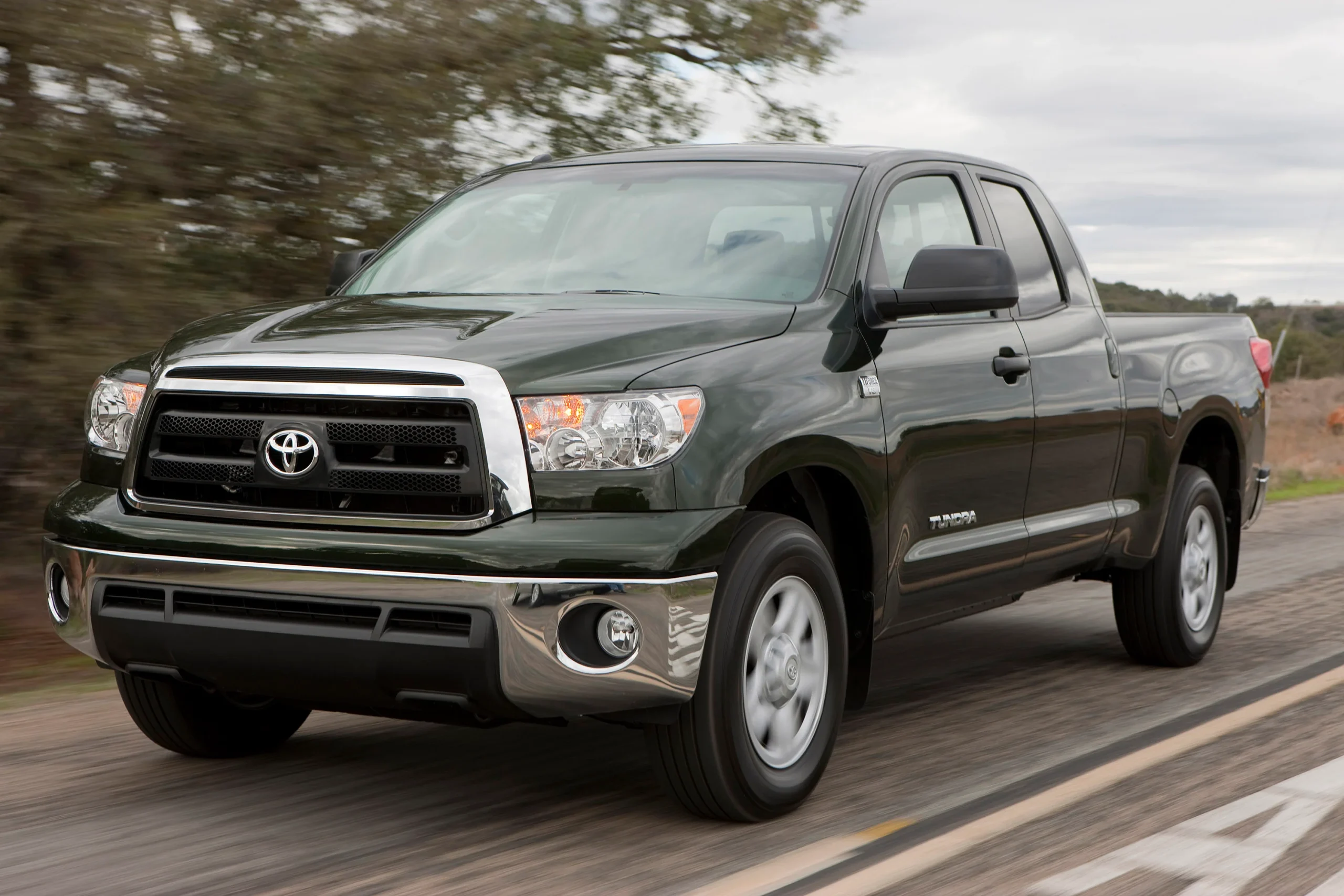
1. Toyota Tundra (2007–2021)
The Toyota Tundra has long been respected for its durability, and one of the reasons is its well-built 5.7L V8 engine. This truck is often cited as one of the most reliable full-size pickups available, and its resistance to head gasket failure plays a big role in that reputation.
The design of the engine allows for efficient heat management, reducing the likelihood of overheating and subsequent head gasket problems. It’s not uncommon to see these trucks surpass 200,000 miles with minimal engine issues, provided they receive regular maintenance.
Another advantage of the Tundra is that Toyota didn’t overcomplicate the engine layout. While newer trucks are often packed with complicated turbo systems and delicate components, the Tundra stuck to a simpler, naturally aspirated V8 for many years.
This reduces the stress on the engine block and gasket surfaces, making failures much less likely. Fewer moving parts mean fewer things to go wrong, which works in the Tundra’s favor when it comes to long-term dependability.
Tundra owners also benefit from Toyota’s attention to manufacturing quality. The tolerances in the engine build are tight, and the quality control process during production tends to be rigorous.
This level of consistency ensures that major issues, like head gasket leaks, don’t show up frequently. While no truck is perfect, and any engine can eventually suffer wear, the Tundra’s design and build make it one of the least likely to have recurring gasket problems.
In daily use, the Tundra also tends to run cool, thanks to its effective cooling system. Overheating is one of the primary causes of gasket failure, but with the Tundra’s ability to keep temperatures stable, it’s less prone to the thermal expansion and contraction cycles that can weaken gaskets over time. All these factors combine to create a truck that holds up well year after year.
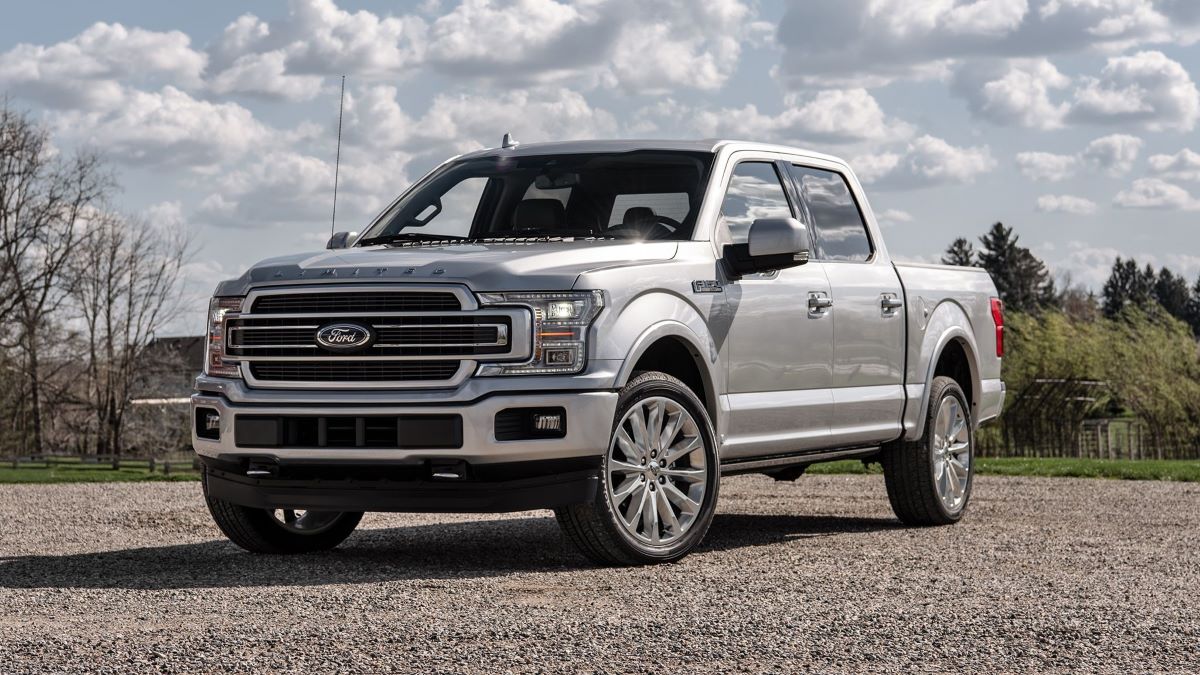
2. Ford F-150 (2015–2020, 5.0L V8)
The Ford F-150 has had its ups and downs across generations, but the 5.0L V8 variant from 2015 to 2020 stands out as a model that handles head gasket durability better than many of its peers.
Ford made some key engineering decisions in this period that helped improve the reliability of the engine. With the right balance of performance and cooling capacity, this truck tends to avoid the overheating problems that often lead to head gasket failures.
One reason this particular engine does so well is its modular design and even cylinder head pressure distribution. The aluminum block and heads help keep weight down while maintaining enough strength to resist warping.
Head warping is a major cause of gasket failure, and Ford’s use of robust materials in this engine helps minimize that risk. Additionally, this engine isn’t turbocharged, which reduces the extra heat and pressure that turbo systems often introduce.
Maintenance is straightforward on the 5.0L F-150. Regular oil changes, coolant flushes, and basic upkeep are usually enough to keep the engine healthy well past 150,000 miles. It’s also not a very high-strung engine, meaning it doesn’t operate at the edge of its performance limits. That extra breathing room helps keep cylinder pressures lower and reduces the strain on the head gasket seal over time.
Owners consistently report that their 5.0L V8 F-150s are dependable workhorses. From construction jobs to daily commutes, this version of the truck doesn’t typically suffer from blown gaskets or related internal damage. Compared to its turbocharged siblings like the EcoBoost models, the naturally aspirated 5.0L option has fewer headaches and a stronger long-term track record.
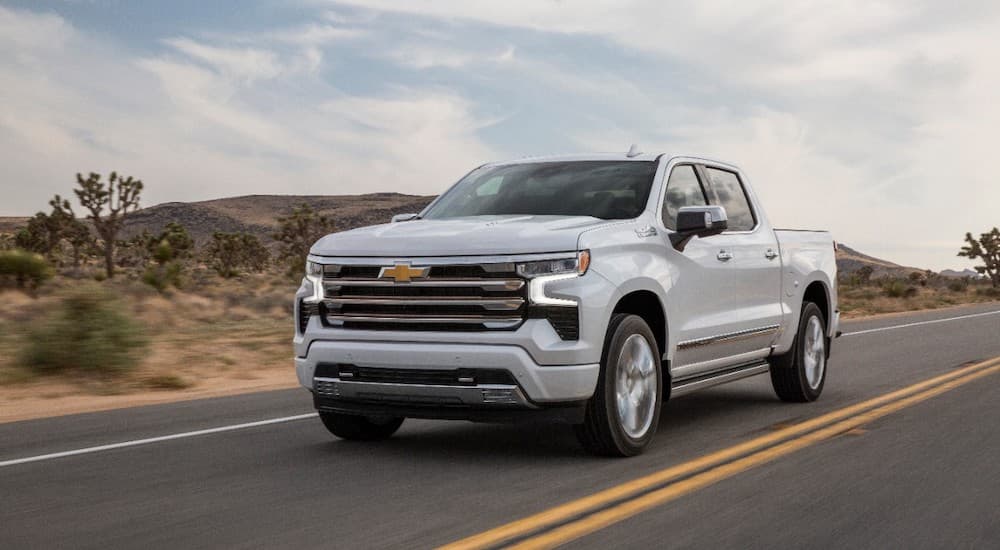
3. Chevrolet Silverado 1500 (2014–2018, 5.3L V8)
The 5.3L V8 engine in the 2014–2018 Silverado 1500 is widely recognized for its resilience, and it’s another strong candidate if you’re looking to avoid head gasket issues.
Chevrolet made steady improvements to the engine during this generation, enhancing both its performance and long-term reliability. While earlier versions of this engine had some issues with oil consumption and sensor failures, the head gasket design remained solid.
One of the key factors in this engine’s success is its Active Fuel Management system, which was refined during this period to operate more reliably. While this system can introduce complications in other engine components, it hasn’t shown a strong connection to head gasket failures. Many mechanics report that the 5.3L remains one of the easiest engines to maintain when it comes to major components.
The cooling system also deserves mention. With a high-capacity radiator and efficient coolant flow, the Silverado keeps engine temperatures steady under a wide range of loads.
Whether towing, hauling, or idling in traffic, the truck doesn’t suffer from the hot spots that typically destroy gaskets over time. The even heat distribution and consistent combustion temperatures reduce the kind of metal expansion that leads to leaks or failure.
Drivers who prioritize longevity often choose the Silverado for its strong mechanical base. When maintained well, the 5.3L engine has no problem reaching 200,000 miles or more, and head gasket issues remain rare even at high mileage. For buyers seeking a reliable used truck that won’t be a frequent shop guest, this generation of Silverado makes a solid case for itself.
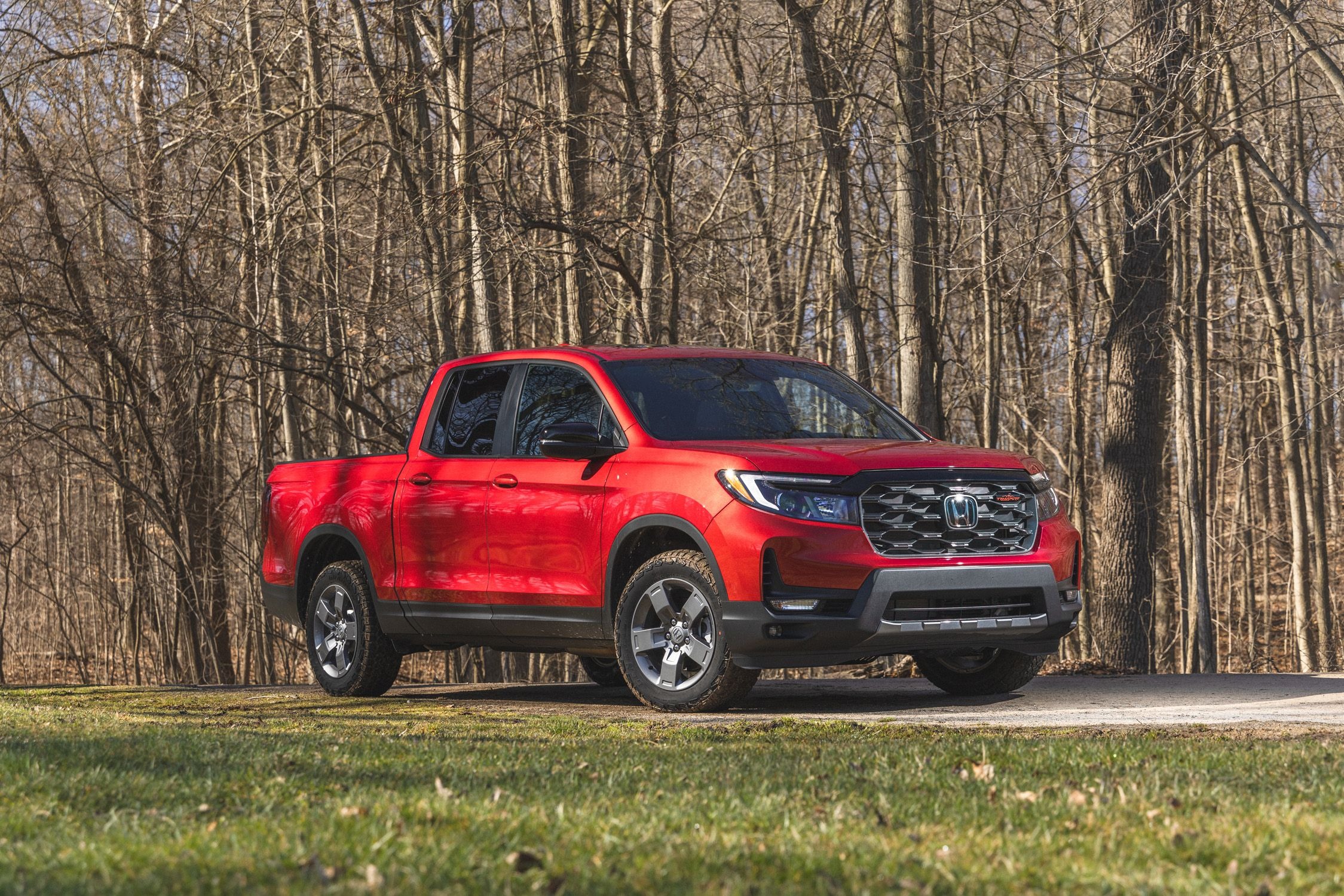
4. Honda Ridgeline (2017–2023)
While the Honda Ridgeline might not be the first truck that comes to mind for heavy-duty tasks, its unibody construction and V6 engine make it an interesting outlier in the truck world. One area where it performs surprisingly well is engine durability, particularly in terms of avoiding head gasket failures. Honda’s 3.5L V6 engine has a strong track record for reliability, and the Ridgeline benefits from that consistency.
This engine uses a single overhead camshaft design with variable cylinder management, but it does so without introducing excessive strain on the combustion chamber.
The compression ratio is modest, and the engine is designed for smooth operation rather than brute force. This helps avoid the pressure spikes that can push gaskets past their limits. The combination of balanced combustion and low stress on the block results in a setup that avoids common overheating problems.
Cooling is also well handled in the Ridgeline. Even though the truck shares a platform with Honda’s SUV lineup, it features a larger radiator and well-managed airflow. This keeps operating temperatures consistent even in warmer climates or under moderate towing conditions. The engineering leans more toward daily drivability than raw towing numbers, which, ironically, helps the engine last longer.
Many owners of the Ridgeline report very few engine-related issues even after crossing 150,000 miles. It may not be a conventional choice for hardcore truck tasks, but if you’re looking for a reliable engine that doesn’t suffer from common truck ailments like head gasket failure, it deserves some consideration. Maintenance is also simple and less costly than in many full-size trucks.
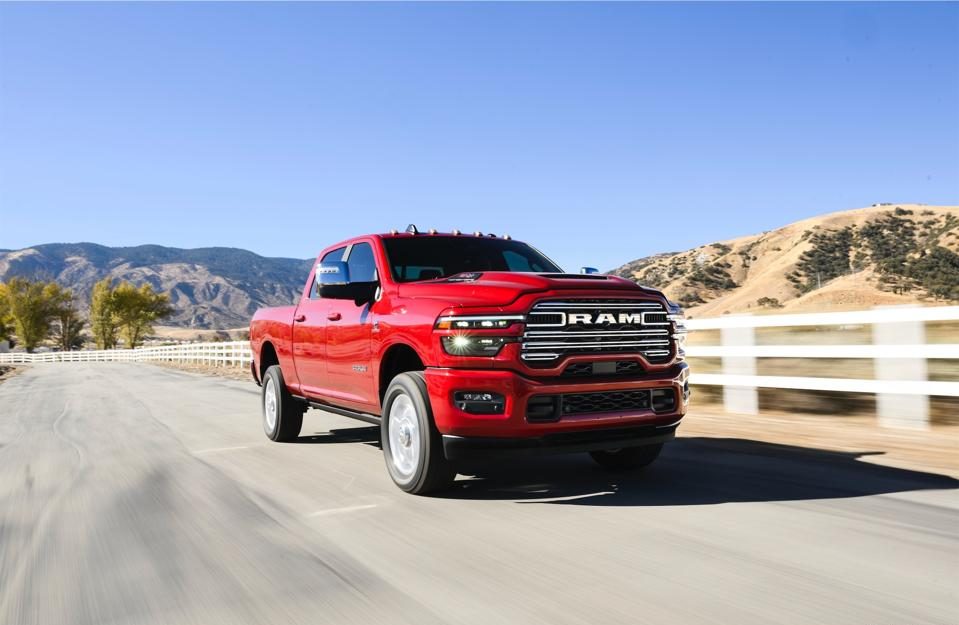
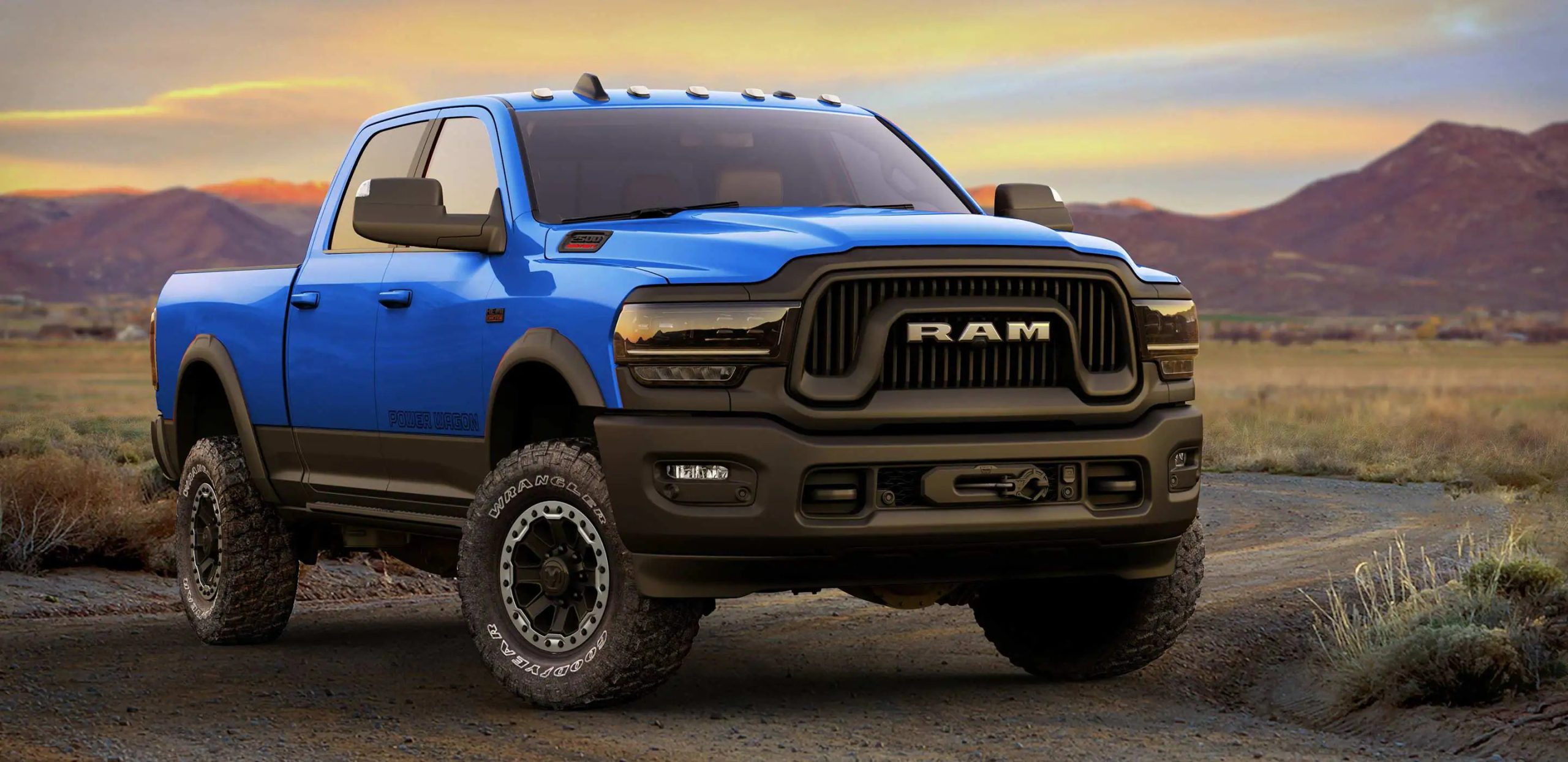
5. Ram 2500 with Cummins 6.7L Diesel (2013–2018)
The Ram 2500 equipped with the 6.7L Cummins diesel engine is known for its brute strength and longevity. Diesel engines, by nature, are designed to handle higher compression, and the Cummins engine in this truck has proven to be incredibly resistant to head gasket failure when properly maintained. It’s built with heavy-duty materials that can tolerate long hours of operation, extreme heat, and demanding loads.
One reason this engine avoids gasket issues is its cast iron block and head construction. While heavier, this setup provides exceptional stability and resistance to warping. Thermal expansion is managed well because of the thick metal used, reducing the risk of gasket leaks. The bolts and gasket materials themselves are also engineered to handle the high pressure typical in diesel combustion cycles.
This truck is a favorite among those who tow regularly or put their vehicles through tough conditions. The cooling system is beefed up to deal with long hauls and hot weather. Engine temperatures remain stable even when climbing grades with a full trailer, and that consistency is what helps preserve the gasket seal over the long haul.
Many long-time owners report these trucks lasting well beyond 300,000 miles with original head gaskets intact. While repairs on diesel engines can be expensive when needed, the Cummins-equipped Ram is among the most durable and trusted platforms available for buyers who want a truck that stays out of the shop.
5 Trucks That Are Constant Shop Guests
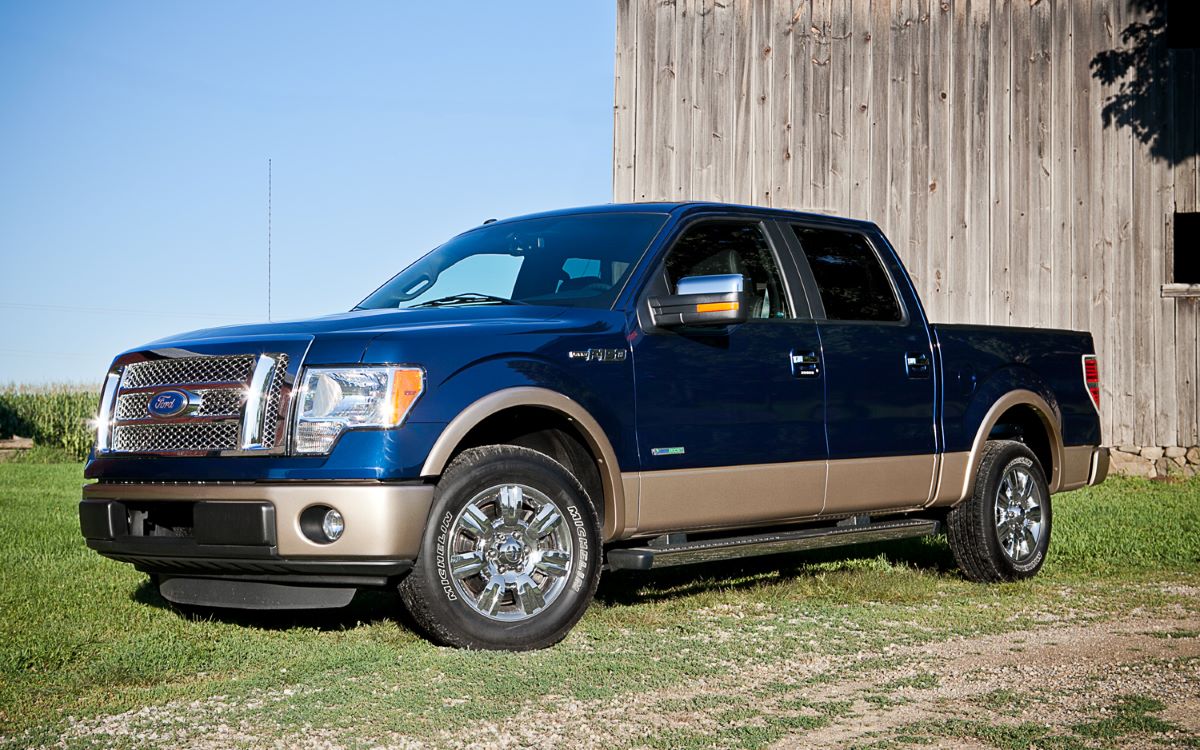
1. Ford F-150 EcoBoost (2011–2014)
The early years of the EcoBoost engine in the F-150 lineup introduced a lot of promise but also a fair share of trouble for owners. The idea of a turbocharged V6 delivering V8 power with better fuel economy was appealing, but the real-world results didn’t always meet expectations.
One of the most persistent issues with the 3.5L EcoBoost engine from 2011 to 2014 is its tendency toward head gasket failure. The problem arises from a combination of excessive cylinder pressure, high combustion temperatures, and inconsistent cooling under load.
When all these factors combine, the engine becomes vulnerable to failure points around the head gasket, particularly in higher-mileage or poorly maintained trucks.
Turbocharging naturally brings higher operating pressures and increased heat, and in the early versions of this engine, the cooling systems weren’t always up to the task. Some owners have reported overheating under towing loads or in stop-and-go traffic on hot days.
This overheating leads to the expansion of metal surfaces, and when the cylinder heads or blocks warp slightly due to heat cycling, the gasket begins to fail. Once that happens, it’s only a matter of time before coolant begins to leak or mix with the engine oil, leading to further internal damage.
Another complication in these trucks is the carbon buildup issue on the intake valves, due to the direct injection system. While not directly related to the gasket itself, this buildup can affect engine performance and combustion smoothness, leading to irregular pressures that put additional strain on the head gasket.
Combined with occasional misfires and timing issues, this adds up to a platform that’s more fragile than it initially appears. While some of these problems were addressed in later model years, the early EcoBoost trucks have left a trail of frustrated owners and repair bills.
From a maintenance perspective, these trucks require more vigilance than their naturally aspirated counterparts. If oil changes and coolant flushes are skipped or delayed, the risk of failure increases significantly.
Unfortunately, many buyers assumed they were getting a “set it and forget it” workhorse, and the result was a steady stream of these trucks rolling into repair shops with damaged gaskets and blown engines.
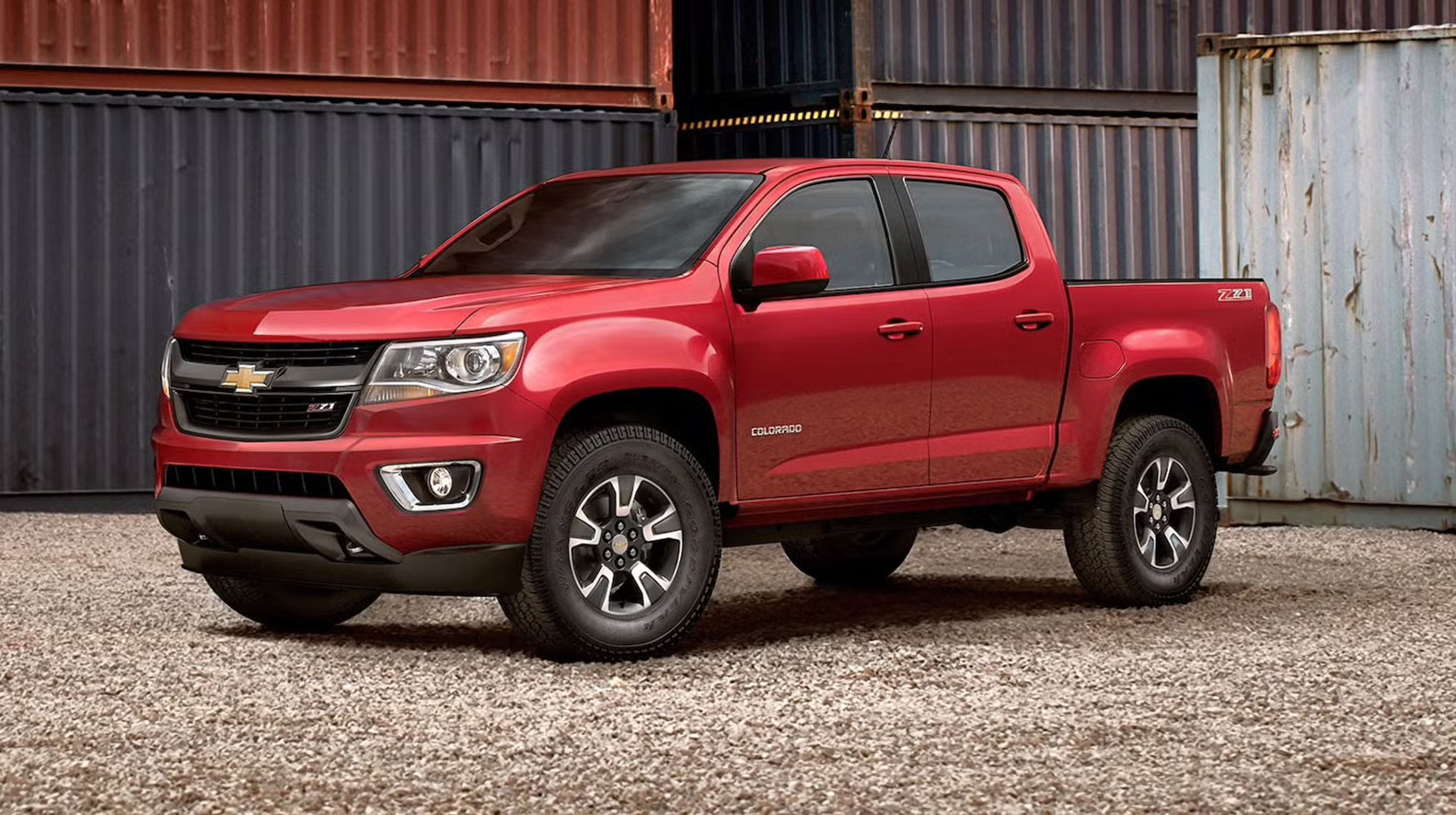
2. Chevrolet Colorado and GMC Canyon (2004–2006, 3.5L I5)
The first-generation Chevrolet Colorado and GMC Canyon twins were GM’s answer to the midsize truck market in the early 2000s. One of their more unique features was the use of an inline-five engine, a somewhat unusual configuration that aimed to balance power and efficiency.
Unfortunately, this 3.5L inline-five turned out to be a mixed bag, and among its more serious problems was a tendency for the head gasket to fail prematurely. This issue was often tied to overheating, which plagued these trucks due to cooling system limitations and occasional thermostat malfunctions.
The engine itself was known to run hot under load, and because the layout didn’t always allow for even cooling, hot spots would develop in the cylinder head. These temperature imbalances led to stress on the gasket material, especially near the rear cylinders, which are most prone to developing leaks.
Unlike more balanced V6 or V8 designs, this straight-five had longer head castings, and thermal expansion over time would sometimes cause the head to warp slightly. When this happened, sealing pressure would be lost, and the gasket would begin to fail.
Repairing head gaskets on this engine isn’t especially easy or cheap either. The space is tight, and the design makes it more labor-intensive than some other midsize engines.
That means higher labor costs for what should be a relatively minor fix, adding insult to injury for owners who already feel let down by their truck’s reliability. Some drivers reported that failure occurred before even reaching 100,000 miles, especially in warmer climates where the engine spent more time near peak temperatures.
Despite GM’s attempt to innovate with this engine, its reputation for head gasket problems, rough idling, and even occasional oil leaks left many owners wary.
The truck’s decent ride quality and utility couldn’t offset the sense of mechanical vulnerability, especially when consistent shop visits started piling up. For those looking for a long-lasting midsize truck, this generation of the Colorado and Canyon often ends up as one to avoid.
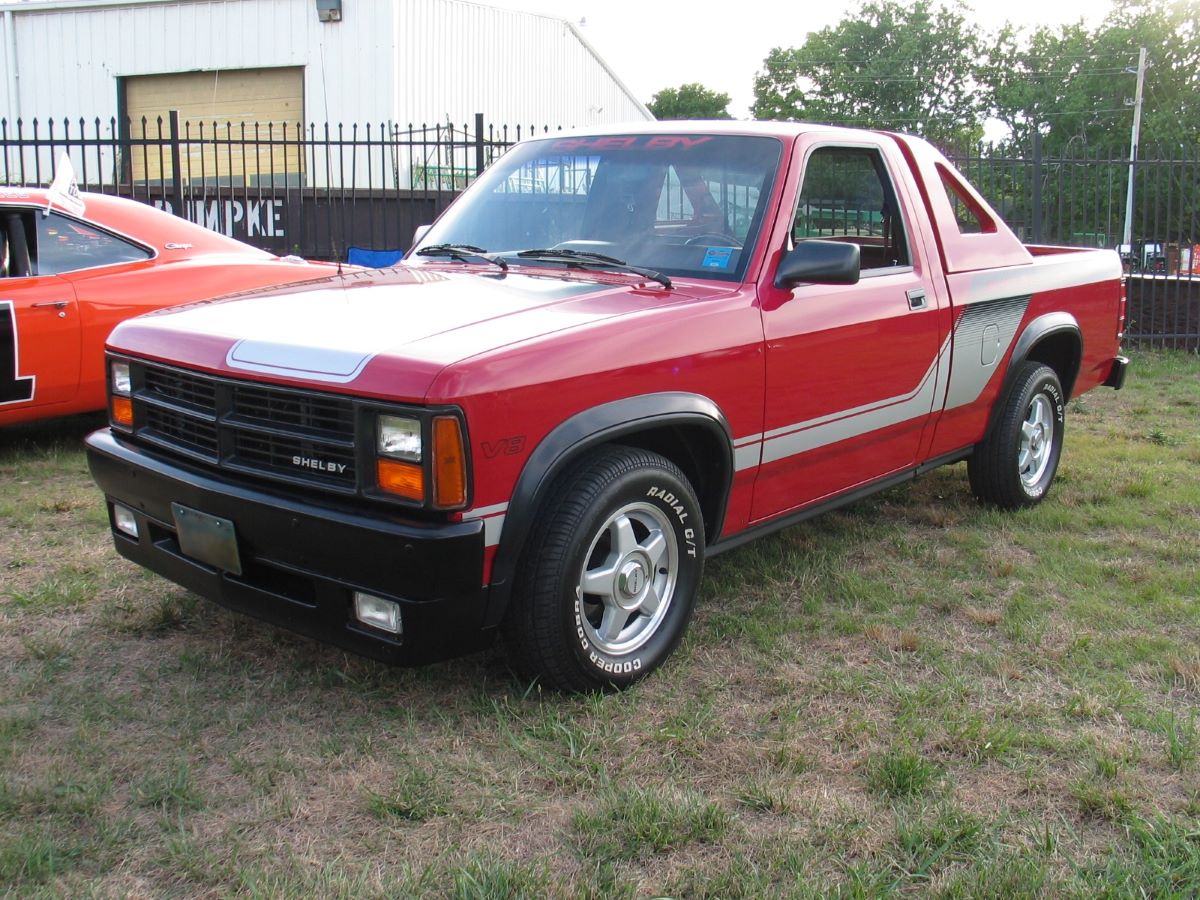
3. Dodge Dakota (1997–2004, 4.7L V8)
The Dodge Dakota had a strong presence in the midsize truck segment for several years, and while it offered good towing numbers and decent off-road capability, it wasn’t free of problems, particularly with its 4.7L V8 engine. This engine was known for a range of issues, but head gasket failures were among the most dreaded by owners and mechanics alike.
The combination of questionable cooling system performance and a flawed engine head design meant that gasket problems were more common than they should have been, especially in high-mileage or hard-used vehicles.
The engine in question was designed with aluminum heads and a cast-iron block, which can work well in theory, but in the Dakota, heat management was a weak point. The coolant passages weren’t as effective at removing heat as they needed to be, especially near the rear of the engine.
This led to overheating in localized areas, causing the heads to warp over time. Once the heads began to lose their flatness, the gasket would no longer hold compression, leading to coolant leaks, white smoke, and in some cases, total engine failure if not addressed early.
Many owners began noticing issues in the 80,000 to 120,000-mile range. Symptoms included overheating, bubbling in the coolant reservoir, and unexplained coolant loss, all common signs of a head gasket failure in progress.
For a truck marketed as a rugged and capable machine, this kind of problem eroded confidence. To make things worse, once a head gasket failed, it was often accompanied by secondary damage such as warped heads, cracked components, and contaminated oil, which made repair costs climb steeply.
Even with regular maintenance, these trucks were not immune. Some owners reported perfect service records but still encountered major engine issues. This suggests the problems weren’t just due to neglect but were more deeply rooted in the design itself. For buyers interested in a durable midsize V8-powered truck, the Dakota from this era is often considered a high-risk choice.
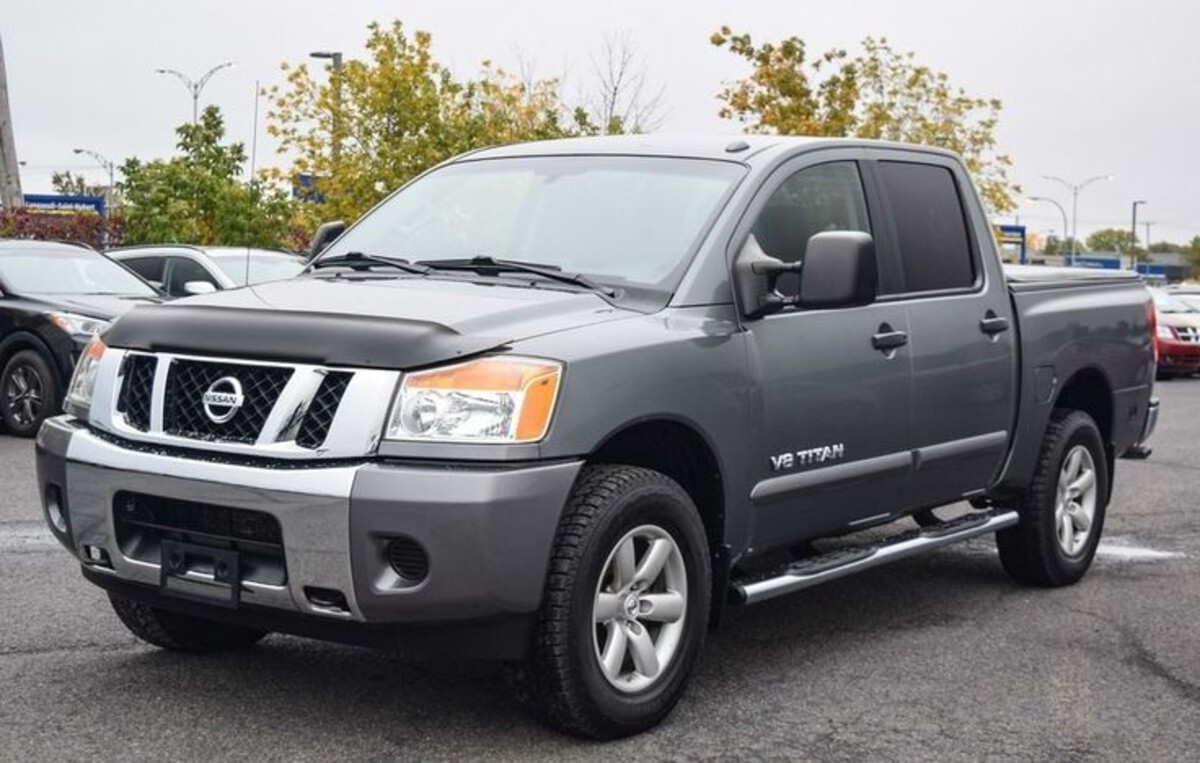
4. Nissan Titan (2004–2006)
The first-generation Nissan Titan entered the full-size truck market with bold styling, strong towing numbers, and a 5.6L V8 engine that appeared to be a serious contender. But the early models, particularly those produced between 2004 and 2006, were plagued with several mechanical problems.
Among them, head gasket failures stood out as a frequent and costly issue. While the engine was praised for its power, it wasn’t particularly heat-tolerant, and the truck’s cooling performance didn’t match up to its workload expectations.
The early Titan was designed for tough tasks, but the engine sometimes struggled with long-term thermal management. Extended towing or hot-weather driving would push the limits of the system, and it didn’t take much to tip it into overheating territory.
Once that happened, the aluminum heads were prone to warping, which created the perfect conditions for gasket failure. In addition, the intake manifold and head gasket designs allowed for small leaks to go undetected until major damage had already occurred.
Once a gasket started leaking, owners were left with few good options. The cost of repair was high, and the parts were not always easy to source, especially in the earlier years of the Titan’s run. Additionally, the early Titans had known transmission and differential issues, which often compounded the ownership frustration.
It wasn’t just a head gasket issue; it was a general sense that the truck wore out faster than it should have. Many mechanics have said that they’ve seen Titans with head gasket problems as early as 70,000 miles, which is very low for a truck meant to take abuse.
To be fair, later model Titans corrected many of these problems, and Nissan improved the engine durability. But the damage to the brand’s reputation in the truck community was already done. For those looking at used trucks, the early Titan models are often approached with caution or skipped entirely because of their shop-happy history.
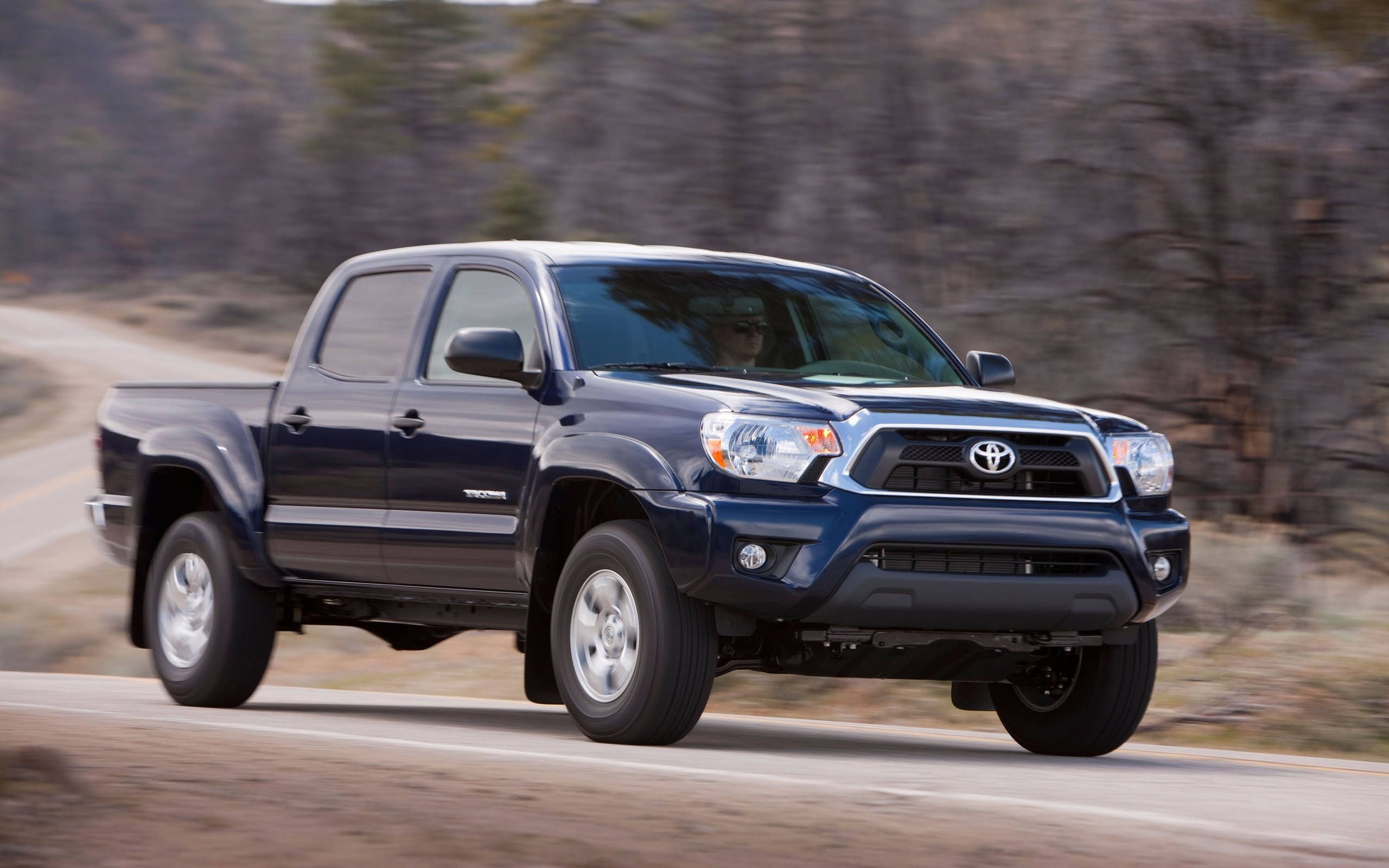
5. Toyota Tacoma (2005–2010, 4.0L V6)
It might come as a surprise to see a Toyota truck on the problematic list, especially given the brand’s reputation for quality. However, the second-generation Tacoma with the 4.0L V6 engine did have a weakness when it came to head gaskets.
While Toyota engines are usually bulletproof, this particular V6 developed a reputation for leaking gaskets, especially in trucks that saw hard use, towing, or were driven in hot climates. The issue was less about catastrophic failure and more about persistent small leaks that could lead to bigger problems if ignored.
The 4.0L engine suffered from gasket failures that often started as slow leaks at the rear of the cylinder head. These leaks would allow coolant to escape slowly, and the symptoms could be hard to detect early on.
Drivers would notice a small drop in coolant levels, the smell of antifreeze, or a bit of white smoke on startup. If the truck continued to operate in this condition without repair, the leak would worsen, potentially leading to overheating, contamination of the oil, and in extreme cases, cylinder damage.
What made this even more frustrating for owners was the labor involved in fixing the issue. The repair required removing the intake and cylinder heads, which was a time-consuming and expensive job. While some extended warranties covered it, many owners were caught off guard by the sudden need for a major engine repair. Given Toyota’s reputation for long-lasting engines, this kind of issue came as a surprise and disappointment for many.
That said, the problem wasn’t universal. Plenty of 4.0L Tacomas have run past 200,000 miles without issue, especially if they were well maintained and not pushed too hard.
But the inconsistency in performance from one truck to the next led to mixed opinions on this generation. For prospective buyers, it means exercising caution and carefully inspecting used models for signs of past gasket repairs or ongoing coolant leaks.
Also Read: 10 Cars That Changed U.S. Roads Forever
Buying a truck is often about more than just transportation. For many people, a truck is a tool, a lifeline, or even part of a business. It needs to be dependable, rugged, and capable of handling everything from hauling heavy loads to surviving long commutes in tough conditions.
While trucks come in all shapes and sizes with various features and performance levels, reliability remains one of the most important factors for owners. One of the biggest issues that can undermine that reliability is a blown head gasket, a problem that not only affects performance but can also result in expensive repairs and downtime.
What makes head gasket failure particularly frustrating is that it often creeps up slowly. It might start with a small coolant leak or occasional overheating. Sometimes it goes unnoticed until the engine is already damaged, at which point the repair cost can rival that of a replacement engine.
Unlike minor electrical issues or suspension wear, a failed head gasket directly compromises the core of the vehicle. That’s why knowing which trucks are prone to this problem and which ones tend to avoid it is essential when deciding where to put your money.
