
Hybrid vehicles have become an increasingly common sight on roads worldwide, offering a blend of gasoline and electric power that aims to reduce fuel consumption and minimize environmental impact. When new, hybrids often impress owners with remarkable miles per gallon (MPG) ratings, promising savings at the pump and a greener driving experience.
However, as these vehicles age and rack up miles, a crucial question emerges: how well do they maintain their fuel efficiency as they surpass the 150,000-mile mark? This is an important consideration because many buyers of used hybrids or long-term owners want to understand the true value and performance of these vehicles beyond their initial years.
While some hybrids continue to perform admirably, others suffer from aging components and reduced efficiency, transforming from fuel-sipping machines into more traditional, fuel-thirsty vehicles.
Longevity and sustained fuel efficiency in hybrid vehicles are influenced by a variety of factors. These include the quality of battery technology, the robustness of the gasoline engine, the sophistication of the hybrid control systems, and the maintenance practices of the owner.
Battery packs, which are the heart of hybrid systems, are designed to endure for many years but inevitably lose some capacity over time. As the battery ages, its ability to store and deliver electric power diminishes, forcing the gasoline engine to take on a greater load and increasing fuel consumption.
Furthermore, the gasoline engine itself can wear down or become less efficient if not properly maintained, and electronic components responsible for energy management may experience faults or failures. These challenges vary from model to model, with some manufacturers designing hybrids that are better equipped to maintain efficiency over the long haul, while others face issues that reduce fuel savings significantly.
In this article, we will examine ten hybrid models divided into two groups based on their long-term fuel efficiency performance: five hybrids that maintain strong fuel economy after 150,000 miles and five that tend to experience significant efficiency loss and become gas guzzlers as they age.
For each model, we will discuss the design elements and technological choices that contribute to their longevity or decline. We will also explore common issues that impact fuel efficiency over time, including battery degradation, control module failures, and engine wear.
This comparison aims to provide valuable insight for anyone considering buying a used hybrid, owning one long term, or simply wanting to understand how hybrids perform beyond their initial impressive MPG ratings.
Understanding which hybrids keep their fuel economy and which ones lose it is critical for making informed decisions. It can affect not only the environmental benefits but also the total cost of ownership, as poor fuel efficiency can lead to higher operating costs.
Moreover, being aware of potential issues and maintenance needs can help owners take steps to preserve their vehicle’s efficiency as it ages. This article moves beyond the hype surrounding hybrids and offers a grounded perspective on what to expect when your hybrid hits high mileage.
Whether you are a current owner looking to get the most from your car or a prospective buyer researching your options, this analysis will provide a thorough understanding of hybrid efficiency at the 150,000-mile milestone and beyond.
Also Read: 5 Kias That Rarely Fail Tech vs 5 That Always Have Glitches
5 Hybrids That Stay Efficient at 150,000 Miles
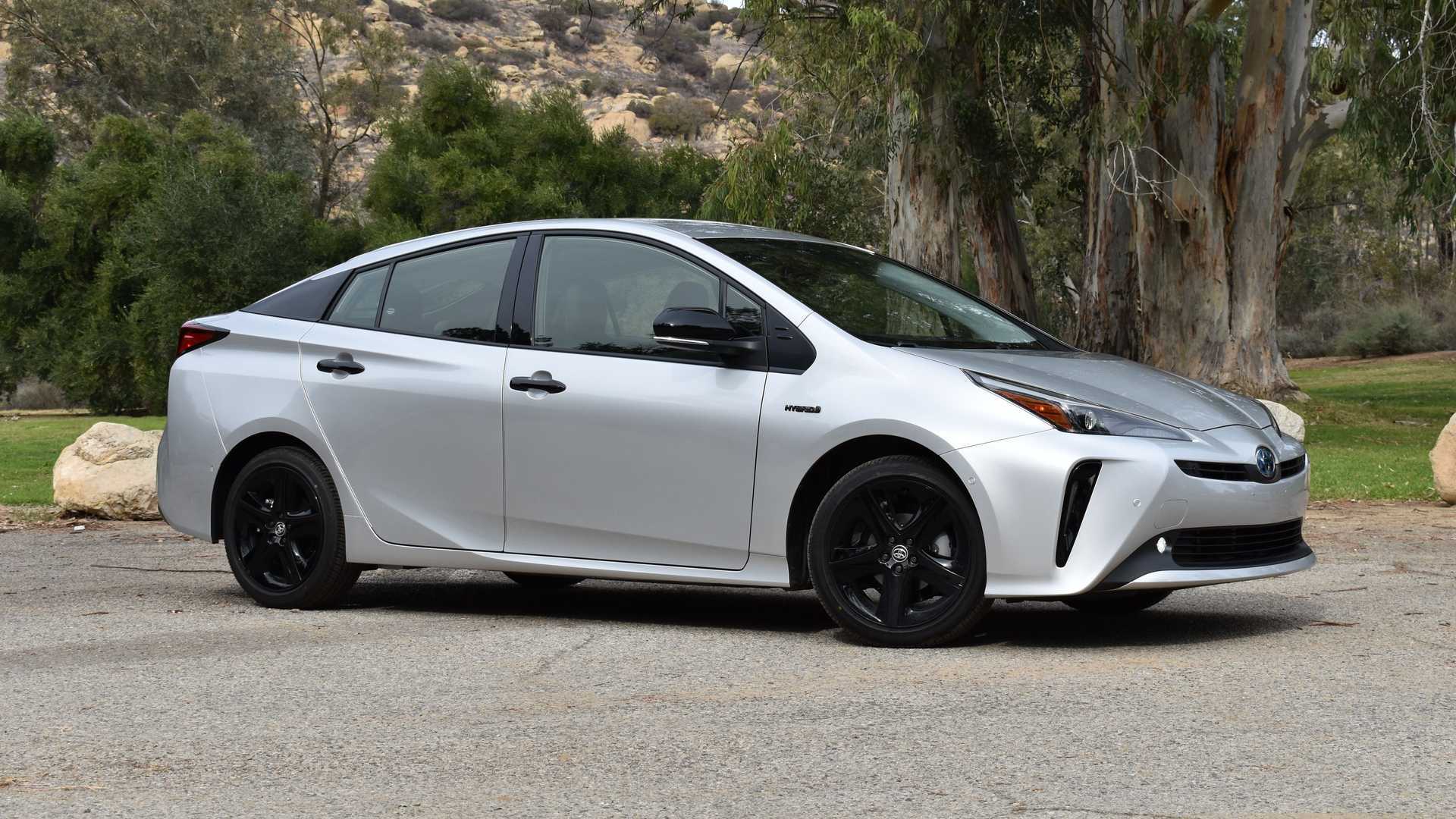
1. Toyota Prius
The Toyota Prius stands out as a symbol of hybrid reliability and efficiency, with a reputation that has been solidified over more than two decades of continuous production and innovation. This model has proven its ability to maintain excellent fuel economy even after surpassing 150,000 miles, making it a trusted choice for those seeking long-term savings at the pump.
The Prius owes much of its longevity to Toyota’s pioneering hybrid technology, which has been refined and perfected through multiple generations. Its hybrid battery pack, whether nickel-metal hydride (NiMH) in earlier models or lithium-ion in more recent versions, is engineered to retain a significant portion of its capacity for many years.
Unlike some hybrids that experience rapid battery degradation, the Prius battery often remains functional and efficient well beyond the 150,000-mile threshold, preserving the electric assist that reduces fuel consumption.
The hybrid synergy drive system found in the Prius plays a crucial role in maintaining efficiency. This system intelligently balances power delivery between the electric motor and the gasoline engine to optimize fuel use. For example, at low speeds or when idling, the Prius can operate solely on electric power, which saves gasoline and reduces emissions.
During highway driving, the gasoline engine operates in a highly efficient manner, supported by the electric motor when needed. This seamless transition between power sources ensures that fuel is not wasted, contributing to consistent fuel economy.
The gasoline engine itself is designed for durability and efficiency, employing an Atkinson cycle to enhance combustion efficiency and reduce fuel use. When owners keep up with routine maintenance such as oil changes, air filter replacements, and spark plug inspections, the engine continues to perform at peak efficiency, supporting the vehicle’s fuel economy.
Another important aspect of the Prius’s long-term efficiency is the quality and reliability of its electronic components. The inverter, power control unit, and hybrid battery cooling system are all critical to ensuring that the electric motor operates smoothly and that the battery stays within an optimal temperature range.
Toyota’s extensive experience with hybrids has allowed it to develop robust components that rarely fail prematurely. This reliability reduces the risk of sudden efficiency drops due to electrical faults or overheated batteries.
Additionally, because the Prius has become a widely popular and common hybrid, replacement parts and knowledgeable technicians are easy to find, allowing owners to maintain their vehicles without excessive cost or downtime. This accessibility encourages proper upkeep, which directly supports sustained fuel efficiency.
The Toyota Prius exemplifies the kind of hybrid that can reliably deliver excellent fuel economy even after years of driving and high mileage accumulation.
Its proven battery technology, efficient engine design, and durable hybrid system components come together to create a vehicle that rewards owners with continued savings on fuel. For drivers who value consistency and long-term efficiency, the Prius remains a benchmark in hybrid performance at the 150,000-mile mark and beyond.
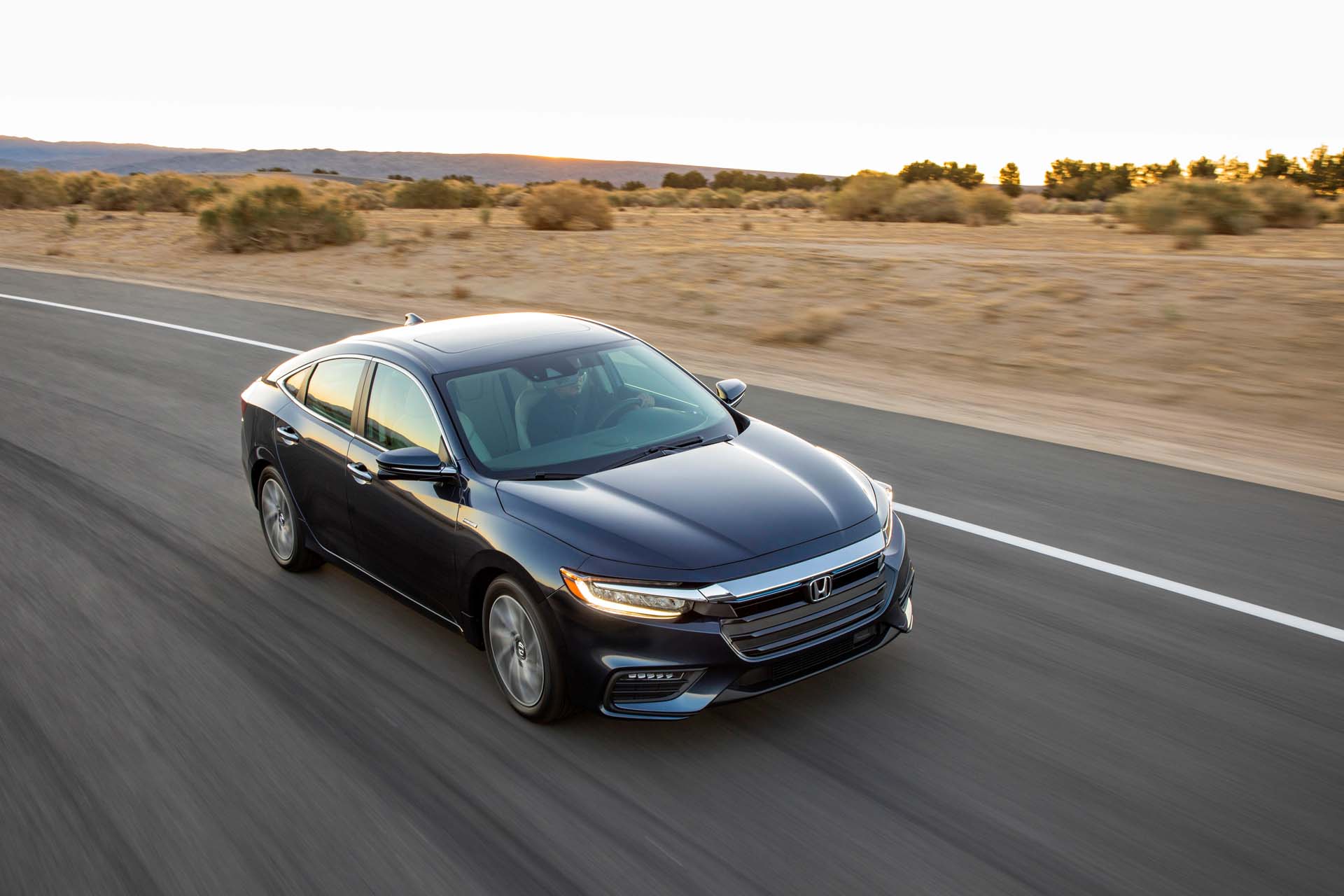
2. Honda Insight
The Honda Insight, particularly the second-generation model, offers an impressive balance of simplicity and efficiency that contributes to its ability to maintain fuel economy after extensive use. Unlike some hybrids that use complex power-split systems, the Insight employs Honda’s Integrated Motor Assist (IMA) technology, which supplements the gasoline engine with an electric motor rather than replacing it entirely.
This system, while not as advanced as full hybrid setups, has proven remarkably durable and effective in helping the vehicle maintain lower fuel consumption even as mileage climbs. The battery pack, typically nickel-metal hydride in older models and lithium-ion in newer versions, is designed to last, retaining enough charge capacity to support the electric motor’s assist well past the 150,000-mile milestone.
In addition to the battery and hybrid system, the Insight benefits from a highly efficient gasoline engine optimized for fuel economy. Honda’s use of the Atkinson cycle engine allows the vehicle to maximize energy extraction from fuel while minimizing waste.
When paired with the electric motor’s assistance during acceleration and low-speed driving, this leads to consistently strong miles per gallon numbers even as the vehicle ages.
Owners who adhere to recommended maintenance schedules, such as timely oil changes, air filter replacements, and spark plug checks, often report that their Insight continues to achieve 40 to 45 MPG or more after 150,000 miles, which is notable for any vehicle with that level of use.
The Insight’s lightweight and aerodynamic design also plays an important role in maintaining efficiency. By reducing the vehicle’s weight and minimizing drag, less energy is required to move the car, which eases the burden on both the gasoline engine and electric motor.
This helps the hybrid system work more efficiently, allowing the battery to recharge more effectively through regenerative braking and reducing the frequency with which the gasoline engine must operate at higher loads. The relative simplicity of the IMA system also means fewer parts are at risk of failure, and repairs tend to be more straightforward and less costly than more complex hybrid systems.
Lastly, Honda’s reputation for building durable engines and transmissions is a factor that supports the Insight’s long-term fuel economy. The mechanical components, including the engine and continuously variable transmission, are designed to last with proper care.
This reliability reduces the likelihood of mechanical issues that can negatively affect fuel economy, such as poor engine performance or transmission inefficiencies. For those looking for a hybrid that maintains efficiency without the complexity and potential costs associated with more intricate systems, the Honda Insight remains an excellent choice even after reaching high mileage.

3. Lexus RX 400h
The Lexus RX 400h stands out as a hybrid SUV that defies the stereotype of hybrids being limited to small cars. This midsize luxury SUV manages to sustain its fuel efficiency remarkably well even as it crosses the 150,000-mile mark. The RX 400h combines a V6 gasoline engine with multiple electric motors, offering a more powerful hybrid system that still prioritizes fuel savings.
Despite its size and weight, this vehicle avoids becoming a gas guzzler because of Lexus’s commitment to quality engineering and the thoughtful design of its hybrid components.
One key element is the battery cooling system, which keeps the hybrid battery pack from overheating and degrading prematurely. This cooling mechanism helps extend battery life, maintaining the electric motors’ ability to assist the engine effectively and keep fuel consumption lower than comparable non-hybrid SUVs.
The gasoline engine in the RX 400h is carefully tuned to operate efficiently alongside the electric motors. This collaboration ensures that the gasoline engine runs only when necessary and at optimal conditions to reduce fuel consumption.
The hybrid system intelligently shifts between gasoline and electric power, utilizing the battery’s charge for city driving and combining power sources for acceleration or highway cruising.
Many owners report that while fuel economy naturally dips slightly as mileage increases, the RX 400h continues to provide better MPG figures than traditional SUVs with similar engines and weight, maintaining a competitive advantage even after extensive use.
Maintenance plays a critical role in preserving the RX 400h’s efficiency. Keeping up with oil changes, coolant flushes, and battery system inspections ensures that all components remain in top condition. The hybrid battery’s cooling system must be kept clean and functional, as overheating is one of the main causes of efficiency loss in hybrids.
Additionally, Lexus’s reputation for building durable engines and transmissions means that the mechanical components support long-term efficient operation. Although repair costs on a luxury hybrid can be higher than on simpler models, the investment often pays off with sustained fuel savings and fewer breakdowns.
Furthermore, the RX 400h’s luxury features do not compromise its hybrid efficiency. While adding weight and complexity, Lexus engineers have balanced these aspects with advanced hybrid technology to maintain respectable fuel economy.
The SUV remains a compelling option for those who want a hybrid with space, power, and comfort but also want to keep fuel costs down. Its ability to retain efficiency at high mileage distinguishes it from many other hybrid SUVs that tend to see steeper declines in fuel economy over time.
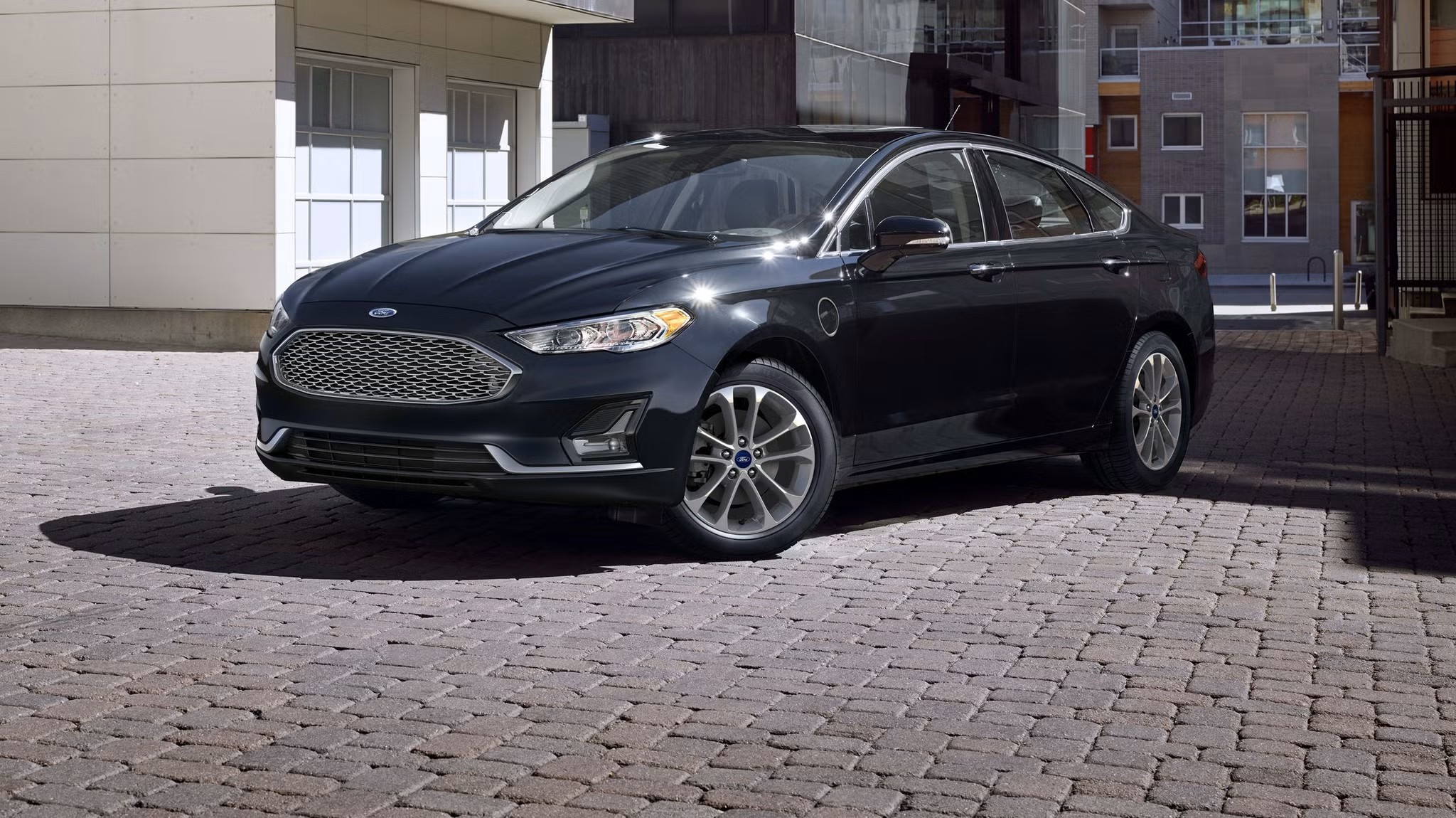
4. Ford Fusion Hybrid
The Ford Fusion Hybrid has earned a solid reputation as a reliable midsize hybrid sedan that manages to retain much of its initial fuel economy even after long-term use. Its hybrid system features a combination of a gasoline engine and electric motor supported by a lithium-ion battery pack, which Ford designed to withstand extensive mileage without significant capacity loss.
This durability in the battery pack is essential because it allows the electric motor to continue assisting the gasoline engine effectively, reducing fuel consumption. Many Fusion Hybrid owners who have driven their cars beyond 150,000 miles still report MPG figures close to those achieved when the car was new, which is a testament to the strength of Ford’s hybrid engineering.
The vehicle’s power management system is another key factor in maintaining efficiency. It intelligently switches between electric and gasoline power depending on driving conditions, allowing the car to maximize electric-only driving in stop-and-go traffic and switch smoothly to gasoline power when higher speeds or acceleration demand it.
This system optimizes fuel usage, ensuring that the gasoline engine operates in its most efficient range as often as possible. With proper care—such as regular oil changes, filter replacements, and inspections of the hybrid components—the Fusion Hybrid can maintain this efficiency well into high mileage.
Ford’s gasoline engine in the Fusion Hybrid is a 2.0-liter four-cylinder that balances power and fuel economy effectively. It is engineered to be durable and responsive, and its pairing with the electric motor helps the car achieve a competitive fuel economy in its segment.
Owners who keep up with scheduled maintenance also benefit from the vehicle’s relatively simple hybrid system compared to more complex luxury hybrids, which reduces the risk of costly repairs that might otherwise impact efficiency.
Another reason the Fusion Hybrid maintains fuel efficiency is that it uses a conventional transmission designed to work seamlessly with the hybrid system, reducing energy losses.
The vehicle’s aerodynamic design and moderate weight further contribute to lowering fuel consumption by minimizing the power needed to move the car. Together, these features help the Fusion Hybrid remain an efficient option for drivers even after 150,000 miles, making it a practical choice for those who want longevity without sacrificing fuel economy.
5. Hyundai Ioniq Hybrid
The Hyundai Ioniq Hybrid is a relatively recent addition to the hybrid market but has quickly earned praise for its impressive fuel economy and advanced technology. Early evidence suggests that the Ioniq Hybrid can sustain its fuel-saving benefits well beyond the initial years and into the higher mileage ranges.
This vehicle utilizes a modern hybrid system that combines a 1.6-liter gasoline engine with an electric motor powered by a lithium-ion battery pack. Hyundai has invested heavily in battery technology and system optimization, focusing on durability and minimizing energy loss to ensure long-term efficiency.
One of the key elements contributing to the Ioniq’s sustained fuel economy is its regenerative braking system, which recovers energy that would otherwise be lost during deceleration and braking.
This energy is stored in the battery and used to assist the gasoline engine, reducing fuel consumption. Hyundai engineers also prioritized battery management software and thermal control to preserve battery health over many charge-discharge cycles. This proactive approach helps maintain battery capacity and prevents the steep declines in efficiency that some hybrids experience as they age.
The gasoline engine in the Ioniq Hybrid is highly efficient, using an Atkinson cycle combustion process and incorporating technologies such as direct injection and variable valve timing to maximize fuel economy.
The engine works closely with the electric motor to provide smooth acceleration and steady power while minimizing fuel use. This balance enables the Ioniq to deliver some of the highest EPA-rated fuel economy figures in its class, and early signs indicate it keeps close to these numbers even at higher mileage.
Finally, the Ioniq benefits from a lightweight and aerodynamic design, which reduces drag and the amount of energy needed to propel the vehicle. These design choices mean less work for both the gasoline engine and electric motor, allowing the hybrid system to maintain efficiency over time.
As more Ioniq models reach the 150,000-mile milestone, owners and experts are optimistic that it will join the ranks of hybrids known for maintaining strong fuel economy long term.
5 Hybrids That Become Gas Guzzlers at 150,000 Miles
Also Read: 15 Most-Owned Vehicles in America and What Drivers Really Think
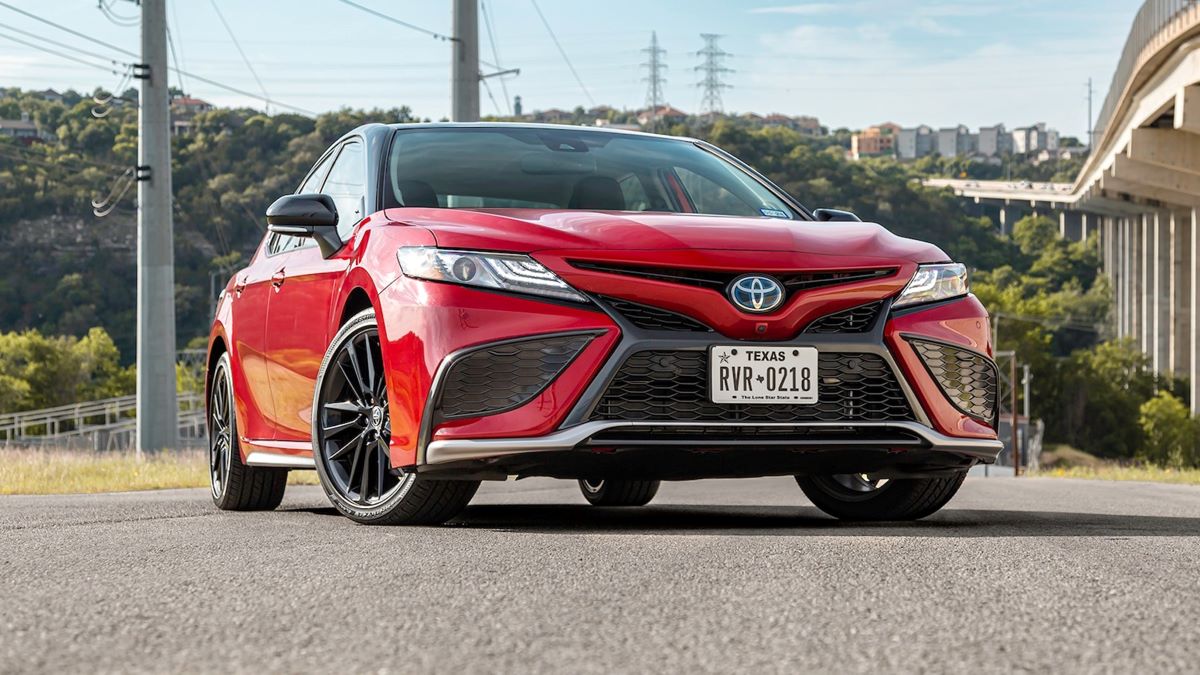
1. Toyota Camry Hybrid (Early Models)
Although Toyota’s hybrids generally enjoy a reputation for reliability and efficiency, some early-model Toyota Camry Hybrids have been reported to suffer significant declines in fuel economy as they accumulate high mileage. One of the primary culprits is the degradation of the hybrid battery pack, which often loses capacity more quickly than in other Toyota hybrids.
This loss means the electric motor is less able to assist the gasoline engine, forcing the latter to work harder and burn more fuel. Owners frequently notice that fuel economy drops from the low 40s MPG range down to the high 20s or even lower as the battery deteriorates.
Beyond the battery, some early Camry Hybrid models have experienced failures or performance issues with hybrid control modules, such as the inverter or power control unit. These components are responsible for regulating power flow between the battery and electric motors.
When they malfunction or become less efficient, the hybrid system’s performance suffers, and fuel economy declines. Repairing or replacing these parts can be costly, and some owners may delay servicing, resulting in prolonged periods of poor fuel efficiency.
Another factor that contributes to the Camry Hybrid’s declining fuel economy is wear and tear on the gasoline engine. Over time, if maintenance is neglected, the engine may lose compression, have dirty fuel injectors, or experience other issues that reduce efficiency.
Combined with a weakened battery and hybrid system problems, this can turn a once-efficient hybrid into a vehicle that consumes fuel at rates similar to or worse than conventional sedans.
While early Camry Hybrids may start with competitive fuel economy, their long-term efficiency depends heavily on the health of the hybrid battery and control systems. Without proactive maintenance or costly repairs, these vehicles tend to lose their edge and become gas guzzlers as mileage approaches and exceeds 150,000 miles.

2. Ford C-Max Hybrid
The Ford C-Max Hybrid gained attention for its impressive initial fuel economy and practicality as a compact hybrid wagon. However, many owners report that this model tends to lose fuel efficiency as mileage increases, particularly after hitting 100,000 to 150,000 miles. The primary reason is battery degradation, with the lithium-ion battery pack losing capacity over time, which diminishes the electric motor’s ability to assist the gasoline engine effectively.
As the battery ages, the gasoline engine must compensate by running more frequently and under higher loads, leading to increased fuel consumption. Software glitches and control system issues also plague some C-Max hybrids, affecting the hybrid management system’s ability to switch seamlessly between electric and gas power.
This results in inefficient energy use and reduced fuel economy. While Ford has released software updates and extended warranties to address some of these concerns, the problems have contributed to owner frustration.
Repairing or replacing the hybrid battery pack and control modules in the C-Max Hybrid can be expensive and complex, as it requires specialized tools and knowledge. These costs sometimes lead owners to delay maintenance, further worsening fuel efficiency issues. Consequently, the C-Max Hybrid has developed a reputation for becoming a gas guzzler as it ages, despite its promising start.
The loss of fuel economy in the C-Max Hybrid illustrates how critical battery health and software reliability are to hybrid efficiency. Owners considering this vehicle for long-term use should be prepared for potential declines in fuel savings and associated maintenance expenses as the car accumulates mileage.
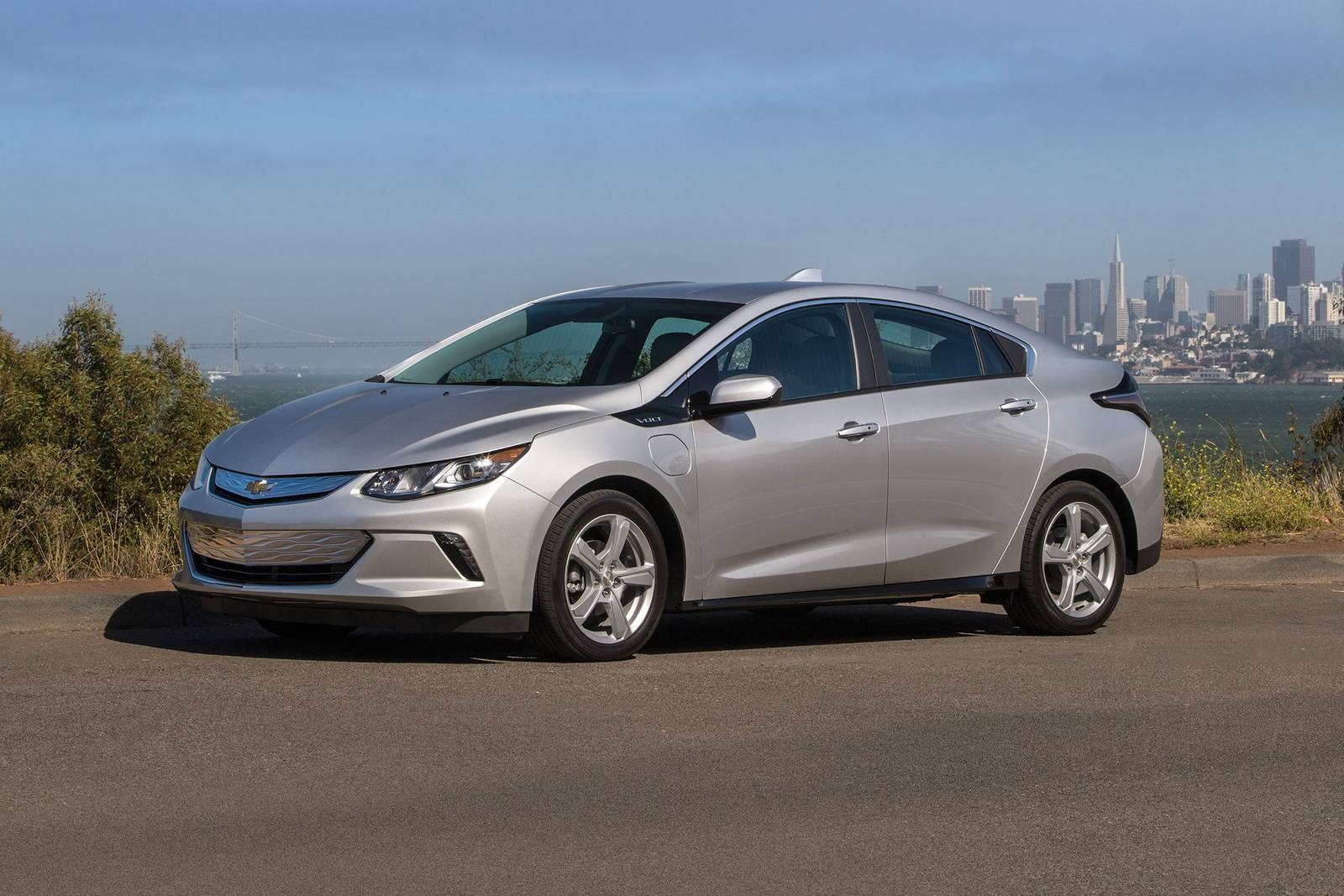
3. Chevrolet Volt (First Generation)
The first-generation Chevrolet Volt represents a unique type of hybrid known as a plug-in hybrid electric vehicle (PHEV), which relies heavily on its battery to deliver electric-only driving before switching to a gasoline range extender.
While this design offers excellent fuel economy under optimal conditions, the Volt faces particular challenges in maintaining efficiency as it ages and its battery capacity diminishes. After extensive use, owners often find that their vehicle’s reliance on the gasoline engine increases because the battery no longer holds a full charge, reducing the distance the car can travel on electricity alone.
As a result, the fuel efficiency of the Volt drops, sometimes dramatically, depending on how much the driver uses electric mode versus gasoline. The Volt’s gasoline engine is designed mainly as a backup power source and is less efficient when relied upon as the primary propulsion method. Battery degradation is a natural process, but given the Volt’s dependence on electric driving, even moderate capacity loss can lead to higher gasoline consumption.
Replacing the Volt’s battery pack is costly and may not be feasible for all owners, leading some to accept decreased fuel economy. Additionally, some early Volt models have experienced issues with battery cooling systems and software management, which can accelerate battery wear. These problems contribute to the perception that the Volt becomes less efficient and more gas-dependent at higher mileage.
Despite these challenges, many Volt owners find that the vehicle’s efficiency remains acceptable with proper maintenance and charging habits. However, compared to conventional hybrids, the Volt’s fuel economy sustainability over 150,000 miles is more variable and depends significantly on battery health and usage patterns.
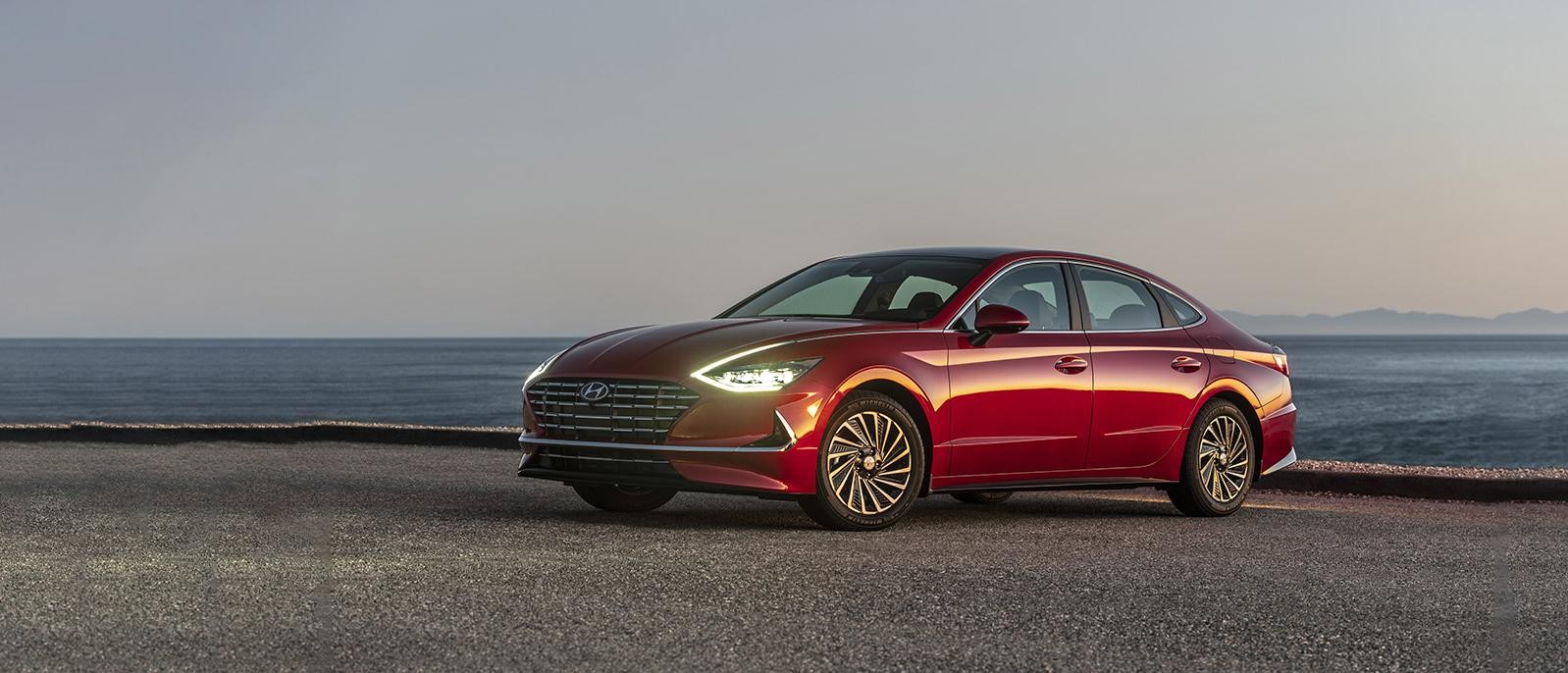
4. Hyundai Sonata Hybrid (Early Models)
Early versions of the Hyundai Sonata Hybrid faced criticism for declining fuel economy as mileage increased, primarily due to battery and control system issues.
The nickel-metal hydride batteries used in initial models often lost capacity faster than expected, reducing the electric motor’s contribution to propulsion. This caused the gasoline engine to take on a larger share of the workload, increasing fuel consumption and diminishing the hybrid’s original efficiency advantages.
In addition to battery degradation, some Sonata Hybrid owners reported problems with the hybrid control module and power electronics. These issues interfered with optimal energy management, sometimes causing the vehicle to favor gasoline power unnecessarily or fail to regenerate energy effectively during braking. These system inefficiencies accelerated fuel economy declines over time.
The gasoline engine itself was generally reliable but suffered from increased strain as the hybrid system’s electric support diminished. Without consistent maintenance, engine wear compounded the decline in efficiency. Repairing the hybrid battery and control systems can be costly, which may deter owners from timely fixes and exacerbate fuel economy losses.
Although Hyundai improved the hybrid system in later Sonata models, the early hybrids’ tendency to become gas guzzlers at high mileage remains a cautionary tale for used hybrid buyers. Understanding these issues is essential for potential Sonata Hybrid owners, as ongoing maintenance and battery health are crucial to preserving fuel economy.
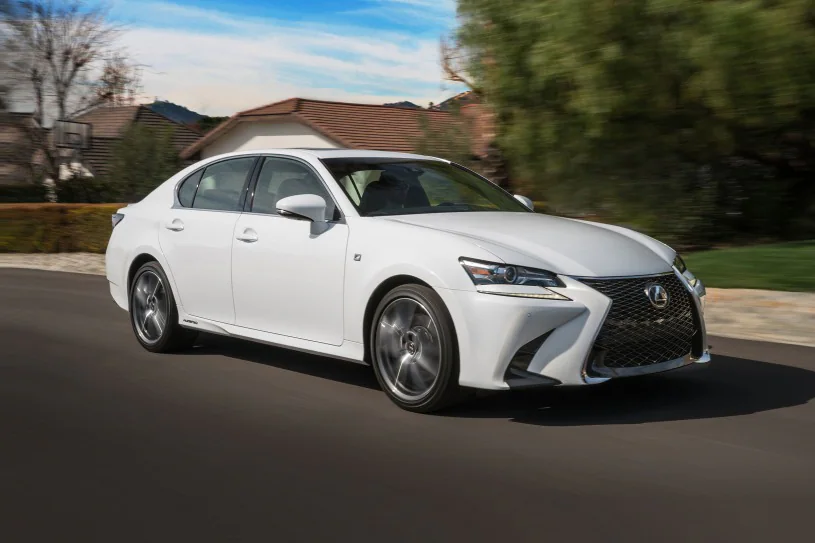
5. Lexus GS 450h
The Lexus GS 450h is a luxury hybrid sedan that combines performance with hybrid technology, but some owners have reported significant drops in fuel efficiency after driving beyond 150,000 miles.
The GS 450h’s hybrid system is complex, involving a V6 gasoline engine paired with multiple electric motors and a large battery pack. While this setup delivers strong performance and reasonable fuel economy when new, the complexity can also lead to maintenance challenges that affect long-term efficiency.
One common issue affecting the GS 450h is hybrid battery degradation. As the battery loses capacity, the electric motors cannot provide as much assistance, forcing the gasoline engine to run more frequently and consume more fuel.
Battery replacement or refurbishment is expensive in luxury hybrids, and without it, fuel economy can decline significantly. Additionally, the vehicle’s hybrid control modules and inverters can experience failures or software glitches that reduce system effectiveness and efficiency.
The GS 450h’s gasoline engine, while powerful and refined, can also experience reduced efficiency due to wear and maintenance lapses. Because this model is heavier and more performance-oriented than many hybrids, the gasoline engine’s fuel consumption can increase sharply when the electric assist diminishes. Drivers who neglect scheduled maintenance or face costly repairs often see a rapid drop in MPG numbers.
The Lexus GS 450h is a hybrid that may become a gas guzzler at high mileage unless owners invest in battery upkeep and hybrid system repairs. For luxury hybrid buyers, this highlights the importance of considering long-term maintenance costs and the potential trade-offs between performance and sustained fuel economy.
Also Read: 15 Most-Owned Vehicles in America and What Drivers Really Think
Hybrid vehicles present an appealing proposition for those seeking to reduce fuel consumption and environmental impact, especially when new. However, their long-term fuel efficiency can vary significantly depending on the model and how well they are maintained.
Some hybrids, like the Toyota Prius, Honda Insight, and Lexus RX 400h, have demonstrated the ability to maintain impressive fuel economy well past 150,000 miles, thanks to durable battery technology, efficient engines, and reliable hybrid systems. These vehicles reward owners with sustained savings and a lower carbon footprint over the life of the car.
Conversely, other hybrids, such as early Toyota Camry Hybrids, Ford C-Max Hybrids, and first-generation Chevrolet Volts may experience substantial efficiency losses over time due to battery degradation, control system issues, and engine wear.
These models can transition from fuel-efficient vehicles into gas guzzlers, increasing operating costs and reducing environmental benefits. Potential buyers and current owners should be aware of these challenges and consider the importance of maintenance, timely repairs, and battery health monitoring to preserve hybrid fuel economy.
Understanding which hybrids maintain their efficiency and which ones do not is crucial for making informed decisions in the used hybrid market. It can also guide owners in caring for their vehicles to maximize performance and fuel savings over many years and miles.
By selecting hybrids known for longevity and following recommended upkeep, drivers can continue to enjoy the benefits of hybrid technology even as their cars age well beyond 150,000 miles.
