

Plug-in hybrid electric vehicles (PHEVs) represent a transitional technology for drivers who want the benefits of electric power without fully abandoning the internal combustion engine. By combining a gas engine with a battery-powered electric motor, PHEVs offer flexibility, lower emissions, and the potential for all-electric daily driving.
However, not all plug-in hybrids are created equal. Some offer consistent, predictable performance and rarely experience software or hardware complications. Others, while technologically advanced, demand frequent system updates, recalibrations, and maintenance to function properly. Reliability becomes a key issue for buyers who expect their vehicle to run smoothly with minimal intervention.
For drivers who aren’t interested in tinkering with their car or visiting the dealership every few months, reliability ranks high on the list of priorities. A dependable plug-in hybrid should provide consistent charging performance, intuitive interface operation, and seamless transitions between electric and gas modes.
It should also avoid mysterious warning lights, touchscreen glitches, and frequent software patches. These expectations are not just about comfort; they reflect a desire for peace of mind when it comes to long-term ownership. Unfortunately, some plug-in hybrids, despite promising technology and flashy features, suffer from unpredictable behavior and require users to stay on top of firmware updates and technical fixes.
This list identifies five plug-in hybrids that have proven to be solid performers over time, known for their resilience and minimal need for frequent updates. It also highlights five models that, while innovative, have struggled with software stability, user interface flaws, and repeated manufacturer updates. It’s not just about which vehicle is newer or more expensive.
Some of the most expensive PHEVs on the market are also the most temperamental, while some of the simpler, older models continue to provide trouble-free driving years after their release. T
his contrast highlights a key tension in the hybrid market: how to balance cutting-edge technology with dependable usability. For many drivers, a balance of both matters, but if reliability ranks high on the list, these observations will be especially relevant. Below, we break it all down.
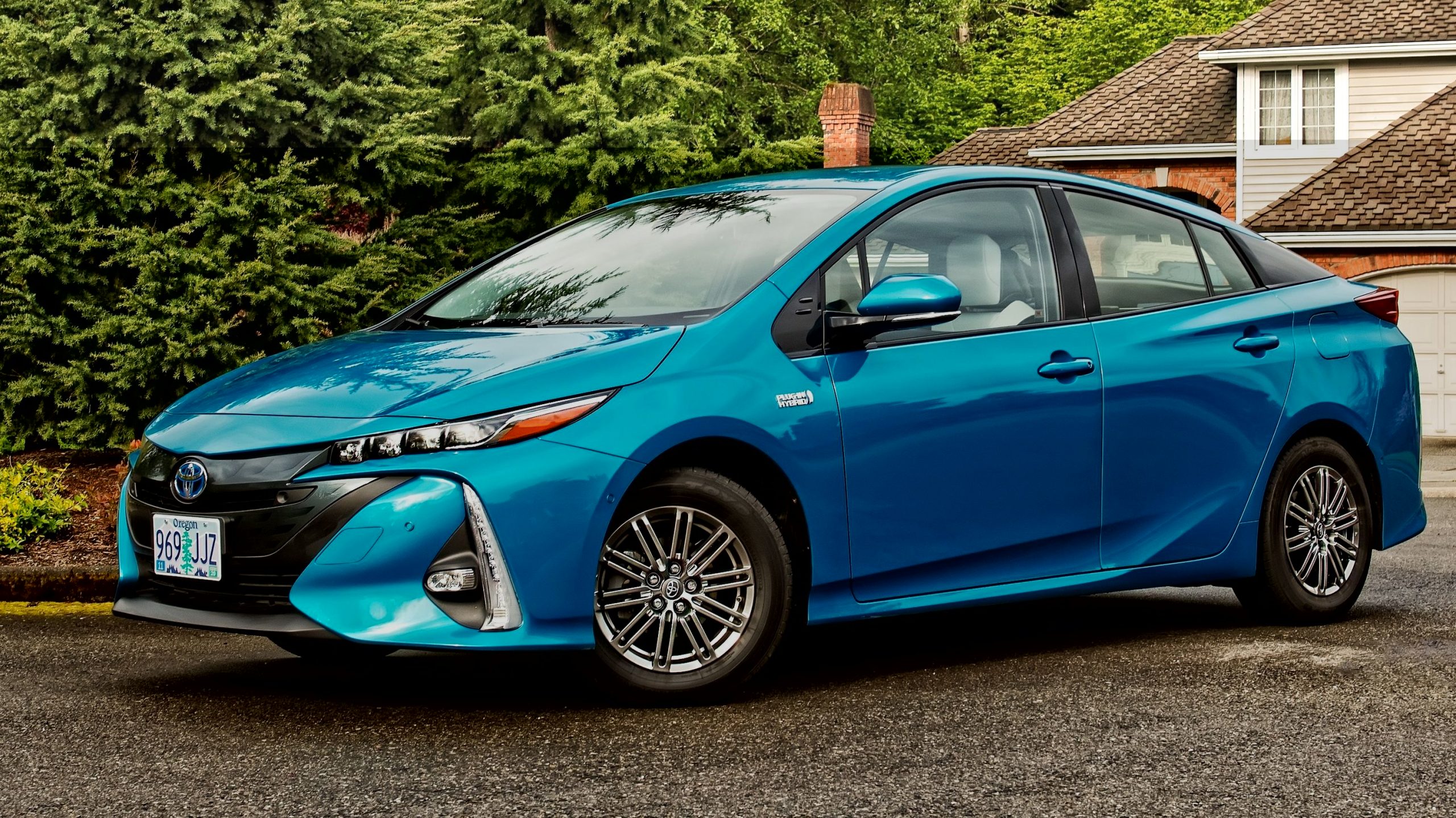
Toyota Prius Prime
Toyota’s reputation for reliability extends naturally to the Prius Prime, which blends the well-tested Prius hybrid system with plug-in capability. It’s been on the market long enough to prove its dependability. Many owners report that the transition between electric and gas is seamless and smooth, with few software hiccups or electronic malfunctions.
The vehicle charges quickly, handles predictably, and requires minimal intervention from the driver to maintain efficiency. Toyota took a conservative but careful approach to integrating plug-in technology, avoiding untested features that might create future problems.
The Prius Prime’s infotainment system is relatively simple, avoiding the bloated menus and overly complex interfaces seen in some competitors. This simplicity works in its favor, especially when considering long-term usability. Owners don’t report frequent system crashes or laggy performance, and the car’s native navigation and media tools, while not flashy, are functional and stable.
More importantly, software updates are rare, and most don’t significantly disrupt how the vehicle operates. Toyota’s philosophy of gradual, incremental improvement shows here, and it’s appreciated by users who value consistency over novelty.
The battery performance of the Prius Prime also speaks to its reliability. Owners consistently achieve expected electric-only ranges, and battery degradation appears minimal over time.
Even after years of use, the battery retains a surprising amount of its original capacity, which reduces concerns about future repair costs or sudden range loss. Additionally, Toyota’s hybrid system as a whole is one of the most thoroughly tested in the industry, reducing the chances of system-wide failures or high repair bills. It’s not flashy, but it works every time.
For a daily commuter or someone new to the world of electrified driving, the Prius Prime offers a rare combination of familiarity, low maintenance, and trustworthy engineering.
It might not impress people with aggressive styling or luxurious extras, but it does what it promises: it drives reliably, requires little attention, and keeps going without surprises. That’s exactly what many hybrid buyers are looking for, especially when transitioning from a purely gas-powered car.
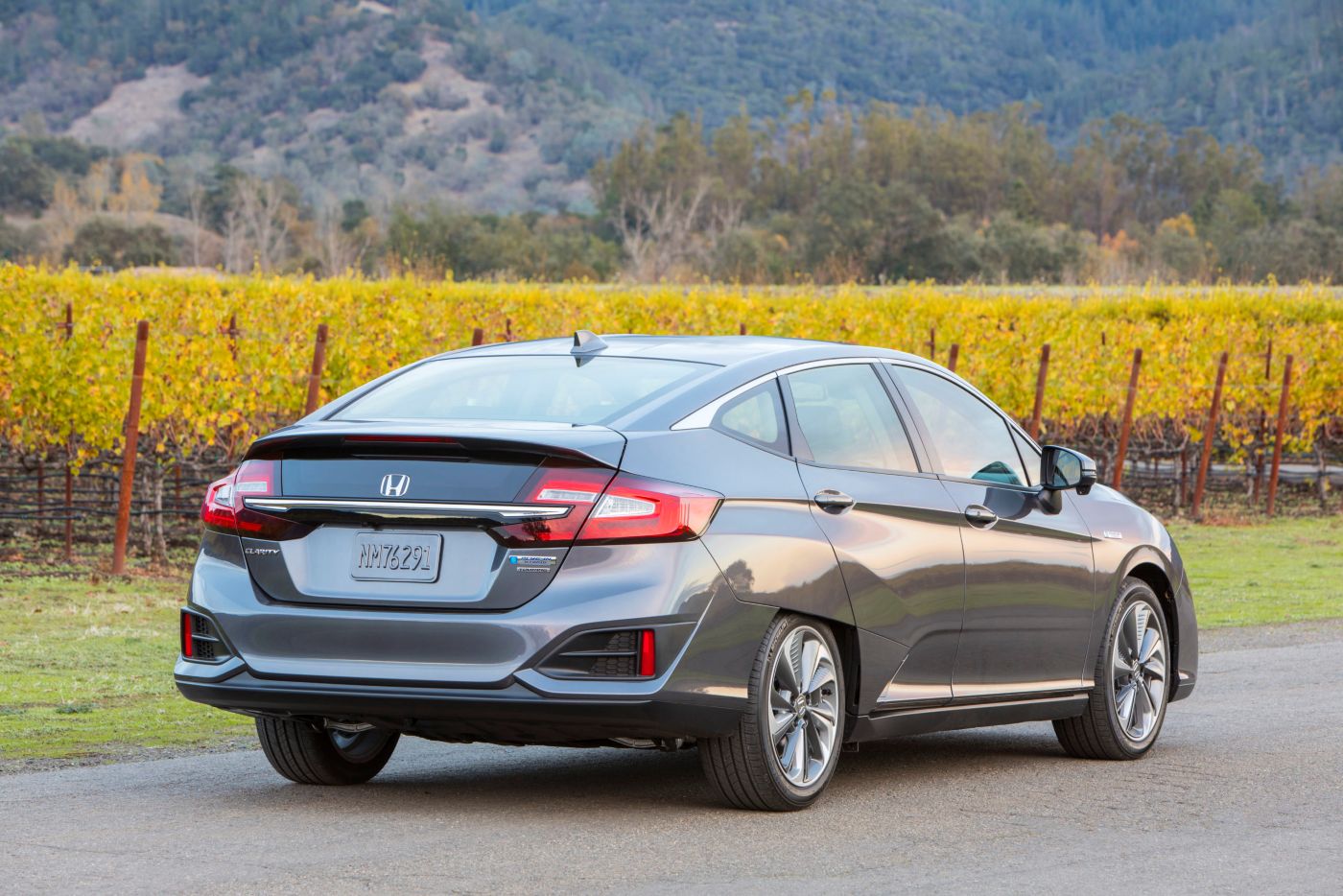
Honda Clarity Plug-In Hybrid
Though no longer in production as of recent years, the Honda Clarity Plug-In Hybrid remains a favorite among used car buyers for one key reason: it just works. Even as it incorporated a more sophisticated plug-in system and a larger battery than some rivals, the Clarity maintained a strong record for long-term dependability.
The car runs efficiently whether on electricity or gas, and many owners report consistent performance after several years and tens of thousands of miles. Its larger battery gave it one of the longest all-electric ranges in its class, and it delivers that range predictably without erratic performance.
The Clarity’s software interface is basic but solid. It lacks the flashiness of more modern systems, but it rarely crashes or behaves unpredictably. Many of its functions are analog or tactile, which reduces the complexity often seen in newer models that rely entirely on touchscreens.
Updates are infrequent, and when they do come, they’re usually minor rather than disruptive. Honda took care to ensure that each version of the Clarity left the factory with solid programming and minimal need for future adjustments, making it more convenient for owners who don’t want to babysit their vehicle’s firmware.
Battery durability is another high point. While the Clarity’s battery is larger than many other PHEVs, it does not suffer from major degradation problems. Charging is straightforward, and the battery management system keeps everything running efficiently.
Many Clarity owners have reported little to no battery performance loss even after multiple years of regular charging and use. That’s a big win for anyone worried about long-term electric range stability or expensive battery replacement costs down the road.
The Clarity also has a solid driving experience, with strong road manners and a comfortable interior. It’s one of the few plug-in hybrids that feels almost like a fully electric vehicle during regular city driving, and it doesn’t sacrifice usability when switching to gas. Despite its quiet departure from the market, the Clarity PHEV remains a benchmark for how to build a reliable plug-in hybrid that doesn’t need constant attention or upgrades.
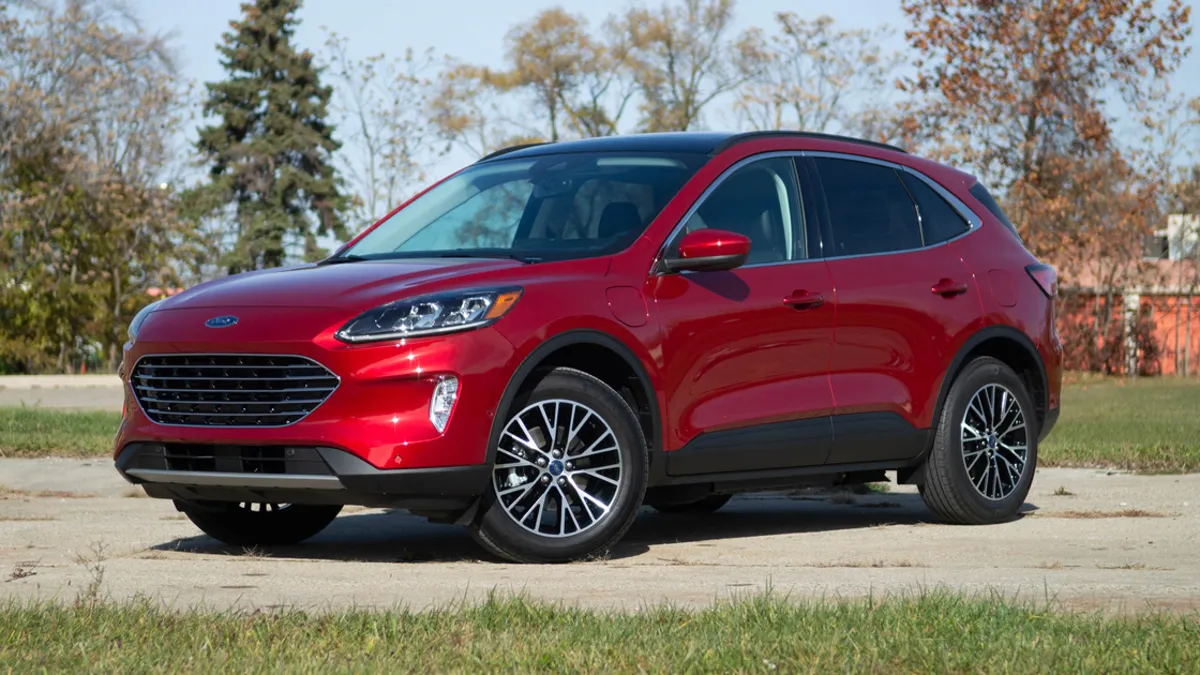
Ford Escape Plug-In Hybrid
Ford’s Escape Plug-In Hybrid combines the familiar SUV shape with a plug-in system that has steadily earned a reputation for solid performance. While early hybrid systems from American manufacturers sometimes raised questions about durability, the current Escape PHEV has been a pleasant surprise.
Its electric-only range is respectable, typically delivering around 37–40 miles under normal conditions. This consistency makes it a good fit for drivers who want an EV-style commute but don’t want to worry about regular charging station visits.
The Escape’s control system is well organized, offering responsive and relatively bug-free software. While not the most advanced in terms of interface design, it doesn’t suffer from the lags or random glitches reported in other plug-in vehicles.
Ford’s SYNC system, now in its more refined version, has matured into a stable platform that generally avoids the need for repeated updates. Ford appears to have prioritized core stability over flashy software features, which benefits drivers who want reliability over experimentation.
Mechanically, the Escape PHEV performs well in real-world use. The gasoline engine and electric motor interact smoothly, and the car rarely suffers from rough transitions or awkward shifts between drive modes.
Owners don’t report frequent trips to the dealer or confusion about warning lights, which has helped the Escape gain traction among families and commuters who want something that just runs. It’s an ideal choice for someone who wants to plug in overnight and not think about it the next day.
What stands out about the Escape PHEV is how well-rounded it feels. It doesn’t lead in any one category, but it rarely lets drivers down. Charging, driving, and maintaining the car feel simple and predictable.
That’s a quality that’s increasingly hard to find in a field where manufacturers often push boundaries without fully resolving the bugs. Ford struck a useful balance here, creating a plug-in hybrid that feels more practical than experimental.
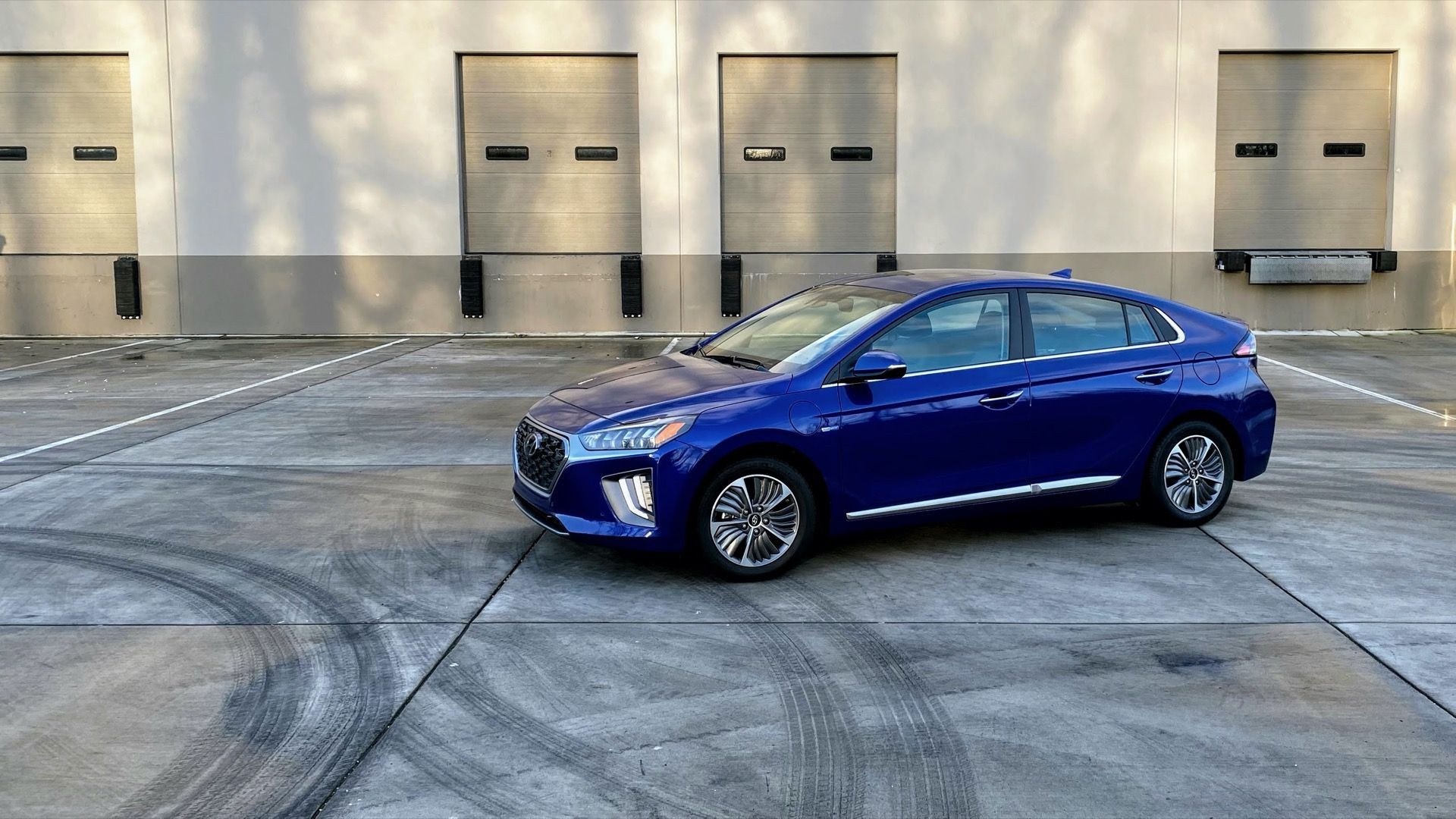
Hyundai Ioniq Plug-In Hybrid
Before Hyundai shifted focus to fully electric models, the Ioniq Plug-In Hybrid quietly built a reputation as one of the most reliable cars in its segment. It’s a compact hatchback with a clean design, high fuel efficiency, and a consistently positive user experience.
While its electric-only range is modest at about 29 miles, the Ioniq PHEV delivers that range reliably and doesn’t fluctuate wildly based on driving conditions. The system is predictable, which drivers appreciate when planning short trips without relying on gas.
The user interface in the Ioniq is one of its strengths. It’s not packed with unnecessary features or confusing menus, and the touchscreen responds quickly without strange freezes or delays.
Hyundai has steadily improved its infotainment systems, and in this model, the interface is both intuitive and durable. Owners don’t face frequent firmware updates, and the car doesn’t constantly push new software versions to the driver. It’s largely a “set it and forget it” type of vehicle in terms of software and daily function.
Driving performance is also reliable. The transitions between gas and electric are smooth, with very few reports of hesitation or odd noise from the powertrain. Braking and acceleration are balanced, and the hybrid system adapts well to both city and highway conditions.
Battery reliability has also been solid, with few reports of early degradation or inconsistent charge levels. Hyundai’s battery warranty reinforces this, offering peace of mind for those concerned about long-term performance.
The Ioniq PHEV is a car that gets the job done with minimal drama. It’s not especially flashy or luxurious, but for buyers who want a hybrid that just works without constant interference, it stands out.
Its combination of efficiency, quiet operation, and low maintenance needs make it an ideal daily driver for someone prioritizing consistency over complexity. Hyundai may have moved on from this model, but its legacy of reliability still holds strong in the used car market.
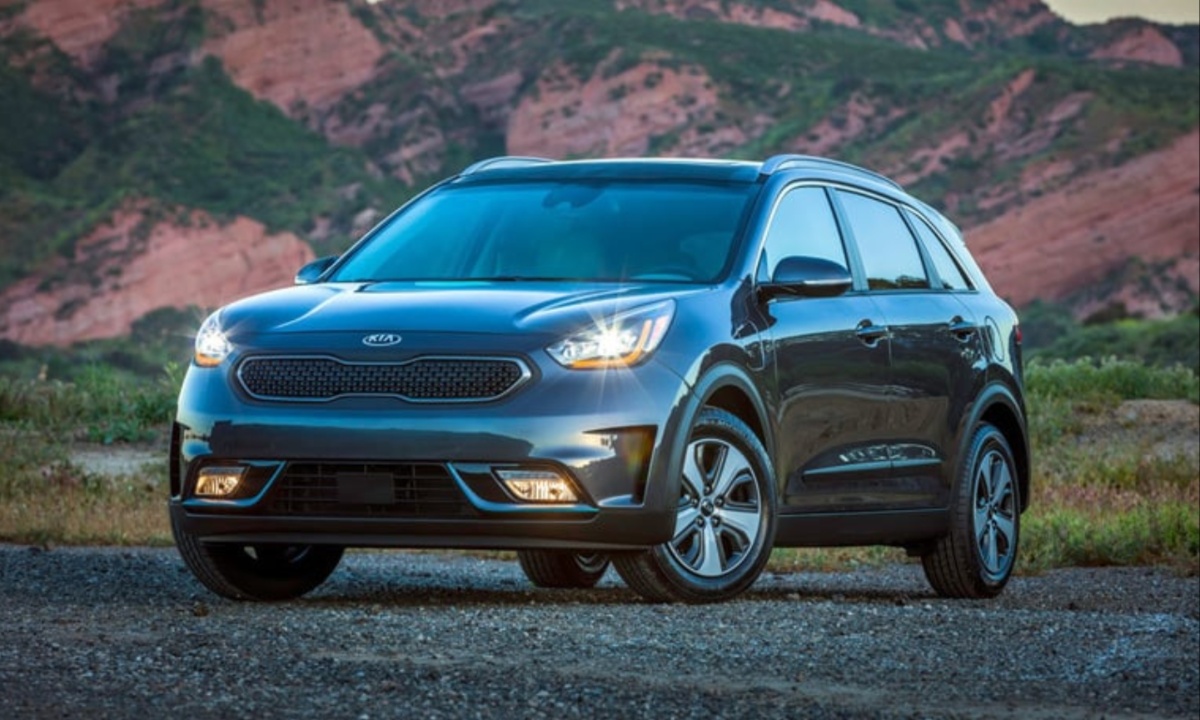
Kia Niro Plug-In Hybrid
Closely related to the Hyundai Ioniq, the Kia Niro Plug-In Hybrid offers many of the same strengths in a slightly more crossover-style package. Its upright stance and spacious interior give it a practical edge, while its mechanical reliability has been a high point since launch.
Like the Ioniq, its all-electric range is modest, usually around 26 miles, but the system consistently delivers that range without major swings due to temperature or driving style.
The Niro’s infotainment system is straightforward and user-friendly. It avoids the clutter and confusion found in some modern systems, and it rarely requires users to download frequent updates or reconfigure settings after patches.
Kia has refined its interface over time, focusing on providing a stable experience rather than overwhelming the user with features. As a result, owners don’t deal with the frustration of buggy menus or disconnected Bluetooth systems.
In terms of powertrain reliability, the Niro Plug-In Hybrid has proven to be dependable. Its combination of a small gasoline engine and electric motor provides solid performance for everyday driving.
There are few complaints about jerky transitions or odd behaviors from the hybrid system, and the brake regeneration is consistent without being overly aggressive. Battery durability has also been positive, and Kia’s warranty helps reassure buyers who plan to keep the car long-term.
The Niro’s strength lies in its consistency. It may not draw headlines or impress enthusiasts, but it earns high marks from those who want a worry-free plug-in hybrid.
Its practical design, combined with predictable performance and minimal software interruptions, makes it a great fit for drivers looking to reduce fuel costs without becoming test subjects for emerging tech. As newer models emerge, the Niro PHEV remains a reminder that simple, steady engineering still matters.
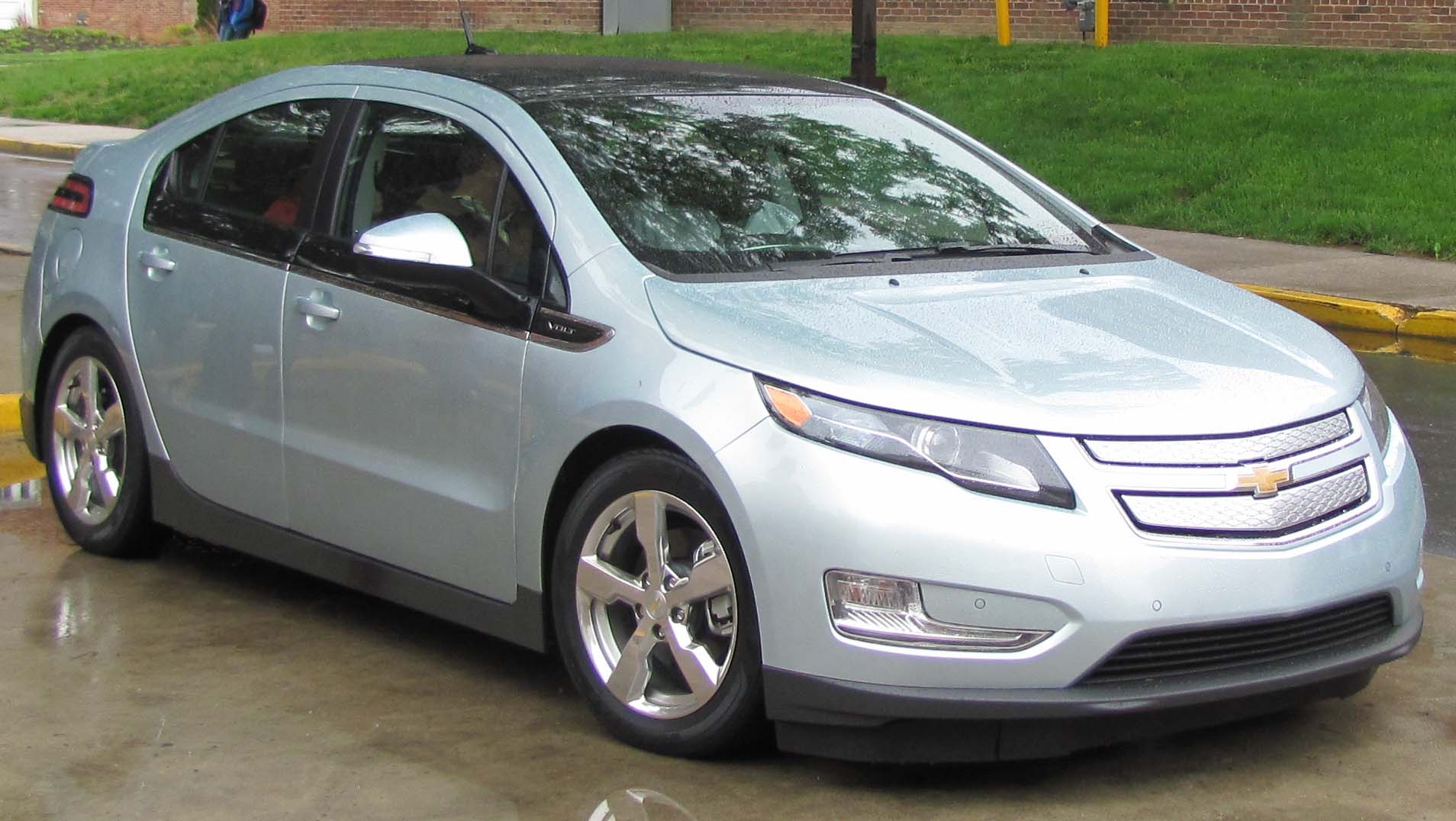
Chevrolet Volt (2nd Gen)
The second-generation Chevrolet Volt, produced from 2016 to 2019, initially looked like a step forward in the plug-in hybrid space. It improved upon the original Volt’s design, offered better range, and came with a more modern interior and user interface.
However, despite its promising engineering, the Volt became known for needing frequent software updates, especially related to its infotainment system and charging behavior.
Many owners reported issues with slow or frozen touchscreens, Bluetooth connectivity dropping randomly, and navigation features crashing or misrouting. These issues, while not catastrophic, added a layer of unpredictability that often required dealership visits or software patches to resolve.
Another source of frustration for Volt owners was the vehicle’s sometimes inconsistent charging behavior. Some reported that the car failed to recognize charging commands, particularly with certain public stations, or required a full system reboot before starting a charge.
These weren’t daily occurrences, but they happened enough to raise eyebrows. GM often responded with software updates, but the fact that these issues continued years into the model’s lifecycle left a sour taste for those who had expected a more mature and refined plug-in system.
The car’s hybrid transition system also occasionally misbehaved, with reports of delayed engine engagement or unexpected reductions in performance.
While the Volt’s drivetrain and battery durability are generally regarded as strong, the amount of digital babysitting required can wear on an owner over time. Users accustomed to more stable platforms found themselves monitoring updates, rebooting screens, or scheduling unnecessary service appointments for glitches that should have been addressed more thoroughly at the factory.
Additionally, GM’s infotainment software during those years had a reputation for poor responsiveness, and updates often added new bugs even as they attempted to fix old ones.
The Volt remains an innovative plug-in hybrid, and many owners still praise its electric range and efficiency. But the ownership experience can feel more like managing a finicky piece of consumer tech than driving a dependable vehicle.
That constant need to stay on top of patches, system quirks, and connectivity issues made it harder for the Volt to achieve the same kind of trust that simpler hybrids have earned. Buyers looking for plug-and-go simplicity often found themselves disappointed by how often the car asked for their attention.
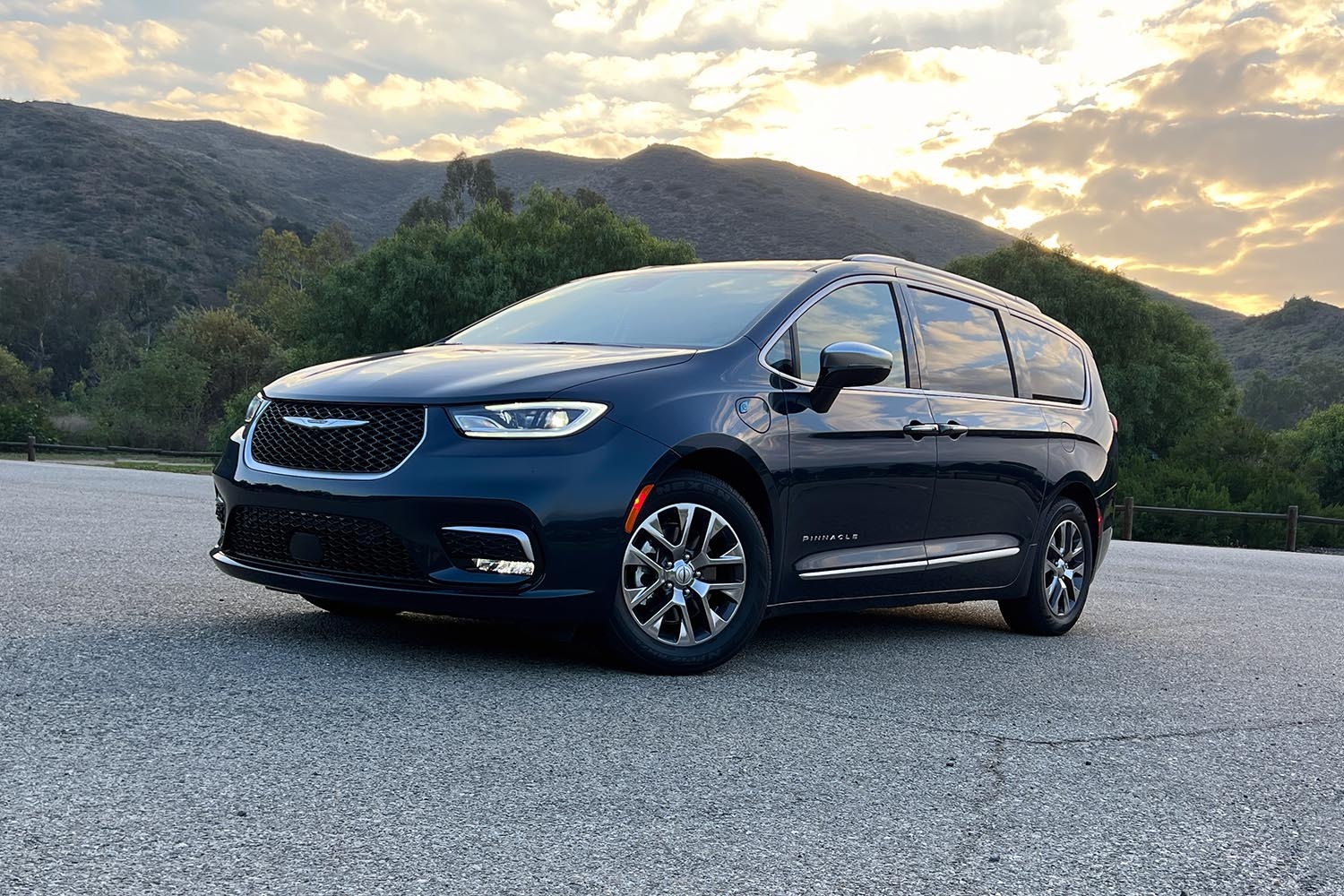
Chrysler Pacifica Hybrid
The Chrysler Pacifica Hybrid aimed to bring electrification to the family minivan segment, and on paper, it succeeded. Offering a spacious cabin, the flexibility of both gas and electric power, and an impressive 30+ miles of electric range, it appealed to parents looking for lower fuel bills without giving up space or comfort.
However, this plug-in hybrid has been plagued by persistent software problems, many of which relate to critical vehicle systems. From early on, owners reported sudden shutdowns of the hybrid system, unexplained error messages, and the dreaded “Service Charging System” alert that often appeared without warning and required dealer diagnosis and resets.
One of the most commonly cited issues is the Pacifica’s sometimes unpredictable powertrain behavior. The vehicle would occasionally switch to gas mode prematurely, refuse to enter EV mode, or simply shut off the ability to charge altogether.
These weren’t one-off bugs but recurring complaints that many owners shared across forums and customer service channels. Chrysler issued multiple recalls and software updates to try and stabilize these systems, but even with those patches, many users continued to experience problems. The need for these updates became a routine part of ownership, which undermined trust in the vehicle’s long-term stability.
The infotainment system in the Pacifica Hybrid hasn’t fared much better. Uconnect, Chrysler’s media platform, can be smooth when it works, but often falls short in reliability. Frequent crashes, frozen screens, and connectivity issues with Apple CarPlay or Android Auto left drivers frustrated.
Software updates were rolled out frequently, but they sometimes introduced new problems or were difficult to install. This meant many Pacifica owners had to make trips to the dealership simply to stabilize their dashboard software, which is far from ideal for busy families.
It’s a shame because when the Pacifica Hybrid works properly, it’s one of the most family-friendly plug-in options on the market. The electric driving experience is smooth and quiet, and the savings from short-range electric driving can be substantial.
But the frequency of errors, alerts, and updates chips away at confidence. For families looking for a set-it-and-forget-it experience, the Pacifica often turns out to be more of a tech project than a transportation solution.
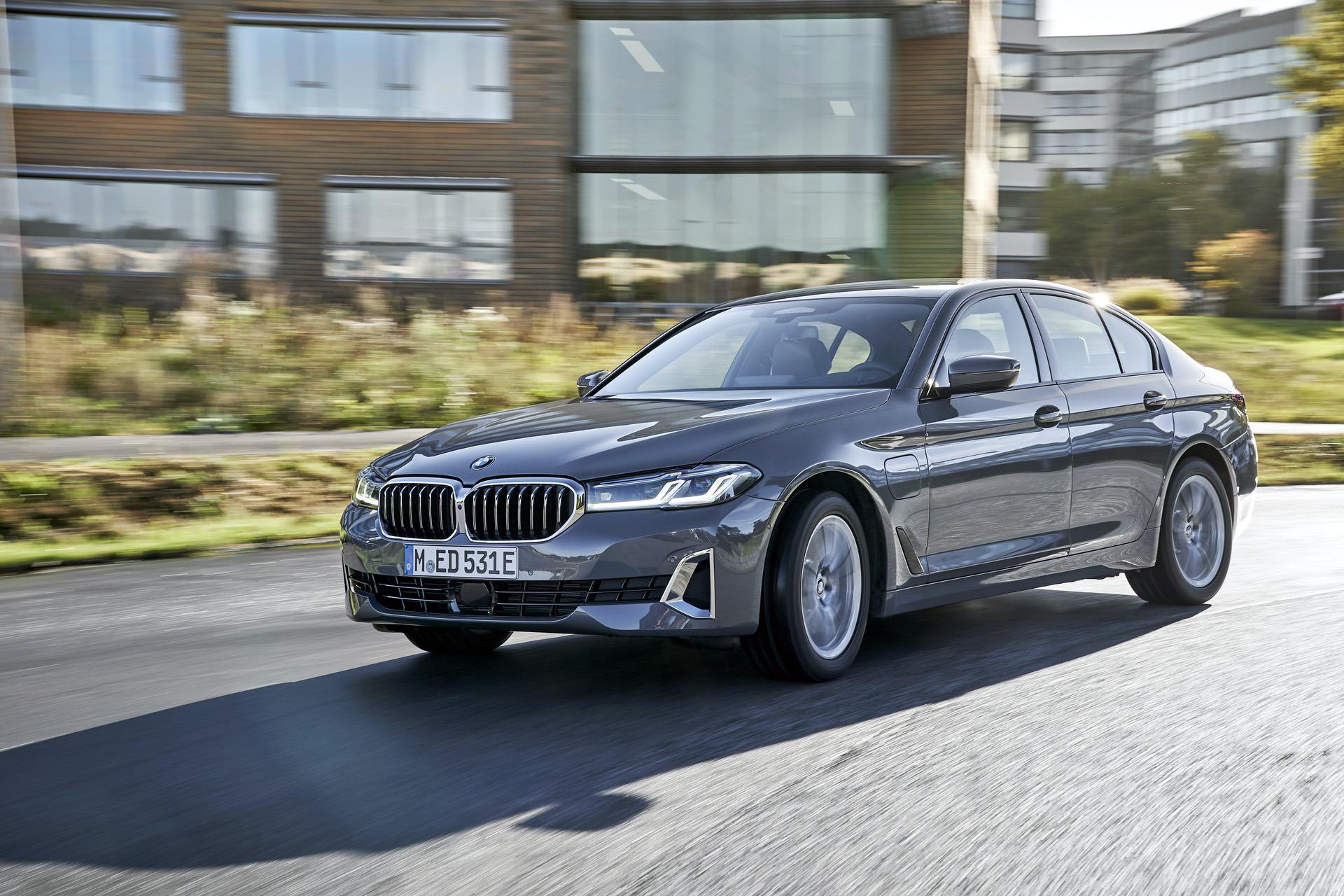
BMW 530e
Luxury plug-in hybrids often promise a seamless blend of performance and efficiency, and the BMW 530e is no exception on paper. It offers respectable electric range, solid fuel economy, and the cachet of the BMW brand. However, beneath that polished surface lies a more complicated reality.
The 530e is among the plug-in hybrids that require frequent software updates to maintain stable operation, especially in areas related to its driving modes, power management, and connected services.
Many owners have expressed frustration over inconsistencies in how the vehicle switches between electric and gas modes, often reporting that the transitions feel delayed or that the car lags in performance when it shouldn’t.
One major area of concern is BMW’s digital infrastructure. The 530e relies heavily on software for everything from regenerative braking control to energy management between the two power sources. While this allows for fine-tuned performance in theory, it also means that glitches in one part of the system can throw off the entire driving experience.
Some drivers reported instances where EV mode was unavailable for no clear reason, or where charging schedules weren’t followed correctly. BMW has tried to resolve these issues with a steady stream of over-the-air updates, but many users find the update process itself confusing or unreliable, sometimes requiring dealer intervention.
BMW’s iDrive infotainment system, while visually impressive, also carries a reputation for complexity and instability. Frequent updates are meant to improve performance or add features, but users often find themselves learning new layouts or dealing with new bugs after each software push.
Some updates have even disabled key features temporarily, such as navigation or Bluetooth pairing, until another patch is issued. This constant flux creates a sense of unease among owners who expect a luxury vehicle to operate flawlessly without requiring their input every few weeks.
The 530e remains an enjoyable car to drive, especially when it’s operating smoothly. But the high dependence on software systems means that ownership can sometimes feel like participating in a beta test.
The need to stay on top of updates and troubleshoot occasional bugs detracts from what should be a polished, carefree experience. For those who value predictability in their daily driver, the 530e can be more of a tech juggling act than a dependable hybrid sedan.
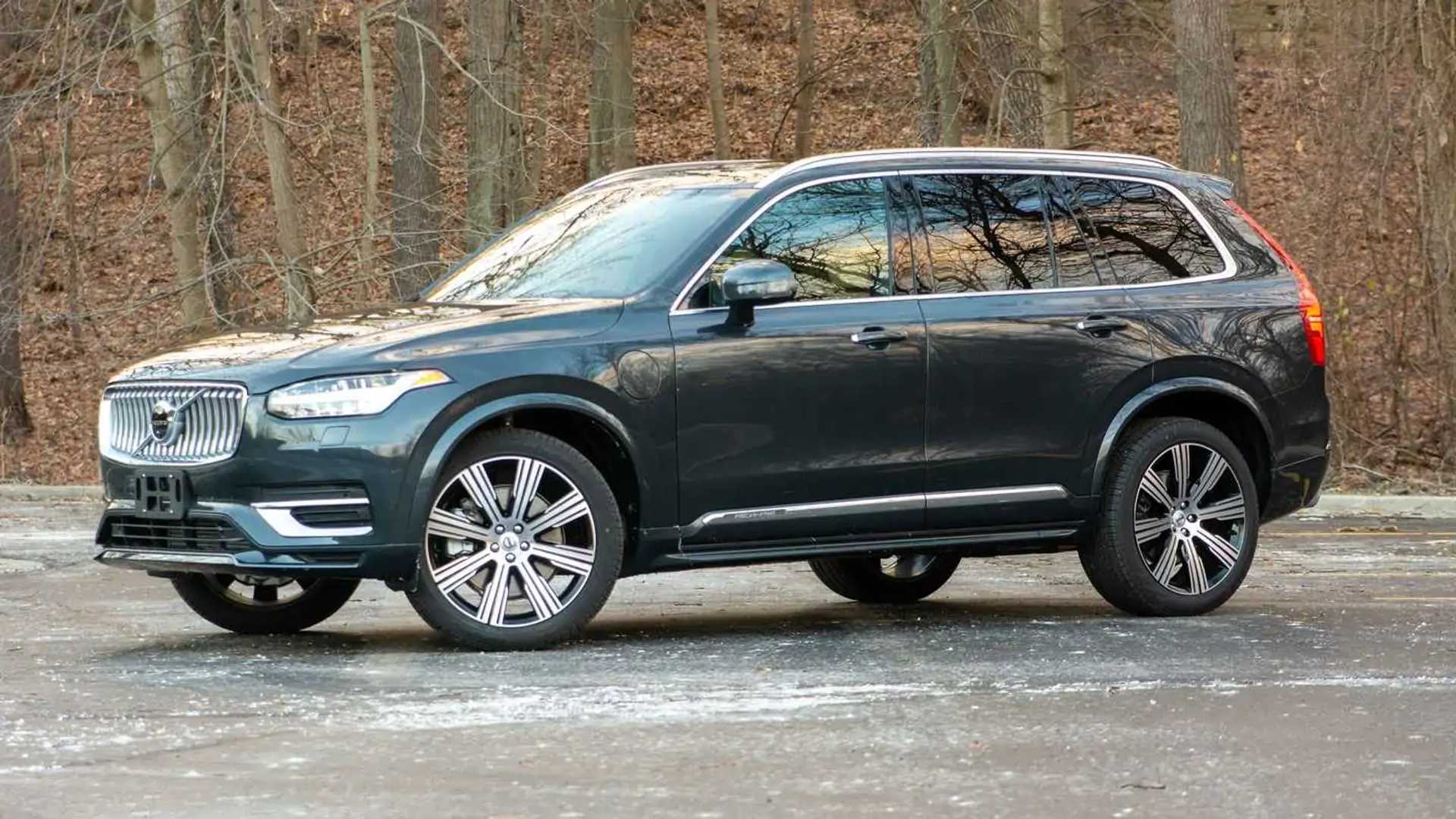
Volvo XC90 Recharge
Volvo’s XC90 Recharge combines Scandinavian design with plug-in hybrid power, making it an attractive option for families who want efficiency without sacrificing comfort. The interior is clean and luxurious, the driving experience refined, and the all-electric range decent for a vehicle of its size.
However, this model has been consistently cited for software problems that interfere with both convenience and critical vehicle functions. Many of these issues revolve around the digital user interface and the integration of Volvo’s proprietary systems with Android-based infotainment architecture, which has been slow to stabilize.
One of the more troubling aspects of the XC90 Recharge is its inconsistent charging performance. Some owners have reported that scheduled charging doesn’t activate properly or that charging is interrupted by system faults. Others experience issues with the smartphone app not syncing correctly or providing inaccurate battery information.
Volvo has attempted to address these issues with rolling software updates, but these updates are often delayed or require dealership visits to implement correctly. It’s not uncommon for drivers to experience several months of glitchy functionality before a stable update arrives.
Another ongoing issue lies in how the vehicle handles hybrid mode transitions. Some owners report clunky gear changes or confusion in the system when switching between power sources, especially under load or at highway speeds.
These behaviors are usually tied to the software that governs engine management and power distribution. Despite Volvo’s efforts to recalibrate the system through patches, these problems have persisted for some owners, leading to multiple service appointments and a sense that the car is still finding its footing.
While the XC90 Recharge has many strengths, it’s spacious, attractive, and safe, the user experience is often marred by the need to stay current with software patches and troubleshoot unexpected bugs.
For a premium SUV at a premium price point, the expectation is for a smoother, more refined experience. Instead, many owners feel like they’re acting as unpaid testers for Volvo’s software department. That undermines trust in what should be one of the most luxurious and family-ready plug-in hybrids available.
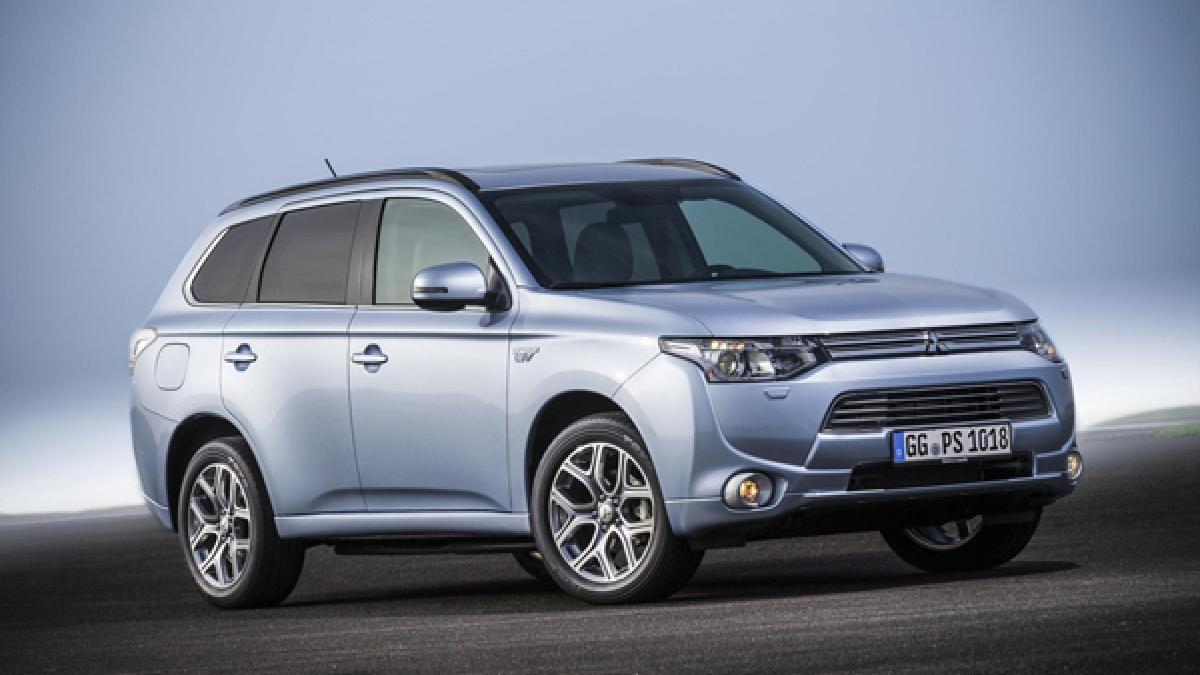
Mitsubishi Outlander PHEV (Early Models)
The Mitsubishi Outlander PHEV was one of the earliest plug-in hybrid SUVs available globally, and it found success in many markets due to its affordability and practical range. However, early models, particularly those from the initial North American releases, have a history of technical issues that make them less reliable than competitors.
Much of this stems from outdated software infrastructure, insufficient compatibility with various charging networks, and frequent electronic glitches that affected performance, infotainment, and charging reliability. Owners frequently encountered bugs that caused the vehicle to exit EV mode prematurely or fail to initiate charging altogether.
The infotainment system, in particular, was a major point of weakness. It felt dated even at launch and was prone to freezing, disconnecting Bluetooth devices, or failing to respond altogether. Software updates were few and far between at first, and when they did arrive, they often required dealership visits and long wait times.
Worse still, updates sometimes created new problems, leaving owners frustrated and questioning the quality control behind the vehicle’s technology stack. Compared to competitors from Korea or Japan, Mitsubishi’s digital support felt underdeveloped and reactive rather than proactive.
Another recurring issue involved the Outlander PHEV’s battery management system. In colder climates, owners reported major reductions in EV range and inconsistent charging behavior. Some vehicles had to undergo repeated firmware recalibrations to address range drop-off or unexpected shifts to gasoline mode.
While Mitsubishi eventually addressed many of these problems in later models, those who bought early versions of the Outlander PHEV found themselves dealing with recurring quirks that eroded the vehicle’s appeal. Reliability isn’t just about engine durability; it’s also about the confidence that the car will perform as expected without unnecessary monitoring.
Though Mitsubishi improved the platform in subsequent years, the early Outlander PHEVs serve as a cautionary tale about rushing a product to market without fully resolving software and integration problems.
