
A driveshaft is one of the most critical components in a truck’s drivetrain, transferring torque from the engine to the wheels. Without it, movement is impossible.
Despite its importance, it’s often taken for granted until something goes wrong. When the driveshaft fails, it doesn’t just mean a temporary inconvenience.
It can mean catastrophic damage, dangerous road situations, or very costly repairs. For truck owners who depend on their vehicles for work, hauling, towing, or just daily transportation, a snapped driveshaft is more than a nuisance; it’s a serious issue that can disrupt everything.
Not all trucks are built the same. Some are engineered with strong, durable drivetrains and heavy-duty components that can handle stress, twisting forces, and aggressive use over many years.
Others, despite their appearances or marketing, fall short when put under load, especially in off-road or towing conditions.
Inconsistent quality control, poor materials, or overlooked engineering design can lead to weaknesses in the driveshaft system. The results show up in the form of snapped shafts, busted joints, and undrivable conditions.
There are specific truck models with reputations for being bulletproof when it comes to the driveshaft and the entire drivetrain. These trucks typically use high-quality components, intelligent torque distribution, and solid axles that reduce stress.
On the other hand, some trucks are known for letting their drivers down at the worst possible moments, especially when placed under load. While maintenance and driving habits matter, the engineering from the factory plays a huge role.
In this article, we’ll look at five trucks that have solid reputations for never breaking their driveshafts, followed by five that have a history of failure under stress. Whether you’re a weekend warrior, a heavy hauler, or someone buying for peace of mind, this guide will help you know what to trust and what to avoid.
Also Read: 5 Hybrids That Feel Like Gas Cars and 5 That Feel Awkward
5 Trucks That Never Break a Driveshaft

1. Ford Super Duty F-350 – Known for Durability
The Ford Super Duty F-350 is built with hard work in mind. From its early generations to the modern-day powerhouses, this truck has consistently been regarded as a workhorse, especially in the construction and towing sectors.
Its driveshaft is engineered to handle high-torque demands, and it rarely fails when maintained properly. The materials used are often thicker and more resistant to torsion compared to lighter-duty models, making it a go-to for anyone hauling heavy loads.
One reason the F-350’s driveshaft rarely breaks is its use of heavy-duty universal joints and precision-balanced shafts. These parts reduce vibration, which is a common cause of failure. Constant exposure to vibration can weaken the welds and compromise the metal’s integrity, but Ford seems to have accounted for that.
Many owners report putting over 250,000 miles on their F-350s with no driveshaft issues, even under heavy towing conditions. That’s not something you can say for every truck on the road.
The chassis and suspension setup also support the driveshaft effectively. With reinforced axles and a transmission that’s designed to manage stress efficiently, torque is distributed in a way that doesn’t overstrain any single part of the drivetrain.
Combine that with Ford’s focus on fleet-level durability, and it becomes clear why the F-350 is so reliable in this department. It’s built to withstand the worst conditions, from cold starts in the north to hot desert hauls.
Finally, it’s important to consider that the F-350 benefits from a strong aftermarket. Owners have access to performance-grade upgrades and reinforced parts if they’re modifying their trucks for even tougher jobs.
But even in stock form, the driveshaft is one of the last things that gives out. For anyone looking for a dependable work truck, the F-350 remains a solid, proven option.
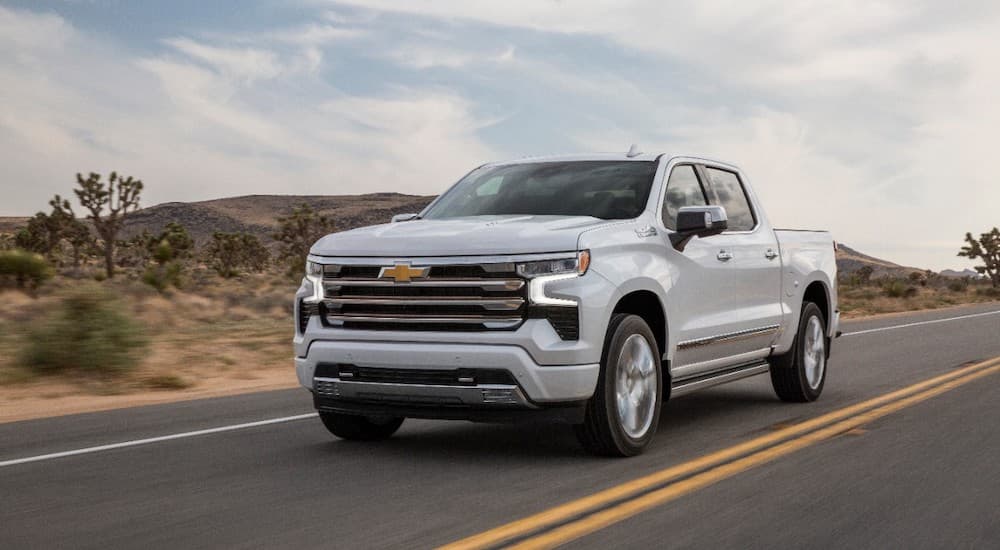
2. Chevrolet Silverado 1500 – Prone to Driveshaft Issues
Despite its popularity, the Silverado 1500 has a mixed record when it comes to drivetrain reliability. Especially in certain model years, owners have reported driveshaft problems, including noises, vibrations, and eventual breakage.
The standard driveshaft used in the Silverado 1500 isn’t always up to the task for heavy-duty towing or aggressive off-roading, which can cause issues in trucks used beyond their intended light-duty range.
A common point of failure in the Silverado 1500 is the slip yoke design. It’s not uncommon for these components to bind or create clunking sounds during acceleration and deceleration.
Over time, this adds wear and stress to the shaft itself. In high-mileage models, this has led to complete separation, where the shaft detaches from the transmission under load. It’s not just inconvenient, it’s dangerous if it happens while moving at high speeds or hauling something heavy.
Another issue is the choice of materials in some of the older models. Aluminum driveshafts are lighter, which helps fuel efficiency, but they also tend to bend or crack more easily under torque compared to steel.
For everyday driving, this might not be a problem, but many truck owners push their vehicles harder. If you’re expecting your Silverado 1500 to perform like an HD model, the driveshaft may be the first weak link to go.
It’s worth noting that GM has addressed some of these issues in recent years, offering upgraded packages or stiffer drivetrains in their trailering and off-road editions.
Still, for standard trims and older models, caution is warranted. The Silverado 1500 isn’t a bad truck, but if your needs regularly include towing over 8,000 lbs or driving on rough terrain, it’s better to look elsewhere or plan for upgrades.
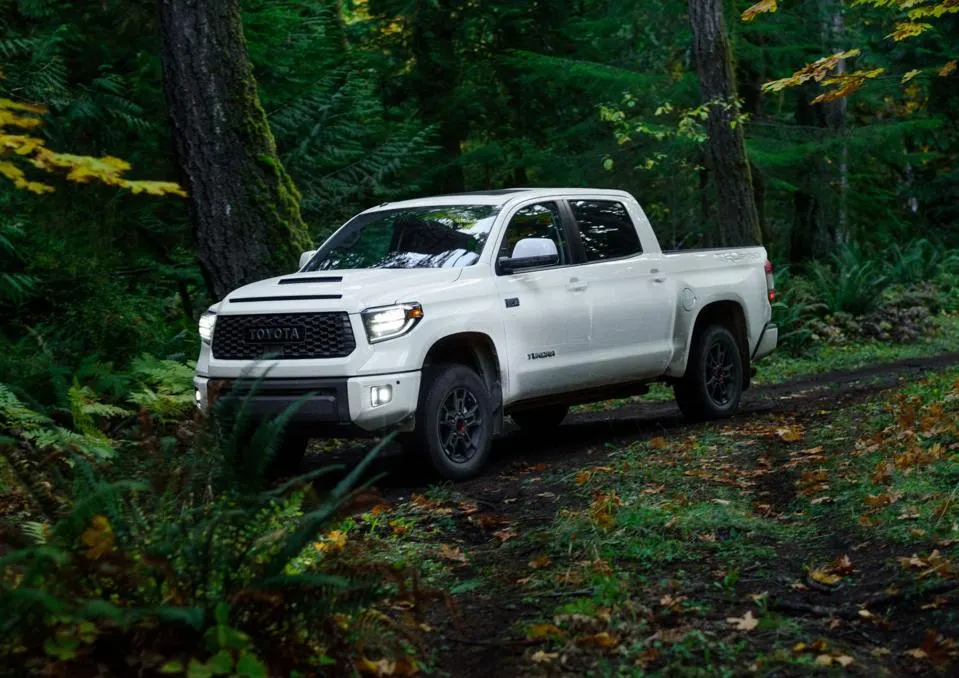
3. Toyota Tundra – Built for Abuse
The Toyota Tundra has earned a reputation for toughness and longevity. One of the reasons it remains a favorite among full-size truck owners is its reliable drivetrain.
The driveshaft in the Tundra is designed to last, often outliving the engine or transmission. Whether you’re using it for towing, long-distance travel, or weekend off-roading, the driveshaft doesn’t typically present issues, even as the miles pile on.
One contributing factor is Toyota’s conservative approach to engineering. They often overbuild their trucks, sticking with proven materials and tolerances instead of cutting corners.
The driveshaft is often made of reinforced steel and uses strong universal joints that can absorb torque without flexing excessively. That stability reduces the likelihood of fatigue cracks or stress points that lead to failure. In real-world use, this means fewer repairs and more peace of mind for owners.
The Tundra also benefits from solid frame construction and a strong rear axle. These components work together to keep the driveshaft properly aligned, even under load.
Misalignment is a common cause of driveshaft issues in lesser trucks, especially when towing or driving on uneven ground. The Tundra maintains good geometry in the suspension and driveline, which protects the shaft from unnecessary movement or twisting under pressure.
It’s not unusual to find Tundras with over 300,000 miles still running on the original driveshaft. There’s a reason why these trucks hold their value so well and have become trusted by rural workers, off-roaders, and long-distance travelers alike. When properly maintained, the Tundra’s drivetrain is one of the least problematic among full-size trucks.
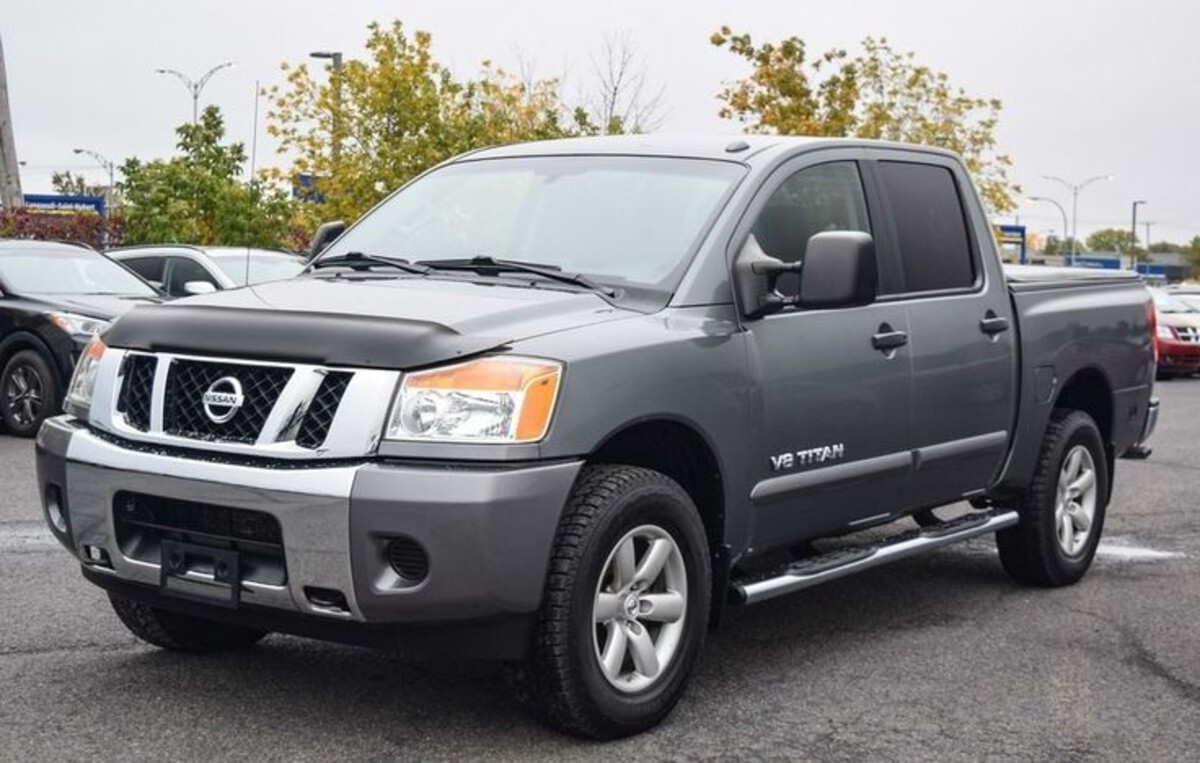
4. Nissan Titan – Susceptible Under Load
The Nissan Titan entered the truck market with bold styling and decent power, but it hasn’t always delivered when it comes to long-term reliability. One area where it has struggled, particularly in earlier models, is drivetrain strength.
Driveshaft issues have been a frequent complaint among Titan owners, especially those who use the truck for heavy towing or off-roading. In some cases, the shafts have shown signs of premature wear, warping, or outright breakage.
Part of the problem lies in the choice of components. The driveshaft design in the Titan wasn’t always optimized for stress distribution. The universal joints and carrier bearings in earlier models wear out faster than expected, leading to wobbling and noise.
If left unchecked, this creates vibration that damages the shaft. Even regular highway driving with a moderate load has been enough to cause trouble in some documented cases.
The Titan’s rear differential and axle design have also been points of concern. Weak spots in the mounting system can shift torque unevenly, putting additional pressure on the driveshaft.
This has resulted in failures that might otherwise have been prevented with better design or stronger materials. It’s not just a matter of abuse; some trucks failed even under normal conditions, which is troubling for long-term owners.
Newer models have improved in some areas, but the early reputation still lingers. If you’re planning on using a Titan for towing anything beyond moderate weights, it’s advisable to reinforce the driveshaft or opt for aftermarket upgrades. The stock unit just doesn’t have the same staying power as its competitors.
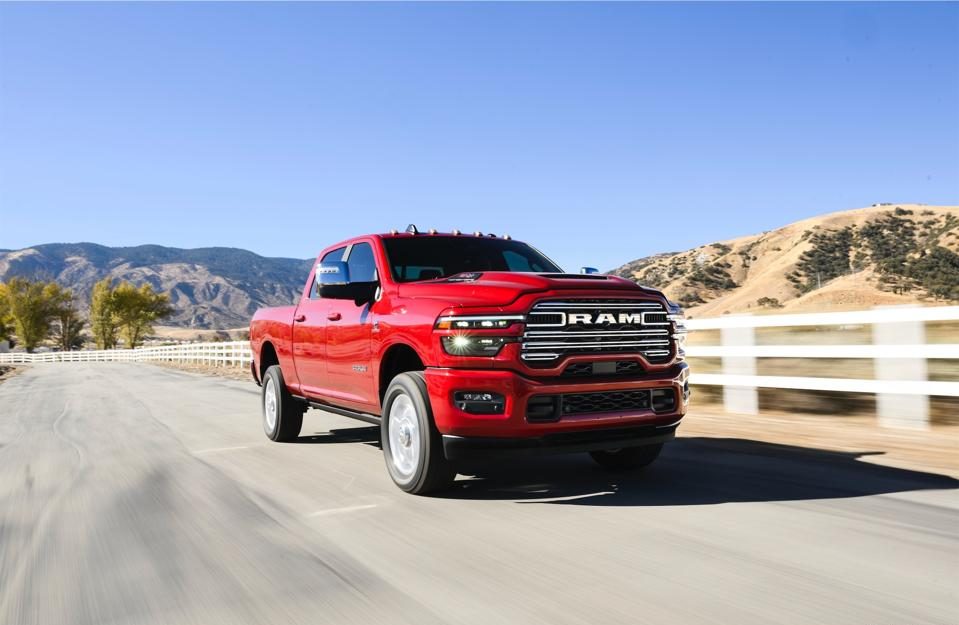
5. Ram 2500 – Rock-Solid Under Pressure
The Ram 2500 has long been respected for its heavy-duty capabilities, especially in diesel configurations. One of the standout features is its robust drivetrain system, particularly the driveshaft.
Whether equipped with the Cummins diesel engine or the gas-powered HEMI, the driveshaft components are built to withstand high torque without giving out. The engineering behind it reflects Ram’s intention to provide a truck that’s not just powerful, but also dependable when it matters most.
What sets the Ram 2500 apart is the use of larger, thicker driveshaft tubing and high-strength universal joints that can handle sharp angles and high loads. This helps reduce flex and prevents the shaft from twisting under torque.
Additionally, the truck’s rear axle setup helps distribute force evenly, which prevents stress from accumulating in one area. This balanced design contributes to the durability of the driveshaft over long-term use.
In real-world scenarios, the Ram 2500 has proven its reliability time and again. Whether it’s hauling fifth-wheel trailers, towing tractors, or driving through rough job sites, the driveshaft holds up.
Many owners have reported over 200,000 miles without needing to replace or repair this part, even under constant towing loads. Its performance is consistent, and that makes it a favorite among contractors, ranchers, and commercial users.
While all mechanical parts can eventually wear out, the Ram 2500’s driveshaft is rarely the first to go. Regular maintenance and inspections are, of course, necessary, but you won’t find many complaints online or in forums about unexpected driveshaft failures. It’s a model that delivers on its promise of toughness and earns its place among trucks you can rely on in the harshest conditions.
5 That Snap Under Stress
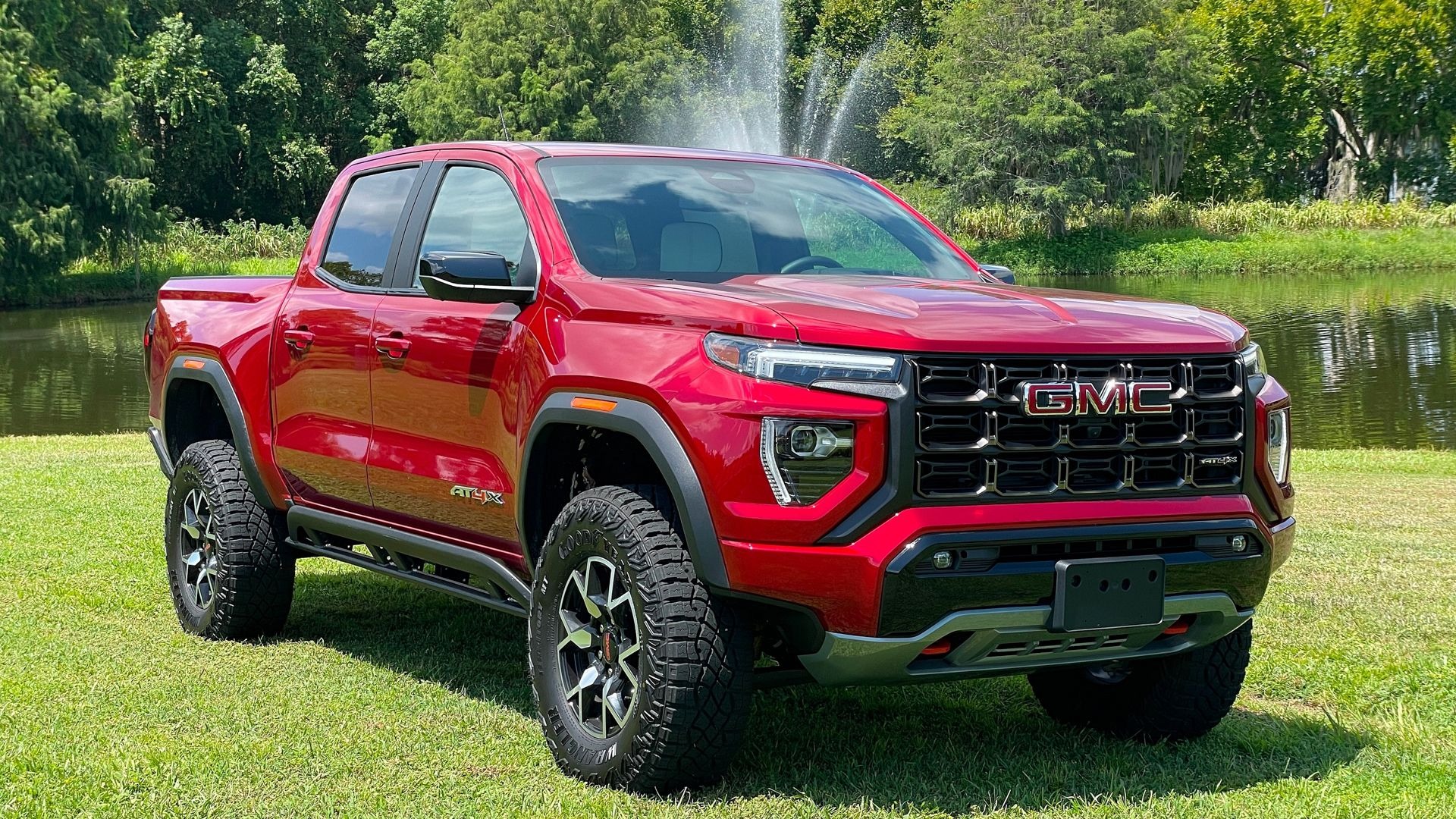
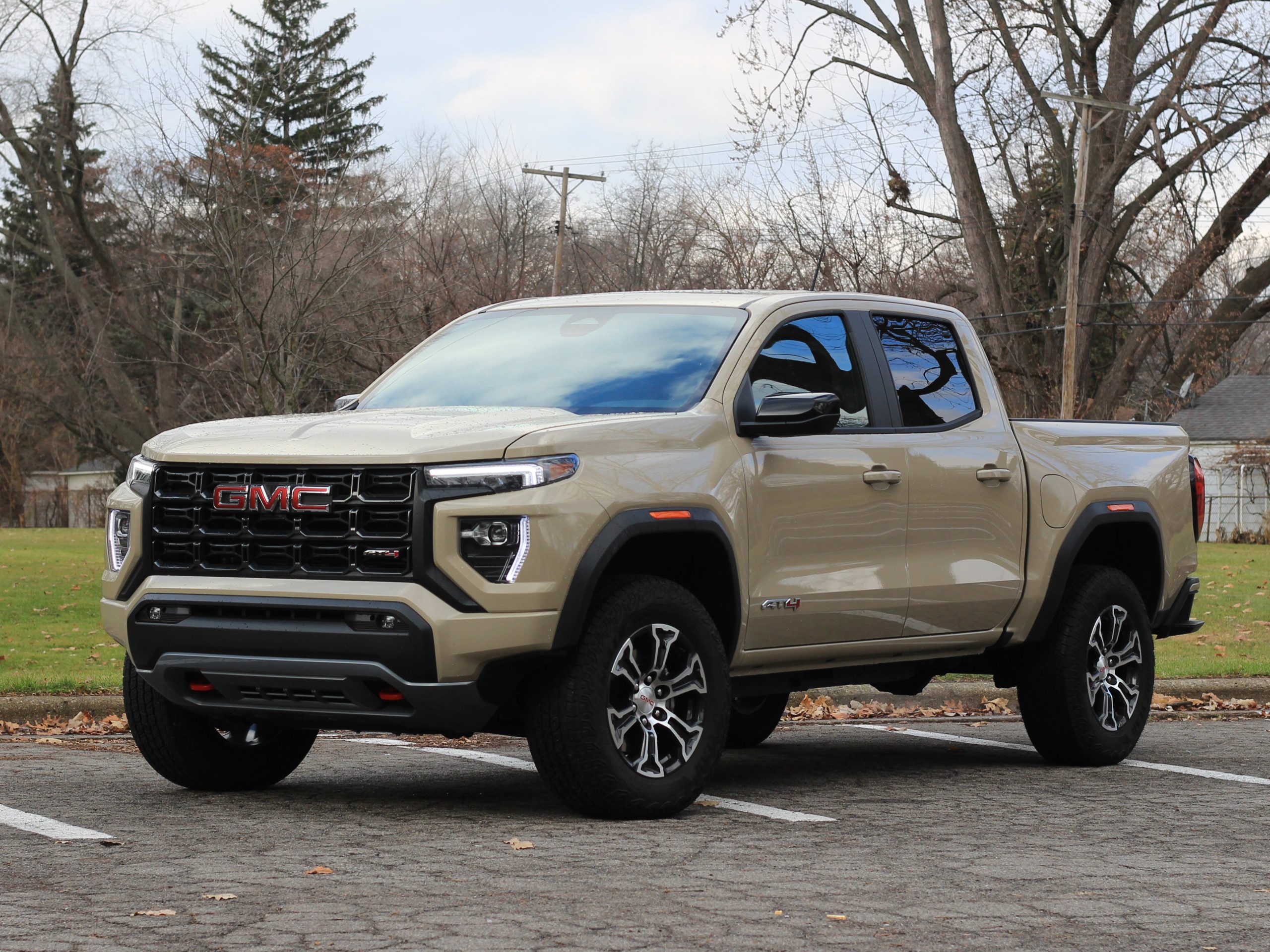
6. GMC Canyon – Weak Points Under Strain
The GMC Canyon is often marketed as a tough midsize truck, but when it comes to the durability of its driveshaft under stress, it hasn’t always performed as expected.
Several owners, particularly those using the Canyon for towing or off-road driving, have reported driveshaft failures or problems with vibration and joint wear. This can be surprising, given its rugged appearance and GM’s reputation.
One of the primary issues lies in the rear driveshaft configuration. In earlier model years, especially before the 2015 redesign, the driveshaft was known to develop imbalances or misalignment.
This led to vibration at highway speeds and a loud thumping noise during gear shifts or acceleration. These symptoms typically precede more serious failures, such as U-joint separation or shaft cracking. In some cases, full driveshaft replacement was required before 100,000 miles.
Another challenge with the Canyon is that it lacks the reinforcements seen in heavier trucks. Its driveshaft and related components are sized more for commuter-style driving than for true work conditions.
When pushed beyond typical driving habits, such as pulling heavy trailers or climbing rocky trails, the truck’s components are more likely to be overstressed. This has made it a less-than-ideal option for buyers looking for both utility and ruggedness in one package.
The Canyon’s issue isn’t necessarily that it breaks constantly, but rather that it has a narrow margin for error. It performs fine in moderate conditions but struggles when demands increase. For buyers who expect midsize trucks to punch above their weight, this model might fall short.
If the truck is used gently and well-maintained, it may never show any problems. But for those looking to test its limits, the driveshaft may not be up to the challenge.
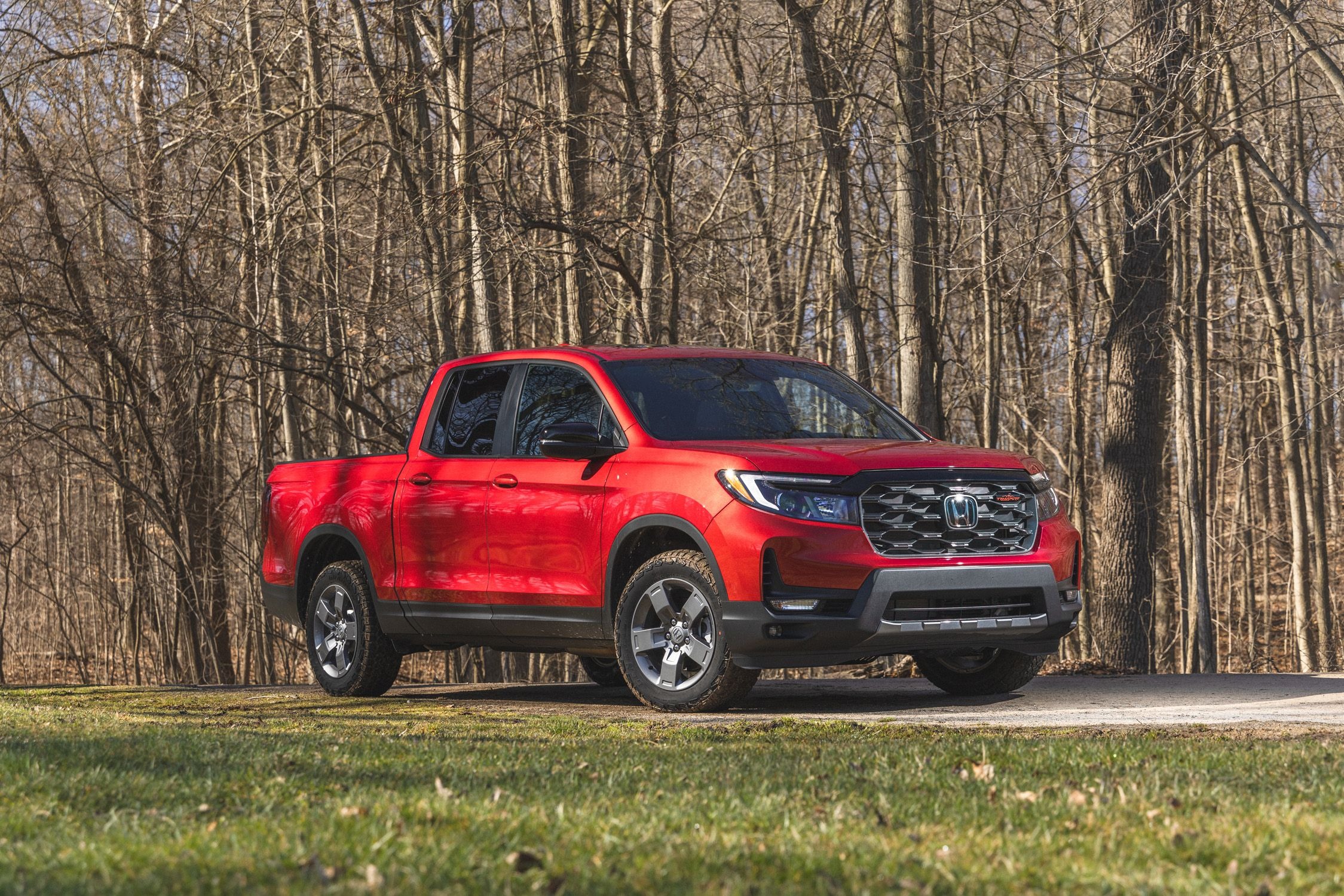
7. Honda Ridgeline – Surprisingly Reliable
The Honda Ridgeline doesn’t fit the traditional image of a rugged, body-on-frame truck, but its driveshaft reliability is one of the surprising strengths of the vehicle.
Built on a unibody platform, the Ridgeline blends car-like comfort with light-duty truck performance, and yet its all-wheel-drive system and driveshaft have proven to be impressively durable over time. For those using their truck for everyday driving, occasional towing, or outdoor recreation, the Ridgeline stands up quite well.
One reason for the Ridgeline’s driveshaft durability is that the drivetrain was designed with smoothness and efficiency in mind. There’s less stress transferred through the shaft during gear changes and acceleration, which helps reduce wear over time.
Its torque distribution system is electronically managed, meaning the driveshaft is only heavily engaged when traction conditions require it. This greatly reduces the time spent under maximum stress compared to full-time 4×4 trucks.
Another advantage is Honda’s approach to materials and testing. The company is known for reliability and often uses higher-grade components in areas that tend to go unnoticed.
The Ridgeline’s driveshaft, while not oversized or built for extreme off-road use, is well-balanced and tightly manufactured. Failures are extremely rare, even in high-mileage models, and vibration complaints are uncommon.
Of course, the Ridgeline is not built for rock crawling or towing massive fifth-wheel trailers, so it’s important to understand the context in which its driveshaft shines.
It’s not invincible, but within its intended use case, it’s remarkably dependable. For families, tradespeople, or weekend adventurers who want reliability without the bulk of a full-size truck, the Ridgeline delivers with surprising confidence.
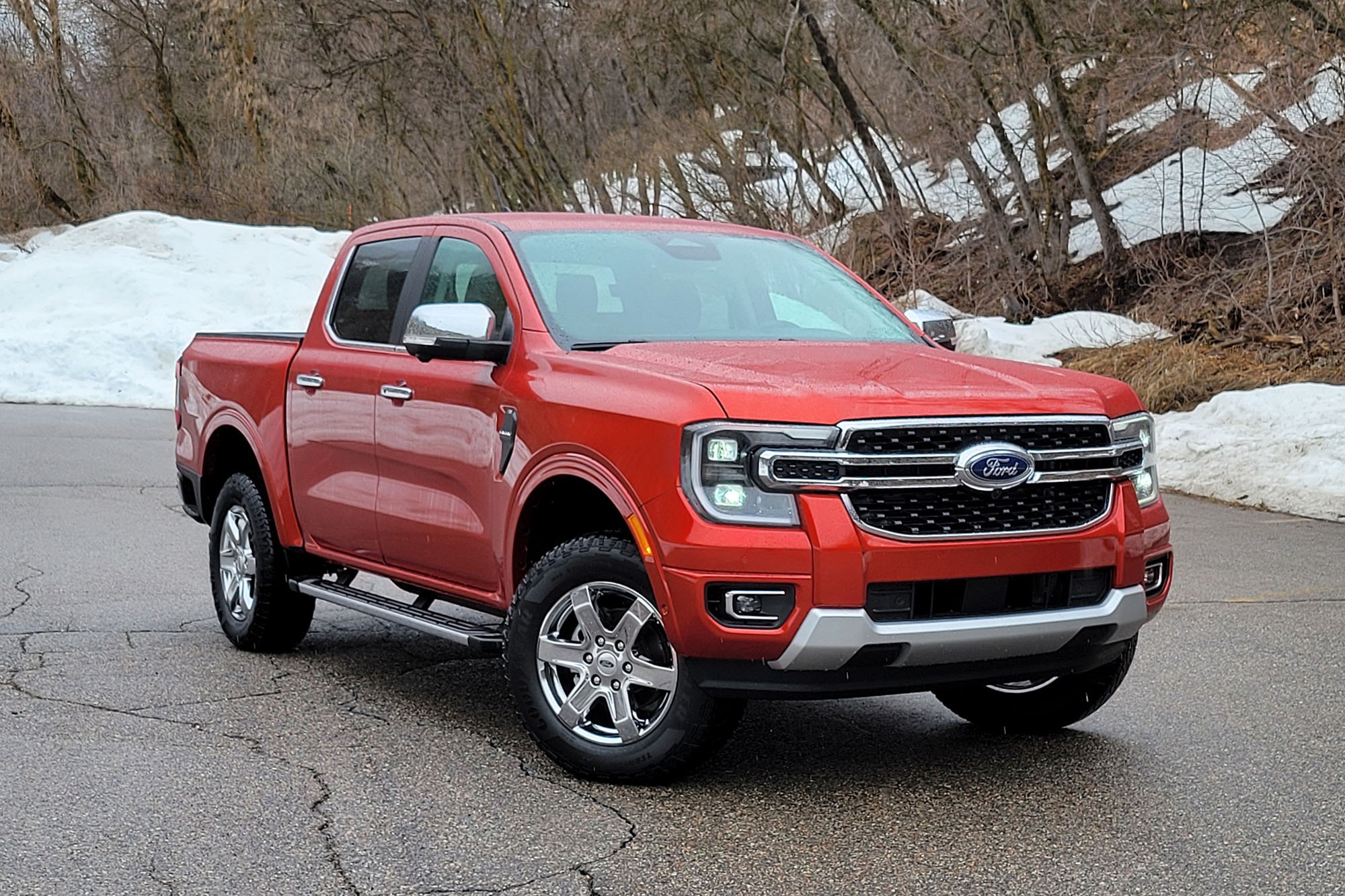
8. Ford Ranger (Recent Models) – Flawed Design Choices
The recent-generation Ford Ranger re-entered the US market with strong power and styling, but it has faced some criticism for its driveshaft issues, particularly in early production years.
While it boasts a respectable towing capacity and off-road capabilities, the rear driveshaft has been a weak point. Numerous reports of vibration, clunking noises, and premature wear have surfaced, especially on models with the FX4 package or those used frequently for towing.
One of the common problems is poor factory balancing. Many owners have had to return their trucks to the dealership to address driveshaft vibrations at speeds between 50 and 70 mph.
The issue often stems from minor manufacturing flaws that lead to imbalance over time. In some cases, even replacing the shaft didn’t fix the problem, suggesting a deeper misalignment or structural issue in the drivetrain layout.
Another recurring concern involves the center bearing and support brackets. These parts, which are supposed to stabilize the driveshaft, have been known to wear prematurely or be poorly mounted.
This can allow the shaft to flex more than intended, especially when the truck is under load. Over time, this increases the chances of fatigue cracks or U-joint failure, which compromises safety and function.
To be fair, Ford has attempted to address these issues with updated parts and improved balancing procedures in later production runs.
However, the early impressions left a mark on the Ranger’s reputation. For those using the Ranger as a daily driver, these issues might never appear, but for buyers expecting heavy-duty performance in a midsize package, caution is advised.
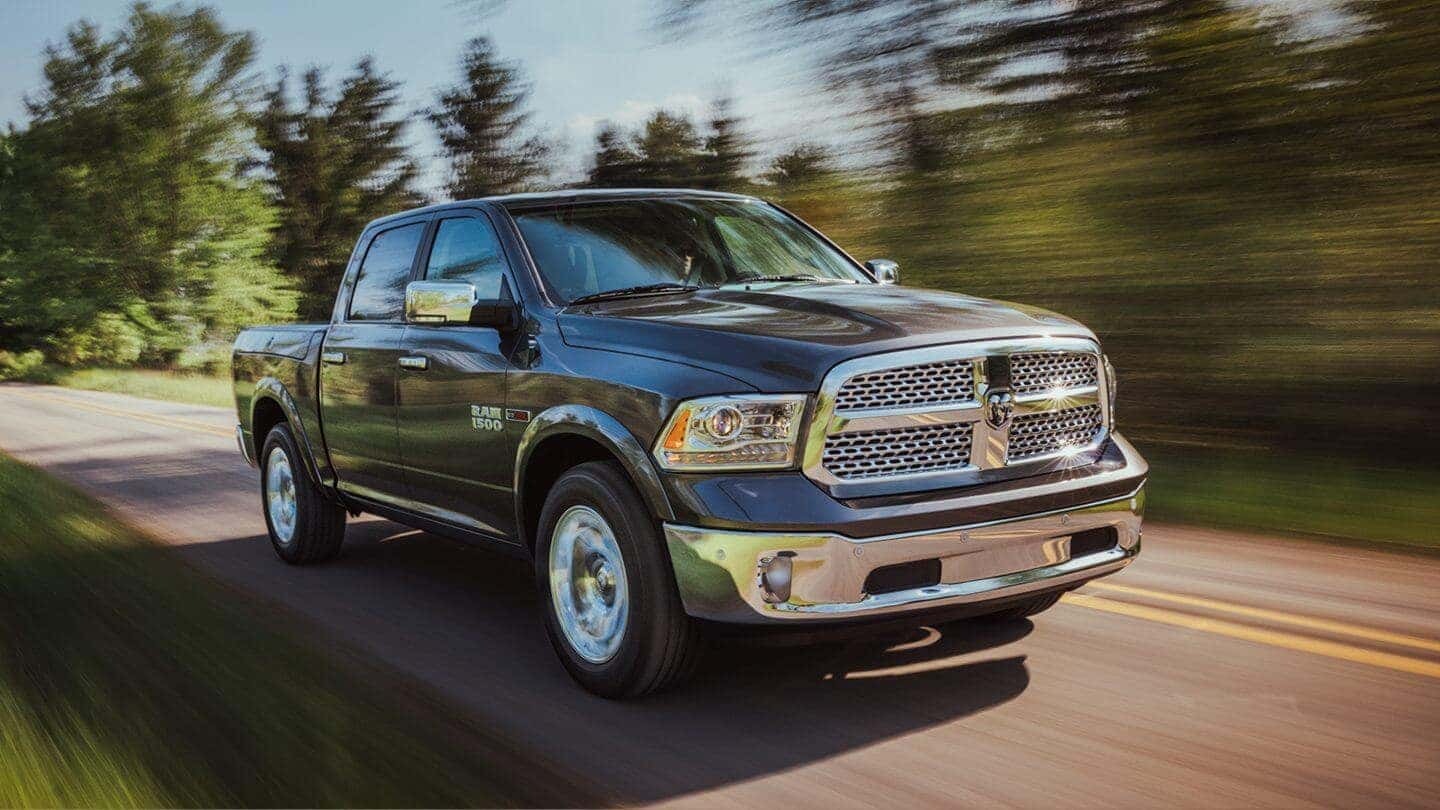
9. Ram 1500 – Strong Performance and Engineering
The Ram 1500 has made a name for itself as one of the most comfortable and refined full-size pickups on the market, but it’s also tough where it counts. Its driveshaft has proven to be durable, especially in the newer generations.
Whether using the 5.7L HEMI or the newer mild-hybrid setups, the driveshaft continues to perform well under a range of stress conditions, from daily driving to towing heavy trailers.
The quality of materials used in the Ram 1500’s driveshaft plays a major role. Unlike some competitors that use thinner aluminum or questionable alloys, Ram generally opts for sturdy, well-balanced steel shafts.
The universal joints are also reinforced and known for lasting well beyond the 100,000-mile mark. Combined with a multi-link rear suspension that reduces drivetrain strain, this leads to fewer issues and lower maintenance costs.
Owners frequently praise the truck for its quiet ride and smooth power delivery, both of which are indicators of a well-balanced driveline.
Excess vibration and stress are among the most common causes of driveshaft damage, and the Ram’s ability to reduce those factors translates directly to reliability. Even under load, the drivetrain doesn’t feel strained, which speaks volumes about its design.
While all trucks require regular care, the Ram 1500 is not typically associated with driveshaft issues. It’s well suited for a variety of tasks and rarely lets its drivers down in this department. For buyers who want a truck that balances strength and comfort, the Ram 1500 is among the top choices in its class.
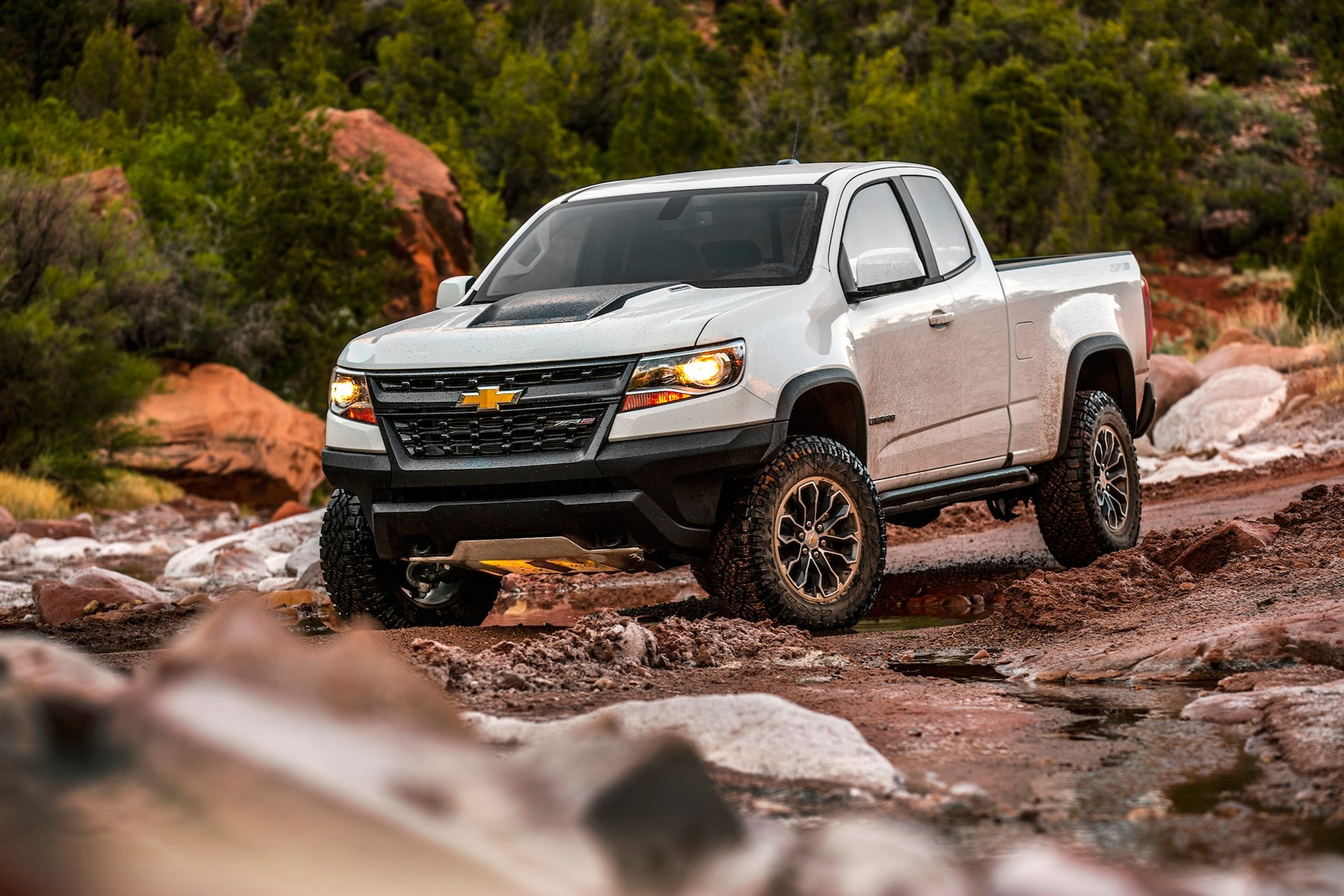
10. Chevrolet Colorado – Trouble Beneath the Surface
The Chevrolet Colorado, much like its cousin the GMC Canyon, has faced issues with its driveshaft design, especially in early or high-mileage models.
Despite strong marketing as a rugged and capable midsize truck, the Colorado often falls short when pushed beyond standard duties. Reports of shaft vibration, noise during acceleration, and even complete failure under load have been frequent enough to raise concerns.
One issue has been the use of aluminum shafts in some trims. While this helps with fuel efficiency and reduces unsprung weight, it also introduces a weakness when torque increases sharply, such as during towing or sudden acceleration.
The shaft may flex or warp more easily, leading to misalignment or cracking. Once this starts, it’s only a matter of time before the failure becomes critical.
The support system for the driveshaft also seems to be a factor. Carrier bearings and mounting brackets are often smaller and less robust than those in full-size trucks.
While acceptable for city driving or light use, they aren’t ideal for long-term durability under high stress. Owners who take their Colorado on off-road trails or use it regularly for towing are more likely to encounter problems.
GM has issued service bulletins and recommended replacements in certain cases, but these fixes don’t always solve the underlying design challenges. While newer models have shown improvement, the history of driveshaft problems still lingers.
If you’re looking for a truck that can consistently handle rough use without driveshaft concerns, the Colorado may not be the best bet unless you’re sticking strictly to light-duty tasks.
For those expecting midsize trucks to perform like their bigger siblings, this is one area where the Colorado can disappoint. When problems begin, they’re often difficult to diagnose and expensive to correct, especially if they’ve led to damage in other parts of the drivetrain.
Furthermore, while the truck performs well in fuel economy and interior comfort, its mechanical underpinnings, especially in lower trims, don’t always match up with the rugged image it presents.
For off-roaders, towing enthusiasts, or anyone operating in demanding terrain, the risk of shaft-related problems should be taken seriously. It’s not just about replacing a part it’s about whether that part should have failed at all.
This doesn’t mean every Colorado is guaranteed to have problems. Plenty of owners report years of solid service. But statistically, the odds of driveshaft issues appearing earlier than expected are higher than in many competitors.
It’s a detail that might go unnoticed during a test drive, but could turn into a costly headache down the road. If you’re set on a midsize truck and need something that stands up better to stress, other models on the market have a stronger track record when it comes to their drivetrain.
Unless you’re only looking for city use and occasional highway driving, the Colorado is a model you should approach with caution, particularly if you’re eyeing used ones from the earlier years in the current generation.
Also Read: 5 Hybrids That Outdrive Gas Cars and 5 That Don’t
A truck’s driveshaft doesn’t usually get much attention until something goes wrong. It’s a hidden part, buried beneath the frame, doing its job without fanfare. But when it fails, the results can be dramatic, costly, and sometimes dangerous. What this component shows us is how well the entire vehicle has been engineered.
A strong, long-lasting driveshaft is not just about the metal it’s made from; it’s about the design of the whole system that supports it.
That includes torque management, axle alignment, bearing support, and real-world testing. When a truck’s driveshaft holds up under pressure, it’s usually a sign that the rest of the vehicle has been thoughtfully built as well.
The trucks that shine in this area, like the Ford Super Duty F-350, Toyota Tundra, Ram 2500, Honda Ridgeline, and Ram 1500, demonstrate how much planning and reinforcement go into true reliability.
These trucks tend to come with strong axles, intelligent torque distribution, and high-quality materials that prevent premature wear.
More importantly, they don’t just perform well in lab tests or brief off-road trips; they hold up after years of use, in real-world conditions, with real loads.
Owners trust them to work hard every day, and the driveshafts rarely disappoint. That’s not a marketing claim; it’s a reflection of thousands of ownership experiences.
On the other hand, the trucks that have struggled, like the Chevrolet Silverado 1500, Nissan Titan, GMC Canyon, Ford Ranger, and Chevrolet Colorado, serve as reminders that visual toughness doesn’t always mean mechanical toughness.
These trucks might look the part and offer attractive specs on paper, but once you start using them for heavy towing, off-roading, or hauling, weaknesses become apparent.
Driveshaft issues in these models often stem from cost-cutting decisions, undersized components, or designs that weren’t properly stress-tested.
And when the driveshaft goes, it’s never just a minor inconvenience; it often leads to collateral damage, expensive repairs, or being stranded at the worst possible time.
Truck buyers today have more options than ever, and that means more responsibility to look past appearances and dig into reliability records.
Not every driver will experience driveshaft failure, but the risk goes up when trucks are pushed harder than they were built to handle.
If you’re someone who needs your vehicle to perform under pressure, whether for work, towing, or backcountry trips, the strength of your driveshaft is not something to overlook. It’s the backbone of your truck’s ability to turn engine power into actual movement.
A good truck is more than just comfort, power, or brand loyalty. It’s about how well each part holds up under stress, especially the ones you never see. Choosing a truck with a proven, reliable driveshaft is a quiet but significant way of choosing long-term peace of mind.
It means fewer surprises, more miles, and a stronger foundation for whatever you need your truck to do. It’s not just about buying power, it’s about buying trust. And the right driveshaft makes all the difference.
