
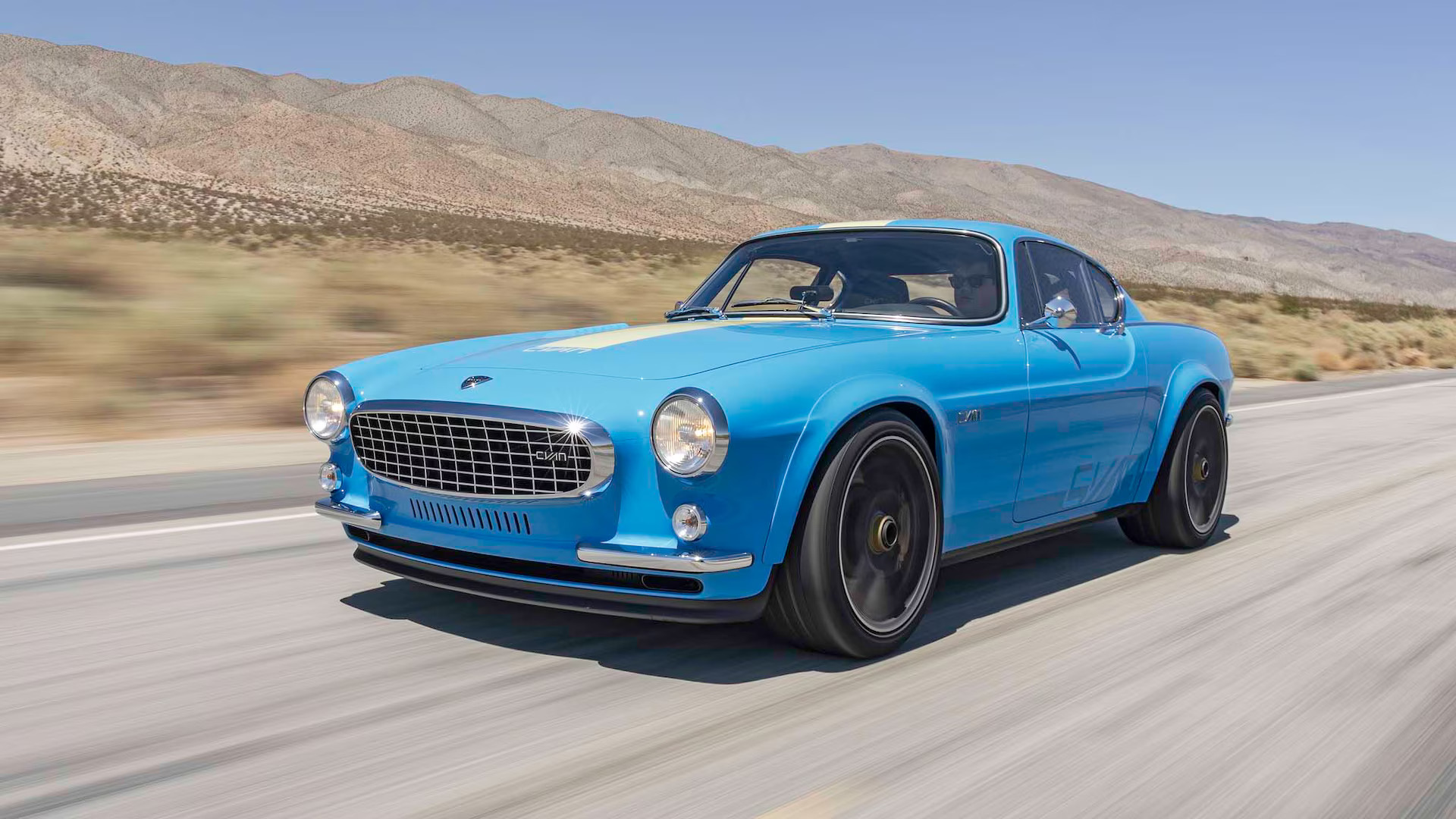
Car interiors serve as the primary environment drivers and passengers interact every day. While performance, reliability, and exterior styling often dominate car discussions, the interior is where a vehicle proves its true quality over time.
A well-designed interior doesn’t just look good when it’s new; it ages gracefully, maintains its functionality, and continues to feel premium years or even decades down the line. On the flip side, some interiors that might have seemed modern or attractive at first quickly deteriorate, with materials that crack, fade, or fall apart, reminding owners of poor design and cheaper manufacturing choices.
The difference between a timeless interior and one that falls apart isn’t always about price. Some luxury brands manage to use quality materials that endure without cutting corners, while some mass-market cars also achieve greatness through clever design and durable craftsmanship.
On the other end, even vehicles from respected brands have fallen into the trap of cost-cutting measures and poor-quality plastics, leading to dashboards that warp in the sun, center consoles that squeak and groan, and trim pieces that peel or crack within a few years.
Car enthusiasts and everyday drivers alike often remember a car more by how it made them feel behind the wheel rather than just its 0 to 60 time. Interiors play a big part in that experience.
Whether it’s the rich aroma of leather, the solid thunk of a well-made switchgear, or a design layout that never goes out of style, a car’s interior can leave a lasting impression. Conversely, when buttons fade, plastic breaks, and cabin materials degrade, that impression becomes a constant source of disappointment.
In this article, we’ll look at five cars with interiors that have stood the test of time, consistently praised for their craftsmanship, durability, and visual appeal. Then, we’ll shift to five cars known for their interior shortcomings, especially those plagued by cheap plastics that tend to crack and age poorly.
This is not just a comparison of aesthetics but a commentary on quality, longevity, and the difference good materials and thoughtful design can make in automotive design.
Also Read: 10 High-Mileage Cars That Have Their Interior Looking New
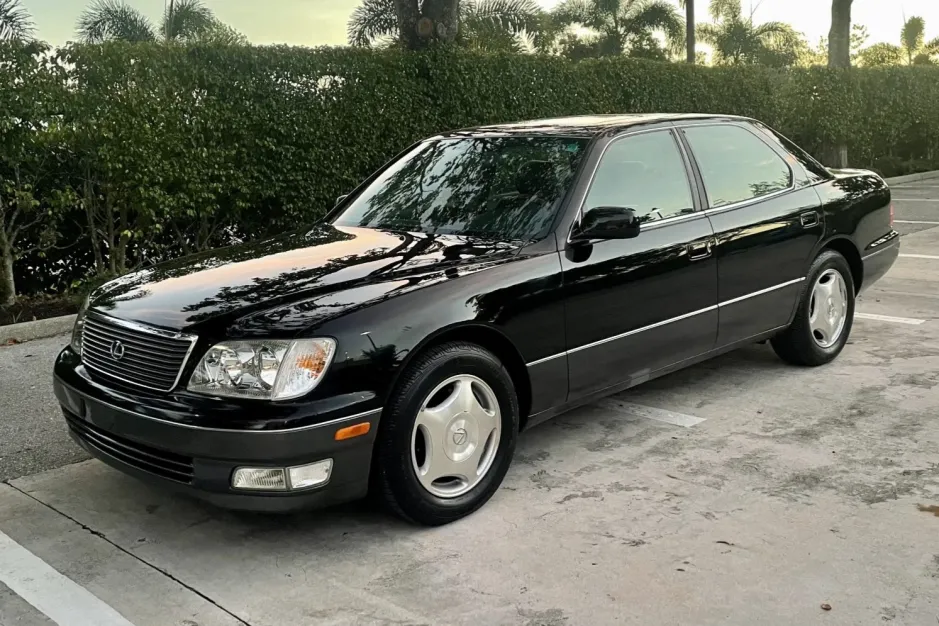
1. Lexus LS 400 (Timeless Interior)
The Lexus LS 400, introduced in 1989, is often credited with redefining what luxury could be. Its interior played a major role in that success. Unlike some European competitors of the time that leaned heavily on flash and ornate styling, the LS 400 took a more restrained and sophisticated approach.
The materials were selected not just for their initial appearance but also for their ability to wear well. Real wood trims were integrated thoughtfully, soft-touch plastics covered most surfaces, and even the smallest switches operated with a satisfying resistance and smoothness that made them feel like precision instruments.
Over the years, these interiors have proven to be exceptionally durable. Many LS 400s from the early 1990s still feature dashboards free of cracks, seats that have worn gently rather than torn, and functioning electronics, no small feat for a car that’s over 30 years old.
The key to this longevity lies in Toyota’s obsession with quality during the Lexus development phase. Materials were tested under extreme conditions, and engineers were encouraged to exceed luxury benchmarks rather than simply match them.
The design philosophy also contributed to its timelessness. It was neither too minimalistic nor cluttered. Analog dials were clear, button layouts made sense, and no reliance on gimmicky tech would quickly date the cabin. This approach helped the LS 400 age gracefully. While newer luxury cars leaned into glossy touchscreens that aged quickly and became obsolete, the LS 400 stuck with controls that were functional and familiar. As a result, its interior still feels purposeful today.
Owners and collectors often remark how satisfying it is to sit inside an old LS 400. The smell, the feel, the quietness., t all holds up. It’s not flashy, and that’s precisely why it works. It’s a cabin built for comfort and endurance, not just first impressions. Many consider it a benchmark in automotive interior quality, and rightfully so.
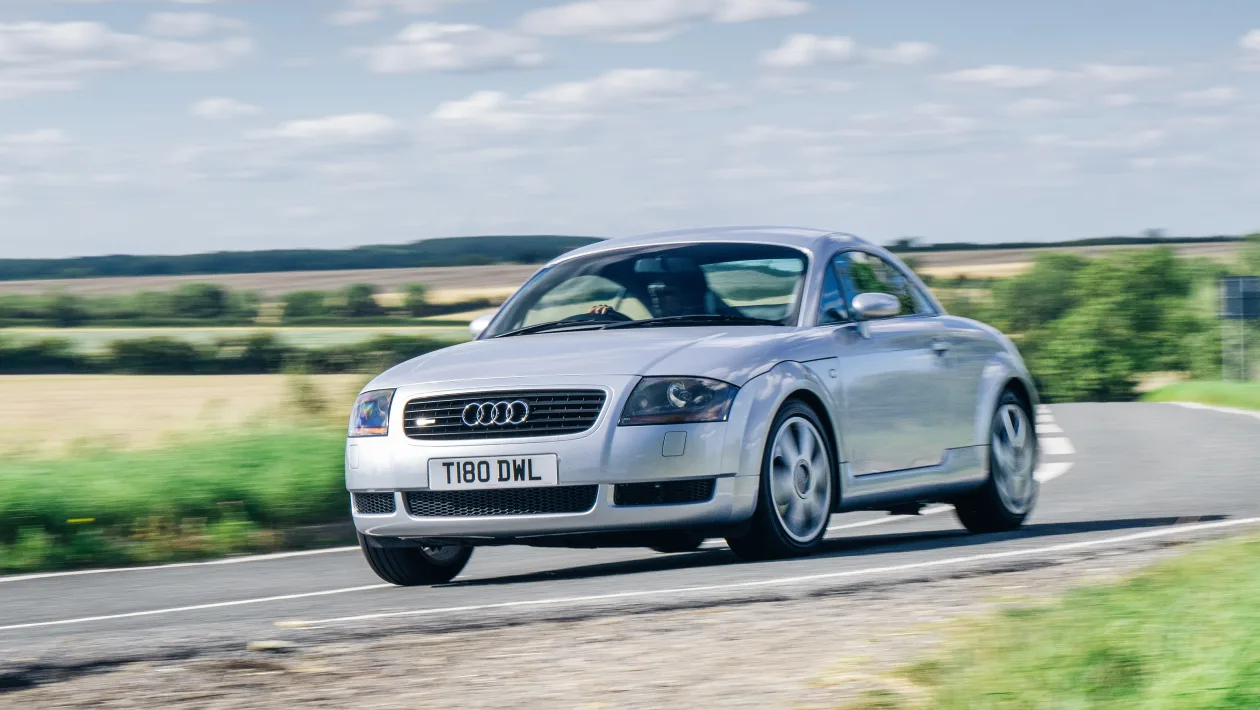
2. Audi TT Mk1 (Timeless Interior)
The original Audi TT, launched in 1998, featured an interior that immediately stood apart from anything else on the market. It wasn’t just about aesthetics; it was about thoughtful execution and a focus on tactile satisfaction.
The dashboard was symmetrical and clean, with metallic elements like exposed aluminum trim and circular vents giving it a uniquely industrial yet refined look. It felt modern and almost concept-like, which is rare in production vehicles.
What truly makes the TT’s interior stand out even today is how well it has aged. The materials used were of a higher quality than many of its contemporaries. Real aluminum was used instead of painted plastic, and the leather trim was tight and well-stitched.
The switchgear had a solid feel, with each click feeling deliberate. Despite the compact dimensions of the TT, it never felt cheap or overly minimalist inside. The controls were intuitive, and the whole layout respected the driver.
Another strength of the TT’s interior was its consistency. Whether you looked at the doors, the center console, or the instrument cluster, everything felt like it belonged. The design language was cohesive.
Audi clearly took time to ensure every part of the cabin reflected a single design vision. There were no random out-of-place features or oddly textured surfaces. The result is an interior that still impresses, especially when you compare it to other late-90s cars that have not aged nearly as well.
While technology has evolved significantly since the late ’90s, the original TT’s interior does not feel obsolete. In fact, it’s often praised for avoiding the excessive reliance on screens that plague modern cars.
The tactile dials and mechanical features contribute to an analog driving feel that many enthusiasts now miss. That sense of connection, combined with the enduring materials and design, secures the TT Mk1’s spot as a car with a truly timeless interior.
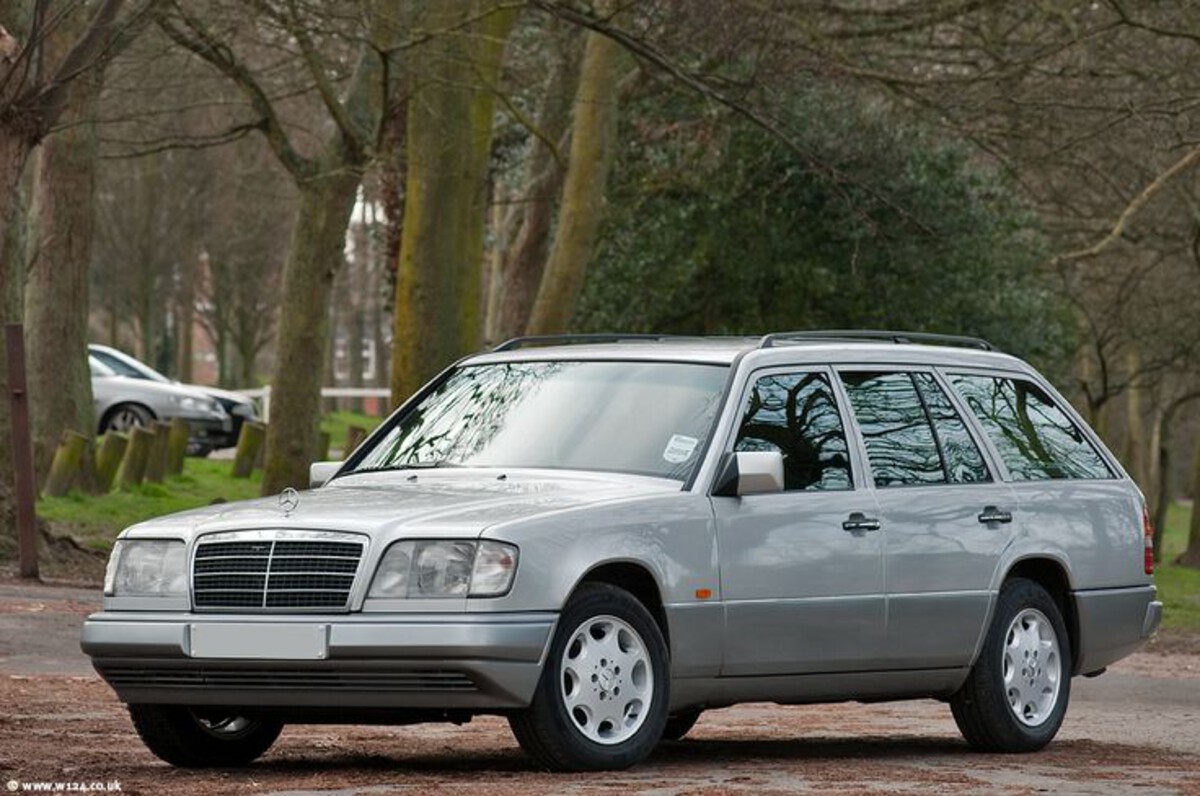
3. Mercedes-Benz W124 (Timeless Interior)
The Mercedes-Benz W124, produced from 1984 to 1997, exemplifies what happens when engineers are given more influence than cost-cutting accountants. Its interior was not about the immediate wow factor, it was about function, comfort, and longevity. Many consider it the peak of Mercedes’ over-engineering era. The dashboard was ergonomically designed, the switchgear was overbuilt, and the materials were selected for their resilience, not just looks.
The W124 featured interiors that remained largely consistent throughout its production run. Plastics were thick and soft-touch, unlike the hollow and brittle materials that became common in the 2000s. Wood trim, when included, was real and deep-lacquered, aging with character rather than flaking or fading.
The upholstery, whether leather or high-grade fabric, held up well over time and didn’t succumb easily to wear or staining. Even after hundreds of thousands of miles, W124 interiors often remain intact, which is a testament to their design.
It wasn’t just material quality that made the W124 stand out; it was how those materials were assembled. Every button, knob, and panel was installed with precision. Nothing squeaked or rattled, even on rough roads. That solidity is something many modern luxury cars strive for but rarely match. Owners often speak of the “bank vault” feel when closing the doors or the satisfying click of switches that still function decades later.
The design of the interior was also refreshingly straightforward. It was functional, with controls placed exactly where you’d expect them. There was no attempt to overwhelm the driver with screens or touch surfaces. This honest approach to layout and design has helped the W124 age with grace. It looks like a car that means business, not one trying to keep up with trends. That sense of purpose is a key reason why the W124 is still admired for its interior quality.
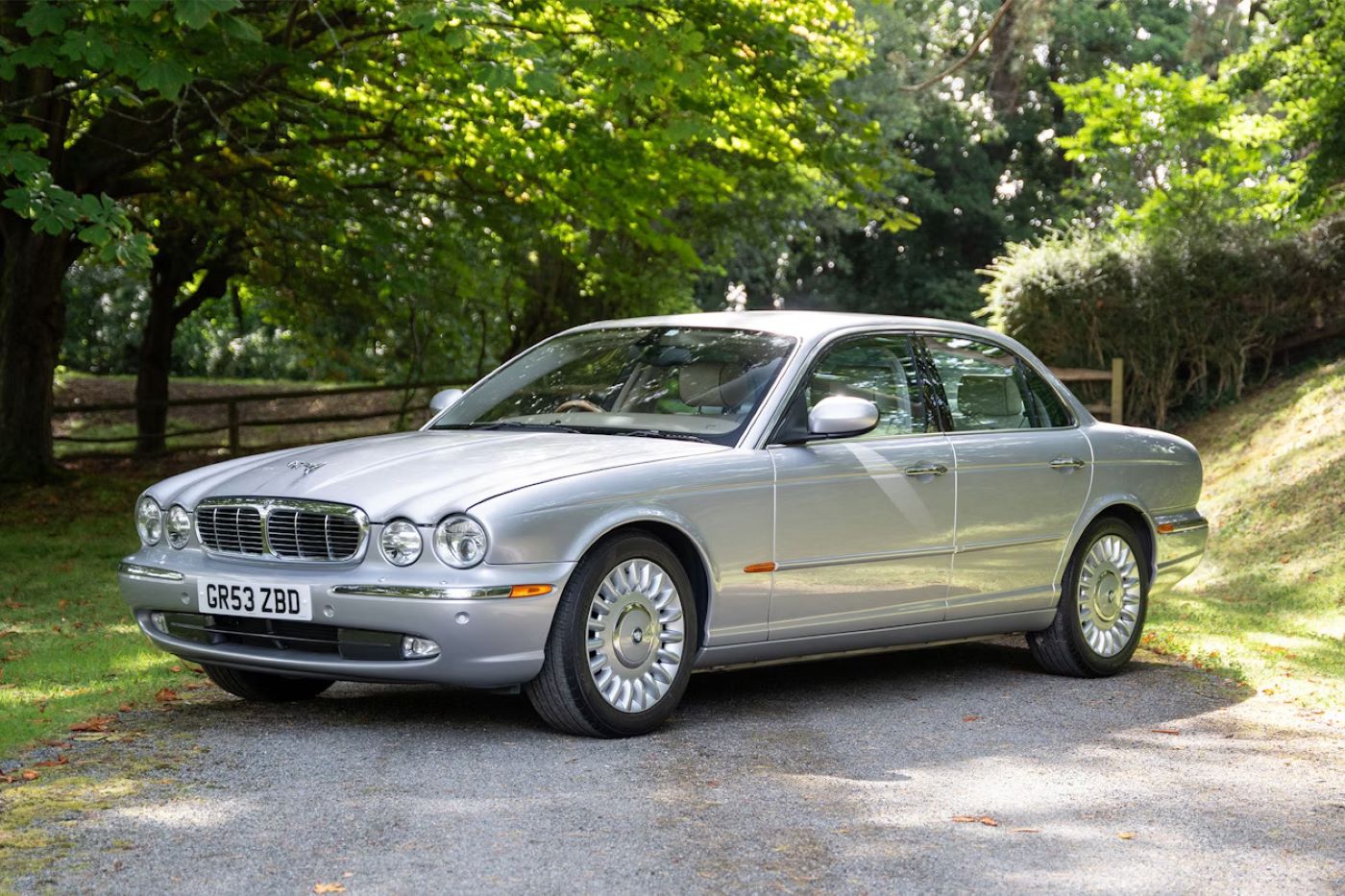
4. Jaguar XJ (X308) (Timeless Interior)
The Jaguar XJ from the late ’90s to early 2000s, specifically the X308 generation, managed to blend old-world luxury with modern convenience. Its cabin exuded warmth and tradition, using extensive wood trim and rich leather in a way that few other cars did. The dashboard was sweeping and elegant, featuring real walnut veneers polished to a deep shine. Every surface felt considered and luxurious, from the thick carpeting to the soft leather seats.
Jaguar understood its audience well during this time. Buyers wanted a cabin that reminded them of a British gentleman’s club, and that’s exactly what the XJ delivered. The seats were armchair-like in comfort, offering excellent cushioning and long-distance support. The analog gauges had a classic look with white numbers on a black background, and the switchgear was discreetly integrated into the wood-trimmed panels, maintaining visual harmony across the cabin.
What makes the X308’s interior stand the test of time is the commitment to traditional craftsmanship. Unlike many luxury cars that leaned heavily on plastics or adopted tech-forward designs too early, the XJ remained focused on tactile richness. The scent of real leather, the texture of genuine wood, and the quiet hum of a well-insulated cabin give it a presence that’s still impressive today. Even if technology has advanced, the sensory experience of sitting in an XJ remains rare.
Maintenance helps, of course. A neglected XJ can show its age quickly, but well-maintained examples continue to look and feel special. The timeless interior design reflects a different era of luxury, where quality and heritage mattered more than flashy tech. While modern Jaguars have moved in a new direction, the X308 stands as a reminder of what made the brand unique, especially when it comes to cabin atmosphere and comfort.
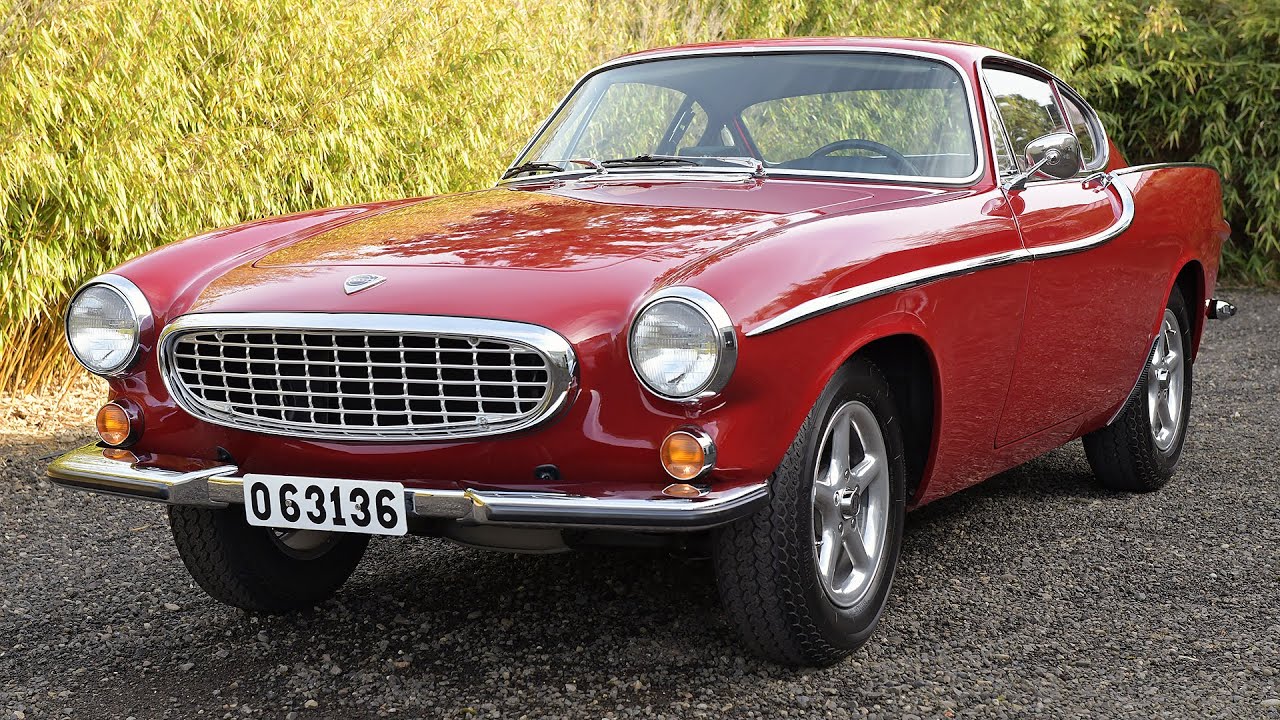
5. Volvo P1800 (Timeless Interior)
The Volvo P1800, produced between the early ’60s and early ’70s, represents an era when even sports coupes emphasized elegance inside the cabin. Its interior, while simple compared to modern standards, has aged remarkably well. The dashboard was clean and symmetrical, with a full set of analog gauges housed in individual pods. Everything was driver-focused but tastefully done, showcasing a blend of Scandinavian minimalism and 1960s flair.
Leather-trimmed seats, real chrome accents, and a thin-rimmed steering wheel added a level of sophistication that many cars of its class lacked. While some sports cars of that era went for a raw, stripped-down look, Volvo managed to create a cockpit that felt welcoming and premium. The color combinations were often bold yet tasteful, with deep reds, dark greens, and rich blacks creating striking contrasts against chrome and brushed metal surfaces.
Part of what makes the P1800’s interior so enduring is its restraint. It doesn’t try too hard to be futuristic or sporty. Instead, it offers a timeless aesthetic rooted in quality and purpose. The use of real materials and the thoughtful placement of every control has allowed the cabin to age gracefully. Even today, stepping inside a well-preserved P1800 feels like entering a piece of design history rather than just an old car.
Collectors love the P1800 for more than its looks. It’s the feeling of being in a cabin built with care and attention. The gauges still look charming, the materials hold up with basic care, and the layout feels deliberate rather than trendy. As a result, it has become a prime example of how great design and honest materials can create an interior that defies time.
5 With Plastics That Crack
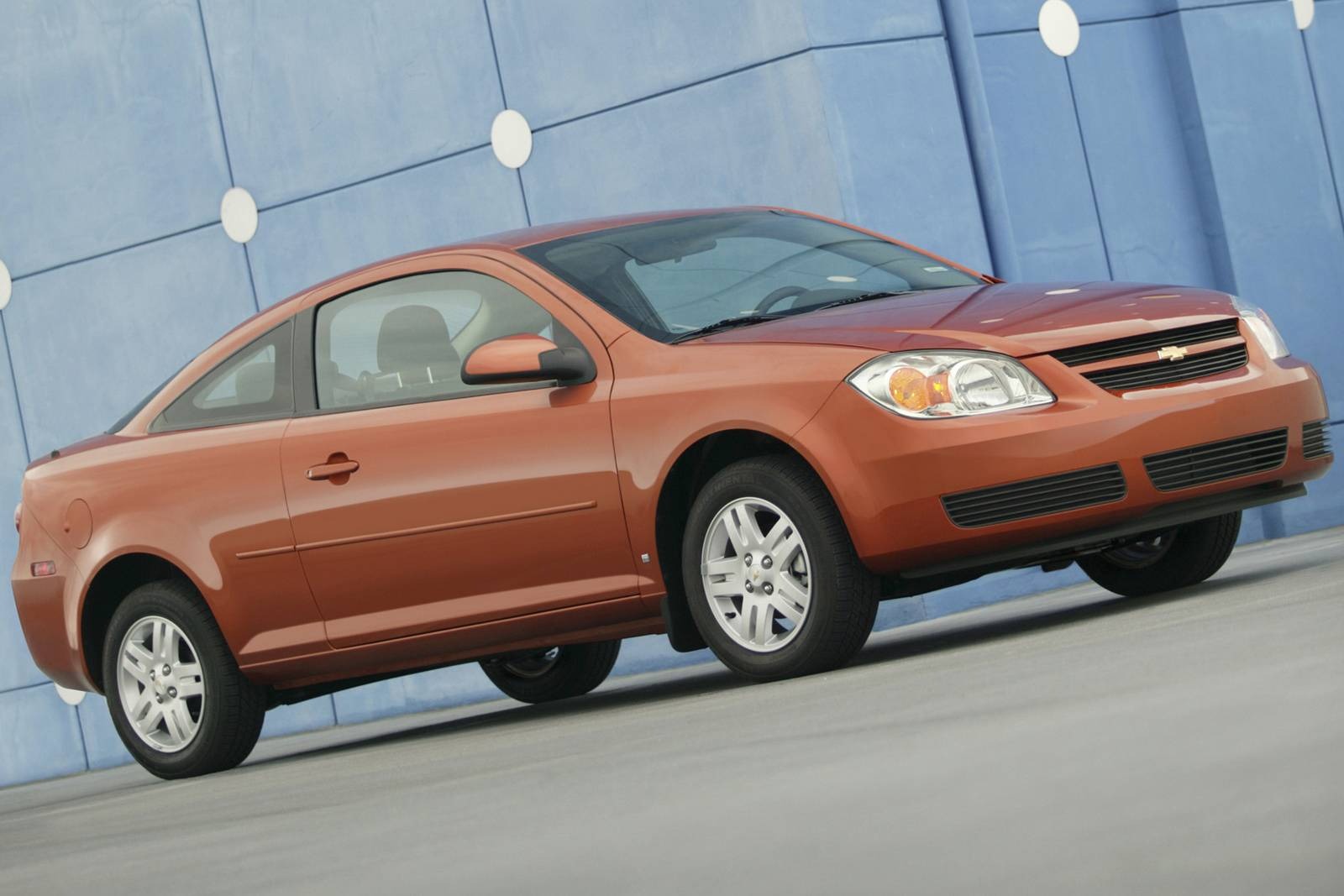
6. Chevrolet Cobalt (Plastics That Crack)
The Chevrolet Cobalt, introduced in the mid-2000s as a replacement for the Cavalier, quickly developed a reputation for interior quality that failed to meet even the modest standards expected in compact cars. One of the most immediate complaints from owners was the quality of the plastics used throughout the cabin.
Hard, shiny, and brittle materials dominated the dashboard, center console, and door panels. These plastics didn’t just feel cheap when touched; they also didn’t stand up well to everyday use, especially in sun-exposed areas.
Cracking was a frequent problem, particularly on the dashboard near the defrost vents and around the edges where the plastic met the windshield. In hotter climates, these issues were even more pronounced, with some owners reporting cracking within just a few years of ownership. The sun’s UV rays would cause the top layer to discolor and eventually split, leaving behind sharp edges and an unsightly appearance. In many cases, the cracks weren’t just cosmetic, they also affected how well certain panels stayed in place.
The design itself didn’t do the materials any favors. Large, uninterrupted slabs of plastic made imperfections more obvious. There was little attempt to break up the interior visually or tactically, which left the cabin feeling monotonous and industrial.
Small trim pieces around the radio, HVAC knobs, and gear shifter were especially prone to movement and misalignment, adding to the impression of fragility. Rattles and squeaks developed early, reinforcing the idea that corners had been cut in both design and assembly.
While the Cobalt was priced competitively, the poor quality of the interior made it feel older and more worn out than it should have. For owners who kept their cars beyond the warranty period, fixing cracked plastics often wasn’t worth the cost, and as a result, many Cobalts on the used market have visibly deteriorated interiors. It’s a clear example of how poor material choices can have lasting consequences on a car’s long-term value and reputation.
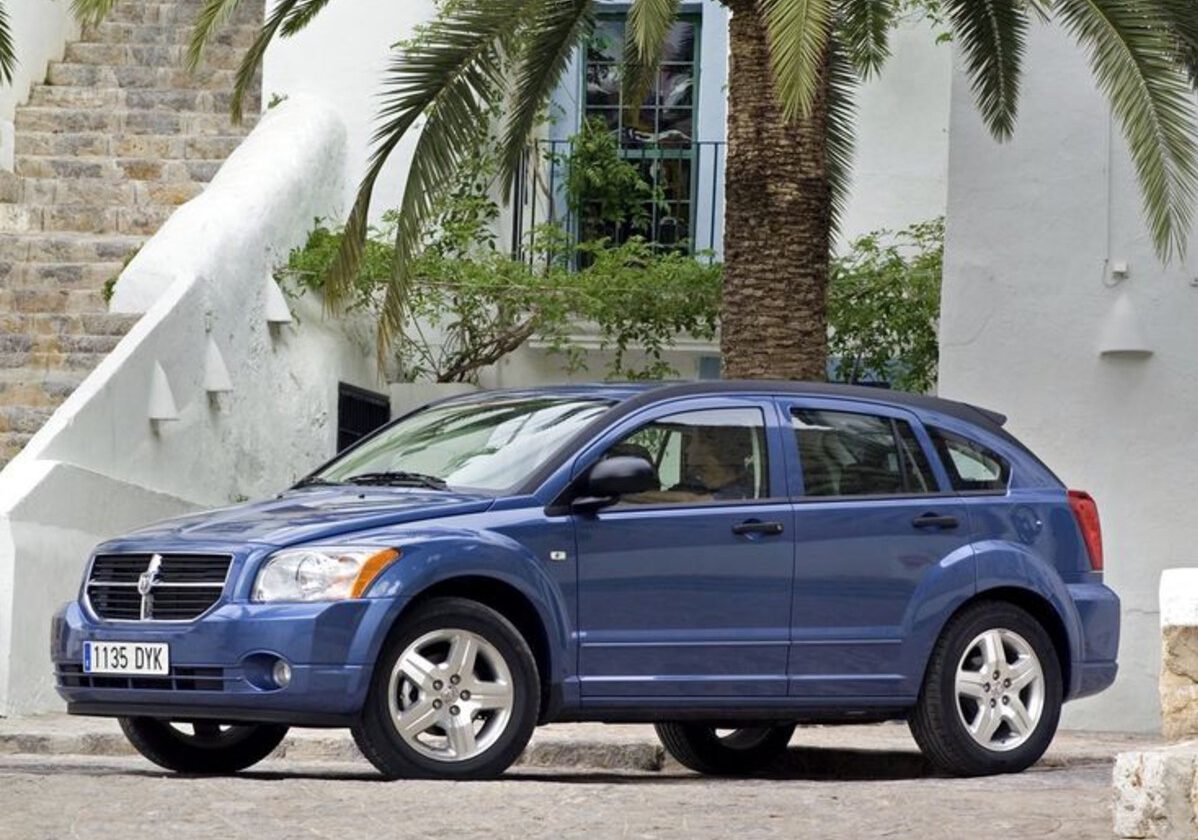
7. Dodge Caliber (Plastics That Crack)
The Dodge Caliber was intended to replace the Neon and bring Dodge into the compact crossover market with something bolder and more modern. Unfortunately, much of the boldness was limited to the exterior styling, while the interior quickly became a sore point for critics and consumers alike.
From the moment you sat inside, it was apparent that cost savings had taken precedence over durability and comfort. The dashboard was made entirely of coarse, grainy plastic, with very little effort to improve texture or feel.
Cracking and fading were common complaints among Caliber owners, particularly on upper surfaces exposed to sunlight. The dashboard, which already felt rigid and cheap, would begin to split in high-stress areas such as air vents and panel seams. Door panel inserts were also known to warp and detach over time, especially in warmer climates. These issues weren’t limited to high-mileage vehicles either. Many relatively new Calibers showed signs of interior aging well before they should have.
The layout of the cabin also did little to mask the poor material choices. The placement of vents, the shape of the center stack, and the bare-bones instrumentation all lacked finesse.
Adding to the disappointment were features that should have enhanced the car’s appeal, like the chilled beverage compartment in the glovebox or the “MusicGate” speakers, being surrounded by substandard materials that undercut their novelty. The contrast between gimmicky features and low-quality finishes created a jarring experience for users.
The Caliber’s interior served as a cautionary tale. It highlighted the risks of prioritizing aggressive marketing and flashy exterior design while ignoring the importance of tactile quality and long-term durability. Owners expecting a car that would age gracefully were often left with cracked plastics, sun-faded panels, and a general sense that their car was built to meet minimum standards rather than exceed them. It’s no surprise the Caliber was eventually phased out, and Dodge shifted strategy in subsequent models.
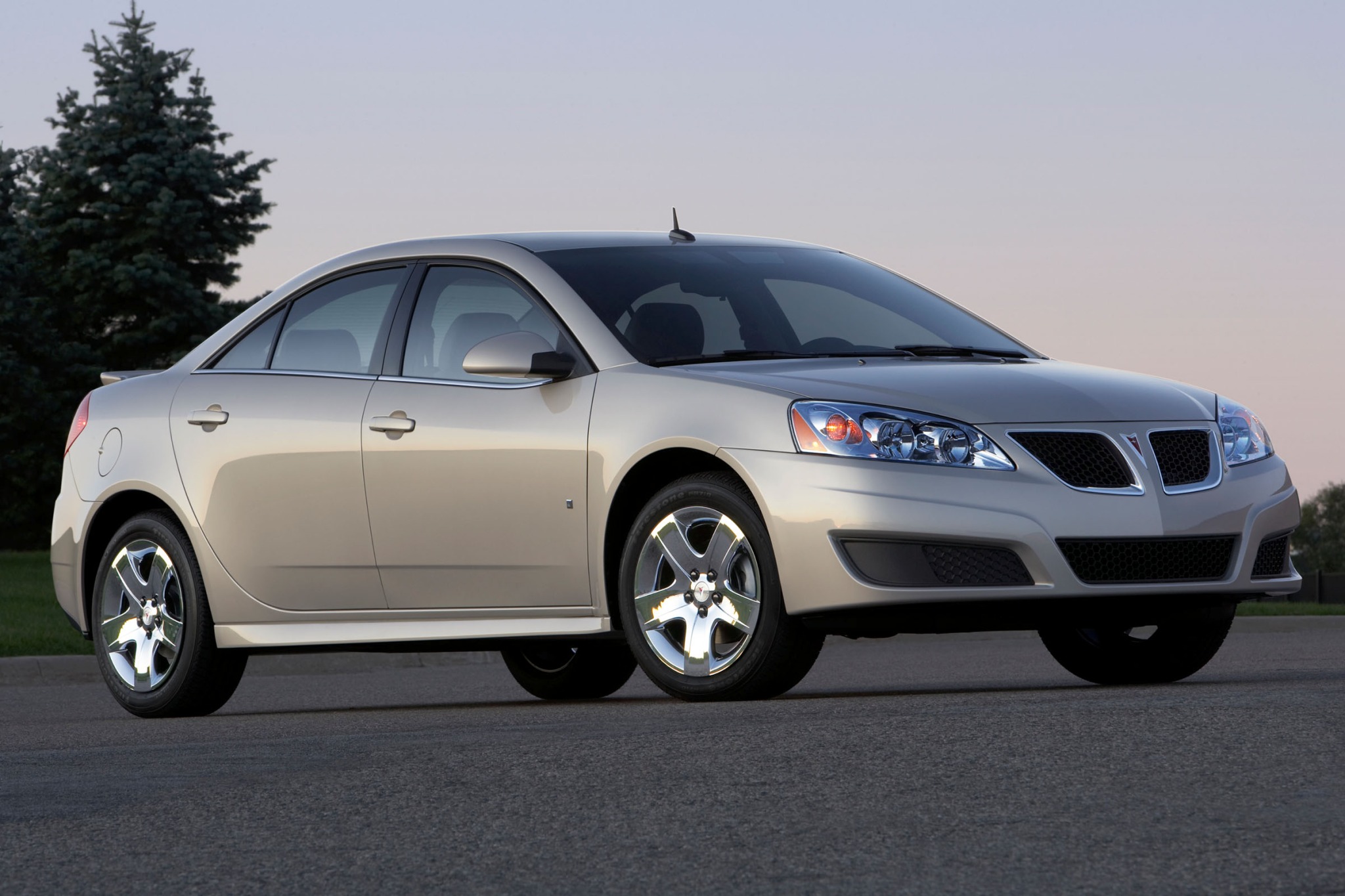
8. Pontiac G6 (Plastics That Crack)
The Pontiac G6 was part of GM’s mid-2000s strategy to revamp its image and appeal to younger buyers with more stylish and performance-oriented models. While the exterior design showed promise, the interior unfortunately did not follow suit. The cabin was awash in cheap, hollow-feeling plastics that looked dated even when the car was new. These materials didn’t take long to show wear, and in many cases, they began to degrade after just a few seasons of temperature swings and daily use.
Cracking dashboards were a frequent issue, especially near the windshield where heat and UV exposure were most intense. The material used for the top of the dash lacked both flexibility and UV resistance, which meant that as it aged, it dried out and split.
This was more than just an aesthetic problem, cracks often led to loose panels and exposed edges that affected the structure and cohesion of the cabin. Repairs were often difficult due to the size of the dash panel and the poor availability of matching replacement parts.
The center console and door panels also suffered from the same brittle plastic syndrome. Buttons would stick or become unresponsive, trim pieces would wiggle or pop out, and scratches would appear with minimal contact. Pontiac attempted to spice things up with brushed metal-like accents and sporty gauges, but these didn’t compensate for the fact that the surfaces surrounding them were fragile and cheap. Over time, the G6 interior developed the kind of patina usually associated with much older vehicles.
This lack of interior durability played a role in the G6’s dwindling appeal. While some models offered decent performance and respectable fuel economy, the degraded cabin experience made them difficult to recommend for long-term ownership. Buyers looking at used models today often find themselves facing cracked dashboards, warped panels, and broken trim, reminding them of how interior quality can make or break a vehicle’s reputation.
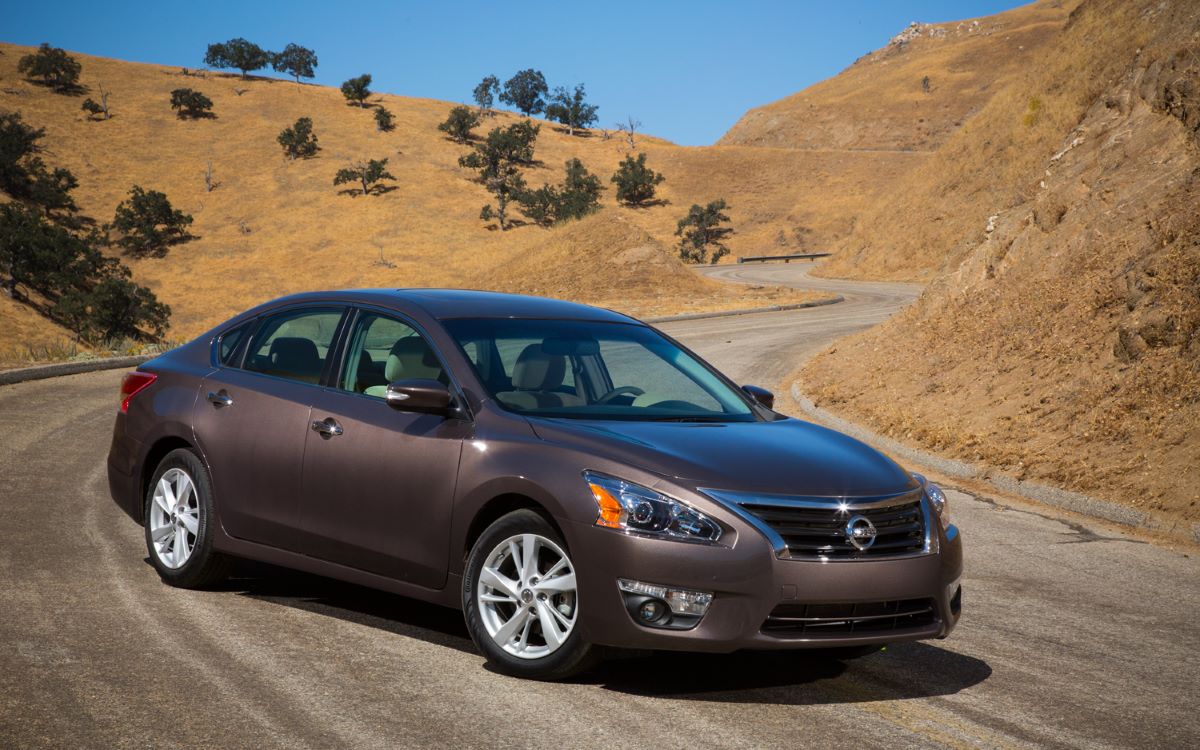
9. Nissan Altima (2002–2006) (Plastics That Crack)
The fourth-generation Nissan Altima, produced between 2002 and 2006, represented a shift in size and performance for the model. It grew larger and more powerful, with certain trims even featuring V6 engines that rivaled sports sedans of the time. Unfortunately, the interior quality did not match this ambition. Cost-cutting measures were obvious the moment you stepped inside, with low-grade plastics covering nearly every surface, including high-touch areas like the dash and center stack.
The dashboard was a particularly weak point. Many owners have reported cracks forming within a few years, especially in hot or humid regions. These cracks were often deep and spread rapidly, creating a spiderweb of damage that was difficult to hide or repair. The plastics used on the dash lacked flexibility and UV protection, so prolonged exposure to the sun accelerated their degradation. Some dashboards even developed a sticky texture over time, further highlighting the poor material choices.
Adding to the problem was the uninspired design. The layout felt disjointed, with controls scattered across large blank panels. The center stack was bulky but hollow-feeling, and many of the trim pieces creaked when touched. Air vents often became loose, and the glove box and cup holders were known for breaking with minimal force. The feeling was that the interior had been rushed into production, with little regard for how it would wear over time.
This generation of Altima still maintains a strong resale market due to its mechanical reliability and performance options, but the interior has become a common point of complaint. It’s rare to find one with a crack-free dashboard unless it’s been kept in climate-controlled storage or had an aftermarket dash cover installed. For a car that otherwise performs well, the poor choice of interior materials has left a lasting blemish on its legacy.
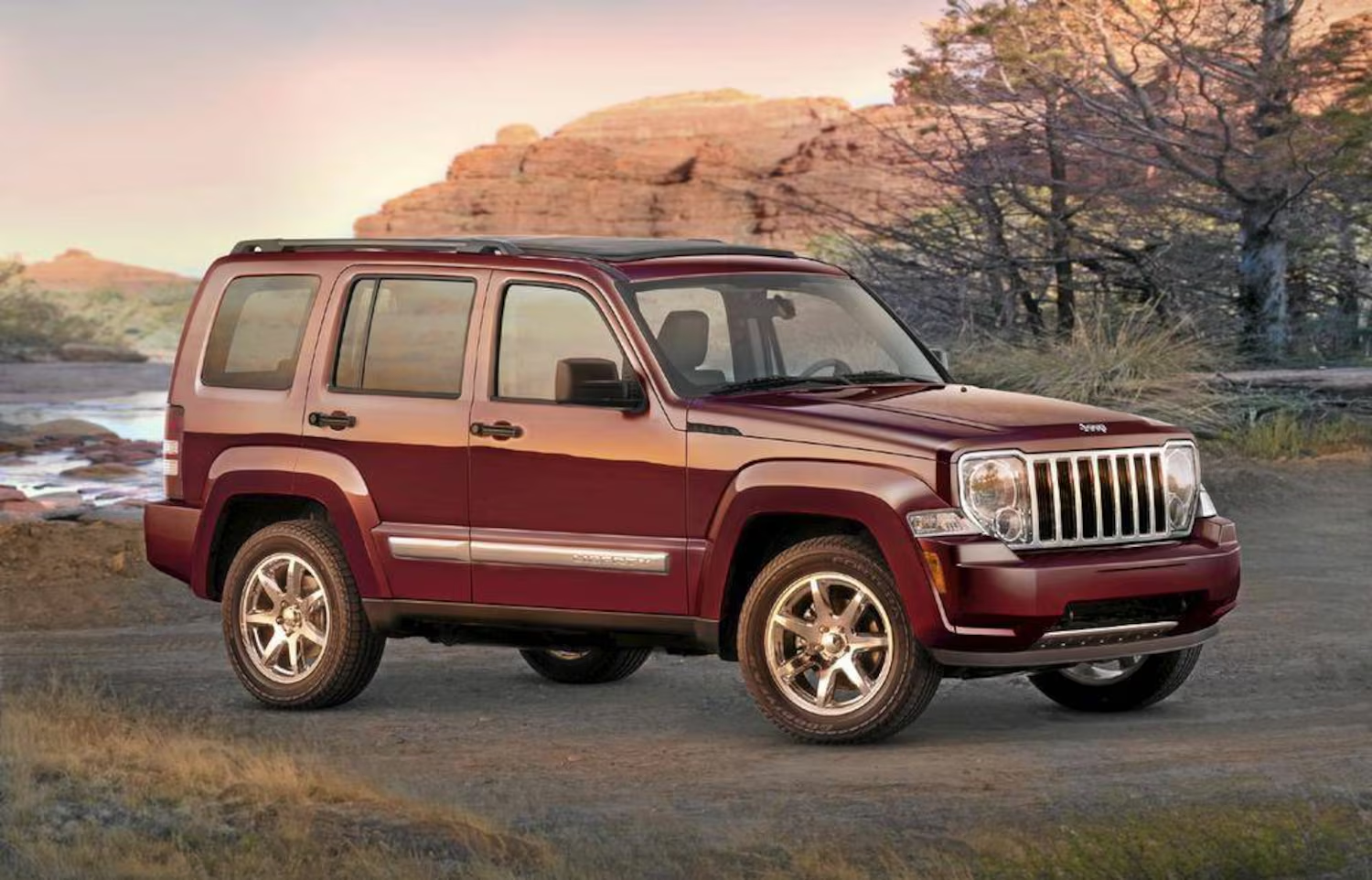
10. Jeep Liberty (2002–2012) (Plastics That Crack)
The Jeep Liberty was introduced as a more civilized alternative to the rugged Cherokee, aimed at buyers who wanted off-road capability with daily usability. While it did offer a more refined ride and a modernized design, the interior was one of its biggest weaknesses. From the early years through to the final production in 2012, the Liberty’s cabin suffered from inconsistent quality and poor durability, especially when it came to plastic components.
Dashboards were especially problematic. Made from hard, low-grade plastic, they were prone to cracking after just a few summers of exposure. In hotter climates, it was common to see dashboard splits near the windshield, around the passenger airbag, and along the seams of the upper panels. These weren’t hairline fractures either; some cracks grew large enough to create gaps between dashboard sections, impacting the fitment of adjoining parts like the vents and glove compartment.
The door panels also showed significant wear early on. Window switches would become loose or fail, and trim pieces were known to pull away from the underlying structure. The textured plastic surfaces scratched easily and often looked faded or dusty, no matter how often they were cleaned. Squeaks and rattles were common in daily driving, particularly on rougher roads, making the cabin feel less stable than it should have.
While the Liberty had its fans due to its rugged styling and capable 4WD systems, the poor interior quality significantly affected long-term satisfaction. Many owners who initially appreciated the vehicle’s versatility found themselves disappointed after a few years as the interior began to crumble around them.
This decline in cabin durability, combined with the eventual shift in consumer expectations toward higher interior standards, led Jeep to overhaul its approach in later models. Still, the Liberty remains a reminder that even capable vehicles can be let down by bad materials.
Also Read: 5 EVs That Stay Safe and 5 That Get Recall Notices
The quality of a car’s interior often determines how well it ages, not just in appearance, but in user experience. Cars like the Lexus LS 400, Audi TT Mk1, Mercedes W124, Jaguar XJ, and Volvo P1800 prove that thoughtful design, high-quality materials, and attention to detail can result in cabins that continue to feel special decades later.
These interiors weren’t about trends; they were about longevity, function, and a consistent design philosophy that didn’t compromise under pressure.
On the other hand, vehicles like the Chevrolet Cobalt, Dodge Caliber, Pontiac G6, Nissan Altima (2002–2006), and Jeep Liberty highlight what happens when corners are cut. Cheap plastics, poor UV resistance, and weak assembly lead to dashboards that crack, trim that breaks, and interiors that wear out far too soon. These flaws don’t just affect appearance, they undermine the entire ownership experience.
A car’s value isn’t measured solely by horsepower or badge appeal. For daily drivers, it’s the cabin that matters most. Durable, well-made interiors enhance a vehicle’s legacy, while fragile ones become a long-term frustration. In the end, choosing a car with a timeless interior isn’t just about style, it’s about investing in something that respects your time behind the wheel.
