
When it comes to owning a car, dependability is a key trait that can make or break your day. For many, the car is more than a mode of transportation. It’s the difference between making it to work on time, picking up your child from school without delay, or starting that early morning road trip without issue.
Among the many vehicle segments, sedans still play a large role for commuters and families alike. Even as the automotive industry leans more into SUVs and crossovers, there is a loyal group of drivers who appreciate the smooth ride, efficient performance, and streamlined look of a good sedan.
But no matter how stylish or fast a car may be, if it doesn’t start every morning when you turn the key or press the button, all its other features quickly fade into the background.
Some sedans are known to be rock-solid, reliable. They fire up day after day, even in colder climates or after sitting for a few days. These vehicles often come from brands with strong reputations and long track records of durability.
On the other end, there are sedans that, even when relatively new, can give their owners a headache due to constant battery drainage, electrical gremlins, or unreliable starting systems. While maintenance habits, weather conditions, and how often the car is driven all play a part, some models just seem to struggle more than others.
This article looks at five sedans known for starting every morning without fuss and five others that too often leave their owners reaching for jumper cables. The list is based on commonly reported user experiences, mechanical reliability records, and manufacturer patterns.
+While every individual car can vary depending on care and usage, the following breakdown should give you a pretty fair picture of which sedans can be counted on and which may test your patience.
Sedans That Start Every Morning
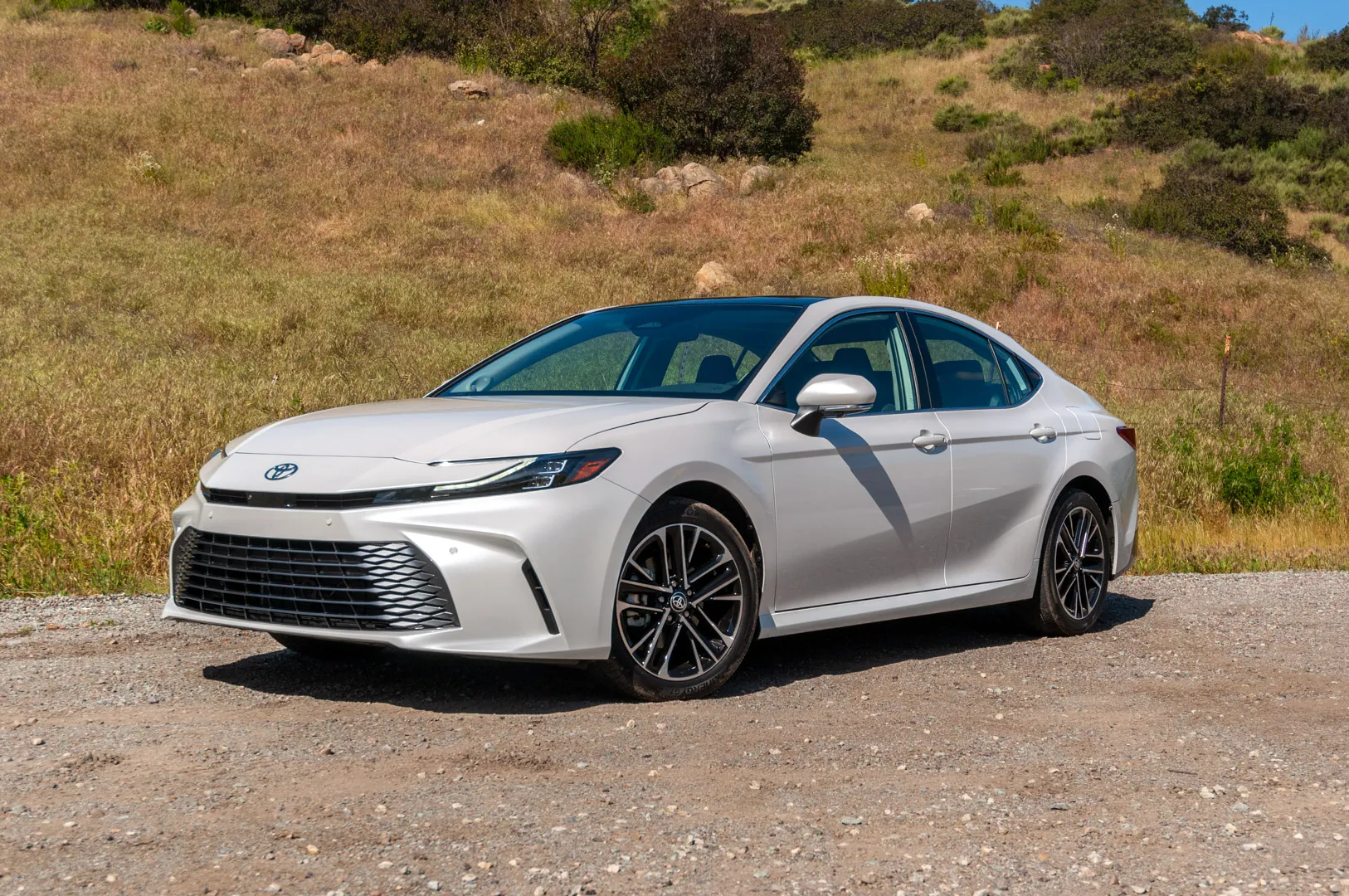
1. Toyota Camry
The Toyota Camry has long been recognized as a reliable sedan, and that reputation is not just hype. It consistently ranks high in reliability surveys, often due to its straightforward engineering and quality manufacturing.
The Camry’s engines, especially the four-cylinder versions, are known for being long-lasting and easy to maintain. In terms of starting reliability, many owners report driving their Camry daily for years without ever needing a jump. Even in colder climates where batteries are more likely to fail, the Camry manages to hold strong.
One of the main reasons the Camry tends to start up reliably is the simplicity and quality of its electrical system. Toyota generally avoids overly complex electronics in this model, focusing instead on durability.
The alternator is also known to be dependable, ensuring the battery is always charged adequately. Drivers who keep up with basic maintenance, such as regular oil changes and battery checks, typically have no issue with the Camry’s startup.
Another contributing factor is the vehicle’s compatibility with aftermarket parts. If a battery does need replacing, it’s relatively easy and inexpensive to do so. The same applies to the starter motor and ignition system, which don’t suffer from odd design flaws or hard-to-source parts. This ease of repair further enhances the Camry’s reputation as a car that just keeps going without drama.
For people looking for a car that will start in the early hours of a winter morning or after sitting idle for a few days, the Camry is often near the top of the list. It’s not flashy or overly luxurious, but its commitment to reliability gives it lasting appeal. In terms of pure dependability, few sedans can match the consistency the Camry brings to the table.
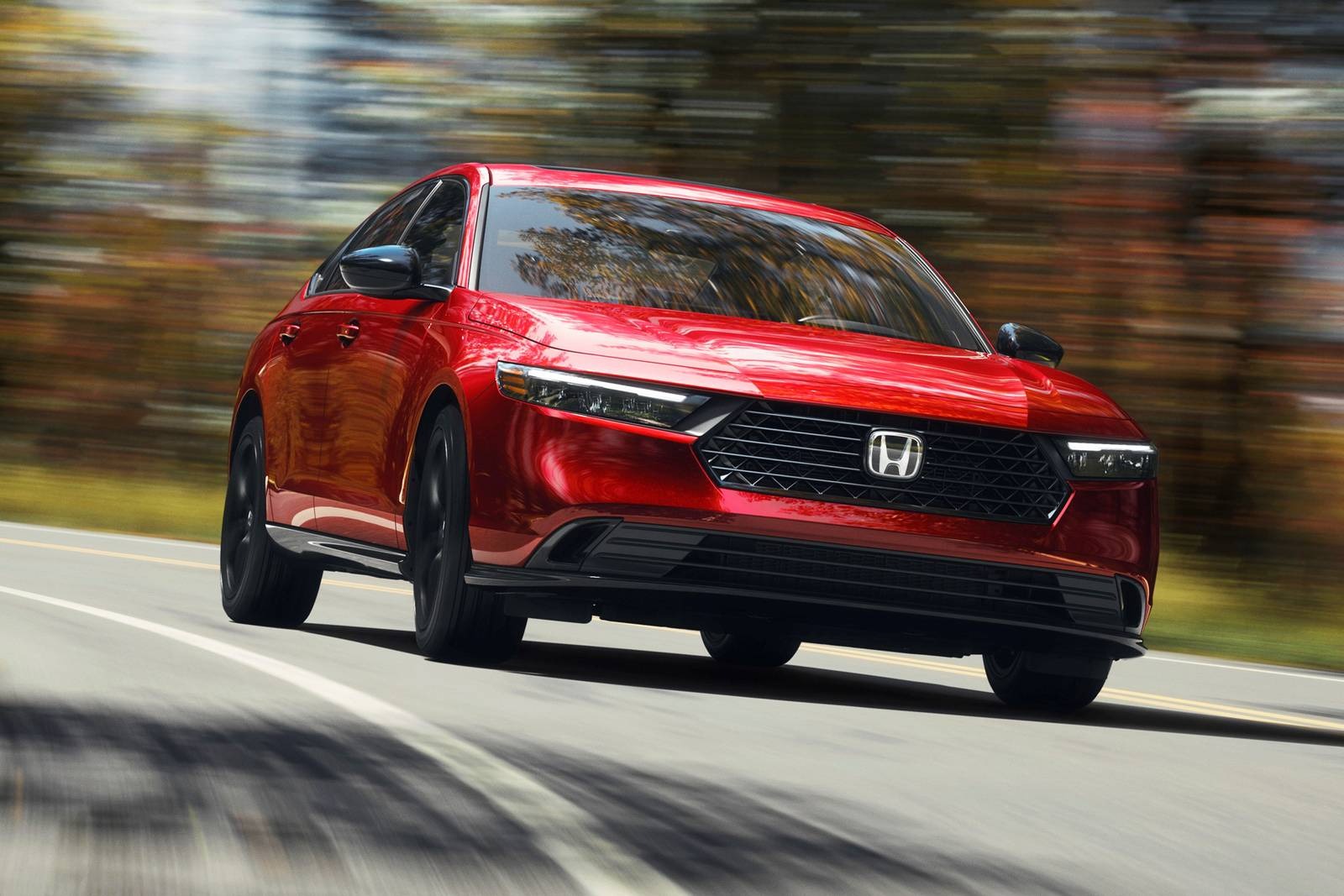
2. Honda Accord
The Honda Accord is another long-standing champion in the world of dependable sedans. Much like its Toyota counterpart, the Accord benefits from a proven engine lineup and strong attention to build quality. Many drivers have stories of Accords that run past 200,000 miles with very few major issues. One of the most consistent traits of this sedan is that it starts up reliably under nearly all conditions.
Accord owners often praise the car’s predictability. It’s the kind of vehicle you can leave at the airport for a week and still expect it to start right up when you return. Part of this is due to Honda’s strong electrical system design. The battery charging and power distribution systems are well balanced, and the onboard diagnostics tend to catch problems before they become serious.
The four-cylinder models, in particular, are noted for their minimal maintenance needs. They don’t put a heavy strain on the battery, and the starting system is known to be efficient and trouble-free. Even the hybrid versions of the Accord have shown solid reliability, though they do come with more complex systems that may require attention later in the ownership period.
In colder climates, the Accord still performs well in terms of startup reliability. It comes equipped with components that are tested to operate efficiently in lower temperatures, and the battery quality in OEM parts tends to be better than average. As with any car, aging batteries should be replaced on schedule, but many Accord owners go years without needing a jump.
If you need a daily driver that’s both efficient and trustworthy, the Accord is hard to beat. Whether it’s for commuting, errands, or weekend drives, it delivers consistent performance without making a scene.
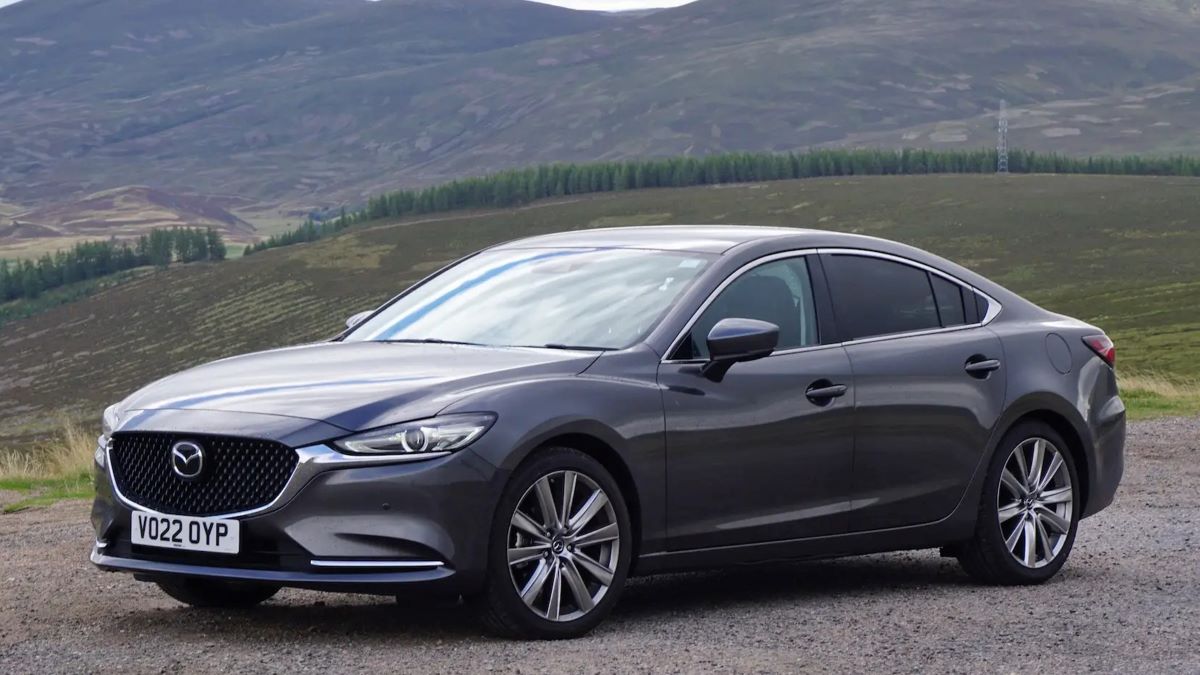
3. Mazda6
The Mazda6 may not be as high in sales volume as the Camry or Accord, but it certainly holds its own when it comes to dependable starting performance. Mazda has earned a strong reputation over the last decade for combining sporty styling with solid reliability. The Mazda6 sits comfortably in that niche, offering a more engaging driving experience without sacrificing reliability.
One area where the Mazda6 stands out is its well-balanced electrical system. The Skyactiv engines used in recent models are not just efficient but also designed with minimal electrical strain. The starting system is robust, and many drivers report that even older Mazda6 models still start up quickly and consistently, regardless of weather conditions or time parked.
Battery life in the Mazda6 tends to be in line with or better than other sedans in its class. When paired with the car’s efficient alternator and minimal parasitic battery drain, the result is a vehicle that holds a charge well. This means fewer surprises on those early mornings when you’re already running late. Even in winter months, with proper battery maintenance, the Mazda6 continues to perform without much fuss.
Mazda has also made it easy to maintain the 6, thanks to accessible engine bays and reasonably priced parts. If a battery or starter does begin to wear out, replacement is typically straightforward. The brand has made it a point to reduce unnecessary complexity, which contributes to the model’s dependable behavior.
The Mazda6 may not top every sales chart, but for those who own one, it’s a trustworthy vehicle that doesn’t add extra stress. Its ability to consistently start and perform makes it a great option for people who want a little style with their reliability.
4. Subaru Legacy
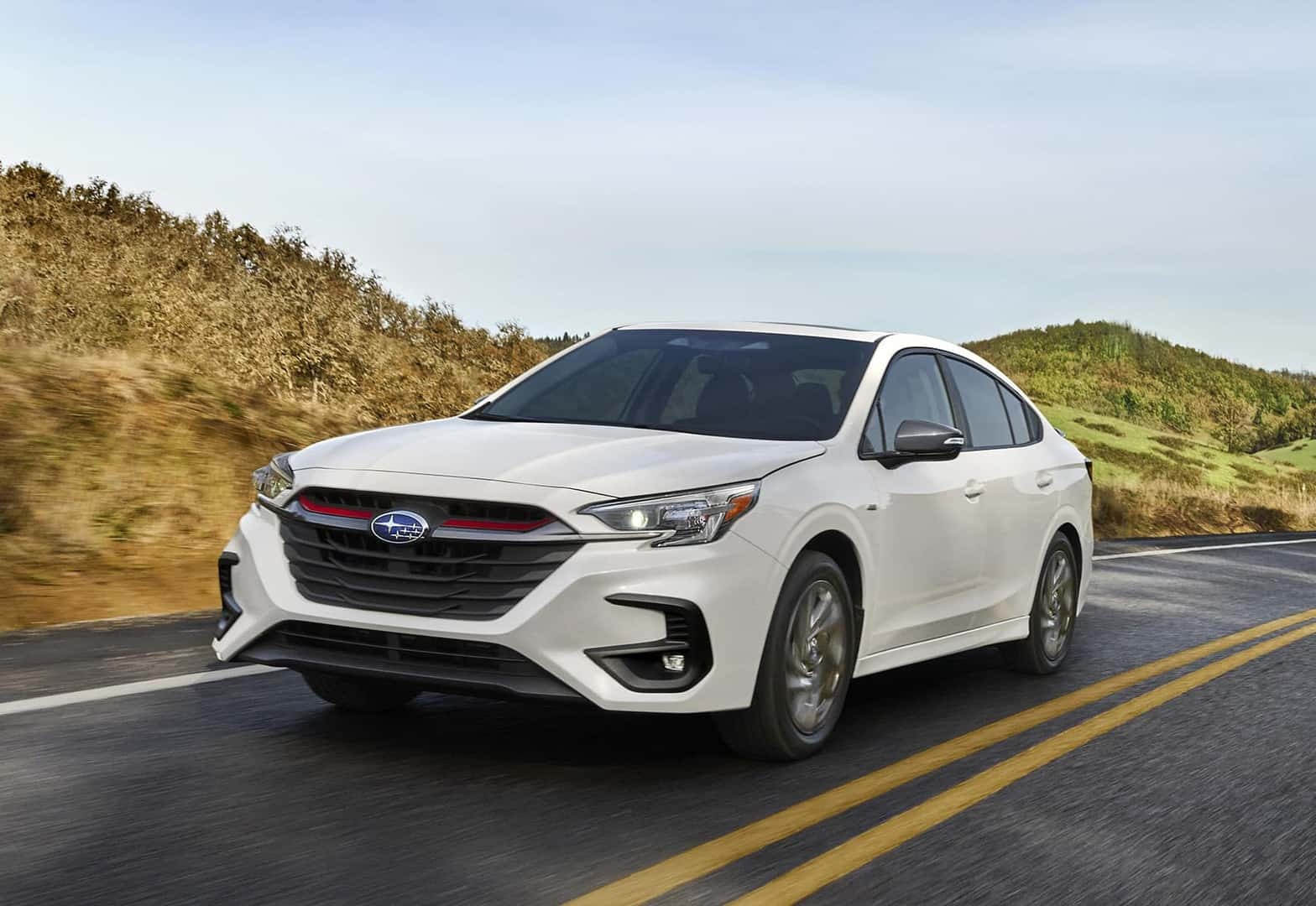
The Subaru Legacy brings something slightly different to the table: standard all-wheel drive. Despite the extra mechanical complexity that AWD systems often add, Subaru has managed to keep the Legacy dependable, especially in terms of starting reliability. For drivers in colder or mountainous regions, this sedan is a popular choice not just for its traction but also for its dependable performance.
Subaru’s boxer engine layout, while unique, doesn’t hinder the Legacy’s ability to start up reliably. In fact, many owners report that their cars have performed well in sub-zero temperatures without battery or starter problems. The electrical systems in modern Subarus have been refined over the years, and while earlier models had some minor issues, recent generations have shown strong improvement.
The alternator system in the Legacy is well-calibrated to keep the battery at optimal charge, even during short city drives. This is important for those who do a lot of stop-and-go driving, which can often leave batteries drained in other vehicles. The Legacy handles this routine well and manages to retain enough power to avoid surprise non-starts.
Subaru also uses quality OEM batteries and has improved its electrical grounding systems in newer models. This helps prevent the kind of phantom battery drain that plagues many modern vehicles. While older Subarus sometimes had reputation issues for electrical quirks, the Legacy has risen above those with more recent models showing much better consistency.
With all-wheel drive capability and the ability to start up every morning even in snow-heavy regions, the Legacy is a smart choice for those who need both function and dependability.
5. Hyundai Sonata
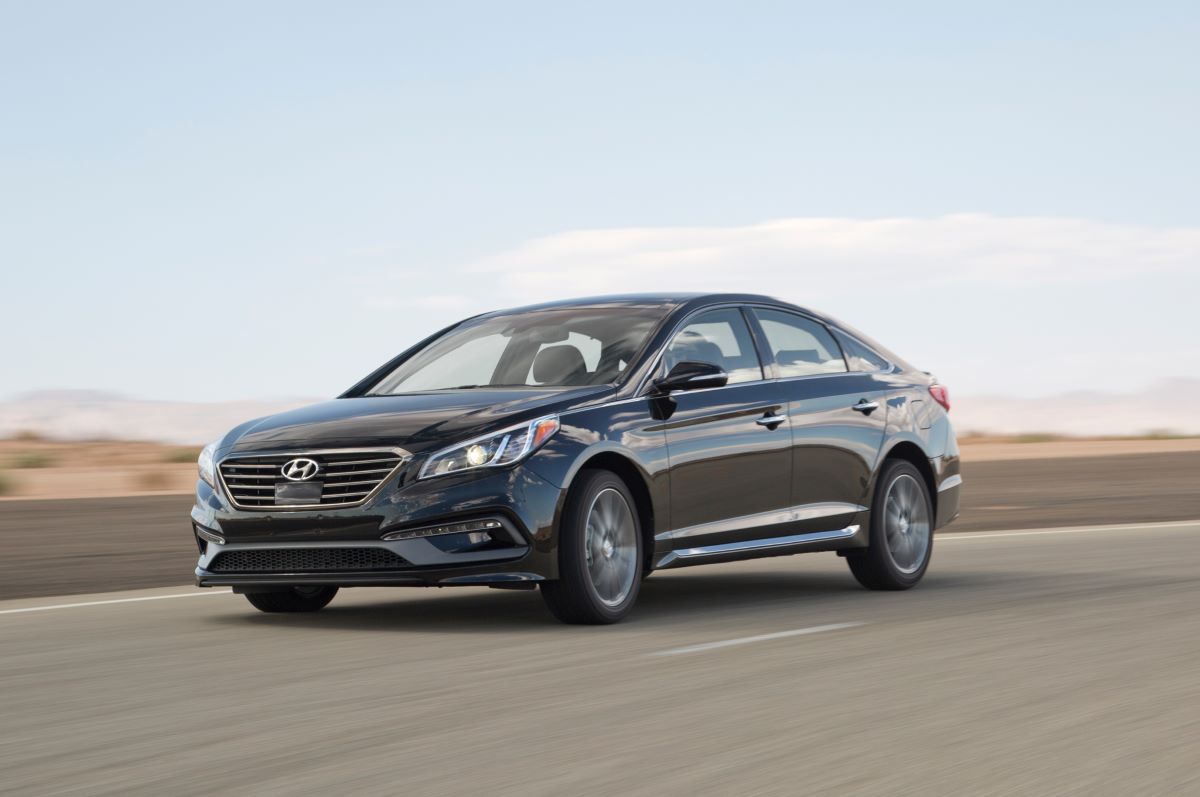
The Hyundai Sonata has steadily improved over the past two decades, and in recent years, it has become a reliable player in the midsize sedan category. Known for its value and strong warranty, the Sonata also performs well in the area of startup reliability. Owners often express satisfaction with how effortlessly it starts, even after being parked for long weekends or in colder environments.
One reason the Sonata has improved so much is due to Hyundai’s investment in better engineering and quality control. Earlier generations had some rough patches, but newer models have refined powertrains, improved alternators, and stronger battery systems. These changes help prevent the frustrating non-start issues that used to plague more budget-friendly vehicles.
Another strength of the Sonata lies in its software systems. Hyundai has improved the way the car’s computer manages battery usage, especially when parked. Parasitic drains are minimized, and the battery receives steady charging from the alternator when driving. This results in a car that’s more ready to go even after sitting for several days.
The push-button start system on modern Sonatas is also quick and responsive. Unlike some models where the system can lag or fail, Hyundai’s setup is usually responsive and free from odd delays. This consistency is crucial for drivers who want a car that just works, especially when rushing to work or an appointment.
If you’re looking for a sedan with dependable startup behavior and modern features, the Hyundai Sonata is a smart pick. It balances affordability, tech, and dependability in a way that makes it a solid everyday car.
Sedans That Need a Jump Weekly
1. BMW 5 Series (Older Models)
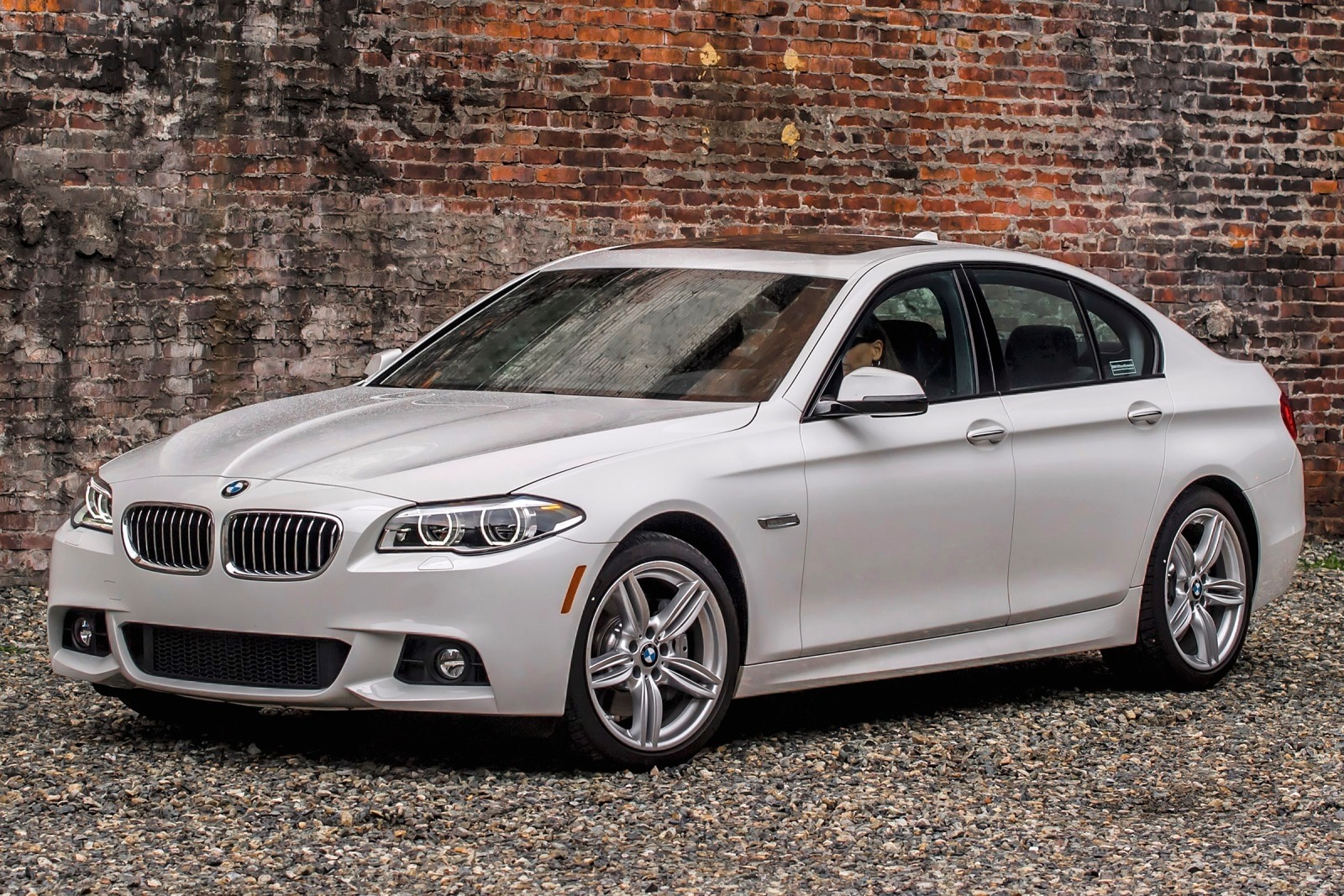
The BMW 5 Series is often praised for its luxury features, smooth performance, and driving dynamics, but when it comes to reliability in daily startups, especially in older models, it can be hit or miss. Many drivers who own BMWs from the early 2010s or late 2000s often report needing a jumpstart far more frequently than they’d expect from a premium vehicle.
One of the biggest culprits behind this is the battery management system used in these cars, which tends to be overly sensitive and sometimes flawed in design. The system tries to preserve power by shutting off accessories and adjusting charging behavior, but ironically, this sometimes results in the battery not being charged sufficiently during short drives.
In addition to that, BMWs in this range are packed with complex electronics, even in their base trims. Comfort access, adaptive headlights, seat memory systems, infotainment screens, and a slew of always-on sensors continue to draw power even when the car is off.
Over time, especially when the vehicle is parked for more than a day or two, the battery can drain to the point where the car won’t start without assistance. The situation becomes worse in cold climates, where batteries naturally lose performance, and BMWs are particularly sensitive to voltage fluctuations.
A slightly weak battery in a 5 Series might still have enough juice to power the lights and dashboard, but not enough to engage the starter motor or satisfy the car’s tight voltage thresholds.
Furthermore, replacement batteries for BMWs are not as simple as in other cars. They often require registration with the car’s computer system after installation, meaning a DIY battery swap won’t always solve the issue unless it’s properly coded.
The alternator and IBS (intelligent battery sensor) can also be problematic, sometimes misreading battery conditions and leading to further confusion about the car’s actual state of charge.
These kinds of issues are not just inconvenient but expensive to diagnose and fix, especially once the car is out of warranty. Owners are often left deciding whether to invest in the necessary repairs or live with the risk of a non-start every week.
So while the BMW 5 Series provides an excellent experience when it’s running, its reputation for frequent jumpstart needs in older models tarnishes its image significantly.
It’s a perfect example of how luxury features can come with trade-offs in practicality. For someone needing a consistent commuter or errand runner, especially one that sits idle during the week, this isn’t the sedan you want to bet on for dependable morning starts.
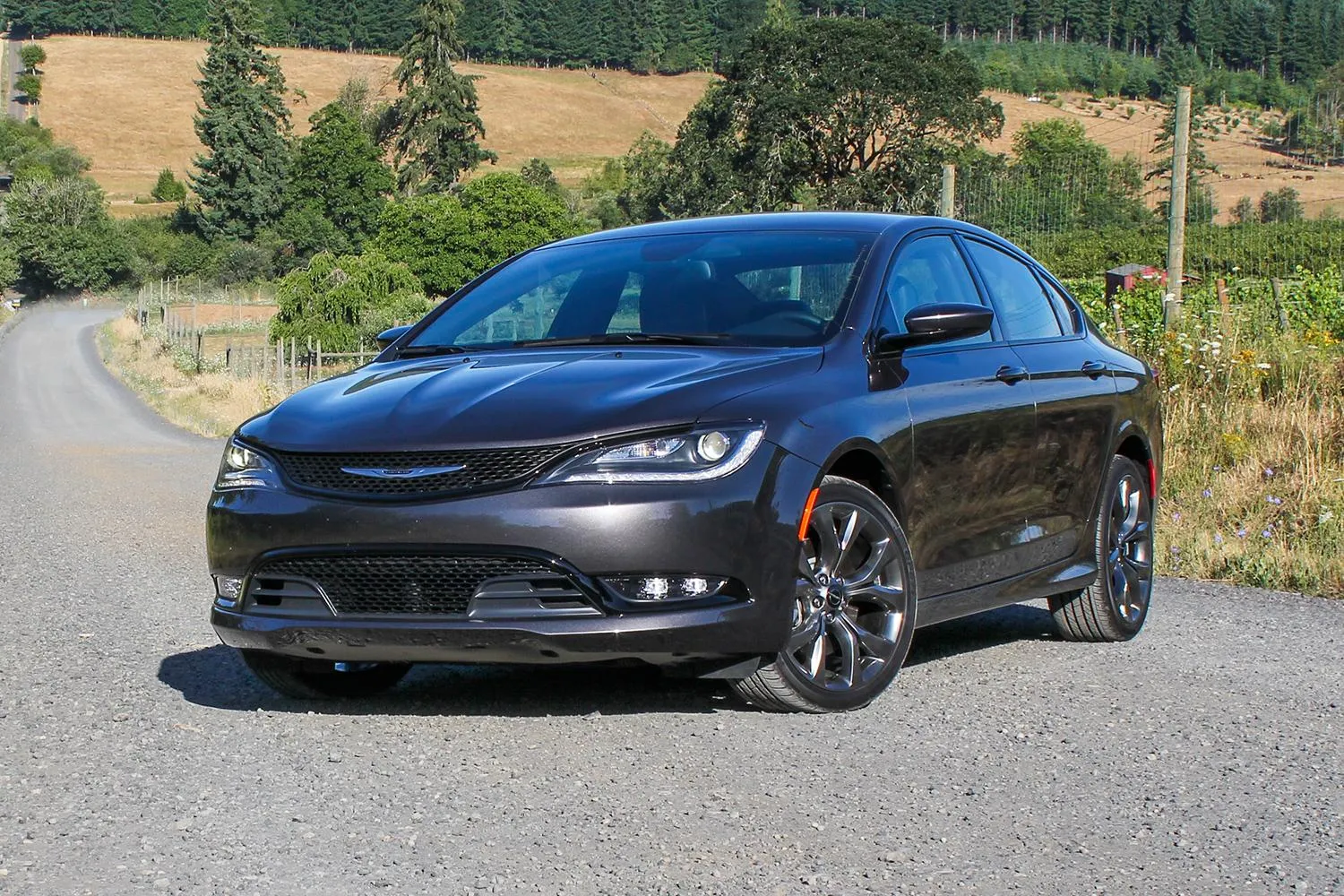
2. Chrysler 200
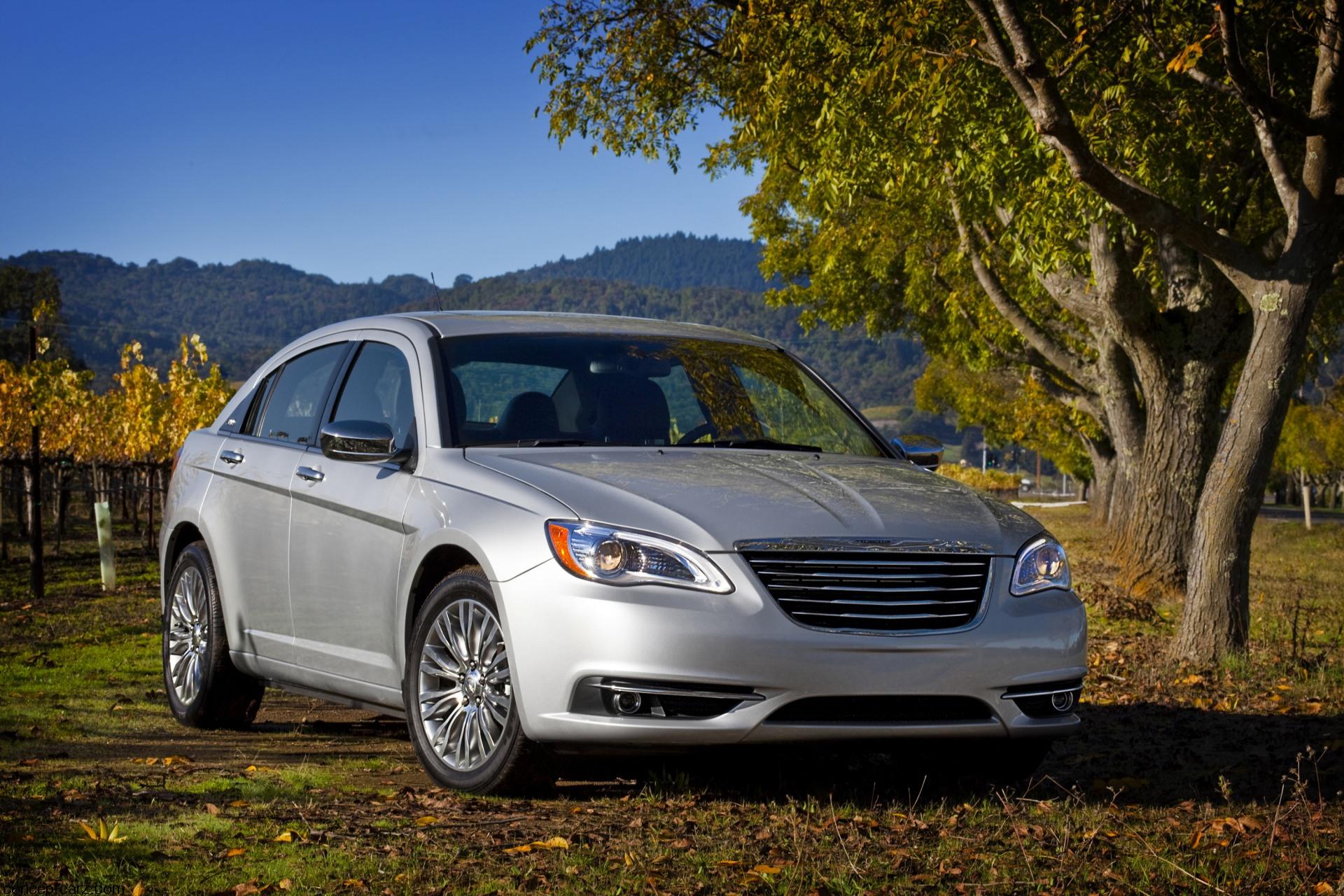
The Chrysler 200, especially from the model years between 2011 and 2015, is often cited in reliability forums for its electrical problems and starting issues. Owners have repeatedly shared experiences of dealing with dead batteries after only a day or two of sitting idle.
These vehicles suffer from a number of design flaws, including excessive parasitic battery drain and inconsistent alternator performance. One of the most common issues involves the car not recognizing when the ignition button is pressed or only partially engaging the starter motor, which can leave the owner confused and stranded in their driveway.
Many of the Chrysler 200’s electrical components continue drawing power after the car is turned off. The infotainment system, door modules, or even the onboard computer can sometimes fail to go into proper sleep mode.
This leads to a constant drain that weakens the battery, especially if the vehicle isn’t driven frequently or is only used for short trips. Combine that with a mid-grade factory battery that often fails within just a couple of years, and you have a car that’s likely to need a jump far more often than the average sedan.
Repairing these issues is often not straightforward either. Unlike some cars where you can isolate the battery drain easily, the Chrysler 200’s problems are embedded in the car’s electronic architecture. Dealerships have been known to simply replace the battery or alternator without addressing the root issue, leading to repeat visits and frustrated owners.
Some have resorted to manually disconnecting their batteries if they don’t plan on driving the car for a few days. That’s a temporary fix at best and a clear indicator that the car was not built with consistent reliability in mind.
Drivers who rely on their cars daily and can’t afford to gamble with uncertain startups may find the Chrysler 200 to be more trouble than it’s worth. It’s a case of a car that looks fine on the outside and drives decently enough but has underlying reliability issues that surface quickly after purchase. Unless you’re willing to actively manage the car’s power draw or install aftermarket fixes, you’re likely to become very familiar with your jumper cables.
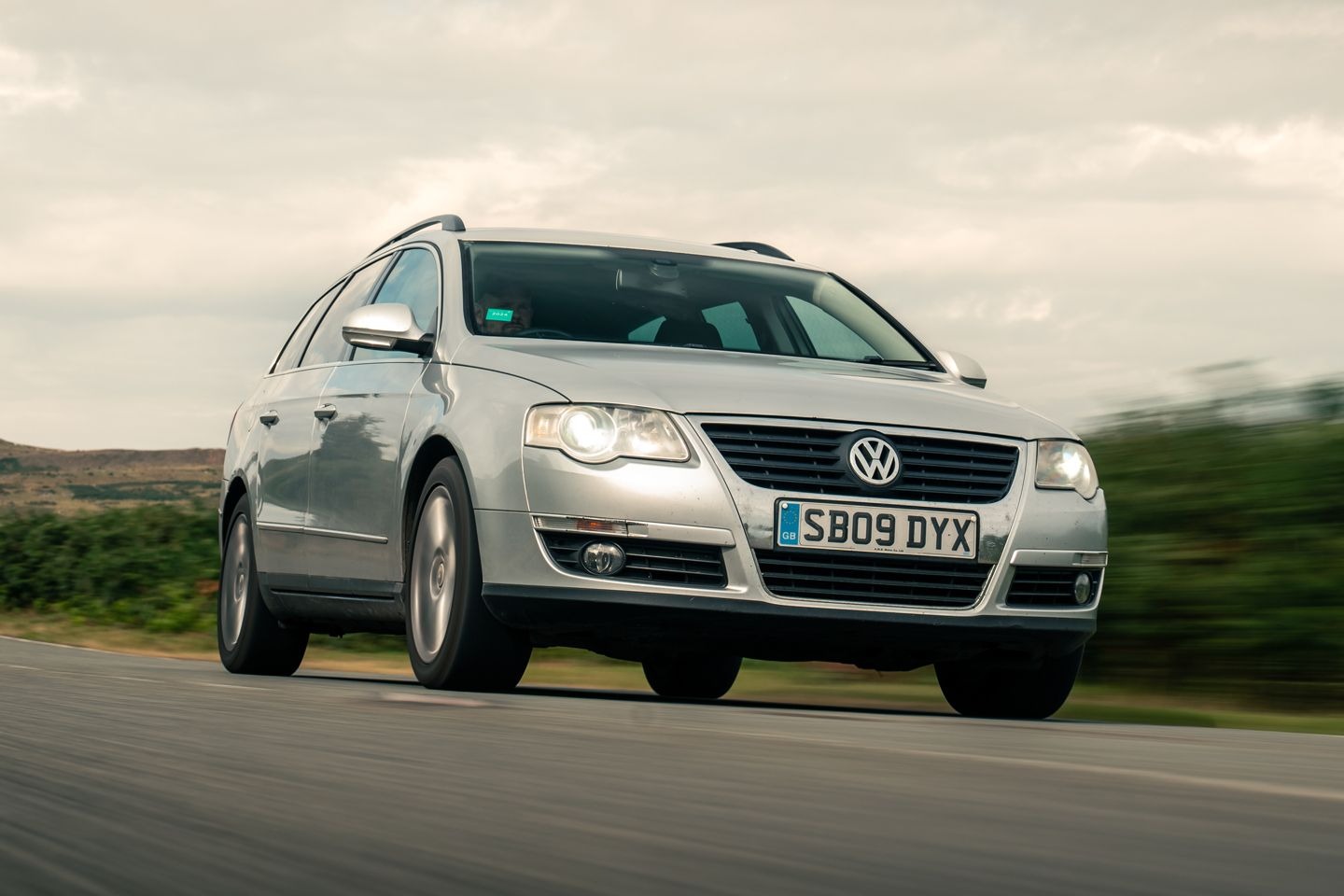
3. Volkswagen Passat (Early 2010s Models)
The Volkswagen Passat has long been marketed as a solid, European alternative to the more mainstream sedans on the market. While its ride quality and cabin materials are often praised, the reality for many owners of Passats from the early 2010s is less than ideal when it comes to reliability, particularly with regards to starting performance.
Many of these vehicles are plagued by unexplained battery drain, inconsistent alternator output, and random electronic gremlins that affect the ignition system. It’s not uncommon to hear from owners who have had to jumpstart their Passats multiple times a month, even when all routine maintenance appears to be up to date.
One recurring issue is the failure of the convenience control module, a system that manages many of the car’s interior functions. When this system begins to fail, it often doesn’t power down correctly, leaving lights, sensors, or communication systems running even after the vehicle is turned off.
This small but constant draw on the battery can drain it overnight. Compounding the problem is the fact that VW’s warning systems are not always accurate. The car may not alert the driver that the battery is weakening until it’s already too late to start.
The diesel versions of the Passat (TDI) seem to experience these issues even more frequently, due in part to the more complicated electrical systems associated with emissions control and engine management.
Additionally, these models often require stronger batteries to start, especially in colder conditions. If the battery drops below a certain voltage threshold, the vehicle will not crank, even if the lights, dash, and other systems appear to be functioning. This leads to a situation where everything seems fine until you turn the key and get absolutely nothing in response.
VW has issued some software updates and service bulletins addressing these problems, but not all owners see lasting improvements. Replacing the battery might help temporarily, but if the root cause is a malfunctioning module or a poorly managed sleep mode in the computer, the problem is bound to return.
For those seeking a reliable daily driver that’s ready every morning, the Passat from this era may not provide the peace of mind they’re looking for. It’s a stylish and comfortable car, but one that comes with frustrating reliability issues tied to its electronic design.
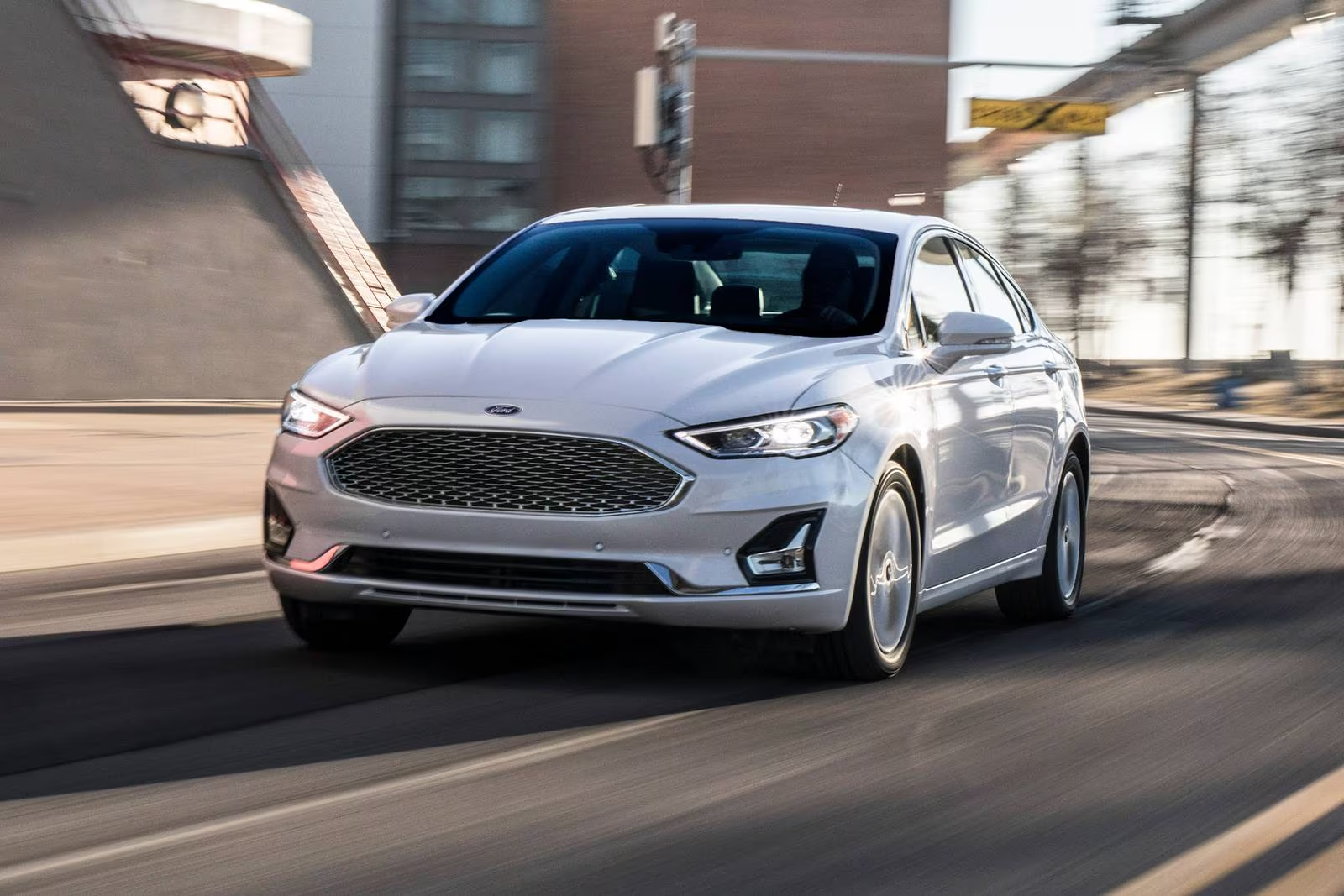
4. Ford Fusion Hybrid (First Generation)
The Ford Fusion Hybrid debuted with high hopes and received praise for bringing hybrid technology to a broader audience. It offered excellent fuel economy and a comfortable ride, but unfortunately, the first-generation Fusion Hybrid (especially model years 2010 to 2012) has a reputation for unpredictable starting behavior.
These vehicles are known to experience sudden and complete battery failure, sometimes overnight, with no prior warning. Hybrid systems, by nature, are more complex than traditional powertrains, but in this case, the complexity seems to have created reliability issues rather than solving them.
One major issue is the weak 12V battery support system. Even though the Fusion Hybrid uses a high-voltage battery to operate its hybrid functions, it still relies on a traditional 12V battery to power up its control modules and start the car. When that 12V battery loses even a small amount of charge, the entire car fails to start.
Unfortunately, many owners find that their Fusion does not indicate battery health until it simply won’t turn on. Additionally, if the vehicle sits for more than a day or two, the standby systems may draw enough power to kill the 12V battery entirely.
Adding to the problem, early software versions in the Fusion Hybrid’s electronic control unit (ECU) failed to properly regulate sleep cycles for the vehicle’s onboard systems. This meant that even when the car was off, systems related to navigation, security, or emission monitoring would sometimes remain partially active.
This not only drains the battery but does so quietly, giving no real signs until the car simply won’t respond to the start button. Many owners have reported that after jumping the car and driving it for a short trip, the problem reappears the next morning. That creates a cycle of jumpstarts that can easily become weekly or even more frequent.
Dealerships have offered limited solutions, often suggesting battery replacements or software updates. However, those measures don’t always resolve the underlying issue. Long-term owners sometimes install trickle chargers or solar panels to help maintain battery health, but these are workarounds, not real fixes.
If you’re looking for a hybrid sedan that’s dependable every morning, the early Ford Fusion Hybrid is not the most stress-free option. Its starting issues can become a constant source of worry, especially if you don’t drive it every single day.
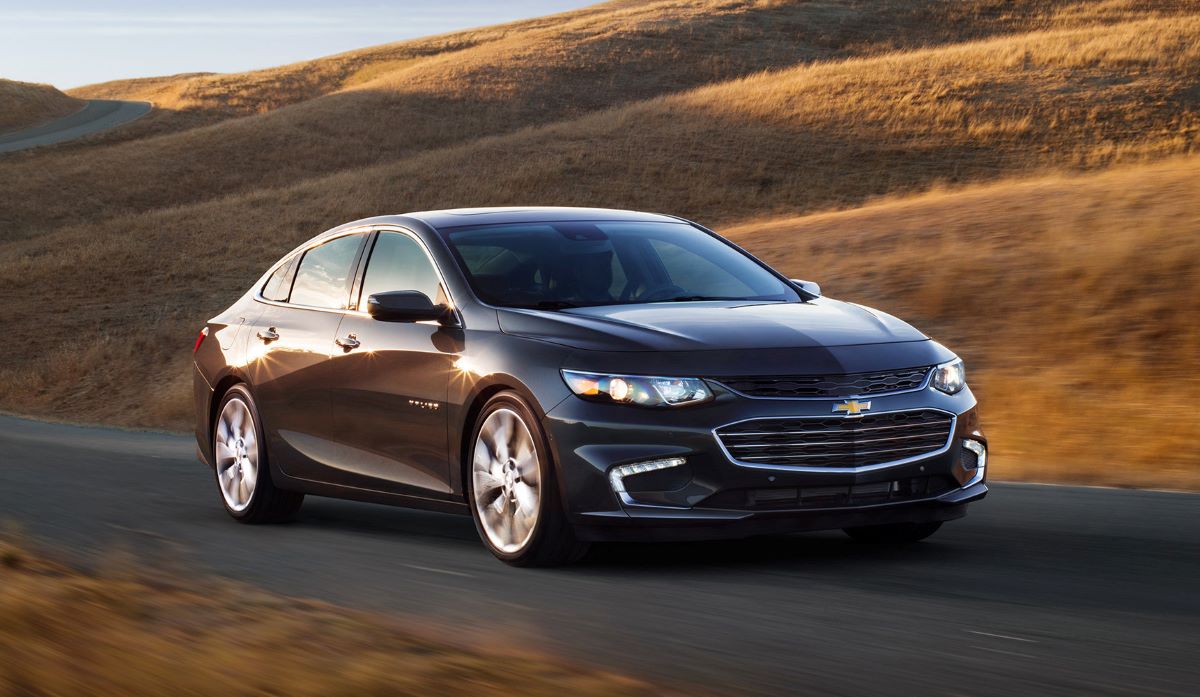
5. Chevrolet Malibu (2013–2016)
The Chevrolet Malibu has long been a staple of American sedans, but the 2013 to 2016 models, in particular, have drawn criticism for battery-related issues and inconsistent startup behavior. Many owners report finding their Malibu completely dead in the driveway, even after being driven recently.
The problem often stems from multiple sources, poor quality OEM batteries, faulty stop/start systems, and weak alternator output. These components, when combined, create a scenario where the car doesn’t consistently recharge its battery, leading to repeated jumpstarts.
A particularly frustrating aspect of these Malibu models is the auto stop/start feature that was introduced during this period. While designed to improve fuel economy by shutting off the engine at stoplights, it places extra strain on the battery and starter.
Over time, this wear and tear reduces the battery’s ability to hold a charge. Unfortunately, if the stop/start system malfunctions, it can prevent the car from restarting smoothly, especially in heavy traffic or after sitting for a while. The system becomes even more unreliable if the battery is even slightly weak, which often triggers a chain reaction of failure.
Adding to the problem, the Malibu’s BCM (body control module) is known to have quirks. It can misread the state of the battery and fail to initiate proper charging cycles. This leads to batteries that slowly degrade over time without the driver realizing it. Some owners have reported replacing the battery multiple times within just a few years, only to have the same issue recur. In colder areas, the problem worsens, as the system doesn’t compensate well for temperature-related voltage drops.
Chevrolet has acknowledged some of these issues with technical service bulletins, but full recalls were never issued. This has left many owners stuck with unreliable cars that need frequent attention. The Malibu can be a decent drive when it’s working properly, but if you’re hoping to walk outside each morning and simply start your car without hesitation, this version of the Malibu may not be the best bet.
