
Continuously Variable Transmissions, or CVTs, have transformed the automotive landscape over the past two decades. Unlike traditional automatic transmissions that shift between a fixed number of gears, CVTs offer an almost infinite range of gear ratios.
This design enables the engine to run at its most efficient speed regardless of the vehicle’s speed, theoretically enhancing fuel economy and delivering a smoother acceleration experience. The idea behind CVTs is compelling: eliminate the jerks and pauses caused by gear changes and replace them with a seamless flow of power. This is particularly attractive as manufacturers face tightening emissions regulations and consumers demand better mileage without sacrificing drivability.
However, despite the apparent advantages, the adoption of CVTs has been met with a mix of enthusiasm and skepticism. The reason lies in the wide variation in how these transmissions perform in the real world. While some drivers praise CVTs for their smooth operation and improved fuel efficiency, others complain about unpleasant noises, laggy response, and an unnatural driving feel.
Some CVTs can feel disconnected, with the engine revving unpredictably and the car failing to respond immediately to throttle inputs. This “rubber band” effect can be irritating, especially for drivers used to the more direct feel of a traditional automatic or manual transmission.
These differences arise because not all CVTs are created equal. Different manufacturers have employed varying designs and materials, each with strengths and weaknesses. Some use chains instead of belts to handle more torque, while others incorporate a traditional first gear to improve launch feel.
Software calibration also plays a critical role in how a CVT behaves, influencing everything from noise levels to throttle response. The quality of the CVT can significantly affect vehicle reliability and driver satisfaction, sometimes making or breaking the ownership experience.
In this article, we aim to clarify which CVTs have proven themselves reliable and enjoyable over time and which have earned a reputation for causing frustration and costly repairs. By examining five CVTs that generally work well and five that have disappointed many drivers, this guide helps potential buyers make more informed decisions.
Understanding the nuances of CVT technology is important because it can save money, time, and frustration in the long run. Whether you prioritize fuel economy, smoothness, or reliability, knowing which CVTs perform best will help you avoid regrets and get the most out of your vehicle.
Also Read: 12 Cars That Went From Unpopular to Everyday Sight
5 CVTs That Actually Work
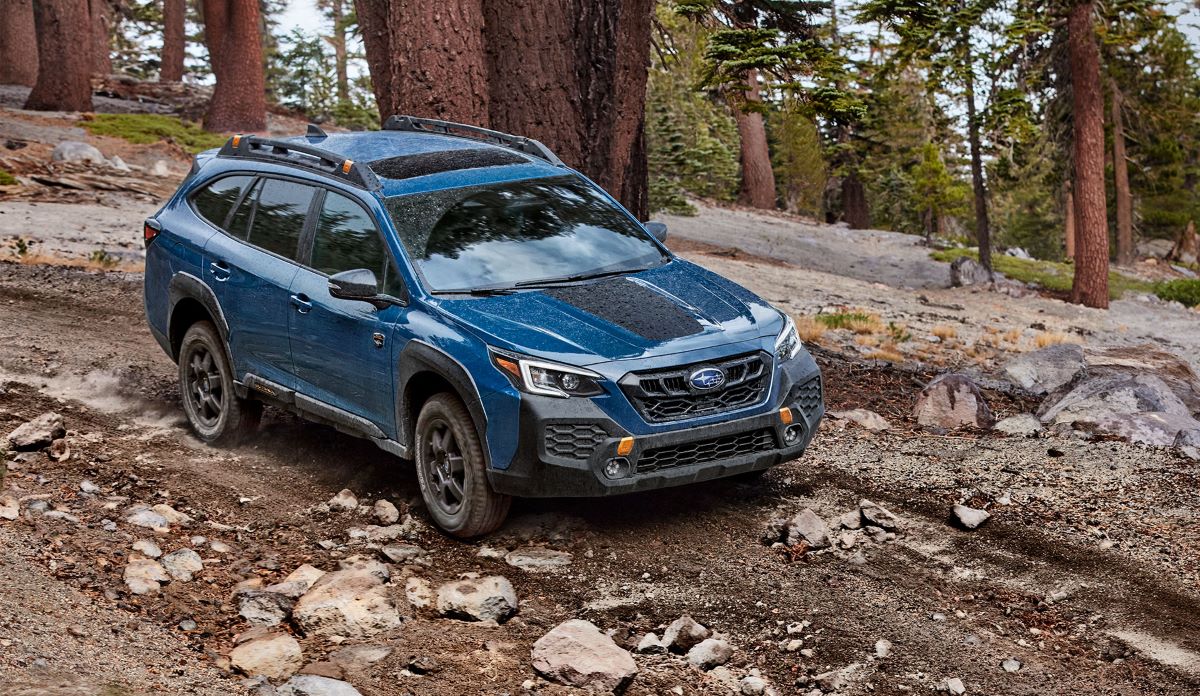
1. Subaru Lineartronic CVT
The Subaru Lineartronic CVT stands out as a strong example of how this technology can be done well. Unlike many belt-driven CVTs, Subaru’s system uses a chain to transmit power between pulleys, which enhances durability and allows it to handle higher torque loads.
This chain-driven design reduces the risk of premature belt failure, a common problem with some other CVTs. Subaru has refined this system through years of development, incorporating improvements that make the transmission smooth, quiet, and responsive. The Lineartronic CVT is standard in models like the Outback, Forester, and Crosstrek, vehicles known for their ruggedness and versatility.
One of the key strengths of the Lineartronic is its integration with Subaru’s symmetrical all-wheel-drive system. This pairing results in a drivetrain that feels balanced and stable, especially in adverse weather or off-road conditions. The CVT maintains consistent engine speeds that maximize fuel efficiency, but it does so without sacrificing power delivery.
Drivers report that acceleration is linear and predictable, with no sudden surges or delays. This makes it easier to control the vehicle during precise maneuvers, whether merging onto a highway or navigating slippery roads.
Another factor that sets the Lineartronic apart is its focus on reducing noise and vibration, two common complaints with CVTs. Subaru engineers have implemented noise-canceling measures and optimized the transmission’s internal components to minimize harsh sounds under load.
The result is a quieter cabin environment, even during spirited acceleration. Maintenance is straightforward, and the transmission has shown good longevity when owners follow recommended fluid change intervals. Many Subaru owners have reported trouble-free operation past 150,000 miles, highlighting the reliability of this system.
The Lineartronic CVT is a testament to Subaru’s commitment to refining CVT technology rather than settling for a basic design. It delivers a driving experience that combines the efficiency benefits of a CVT with the responsiveness and durability often lacking in similar systems. For buyers seeking a vehicle with a smooth, reliable transmission that enhances drivability, the Subaru Lineartronic is one of the best options on the market.
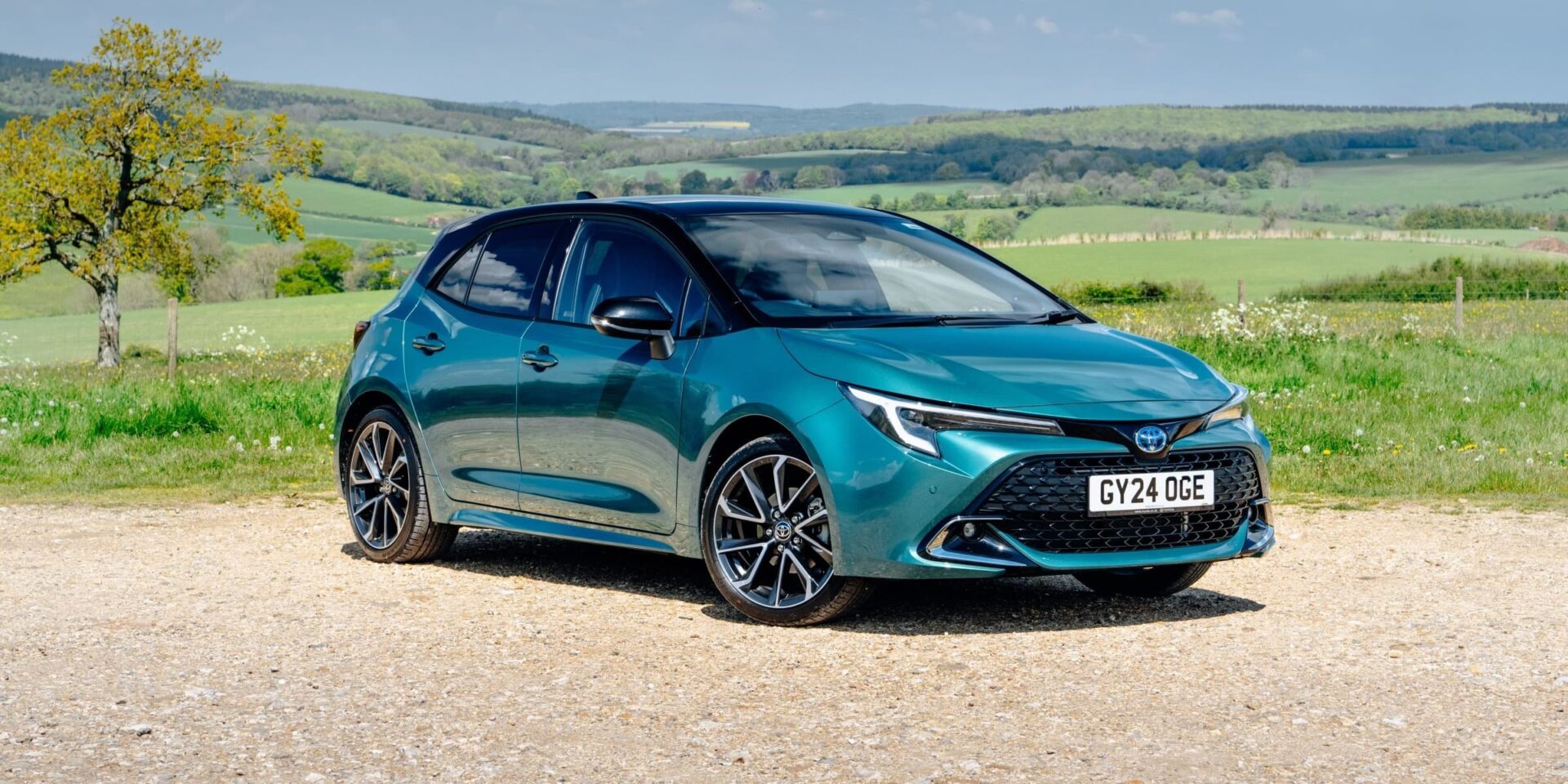
2. Toyota Direct Shift CVT
Toyota’s Direct Shift CVT represents an advancement in transmission technology by addressing many of the shortcomings traditionally associated with CVTs. Instead of relying solely on an infinite pulley ratio system, Toyota’s design incorporates a physical first gear that engages during initial acceleration.
This hybrid approach provides the immediate power delivery and direct feel of a traditional automatic transmission at low speeds, where CVTs often struggle, while still benefiting from the efficiency gains of a variable system at higher speeds.
The Direct Shift CVT is employed in several popular Toyota models, including the Corolla, RAV4, and Prius. It has earned praise for its smooth, quiet operation and responsive throttle behavior. Drivers notice that the transmission responds quickly and predictably, with minimal delay when accelerating from a stop.
This addresses one of the most common complaints about CVTs, which often feel sluggish or disconnected during city driving. By improving launch feel and reducing engine drone, Toyota has made this CVT feel more natural to drivers accustomed to traditional automatics.
Toyota has also invested heavily in software refinement to enhance the driving experience. The transmission control unit is calibrated to manage pulley ratios smoothly, simulating gear shifts at certain points to create a more familiar sensation.
This helps reduce the perception of the engine holding a constant high RPM under acceleration, which can be tiring or off-putting. Additionally, the transmission performs well under load, such as during hill climbs or highway passing maneuvers, maintaining consistent power delivery.
Reliability is another strong suit of the Direct Shift CVT. Toyota’s reputation for engineering durable powertrains extends to this transmission, which has exhibited fewer failures or costly repairs compared to earlier CVTs on the market. Proper maintenance, including recommended fluid changes, helps ensure long service life.
Drivers often report trouble-free ownership well beyond 100,000 miles, further bolstered by Toyota’s comprehensive warranty coverage. This combination of smooth operation, improved response, and durability makes the Direct Shift CVT a solid choice for buyers seeking a well-rounded transmission.
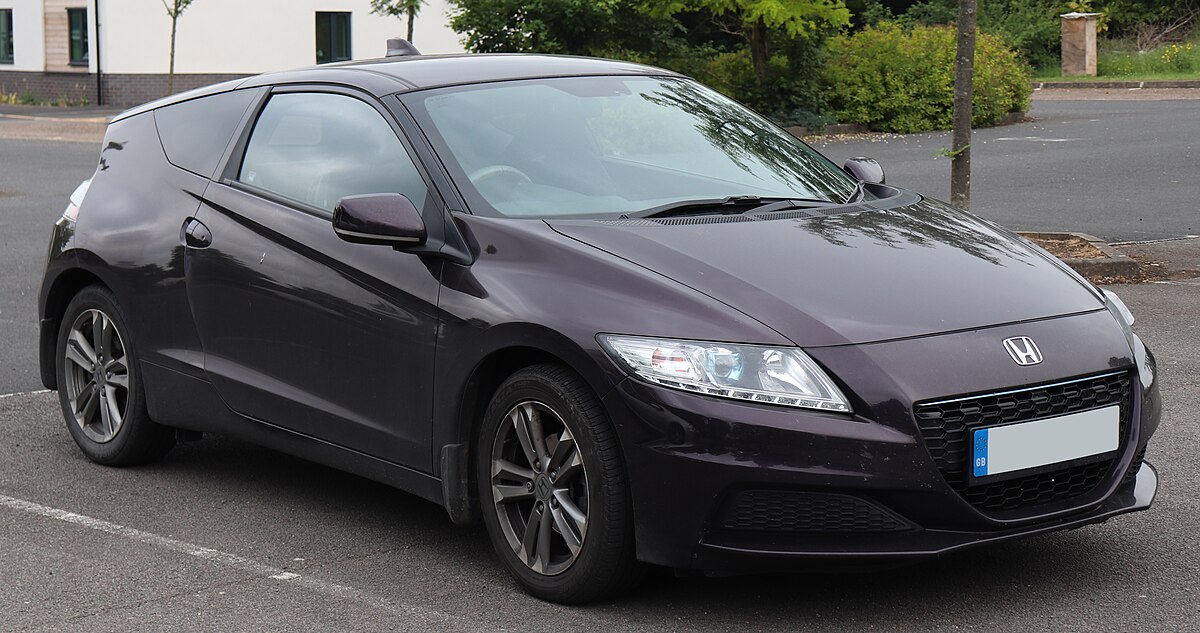
3. Honda CVT
Honda’s CVT technology, featured in vehicles such as the Civic, Accord, and CR-V, has evolved substantially over the years. Early versions of Honda’s CVTs faced criticism for a vague or disconnected driving feel, but recent generations have made great strides toward delivering smoother, more engaging performance.
One important feature that sets Honda’s CVT apart is the inclusion of a torque converter. Unlike many belt-driven CVTs that rely solely on a friction-based system, the torque converter in Honda’s transmission helps absorb shocks and provide a smoother transition between acceleration and cruising.
This design choice improves drivability, particularly at low speeds or during stop-and-go traffic. The CVT manages to balance fuel efficiency with a natural throttle response, making it suitable for daily commuters and families who prioritize comfort and reliability. Drivers commonly note that the power delivery feels steady and linear, with no harsh jerks or unexpected engine surges. This leads to a more relaxed and less stressful driving experience, especially in urban environments.
Software calibration plays a significant role in the success of Honda’s CVT. The transmission’s control system carefully monitors vehicle speed, engine load, and throttle input to optimize pulley ratios and simulate gear shifts.
This approach gives the driver a sense of familiarity while maintaining the fuel-saving benefits of a continuously variable system. Noise levels are well controlled, preventing the drone that often makes CVTs tiring on longer trips.
From a reliability standpoint, Honda’s CVTs have shown improvement over time. Many owners report long-term satisfaction, with transmissions lasting well beyond 100,000 miles when properly maintained.
Routine fluid changes are critical to ensuring longevity, and Honda provides clear guidelines for servicing. Honda’s CVT offers a dependable, efficient, and comfortable transmission option, reflecting the company’s broader reputation for engineering quality and attention to detail.
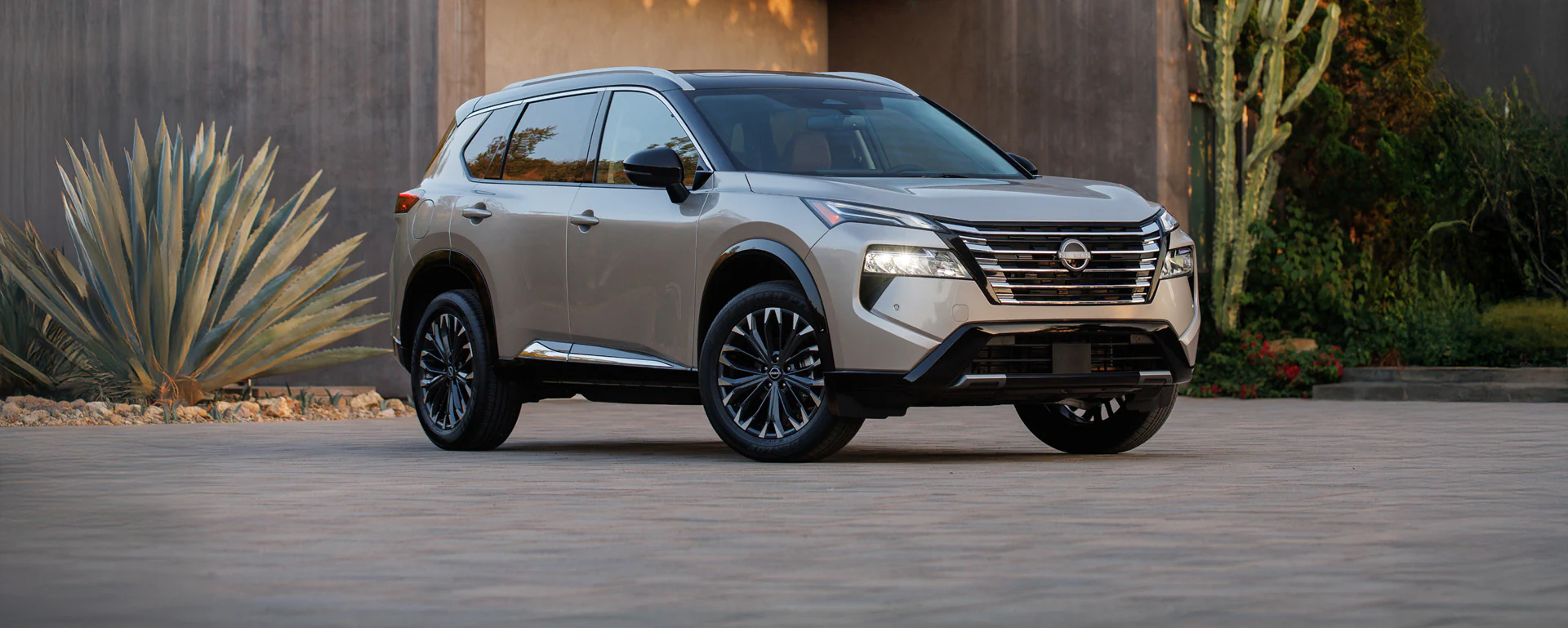
4. Nissan Xtronic CVT (Recent Models)
Nissan has been one of the pioneers in the widespread use of CVTs in passenger cars, introducing their Xtronic transmission over a decade ago. Early versions were criticized for numerous issues, including reliability concerns, poor driving feel, and excessive noise. However, Nissan has not stood still; recent iterations of the Xtronic CVT represent a substantial improvement in both hardware and software.
Modern Xtronic transmissions, found in models such as the Rogue, Altima, and Sentra, benefit from enhanced internal components designed to withstand higher torque and heat.
These mechanical upgrades reduce the risk of belt slippage and premature wear, which were common problems in older versions. In addition, Nissan has developed more sophisticated transmission control software that better manages the shifting process, reducing the “rubber band” sensation that drivers dislike.
The driving experience has improved dramatically. The updated Xtronic feels more responsive, with quicker acceleration and more consistent power delivery.
The engine sound under load is better controlled, preventing the loud droning noise that plagued earlier versions. This has made Nissan’s recent CVTs more acceptable to a wider range of drivers, from daily commuters to families and even those who enjoy a bit of spirited driving.
Nissan has also worked on cooling systems to keep transmission temperatures within optimal ranges during prolonged use or in hot climates. These efforts have paid off, resulting in fewer overheating-related failures and better long-term durability.
Owners of newer Nissan models report higher satisfaction levels and fewer complaints about CVT reliability, signaling that Nissan’s persistence in refining this technology has borne fruit.
5. Lexus Hybrid CVT
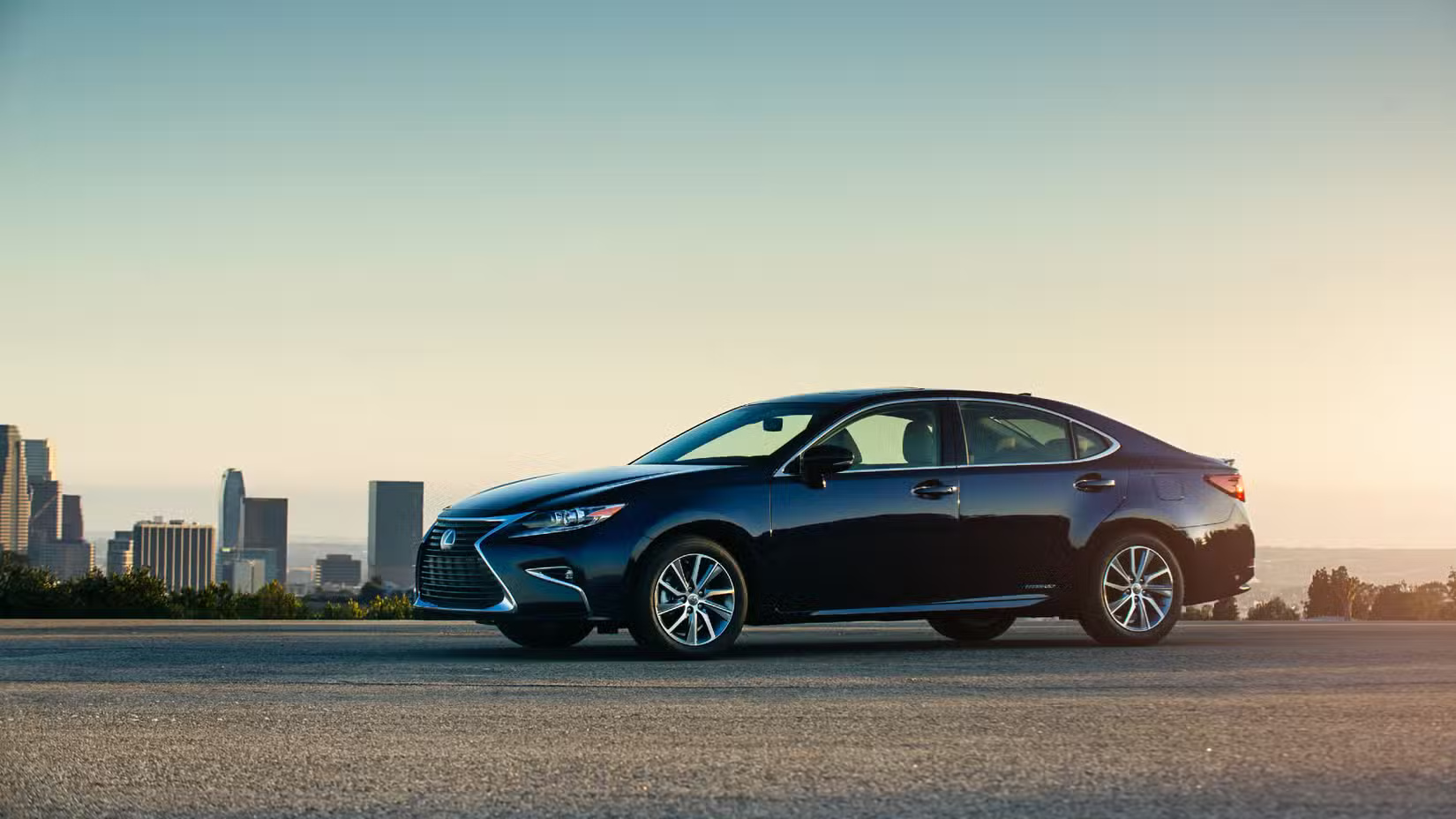
Lexus, the luxury division of Toyota, employs a specialized form of CVT in its hybrid models that blends efficiency, refinement, and smooth power delivery.
These transmissions are not typical CVTs but rather part of a complex hybrid powertrain system combining an electric motor with a gasoline engine. The CVT in Lexus hybrids is designed to seamlessly coordinate power sources, optimizing performance and fuel economy without sacrificing luxury-level smoothness.
Models such as the RX Hybrid and ES Hybrid showcase how a well-engineered CVT can contribute to a sophisticated driving experience.
The transmission smoothly manages the transition between electric and gasoline power, often making the process imperceptible to the driver. Instant torque from the electric motor is combined with the variable gear ratio of the CVT to deliver responsive acceleration and steady cruising efficiency.
Lexus places a premium on reducing noise, vibration, and harshness, and this extends to the hybrid CVTs. Drivers benefit from a quiet, vibration-free ride, even during rapid acceleration or sudden transitions between power sources.
The transmission control system uses advanced software algorithms to optimize gear ratios and electric motor assistance, ensuring fuel efficiency is maximized without compromising power delivery.
Reliability is another strong point. Thanks to Toyota’s rigorous engineering and quality control standards, Lexus hybrid CVTs have proven to be durable and dependable. The transmissions are backed by extensive warranties and supported by a comprehensive dealer network, providing peace of mind for owners.
In the luxury hybrid segment, this CVT represents an example of how continuous refinement and integration with hybrid technology can produce a transmission that performs well beyond basic expectations.
5 CVTs That Make You Regret the Car
1. Early Nissan Xtronic CVTs (Pre-2015 Models)
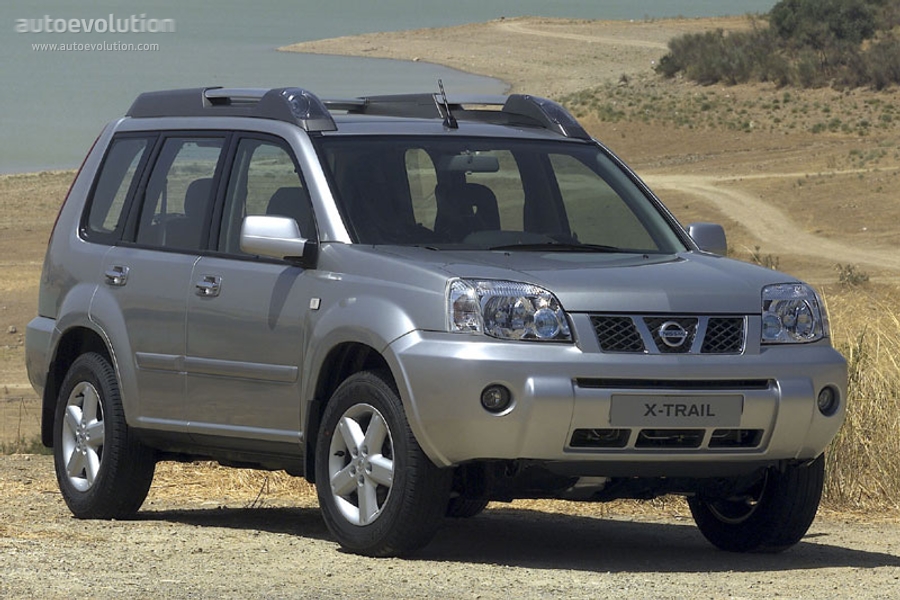
Nissan’s early adoption of CVT technology came with growing pains that were hard to ignore. The first generations of the Xtronic CVT, introduced in the late 2000s and early 2010s, suffered from a range of mechanical and operational issues that quickly earned a poor reputation.
Many owners experienced transmission failures at surprisingly low mileage, sometimes well before 100,000 miles. These failures often stemmed from belt slippage, overheating, and internal component wear.
One of the root causes was an insufficient cooling system that struggled to manage the heat generated during everyday driving, particularly in hot climates or congested traffic.
The belt or chain within the CVT would degrade prematurely, leading to loss of power or complete transmission failure. These issues were exacerbated by the fact that early CVTs often had software calibration that was not fine-tuned for real-world driving conditions.
The symptoms included loud whining or buzzing noises, jerky acceleration, and hesitation when trying to accelerate quickly. Many drivers felt the car lacked the smooth and responsive feel they expected, instead dealing with a disconnected and frustrating driving experience.
The negative feedback led Nissan to extend warranty coverage for CVT repairs or replacements in several markets, acknowledging the widespread nature of the problem.
Repair costs were often high, and replacement transmissions could be expensive, which left many owners feeling regretful about their purchase. This early generation Xtronic CVT remains a cautionary tale for potential buyers of used Nissan models from that era unless the transmission has been replaced or thoroughly rebuilt.

2. Jeep Renegade CVT
The Jeep Renegade offers a CVT in some versions, but it is frequently criticized for failing to meet expectations. The CVT struggles to provide a smooth and connected driving experience in a vehicle that many buyers expect to be rugged and capable.
One of the biggest complaints from Renegade owners is the sluggish throttle response. The transmission often takes a moment too long to respond to accelerator input, creating a lag that can be unsettling in stop-and-go traffic or when merging onto highways.
Additionally, the engine noise under acceleration tends to rise sharply, producing an unpleasant droning effect that feels disconnected from the vehicle’s movement.
This makes it difficult to judge how much power the car is delivering, which can undermine driver confidence. The CVT in the Renegade often feels mismatched to the turbocharged engine, which requires quick and responsive power delivery to perform well.
Mechanically, this CVT has experienced reliability issues, including reports of early transmission failures and the need for frequent repairs.
The absence of a torque converter in some versions contributes to a jerky and harsh driving experience, with abrupt shifts in engine speed. This lack of smoothness contradicts Jeep’s reputation for solid build quality and off-road readiness.
For many drivers, the CVT-equipped Renegade feels more like a compromise than a benefit. It diminishes the vehicle’s appeal, leading to dissatisfaction and regret over the purchase. Buyers often wish the Renegade had a more conventional transmission option to complement its rugged styling and capabilities.
3. Mitsubishi Outlander CVT
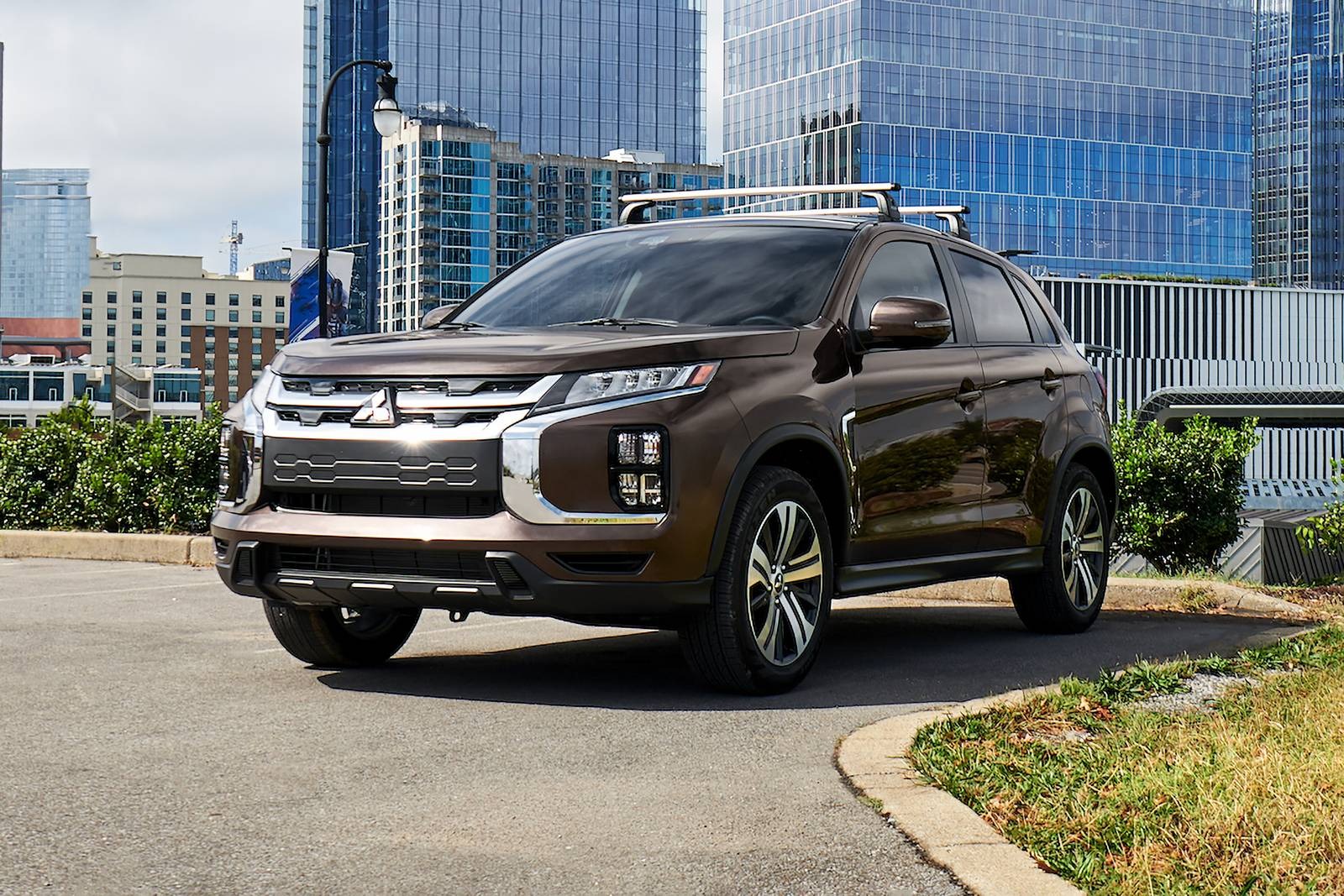
The Mitsubishi Outlander’s CVT has received a fair share of criticism, primarily regarding its performance and reliability.
Many drivers report a noticeable delay in throttle response, which can be especially frustrating when quick acceleration is required, such as merging onto highways or overtaking slower traffic. The CVT tends to hold the engine at higher RPMs, producing a loud, droning noise that can become tiresome on longer trips.
From a mechanical perspective, the Outlander’s CVT has been known to suffer from premature wear issues. Problems such as belt slippage and internal component fatigue appear earlier than expected compared to some competitors.
These mechanical shortcomings result in costly repairs and diminished vehicle resale value, causing many owners to express regret about choosing a CVT-equipped Outlander.
Driving the Outlander with this CVT often feels less engaging than many expect from an SUV, where responsive power delivery is important for confidence and safety. The transmission’s hesitation and noise make the vehicle feel less refined and more difficult to control smoothly in traffic. These issues contribute to a diminished ownership experience and lower satisfaction ratings in surveys.
Although Mitsubishi has worked to improve the transmission over time, the lingering reputation for poor performance and reliability continues to affect consumer perception. This has led many buyers to avoid CVT versions of the Outlander in favor of models with traditional automatic or manual transmissions.
4. Ford Fiesta CVT
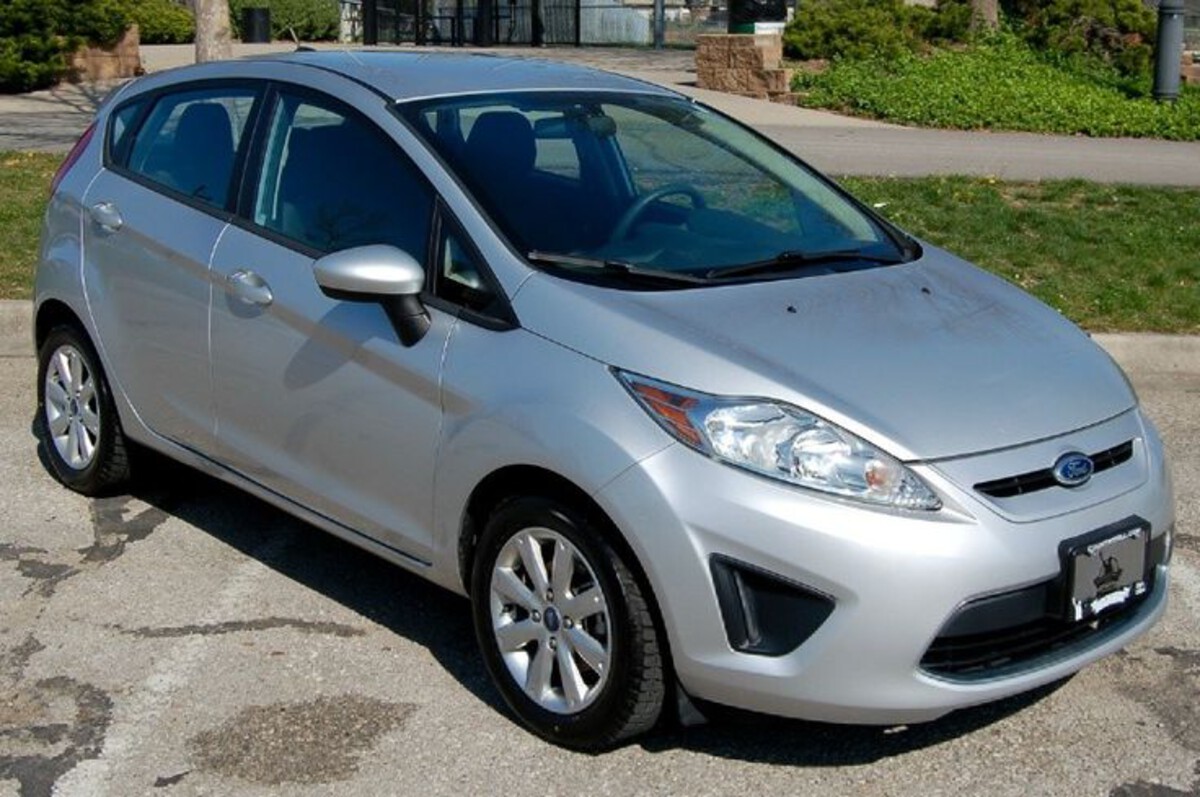
Ford’s implementation of a CVT in the Fiesta has not been well-received by many drivers and reviewers. One of the most common complaints is the “rubber band” sensation, where the engine revs increase without a corresponding immediate increase in vehicle speed.
This causes a disconnect between engine sound and acceleration, making the driving experience feel unnatural and less responsive. This effect is particularly noticeable during highway merging or overtaking, where timely acceleration is crucial.
In addition to this perceptual problem, the Fiesta’s CVT has faced mechanical issues, including overheating and premature wear of internal components. The need for more frequent transmission fluid changes than usual adds to maintenance costs and inconvenience for owners. Some drivers report that even with proper care, the transmission may still exhibit problems after only a few years of use.
Noise is another point of dissatisfaction. The transmission often produces a droning sound during acceleration, which can be tiring and reduce driver comfort, especially on longer journeys. Combined with the sluggish feel, this makes the Fiesta less enjoyable to drive than many of its competitors with traditional automatic transmissions.
While Ford has moved away from CVTs in many newer models, the legacy of the Fiesta CVT remains a warning to buyers. Those considering a used Fiesta with a CVT should carefully weigh these factors to avoid regrets. The transmission’s issues overshadow the otherwise well-regarded qualities of the car, such as handling and styling.
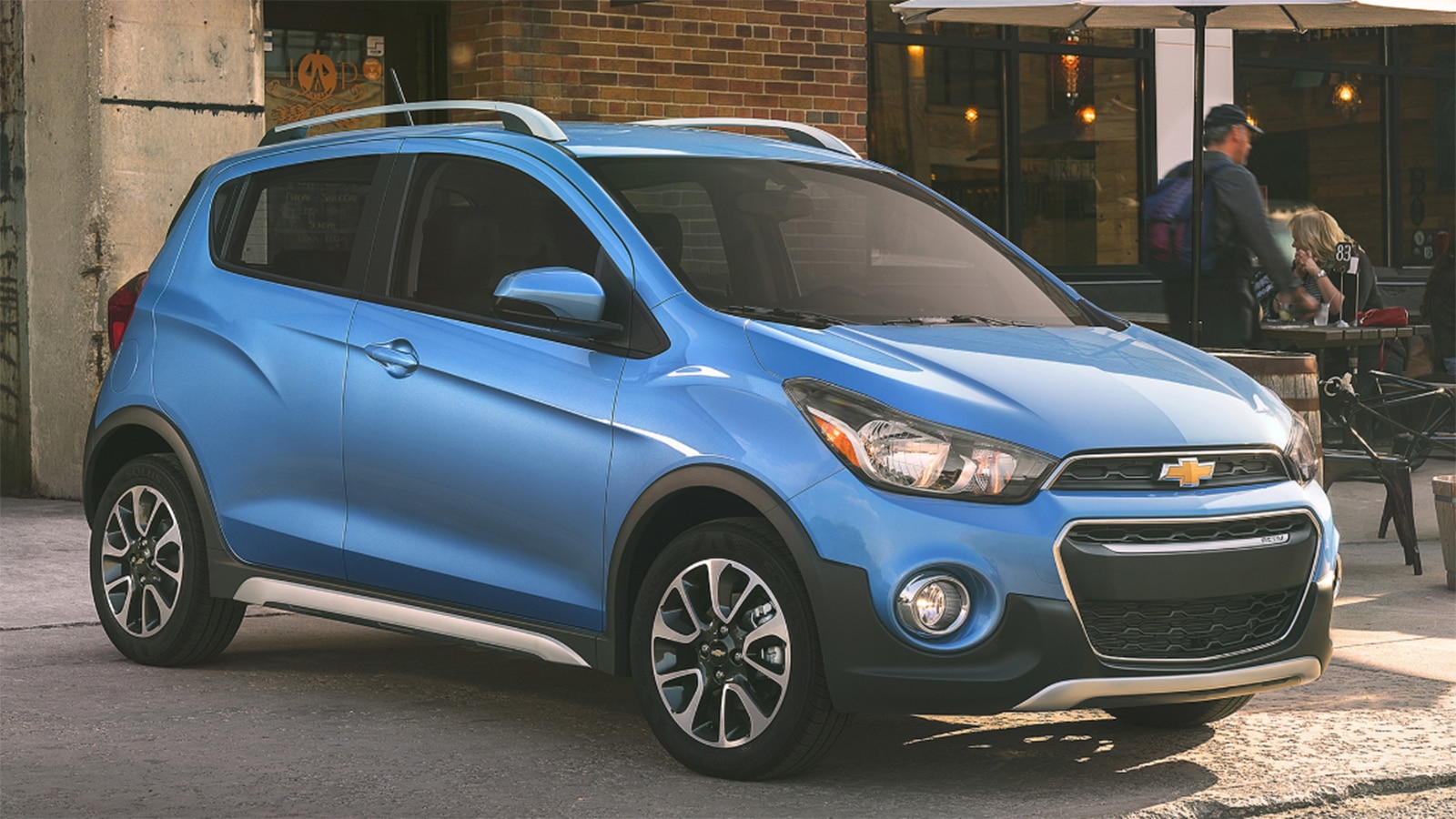
5. Chevrolet Spark CVT
The Chevrolet Spark, known for being an affordable and efficient city car, is equipped with a CVT that often leaves owners feeling underwhelmed. The transmission tends to exhibit hesitation when accelerating from a stop, coupled with a loud engine drone that can be distracting and fatiguing. This lack of smooth power delivery can make driving in stop-and-go traffic more stressful than necessary.
From a reliability standpoint, the Spark’s CVT is not renowned for longevity. Owners have reported problems such as slipping belts and overheating, leading to frequent visits to service centers and potentially costly repairs. Given the Spark’s position as an entry-level vehicle designed to be economical to own and operate, these maintenance issues are particularly disappointing.
The transmission’s unpredictable behavior also detracts from the driving experience. Drivers sometimes find it difficult to modulate throttle input effectively, resulting in jerky starts and stops. This unpredictability can make urban driving more challenging, negating some of the convenience that the Spark’s small size is supposed to provide.
Many buyers have expressed a wish for a more traditional automatic or manual transmission instead of the CVT option in the Spark. The combination of noise, hesitation, and reliability concerns makes this CVT one of the less successful implementations in the market, leading to buyer dissatisfaction and regret.
Also Read: 8 Most Popular Pickup Trucks in the U.S. Ranked by Real Owners
The rise of Continuously Variable Transmissions marks a significant shift in automotive technology, aiming to provide smoother rides and better fuel efficiency compared to traditional gear-based automatics. Over the past couple of decades, manufacturers have invested heavily in CVT technology, seeking to balance performance, comfort, and economy.
Yet, as this overview has shown, not all CVTs deliver equally on these promises. The gap between well-engineered CVTs and those plagued by design flaws or reliability problems can be stark, and this divide has a direct impact on driver satisfaction, vehicle longevity, and ownership experience.
On one side of the spectrum, manufacturers such as Subaru, Toyota, Honda, Nissan (more recently), and Lexus have managed to refine their CVTs into transmissions that truly complement their vehicles. Subaru’s Lineartronic CVT, for example, stands out due to its robust chain-driven design, which better withstands torque and reduces premature wear.
Its smoothness and integration with Subaru’s all-wheel-drive system deliver a driving experience that balances efficiency with confidence. Similarly, Toyota’s Direct Shift CVT innovates by introducing a physical first gear, which enhances initial acceleration and reduces the “rubber band” effect commonly criticized in earlier CVTs. This engineering adjustment makes the driving feel more natural and responsive, while still reaping the benefits of variable gear ratios at cruising speeds.
Honda’s CVTs have also matured into reliable, well-calibrated systems, often bolstered by the inclusion of torque converters to smooth out transitions and absorb shocks. This thoughtful design choice addresses some of the inherent challenges in CVT technology, such as jerkiness and noise, making Honda models more comfortable and predictable in everyday driving.
Nissan’s more recent Xtronic CVTs show a promising turnaround after early reliability issues, demonstrating how improvements in materials, cooling, and software calibration can restore confidence in CVT technology.
Lastly, Lexus’s hybrid CVTs illustrate how CVTs can be perfectly integrated into complex hybrid powertrains, providing seamless transitions between electric and gasoline power while maintaining luxury-level refinement and dependability.
Conversely, early versions of Nissan’s Xtronic CVT and CVTs found in vehicles like the Jeep Renegade, Mitsubishi Outlander, Ford Fiesta, and Chevrolet Spark reveal the challenges that come with rushing or under-engineering this technology.
Many drivers have encountered issues ranging from sluggish throttle response and annoying engine drone to premature failures requiring costly repairs.
These negative experiences highlight the importance of design, software calibration, and cooling systems in CVT performance. The complaints of lag, noise, and unreliability have left a lasting impression on consumers, causing some to actively avoid CVT-equipped models or feel regret after purchasing them.
The uneven quality of CVTs on the market today means potential buyers should approach these transmissions with a clear understanding of what to expect. Unlike manual or traditional automatic transmissions, where the fundamental mechanics are well understood and standardized, CVTs vary widely by manufacturer and model year.
The technology’s inherent complexity means that even small differences in design and software calibration can profoundly affect drivability, noise levels, and long-term durability. Consequently, researching the specific vehicle’s CVT performance history, reading owner reviews, and considering the manufacturer’s reputation can save buyers from unexpected headaches.
Despite these challenges, the advantages of CVTs remain compelling. Their ability to maintain optimal engine speeds for fuel efficiency, deliver smooth acceleration, and reduce transmission complexity makes them an attractive choice for many modern vehicles.
