
Snowplowing is a task that requires more than just power it demands a combination of strength, durability, and consistent reliability from a truck. In regions where winters bring heavy snowfall, having a vehicle that can not only push large quantities of snow but also withstand the intense mechanical stresses is essential.
Snowplow duty is unlike normal driving because the truck must constantly endure the weight of the plow attached to its front, the resistance of compacted snow, and the uneven forces generated as snow shifts and slides across roads or driveways.
These stresses affect multiple components of the truck, including the frame, suspension, drivetrain, and engine, often pushing them to their design limits or beyond. Consequently, selecting the right truck for snowplowing is critical, as it impacts the efficiency of snow removal, the safety of operations, and the longevity of the vehicle itself.
The truck’s frame serves as the backbone, supporting all other components and resisting the tremendous twisting, bending, and compressive forces that come with pushing tons of snow. However, not all trucks are built alike. Some frames are engineered from thicker, stronger steel and designed with additional reinforcements and crossmembers, while others rely on lighter materials or simpler designs better suited for everyday hauling and commuting.
Those lighter or less reinforced frames may initially seem capable but often reveal their weaknesses under the harsh conditions of winter plowing. Frames can bend, crack, or even snap after repeated exposure to snowplow stresses, which not only leads to expensive repairs but also endangers the safety of the operator and others on the road.
In addition to mechanical stress, winter conditions introduce environmental challenges that accelerate wear and damage. Salt and chemicals used to melt ice cause corrosion that eats away at metal components, particularly if a truck lacks proper rust protection.
Cold temperatures also affect the flexibility of materials, making metal more brittle and susceptible to cracking under sudden shocks or bending forces. The cumulative effect of these conditions makes choosing a truck with robust engineering, proper corrosion resistance, and heavy-duty features an investment in durability and performance for the long run.
This article focuses on two contrasting categories of trucks: those that have earned reputations for successfully handling snowplow duty with reliable frames and rugged construction, and those that are commonly known to experience frame failures or other structural problems when used for the same purpose.
The first group includes trucks favored by snow removal professionals, municipal fleets, and homeowners who need dependable, long-lasting performance. The second group highlights vehicles that may look capable at first glance but suffer from design or manufacturing weaknesses, especially in their frame construction, leading to failure under the rigors of snowplowing. Understanding the differences between these vehicles can help buyers make informed choices that save money, prevent downtime, and improve safety.
The insights presented here are based on accumulated experience from users, automotive engineering knowledge, and common patterns observed across different model years and manufacturers. While truck designs continue to evolve and manufacturers improve their products over time, the lessons from past performance remain valuable.
Choosing the right truck involves considering frame strength, suspension setup, engine torque, corrosion resistance, and compatibility with snowplow equipment. The trucks listed in this article exemplify how these factors come together in real-world applications to either succeed or struggle in snowplow duty. Whether you are a contractor, public works employee, or homeowner facing winter snow removal, this guide aims to help you select a truck that will stand up to the challenges and avoid costly frame failures.
Also Read: 8 Most Popular Pickup Trucks in the U.S. Ranked by Real Owners
5 Trucks That Can Handle Snowplow Duty
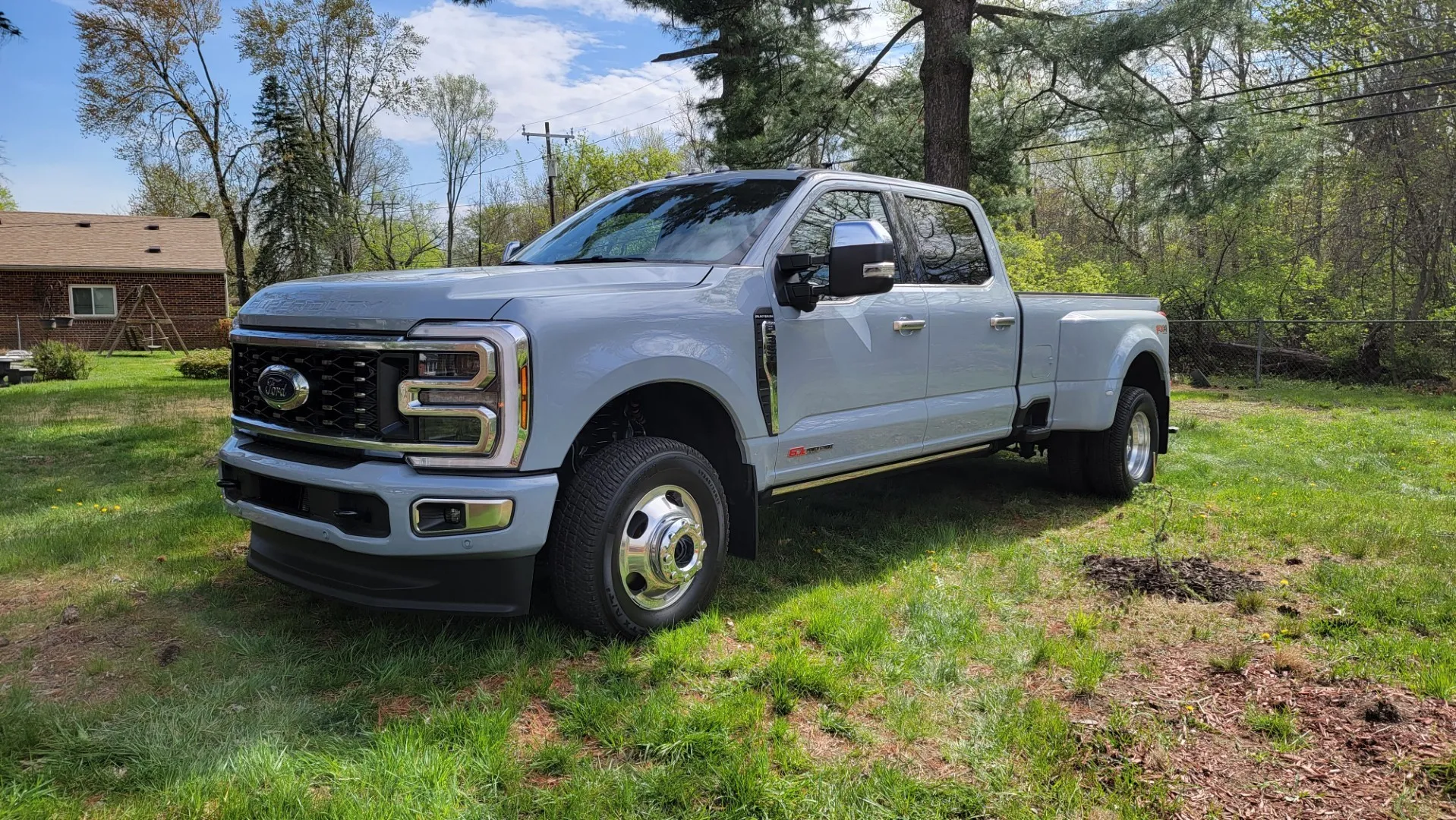
1. Ford F-350 Super Duty
The Ford F-350 Super Duty is widely recognized for its exceptional strength and durability, making it one of the best trucks available for snowplow duty. Its heavy-duty ladder frame is constructed from high-strength steel, specifically designed to resist bending and twisting forces that are common during snow removal.
This reinforced frame includes multiple crossmembers and strategically placed reinforcements, distributing stress evenly to prevent weak spots that could lead to cracks or permanent deformation. The design takes into account not only the static weight of the plow but also the dynamic forces encountered when pushing through dense, compacted snow and uneven road surfaces.
Underneath the hood, the F-350 offers a range of powerful engine options, including a popular diesel variant known for producing high torque at low RPMs. This torque is critical when plowing snow, as it provides the steady pushing power required to maintain momentum without overworking the engine or transmission.
The truck’s drivetrain components, including heavy-duty transmissions and robust differentials, are built to endure the constant load changes and mechanical stresses plowing imposes. The availability of a four-wheel-drive system adds enhanced traction on slippery surfaces, allowing the F-350 to maintain control and efficiency even in the worst winter conditions.
The suspension system on the F-350 is specifically engineered to handle heavy loads, featuring reinforced front springs and shock absorbers that can cope with the weight of a snowplow and the snow it pushes. This setup prevents excessive sagging or bounce, which could otherwise lead to accelerated frame fatigue or suspension failure.
The truck’s frame and suspension are complemented by a high payload capacity, ensuring that the plow and any accumulated snow do not exceed safe operating limits. This careful balance between load rating and structural strength is key to the F-350’s reputation as a reliable snowplow truck.
In addition to its mechanical strengths, the Ford F-350 benefits from a strong aftermarket ecosystem. Numerous snowplow manufacturers and accessories are designed to fit the F-350, making installation straightforward and allowing operators to customize the truck for their specific snow removal needs.
Operators also appreciate the durability of Ford’s corrosion protection measures, which help the truck resist the rusting effects of salt and moisture exposure. Over time, with proper maintenance, the F-350 remains a favorite among municipalities, contractors, and private owners who demand dependable, long-lasting performance in harsh winter conditions.
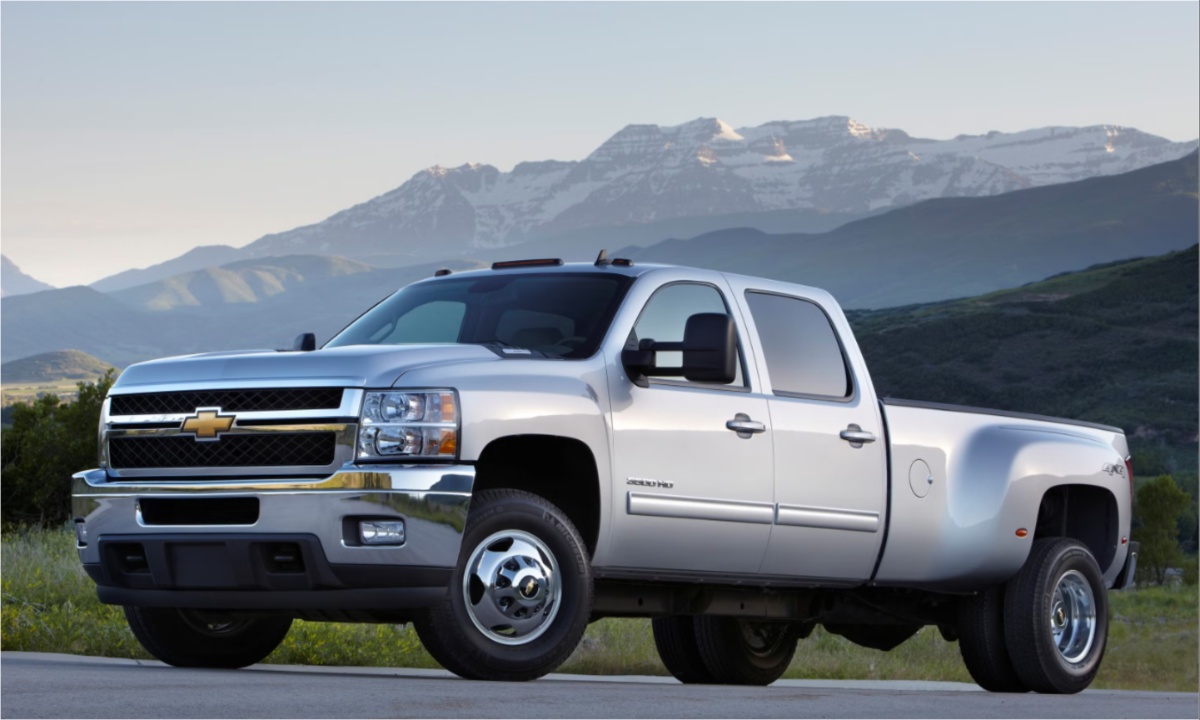
2. Chevrolet Silverado 3500HD
The Chevrolet Silverado 3500HD is another heavy-duty truck that has earned a solid reputation for its ability to withstand the rigors of snowplow duty. The backbone of this capability lies in its sturdy ladder frame, which is constructed from thick, high-strength steel sections combined with multiple heavy crossmembers.
This frame design provides a high level of rigidity and resistance to twisting forces that occur when a plow encounters resistance from packed snow or uneven terrain. The Silverado’s frame geometry also helps spread the mechanical loads evenly, reducing the risk of localized stress points that can cause cracks or frame deformation.
One of the Silverado 3500HD’s standout features is its advanced suspension system, which is designed for heavy loads and towing. Many versions of this truck come with dual rear wheels, which distribute weight over a wider footprint and provide enhanced stability and load capacity.
This dual rear wheel setup is especially beneficial when plowing snow because it reduces the strain on the rear suspension and frame, helping to prevent sagging or premature wear. The front suspension, equipped with reinforced springs and shock absorbers, is also optimized to handle the extra weight of a mounted snowplow and the force of pushing snow.
The Silverado’s powertrain lineup, including the well-known Duramax diesel engine, delivers strong torque at low engine speeds. This characteristic is crucial for snowplow work since consistent low-end torque allows the driver to maintain a slow, steady push through dense snow without frequent shifting or engine strain.
The heavy-duty transmission and drivetrain components are built to cope with the frequent stop-and-go motions and heavy loads, which reduces the likelihood of mechanical breakdowns during prolonged plowing operations.
Additionally, the Silverado 3500HD incorporates corrosion-resistant coatings and specialized welds designed to withstand the corrosive effects of salt and chemicals common on winter roads. This attention to durability extends the truck’s operational life and helps keep maintenance costs manageable for professional operators.
The interior of the Silverado also offers comfort and convenience features, making long hours behind the wheel more tolerable for snowplow operators who often face harsh weather conditions. This blend of strength, comfort, and corrosion protection makes the Silverado 3500HD a highly dependable truck for demanding snowplow duty.
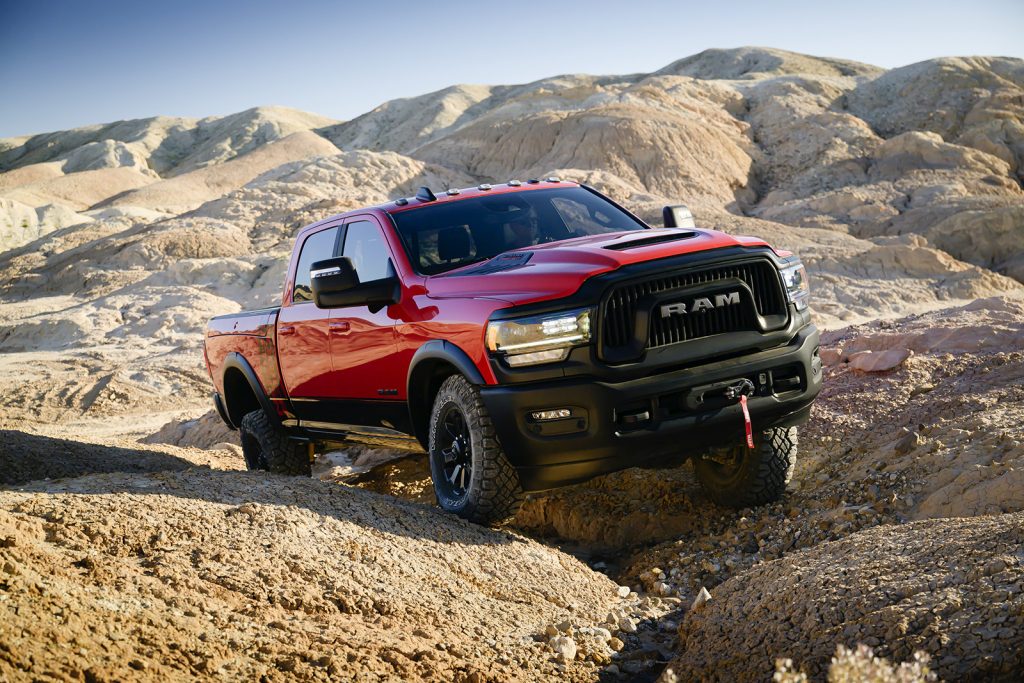
3. Ram 3500 Heavy Duty
The Ram 3500 Heavy Duty is built to tackle some of the toughest jobs, including snowplowing, thanks to its strong frame and powerful engine options. One of the truck’s key strengths is its fully boxed ladder frame design.
Unlike open C-channel frames, a fully boxed frame encloses the rails on all sides, greatly increasing torsional rigidity and resistance to twisting. This enhanced stiffness is particularly important for snowplow work, where the frame is subjected to repeated lateral forces as the plow shifts snow from side to side or encounters obstacles hidden under the snow.
The Ram 3500 also offers Cummins diesel engines that are renowned for their torque output and reliability. These engines produce consistent low-end torque that allows operators to maintain control and momentum even in deep or icy snow.
The torque curve of the Cummins engine is well-suited for the stop-and-go nature of plowing, minimizing wear and tear on the drivetrain. The truck’s heavy-duty transmission and differential components complement the engine, providing the durability necessary to endure frequent heavy-load cycles.
Suspension is another strong point for the Ram 3500. The front suspension is designed to bear significant weight, essential for trucks equipped with front-mounted plows that shift the vehicle’s center of gravity forward. Heavy-duty springs and shocks provide the necessary support and absorb road irregularities, reducing frame stress. The Ram’s suspension geometry also aids in maintaining stability and traction on slick winter roads, improving operator confidence and safety during snowplow operations.
The Ram 3500 is also popular because of its snowplow prep packages, which include factory-installed wiring harnesses, heavy-duty front springs, and additional cooling systems. These packages simplify the installation process and enhance the truck’s ability to withstand the demands of plowing. With proper care and maintenance, the Ram 3500 offers a balance of power, comfort, and frame strength that many snow removal professionals rely on season after season.

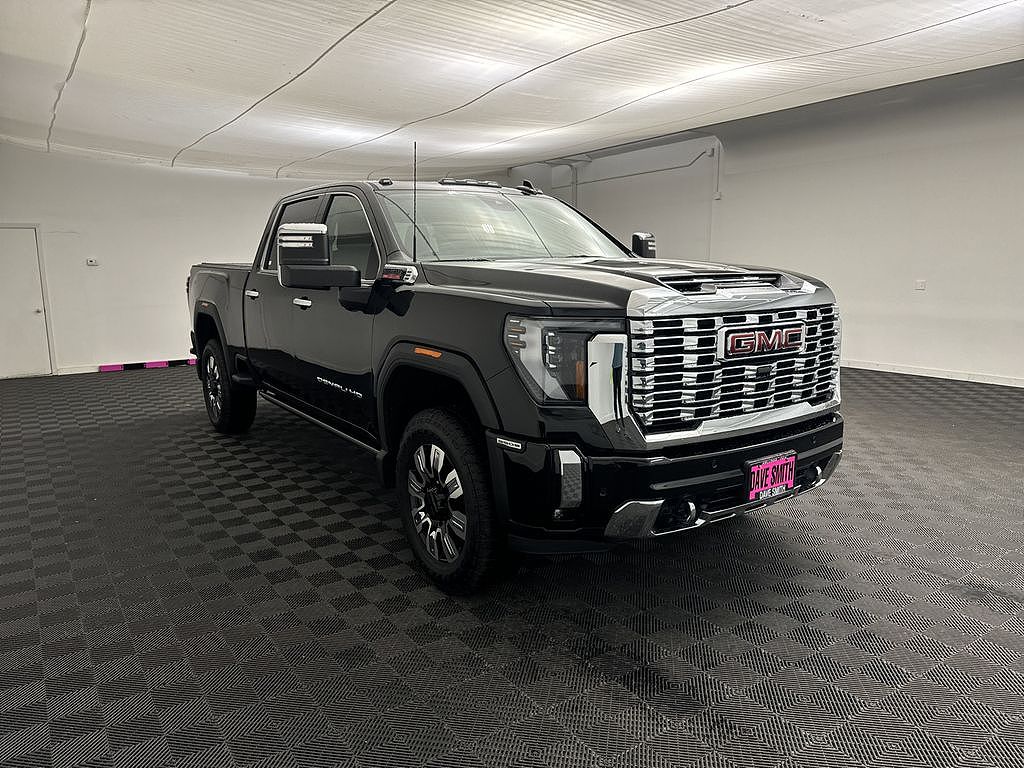
4. GMC Sierra 3500HD
The GMC Sierra 3500HD is a robust truck well suited to handle the stresses of snowplow duty. Sharing much of its underlying engineering with the Chevrolet Silverado 3500HD, the Sierra features a high-strength steel ladder frame that is reinforced with extra crossmembers.
These reinforcements improve torsional stiffness and resistance to bending, helping to prevent frame damage during the challenging push and twist motions of snowplowing. The frame’s geometry and design ensure that forces are evenly spread throughout the chassis rather than concentrating in vulnerable spots.
The Sierra 3500HD is equipped with powerful engine options, including the Duramax diesel, which delivers significant torque at low RPMs, a crucial factor for maintaining steady snowplow operation without overstressing the engine or transmission. The truck’s drivetrain components are heavy-duty and designed for durability, ensuring they can handle the continuous load cycles common in snow removal. Four-wheel-drive capability further enhances traction and stability on icy, snow-covered surfaces.
The truck’s suspension system supports the heavy front load created by the snowplow, with reinforced springs and dampers that reduce sagging and flexing. This setup not only protects the frame from premature fatigue but also improves driver comfort by smoothing out road irregularities encountered during plowing. Corrosion protection measures, including factory-applied coatings and rust-resistant materials, help extend the Sierra’s service life by combating the damaging effects of road salt and moisture exposure.
Many municipal fleets, contractors, and individual snowplow operators prefer the Sierra 3500HD for its combination of ruggedness, power, and comfort. Its balanced design allows for effective snow removal while minimizing the risk of frame damage, making it a trusted choice in the heavy-duty snowplow truck category.
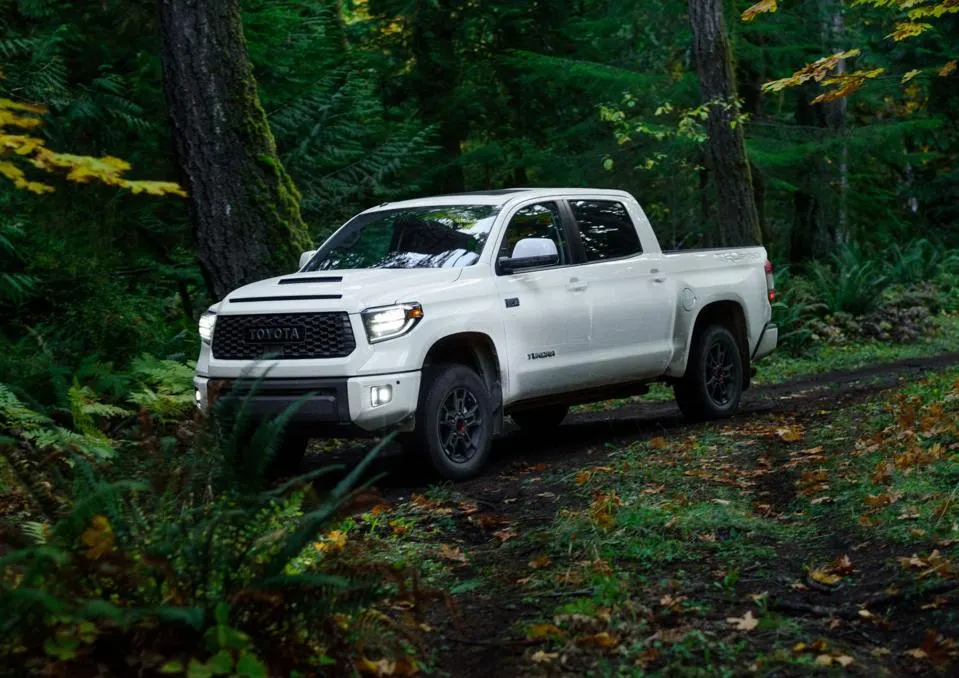
5. Toyota Tundra (Selected Models)
While not traditionally classified as a heavy-duty truck, the Toyota Tundra has shown surprising capability in lighter snowplow duties, particularly certain model years and trims that feature robust frame construction and engine power.
The Tundra’s frame consists of full-length side rails made from high-strength steel, providing a solid foundation that is more than adequate for moderate snow removal tasks. Its frame design, although not as heavily reinforced as those of heavy-duty pickups, offers good torsional rigidity and resistance to bending forces encountered in residential or light commercial plowing.
Under the hood, the Tundra offers V8 engine options that deliver sufficient horsepower and torque to push snow in most non-municipal applications. The truck’s suspension is designed to strike a balance between ride comfort and load-carrying capability, making it well-suited for occasional snowplow work on driveways, parking lots, or smaller roadways. Its relatively lighter weight and compact size provide an advantage when maneuvering in tight spaces where larger trucks might struggle.
Toyota’s reputation for reliability and corrosion resistance also contributes to the Tundra’s durability in snowy and salted environments. The frame and body panels benefit from quality rust prevention treatments, which help preserve the truck’s structural integrity over time. Properly equipped and maintained, the Tundra can handle regular light to moderate snowplow tasks without experiencing the frame issues common in lighter-duty or smaller trucks.
While the Tundra may not be the first choice for heavy commercial plowing, it represents a practical and dependable option for residential users or small contractors who require a reliable truck for moderate snow removal. Its blend of durability, power, and maneuverability makes it a solid choice within its category.
5 Trucks That Snap Their Frames Under Snowplow Duty
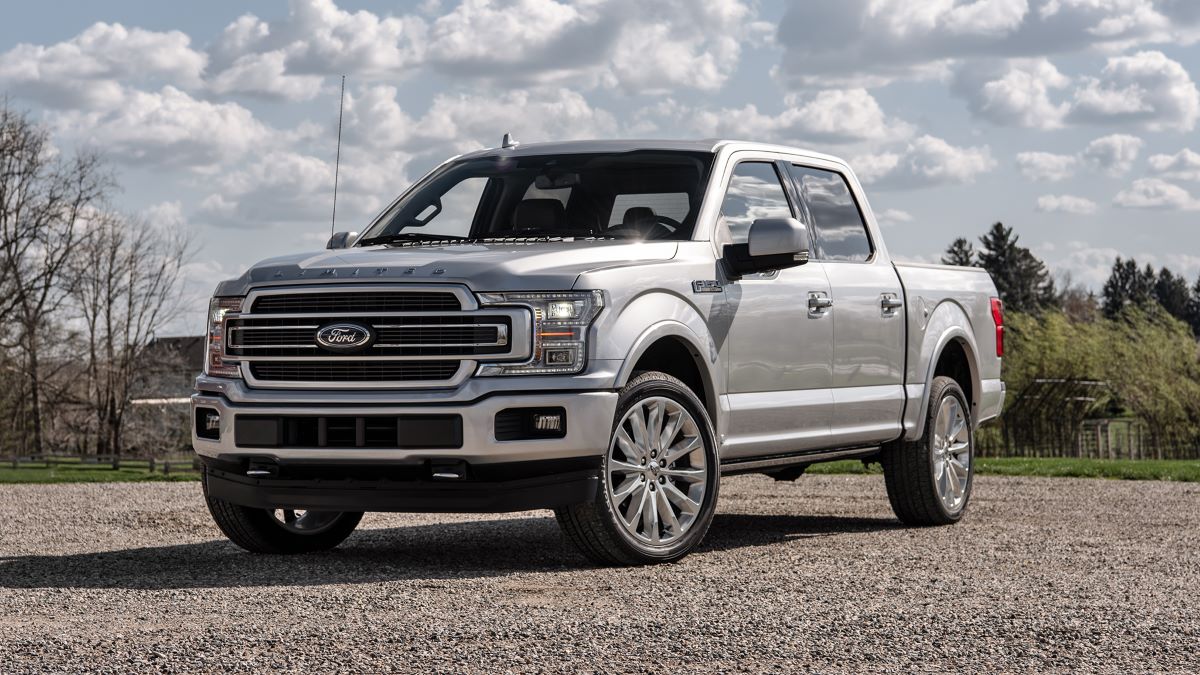
1. Ford F-150 (Early 2000s Models)
The Ford F-150 is one of the best-selling trucks in the United States and has been a popular choice for many types of work, including occasional snowplow duty.
However, early 2000s models of the F-150 were built with frames and suspension systems intended primarily for light-duty tasks, such as daily driving and moderate hauling, rather than the extreme stresses of snowplowing. These frames typically use thinner steel in a C-channel design that lacks the reinforcements necessary to handle the heavy front loads and twisting forces generated by a mounted snowplow.
Operators using these F-150 models for snowplow duty have reported problems such as frame bending, cracking, and even snapping in some cases. The issues often manifest near critical areas like plow mounting brackets or front crossmembers, where the concentration of forces is greatest. This bending can lead to misalignment of suspension components and driveline parts, causing further mechanical problems and unsafe driving conditions.
The stock suspension on early 2000s F-150s was not designed to absorb or support the concentrated weight of a snowplow. Without upgraded springs or shocks, the truck experiences excessive front-end sagging and increased frame flex. Over time, this repeated flexing causes metal fatigue and accelerates the onset of cracks or permanent deformation. In addition, these models often lack features like heavy-duty cooling systems or transmission reinforcements needed to sustain the constant load and idling typical in snowplow operations.
Corrosion resistance was another weakness. Early 2000s F-150s did not benefit from the advanced rustproofing technologies that later models adopted, so exposure to road salt and moisture during winter quickly accelerates rust formation on vulnerable frame areas.
This corrosion weakens the metal structure, making frame failure more likely with continued use in snowplowing. As a result, these F-150 models are generally not recommended for serious or frequent snowplow duty, particularly when heavier or larger plows are involved.
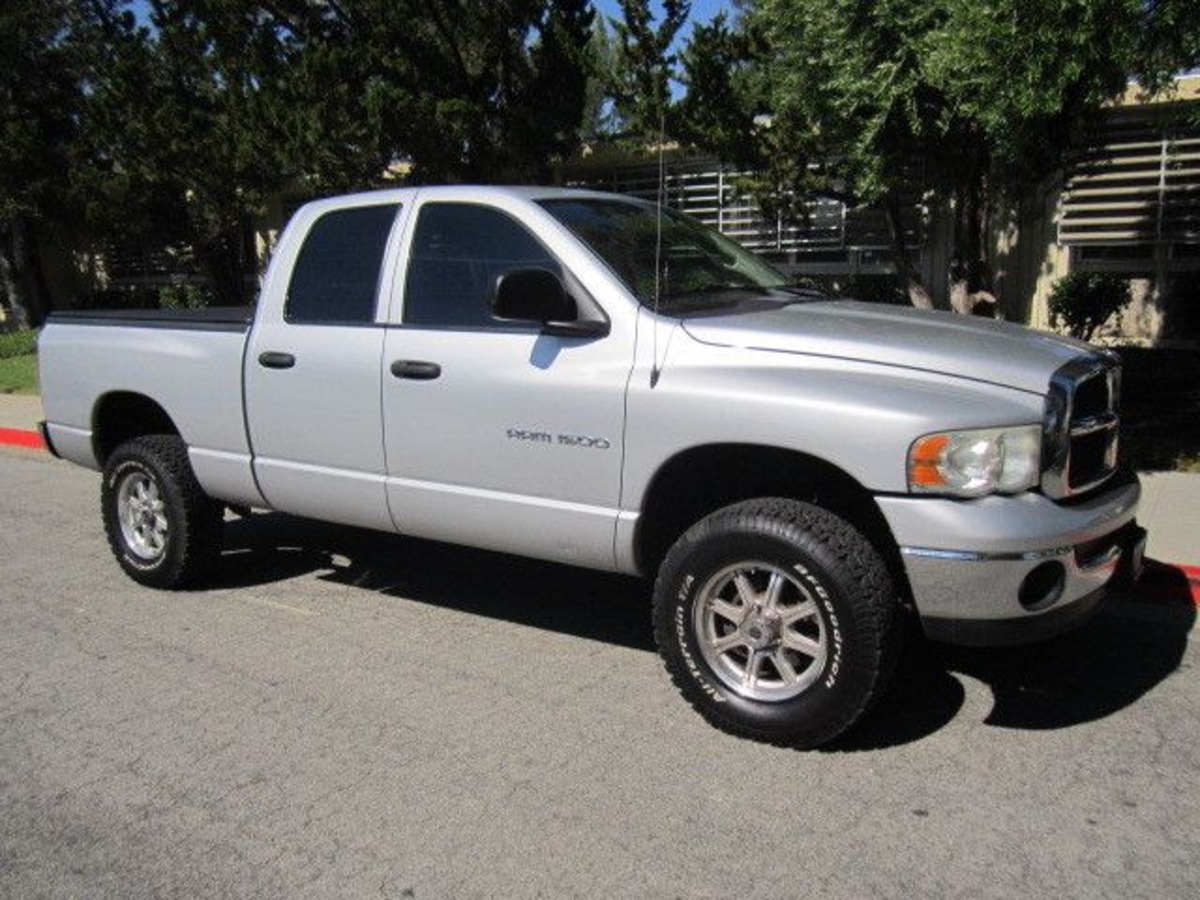
2. Dodge Ram 1500 (Pre-2010 Models)
The Dodge Ram 1500 produced before 2010 shares many characteristics with the early 2000s Ford F-150 regarding frame durability under snowplow conditions. These trucks were designed as light-duty pickups, focusing more on general utility than the specific demands of commercial snow removal. Their frames are constructed from relatively thinner steel and employ a C-channel design with limited crossmember reinforcement, making them prone to bending and cracking when subjected to the intense front-end loads caused by snowplows.
Numerous Ram 1500 owners and snowplow operators have experienced frame damage concentrated around the plow mounting points and front frame rails. The heavy weight of the plow combined with the resistance of dense snow creates twisting forces that these frames were not engineered to withstand for extended periods. Over time, repeated flexing leads to stress fractures, permanent bends, or even breaks, rendering the truck unsafe or unusable without costly repairs.
The suspension system on these models further compounds the issue. Stock springs and shock absorbers are designed for normal payloads and do not accommodate the heavy, front-biased weight distribution of a mounted snowplow. This leads to sagging, uneven tire wear, and additional frame stress. Without aftermarket suspension upgrades or snowplow prep packages, the truck’s durability in snowplowing applications is compromised.
Corrosion is another significant factor accelerating frame problems. These pre-2010 Ram 1500s typically lack comprehensive rustproofing, so exposure to salt and moisture during winter accelerates metal degradation. Rust weakens critical structural points on the frame, increasing the risk of catastrophic failure under load. For these reasons, while the Ram 1500 is a capable light-duty truck, it is not suitable for frequent or heavy snowplow duty without substantial modifications.
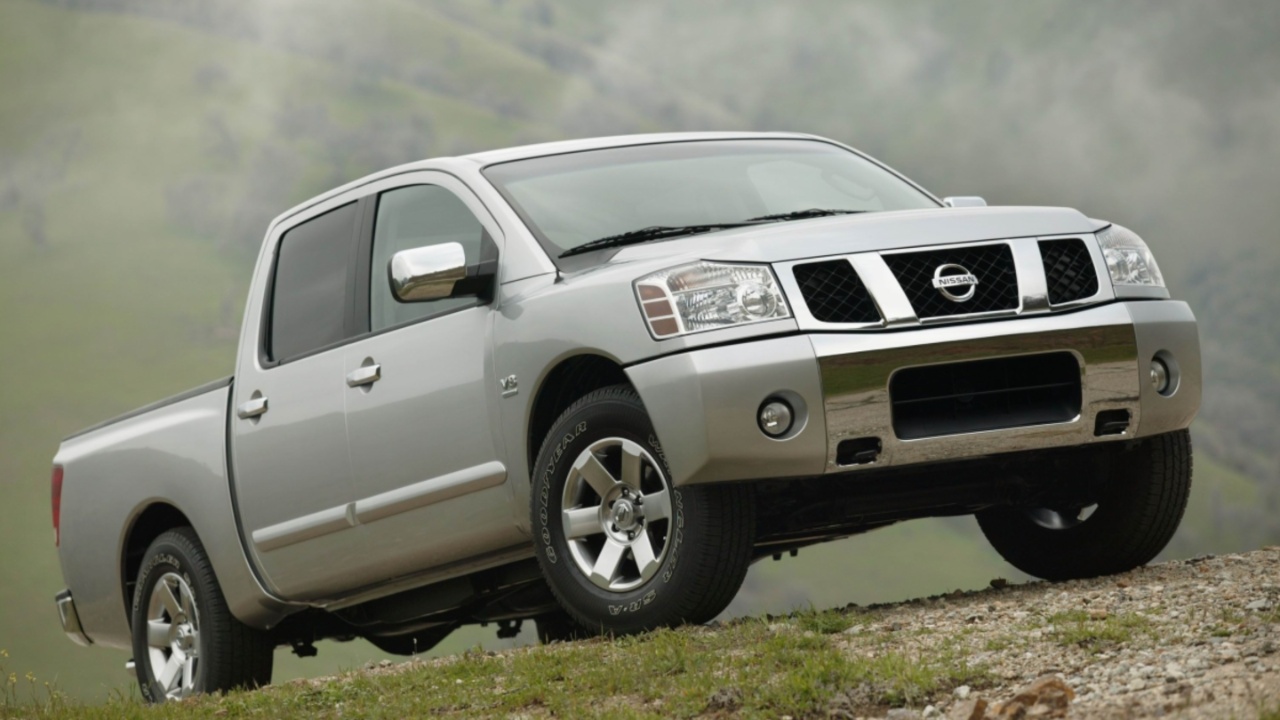
3. Nissan Titan (First Generation)
The first-generation Nissan Titan, produced from 2004 through 2015, was Nissan’s initial entry into the full-size pickup market. While the Titan boasts respectable engine power and payload ratings for its class, its frame design does not match the heavy-duty robustness of competing American trucks. The Titan’s ladder frame uses thinner steel rails with fewer crossmembers, resulting in lower torsional stiffness and reduced resistance to bending forces encountered during snowplow operations.
Snowplow operators using first-generation Titans have reported frame flexing, cracking, and bending, especially in the front section of the chassis where the plow mounts. The forces generated by pushing packed or icy snow apply significant twisting and compressive stress to the frame rails, which are not sufficiently reinforced to withstand this abuse over time. The result can be fatigue fractures or permanent deformation, compromising safety and functionality.
Additionally, the Titan’s corrosion protection in early models was not as advanced as competitors, making it vulnerable to rust damage in salted and wet winter conditions. Rust can form around welds and joints, weakening structural points and increasing the likelihood of frame failure. Although the Titan’s drivetrain and engine are generally capable of handling the power demands of snowplowing, the frame itself is the limiting factor that reduces its suitability for sustained heavy snow removal tasks.
For light or occasional plowing in mild winter conditions, the Titan can be a workable choice. However, when subjected to prolonged or heavy-duty snowplowing, the limitations of its frame design become apparent. Snow removal professionals generally recommend more heavily reinforced trucks for consistent snowplow work to avoid costly frame repairs and downtime.
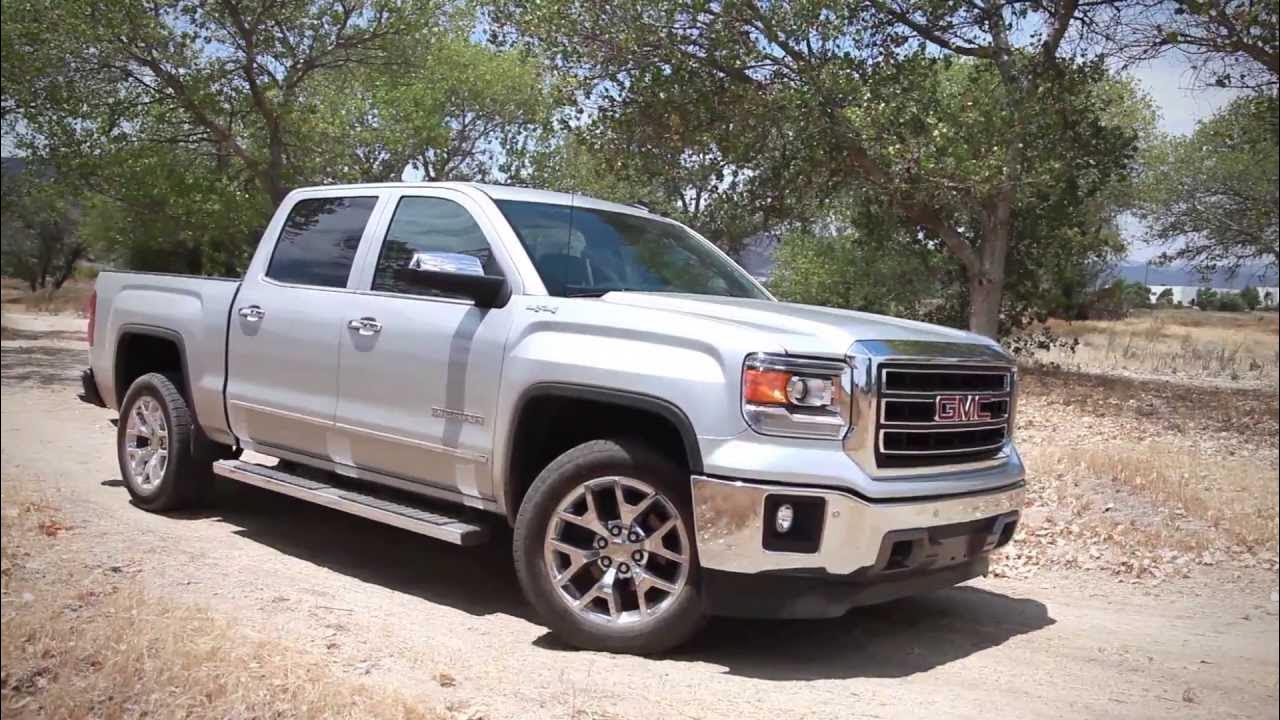
4. GMC Sierra 1500 (Early Models)
The GMC Sierra 1500 from the early 2000s is a popular light-duty pickup but not one engineered for the rigorous demands of snowplow duty. Its frame is built to support everyday hauling and driving tasks rather than the heavy front loads and torsional stresses that snowplowing imposes. The frame uses a conventional ladder design with thinner steel rails and fewer reinforcements compared to heavy-duty 2500 and 3500 models.
Users who have attempted to use early Sierra 1500s for snowplowing report issues such as frame bending and cracking near the front crossmembers and plow mounting points. The frame’s lack of torsional rigidity makes it susceptible to twisting forces as the snowplow encounters obstacles or packed snow banks, leading to fatigue damage over time. This damage compromises not only the frame but also suspension alignment and driveline components.
Suspension components on the Sierra 1500 are designed for lighter loads and do not accommodate the additional weight or front bias caused by snowplows. This leads to sagging, uneven tire wear, and increased frame stress. Without suspension upgrades or snowplow prep packages, the truck is more prone to premature wear and damage.
Rust is also a factor. Early Sierra 1500s did not benefit from the comprehensive rustproofing treatments seen in newer trucks, and salt exposure in winter accelerates frame corrosion. This corrosion further weakens structural integrity, increasing the risk of frame failure under load. For these reasons, early GMC Sierra 1500s are generally not recommended for consistent snowplow work, especially in harsh winter environments.
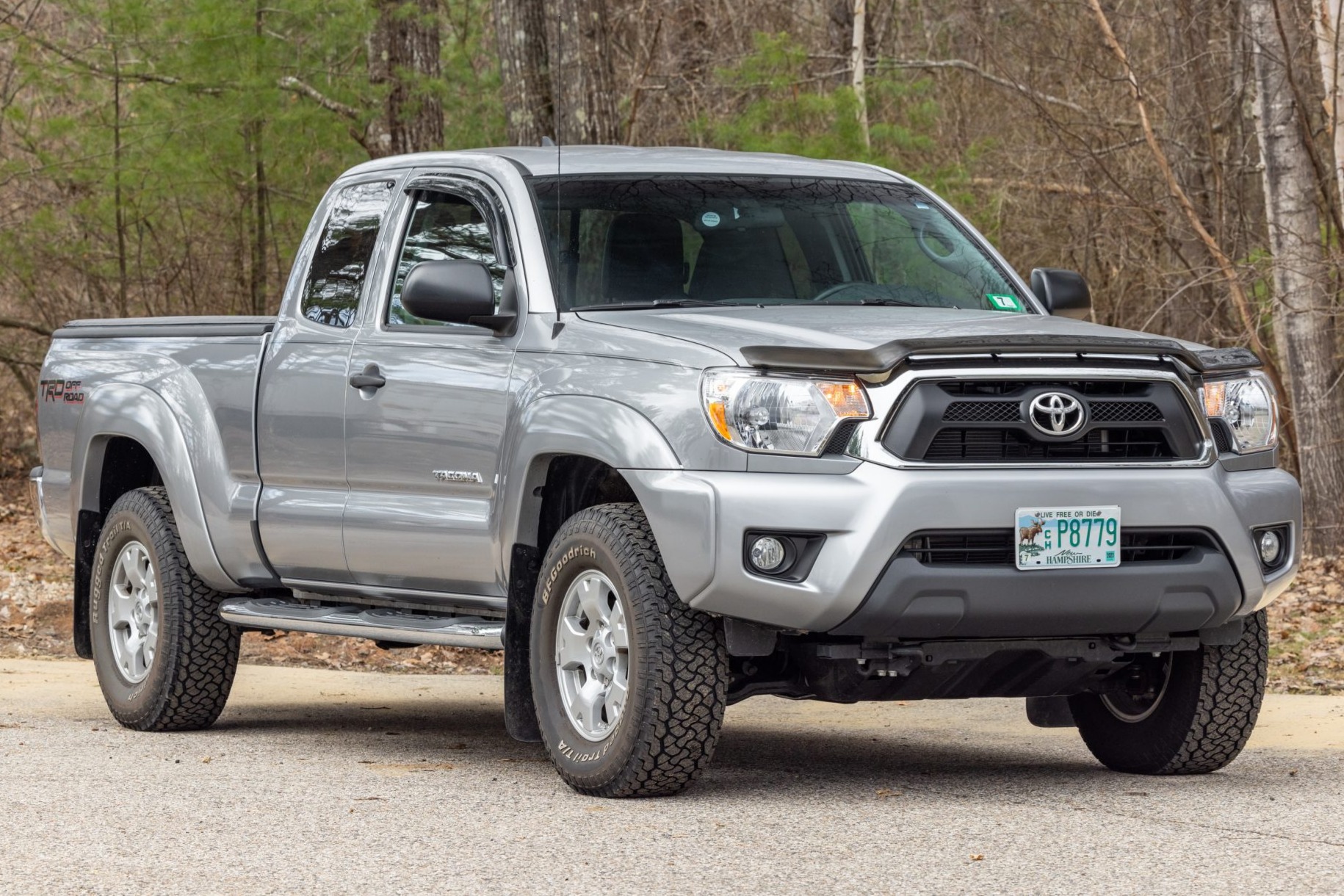
5. Toyota Tacoma (Certain Model Years)
The Toyota Tacoma is an excellent midsize pickup, renowned for its reliability and off-road capability, but certain model years have experienced frame issues under heavy use such as snowplowing. Specifically, older Tacoma models (late 1990s through early 2000s) have frames made from thinner steel with less reinforcement, making them less suitable for the concentrated stresses involved in front-mounted snowplow operations.
Owners using these Tacomas for snowplow duty have reported frame cracks and bending near the front mounting areas. The truck’s lighter weight and smaller frame cross-section contribute to reduced torsional rigidity, increasing vulnerability to twisting forces from plowing. While the Tacoma’s suspension and engine are generally robust for its class, the frame itself is the limiting factor in sustained snowplow use.
Corrosion is also a concern for older Tacoma frames, especially in northern climates where salt is widely applied. Rust formation accelerates weakening of frame rails and welds, contributing to structural failure over time. Newer Tacoma models have improved frame design and rust protection, but the earlier generations remain susceptible.
For occasional or light snowplowing, older Tacomas may suffice, but for more demanding or commercial snow removal, a heavier-duty truck with a stronger frame is advisable to avoid costly damage and downtime.
Also Read: 12 Cars That Went From Unpopular to Everyday Sight
Choosing the right truck for snowplow duty is essential to ensure both efficiency and longevity in demanding winter conditions. Trucks built with heavy-duty frames, reinforced suspensions, and powerful engines, like the Ford F-350 Super Duty, Chevrolet Silverado 3500HD, Ram 3500 Heavy Duty, GMC Sierra 3500HD, and select Toyota Tundra models, are designed to withstand the intense stresses snowplowing imposes.
Their strong frames resist twisting and bending, while their suspension and drivetrain components handle heavy loads and rough terrain, making them reliable partners for snow removal tasks year after year.
On the other hand, lighter-duty trucks or those with less robust frame construction, such as early 2000s Ford F-150s, pre-2010 Dodge Ram 1500s, first-generation Nissan Titans, early GMC Sierra 1500s, and certain older Toyota Tacoma models, often suffer from frame damage when subjected to snowplow duty. Their frames can bend, crack, or even snap due to insufficient reinforcement and exposure to corrosive winter elements, resulting in costly repairs and unsafe conditions.
Understanding the demands of snowplowing and matching those with the truck’s engineering capabilities is key. Investing in a truck specifically designed or adequately prepared for snowplow duty will save time, money, and frustration while providing peace of mind during winter’s toughest challenges. Proper maintenance and care further enhance any truck’s durability and performance in snowplowing roles.
