
When shopping for a sedan, most buyers focus on the usual highlights: engine performance, fuel efficiency, design, comfort, and technology features. However, one of the most critical elements of any vehicle, especially for those prioritizing safety and long-term reliability, is the braking system.
The quality of a car’s brakes plays a direct role in how safe it is on the road, how confident it feels in traffic, and how costly it may be to maintain over time. Unfortunately, brake performance is often overlooked until problems appear, and by then, it’s usually a repair bill or a dangerous experience that forces the issue to the surface.
Strong brakes aren’t just about stopping quickly. They’re about consistency, resistance to heat, durability under pressure, and long-term reliability. A good braking system should provide a stable and smooth feel underfoot, operate quietly, and function reliably whether you’re stopping from highway speeds or navigating through heavy city traffic.
Brakes that are well-designed reduce the likelihood of fade during extended use and minimize wear on components like rotors and pads. Manufacturers who prioritize braking performance often invest in better rotor materials, caliper technology, and cooling systems, all of which contribute to better stopping power and rotor longevity.
On the other hand, not all sedans are created equal when it comes to braking systems. Many drivers have experienced the frustration of warped rotors, which can cause vibration, uneven braking, noise, and a generally unsafe or unpleasant driving experience.
Warped rotors usually result from excessive heat buildup or poor materials that can’t handle repeated or hard braking. These issues can appear even on newer cars or vehicles with low mileage if the brake system design is flawed or simply underbuilt for real-world use. Some sedans are more prone to these problems than others, leading to ongoing maintenance concerns, added costs, and sometimes serious safety risks.
This article will break down two very different categories of sedans. First, we’ll look at five sedans that consistently earn praise for having strong, reliable brakes. These cars not only perform well in braking tests but also hold up over time with fewer reported issues from owners.
Then, we’ll shift focus to five sedans that are frequently associated with rotor warping problems. These cars may perform well in other areas, but their brake systems tend to generate complaints, unexpected repair costs, or a poor driving feel due to recurring issues. The goal is to help readers make informed decisions based on both performance and long-term ownership experience.
Whether you’re a daily commuter, weekend road tripper, or cautious buyer looking for the best value, knowing which sedans excel in braking and which fall short is an important piece of the puzzle. Brakes are not just another system; they’re your primary line of defense on the road. Knowing what to expect from a vehicle’s brake performance can make the difference between peace of mind and persistent frustration.
Also Read: 12 Cars That Went From Unpopular to Everyday Sight
5 Sedans With Strong Brakes
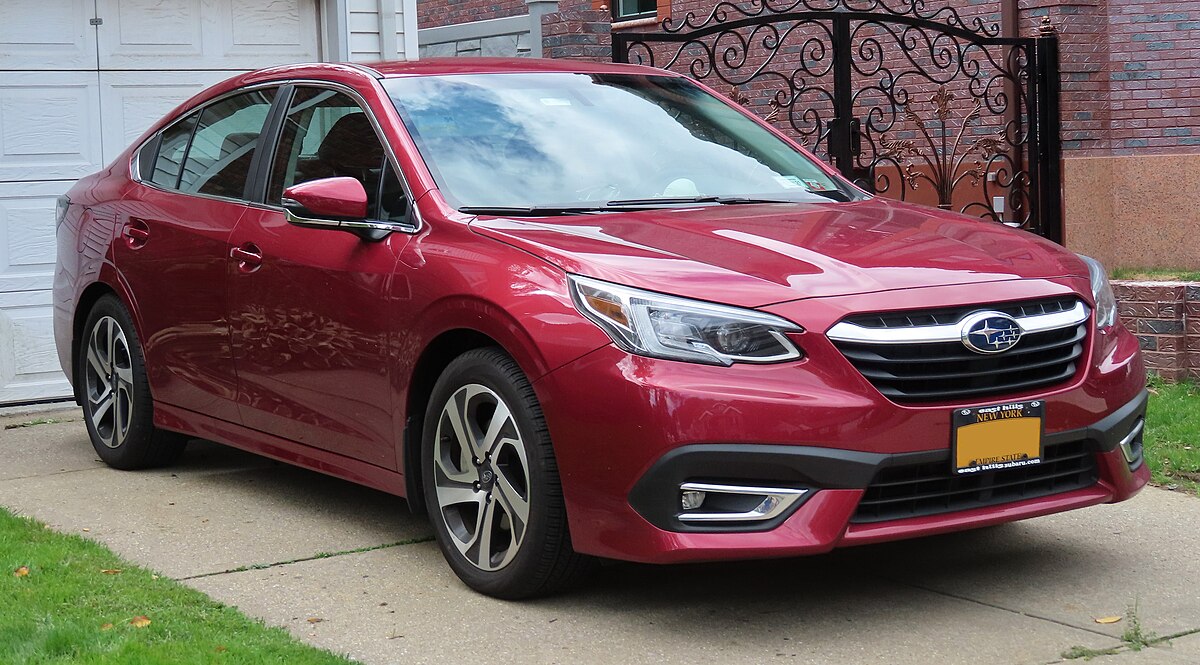
1. Subaru Legacy
The Subaru Legacy is recognized for its impressive braking system that balances performance and reliability. One reason the Legacy excels in braking is its use of high-quality components, including ventilated front rotors that help dissipate heat effectively. The braking system on this sedan is designed to handle both city traffic and spirited driving on winding roads without excessive fade. Owners often report minimal brake noise and a consistent pedal feel even after extended use. Subaru’s commitment to safety features extends to the braking setup, with models often equipped with anti-lock brakes (ABS), electronic brake-force distribution (EBD), and brake assist to enhance stopping power in emergencies.
Another factor contributing to the Legacy’s strong brakes is its all-wheel-drive system, which provides balanced traction and stability. This helps reduce the chances of wheel lockup and ensures more even brake wear. Furthermore, the brake calipers used are robust and apply pressure evenly across the brake pads, preventing uneven rotor wear that could lead to warping. Subaru’s engineering also emphasizes heat management, which plays a crucial role in maintaining rotor integrity and preventing brake fade during heavy braking.
The brake pads in the Legacy are made from a compound that strikes a good balance between durability and stopping power. This reduces the frequency of replacements and keeps brake performance consistent over time. Drivers who frequently navigate hilly or mountainous terrain appreciate how the Legacy’s brakes hold up under repeated use without degradation. Routine maintenance is straightforward, and the parts tend to have good availability, making it a favorite among mechanics and owners alike.
Finally, the Legacy’s braking system benefits from extensive testing and refinement in harsh weather conditions. Subaru’s focus on building vehicles for all seasons means the brakes are reliable in rain, snow, and dry conditions. This all-weather capability ensures that drivers can rely on the Legacy to stop safely and consistently, contributing to its reputation as a sedan with strong, dependable brakes.
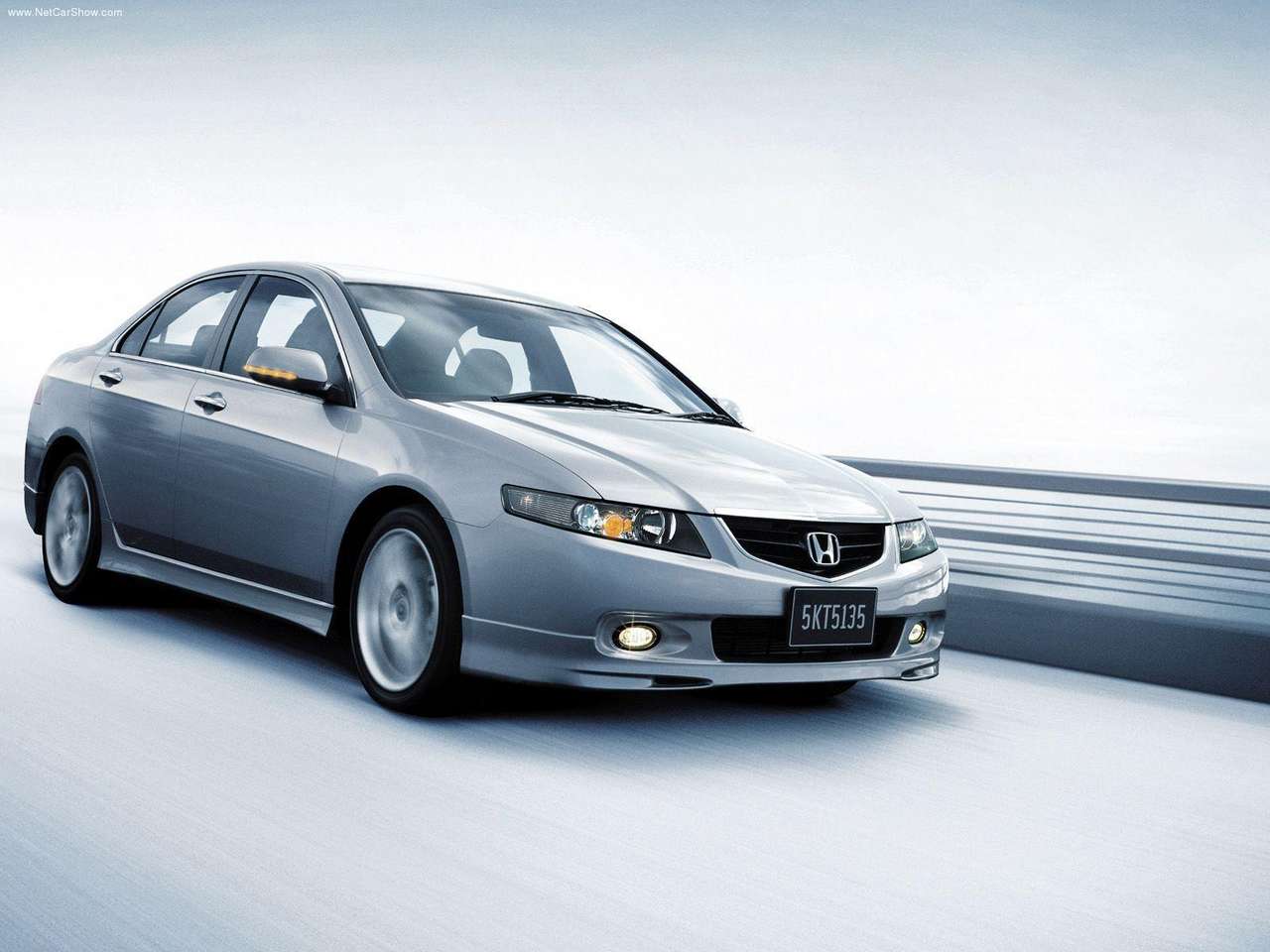
2. Honda Accord
The Honda Accord has earned a reputation for having one of the most reliable and efficient braking systems in the mid-size sedan segment. Honda integrates well-balanced braking components that provide strong stopping power without causing excessive rotor heat or premature wear.
The Accord features ventilated front discs and solid rear discs that help maintain optimal temperatures during prolonged braking. Owners often praise the car’s ability to come to a quick and steady stop even under emergency braking conditions. Its braking system works seamlessly with advanced safety technologies such as ABS and brake assist to enhance driver control.
Honda’s engineering approach emphasizes precision and quality in the Accord’s brake design. The calipers are designed to provide uniform pressure distribution, minimizing hotspots that can lead to rotor warping. The brake pads use a ceramic-based compound, known for generating less dust and offering stable friction characteristics over time.
This contributes to longer rotor life and fewer issues related to warping. The Accord’s brakes also deliver a smooth pedal feel, which enhances driver confidence during stop-and-go traffic or high-speed driving.
Moreover, the Accord’s braking system is engineered to complement its balance and weight distribution. The car’s suspension and chassis tuning work in harmony with the brakes to ensure minimal body roll and consistent tire contact with the road surface during braking. This results in more efficient deceleration and less stress on the braking components. Regular maintenance intervals recommended by Honda also help keep the brake system in top shape and prevent issues that could cause rotor damage.
Finally, the Accord has been praised for its brake performance in various driving environments, from urban commutes to highway cruising. Drivers note that the car’s brakes hold up well under repeated hard stops and tend not to exhibit the common signs of rotor warping such as vibration or noise. This makes the Accord a dependable choice for those seeking a sedan with strong and reliable brakes.
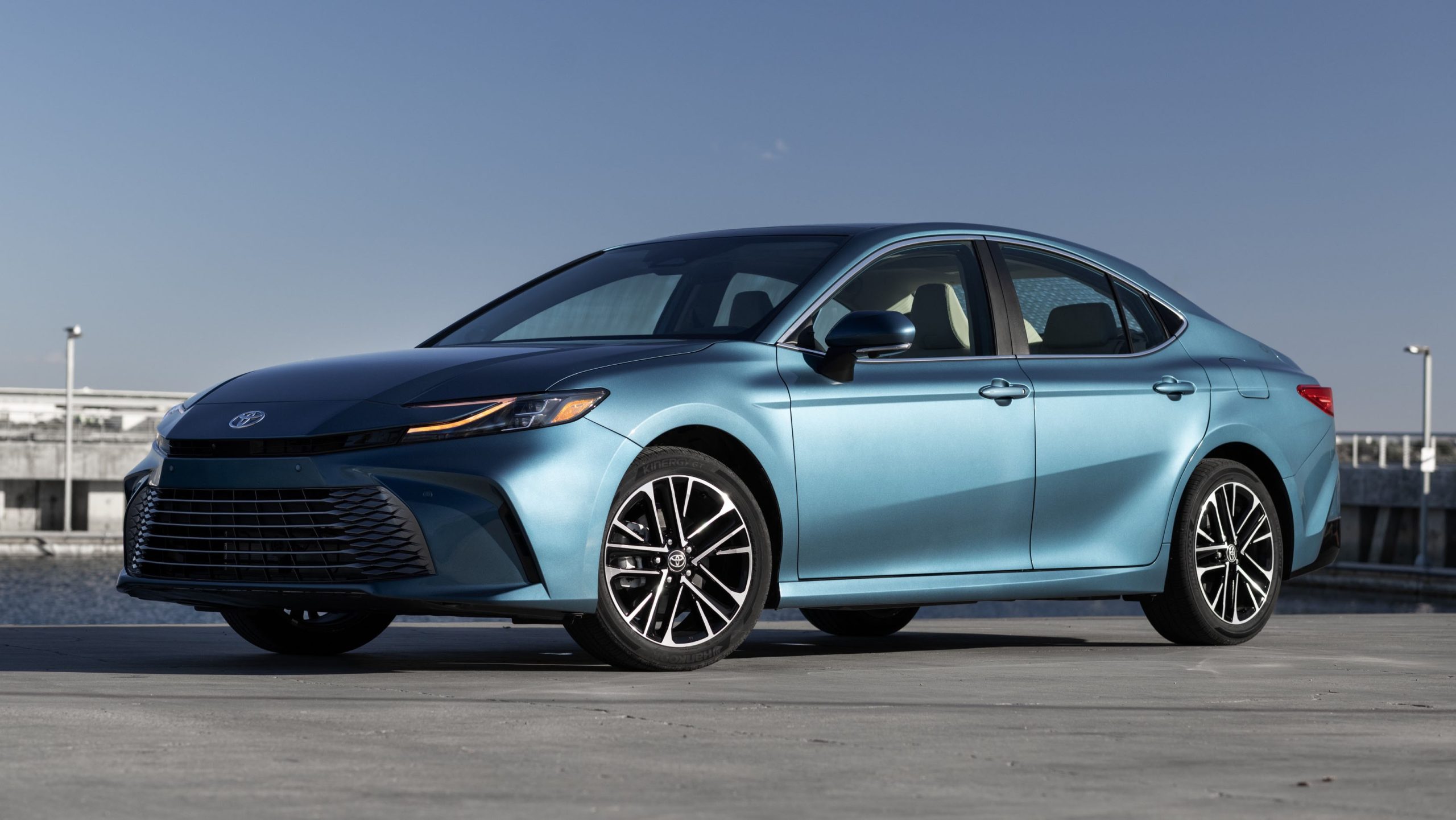
3. Toyota Camry
The Toyota Camry is widely recognized for its reliability, and its braking system is no exception. The Camry uses a robust brake setup that ensures consistent stopping power across a range of driving conditions. Toyota employs ventilated front rotors and solid rear rotors with durable calipers that provide effective heat dissipation and resistance to warping.
This setup allows the Camry to maintain braking performance even under frequent hard stops or extended downhill braking. Owners often note the absence of brake shudder and a predictable pedal response that instills confidence in the vehicle’s stopping capability.
The brake pads on the Camry are made of a high-quality material designed to provide strong friction without excessive wear on the rotors. Toyota’s design philosophy includes a focus on reducing brake noise and dust, which also contributes to the longevity of the braking components.
The Camry’s brake system is integrated with an advanced electronic control system that manages brake force distribution for balanced and efficient stopping. Features such as brake assist and ABS further enhance safety and braking precision.
Another advantage of the Camry’s braking system is its compatibility with the car’s lightweight chassis. The Camry’s weight distribution helps the brakes operate without undue strain, reducing the risk of overheating and rotor warping. Toyota’s attention to detail extends to the cooling ducts and rotor ventilation, which play a key role in maintaining optimal brake temperatures during heavy use.
Lastly, the Camry’s brake system has been tested extensively in real-world conditions, including high traffic and varying climates. Its consistent brake feel and resistance to common problems like rotor warping contribute to its status as one of the most dependable sedans for braking performance. Drivers who prioritize safety and durability often find the Camry’s brakes exceed expectations.
4. Mazda6
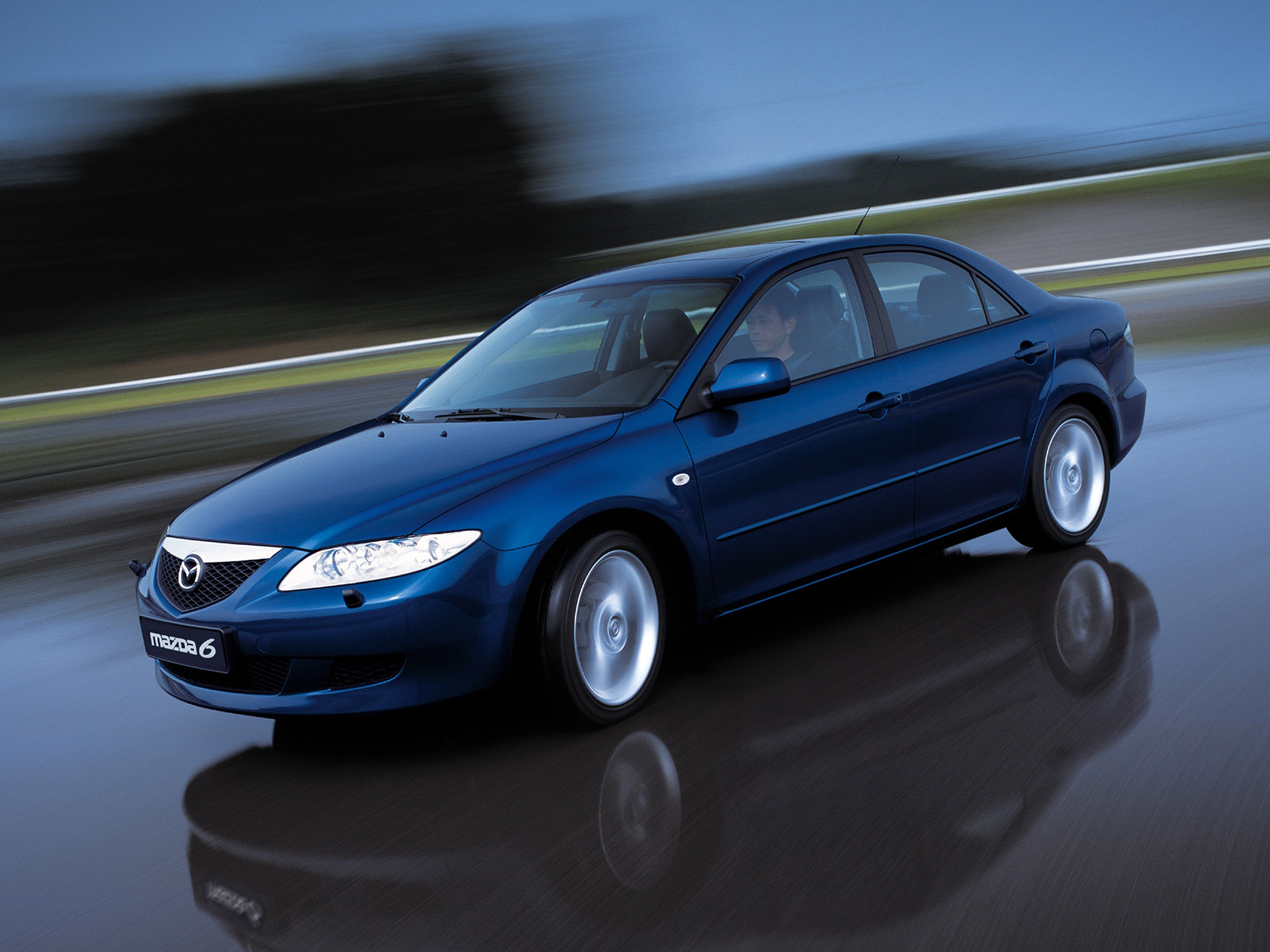
The Mazda6 is a sedan well-regarded for its engaging driving dynamics and strong braking performance. Mazda has equipped the 6 with a braking system that delivers both power and control, ensuring a safe and confident driving experience. The front rotors are ventilated to enhance cooling, while the rear rotors are solid but made from materials that resist warping. The calipers are designed to apply even pressure, avoiding uneven wear and maintaining consistent braking force. Drivers frequently highlight the Mazda6’s brake feel as firm and progressive, with no harshness or sudden grab.
Mazda places great emphasis on the integration of the braking system with the car’s chassis and suspension tuning. The brake components are balanced to work seamlessly with the car’s weight distribution and handling characteristics. This synergy reduces stress on the brake rotors during deceleration and prevents premature wear or distortion. The brake pads used are a high-performance compound that provides strong friction without generating excessive heat, which further protects the rotors.
The Mazda6 also benefits from an advanced electronic brake control system, including ABS and dynamic stability control, which enhances stopping power and stability during emergency maneuvers. These systems help prevent wheel lockup and distribute braking force efficiently, reducing the risk of rotor damage. Mazda’s commitment to safety is evident in how the braking system supports driver control under a variety of driving conditions.
Finally, the Mazda6’s brakes are known for their durability and low maintenance costs. Drivers report fewer instances of rotor warping compared to other sedans in the same class. Routine inspections and brake pad replacements are straightforward, with parts that are readily available and reasonably priced. This combination of strong performance and reliability makes the Mazda6 a standout when it comes to braking systems in sedans.
5. Volkswagen Passat
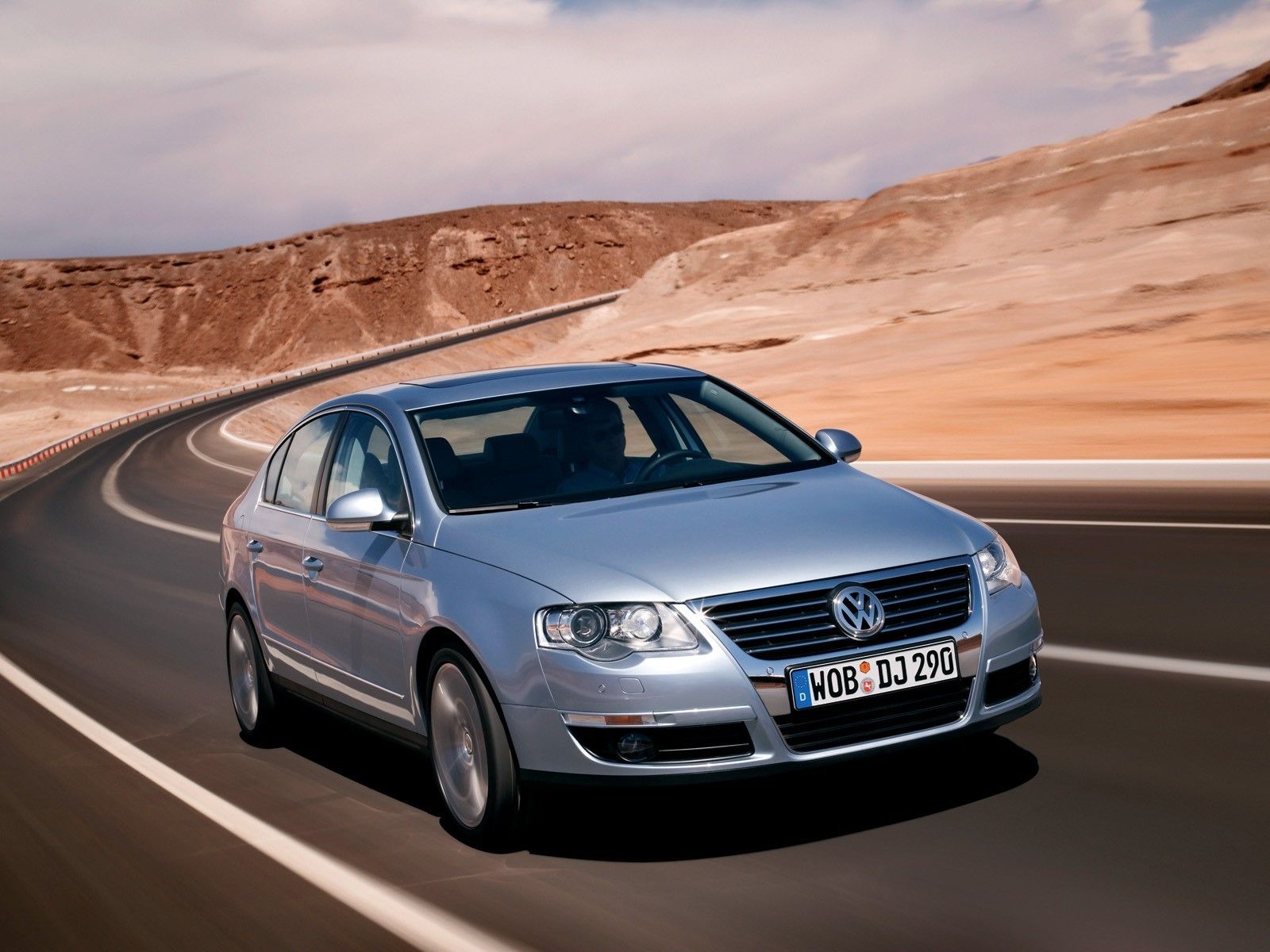
The Volkswagen Passat combines German engineering with a braking system designed for strength and reliability. The Passat’s brakes feature ventilated front rotors and solid rear rotors crafted from materials that resist warping and provide long service life. The calipers apply pressure evenly across the pads, resulting in smooth stopping power and minimal vibration. Drivers often note the Passat’s braking system delivers a confident pedal feel with predictable response under various driving scenarios.
One of the key factors behind the Passat’s strong brakes is its attention to heat management. The rotors are designed with cooling channels that facilitate airflow, preventing excessive heat build-up during repeated stops. This is especially beneficial for drivers who frequently encounter stop-and-go traffic or need to brake on long descents. The brake pads are formulated to offer consistent friction while reducing dust and noise, which also contributes to rotor longevity.
The Passat’s braking system integrates well with its advanced electronic safety features, including ABS, EBD, and brake assist. These technologies optimize brake force distribution and enhance stability, making the car easier to control in emergency braking situations. Additionally, the Passat’s suspension tuning complements the brakes by maintaining good tire contact and reducing body roll, which helps maintain effective stopping distance.
Finally, the Passat’s brakes benefit from Volkswagen’s rigorous testing standards, which include evaluations under extreme temperature and terrain conditions. The result is a braking system that provides solid stopping power, durability, and resistance to common issues like rotor warping. For drivers seeking a sedan with dependable brakes and a comfortable ride, the Passat remains a strong contender.
5 Sedans That Constantly Warp Rotors
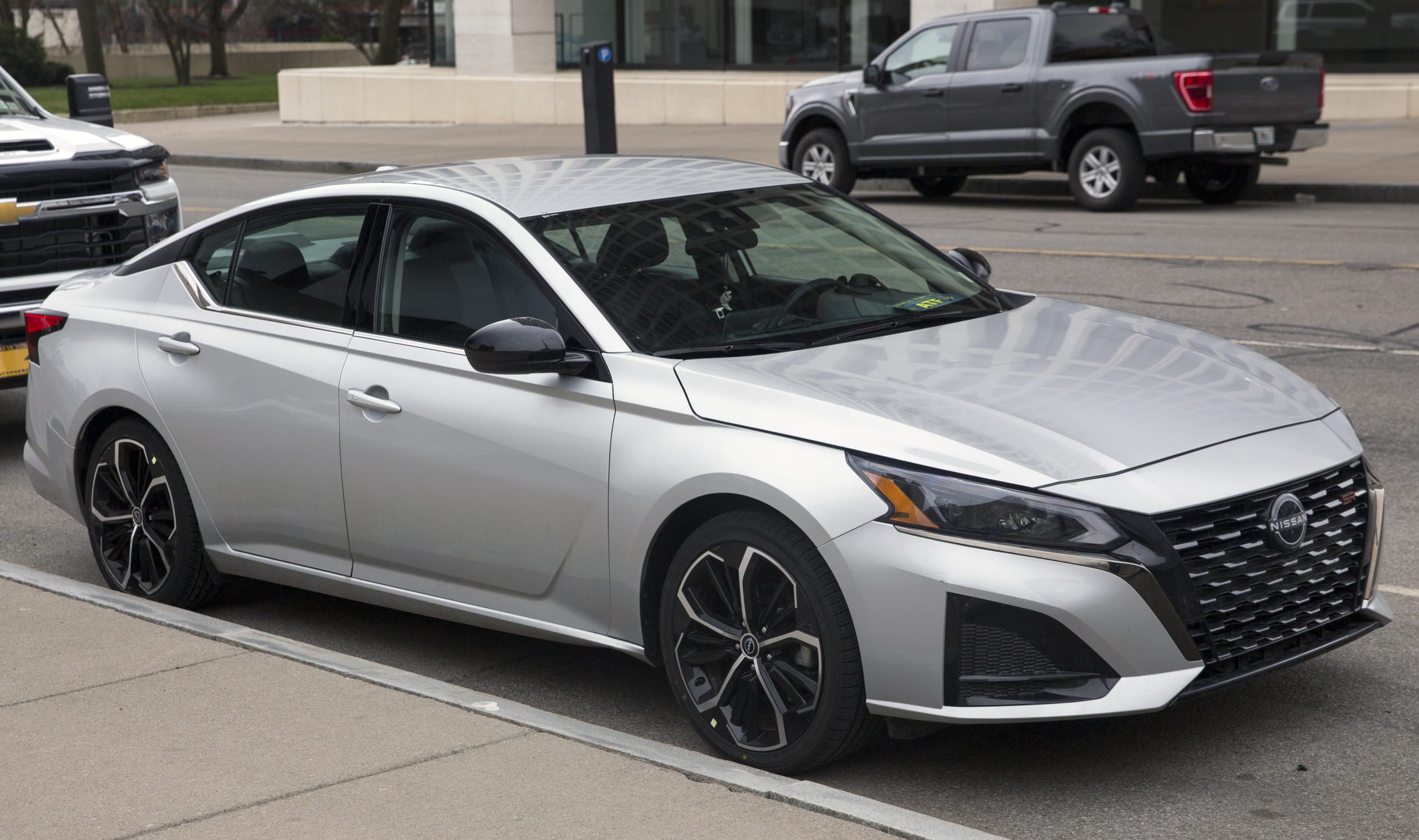
1. Nissan Altima
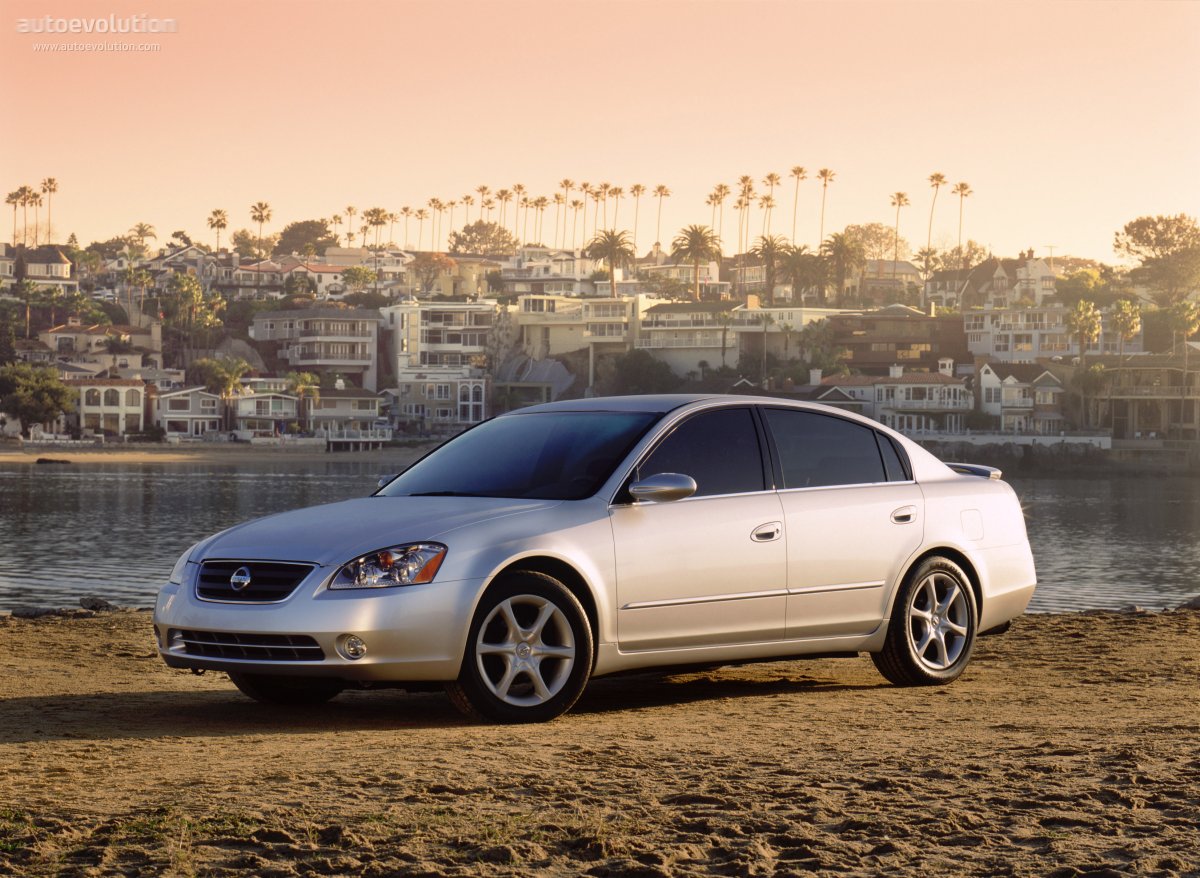
The Nissan Altima has faced recurring reports from owners about rotor warping, which affects the braking experience. A common cause behind this issue is the use of thin rotors that struggle to dissipate heat effectively during heavy braking. When rotors become overheated, they can deform unevenly, leading to vibrations felt through the brake pedal or steering wheel. Many Altima drivers experience this problem, especially after driving in heavy traffic or on hilly roads where braking demand is high.
The brake pads used in some Altima models are known to wear quickly and generate significant heat. This heat buildup, combined with the rotor design, often results in premature warping. Furthermore, the calipers sometimes apply pressure unevenly, which exacerbates rotor stress and uneven wear patterns. When rotors warp, the braking system can develop pulsations and noises that detract from the car’s comfort and safety.
Another contributing factor is the lack of sufficient cooling measures for the brakes in the Altima’s design. Unlike some competitors with well-ventilated rotor setups, the Altima’s brake rotors tend to retain heat. This heat retention accelerates the deterioration of the rotors and can cause warping even under moderate use. Drivers have reported the need to replace rotors frequently, which increases maintenance costs.
Finally, the Altima’s brake system does not always synergize well with the car’s chassis dynamics. The weight distribution and suspension tuning can put extra stress on the front brakes during heavy stops, hastening rotor wear. As a result, many Altima owners experience recurring rotor warping, which requires professional diagnosis and often rotor replacement to restore smooth braking.
2. Ford Fusion
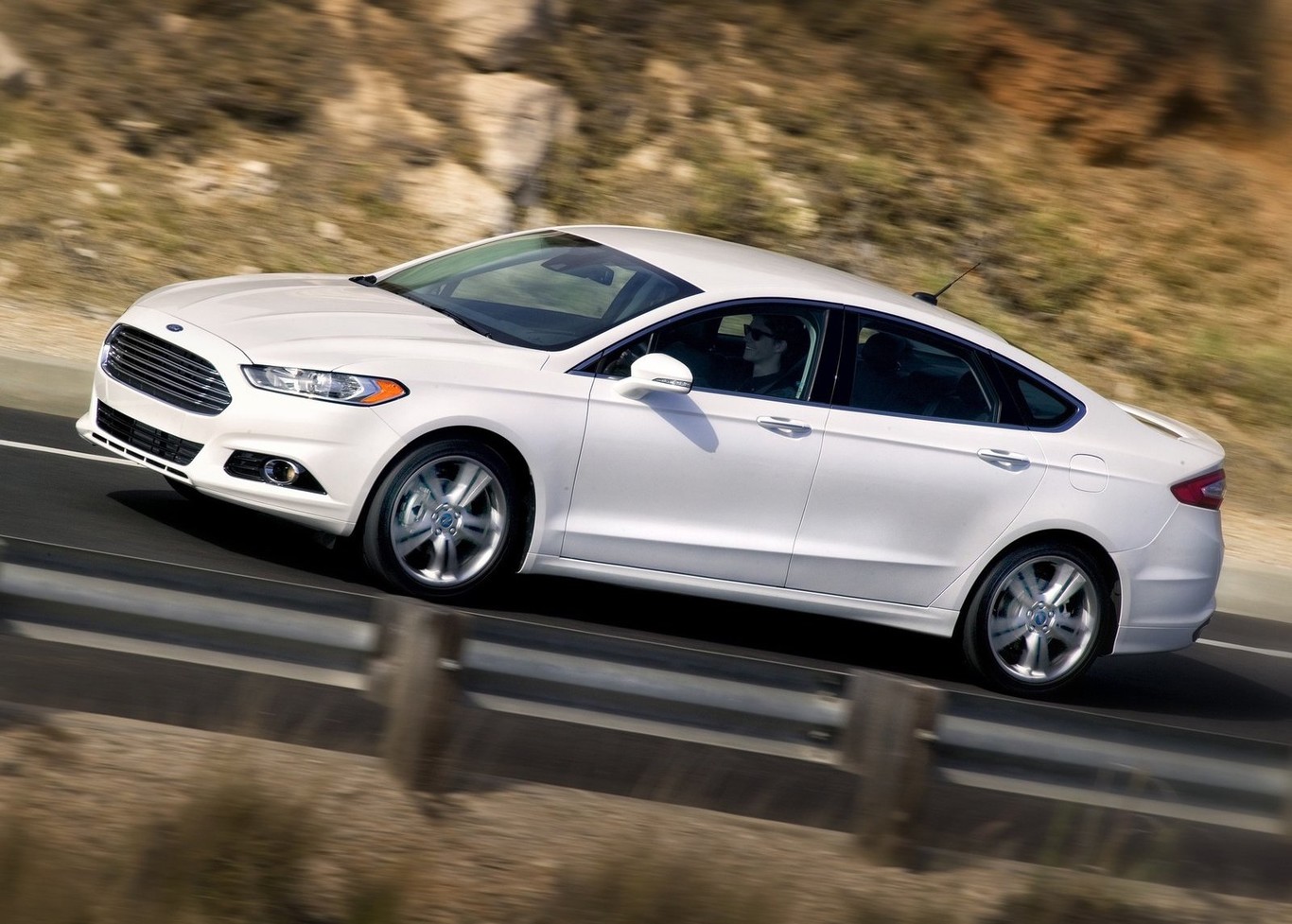
The Ford Fusion has earned mixed reviews regarding its braking system, with many owners citing frequent rotor warping as a persistent problem. The Fusion’s brake rotors are sometimes thinner compared to competitors, limiting their ability to handle heat generated during intense braking. This makes the Fusion more susceptible to rotor distortion and the resulting brake pedal pulsation. Reports indicate that rotor warping is especially common in models used for daily commuting with frequent stop-and-go driving.
Brake pads on the Fusion have been criticized for producing a high level of heat during braking. Combined with the rotor design, this excess heat causes rapid wear and rotor deformation. Additionally, caliper performance inconsistencies sometimes lead to uneven pad contact, further contributing to rotor stress. The braking system’s inability to maintain even pressure distribution can accelerate the onset of warping symptoms.
The Fusion also lacks advanced brake cooling features found in some of its rivals. Without adequate ventilation and heat dissipation, the brake components retain heat, which promotes warping and decreases rotor lifespan. Owners have reported having to replace rotors as early as 20,000 to 30,000 miles, a notably short lifespan compared to industry norms.
Lastly, the Fusion’s brake issues are compounded by suspension and chassis design that can place uneven loads on the brakes during cornering and hard stops. This uneven load causes localized rotor heating and warping. Despite multiple updates and improvements over its production run, the Fusion continues to be identified with rotor warping problems by many drivers and mechanics.
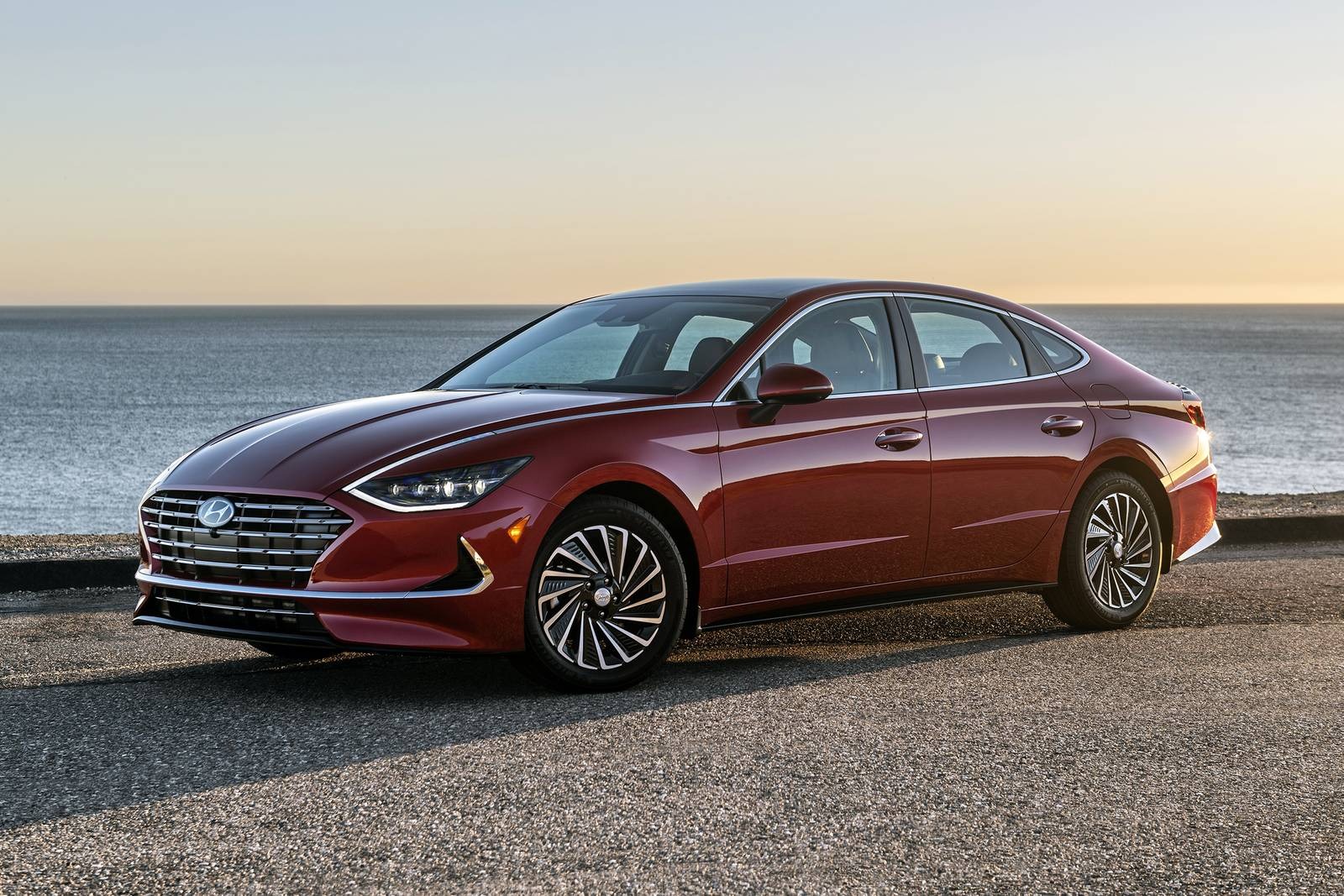
3. Hyundai Sonata
The Hyundai Sonata is another sedan that has struggled with rotor warping complaints. This issue arises primarily because of the rotor material and thickness chosen by the manufacturer, which sometimes cannot cope with high thermal stress. In practice, Sonata drivers often notice vibrations and noises when braking after frequent stops or long descents, classic signs of warped rotors. The problem appears to be more common in models from earlier generations.
The Sonata’s brake pads also contribute to this issue by generating considerable friction heat. This heat buildup can quickly lead to uneven rotor surface wear and eventual warping. Furthermore, some Sonata models feature calipers that do not apply pressure uniformly, which can accelerate rotor degradation. This uneven pressure leads to hot spots on the rotor surface, causing deformation.
Heat management in the Sonata’s brake system is less than ideal. Ventilation holes or slots on the rotors are either minimal or absent in some trims, which means that heat escapes less efficiently. As a result, the rotors experience thermal cycling that causes metal fatigue and warping over time. Many owners report needing rotor replacements sooner than expected, which increases maintenance expenses.
In addition to hardware concerns, the Sonata’s suspension geometry can sometimes exacerbate brake stress. The front-heavy weight distribution and soft suspension tuning mean the brakes often handle more load during braking maneuvers, raising rotor temperatures and increasing wear. Although newer models have made improvements, rotor warping remains a frequent complaint among Sonata owners.
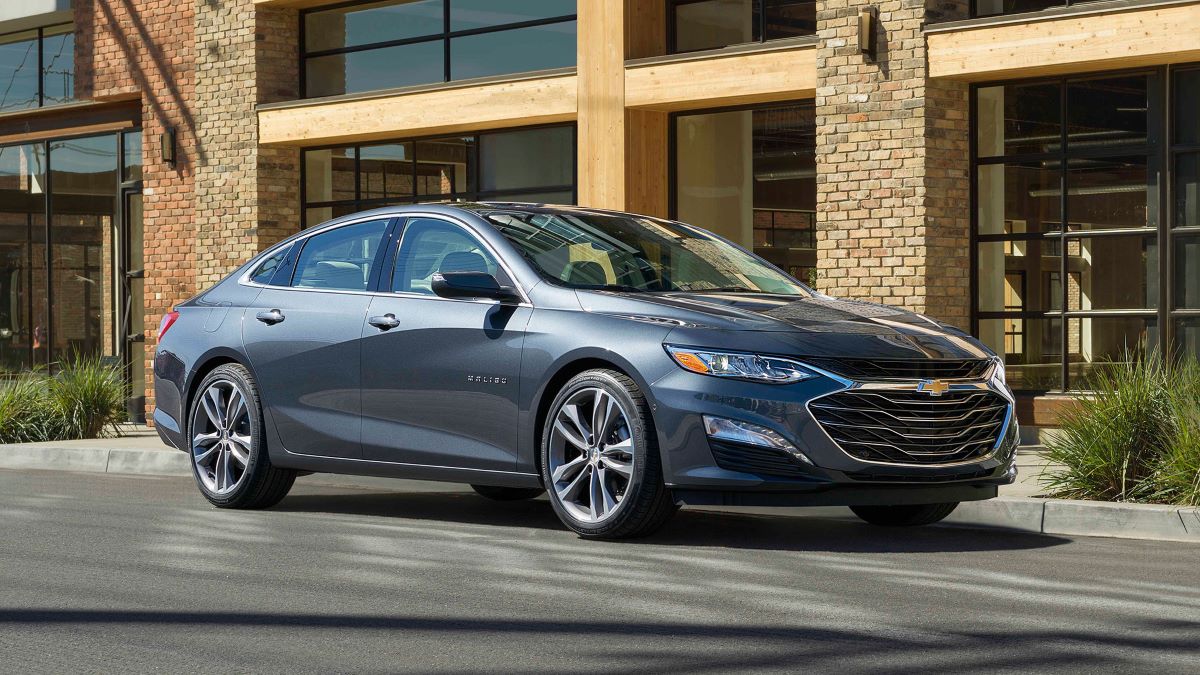
4. Chevrolet Malibu
The Chevrolet Malibu is known for offering good value and comfort but unfortunately has a history of rotor warping issues. Many drivers report brake pedal pulsations and vibrations after relatively low mileage, symptoms associated with warped rotors. The problem stems from rotors that are thinner than ideal and brake pads that heat up quickly, leading to uneven thermal expansion and surface distortion.
The Malibu’s rotors are sometimes criticized for their limited ventilation and heat dissipation capacity. This design flaw results in increased heat retention, accelerating the warping process. The calipers also do not always apply pressure evenly, which creates inconsistent pad contact and uneven rotor wear. This combination significantly shortens the life of the rotors.
Moreover, the brake pads on the Malibu tend to wear faster than average, which requires more frequent replacements. This frequent pad replacement, coupled with the thin rotor design, often leads to accelerated rotor degradation and warping. The resulting vibrations and noise negatively impact the driving experience and can raise safety concerns if left unaddressed.
Finally, the Malibu’s suspension and chassis setup contribute to rotor warping by unevenly distributing brake forces during deceleration. The front brakes endure most of the stopping force, and any imbalance in pressure or heat management leads to quicker wear. While newer Malibu models have attempted to address these issues with updated brake components, many drivers still report rotor warping problems.

5. Kia Optima
The Kia Optima has been linked with frequent rotor warping issues by many owners and mechanics alike. This problem is often caused by the rotor design and material choice, which are not sufficiently robust to withstand prolonged heat exposure. The Optima’s brake rotors tend to develop warping symptoms such as pedal pulsation, shuddering, and uneven braking forces, especially after aggressive or repeated braking.
Brake pads in the Optima generate a significant amount of heat, which in combination with thin rotors, leads to rapid wear and distortion. The calipers sometimes exhibit uneven pressure application, contributing further to uneven rotor wear and warping. These braking system shortcomings result in a less smooth and less reliable braking experience.
In addition, the Optima’s brake system lacks advanced cooling features found in some competitors. Without proper ventilation and heat escape paths, the rotors retain heat during heavy use, accelerating thermal fatigue and warping. Many Optima owners find themselves needing rotor replacement earlier than anticipated, driving up maintenance costs.
The suspension geometry and chassis dynamics also exacerbate the issue by unevenly loading the front brakes. This uneven load increases the likelihood of localized overheating and rotor warping. Despite periodic updates and improvements, rotor warping remains a persistent complaint among Kia Optima drivers.
Also Read: 8 Most Popular Pickup Trucks in the U.S. Ranked by Real Owners
Brakes are one of the most vital components of any vehicle, yet they are too often taken for granted until problems arise. In sedans, which are often daily drivers for millions of people, a dependable braking system is essential not only for safety but also for comfort, cost efficiency, and confidence behind the wheel.
After reviewing five sedans known for strong, durable braking performance and comparing them to five others frequently reported for warped rotors and related issues, a clear distinction begins to form. Some manufacturers invest more thought, engineering, and materials into this system, while others fall short in areas that matter most under real-world conditions.
Sedans like the Subaru Legacy, Honda Accord, Toyota Camry, Mazda6, and Volkswagen Passat demonstrate how proper design and high-quality components can result in reliable, long-lasting braking systems. These vehicles often feature well-ventilated rotors, efficient calipers, and well-balanced pads that work together to handle heat and pressure without compromise.
The result is a smoother driving experience, fewer vibrations, less brake dust, and most importantly, consistent and confident stopping. Their design choices reflect an understanding that brake systems must be built to last, especially for drivers who rely on their sedans in a variety of driving environments.
On the other side of the comparison, sedans like the Nissan Altima, Ford Fusion, Hyundai Sonata, Chevrolet Malibu, and Kia Optima reveal how inadequate brake designs or lower-quality materials can lead to frustrating and sometimes costly outcomes.
These vehicles often suffer from premature rotor wear or warping, which leads to brake pedal pulsations, noise, and uneven braking. In many cases, owners report needing replacements far earlier than expected. While these cars may offer strong features in other categories such as styling or engine options, recurring brake issues can sour the ownership experience and become a frequent source of expense and annoyance.
It’s also worth noting that while driving habits and maintenance play a role in rotor health, consistent reports from owners across multiple years and models often point to design flaws rather than isolated incidents.
When a vehicle becomes known for rotor warping, it’s typically because the braking system wasn’t engineered to handle real-world conditions effectively, whether that’s due to insufficient ventilation, poor-quality materials, or uneven pressure distribution from the calipers. These issues can appear regardless of how carefully a vehicle is driven.
Choosing a sedan with a reliable braking system isn’t just about numbers on a spec sheet. It’s about how the car performs over time, how it holds up under pressure, and how well it protects both your safety and your wallet. When a sedan consistently performs well in the area of braking, it’s a strong indicator of thoughtful engineering and attention to detail. Conversely, when a car is frequently associated with brake problems, that’s a red flag worth taking seriously.
In the end, informed buyers who take brake performance into account are more likely to find satisfaction in their vehicle long after the initial purchase. It’s not just about how fast a car can go; it’s about how reliably and safely it can stop.
