
Towing a camper requires more than just horsepower. It’s about torque, frame strength, braking power, and cooling systems that can withstand long, uphill climbs without breaking a sweat. Many truck owners assume that any full-size pickup will do the job, but the reality is that the demands of pulling a camper are significant.
Weight distribution, sustained power output, and thermal management all come into play when a truck is hitched to thousands of pounds of trailer and asked to perform for hours on the highway or mountain roads. The difference between a good towing experience and a nightmare often lies in the small details manufacturers rarely advertise.
The truck market is flooded with options that promise high towing capacities, but those numbers can be misleading. Manufacturers tend to highlight best-case scenarios, and those often don’t match real-world conditions like heat, altitude, or extended inclines.
Some trucks might do well pulling boats or utility trailers, but begin to struggle when tasked with a fully loaded camper, especially in warm climates or high elevations. Overheating, transmission issues, and poor braking control are just a few of the issues owners face when their trucks are asked to perform beyond their comfort zones.
On the other hand, some trucks seem built for exactly this kind of challenge. They not only have strong engines but also robust cooling systems, reinforced suspensions, and drivetrains that manage heavy loads smoothly. These models are often found in the garages of serious RVers and full-time campers who rely on their rigs to take them over long distances and through tough terrain. They may not always be the newest or flashiest, but they earn their reputation through performance and consistency.
This article covers five trucks that can confidently handle camper loads, followed by five that have developed a reputation for overheating or struggling under pressure. Each section highlights the real-world performance of these trucks, discussing how they perform in hilly conditions, with loaded campers, and during long trips. This list is based on known performance characteristics, reliability patterns, and common owner experiences, not just numbers in a brochure.
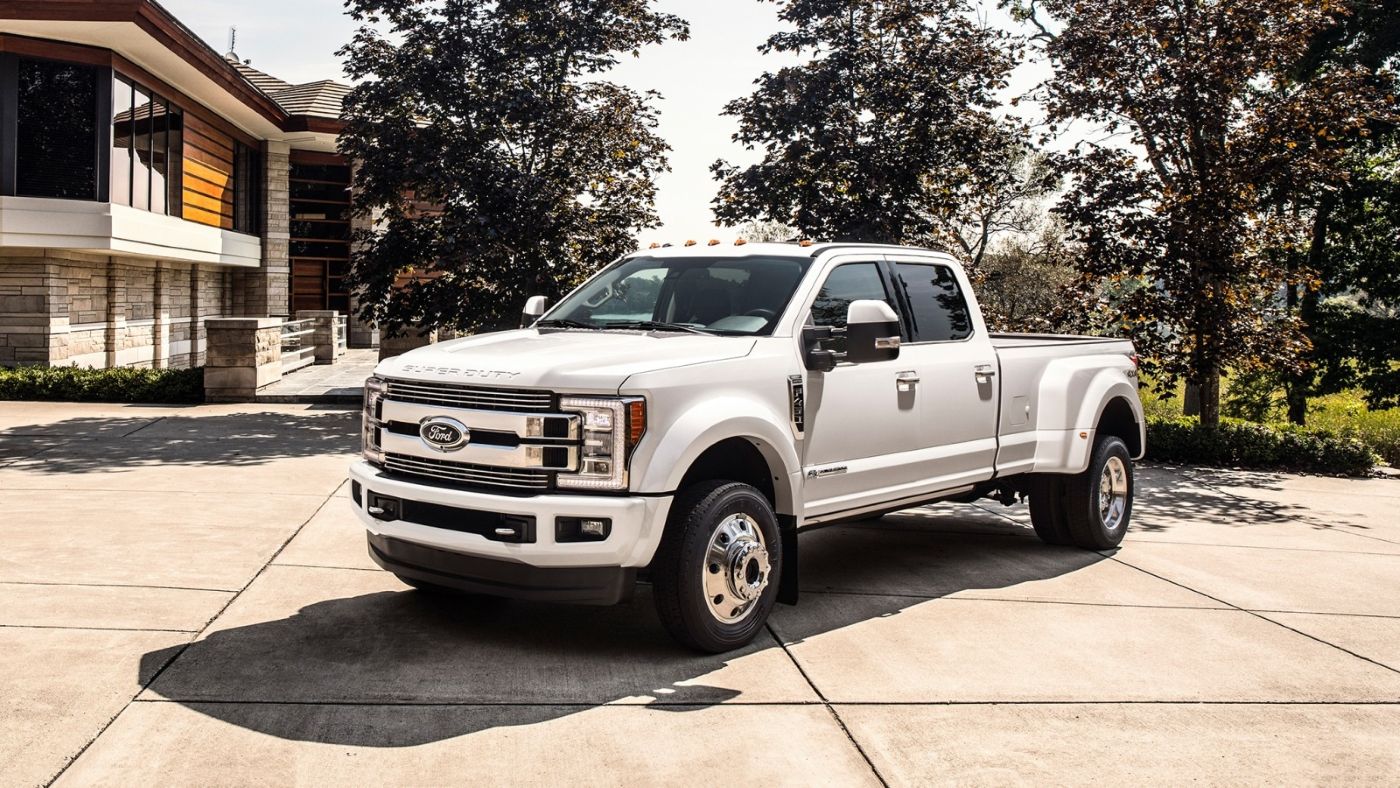
1. Ford F-350 Super Duty – A Proven Workhorse
The Ford F-350 Super Duty has long been trusted by serious haulers. It offers strong diesel engine options like the 6.7L Power Stroke, known for its torque and pulling power. What really makes the F-350 stand out is its cooling and braking systems.
Even when hauling a fifth-wheel camper or a heavy travel trailer, this truck manages heat well. The turbo-diesel configuration includes features like an integrated engine exhaust brake, which helps maintain control on downhill grades without overheating the main braking system.
This truck is built on a platform meant for extreme workloads. The reinforced frame and suspension give it more than enough stability when towing large campers. With dual rear wheels (on some configurations), the truck stays planted on the road even in crosswinds. Owners often report that the truck barely flinches under load, offering a smooth and confident drive. When it comes to long-distance hauling in varied terrain, the F-350 delivers the kind of reliability that full-time RVers look for.
Another key factor is the variety of towing technologies offered by Ford. Features like trailer sway control, advanced tow cameras, and smart hitch assist all add to the ease and safety of towing a camper. When you combine those with a well-designed cab that provides comfort for long drives, it’s easy to see why this truck remains a favorite in the towing community. Ford has built the F-350 with heavy-duty tasks in mind, not just urban commutes or occasional worksite duties.
The F-350 is not just a powerhouse, it’s also designed with endurance in mind. It rarely shows signs of overheating, even on extended uphill climbs. This is especially important for drivers crossing areas like the Rockies or desert passes where temperatures and altitude can stress even well-built trucks. Ford’s engineers have created a system that dissipates heat efficiently under pressure, and the result is a truck that continues to perform when others begin to falter.
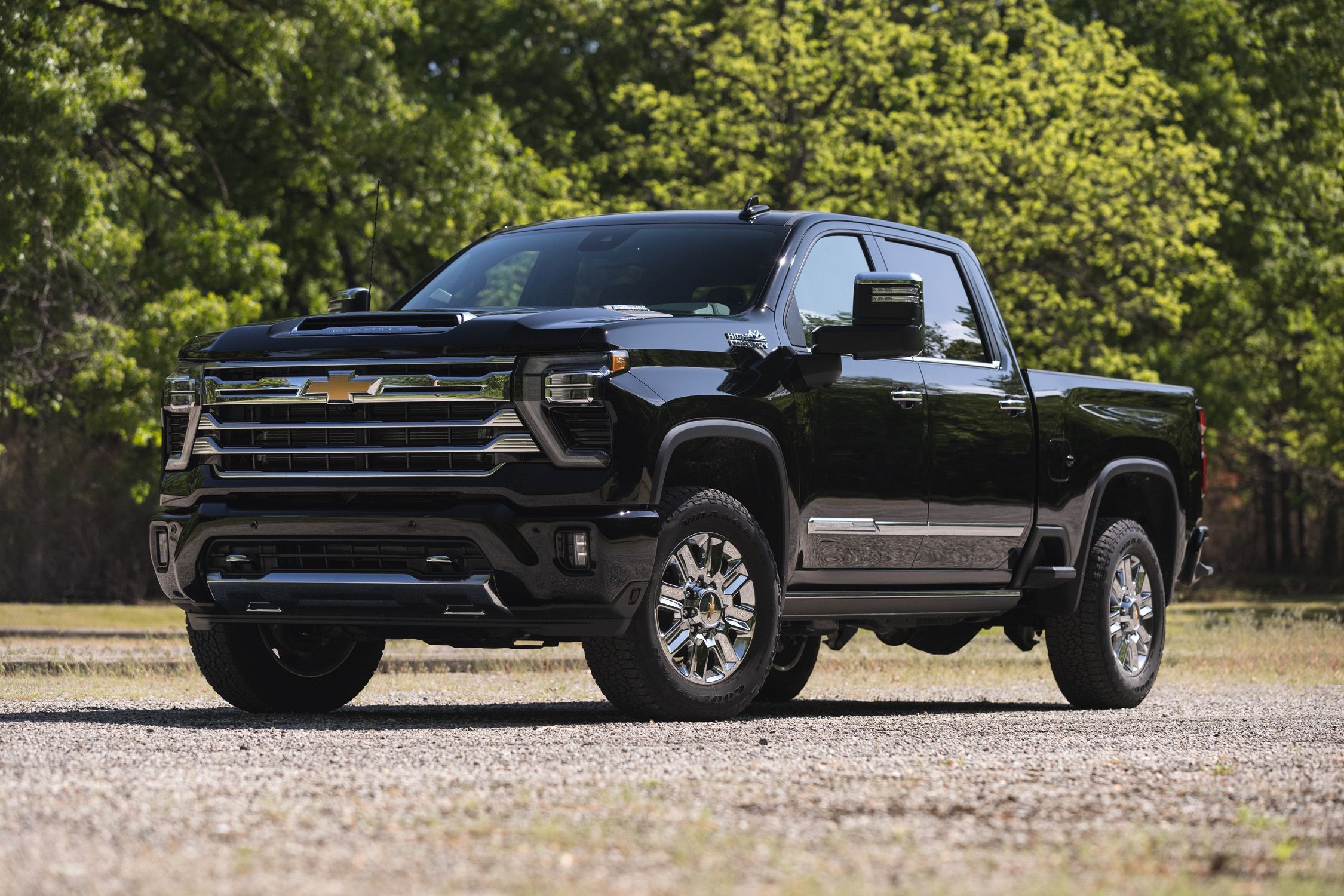
2. Chevrolet Silverado 3500 HD – Strong and Balanced
Chevrolet’s Silverado 3500 HD earns its place among top towing trucks thanks to its balance of raw strength and smart engineering. Equipped with the available 6.6L Duramax turbo-diesel engine and Allison transmission, this truck delivers high torque at low RPMs. That matters when pulling a heavy camper up steep hills. The combination of the engine and transmission results in a powertrain that’s as capable as it is consistent.
Cooling is a major concern for trucks under load, and the Silverado 3500 HD is built with this in mind. It comes with a high-capacity cooling system that includes a large radiator, transmission cooler, and intercooler. These features work together to keep engine temperatures steady even during prolonged climbs or in hot weather. Many drivers report that their Silverado holds firm without signs of strain while pulling full-size fifth-wheels across mountain highways.
The truck’s chassis is also tuned for heavy towing. A fully boxed frame, improved rear suspension geometry, and solid axle components all contribute to stability under load. When a camper is attached, the Silverado 3500 HD maintains its handling and responsiveness, allowing the driver to stay in control. Features like Tow/Haul mode, hill descent control, and integrated trailer brakes are more than just conveniences, they’re vital tools for safe towing in challenging terrain.
Long-haul camper owners also appreciate the Silverado’s comfort. Extended trips are easier when the cab is quiet and the seats are supportive. Road vibration is minimized thanks to both the cabin design and the truck’s suspension system. It’s not just a truck for the job, it’s a truck for the journey. Whether you’re crossing flatlands or mountainous regions, the Silverado 3500 HD is ready to handle the task without overheating or losing stability.
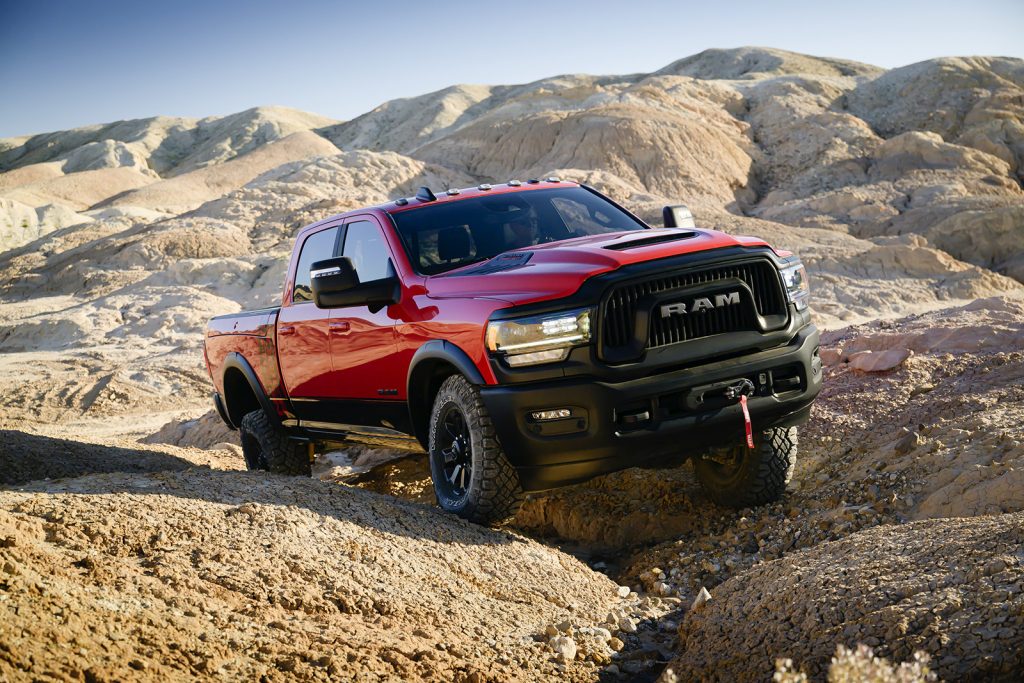
3. Ram 3500 Cummins – Towing Muscle with Cooling Efficiency
Ram’s 3500 with the available Cummins 6.7L turbo-diesel engine is often found at the top of towing discussions. It’s not just because of its towing numbers, which can exceed 35,000 pounds in certain configurations. It’s because the truck performs well under real-world conditions, particularly when under load and climbing hills. The Cummins engine is built for high-torque demands and pairs exceptionally well with Ram’s transmission systems.
One of the main strengths of the Ram 3500 is its thermal stability. Even on extended inclines, with a heavy fifth-wheel camper in tow, the truck rarely sees elevated engine temperatures. Its high-efficiency cooling system is designed to draw in maximum airflow, aided by large radiator fans and an intercooler that keeps the turbo operating in its optimal range. This means the engine maintains power without falling victim to heat soak.
Ram’s frame and suspension contribute to its ability to carry and pull large loads without strain. The truck feels grounded and responsive, even when the payload and trailer weights are near the limits. The addition of the Auto-Level rear air suspension system in some models gives even greater control and comfort. With this setup, the truck automatically adjusts its rear height to maintain proper balance, which improves handling and reduces stress on components.
Drivers often comment on how well the Ram 3500 handles long, steep grades like those found in mountainous regions. The integrated exhaust brake, combined with the Cummins torque curve, provides strong control without requiring constant foot pressure on the brakes. It’s a feature that adds to driver confidence, especially on winding or downhill roads. With its mix of brute strength and heat management, the Ram 3500 is one of the most reliable trucks for camper towing.
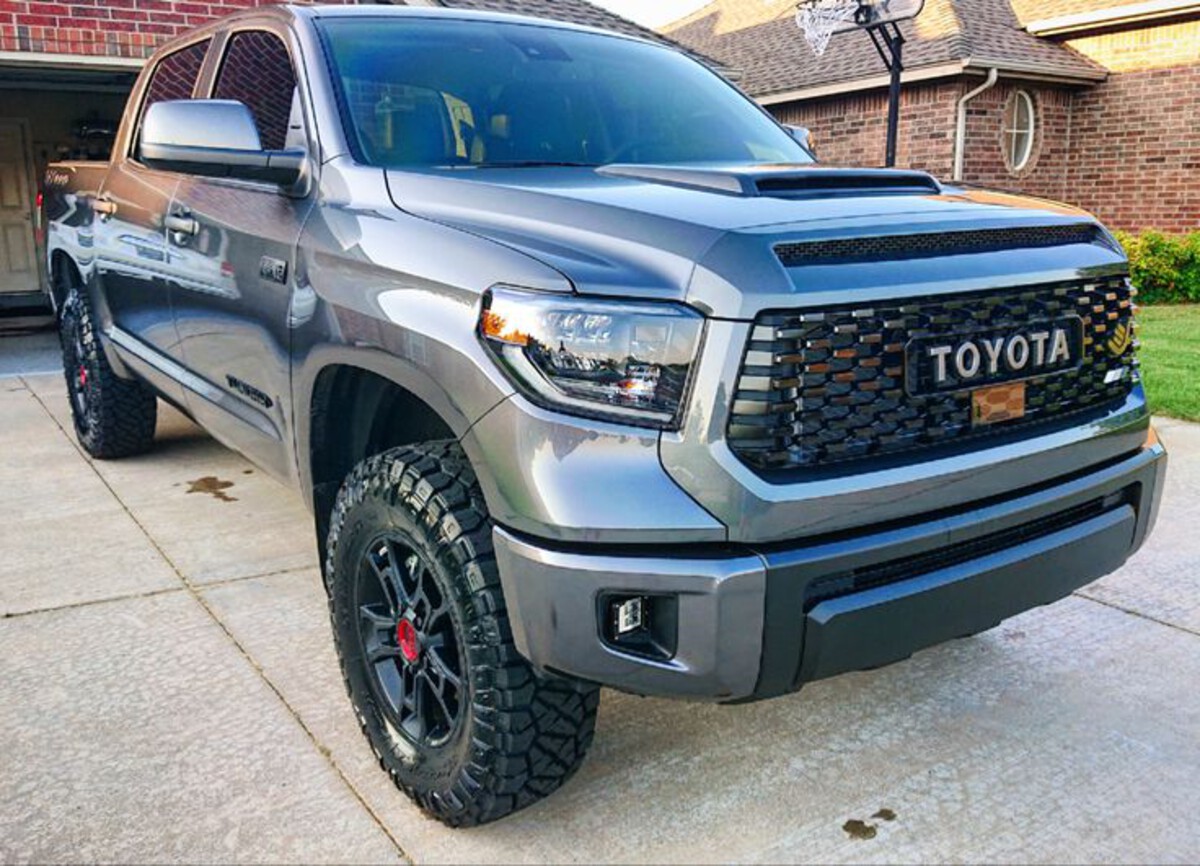
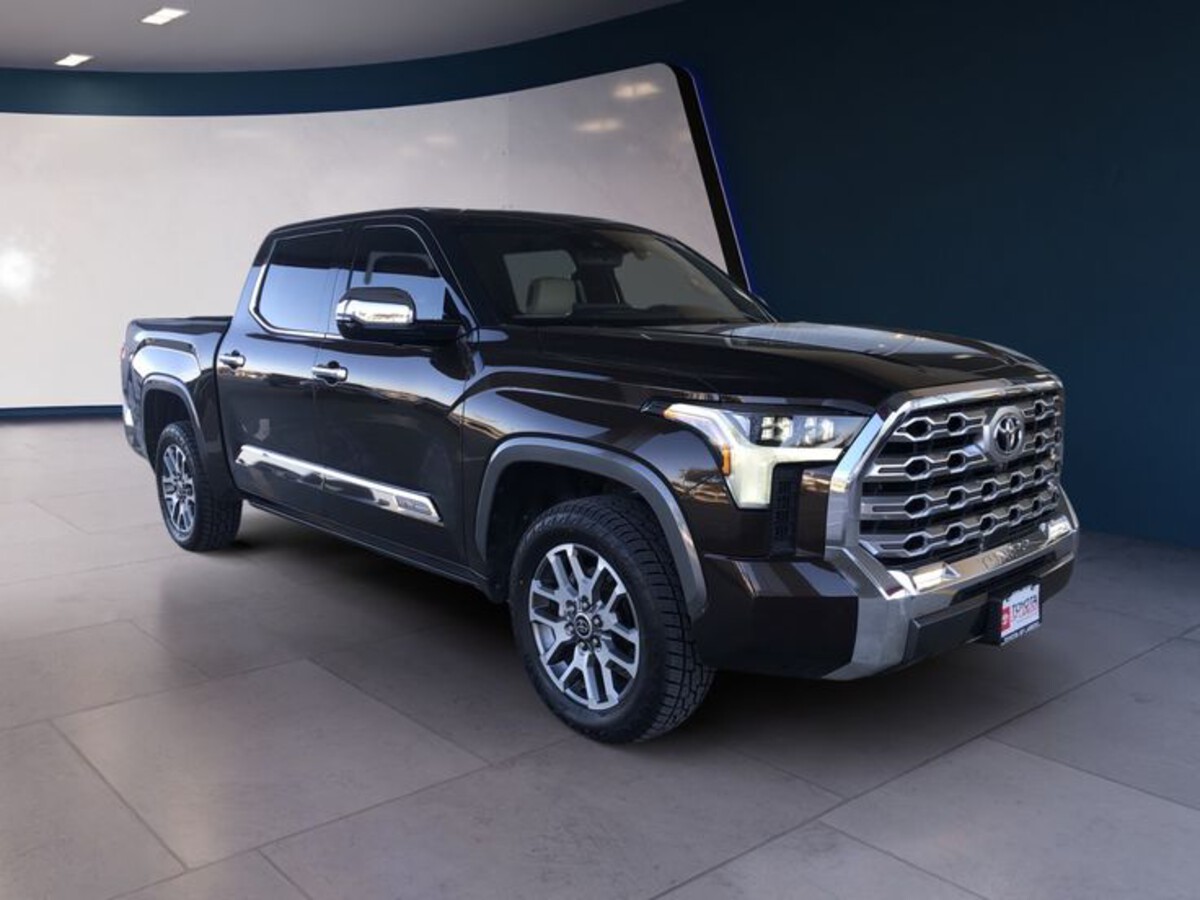
4. Toyota Tundra (New Generation) – Mid-Sized Strength with Big Towing Attitude
The newer generation Toyota Tundra offers a compelling option for campers looking for a half-ton truck that performs closer to a three-quarter-ton model. With the introduction of the twin-turbo V6 hybrid i-FORCE MAX powertrain, Toyota brought new life to the Tundra’s towing capabilities. The hybrid system offers a blend of power and efficiency, with instant torque delivery that benefits towing performance.
One key upgrade in the new Tundra is its improved cooling and power management. Unlike previous generations that could struggle with long uphill hauls, the latest model has addressed those weaknesses. With improved airflow design, upgraded fans, and smart thermal controls, overheating is less of a concern, even when the engine is working hard. While it’s not built for the heaviest fifth-wheel campers, it handles medium-sized travel trailers and toy haulers with confidence.
Another strength lies in the suspension and frame updates. The fully boxed steel frame offers more rigidity and better weight distribution. The rear suspension, now using coil springs or available air suspension, handles camper weight without the excessive sag or bounce that plagued earlier models. Toyota also focused on driver assistance features that help manage trailer sway, braking distance, and blind spots when towing.
Although the Tundra sits on the edge of heavy-duty capability, many camper owners appreciate it for its versatility. It’s a daily driver that can still tackle towing jobs on weekends and trips. The cabin is also among the most modern in its class, making long drives more enjoyable. With improvements across the board, the Tundra has become a strong choice for camper hauling, especially for those who don’t need the bulk of a one-ton truck.
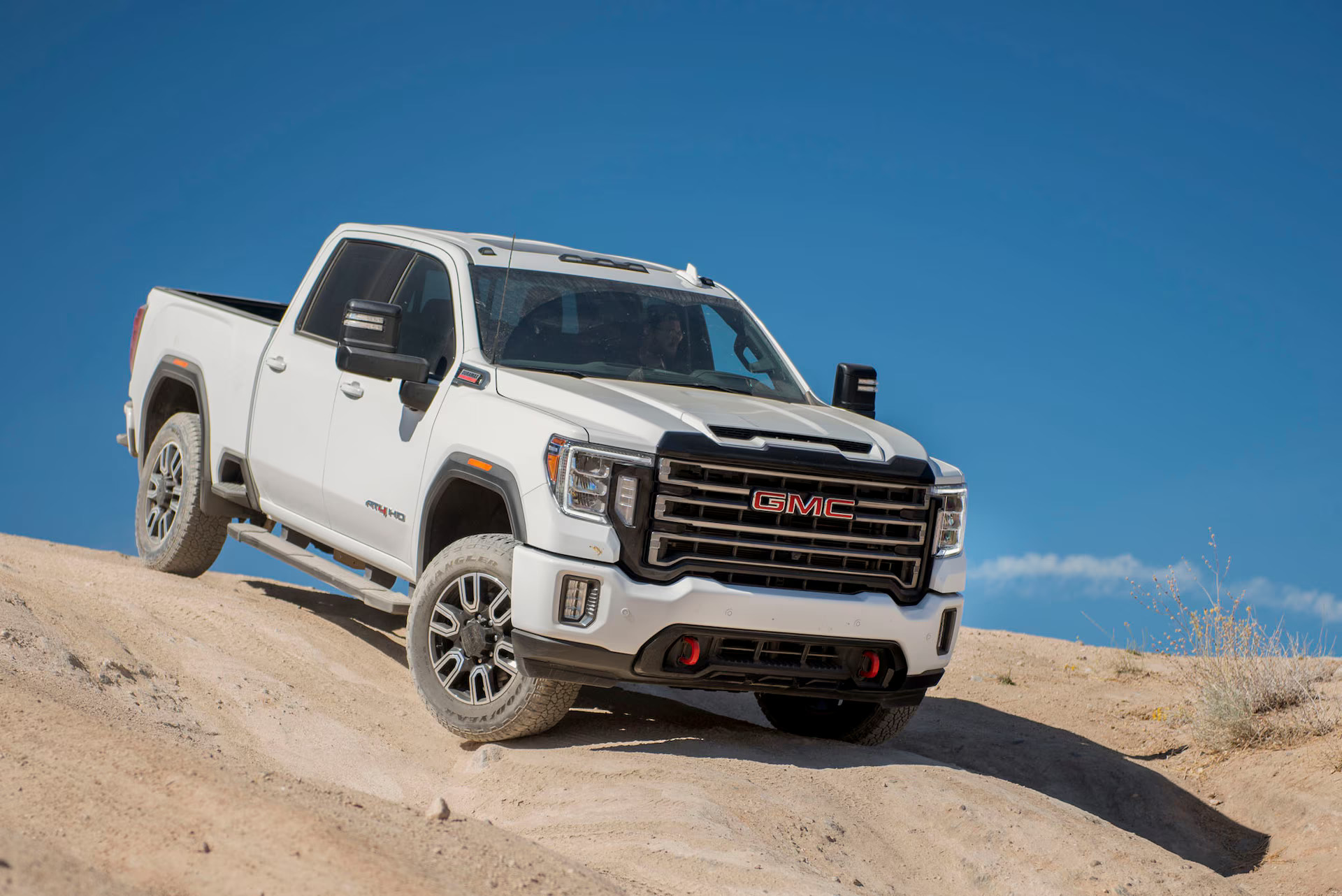
5. GMC Sierra 2500 HD – Solid Power and Reliable Cooling
The GMC Sierra 2500 HD offers much of the same muscle found in its Silverado sibling, but with a few distinct touches that appeal to long-distance towers. Like the Silverado 3500, it’s available with the 6.6L Duramax diesel and Allison transmission, making it a reliable machine for heavy loads. What separates the Sierra is its combination of towing performance and ride quality.
Cooling and transmission durability are strong suits of the Sierra 2500 HD. It shares the same large-capacity cooling system as the Silverado HD, which means it performs well on long grades. Temperatures stay stable even when towing up hills in summer heat. This stability contributes to longer transmission life and reduces the chance of heat-induced engine wear over time. Drivers report few issues even after multiple years of use in difficult terrain.
The Sierra 2500 HD also benefits from high-end suspension tuning. Whether it’s carrying a camper shell or pulling a travel trailer, the truck keeps its composure. The available off-road and AT4 trim levels include skid plates, upgraded shocks, and hill control features that make towing easier in rough terrain. Combined with rearview and side-view cameras, the driver has better visibility and control when maneuvering in tight spots or on steep roads.
One area where GMC has focused attention is in driver comfort and technology. Long trips are less tiring thanks to quiet cabins, adjustable seats, and touchscreen interfaces that simplify navigation and towing data. This focus on user experience makes the Sierra 2500 HD a favorite among those who spend a lot of time on the road. When towing a camper in various conditions, it provides steady, strong, and cool-headed performance.
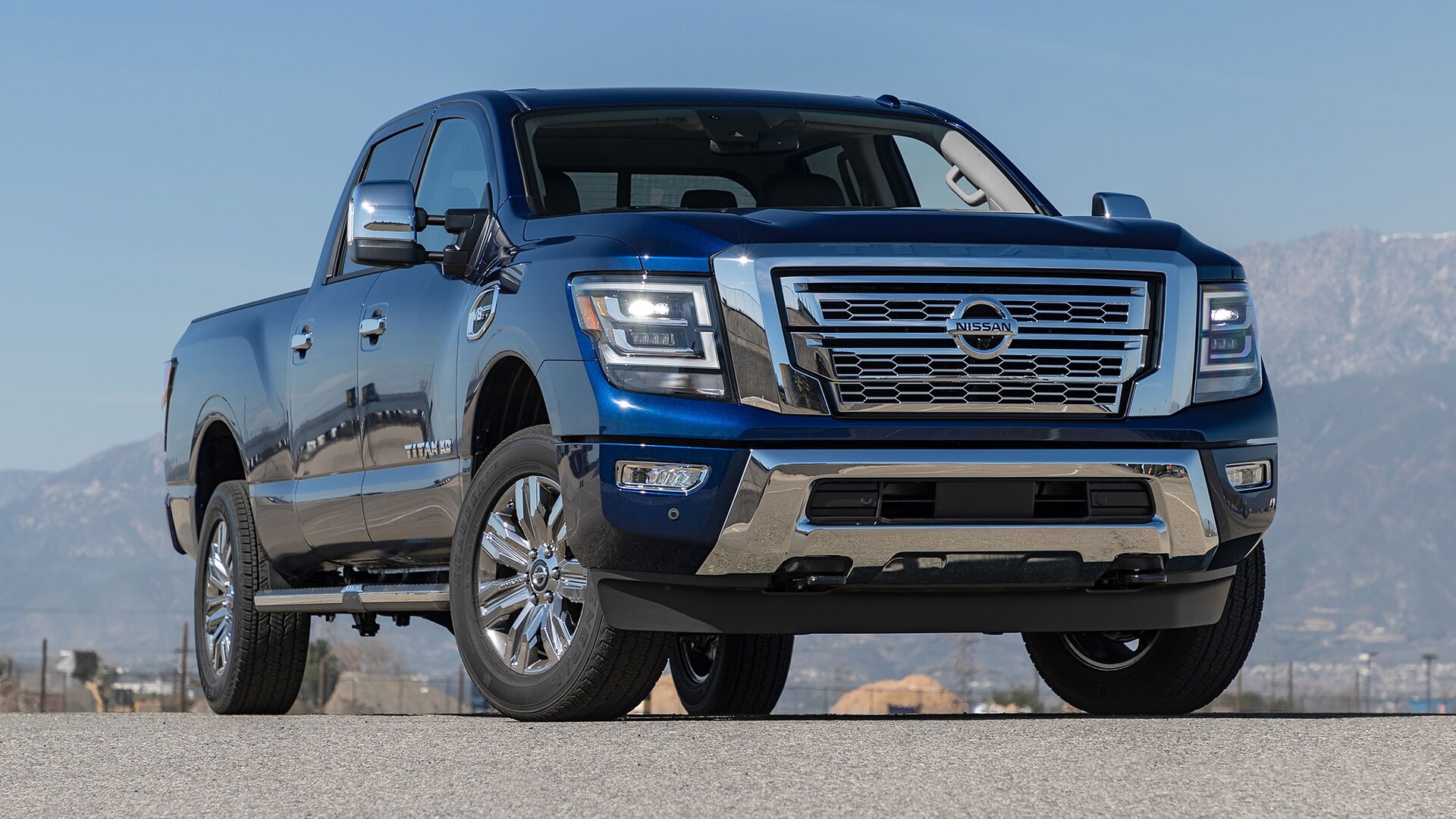
6. Nissan Titan XD – Ambitious but Falls Short
The Nissan Titan XD was introduced as a middle ground between half-ton and three-quarter-ton trucks. On paper, it looks like it could compete with the big names in towing. It offers a larger frame than the standard Titan and initially came with a Cummins diesel engine that raised expectations. However, real-world performance has shown that while the Titan XD can handle moderate loads, it struggles with consistency when towing heavy campers, particularly in hilly or high-temperature environments.
One of the biggest concerns reported by users is thermal management. While Nissan marketed the Titan XD as being “heavier duty,” its cooling system doesn’t always live up to that claim. On sustained inclines, especially during summer or in the mountains, the engine temperatures can rise quickly. Even the fan and radiator setup seem underpowered compared to trucks in the same supposed category. This results in overheating warnings, reduced engine output, or drivers being forced to pull over and cool down before continuing.
Another area where the Titan XD shows its limits is in transmission performance. Towing a heavy camper requires a transmission that can handle constant stress, heat buildup, and gear shifting under load. The Titan XD’s transmission often feels sluggish under pressure and is known to heat up quickly, especially during prolonged climbs. Without a robust cooling system for the transmission fluid, towing in rough terrain can become a source of stress for owners, leading many to reconsider their choice for long-haul travel.
While it does have a loyal following for light-duty tasks and local travel, the Titan XD falls short when it comes to consistent, heavy-duty camper towing. It may be suitable for smaller trailers, but if you’re planning to travel across states or take on major elevation changes with a full-size camper in tow, this truck isn’t up to the challenge. Many owners have expressed disappointment after expecting it to perform at the same level as a Ford Super Duty or Ram 2500. Its design compromises make it more of a hybrid between comfort and strength, rather than a true heavy hauler.
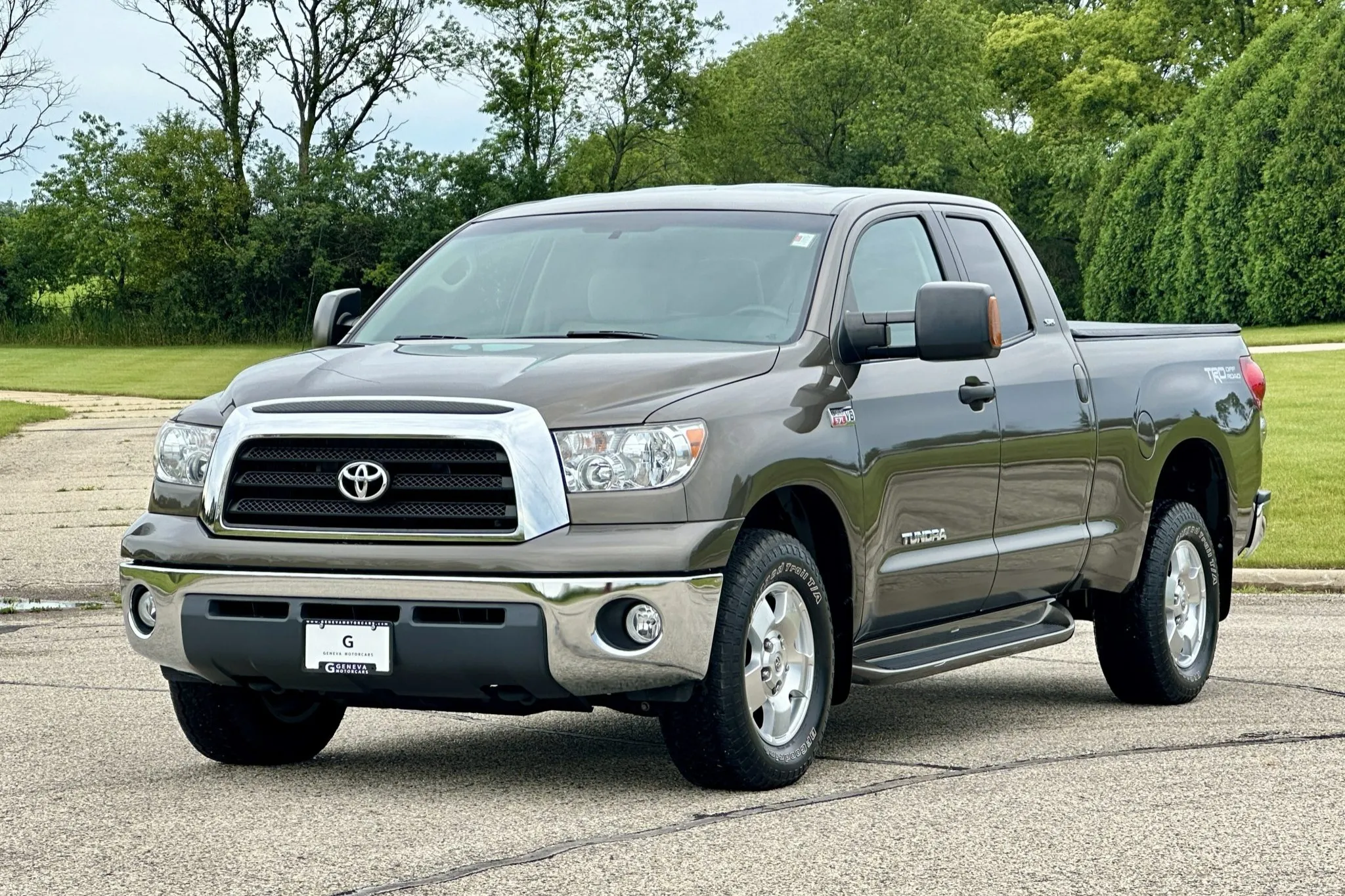
7. Toyota Tundra (Older Generations) – Reliable but Overheats Under Load
The Toyota Tundra has long been praised for reliability and simplicity. Earlier models, especially those built between 2007 and 2021, gained a reputation for solid V8 engines and a dependable driving experience. However, when it comes to towing large campers through mountainous terrain or during hot weather, older Tundras tend to show some critical flaws. They weren’t built with the same heavy-duty intentions as larger American trucks, and the consequences are most visible under long-term load.
One major issue is the limited capacity of the cooling system. The older 5.7L V8 engine, while powerful, generates a considerable amount of heat when put under stress. When pulling a camper up steep grades, the radiator, transmission cooler, and engine fan often struggle to keep temperatures down.
Many users have reported rising temperature gauges, diminished power, and even triggering of limp mode when the truck gets too hot. These events are not rare and have been consistent enough to become a known issue among experienced Tundra users.
Another problem is the braking and suspension setup. The older Tundras were not engineered with heavy-duty towing in mind, especially compared to three-quarter-ton or one-ton trucks. With a full camper attached, the brakes often feel underpowered on long descents.
Combined with the weight shifts that come from towing large campers, it can create a stressful and even dangerous driving experience, especially in hilly or mountainous regions. While the engine may still pull, the rest of the truck simply isn’t built to support the demands of camper towing over extended distances.
Owners who’ve used older Tundras for towing often express appreciation for the truck’s general build quality and comfort, but few recommend it for regular heavy trailer duty. It’s a great truck for smaller trailers or short trips, but once you factor in elevation, temperature, and trailer weight, its weaknesses begin to show. For long-haul campers, it’s not the ideal match, and newer trucks with improved cooling and towing design are far better suited to the task.
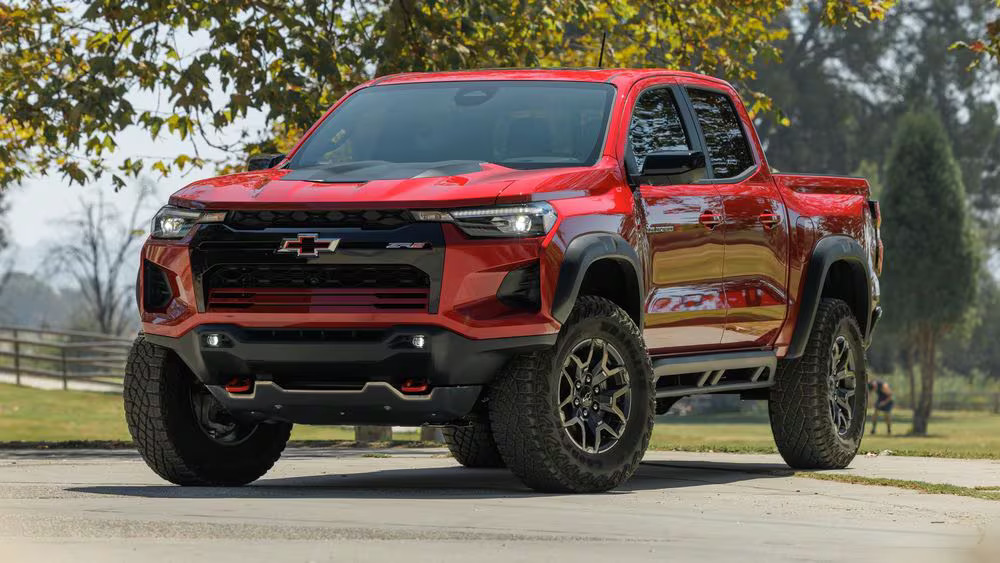
8. Chevy Colorado – Not Meant for the Job
The Chevy Colorado is a solid midsize truck known for its daily drivability, comfort, and fuel efficiency. However, when it’s put up against the task of pulling a camper, especially up steep grades or through warm climates, it begins to show its limitations. Despite having an optional diesel engine and decent advertised towing numbers, the Colorado is not built for consistent heavy-duty performance. It struggles with both load stability and engine cooling under pressure.
Cooling system capacity is one of the first weaknesses that becomes obvious. With a travel trailer in tow, the Colorado’s engine and transmission are often working near their peak for long periods of time. On steep grades, it doesn’t take much for the engine temperatures to climb.
Drivers often report the fan running at full speed, gauges rising toward the red, and performance dropping off. In hotter states or during summer months, these issues become more pronounced, sometimes forcing drivers to pause their trip.
The transmission is another concern. While the diesel version offers decent torque, the gearbox itself is not designed for long-term stress. It tends to heat up quickly when towing, especially if the trailer weight is near the upper limit of the truck’s capacity. Without a heavy-duty transmission cooler, heat builds fast, and shifting becomes erratic. Drivers have reported harsh downshifting, lag, and in some cases, warning lights related to transmission temperature.
Colorado is better suited for small trailer towing, like utility trailers or lightweight pop-up campers. Once the load exceeds 4,000–5,000 pounds and the terrain becomes demanding, the truck’s limits are clear. The suspension becomes floaty, the brakes feel overwhelmed, and the powertrain struggles to maintain pace.
For those seeking to haul a camper through mountainous areas or for extended travel, this truck is likely to disappoint. It’s a good vehicle in many ways, but not the right tool for heavy towing.
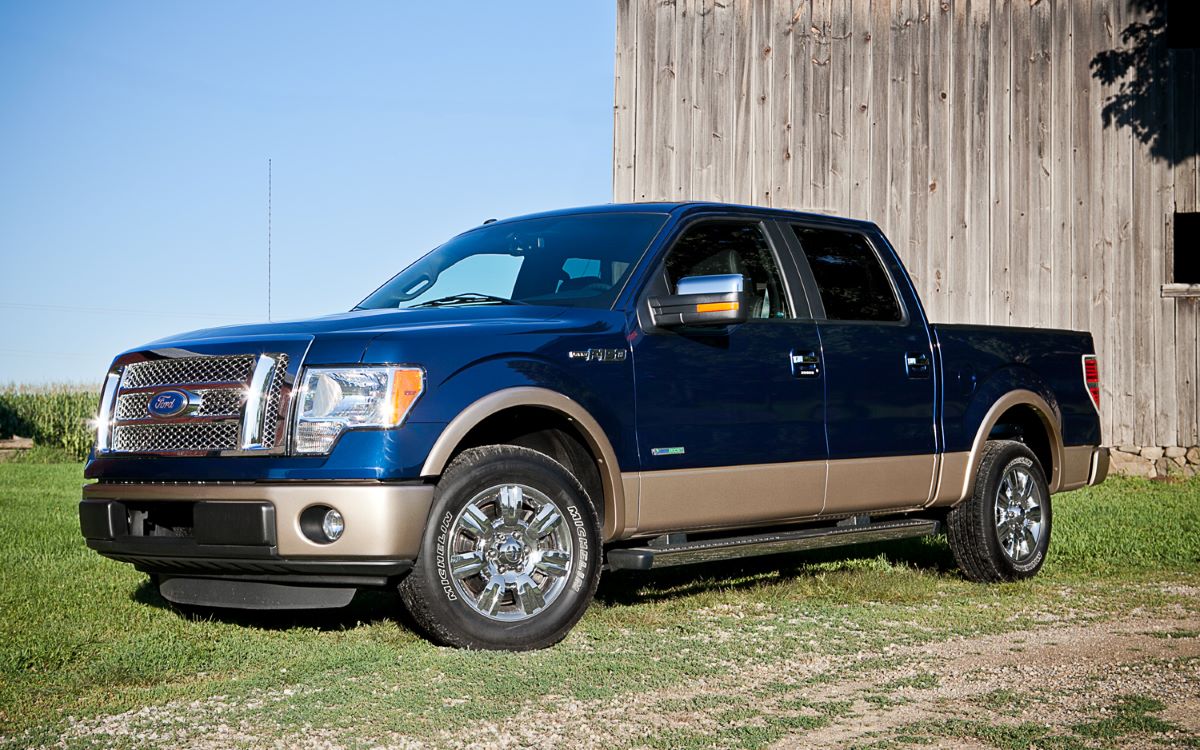
9. Ford F-150 EcoBoost (Older Versions) – Power with a Thermal Weakness
The Ford F-150 EcoBoost, particularly models from 2011 to 2016, gained attention for offering big torque from a relatively small engine. With the twin-turbo V6 configuration, it seemed like the perfect blend of efficiency and performance. Many buyers were attracted by the high towing numbers and the fuel economy compared to traditional V8 trucks. However, those who used the truck for serious towing, especially with campers, quickly learned that the engine’s heat management wasn’t always up to the task.
Turbos produce heat, and the first-generation EcoBoost engines did not have the most efficient cooling systems. Towing a large camper up a mountain often meant elevated engine temperatures, excessive fan use, and even signs of heat soak. Some users experienced power loss or limp mode activation, which can be dangerous when trying to keep speed on an incline. These issues were especially common in trucks that lacked additional cooling packages or were used in hot regions.
Transmission temperatures were also a concern. Even though the engine had enough torque to tow, the 6-speed transmission in those years wasn’t built for sustained high-load operation without a strong cooling solution. On long highway climbs, it wasn’t uncommon for temperatures to spike, forcing the truck to downshift frequently and work harder than necessary. Over time, this kind of stress leads to wear, especially on fluid lines and seals, resulting in repairs or performance loss.
Later versions of the F-150 EcoBoost improved on many of these issues, including better intercooling, stronger transmissions, and more efficient radiator setups. But for those using the earlier models with campers, the issues left a bad impression.
It’s a truck that promised a lot but couldn’t always deliver under heavy thermal stress. While the engine is strong in short bursts or for casual towing, prolonged uphill work with a loaded camper exposes its biggest flaw: temperature management.
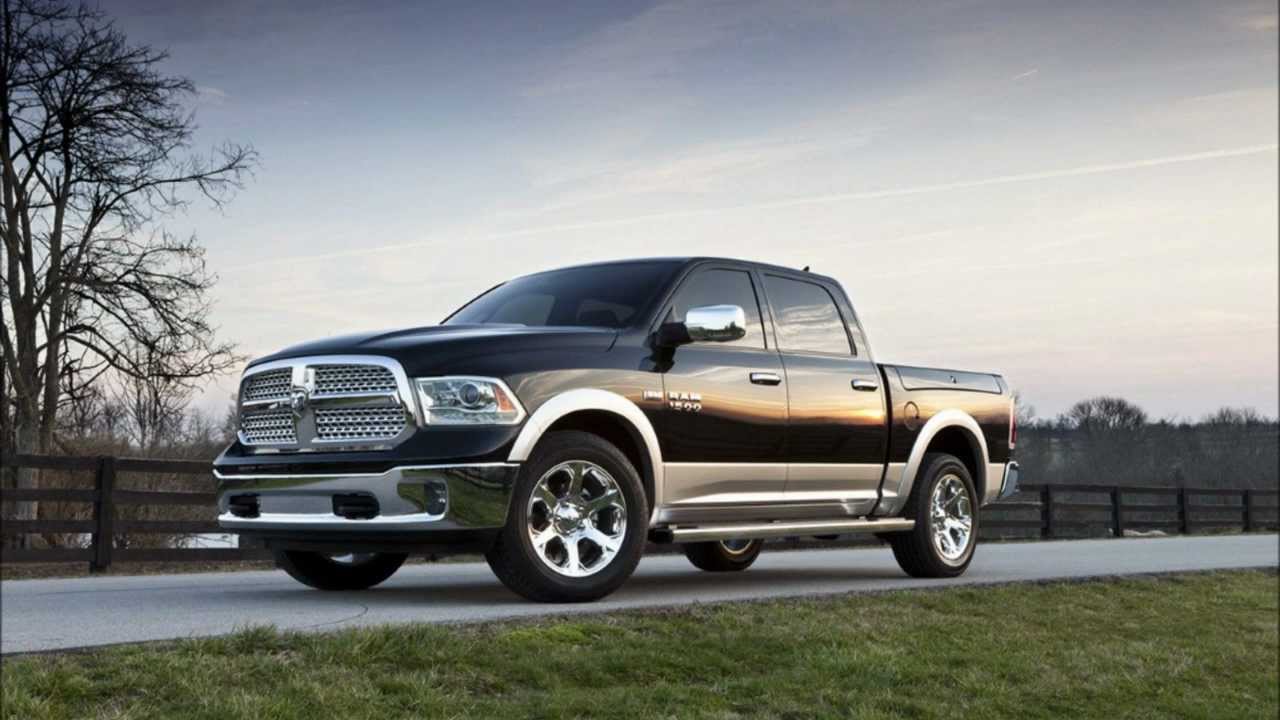
10. Dodge Ram 1500 HEMI (Pre-2013 Models) – Strength Without Support
The Ram 1500 with the 5.7L HEMI engine has long been known for raw power. The V8 delivers strong acceleration and is fun to drive even when towing. But models from before the major 2013 redesign had a significant problem, cooling system limitations and structural weakness when faced with sustained camper towing. These older models were never designed for the serious demands that come with modern camping trailers and long-distance hauls.
The engine itself can tow, but the problem comes when that power is applied continuously. The radiator and cooling fan setup in these trucks just wasn’t built to handle prolonged strain. Engine temperatures would rise quickly on uphill climbs, especially when combined with high ambient temperatures. While the engine could push through in short runs, on long grades, drivers would often find themselves monitoring the temperature gauge nervously or being forced to reduce speed significantly.
Another issue was with the frame and suspension. The earlier Ram 1500s lacked the reinforced chassis seen in their heavy-duty siblings. This meant that even with weight-distribution hitches, towing a full camper often resulted in rear sag, instability on corners, and increased strain on the brakes. The lack of an exhaust brake or hill descent assist also made it difficult to control speed on downhill runs, leading to overheating of the standard brake system under load.
Transmission cooling was also subpar in earlier versions. Without upgraded coolers or performance packages, the 5-speed automatic transmission ran hot when towing, particularly in hilly regions. Many owners who pushed their trucks to the limits experienced fluid breakdown or failure of transmission components due to extended high-temperature operation. While the HEMI engine is a gem in the right setting, these earlier Ram 1500s lacked the support systems necessary to make them reliable camper-haulers.
