
For car buyers and long-term vehicle owners, one of the most important yet often overlooked components of a vehicle is the transmission. It’s easy to focus on the visible features: exterior styling, interior design, or even horsepower.
But none of those matters much if your car struggles to shift gears smoothly, or worse, requires expensive transmission repairs after only a few years of use. In sedans, which are usually bought for their practicality and dependability, the performance and durability of the transmission can significantly impact the ownership experience.
The transmission acts as the middleman between the engine and the wheels, making sure the power gets to the road effectively. When it works, you hardly notice it. But when it doesn’t, it can be incredibly frustrating and costly to fix.
Transmission repairs often fall into the “major repair” category, with costs ranging from a few hundred to several thousand dollars. Worse still, once a transmission starts to fail, it’s not uncommon for problems to continue even after repairs, especially if the underlying design is flawed or the replacement parts are subpar.
Some manufacturers take a conservative, tested approach to transmission design, choosing reliability over cutting-edge performance. Others opt for newer, more complex systems to achieve better fuel economy or quicker shifts. While innovation is important, not all systems are created equal, and not every design stands the test of real-world driving.
Some sedans end up with impressively reliable transmissions, barely needing any work throughout their lifespan. Others suffer from chronic issues that leave owners facing recurring repairs, replacement costs, or frustrating driving experiences.
This article highlights ten popular sedans, five that have earned a reputation for solid, long-lasting transmission performance, and five that are frequently reported to need repairs, replacements, or updates. The models chosen are based on patterns seen over time, including feedback from owners, reports from independent mechanics, and data from long-term usage. These aren’t one-off cases, but vehicles where transmission performance has shown clear trends, good or bad.
If you’re in the market for a used sedan or just trying to understand your current car better, understanding which models hold up and which fall apart can save you thousands in the long run. Choosing the right vehicle often comes down to more than looks or initial price.
Knowing what to expect from the transmission can make all the difference between owning a dependable daily driver and dealing with frequent trips to the repair shop. Whether you’re someone who puts on 15,000 miles a year or someone planning to keep a car for over a decade, transmission reliability should be high on your list of considerations.
Also Read: 8 Most Popular Pickup Trucks in the U.S. Ranked by Real Owners
5 Sedans That Rarely Need Transmission Work
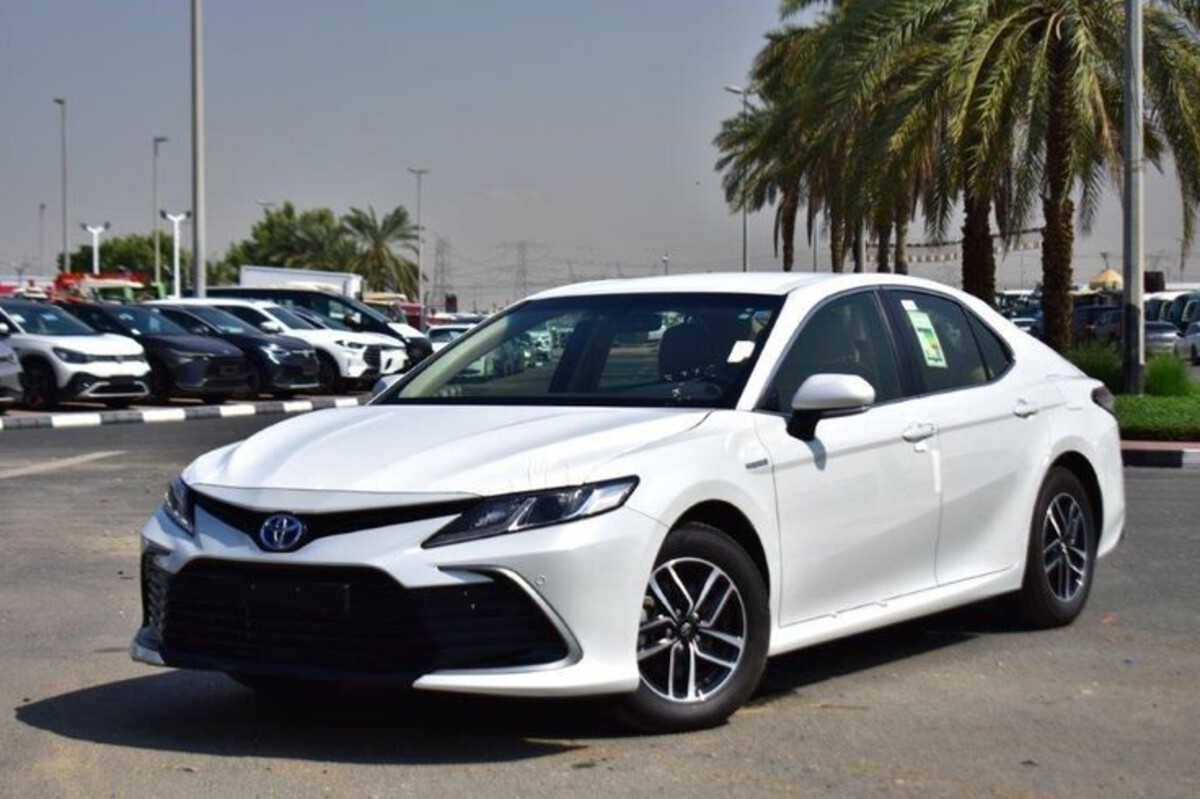
1. Toyota Camry (Especially 2012–2017 Models)
The Toyota Camry has long been regarded as one of the most reliable sedans on the road, and that includes its transmission. Known for conservative engineering and proven mechanical components, the Camry’s automatic transmission is built for smooth, predictable performance over the long haul.
Many Camrys have been known to surpass 200,000 miles without requiring a single transmission repair, which speaks to both the quality of the design and the consistency in Toyota’s manufacturing processes.
The Camry avoids fancy or experimental transmission setups. Toyota has typically stuck to traditional torque-converter automatics in most of its Camry models, which helps limit the kinds of issues that more complex systems sometimes introduce.
While it might not deliver the quickest gear changes or the most engaging driving experience, its transmission excels in durability and consistency. These units rarely show signs of gear slipping or shifting hesitation unless they’ve been abused or poorly maintained.
One reason for the Camry’s transmission reliability is Toyota’s emphasis on gradual refinement over radical change. Rather than overhauling their transmission technology with each generation, Toyota engineers have focused on tweaking and perfecting what already works. This strategy results in fewer bugs and long-term problems, giving the Camry a solid reputation for dependability.
Camry owners often note that their cars run almost the same at 150,000 miles as they did at 50,000. This includes smooth gear changes, minimal delay in acceleration, and no unusual noises or vibrations. That level of consistency is rare and makes the Camry one of the most trustworthy sedans when it comes to transmission health.
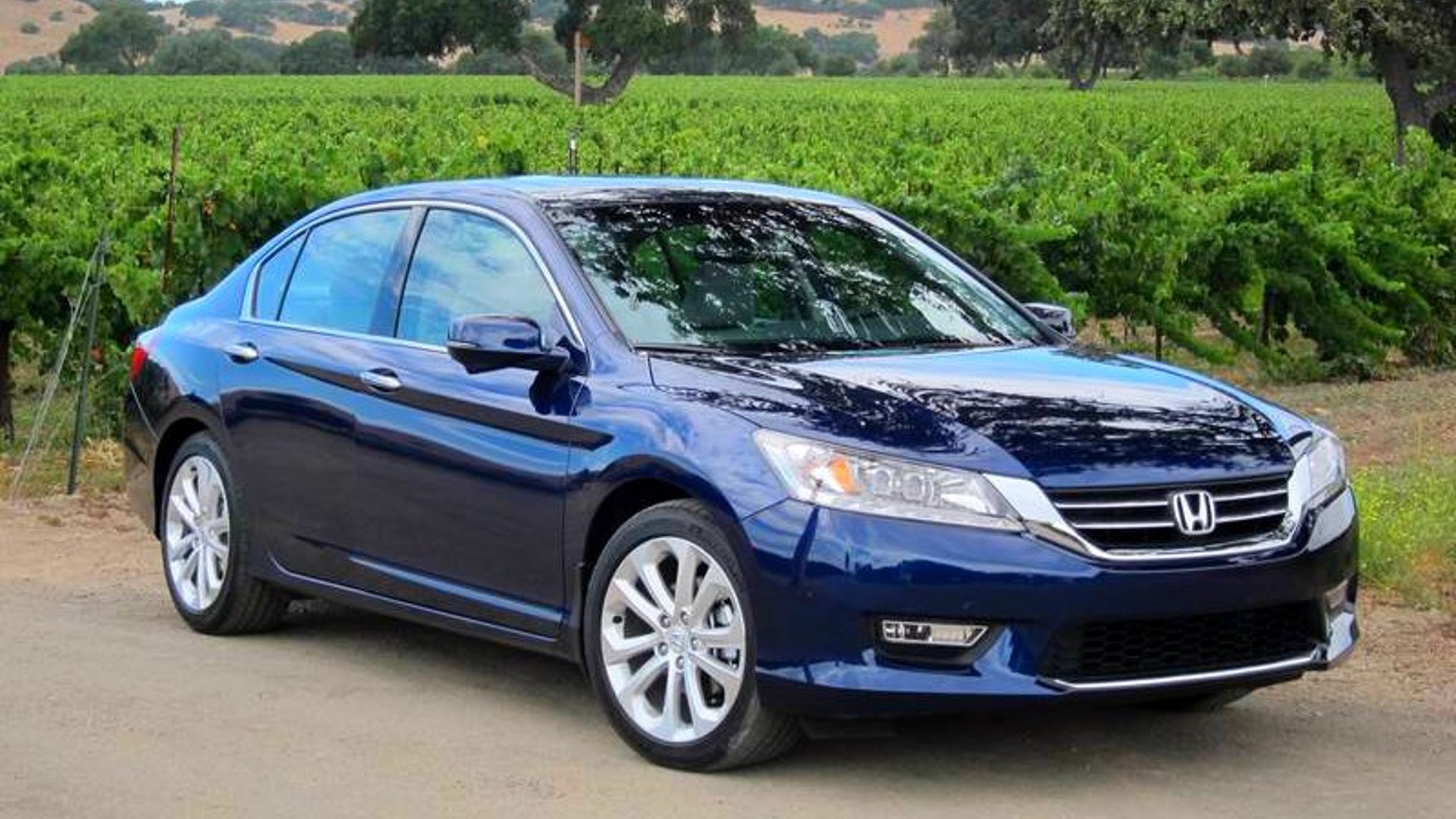
2. Honda Accord (2013–2017 Models)
The Honda Accord shares a reputation for reliability with the Camry, and its transmission performance is a major part of that. Honda has a history of pushing engineering boundaries, which has sometimes led to issues in other models. But during the 2013–2017 period, Honda struck a good balance between innovation and reliability, particularly with the six-speed automatic transmission in four-cylinder variants of the Accord.
These transmissions are known for smooth performance, quick but measured shifts, and an impressive lack of mechanical failures. They don’t demand frequent fluid changes beyond the manufacturer’s recommended intervals, and even then, the fluid often looks surprisingly clean. For drivers who just want a car that works without requiring frequent service, the Accord’s transmission delivers that in a very dependable way.
Unlike some of Honda’s past experiments with continuously variable transmissions (CVTs), the six-speed unit in these Accords doesn’t suffer from the same high failure rates. CVTs in other Honda models have been a weak point, but the conventional automatic in these Accords holds up well under stress, even in high-mileage vehicles. That’s part of what makes these Accords such popular choices in the used market.
Another key factor is how well the Accord’s transmission pairs with its engine. There’s very little hunting between gears, and shifts happen at logical points, which means the transmission isn’t constantly being overworked. As a result, internal wear remains low, and the transmission tends to last the life of the car.
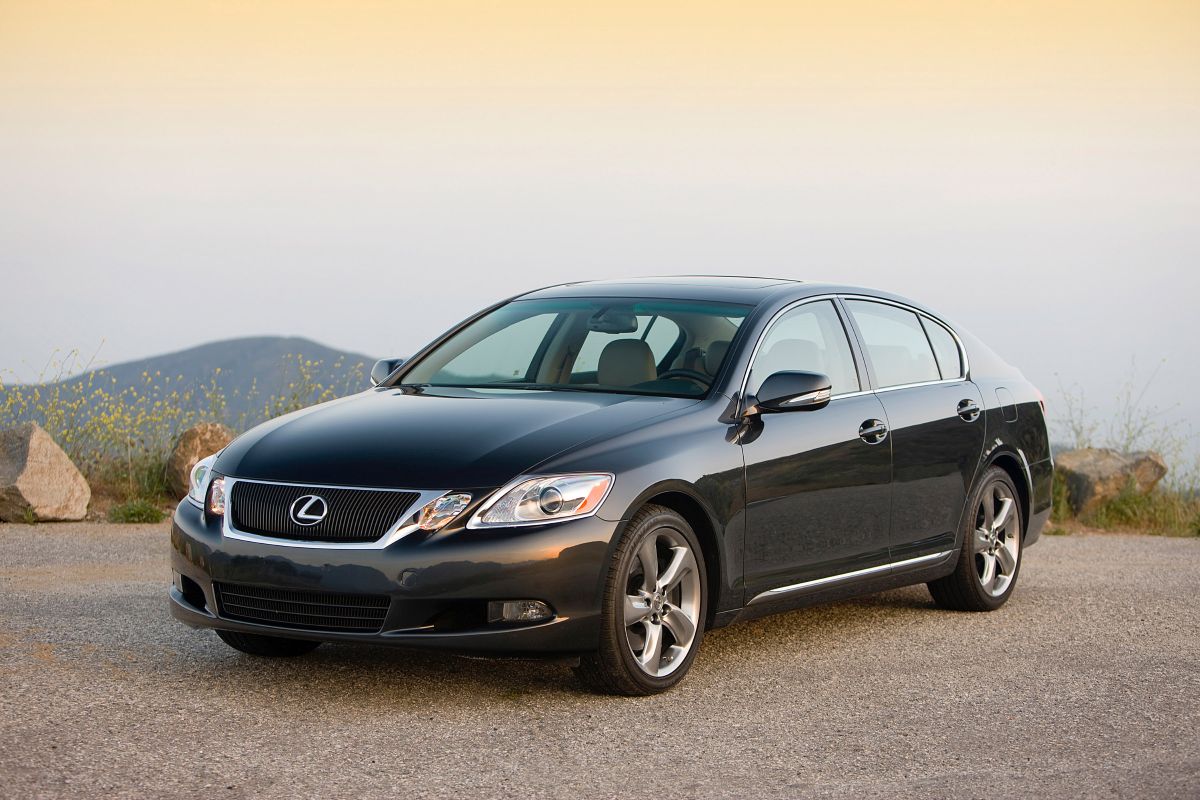
3. Lexus ES350 (2007–2012 Models)
The Lexus ES350 offers a luxury driving experience backed by the mechanical reliability that Toyota is known for. The six-speed automatic transmission found in these models is incredibly consistent and rarely reported as a problem point. Owners often praise the buttery-smooth shifts and the complete lack of drama under acceleration or during downshifts, even as the vehicle ages.
Lexus, as Toyota’s luxury division, often adds extra insulation, noise suppression, and tuning refinement, but it doesn’t compromise mechanical reliability to do so. The ES350 shares many drivetrain components with the Toyota Camry, which means it benefits from the same conservative engineering philosophy. That includes a traditional automatic transmission with no odd quirks or experimental features that could lead to premature wear.
These transmissions tend to perform quietly and seamlessly, which sometimes causes owners to forget they’re even shifting at all. The shifts are predictable, and gear selection happens without any jerky movement. Even when the car is under load, such as climbing a hill or passing on the freeway, the transmission holds gears appropriately and doesn’t seem strained.
Mechanics who specialize in Lexus and Toyota often describe these transmissions as “boring to work on,” which is a backhanded compliment, they just don’t break often. Aside from fluid changes and the occasional sensor replacement, these units tend to go untouched for the life of the vehicle. For buyers seeking a reliable luxury sedan, the ES350 offers peace of mind on the transmission front.
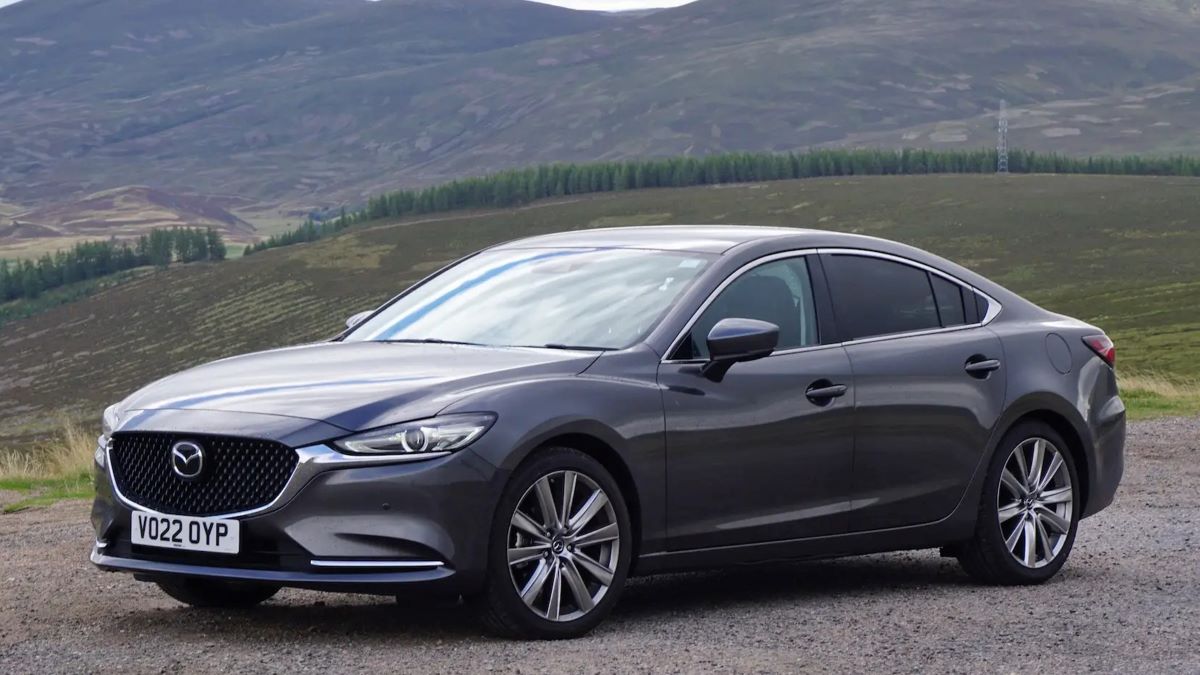
4. Mazda6 (2014–2019 Models)
Mazda may not have the same reputation for bulletproof durability as Toyota or Honda, but the Mazda6 stands out as a surprisingly solid performer in terms of transmission reliability. These models use Mazda’s in-house six-speed automatic transmission, known for delivering a good mix of sporty responsiveness and long-term reliability. It manages to offer a more engaging drive than most of its competitors without sacrificing durability.
The Mazda6 transmission doesn’t suffer from gear slipping or excessive hesitation. The shifts are clean, especially when the transmission fluid is maintained regularly. Even under spirited driving conditions, such as quick acceleration or steep hill climbs, the transmission holds up well. It’s rare to hear complaints from owners about transmission replacements or even repairs.
Part of Mazda’s strategy was to design a transmission that doesn’t depend on overly complex electronics. While it has modern features and software controls, the core of the system is mechanically sound and tested under real-world conditions. Mazda took its time refining the SkyActiv drivetrain systems, and the payoff is evident in the transmission’s reliability.
Owners who maintain their vehicles with routine fluid checks and moderate driving habits often find their Mazda6 transmissions performing well past the 150,000-mile mark. Combined with the car’s dynamic handling and efficient engines, the transmission contributes to a sedan that’s both fun to drive and relatively low-maintenance over time.
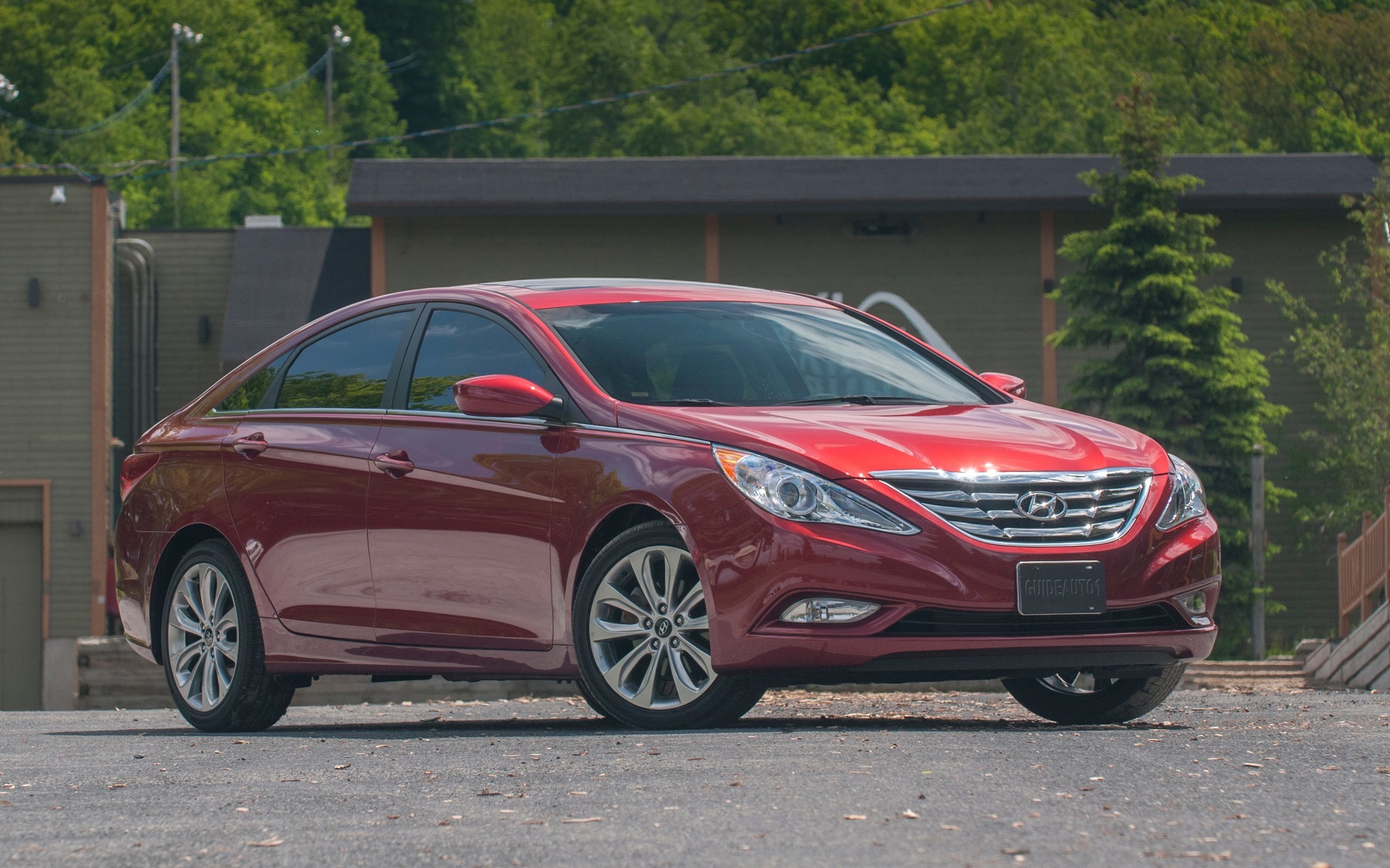
5. Hyundai Sonata (2011–2014 Models)
Hyundai doesn’t always get mentioned in reliability conversations, but the 2011–2014 Sonata is an exception. This generation featured a six-speed automatic transmission developed by Hyundai in-house. While some earlier models from Hyundai had transmission concerns, this generation showed a marked improvement in design and durability.
The transmission in these Sonatas provides firm, decisive shifts and handles daily driving with ease. Unlike many transmissions that begin to show signs of trouble after the 100,000-mile mark, these units often continue running smoothly without intervention. Basic maintenance, like fluid changes, can extend their lifespan even further.
Hyundai focused on simplifying the control systems and using proven materials during manufacturing. As a result, the internal components have held up well even in higher-mileage cars. Owners frequently report no transmission issues even after a decade of ownership, making the Sonata an underrated choice for budget-conscious buyers.
Though not a luxury model or a performance leader, the Sonata from this era deserves recognition for being a solid, reliable daily driver. The fact that the transmission rarely needs attention only adds to the car’s value, especially for those looking to keep a sedan on the road for years without major repair bills.
5 Sedans That Constantly Need Transmission Work
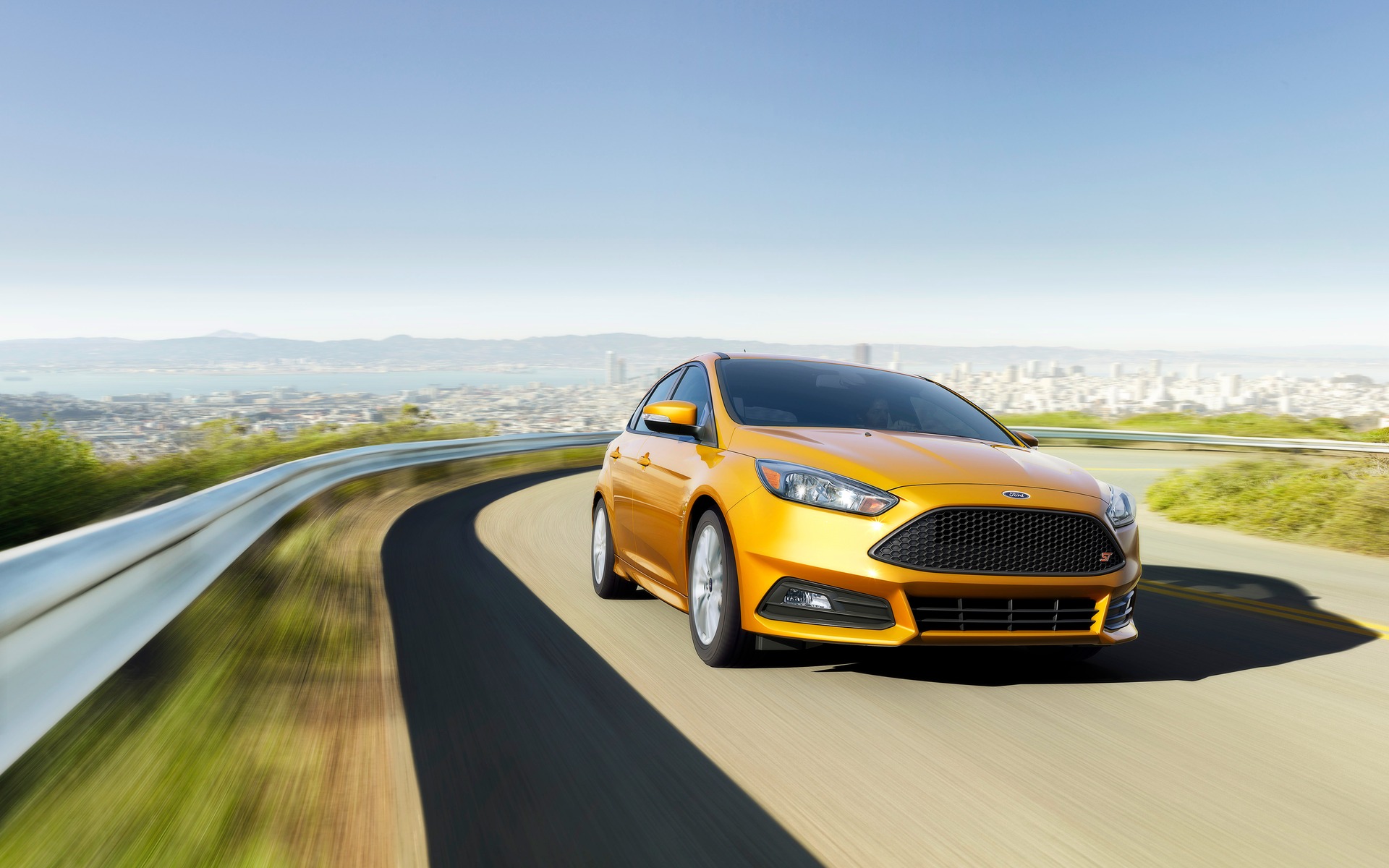
1. Ford Focus (2012–2016 Models)
The Ford Focus from 2012 to 2016 has become a case study in what can go wrong when transmission technology is rushed to market. Ford used a dual-clutch automatic transmission, called the PowerShift, which was designed to offer fuel efficiency benefits and faster shifts. In reality, it became one of the most complained-about systems in the industry. Many owners reported grinding noises, shuddering during acceleration, and even total transmission failure within the first 60,000 miles.
The biggest issue with this transmission was its clunky behavior in stop-and-go traffic. Unlike traditional automatics, the PowerShift operated more like a manual transmission with automated clutch control. Unfortunately, the software and hardware never worked in harmony. The clutches would wear prematurely, the shifting patterns were inconsistent, and some delays could create dangerous hesitation at intersections or when merging.
Ford issued multiple technical service bulletins and extended warranties for this transmission, but many owners still had to deal with repairs out of pocket. Replacing the clutch packs, reprogramming the software, or even replacing the entire transmission became common. Even after repairs, problems would often reappear, leading to a cycle of frustration and expense.
What made the situation worse was Ford’s initial unwillingness to admit the scale of the issue. As complaints mounted, it became clear that this wasn’t just a few bad units but a systemic design flaw. Lawsuits followed, and resale values dropped as consumers lost faith in the model. While the Focus had its strengths in handling and design, the transmission was a major Achilles’ heel during this generation.
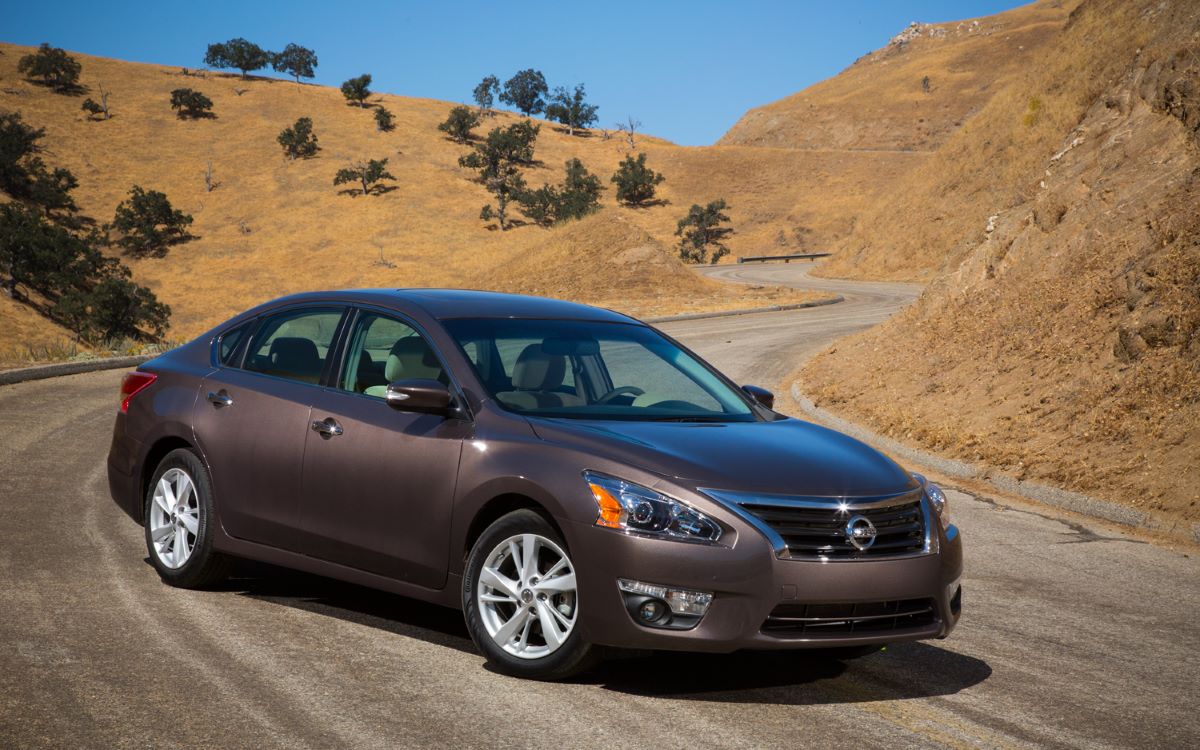
2. Nissan Altima (2013–2018 Models)
The Nissan Altima is known for its comfort and fuel economy, but from 2013 to 2018, many owners encountered ongoing problems with its continuously variable transmission (CVT). Nissan embraced CVT technology earlier and more aggressively than most other manufacturers, aiming to provide smoother acceleration and better fuel efficiency. However, the execution left much to be desired in this particular range of vehicles.
Owners frequently reported symptoms such as hesitation, whining noises, surging at highway speeds, and delayed acceleration. In more severe cases, the transmission would overheat or go into limp mode, requiring the driver to pull over. For many, the only solution was a full transmission replacement, sometimes more than once, well before the vehicle reached 100,000 miles.
The problem stemmed from the CVT design being pushed beyond its limits. While CVTs can be reliable when properly tuned and manufactured, the version used in these Altimas struggled to handle the stress of daily driving, particularly in hotter climates or under heavier loads. The belt-and-pulley system inside the transmission was prone to wear, and the fluid would often degrade quickly, even with recommended maintenance.
Nissan attempted to address the problems by updating the software and offering extended warranties, but these fixes were often temporary. Mechanics who specialize in Nissan repairs consistently list the CVT as one of the most frequent and costly issues they encounter. This has led many former Altima owners to avoid the brand entirely when shopping for their next vehicle.
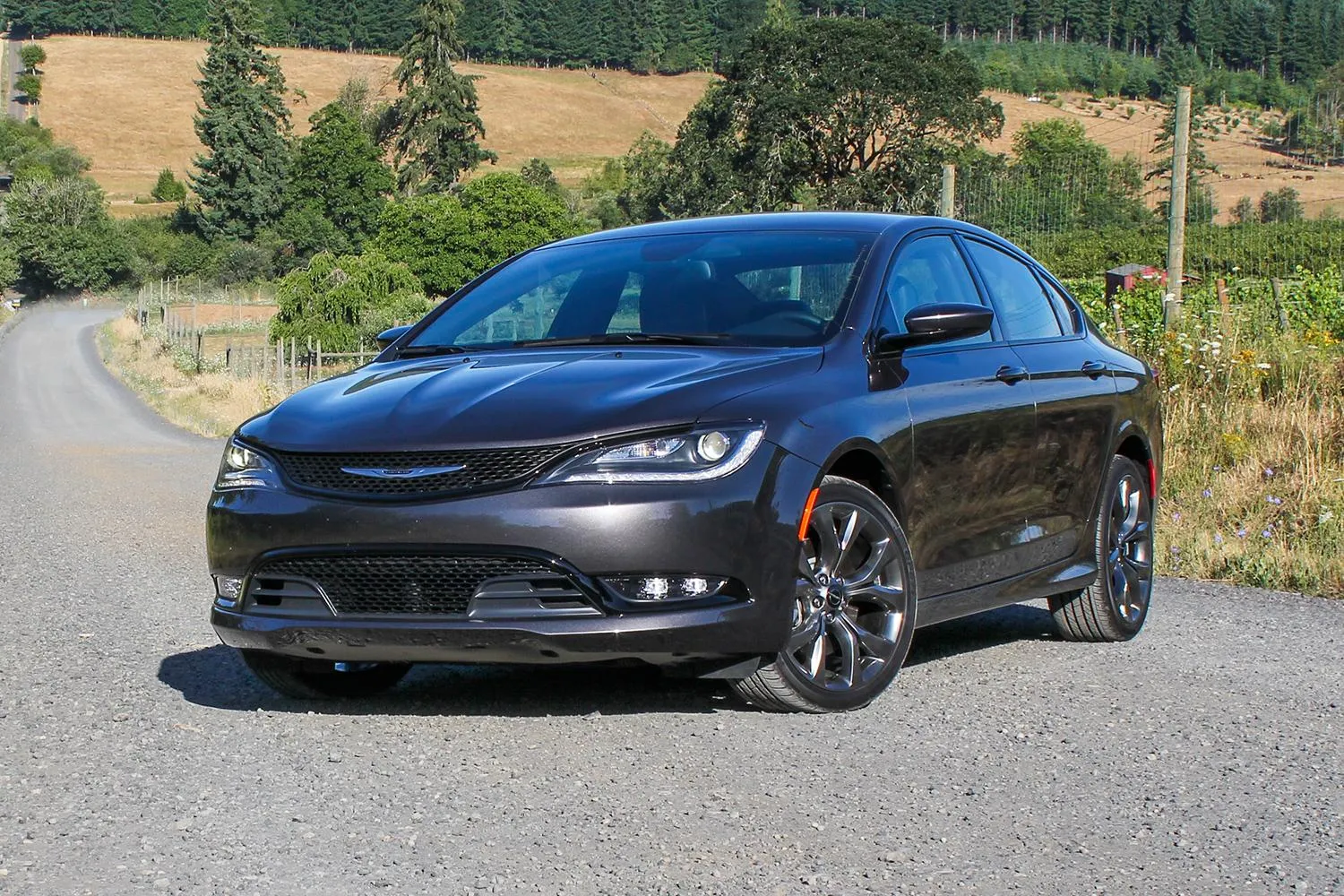
3. Chrysler 200 (2015–2017 Models)
The Chrysler 200 was reintroduced to be a stylish, modern mid-size sedan. However, behind its sleek design was a transmission system that caused headaches for both owners and service technicians. These models came equipped with a nine-speed automatic transmission developed by ZF, and while it had potential on paper, the real-world performance was inconsistent and problematic.
Shifting issues were one of the most common complaints. The transmission would frequently hesitate or lurch when changing gears, especially at low speeds. Hard shifts, delays between gear selections, and random downshifting made for an unpredictable and uncomfortable driving experience. These issues were most noticeable in urban driving, where smooth gear transitions are critical.
Software updates were issued to try and address the rough shifting, but they didn’t fix the underlying mechanical problems. In many cases, the transmission control module had to be replaced, or the entire unit needed rebuilding. Mechanics also noted that the internal gear clutches were subject to premature wear, which often meant that even repaired units wouldn’t last very long.
The nine-speed automatic was meant to improve fuel economy, but it ended up creating more service visits and reduced owner satisfaction. Chrysler’s reputation for drivetrain quality was already shaky before this model, and the 200’s transmission woes only made things worse. As a result, the vehicle was discontinued entirely, and its used value continues to suffer because of ongoing transmission concerns.
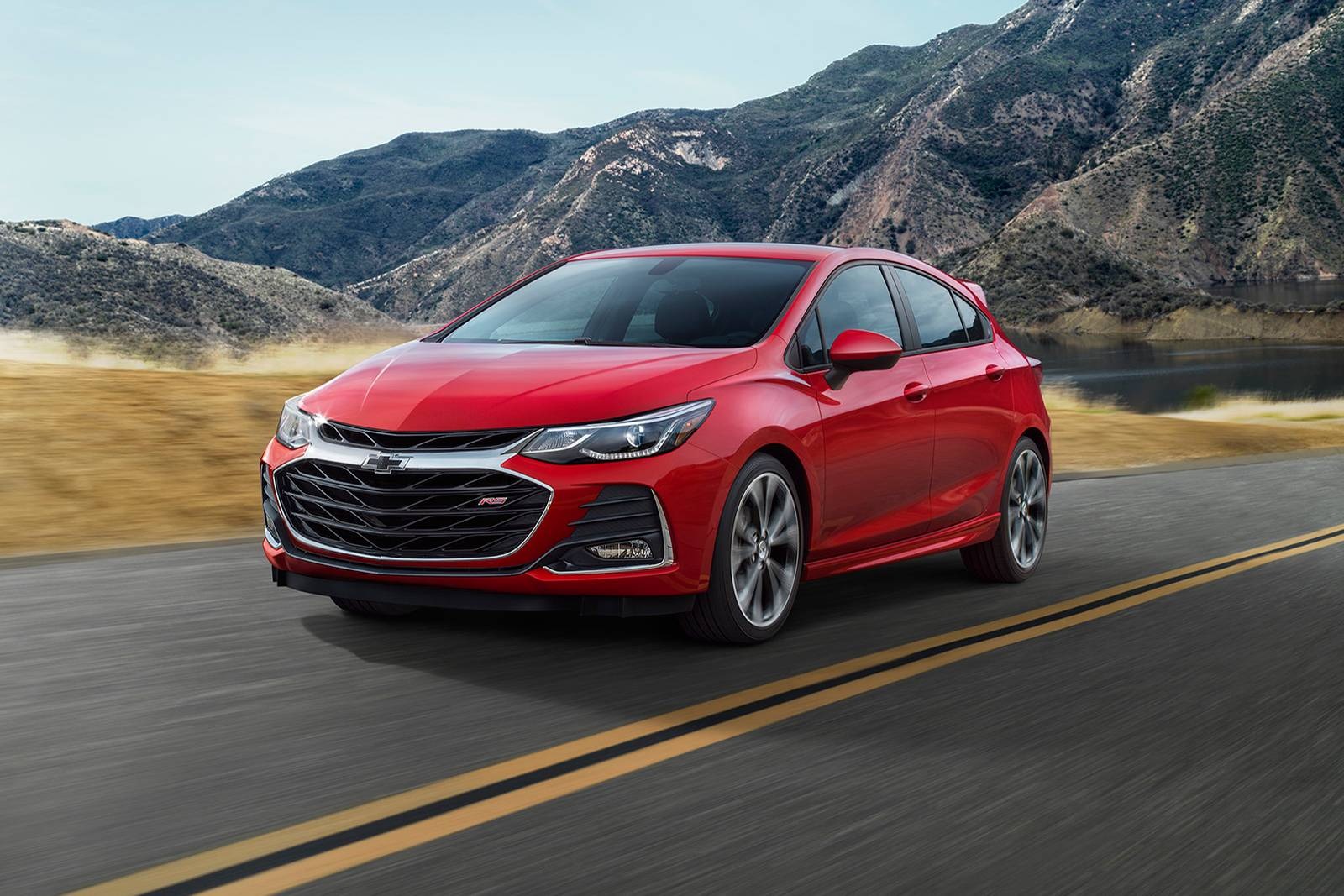
4. Chevrolet Cruze (2011–2014 Models)
The Chevrolet Cruze was introduced as a modern, fuel-efficient compact sedan, but many early models were plagued with transmission reliability problems. This was especially true for the automatic transmissions in the 2011–2014 range. Drivers experienced harsh shifting, gear hunting, and delayed response times, often from very low mileage. In worse cases, complete transmission failure would occur with little warning.
The main culprit was poor internal design and weak components that couldn’t handle extended wear. Fluid degradation was also a big issue; many owners weren’t aware that the transmission fluid needed to be changed regularly, and the factory intervals proved too long for real-world driving conditions. As a result, transmissions that were left untouched started developing issues well before they should have.
GM issued several service bulletins and attempted software updates to address the shifting irregularities, but these fixes had limited success. Owners who brought their cars in under warranty sometimes received temporary repairs, only to face the same issues again later. The need for repeat transmission work became a recurring complaint among Cruze owners, especially for those who used the vehicle for commuting or frequent city driving.
Because the Cruze was marketed as an affordable, economical car, many buyers weren’t prepared for large repair bills. When the transmission started acting up, they found themselves in a tough position: pay thousands in repairs or get rid of the car at a loss. This significantly hurt the Cruze’s reputation and made it less desirable in the used market compared to other compact sedans.
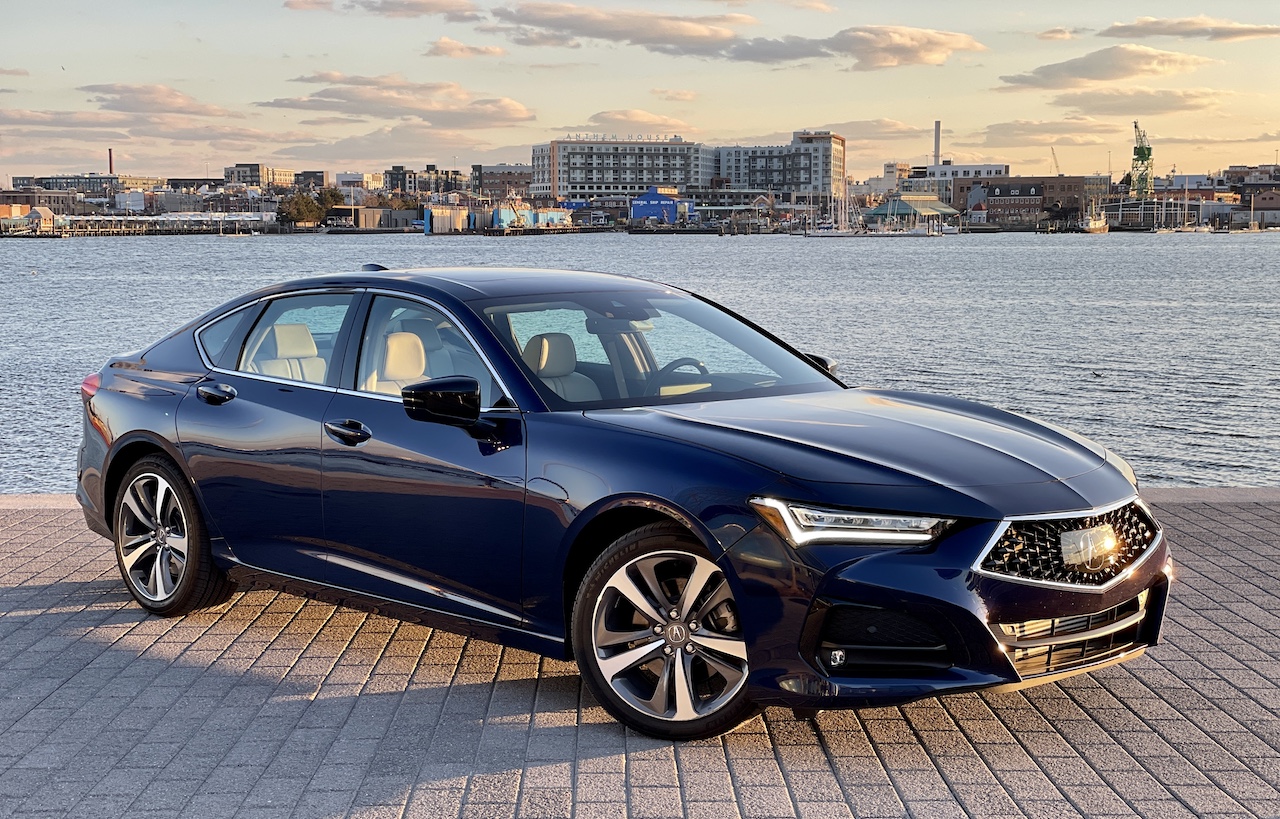
5. Acura TLX (2015–2017 Models)
Acura had high hopes for the TLX when it replaced both the TL and TSX, but the 2015–2017 models were often dragged down by serious transmission issues. The problem was centered around the eight-speed dual-clutch automatic used in four-cylinder versions and the nine-speed automatic in the V6 versions. Both transmissions suffered from different but equally frustrating problems.
In the four-cylinder TLX, the dual-clutch system struggled in stop-and-go traffic. Drivers experienced jerky starts, abrupt shifts, and long delays between gear changes. It was especially problematic when driving at low speeds or in parking situations. The system wasn’t well-suited for the smooth, luxury experience Acura was trying to deliver. Even after updates, many drivers said the transmission behavior remained rough and unpredictable.
For the V6 versions, the nine-speed ZF transmission presented another set of issues. Shifts were frequently delayed or clunky, and there were often lags when trying to accelerate quickly. The gear changes didn’t feel smooth or intuitive, especially when going from a stop to motion. Owners often reported that the car felt like it was “thinking too much” about what gear to be in rather than responding instantly to driver input.
Both transmissions were also expensive to repair, and service options were limited to dealerships in many cases. Some mechanics refused to work on them due to the complexity and lack of parts availability. Acura did issue some updates, and later models saw slight improvements, but the damage to the TLX’s reputation had already been done.
While the TLX had a lot to offer in terms of comfort, tech features, and styling, the persistent transmission problems made it hard to recommend to anyone looking for long-term ownership without expensive repairs.
Also Read: 12 Cars That Went From Unpopular to Everyday Sight
Transmission reliability isn’t always the first thing drivers think about when buying a sedan, but it can end up being one of the most important factors in long-term ownership satisfaction. A car with a poorly built or unreliable transmission doesn’t just affect how smoothly it drives; it affects your wallet, your peace of mind, and even your safety. For many owners, transmission issues mark the beginning of the end for a car that once seemed like a smart purchase.
What becomes clear when looking at both ends of the spectrum, those sedans that are dependable and those that aren’t, is that engineering choices, manufacturing quality, and long-term testing matter far more than flashy features or marketing claims. Models like the Toyota Camry, Honda Accord, and Lexus ES350 succeed not because they try to be the most exciting cars on the road, but because they focus on delivering consistent, reliable performance over time.
Their transmissions aren’t always the most advanced or the fastest, but they rarely break down, rarely require major work, and tend to hold up well even under high mileage. For most drivers, that’s worth more than a few extra horsepower or a slightly more modern dashboard.
On the other side, sedans like the Ford Focus, Nissan Altima, and Chrysler 200 serve as reminders of what happens when transmission systems are rushed into production or pushed beyond their realistic limits.
Whether it’s the overly complicated dual-clutch systems in the Focus, the fragile CVTs in the Altima, or the poorly tuned nine-speed automatics in the Chrysler 200, the result is the same: frustrated owners and costly repairs. These vehicles often look appealing on the lot, but they end up being more trouble than they’re worth once the odometer climbs.
In many cases, the sedans with unreliable transmissions weren’t bad vehicles. Some had strong engines, nice interiors, or impressive fuel efficiency. But the transmission let the rest of the vehicle down. When that happens, no amount of resale value or standard features can make up for the inconvenience and cost. It’s a critical reminder that one weak link in a car’s mechanical system can define the ownership experience.
As more buyers turn to the used car market for value, understanding which sedans are known for transmission reliability becomes even more important. A well-maintained Camry or Accord can easily go 200,000 miles without serious issues. A poorly built Altima or Focus, on the other hand, might start showing signs of transmission trouble before it even hits 70,000 miles. That’s a big difference, and one that should factor heavily into any buying decision.
Choosing a sedan with a proven transmission doesn’t just save money, it saves time, stress, and the ongoing hassle of dealing with repairs. Whether you’re buying your first car or your fifth, reliability in the transmission department is something you’ll never regret prioritizing.
