
Buying a car is more than just selecting a vehicle that looks good or performs well. For many people, a car is one of the largest purchases they make outside of buying a home. While some view cars strictly as transportation, others treat them as investments, and this is where depreciation becomes a crucial factor.
Most vehicles start losing value the moment they’re driven off the lot, but not all vehicles depreciate at the same rate. Some cars can retain a surprising amount of their value over time, especially those known for reliability, build quality, and demand in the used market.
On the other hand, some models lose thousands of dollars in value within the first few months, often due to oversupply, lack of brand trust, poor performance, or other red flags buyers notice quickly.
Understanding which cars tend to hold their value can be helpful, whether you’re buying new or used. If you plan to trade in or resell a car after a few years, value retention matters significantly. On the opposite end, knowing which models drop in value too quickly might help you avoid financial headaches later.
Sometimes, a brand-new luxury car might seem appealing, but it could lose nearly half its value within a year, leaving you underwater on a loan or taking a hit at trade-in. Meanwhile, some vehicles quietly hold steady and prove themselves as reliable assets, saving owners money over the long haul.
Brand reputation, segment demand, production numbers, and owner satisfaction all play roles in determining a car’s value over time. Even regional factors like climate and road conditions can influence which vehicles perform better in resale markets. Trucks and SUVs tend to fare better in certain areas, while compact sedans may struggle. The trick is recognizing trends before buying.
What’s popular today might be a dud tomorrow if it doesn’t have staying power. This article breaks down five cars that have proven to hold their value remarkably well and contrasts them with five models that are known for steep, early depreciation. Each one reflects real-world patterns, not just advertising claims. The next sections give insight into which vehicles deserve your attention and which ones might be better left at the dealership.
5 Cars That Hold Value for Years
Toyota Tacoma: A Truck That Keeps Its Value
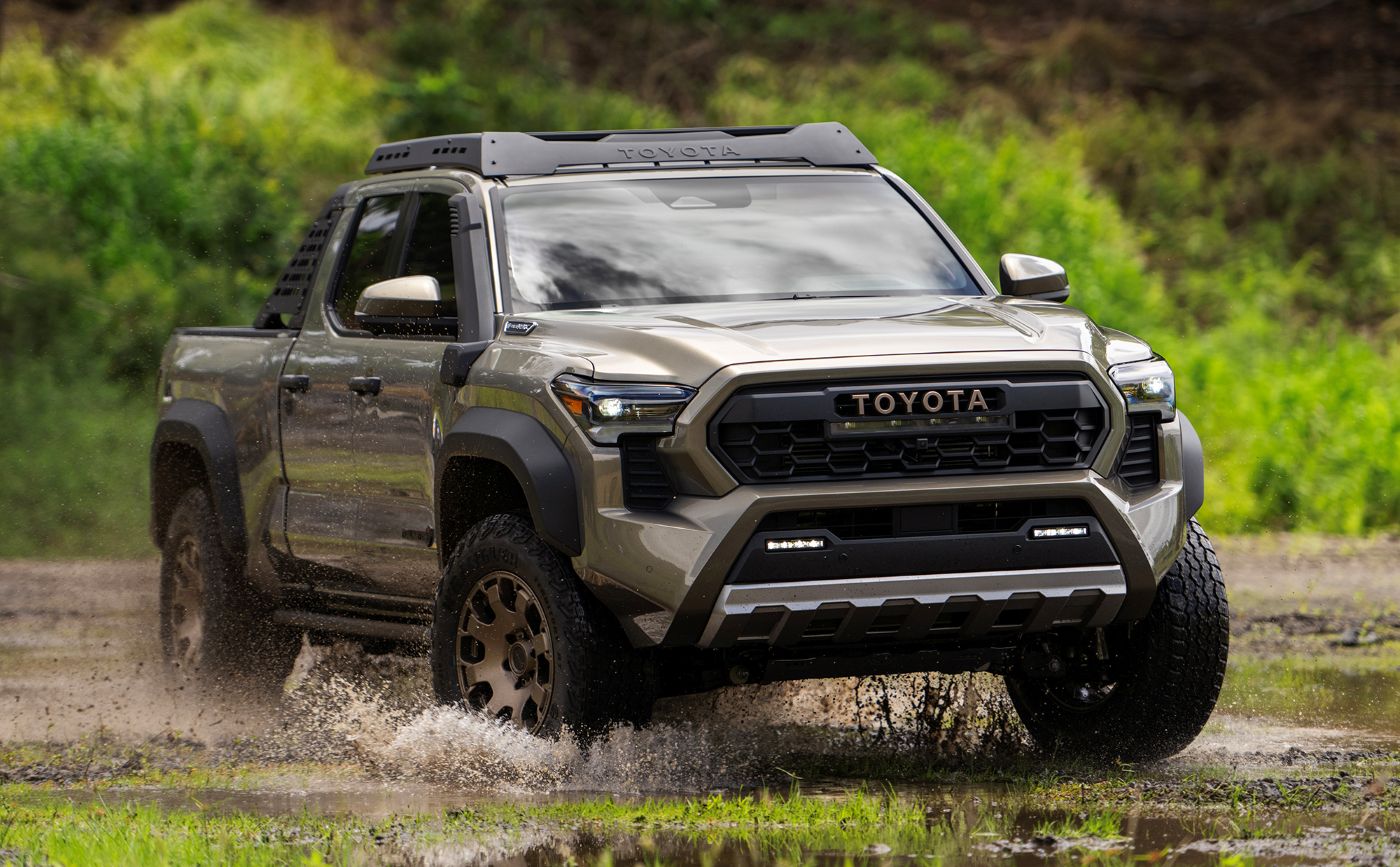
The Toyota Tacoma is well-known in automotive circles for being one of the most value-retaining vehicles on the road. It’s not just hype or fan loyalty; this midsize pickup has a strong reputation for durability and performance, especially in demanding conditions.
Many Tacoma owners keep their trucks for a decade or more, and even older models tend to command high resale prices. That’s partly because the Tacoma fills a very specific niche in the market. It’s smaller than a full-size truck but still offers enough towing and hauling capability for most people. That makes it appealing to outdoor enthusiasts, contractors, and casual users alike.
Another reason the Tacoma holds its value is its mechanical simplicity and long-term reliability. While newer trucks often come loaded with complex technology and electronics that may fail over time, the Tacoma keeps things straightforward. Its engine and transmission are known to last well past 200,000 miles with basic maintenance.
Even the interior and materials used are built to withstand rough use. This ruggedness, combined with its reputation, helps it maintain strong resale value. Buyers looking for a used truck often search specifically for Tacomas, knowing they’re getting something dependable even if it has some miles on it.
The off-road trims, like the TRD Pro and TRD Off-Road, add another layer of appeal. These versions come with skid plates, upgraded suspension, and other features that make them capable in tough terrain. Used models of these trims often sell quickly and at a price close to new, especially in regions with strong outdoor cultures.
Enthusiasts see them as both a lifestyle vehicle and a practical investment. The consistent demand across various demographics ensures that the Tacoma doesn’t sit long on used lots, which helps keep depreciation at bay.
Finally, Toyota’s broader reputation for quality plays a key role. Buyers trust the brand and are more likely to pay a premium for its vehicles, even in the secondary market.
Warranties, low maintenance costs, and a loyal owner base all support the idea that buying a Tacoma is a safe financial decision. Unlike flashier models that lose value as trends change, the Tacoma’s appeal is built on substance. It may not be the cheapest option upfront, but it usually pays off in the long run.
Honda Civic: Small Car, Big Resale Value
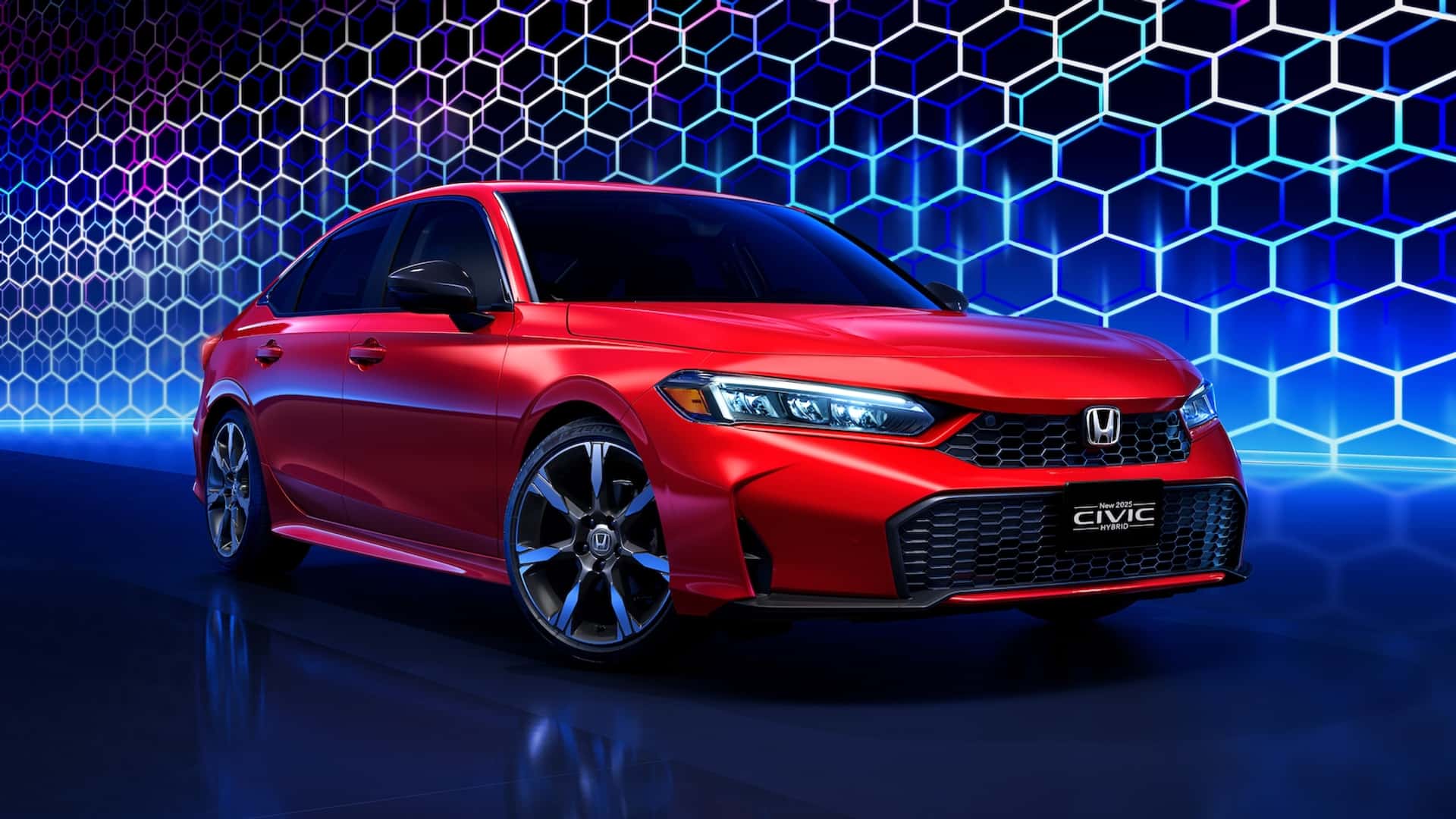
The Honda Civic has been a staple of the compact car world for decades. Its reputation for reliability, fuel efficiency, and low ownership costs makes it one of the most dependable cars in its class.
One of the strongest factors in the Civic’s value retention is its broad appeal. It’s just as popular with college students as it is with retirees, and that cross-generational interest helps keep demand high. As a result, used Civics often sell quickly and at prices that surprise people unfamiliar with the model’s longevity.
Mechanically, the Civic is built with longevity in mind. The engines are known to last well beyond 200,000 miles, especially when serviced regularly. The transmission and suspension systems are similarly reliable, which gives used car buyers confidence.
Because the Civic has been in production for so long, parts are widely available and usually affordable. That further supports its position as a car that’s easy to maintain and inexpensive to repair, which is an attractive combination for second and third owners.
Another strength is the Civic’s balance between comfort and performance. While the base models focus on efficiency and practicality, sportier trims like the Civic Si or Type R add real excitement. These versions attract a different kind of buyer, someone looking for fun without sacrificing reliability.
They also tend to hold their value well, especially when kept in good condition. Limited edition or high-performance Civics can even appreciate slightly if the market sees them as desirable, and production was limited.
The Civic’s design language has evolved over the years, but it has generally remained attractive and modern without being too polarizing. This helps avoid the issue of older models looking outdated quickly, which can hurt resale value. As one of the best-selling compact cars in history, the Civic enjoys strong name recognition.
It’s the kind of car people search for specifically when buying used, which naturally keeps prices stable and depreciation slow. It’s a solid choice for anyone looking to protect their investment over time.
Jeep Wrangler: Rugged and Resilient in Value
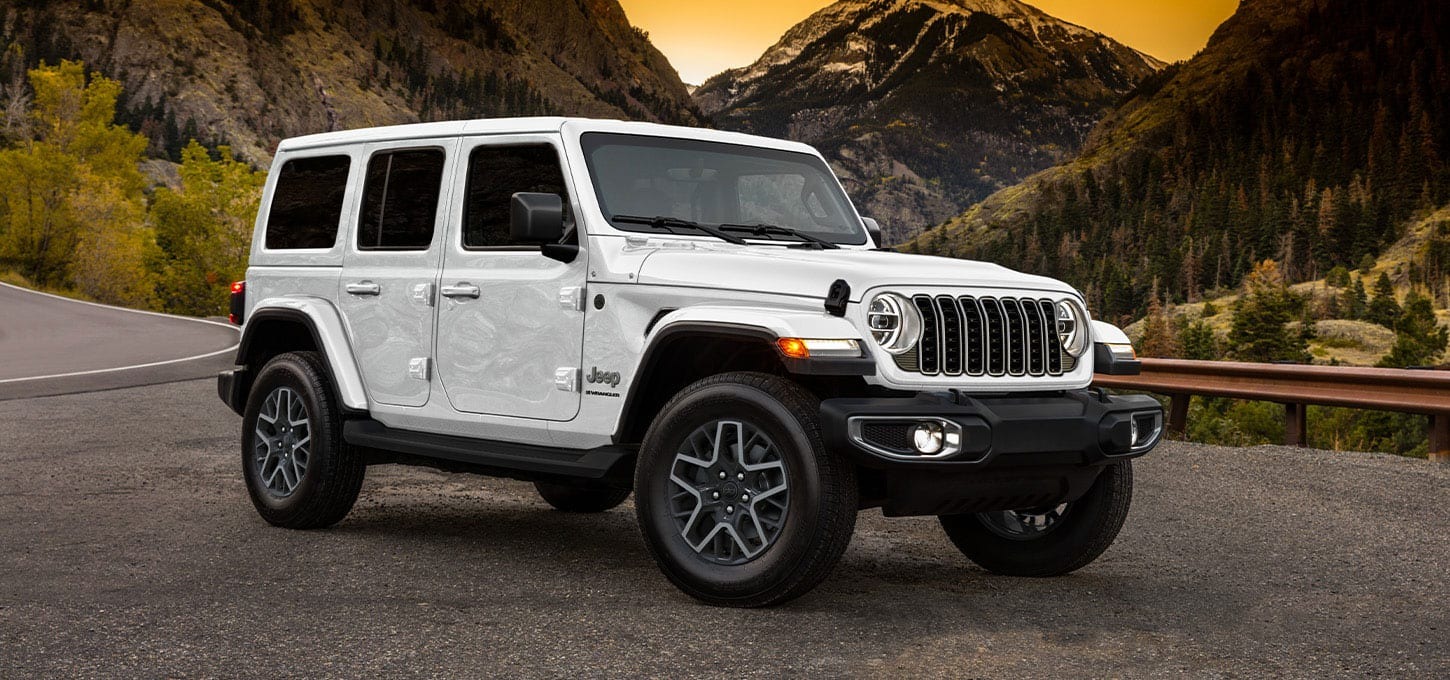
The Jeep Wrangler stands out for a unique reason. It’s one of the few vehicles where its value isn’t only tied to performance or practicality but also to lifestyle and culture. Wrangler owners often form tight communities centered around off-roading, camping, and outdoor adventures.
This deep cultural connection keeps demand high, even for older models. A five-year-old Wrangler can still fetch close to its original price if it’s in good shape, particularly if it has popular features like four-wheel drive, removable doors, or upgraded tires.
One key to the Wrangler’s value is its iconic design. Unlike many vehicles that go through constant redesigns, the Wrangler’s look has remained largely consistent for decades.
That kind of visual continuity creates a sense of timelessness. Buyers of older Wranglers don’t feel like they’re driving something outdated. Some prefer earlier generations for their simplicity and character. This helps maintain steady prices across different years and trim levels.
Another factor is the Wrangler’s off-road capability. While many SUVs advertise rugged features, few can match the Wrangler’s actual performance in rough conditions. It’s one of the few vehicles built from the ground up to handle trails, rocks, mud, and sand.
That ability doesn’t fade much over time. Even with high mileage, a well-maintained Wrangler can still perform well off-road. Buyers looking for a used off-roader often prioritize Wranglers, even above newer crossovers or trucks, because of their proven performance history.
Finally, customization plays a big role. Many Wrangler owners invest in aftermarket parts to personalize their vehicle. Lift kits, winches, LED lights, and unique bumpers are just a few of the common upgrades. These additions often increase resale value rather than diminish it.
Since the Wrangler community expects and values customization, buyers aren’t turned off by modifications. That’s rare in the used vehicle world, where changes from stock can reduce buyer interest. In this case, the freedom to personalize only boosts the vehicle’s appeal.
Porsche 911: Sports Car with Staying Power
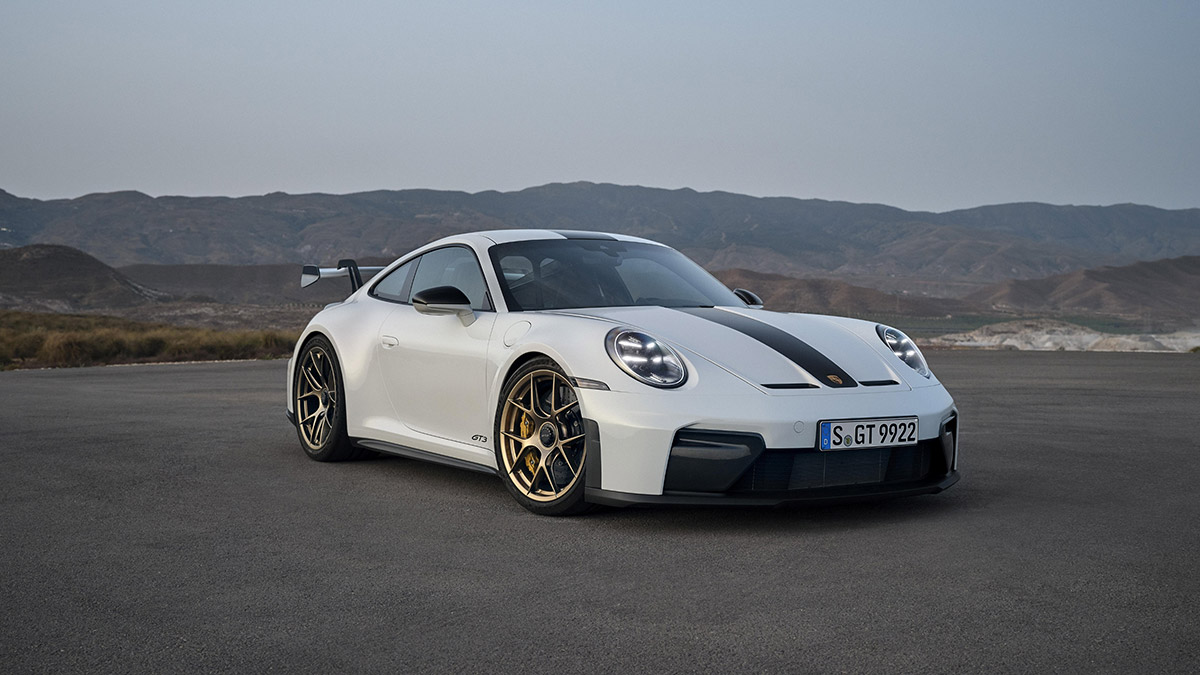
The Porsche 911 has achieved something rare in the automotive world, it manages to be both a luxury sports car and a solid long-term investment. While many high-end vehicles depreciate quickly, the 911 often holds or even gains value depending on the model and year.
This is especially true for limited-edition versions and well-maintained classics. Porsche’s engineering consistency, heritage, and performance pedigree all contribute to the 911’s reputation for longevity and desirability.
Unlike some exotic cars, the 911 is known for being relatively reliable. Owners frequently drive them daily without issues, and many report trouble-free ownership well past 100,000 miles.
The engine layout and performance have remained rooted in a rear-engine design, and each generation has improved on the last without losing the essence of what makes the 911 special. This balance between heritage and innovation attracts collectors and enthusiasts alike, helping preserve its value over time.
Porsche also limits production numbers for certain trims and editions, which drives demand. When you combine performance with scarcity, prices tend to remain stable or even increase.
Used 911s often sell at a premium compared to other sports cars in their class, and it’s not uncommon for well-kept models to change hands for nearly their original sticker price years later. In some cases, older 911s have appreciated significantly, especially air-cooled models that are now considered modern classics.
BMW 7 Series: Luxury That Drops Like a Stone
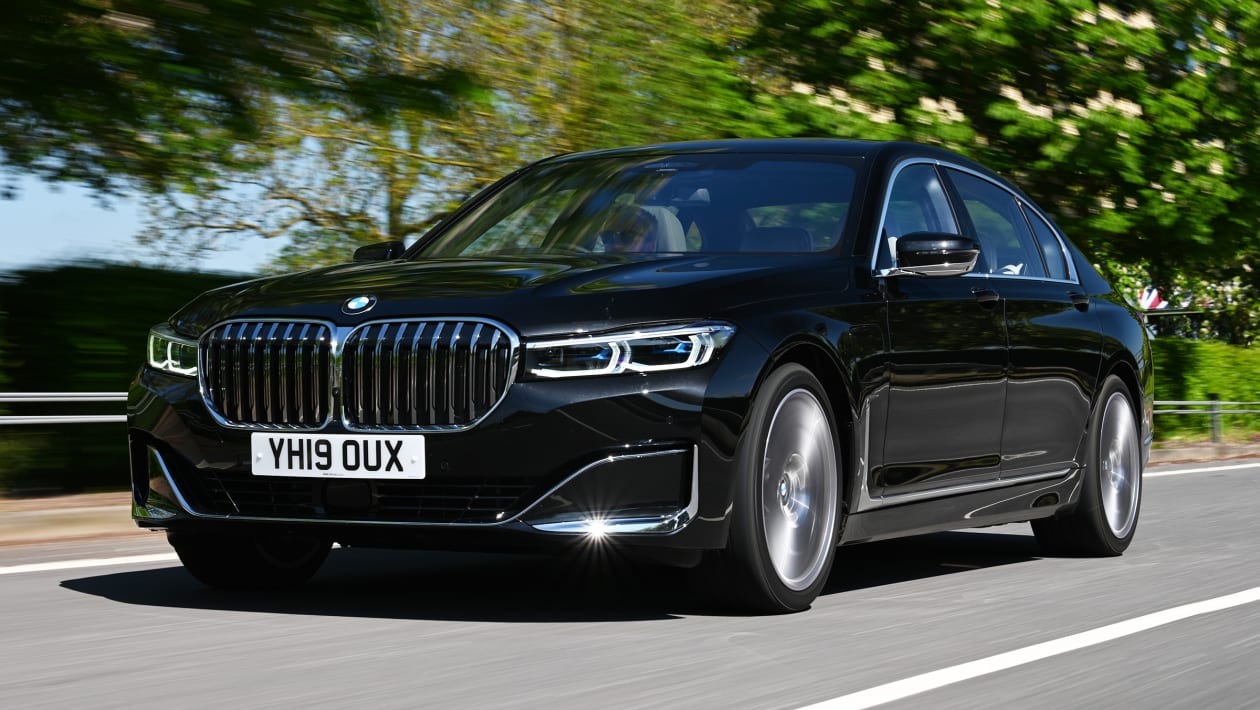
The BMW 7 Series is often seen as the pinnacle of luxury, comfort, and cutting-edge technology. It’s the flagship sedan of a well-respected German automaker, which might make it seem like a smart buy. But while it impresses when new, the 7 Series is also known for extremely steep depreciation.
Within just one to two years of ownership, it can lose a massive portion of its value, sometimes up to 50 percent. This sharp drop has little to do with performance or brand recognition and everything to do with long-term ownership costs and market dynamics.
Luxury buyers who purchase new want the latest model, the newest tech, and a fresh warranty. Once a 7 Series is no longer new, it’s often overlooked by its original audience and too costly for used car shoppers seeking value.
One major reason for the depreciation is maintenance and repair complexity. The 7 Series is packed with high-tech features, many of which are expensive to fix when they fail. Air suspension, advanced infotainment systems, adaptive driving modes, and even complex lighting systems may be cutting-edge when new, but they become liabilities later.
As these systems age, the risk of failure increases, and the cost of repair can be staggering. This turns off a large segment of potential buyers in the used market, where affordability and reliability are often higher priorities. Independent mechanics are often reluctant to work on these cars due to their complexity, and dealership repairs are costly, making the resale market shallow.
Another factor is the luxury car image itself. Large luxury sedans like the 7 Series tend to appeal to a specific demographic. When those buyers move on to newer models, the leftover cars often struggle to find new homes.
Lastly, technology obsolescence hurts the 7 Series more than many other cars. The model is typically loaded with features that, while impressive in the moment, age rapidly. An infotainment system that felt state-of-the-art five years ago may now feel clunky and slow.
Semi-autonomous driving aids, gesture controls, and complex cabin settings all age faster than mechanical components. As the market moves forward, buyers expect those features to remain relevant, but that’s rarely the case. The result is a car that may still look luxurious and drive well, but doesn’t feel modern, which accelerates its drop in value even further.
5 That Plummet in Months
Nissan Leaf: Affordable Electric, But Not for Long
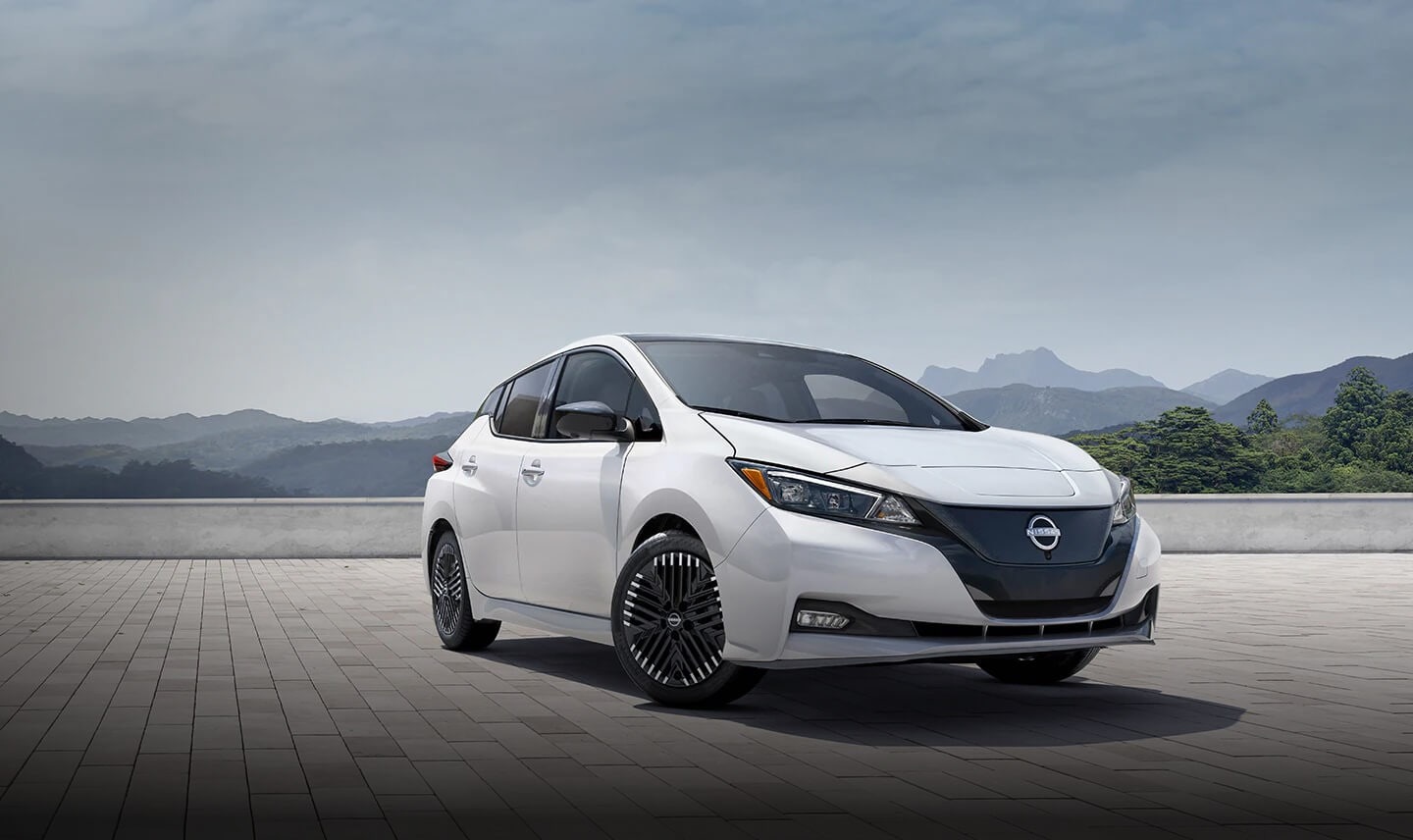
The Nissan Leaf was one of the early electric vehicles to hit the mainstream market, and it gained popularity thanks to its relatively low cost and wide availability. However, despite the good intentions behind it, the Leaf has proven to be one of the fastest-depreciating cars in recent history.
Much of this has to do with the rapid pace of EV technology. As newer electric vehicles offer greater range, faster charging, and improved performance, the Leaf has struggled to keep up.
Even newer models of the Leaf face tough competition from rivals like the Tesla Model 3, Hyundai Ioniq 5, and Chevrolet Bolt, all of which offer better specs. As a result, resale demand for the Leaf has dropped, and used models often sell for a fraction of their original price.
Battery degradation is another critical issue. Early models of the Leaf were built with smaller batteries that did not have active thermal management. This meant that in hot climates or under heavy usage, the battery’s range could decrease dramatically over time.
Used Leaf buyers are now cautious about this, knowing that a low-cost Leaf might come with hidden range limitations. Even if a buyer is okay with the car’s features, the fear of needing a costly battery replacement makes many walk away. The reputation for short range and battery aging has become a burden for the Leaf’s resale market, contributing to its rapid depreciation.
The design of the Leaf, while practical, also doesn’t help its long-term appeal. It lacks the premium feel or sporty edge that other EVs have adopted in recent years. Because of this, used car shoppers looking for something stylish, fun, or futuristic often skip over the Leaf entirely.
It’s seen more as an appliance than a car, and while that may be fine for practical buyers, it limits emotional attachment and excitement, factors that matter a lot in resale value. Without strong styling or aspirational branding, the Leaf doesn’t leave a lasting impression.
Additionally, the incentives that helped boost Leaf sales new, such as tax credits, rebates, and special financing, don’t translate to the used market. This creates a unique scenario where many used Leafs cost only slightly more than the government incentives buyers received when they were new.
So there’s less financial reason to buy one used. With low demand and an oversaturated used market, prices fall fast. Nissan’s efforts to refresh the Leaf have helped slightly, but not enough to change its reputation as one of the fastest depreciating electric cars available today.
Chrysler 300: Style Without Staying Power
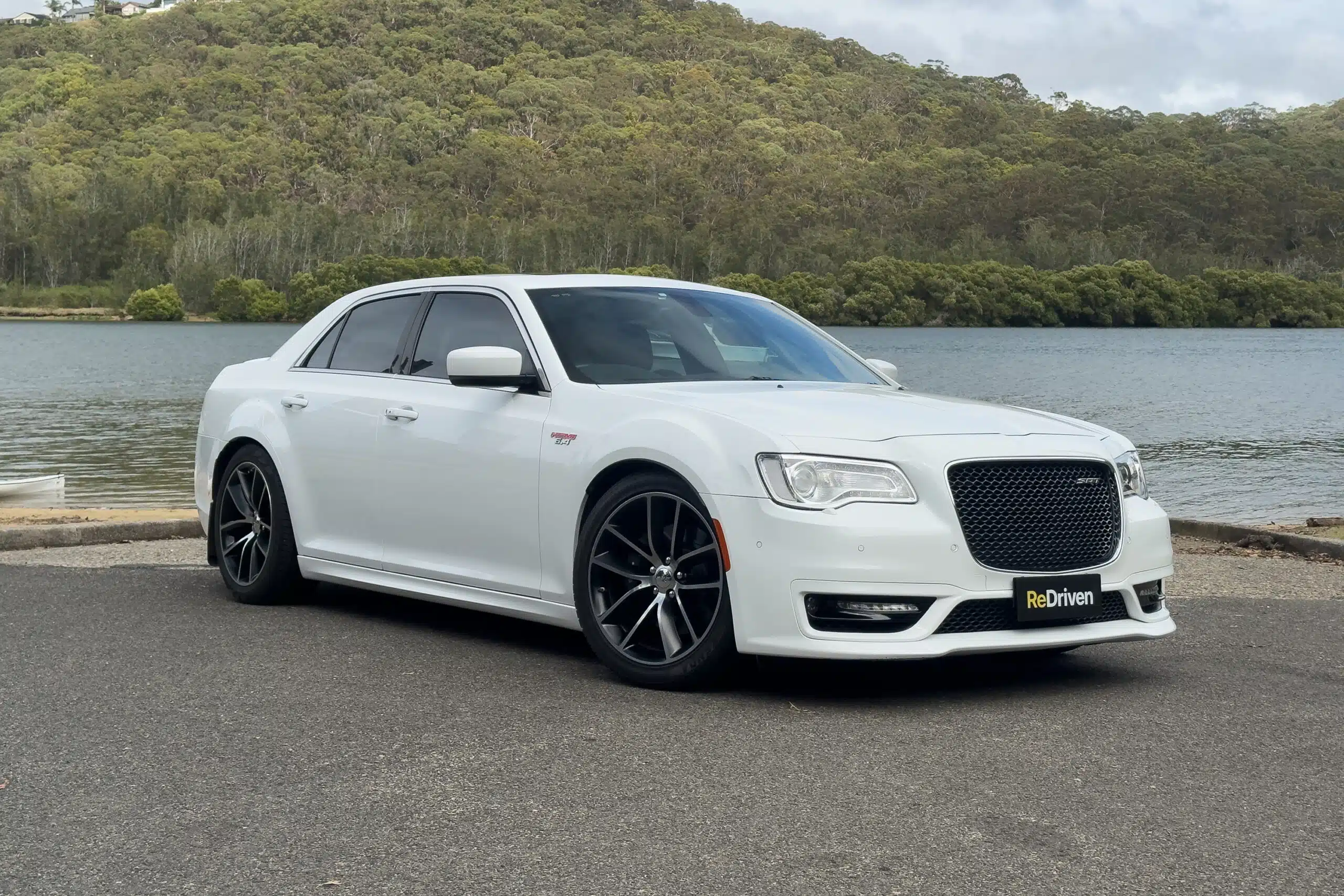
The Chrysler 300 makes a bold first impression. Its aggressive front end, large frame, and luxury styling cues give it a premium look that has appealed to many buyers. It often feels like a budget alternative to more expensive sedans from brands like BMW or Mercedes.
But while it looks impressive, the 300 suffers from a depreciation problem that kicks in almost immediately. After just a year or two, values drop significantly, often due to poor brand perception, outdated platform design, and a lack of consistent innovation. What feels upscale at first glance tends to lose appeal quickly when newer models from other brands are released.
One of the biggest issues facing the Chrysler 300 is its aging architecture. While the design has seen minor updates over the years, the platform itself dates back more than a decade. Buyers and critics alike have noted that the interior materials, ride quality, and infotainment system feel stuck in time.
Competing vehicles in the same price range now offer more advanced features, smoother rides, and more efficient engines. As these comparisons grow more unfavorable, used buyers begin to shy away from the 300 in favor of newer alternatives that feel fresher and better equipped.
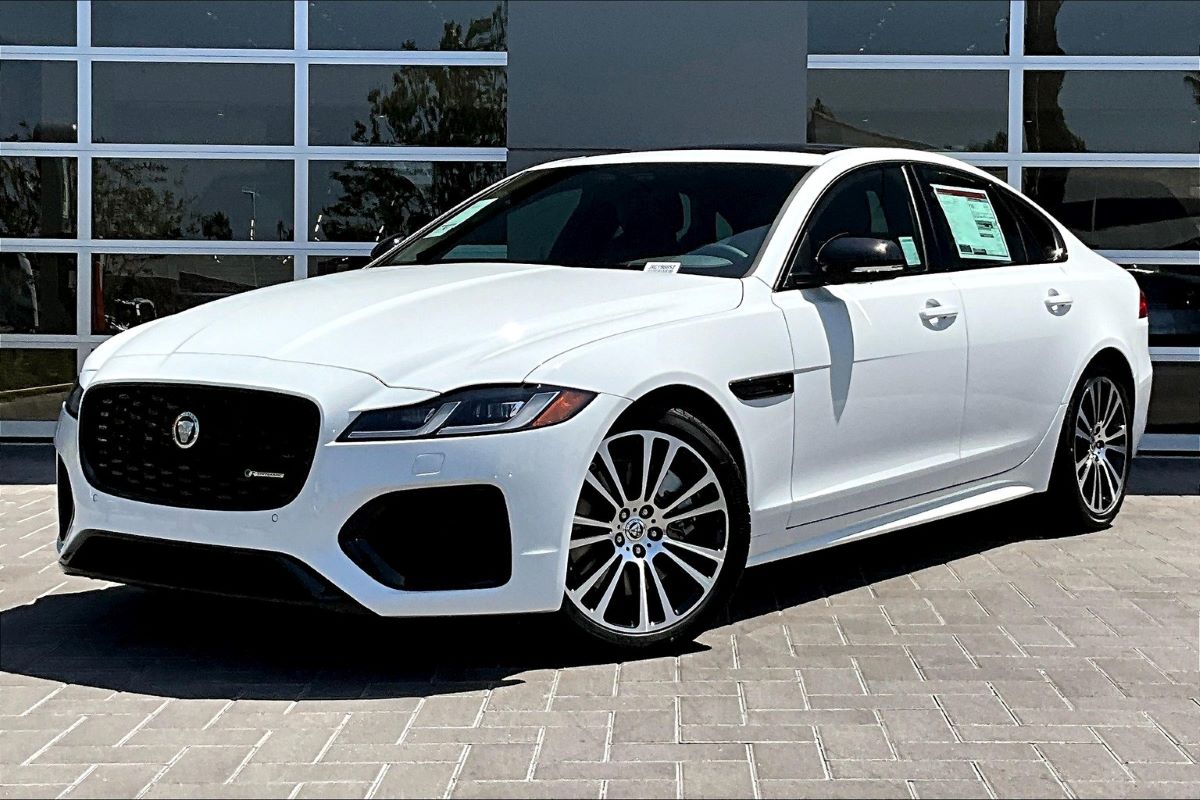
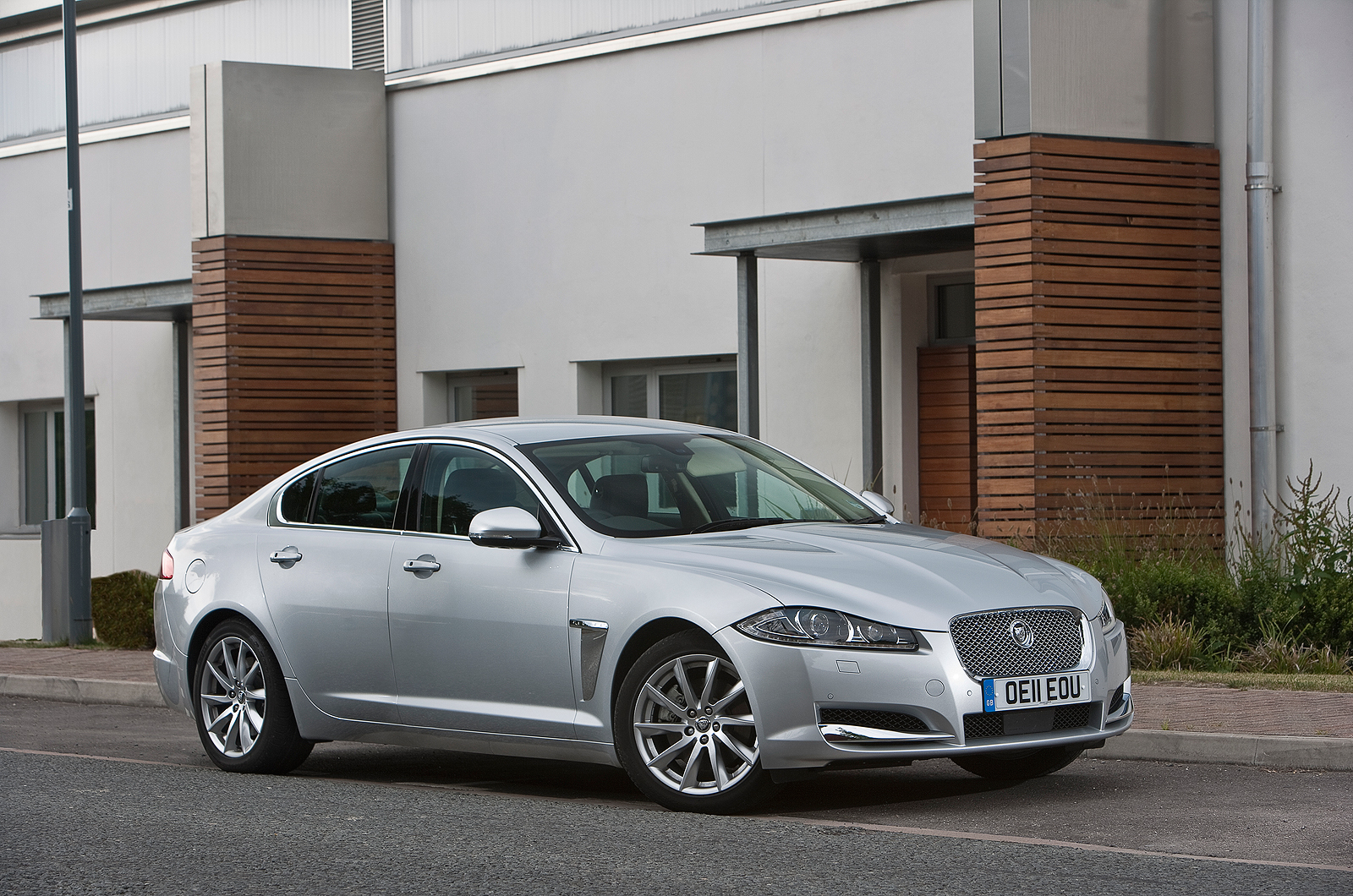
Jaguar XF: Prestige Without Reliability
Jaguar has always marketed itself as a luxury brand with heritage and style. The XF, positioned as a midsize luxury sedan, carries all the visual elements of a premium car. It has sleek lines, elegant interiors, and a badge that suggests refinement. However, when it comes to holding value, the XF fails to deliver.
Like many Jaguars, it depreciates rapidly within the first year of ownership. That drop continues sharply over time, driven by issues with reliability, limited brand trust, and high maintenance costs. While it looks impressive, the XF’s long-term value performance falls well below average for the luxury segment.
Reliability concerns plague Jaguar in general, and the XF is no exception. Over the years, owners have reported numerous problems, ranging from electrical issues to transmission faults. These problems may not appear immediately, but once the vehicle is a few years old, repair costs can become a serious concern.
Unlike brands with widespread service networks and affordable parts, Jaguar repairs often require specialty mechanics and high-priced components. That scares off many used car shoppers who don’t want to gamble on potentially expensive upkeep.
Technology also plays a part. The XF’s infotainment system and driver assistance features often lag behind competitors. In a segment where technology drives purchasing decisions, being a step behind hurts long-term appeal. Once newer models offer better digital displays, smoother user interfaces, and enhanced safety features, older versions of the XF feel outdated faster than most.
This reduces their attractiveness in the used market. Combined with reliability concerns and brand struggles, the result is steep depreciation that makes the XF a poor choice for those hoping to maintain value over time.
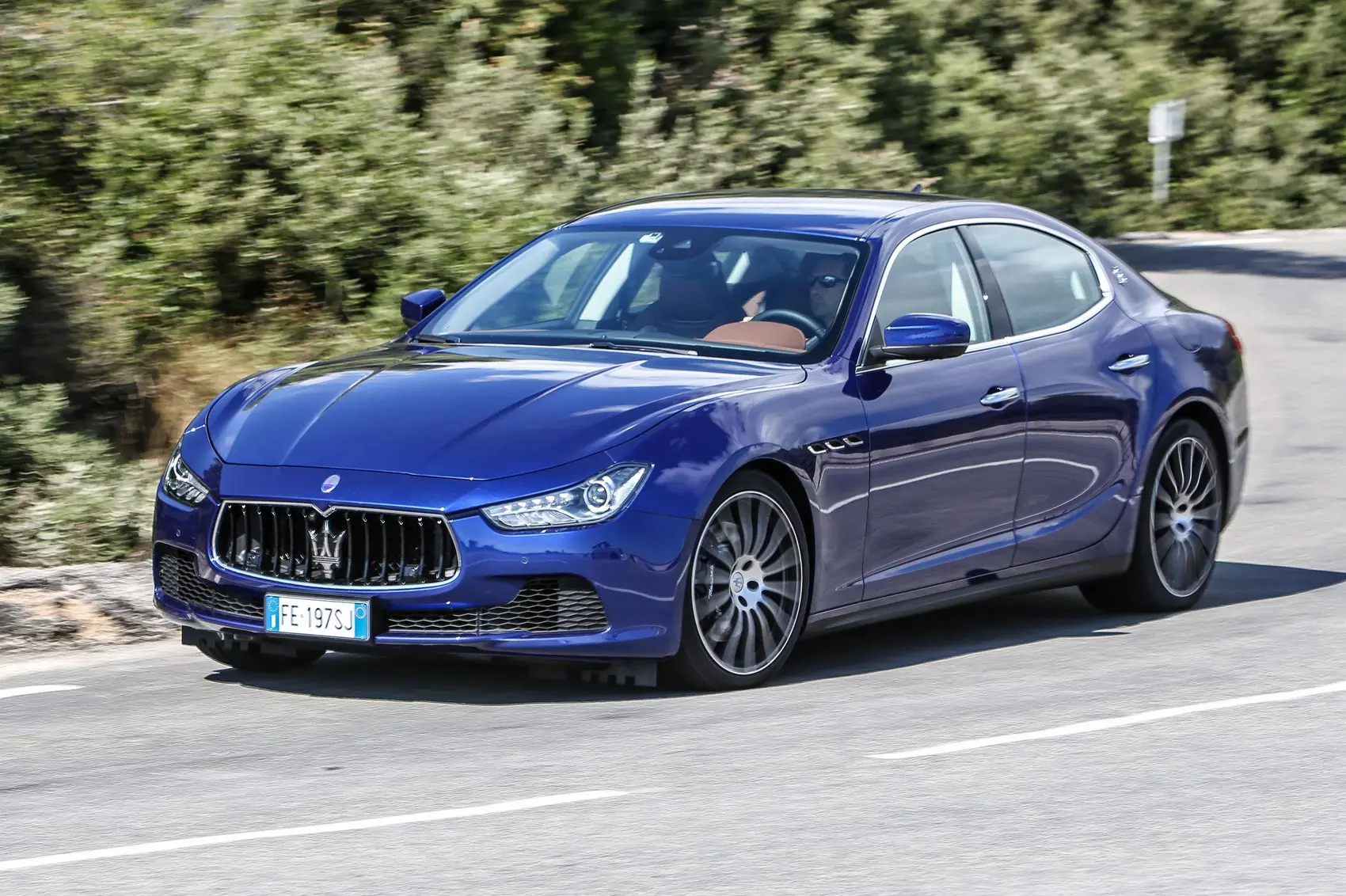
Maserati Ghibli: Exotic Looks, Economic Loss
The Maserati Ghibli is marketed as an exotic Italian luxury sedan meant to challenge more established brands like BMW, Audi, and Mercedes-Benz. It certainly has the appearance to turn heads. With its signature grille, sharp lines, and engine note borrowed from Ferrari partnerships, it presents itself as a premium experience.
Unfortunately, that impression rarely holds up once you dig into ownership costs, reliability, and real-world resale value. The Ghibli is notorious for its rapid depreciation, often losing over 40 percent of its value within the first two years. For a car with such a high initial price tag, this quick drop is both surprising and financially painful for many first-time Maserati buyers.
One of the primary factors behind the Ghibli’s plummeting value is the disconnect between its luxury branding and actual build quality. While it looks refined on the outside, many owners and reviewers have noted that interior materials feel more in line with a mid-tier Chrysler than a high-end European competitor.
Buttons, switches, and infotainment systems often come directly from FCA’s parts bin, which breaks the illusion of exclusivity. Buyers expecting handcrafted materials and world-class refinement are often disappointed. This mismatch between expectations and reality tends to sour the ownership experience and significantly limits the car’s appeal on the used market.
Reliability issues also haunt the Ghibli. Mechanical problems, electrical faults, and poor dealer support have been consistent complaints. Unlike more established luxury brands with vast service networks, Maserati owners sometimes struggle to find competent service options without traveling long distances or paying a premium for specialist care.
This adds anxiety to long-term ownership. When a car becomes known for frequent, expensive repairs, resale buyers hesitate, which directly affects trade-in values. Even Ghiblis with low mileage and good condition are often undervalued simply due to the reputation of the nameplate.
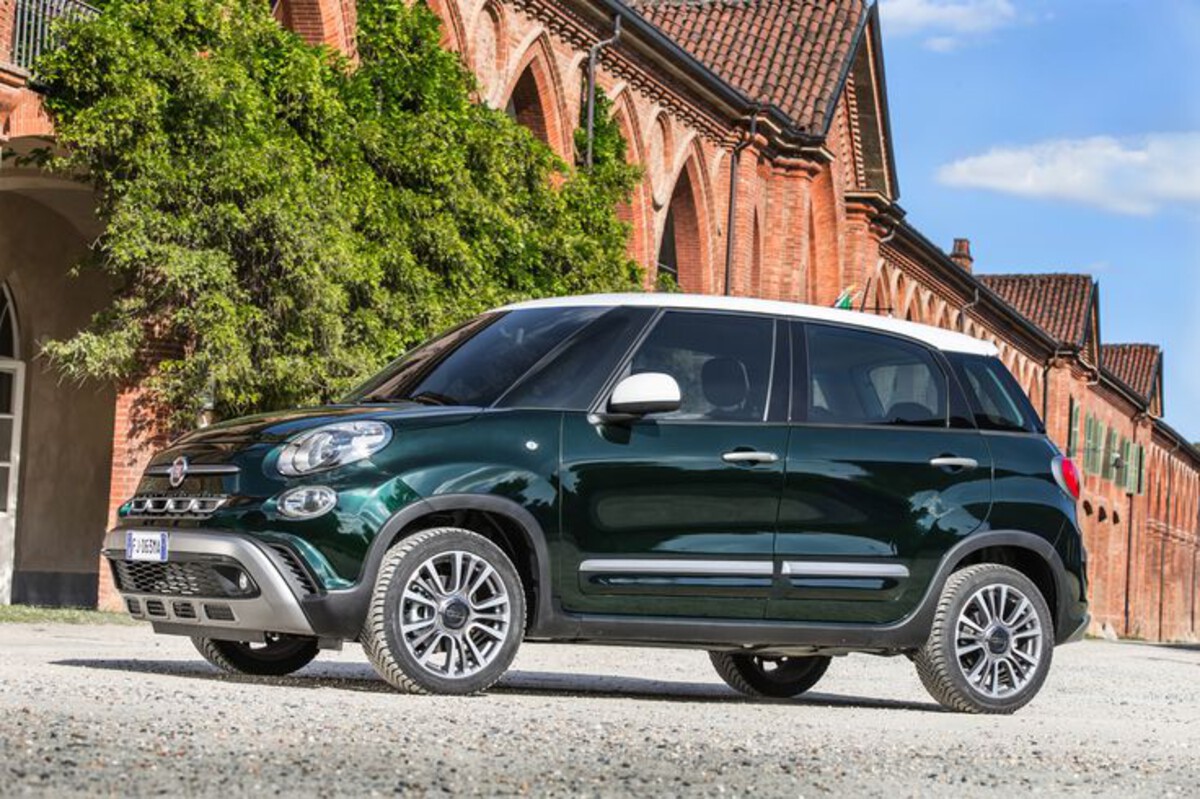
Fiat 500L: A Quick Fade from Quirky to Forgotten
The Fiat 500L was intended to be a larger, more practical alternative to the Fiat 500, with added space and versatility for families or urban drivers needing more room. At first glance, it had potential: European styling, a tall driving position, and a relatively low price point.
Unfortunately, the 500L turned out to be one of the most heavily depreciating vehicles on the market, often losing a significant portion of its value in the first year alone. While the compact crossover segment has grown rapidly, the 500L struggled to find its place, and used buyers have shown little interest in keeping it on the road, further hurting its resale value.
One of the biggest issues plaguing the 500L is its reputation for poor build quality and subpar reliability. Owners frequently report problems with the transmission, electronics, and even basic interior components like switches and infotainment controls.
The driving experience is also widely criticized for being sluggish, noisy, and uncomfortable, especially compared to rivals that offer a smoother ride and more refined cabin. When reliability problems are paired with weak performance, it’s no surprise that the 500L’s value drops quickly after purchase. Used car buyers tend to avoid models that are known to be frustrating to own, no matter how affordable they become.
Styling is another area where the 500L misses the mark. While the smaller Fiat 500 managed to win over a niche group of buyers with its retro-inspired looks, the 500L’s stretched and boxier design failed to generate the same appeal. It ended up being a compromise that satisfied neither the fans of small, sporty cars nor those seeking serious utility.
The design didn’t age well, and as the market shifted toward more dynamic-looking crossovers and SUVs, the 500L began to look dated very quickly. With low demand for both new and used models, depreciation accelerated even faster than industry averages.
Fiat’s weak position in the North American market only adds to the problem. The brand has a small dealer network, limited advertising presence, and a poor reputation for customer service and parts availability. When a car brand begins to lose traction in a market, resale values inevitably suffer.
Fewer buyers are willing to take a chance on a car they might have trouble servicing or reselling later. As Fiat scaled back its offerings in the U.S. and other regions, the 500L became even less desirable, often seen as a risk rather than an opportunity for value. It’s a clear example of how brand health, vehicle execution, and market fit all influence resale outcomes.
