
Winter driving presents challenges that few other seasons match. Icy roads, freezing temperatures, slushy intersections, and snowstorms all combine to test a vehicle’s true durability. Many cars look great on paper, with solid performance numbers and sleek designs, but as soon as the mercury drops and snow begins to fall, not all vehicles maintain their appeal.
Some grind to a halt with frozen components, poor traction, and unreliable starts. Others manage to plow through winter like it’s just another day. The key lies in the engineering, the drivetrain, the weight distribution, and, often overlooked, the small details like door seals and battery reliability.
When considering a winter-capable car, it’s important to look beyond horsepower or brand prestige. A winter survivor typically has all-wheel drive or four-wheel drive, proper ground clearance, strong battery performance in sub-zero conditions, and a heating system that works effectively even when the engine is under strain.
Cars built in northern countries or tested rigorously in cold climates often outperform rivals that were made with mild conditions in mind. On the flip side, some vehicles, often with rear-wheel drive, low ground clearance, or complex electronics, simply struggle once temperatures plunge and roads turn slick. Even luxury vehicles with advanced features can falter in the cold if the engineering doesn’t prioritize winter functionality.
In this article, we’ll go through five vehicles known for thriving in winter conditions. These are the ones that start on cold mornings, maintain traction on icy roads, and keep drivers comfortable when the environment outside is anything but. After that, we’ll highlight five cars that often disappoint during the colder months, whether due to mechanical issues, drivability concerns, or flat-out inconvenience.
This isn’t about bashing certain models, but offering real talk on how different vehicles perform when it matters most. Whether you’re shopping for your next winter ride or just curious about how your car stacks up, this guide offers a grounded look at which models are known to survive winter and which ones would rather hibernate until spring.
5 Cars That Survive Winters
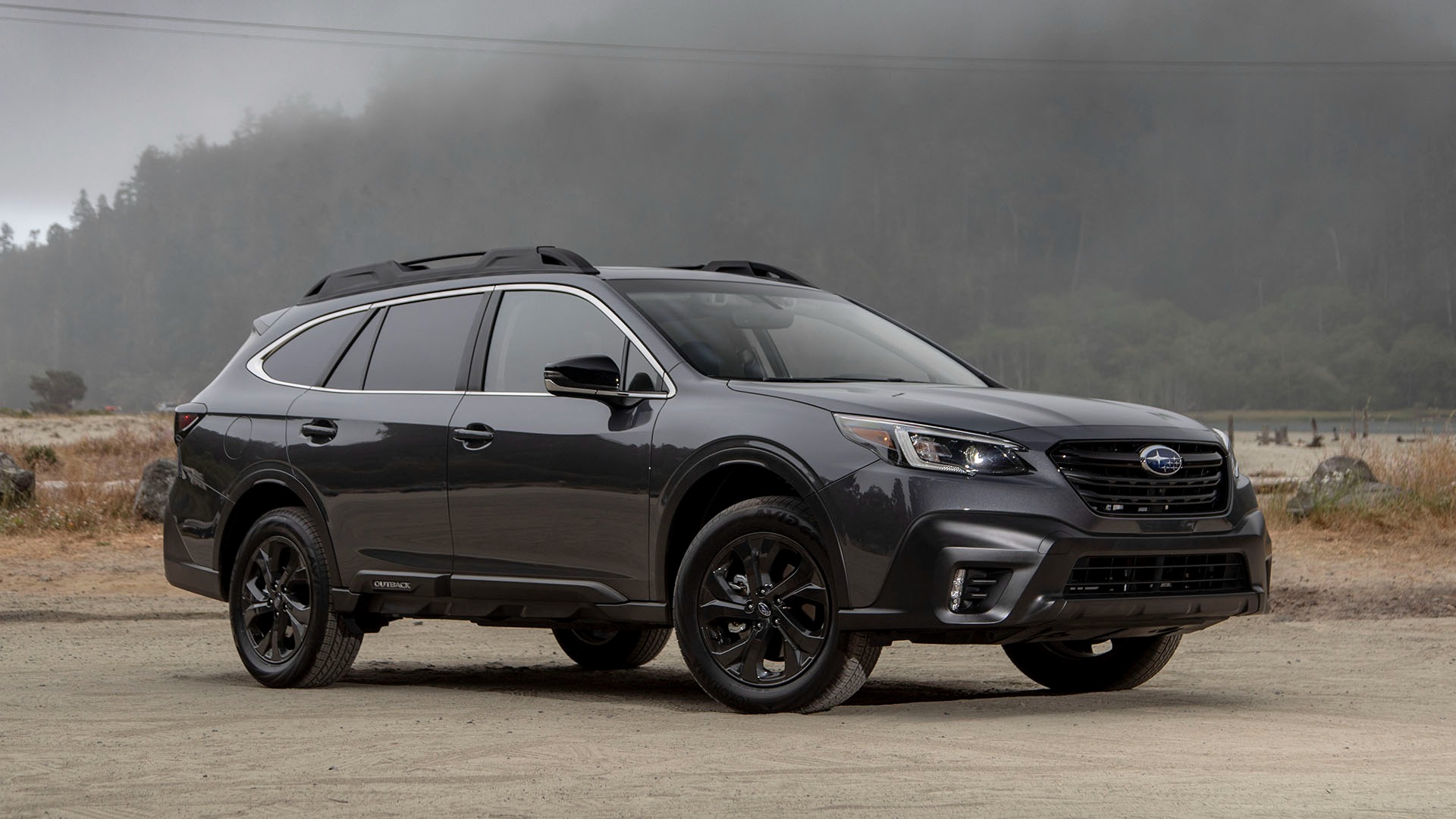
1. Subaru Outback – Winter Survivor
The Subaru Outback has built a reputation for reliability and performance in harsh weather conditions. Its symmetrical all-wheel drive system ensures that power is evenly distributed to all four wheels, providing consistent traction even when roads are covered in snow or ice.
Unlike vehicles that rely on electronic systems to detect slippage, the Outback’s drivetrain is mechanical and always engaged, which reduces the delay in traction correction. This gives the driver a sense of control and confidence in slippery conditions, something that’s crucial when maneuvering through a blizzard or dealing with black ice.
Ground clearance is another major factor in the Outback’s winter readiness. At over 8 inches, it sits high enough to handle deep snow without scraping the undercarriage or getting stuck in uneven, snow-packed roads.
The car’s weight is also distributed well, which helps with balance on curves and during sudden braking. Many winter conditions involve unplowed roads or icy patches in parking lots where lower vehicles struggle. The Outback’s added clearance and AWD help it remain functional where other sedans and smaller crossovers might spin out or stall.
Heated seats and mirrors, an efficient defrost system, and a cabin that warms quickly contribute to the car’s cold-weather usability. These features, while sometimes considered luxuries, become daily necessities in winter climates.
The Subaru’s interior is designed with comfort in mind, but not at the expense of ruggedness. Materials used inside and out hold up well to salt, moisture, and road grime, which prolongs the vehicle’s condition and minimizes maintenance caused by winter wear.
Owners often report that the Outback handles morning starts well, even when temperatures drop below zero. Subaru engineers have focused on building engines and batteries that remain responsive in freezing conditions, which is one of the most common points of failure in less winter-ready vehicles.
Between its drivetrain, ground clearance, and thoughtful cold-weather features, the Subaru Outback earns its place as a go-to vehicle for anyone facing a real winter.
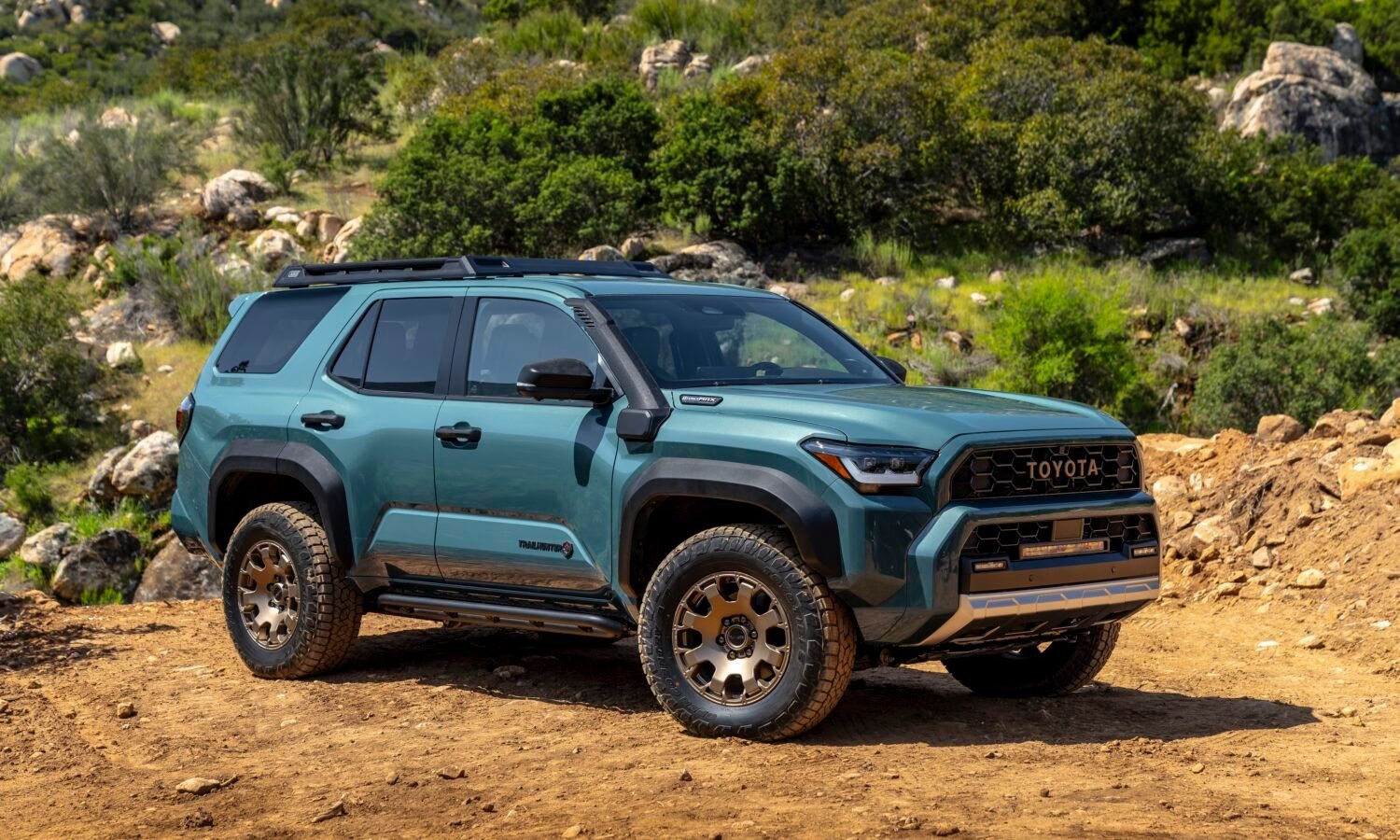
2. Toyota 4Runner – Winter Survivor
The Toyota 4Runner is a body-on-frame SUV with off-road DNA and the toughness required to take on winter head-on. It’s built to handle rough terrains and poor road conditions, which naturally translates to strong winter performance.
With four-wheel drive options and a manually selectable transfer case in certain trims, drivers can engage low-range gearing when conditions demand extra torque and grip. Unlike many modern SUVs that rely on part-time systems or front-biased AWD, the 4Runner gives the driver control and the confidence that comes with mechanical engagement.
Ground clearance is another asset. The 4Runner sits high above the ground and has excellent approach and departure angles, which is a huge plus when snowbanks and unplowed driveways become daily obstacles.
Ice ruts and slushy dips that would trip up lower crossovers aren’t a problem for the 4Runner. Even during storms that paralyze smaller cars, this SUV can often make its way through without issue. It’s built like a truck but maintains some SUV comfort, making it practical without feeling overbuilt.
While its interior isn’t as refined as more luxurious SUVs, it offers rugged dependability. The heating system is strong, the seats warm quickly in higher trims, and the windshield defrosters work efficiently.
Visibility is also excellent, which becomes even more important when the weather reduces the line of sight. The 4Runner also features a rear window that rolls down independently, useful when clearing snow or quickly airing out the cabin if wet gear starts to fog the windows.
Battery reliability and engine responsiveness in the cold are additional strengths. Toyota’s engineering ensures that even in extreme temperatures, the 4Runner fires up with little complaint.
The electrical systems are simple and robust, which reduces the chances of winter-related malfunctions. In places where winter tires are a must, the 4Runner’s factory wheel sizes make it easy to install chains or snow-rated tires without modification. All these elements combine to make the 4Runner a dependable winter companion.
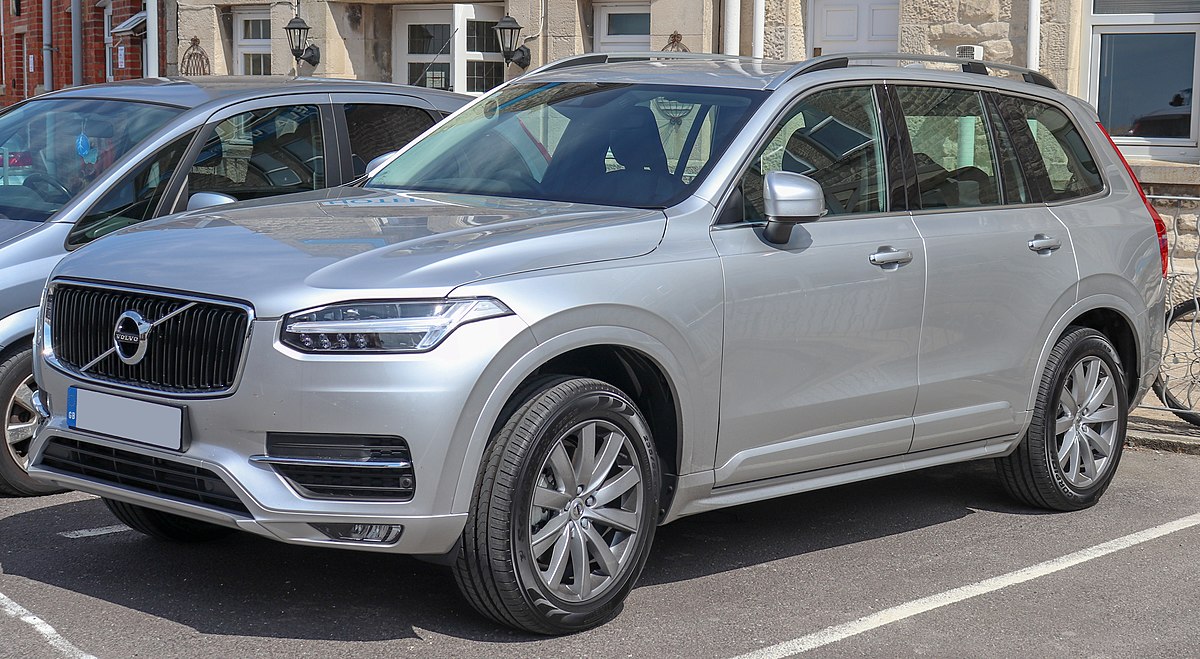
3. Volvo XC90 – Winter Survivor
The Volvo XC90 combines Scandinavian design with a focus on safety and performance, especially in colder climates. Volvo vehicles are tested in Sweden’s frigid conditions, which sets a high bar for cold-weather capability.
The XC90, in particular, benefits from advanced all-wheel drive, high ground clearance, and interior features designed to handle harsh winters. The brand’s heritage and engineering focus on cold weather give it a real-world advantage where icy roads and freezing temperatures are a fact of life.
One of the standout features is the XC90’s predictive AWD system. It doesn’t just respond to wheel slip but actively analyzes road conditions and driver behavior to apply torque where it’s needed most.
Combined with stability control and winter driving modes, this technology gives drivers better control in slippery conditions. Whether driving through packed snow or icy rain, the XC90 remains composed, which helps reduce the risk of sliding or losing traction during turns and braking.
Inside the cabin, Volvo prioritizes driver and passenger comfort in the winter months. Heated seats and a steering wheel are standard in many trims, while more advanced options include a heated windshield and rear seats.
The ventilation system is responsive and designed to clear fog and frost quickly. The materials used in the cabin resist cold cracking and maintain a consistent texture, even after repeated exposure to temperature swings and humidity.
The XC90 also shines in terms of battery and electrical performance. Volvo engineers their cars to deal with the power demands that winter places on a vehicle. From startup in freezing temperatures to extended heater use, the electrical systems remain reliable.
Many XC90 owners live in regions with regular snowfall, and their feedback consistently points to the SUV’s reliability in tough conditions. It’s not just safe in theory; it has the design and user experience to match.
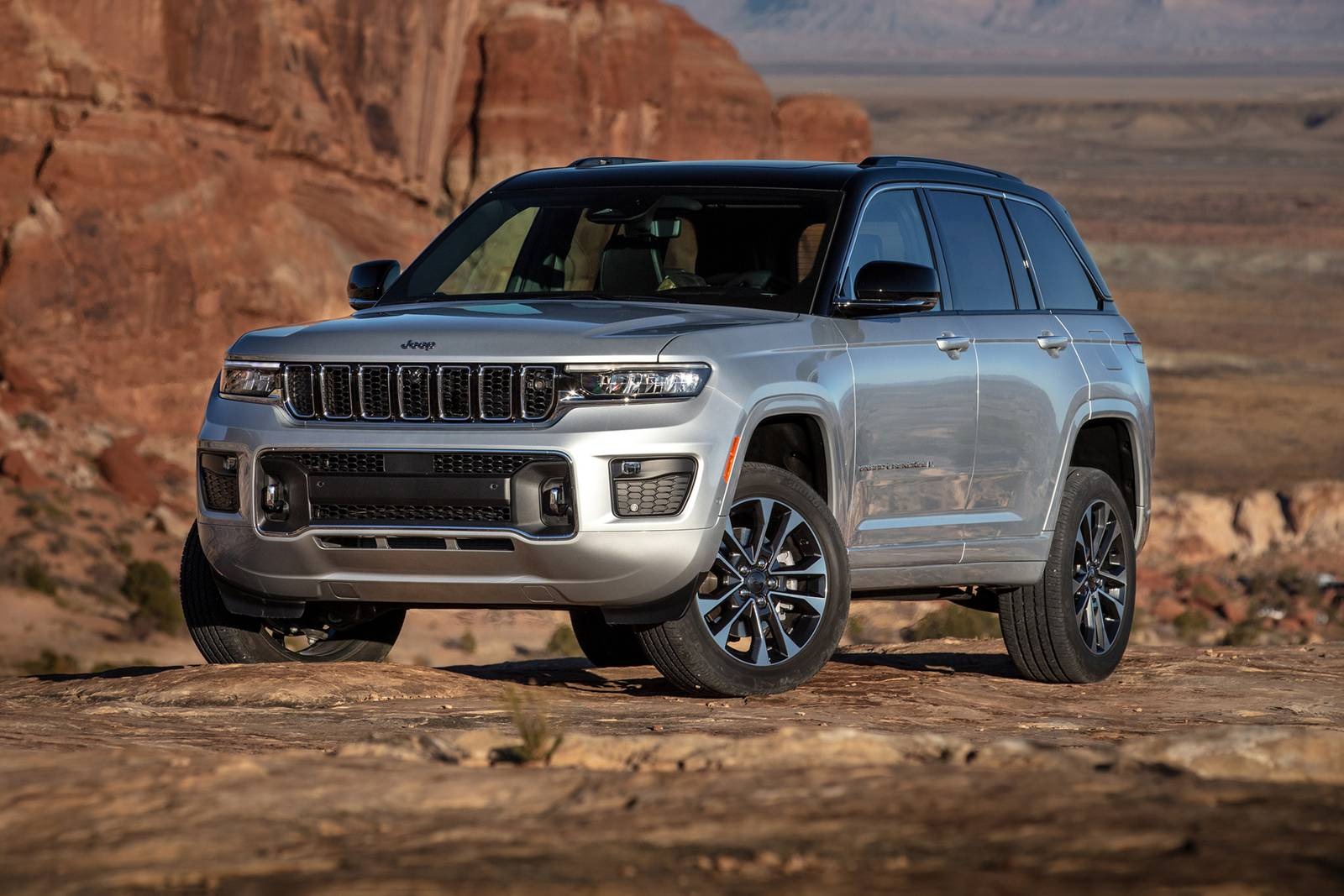
4. Jeep Grand Cherokee – Winter Survivor
The Jeep Grand Cherokee is another reliable winter warrior. Known for its off-road capabilities, the Grand Cherokee adapts well to snow, slush, and ice thanks to its range of four-wheel drive systems and rugged construction.
Unlike smaller crossovers, it offers multiple drivetrain options, including full-time four-wheel drive, which makes a noticeable difference during prolonged winter driving. Whether climbing icy hills or navigating snowy backroads, the Grand Cherokee remains a dependable performer.
One key strength is its traction management system, which allows drivers to select driving modes like Snow, Sand, Mud, and Auto. In Snow mode, power is automatically adjusted to improve grip and reduce wheel spin.
This helps new and experienced drivers alike by taking some of the guesswork out of winter driving. Combined with electronic stability control and anti-lock brakes, the system ensures smoother stops and controlled starts even when roads are treacherous.
The Grand Cherokee is also well-equipped in terms of comfort and safety during cold months. Heated front and rear seats, a heated steering wheel, remote start, and a powerful defrost system are standard in many trims.
The climate control responds quickly, which helps when visibility is reduced and interior windows start to fog. Cabin insulation also keeps out much of the cold, so even on long drives in frigid conditions, occupants remain warm and comfortable.
Cold starts are a common concern in the winter, but Jeep has addressed this with battery and starter motor improvements over the years. Modern Grand Cherokees tend to start reliably even in sub-zero weather, provided basic maintenance is kept up.
The electrical systems are also robust enough to support features like heated mirrors and backup cameras, which are essential for winter visibility. These elements come together to make the Grand Cherokee a strong choice for year-round use in colder regions.
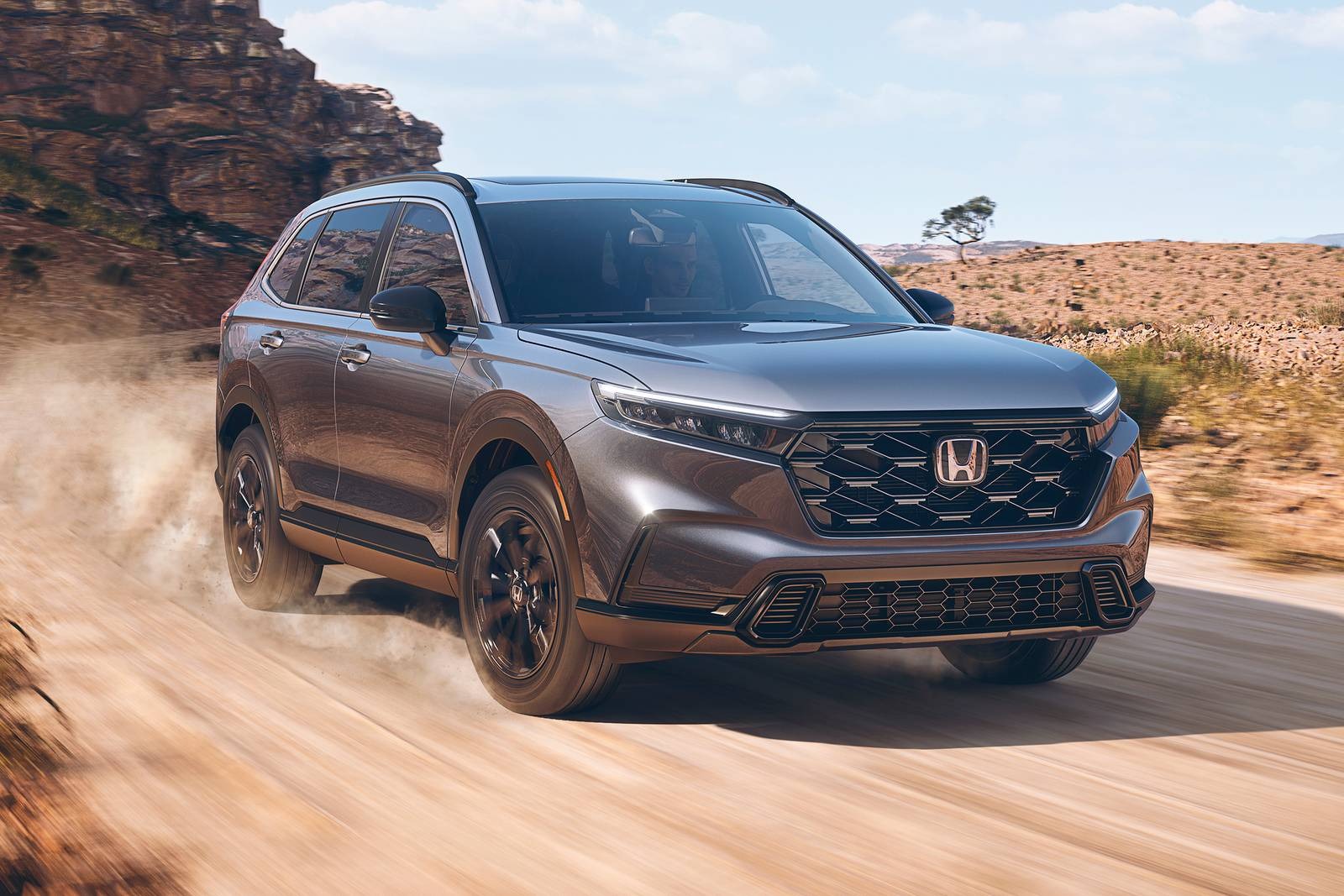
5. Honda CR-V – Winter Survivor
The Honda CR-V might not look as rugged as some of the other entries on this list, but it quietly excels as a reliable winter vehicle. Its intelligent all-wheel-drive system isn’t the most aggressive off-road setup, but it does a solid job in slippery city driving, suburban commutes, and rural routes where snowplows often take their time.
Honda has tuned the CR-V for stability and predictability. That balance becomes very useful when driving on wet snow or refrozen ice that would trip up more performance-focused crossovers.
Traction is strong, especially when paired with good winter tires. The CR-V doesn’t rely solely on brute force or a high ride height to get through winter. Instead, it uses subtle adjustments from its AWD system to shift power where it’s needed in real time.
In practical terms, this means fewer slips from a stop, less sliding on turns, and more confidence when changing lanes across slush-covered roads. It handles gradual snow accumulation better than many front-wheel-drive competitors and remains stable on long highway drives in freezing rain or snow.
Honda’s reliability in cold starts is another reason the CR-V is winter-friendly. Its engines don’t require long warm-up times, and the interior heating system begins to work quickly.
Honda’s design favors efficient HVAC operation, even in base models, so it doesn’t take long to feel warm air coming from the vents. The defrosters also clear the windshield and mirrors fast, which is crucial when you need to get moving quickly during early-morning commutes or emergency weather situations.
Interior comfort during winter is modest but effective. Heated seats and remote start are available on most trims, and even without the top-tier packages, the CR-V holds heat well and offers good visibility with its large windows. Cabin insulation isn’t luxury-level, but it’s good enough to maintain comfort during sub-zero weather.
The CR-V proves that you don’t need a massive SUV or truck to survive winter. With dependable mechanics, smart AWD, and a history of reliability, it earns its place as one of the most winter-capable compact crossovers available.
5 That Hate the Cold
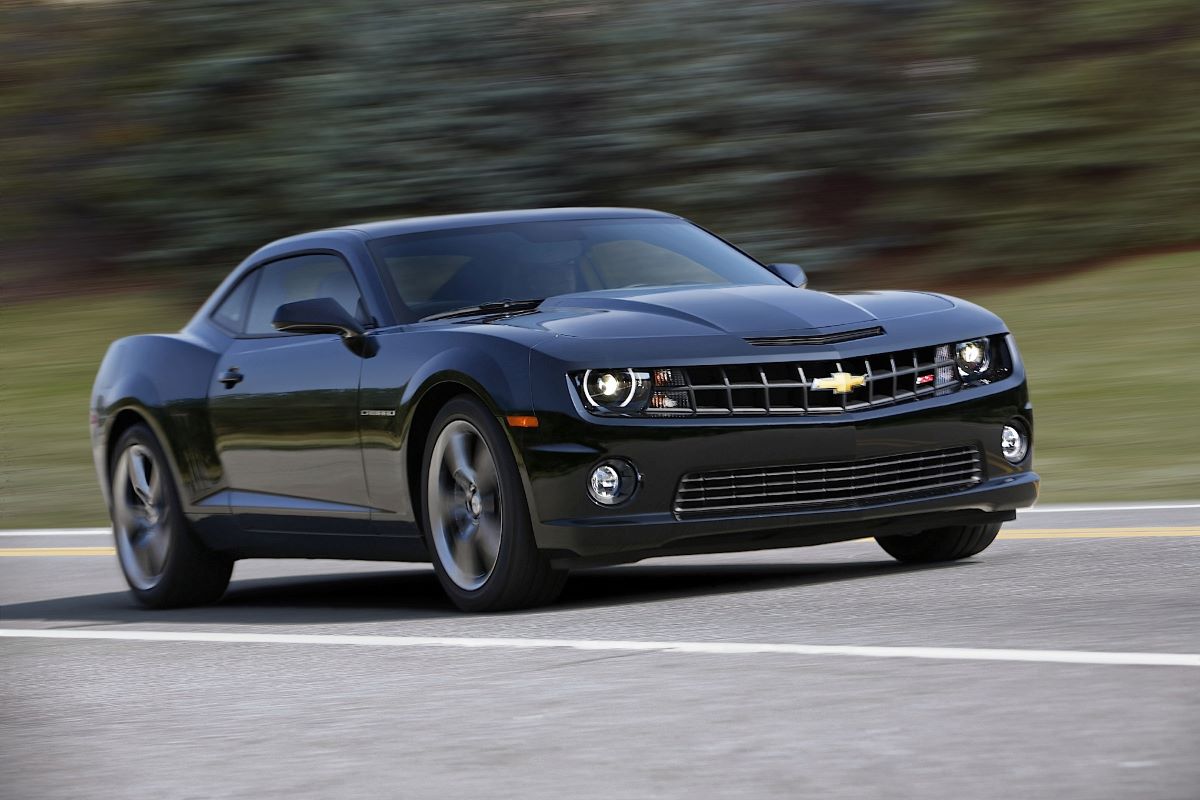
6. Chevrolet Camaro – Winter Struggler
The Chevrolet Camaro might deliver strong performance and road presence in warmer months, but it becomes significantly less enjoyable when winter arrives. Its rear-wheel-drive platform is the main culprit.
Even with modern stability control and snow mode options, the Camaro’s wide rear tires and high torque output make it difficult to control on snow or ice. Without the benefit of weight over the rear wheels, it struggles to gain traction, especially when starting from a stop on slippery roads or climbing modest inclines.
Ground clearance is another serious issue. The Camaro rides low to the ground, which looks great from a styling perspective but becomes a liability during snowstorms. Even a couple of inches of fresh accumulation can scrape the undercarriage or get packed into the wheel wells.
Many owners find themselves stuck in driveways, parking lots, or unplowed streets. While performance tires grip pavement in dry conditions, they become nearly useless when cold weather hits, often hardening and losing even more traction.
Interior heating systems and features aren’t the biggest weakness, but they don’t make up for the Camaro’s poor winter drivability. Heated seats and steering wheel options exist in higher trims, but the car’s cabin takes longer to warm up compared to others.
This is partly due to its performance-focused engine, which warms more slowly in cold conditions. The narrow windows and thick pillars also reduce visibility, which is already compromised when dealing with falling snow or foggy windows.
Electrical systems and batteries have also been known to suffer in extreme cold. Because the Camaro often sits as a second or summer car, its battery may not get regular charging cycles, making it more prone to dead starts in winter. Even if it’s your primary vehicle, cold cranking amps become a concern.
Without the proper tires and careful driving, the Camaro is simply not suited to daily winter use in regions with consistent snowfall or below-freezing temperatures. It’s a fun car, just not when the roads are white.
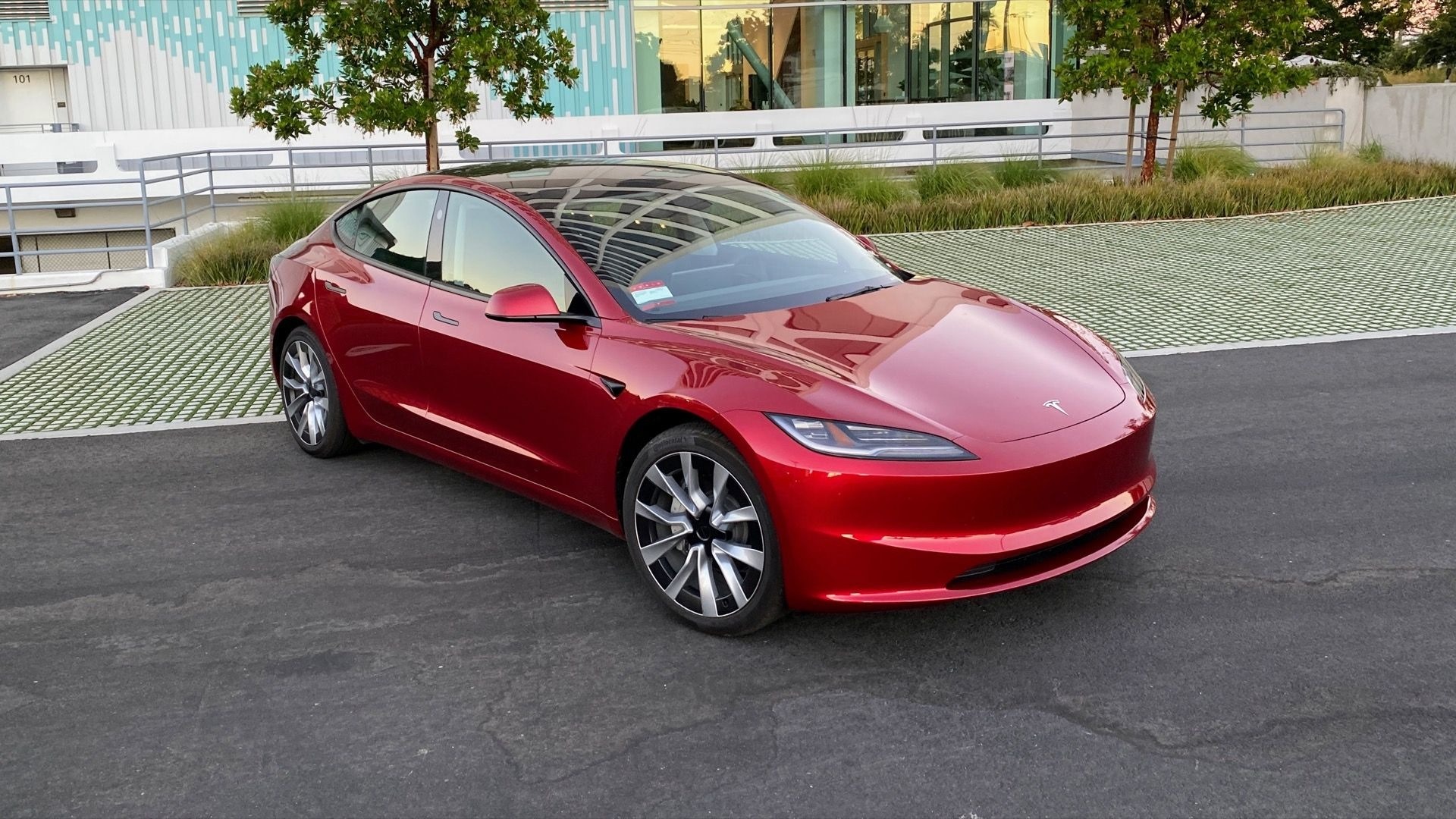
7. Tesla Model 3 – Winter Struggler
The Tesla Model 3 brings innovation and sleek technology to the forefront of driving, but winter reveals some practical limitations. One of the most common complaints from owners in colder climates is range reduction in freezing temperatures.
Lithium-ion batteries suffer from efficiency loss when cold, and despite Tesla’s thermal management systems, the Model 3 still loses a noticeable portion of its range when temperatures drop significantly. This becomes a bigger issue for those without access to home charging, as they need to rely more on public chargers during times when demand is already high.
Another problem lies in the Model 3’s flush door handles and frameless windows. The door handles can freeze shut or get stuck due to moisture, requiring some effort to open after a snowstorm.
Similarly, the frameless windows must lower slightly to open the doors, and in extreme cold, the rubber seals may freeze, preventing the window from moving properly. This design flaw turns a simple task, like getting into your car, into a frustrating process that doesn’t happen with traditional door systems.
Driving in snow and ice is a mixed experience. The dual-motor all-wheel-drive variant handles better than the rear-wheel-drive versions, but traction still isn’t ideal unless you have proper winter tires.
The car’s instant torque delivery can easily cause wheelspin if you’re not gentle with acceleration. Although Tesla’s traction control system is advanced, it can’t overcome the basic physics of slick roads and lightweight performance tires. With snow accumulation, the low ride height of the Model 3 also becomes a hindrance.
Cabin heating and interior comfort are mostly positive, thanks to the electric drivetrain allowing heat almost immediately. However, because heating relies on battery power, running the heater can accelerate range loss even more.
Long trips become a balance between staying warm and conserving energy. For short city commutes, the Model 3 may be tolerable in winter, but for anyone who deals with snow-packed streets or freezing wind chills daily, the limitations become too hard to ignore.
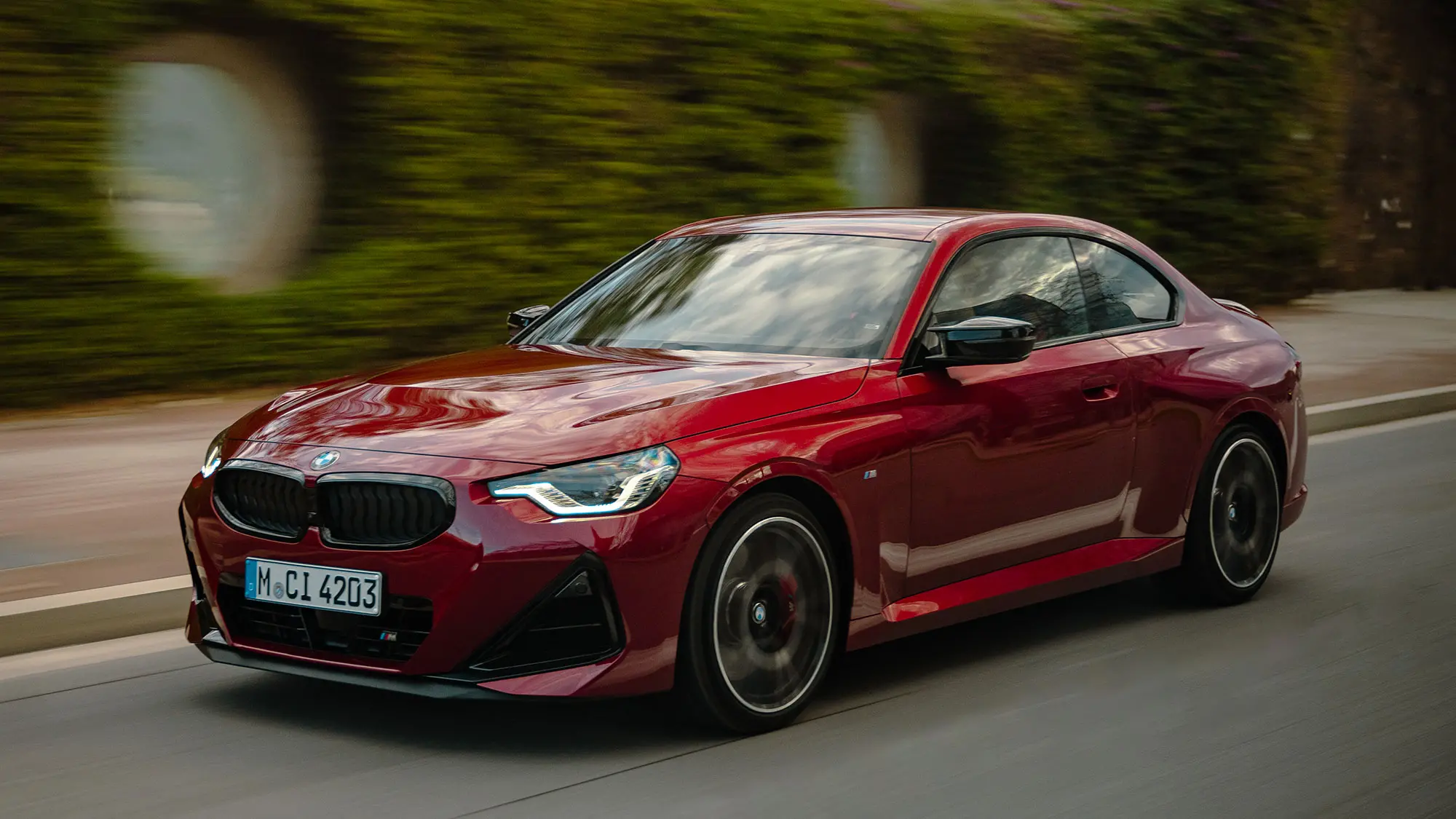
8. BMW 2 Series Coupe – Winter Struggler
The BMW 2 Series Coupe, particularly in rear-wheel-drive form, falls into the same trap as many sporty cars trying to brave cold weather. The compact size and responsive steering make it fun in dry conditions, but once ice and snow appear, the weaknesses show up quickly.
Rear-wheel drive offers poor traction without additional weight over the drive wheels, and even light snow can leave the car struggling for grip. BMW’s stability control helps, but it can’t compensate for the basic drivetrain layout and tire choice during winter.
Low ground clearance is another concern. Much like the Camaro, the 2 Series sits close to the road, which limits its ability to move through deeper snow or even packed ice left in parking lots.
The stiff suspension setup, tuned more for agility than comfort, also means you feel every bump and frozen rut. This can make winter drives not only unsafe but also unpleasant. Slush and grime from the road tend to accumulate around the wheels and fenders, which can freeze and restrict movement.
Visibility and heating are moderate but not outstanding. The cabin itself is well insulated, and upper trims offer heated seats and steering wheels, but the window defogging system can be slow, especially if the car hasn’t fully warmed up.
The design of the vehicle, with narrow windows and thick B-pillars, doesn’t help in bad weather. Snow buildup on the windshield and side windows can create large blind spots, especially when backing out of snowy parking spots.
Winter starting performance is decent if the battery is in good condition, but because this is a performance-oriented car, owners often switch to it only during certain seasons. As a result, the battery may drain faster if the vehicle isn’t driven often.
Without winter tires, the 2 Series is almost unmanageable on icy roads. Even with them, you’re not getting a confident experience. For enthusiasts who live in snow-heavy regions, it’s better treated as a summer car.
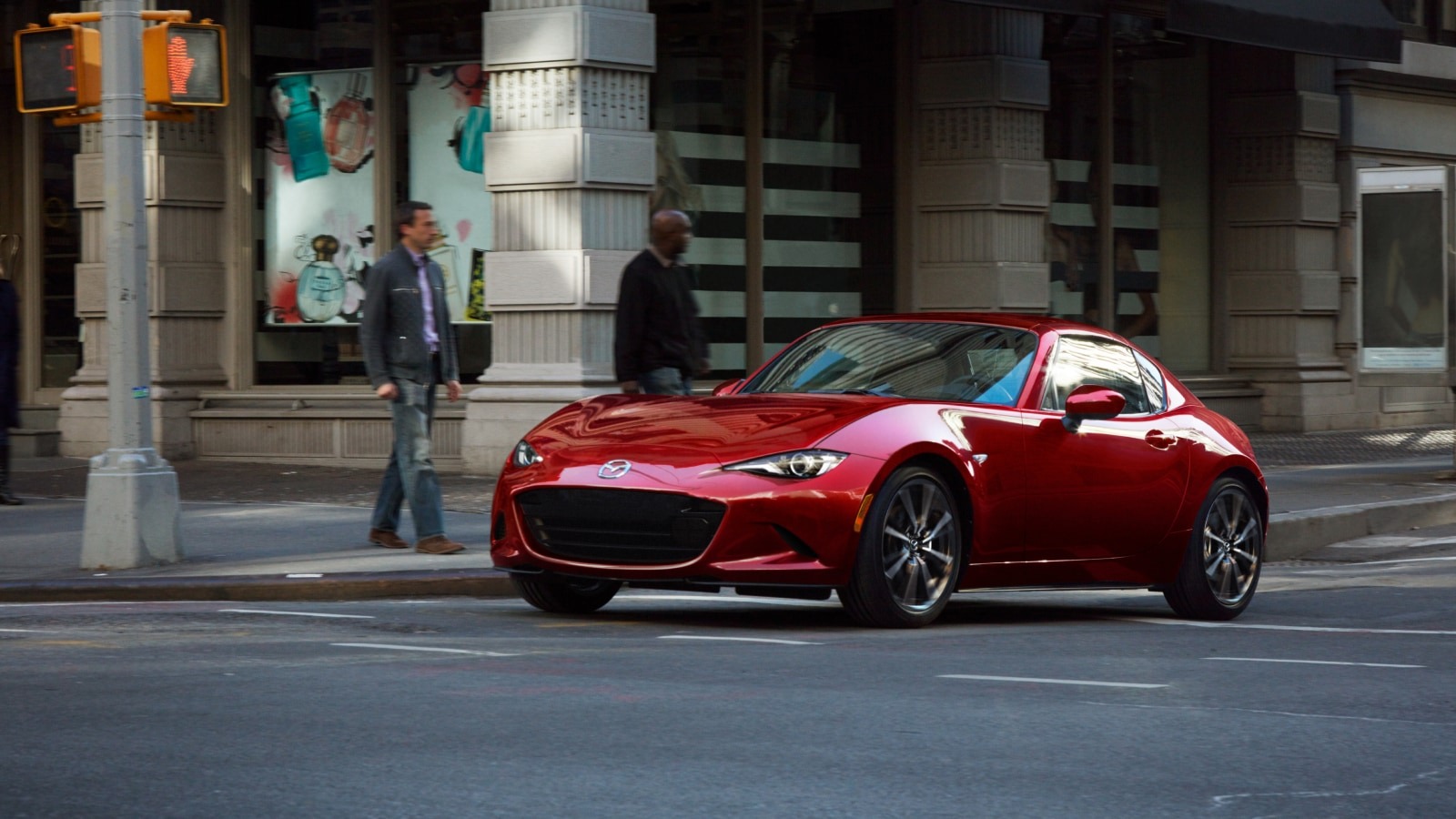
9. Mazda MX-5 Miata – Winter Struggler
The Mazda MX-5 Miata is one of the most enjoyable cars on the road during warm seasons, but when winter arrives, it becomes a vehicle you’d rather leave in the garage. The rear-wheel-drive setup, while great for performance driving on dry pavement, becomes a liability the moment snow hits the ground.
With very little weight over the rear axle, the car loses traction quickly, even at low speeds. Spinning tires, fishtailing during turns, and difficulty climbing modest inclines are all common complaints from Miata drivers in colder climates.
The Miata’s ground clearance is also minimal. It was never designed with winter in mind, and it shows. Even light snowfall can become a serious obstacle. Snow gets caught under the car easily, scraping against vital components and often leaving it stuck in areas where more winter-capable vehicles pass through without trouble.
Roads that have been plowed recently may still pose issues if they have residual ice or slush, both of which affect the Miata’s stability due to its light frame and limited wheel travel.
Heater performance in the Miata is modest, but the convertible nature of the car introduces additional challenges. Soft tops are less insulated than hardtops, and while the Miata does offer a hardtop version, it’s not standard. In sub-zero temperatures, the cabin takes longer to warm up and struggles to retain heat.
Moisture from snow-covered clothing and shoes can also linger longer in such a compact cabin, leading to foggy windows and a damp interior feel. Visibility suffers quickly, and the small rear window in soft-top versions makes reversing or checking blind spots more difficult in snowy or foggy conditions.
Starting reliability depends heavily on the battery and how often the car is driven. The Miata’s small battery can weaken quickly during cold spells, especially if the car is stored for extended periods without a trickle charger.
Many Miata owners already store their vehicles for the winter, treating them as fair-weather rides. For those who attempt to drive them year-round, the experience in snow and ice is a constant compromise. Despite its affordability and driving appeal, the Miata simply isn’t built for winter and doesn’t hide it well.
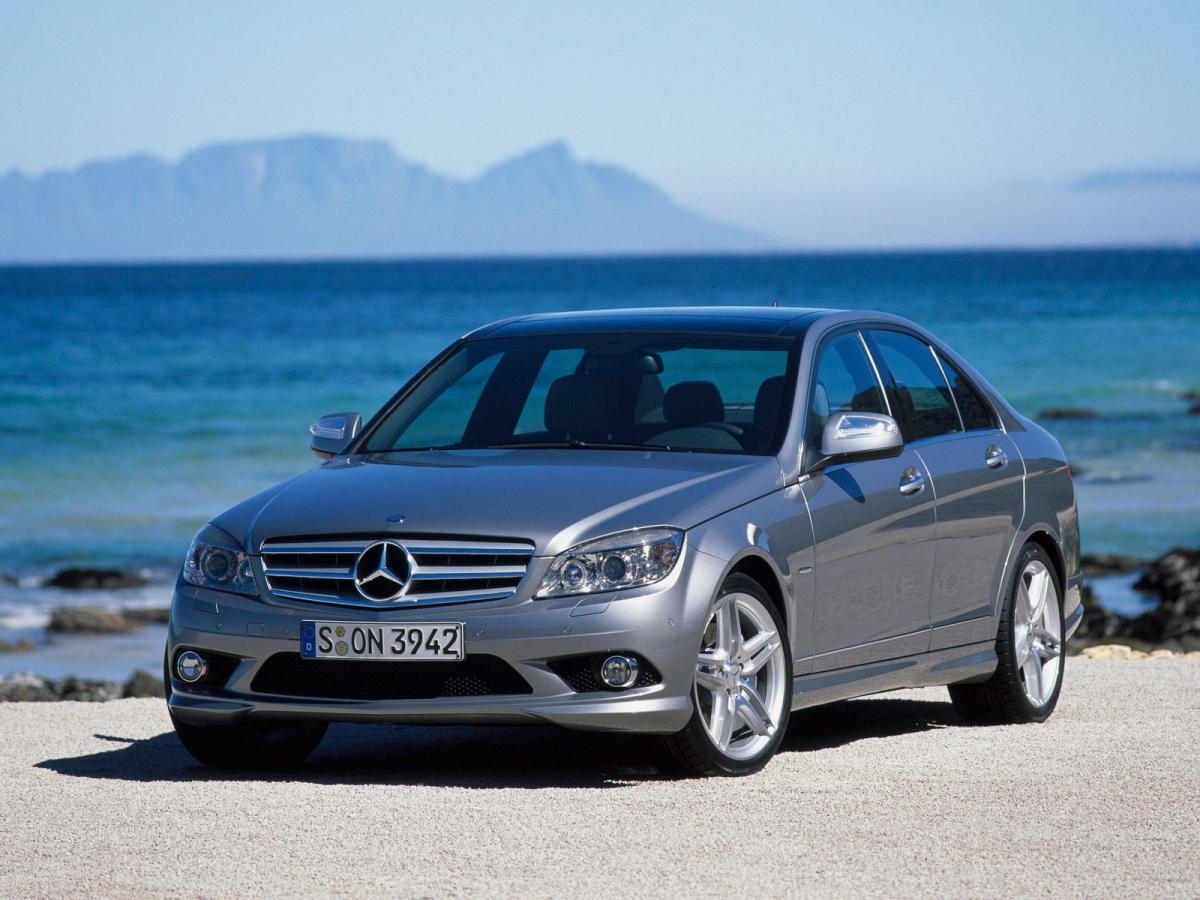
10. Mercedes-Benz CLA – Winter Struggler
The Mercedes-Benz CLA, with its sleek design and entry-level luxury appeal, gives buyers a taste of premium German engineering, but it doesn’t always deliver when winter weather rolls in.
The base models are front-wheel drive, which helps somewhat compared to rear-wheel drive in terms of traction, but it still lacks the confidence and control that drivers expect from a car in this price range when faced with slippery conditions. Higher trims offer all-wheel drive (4MATIC), but the system is tuned more for handling dynamics than for severe weather control.
The low-profile tires and sport-tuned suspension make the CLA feel sharp and planted on dry roads, but they’re a liability when snow and ice dominate the environment. Tires that come standard on the CLA aren’t designed for low temperatures and become stiff in cold weather, reducing grip.
The car sits relatively low to the ground as well, making snow accumulation a real concern. Deeper snow, even if it’s just a few inches, can affect drivability and lead to scraping sounds and resistance under the vehicle. For urban environments that deal with inconsistent plowing or freezing rain, this car is easily unsettled.
Inside, the Mercedes CLA does better. It offers heated seats, a warm cabin, and good climate control, but even that can’t make up for the core drivability issues in poor weather. The windows are frameless, and while they look great, they can freeze up during icy conditions.
Moisture trapped in the seals causes problems when trying to open doors in the morning, particularly after a night of freezing rain or snow. Owners in colder climates often report difficulty with the windows dropping as needed to clear the door frame when opening the doors, especially if the seals are frozen shut.
Cold starts are usually reliable due to Mercedes’ robust electrical systems, but battery performance can decline faster in extreme cold, especially in models that rely heavily on electronics for comfort and performance settings. When everything works perfectly, the CLA can get by in winter, but it never feels like it was designed with these conditions in mind.
It’s more at home on a dry, twisty road or in a mild-weather city. For anyone needing consistent reliability and traction during harsh winters, there are better, more purpose-built choices than the CLA.
