
In the competitive world of car sales, dealers are constantly balancing their inventory between what sells quickly and what delivers the best profit margins.
While flashy sports cars and niche models might turn heads, they don’t always move off the lot as fast as vehicles with broad appeal.
Some cars are such reliable sellers that dealerships across the U.S. actively seek them out for their inventory whether new or used.
These vehicles combine strong demand, dependable resale values, and solid reputations for quality, making them the go-to choices for dealers looking to boost sales and attract customers year-round.
Below are ten cars that most dealerships are always happy to have on hand and for good reason.
1. Toyota Camry
The Toyota Camry has been one of America’s best-selling sedans for decades. Known for its bulletproof reliability, comfortable ride, and high resale value, the Camry attracts a wide range of buyers from first-time car owners to retirees.
Dealers love it because it’s an easy sell: it appeals to families, commuters, and budget-conscious shoppers alike.
For 2022, the Toyota Camry lineup sees only minor updates focused on appearance. The Nightshade package which adds black exterior trim, black wheels, and other darkened accents, is now available on hybrid models. Paint options have also shifted, with Edge White joining the palette for non-TRD trims, while the Galactic Aqua color has been dropped.
Pricing for the 2022 Camry starts at $26,940 for the base LE and tops out at $37,365 for the XSE V6, with several trims and hybrid variants in between. Standouts include the SE Nightshade at $29,180, the Hybrid XLE at $33,965, and the performance-oriented TRD V6 at $34,005.
Given the options, the TRD model is the pick for driving enthusiasts. It’s offered exclusively with the 301-hp V-6 and an eight-speed automatic, along with a racier body kit, a discreet rear spoiler, prominent dual exhaust tips, and a retuned suspension that sits 0.6 inches lower than standard.
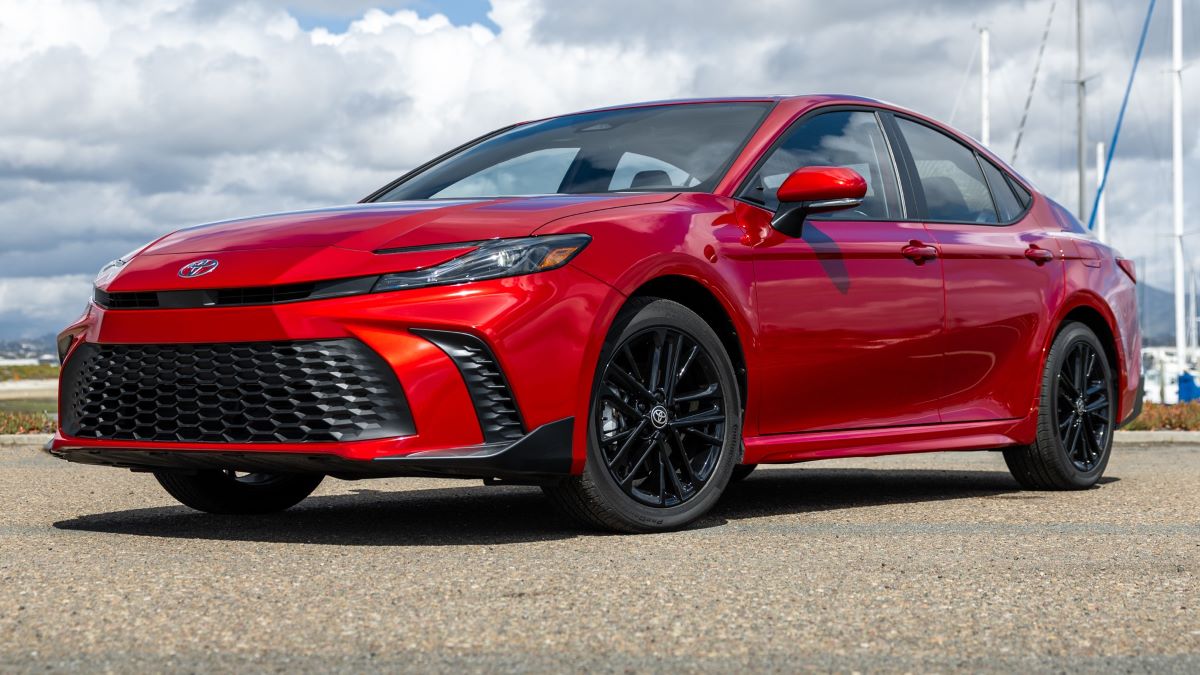
Larger front brake rotors and black 18-inch wheels, available with all-season or summer tires, round out its performance upgrades. While the TRD’s cat-back exhaust note isn’t as aggressive as its aerodynamic styling implies, the overall package makes it more engaging than any other Camry variant.
Under the hood, the standard setup pairs a four-cylinder engine with a smooth eight-speed automatic, though acceleration is underwhelming. The Camry Hybrid combines a less powerful four-cylinder with a battery and two electric motors for efficiency, but performance remains modest.
The 301-hp V-6, available on the XLE, XSE, and TRD, is the clear performance leader in the lineup. Ride quality is well-controlled, handling is sharper than expected, and the steering is nicely weighted, firm and reassuring in corners, yet light in low-speed maneuvers.
Brake feel is strong and responsive across models, though the hybrid’s blend of friction and regenerative braking can make the pedal overly sensitive at lower speeds, leading to slightly abrupt stops during parking maneuvers.
2. Honda Accord
The Honda Accord is another perennial favorite in the midsize sedan segment.
With a reputation for long-term dependability, engaging driving dynamics, and a roomy interior, the Accord draws steady interest from buyers looking for something a little more fun than the average family sedan. Dealers know these cars don’t sit on the lot for long.
The lineup begins with a 192-hp turbocharged 1.5-liter inline-four, but the standout is the 252-hp turbocharged 2.0-liter inline-four, which crowns the engine range.
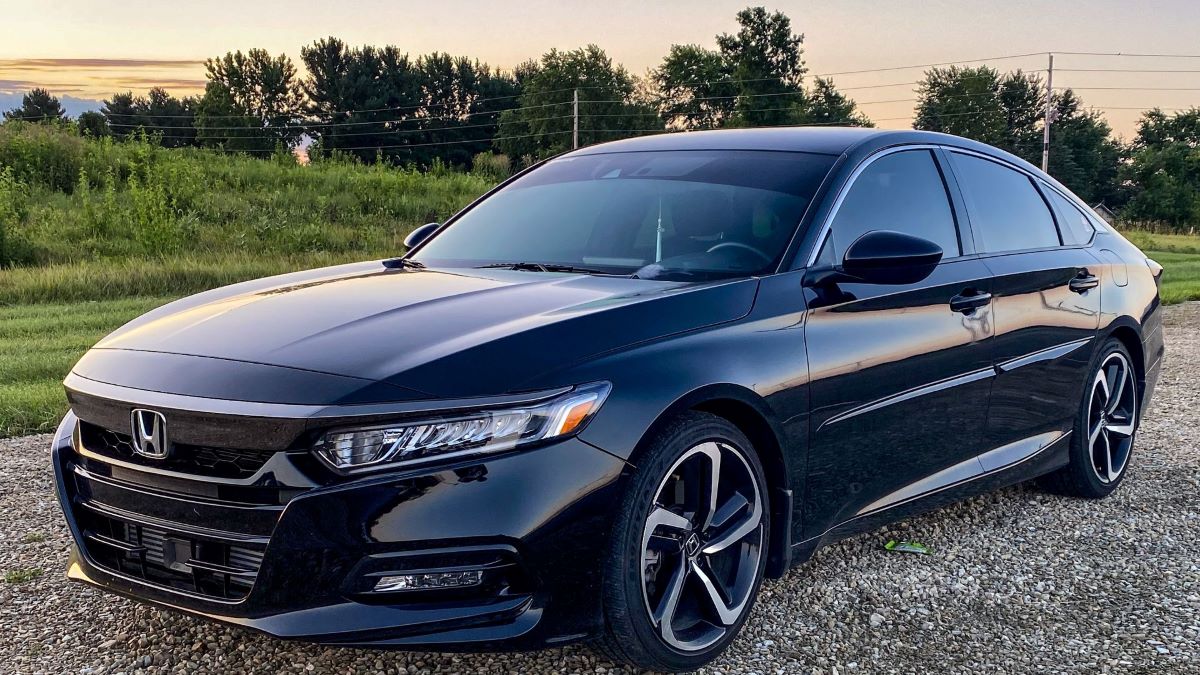
This more powerful option can be paired with either a slick-shifting six-speed manual or a refined 10-speed automatic that delivers gear changes with near-seamless precision.
Both engines are impressively smooth, but the 2.0-liter delivers a surge of power capable of spinning the front tires in first gear. For those prioritizing efficiency, a hybrid variant is also offered, combining a four-cylinder engine with two electric motors.
The Accord’s chassis is exceptionally well-tuned, inviting drivers to push it confidently through corners, where it demonstrates minimal body roll.
Steering effort is light, in keeping with its class, though a bit more road feedback would be welcome. Still, the helm remains precise and predictable, making it easy to place the car exactly where you want it.
Ride quality is another highlight, with firm control that keeps the car composed without crossing into harshness. This balance allows the Accord to deliver the driving enjoyment of a sport sedan while maintaining the comfort and practicality expected from a family car.
Also Read: 5 Cars With Best Visibility and 5 With Major Blind Spots
3. Toyota RAV4
In the SUV-heavy U.S. market, the Toyota RAV4 is a standout seller. It blends fuel efficiency, practicality, and a trusted brand name, making it a perfect fit for drivers who want a versatile daily driver.
New or used, RAV4s tend to move quickly, which is why dealers are eager to stock them. The 2025 Toyota RAV4 remains a practical and efficient choice in the compact SUV segment, though it’s not without its compromises.
On the road, its driving dynamics feel a bit rough around the edges compared to some rivals, as Toyota has clearly prioritized fuel economy over driving excitement. The 2.5-liter four-cylinder engine delivers 203 horsepower and 184 pound-feet of torque, paired with a smooth-shifting eight-speed automatic transmission.
All-wheel-drive models include a snow mode, and maximum towing capacity sits at 1,500 pounds. While power is adequate for daily driving, it lacks the refinement and engagement found in sportier competitors.
Fuel economy is solid, with ratings between 25–27 mpg in the city and 34–35 mpg on the highway, depending on the configuration. These numbers match the Honda CR-V and outperform models like the Mazda CX-50 and Volkswagen Tiguan.
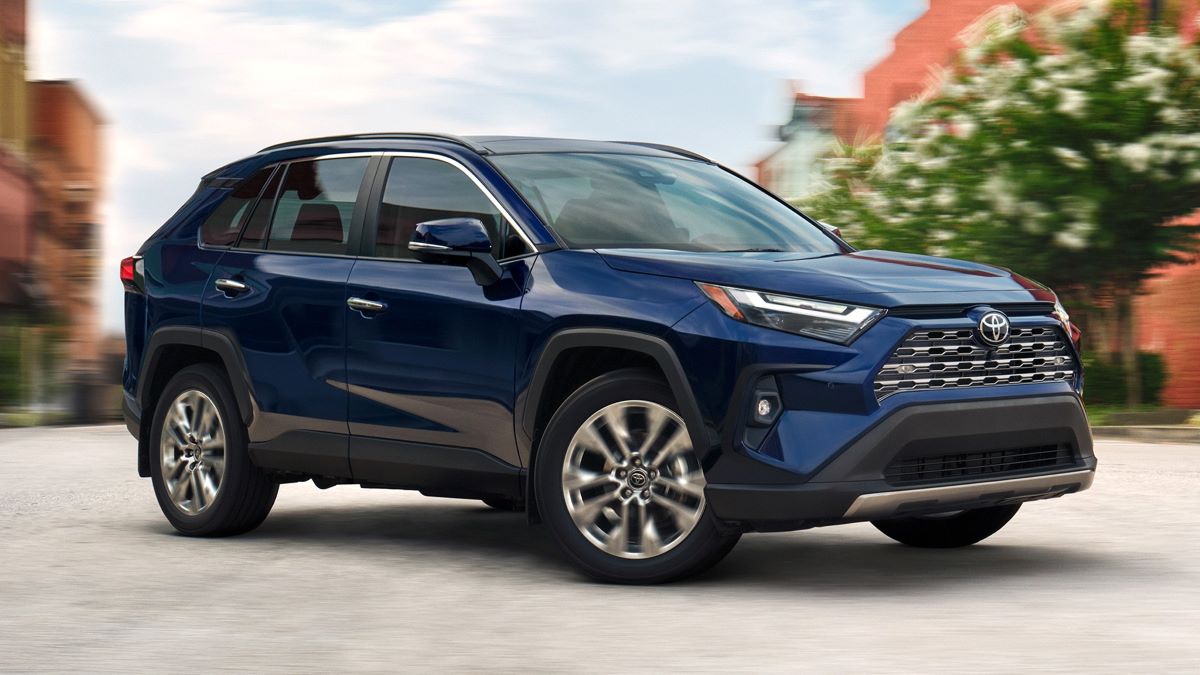
Cargo space is a strong point, providing 37.5 cubic feet behind the second row and expanding to 69.6 cubic feet with the rear seats folded. All trims benefit from a height-adjustable cargo deck board, and a cargo area tonneau cover is available for added convenience.
Upper trims further enhance practicality with perks like a power outlet in the cargo area. Overall, the 2025 RAV4 delivers on efficiency, space, and versatility, but buyers seeking a more engaging drive or richer standard features may need to explore beyond the base trims.
4. Honda CR-V
The Honda CR-V is the RAV4’s closest rival, and it enjoys just as much dealer demand.
Known for its roomy interior, family-friendly features, and strong resale value, the CR-V is one of those SUVs that appeals to just about everyone from small families to retirees looking for something easy to drive.
The 2026 Honda CR-V continues to hold its place as one of America’s most popular and well-rounded small SUVs, and for good reason.
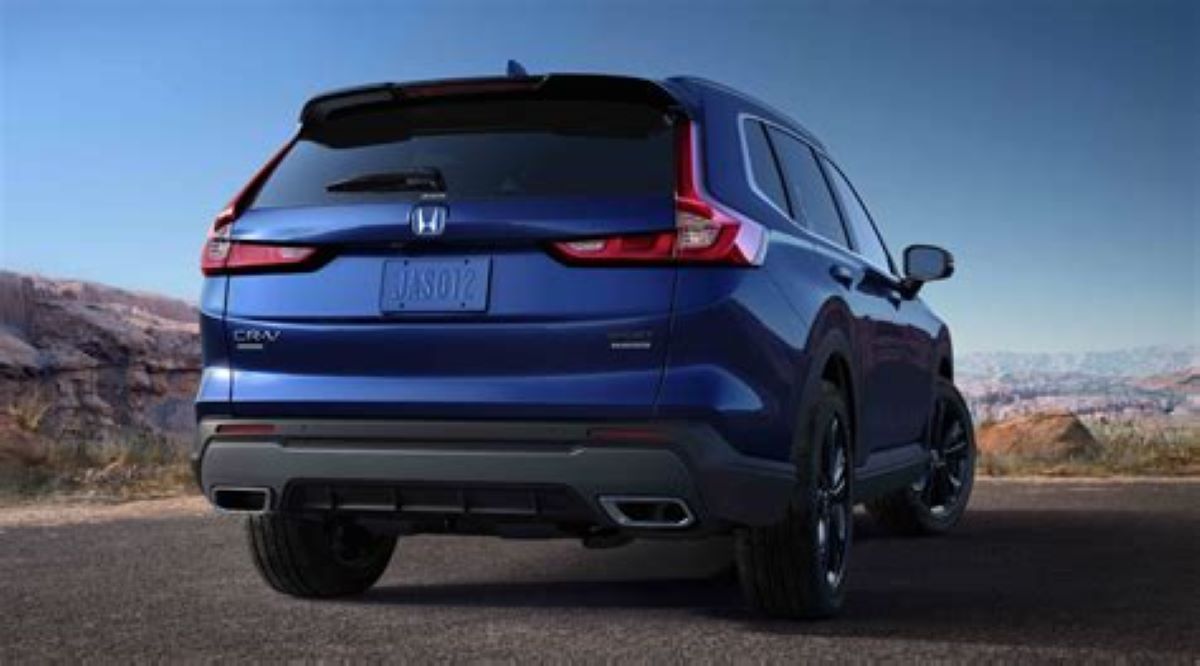
It’s easy to drive, comfortable, spacious, and offers excellent fuel efficiency, especially if you opt for the available hybrid powertrain, which delivers up to 40 mpg.
For 2026, Honda hasn’t overhauled the CR-V’s formula, but it has added a few more standard features and introduced a new TrailSport trim. This version is aimed at buyers who want a bit more rugged appeal and mild off-road capability without sacrificing the CR-V’s everyday comfort and refinement.
In short, the CR-V remains a go-to pick for families and commuters alike, balancing efficiency, space, and ease of use in a way that few rivals can match.
Also Read: 5 Cars With Dealer Service Records Only for Oil and 5 With Constant Repairs
5. Ford F-150
As the best-selling vehicle in America for over four decades, the Ford F-150 is practically a no-brainer for dealers. Its broad range of trims, configurations, and powertrains means there’s an F-150 for every type of buyer from fleet managers to off-road enthusiasts.
Dealers can count on steady interest no matter the season. The Ford F-150 stays true to the fundamentals of a full-size pickup, bed, cab, and strong engine options, while adding an impressive range of capabilities and features that push it beyond its utilitarian roots.
Buyers can choose from twin-turbo V-6 engines, an efficient hybrid setup, or even an all-electric configuration, making it one of the most versatile trucks on the market.
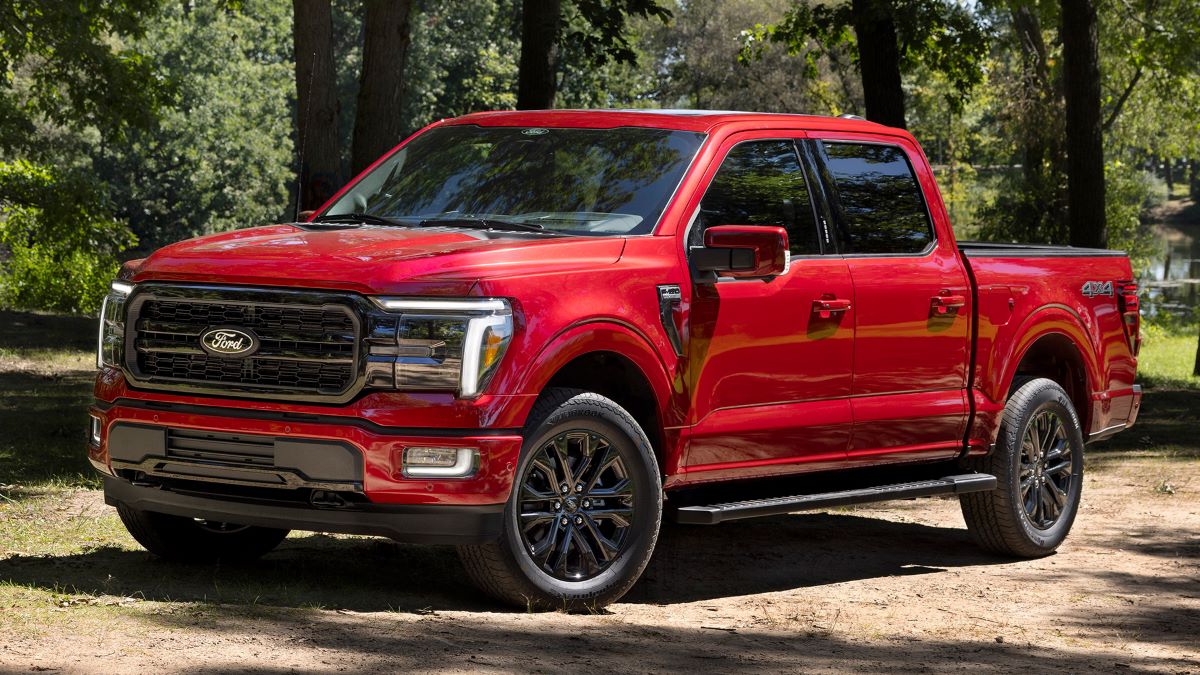
Its thoughtful touches, such as front seats that fold flat, an onboard power generator with bed-mounted outlets, and expansive digital displays, highlight its modern, tech-forward approach. Despite its workhorse capability, the F-150 delivers surprisingly refined driving dynamics, showing just how far it has evolved.
Its towing and hauling numbers are at the top of the segment, and the variety of trims and options mean there’s an F-150 for almost every budget and purpose, though some of its higher-end details may not always feel worth the price tag.
Still, with its mix of capability, innovation, and everyday livability, Ford’s long-standing icon continues to be the benchmark for full-size pickups.
6. Chevrolet Silverado 1500
The Chevy Silverado 1500 is another full-size pickup that dealers are always hunting for. Its loyal customer base, strong towing capacity, and wide variety of trim options keep demand high.
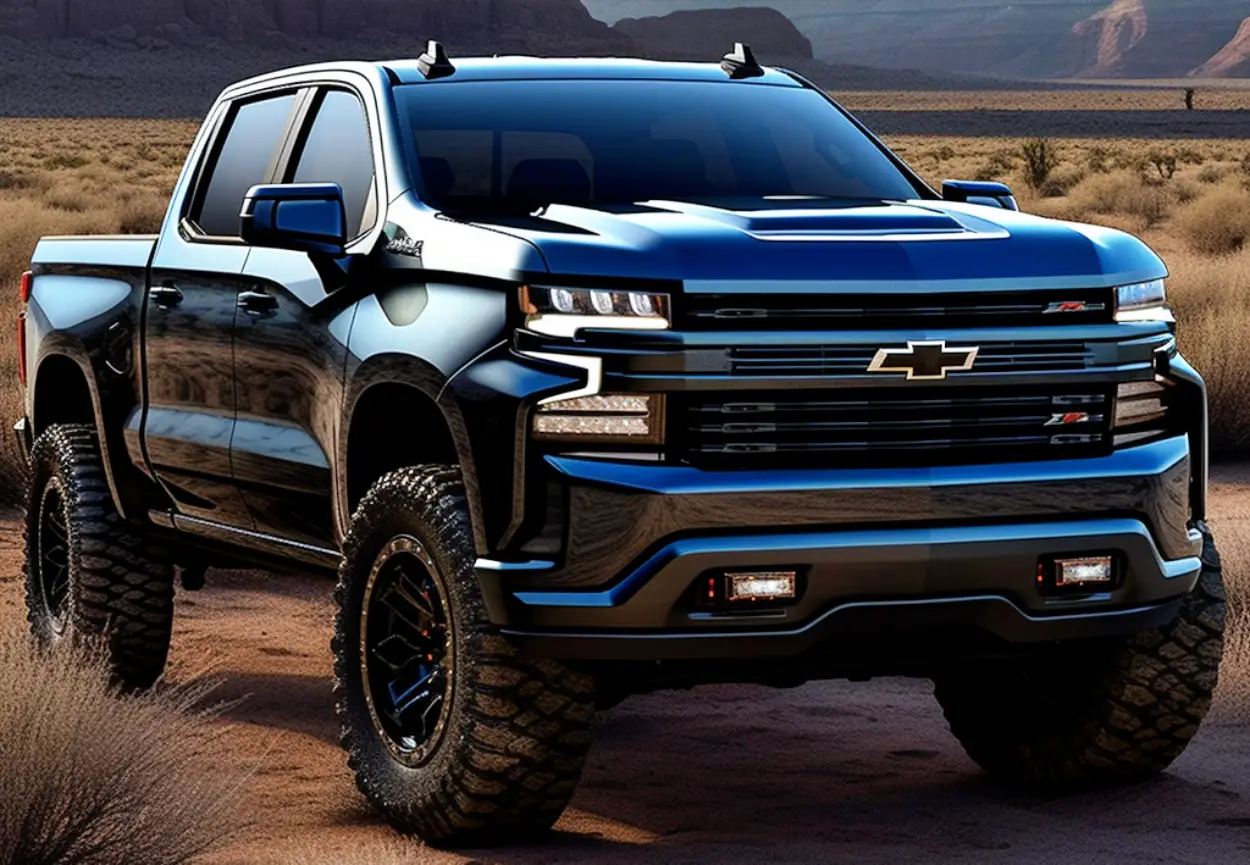
In regions where trucks dominate the roads, Silverado sales can make up a significant portion of a dealer’s business.
The Chevrolet Silverado’s biggest ace is its engine lineup, there’s something for almost every need, and even the base 2.7-liter turbo-four pulls strong and smooth. Step up to either of the two V-8s or the turbodiesel inline-six, and you’ll get plenty of power with commendable efficiency.
The 5.3-liter V-8 in pre-refresh models had some uneven throttle response, but newer models smooth things out. For towing, the 6.2-liter V-8 in the ZR2 handles heavy loads with confident shifts and solid braking. If you want off-road capability without going full ZR2 price, the Trail Boss is a smart middle ground.
Functionally, the Silverado nails the basics and then some: large and flexible bed options, handy rear bumper steps, and a six-function tailgate that’s actually useful in real-world situations. It also edges out the F-150 in cabin space and can tow up to 13,300 pounds.
Interior quality used to be one of the Silverado’s weak spots, but the 2022 refresh addressed much of that, especially on trims above the bare-bones Work Truck and Custom. The updated cabin design, modern tech, and availability of GM’s Super Cruise hands-free driving system bring it in line with or even ahead of competitors in some areas.
7. Jeep Wrangler
The Jeep Wrangler has a cult-like following thanks to its off-road capability, rugged styling, and iconic heritage.
While it’s not the most practical daily driver for everyone, it sells exceptionally well among outdoor enthusiasts and those looking for a lifestyle vehicle. Dealers love Wranglers because their desirability keeps resale values high.
The Jeep Wrangler remains the quintessential go-anywhere, do-anything SUV, staying true to its roots as a descendant of the original World War II military Jeep.
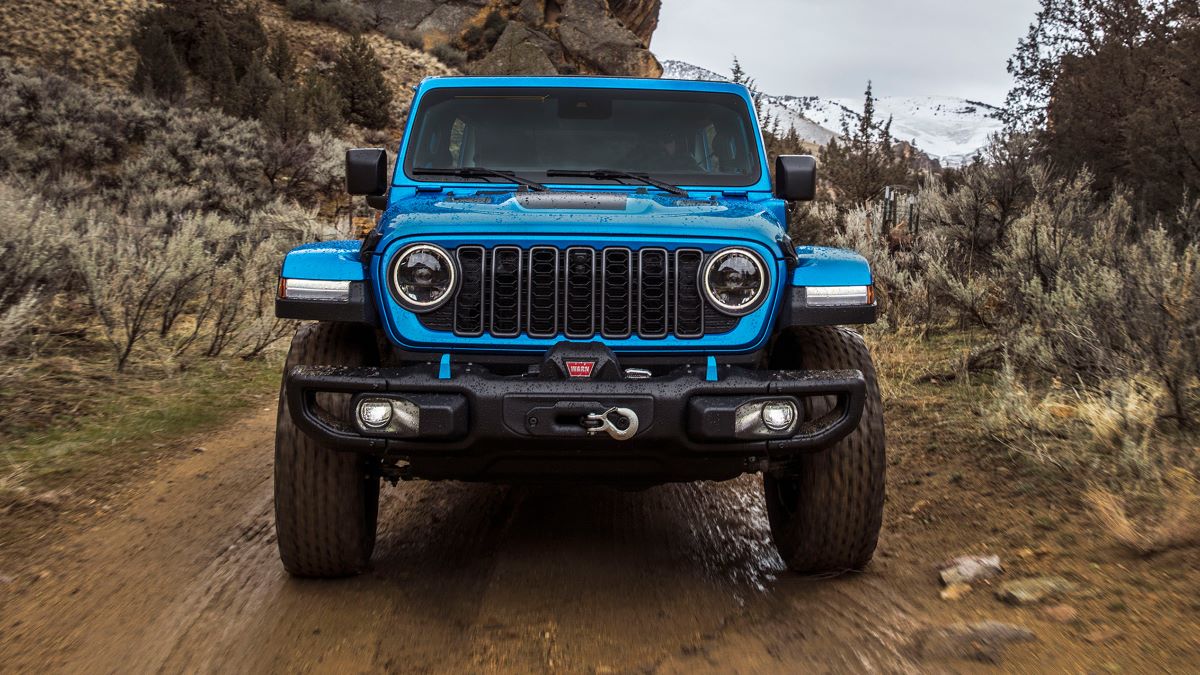
In a market dominated by comfort-focused crossovers, the Wrangler stands apart with its rugged build, unmatched off-road capability, and the option for two- or four-door configurations, plus a fully removable roof and doors. While it’s not as plush or refined on-road as rivals like the Toyota 4Runner or Land Rover Defender, it delivers a level of adventure potential few vehicles can match.
The 2021 lineup brought an unexpected twist: the Wrangler 4xe plug-in hybrid. Combining a turbocharged four-cylinder with electric motors, it cranks out 375 horsepower and offers about 22 miles of all-electric driving while retaining the Wrangler’s eight-speed automatic and even the hardcore Rubicon trim.
For the opposite personality, there’s the Wrangler Rubicon 392—a 470-hp 6.4-liter V8 monster that blends Rubicon’s rock-crawling chops with muscle car acceleration and a thunderous exhaust note.
Competition has grown tougher with the return of the Ford Bronco, offering similar open-air fun and serious trail skills, as well as the more upscale yet still capable Land Rover Defender. Still, for pure off-road heritage and customization potential, the Wrangler holds its ground as an icon of adventure.
8. Subaru Outback
The Subaru Outback blends wagon practicality with SUV ruggedness, appealing to drivers who need space but also value efficiency and all-weather capability.
In markets with harsh winters or active lifestyles, Outbacks are hot commodities on dealer lots.
The 2021 Subaru Outback builds on its 2020 redesign with only a few small updates, adaptive headlamps, a rear-seat reminder, and a passenger seatbelt alert now come standard. Subaru also hinted at a new Wilderness model, aimed at buyers wanting more rugged styling and extra ground clearance.
Pricing starts at $27,845 and tops out at $40,995, but the Premium trim at $30,095 stands out as the sweet spot. It includes a big 11.6-inch touchscreen, 4G LTE hotspot, heated front seats, a power driver’s seat, extra USB ports, and access to desirable safety options like blind-spot monitoring and a hands-free liftgate.
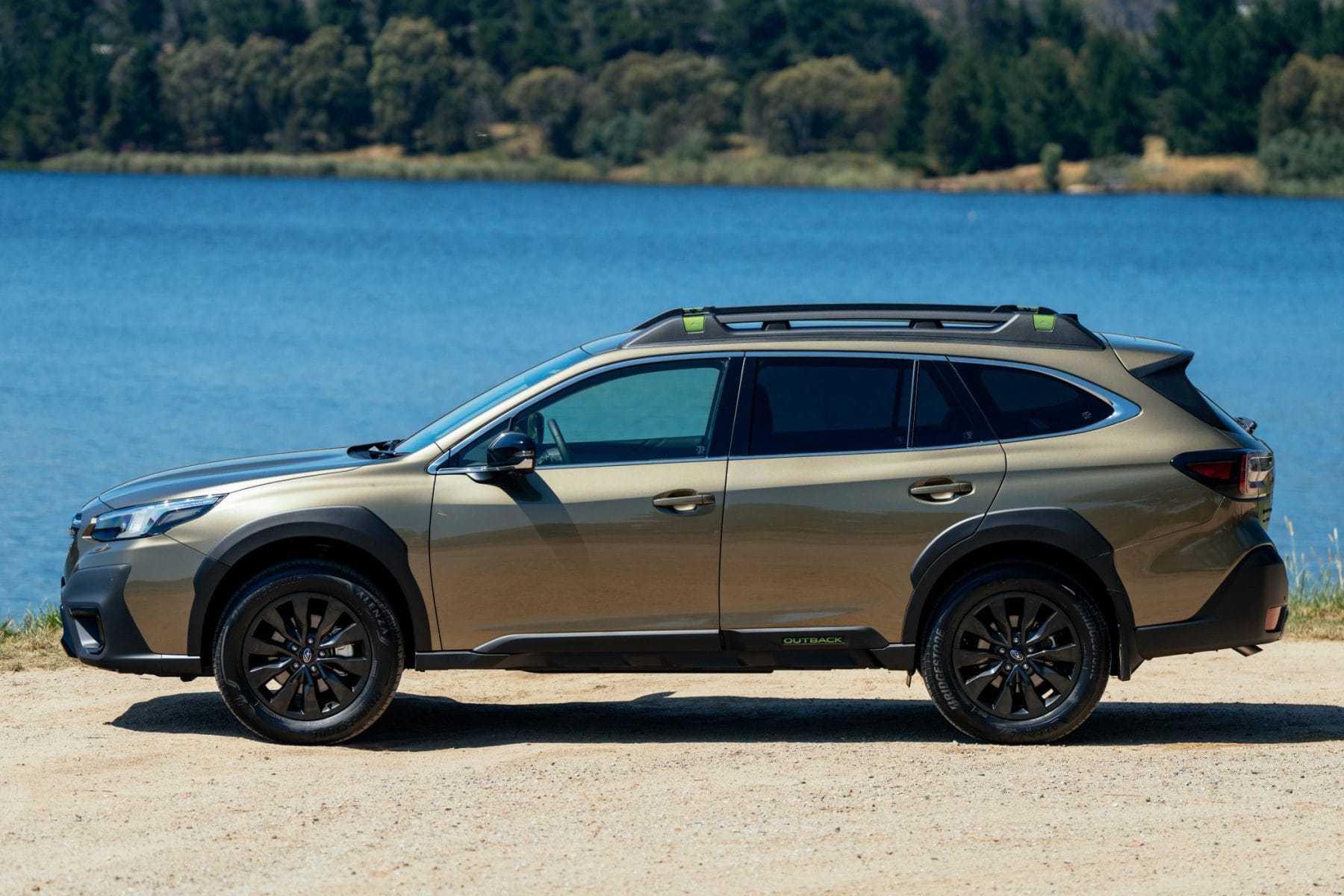
The base engine, a 182-hp 2.5L flat-four, keeps costs and fuel use reasonable, while the optional 260-hp turbo 2.4L adds towing muscle (3,500 lbs vs. 2,700 lbs) but at a steep $6K premium.
Every Outback gets Subaru’s excellent AWD and 8.7 inches of ground clearance, making it more trail-ready than most crossovers. Ride quality is smooth, steering is light and precise, and it’s well-suited for bad weather or mild off-road use.
The CVT tries to mimic an 8-speed but still feels sluggish under heavy throttle, and neither engine delivers much excitement, something WRX fans may find underwhelming. This is a car built for comfort, versatility, and all-weather confidence, not back-road thrills.
9. Tesla Model 3
Electric vehicles are growing in popularity, and the Tesla Model 3 leads the charge in mainstream EV appeal.
With impressive range, cutting-edge tech, and strong brand recognition, the Model 3 sells quickly both new and pre-owned. Dealers that can get their hands on used Teslas often find buyers lined up.
The Tesla Model 3 is one of the most talked-about cars of the decade, designed to bring Tesla’s EV technology to a broader audience. While the Model S changed perceptions of what electric cars could be, the Model 3 aims to make them more attainable.
It’s simpler, more affordable, and built with mass adoption in mind. Pricing originally started at $47,200 for the Mid Range, $50,200 for the Long Range, and $65,200 for the Performance model.
In its standard form, the Model 3 is rear-wheel drive with a single rear-mounted electric motor. All-wheel-drive variants add a front motor for better traction and performance, along with access to features like Ludicrous Mode.
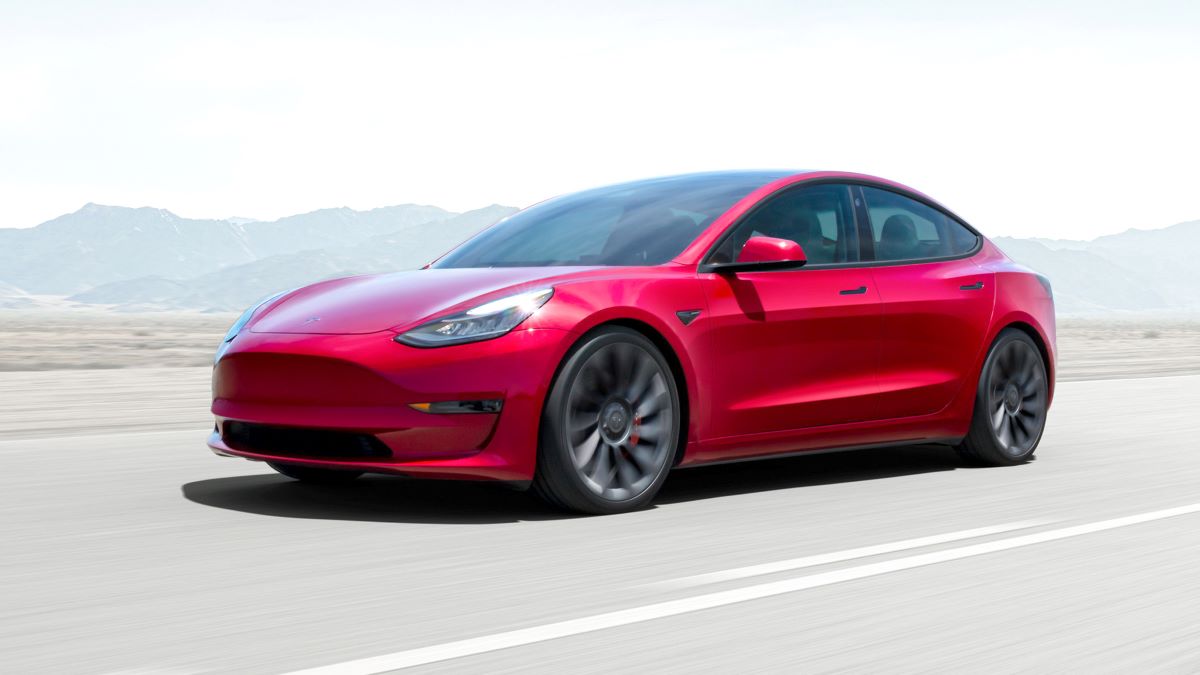
The Performance trim is the enthusiast’s choice, boosting horsepower from the Long Range’s 346 to 450, all while sharing the same 80.5-kWh lithium-ion battery pack. On the road, the Model 3 feels eager and nimble, with sharp steering, quick turn-in, and minimal body roll thanks to the battery’s low-mounted weight.
It’s fun up to about seven-tenths of its capability, but it’s not quite as engaging as the best sports sedans, nor as isolated and refined as some similarly priced luxury competitors. The chassis absorbs big hits well, but road noise from imperfections and tire thrum still makes its way inside.
For range and charging, the Model 3 provides multiple options: Tesla’s fast Supercharger network, adapters for public DC chargers, and home charging setups at both 240 volts and 120 volts. The EPA rates the Long Range model at 310 miles per charge, better than any non-Tesla EV, while the Standard Range version manages around 220 miles.
10. Toyota Tacoma
The Toyota Tacoma is the king of the midsize pickup segment, offering legendary durability and excellent resale value. It’s especially popular in regions where off-roading, camping, and hauling are part of the lifestyle.
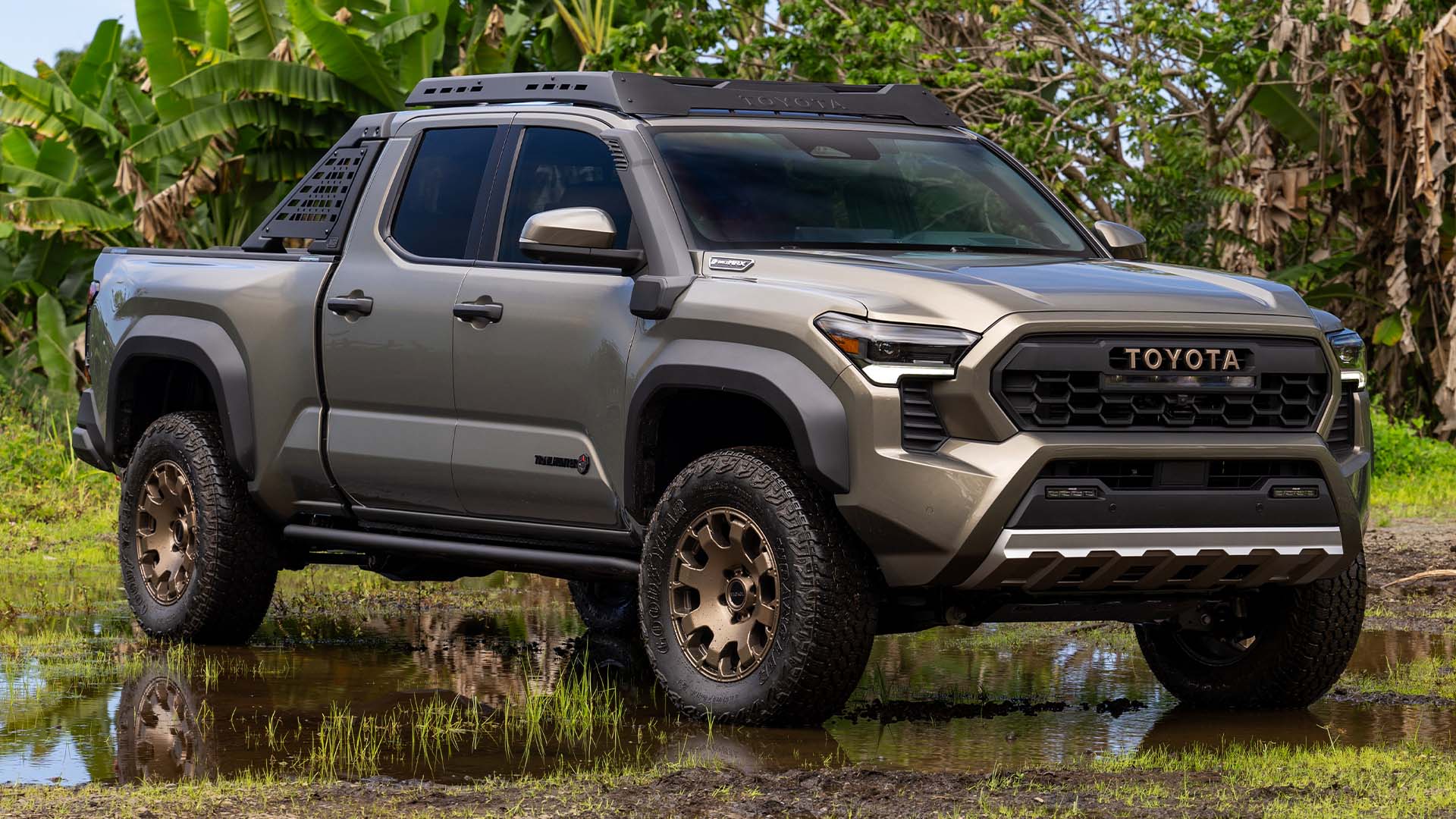
Dealers rarely have trouble moving a Tacoma, even if it’s several years old.
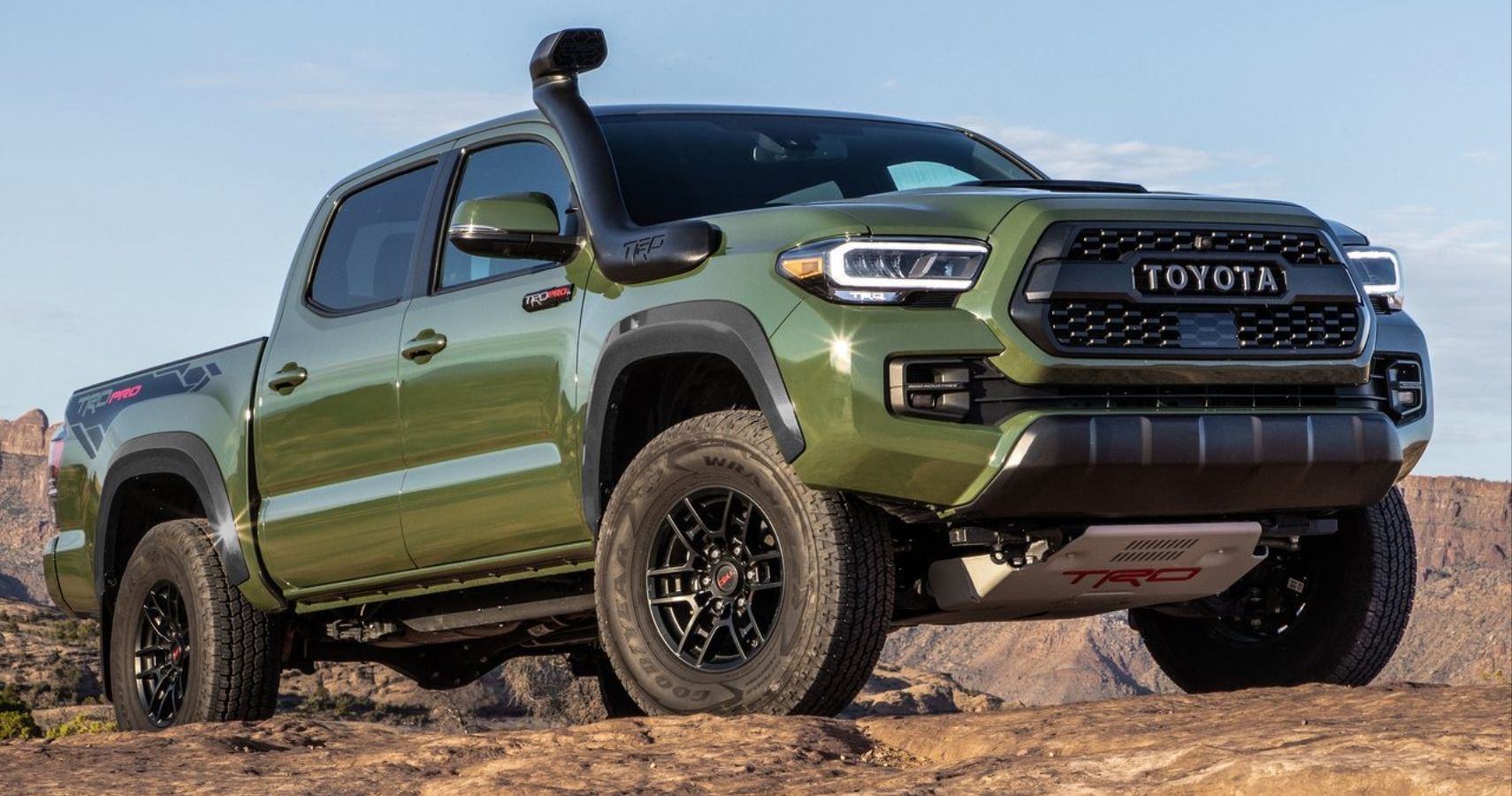
The 2020 Toyota Tacoma holds a strong position in the midsize pickup segment thanks to its Toyota durability, off-road credentials, and loyal fanbase. Known affectionately as the “Taco,” it offers a rugged alternative to larger full-size trucks like the Toyota Tundra, appealing to buyers who want a more maneuverable, trail-ready pickup.
While its reliability and standard driver-assist features are strong selling points, its dated powertrains, tight cabin space, and unrefined driving manners put it behind more modern rivals in terms of everyday comfort and efficiency.
Every trim comes with Apple CarPlay and Android Auto, making infotainment straightforward, and Toyota equips the Tacoma with more standard safety tech than any other midsize truck.
For 2020, the Tacoma gets a handful of updates, including revised grille designs, new wheel options, upgraded LED headlights on certain trims, and interior improvements like a power-adjustable driver’s seat, larger touchscreens, and advanced camera systems, some capable of showing a 360-degree view or even the terrain underneath the truck.
The TRD Pro benefits from retuned shocks, lighter wheels, and a distinctive Army Green paint option. Pricing starts at $27,225 for the SR and tops out at $45,135 for the fully loaded TRD Pro.
Under the hood, a 159-hp four-cylinder comes standard but feels underpowered; the optional 278-hp V6 is far better suited for towing and daily use. A six-speed manual is available, and preferable, over the clumsy six-speed automatic, especially for those who value control on technical trails.
The TRD Off-Road and TRD Pro trims are the go-to choices for serious off-roaders, with lifted suspensions, all-terrain tires, and rugged hardware, while the TRD Sport and Limited trims lean toward smoother city driving. Ride quality and handling lag behind the best in class, but when the pavement ends, the Tacoma proves why it’s a legend among off-road midsize pickups.
The 2020 Toyota Tacoma’s V6 fuel economy is middle-of-the-road by EPA estimates but falls short in real-world results compared to top competitors.
Inside, the Tacoma’s cabin is rugged and functional but feels dated. Hard plastics dominate even higher trims, and rear legroom in the crew cab is cramped. Toyota did finally add a power-adjustable driver’s seat for 2020, but storage space remains limited, with few cubbies and small bins.
While every dealership tailors its inventory to local demand, these ten vehicles are universally valued across the U.S. market.
They combine brand reputation, customer loyalty, and consistent sales performance making them the cars (and trucks) that dealers always want to keep in stock.
Whether you’re shopping for your next ride or just curious about industry trends, knowing which models are dealer favorites can give you insight into what makes a vehicle truly in demand.
