
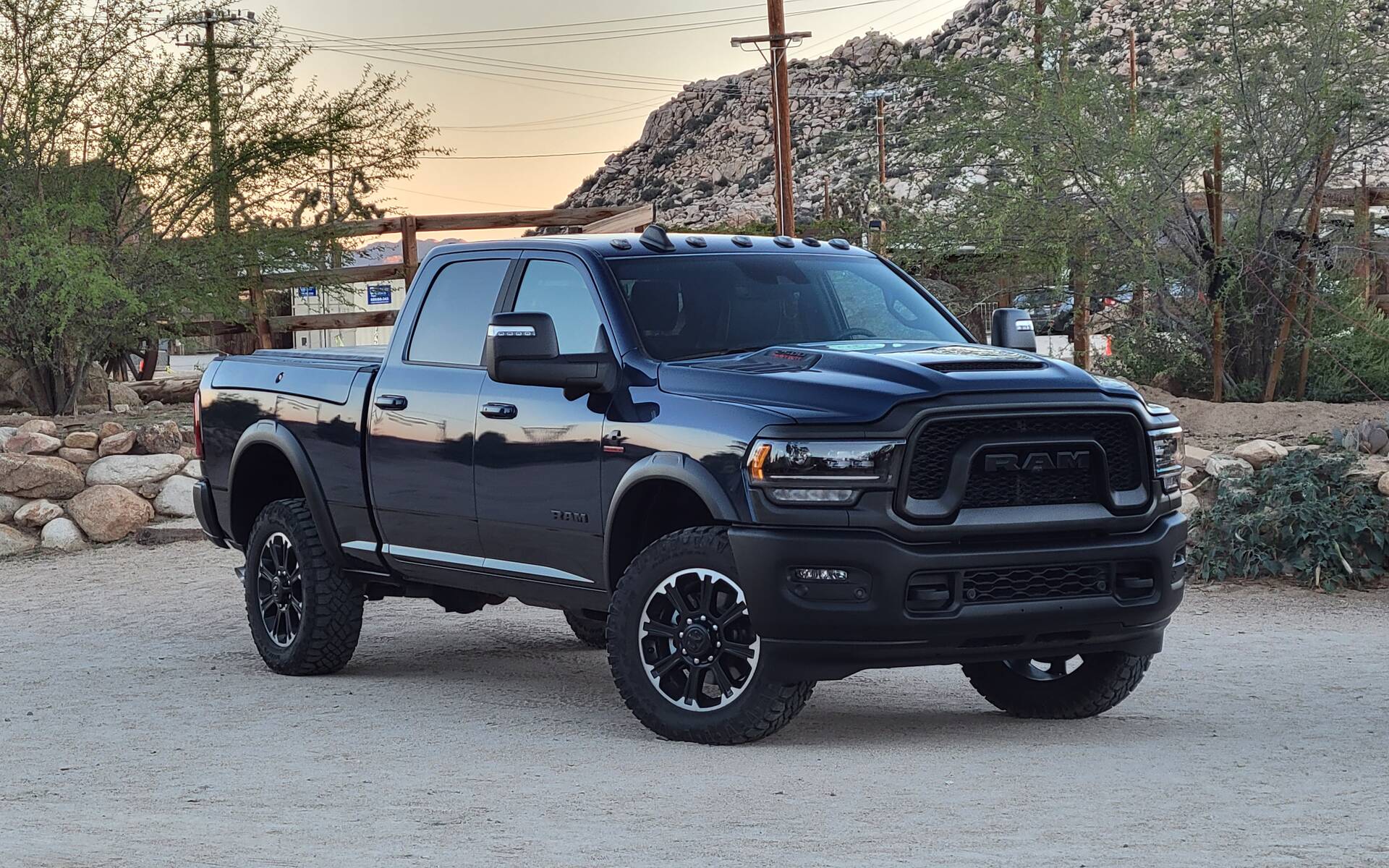
When someone buys a truck, durability is usually a top priority. People expect these vehicles to endure the elements, take punishment, haul heavy loads, and rack up hundreds of thousands of miles. But while engines, frames, and transmissions often take center stage in discussions about toughness, smaller parts can make or break the ownership experience.
One of the most overlooked components is the door handle. You don’t realize how important it is until it breaks off in your hand on a cold morning. A failing door handle isn’t just inconvenient, it’s a sign of broader design flaws and material shortcuts.
Truck owners across the country often share stories about frozen or cracked door handles, especially in areas with harsh winters or brutal sun exposure. Sometimes, these failures show up in trucks that have otherwise held together well. In other cases, a solid-feeling handle remains functional after two or three decades of use, through storms, mud, and the slam of countless doors.
The difference often comes down to thoughtful engineering, material quality, and consistency in manufacturing. In some brands and models, door handles are clearly built with long-term use in mind. In others, they seem like an afterthought.
This article takes a closer look at ten popular trucks, divided into two groups. The first five are trucks known for having door handles that hold up remarkably well over the years. These handles often resist cracking, fading, or breaking, even after decades of use.
The second group includes trucks where owners frequently complain about handle failures. In those cases, plastic tends to become brittle, internal components wear out, and replacements are all too common. Each truck is described in detail, highlighting why its door handle either earns praise or frustration from long-term owners.
Let’s begin with the five trucks that tend to feature tough, reliable door handles that go the distance, then we’ll move into five that are more likely to leave you holding a broken piece of plastic in your hand.
5 Trucks with Door Handles That Last Decades
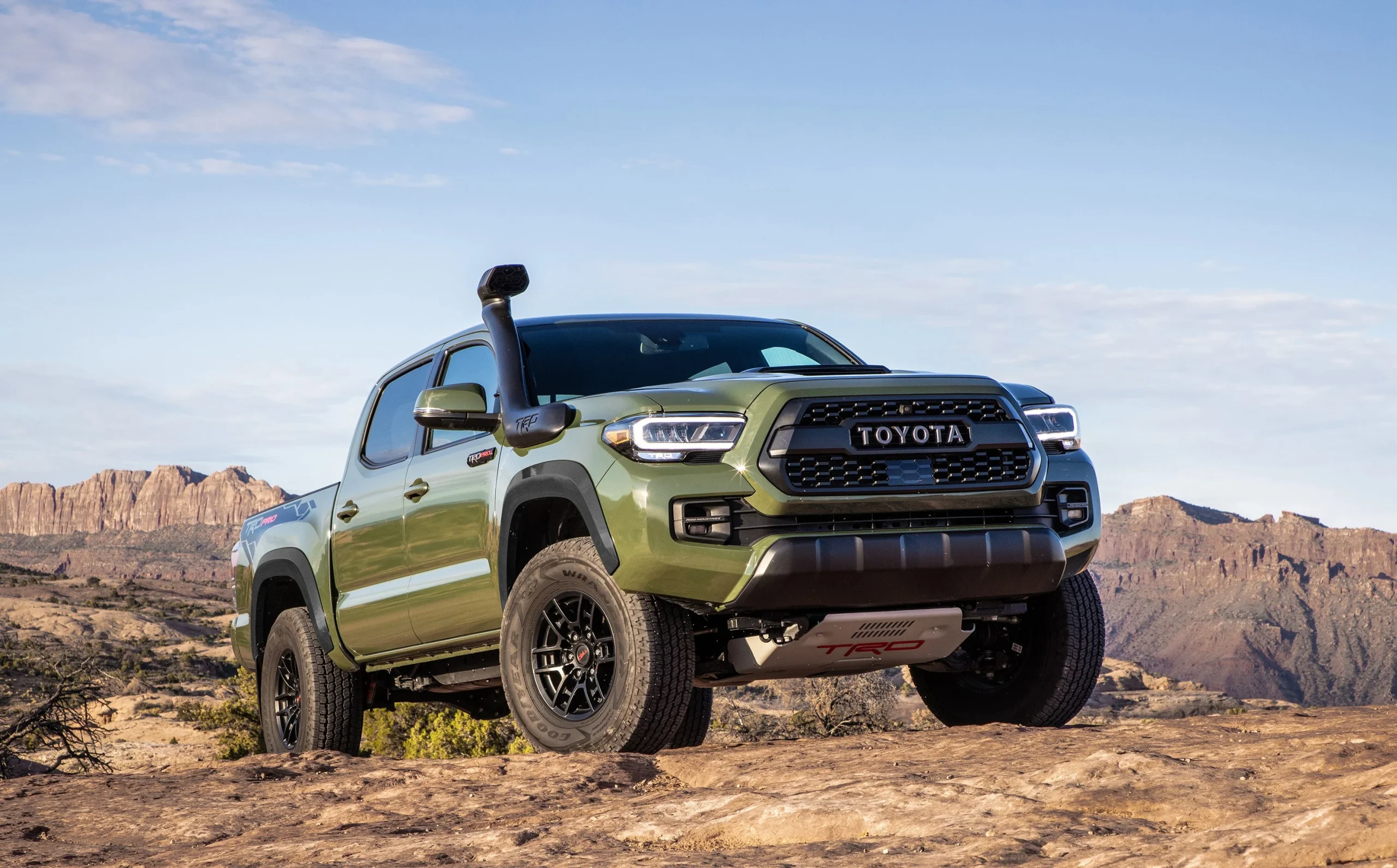
1. Toyota Tacoma (1995–2004)
The first-generation Toyota Tacoma is often praised for its long-term durability, and that extends to its door handles. These trucks are frequently seen on the road with well over 200,000 miles, and one small but telling detail is how rarely the door handles fail.
Toyota used a straightforward, reinforced plastic design for the exterior handles, with solid internal linkages that resist bending or disconnecting. The handles may not look flashy, but they work reliably, year after year, even in rough climates.
Owners in colder states often report that the handles continue to function smoothly even after multiple winters. While plastic becomes more brittle in freezing temperatures, the material choice in the Tacoma’s handles seems to hold up better than most.
They don’t have the overengineered feel that sometimes causes problems in newer trucks, and the simplicity works in their favor. There are far fewer parts to break or seize up. Many owners go decades without replacing even a single handle, which is a strong statement for any vehicle part.
Another benefit comes from the truck’s compact size and door design. The handles aren’t subjected to awkward pulling angles or stress points caused by misaligned doors. The result is that wear and tear happen gradually, without sudden failures. Even on high-mileage Tacomas used for work or off-roading, it’s not uncommon to find original handles still in place. This contributes to the vehicle’s reputation for being low-maintenance.
In many cases, even when Tacomas are sold second- or third-hand, the new owner finds that the handles are still tight and responsive. There’s very little give, no loose sensation, and no cracking or flaking plastic. This sort of detail reinforces the truck’s reputation for reliability, showing that Toyota engineers didn’t cut corners, even on parts that many other brands treat as expendable.
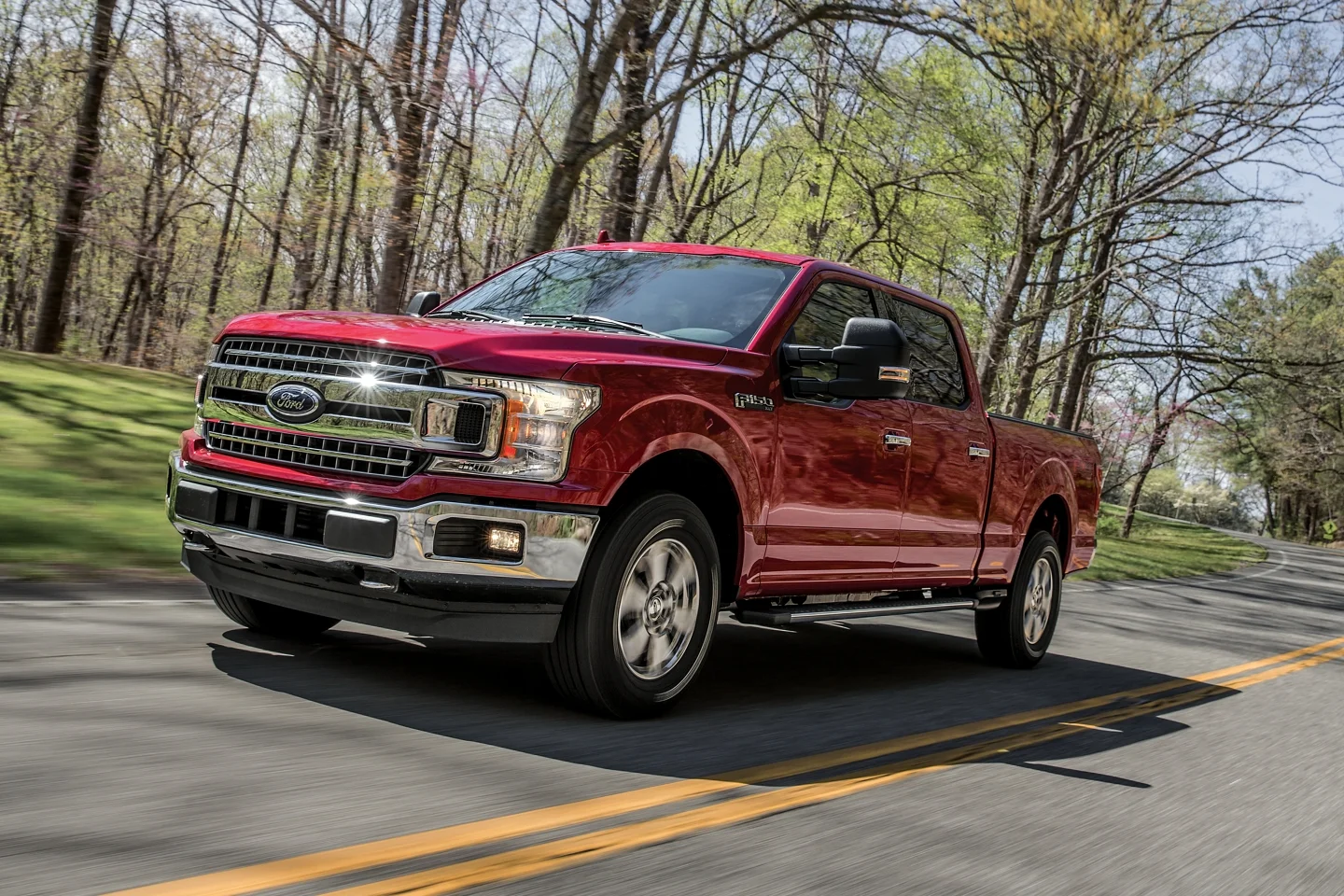
2. Ford F-150 (1992–1996)
The ninth-generation Ford F-150 represents a time when American trucks were still built with a very mechanical mindset. These trucks were made before the wave of cost-cutting in the late 1990s and early 2000s, and that shows in the little things. The exterior door handles are metal, not plastic, and they’re designed to take real abuse. Even on trucks that have spent most of their lives on farms or in construction fleets, it’s common to find the original handles still functioning well.
One of the key advantages of the metal handle design is its resistance to environmental damage. It doesn’t warp in the sun or get brittle in the cold. It doesn’t snap off if someone pulls it too hard when the door is frozen shut. These handles are also attached with heavy-duty hardware that doesn’t shake loose over time. This gives the F-150 a level of consistency that helps maintain its status as one of the most respected older trucks still in use today.
Ford also used a simple linkage mechanism inside the door, which contributes to long-term reliability. There aren’t too many joints or clips that wear out or come undone. If maintenance is ever required, it’s relatively easy to access and fix, but in most cases, that isn’t necessary for a long time. Some owners even paint the handles to match restored bodies, but underneath the paint, the original part remains solid.
Even in rust-prone regions, these door handles usually outlast the surrounding sheet metal. You’ll occasionally see F-150s with rusted-out doors and fenders, yet the door handle still works smoothly. That kind of longevity makes it clear that Ford, during this era, prioritized functional strength over sleek design or flashy materials.
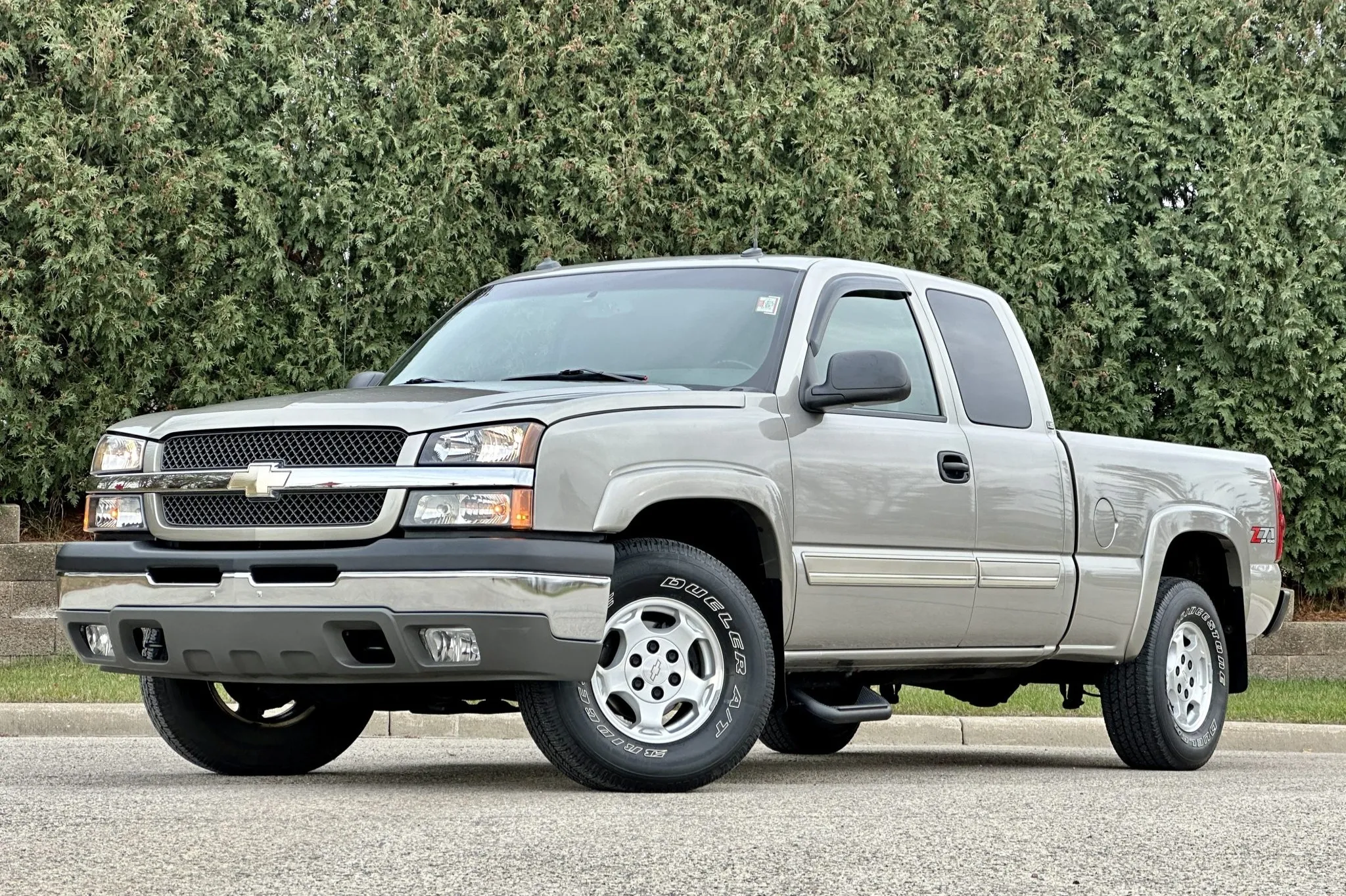
3. Chevrolet Silverado 1500 (1999–2006)
This generation of Silverado introduced a new design language for GM, and it also came with a step forward in durability for many of the truck’s parts. The exterior door handles, while made of plastic, were reinforced with sturdy mounts and steel rods that kept them securely in place.
As a result, they’ve earned a reputation for staying functional well past the 200,000-mile mark. Even after repeated slams, ice buildup, and constant use, these handles rarely fail without extreme neglect or direct damage.
The handle shape is large and easy to grip, even with gloves on, which matters a lot for people who use the truck in cold regions or on job sites. The design doesn’t rely on thin tabs or springy mechanisms that often break in cheaper vehicles.
Instead, the Silverado’s handles have a firm mechanical action that gives confidence every time you open the door. It’s not delicate or over-complicated, and that works in its favor for long-term dependability.
Some early models did have issues with the interior linkage clips wearing out, but the exterior handles themselves stayed intact. GM eventually addressed the linkage problem, and aftermarket support remains strong for replacement clips. Still, most of the time, the handle itself doesn’t need to be swapped. Even in junkyards, these parts are often scavenged quickly because they’re still in good condition, while other components around them might be falling apart.
Trucks from this era also benefited from GM’s emphasis on fleet sales. Companies that ran large numbers of Silverados needed them to be tough, and complaints about failing handles were minimal compared to other brands at the time. This strong track record helped the truck become one of the most common full-size pickups in North America, and many are still in use today, handles intact.

4. Dodge Ram 2500 (1994–2002)
The second-generation Dodge Ram brought a more aggressive, modern design to the brand, and it backed up that appearance with tough mechanical features. Among those was a solid, dependable door handle that rarely gives trouble, even decades later.
The handle is plastic, but the material is thick and dense, with a design that spreads stress across the full pull of the hand. This makes it less likely to crack or snap under pressure.
Heavy-duty Rams in this generation are especially known for their ability to take punishment. Many are used in towing, ranching, or commercial settings, and the door handles hold up even when everything around them is under strain.
Some of these trucks end up with sagging doors or bent frames from years of hard use, yet the handles still function. That’s a testament to the way they were engineered from the start. Dodge didn’t cut corners here, likely because they knew the truck’s buyers expected serious toughness.
The mounting system also helps with longevity. The handles are bolted in with solid brackets that resist movement, and the internal rods are thick enough to resist flexing or disconnecting.
Even after years of exposure to salt and dirt, many owners find that their handles still operate with just a bit of regular lubrication. Replacement rates are low, and when handles are replaced, it’s usually because of cosmetic wear, not functional failure.
This generation of Ram earned a solid reputation across the board for being built with care. While some elements of Dodge quality control were criticized during the era, the door handles on these trucks rarely show up on complaint lists. That kind of detail can make a big difference, especially when you count on your truck every single day in difficult environments.
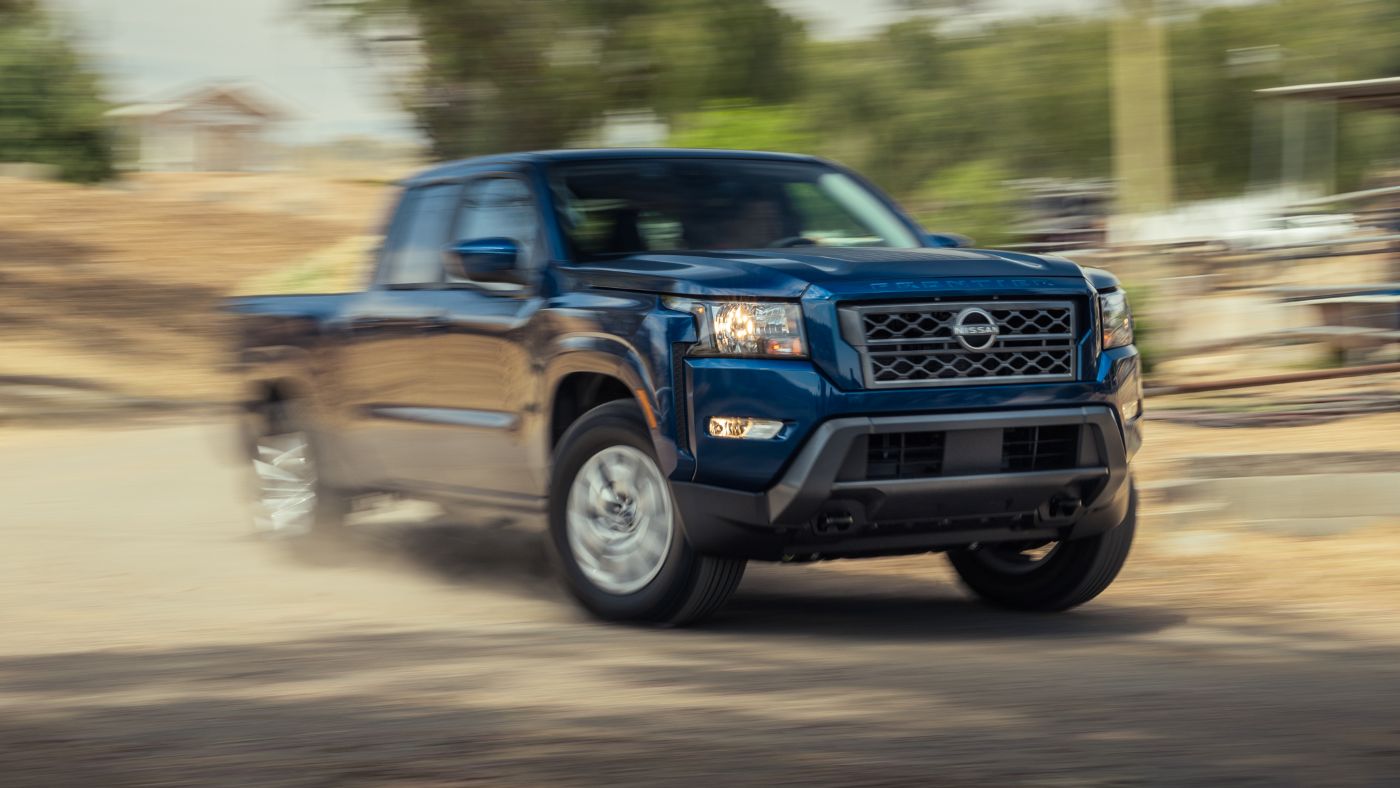
5. Nissan Frontier (1998–2004)
The early Nissan Frontiers aren’t flashy trucks, but they were built with a level of care that’s easy to overlook. The door handles on these trucks, both inside and out, are remarkably reliable for their class. Nissan used a thick plastic that doesn’t crumble with age and designed the handle so that it doesn’t rely on overly tight spring tension or fragile pivots.
This gave the Frontier an edge over some competitors that used lighter materials or tried to reduce cost at the expense of strength. The simplicity in the handle’s mechanism allowed it to keep working even when the truck was used in dirty or dusty environments, where finer components might jam or wear out quickly.
Even in older trucks that haven’t been cleaned in years, the handles still pull smoothly without feeling fragile. You won’t often find Frontier owners complaining about these parts giving out unless the vehicle was involved in an accident or extreme misuse.
Another advantage is the way the Frontier’s doors themselves were constructed. Nissan built the frames with tight tolerances and added strong hinges that helped prevent the kind of door misalignment that often leads to premature handle failure.
When a door shifts over time, whether from worn hinges, body flex, or sagging frames, the handle starts to operate at an awkward angle. In the Frontier, that scenario is much less common, which means the handles continue to work in the way they were intended. Their motion stays consistent, with a predictable feel that doesn’t change even after years of use.
These trucks are still commonly found in service in rural areas, smaller fleets, and as daily drivers in older households. The door handles are rarely replaced unless there’s been some kind of external damage, such as a break-in attempt or vandalism.
Even in regions with heavy snowfall and salted roads, the plastic resists cracking, and the internals resist corrosion surprisingly well. There are certainly more luxurious or modern trucks on the market, but very few in this size category from the same period can boast the same level of hardware longevity.
As these trucks continue aging into their third decade, more and more of them are being restored or kept as second vehicles. The fact that the original door handles are still present on so many of them is impressive.
For owners looking for a vehicle that doesn’t require constant part replacement for small failures, this truck has proven its value. While Nissan doesn’t always get credit for ruggedness compared to Toyota, this era of the Frontier holds up remarkably well, especially in terms of the little things like door handles.
5 Trucks with Door Handles That Snap Off
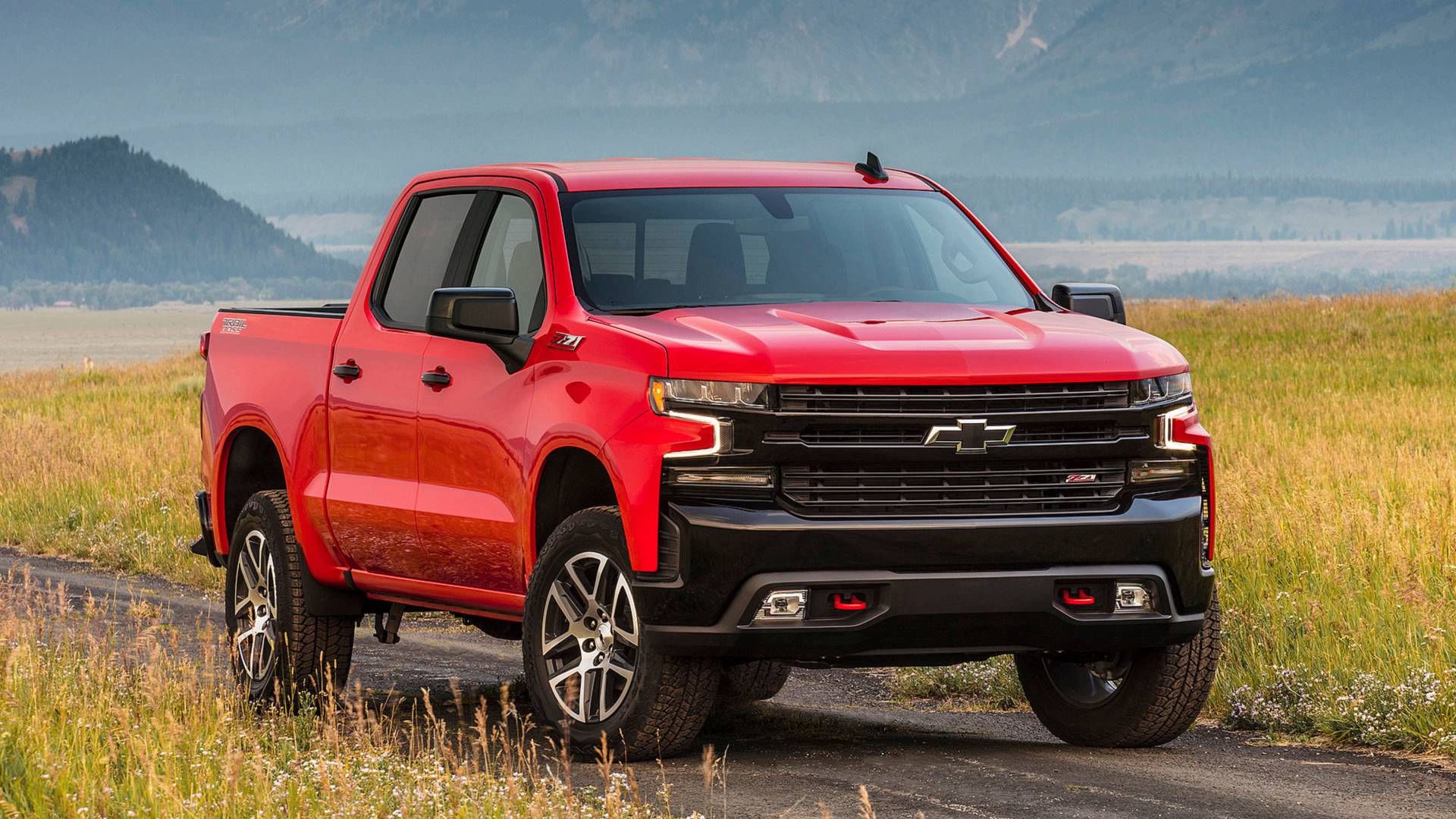
1. Chevrolet Silverado (2007–2013)
The second-generation Silverado introduced a number of design changes aimed at comfort and modern styling, but unfortunately, many of those changes came at the cost of long-term durability. One of the most common complaints among owners relates to the door handles.
These handles were made from a thin, brittle plastic that became especially fragile after a few years of sun exposure. On warm days, they’d flex slightly. In colder months, they’d stiffen. After enough seasonal cycles, the material would simply snap often while pulling on it with normal force.
What made the issue even more frustrating was the location and angle of the handles. Instead of a vertical or top-mounted grip, these were horizontal and flat, meaning you had to pull outward with a twisting motion. That movement puts more strain on the handle base and the plastic surrounding the pivot.
As the internal tabs wore down or cracked, the handle would either feel loose or completely detach. Some owners reported that their handles broke off in their hands while trying to open the truck in freezing temperatures, before even putting the key in the ignition.
Even worse, the plastic wasn’t UV-stable, so trucks that were regularly parked outside showed signs of deterioration far earlier than those kept in garages. The black or chrome coating would fade, chip, or peel away, exposing a dull gray surface beneath.
After that, even minimal contact could cause cracks. It’s not uncommon to see trucks from this generation with mismatched handles due to replacements, since aftermarket options often differ slightly in texture or color. The result is a truck that looks poorly maintained, even if the owner is meticulous.
Chevrolet eventually addressed the issue in later models, but the damage to its reputation was already done. For a truck that was otherwise praised for its comfort and capability, the handle issue became symbolic of broader quality control concerns.
Even now, mechanics who specialize in these trucks often keep extra handles in stock, knowing they’ll be needed. It’s a small part, but for many owners, it turned into a big source of irritation and repeated expense.
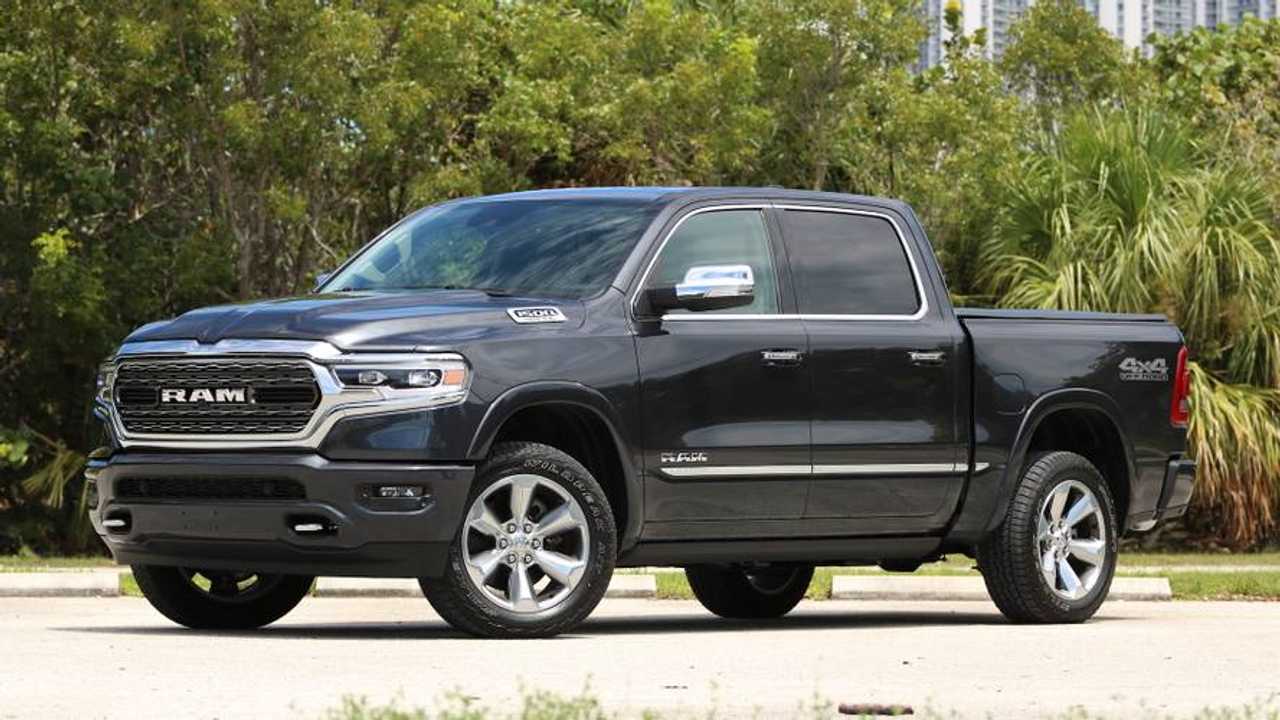
2. Dodge Ram 1500 (2009–2018)
While the fourth-generation Ram brought a lot of innovation and style, it also brought a serious weakness: extremely fragile exterior door handles. The design was sleeker and more modern-looking, with a contour that matched the body lines.
But that look came at a price. The handle shells were made from a thin plastic that developed cracks quickly, especially at the points where stress was concentrated during opening. The internal components weren’t much better, with lightweight brackets that didn’t hold up under repeated use.
The issue showed up especially in the rear doors of crew cab models. Because those doors aren’t used as frequently, the plastic tends to age without “wearing in.”
Then, when someone finally pulls the handle hard, maybe trying to open a stuck door in the winter, it breaks without warning. Many owners have reported multiple handle failures across all doors, with replacement parts offering little improvement. Some replacements even fail faster than the originals, leading to a cycle of frustration.
One of the underlying problems is the door design itself. The tight seals on these Rams create a lot of resistance when opening the door, especially in cold weather. That resistance gets transferred to the handle, increasing stress on the weakest parts. Instead of reinforcing the handle to account for that extra force, Dodge kept the same lightweight materials, which simply weren’t up to the job. As a result, even careful use can’t prevent eventual failure in many cases.
The disappointment is especially sharp because the rest of the truck is often quite solid. Ram owners appreciate the ride quality, engine choices, and interior comfort, but that appreciation is often undercut by the hassle of replacing broken door handles.
For a vehicle marketed as a tough, capable machine, it’s a surprisingly weak point and one that continues to show up in owner reviews and mechanic reports alike. Handling breakage on these models is more of a question of “when” than “if.”
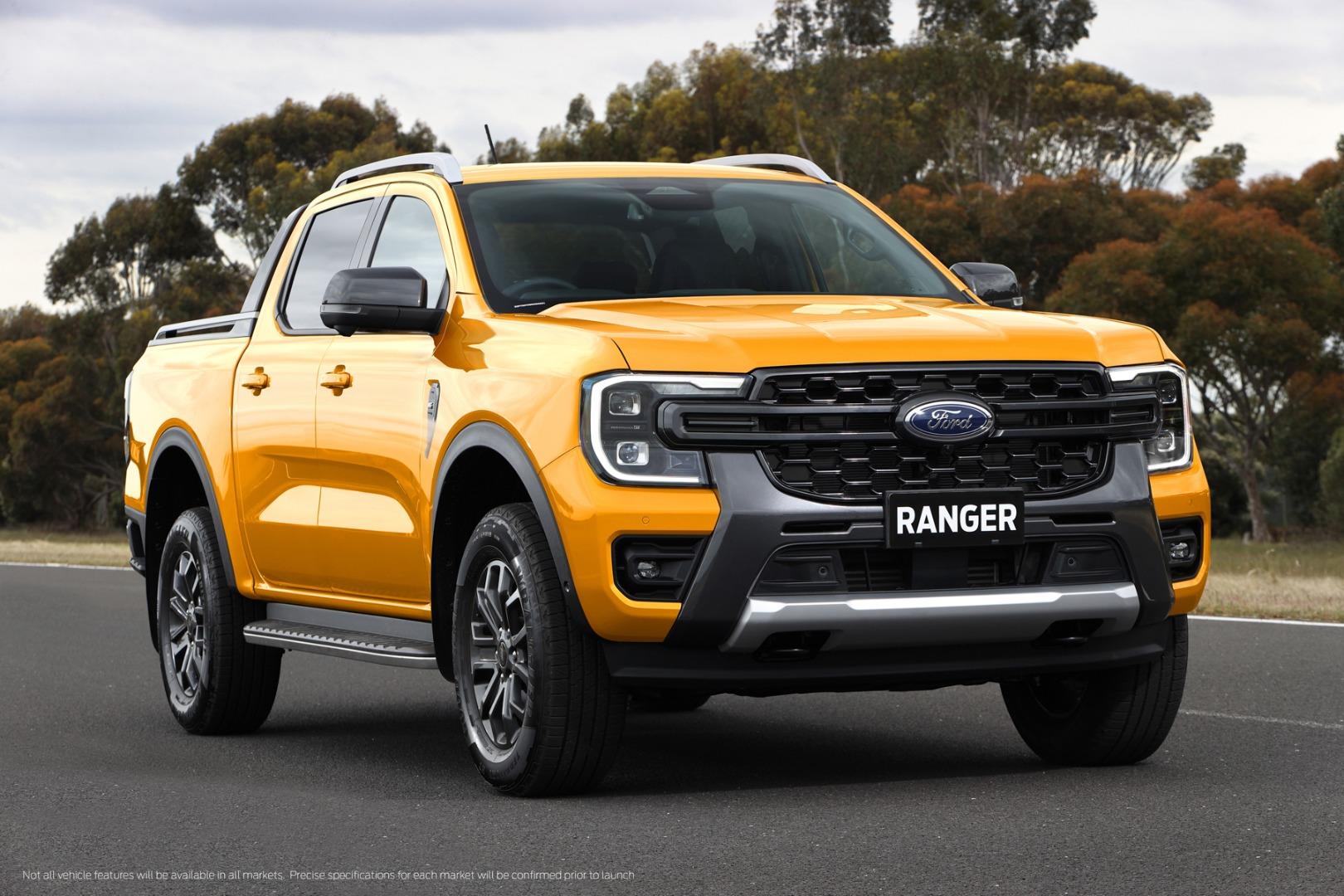
3. Ford Ranger (1998–2011)
The Ford Ranger had a solid reputation for reliability, but the exterior door handles were a frequent point of failure, particularly as the truck aged. These handles were made from a brittle plastic that became increasingly fragile after a few years of UV exposure.
In dry, sunny climates, it was especially common to see the top corner of the handle snap off completely. Once that happened, opening the door often required awkward maneuvers or even opening from the inside.
The problem wasn’t limited to materials. The mechanical layout inside the door was also part of the issue. The linkage connecting the handle to the latch was prone to stretching or disconnecting, especially after the handle began to flex. That meant the door might stop opening entirely, even before the outer shell visibly broke.
For trucks used in delivery or off-road settings, where the doors are opened and closed frequently, this turned into a real problem. Replacing the handle wasn’t difficult, but many owners had to do it multiple times, sometimes within just a few years.
Adding to the frustration was the handle’s location and size. It was recessed into the door panel, which made it hard to grip with gloves or in cold conditions. The angle required for pulling put extra stress on the same area where cracks typically form.
Once a crack developed, it spread quickly, usually resulting in a complete break after just a few more uses. Aftermarket parts were widely available, but quality varied wildly. Some were even more brittle than the originals, leading many to search junkyards for older OEM replacements.
Despite the Ranger’s otherwise strong resale value and loyal fan base, the door handle issue has remained a long-standing complaint. It’s a small failure, but one that’s impossible to ignore when it happens.
For owners who value the truck’s simplicity and dependability, it’s one of the few parts that doesn’t live up to the rest of the vehicle’s reputation. Ford eventually corrected the issue in later models, but for over a decade of production, it was a persistent flaw.
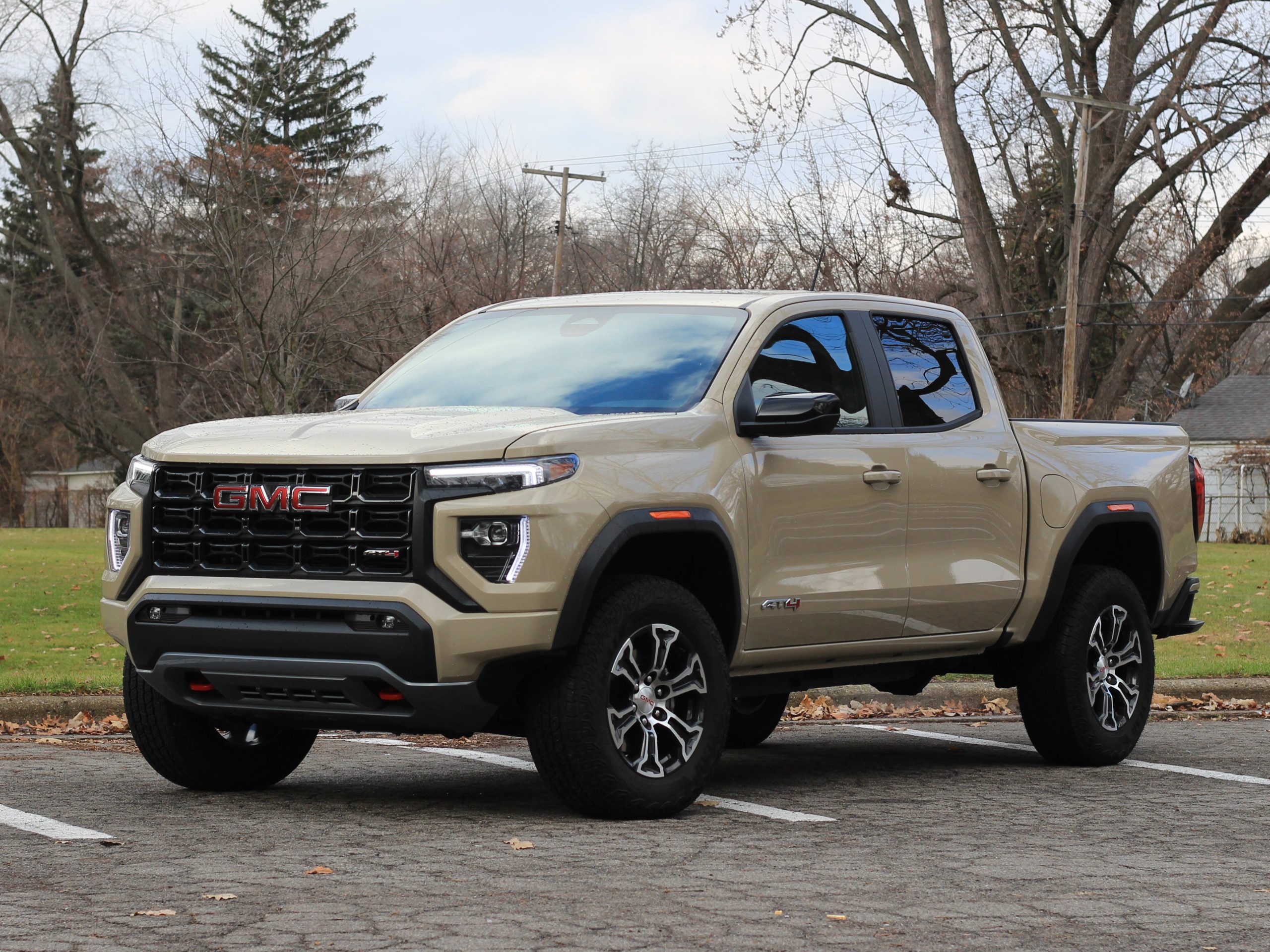
4. GMC Canyon / Chevrolet Colorado (2004–2012)
These compact twins from GM looked promising when they hit the market, but owners soon began noticing that the door handles were one of their weakest design points. Whether on the GMC or Chevy variant, the handles were known to crack, break, or stop functioning entirely, often well before the truck reached 100,000 miles. Part of the issue was the low-quality plastic used, but the design itself also created unnecessary stress every time the handle was pulled.
Unlike some trucks that use a pull-up motion or a rotating lever, these trucks had a sideways pull-style handle that was mounted close to the door’s edge. That design forces the user to apply pressure in a direction that isn’t fully supported by the internal components.
As a result, the plastic shell often cracked at the base, or the linkage inside the door would come loose. Some owners described the failure as “inevitable,” particularly if the truck was used regularly in rough or cold environments.
Worse still, the handles on the rear suicide doors of extended-cab models were even more fragile. Those handles are mounted vertically inside the door seam and are smaller and less reinforced than the front ones.
Breakage was so common that some owners gave up on using the rear doors entirely, just to avoid dealing with repairs. The aftermarket for replacement handles quickly grew, but many of those replacements failed in the same way as the originals.
These trucks had a lot going for them in terms of fuel economy and convenience, especially for drivers who didn’t need a full-size pickup. But the frustration of handling small, recurring problems like this chipped away at owner satisfaction.
The broken door handle wasn’t just an inconvenience, it was often the first sign that the truck might not be as tough as advertised. For people expecting a solid, low-maintenance vehicle, it felt like a letdown. Many owners ended up doing DIY repairs with metal brackets or upgraded aftermarket kits just to restore basic functionality.
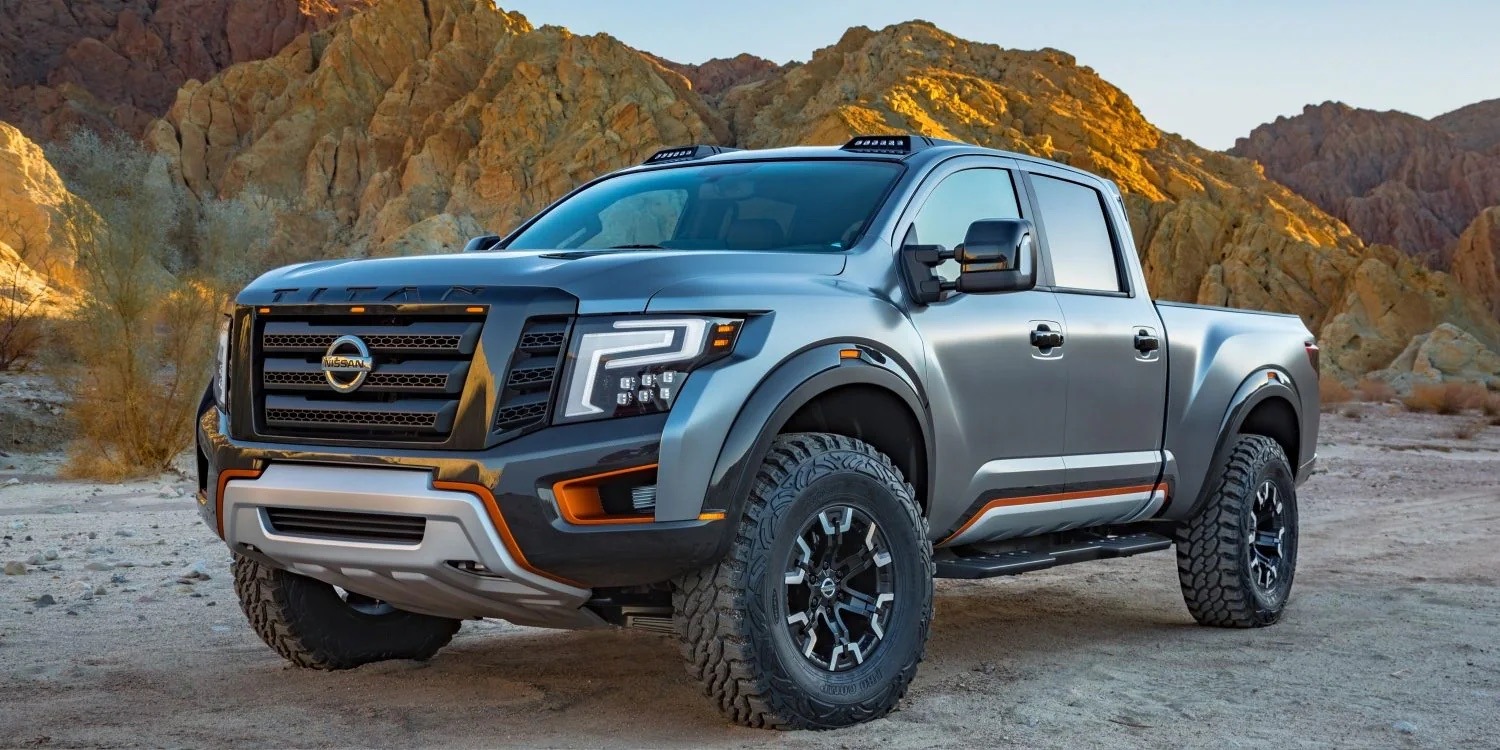
5. Nissan Titan (2004–2015)
The first-generation Nissan Titan made a strong impression when it launched, bringing a full-size Japanese truck to compete with the American mainstays. While the truck had solid engine performance and a unique look, it fell short in a few key areas, and door handle durability was one of the most noticeable problems.
The exterior handles were made of molded plastic that deteriorated far faster than expected, especially on trucks used in hot or humid regions. Cracks often appeared at the stress points, and once the damage started, it didn’t take long before the entire handle broke off.
The failure wasn’t just cosmetic. The way the handles were mounted made them difficult to replace, especially for owners who weren’t familiar with taking apart interior door panels.
Many Titan owners found themselves needing to replace multiple handles over the lifespan of the vehicle, sometimes even more than once per door. Worse yet, the interior door mechanisms weren’t robust either, meaning that even after replacing a broken handle, the internal components might still stick, jam, or fail to connect with the latch properly.
Another major complaint came from the lack of reinforcement behind the handle housing. The handle itself was attached to relatively thin sheet metal, which could flex or warp over time. That made the handle feel loose or misaligned, even before it broke.
And when it did break, it often left jagged plastic edges or exposed rods, turning a minor annoyance into a hazard. Several owners even reported minor cuts from trying to open their trucks after the handles had snapped, especially during cold weather when gloves weren’t in use.
Despite the Titan’s appeal in other areas, such as towing capacity and off-road capability, the weak door handles became a recurring symbol of poor build quality. Many trucks from this generation still run fine mechanically but have at least one or two handles replaced, painted, or zip-tied as a makeshift fix.
It’s a frustrating flaw in what could have been a much more competitive long-term truck. For owners who value toughness in all components, this was a consistent letdown that added unnecessary repairs and headaches over the years.
