

When it comes to automotive design, even the smallest details can make a big difference in how a car feels to own and maintain.
One such detail is the behavior of the car’s hood when opened. The hood is a vital component, giving access to the engine and other essential parts under the bonnet, making it a key point of interaction for both owners and mechanics.
Some vehicles are equipped with hoods that stay up on their own, eliminating the need to manually prop them open. This is usually achieved through gas struts or carefully engineered hinges designed to hold the hood firmly in place without any extra effort.
Such a feature offers clear advantages in terms of convenience, safety, and ease of use during maintenance tasks.
On the flip side, there are vehicles whose hoods slam shut if not handled with care. This often results from older or more basic designs that use manual prop rods or rely on standard hinges without additional support.
A hood that slams shut can be inconvenient and even dangerous, risking injury or damage to the vehicle and making routine maintenance more difficult.
Understanding the differences between these hood designs reveals much about the priorities of different manufacturers and how they balance cost, safety, and user experience.
The decision to include gas struts or advanced hinges that allow a hood to stay open on its own often depends on the vehicle’s market segment, price, and intended purpose. High-end luxury cars and newer models tend to feature these advanced mechanisms as a standard convenience.
These cars prioritize driver and mechanic comfort, ensuring that accessing the engine bay is a hassle-free process. In contrast, entry-level or older cars frequently use simpler, cost-effective methods like prop rods or plain hinges.
While effective to a degree, these systems require more attention from the user and may not always provide the same level of safety or ease. For example, a prop rod can be cumbersome to position properly, and if it slips, the hood may come crashing down unexpectedly.
This difference isn’t just about convenience; it also reflects safety concerns and how automakers address the risk of injury during maintenance. In many ways, the behavior of the hood is a small but telling sign of how far automotive engineering has evolved over the years.
Beyond safety and convenience, the hood’s support mechanism influences the maintenance experience and how owners interact with their vehicles daily. Cars with hoods that stay open independently allow for hands-free access, which is particularly valuable when performing complex repairs or even simple tasks like topping off fluids.
This design reduces frustration and the risk of accidents that can occur if the hood closes unexpectedly. Meanwhile, vehicles with hoods that slam shut may require additional care, such as holding the hood open with one hand while working or installing aftermarket supports to improve stability.
These differences also reflect a vehicle’s target audience. For instance, a pickup truck used in rugged work conditions might prioritize durability and cost-effectiveness over hood convenience, whereas a luxury sedan places greater emphasis on a refined ownership experience. Small details like these contribute to the perception of a vehicle’s quality and design philosophy.
This article examines five cars that feature hoods that stay up on their own, showcasing how their designs incorporate advanced mechanisms to enhance the user experience. It then contrasts these with five cars known for hoods that tend to slam shut due to simpler or older designs.
Each example includes an analysis of the underlying reasons behind the hood behavior, from engineering choices to practical implications for owners.
By understanding these differences, car buyers, enthusiasts, and mechanics can better appreciate how a seemingly minor feature reflects broader trends in automotive design and functionality. The goal is to highlight not only the mechanical details but also the impact on safety, convenience, and driver satisfaction.
Also Read: 10 Cars That Handle Daily Urban Abuse Without Falling Apart
Five Cars with Hoods That Stay Up on Their Own

1. Tesla Model S
The Tesla Model S is a standout example of a modern vehicle that uses gas struts to hold its hood open without any manual intervention. The hood on the Model S is crafted from lightweight aluminum, which helps reduce vehicle weight and improve efficiency.
However, lightweight materials alone don’t guarantee that a hood will stay open safely, which is why Tesla integrates gas struts that carefully balance the hood’s weight.
When you open the hood, these struts smoothly lift and hold it firmly in place, giving the driver or mechanic immediate, hands-free access to the engine bay or the front trunk, commonly called the “frunk.”
This is especially useful given the Model S’s electric powertrain, where the frunk is a key storage area since there is no traditional engine up front.
The convenience of a self-supporting hood is apparent during routine checks, such as fluid top-ups or inspecting the front trunk’s contents.
There is no need to fumble with a prop rod or worry about the hood accidentally closing. The risk of injury or damaging the hood itself is minimized, which adds a layer of confidence and safety.
Owners often highlight this feature as part of Tesla’s broader approach to a seamless user experience, where even small touchpoints are thoughtfully engineered to reflect the vehicle’s cutting-edge nature. The gas struts add a smooth, almost luxurious feel to opening and closing the hood, consistent with the car’s high-tech image.
From a maintenance perspective, these gas struts are robust and built to last, though like any mechanical component, they may require replacement after many years or miles.
The initial design prioritizes balance and ease of operation, ensuring that the hood remains stable under a variety of conditions, including windy weather or uneven terrain. The Tesla Model S thus sets a high standard for hood design in electric vehicles, proving that functionality and elegance can coexist without compromise.
The presence of the frunk further emphasizes the importance of a hood that stays open effortlessly. Since many Tesla owners regularly access the front storage area for charging cables or other gear, the convenience factor of not needing to hold or prop the hood is significant.
It reinforces the car’s image as a user-friendly, well-engineered machine where every detail is optimized for real-world usability. The Model S’s hood mechanism reflects Tesla’s commitment to merging technology and practical design in a premium package.

2. BMW 3 Series (G20 generation)
The G20 generation of BMW’s 3 Series incorporates gas strut technology to allow the hood to stay open by itself, offering a smooth and secure lifting experience.
BMW has long been known for balancing driving performance with luxury and practical features, and the self-supporting hood mechanism aligns well with this philosophy.
The gas struts are carefully engineered to provide the exact resistance needed to lift and hold the hood at an ideal height, which makes inspections and maintenance safer and more convenient. This is a marked improvement over older systems where the hood had to be propped up manually, increasing the risk of accidental closure.
For BMW owners, the ease of hood operation is a small but meaningful part of the ownership experience. The struts eliminate any uncertainty about whether the hood is stable, allowing hands-free work and giving users peace of mind.
Whether performing simple fluid checks or more involved mechanical work, the G20’s hood mechanism contributes to a feeling of refinement and attention to detail that is characteristic of the brand. The system is also designed to last, with replacement parts readily available to keep the hood operating smoothly over many years.
The hood struts are also visually unobtrusive, tucked away neatly to preserve the clean lines and aesthetic appeal of the engine bay. This detail is important for a car like the 3 Series, where a sporty yet elegant appearance is part of its appeal.
The ease of operation and stability of the hood also reflect the car’s precise engineering, demonstrating that BMW values both form and function.
Finally, the G20 3 Series hood mechanism is a reflection of ongoing improvements in vehicle ergonomics and safety.
By integrating gas struts, BMW ensures that drivers and mechanics don’t have to contend with the risk or inconvenience of a slamming hood, making routine maintenance a more pleasant and less stressful experience. This small design choice speaks to the automaker’s broader commitment to quality and driver satisfaction.

3. Audi A6
Audi’s A6 is a midsize luxury sedan that employs gas struts to hold the hood open independently, enhancing both safety and convenience. Audi places great emphasis on engineering precision and user comfort, and the hood design is no exception.
The gas struts provide a consistent and controlled lift, enabling the hood to open smoothly and stay in place without additional support. This eliminates the need for a manual prop rod and reduces the risk of accidental closure during maintenance or inspection.
The smooth operation of the hood also reflects Audi’s broader design goals, which include seamless integration of technology and comfort. The struts are engineered to handle the hood’s weight while maintaining a balanced feel, ensuring that the hood opens to a comfortable height for users.
This ergonomic design makes it easier to reach engine components without straining, which is particularly valuable during regular upkeep or repairs. The system’s durability means that the hood remains reliable in all weather conditions, from hot summers to cold winters.
Owners of the A6 often appreciate how the hood’s gas struts contribute to a refined ownership experience. The design prioritizes user-friendly features without compromising on the car’s sleek aesthetics.
By hiding the hardware in a clean, unobtrusive manner, Audi ensures the engine bay looks polished and well-organized. This attention to detail helps reinforce the premium status of the vehicle.
In addition to convenience and safety, the hood’s self-supporting mechanism also reflects Audi’s commitment to quality engineering. The brand’s reputation for precision manufacturing extends to even small components like hood struts, which are built to last and perform consistently.
This makes routine maintenance safer and more enjoyable for owners and technicians alike, contributing to the vehicle’s value.
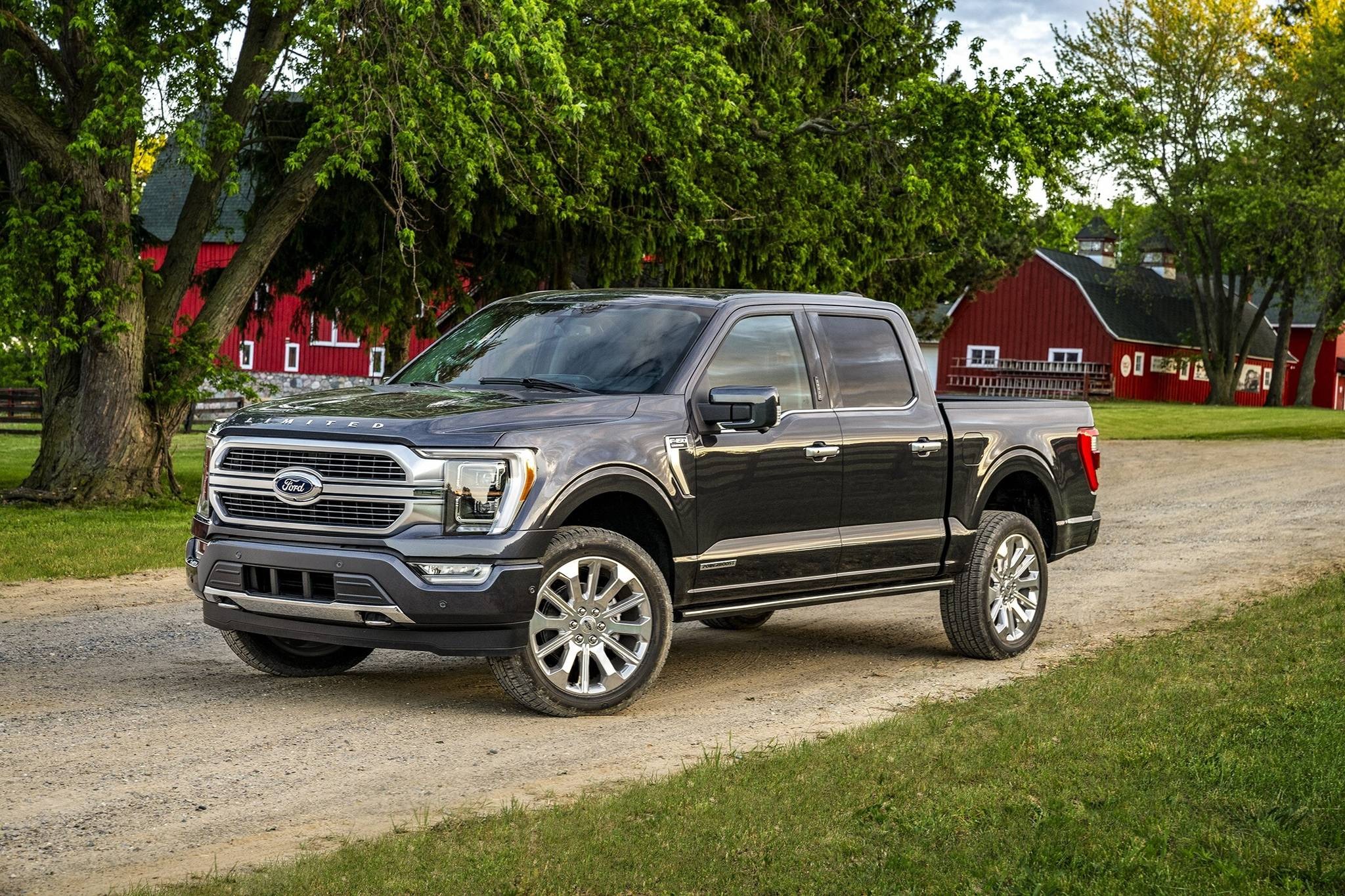
4. Ford F-150 (latest generations)
The Ford F-150, one of the most popular full-size pickup trucks in the United States, features a hood supported by gas struts in its latest generations, allowing it to stay open independently. Given the size and weight of the F-150’s hood, this is an important practical feature.
The gas struts provide enough force to lift the heavy hood easily while holding it securely in place, which is essential for a vehicle often used in work or rugged environments where quick and safe access to the engine is crucial.
The utility of a self-supporting hood is clear for F-150 owners, many of whom rely on their trucks for demanding tasks like towing, hauling, and off-road driving.
Maintenance is often performed on-site or in less-than-ideal conditions, so a hood that can stay open on its own without the risk of slamming shut improves both safety and efficiency.
The struts are engineered to withstand the truck’s larger hood size and the more frequent use that work trucks typically experience, reflecting Ford’s understanding of their customers’ needs.
Ford’s decision to include gas struts in the F-150 also marks a shift toward enhancing user convenience without sacrificing the truck’s ruggedness. The hood lifts smoothly and holds steady, allowing hands-free inspection and repairs.
This reduces fatigue for owners and mechanics, who might otherwise need to balance or prop the hood manually. The feature is especially valuable during roadside repairs or outdoor work, where managing tools and parts with limited space is a challenge.
The gas struts used in the F-150 are built for durability and are designed to function reliably over many years and miles. Replacement parts are readily available, ensuring that this convenient feature can be maintained throughout the truck’s life.
The self-supporting hood on the F-150 balances toughness with practical, user-friendly engineering, highlighting how even workhorse vehicles benefit from thoughtful design improvements.

5. Mercedes-Benz E-Class
The Mercedes-Benz E-Class sedan features a hood supported by gas struts that hold it open independently, contributing to the vehicle’s luxurious and functional character.
As a flagship model in Mercedes’ lineup, the E-Class incorporates numerous user-friendly features, and the hood’s smooth, self-supporting lift is one of them. The gas struts are calibrated to balance the hood’s weight perfectly, offering a controlled and steady opening motion that reduces the risk of accidental closure.
This feature is not only about convenience but also about safety. The hood remains securely open during maintenance, allowing hands-free access to engine components.
This reduces the chance of injury and enhances the ease of performing inspections, fluid top-offs, and repairs. Mercedes-Benz owners often praise this small but important detail as part of the car’s refinement and thoughtful design.
The hood struts on the E-Class are also designed with durability and aesthetics in mind. The hardware is neatly integrated into the engine bay, preserving the car’s clean and elegant appearance.
The struts are weather-resistant and built to last, maintaining consistent performance even under varying environmental conditions.
In terms of user experience, the gas struts allow the hood to open to a comfortable height, making it easier for both owners and mechanics to access engine components without straining.
This small ergonomic improvement adds up over time, making routine maintenance less cumbersome. Mercedes-Benz’s investment in quality components extends to this hood mechanism, reinforcing the brand’s reputation for luxury and reliability.
Five Cars with Hoods That Slam Shut
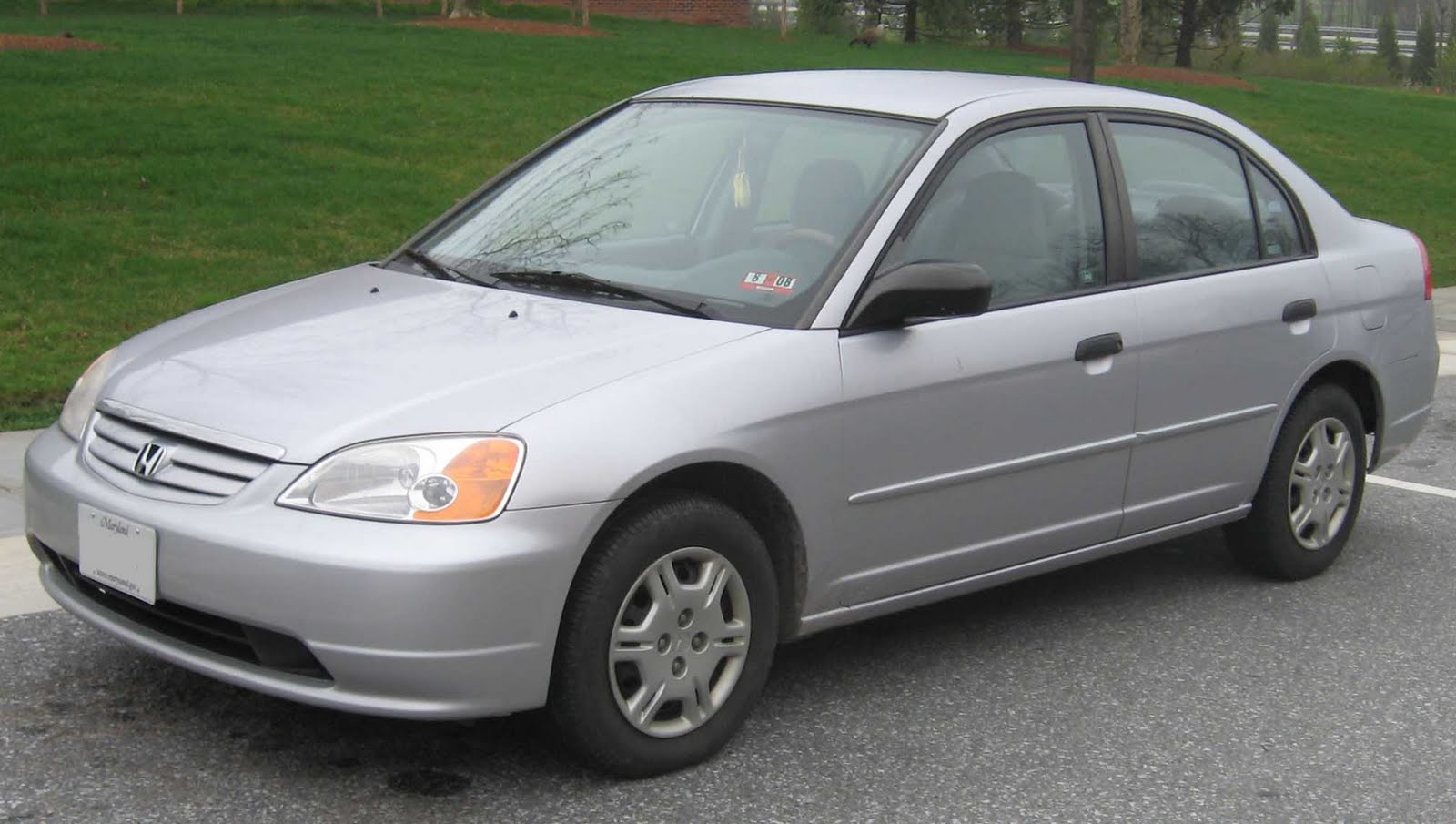
1. Honda Civic (older generations)
Older Honda Civic models, especially those produced in the late 1990s and early 2000s, are well known for hoods that often slam shut if not handled carefully. The hood support system in these models typically consists of a simple metal hinge paired with a manual prop rod.
While this system was common at the time and cost-effective, it requires the user to position the rod precisely to hold the hood open. The hood’s weight distribution combined with natural wear over time means the hood can easily fall shut if the prop rod slips or is not properly secured.
For many Civic owners, this creates an inconvenience and a safety hazard. Performing simple maintenance tasks like oil checks or coolant refills requires constant attention to the hood’s position, often forcing the user to hold the hood open with one hand.
This reduces the ability to work efficiently and increases the risk of injury from a sudden closure. The frustration is compounded in cramped or poorly lit environments where securing the hood properly can be difficult.
Mechanically, the hinges and latch assemblies in older Civics may become worn or corroded, worsening the problem. The factory design’s lack of gas struts or other self-supporting mechanisms means there is no built-in safety net to prevent accidental slams.
This design choice reflected cost-saving priorities at the time but can lead to dissatisfaction among owners used to more modern conveniences. To address this, many Honda enthusiasts and owners opt for aftermarket hood strut kits that replace the traditional prop rod.
These kits provide gas struts similar to those found in newer vehicles, greatly improving convenience and safety. However, until such upgrades are made, owners must remain vigilant to avoid accidents related to the slamming hood.
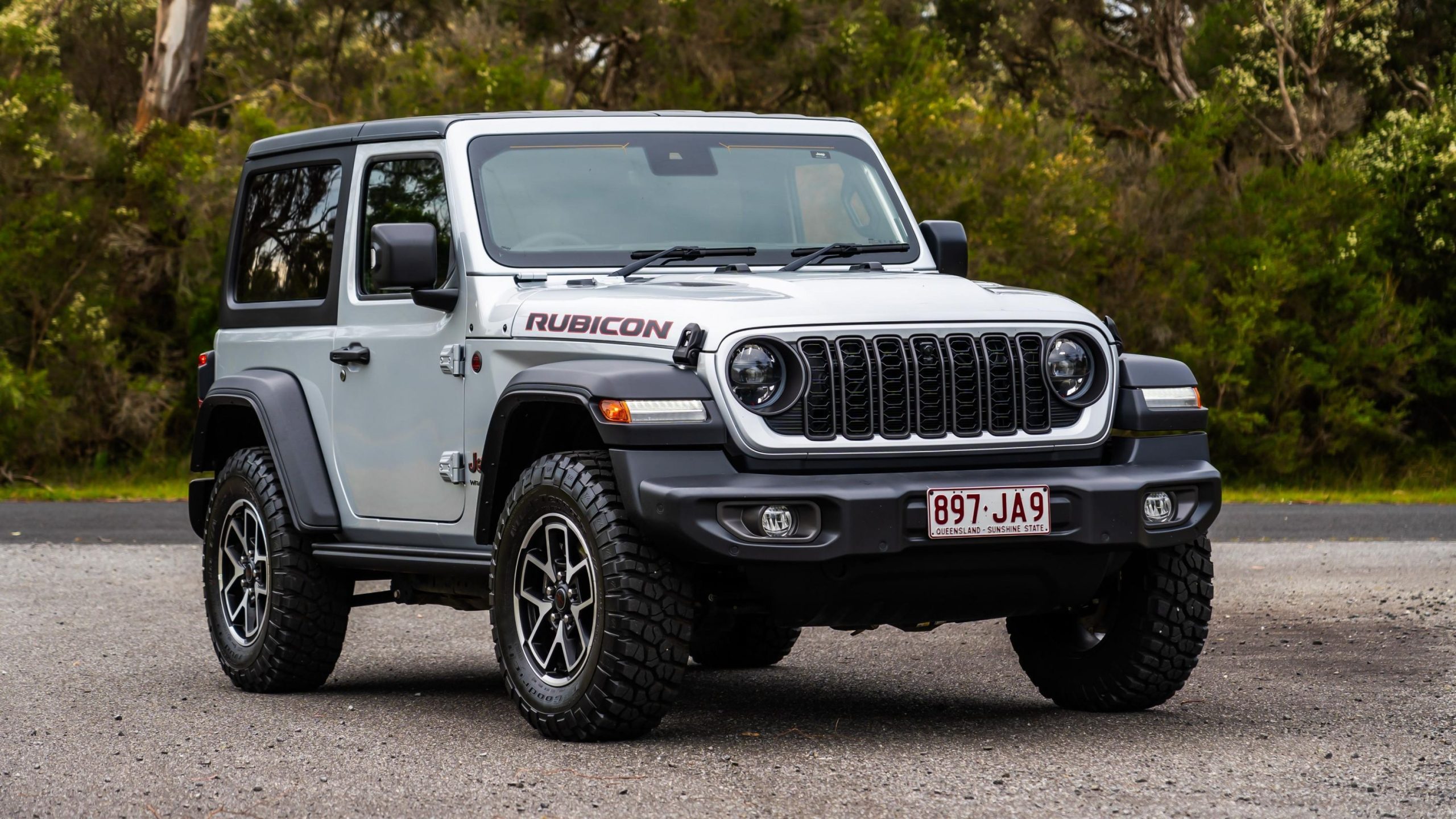
2. Jeep Wrangler (older models)
Older Jeep Wrangler models are another example of vehicles whose hoods tend to slam shut without warning. These vehicles were designed with ruggedness and off-road capability in mind rather than user convenience, which is reflected in their basic hood support system.
Many Wranglers rely on manual prop rods that must be positioned by the user to hold the hood open. This rudimentary system can be unstable, especially on uneven terrain or in outdoor environments where wind or movement can cause the hood to close suddenly.
Wrangler owners frequently work in challenging conditions, whether off-roading or performing field repairs. The need to hold the hood open manually or carefully balance a prop rod is less than ideal when space and stability are limited.
The tendency for the hood to slam shut can lead to minor injuries or damage to tools and vehicle components, making it a persistent annoyance for many owners.
The simplicity of the Wrangler’s hood support is a trade-off for durability and ease of repair. The hood and hinge designs prioritize robustness and ease of replacement rather than convenience features. While this approach fits the Wrangler’s rugged image, it often falls short of providing a user-friendly experience during maintenance.
Some Jeep enthusiasts install aftermarket hood supports, such as gas struts, to improve the situation. These upgrades enhance safety and ease of use but are not factory-installed, meaning the default setup remains prone to slamming hoods. Until such modifications are made, Wrangler owners must take extra care when working under the hood.
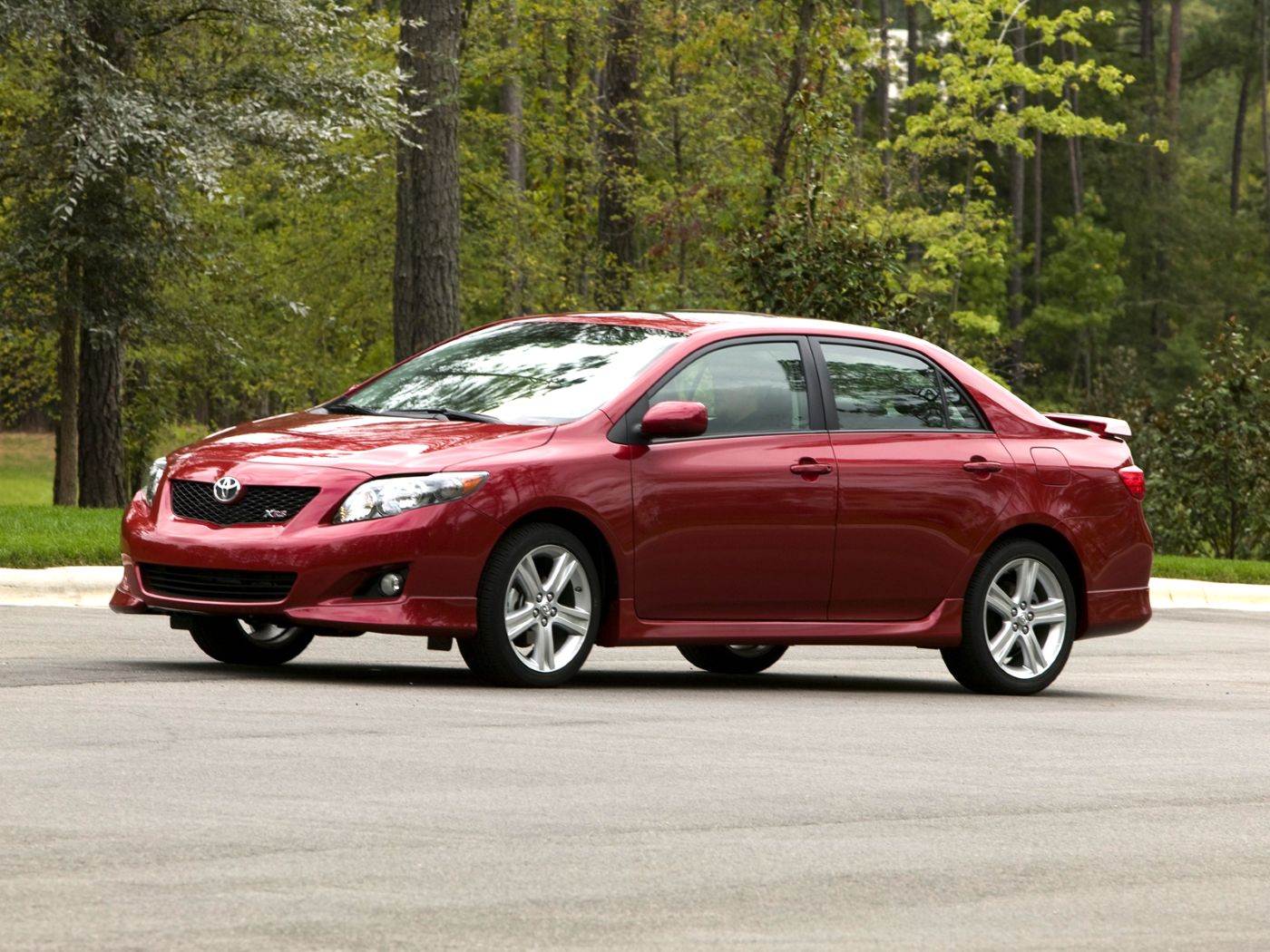
3. Toyota Corolla (early 2000s models)
Early 2000s Toyota Corollas commonly feature hoods that slam shut due to their basic hinge and prop rod design. These cars typically lack gas struts, relying solely on manual rods to keep the hood open.
The hood’s weight and balance, combined with potential wear on hinges over time, can make it difficult to keep the hood stable without constant attention. This can result in the hood closing abruptly if the prop rod slips or is not securely positioned.
While the Corolla is widely recognized for reliability and simplicity, this hood design detracts from user convenience.
Owners performing regular maintenance tasks must be cautious and often find themselves needing to hold the hood or carefully balance the prop rod. This reduces the efficiency of basic maintenance and increases the risk of injury or damage.
The problem can worsen with age, as corrosion or mechanical wear in the hinges and latch mechanisms reduces their ability to hold the hood steady. This common issue among older Corollas highlights how cost considerations often influenced design choices, leaving some features underdeveloped.
Many owners opt to install aftermarket gas strut kits to resolve these issues, providing a modern solution that eliminates the need for manual prop rods. These kits improve safety and ease of use, allowing the hood to stay open independently. Until such modifications are made, however, the slamming hood remains a source of frustration.

4. Ford Mustang (classic models)
Classic Ford Mustangs, particularly those produced during the 1960s and early 1970s, often have heavy steel hoods supported only by manual props or simple hinges.
This design is a product of the era, when convenience and safety features were less prioritized compared to today’s standards. The weight of the steel hood, combined with these basic support mechanisms, means the hood can slam shut suddenly if not carefully secured.
For owners and restorers of classic Mustangs, this presents both a challenge and a trade-off. While many value keeping original parts for authenticity and collector value, the lack of modern hood supports can make working on the engine more difficult and hazardous. The potential for injury or damage from a slamming hood requires constant attention during maintenance.
Restoration enthusiasts sometimes upgrade to modern gas strut supports to mitigate this issue. This retrofit provides the convenience and safety of a self-supporting hood, though some purists prefer to maintain the original setup despite its drawbacks. The behavior of the hood on classic Mustangs is part of the vehicle’s character but also a practical concern.
This situation reflects broader changes in automotive design over the decades, where safety and convenience features have become more standardized. Classic Mustang owners must weigh the desire for authenticity against the benefits of modern upgrades.
5. Nissan Sentra (early models)
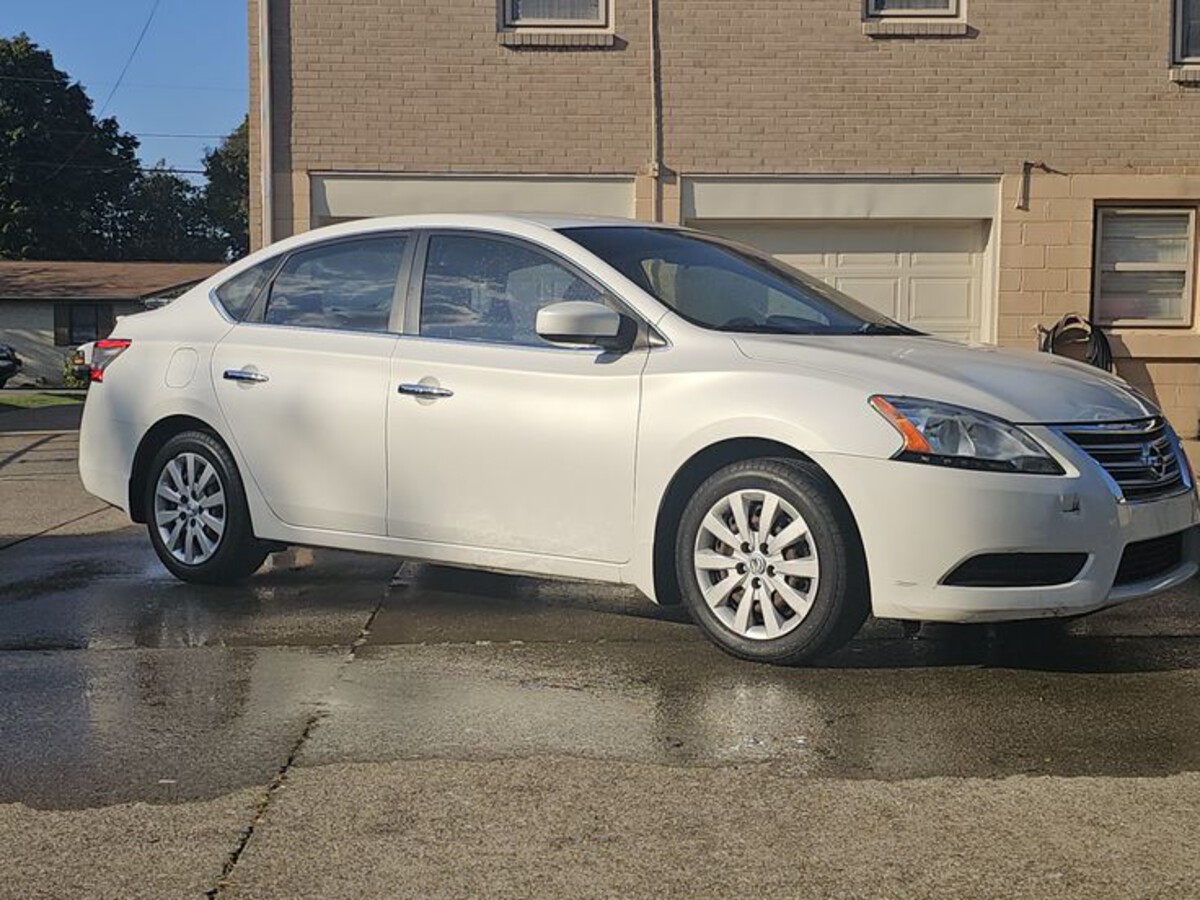
Early Nissan Sentra models often experience issues with hoods that slam shut unexpectedly. These cars typically use simple hinge designs combined with manual prop rods to keep the hood open. Without gas struts or other self-supporting mechanisms, the hood’s stability depends entirely on the correct positioning of the prop rod and the condition of the hinges.
As the car ages, wear and tear on the hinge components can make it increasingly difficult to keep the hood secure. This instability means the hood can close suddenly, posing a safety risk for owners performing maintenance. The inconvenience and danger of a slamming hood are common complaints among early Sentra drivers.
The Sentra’s design reflects its budget-friendly positioning in the market. By forgoing gas struts, Nissan was able to keep costs low but at the expense of some user convenience and safety. This trade-off is typical of economy cars from that period.
Aftermarket solutions, including gas strut conversion kits, are available and popular among Sentra owners seeking to improve hood stability and safety. These modifications enhance the maintenance experience significantly. Until such upgrades are installed, caution is required to prevent accidents related to the hood.
Also Read: 5 Cars With Fast Climate Response vs 5 With Slow HVAC
The comparison between cars with hoods that stay up on their own and those with hoods that slam shut highlights how a seemingly small detail can reflect larger design philosophies and user priorities within the automotive industry.
Vehicles equipped with gas struts or advanced hinges to hold the hood open demonstrate a clear focus on convenience, safety, and user experience.
This feature not only makes routine maintenance easier but also reduces the risk of injury or damage caused by sudden hood closures. It is no coincidence that many modern luxury sedans, electric vehicles, and trucks designed for heavy-duty use tend to include such mechanisms as standard.
These cars emphasize ease of access and ergonomic design, ensuring owners and mechanics can work confidently and comfortably under the hood.
On the other hand, cars with hoods that slam shut, often older or more budget-friendly models, reveal a different set of priorities.
In many cases, manufacturers have chosen simpler, cost-effective solutions such as manual prop rods and basic hinges to keep vehicle prices low and mechanical complexity minimal.
While these designs can be functional, they require more careful handling from the user, which can be inconvenient and sometimes dangerous.
The presence of a slamming hood can affect the owner’s day-to-day experience, turning simple maintenance tasks into potentially frustrating or risky efforts. For classic cars or rugged off-road vehicles, this drawback might be accepted as part of the vehicle’s character or a trade-off for durability and ease of repair.
This contrast also reflects how automotive engineering has evolved. The integration of gas struts into hood mechanisms is a sign of increasing attention to safety standards and user convenience in modern vehicles.
It illustrates how manufacturers today consider even minor components as opportunities to enhance the driving and ownership experience.
Meanwhile, vehicles that still rely on manual support often face aftermarket solutions from owners who seek to upgrade their cars with more reliable and user-friendly technology.
The behavior of a car’s hood is more than just a mechanical quirk. It provides insight into the vehicle’s intended market, age, and the manufacturer’s design philosophy.
Whether prioritizing cost, durability, or convenience, the choice between a hood that stays open independently and one that requires careful handling reveals much about the broader priorities of automotive design. For car owners, understanding these differences can improve safety and satisfaction while working on their vehicles.
