
Affordability often comes at a cost, but that cost doesn’t always have to be quality. Sedans remain a popular choice for drivers seeking comfort, practicality, and style without the bulk or fuel consumption of an SUV.
However, when shopping in the affordable segment, it’s not uncommon to encounter vehicles that feel more like an assemblage of lightweight plastic than a cohesive, thoughtfully crafted automobile. For every well-built, affordable sedan that punches above its weight, there seems to be another that cuts corners where it matters most: materials, build quality, and interior refinement.
A car doesn’t need to cost a fortune to feel solid. Some automakers have found ways to deliver a feeling of durability and tight construction even in lower trims.
This can be felt the moment you close the door, interact with the dashboard controls, or drive over a patch of uneven pavement. These small but important signals tell the driver whether the car is engineered with care or if it was merely slapped together to hit a price point.
At the same time, some sedans may come equipped with all the right features on paper but suffer from low-quality plastics, creaky interior panels, and a lack of sound insulation. These are vehicles where the compromises are obvious, and the cost-cutting isn’t well hidden. Such cars might meet basic transportation needs, but they lack that sense of integrity and polish that makes daily driving a little more enjoyable.
This article will present a comparison between two groups: five affordable sedans that feel impressively well-built, and five that give off a distinctly cheaper vibe. The goal is not to shame any particular brand or model but to highlight the differences in execution within the same price bracket.
Feeling confident behind the wheel isn’t just about horsepower or brand prestige; sometimes, it comes down to whether the interior feels like it’s going to hold up over time or start rattling after the first 10,000 miles. Let’s go through each list in detail, taking a closer look at what makes one group stand out for the right reasons and the other for the wrong ones.
Also Read: 10 Cars With Tricky Seatbelt Buckles for Elderly Passengers
5 Affordable Sedans That Feel Well-Built
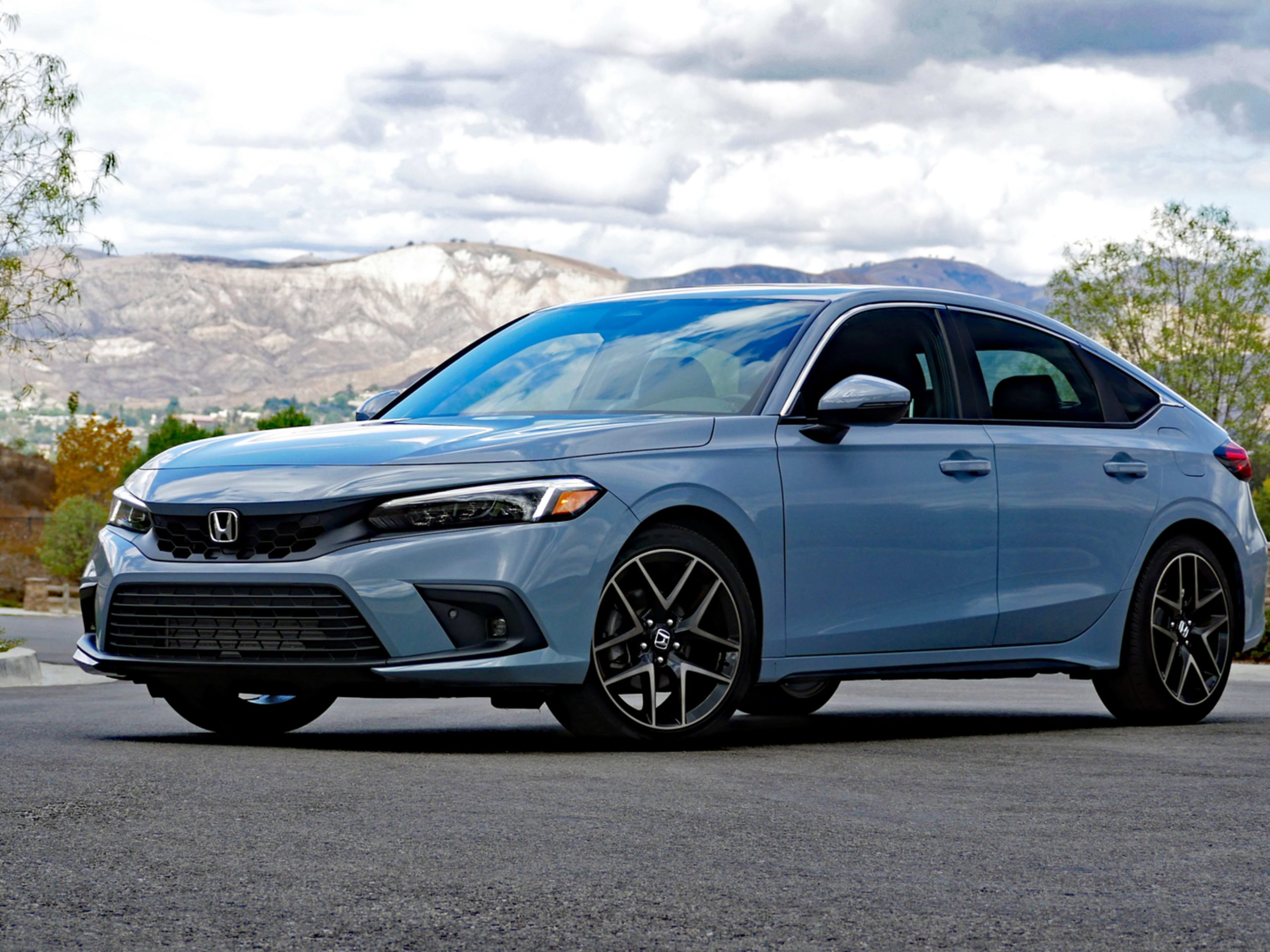
1. Honda Civic
The Honda Civic has long been a benchmark for the compact sedan category, and one reason is its exceptional build quality. Even in its most basic trims, the Civic feels solid in a way that few other cars in its price range can match.
The doors shut with a satisfying thunk, the cabin materials feel durable, and everything from the climate control dials to the infotainment screen operates with a level of polish that inspires confidence. Honda seems to have engineered the Civic with long-term durability in mind, giving owners a sense that the car will age gracefully.
One of the Civic’s most impressive characteristics is its ability to stay composed even when pushed. Road and wind noise are well managed, and the structure doesn’t creak or rattle under stress. On rough roads, the suspension and body remain tight, giving the impression that the car is better put together than some of its rivals. This can be particularly noticeable when transitioning from a bumpy surface to smooth pavement; the Civic maintains a consistent feel without introducing unpleasant vibrations.
Inside, the Civic doesn’t rely on gimmicks to feel modern. The design is simple, but the materials are thoughtfully chosen. Hard plastics are still present, but they are textured in a way that looks purposeful rather than cheap. The fit and finish across all surfaces suggest attention to detail, and that’s something drivers can appreciate over the life of the car.
What also adds to the feeling of a well-built machine is the Civic’s steering and control feedback. It reacts predictably to inputs, and the consistency of the driving experience is a sign that Honda put real effort into making it more than just a budget option. Whether you’re commuting, running errands, or heading out for a longer trip, the Civic feels like a car built to last.
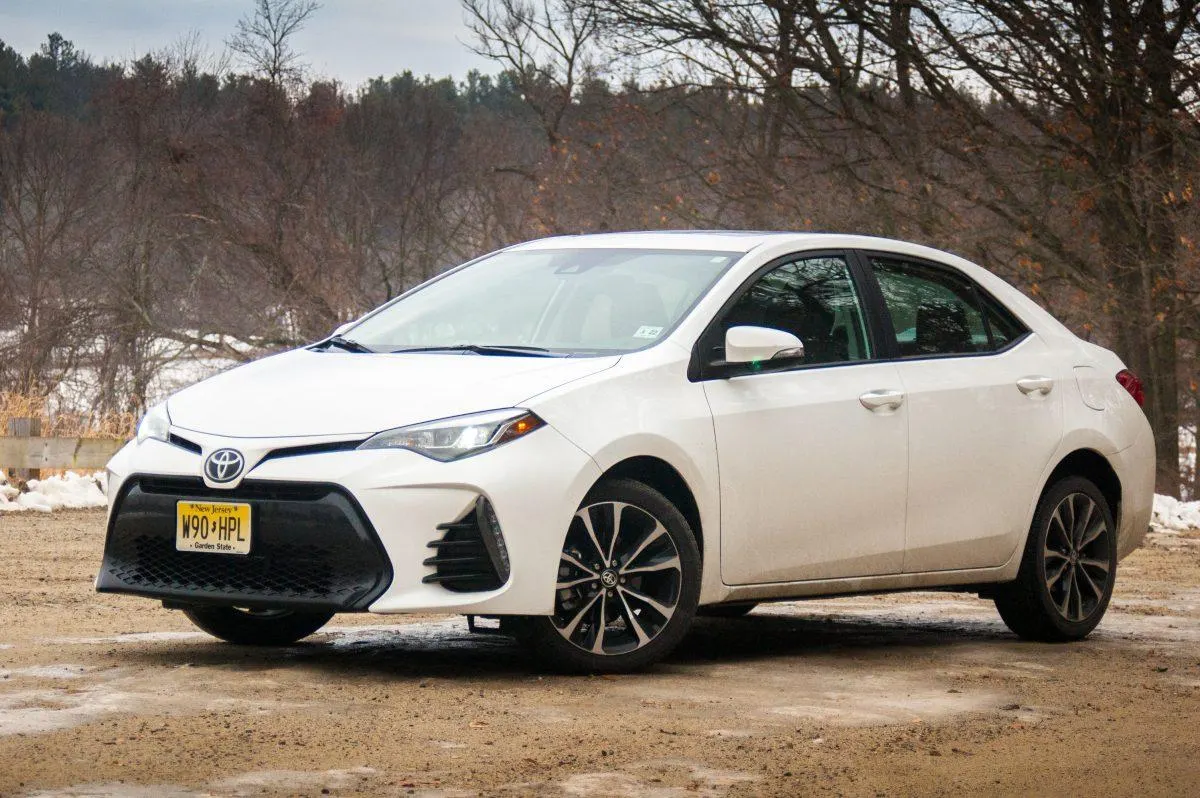
2. Toyota Corolla
Toyota’s reputation for reliability is built on more than just dependable engines. The Corolla, a staple of the affordable sedan market, also showcases what well-executed build quality looks and feels like. Sitting inside a modern Corolla, one might be surprised by how quiet and refined the cabin feels compared to the price. Controls are smooth and well-damped, giving off the impression of care in the assembly process.
The structure of the Corolla is one of its biggest strengths. There’s very little in the way of body flex or cabin rattles, even after thousands of miles of use. Open and close any of the doors, and you’re met with resistance that suggests tight tolerances and strong materials. That extends to smaller details as well, from the way the glove compartment closes to the tactile feedback from steering wheel buttons. Everything feels secure and resistant to wear.
Toyota has improved the interior design language of the Corolla over the past several years, opting for a layout that feels modern without being too flashy. Soft-touch materials are strategically placed in areas you’re likely to touch most often, while harder plastics are kept to surfaces that don’t draw attention. This makes the interior feel more expensive than it actually is, even if the underlying materials are still budget-conscious.
Driving the Corolla reinforces the sense of structural integrity. It’s not a sporty car by nature, but the way it handles corners and maintains its composure on bumpy roads shows how well the platform is engineered. Toyota doesn’t chase trends with the Corolla; instead, it focuses on consistent quality and refinement, and that translates into a sedan that simply feels solid.
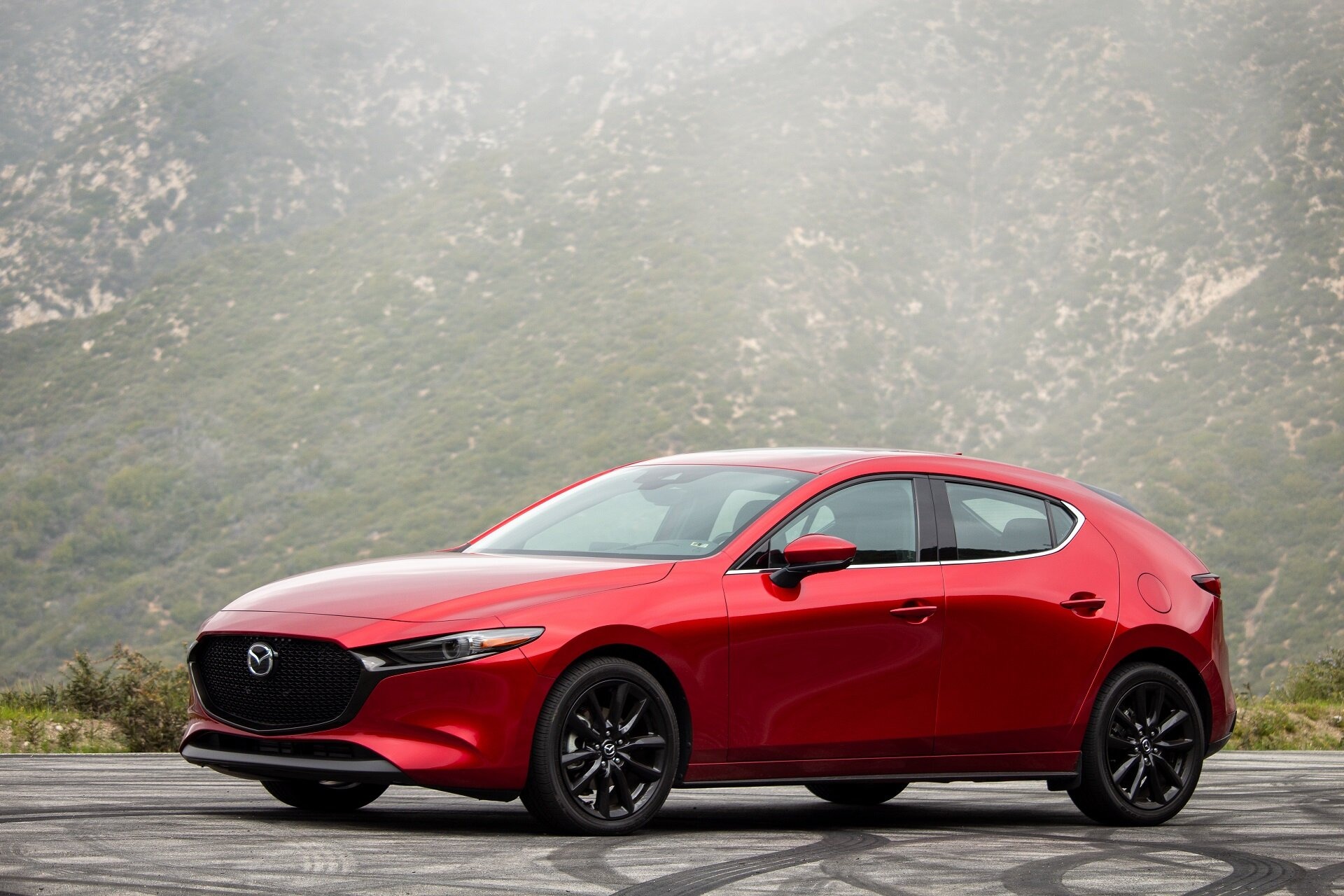
3. Mazda3
The Mazda3 stands out in its segment for feeling far more upscale than its price tag would suggest. Mazda’s philosophy of building cars that connect with the driver extends beyond performance; it’s also evident in how their vehicles are constructed.
The Mazda3 has a cabin that many might mistake for something from a luxury brand. The materials, fit and finish, and design choices all contribute to a strong sense of quality.
There’s a weightiness to the way the Mazda3 is put together. Every button click, knob rotation, and door action feels deliberate and well-engineered. Even in base trims, the interior avoids the cheapness found in other compact sedans.
Mazda uses soft-touch materials across the dashboard, high-grade fabrics on the seats, and refined accents that feel more European than Japanese in tone. Nothing feels like it was added as an afterthought.
From a driving perspective, the Mazda3 also benefits from a rigid chassis and a smooth ride. You don’t hear as many creaks and groans from the suspension or the body over uneven surfaces, which is a testament to the car’s structural integrity.
This contributes to a quieter, more comfortable ride and helps reduce fatigue on longer drives. The Mazda3 simply feels planted and well-insulated, which is not something you always get in this price bracket.
Mazda’s attention to detail extends even to the infotainment system and layout of the controls. The user interface is responsive, and physical controls offer satisfying feedback. These are often overlooked elements in affordable cars, but Mazda treats them with the same seriousness as the mechanical components. It’s this total-package approach that makes the Mazda3 one of the most well-built affordable sedans currently available.
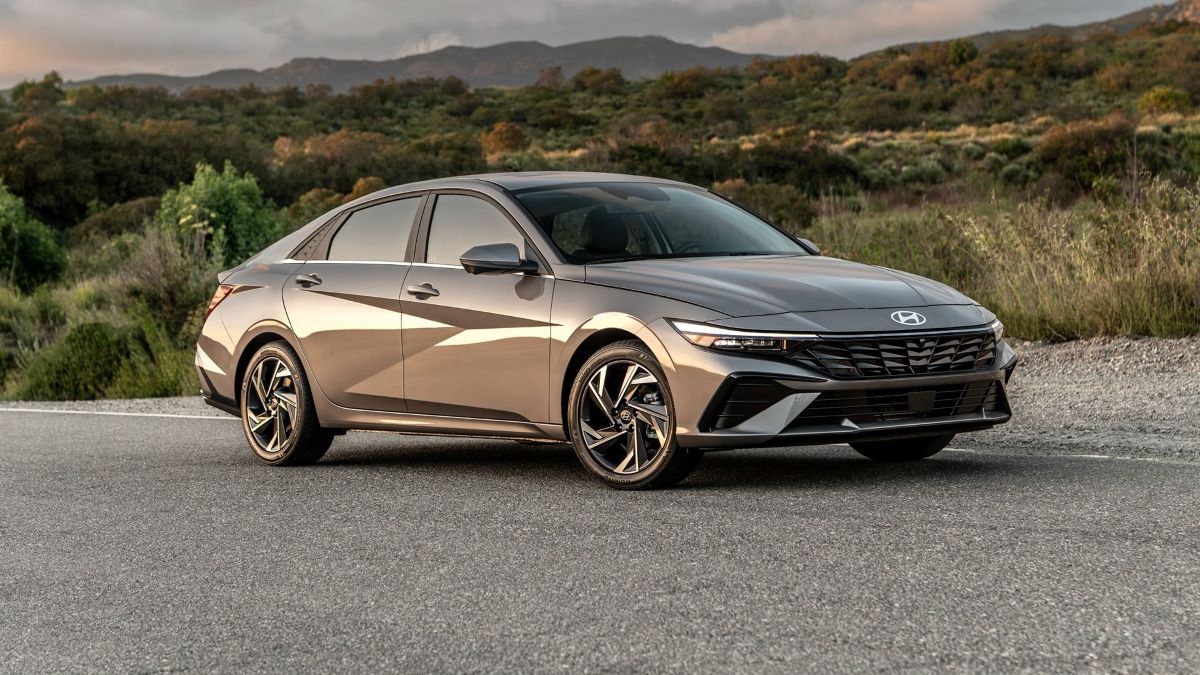
4. Hyundai Elantra (Newer Generations)
Hyundai has made serious improvements in design and quality over the past decade, and the Elantra is a prime example of this progress. While older versions of the Elantra may have felt generic and plastic-heavy, recent models have taken a big step forward in terms of perceived and actual quality. The current Elantra feels like a car built with thought and precision.
The interior layout is surprisingly refined for the price, with a clean dashboard design and materials that are more robust than expected. The seating feels supportive, the switches and controls operate with smooth precision, and the infotainment system is both fast and intuitive. Small touches like the stitching on the steering wheel or the sturdy center console give it a more premium feel than many of its direct competitors.
From a structural standpoint, the Elantra is more solid than previous versions. Hyundai has tightened up tolerances and reduced unwanted noises, making for a more relaxed driving experience. Even when pushed hard or taken over rough surfaces, the car maintains composure. Doors shut with a reassuring firmness, and there’s very little in the way of flex from the cabin. It’s a car that feels like it’s been put together with purpose, not just slapped together to hit a price target.
Hyundai’s warranty is often cited as a major selling point, but in the case of the Elantra, the car itself now feels like it earns that confidence. Drivers who spend time behind the wheel will notice fewer squeaks, better panel alignment, and a general lack of cheap-feeling shortcuts. It shows that Hyundai is no longer chasing the competition but is instead defining what a well-built budget sedan can be.
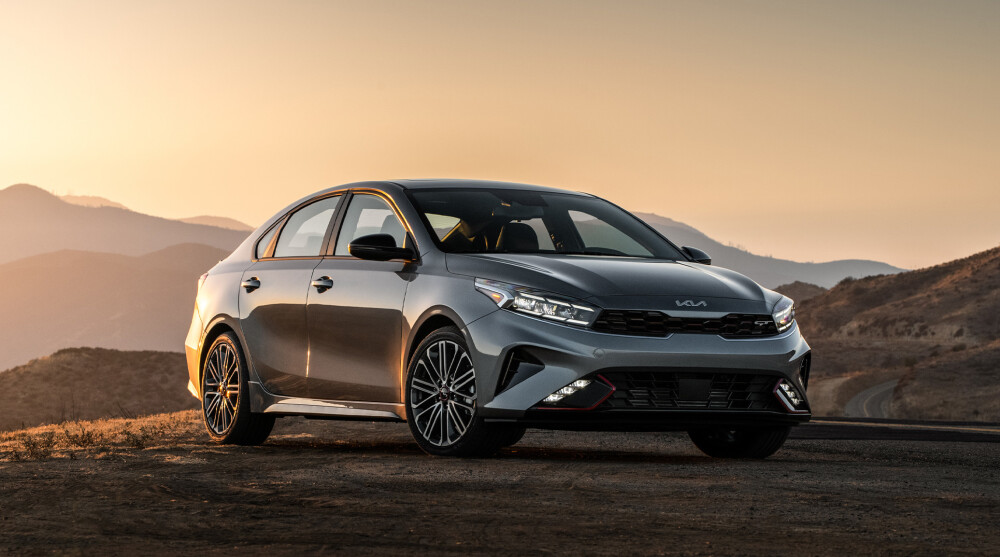
5. Kia Forte
Kia has made tremendous strides in recent years, shaking off its old reputation for cheap cars and replacing it with a focus on design, quality, and value. The Kia Forte is a testament to this transformation, offering an affordable sedan experience that doesn’t feel like a compromise. From the moment you step inside, the Forte surprises with a level of craftsmanship that many might not expect in this price range.
The interior of the Forte strikes a balance between comfort and modern aesthetics. Unlike many budget sedans that use hard plastics indiscriminately, Kia has employed soft-touch materials in key areas such as the dashboard, door panels, and armrests. These surfaces feel pleasant to the touch and add to the impression that this is a car designed to last.
The fit and finish are tight, and the alignment of interior panels is consistent, preventing the annoying rattles or squeaks that plague cheaper vehicles. Even smaller details, like the texture of the buttons and the quality of the stitching on the seats, contribute to a cohesive and refined cabin environment.
Structurally, the Forte benefits from Kia’s investment in better engineering and manufacturing processes. The doors close with a firm, reassuring thunk that is often associated with more expensive vehicles. On the road, the Forte remains composed over rough patches, with minimal noise intrusion from the tires or wind.
This level of sound insulation is impressive given the car’s affordable price point and demonstrates that Kia has put real effort into making this sedan feel solid. This sense of build quality extends to the suspension setup, which balances comfort and control without sacrificing the car’s integrity.
The driving experience also reflects the Forte’s well-built nature. Steering inputs are precise, and the chassis feels stable and well-tuned. The car inspires confidence in everyday driving scenarios and provides a sense of durability that reassures owners about the longevity of their investment.
Moreover, Kia’s long warranty program underlines the company’s faith in its build quality, giving buyers additional peace of mind. Altogether, the Forte stands as a prime example of how affordability doesn’t have to mean feeling cheap or poorly made.
5 Affordable Sedans That Feel Like Plastic

1. Nissan Sentra (Older Models)
While Nissan has made improvements over the years, older Sentra models often struggled with build quality that made them feel much cheaper than their competitors. One of the most glaring issues is the abundance of thin, hard plastics used throughout the cabin.
These plastics tend to creak and rattle after just a short amount of use, creating an impression of fragility rather than durability. Even basic actions like closing the doors don’t inspire confidence, often feeling flimsy and hollow.
The interior design of the older Sentra models does little to mask the cheap materials. The dashboard is dominated by flat, hard surfaces that scratch easily and lack any meaningful texture or padding. Many controls feel loose or cheaply made, and the layout seems to prioritize cost savings over user experience.
Small interior panels may flex under slight pressure, and the glove box or center console lids can produce unwanted noises during regular driving. These elements combine to create an environment that doesn’t invite comfort or pride of ownership.
Structurally, these older Sentras sometimes suffer from excessive cabin flex and poor sound insulation. On rough roads, the body can feel loose, and road noise easily penetrates the cabin, making longer drives tiring.
The suspension can exacerbate this by transmitting harsh impacts directly into the cabin, and combined with rattling interior trim, it’s hard to feel like you’re in a solid, well-built car. This lack of structural integrity undermines driver confidence and detracts from the driving experience.
Even though the Sentra may be priced competitively and equipped with decent technology for its segment, the underlying feel of cheap plastic materials and loose construction makes it hard to overlook its shortcomings. For buyers who want a basic, no-frills ride and don’t mind sacrificing refinement, it may be adequate. But for those who want a car that feels like a coherent, well-crafted product, the older Sentra often falls short.
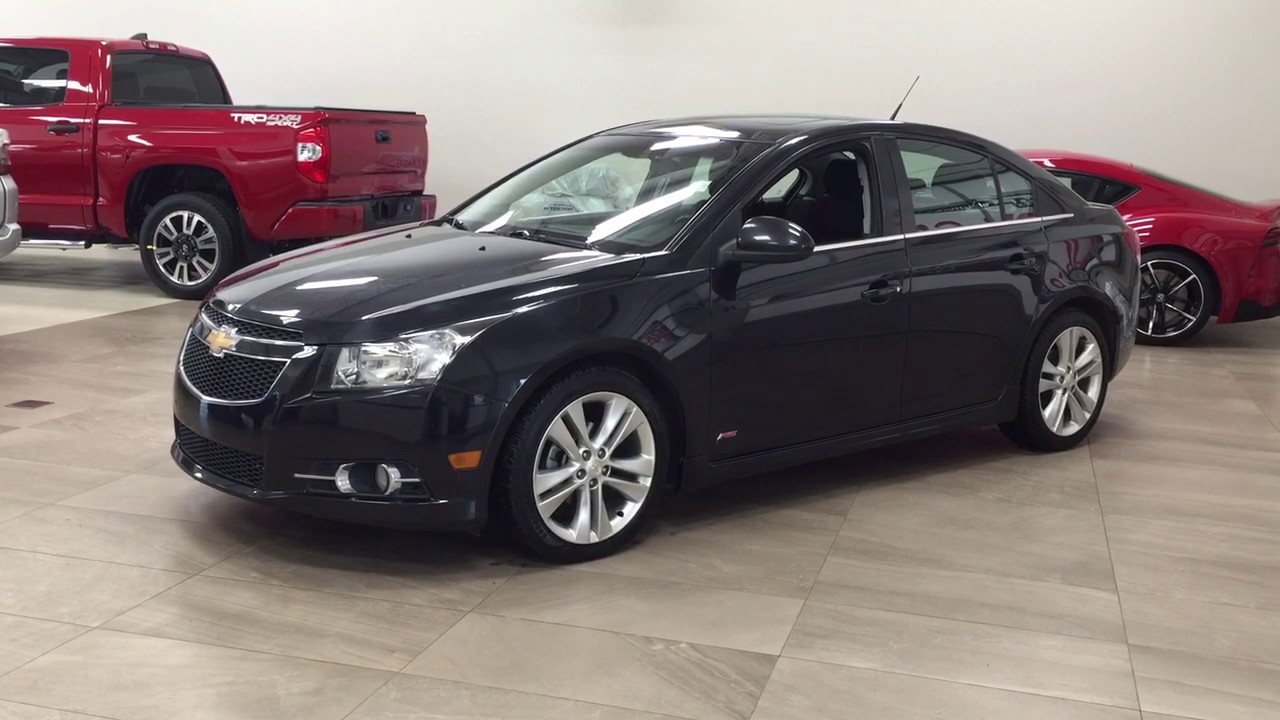
2. Chevrolet Cruze (First Generation)
The first-generation Chevrolet Cruze is another example of an affordable sedan whose build quality left much to be desired. Upon entering the Cruze, one of the first things many drivers notice is the pervasive use of low-quality plastics. The interior surfaces often feel brittle, and the materials have a dull, uninviting appearance that can make the cabin feel lifeless. Plastic components can also show wear quickly, with scratches and scuffs appearing early in the car’s life.
This cheapness extends beyond mere aesthetics. The Cruze’s interior panels frequently suffer from poor fitment, leading to gaps and rattles that worsen with time. The dashboard and door trims can creak or vibrate when driving over uneven surfaces, breaking the illusion of a solidly assembled vehicle. The tactile feedback from buttons and knobs is often vague or hollow, reinforcing the impression of rushed or careless manufacturing.
The structural feel of the Cruze also leaves much to be desired. The doors may close with a less-than-satisfying sound, often feeling as if they could flex or shake if slammed.
Suspension noise, wind intrusion, and body flex are noticeable during normal driving, highlighting the car’s lack of refinement. This combination results in a driving experience that feels disconnected and uninspiring, especially when compared to competitors that have improved their build quality.
Even with updates and improvements in later versions, the first-generation Cruze struggles with its plasticky feel. For buyers on a tight budget, the Cruze’s affordability can be tempting, but this often comes at the expense of a cabin environment that doesn’t hold up well to regular use and lacks the reassuring solidity that many drivers desire.
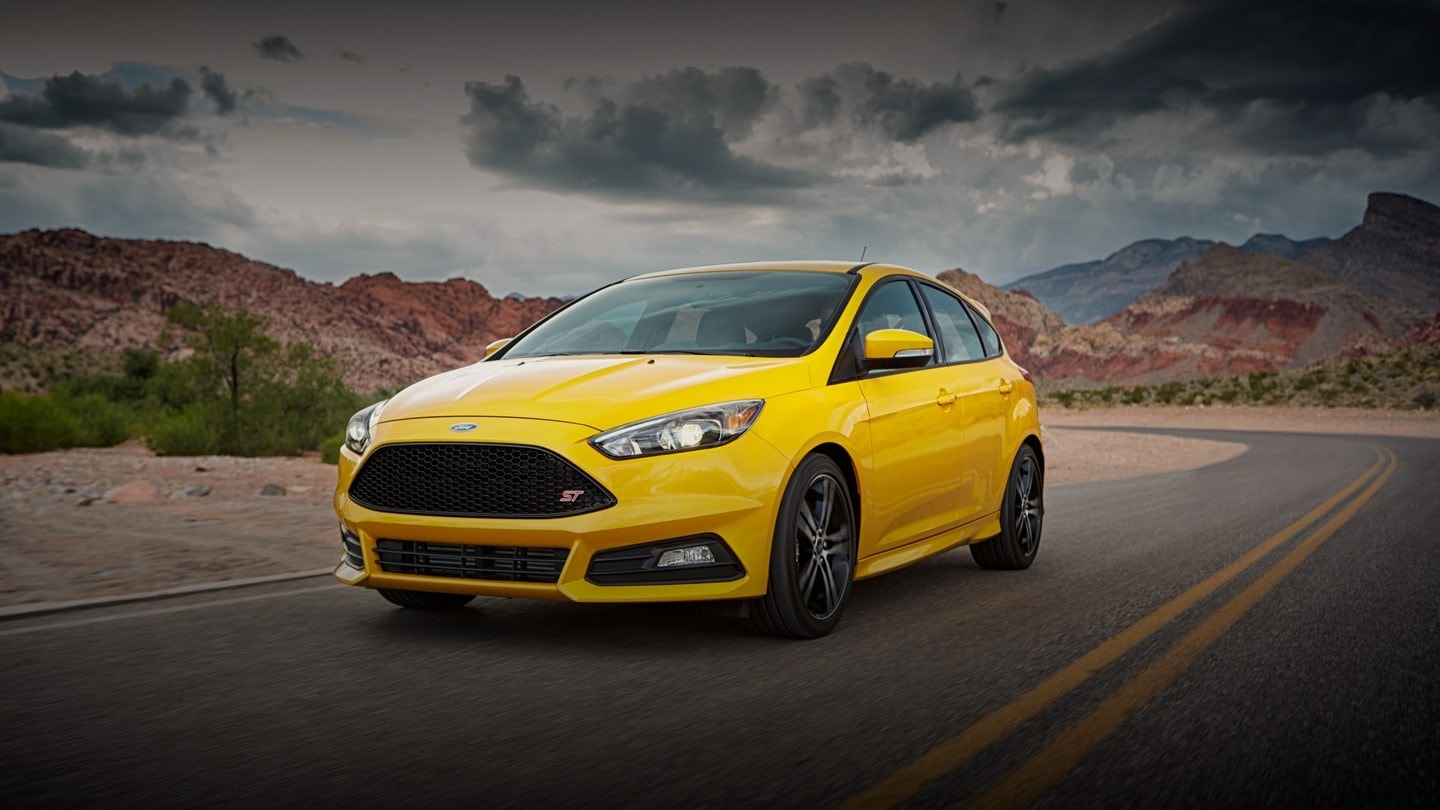
3. Ford Focus (Third Generation)
The third-generation Ford Focus, especially in its earlier affordable trims, has faced criticism for interior quality that feels significantly below what one might expect from a mainstream compact sedan.
While the Focus excels in driving dynamics and handling, the cabin materials and build quality often leave a lot to be desired. Hard plastics dominate the dashboard and door panels, and these materials tend to feel cheap and brittle rather than robust and reassuring.
One of the biggest issues with this generation Focus is the inconsistency in fit and finish. Panel gaps may vary noticeably from one area of the interior to another, and some trim pieces feel loosely attached, leading to rattles and vibrations that grow louder over time.
The glove box and center console can creak during cornering or when driving over rough pavement. Button feedback is often shallow, with some switches feeling overly stiff and others loose, which detracts from the user experience.
Structurally, the Focus suffers from less sound insulation than many rivals. Road and wind noise can intrude easily, breaking the illusion of a quiet, composed cabin. Additionally, the doors and hatchback sometimes lack the solid “thunk” that signals good build quality.
Instead, they can sound hollow or tinny when closed, leaving a lasting impression that corners were cut in manufacturing. For buyers looking for a sedan that feels as good on the inside as it drives, the Focus’s plasticky interior can be a disappointment.
Despite its engaging driving characteristics, the Focus’s interior quality issues can affect long-term ownership satisfaction. The hard plastics and inconsistent assembly can contribute to a sense that the car might not age well, especially compared to competitors that prioritize cabin refinement even in their entry-level trims.
This disconnect between driving pleasure and interior quality means the Focus may appeal more to enthusiasts than to those who want a consistently premium-feeling daily driver.
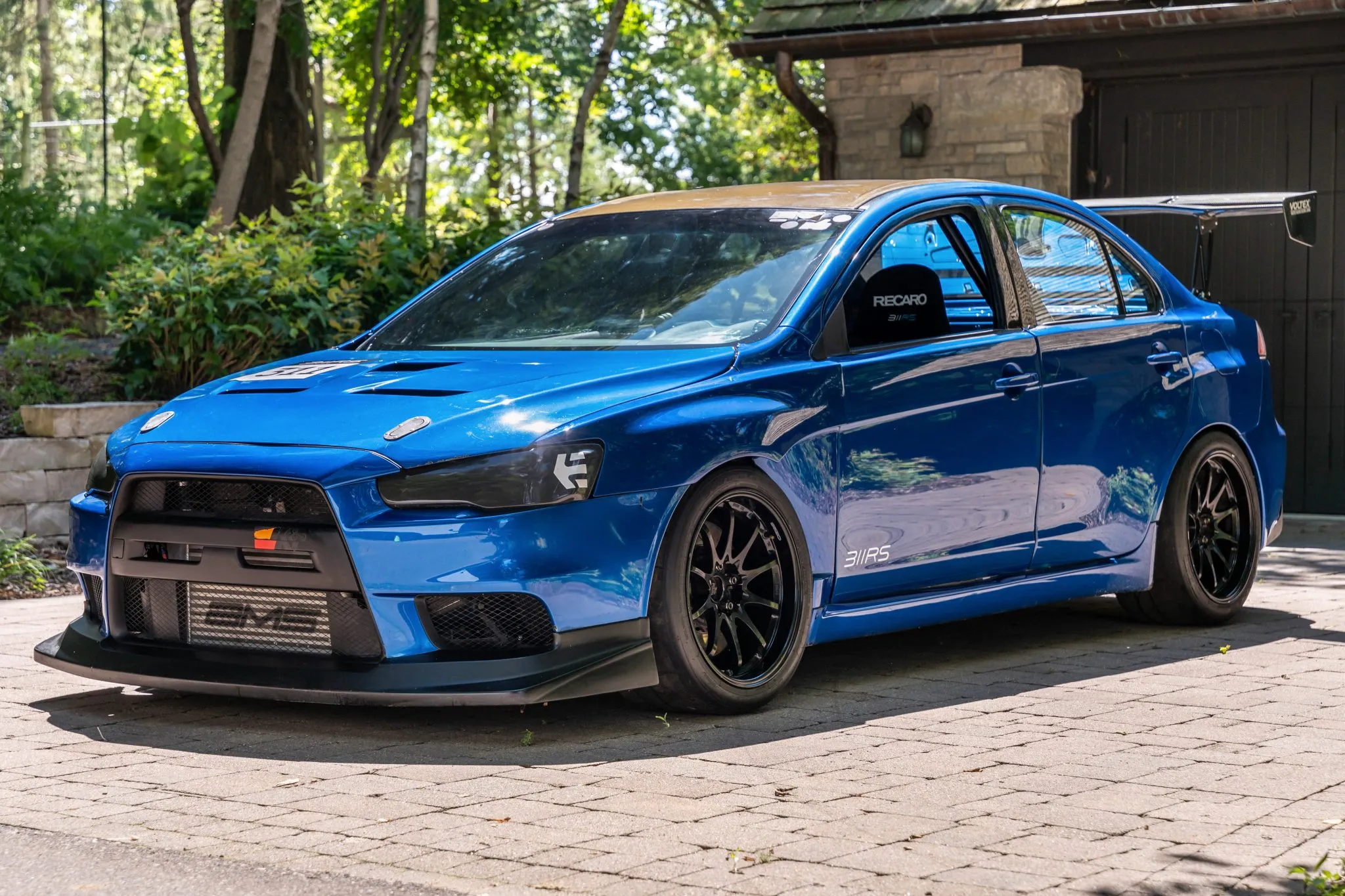
4. Mitsubishi Lancer (Later Years)
The Mitsubishi Lancer, once a popular choice for affordable sedans with sporty intentions, has increasingly been criticized for interiors that feel outdated and plasticky, particularly in its later model years.
While the Lancer offered decent driving dynamics and a unique style, its cabin materials often left buyers feeling shortchanged. The hard plastics used inside are thin and prone to scuffs and scratches, and they give the interior a cheap, unrefined vibe.
The design itself is uninspired, with flat, untextured surfaces dominating the dashboard and door panels. These plastics also tend to produce creaks and rattles that become more pronounced with age and mileage.
The glove box lid and door pockets can feel flimsy, and the switches lack the tactile quality found in better-built competitors. Small annoyances such as loose trim pieces or inconsistent panel gaps add to the feeling that the interior is an afterthought.
From a structural perspective, the Lancer’s cabin doesn’t feel as solid as it should for a car in its segment. Noise insulation is minimal, allowing engine and road sounds to permeate the interior at higher speeds.
Doors don’t always close with a reassuring solidity, and the suspension transmits more vibrations into the cabin than desirable. This combination makes the car feel less like a cohesive product and more like a budget exercise in cost cutting.
While the Lancer’s sporty image and styling might attract certain buyers, the interior experience often fails to live up to expectations. Those looking for a well-built, comfortable sedan in this price range will likely be disappointed by the plasticky feel and lack of refinement, making it a less compelling choice compared to better-crafted alternatives.
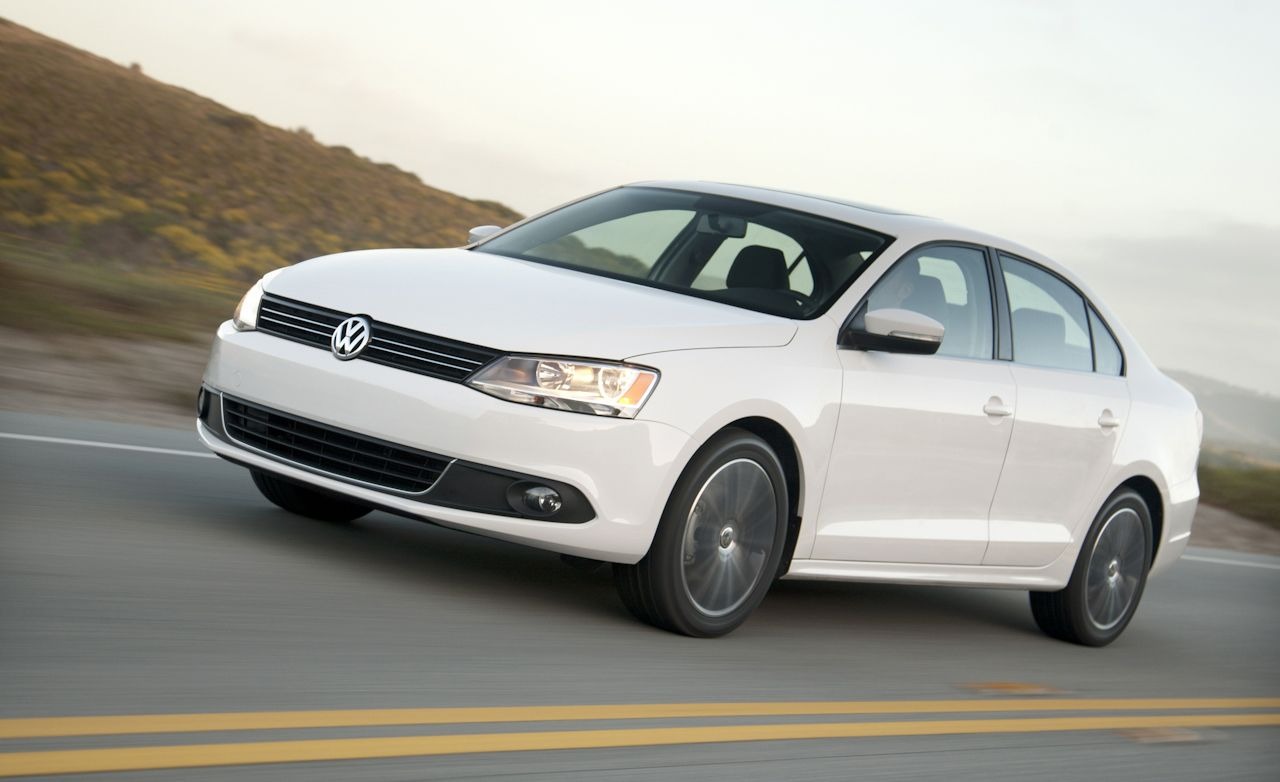
5. Volkswagen Jetta (Early 2010s Models)
Volkswagen has long been associated with solid German engineering, but some early 2010s Jetta models can feel surprisingly plasticky and cheaply assembled, especially when compared to later iterations. These models often suffer from interior materials that feel thin and less premium than expected, which is disappointing given Volkswagen’s reputation for quality.
The dashboard and door panels are dominated by hard plastics that have a dull finish and tend to show scratches and wear quite easily. Some surfaces can feel sticky or tacky, detracting from the experience.
The switchgear often lacks satisfying feedback, with buttons feeling mushy or overly light, which reduces the sense of precision and quality inside the cabin. Panel fitment isn’t always consistent, and owners frequently report rattles developing over time.
Structurally, these Jettas don’t feel as solid as one might hope. Door closure sounds can be hollow and tinny, and the cabin allows a certain amount of road and wind noise to enter.
Over time, the combination of rattling panels and less-than-sturdy plastics can wear on drivers, making the car feel less durable than its price suggests. This is particularly evident on rough roads where the suspension transmits more harshness than expected, increasing driver fatigue on longer trips.
Though the Jetta has many qualities that make it an appealing sedan, these older models sometimes suffer from an interior experience that undermines their appeal. The plasticky feel and inconsistent build quality are at odds with Volkswagen’s brand image and make it harder for these sedans to compete against better-finished rivals in the affordable segment.
Also Read: 5 Cars With Sun Visors That Stay Tight VS 5 That Sag
Choosing an affordable sedan often means balancing price with expectations about quality and durability. While many drivers focus primarily on factors like fuel economy, technology features, or brand reputation, the way a car feels inside, its build quality and materials has a huge impact on everyday ownership satisfaction.
The difference between a sedan that feels solid and well-built and one that feels cheap and plasticky can affect everything from comfort to resale value and long-term reliability.
The five well-built, affordable sedans discussed here demonstrate that it is possible to find cars that deliver a sense of quality without breaking the bank. Vehicles like the Honda Civic, Toyota Corolla, and Mazda3 show that attention to detail in materials, assembly, and engineering pays off.
These cars offer interiors with thoughtfully selected materials, tight panel fitment, and structural integrity that keeps road noise and rattles at bay. They create a driving environment that inspires confidence and comfort, even for owners who rely on their vehicles daily for years. Hyundai’s Elantra and Kia’s Forte further prove that newer models from traditionally budget-conscious brands can rise to the challenge, combining modern styling with impressive build standards.
On the other side of the spectrum, the sedans that feel plasticky, such as older Nissan Sentras, early Chevrolet Cruzes, and certain Ford Focus models, often sacrifice refinement to keep costs low. Hard, cheap plastics dominate their interiors, and inconsistent panel gaps, rattles, and poor sound insulation undermine their appeal.
These vehicles may still fulfill basic transportation needs but fall short when it comes to the tactile experience and long-term durability. Even some models from brands known for quality, like the Volkswagen Jetta of earlier years, have had moments where their interiors felt less premium than expected. Mitsubishi Lancer’s later versions similarly struggled with dated, plasticky cabins that detracted from their sporty intentions.
The feeling of a car being well-built isn’t just about aesthetics; it’s about engineering decisions that influence durability, noise control, and user satisfaction. Affordable sedans that get these details right tend to foster loyalty and positive ownership experiences, while those that don’t can leave drivers feeling frustrated and disappointed.
For buyers on a budget, it’s worth paying close attention to these qualities, as the difference in daily enjoyment and long-term value can be significant. After all, a car that feels solid from day one will often continue to feel that way for many years to come.
