
Headlights are one of the most essential components of any vehicle. They aren’t just about seeing where you’re going at night; they play a direct role in safety, legality, and visibility in harsh weather. For many car owners, replacing headlight bulbs becomes a regular maintenance task, often more frequent than it should be.
Sometimes it’s due to the type of bulbs used, but other times, it’s the design of the headlight housing, the quality of electrical components, or how much strain is put on the system. Some vehicles are built in a way that protects the bulb and helps it last significantly longer.
Others seem to burn through bulbs like they’re disposable. Anyone who has had to change a bulb in a cramped engine bay or pay for a dealership service just to access a light knows how frustrating this can be.
Automakers use different types of bulbs depending on trim levels and the market. Halogens are most common, but high-end trims often include HID or LED bulbs.
These bulbs vary greatly in how long they last. LED systems, when implemented properly, can run for years without needing to be replaced, while halogen systems, especially those not designed for longevity, might fail frequently.
But it’s not just about the type of bulb; some cars have voltage regulation issues, poor heat dissipation, or difficult installation setups that contribute to early failure. Even weather sealing and how well a headlight housing resists condensation can make a big difference.
There’s also a financial factor. While some bulbs are cheap and simple to replace, others are costly or require partial disassembly of the car. That’s why it helps to know which cars tend to last long between headlight replacements, and which ones have a history of eating through bulbs more than you’d expect.
This list includes five cars known for reliable headlight systems and five that often require regular replacements. If you’re someone who drives often at night or in poor conditions, knowing where a car stands on this spectrum can help you make a better buying decision, or at least prepare you for what’s coming.
Also Read: 5 Door Seals Flexible VS 5 That Crack In Sun
5 Cars with Headlight Bulbs That Last for Years
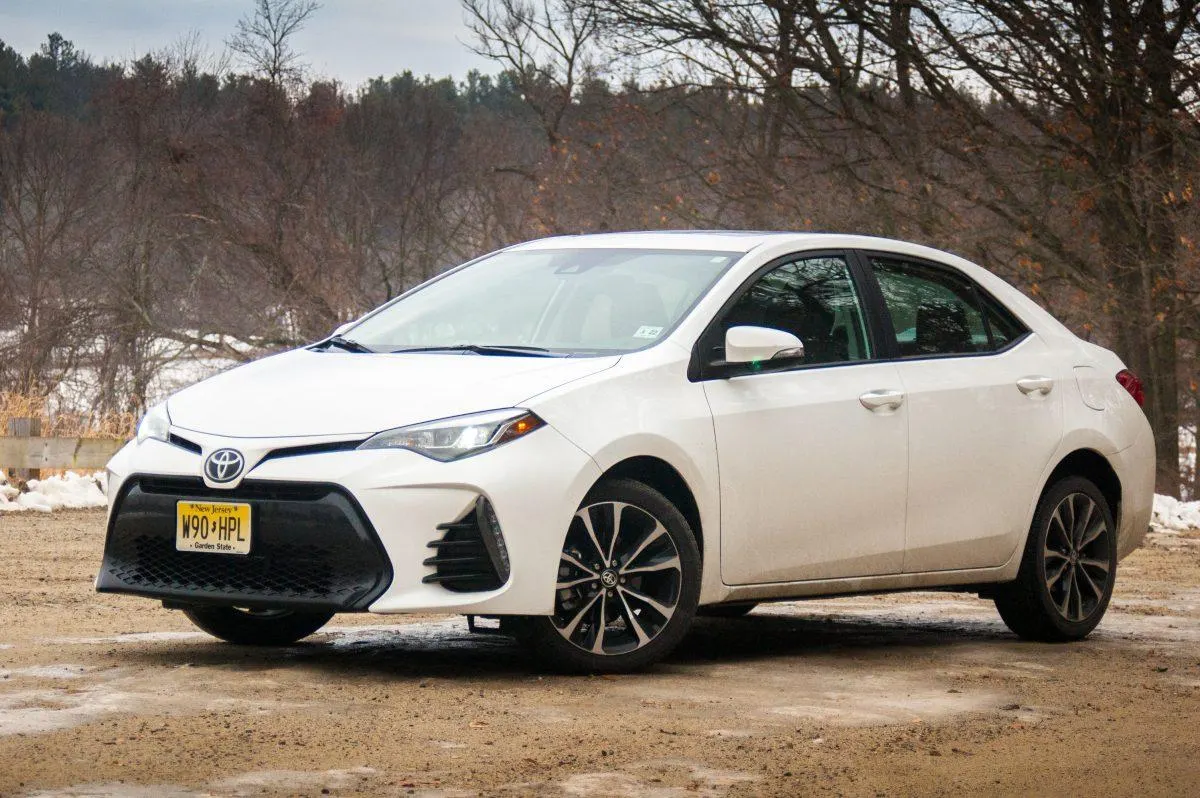
1. Toyota Corolla (2014–Present)
The Toyota Corolla is a strong example of durability in both engine performance and lighting systems. For years, Toyota has focused on long-term reliability, and the headlight design in the Corolla reflects that.
Starting in the 2014 model year, many Corollas began using more modern bulb technology, including LED low beams in higher trims. Even in the base models, the halogen systems were mounted in well-designed housings that reduce vibration and heat stress, two common causes of premature bulb failure.
One key reason the Corolla’s headlights last is the engineering of the electrical system. Toyota’s voltage regulation and alternator output keep a steady current flowing to lighting components, which prevents stress spikes that often burn out bulbs early.
Also, the headlight housing is well-sealed, keeping out moisture and dust, which helps preserve both the bulb and reflector over time. Unlike many compact cars, the Corolla has relatively generous engine bay space around the headlight area, meaning the bulbs are not subjected to high ambient temperatures for long periods.
Another overlooked detail is the accessibility of the bulbs. On many cars, poor access leads owners or technicians to unintentionally damage connectors or twist bulbs improperly, causing premature failure.
The Corolla’s straightforward headlight bulb access minimizes those risks. Combined with the car’s light-duty usage for most owners, commuters, students, and light city driving, the headlights often last for years under normal use.
Owners frequently report not having to change bulbs for over five years, especially in trims equipped with LED lights.
While some may eventually dim or shift color slightly with age, they rarely fail outright. The Toyota Corolla might not be flashy, but it delivers the kind of longevity most people want, especially when it comes to the often-overlooked headlight system.
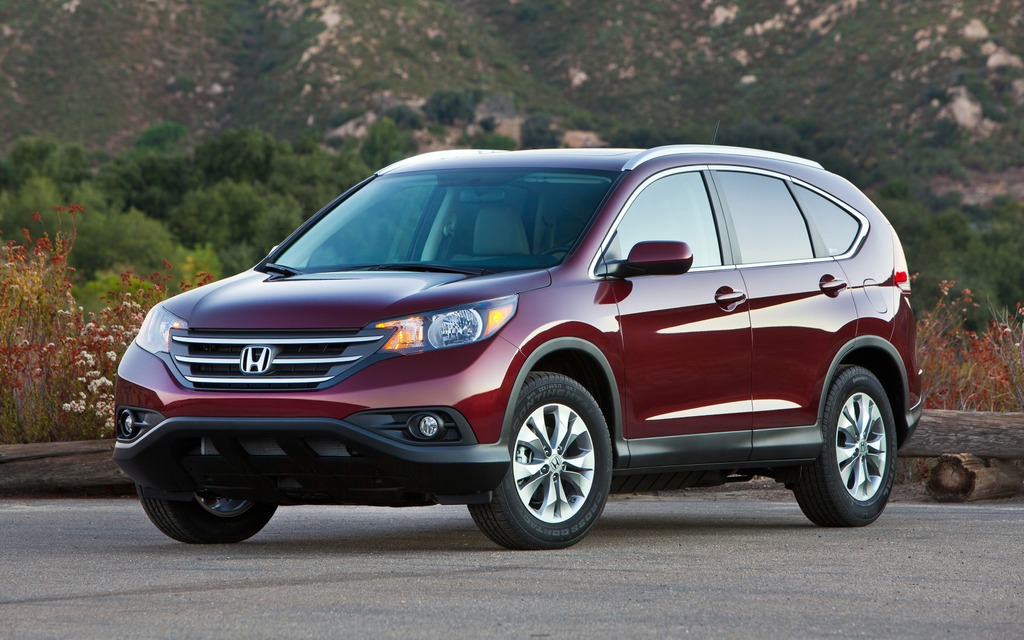
2. Honda CR-V (2015–2021)
The Honda CR-V has been a staple in the compact SUV market, and its reputation for quality extends to its lighting systems.
From 2015 onward, Honda made improvements in headlight housing and bulb quality that made a real difference. Many models during this period included LED or projector-style halogen headlights, which not only provided better visibility but also lasted significantly longer than older designs.
The CR-V’s headlight housing is mounted in such a way that it avoids unnecessary heat buildup from the engine. It may not seem like much, but headlight heat is a major reason halogen bulbs burn out early.
With proper ventilation and thermal isolation, the bulbs experience fewer temperature cycles and therefore last longer. The electrical system is also well-regulated, with fewer voltage spikes than some of its competitors. That alone can extend a bulb’s life by thousands of hours.
In addition to that, the CR-V has good sealing on its headlight assemblies. Moisture and dirt are enemies of bulb longevity, but the CR-V’s components are well protected, keeping oxidation and corrosion at bay.
Even in areas with heavy rain or road salt, the CR-V’s headlights tend to hold up well. For owners who drive frequently at night or in rural areas, this peace of mind is important.
Many CR-V owners report going several years without needing to replace a bulb. When replacements are needed, they are relatively easy to access and swap out, making maintenance simple.
This level of reliability has helped the CR-V maintain a loyal following, and it’s part of why Honda continues to rank high in customer satisfaction surveys. If you’re looking for a practical vehicle with low-maintenance lighting, the CR-V fits the bill.
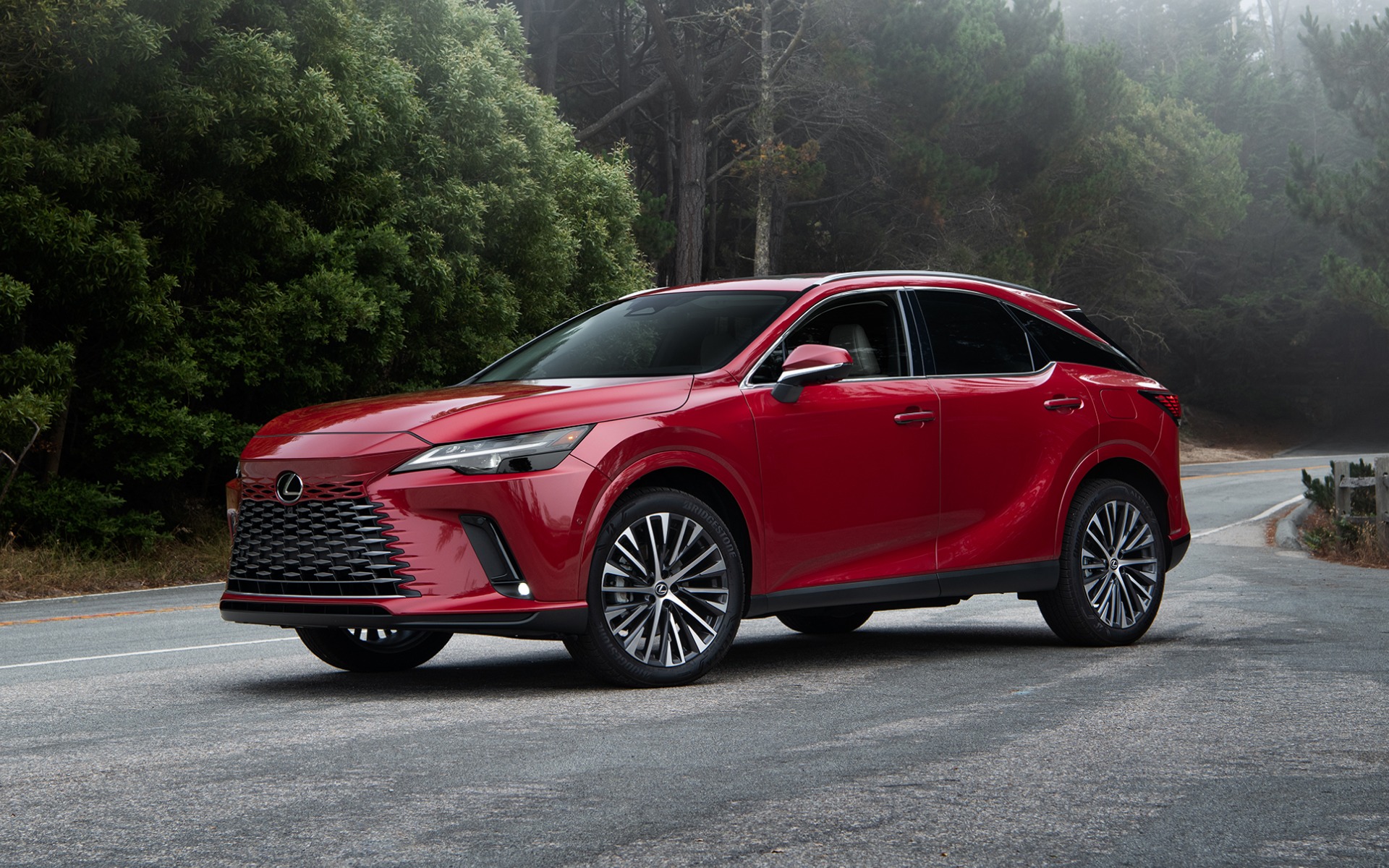
3. Lexus RX (2016–2022)
Luxury vehicles often come with advanced lighting systems, but not all of them are built with long-term reliability in mind. The Lexus RX, however, is a rare combination of luxury and durability.
Most models from 2016 onward feature full LED lighting systems that are built to last tens of thousands of hours. LEDs generally last far longer than halogen or HID systems, and Lexus uses high-quality components that don’t degrade quickly.
The RX benefits from Lexus’s attention to detail. Heat sinks and cooling modules are integrated into the headlight assembly, helping to manage the heat that even LEDs produce during operation.
These cooling systems ensure that the diodes remain within their ideal temperature range, preventing thermal damage that could shorten their lifespan. In addition, the power delivery is precisely regulated to reduce flickering and overvoltage, common issues in cheaper LED systems.
A big reason for the RX’s long-lasting headlight performance is its sealed, adaptive headlight housing. These units are typically enclosed tightly, preventing dirt, condensation, and bugs from entering.
While this design means replacing a bulb is more complex and often not a DIY task, the upside is that the need for replacement is rare. In many cases, the headlights outlast the vehicle’s ownership period altogether.
Owners often report consistent, high-quality illumination over many years without needing service. When issues do arise, they tend to be related to external damage rather than bulb burnout.
That reliability is part of what makes the RX such a popular choice among those looking for a hassle-free luxury SUV. With proper care, the headlights on this vehicle can easily last a decade or longer.
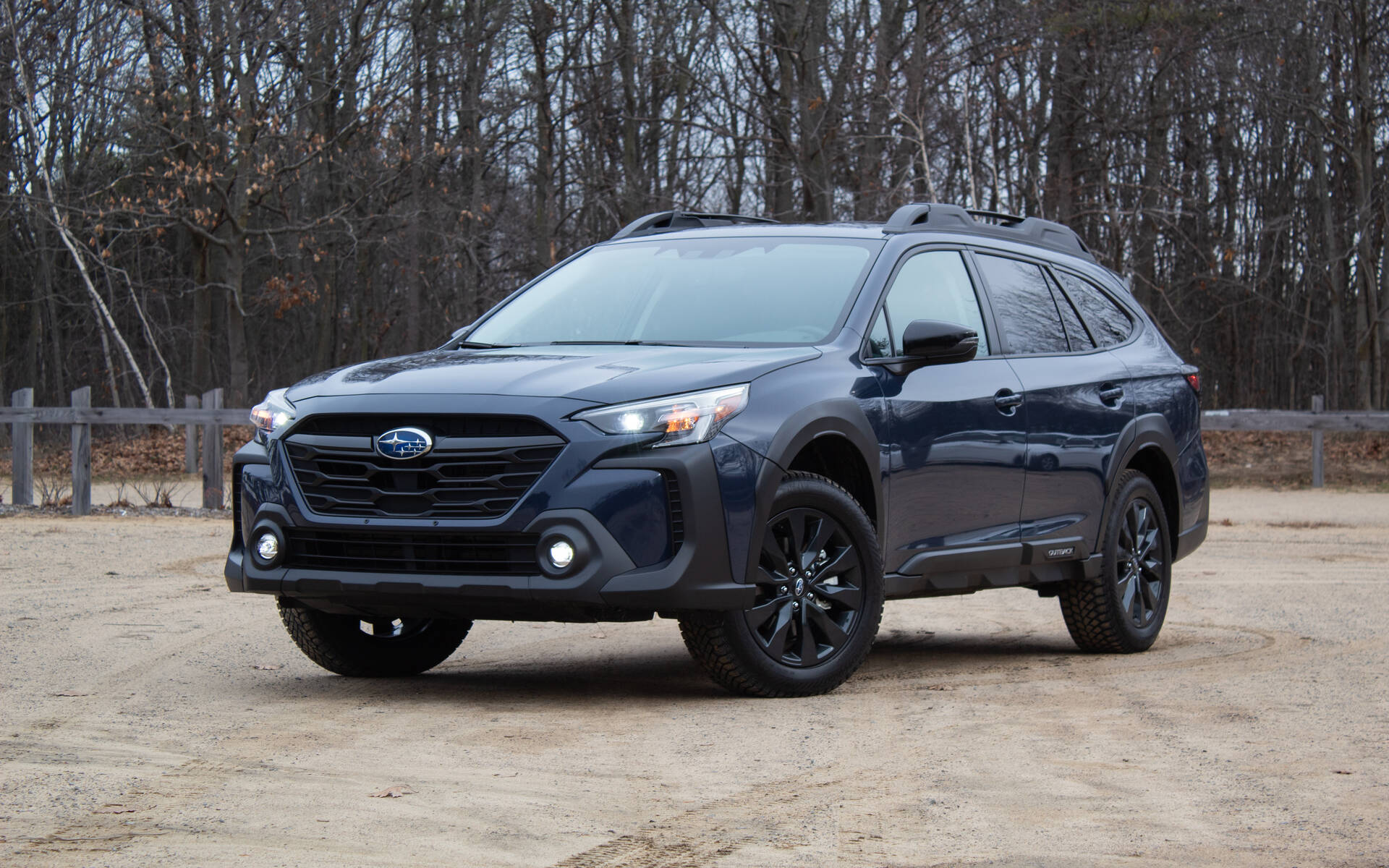
4. Subaru Outback (2018–Present)
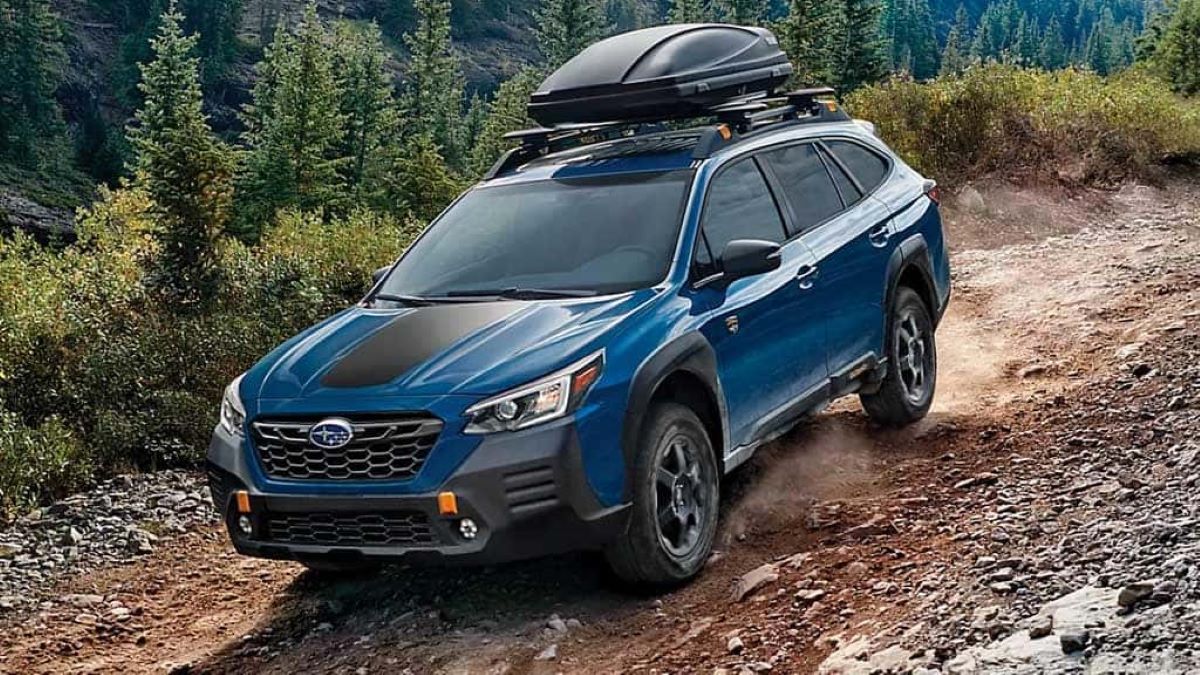
The Subaru Outback is known for its rugged capability and all-weather reliability, and that same philosophy applies to its lighting system. Since 2018, most Outback models come standard with LED low beams and halogen high beams. Subaru’s implementation of LED technology is both efficient and reliable, resulting in a system that rarely needs attention over the life of the vehicle.
One of the advantages Subaru built into the Outback is the elevation and spacing of the headlight housing. Being slightly higher off the ground and tucked away from the engine’s hot zones, the bulbs remain cooler and less exposed to damage.
This setup not only helps the bulbs last longer, but it also reduces the chance of seals degrading or moisture getting in. It’s a subtle design decision, but it makes a real difference over time.
Subaru’s electrical design is another factor. Known for conservative power draw and reliable alternator behavior, the Outback doesn’t expose its bulbs to the kind of power surges that affect cheaper systems.
The result is fewer early bulb failures and more consistent light output over years of driving. Many drivers in colder climates report no issues even after five or six years, a testament to the design and quality control.
Subaru also focuses on user accessibility. The headlight assembly is relatively easy to work on, allowing for simple replacements if they’re ever needed.
That said, most owners rarely need to do so. This combination of engineering, climate resistance, and thoughtful placement makes the Outback a great choice for those who want a lighting system that just works without drawing attention to itself.
5. Mazda CX-5 (2017–Present)
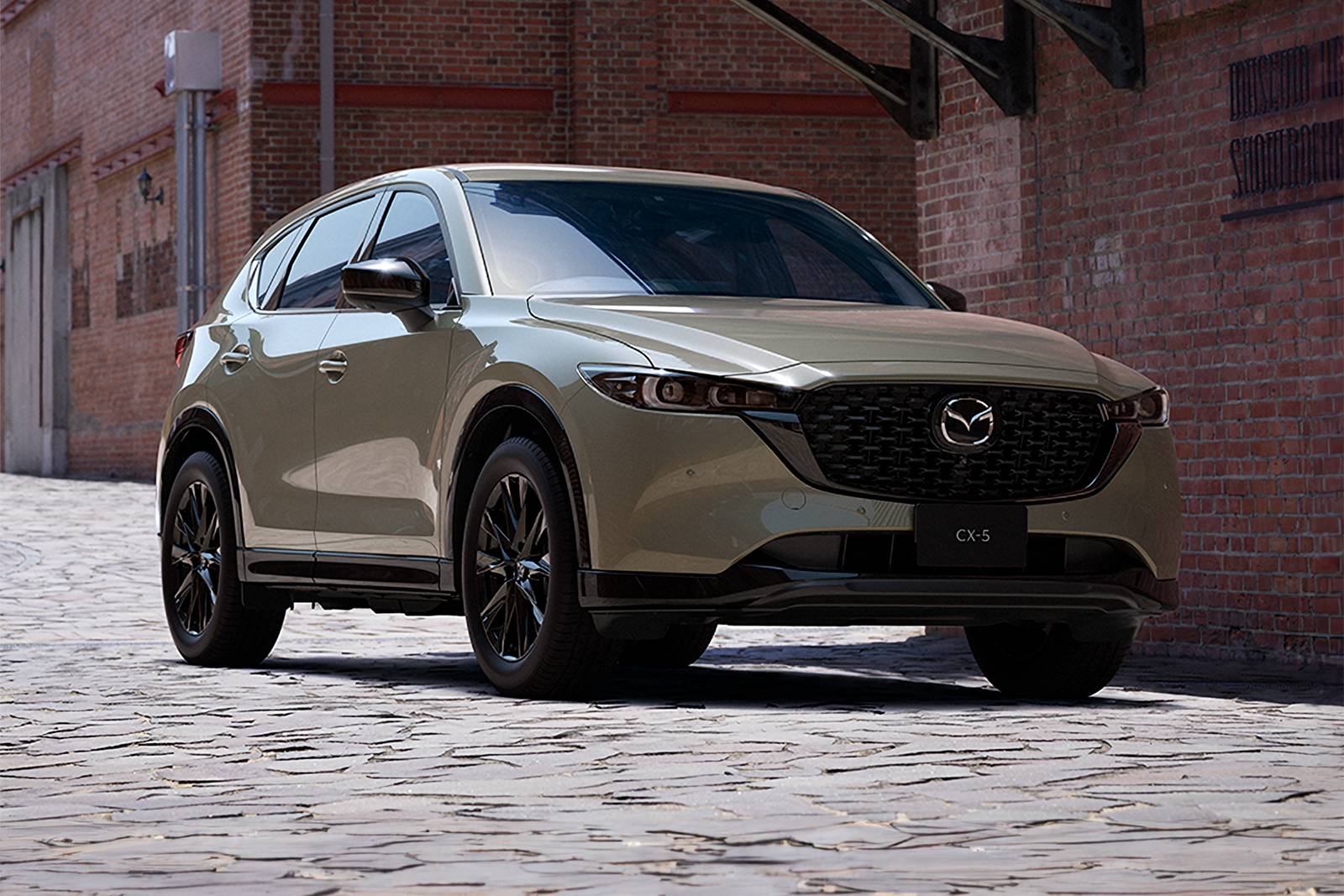
Mazda has been gaining recognition for combining style with functionality, and the CX-5 is a standout example. Starting in 2017, Mazda upgraded the CX-5’s headlight systems across most trims to include standard LED headlights.
Unlike many competitors that reserve LED lights for top-tier trims, Mazda made a deliberate choice to improve lighting for all buyers, and it paid off in reliability and LED headlights in the Mazda CX-5 are more than just a cosmetic upgrade.
They were integrated thoughtfully, with a focus on both function and lifespan. These are not cheap, off-the-shelf components; they are custom-engineered light units with efficient cooling, moisture protection, and electronic regulation.
As a result, they rarely need replacement, even after years of nightly use. Many owners report that their lights still work like new after 80,000 or even 100,000 miles. Mazda aimed for long-term satisfaction rather than short-term savings, which is not always the case in the compact SUV market.
Mazda also engineered the light housing to be sealed tightly against the elements. This prevents not only water intrusion but also the buildup of condensation, which can fog lenses and damage components over time. The high build quality here means you won’t typically see the premature yellowing or cracking that plagues other models.
The housing also manages to avoid vibration and excessive movement, both of which can shorten bulb lifespan significantly, especially on rough roads. Even in regions with heavy seasonal changes, the lights stay functional and clear without constant maintenance.
Another point in the CX-5’s favor is its smart use of electrical systems. Mazda’s onboard electronics are designed with stable power flow, meaning the LEDs are protected from voltage fluctuations that often lead to early failure in other cars.
This kind of attention to electrical consistency isn’t always visible to the average driver, but it plays a big role in determining whether a light system lasts for five years or barely makes it past one. With low draw and high efficiency, the lights are also easier on the battery and alternator, which can further reduce strain on the system.
5 Cars Where You’ll Be Replacing Headlight Bulbs Constantly
1. Dodge Grand Caravan (2008–2020)
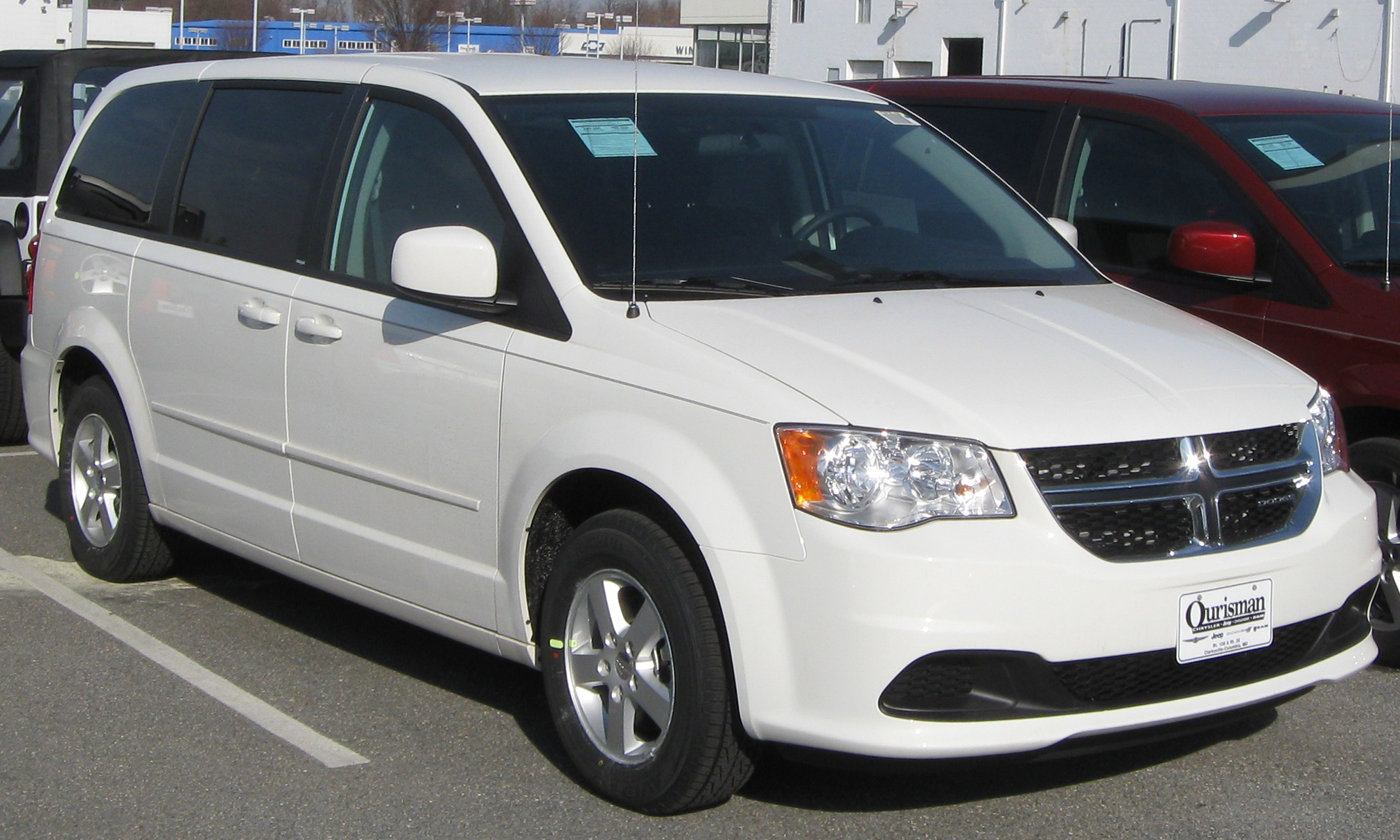
The Dodge Grand Caravan, especially models from 2008 through 2020, has a long-standing reputation for burning through headlight bulbs at a frustrating pace. Despite being a popular choice for families due to its interior space and affordability, the Grand Caravan’s electrical and headlight design is among the most complaint-prone in its class.
Many owners report replacing bulbs every six months to a year, sometimes even more frequently. This isn’t just anecdotal; even mechanics note how often Grand Caravan owners come in for lighting-related problems.
A major factor is the way Dodge designed the headlight housing. The bulbs are mounted in a relatively tight space, with poor ventilation and proximity to heat sources. This causes excess heat to build up around the bulb, which accelerates wear and shortens lifespan.
The housing also tends to vibrate slightly while driving, especially on rough roads, which can loosen the bulbs or cause filament damage over time. This problem is more pronounced with halogen bulbs, which are particularly sensitive to both heat and movement.
Electrical issues compound the problem. Dodge vehicles from this era have a reputation for inconsistent voltage regulation. Small spikes or dips in electrical flow might not affect the rest of the car noticeably, but they can wreak havoc on sensitive components like headlight filaments.
The result is premature bulb failure, even if you’re using high-quality replacements. Many frustrated owners have tried switching to long-life or premium bulbs, only to find the problem persists. The root issue lies not in the bulb itself but in the design of the system.
Access is also a nightmare for many DIY owners. On some models, you need to remove parts of the grille or even partially loosen the bumper just to access the headlight housing.
This makes what should be a quick fix into a time-consuming process, which only adds to the irritation when you’re doing it repeatedly. For a vehicle that’s meant to be practical and family-friendly, this frequent and inconvenient maintenance issue is a major letdown.
2. Volkswagen Jetta (2011–2017)
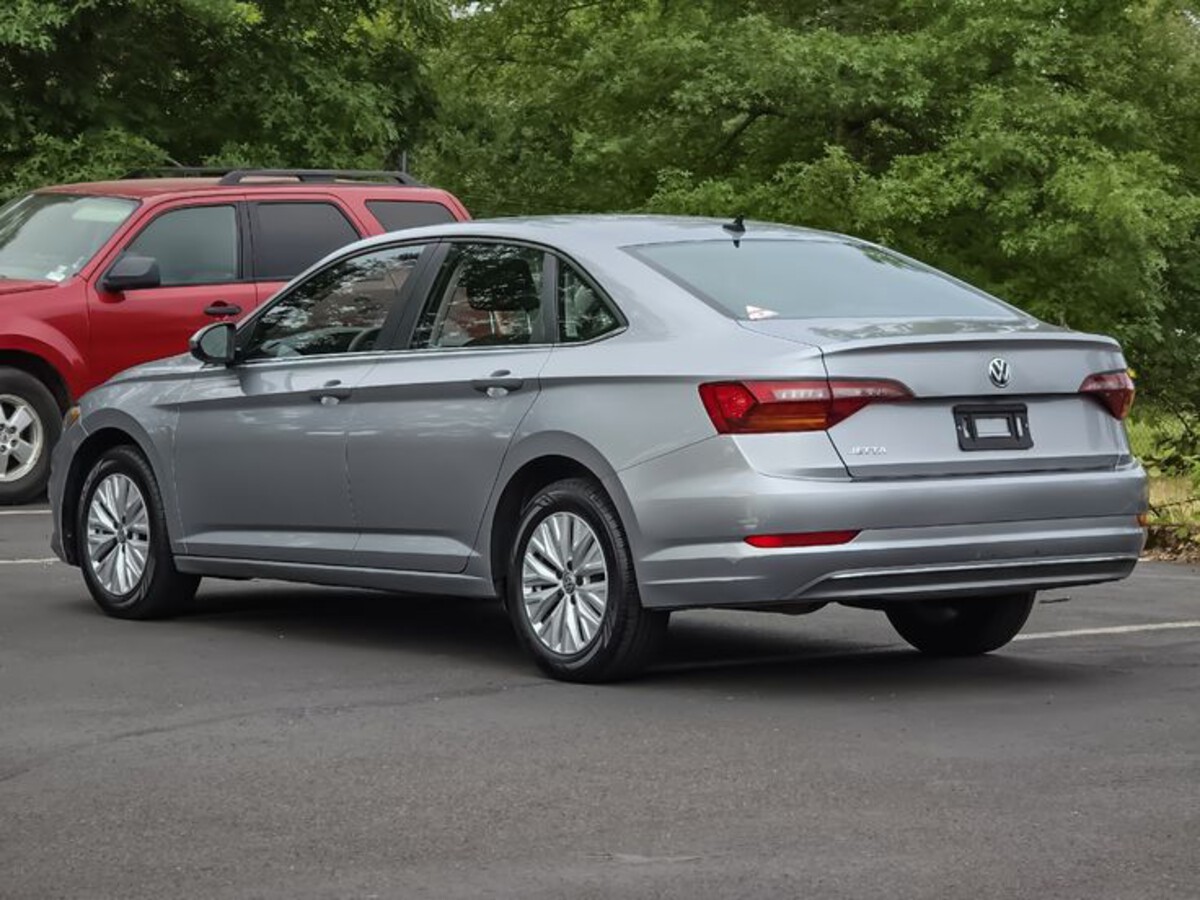
The Volkswagen Jetta during the early-to-mid 2010s gained a reputation not just for its European styling but also for having some of the most finicky headlight systems in the compact car market. For models between 2011 and 2017 in particular, bulb failure was more common than it should have been.
Owners frequently reported repeated replacements, sometimes within months, and the problem wasn’t fully solved even with OEM bulbs. This consistent issue became a source of frustration, especially for drivers in colder climates where early sunset and winter weather made reliable lighting critical.
Part of the issue stems from the headlight housing design. VW opted for a compact, tightly sealed headlight enclosure that did not allow for adequate heat dissipation. Halogen bulbs, which run hot by nature, were prone to heat damage over time.
This could lead to early filament burnout or even discolored reflectors inside the headlight itself. The compact layout also meant there was little room for air movement, trapping heat and accelerating wear. For a vehicle that otherwise boasts refined engineering, this aspect felt like a step backward.
The electrical system in these Jettas didn’t help either. Many owners reported flickering bulbs or situations where one side would fail and then inexplicably come back on later.
These symptoms pointed to inconsistent power delivery, likely caused by aging connectors, corroded wiring, or weak voltage regulation. While not dangerous in the short term, they definitely led to a lack of confidence in the system. Even when using premium bulbs, the inconsistent current seemed to shorten lifespan dramatically.
Changing the bulb wasn’t as easy as it should be, either. While it didn’t always require bumper removal, the Jetta’s design made access tight and fiddly. It wasn’t uncommon to scrape your hands or drop clips while trying to perform what should have been a five-minute fix.
Combined with how often bulbs failed, this made the issue feel even worse. For drivers looking for a low-maintenance vehicle, the Jetta during this time was far from ideal in the lighting department.
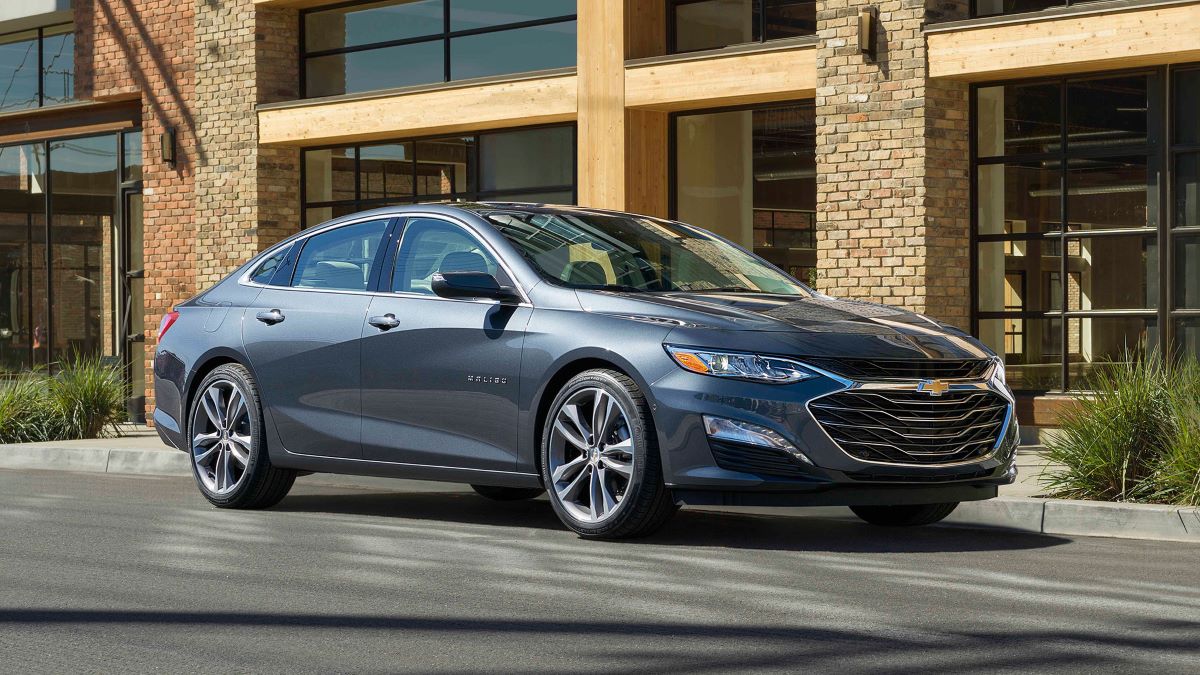
3. Chevrolet Malibu (2008–2012)
The Chevrolet Malibu in the 2008 to 2012 model range is another vehicle known for frequent headlight bulb issues. While it may have been seen as a budget-friendly midsize sedan with decent features, the Malibu’s headlight system was a serious point of frustration for many owners.
Burned-out low beams became so common that entire forum threads and complaint sites were dedicated to the issue. In some cases, the bulbs were failing every few months regardless of the brand or type used, suggesting a deeper issue than just poor-quality parts.
A big reason for the problem was heat buildup and poor airflow around the bulb socket. The Malibu’s headlight housing sits in a tight space with little room for ventilation, which traps heat and causes early degradation of the bulb filament.
When you add to this the cheap plastic socket material, which can warp or become brittle from repeated heating and cooling cycles, the result is both a higher failure rate and an increased risk of poor bulb seating. This misalignment can further reduce lifespan by putting stress on the bulb and reflecting poorly within the housing.
Another issue lies in the wiring harness and connection points. Many Malibu owners discovered that the sockets would develop corrosion or even partially melt due to poor contact, leading to intermittent lighting or complete failure.
This is not just an inconvenience but also a safety issue, especially during night driving or in bad weather. GM acknowledged the issue in some service bulletins, but a full recall was never issued, meaning many owners were left footing the bill for repairs and replacements out of pocket.
To make things worse, replacing the bulb was not a simple process. In some trims, it required removing the entire front bumper or pulling the headlight assembly completely off the car.
This turned what should be a basic maintenance task into a job that could take over an hour and potentially damage surrounding parts if not done carefully. With frequent failures and high labor effort required, the Malibu became notorious for being an otherwise decent sedan let down by its headlight system.
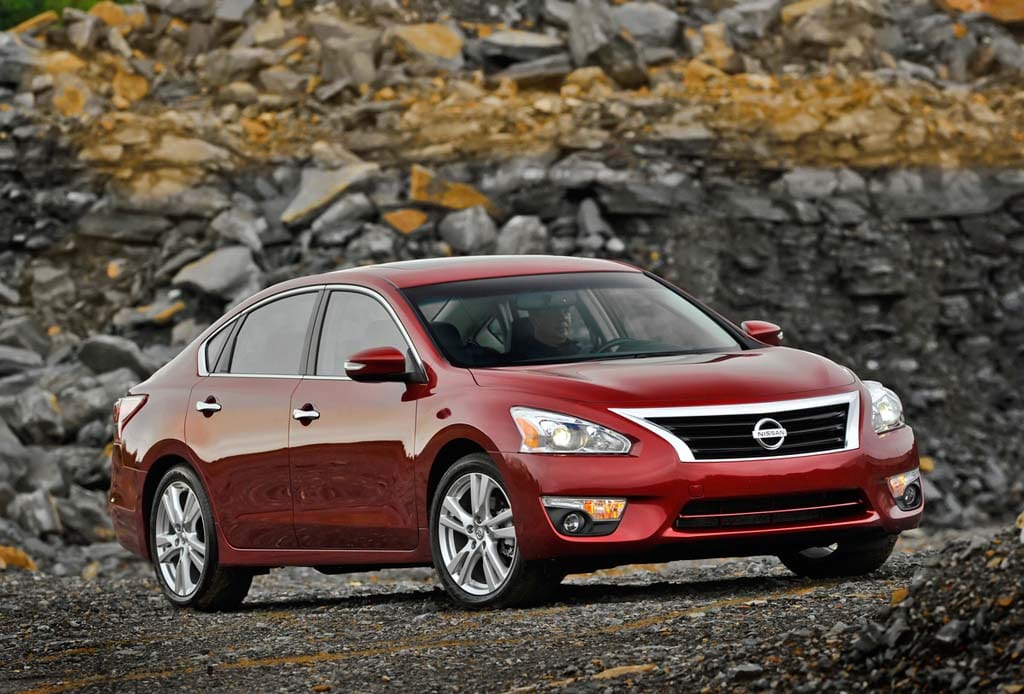
4. Nissan Altima (2007–2013)
The Nissan Altima has sold in large numbers over the years, but between 2007 and 2013, the car’s headlight system was one of its weakest design elements. The problem became so widespread that Nissan was hit with multiple lawsuits and customer complaints, particularly related to premature headlight failure.
In many cases, bulbs were burning out rapidly, sometimes multiple times per year. This wasn’t due to poor bulb quality alone, but rather the design of the headlight housing and the reflective materials inside it.
One of the core issues was heat damage. The headlight housings used during this generation were known to yellow and haze quickly, but worse than that, the internal reflective surfaces would degrade under normal use. When this happened, the light beam would dim considerably, even if the bulb itself was still functioning.
Owners would then replace the bulb, hoping for better output, only to see no improvement. This led to constant replacements that solved nothing, further compounding frustration.
The wiring and voltage regulation also contributed to the problem. Nissan had issues during this time with underpowered alternators and poorly routed wiring near the headlight assemblies.
In some cases, wires would chafe and develop shorts, causing bulbs to blow prematurely. Even if you replaced the bulb and cleaned the housing, if the voltage was inconsistent, the life span remained shortened. Over time, this became one of the defining maintenance headaches for Altima owners.
Access wasn’t straightforward either. Replacing a bulb often required maneuvering through tight engine bay spaces, and on some trims, full removal of the headlight housing was the only way to access the rear cap.
Not only was this inconvenient, but it also increased the risk of cracking the housing or damaging the clips. When you combine all of these problems, heat, poor materials, bad wiring, and awkward access, you get a car that’s become infamous for repeated headlight maintenance.

5. BMW 3 Series (2006–2011)
While BMW is a brand known for performance and driving dynamics, the 3 Series from 2006 to 2011 (E90 generation) is notorious for issues with headlight bulb longevity, particularly in models equipped with xenon HID systems.
The problem wasn’t just the bulbs themselves, which are expensive to begin with, but the complicated setup and flawed components that tended to cause early failure or frequent errors. For many owners, the “adaptive headlight malfunction” warning light was a recurring sight, even when the bulbs were relatively new.
One of the main contributors to the problem is the use of adaptive headlights, which are more complex than traditional static units. These lights are motorized to swivel during cornering, and while the feature sounds advanced, the extra components create more points of failure.
Motors, sensors, and control modules all work together to direct the light beam, but any glitch in that system can cause a warning or headlight outage. Furthermore, the HID bulbs themselves degrade over time, losing brightness before outright failure. Replacement costs are steep, and some owners find themselves changing bulbs far earlier than expected, sometimes as early as 20,000 miles.
Heat management in these vehicles is another issue. The E90’s headlight housing has limited ventilation, and the HID system produces substantial heat during operation. This leads to early wear not only on the bulb but on the surrounding wiring and connectors.
It’s not uncommon to see melted plastic around the igniter or discoloration inside the housing, both of which contribute to unreliable lighting. In some cases, the entire headlight unit needs to be replaced, not just the bulb, which can cost hundreds or even thousands of dollars if done at a dealership.
Adding to the frustration is the access difficulty. On these BMWs, replacing a headlight bulb isn’t just a quick under-the-hood task. The tight engine bay design and headlight placement make it a time-consuming job that often requires removing the wheel well liner or front bumper to reach the back of the housing.
For many drivers, this means turning to a mechanic every time a bulb needs replacing. Over time, the cost and inconvenience can wear down even the most loyal BMW fans, especially when other aspects of the vehicle are otherwise well-engineered.
Also Read: 5 Nissan Frontier Years That Last Decades vs 5 That Don’t
When it comes to owning a vehicle, many people focus on the big-ticket items, engine performance, fuel economy, interior space, or tech features, while often overlooking the smaller components that affect daily driving. Headlights fall into that category.
Yet, anyone who has driven at night, through heavy fog, or during a rainstorm knows just how important functional and reliable headlights are. They are not just another electrical part; they are essential for safety, legality, and confidence behind the wheel. A car that burns through bulbs quickly may seem like a minor annoyance at first, but over time, it becomes an expensive, time-consuming, and even dangerous problem.
The difference between a car with a dependable lighting system and one without it often comes down to design quality. Cars like the Toyota Corolla, Honda CR-V, Lexus RX, Subaru Outback, and Mazda CX-5 demonstrate what happens when manufacturers take lighting seriously.
With good electrical regulation, well-sealed housings, and long-lasting LED or halogen systems, these vehicles offer peace of mind. For many owners, they go years without needing to change a single bulb, and when replacements are eventually required, the process is straightforward and inexpensive. These cars were engineered with practical ownership in mind.
On the other hand, some cars turn what should be basic maintenance into a recurring burden. The Dodge Grand Caravan, Volkswagen Jetta, Chevrolet Malibu, Nissan Altima, and BMW 3 Series all suffer from issues that could have been avoided with better design.
Poor access, heat management problems, inconsistent voltage, and unreliable materials combine to create a situation where bulbs burn out frequently and sometimes require extensive disassembly just to replace them. The long-term result is frustration, added repair costs, and reduced confidence in the vehicle’s reliability.
