
When it comes to trucks, most buyers focus on power, payload, towing capacity, and comfort. But one often-overlooked factor that affects daily driving is steering feel. Steering isn’t just about turning the wheel; it’s about how the truck communicates with the driver.
A truck with tight, responsive steering feels stable at high speeds, easy to control on curves, and precise in tight situations like parking lots or narrow roads. On the other hand, a truck with loose or sloppy steering can feel uncertain, especially at highway speeds or on rough terrain.
Loose steering doesn’t always mean the truck is falling apart, but it does reduce confidence behind the wheel and can sometimes hide early signs of wear or neglect.
Tight steering is usually a result of solid engineering, high-quality parts, and good suspension geometry. Trucks that prioritize steering feel tend to perform better in everyday driving and even off-road conditions. These trucks make it easier to hold your lane, stay steady on winding roads, and quickly correct direction when needed.
Drivers who tow trailers or haul heavy loads also benefit from tighter steering, as it helps keep everything aligned and predictable. Some manufacturers put more effort into fine-tuning the steering feel, especially in trims designed for sportier driving or premium comfort.
On the other hand, some trucks tend to develop loose steering relatively quickly. This isn’t always a design flaw; sometimes it’s just a consequence of soft suspension setups, rubber bushings wearing out, or cheaper steering components. In other cases, it’s related to the type of use the truck sees.
Off-road abuse, constant towing, and rough driving can speed up steering wear. Still, some trucks seem more prone to this issue even under regular driving conditions. It’s worth knowing which trucks maintain their steering precision over time and which ones tend to lose it. That way, buyers can make informed decisions based on how they plan to use their truck and how long they expect it to stay sharp.
Also Read: 5 Nissan Frontier Years That Last Decades vs 5 That Don’t
5 Trucks That Keep Their Steering Tight
1. Ford F-150 (Newer Generations)
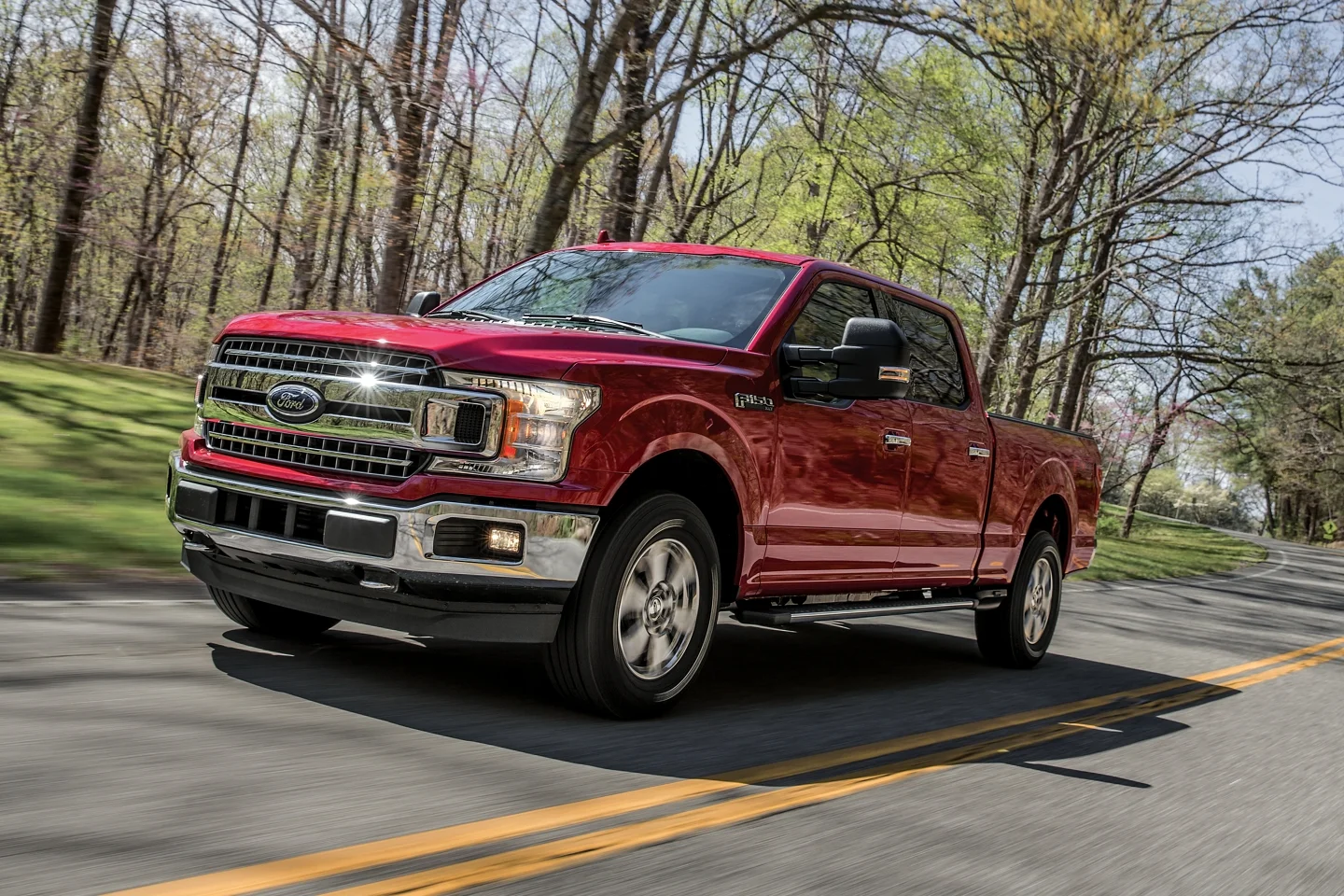
The Ford F-150 has long been a staple in the truck industry, and recent models have significantly improved in steering precision. Starting with the 2015 redesign and continuing into newer generations, Ford refined the F-150’s steering setup.
The introduction of electric power-assisted steering allowed for better calibration and improved response. As a result, the steering feels consistent whether you’re parking, cruising at highway speeds, or towing a heavy trailer.
Many owners report that even after several years of use, the steering stays relatively firm with little slop developing. This is especially true in models with sport packages or higher-end trims where handling is prioritized more heavily. Ford’s attention to component durability and chassis rigidity plays a big role in maintaining a tight steering feel over time.
Another point worth noting is how well the steering system adapts to different driving conditions. Whether you’re driving through a city or off the beaten path, the F-150 maintains a reliable steering response.
This doesn’t mean the truck handles like a sports car, but it offers enough feedback to make the driver feel in control. Even when loaded with gear or pulling a trailer, the steering remains firm and connected. While some competitors begin to feel vague or soft when pushed hard or burdened with weight, the F-150 keeps things well-balanced.
One contributing factor to the F-150’s success in this area is Ford’s use of high-quality steering rack components and solid suspension tuning. Over time, trucks often develop minor play in the steering from worn bushings or joints, but this model resists that better than most.
This long-term stability makes it a popular choice for those who plan to keep their truck for many years. Mechanics have also commented on the relative durability of its steering components, making it a dependable option in this regard.
Finally, the F-150’s variety of configurations allows drivers to select versions with even more enhanced handling characteristics. Trims like the FX4 or Raptor add off-road tuning without sacrificing steering sharpness. With consistent maintenance, most owners find little change in steering feel even after heavy use, adding another reason for the F-150’s reputation as a well-rounded truck with tight steering.
2. Toyota Tacoma
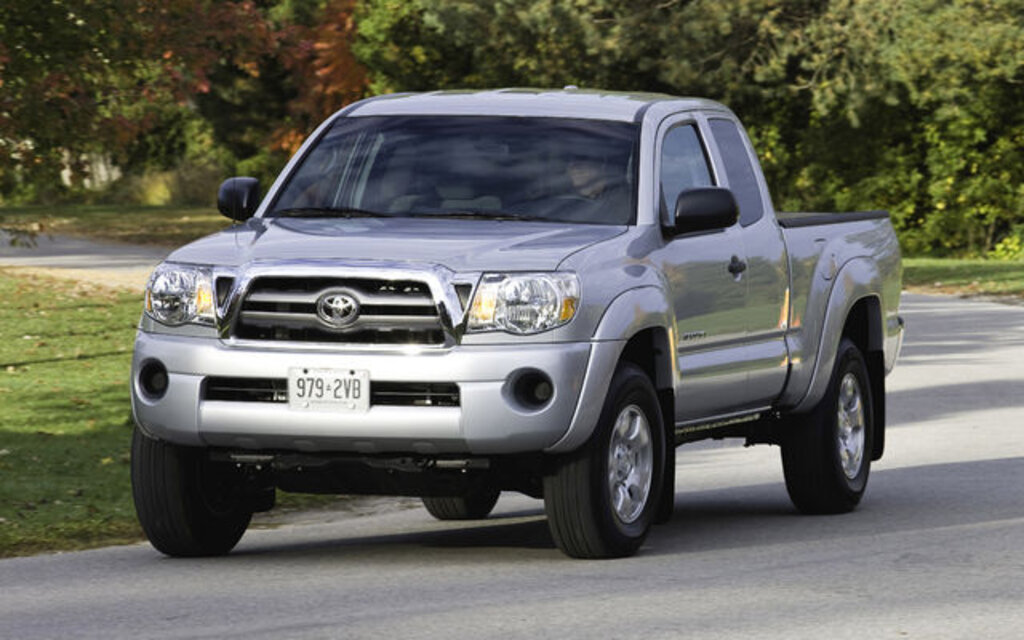
The Toyota Tacoma has earned a loyal following not just for its ruggedness but also for its consistent steering feel over time. Even though it’s a mid-size truck, the Tacoma has a steering setup that feels tighter and more communicative than some full-size models.
The hydraulic power steering system, found in older and some current models, provides a natural feel that doesn’t fade as easily as electric systems can. It gives the driver a solid sense of what the front wheels are doing, even on rough terrain or while maneuvering through city streets. Drivers who use their trucks for both commuting and off-road adventures often appreciate how predictable and direct the steering feels.
One standout quality of the Tacoma’s steering is how well it holds up under pressure. Whether climbing rocky trails or descending steep hills, the driver always knows exactly how the wheels are responding. This clarity helps with decision-making in tough driving situations and builds trust in the truck’s handling.
Even after years of use and exposure to dirt, mud, and gravel, the steering maintains its structure. Part of this durability comes from Toyota’s long-standing focus on building vehicles that can go the distance without falling apart at the joints.
The compact size and strong frame of the Tacoma also contribute to its steering feel. There’s less body roll than in larger trucks, which reduces strain on the steering system and keeps inputs tight.
This truck doesn’t just maintain good steering on pavement; it performs just as well off-road, where other trucks might begin to feel disconnected. Many owners report that even with basic maintenance and high mileage, the steering remains responsive and rarely needs major attention.
Toyota also tends to over-engineer key components, and the Tacoma benefits from that philosophy. While other trucks may rely on cost-saving designs that lead to early wear, the Tacoma’s steering gear and suspension parts are built to withstand years of hard use.
Even with aftermarket modifications like lifts or larger tires, the Tacoma holds onto its steering firmness better than many competitors. This makes it a reliable option for those who demand a truck that won’t lose its driving character over time.
3. Chevrolet Silverado 1500 (2019 and Up)
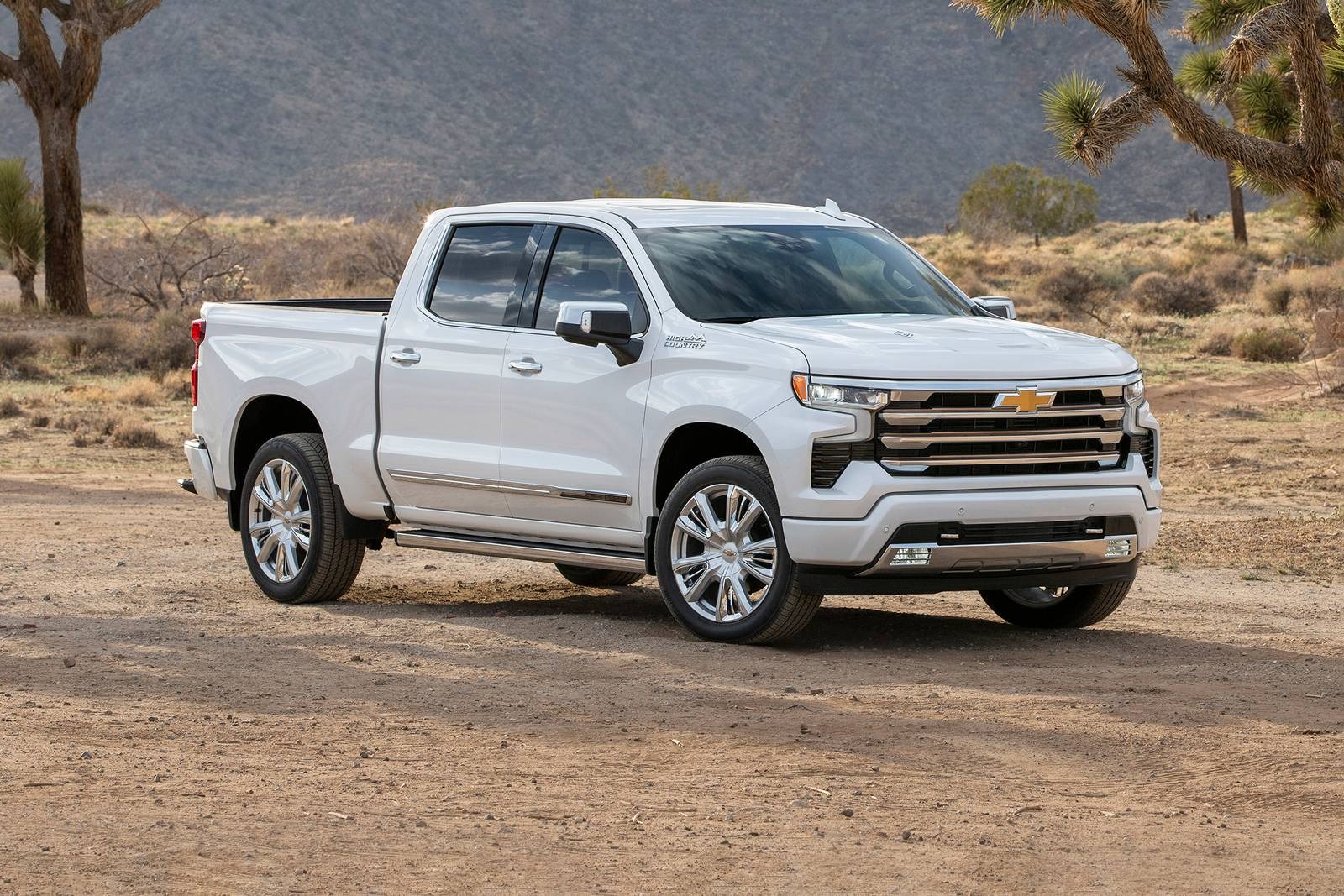
The 2019 redesign of the Chevrolet Silverado 1500 brought major improvements in ride quality and steering feel. One of the key enhancements was a more direct and consistent steering system.
Prior generations of the Silverado were often criticized for feeling vague, especially as they aged. But starting in 2019, the truck adopted a more modern setup with electric power steering that was better tuned for responsiveness. As a result, the newer Silverado feels much tighter and more in control, especially on curves and while towing.
Another strength is how the Silverado’s steering system interacts with its suspension design. The independent front suspension, combined with a stronger frame, reduces body movement and helps the steering stay accurate.
Whether you’re cruising on a straight highway or taking corners in the mountains, the wheel stays predictable and doesn’t require constant correction. Even after 50,000 or 100,000 miles, many owners say the steering still feels much like it did when new. This kind of longevity is crucial for those who rely on their truck for daily driving or work.
One often overlooked benefit of the newer Silverado is its steering precision at low speeds. Parking, reversing trailers, and tight turns all feel easier because the truck doesn’t develop excess play in the wheel. This is helped by improved steering geometry and tighter construction tolerances. Chevy also improved their bushings and joints to minimize premature wear, and it shows in how stable the front end remains over time.
Finally, the Silverado’s steering feel is helped by improved software tuning. The electric system adjusts based on speed and driving mode, which means the truck can offer a light touch in a parking lot but feel heavier and more planted on the highway.
It’s not artificial or over-boosted, and that makes a difference over time. Compared to older models, this newer generation of Silverado is a leap forward in terms of maintaining tight, durable steering.
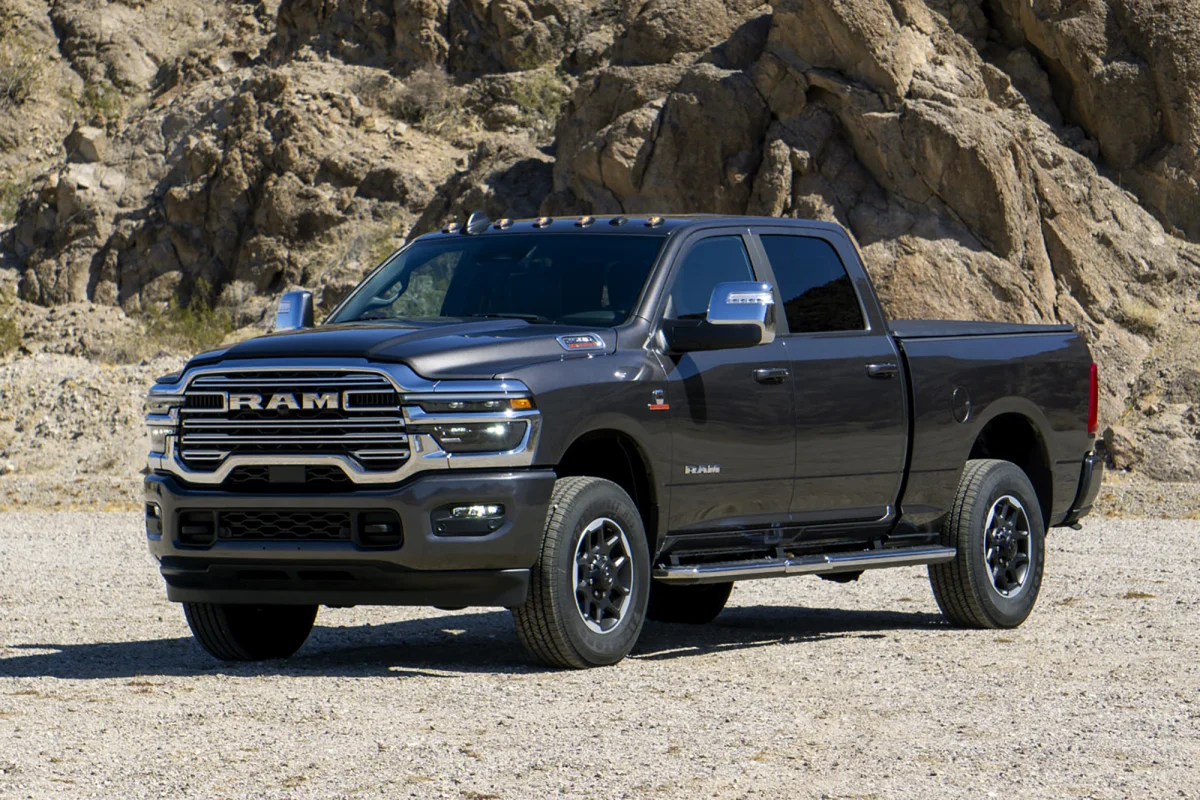
4. RAM 2500 (With Heavy-Duty Steering Components)
The RAM 2500, especially in trims that come with heavy-duty components, is known for retaining tight steering feel for a long time. One of the reasons for this is its solid front axle setup combined with upgraded steering parts that are built for towing and hauling.
Unlike lighter trucks that may sacrifice strength for comfort, the RAM 2500 is engineered with serious capability in mind. This results in a steering system that resists wear and maintains a connected feel through the wheel. The hydro-boost steering system also adds to the firm control, especially under load.
Drivers who use their RAM 2500s for towing large trailers often note how stable and predictable the truck feels. There’s very little wandering or slop in the wheel, even when pulling up steep grades or dealing with crosswinds. The steering box, tie rods, and pitman arm are all built thicker and stronger than what you’d find in a half-ton truck, which contributes directly to long-term tightness.
Another element that keeps the steering tight on the RAM 2500 is the availability of upgraded steering boxes and optional stabilizer bars, especially in trims aimed at hauling and off-road driving. These upgrades help minimize feedback from road imperfections and reduce the chance of wandering, which can be a real concern on rough or uneven roads.
RAM also uses beefier bushings and joints throughout the front suspension, which helps maintain alignment and steering geometry over time. This is especially valuable for drivers who regularly drive on gravel, through snow, or in off-road settings where terrain changes constantly and demands quick adjustments.
Additionally, the RAM 2500 benefits from an active owner community that often invests in proper maintenance. Many of the components, from steering stabilizers to tie rods, are overbuilt for longevity, and when replaced or upgraded, they continue to support the truck’s stable feel.
Aftermarket parts are widely available and often enhance the factory system without compromising reliability. Drivers who understand how to care for a heavy-duty truck generally keep their steering in solid condition, and with the RAM 2500, the foundation for long-term steering performance is already strong from the factory.
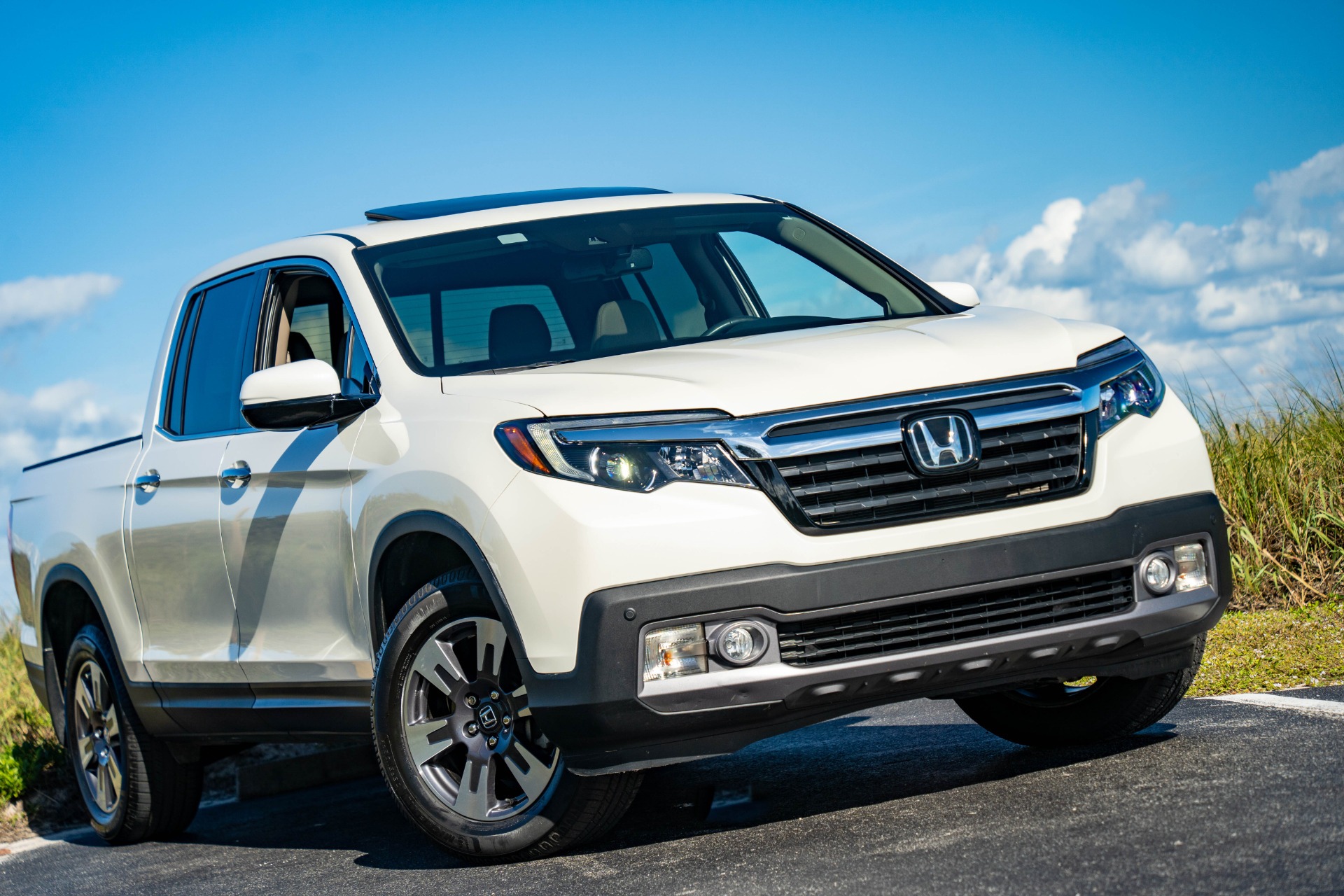
5. Honda Ridgeline
The Honda Ridgeline is often overlooked in discussions about trucks because of its unibody design and front-wheel-drive roots. But that’s also what gives it a surprising advantage in steering feel. Unlike body-on-frame trucks, the Ridgeline behaves more like a car in terms of responsiveness and road manners.
The steering is tight, predictable, and free from the sloppiness that plagues some traditional pickups. Because it uses independent suspension at all four corners and a more integrated chassis, the Ridgeline doesn’t suffer from the same kind of front-end flex that can gradually lead to loose steering.
This structural difference pays off in everyday driving. Whether navigating city streets or cruising at highway speeds, the Ridgeline’s steering remains remarkably consistent. The electric power steering system is tuned for smooth, quick response without over-assisting or dulling road feedback.
Even when the truck is loaded with cargo or a light trailer, the steering effort and precision hold firm. It’s not just easy to steer, it’s communicative in a way that gives drivers confidence, especially those who are more used to SUVs or sedans. This makes it an ideal truck for people who don’t necessarily want to feel like they’re driving a large, bulky machine.
One key reason the Ridgeline maintains tight steering over time is Honda’s commitment to build quality. Wear points like bushings, control arms, and rack components are engineered to resist the kind of slop that often develops in trucks designed for rougher duty.
Because the Ridgeline isn’t commonly used for off-road punishment or extreme towing, its parts don’t see the same stress loads, which also helps it stay sharp longer. Regular road use with occasional hauling is well within its comfort zone, and the suspension and steering reflect that with a composed and long-lasting feel.
5 Trucks That Feel Loose Quickly
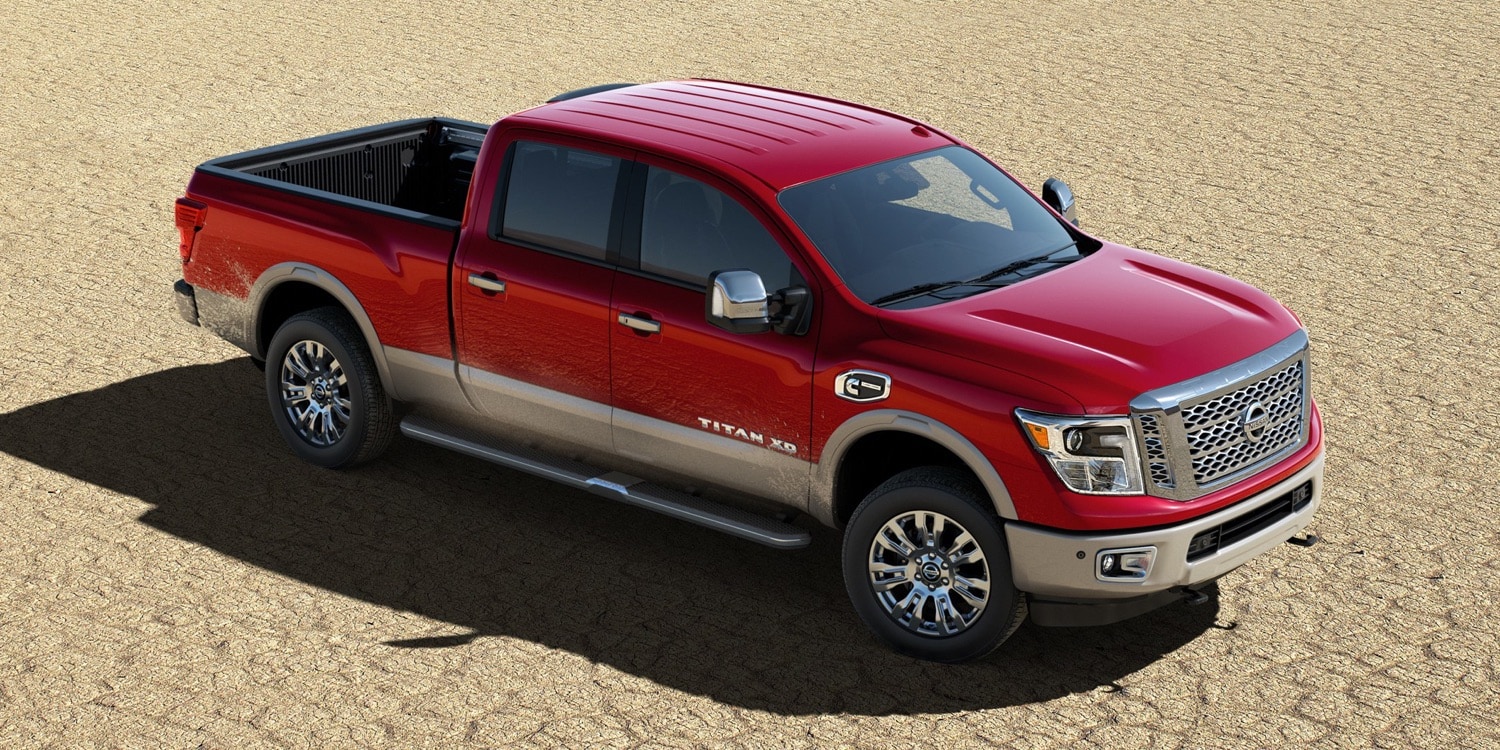
1. Nissan Titan
The Nissan Titan, while boasting strong engine performance and a capable towing package, has struggled with long-term steering quality in multiple model years. One of the most common complaints among Titan owners is the steering becoming loose or vague after just a few years of ownership.
The issue typically starts subtly: a little more play in the wheel, slightly delayed responses during turns, and increased effort to maintain a straight line at highway speeds. Over time, that looseness becomes more obvious and frustrating. Part of the issue comes down to the Titan’s front-end design, which has not seen the same refinement or steering tuning updates as some of its competitors.
Unlike trucks that invest in high-quality suspension bushings and steering rack components, the Titan’s parts tend to wear quicker, especially if the truck is used in demanding conditions. Some owners who frequently tow or take their Titan off-road report early wear in tie rods and ball joints, which directly impacts steering tightness.
Even those who use the truck strictly for commuting or light work may find the steering feel becomes more disconnected with age. The weight of the truck combined with less-than-optimal steering geometry, contributes to a feeling of wandering or having to overcorrect on the highway.
Another issue is that Nissan has lagged in updating the Titan’s steering software. While competitors like Ford and GM use adaptive systems that can adjust steering weight and response based on conditions, the Titan’s steering tends to feel flat and unresponsive.
The lack of feedback through the wheel only amplifies the sensation of looseness. Even in refreshed models, the issue remains a point of criticism, with professional reviewers and owners alike noting how the truck doesn’t inspire the same confidence as others in its class.
Maintenance can only go so far in solving the problem. Replacing worn parts may temporarily improve the feel, but unless the steering system is redesigned from the ground up, the Titan struggles to offer long-term steering consistency.
For buyers who prioritize sharp and stable steering, this truck often falls short. It has power, comfort, and presence, but when it comes to keeping the steering tight and responsive, the Titan tends to lose its edge earlier than expected.
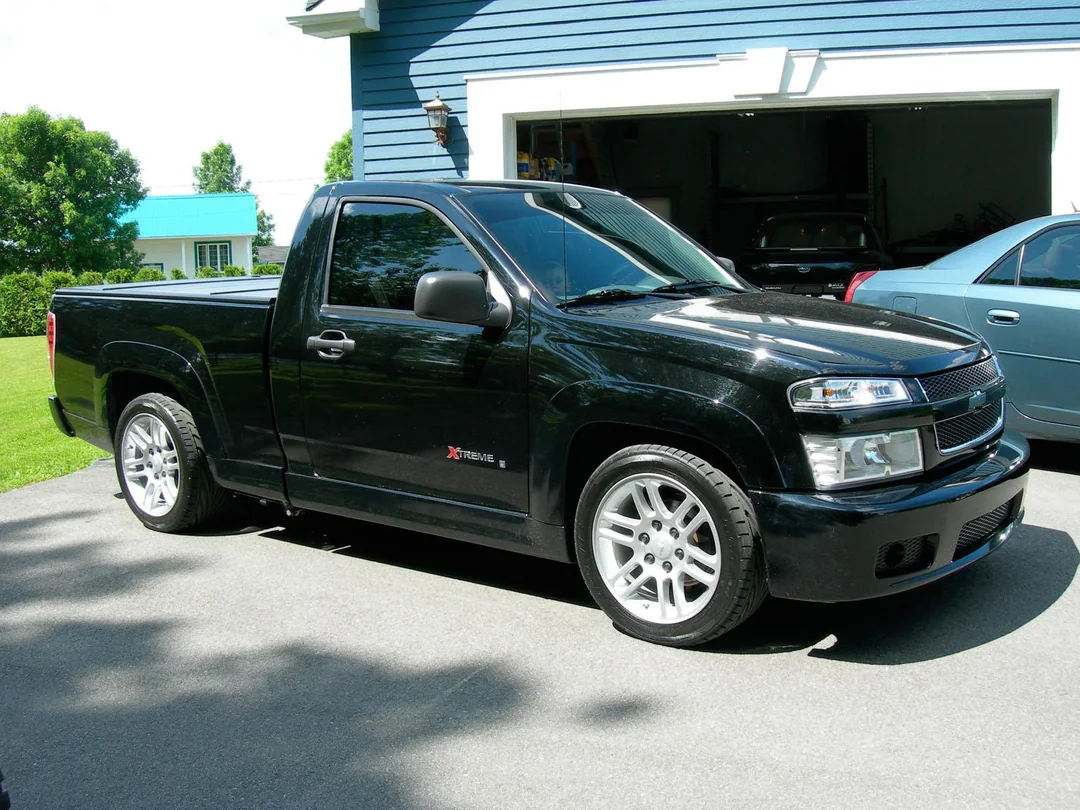
2. Chevrolet Colorado (Older Generations)
The older generations of the Chevrolet Colorado, especially those built before the major refresh around 2015, are known for developing steering issues as they age. While the Colorado was designed to be a practical, smaller alternative to full-size pickups, the compromises in its front-end components became more obvious with time.
Many owners report a noticeable change in steering response after just a few years of use. The wheel can develop a dead zone, where small inputs result in no noticeable change in direction, and eventually this turns into a more obvious feeling of looseness, particularly at highway speeds.
Part of the problem lies in the cost-cutting measures used during earlier production runs. Steering racks, bushings, and tie rods weren’t built with the same durability seen in larger GM trucks. As a result, they wore down more quickly, especially for those who used the truck beyond light-duty commuting.
Even routine driving across potholes or over uneven pavement would gradually erode the steering sharpness. Unlike the more modern versions of the truck, these older Colorados didn’t have steering systems that adapted well over time. Once wear began to set in, the driving experience suffered significantly.
Additionally, the suspension setup in those early models did little to help the issue. A soft front end combined with undersized components meant that body roll and front-end flex contributed further to steering play. Over time, it became harder to keep the truck tracking straight, and drivers often found themselves making constant small corrections to stay in the lane. This added to driver fatigue and created a perception of poor handling, even if the truck was mechanically sound otherwise.
Some owners tried to mitigate the issue through aftermarket upgrades, installing stronger tie rods, stiffer bushings, or even replacing the steering rack entirely. While these changes can help, they highlight a core problem with the truck’s original design.
The fact that such major overhauls were needed to restore normal steering feel says a lot. If consistent, tight steering is a priority, the earlier models of the Colorado are often remembered for being more trouble than they were worth in that regard.
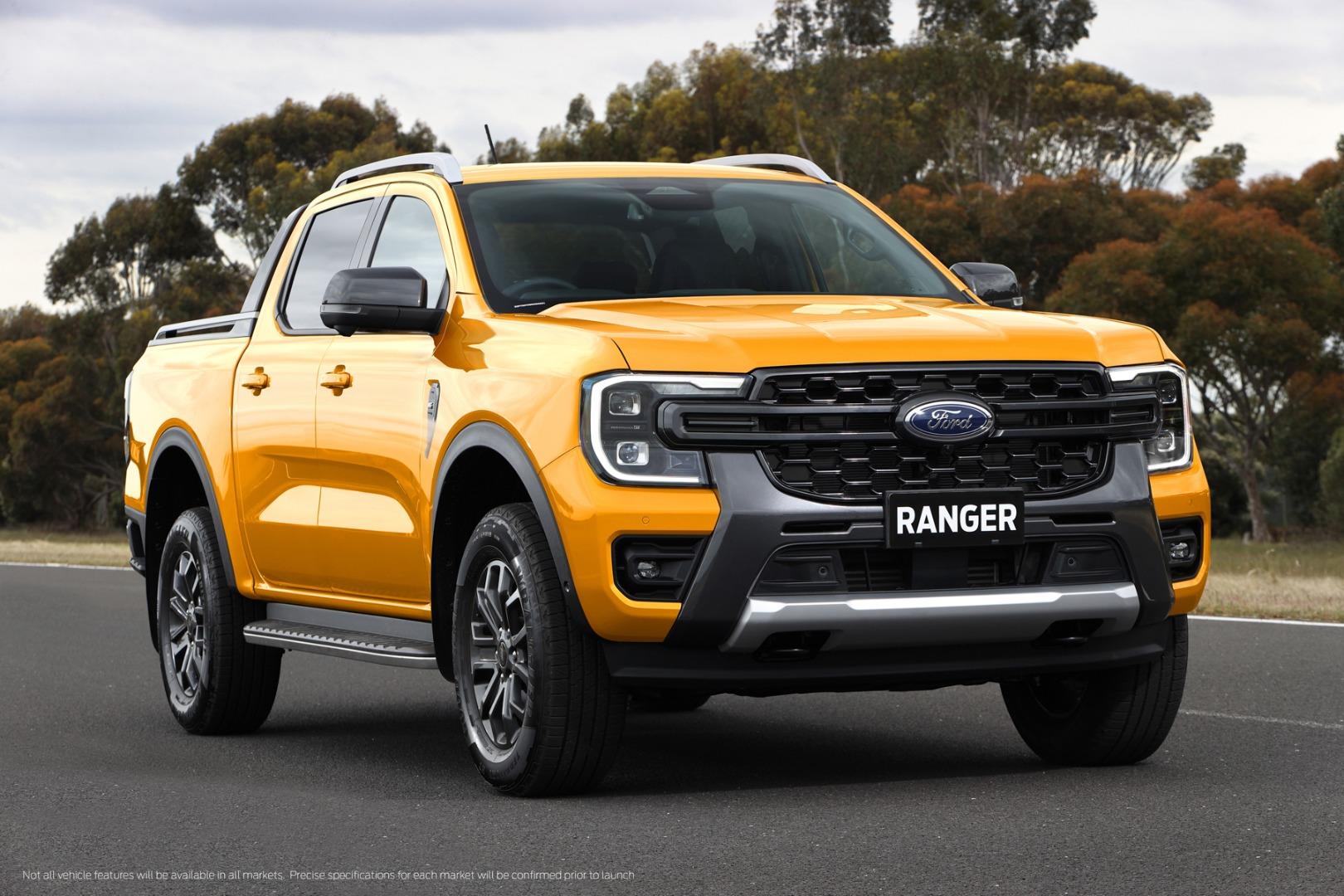
3. Ford Ranger (2019–2022)
The return of the Ford Ranger to the U.S. market in 2019 was met with excitement, but one area that quickly drew criticism was its steering. While the Ranger brought capable performance and a strong engine, the steering feel left many drivers unimpressed, particularly after a year or two of regular use.
The initial steering response feels fairly light and somewhat disconnected, but what really causes concern is how quickly that loose feeling sets in as the truck ages. Owners often report a vague sense of control at higher speeds and a tendency for the wheel to feel over-boosted and lacking road feedback.
One of the contributing factors is the electric power steering system, which, unlike more refined setups in trucks like the F-150 or Silverado, didn’t receive the same level of calibration. It feels tuned more for comfort than control.
That might work for some casual drivers, but for those who value crisp steering input, the Ranger feels more like a soft crossover than a focused midsize truck. The soft front suspension and narrower track width also allow for a little too much front-end motion during turns, which adds to the loose sensation.
As the truck puts on miles, components like control arm bushings and inner tie rods begin to wear, not catastrophically, but just enough to introduce more play into the wheel. Combine that with the already light steering weight, and the result is a truck that feels nervous during long-distance drives or when hit with crosswinds. The steering may not completely fall apart, but the sense of precision fades faster than many would expect from a truck with Ford’s reputation.
To make matters more frustrating, steering upgrades are limited. Aftermarket solutions exist but tend to be costly or not widely available, partly due to the Ranger’s design being based on a global platform that was only recently adapted to the U.S. market.
In short, while the Ranger offers solid performance and utility, its steering feel is one of its weakest areas, particularly as components age and the truck is subjected to real-world wear and tear. Buyers looking for a truck that keeps its steering tight over the long term will likely be disappointed.
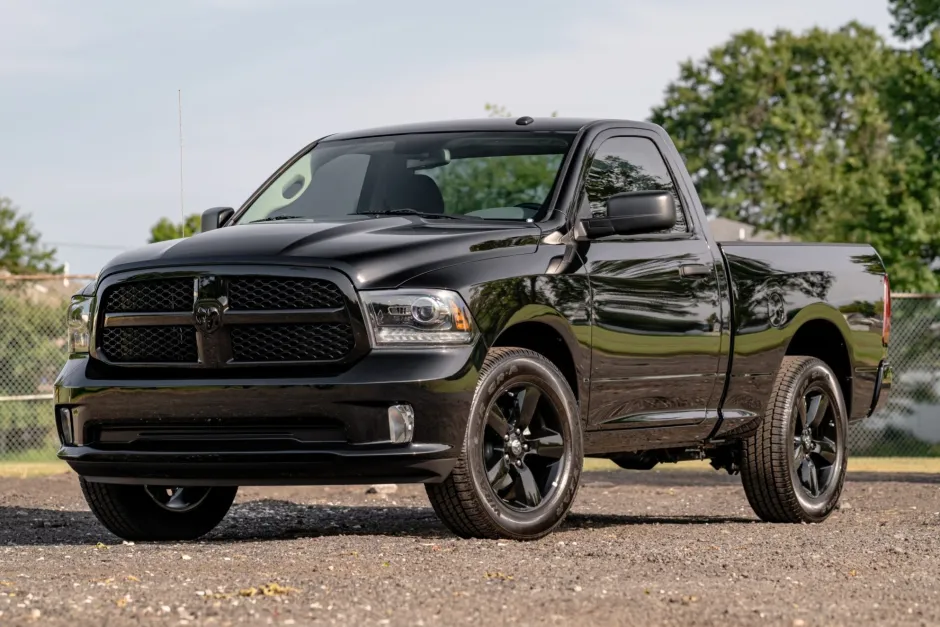
4. Ram 1500 (2009–2018 Models)
The Ram 1500 is well-liked for its smooth ride, powerful V8 options, and comfortable cabin. However, the models produced from around 2009 to 2018 developed a reputation for steering systems that feel disconnected and degrade quickly.
While the ride comfort of these trucks was industry-leading thanks to their coil-spring rear suspension, that same comfort-oriented design contributed to a softer, less responsive front end. Many owners found that the truck’s steering feel began to deteriorate sooner than expected, especially when used for towing or in rugged environments.
One recurring complaint is excessive play in the steering wheel, especially noticeable at higher speeds. Drivers often find themselves constantly correcting to keep the truck centered in the lane. This looseness not only detracts from the driving experience but can also become a safety concern.
The source of the issue varies: in some cases, it’s the result of worn tie rod ends or ball joints; in others, the steering rack itself begins to lose its responsiveness. The real challenge is that this degradation seems to happen faster in Ram 1500s than in many competitors.
Mechanics frequently point out that the earlier electric and hydraulic steering systems used in these trucks didn’t age well. The steering gearboxes, particularly on trucks that saw heavy use, could develop internal slack.
When paired with factory suspension components that prioritize comfort over stiffness, the result is a truck that doesn’t feel grounded or precise. Even after repairs, some owners report that the steering never quite feels the same as it did when the truck was new.
Upgrades can improve things, such as installing upgraded control arms, reinforced tie rods, or even a more heavy-duty steering box. But for the average owner, these solutions are time-consuming and expensive.
As a result, many Ram 1500s from this generation end up with steering systems that feel loose, floaty, and less engaging well before they reach high mileage. While they score high in other areas, steering precision and retention over time is not a strengths of this generation of Ram trucks.
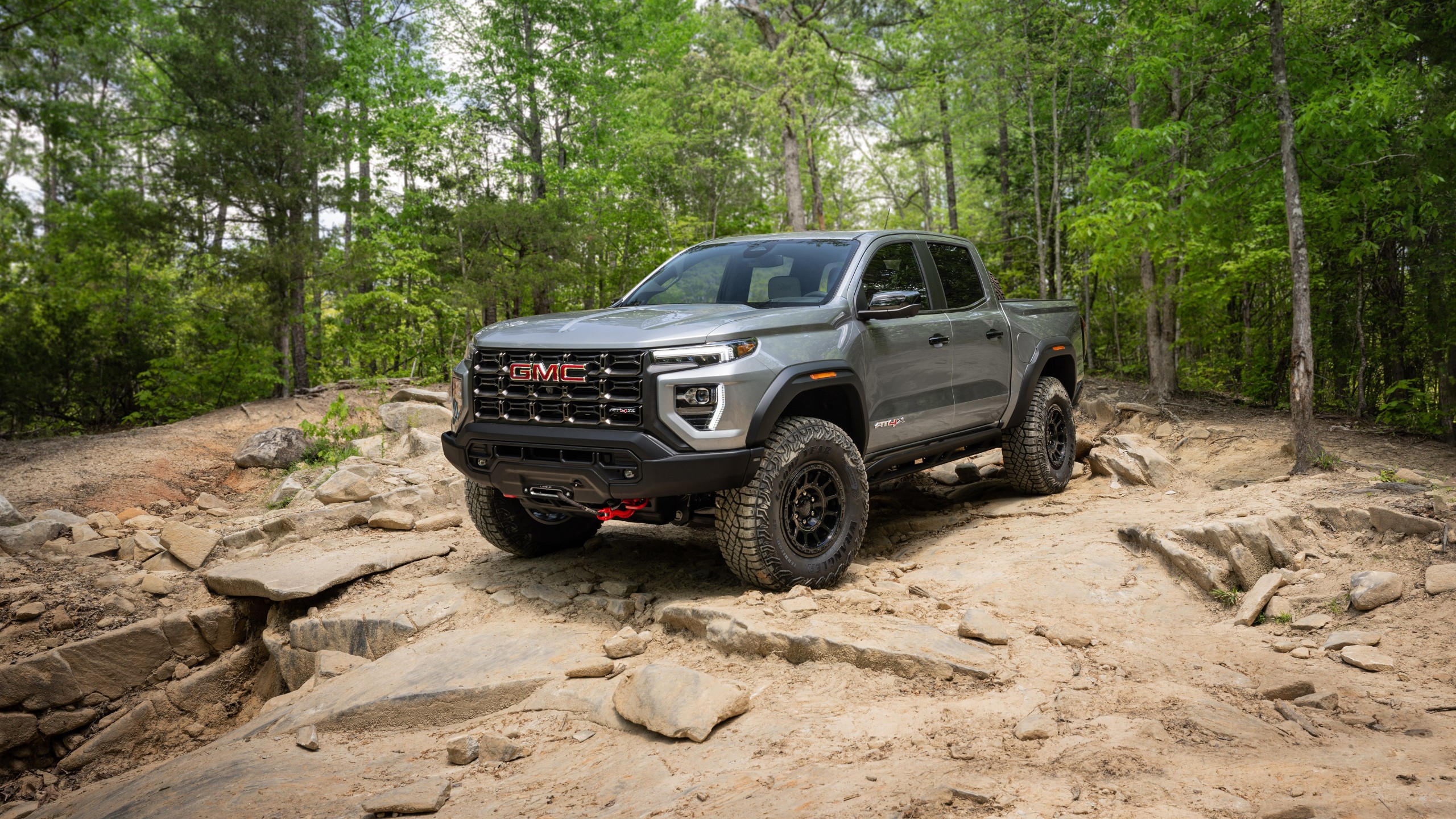
5. GMC Canyon (2015–2022)
The GMC Canyon, closely related to the Chevrolet Colorado, shares many of the same issues regarding long-term steering performance. At launch, it was praised for being more refined than earlier GM midsize trucks, but over time, the steering feel has not held up as well as some had hoped.
The electric power steering system, while smoother and lighter than older hydraulic systems, doesn’t provide much feedback. More critically, it tends to develop an increasingly vague feel over time, particularly in trucks that are frequently used for towing or heavy-duty tasks.
The problem seems to stem from a combination of factors. First, while the Canyon has decent front suspension geometry, the actual components used, such as lower control arms and bushings, are prone to early wear.
Second, the steering calibration feels slightly artificial from the beginning, which means there isn’t a strong baseline of connectedness to begin with. As these parts begin to wear, the already light and soft steering becomes even more ambiguous. Highway driving becomes a chore, especially in windy conditions where the truck feels like it needs constant correction.
Another issue is the lack of effective communication through the wheel. Drivers report that they can barely feel changes in road surface, weight shifts, or grip levels. This lack of feedback becomes a bigger issue once the truck has aged and components start to degrade.
Without that tactile connection, the vehicle feels detached and harder to control with confidence. Even moderate wear in the ball joints or tie rod ends adds up quickly, and because the steering is already soft, it only amplifies the sensation of looseness.
Some owners attempt to address this with aftermarket solutions, such as polyurethane bushings or upgraded suspension kits. These improvements can help restore some sharpness, but they don’t fundamentally change the nature of the truck’s steering system. For many, the effort isn’t worth it.
While the Canyon does many things well, especially in terms of ride comfort and interior quality, its ability to maintain a tight, connected steering feel over time falls short compared to competitors like the Toyota Tacoma or newer full-size pickups. It’s a midsize truck that performs adequately but doesn’t age as gracefully in the handling department.
