
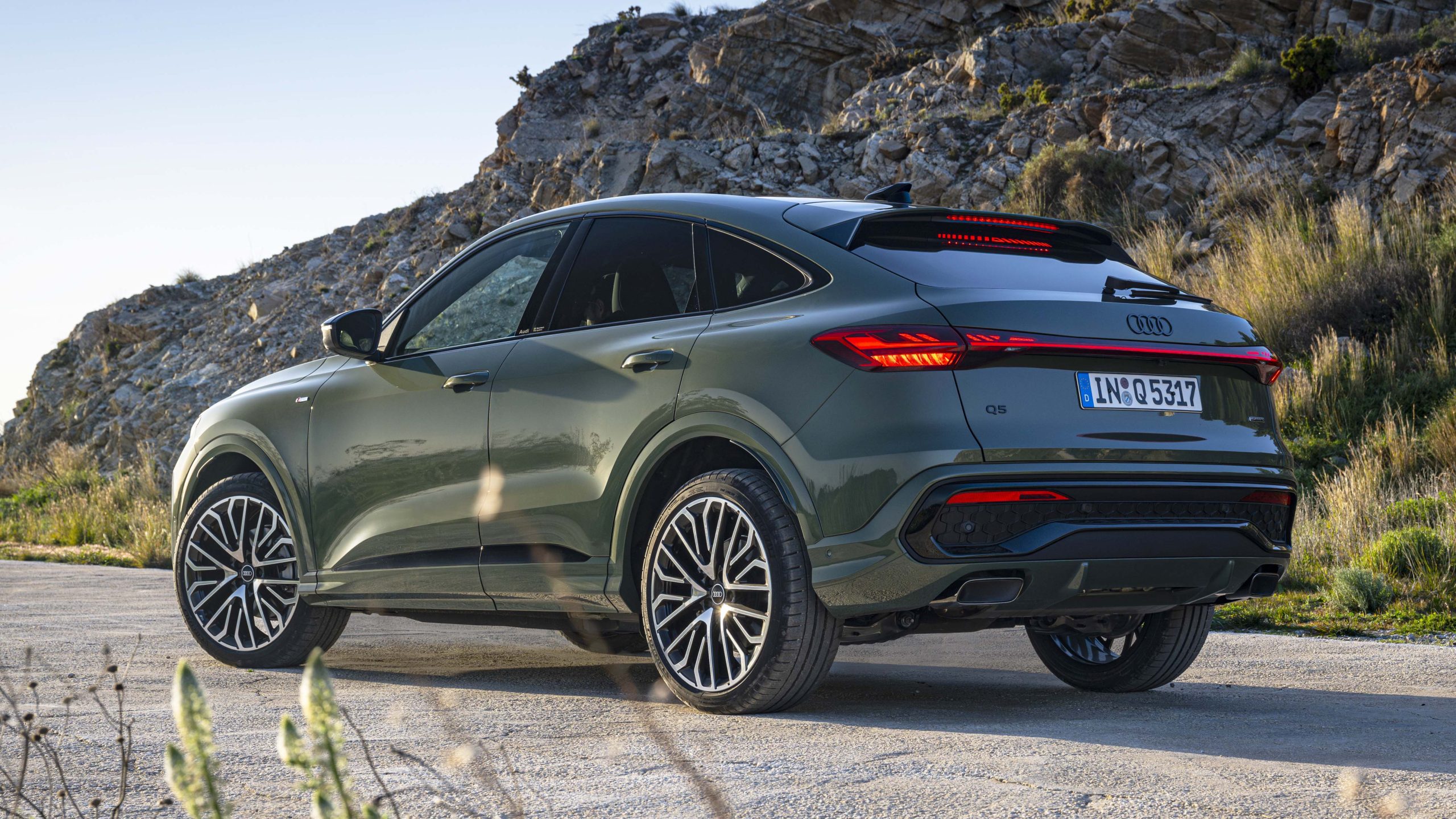
Sunroofs have steadily become a highly coveted feature in SUVs, serving as a symbol of luxury, comfort, and connection to nature while on the road.
They transform the cabin by letting in natural sunlight and fresh air, which can greatly enhance the driving experience, especially during pleasant weather or scenic drives.
For many SUV owners, a sunroof is more than just a design flourish; it is a way to break the feeling of confinement inside a vehicle, offering openness and brightness to passengers. However, despite their popularity, sunroofs introduce significant engineering challenges for automakers.
Achieving a perfectly sealed, water-resistant glass panel that can withstand years of weather exposure, vibrations, and temperature fluctuations is no small feat.
If the seals or drainage systems fail, what was meant to be a delightful feature quickly becomes a source of frustration as water leaks begin to intrude into the cabin.
The engineering involved in creating a leak-proof sunroof demands precision in materials, assembly, and design. Modern sunroofs are typically constructed with tempered or laminated glass panels that slide or tilt open, surrounded by rubber or synthetic seals designed to keep out water.
Beneath these seals are drainage channels and tubes that funnel any water that seeps past the initial barrier safely away from the interior, usually exiting beneath the vehicle.
When all these systems work in harmony, the sunroof remains dry and secure, providing a pleasant atmosphere without concern for water damage.
Conversely, if seals degrade, if drainage tubes become clogged, or if manufacturing tolerances are not maintained, the system can fail. Leaks may start small but often worsen over time, leading to damp seats, soaked carpets, mold growth, and damage to expensive electronic components.
This can drastically reduce the owner’s satisfaction and confidence in the vehicle, and repairs can be costly and complicated.
In this article, we will explore two contrasting groups of SUVs: those whose sunroofs have earned a reputation for never leaking under normal use, and those whose sunroofs are known to cause interior flooding and water intrusion problems.
By examining these models, we aim to highlight what separates a well-engineered, durable sunroof from one prone to leaks and owner complaints.
We will look at the design philosophies, materials, drainage mechanisms, and manufacturing processes that contribute to these differences.
This information will not only serve potential buyers in making informed decisions but also shed light on the importance of quality and maintenance when it comes to vehicle sunroofs.
Sunroof reliability is not simply a matter of luck. It results from meticulous design, stringent quality control, and thoughtful maintenance features. Each of the SUVs featured in this article exemplifies these aspects in different ways, from mainstream mass-market models to luxury offerings.
The vehicles with leak-free sunroofs tend to share traits such as reinforced seals, well-planned drainage channels, and easy maintenance access. In contrast, the vehicles prone to flooding often suffer from rushed designs, inferior materials, or overlooked maintenance paths.
The goal is to help readers understand the practical realities of owning an SUV with a sunroof and how to avoid unwanted water intrusion, preserving the vehicle’s interior integrity and owner satisfaction.
Also Read: 5 Hybrids With Great Parts Availability and 5 That Are Always Backordered
5 SUVs with Sunroofs That Never Leak
1. Toyota Highlander
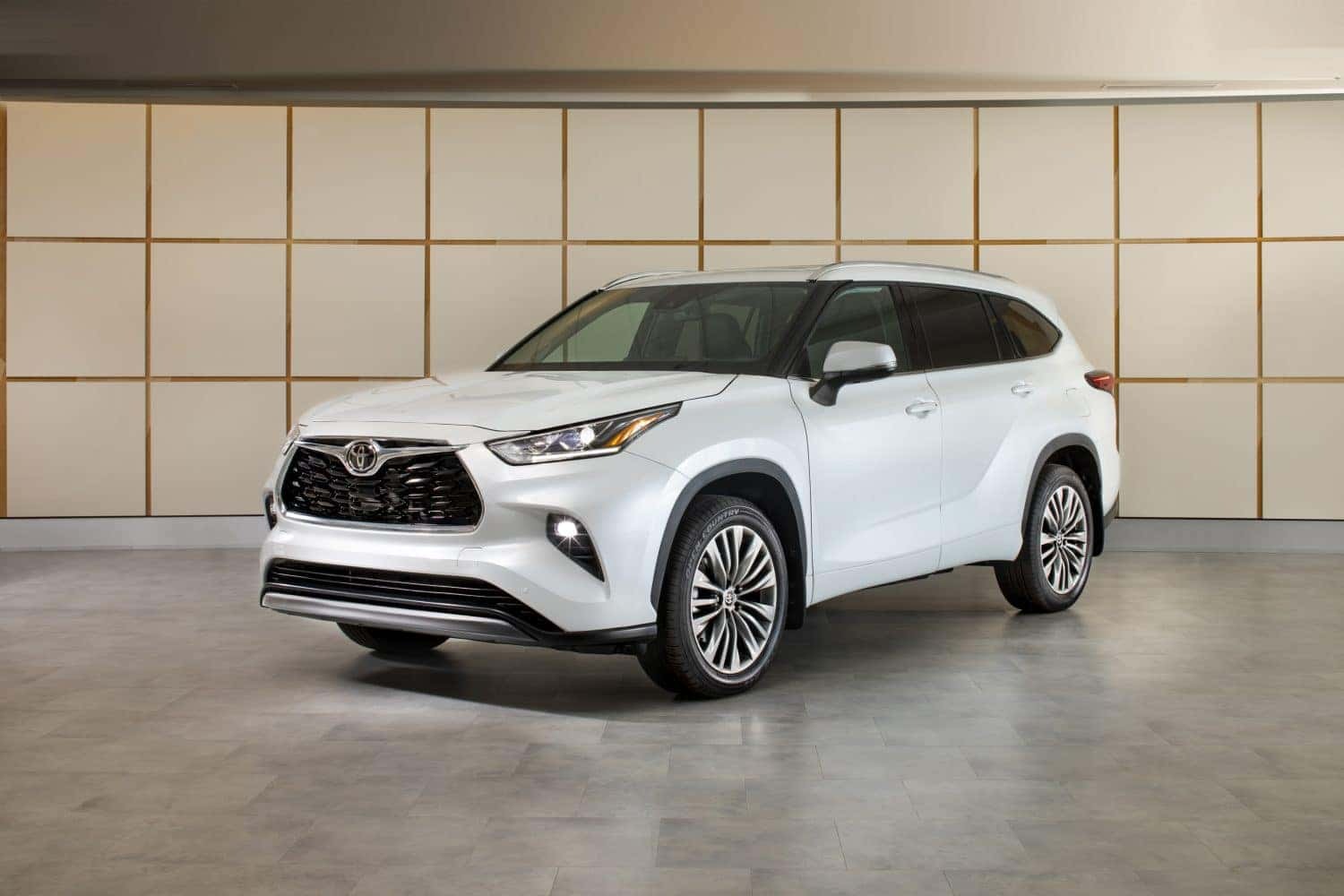
The Toyota Highlander has established itself as one of the most reliable midsize SUVs on the market, and this reputation extends strongly to its sunroof system.
Toyota employs high-quality rubber gaskets and seals around the sunroof that are engineered to withstand years of exposure to various weather conditions, including heavy rain, snow, and intense sunlight.
These seals are not just a simple strip of rubber; they incorporate multiple layers that absorb expansion and contraction caused by temperature changes, preventing cracks or gaps from forming.
Additionally, Toyota has designed the Highlander’s drainage system to be extremely efficient. Water that lands on the sunroof glass is funneled into dedicated channels, which lead to drain tubes that expel the water safely outside the vehicle, well away from sensitive components.
Beyond the design itself, Toyota’s rigorous production standards and extensive quality control checks at assembly plants ensure consistent build quality across each Highlander.
This reduces the chances of manufacturing defects such as misaligned seals or poorly installed drainage tubes, which are common culprits of leaks in other vehicles.
Highlander owners rarely report sunroof-related water issues even after prolonged exposure to severe weather or after several years of ownership.
This durability is complemented by Toyota’s reputation for low-cost, easy maintenance, as the drainage channels are accessible and designed to be cleaned if necessary to prevent blockages caused by dirt or leaves.
Customer feedback consistently praises the Highlander for its dependable sunroof, noting the quietness of operation, tight seals that prevent wind noise, and absolute absence of leaks. This performance adds to the ownership experience by reducing stress and repair costs related to water damage.
The Highlander’s sunroof is an excellent example of how proper engineering and consistent manufacturing can eliminate common problems that plague other SUVs, making it a top pick for those who want the benefits of a sunroof without the risk of interior flooding.
2. Honda CR-V
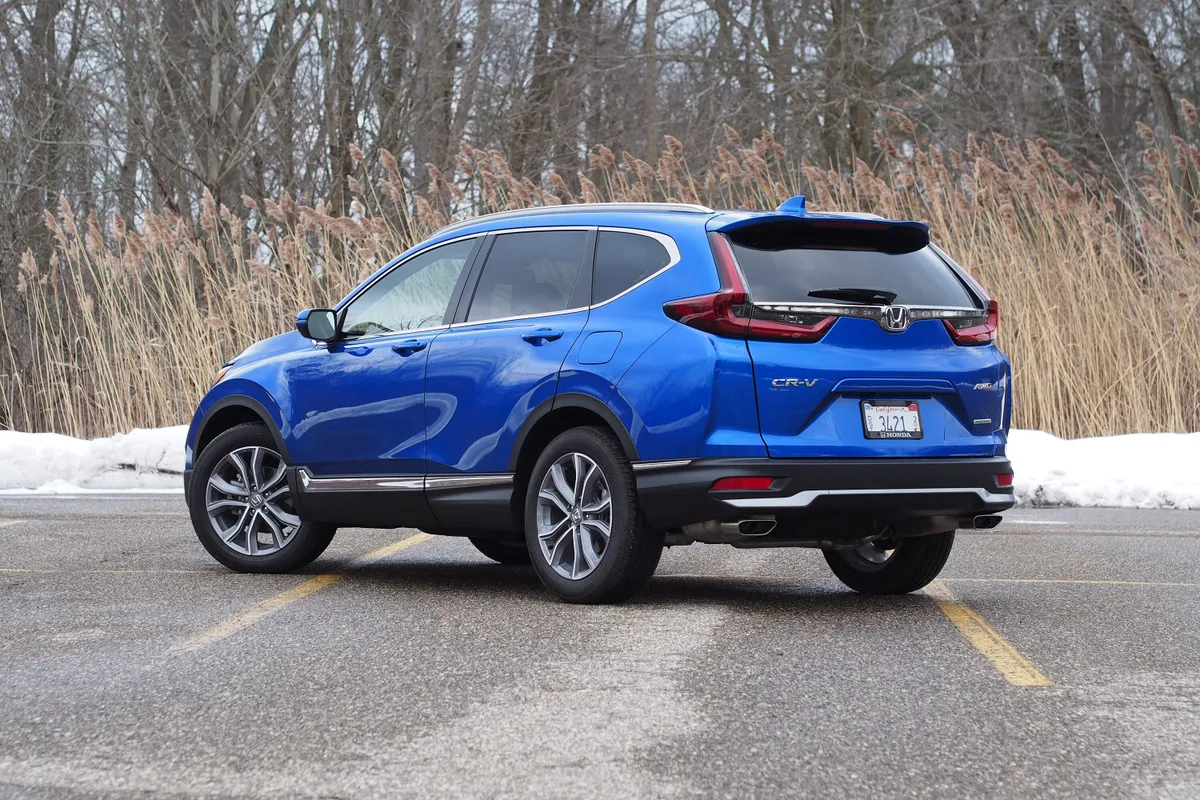
The Honda CR-V’s sunroof system is a product of the brand’s long-standing emphasis on precision engineering and practical durability. Honda designs the CR-V’s sunroof seals using synthetic rubber compounds that maintain flexibility over time and resist deterioration from ultraviolet radiation and temperature extremes.
This helps the seals stay intact and effective in providing a waterproof barrier even after thousands of cycles of opening and closing. The sunroof glass itself is mounted with tight tolerances, minimizing any gaps or misalignments that could let water slip through.
Honda also incorporates an intelligently designed drainage system beneath the sunroof, featuring tubes that channel water away from the cabin.
Unlike many competitors, Honda fits these tubes with fine mesh screens to prevent small debris and dirt from clogging the drains, which is a common cause of leaks in lesser designs. The tubes are routed strategically to leverage gravity and vehicle movement, ensuring water is efficiently expelled and does not pool anywhere near the interior.
In addition to the design, Honda’s stringent factory inspections help catch potential leak issues before vehicles leave the assembly line. This quality assurance, combined with the durability of materials, means sunroof leaks in the CR-V are exceedingly rare.
If an owner does experience an issue, Honda’s responsive service network typically resolves it promptly, adding to consumer confidence. Interior panels around the sunroof are fitted with precision, reducing the chances of water damage to surrounding upholstery or electronics.
Owner reviews frequently highlight the CR-V’s sunroof as a low-maintenance, trouble-free feature that enhances comfort without headaches. Its reliability, combined with affordability and fuel efficiency, makes it one of the most recommended compact SUVs for buyers who want the benefits of a sunroof without risking leaks or interior damage.
3. Subaru Outback
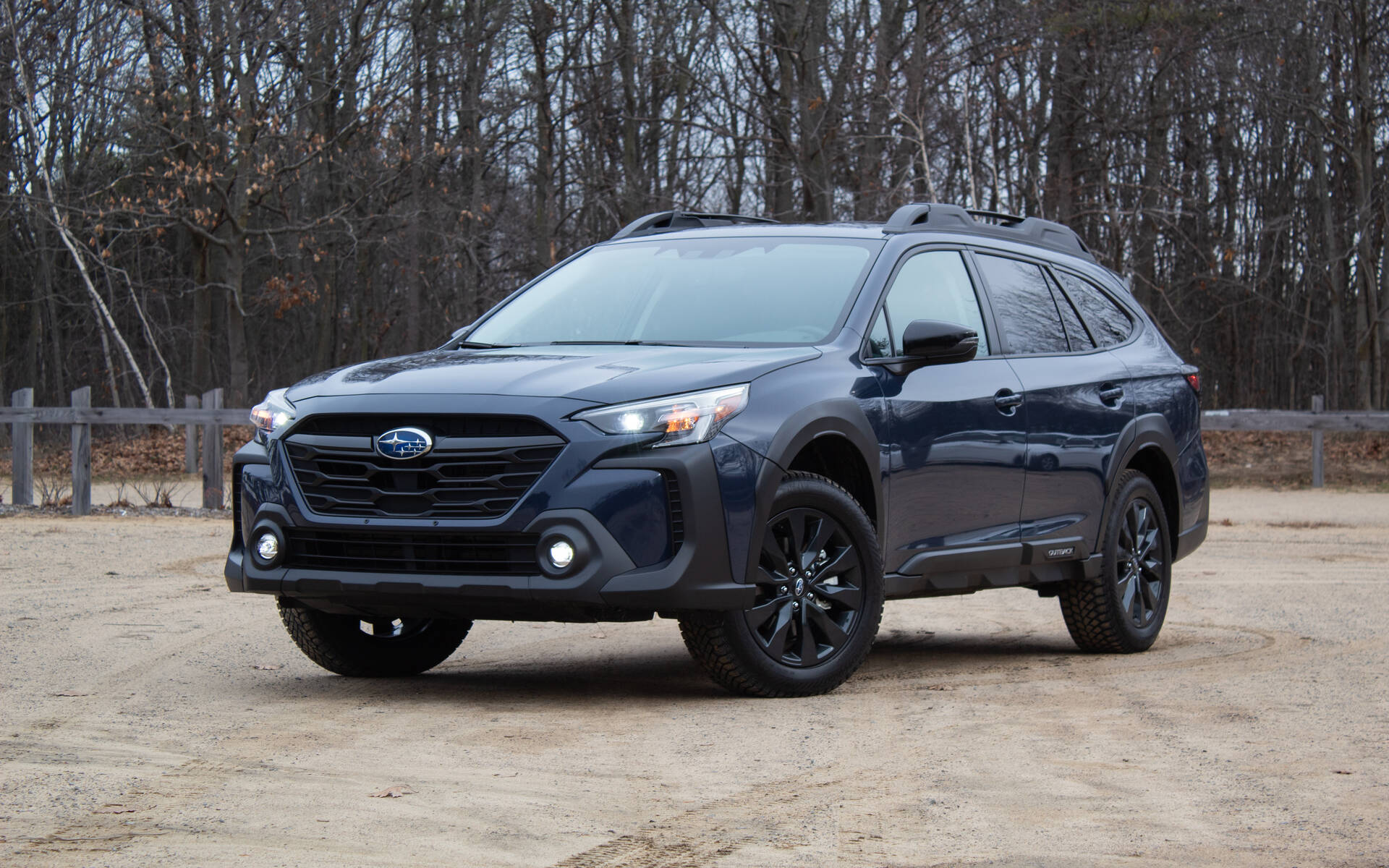
The Subaru Outback’s reputation for all-weather reliability extends to its sunroof system, which is designed with durability and harsh environment resistance in mind.
The seals around the Outback’s sunroof are crafted from specialized rubber compounds that remain flexible even in freezing temperatures, preventing cracks that could allow water intrusion during the winter months. The glass panel is secured with tight fittings, and the surrounding trim helps channel water toward drainage points.
Subaru engineers have put considerable thought into the drainage system, which uses reinforced, wide-diameter tubes integrated into the roof’s structure.
These tubes are built to handle heavy rain, melting snow, and even road splashes, safely routing water away from the cabin and vehicle electronics. The drainage paths are designed to minimize clogging and allow easy access for cleaning when necessary, a feature that many owners appreciate for long-term maintenance.
The Outback’s sunroof design also benefits from Subaru’s commitment to customer education. Manuals and service providers emphasize routine inspections of the drainage system, helping owners prevent blockages before they cause leaks. Many Subaru owners report trouble-free sunroof use for many years, even in regions with challenging climates.
Reviews often praise the Outback’s ability to combine a spacious, airy sunroof experience with a solid, leak-proof design. For those living in areas with heavy precipitation or wide temperature swings, the Outback offers a durable sunroof solution that is built to last and protect the interior from water damage.
4. Ford Explorer
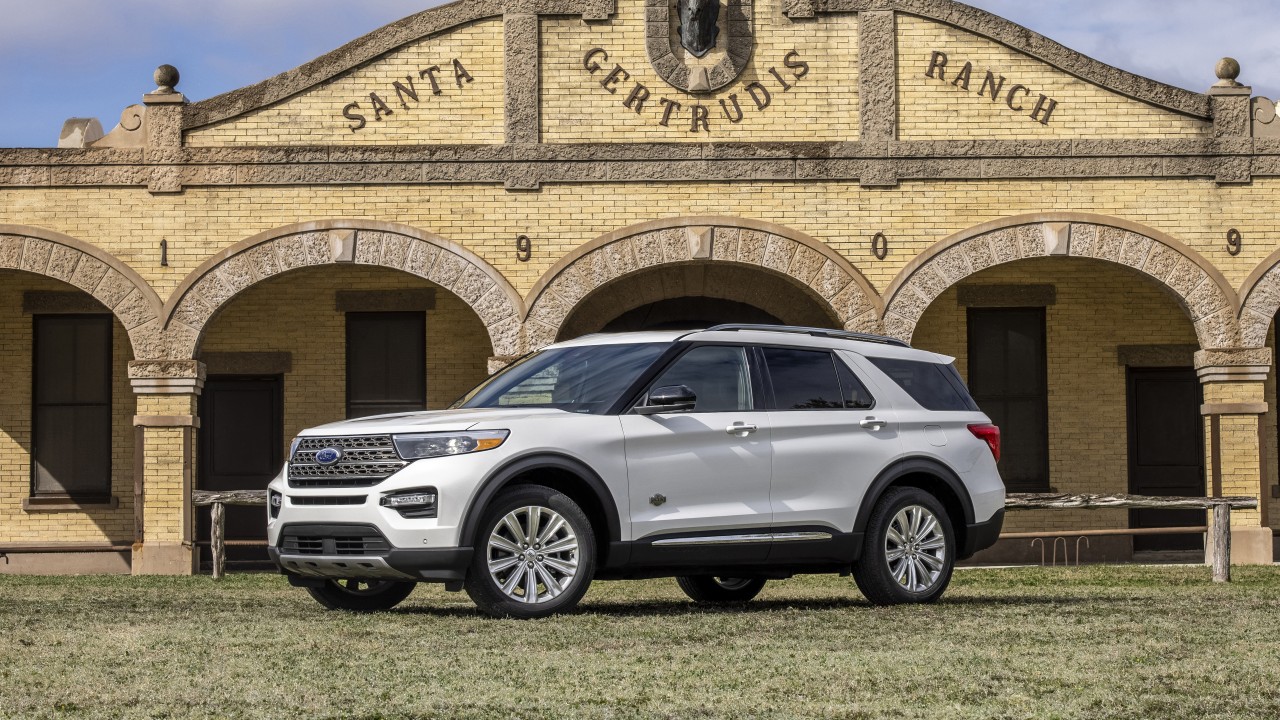
The Ford Explorer is a widely popular midsize SUV that offers a variety of sunroof options, including panoramic models, all of which tend to be reliable when it comes to preventing leaks. Ford’s sunroof system is characterized by its layered sealing technology.
Multiple rubber gaskets and flexible sealing strips work in tandem to create a watertight barrier between the glass panel and the metal roof. This layered approach provides redundancy in preventing water from passing through, even if one seal is compromised.
The sunroof drainage system in the Explorer features strategically placed channels that funnel water into drain tubes routed underneath the vehicle. These drains are designed with accessibility in mind, allowing technicians to easily inspect and clear any debris or blockages.
Ford also incorporates durable sunroof motors and rails that ensure smooth, precise closure of the glass panel, which is crucial for maintaining the integrity of the seals over time. Sunroofs that don’t close completely are a frequent cause of leaks in many vehicles, but Ford’s engineering minimizes this risk.
Service records and customer feedback indicate that while some early model years experienced minor issues, recent versions of the Explorer have improved considerably. Routine maintenance of the drainage system, combined with Ford’s manufacturing quality improvements, helps prevent water intrusion and preserves the interior from damage.
Many Explorer owners value the panoramic sunroof option for its expansive glass and open feel, paired with the confidence that their vehicle will stay dry even in heavy rain. This balance between aesthetics, comfort, and engineering makes the Explorer a solid choice for families seeking a spacious SUV with a reliable sunroof.

5. Audi Q5
The Audi Q5’s sunroof system exemplifies premium automotive engineering, with meticulous attention to detail that reflects its luxury status. Audi uses advanced synthetic sealing materials that are both highly weather-resistant and durable against aging.
These seals maintain elasticity over years of exposure to sun, rain, and temperature shifts, preventing cracks, gaps, or shrinkage that might cause leaks. The sunroof glass itself is precision-cut and fitted with extremely tight tolerances to eliminate any possibility of water intrusion at the seams.
One of the standout features of the Q5’s sunroof system is its sophisticated drainage network. Instead of relying on a single drainage point, Audi engineers have designed multiple drainage outlets around the perimeter of the sunroof frame.
This redundancy ensures that even if one drain becomes partially blocked, water can still exit through alternate routes, minimizing the risk of backup or flooding. Additionally, sensors in some models can detect unusual moisture or drainage blockages and alert the driver before leaks develop.
Audi’s high manufacturing standards ensure that every sunroof installation maintains consistent quality and tight fitment.
This precision extends to the mechanical operation of the sunroof, which opens and closes smoothly, maintaining a tight seal after each use. Audi’s dealership service programs include routine inspection and cleaning of sunroof drains, which helps preserve leak-proof performance.
Owners of the Audi Q5 frequently comment on the reliability and quietness of their sunroof, noting that it enhances cabin ambiance without introducing water intrusion issues.
This model is an excellent choice for those who want the benefits of a panoramic roof with the assurance that it will remain dry and functional for years to come.
5 SUVs with Sunroofs That Flood Interiors
1. Jeep Grand Cherokee
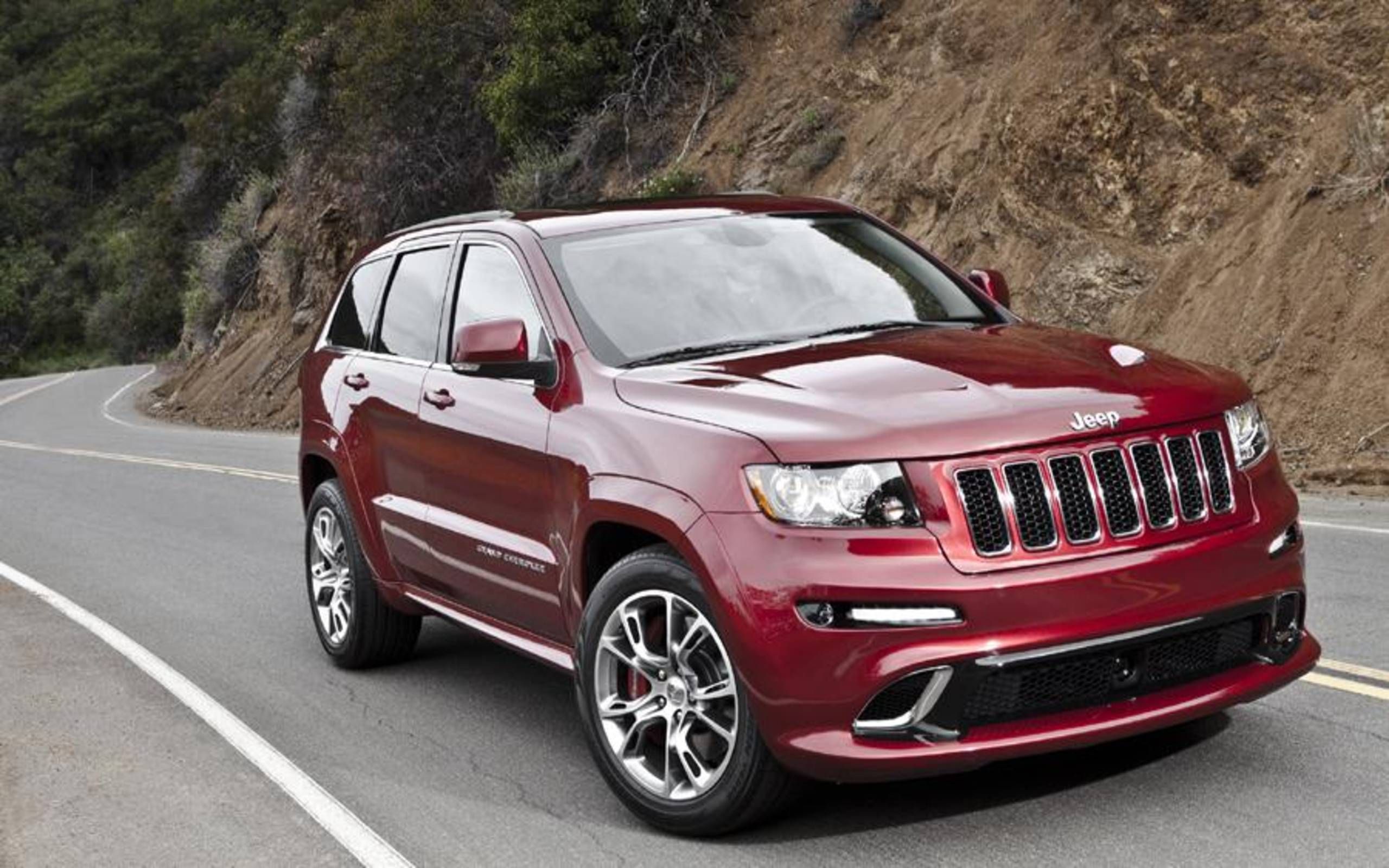
The Jeep Grand Cherokee has earned widespread recognition for its rugged off-road capabilities and commanding presence on and off the road.
However, when it comes to its sunroof design, certain model years have revealed a troubling pattern of persistent leakage problems that have significantly impacted owner satisfaction.
The root of these issues often lies in the sunroof’s sealing components, which are primarily composed of rubber gaskets designed to keep water out of the cabin.
Over time, these rubber seals can become brittle and lose their elasticity due to repeated exposure to intense sunlight, heat cycles, and harsh weather conditions such as snow and rain.
As the seals deteriorate, they lose their ability to create a consistent, watertight barrier, which allows water to seep past the edges of the sunroof and into the vehicle’s interior.
The problem is compounded by the fact that the Jeep Grand Cherokee’s sunroof seals are difficult to inspect and replace without professional service, leading many owners to delay repairs until visible damage occurs inside the cabin.
In addition to aging seals, the drainage system in the Grand Cherokee has been frequently criticized for design flaws that make it vulnerable to clogging and inefficiency.
The drainage tubes, which are supposed to channel water safely from the sunroof frame to the outside of the vehicle, are often routed in a way that allows dirt, leaves, and other debris to accumulate and block the flow of water.
When the drainage tubes become clogged, water backs up and eventually overflows into the cabin. This overflow can lead to water pooling on seats, carpets, and door panels, creating a damp and uncomfortable environment.
The prolonged exposure to moisture not only ruins interior fabrics but can also lead to the development of mold and mildew, posing health risks and necessitating costly cleaning or replacement of interior components.
The electrical systems, which are often routed beneath the carpets and near the sunroof assembly, can also suffer from water damage, leading to malfunctions that are expensive to diagnose and repair.
One of the more frustrating aspects of the Jeep Grand Cherokee sunroof leaks is the inconsistency among vehicles of the same model year.
While some owners report flawless performance, others experience serious flooding issues, sometimes within a short time after purchase. This variability is often attributed to inconsistent manufacturing tolerances, installation errors, or differences in how vehicles are maintained and driven.
2. Land Rover Discovery
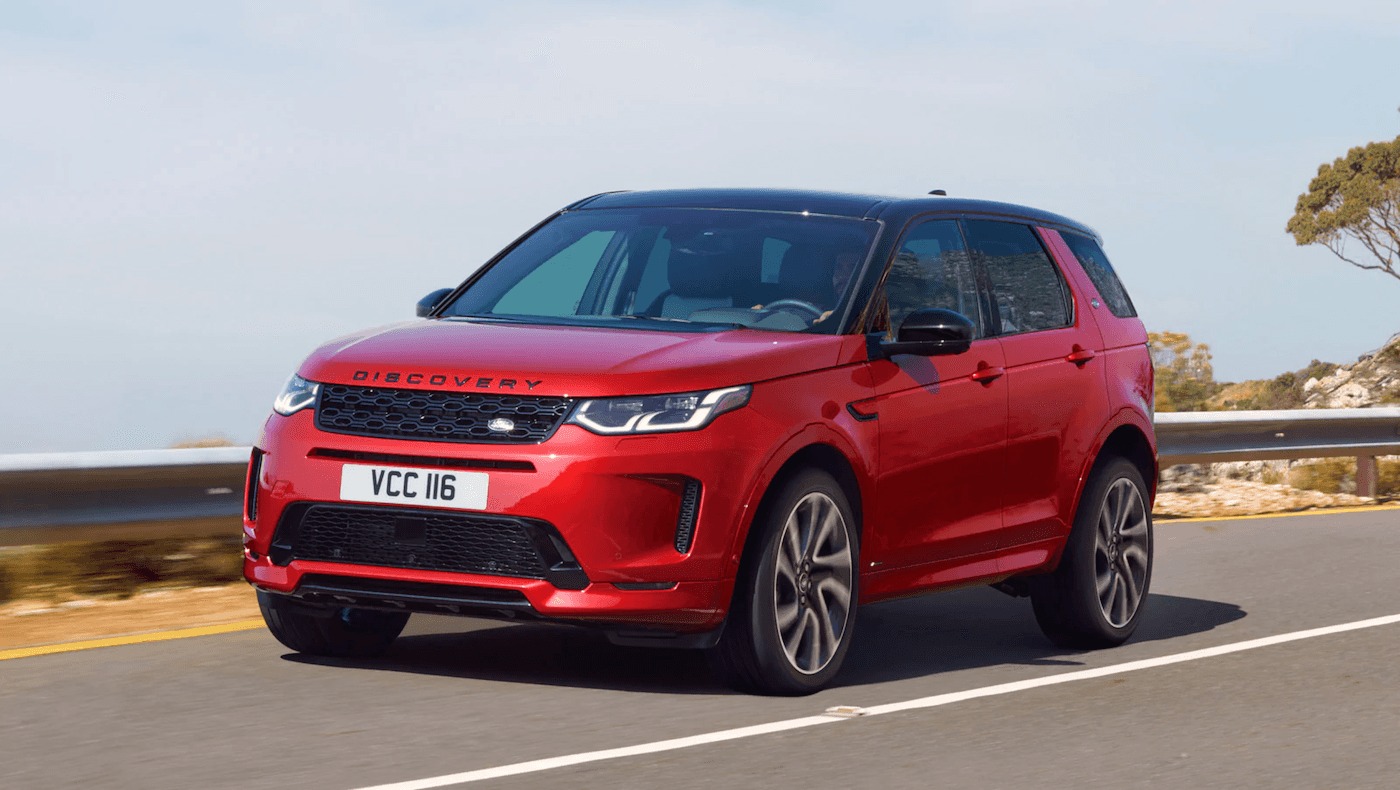
The Land Rover Discovery is widely admired for its combination of off-road capability, refined luxury, and sophisticated technology. However, its panoramic sunroof, which covers a large portion of the roof with multiple glass panels, has become a notorious source of water intrusion complaints.
Unlike simpler sunroof designs, the Discovery’s panoramic roof features several overlapping glass sections, each fitted with complex sealing systems that must work together flawlessly to prevent leaks.
The design complexity inherently increases the number of potential failure points, including multiple rubber seals, adhesive joints, and drainage outlets. Over time, wear and tear, exposure to harsh elements, and even minor impacts can cause these seals to fail, allowing water to seep into the cabin.
Owners have reported that water intrusion often begins as a slow drip or damp spots around the sunroof edges, eventually worsening to flooding during heavy rain or car washes.
The drainage system, which is responsible for collecting and channeling water away from the interior, is intricate but sometimes insufficient to handle large volumes of water or rapid inflows.
Drainage tubes can become clogged with leaves, dirt, or road debris, causing water to back up and overflow into the interior. When this happens, the water can infiltrate not only the roof lining and seats but also reach the electrical components housed within the roof console and door panels.
The resulting damage can lead to malfunctioning lights, electronic modules, and switches, sometimes requiring expensive repairs or replacements.
Land Rover has made attempts to resolve these issues through software updates that control sunroof operation, improved sealing materials, and extended warranties covering sunroof repairs. Despite these efforts, leaks remain a persistent problem, particularly in certain model years.
Regular maintenance is essential for Discovery owners, including cleaning drainage tubes and replacing worn seals to prevent leaks. However, the complexity of the system means that repairs can be costly and time-consuming, and some owners report recurring issues even after professional service.
Prospective buyers attracted to the Discovery for its luxurious panoramic sunroof should carefully consider these risks and perform detailed inspections before purchase.
Although the feature offers spectacular views and enhanced cabin ambiance, the potential for water intrusion may outweigh the benefits if the sunroof system has not been properly maintained or upgraded. The Discovery’s sunroof challenges serve as a reminder that complex systems require meticulous engineering and ongoing care to deliver reliable performance.
3. Chevrolet Equinox
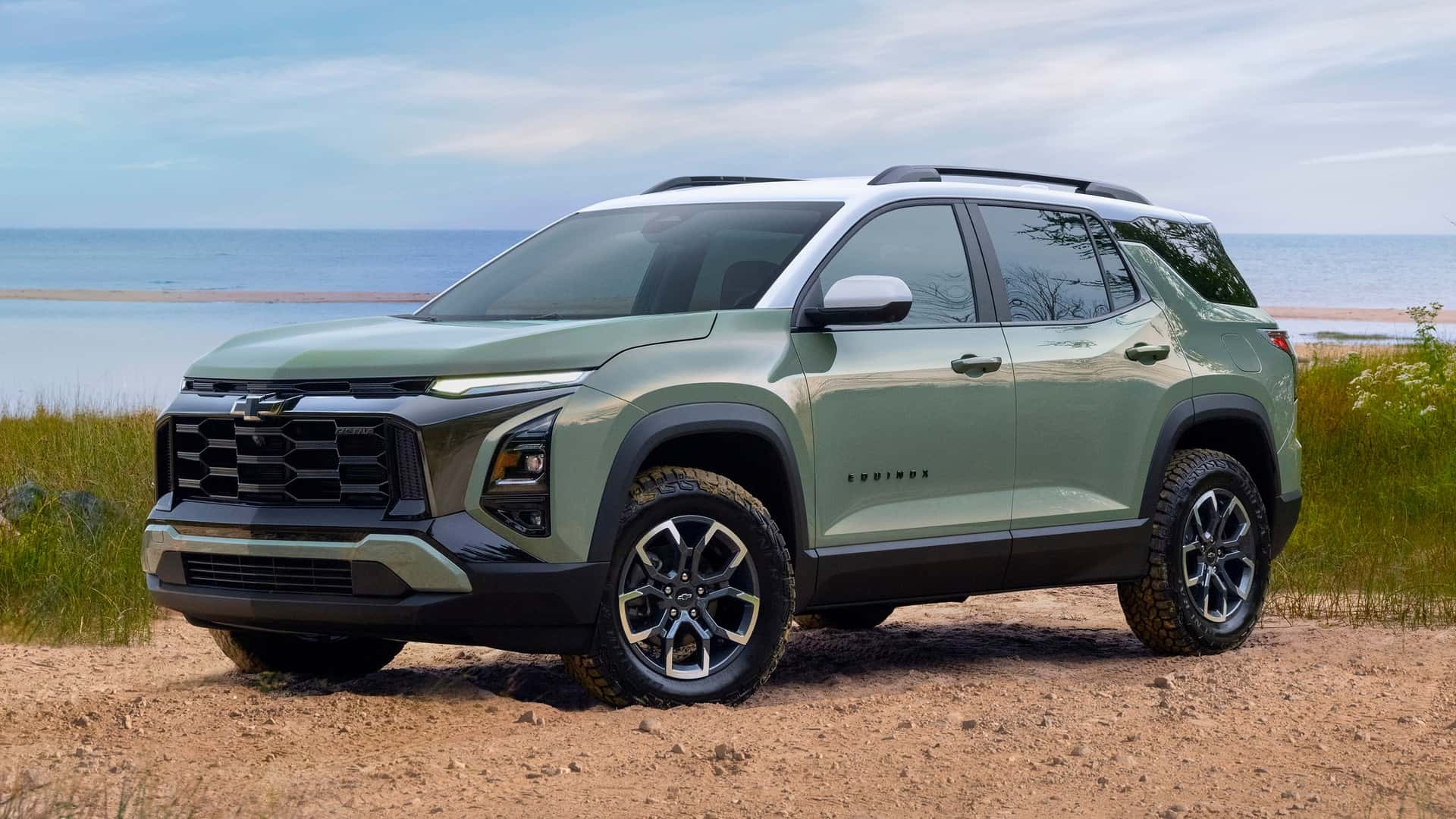
The Chevrolet Equinox is a popular compact SUV known for its comfortable ride and user-friendly features. However, several model years have been plagued by sunroof leaks that have generated significant customer dissatisfaction.
The problems often stem from the sunroof’s sealing materials, which appear to degrade prematurely under normal driving conditions.
Exposure to sunlight, temperature fluctuations, and moisture can cause the seals to lose elasticity, crack, or shrink. Once compromised, these seals fail to prevent water from entering the cabin, particularly during heavy rain or when the vehicle is washed.
Another major factor contributing to the Equinox’s sunroof leaks is the drainage system. The drain tubes responsible for directing water away from the sunroof opening tend to be narrow and routed in ways that make them vulnerable to clogging.
When debris such as leaves, dirt, and road grime accumulates in these tubes, water can no longer flow freely out of the vehicle. Instead, it builds up and eventually spills over into the interior, causing damp carpets, water stains on upholstery, and, in some cases, damage to electrical components beneath the floor mats.
Persistent moisture inside the vehicle can lead to unpleasant odors and mold growth, further degrading the driving experience and requiring professional cleaning or replacement of affected materials.
Despite the frequency of these problems, Chevrolet has issued technical service bulletins recommending inspection and replacement of worn seals and thorough cleaning of drainage tubes.
These steps can help mitigate leaks, but the Equinox’s sunroof reliability continues to be a concern for owners and prospective buyers alike. Vehicle owners report variable success with repairs, and some have resorted to aftermarket seal kits or professional retrofits to address the issue permanently.
For consumers considering the Equinox, it is advisable to have the sunroof and drainage system thoroughly inspected, especially in used vehicles.
Taking proactive measures such as regularly cleaning the drains and replacing seals can extend the system’s life, but buyers should be aware that the risk of leaks is higher than in many competing models.
The Equinox’s combination of affordability and features is appealing, but sunroof flooding issues may undermine the ownership experience.
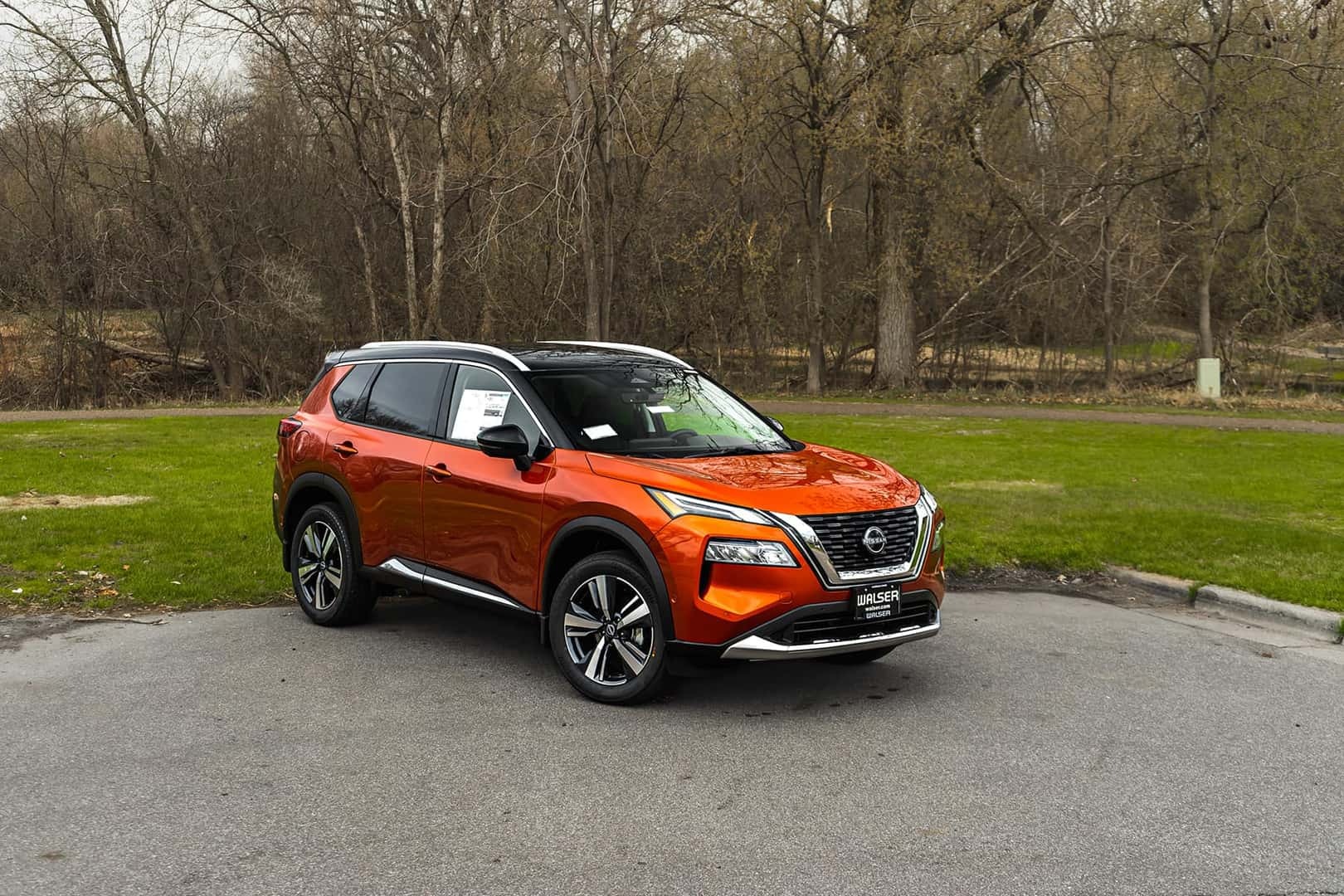
4. Nissan Rogue
The Nissan Rogue has been a best-seller in the compact SUV segment due to its blend of style, efficiency, and technology. However, certain model years of the Rogue have been marked by troubling reports of sunroof leaks and interior flooding.
The sunroof’s seal design, while generally effective at first, sometimes suffers from premature wear. Prolonged exposure to UV rays, fluctuating temperatures, and moisture can cause the rubber seals to dry out, crack, or shrink, resulting in gaps through which water can enter the cabin during precipitation or car washes.
The drainage system also contributes to the problem. Designed to channel water away from the roof, the Rogue’s drain tubes can become partially or fully blocked by debris, dirt, or road grime. When this occurs, water flow is impeded, causing water to pool at the sunroof perimeter and eventually leak into the interior.
This pooling leads to wet carpets, soaked door panels, and in some cases, damage to electrical wiring and modules located beneath the floor. Such damage can trigger warning lights or cause malfunctioning of infotainment and climate control systems, adding to repair costs.
While Nissan has acknowledged the issue and offered repairs and warranty extensions for affected vehicles, many owners have experienced persistent problems or recurring leaks even after service.
Regular maintenance and inspection of the sunroof seals and drainage tubes are critical to preventing leaks, but the design leaves little room for error. Owners must be vigilant about keeping drainage paths clear and replacing seals promptly when signs of wear appear.
For buyers interested in the Nissan Rogue, sunroof reliability should be a key consideration. While the vehicle offers many attractive features, the risk of water intrusion may detract from the ownership experience, especially in climates prone to heavy rain or snow. Careful pre-purchase inspection and routine maintenance can reduce but not eliminate these risks.
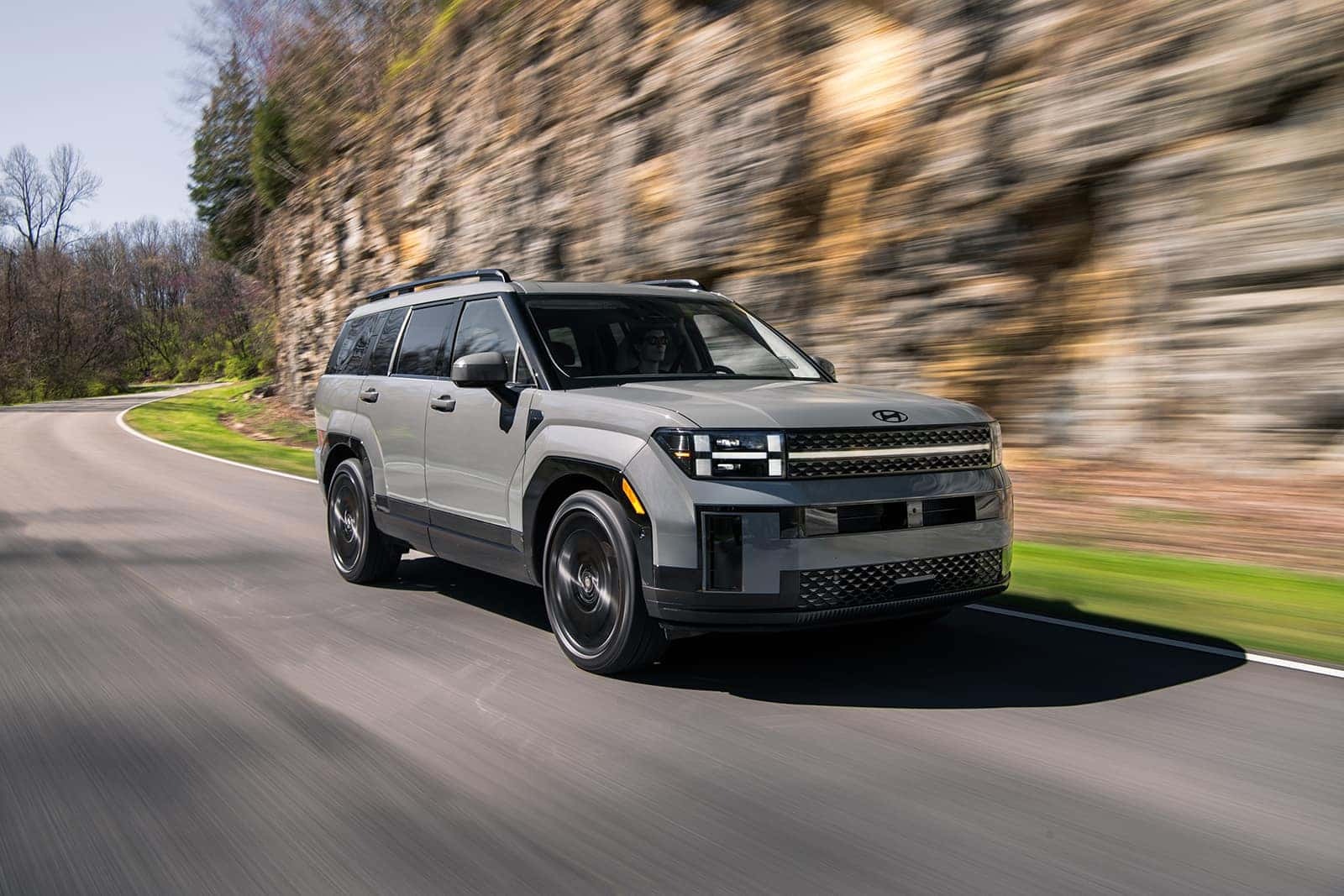
5. Hyundai Santa Fe
The Hyundai Santa Fe is well-regarded for its value, styling, and comprehensive feature set, making it a favorite among midsize SUV shoppers. However, certain production years have exhibited sunroof leak issues that have frustrated owners and impacted the vehicle’s reliability ratings.
The primary culprit is the sunroof’s sealing system, which relies on rubber gaskets that sometimes fail prematurely. Factors such as prolonged exposure to UV rays, heat, and cold cause the seals to become brittle, crack, or lose adhesion, opening pathways for water to enter the vehicle.
The design and routing of the drainage system further complicate the issue. Drain tubes that channel water away from the sunroof opening may be too narrow or routed in ways that allow them to trap debris and dirt. When these tubes become clogged, water cannot escape effectively and begins to back up.
This backup results in water overflowing into the interior space, soaking carpets, seats, and occasionally infiltrating electronic modules located near the roof structure. Interior damage from flooding can lead to costly repairs, including replacement of upholstery and diagnostic services for electrical systems that may have been compromised.
Hyundai has responded to these concerns by initiating service campaigns and extended warranties covering sunroof repairs for affected model years.
While these efforts have resolved issues for some owners, others have reported persistent leaks even after multiple service visits. Preventative maintenance, such as regular drain cleaning and timely seal replacement, remains essential to minimizing the risk of interior flooding.
Potential buyers of the Santa Fe should thoroughly inspect the sunroof seals and drainage system before purchase and seek vehicles with documented maintenance histories.
While the Santa Fe offers many desirable attributes, the likelihood of sunroof leaks is a significant drawback compared to competitors with more robust sunroof designs. Proper care and vigilance are necessary to ensure the sunroof remains a benefit rather than a source of costly problems.
