

Comfort and durability in car seats are more than just conveniences; they significantly affect the quality of driving and passenger experience. When you spend hours behind the wheel or take frequent long trips, the condition of your car’s seats can make the difference between arriving refreshed or fatigued.
Seats that maintain their shape and support over time indicate good craftsmanship and use of high-quality materials, which reflect a manufacturer’s commitment to vehicle excellence.
Durable seats are not only more comfortable but also help maintain the car’s aesthetic appeal and resale value, making them a wise investment for car owners.
Materials like high-density foam, premium leather, or tightly woven fabrics, combined with robust frame construction, are crucial for creating seats that resist wear and maintain their ergonomic properties over thousands of miles. These materials help seats retain firmness and cushioning without becoming too stiff or losing comfort.
In addition, the way seats are designed, including the foam layering, contouring for support, and integration of adjustable lumbar features, plays a pivotal role in prolonging seat life.
A well-built seat supports the body evenly, reducing the risk of developing pressure points and discomfort that might otherwise encourage poor posture and fatigue.
Conversely, some vehicles suffer from seats that sag prematurely due to the use of lower-quality foams, insufficient frame reinforcement, or upholstery that loses tension. Sagging cushions can result in uneven surfaces that cause discomfort and poor support, often leading to complaints from owners.
When seats wear down quickly, it reflects a weakness in the car’s interior quality and can diminish the enjoyment and perceived value of the vehicle.
Furthermore, sagging seats can lead to costly repairs or the need to replace cushions, which might be a hassle for owners. This problem may also impact the driver’s health, increasing the chance of back and hip pain during prolonged drives.
The goal of this article is to highlight five cars with seats known for durability and comfort, as well as five models that commonly develop sagging cushions.
Understanding these differences will help buyers make informed decisions and assist current owners in identifying potential issues early. Seat quality is a fundamental aspect of vehicle comfort that deserves attention alongside performance, safety, and style.
Also Read: 5 Electric Vehicles With Battery Packs That Don’t Degrade Vs 5 That Need Early Replacements
5 Cars with Seats That Don’t Wear Down
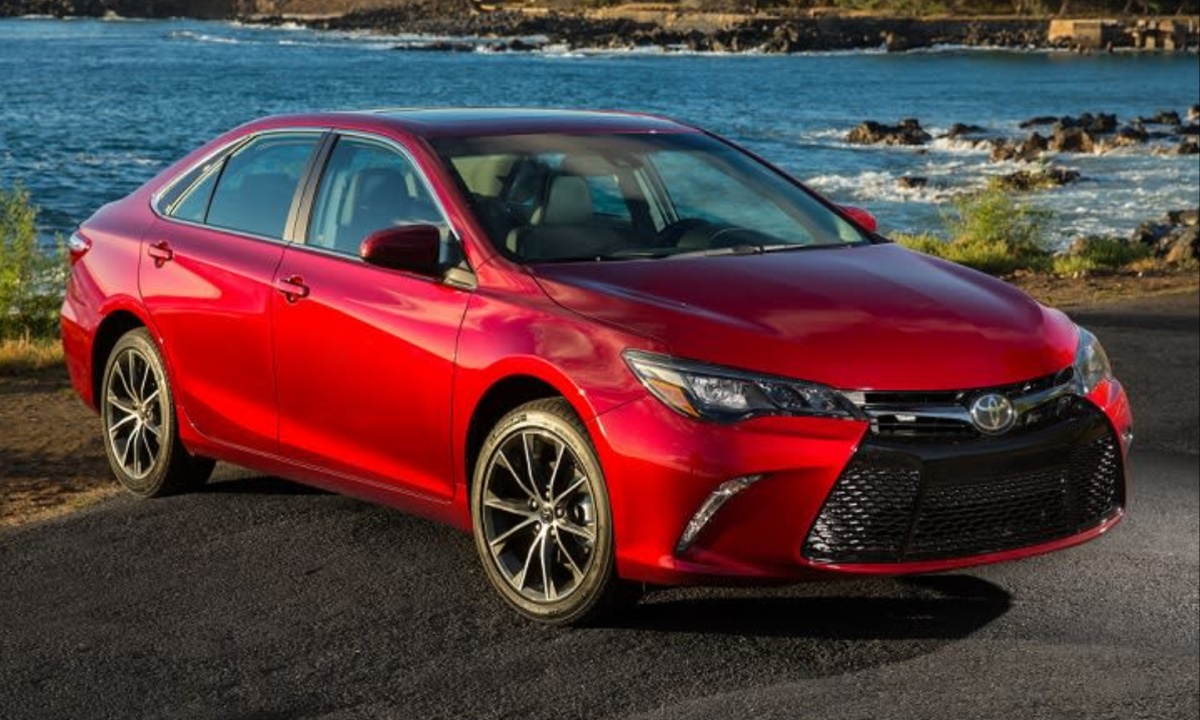
Toyota Camry
The Toyota Camry is often seen as a benchmark for reliability in the midsize sedan market, and this reputation extends firmly into the vehicle’s seating. The seats in the Camry are engineered with high-density foam designed to maintain shape and provide consistent support over long periods.
Unlike many competitors, the Camry avoids rapid foam breakdown by using materials that resist compression and maintain firmness even after extended use.
Drivers appreciate how the seat cushioning offers a perfect balance between softness for comfort and firmness for proper posture, reducing fatigue on long commutes or highway journeys.
In addition to the foam quality, Toyota employs durable fabric and leather upholstery options that resist stretching, pilling, and sagging. These materials are treated to withstand the effects of sunlight, moisture, and everyday wear, which helps keep the seats looking fresh and feeling supportive.
The seams are reinforced, and stitching is done with precision to avoid premature wear. Many owners note that their Camry seats remain remarkably intact in both appearance and comfort after years of daily use.
The seat frame construction is another area where the Camry excels. The frames are built to reduce flexing and maintain the foam’s original shape. This rigidity helps prevent the seat cushion from sagging or becoming uneven over time, a common cause of discomfort in many other vehicles.
The combination of solid frame support and resilient foam ensures that the Camry’s seats provide consistent support and comfort, even for drivers who log significant mileage.
Owners consistently praise the Camry for retaining seat comfort without the need for additional cushions or repairs.
This durability contributes to the car’s strong resale value and lasting appeal. For anyone seeking a practical, reliable vehicle with seats that stand the test of time, the Toyota Camry remains a dependable and comfortable choice.
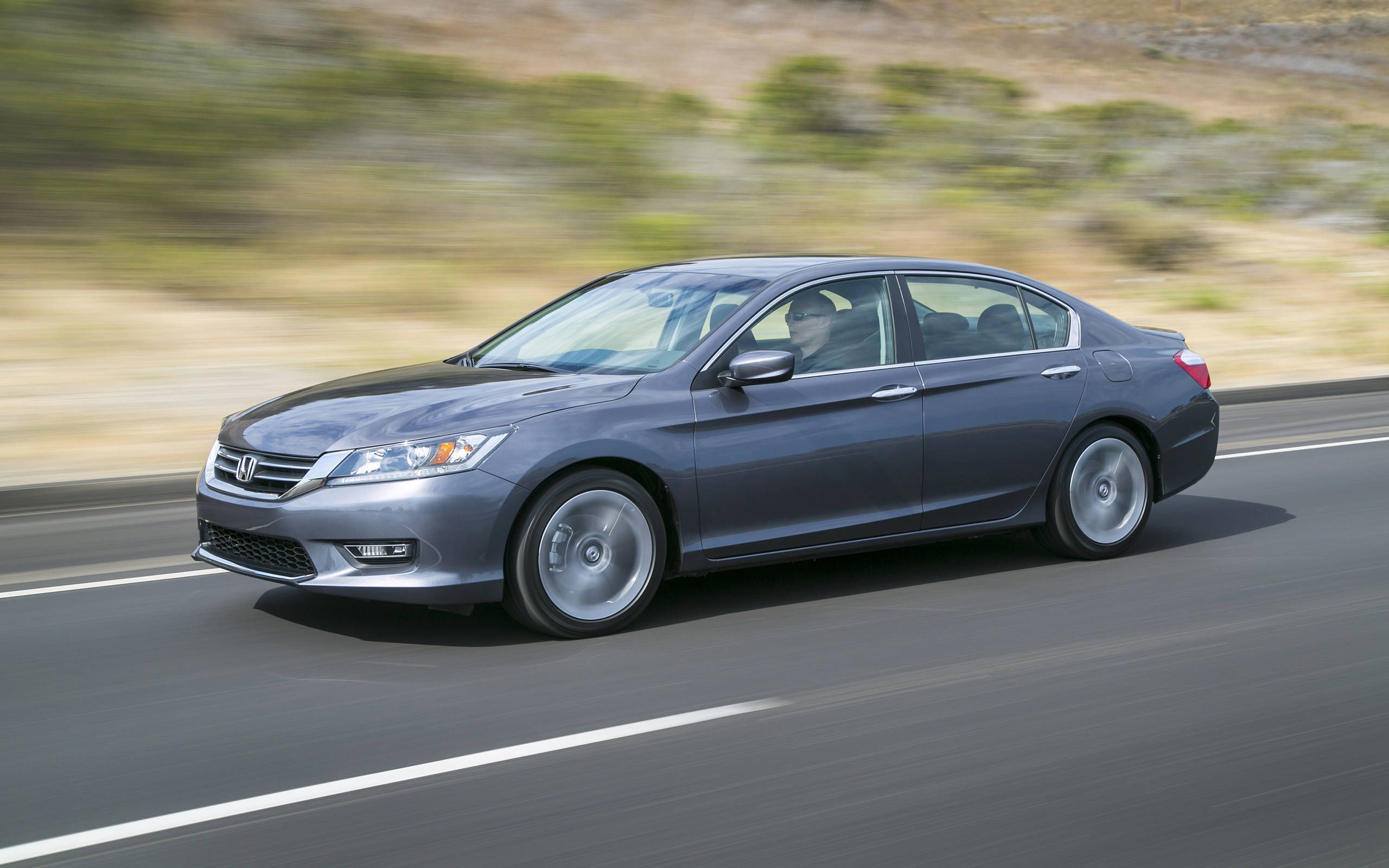
Honda Accord
The Honda Accord is another midsize sedan that frequently receives high marks for the durability of its seats. Honda utilizes advanced cushioning technology in the Accord’s seats, which involves multiple layers of foam to achieve a blend of softness and support that prevents rapid wear.
The cushioning is designed to evenly distribute weight across the seat, reducing the formation of pressure points that can lead to foam breakdown.
This thoughtful design also helps avoid the sensation of bottoming out, where the foam compresses fully and the hard frame underneath becomes uncomfortable.
Accord seats feature upholstery materials that include tightly woven fabrics and premium leather options that resist stretching and sagging.
Honda is known for applying protective treatments to these materials, ensuring they withstand environmental factors such as UV exposure and humidity, which can cause premature wear. The seat covers maintain their tautness and appearance even with extended daily use, preserving the aesthetic quality of the vehicle’s interior.
Robust seat frames further enhance the Accord’s seating durability. These frames are designed to limit flexing and deformation, which protects the foam cushions from uneven compression.
The design also incorporates ergonomic features such as adjustable lumbar support and well-contoured cushions that reduce stress on the driver’s back and legs. This attention to detail ensures that the foam and upholstery retain their shape and supportive qualities even after years of use.
Many owners report that the Accord seats remain comfortable and supportive after tens of thousands of miles, a testament to Honda’s focus on quality and durability. This longevity translates into a better ownership experience and contributes to the Accord’s reputation as a practical and comfortable sedan.

Subaru Outback
The Subaru Outback is built to handle rugged terrain and active lifestyles, and its seats reflect this purpose with materials and construction designed to withstand heavy use.
The Outback employs high-resilience foam cushions that have been engineered to bounce back quickly and maintain their firmness, even after repeated compressions from long drives or rough roads. This makes the seats exceptionally durable and comfortable for drivers who frequently travel off-road or take extended trips.
The upholstery materials used in the Outback are equally impressive. Subaru uses tightly woven fabrics treated for stain resistance and durability, ideal for outdoor enthusiasts who may bring dirt, moisture, and debris into the cabin.
Higher trims offer leather seating surfaces that retain flexibility and resist cracking and sagging, even in extreme weather conditions. These durable coverings help keep the seats looking and feeling fresh.
A crucial factor in the Outback’s seating durability is the frame design. The seats are supported by reinforced steel frames that resist bending or warping, which are common contributors to sagging cushions in less well-built vehicles.
The firm base ensures the foam remains properly supported and helps maintain the original seat shape. Additionally, the seats feature ergonomic contouring and adjustable lumbar support, reducing strain and promoting better weight distribution to prevent uneven wear.
Outback owners often comment on the seats’ lasting comfort, noting that even after years of outdoor adventures and long-distance driving, the cushions continue to feel supportive. This durability makes the Subaru Outback an excellent choice for those who value both utility and comfort without sacrificing seat quality.

Lexus RX
As a luxury SUV, the Lexus RX showcases what is possible when premium materials meet meticulous engineering. The RX’s seats are constructed with high-density memory foam that molds to the occupant’s body shape and then quickly returns to its original form, providing both comfort and support without sagging over time.
The foam layers are carefully selected to balance softness and firmness, ensuring passengers experience a plush ride while still maintaining proper posture.
Lexus uses some of the highest quality leather upholstery in the class, treated with processes that maintain suppleness and prevent cracking or stretching.
These treated leather seats resist signs of wear from extended use, such as wrinkles or loosening, preserving the vehicle’s luxurious interior appearance. The craftsmanship extends to the stitching and padding, which are designed for long-lasting performance.
The seat frames in the RX are engineered with reinforced materials that minimize flexing and maintain cushion integrity. This structural support works in tandem with advanced seat design features such as multi-way power adjustments, heating, cooling, and lumbar support.
These functions allow occupants to customize their seating position, which helps reduce pressure points and promotes even weight distribution, further extending seat durability.
Owners of the Lexus RX often express satisfaction with their seats’ ability to maintain comfort and support years into ownership.
The vehicle’s reputation for luxury is backed by these durable, high-end seats that don’t sag or wear down prematurely, reinforcing the RX as a top choice for those who want both elegance and long-lasting comfort.

Mercedes-Benz E-Class
The Mercedes-Benz E-Class is renowned for its combination of luxury and engineering excellence, and its seats exemplify this reputation. The E-Class seats use premium-grade foams layered strategically to provide optimal cushioning that is both soft and resilient.
Some models incorporate gel inserts or advanced memory foam to enhance comfort and prevent the breakdown that can lead to sagging cushions. This multi-layered approach results in seats that retain their shape and comfort even after many miles of use.
Upholstery materials in the E-Class include supple, full-grain leather or high-quality synthetics designed for durability and aesthetic appeal.
Mercedes-Benz carefully selects and treats these materials to resist stretching, cracking, and sagging, which keeps the seats looking pristine for years. The attention to detail in sewing and finishing further ensures the upholstery withstands wear from daily use.
The seat frames and support systems in the E-Class are engineered to minimize flex and provide a stable base for the cushions. This construction prevents deformation and uneven wear that often causes sagging.
The seats come equipped with a wide range of adjustments, such as lumbar support, side bolsters, and even massage functions, allowing drivers and passengers to find the perfect seating position that reduces pressure on the foam, helping it last longer.
Many Mercedes-Benz E-Class owners report that their seats feel almost new after years of use, praising the blend of luxurious comfort and long-term durability. The superior materials and engineering place the E-Class among vehicles with some of the most enduring and supportive seats available.
5 Cars with Sagging Cushions
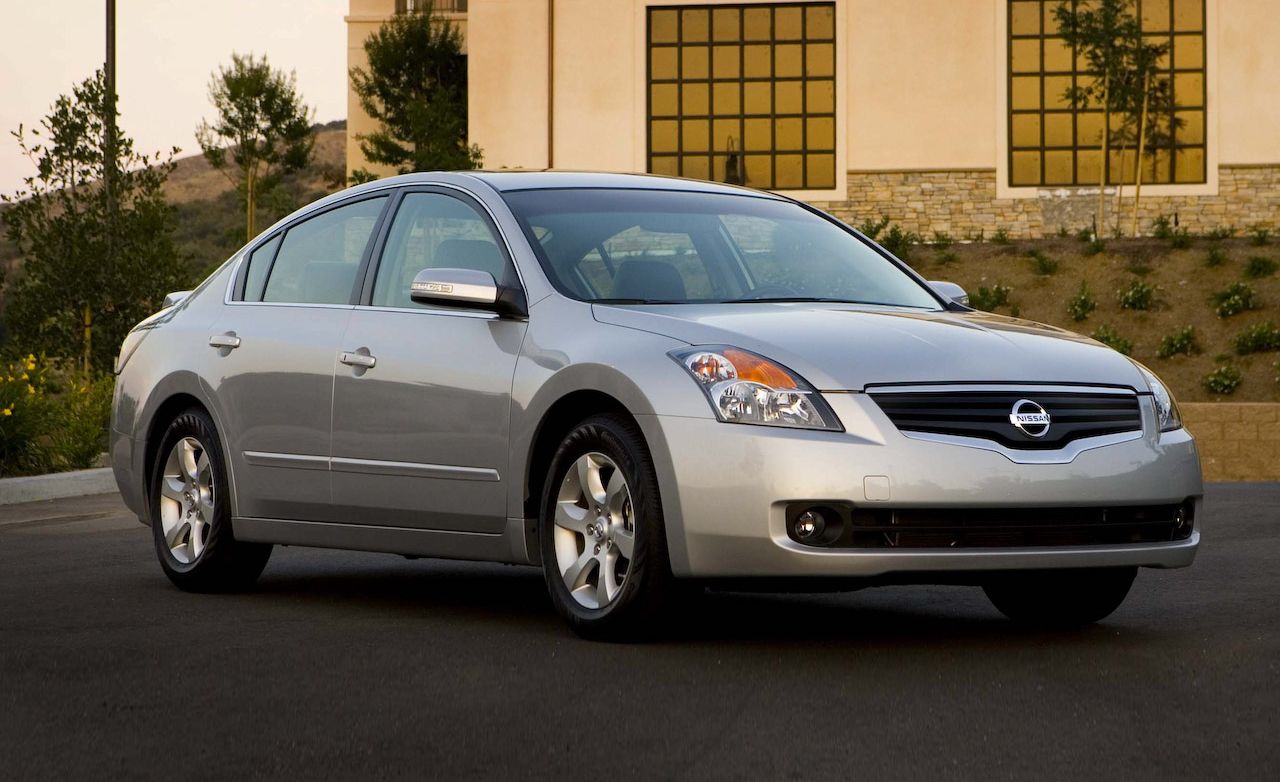
Nissan Altima
The Nissan Altima is a popular choice in the midsize sedan segment, known for its fuel efficiency and smooth ride. However, when it comes to seat durability, many owners have noticed early signs of wear, particularly with the cushioning in the front seats.
The foam used in the seats tends to be less dense and thinner compared to competitors, which causes the seats to compress and sag faster than expected. This loss of structural integrity in the foam means that the seat no longer provides the even support needed for comfort during long drives.
Over time, drivers often feel like they are sitting in a worn-out chair, with noticeable dips and indentations forming in the seating surface. This uneven cushioning can lead to discomfort and fatigue, particularly for those who spend a lot of time on the road.
In addition to the foam, the upholstery materials contribute to the problem. Many Altima models come with fabric seats in lower trims, which have a tendency to stretch and lose their tightness after prolonged use. This causes the seat covers to sag and wrinkle, making the cushions feel even less supportive.
The leatherette or leather options in higher trims are better but are still prone to developing creases and soft spots that undermine seat firmness.
Moreover, the stitching in some models is not reinforced sufficiently, increasing the risk of seams loosening and fabric bunching, which further deteriorates the seat’s shape and comfort. These factors combine to create a seating experience that deteriorates noticeably within just a few years.
Another contributing factor to the Altima’s sagging seats is the seat frame design. Unlike vehicles with reinforced steel frames or multi-layer foam support, the Altima’s seat frames allow more flex and movement.
This flexibility, while perhaps making the seat feel softer initially, unfortunately leads to uneven wear and quicker foam compression.
The combination of less durable foam, stretch-prone upholstery, and flexible framing means that the seats can lose their original comfort and support relatively early in the vehicle’s life cycle. Some owners have even reported that this sagging forces them to adjust their driving posture awkwardly to compensate, which can lead to discomfort or back pain over time.
For many Nissan Altima owners, the declining seat quality leads to dissatisfaction despite the car’s other strengths. Some attempt to solve the issue by adding aftermarket cushions or seat covers, but these are often only temporary fixes that do not fully restore the original support and comfort.
Others end up needing professional seat repairs or foam replacement, which can be costly and time-consuming. While the Altima offers good value in many areas, its seat durability is a weakness that prospective buyers should keep in mind, especially if they prioritize long-term comfort and support in their vehicle.

Ford Focus
The Ford Focus has been a widely appreciated compact car due to its engaging handling, affordability, and efficient performance. However, its seats have received a fair share of criticism concerning longevity and comfort retention.
Many owners report that the foam in the front seats, which bear the brunt of daily use, begins to show signs of significant wear after just a couple of years.
The foam cushions tend to flatten and sag prematurely, leading to uncomfortable dips and uneven surfaces. This early degradation detracts from the driving experience, particularly on longer trips where consistent cushioning and support are vital for reducing fatigue.
The upholstery materials in the Focus also contribute to the problem. Most models come with cloth seats that, while comfortable at first, tend to loosen and stretch with prolonged use. This stretching effect exacerbates the sagging sensation by allowing the foam to shift and settle unevenly.
The seat covers also tend to wrinkle and bunch up, creating pressure points and discomfort for the occupant. In some cases, the stitching may not hold up well under frequent stress, leading to premature wear or even small tears in the fabric.
These issues combine to make the seats feel worn and neglected, even if the rest of the interior remains well-maintained.
Ford’s seat frame design in the Focus has also been implicated in the sagging problem. The frames tend to allow more flex than in other vehicles, which reduces the foam’s ability to retain its shape under prolonged pressure. This flexing leads to quicker compression of the foam and uneven wear patterns.
Because of the less rigid support, the cushion’s bottom out faster, which means the driver and passengers often feel the hard frame beneath the foam, leading to discomfort.
The lack of advanced ergonomic features like multi-layered foam or enhanced lumbar support further contributes to the Focus’s seating issues, as there is little to mitigate the impact of the sagging cushions.
Due to these problems, many Focus owners find themselves seeking aftermarket solutions such as memory foam seat toppers or replacement cushions to restore some degree of comfort. These modifications, while helpful, are extra expenses and not ideal substitutes for well-designed seats that maintain their shape over time.
While the Focus remains a popular car for its driving dynamics and price, potential buyers should be aware of the common issue of seat sagging, which can significantly impact comfort during extended use.
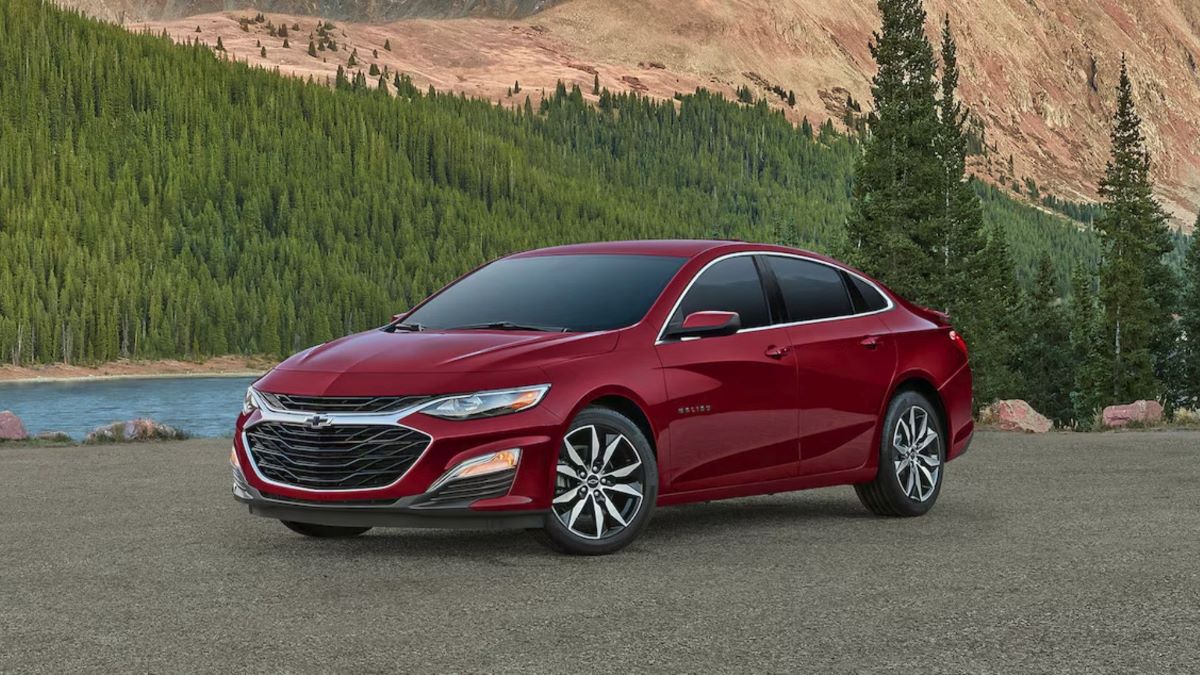
Chevrolet Malibu
The Chevrolet Malibu is recognized as a dependable midsize sedan with a spacious interior and modern styling. However, its seating comfort and durability have faced criticism from owners who report that the foam cushions lose their resilience relatively quickly.
This is especially evident in the driver’s seat, which often develops noticeable sagging after a few years of regular use. The foam used in Malibu seats tends to be thinner and less dense than that in some competitors, which means it compresses more easily under the weight of occupants.
As the foam breaks down, the seats no longer provide uniform support, resulting in dips and indentations that can cause discomfort and fatigue during longer drives.
The upholstery materials on the Malibu, although generally attractive, do little to prevent this issue. Fabric seats in base trims tend to stretch and lose tightness, which amplifies the feeling of sagging by allowing the foam underneath to move more freely and lose shape.
Leather or leatherette seats in higher trims also experience creasing and softness over time, though to a slightly lesser extent. Some owners have noted that the seat covers lose their original tautness, making the cushions look and feel less firm.
In combination with the thinner foam, this lack of structural integrity in the upholstery contributes to the perception of cheapness in the seat construction.
Seat frame rigidity is another area where the Malibu struggles. The frames do not provide the robust support necessary to keep foam cushions evenly compressed and in shape over the long term. The frames flex more than ideal, causing the foam to wear unevenly and sag prematurely.
Without reinforced support and advanced cushioning layers, the seat structure cannot maintain its original form, which results in discomfort and a decline in seating quality. Drivers and passengers often report feeling the hard frame beneath the sagging foam, reducing the comfort level.
These factors have led many Malibu owners to express frustration with the vehicle’s seating durability. Some have turned to aftermarket products or professional foam replacement to improve comfort, but these solutions add extra cost and inconvenience.
Despite its many advantages, the Malibu’s issues with sagging seats remain a drawback that can detract from an otherwise pleasant driving experience, especially for those who prioritize long-lasting comfort.

Hyundai Elantra
The Hyundai Elantra is a compact sedan that has earned praise for its affordability, fuel economy, and suite of modern technology features. However, the seats in many Elantras have been reported to degrade faster than expected, particularly in terms of foam resilience and cushioning.
Owners frequently observe that the foam in the driver’s seat begins to flatten and sag after moderate use, creating an uncomfortable sitting experience. This premature flattening of the foam reduces the support provided, making long drives less enjoyable and potentially leading to discomfort or posture issues.
Most Elantras come with fabric upholstery in base trims, which tends to loosen and stretch over time, making the sagging cushions more pronounced. Leatherette seats, offered in some higher trims, also show signs of wear, including creasing and loss of firmness.
The seat covers’ inability to maintain tension contributes to the deterioration of the seating surface, as slack fabric can allow the foam to shift and settle unevenly. The stitching and seam construction in some models do not reinforce the seat covers adequately, which can accelerate the wear and sagging process.
The seat frames in the Elantra are relatively flexible, which exacerbates the problem. Rather than providing a solid base that preserves foam shape, the frames allow more movement and bending, which leads to uneven compression of the foam cushions.
This reduced frame rigidity means that the seat’s bottom out more quickly, causing drivers to feel the hard surface beneath the cushioning during extended drives. The lack of advanced ergonomic features, such as adjustable lumbar support or multi-layered foam, further limits the seats’ ability to maintain comfort and shape.
As a result, many Elantra owners look for aftermarket seat cushions or professional re-foaming services to address the sagging and restore comfort. While the Elantra scores well in other areas, the early onset of seat wear is a significant drawback that detracts from its appeal for buyers seeking durability and comfort.

Volkswagen Jetta
The Volkswagen Jetta is appreciated for its European styling and solid build quality, but its seats have not always met the same high standards expected from the brand. Many Jetta owners report that the foam cushions in the seats begin to sag after only moderate use, creating an uneven and uncomfortable seating surface.
The foam can compress unevenly, leading to dips that reduce support and cause discomfort, especially during longer drives. This early sagging is surprising given the Jetta’s positioning as a well-built and refined vehicle.
The upholstery materials used in the Jetta are generally of good quality, often featuring tightly woven fabrics or leatherette. However, these materials can loosen and stretch over time, which contributes to the sagging sensation by allowing the foam to settle unevenly.
In some cases, the upholstery may wrinkle or bunch, increasing pressure points and discomfort for the occupant. While the interior finish is attractive, the seat cushions’ tendency to sag detracts from the vehicle’s otherwise premium feel.
The seat frame design in the Jetta does not offer the level of rigidity required to prevent foam deformation effectively. The frames flex enough to allow uneven foam compression, which accelerates cushion breakdown and sagging.
Additionally, the Jetta lacks some of the advanced ergonomic cushioning systems found in higher-end vehicles, meaning there is less support to mitigate the effects of foam wear. This leads to a seating experience that deteriorates more quickly than many owners expect.
Because of these issues, some Jetta owners seek aftermarket solutions or seat repairs to restore comfort. While the car excels in driving dynamics and style, the premature seat sagging represents an area where the model falls short, affecting long-term occupant comfort and satisfaction.
