
A pickup truck is more than just a vehicle, it’s a tool, a workhorse, and in many cases, a personal investment. For those who use pickups for work, hauling, or even weekend adventures, the truck bed takes a beating. That’s why bed liners exist: to protect the bed from scratches, dents, corrosion, and wear over time.
While most modern pickups come with some kind of bed protection, not all bed liners are created equal. Some are factory-sprayed with high-quality coatings that can withstand decades of use, while others are prone to cracking, peeling, or warping within just a few years.
The quality of a bed liner can significantly affect the long-term durability of the truck itself. A compromised liner can lead to water damage, rust, or structural problems.
The type of liner, spray-in, drop-in, or bed mat, also matters, as each comes with its own set of advantages and disadvantages. Still, the real difference often comes down to how well the manufacturer has integrated the liner with the truck’s design and how much attention has been paid to using quality materials.
This article compares five pickups known for their long-lasting bed liners with five that have a reputation for bed liners that fail early.
The goal isn’t to tear down any manufacturer unfairly, but to give buyers honest, experience-based insights into which trucks can withstand years of use without losing their value. The focus is on real-world performance, long-term durability, and user satisfaction, not just marketing claims or new-car sparkle.
The list is drawn from general observations, ownership experiences, and build quality trends. Trucks with durable liners often come from brands that have refined their formulas over time or offer professionally applied coatings.
On the other hand, those with easily cracked or warped liners typically include trucks with cheaper drop-in plastic beds or poor design choices.
Whether you’re a contractor who loads tools every day or someone who just wants to haul a few items without damaging the bed, knowing which trucks have proven themselves over time can save money and frustration.
Let’s look at the five trucks with bed liners built to last and contrast them with five where the liner might be the first thing to fail.
Also Read: 10 Cars With Tricky Seatbelt Buckles for Elderly Passengers
5 Pickups with Bed Liners That Last a Lifetime
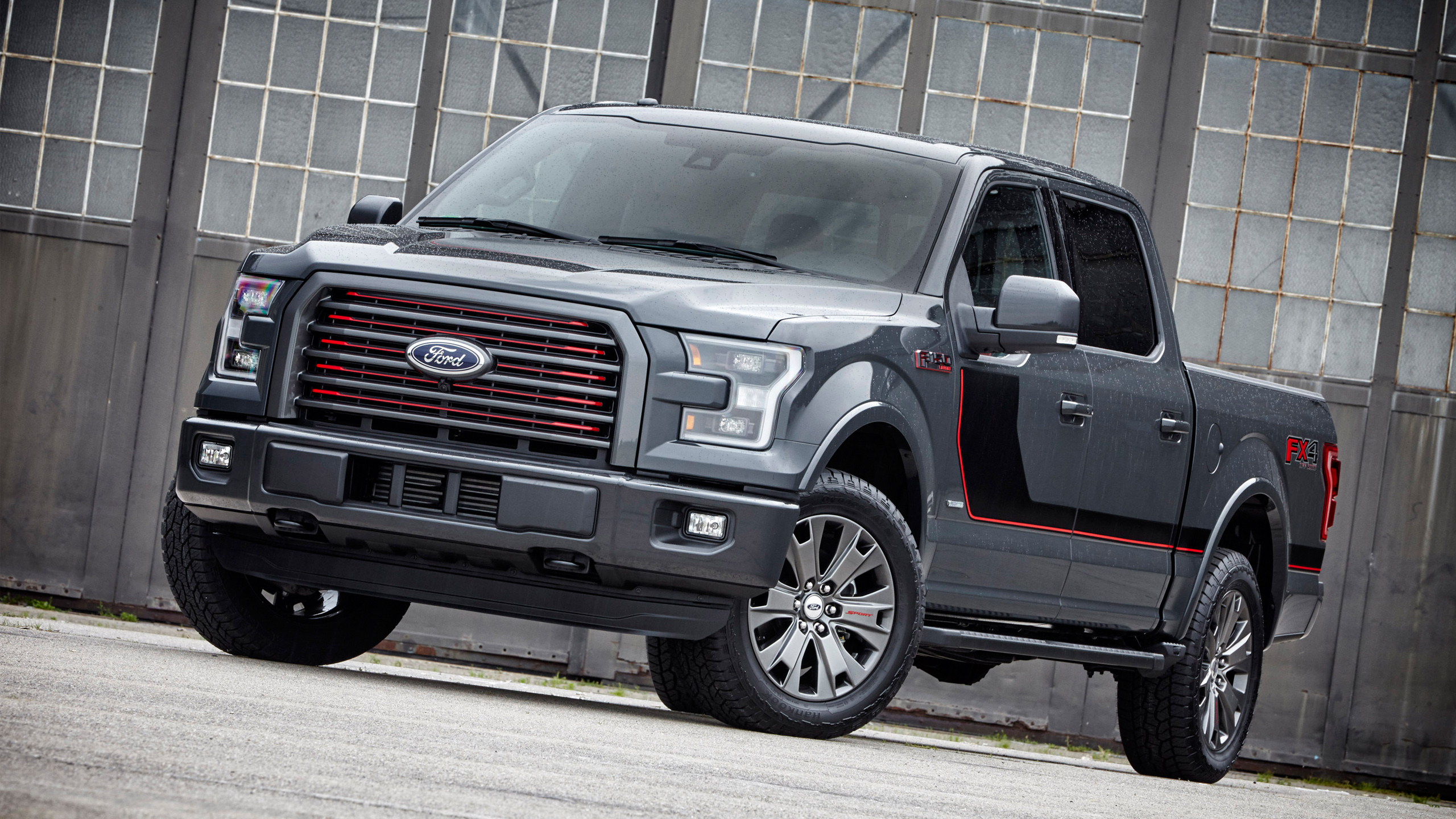
1. Ford F-150 with Factory Spray-In Bed Liner
The Ford F-150 has long been a favorite among truck owners, and for good reason. When equipped with the factory spray-in bed liner option, this pickup delivers impressive longevity in bed protection.
Unlike some aftermarket solutions, Ford’s factory liner is professionally applied and designed to bond directly with the metal of the truck bed. The result is a coating that resists peeling, chipping, and cracking, even after years of use.
The liner has a consistent texture and thickness that adds grip for cargo, reducing the chances of items sliding around during transport. Ford also ensures that their liner resists UV damage, which helps it avoid fading or becoming brittle over time.
The integration is so well done that even in older models from a decade ago, the liner often remains intact, showing minimal signs of wear. This makes it especially appealing for buyers looking for long-term value and low maintenance.
Another benefit is that the factory spray-in liner doesn’t trap moisture, which is a common problem in drop-in models. Moisture trapped between the liner and the bed can lead to rust, especially in climates with heavy rain or snow.
Since the spray-in application creates a watertight seal, the chances of corrosion are greatly reduced. Ford has refined this process across several generations of the F-150, so whether you’re buying a brand-new model or one that’s five years old, the bed liner is built to last.
People who use their F-150s for rugged applications like construction or farming often find that the liner holds up well even under rough treatment.
Heavy tools, machinery parts, and sharp-edged cargo rarely cause significant damage. For those reasons, the F-150 with a factory spray-in liner remains a top recommendation for anyone serious about durability.
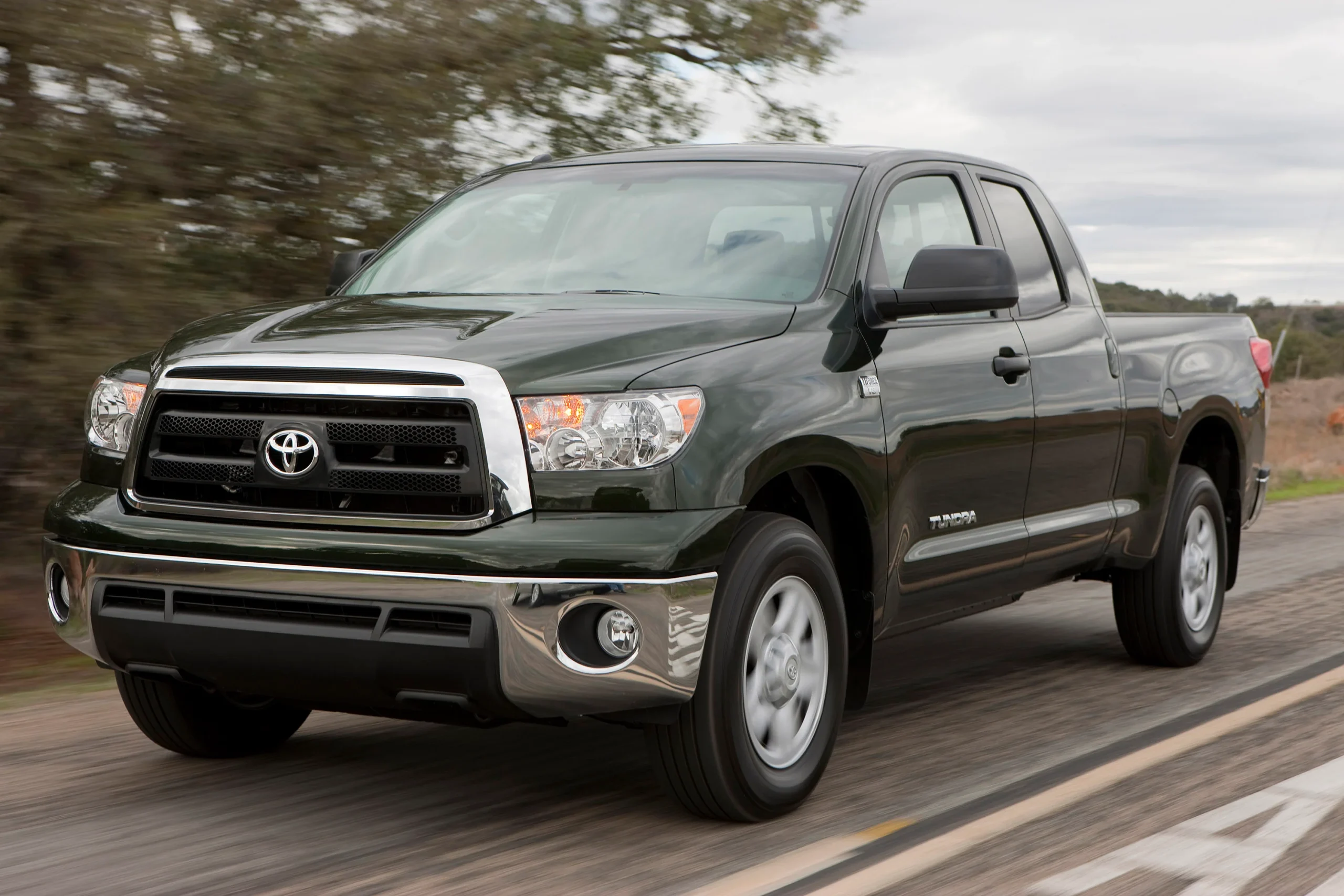
2. Toyota Tundra with Spray-On Bed Liner Option
The Toyota Tundra is often praised for its reliability, and that reputation extends to its factory bed liner option. Many Tundra owners choose the spray-on liner from Toyota or opt for a professionally applied aftermarket spray like Line-X, which is often offered directly by dealers. These liners are known for their toughness, chemical resistance, and ability to hold up over time.
One thing that sets the Tundra’s liner apart is the flexibility of the material used. While it remains firm under pressure, it doesn’t become brittle in cold weather or overly soft in hot climates.
This makes it ideal for people who live in areas with extreme temperature swings. It continues to provide excellent coverage and protection for the bed surface year-round without signs of cracking or peeling.
Toyota’s attention to detail ensures that the liner reaches all the corners, edges, and contours of the bed. That level of coverage is important because it prevents water from pooling in hard-to-reach spots or seeping underneath.
The liner also reduces noise when driving with cargo, which is a small but appreciated benefit. Unlike some competitors, the liner doesn’t wear down quickly, even with frequent use.
Another reason the Tundra’s liner holds up is the preparation process. Whether installed at the factory or the dealer, the surface is cleaned, scuffed, and prepped properly so the material adheres securely.
This eliminates bubbling or lifting that sometimes occurs with lower-quality applications. Tundra owners who haul gravel, tools, or outdoor gear often report years of performance without needing to replace or repair the liner.
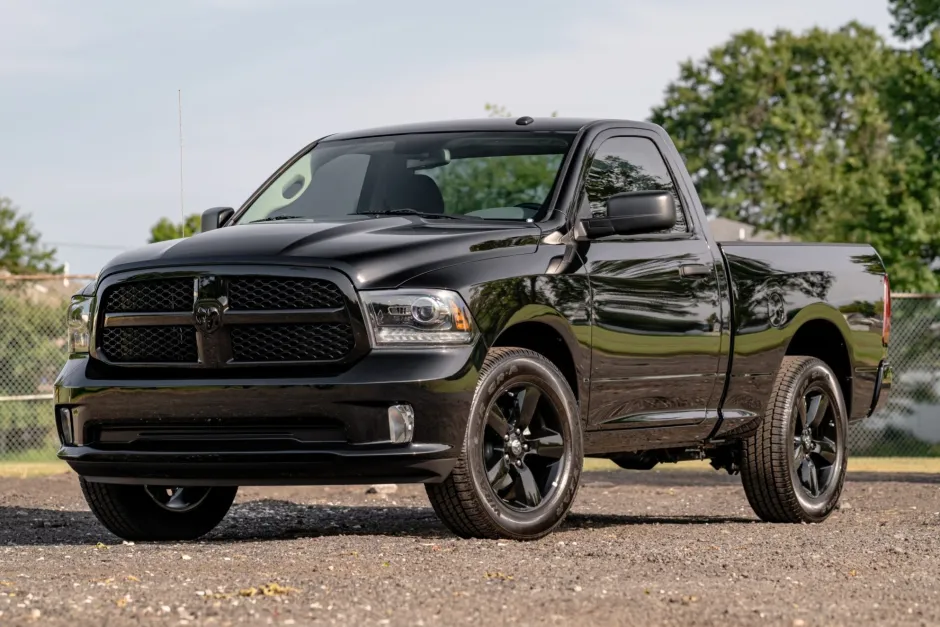
3. Ram 1500 with Mopar Spray-In Bed Liner
Ram trucks have made significant strides in both style and function over the past decade, and the Mopar spray-in bed liner available on the Ram 1500 is a solid example of that progress.
Designed to work specifically with the truck’s metal surfaces, the Mopar liner is applied with a high-quality polyurethane blend that provides excellent adhesion and long-term wear resistance.
One of the standout features is the liner’s ability to maintain its appearance over time. Even after years of loading lumber, concrete bags, or construction tools, the surface remains relatively scratch-resistant and free from major damage.
The liner has a slightly rubberized texture, which not only prevents cargo from sliding but also absorbs minor impacts that would otherwise dent the bed.
Durability testing by owners and reviewers has consistently shown that the Mopar liner does not flake or peel. It bonds so well that even pressure washers don’t loosen it.
This is important for people who regularly wash out their beds after hauling dirt, mulch, or chemicals. Ram trucks with this option have shown excellent corrosion resistance, with few cases of rust or discoloration.
Another benefit is how well it holds up against UV rays. Sun exposure can cause some liners to fade or become brittle, but the Mopar formula resists these issues effectively.
Owners in southern states with intense sun exposure have found their liners looking almost new even after several years. That level of performance makes it a top choice for those who want low-maintenance protection that lasts.
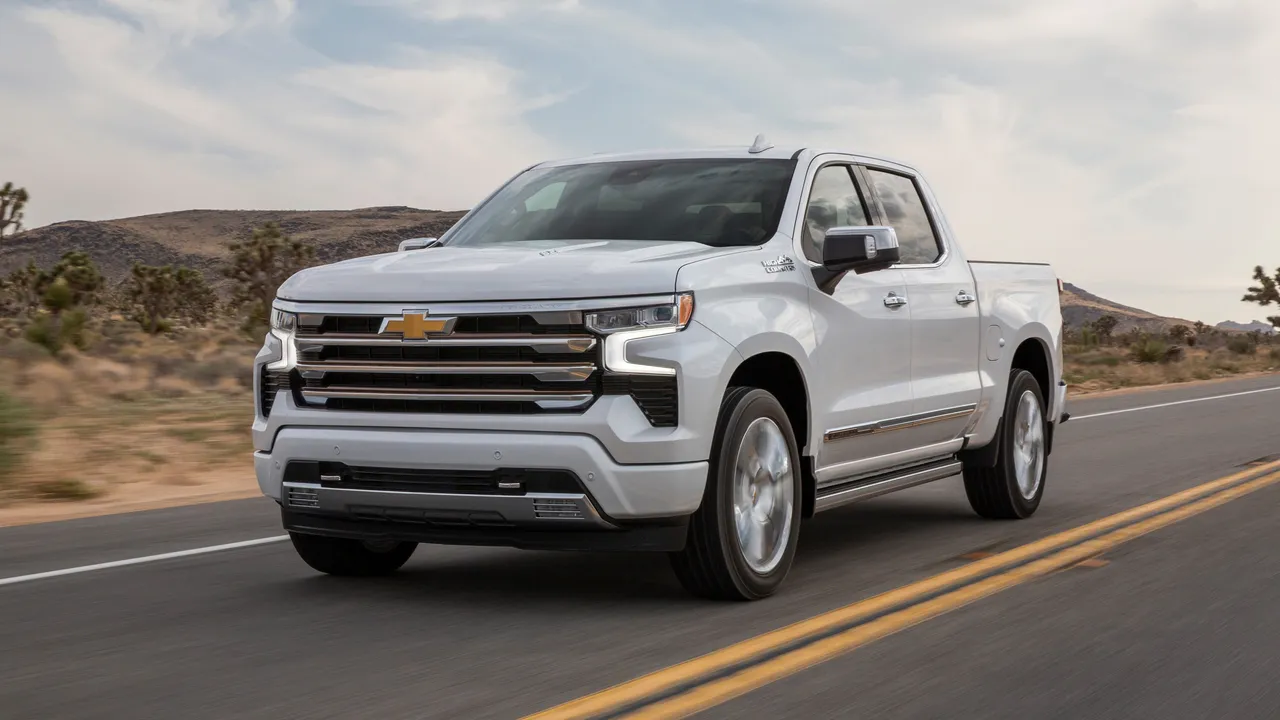
4. Chevrolet Silverado 1500 with Factory Spray-On Liner
Chevrolet’s Silverado 1500 also ranks high when it comes to durable bed protection. The factory spray-on liner option is widely regarded as one of the most consistent and well-applied in its class.
Using a high-pressure spray system, the coating is applied evenly across the bed, reaching every nook and cranny to provide full coverage.
What makes the Silverado’s liner stand out is how well it balances durability with flexibility. It resists gouges, cracks, and chips even when heavy or sharp cargo is loaded regularly.
The textured finish provides good grip and looks professional, complementing the rugged appearance of the truck. More importantly, the liner keeps the underlying metal completely sealed off from the elements.
Chevy’s attention to detail in applying this liner means fewer air bubbles, inconsistencies, or thin spots. That consistency is critical to longevity, as weak spots can quickly become entry points for moisture.
Owners often report that even after five to ten years of hard use, the liner remains largely intact, requiring little more than occasional cleaning.
Another factor in its long-term durability is the choice of materials. The formula used in the factory spray is designed to resist thermal expansion and contraction, meaning it doesn’t crack in cold weather or sag in high heat.
This is a significant advantage for trucks used across varying climates. For Silverado buyers who value long-lasting utility, the factory liner is a smart investment.
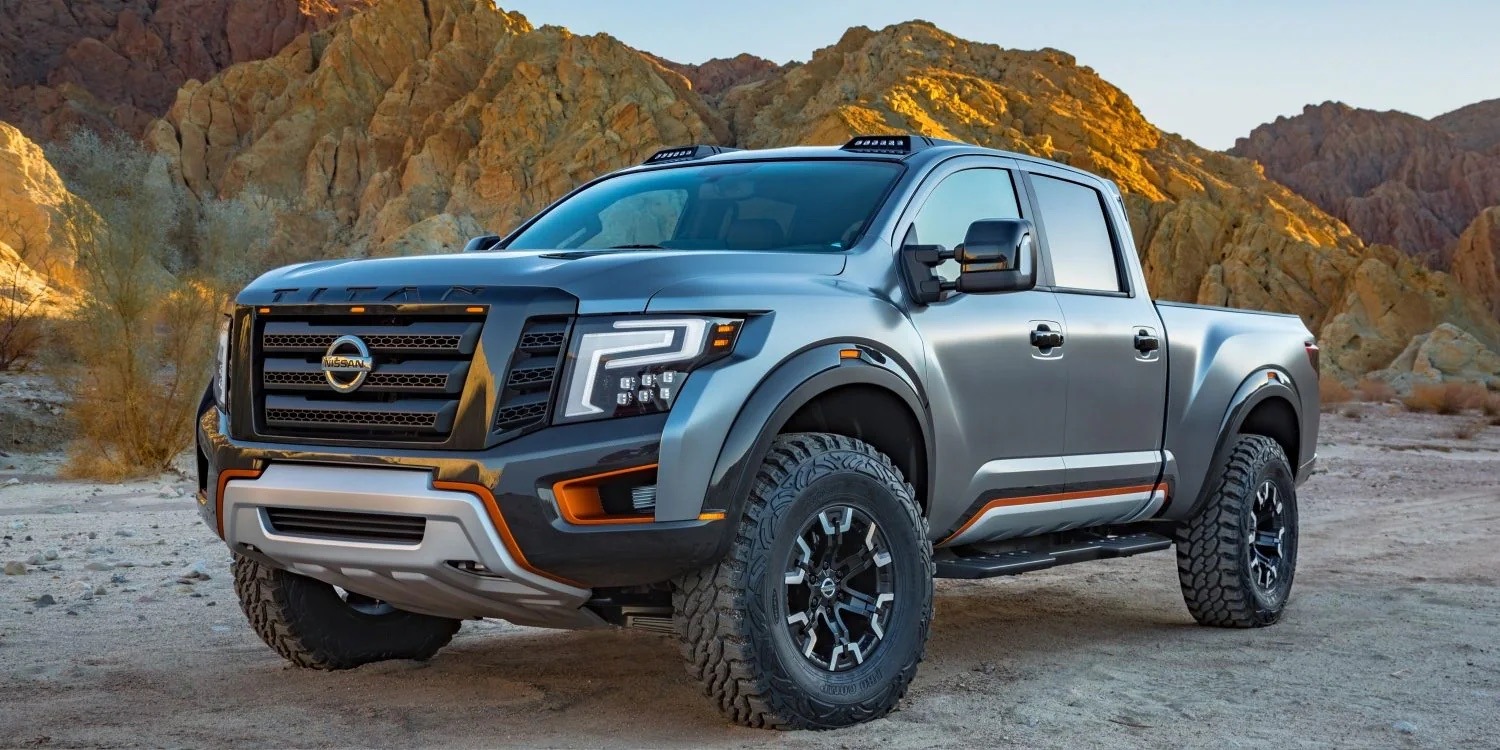
5. Nissan Titan with Factory Spray-On Bed Liner
The Nissan Titan may not always be the first name that comes up in pickup discussions, but its factory spray-on bed liner deserves recognition.
When selected as an option, the Titan’s liner is sprayed directly onto a prepped bed surface, providing full adhesion and coverage. The resulting finish is thick, grippy, and extremely resistant to wear.
One of the key strengths of the Titan’s bed liner is its resistance to common forms of damage like tearing, fading, and cracking.
Even after years of hauling bricks, rebar, or yard equipment, the liner shows minimal signs of breakdown. The formulation includes UV stabilizers, which help keep the liner from becoming brittle or chalky over time.
The Titan’s liner also plays a role in sound dampening, reducing the echo and rattle that can occur when driving with loose items in the bed. It doesn’t trap moisture and is easy to clean, which adds to its appeal for those who use the truck frequently for work or recreation.
Unlike some drop-in liners that can move around or rub against the bed, the spray-on Titan liner stays put and continues to protect the truck’s frame without damaging it.
Another bonus is the liner’s ability to resist chemicals and solvents that might otherwise damage cheaper materials. Owners who use the bed to transport lawn chemicals, paint cans, or industrial liquids report no significant damage or staining, provided spills are cleaned up within a reasonable time.
Unlike some plastic liners that get gouged or melt when exposed to corrosive substances, the Titan’s liner holds its form and integrity. The fact that this quality has remained consistent across multiple production years adds to its credibility.
While the Titan may be underrated compared to its competitors, its liner offers protection that can easily go toe-to-toe with the best in the segment. For buyers prioritizing toughness and ease of maintenance, this spray-on option makes the Titan a worthwhile consideration.
5 Pickups with Bed Liners That Crack Fast
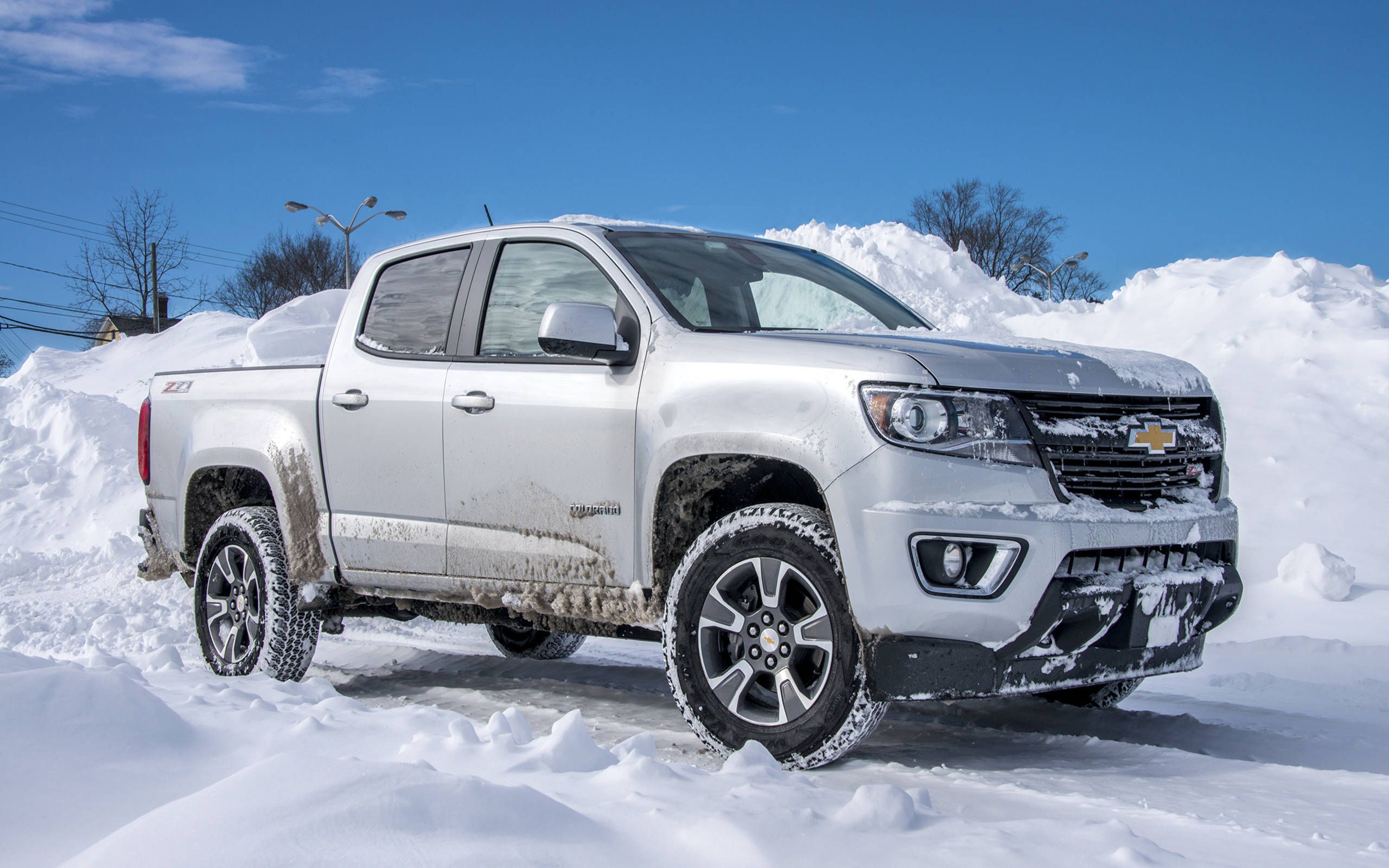
1. Chevrolet Colorado with Factory Drop-In Bed Liner
While the Chevrolet Colorado is a strong choice for mid-size pickup enthusiasts, its standard factory drop-in bed liner often underdelivers when it comes to long-term durability. The liner is made of hard plastic, designed to protect the bed from dents and scratches.
However, its rigid construction tends to crack under repeated stress or in colder climates where the plastic becomes more brittle. Owners who frequently haul tools, bricks, or construction materials find that the liner develops fractures and splits within just a few years of regular use.
Another issue is the way the drop-in liner fits into the bed. Because it’s not bonded directly to the metal, it can shift slightly with movement and vibration. This leads to rubbing against the painted bed surface, which gradually wears away the paint and exposes the metal underneath.
Over time, that can result in rust forming in places you can’t even see. Water can also seep under the liner and stay trapped, especially if there’s debris or dirt blocking drainage points. The liner may appear solid on the surface, but what’s happening underneath can lead to significant long-term damage.
Many Colorado owners end up removing the factory liner and opting for aftermarket spray-in alternatives to avoid these issues. While the truck itself is known for reliability and comfort, the quality of the bed liner does not match that standard.
For drivers in regions with frequent freeze-thaw cycles, the risk of cracking increases, making it a costly oversight if not addressed early. Some owners try to reinforce the liner with additional mats or padding, but this only provides a temporary solution to what is essentially a design flaw.
If you only use your Colorado’s bed occasionally and don’t carry heavy or abrasive cargo, the drop-in liner might serve you well enough. But for anyone who puts their truck to real use, the limitations of this liner become apparent quickly.
It’s a classic case of a shortcut in production that affects the user’s experience down the line. A great truck saddled with a weak protective feature can lead to unnecessary frustration.
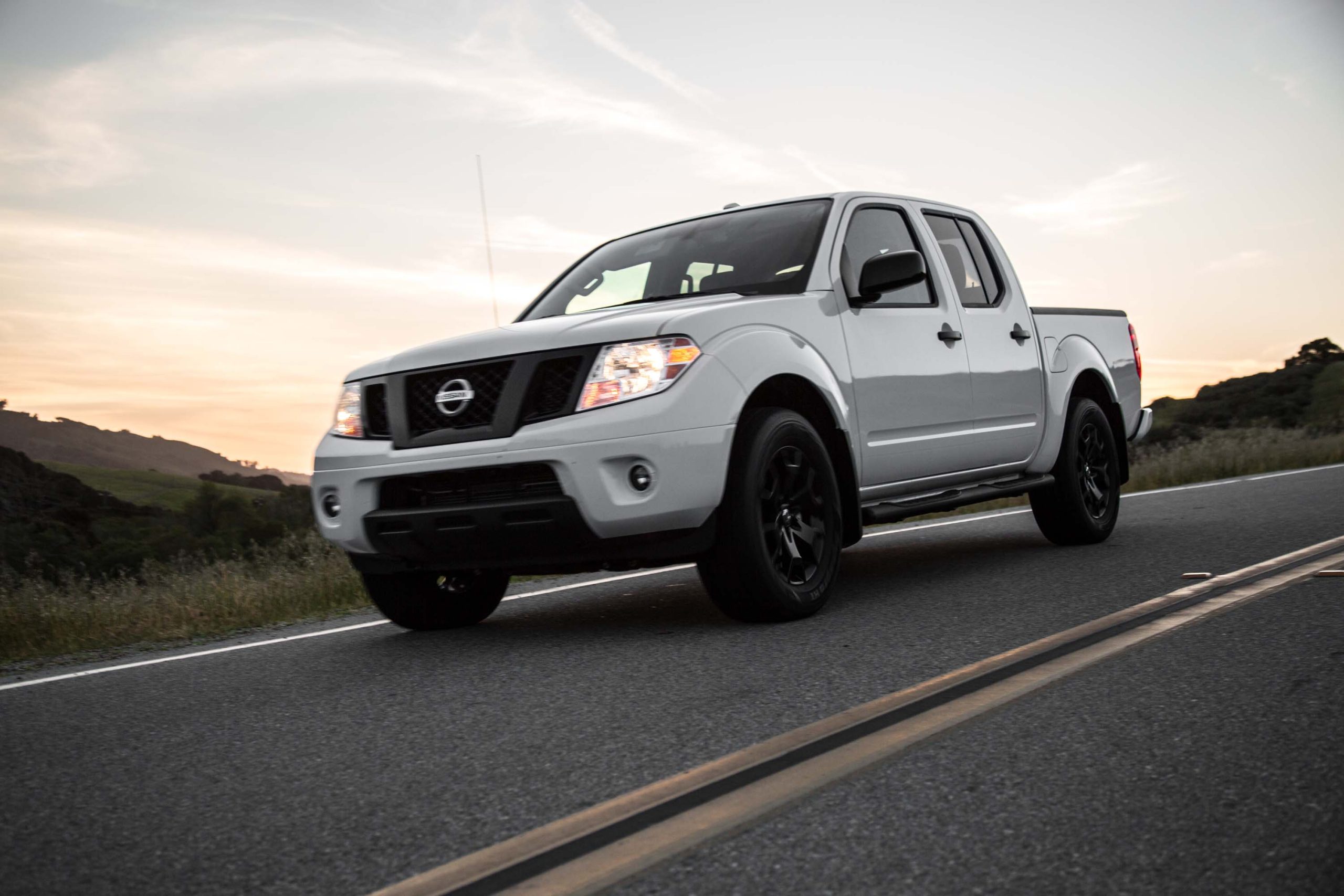
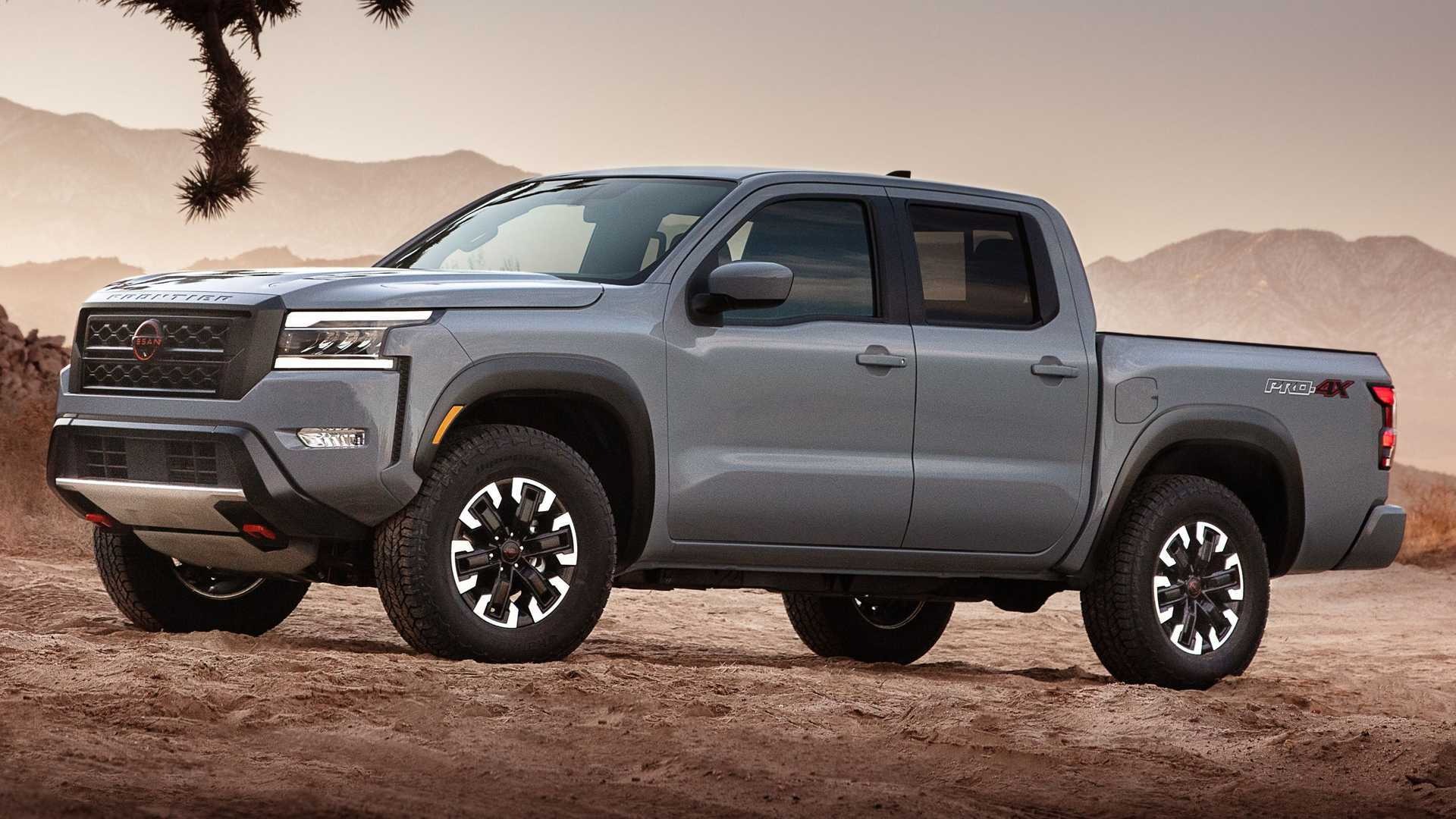
2. Nissan Frontier with Factory Plastic Bed Liner
The Nissan Frontier is often selected for its value and simplicity, but its factory plastic bed liner has long been a point of criticism. While it provides some immediate protection against minor dings and scratches, its lifespan under regular usage is disappointingly short.
The plastic is thin in key areas and prone to warping when exposed to direct sunlight over long periods. In hot climates, the liner can become misshapen, pulling away from the sides of the bed or developing small gaps where dust, water, and grime collect.
The design of the liner also contributes to its problems. Instead of being flush with the surface, it often sits awkwardly, which allows debris to accumulate beneath.
As the truck moves, this debris grinds against the bed, leading to premature corrosion. Cracks often appear near the tailgate and wheel wells, especially if heavy loads are repeatedly dragged across the surface.
Once the liner begins to crack, it can’t absorb shock properly, and even small drops, like throwing a toolbox into the back, can result in further splits.
Another issue is that this liner doesn’t cope well with temperature changes. During winter, it becomes stiff and brittle, making it vulnerable to cracking when struck by hard objects or even just stepped on. Conversely, in high summer temperatures, it softens and loses its shape.
These problems are particularly evident in older models, but even newer Frontiers haven’t shown major improvements in this area. Despite the truck’s otherwise durable reputation, the liner continues to be a weak point.
Many Frontier owners eventually strip out the factory liner and go with aftermarket solutions like spray-in coatings or rubber mats.
These fixes work well, but they also highlight a flaw that should have been addressed at the factory level. A durable pickup should have equally durable features. Unfortunately, the Frontier’s bed liner doesn’t meet that standard, and buyers expecting longevity are often disappointed.
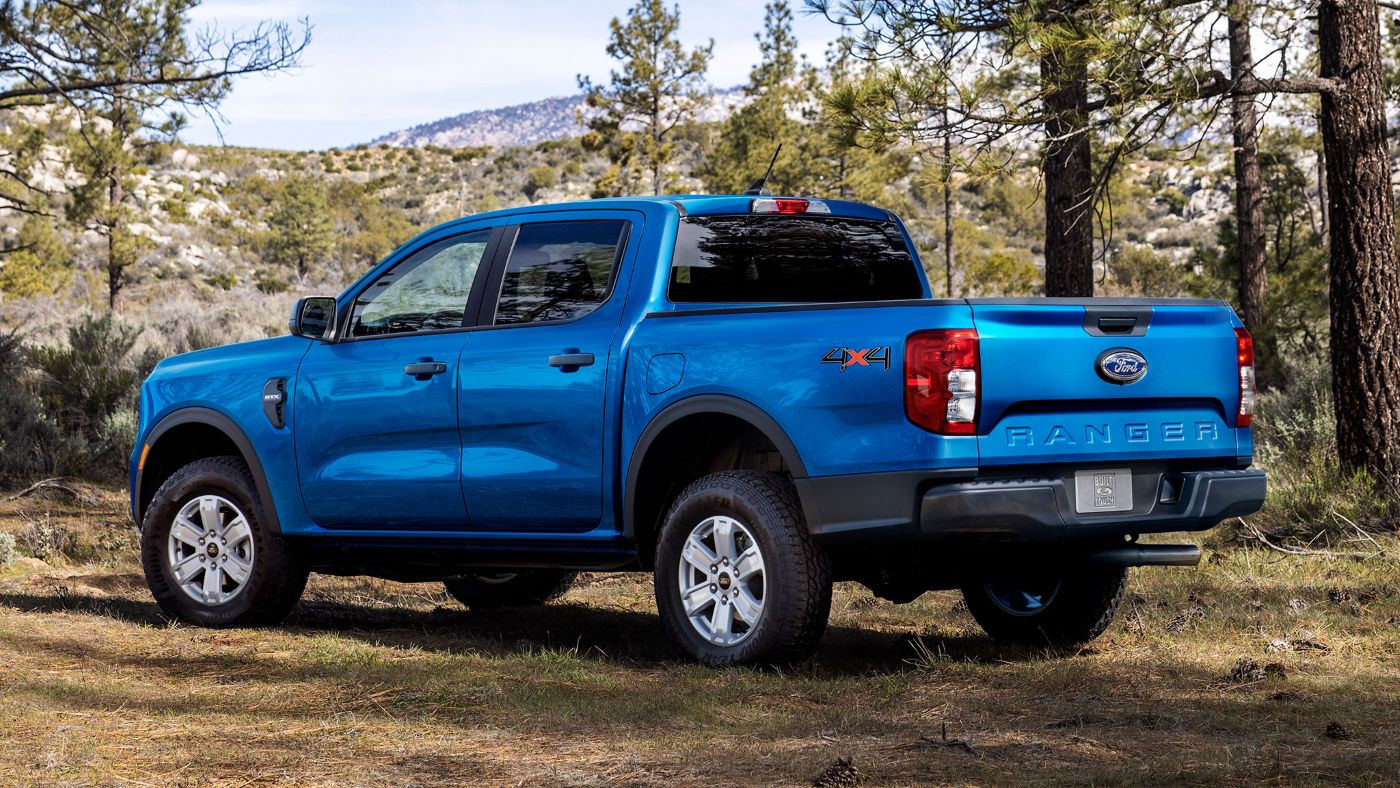
3. Ford Ranger with Basic Drop-In Liner
Ford’s mid-size Ranger is a capable and nimble truck that appeals to both urban and rural users. However, the basic drop-in bed liner available on some Ranger trims doesn’t offer the same long-lasting durability found in its full-size sibling, the F-150.
The Ranger’s plastic liner is functional in the short term, protecting from light scratches and paint wear, but its construction lacks the robustness needed for long-term heavy-duty use. After a few years of real-world wear, cracking and deformation become common complaints.
The plastic used in the Ranger’s liner is relatively thin and often flexes under pressure. This causes the liner to develop stress points, particularly near corners and along the sidewalls.
When these stress points reach their limit, small cracks begin to appear, which then grow with continued use. Cargo shifting in the bed only speeds up this deterioration, especially if it’s heavy or has sharp edges. Even light-duty users have reported scuffing and edge curling after routine use.
Another common issue is poor water drainage. The drop-in liner doesn’t allow water to escape easily, so moisture gets trapped between the liner and the bed floor.
If not regularly cleaned out, this leads to mold, rust, and unpleasant smells. The liner can also rattle and make noise while driving, particularly if it was not installed tightly. Over time, this vibration can loosen clips and increase the chances of the liner detaching slightly from the bed walls.
While the Ranger is an excellent truck in terms of drivability and efficiency, its factory liner feels more like an afterthought than a fully integrated feature.
For users who treat their trucks gently and only need occasional bed use, it might suffice. But for anyone using the truck as a daily work tool, the limitations of this liner quickly become clear. Like other drop-in options, it can be replaced, but the extra cost and effort required often catch owners off guard.
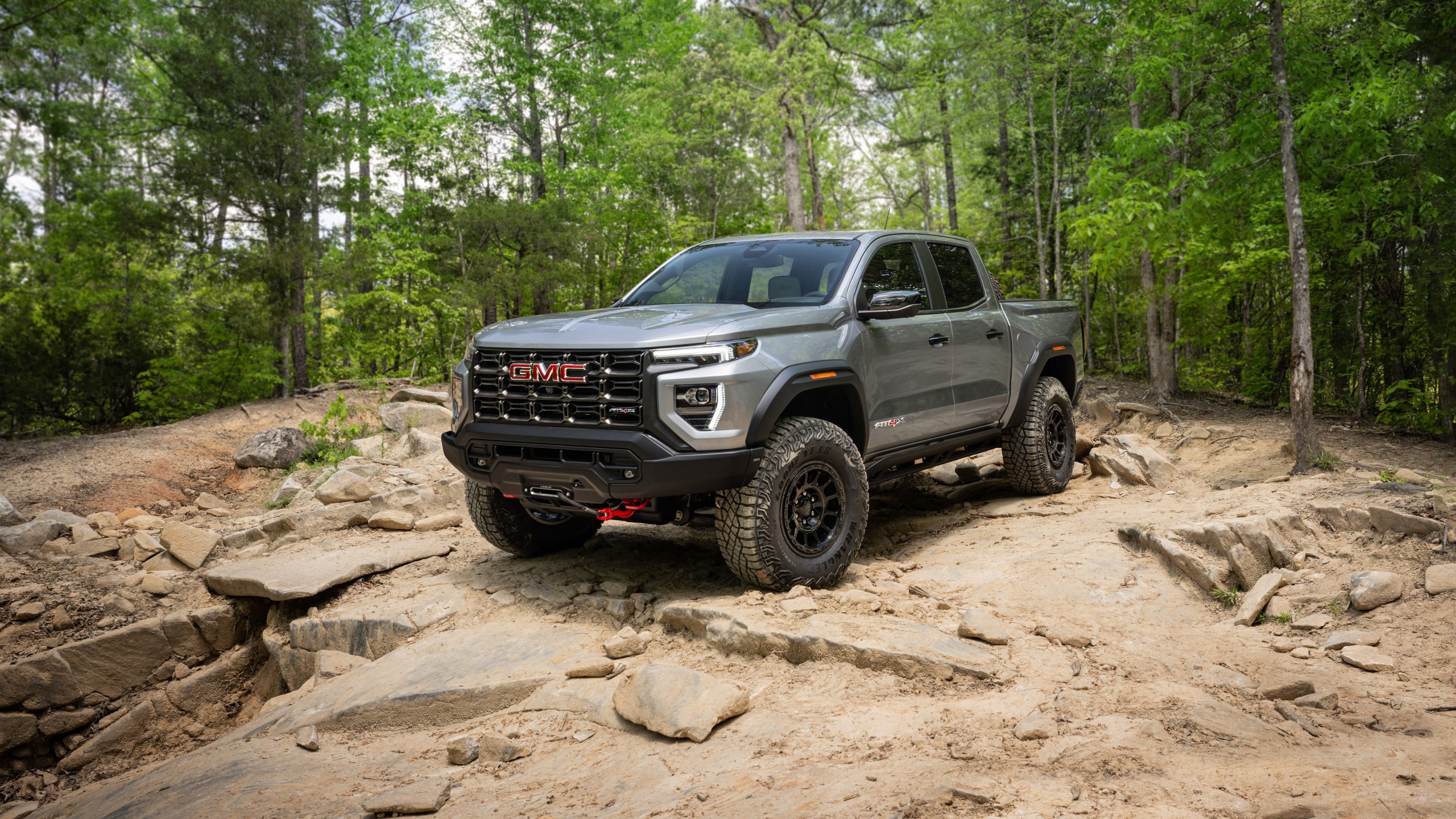
4. GMC Canyon with Factory Drop-In Liner
The GMC Canyon shares much of its design with the Chevrolet Colorado, and that includes its factory-installed drop-in bed liner. Unfortunately, it also inherits many of the same problems.
While it does provide a clean look and basic protection against surface damage, the plastic material and installation method leave a lot to be desired. Under real-world conditions, especially with heavy or irregular cargo, the liner begins to show signs of wear much faster than most owners expect.
Cracks commonly develop near the tailgate, especially where the liner flexes during load and unload actions. Over time, those cracks can turn into actual breaks, with chunks of plastic sometimes snapping off under pressure.
The material isn’t well-suited to repeated impact, and during cold weather, it becomes even more vulnerable to damage. In some cases, it warps under heat as well, creating an uneven surface that makes loading more difficult and increases wear on the items being hauled.
The liner also has a problem with water and dust accumulation underneath. Since it isn’t sealed to the bed, it allows dirt, grit, and moisture to get in between the liner and the truck’s surface.
These trapped materials act like sandpaper over time, wearing down the paint and creating an ideal environment for rust. It’s a frustrating design oversight that undermines the integrity of the truck bed. A liner should add protection, not become the source of long-term damage.
Owners who haul gear frequently, whether it’s landscaping equipment, home improvement materials, or just the usual range of weekend tools, often find themselves replacing or removing the liner altogether.
The Canyon’s premium appearance and comfort features might attract upscale buyers, but the subpar liner feels more like a cost-saving feature than a true solution. For anyone considering this truck, an aftermarket spray-in liner should be viewed as a near-essential upgrade if durability matters.

5. Honda Ridgeline with Composite Bed Liner
The Honda Ridgeline takes a different approach to bed protection by incorporating a molded composite material directly into the design of the bed itself. In theory, this sounds like a low-maintenance, all-in-one solution.
However, in practice, the composite liner has shown some flaws, particularly in terms of cracking and UV sensitivity over time. While the Ridgeline avoids many of the issues found in traditional drop-in liners, its hard-plastic bed still has limitations when exposed to prolonged wear and varied climates.
One of the main issues arises with impact damage. The composite liner is more rigid than most spray-on coatings and lacks the flexibility to absorb repeated shocks. Heavy tools or dropped equipment can leave permanent marks, and in some cases, the plastic has been known to fracture.
In colder temperatures, the material becomes increasingly brittle, making it prone to cracking if struck or stressed. Unlike metal beds that can bend slightly without breaking, the Ridgeline’s composite material can crack without warning.
UV exposure is another concern. The black plastic surface absorbs heat and sunlight, which over time can cause fading and surface-level deterioration. In extremely hot regions, this leads to dry spots, chalky residue, or even surface flaking.
Although the truck’s bed remains structurally usable, the appearance suffers and, in some cases, creates small surface cracks that get worse with age. These cosmetic and structural problems can affect resale value and user confidence.
There are also limitations in terms of modification and repair. Because the bed and liner are part of the same molded structure, owners can’t simply replace or upgrade the liner without significant cost. Any damage to the bed requires specific materials and labor to fix.
For those using their trucks for serious hauling, the Ridgeline’s bed often doesn’t hold up as well as a metal bed with a durable coating. Despite being a well-designed truck for light-duty users, its composite bed solution may not be the best choice for longevity under rough use.
Also Read: 5 Cars With Heat That Works Instantly in Winter and 5 That Leave You Freezing
When it comes to choosing a pickup truck, the quality of the bed liner may not be the first thing on your mind, but over time, it can make a significant difference in how well your truck holds up under real use. As shown in the comparisons above, not all bed liners are built to the same standard.
Trucks like the Ford F-150, Toyota Tundra, Ram 1500, Chevrolet Silverado 1500, and Nissan Titan offer factory spray-in bed liners that have proven to last for years without cracking, peeling, or causing damage to the bed.
These liners stay in place, handle abuse, and protect the vehicle from the elements. For anyone planning to use their truck seriously, these factory options are worth considering from the outset.
On the other side, models like the Chevrolet Colorado, Nissan Frontier, Ford Ranger, GMC Canyon, and Honda Ridgeline come with liners that may seem adequate at first but often fall short in long-term durability.
Common problems like cracking, warping, poor drainage, and trapped moisture can turn a minor design flaw into a major headache. While these trucks may still be solid choices in other areas, their liners become liabilities with regular use.
For buyers, this means paying attention to more than just engine specs or trim packages. A well-made bed liner can protect your investment and help avoid costly repairs down the road. Whether you’re hauling equipment daily or using your truck for weekend projects, durability should be a key part of your decision.
Trucks with proven, long-lasting bed liners offer peace of mind and lower maintenance over time. In the end, it’s not just about how tough your truck looks, it’s about how well it holds up when it’s put to work. A strong bed liner is one of the clearest signs of long-term quality.
