
When shopping for an SUV, many buyers focus on engine performance, safety features, infotainment systems, and even aesthetics. Yet, one of the most underrated but important aspects of owning an SUV is the trunk area. It’s where families toss bags of groceries, pack for vacations, load up after a trip to the hardware store, or bring home furniture and baby gear.
Unfortunately, not all SUVs are created equal in this department. Some are designed with low liftover heights, wide trunk openings, and fold-flat seats that make loading and unloading a breeze. Others, on the contrary, make you wrestle with oddly shaped openings, high bumpers, sloping roofs, or even poorly placed hinges that steal useful space.
Grocery shopping, in particular, can turn into a small struggle if your SUV’s trunk wasn’t built with practicality in mind. Imagine trying to slide heavy bags into a narrow hatch while juggling a toddler or trying to reach for a runaway can that rolled deep into the corner of a sloped cargo area.
Small details in trunk design can create a noticeable difference in everyday convenience. This is especially important for families, elderly drivers, or anyone who frequently hauls bags and boxes. What seems like a minor design flaw can become a recurring hassle over time.
In this article, we’ll look at five SUVs known for their smart and shopper-friendly trunk areas. These vehicles make it easy to lift bags in and out without needing to bend, twist, or curse. Then, we’ll contrast those with five SUVs that may excel in other areas but make grocery runs a bit more irritating.
Whether it’s an awkward tailgate shape, high loading floors, or uneven space, these models just don’t make loading up as simple as it should be. The goal here is not to bash any brand, but to point out practical differences that really matter in daily use. Trunk design doesn’t always show up in glossy ads, but it deserves just as much attention as horsepower or leather seats.
Also Read: 10 Cars With Tricky Seatbelt Buckles for Elderly Passengers
SUVs That Load Groceries Easily
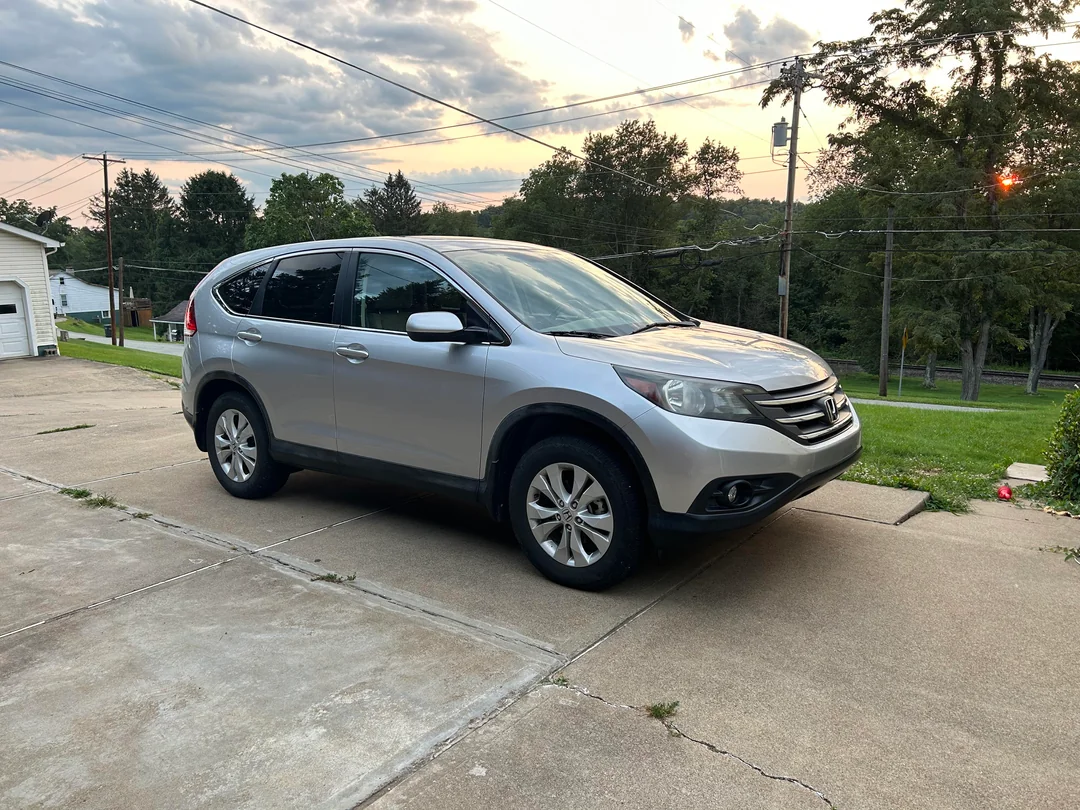
1. Honda CR-V
The Honda CR-V has long been a favorite among compact SUV buyers, and one of the reasons is its intelligently designed cargo space. The trunk is accessible, wide, and thoughtfully laid out, making it one of the easiest vehicles for loading groceries. The floor is relatively low, so you don’t have to lift bags too high to get them inside.
This is especially helpful for people who shop frequently or have heavier loads. The opening is wide and square-shaped, which reduces the risk of bumping the sides of the trunk or twisting bags to make them fit. There are no weird curves or protruding design elements that limit how much you can slide in.
In addition to the opening size, the CR-V often features a power liftgate and a flat load floor, both of which enhance usability. Once the hatch is open, you’re greeted with a large space that doesn’t narrow toward the back. This makes it easier to organize groceries and prevents them from rolling around.
Some trims also come with grocery bag hooks or storage compartments to keep smaller items from shifting. It’s these thoughtful touches that turn a basic task like grocery shopping into something more manageable and less frustrating. Also, when you fold the rear seats down, the cargo space expands in a way that’s both simple and intuitive.
Another bonus is the height of the rear bumper. You don’t have to step up or reach too far to get bags inside. For anyone with mobility issues or those who frequently carry multiple bags at once, this makes a big difference. Honda has clearly paid attention to how people use their cars day-to-day. The CR-V’s trunk might not look flashy, but it’s an example of function over form in the best possible way.
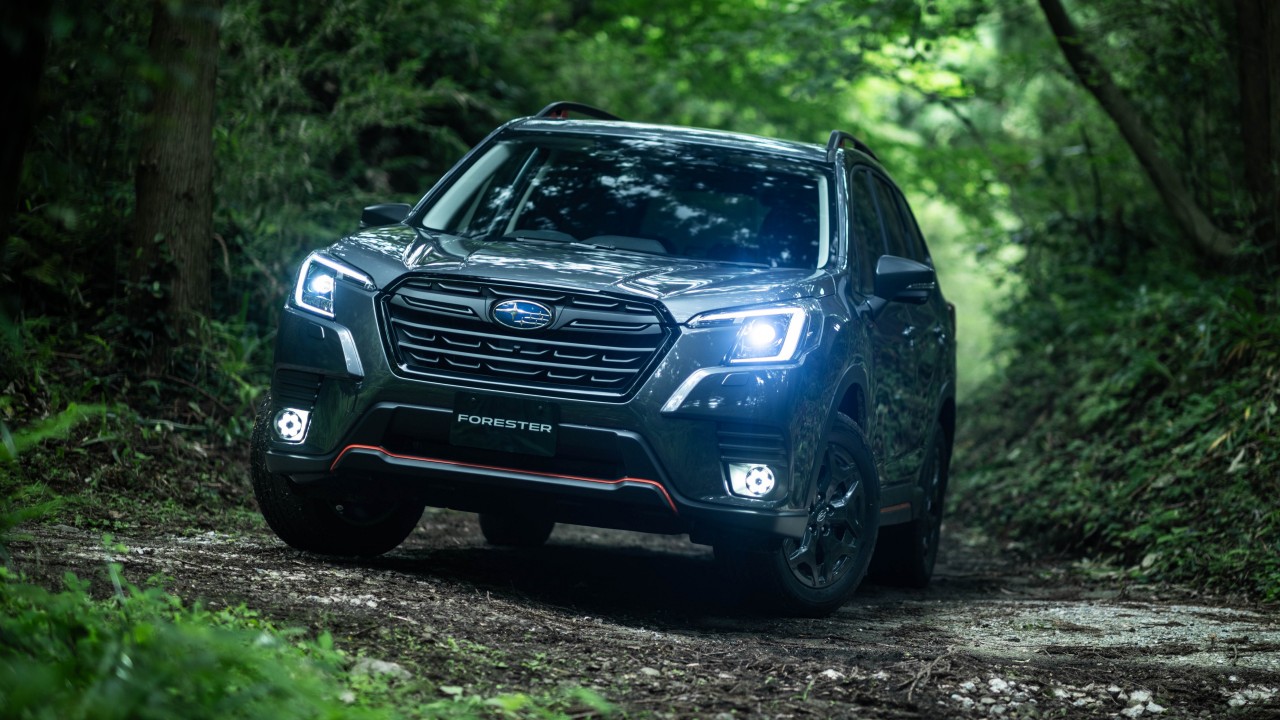
2. Subaru Forester
The Subaru Forester is another compact SUV that understands the importance of practical cargo space. The Forester’s trunk area is boxy and tall, which makes it great for loading all sorts of items, especially grocery bags. The liftover height is low, meaning you don’t have to strain your back or lift heavy bags higher than necessary.
This can be a major relief after a big shopping trip. The opening itself is almost perfectly rectangular, with very little slope or curve along the top edge. That means you’re not limited by unusual design lines when sliding items in and out.
One of the biggest advantages of the Forester is its vertical tailgate. When you open the hatch, it goes straight up, and the walls of the trunk don’t curve inward. This provides more usable space, especially when you’re dealing with larger bulk items or reusable grocery bins.
Additionally, the cargo floor is flat and consistent, and you don’t get that annoying dip or lip that can make items slide around or tip over when driving. Subaru also includes cargo hooks and a low bumper ledge that doubles as a temporary resting space when loading.
Drivers also appreciate that the Forester’s interior is designed for visibility and access. That same openness extends to the back, where space isn’t just technically available but usable. Unlike SUVs with sloped roofs that restrict your vertical space, the Forester allows you to stack bags, boxes, or even pet carriers with ease.
The fact that it’s also equipped with all-wheel drive across all trims doesn’t directly impact grocery runs, but it does mean you’re less likely to get stuck when running errands in snow or rain. Forester combines practicality, smart design, and reliability in a way that simplifies everyday tasks.
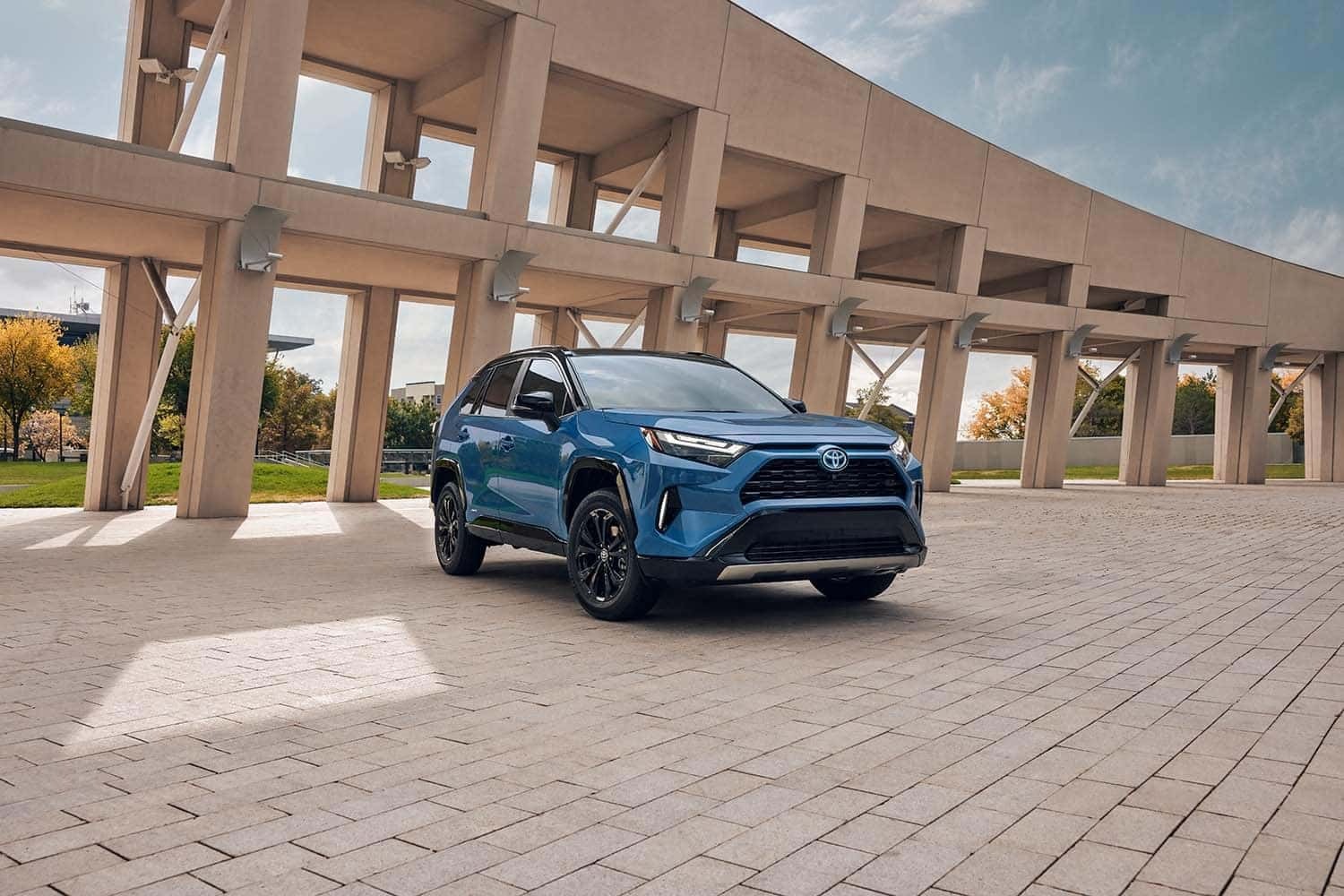
3. Toyota RAV4
The Toyota RAV4 is a popular choice among small SUV buyers, and one of its strong points is a well-thought-out cargo area. The trunk space is wide and square, with minimal design quirks that get in the way of loading. Whether you’re using plastic bags, reusable totes, or large boxes, the RAV4 makes it simple to lift items into the back without hitting corners or losing space to sloped panels. Toyota has focused on maximizing cargo volume in a way that’s helpful in real-life scenarios, not just impressive in spec sheets.
One particularly helpful feature is the low loading height. This reduces the need to hoist grocery bags high or bend awkwardly while trying to place them in. There’s also a wide bumper lip that doesn’t interfere with sliding in boxes. You can easily rest your items there for a moment before moving them inside.
Toyota also includes options like a power liftgate, adjustable trunk floors, and small pockets on the sides to help organize smaller or more fragile items. These details are especially helpful if you’re transporting things like eggs or glass bottles that you don’t want shifting around.
The RAV4 also benefits from a strong reputation for durability and ease of maintenance. While that might not directly relate to trunk use, it gives buyers peace of mind that the practicality extends to long-term ownership. The rear seats fold flat with minimal effort, adding more room when needed.
Toyota has made the process seamless, and there’s no strange angle or gap between the folded seats and trunk floor. For families or solo drivers who need reliable, stress-free grocery runs, the RAV4 delivers a strong combination of ease, access, and convenience.
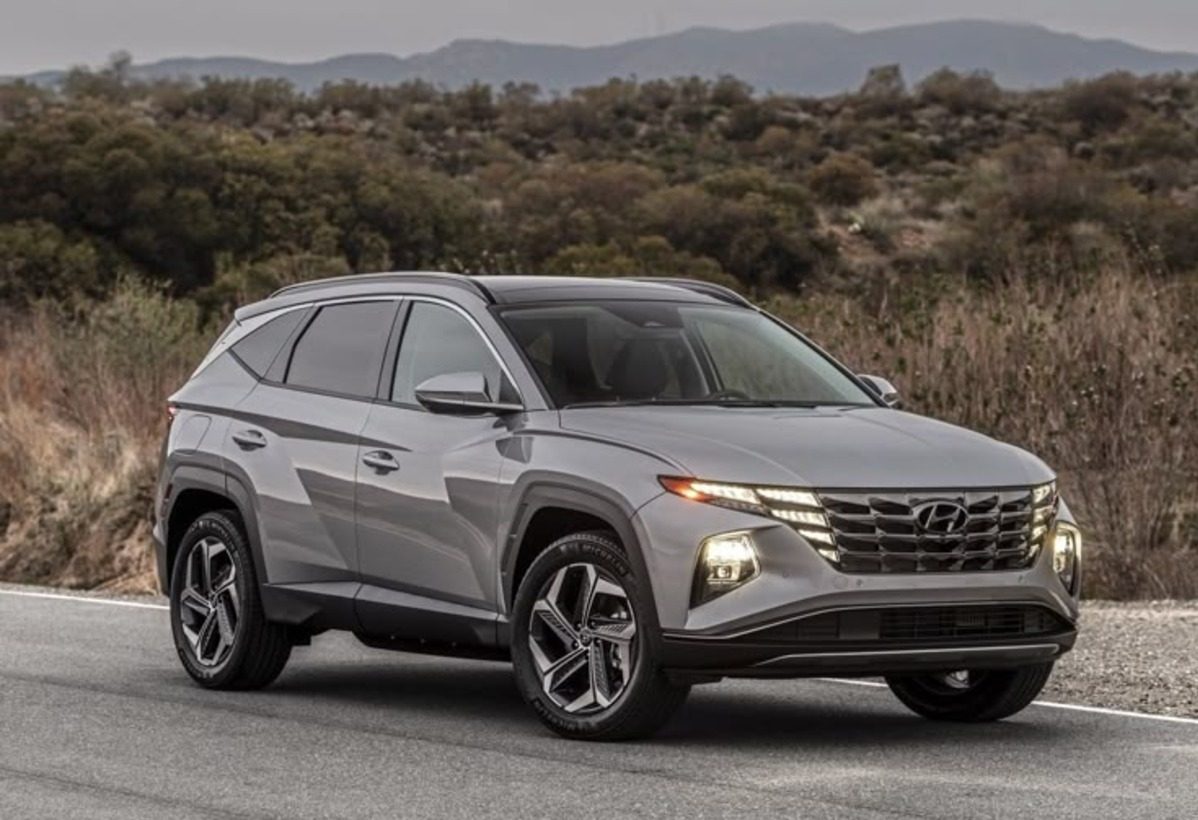
4. Hyundai Tucson
The Hyundai Tucson stands out in the compact SUV category thanks to its clever design and emphasis on everyday practicality. One area where this shines is the cargo space. Hyundai has crafted the Tucson with a smart, low lift-over height and a wide, flat cargo opening.
These two features combine to make loading groceries much easier than in many of its competitors. Whether you’re dealing with a few bags or a full cart, you can easily get everything into the trunk without needing to lift too high or angle bags awkwardly to fit them through a tight hatch.
Another thing Tucson owners appreciate is the interior layout of the trunk. The space is generous and flat, and the wheel arches don’t intrude much into the cargo area. That gives you more flexibility when placing bags or stacking items.
Some trims offer a power liftgate with adjustable opening height, which can be especially useful in garages or when shorter drivers need to reach the handle. Hyundai also tends to add extra features like underfloor storage and small side compartments that help keep smaller items from rolling around.
Functionality doesn’t end with the rear space. The rear seats fold down easily and almost completely flat, opening up even more room for larger hauls. There’s no steep incline or awkward transition space between the trunk and the folded seats, which is something that often limits how useful expanded cargo space can be.
While the Tucson has been redesigned in recent years to look more modern and sharp, Hyundai hasn’t sacrificed practicality in favor of flashy design. The attention to ease of use in everyday tasks like grocery shopping is one of the Tucson’s quiet strengths, and it’s something many owners come to appreciate quickly.
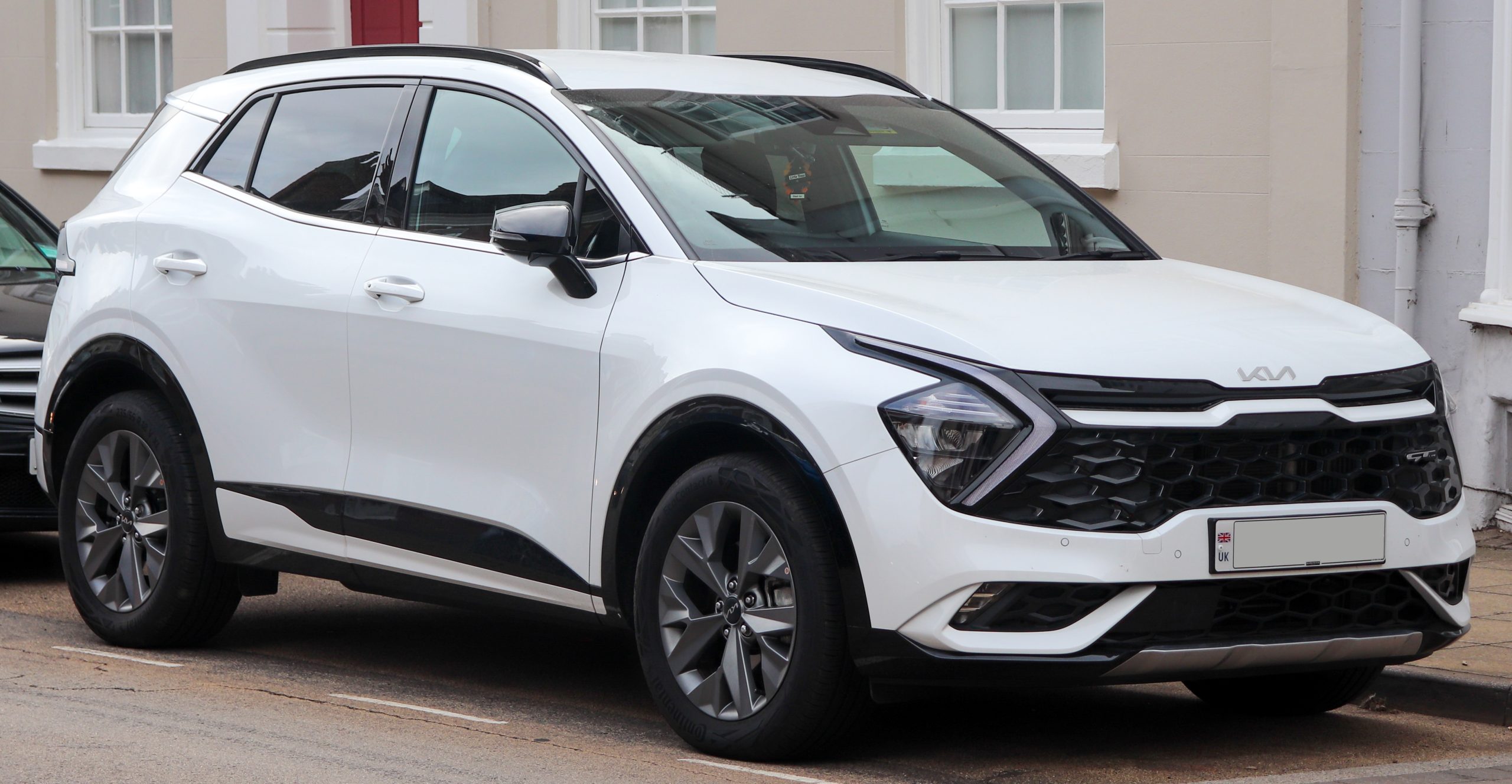
5. Kia Sportage
The Kia Sportage is another compact SUV that makes grocery loading straightforward. Kia has consistently improved its design to emphasize user-friendly features, and the cargo area is no exception. One of the most noticeable things about the Sportage trunk is its height and shape. The liftover is low and the opening is both wide and tall, which means less bending, reaching, or awkward lifting.
The Kia Sportage’s trunk area is wide and well-shaped, making it very functional for everyday tasks like grocery shopping. One of the best aspects is how little space is wasted due to awkward angles or intrusive wheel wells. This creates a trunk that not only holds more than expected for its class but also allows for easier stacking and arranging of bags or boxes.
The tailgate lifts up high enough to avoid head bumps, even for taller individuals, and the opening is nearly rectangular, reducing any struggle to angle items in. The cargo floor itself is flat, and in most trims, it’s level with the folded-down rear seats.
That’s important because it avoids the common issue of items sliding forward or tipping once you hit the brakes. Kia also offers underfloor compartments for stowing emergency kits, reusable bags, or smaller groceries like bottles or canned goods that you don’t want rolling around.
Another helpful feature is that the power liftgate (available on certain trims) opens quickly and can be adjusted to stop at different heights. This is a welcome addition for people of different heights or for those parking in lower-ceilinged garages.
While this may sound like a small benefit, when your hands are full of groceries and the last thing you want is to fuss with a stubborn liftgate, such convenience makes a noticeable difference. Kia has also added subtle enhancements like bag hooks and cargo covers in some trims, which can help prevent damage to delicate groceries or items you prefer to keep out of sight.
SUVs with Awkward Trunk Openings
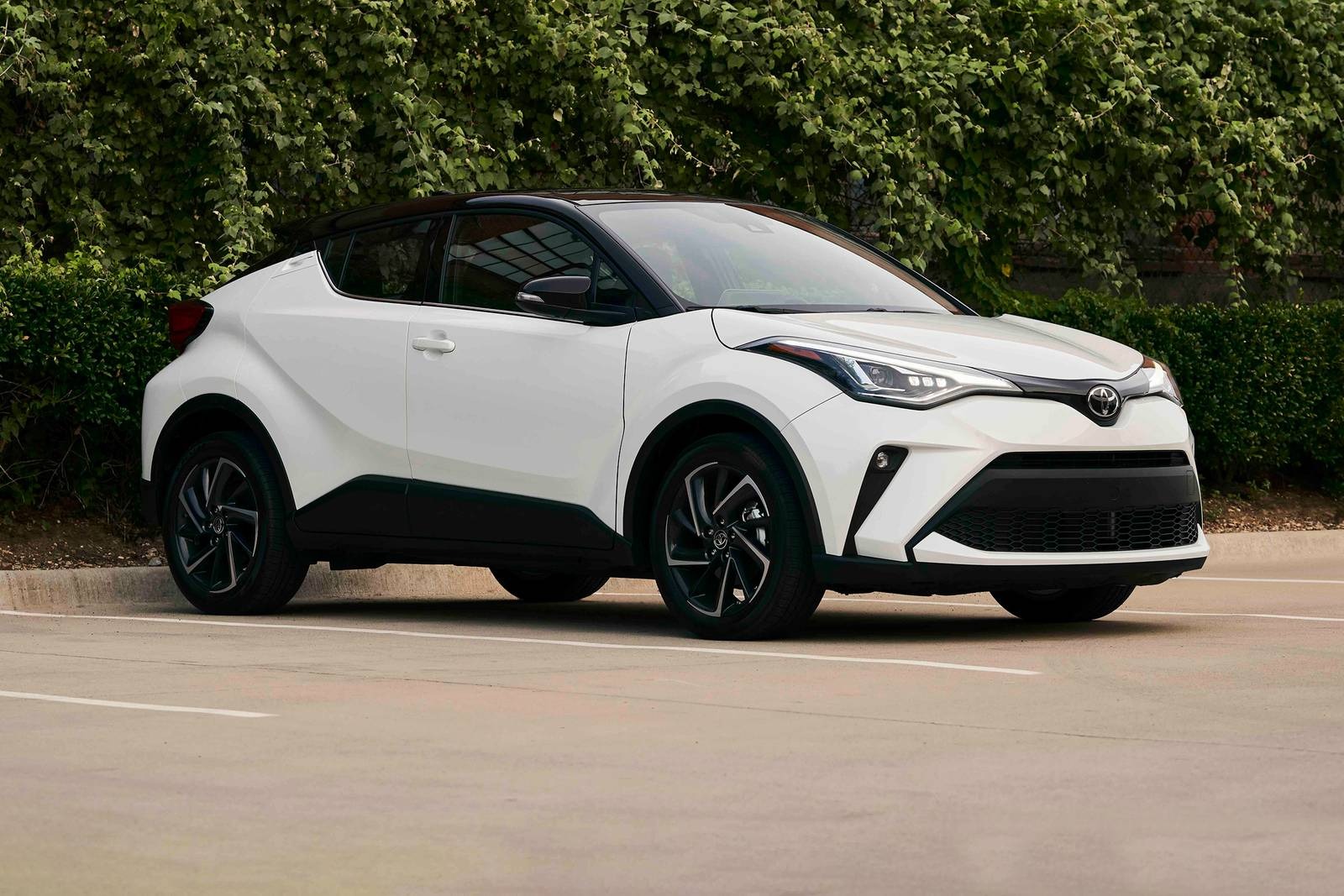
1. Toyota C-HR
While the Toyota C-HR is often praised for its unique styling and compact size, its trunk area falls short when it comes to practicality, especially for grocery loading. One of the biggest challenges lies in the design of the rear hatch. The sloping roofline and sharply angled tailgate result in a narrow vertical opening that restricts how easily you can place items inside.
While the actual cargo volume isn’t terrible on paper, the usable space is compromised because of how the trunk is shaped. Taller items or even a standard grocery bin may require tilting or adjusting to get them through the hatch, which can be frustrating if you’re in a hurry or dealing with multiple bags.
Another issue is the relatively high liftover height. For such a small SUV, you might expect an easier loading process, but in practice, you’ll often find yourself lifting bags higher than seems necessary. The bumper lip sits at a height that may be inconvenient for shorter drivers or for those trying to load heavier bags or bulky items.
The interior floor is not as flat as it could be, either, and there’s a noticeable drop between the folded seats and the trunk floor, creating an uneven surface that makes sliding items forward a bit of a chore. Additionally, the design of the rear window and hatch hinges takes away from the vertical space at the very back, which is where you might normally want to stack groceries to prevent them from tipping.
Functionally, the C-HR’s trunk feels like it was an afterthought, perhaps sacrificed in the name of bold exterior design. For city drivers who only carry a few bags at a time, this might be acceptable. But for those who frequently do larger grocery runs or who need to make the most of every square inch, the limitations become hard to ignore. Despite Toyota’s reputation for reliable engineering, the C-HR’s trunk design misses the mark in terms of daily usability.
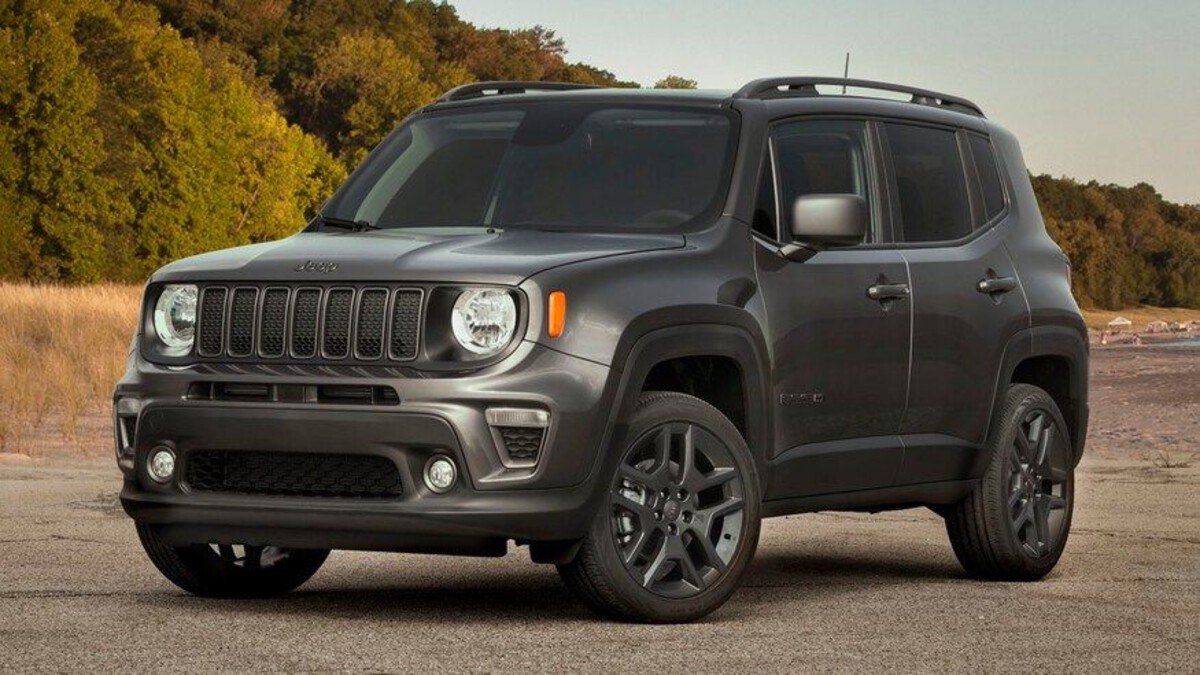
2. Jeep Renegade
The Jeep Renegade is well-known for its quirky styling and off-road capability in a compact package, but its cargo area suffers from several design missteps that affect how easily it can handle something as basic as grocery bags. The first issue is the size and shape of the trunk opening.
It’s narrow and short in height compared to competitors, which limits your ability to slide in boxes or full shopping totes without maneuvering them at awkward angles. This becomes especially noticeable when you’re dealing with bulk purchases or trying to make fewer trips by carrying more bags at once. The tailgate itself opens wide enough, but the frame of the hatch restricts the height you can work with, and that makes organizing groceries in the trunk more complicated than it needs to be.
The second problem is the liftover height. For a vehicle of its size, the Renegade’s rear bumper sits unusually high. This means you’re doing more work to lift bags into the trunk, which can be irritating after a big grocery run.
While Jeep might prioritize off-road ground clearance, most Renegade owners aren’t climbing trails every weekend; they’re loading groceries, sports equipment, and daily items. The steep lip between the bumper and cargo floor can also act as a barrier, making it harder to slide items in cleanly.
Even when the rear seats are folded, there’s a small gap and elevation difference between the trunk floor and the back of the seats, creating an uneven surface that limits the full usability of the expanded space.
It’s clear that Jeep emphasized character and rugged appeal when designing the Renegade, but unfortunately, that came at the cost of some everyday practicality. For drivers who only carry occasional items or prefer the unique look and feel of the Renegade, these issues may be manageable. But for anyone using their SUV as a grocery hauler or family errand-runner, the compromises in trunk design make daily life a little less convenient than it could be.
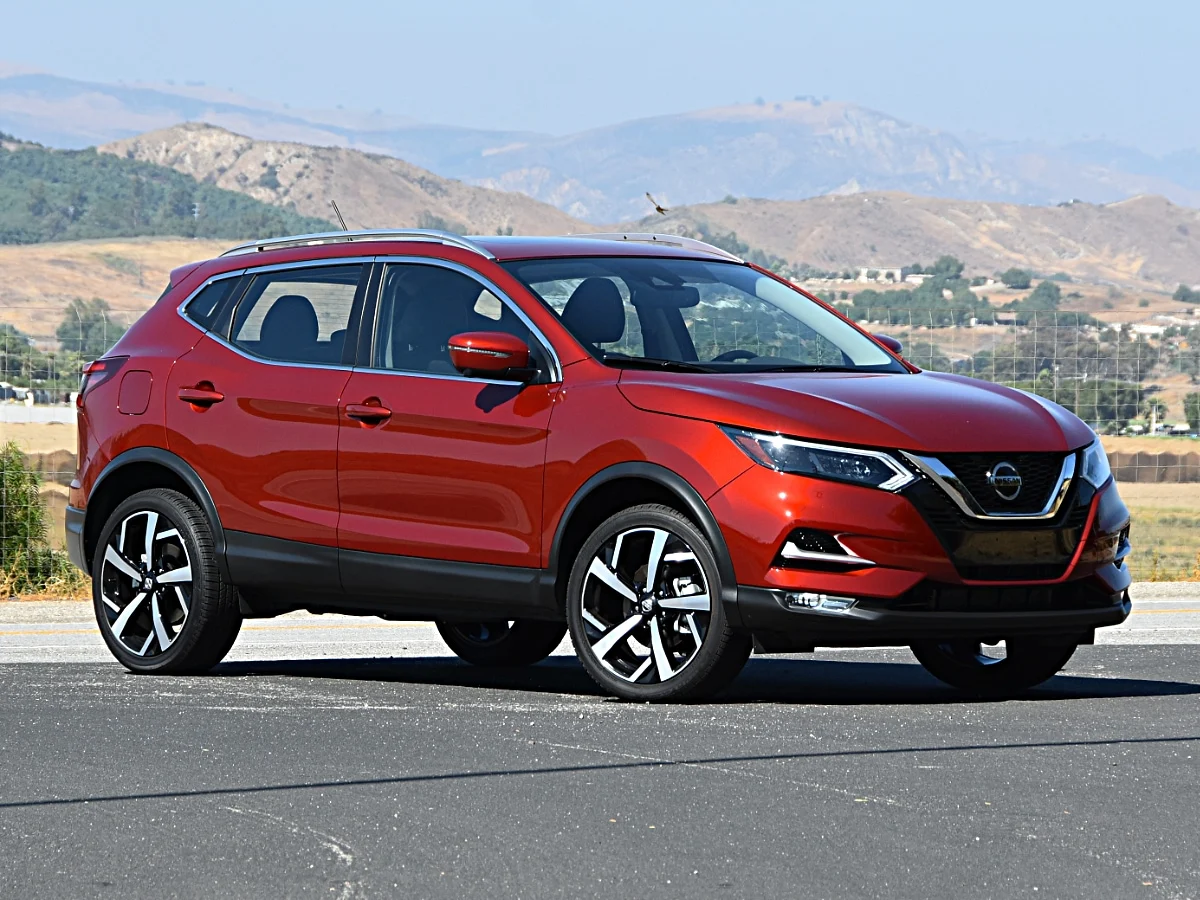
3. Nissan Rogue Sport
The Nissan Rogue Sport is marketed as a slightly smaller and sportier alternative to the standard Rogue, but that size difference results in some real-world sacrifices, especially in the trunk. The main issue lies in the cargo area’s restricted shape and relatively high load floor.
While Nissan includes features like an adjustable cargo floor and hidden storage areas, those additions don’t quite make up for the fact that the opening itself is narrower than ideal. The curve of the tailgate and the slope of the rear window reduce vertical clearance, meaning that taller items or even grocery bags stacked on top of each other can bump the ceiling or simply not fit.
The load floor also sits higher than expected, which makes lifting heavier items more of a strain. The bumper lip can be particularly frustrating, acting as a barrier rather than a smooth transition point for sliding in groceries.
While the Rogue Sport is equipped with folding rear seats, the angle they fold to isn’t perfectly flat, creating a ledge that interferes with large or heavy items. Additionally, the interior walls of the cargo area curve inward, which reduces how many bags you can fit side-by-side without them getting squished or toppling over.
For urban drivers who value the compact size and easier parking, the Rogue Sport might seem like a good compromise. But when it comes to hauling groceries or doing everyday errands, it becomes clear that space efficiency wasn’t fully optimized.
The interior doesn’t feel cramped until you try to use it for storage, and that’s when its limitations stand out. It’s a case of design and form factor taking priority over function, and the result is a trunk that simply doesn’t feel as useful as it should be.
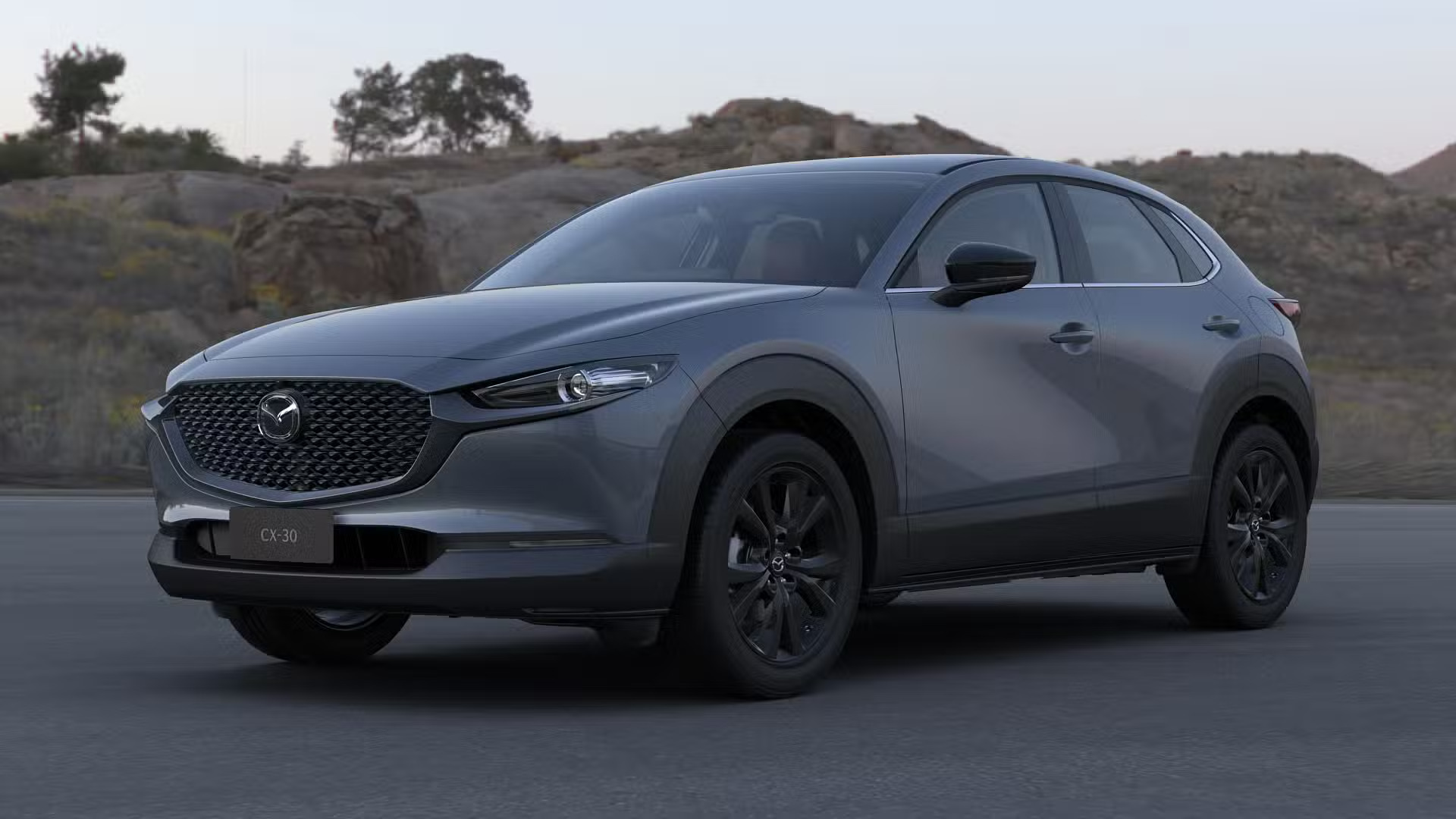
4. Mazda CX-30
The Mazda CX-30 earns high marks for its driving dynamics and interior quality, but when it comes to trunk practicality, it falls short. The sleek design of the rear end and the stylish tapering of the roofline result in a small and somewhat oddly shaped cargo opening.
Aesthetics were prioritized in the design of the hatch, which unfortunately compromises ease of access. The opening is narrower at the top and widens slightly at the bottom, making it harder to fit bulky grocery bags or boxes through without twisting or angling them. This kind of effort might not seem like much at first, but it can quickly become annoying on weekly grocery runs.
The load floor is also a bit on the high side, relative to the size of the vehicle. When combined with a noticeable bumper lip, it results in an awkward experience for loading and unloading. There’s no seamless way to slide in heavy items, and groceries that need to be placed carefully, like bags with produce or eggs, are at risk of tipping or falling if not secured properly.
Mazda offers a power liftgate on higher trims, but that does little to solve the core problem: a limited and awkward cargo shape that restricts practical usability.
Inside the trunk, space is limited not just in size but also in layout. The sloping side panels and narrow roofline take away from what would otherwise be functional storage space. Even with the seats folded down, the cargo area doesn’t expand as smoothly as some competitors.
There’s a small rise where the seats meet the trunk floor, and the angle of the folded seats isn’t entirely flat. For a vehicle that excels at delivering premium driving experiences, it’s surprising how little attention was given to making grocery loading or cargo handling more user-friendly. The CX-30’s design may appeal to those looking for style and refinement, but the trunk’s awkward shape is a clear drawback in everyday use.
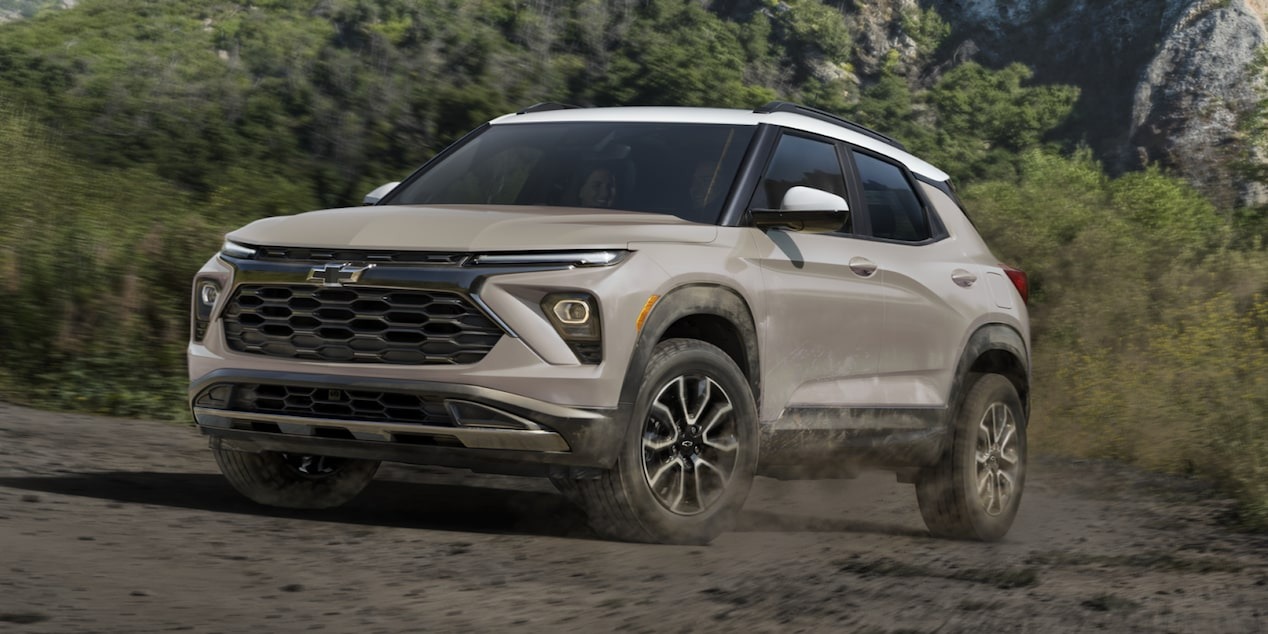
5. Chevrolet Blazer
The Chevrolet Blazer stands out for its bold, muscular styling and sporty appearance, but when it comes to practicality, particularly the trunk space, it doesn’t quite deliver. One of the most noticeable shortcomings is the sloped rear roofline, which significantly compromises the vertical space of the cargo area.
Although the vehicle looks aggressive and modern from the outside, this design directly affects the trunk’s usability. When the rear hatch is open, the top portion of the opening curves downward, reducing clearance for taller items or stacks of grocery bags. This design may not be a major problem when loading a couple of small bags, but it becomes a real issue when the cargo is bulky or when you’re trying to load multiple items at once.
Another obstacle is the raised bumper height and the trunk’s liftover threshold. You’ll have to lift groceries higher than expected, which isn’t ideal, especially for heavier or delicate items. The lip between the bumper and cargo floor can be inconvenient, especially when trying to slide in large boxes or multiple shopping bags.
It essentially turns what should be a flat, accessible loading surface into a multi-level process, requiring more effort and attention. Inside the trunk, the shape of the space is not very accommodating either. The wheel wells protrude noticeably into the cargo area, reducing the width you have to work with, and the floor isn’t as flat as it could be. Even with the rear seats folded, the slanted angle and lip at the fold line create an uneven surface that’s less than ideal for maximizing the available space.
Despite its solid performance and tech features, the Blazer’s cargo area feels like a mismatch to its size and segment. Buyers might assume that such a large, mid-size SUV would naturally offer generous, user-friendly cargo space, but the trunk design tells a different story.
For style-conscious drivers who prioritize appearance, the Blazer might be a strong contender. However, for those who routinely rely on their SUV to haul groceries, supplies, or equipment, the awkward trunk layout can quickly become a daily annoyance. It’s a reminder that utility should never be sacrificed entirely for the sake of aesthetics.
