

Cars have become more than just a means of transportation; they are intricate machines that reflect the engineering of an entire industry. Over the years, car manufacturers have focused on making vehicles more reliable, efficient, and easier to operate.
But when it comes to maintenance and repair, cars can be drastically different. Some are engineered with DIY enthusiasts in mind, allowing owners to maintain, service, and repair their vehicles with relative ease. Others, especially those with cutting-edge technology and sophisticated systems, require professional intervention that can result in hefty repair bills.
Whether you’re a hands-on mechanic or someone who’d rather take the car straight to a shop, knowing which cars are easier to work on versus those that will cost you in the long run is key to managing your vehicle’s upkeep.
Cars that are easy to work on tend to feature simple, user-friendly designs that provide ample access to the parts that need regular servicing. These vehicles often include mechanical systems that are less reliant on computer systems and complex wiring, allowing for straightforward repairs.
Many of these cars are also known for their longevity and the ease with which owners can find parts and information to maintain them. This makes them ideal for those who want to avoid costly trips to the mechanic and prefer to tackle repairs themselves.
Whether it’s changing the oil, replacing brake pads, or swapping out spark plugs, these vehicles make DIY work accessible to the average car owner. The key is their accessible design, simple mechanical systems, and an abundance of resources for learning how to repair them.
On the other hand, some vehicles are far more complex. With their reliance on advanced technology, tight engine bays, and specialized components, these cars demand professional expertise and diagnostic tools that are usually only available at authorized service centers.
The cost of labor and parts for such vehicles can quickly add up, leading to expensive repairs that could have been avoided with a simpler design. These cars often come with integrated electronics, proprietary components, and systems that require specialized knowledge to repair. While they may offer a more refined driving experience, the tradeoff is often an expensive and complex maintenance process. Many modern luxury vehicles, high-performance sports cars, and electric cars fall into this category.
In this article, we will explore five cars that are relatively easy to work on yourself, followed by five cars that are more expensive and difficult to maintain due to their complexity. By understanding which cars fit into each category, you can make a more informed decision based on your needs and how hands-on you want to be with your car’s upkeep.
Also Read: 10 Cars With Tricky Seatbelt Buckles for Elderly Passengers
5 Cars That Are Easy to Work on Yourself
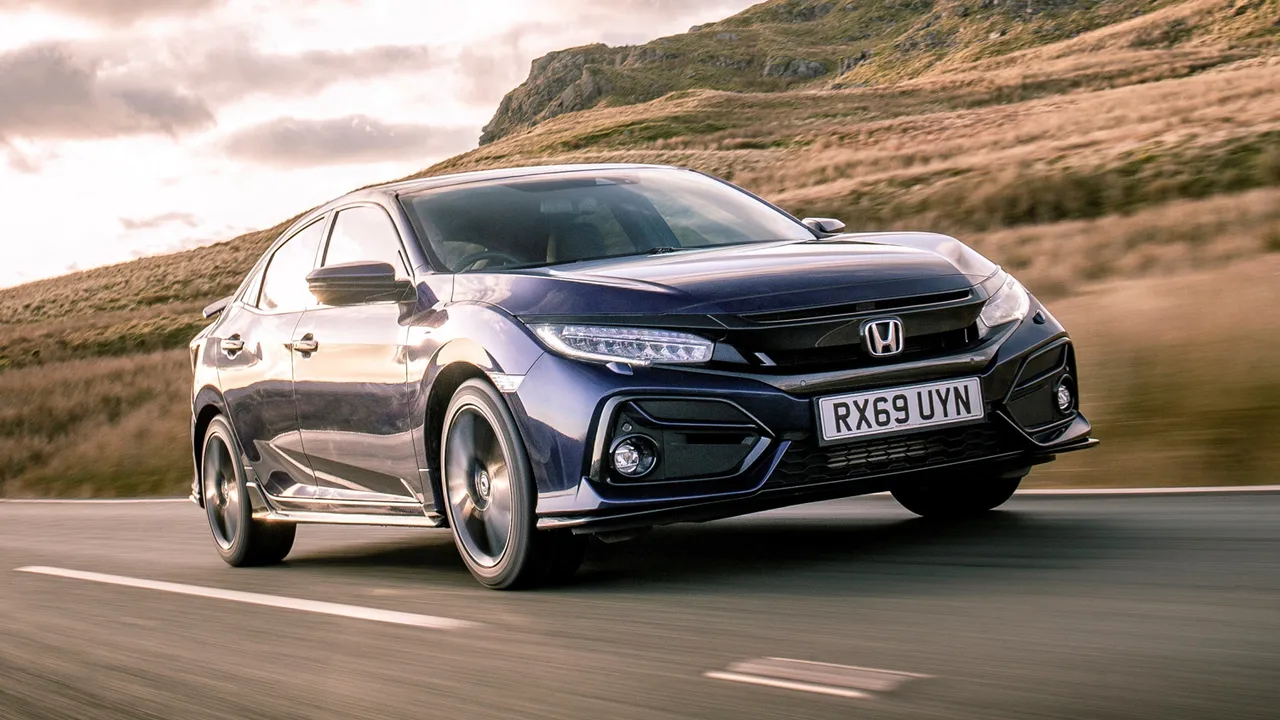
1. Honda Civic
The Honda Civic is one of the most popular and well-loved vehicles globally, and one of the primary reasons for its enduring popularity is its simplicity and reliability. Over the years, the Civic has built a reputation for being easy to work on, which has earned it a loyal following among DIY car enthusiasts.
Whether you own a model from the early 2000s or one of the more recent versions, the Civic offers a variety of features that make regular maintenance simple and affordable. The engine design is relatively straightforward, and the layout of components within the engine bay is spacious, allowing for easy access. This means that tasks like changing the oil, replacing brake pads, swapping out air filters, and even replacing the timing belt can be completed with just basic tools and a bit of patience.
The availability of parts for the Honda Civic is another factor that makes it easy to maintain. Because it is one of the most common vehicles on the road, replacement parts are plentiful and often very affordable. Whether you’re sourcing OEM parts or opting for cheaper aftermarket components, you’ll have plenty of options to choose from, making repairs less costly.
In addition, there are countless tutorials and repair guides available online. Whether through YouTube videos or repair forums, the Civic community is active and offers a wealth of knowledge for DIY mechanics. This makes it easier for even first-time car repairers to follow step-by-step instructions and perform tasks that might seem intimidating at first.
Another notable feature of the Honda Civic is its relatively low-maintenance engine. Unlike many modern vehicles, which are loaded with complex sensors and electronics that require specialized diagnostic tools, the Civic’s simpler mechanical setup allows most problems to be diagnosed with traditional methods.
This significantly reduces the need for expensive diagnostics at the mechanic’s shop. Many issues can be easily identified and solved with just a basic understanding of car mechanics and the help of online resources.
Finally, due to its simplicity, the Honda Civic also has a high resale value, which is an added benefit for DIY car owners. The more you maintain your car yourself, the less you spend on labor costs, and the better shape the car remains in over time, which can lead to a higher resale price when you decide to upgrade.
Honda Civic is a car that both seasoned DIY mechanics and those new to car repairs can tackle with confidence, offering a sense of satisfaction that comes with hands-on ownership.
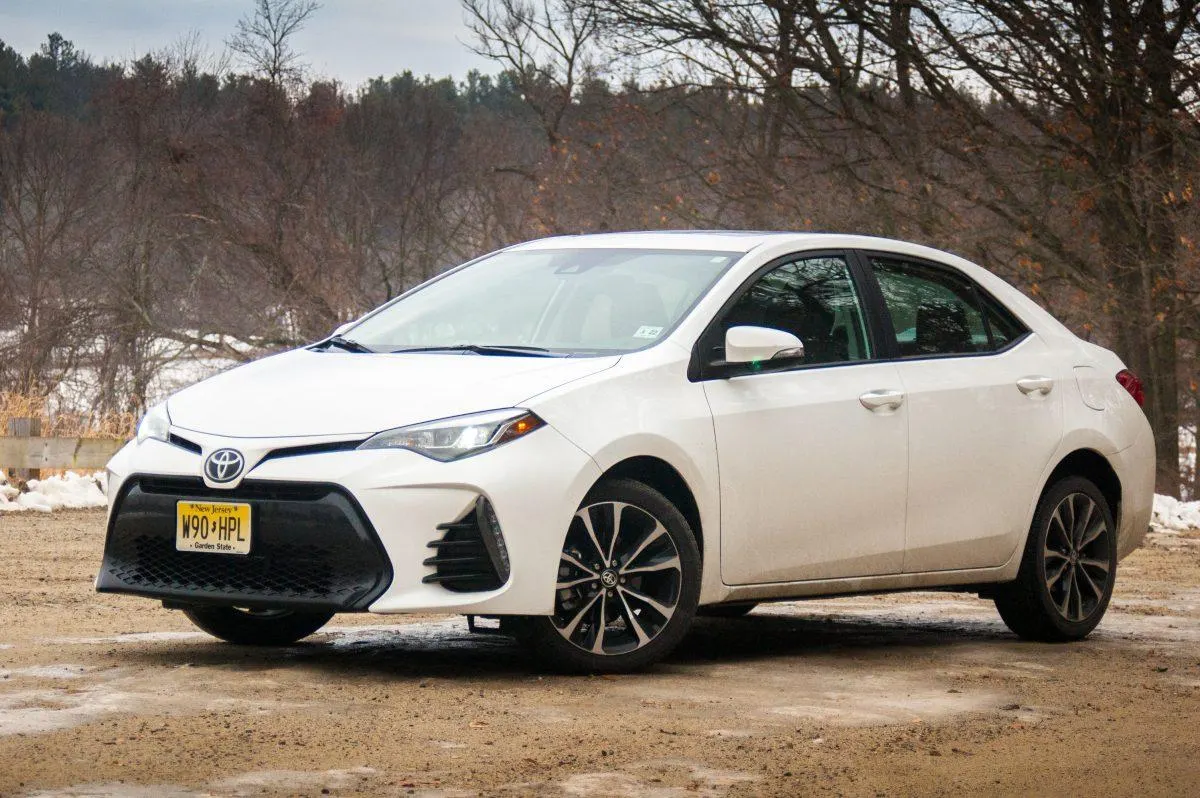
2. Toyota Corolla
The Toyota Corolla has long been a staple in the automotive industry, known for its longevity, efficiency, and ease of maintenance. The Corolla’s design has remained relatively consistent over the years, with many models relying on simple, tried-and-true mechanical systems that make it accessible for DIY repairs.
One of the key features that makes the Corolla so easy to work on is its spacious engine bay, which offers clear access to common components like the alternator, belts, and the air filter. Routine maintenance, such as oil changes, brake replacements, and spark plug swaps, can be performed without needing specialized tools or professional assistance.
The Corolla is also known for its reliability, with many owners reporting that the vehicle runs smoothly for well over 200,000 miles with minimal issues. When problems do arise, however, finding parts for the Corolla is a breeze. Because it is one of the best-selling cars worldwide, replacement parts are widely available, both from Toyota and third-party suppliers.
This ensures that repairs are often more affordable than those for less common vehicles, and parts are easy to find at a variety of price points.
Another advantage of the Toyota Corolla is the wealth of knowledge available for DIY repair. With countless guides, forums, and video tutorials dedicated to fixing common issues with the Corolla, owners can usually find the help they need for just about any problem.
Whether it’s replacing the battery, fixing a leaking radiator, or swapping out the brakes, there’s no shortage of information to help guide you through the process. Additionally, because the Corolla has such a broad user base, you’ll often find advice from others who have encountered the same problems, making troubleshooting easier.
The simplicity of the Corolla’s design also means fewer trips to the mechanic, which can be a significant savings in the long run. While newer models do have more advanced technology, the majority of Toyota Corollas remain relatively simple when compared to other modern vehicles.
With a bit of time, patience, and the right tools, the Corolla offers an excellent opportunity for owners to engage in car maintenance themselves, keeping costs low while maintaining the vehicle in top shape.
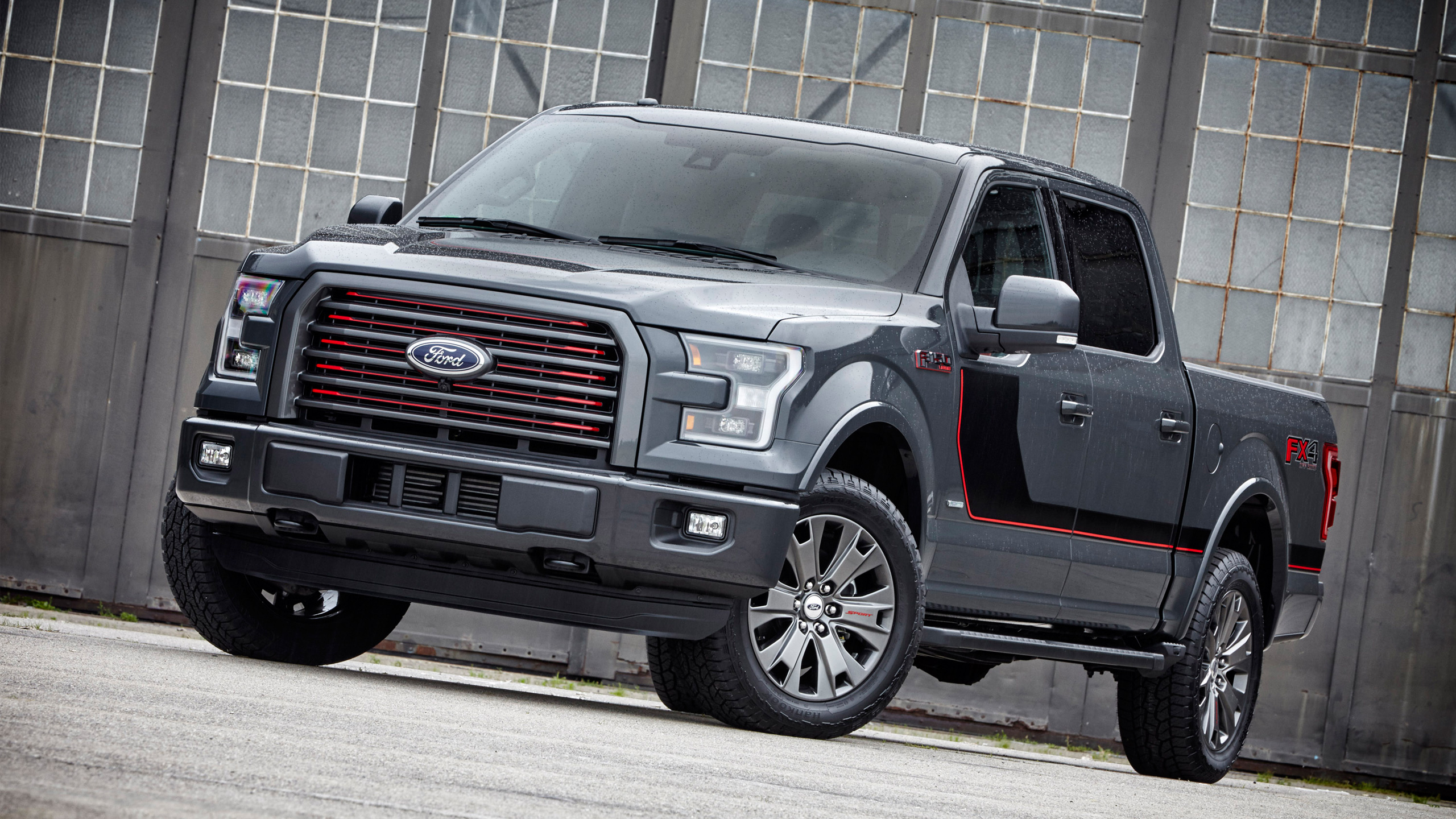
3. Ford F-150 (Older Models)
The Ford F-150 is one of the best-selling trucks in the United States, and older models, particularly those built in the late 1990s and early 2000s, are often considered some of the most DIY-friendly vehicles on the market. With its spacious engine bay, straightforward mechanical systems, and rugged build, the F-150 is an excellent choice for anyone interested in performing their maintenance and repairs.
One of the standout features of older Ford F-150s is their simplicity. These trucks feature durable, reliable engines with fewer computer-controlled systems compared to newer models, which means that they can often be repaired without needing specialized diagnostic tools.
Routine tasks like changing the oil, replacing the air filter, or replacing the brake pads are all manageable without professional help. Furthermore, the engine bay is spacious, meaning that there is plenty of room to work, even on larger components like the alternator or radiator. Many of the truck’s components are easily accessible and designed for durability, which reduces the likelihood of frequent repairs, making it less necessary to visit a mechanic for every issue.
Another key benefit of the F-150’s design is the wide availability of parts. Because the F-150 has been a top-seller for decades, replacement parts are easy to find and relatively inexpensive. Whether you need OEM parts or prefer to source aftermarket components, you’ll have plenty of options at your disposal.
This ease of access to affordable parts makes repairs less costly and allows DIY owners to maintain the truck themselves without worrying about expensive parts markups.
The F-150’s long production history also means that there are extensive repair guides, forums, and other resources available to help with any repairs or maintenance tasks. Whether you need step-by-step guides for more complex repairs or tips on how to diagnose issues with the truck’s mechanical systems, there’s a wealth of information available for F-150 owners.
This strong community support, combined with the truck’s relatively simple design, makes it a great choice for anyone looking to keep their repair costs low while enjoying the versatility of a full-size pickup truck.
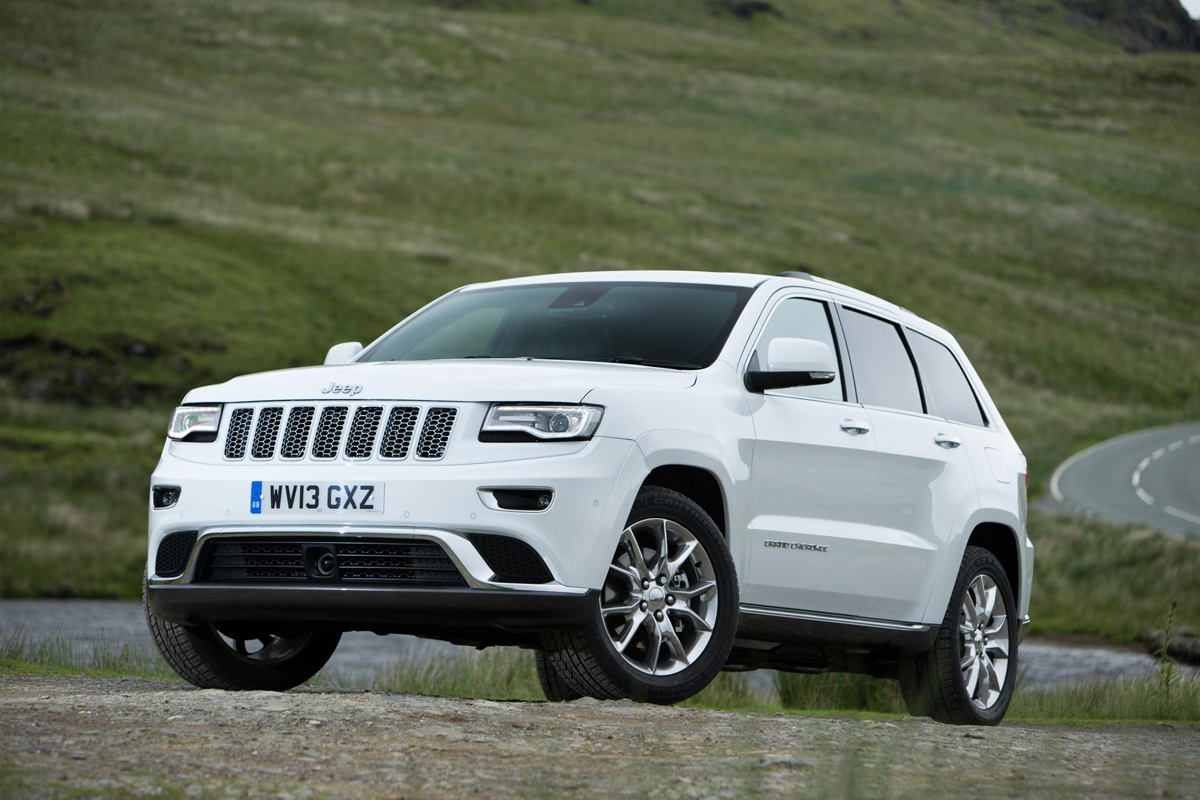
4. Jeep Cherokee (XJ)
The Jeep Cherokee XJ, which was produced from 1984 to 2001, remains a beloved vehicle among off-road enthusiasts and DIY mechanics alike. This SUV was designed with ruggedness in mind, and its relatively simple design and mechanical systems make it an excellent choice for those looking to do their repairs.
The engine bay in the Cherokee XJ is roomy enough to allow easy access to critical components, such as the engine, transmission, and brakes, without requiring any specialized tools. Whether you’re swapping out the brake pads or replacing a leaky radiator, the process is made simpler by the design of the vehicle.
One of the main reasons that the Jeep Cherokee XJ is so easy to work on is its mechanically straightforward systems. While many modern vehicles rely heavily on electronic control units and sensors, the Cherokee XJ retains a more traditional mechanical design that is easier for DIY mechanics to understand and repair.
The vehicle’s electrical system, though present, is not as complex as those found in newer vehicles, which means fewer potential issues with things like wiring harnesses, sensors, and control modules. This makes diagnosing problems much easier, as you can usually spot issues like worn-out hoses, leaks, or worn-out parts without needing specialized diagnostic tools.
In addition to its simpler mechanical systems, the Jeep Cherokee XJ benefits from the support of a passionate and engaged community of owners and enthusiasts. This strong support network provides a wealth of information, including repair manuals, video tutorials, and online forums where owners share troubleshooting tips and advice.
Whether you’re replacing the water pump, addressing suspension issues, or upgrading your exhaust system, there’s a good chance that someone else has done the same and can offer valuable insights. This sense of community is invaluable for DIY mechanics who want to get their hands dirty and keep their Jeep running smoothly.
The vehicle’s parts are also widely available and relatively affordable, which is another significant advantage for DIYers. As one of Jeep’s most iconic models, the Cherokee XJ benefits from a large aftermarket industry, meaning that you can find both OEM parts and high-quality aftermarket components without breaking the bank.
From common items like brake pads and air filters to more specialized components like steering components and suspension parts, there are plenty of options available. Many owners also report that Cherokee XJs require fewer repairs compared to other vehicles, as the robust design and solid construction mean fewer things go wrong in the first place.
5. Subaru Outback (Older Models)
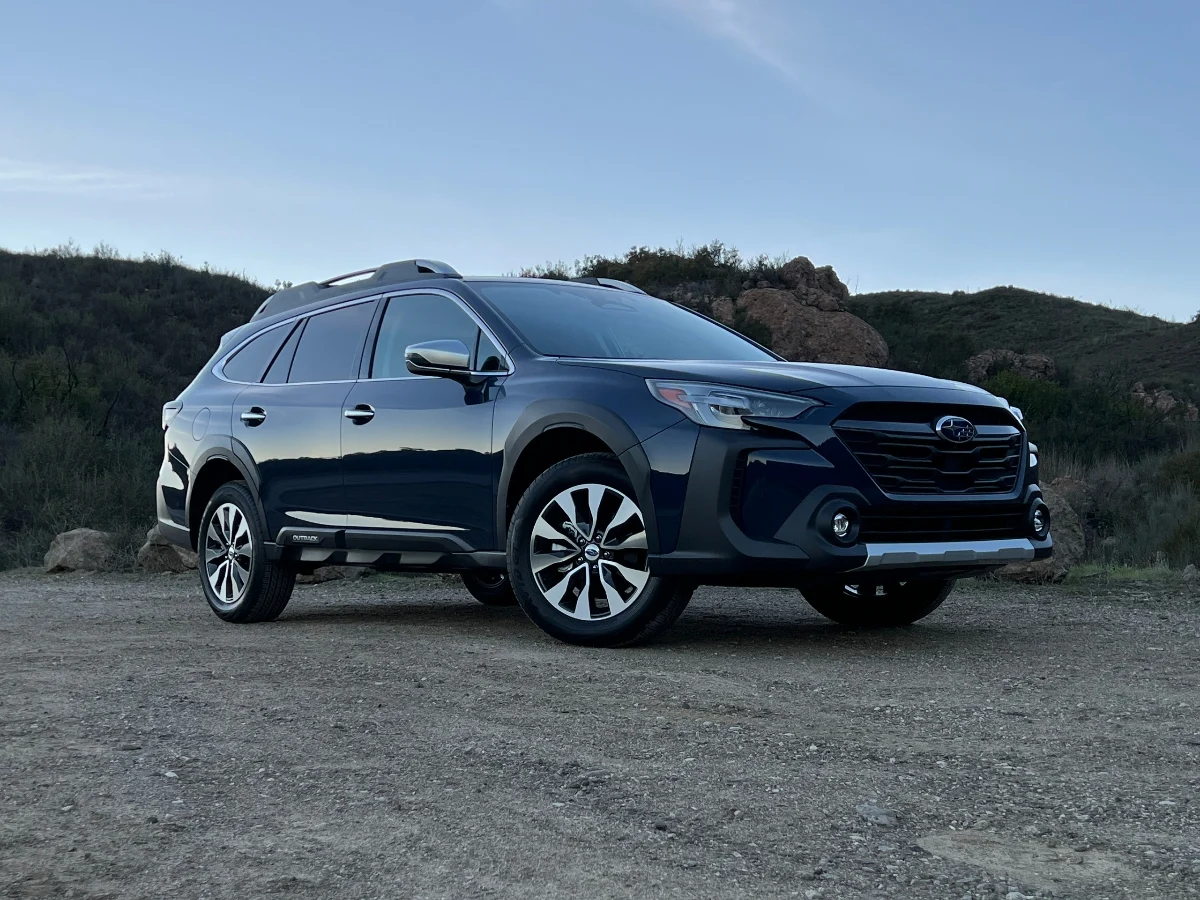
Subaru’s Outback, particularly the older models produced in the late 1990s and early 2000s, is another vehicle that is well-regarded for its ease of maintenance and reliability. The Outback’s design focuses on durability and simplicity, which makes it appealing to DIYers looking for a vehicle they can work on themselves.
Like the Toyota Corolla and Honda Civic, the Outback benefits from a straightforward engine design, and its spacious engine compartment allows for easy access to key components like the air filter, oil filter, and spark plugs. Tasks like changing the oil, replacing the timing belt, or swapping out brake pads can typically be done in an afternoon with a basic set of tools.
One of the unique features of the Subaru Outback is its use of the boxer engine, a horizontally opposed engine layout that is different from the more common inline or V-shaped engines found in most vehicles. While this design may seem unconventional, it is still relatively simple and allows for easier access to key components such as the timing belt and cylinder heads.
Many DIY mechanics find that working on a Subaru Outback is less intimidating than other vehicles with more complicated layouts. Furthermore, the Outback’s mechanical systems are not overly reliant on electronics, so diagnosing and fixing problems can usually be done with a manual and a multimeter, rather than requiring expensive diagnostic equipment.
Another reason the Subaru Outback is a favorite among DIY mechanics is the availability of parts. Subaru has built a strong reputation for reliability, and parts for older Outback models are relatively inexpensive and easy to find.
Whether you need a new alternator, fuel filter, or suspension component, there are numerous options available, both from the manufacturer and from aftermarket suppliers. The availability of affordable parts makes it much easier for owners to maintain their Outback on their own, without having to worry about spending a fortune on replacement parts.
5 Cars That Require Costly Mechanics
1. BMW 7 Series (Modern Models)
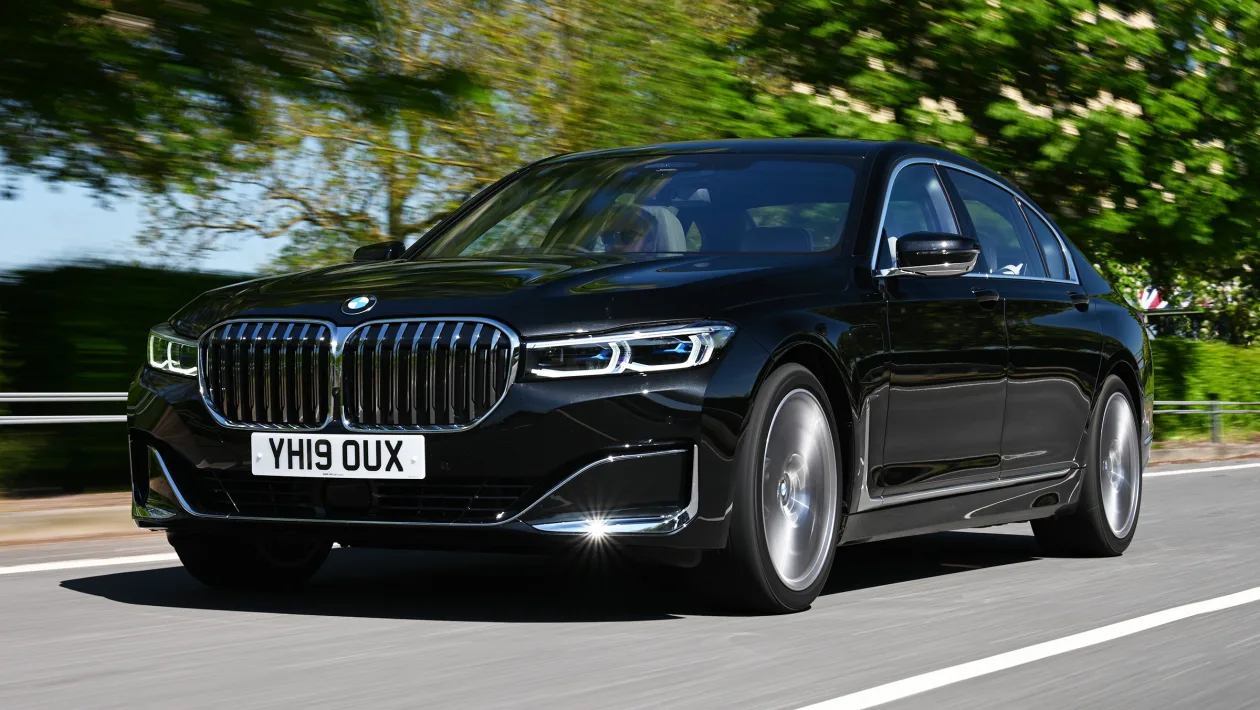
The BMW 7 Series represents the epitome of luxury, offering advanced features, high-performance engines, and an array of sophisticated systems designed for comfort and convenience. However, the same advanced technology that makes the 7 Series such a remarkable car also makes it notoriously difficult and expensive to maintain.
One of the primary reasons the BMW 7 Series is so costly to repair is its reliance on cutting-edge electronics. From the air suspension to the advanced driver assistance systems, the 7 Series has numerous sensors, computers, and modules that work in tandem to control various aspects of the vehicle. When one of these systems fails, it often requires specialized diagnostic equipment and professional expertise to identify and repair the issue.
The engine bay of the BMW 7 Series is also tightly packed, which makes even routine repairs more difficult than on simpler vehicles. Accessing parts like the alternator, fuel injectors, or even the battery can be challenging, requiring extensive labor to remove surrounding components.
As a result, labor costs for repairs tend to be higher than those for simpler vehicles, and even basic services like oil changes and brake replacements can become expensive when you factor in the labor involved in accessing key components.
Another significant cost factor is the price of parts. BMW uses high-end, often proprietary parts that can be costly to replace. Whether you need a new water pump, suspension component, or a computer module, parts for the BMW 7 Series can be much more expensive than those for a more mainstream vehicle. Additionally, because many of these parts are only available through authorized dealers, the cost of obtaining them can add up quickly.

2. Audi A8
The Audi A8 is a luxury sedan that combines performance, comfort, and technology in one impressive package. However, all these high-tech features come at a cost when it comes to maintenance and repair.
Audi’s flagship sedan is packed with sophisticated electronics, including a full suite of driver-assistance features, an advanced air suspension system, and numerous sensors that control everything from the brakes to the climate control system. While these systems enhance the driving experience, they also make the Audi A8 a challenging vehicle to maintain and repair.
The complexity of the A8’s design means that many repairs require specialized knowledge and diagnostic equipment. Even tasks that would typically be straightforward, such as replacing the alternator or changing the brake pads, can become complicated due to the intricate systems involved.
In some cases, accessing key components requires removing other parts, which increases the labor time and cost of repairs. Additionally, Audi’s use of proprietary components and materials means that replacement parts can be very expensive and difficult to find outside of authorized service centers.
Another reason the Audi A8 is so expensive to maintain is its reliance on advanced computer systems to control various aspects of the vehicle. When something goes wrong with one of these systems, it often requires professional diagnostic equipment to pinpoint the issue.
Many Audi A8 owners report that troubleshooting problems with the car’s electrical systems can be time-consuming and costly, as the diagnostics required to fix issues are often only available at Audi dealerships. Additionally, many repairs or software updates require the use of Audi’s proprietary tools, which adds to the cost of maintenance.
Finally, the Audi A8’s advanced suspension system, which includes air suspension components, adds another layer of complexity to its maintenance. These systems require careful calibration and can be expensive to repair or replace when they fail. As with many luxury cars, the cost of maintaining an Audi A8 is high, both in terms of parts and labor, and those who don’t have access to specialized mechanics will often find themselves paying a premium for professional repairs.

3. Tesla Model S
The Tesla Model S represents the future of automotive technology, with its electric powertrain, autonomous driving features, and cutting-edge software. While electric cars generally require less routine maintenance than traditional internal combustion vehicles, the Tesla Model S presents its own set of unique challenges when it comes to repairs.
The primary reason the Model S can be so expensive to maintain is the complexity of its electric powertrain and battery systems. Tesla’s battery packs are highly integrated with the vehicle’s systems, and replacing or repairing them requires specialized tools and knowledge that are generally only available at Tesla service centers.
In addition to the complexity of the battery system, the Tesla Model S is heavily reliant on software to control everything from driving modes to vehicle diagnostics. When something goes wrong with the software, it can require a full system reset or reprogramming, which is not something that can typically be done by an independent mechanic.
Tesla’s proprietary software and systems also mean that only Tesla-certified technicians can perform certain types of repairs, which drives up the cost of labor.
Lastly, although the Tesla Model S has fewer moving parts than a traditional vehicle, its reliance on advanced technology means that repairs can still be frequent, especially as the car ages. The battery and electric components, in particular, are prone to wear and can be costly to maintain or replace. As a result, while the Model S may save on traditional maintenance costs like oil changes, it can still require expensive repairs, especially if something goes wrong with the vehicle’s advanced systems.

4. Porsche 911 (Modern Models)
The Porsche 911 is one of the most iconic sports cars ever made, but it also comes with a hefty price tag when it comes to maintenance. While the 911 is known for its exceptional performance and engineering, it also features a highly complex setup that can make repairs both difficult and expensive.
One of the main challenges with maintaining a modern Porsche 911 is its reliance on advanced technology, including intricate suspension systems, high-performance brakes, and an advanced engine management system. Repairs to these systems require specialized knowledge and equipment, which can only be found at Porsche service centers or highly skilled independent mechanics who specialize in the brand.
The engine in the Porsche 911 is also packed into a compact space, which can make repairs more time-consuming and labor-intensive. Whether you’re replacing the timing chain, working on the air-cooled components, or performing a simple oil change, the tight engine compartment often means that access to key components is limited. This can significantly increase the amount of labor required to complete even basic repairs, driving up the cost of maintaining a Porsche 911.
Lastly, Porsche owners often find that certain parts and systems on the 911 require regular and costly servicing, which can be an issue for long-term owners.
While Porsche cars are built to last, the specialized nature of their engineering means that they require a level of care and expertise that goes beyond what most general mechanics can offer. This reliance on professional mechanics for even routine tasks can lead to significant maintenance costs over time.

5. Mercedes-Benz S-Class
The Mercedes-Benz S-Class is synonymous with luxury, performance, and advanced technology. As the flagship model for the German automaker, the S-Class is packed with features that are designed to offer the highest levels of comfort and driving experience.
However, all of these luxury features also contribute to the S-Class’s reputation for being difficult and expensive to maintain. One of the main reasons the S-Class is so costly to repair is its reliance on cutting-edge electronics and complex systems. From the air suspension to the numerous driver-assistance features, the S-Class is filled with technology that requires specialized knowledge and equipment to service.
Much like other high-end vehicles, the S-Class’s engine compartment is packed tightly with components, which means that even basic repairs require significant labor to access. Whether you’re replacing a component in the engine, servicing the transmission, or working on the air suspension system, the complexity of the vehicle means that repairs often take longer than they would for a simpler car. This results in higher labor costs and longer repair times.
Parts for the Mercedes-Benz S-Class are also expensive, particularly because many of the components used in the vehicle are specialized and proprietary. Whether you’re replacing the brake pads, suspension parts, or even the interior electronics, the cost of parts can quickly add up. Many of these parts are only available through authorized Mercedes-Benz dealers, which means that you’ll often pay a premium for replacement components.
