
Power windows are one of those vehicle features that drivers often take for granted until they stop working. While most new vehicles come with power windows as a standard feature, their reliability can vary greatly between models and manufacturers.
A jammed or malfunctioning window can quickly turn from a minor annoyance into a real issue, especially if it gets stuck open during a downpour or in extreme heat. Unfortunately, this problem is more common than many people realize. Some SUVs are known for having long-lasting, trouble-free window systems, while others tend to develop issues earlier than expected.
What causes power windows to fail? In most cases, it’s a combination of faulty motors, cheap regulators, worn-out switches, and exposure to moisture or dirt over time. Manufacturers who cut corners on these components often leave drivers dealing with repeated repairs. On the other hand, some automakers prioritize durability and install high-quality components designed to last for the life of the vehicle.
When it comes to SUVs, the stakes are even higher. These vehicles are often used for long drives, family road trips, and outdoor activities, making window functionality more important than you might think.
Nobody wants to deal with a stuck window when they’re hauling gear to a campsite or commuting during a thunderstorm. Some SUV owners are even forced to wedge their windows shut with cardboard or duct tape while waiting for costly repairs. That kind of hassle can sour the ownership experience quickly.
This article compares five SUVs that are widely recognized for their reliable power windows and five that have become known for early window failures. The goal is to help potential buyers, current owners, and auto enthusiasts make informed decisions about their vehicles.
If you’re planning to invest in an SUV or are curious about how your current model stacks up, this breakdown will offer useful insights based on long-term user reports, maintenance trends, and common patterns observed across different brands and years.
Also Read: 10 Cars With Tricky Seatbelt Buckles for Elderly Passengers
SUVs with Power Windows That Rarely Jam
1. Toyota 4Runner
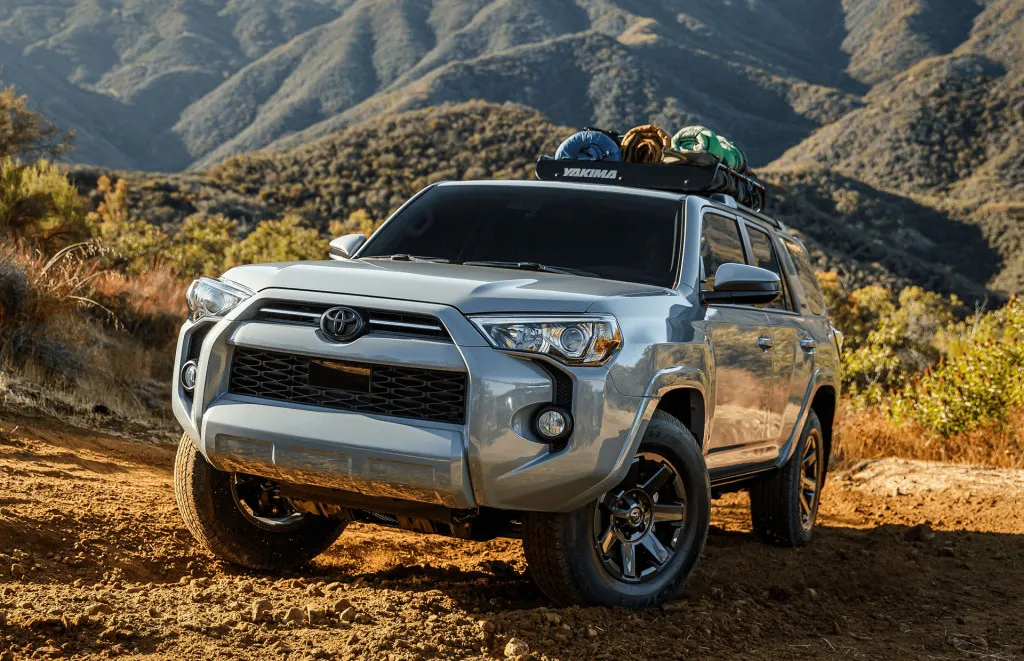
The Toyota 4Runner has built its reputation on being rugged, dependable, and virtually indestructible. This reputation extends to its electrical systems, including the power windows. Whether it’s the base SR5 or the high-end TRD Pro, the 4Runner uses window motors and switches that rarely cause problems. Many 4Runner owners have reported smooth window operation even after a decade of use and exposure to harsh weather.
What sets the 4Runner apart is Toyota’s consistency in sourcing durable electrical components. The regulator and motor assembly in the doors are built with long-term durability in mind, and the materials used don’t degrade quickly.
You’ll rarely hear about regulators snapping or motors burning out early, even on older models. The switches feel firm and tactile, and they’re designed to endure repeated daily use without loosening or wearing down.
Even more impressive is how well the 4Runner’s window system resists moisture and dirt, two of the biggest culprits behind window failure. Thanks to tight door seals and smart drainage design, water intrusion is kept to a minimum. Whether it’s dust from off-road trails or salt from winter roads, the 4Runner doesn’t let it affect the window hardware easily.
Owners often point out how they’ve had their 4Runner windows operating like new past the 200,000-mile mark with no service required. This type of reliability is one reason why the 4Runner holds its resale value and remains a favorite among SUV enthusiasts who prioritize function over flashy extras.
2. Honda CR-V
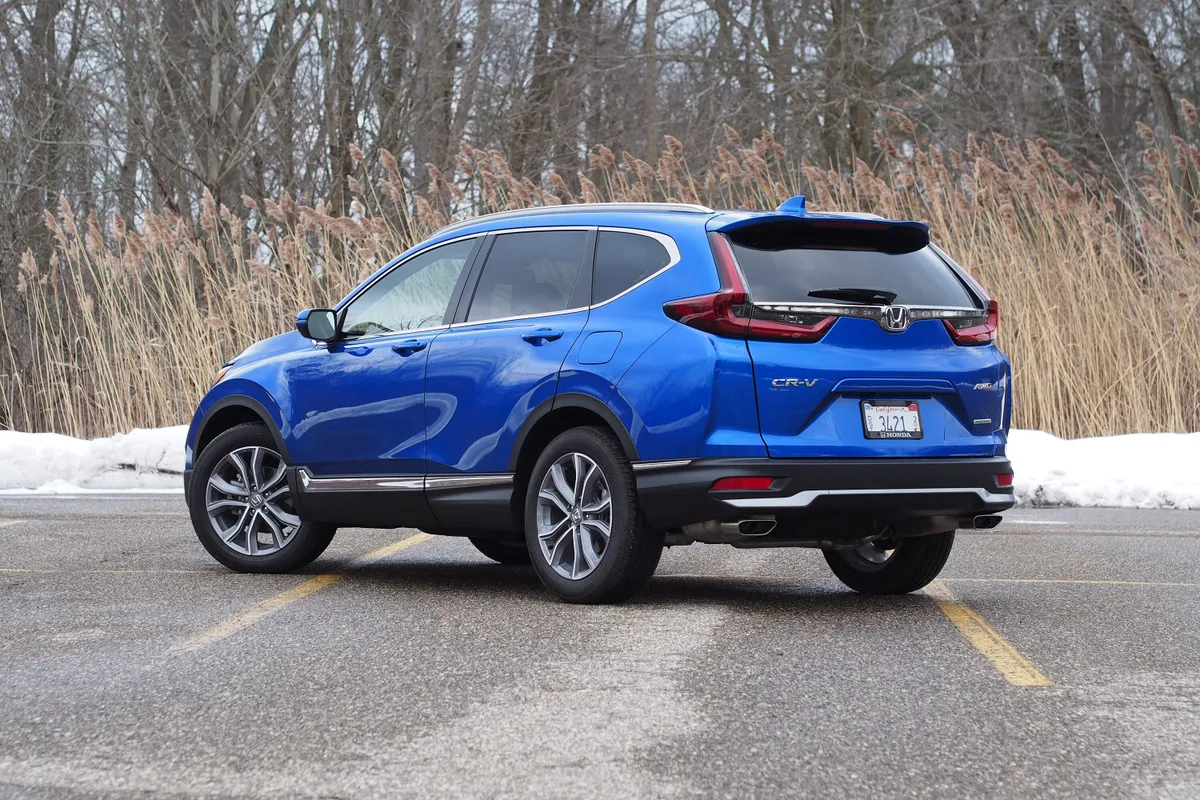
Honda’s CR-V is known for being a practical, efficient, and reliable compact SUV, and this extends to its power windows. Over multiple generations, the CR-V has consistently had fewer complaints related to window motors or regulators compared to many other SUVs in its class. It’s not uncommon to find decade-old CR-Vs with fully operational original window systems.
One of the reasons behind the CR-V’s reliability is Honda’s approach to design simplicity. There’s not a lot of overcomplication in the electrical system, and the windows benefit from straightforward engineering that minimizes potential failure points. Honda uses strong materials in the window regulator assemblies, and the motors are generally quiet, efficient, and long-lasting.
Another benefit is the smooth operation of the window switches. They don’t feel flimsy, and even after years of use, they maintain their responsiveness. While some manufacturers skimp on these small parts, Honda tends to favor quality and user experience. CR-V owners rarely mention needing to replace switches or motors, even as their vehicles age.
Even in colder climates, where many vehicles see more window issues due to freezing and moisture, the CR-V continues to perform reliably. The seals are solid, and the moisture protection around the window tracks seems to be well-engineered. These design decisions make the CR-V a standout when it comes to window system durability.
3. Lexus GX 460
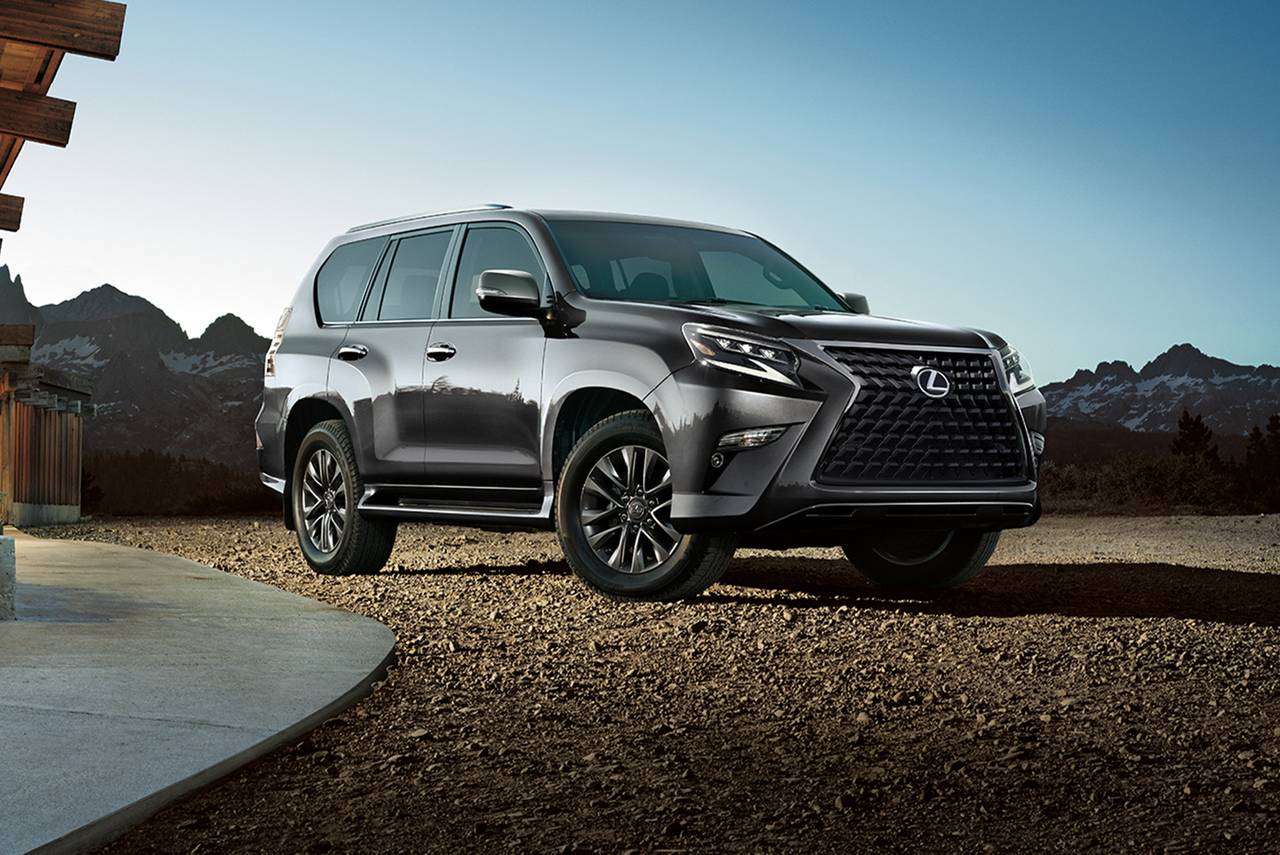
The Lexus GX 460, a luxury SUV built on a truck platform, combines rugged construction with premium reliability. While most buyers look at it for its V8 engine and off-road chops, one of the unsung strengths of the GX 460 is its power windows, which are known for near-flawless performance over time.
Lexus, being Toyota’s luxury division, benefits from the same reliability principles but with upgraded materials. The motors in the GX 460 are smooth and quiet, and even after years of use, they continue to function without noise, delay, or failure. The switches have a solid tactile feel, and they resist wear and fading better than most in their segment.
In part, the GX 460’s reliability stems from how overbuilt it is. It’s designed to handle extreme conditions, including dusty trails and long stretches of highway travel, and the windows are made to work without complaint in these scenarios. Owners report using the vehicle for both city driving and off-road expeditions without experiencing issues with window jamming.
Another strong point is Lexus customer service. Even if something were to go wrong, the brand’s reputation for fast, no-hassle warranty service helps maintain confidence in the product. But in most cases, the GX 460’s window system remains untouched for years, which is rare in any vehicle category.
4. Mazda CX-5
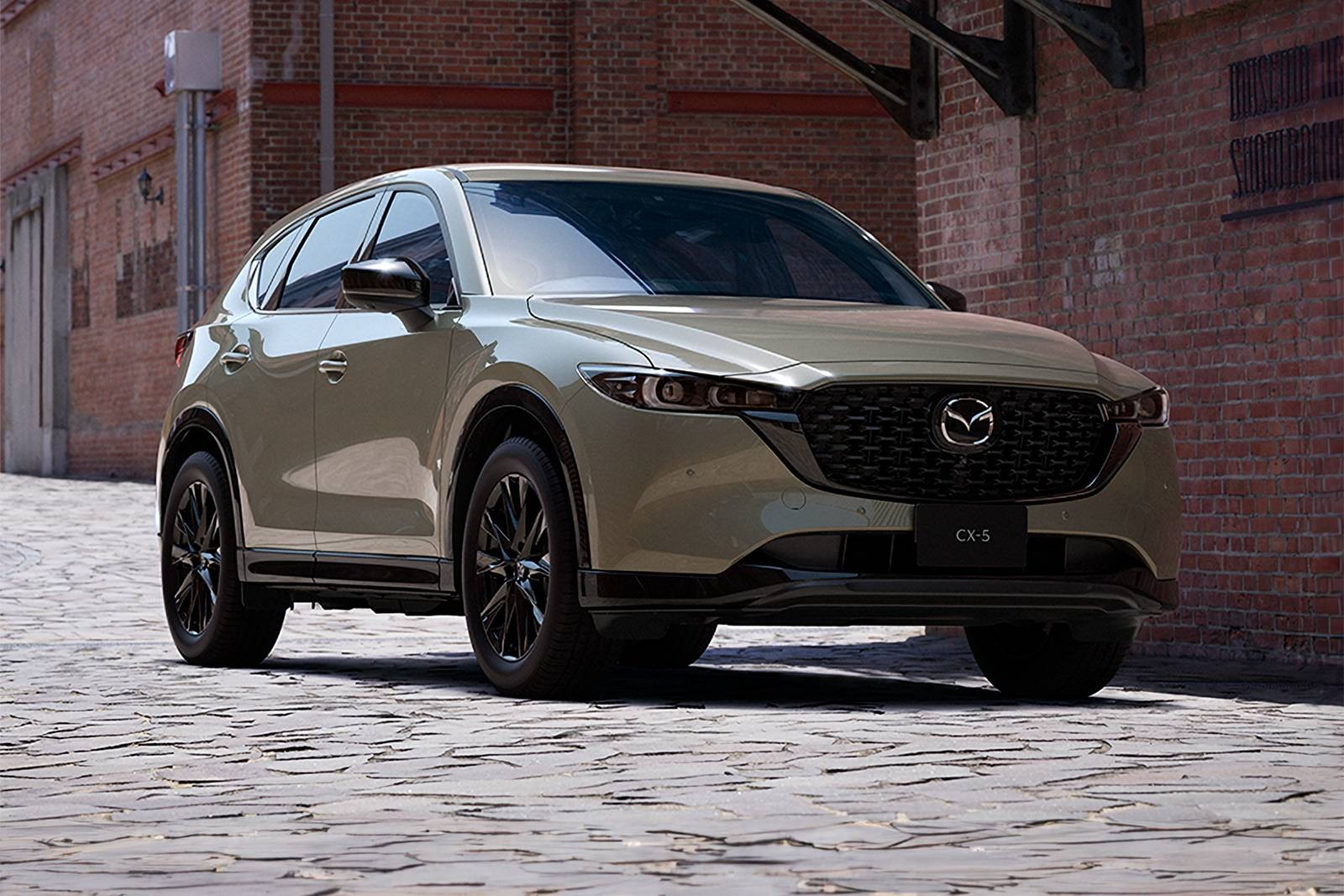
Mazda has gained attention in recent years for building stylish, fun-to-drive vehicles with above-average reliability, and the CX-5 is no exception. Among compact SUVs, the CX-5 has one of the lowest rates of complaints involving power windows. Whether it’s the base model or a fully loaded Signature trim, the window motors, tracks, and switches tend to hold up extremely well.
Mazda’s attention to build quality shows in the smooth operation of the windows. The motors are quiet, the glass slides evenly, and the response from the switches is consistent. Mazda didn’t cut corners when it came to the internal mechanics of the doors. You don’t hear the grinding or hesitation that often plagues other models after just a few years.
Another reason the CX-5 avoids jamming is its excellent insulation. The seals around the windows and doors are snug, preventing water and debris from sneaking into the window tracks. In addition, the window systems handle temperature swings well, avoiding the expansion and contraction issues that can damage cheaper window mechanisms.
CX-5 owners often praise the vehicle’s long-term quality, and it’s not unusual to hear stories of people putting over 100,000 miles on the SUV with zero issues with the power windows. This level of reliability adds to the satisfaction and helps position the CX-5 as one of the more solid choices in its class.
SUVs with Power Windows That Tend to Fail Early
1. Jeep Grand Cherokee
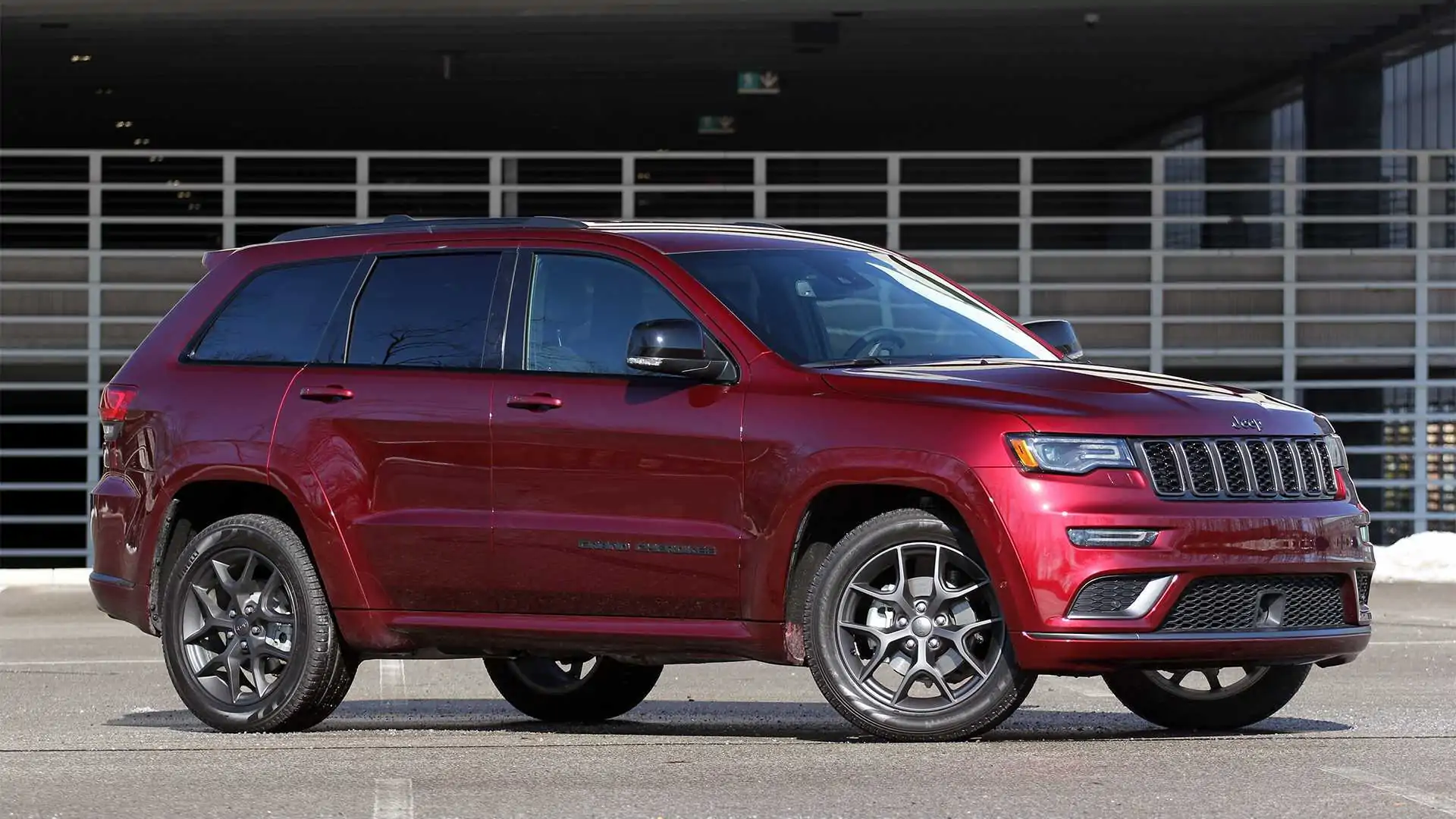
The Jeep Grand Cherokee has a loyal following thanks to its off-road capability and powerful engine choices, but when it comes to power window reliability, it’s a mixed bag. Many owners across various model years report issues with windows getting stuck, falling into the door, or making grinding noises. These problems can appear surprisingly early, sometimes within the first few years of ownership.
One recurring problem in Grand Cherokees is the window regulator. It’s not uncommon for the plastic clips inside the regulator assembly to break, which causes the window to drop or become misaligned. These parts can fail without warning, and they’re not especially cheap to replace. Even when replaced, the aftermarket parts may not hold up much better than the original.
Another common complaint involves the window switches. They can become unresponsive or intermittently work, especially in models with the touch-sensitive central switch module. Some users report needing to replace switches multiple times due to internal circuit issues. This adds to the frustration and cost of owning the vehicle.
Environmental factors seem to affect the Grand Cherokee more than some competitors. In areas with a lot of rain or dirt, window tracks can wear prematurely, and the system doesn’t always handle moisture well. For those who use the vehicle for outdoor recreation, this can become a regular inconvenience.
Even though Jeep has made improvements in more recent models, window-related complaints continue to appear. Until the company fully addresses the design flaws in the window mechanism, the Grand Cherokee remains one of the more problematic SUVs in this regard.
2. Chevrolet Equinox
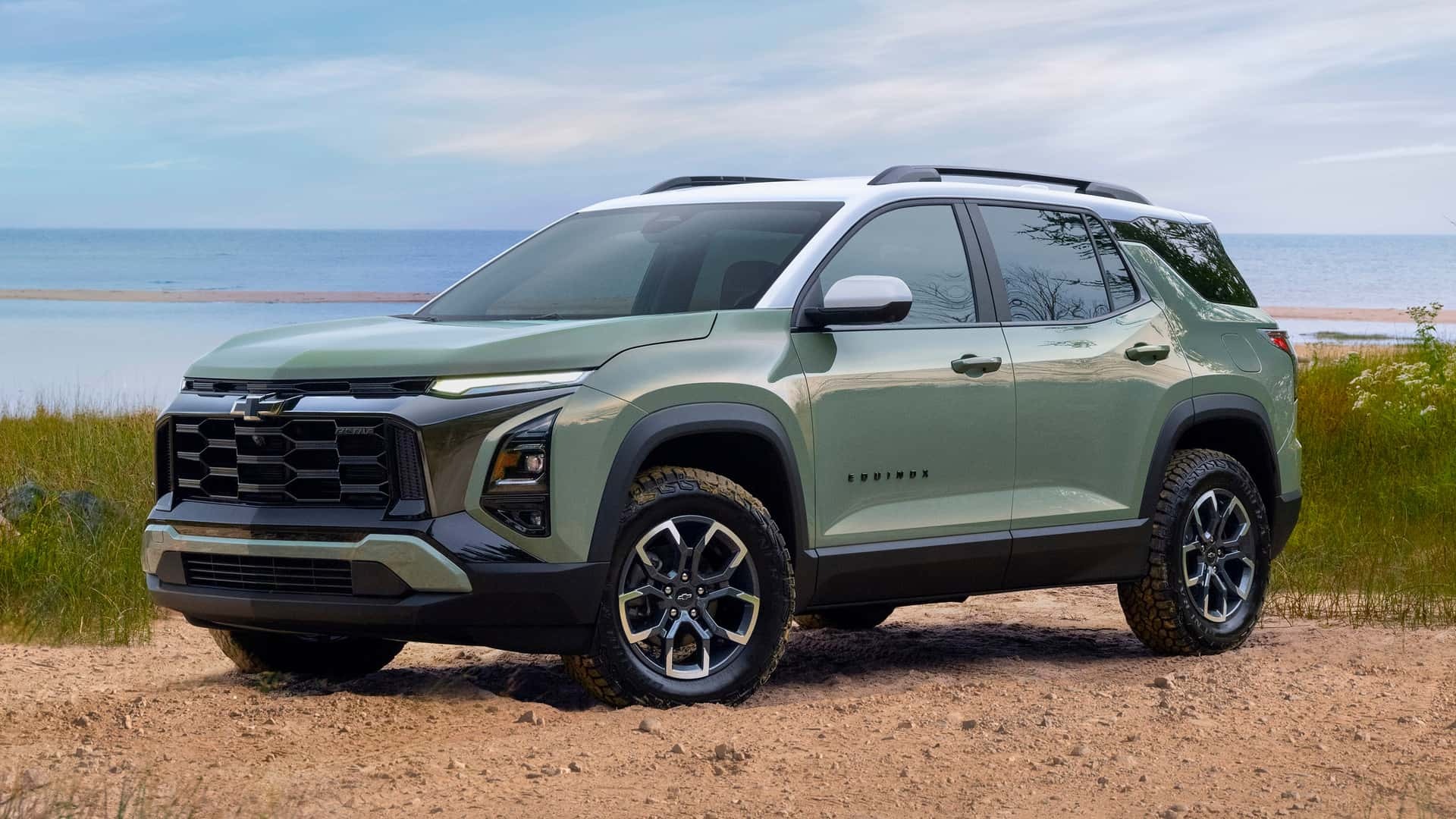
The Chevrolet Equinox, especially models produced in the early 2010s, has had a fair share of issues with its power window system. While the SUV offers comfortable seating and decent driving dynamics, its window regulators and motors have drawn a lot of criticism from long-term owners.
Many complaints focus on the fact that windows tend to stop working or jam well before the vehicle reaches higher mileage. In some cases, drivers report window issues within the first 50,000 miles. This type of failure is frustrating, especially considering that the cost of repair, though not astronomical, can still be a regular financial annoyance.
The core problem in many Equinox models lies in the regulator design. The cable-driven systems tend to fray, stretch, or completely snap, leaving the window either stuck in place or sliding down into the door. The motor assemblies, while not the weakest in the industry, don’t do much to make up for this design flaw.
Sometimes, the motor itself is perfectly fine, but it can’t operate the window due to the faulty regulator. Some mechanics even recommend replacing both the motor and regulator at the same time to avoid repeat service, which increases the cost of an otherwise avoidable issue.
Additionally, owners have noted that Equinox door seals aren’t particularly well-designed when it comes to protecting the window internals from the elements. Water intrusion, especially in colder climates where freezing occurs, can worsen existing problems.
When moisture gets into the window track or switch housing, it can create rust or short circuits. In certain cases, windows have even been known to lower on their own or fail to close properly due to moisture interfering with the motor or control module.
Another downside is that these issues aren’t always covered under warranty, depending on mileage and age of the vehicle. For owners who expected long-term reliability from a family-oriented SUV, having to make multiple trips to the mechanic for a basic function like the power windows can lead to serious dissatisfaction. Although newer generations of the Equinox have improved in many areas, the legacy of these window issues continues to affect the model’s reputation.
3. Ford Escape
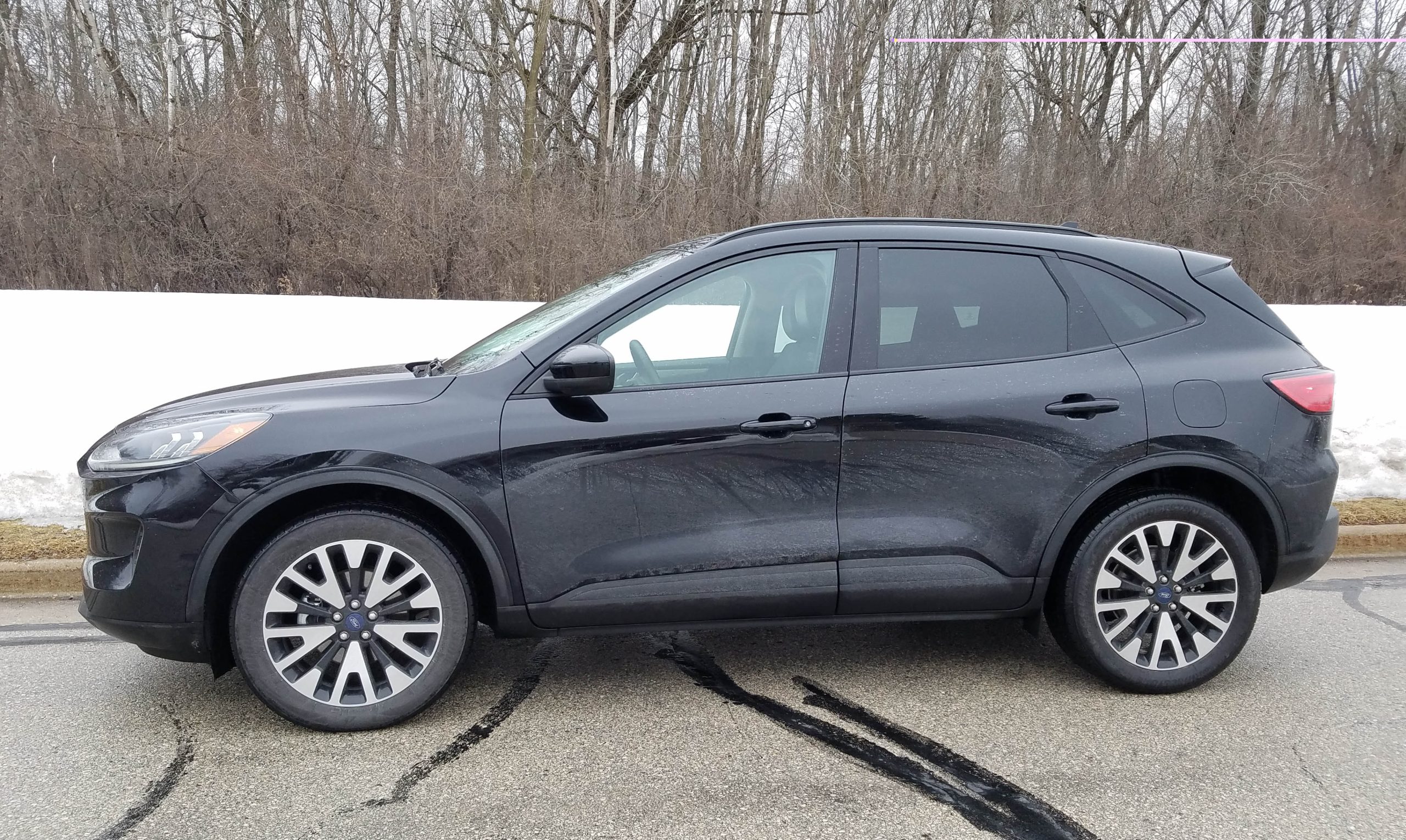
The Ford Escape is another compact SUV that has enjoyed popularity in the U.S. market, but its power window reliability hasn’t lived up to expectations for many owners. Particularly in the third-generation models (2013–2019), reports of window regulators failing early have been common.
Unlike occasional electrical problems that might be fixed with a fuse or software update, window regulator failure usually requires disassembling the door and replacing mechanical components, a time-consuming and often expensive repair.
In many reported cases, the regulator cable detaches from the spool or becomes misaligned, which leads to the window either getting stuck in a partially open position or falling down completely into the door panel. Some Escape owners experience a “pop” sound before the window drops, indicating a snapped cable or broken clip inside the regulator assembly.
This failure seems to happen regardless of climate or mileage, pointing to a fundamental weakness in the part’s design or material quality. In colder regions, freezing conditions can accelerate the failure, but many issues also arise in warm, dry areas, making it a broader design concern.
The Escape also struggles with occasional electrical glitches tied to the power window switch modules. These switches can become nonresponsive, either intermittently or permanently, which adds another layer of frustration.
Even after replacing the switch, users have sometimes found the problem recurring, suggesting poor compatibility or deeper electrical integration issues within the door system. For a model aimed at providing dependable family transport, such inconsistencies are a serious drawback.
Customer complaints have led to service bulletins and some partial recall coverage, but many owners have found themselves paying out of pocket for repairs that arguably should not have been necessary on a relatively young vehicle.
The perception of the Escape as a reliable and user-friendly SUV takes a hit when even simple features like the windows become unreliable. While newer versions have improved in many areas of tech and performance, the earlier Escape models’ window issues remain a cautionary tale for used car buyers.
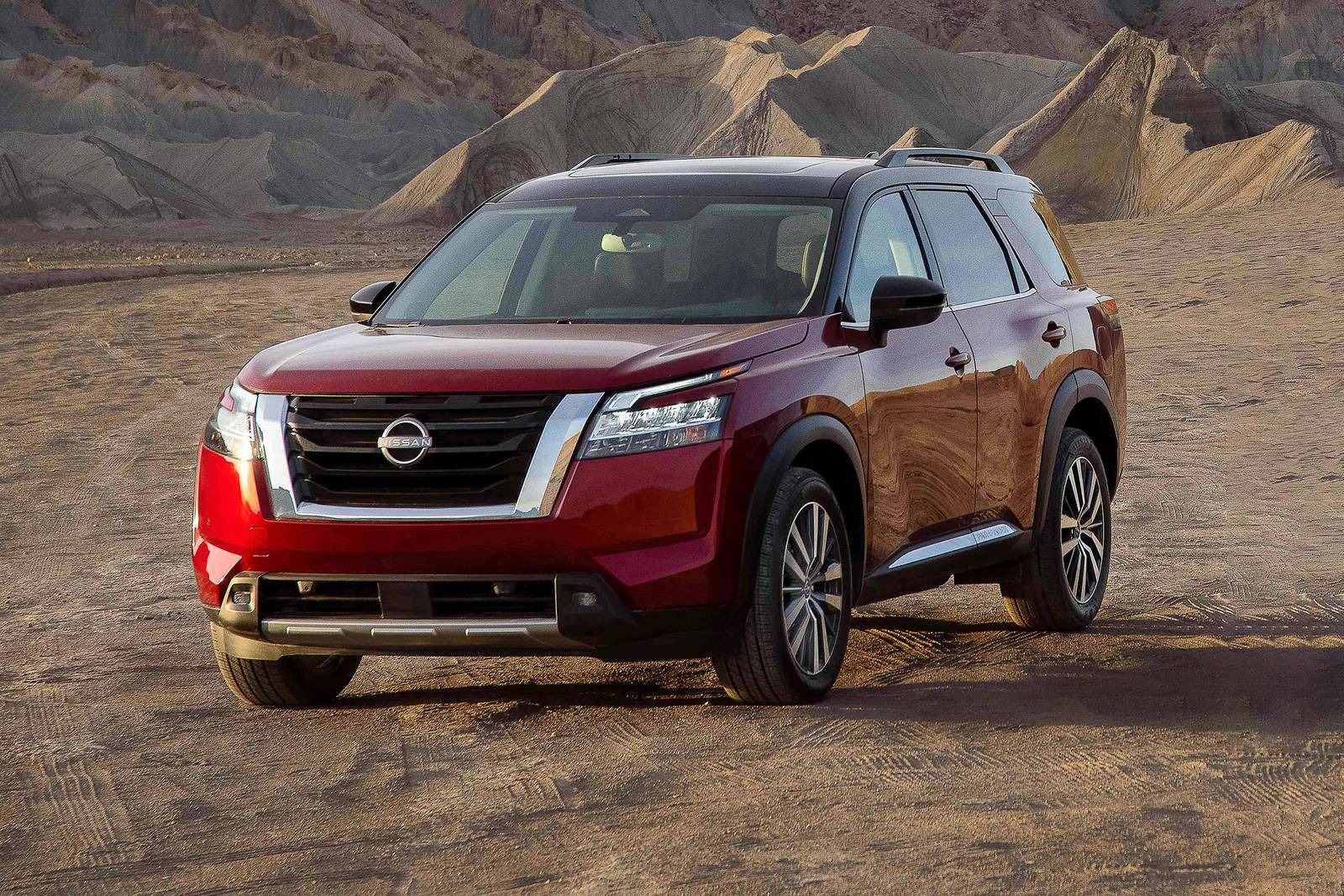
4. Nissan Pathfinder
The Nissan Pathfinder, especially the fourth-generation models (2013–2020), has faced mixed reviews when it comes to long-term durability. One of the persistent complaints from owners relates to power windows that stop functioning well before expected.
While Nissan generally delivers well-balanced vehicles with smooth drivetrains and plenty of features, the internal components of the power windows on the Pathfinder often don’t stand the test of time. This problem has become a source of frustration for many families who bought the SUV expecting low maintenance.
One of the main issues is a weak or prematurely worn window regulator, which tends to become noisy or completely inoperative over time. When attempting to lower or raise the windows, owners may hear grinding sounds, clicking, or feel slow, jerky movement.
In worst cases, the window will stop mid-motion or fall out of alignment entirely. Unlike some other brands, where regulators tend to last a decent amount of time, Pathfinder owners have frequently cited needing replacement well under 70,000 miles, sometimes even before hitting 50,000. That’s uncomfortably early for such a critical feature.
The problems don’t stop with the mechanical components. The power window switches also appear to be less robust than those used in competing SUVs. In some models, the driver’s control panel becomes unresponsive or malfunctions, either due to a poor connection or weak internal contact points.
There are even cases where windows can no longer be controlled from the driver’s panel but still work from the individual door switches. While it’s not a safety issue in the same sense as an engine or brake failure, it’s a daily annoyance that interferes with basic functionality and undermines user satisfaction.
Many customers have expressed concern that such a basic issue continues to go unresolved, especially given the mid-range to premium pricing of the Pathfinder in its trim levels. Repair costs are not prohibitively expensive, but the inconvenience and repetition of these failures are what stand out.
Combined with other common issues like CVT transmission quirks, the power window problems add to a broader perception that Nissan didn’t invest enough in durability in this model generation. Those shopping for a used Pathfinder would be wise to check window operation on all doors before finalizing a purchase.
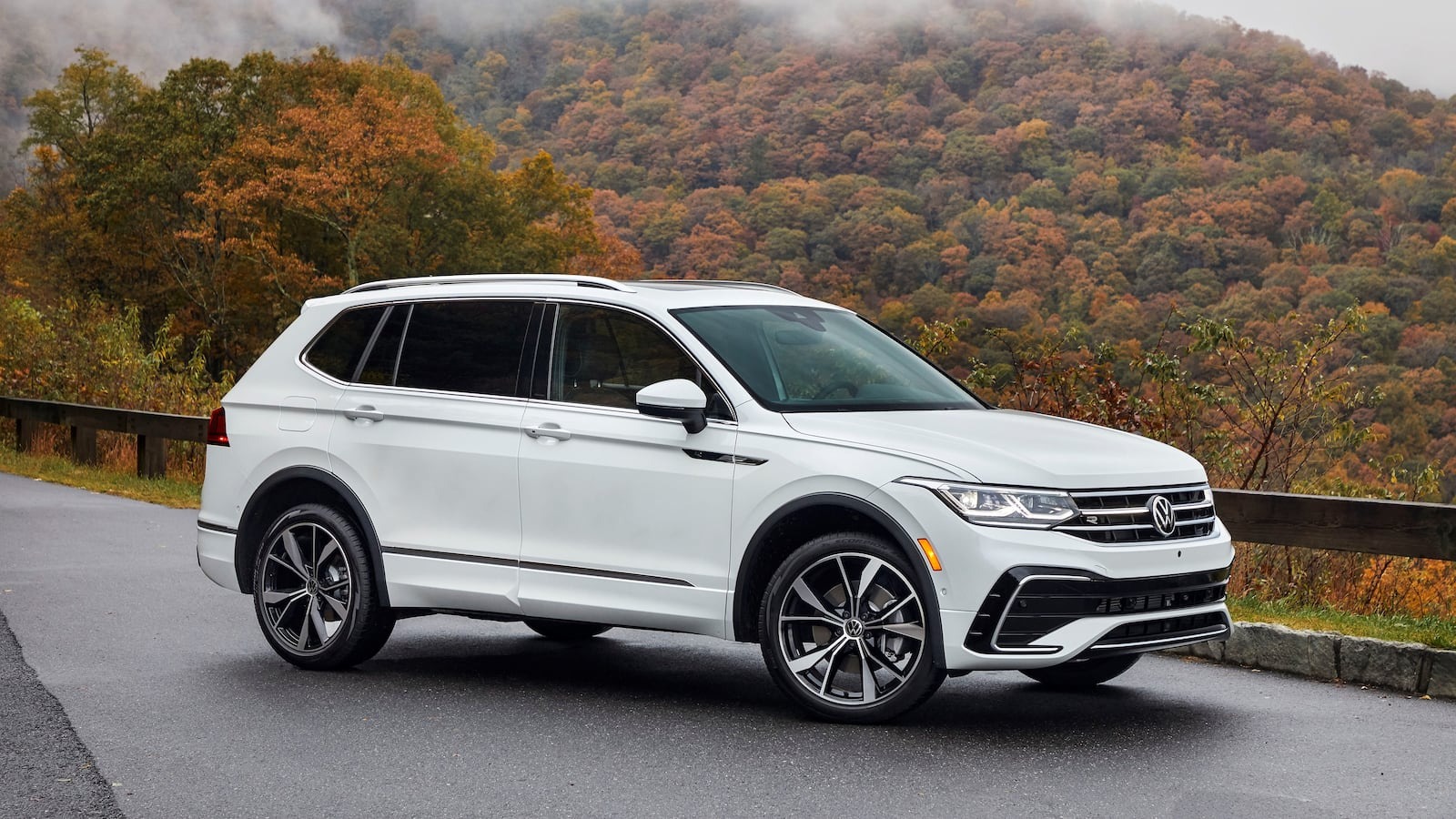
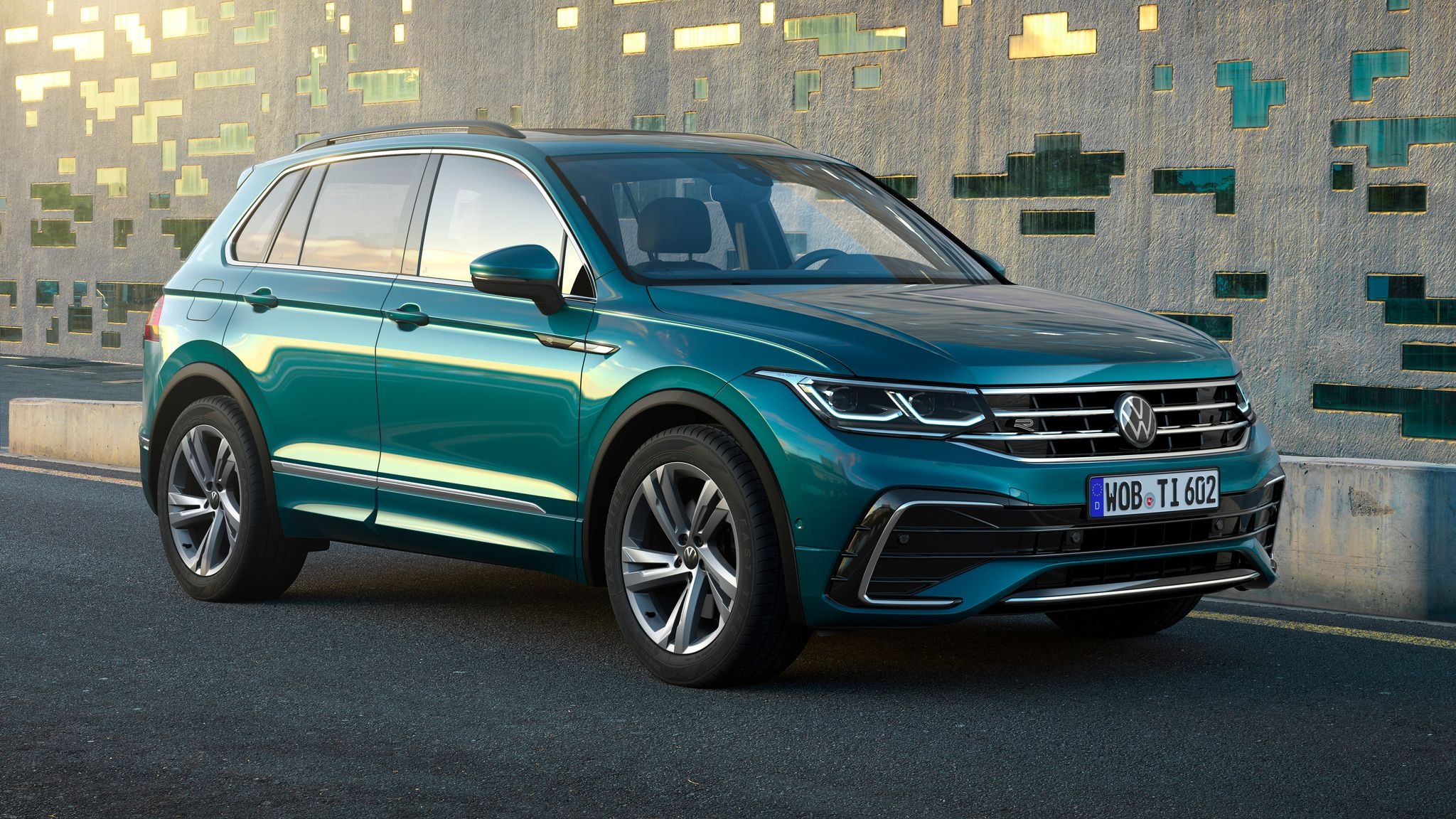
5. Volkswagen Tiguan
Volkswagen’s Tiguan is often praised for its European styling and refined interior, but one area where it tends to fall short is in the durability of its power windows. The issue isn’t exclusive to one model year or trim; across multiple generations, owners have voiced complaints about slow window motors, regulators that wear out early, and switches that lose function without warning.
While the Tiguan offers a comfortable and tech-savvy ride, these basic mechanical issues can overshadow the more premium aspects of the vehicle.
One of the most frequent problems reported involves sluggish or intermittent window operation. In many cases, the window will pause or slow down mid-motion, indicating that the motor is either underpowered or dealing with internal friction caused by a misaligned track or worn-out guide.
This issue becomes particularly pronounced during colder weather, where condensation and minor freezing can severely affect window speed. For a vehicle that positions itself as a premium compact SUV, such inconsistent behavior feels out of place and diminishes the sense of refinement.
Another recurring problem lies with the window regulators themselves. The design used in the Tiguan features plastic parts that are prone to breaking after a few years. Once the plastic clip or bracket fails, the window can drop inside the door or get stuck off-track.
Some owners have experienced this problem multiple times, even after dealer-installed replacements. The result is a repair cycle that feels never-ending, particularly if the vehicle is outside its basic warranty coverage. Owners who frequently use their windows, especially during toll routes or drive-thrus, are the ones most affected.
Electrical issues can also creep in, with certain Tiguans suffering from unresponsive or glitchy master switches. Unlike more robust systems, the Tiguan’s window controls sometimes stop working due to software bugs or contact corrosion. These problems aren’t always easy to diagnose, which can lead to higher diagnostic costs and trial-and-error repairs.
While Volkswagen offers a strong driving experience and impressive cabin quality, the window issues remind buyers that even small components can become major sources of frustration. For a brand that promotes engineering precision, the Tiguan’s window reliability feels like an unfortunate blind spot.
Also Read: 5 Cars That Heat Up Fast in Winter vs 5 Cars That Take Forever to Warm Up
Power windows may seem like a minor convenience, but their reliability, or lack thereof, can significantly impact a driver’s daily experience. When windows operate flawlessly, they’re barely noticed.
But when they start to fail, they become a recurring source of irritation and repair costs. The difference between a well-designed window system and a poor one is often not in the brand’s reputation, but in how seriously the manufacturer takes long-term durability for all components, not just the engine or drivetrain.
Whether it’s poorly designed regulators, weak motors, or unreliable switches, these issues add up to ongoing frustration for owners. In some cases, window failures are early warning signs of broader cost-cutting measures that affect other parts of the vehicle, too.
For buyers in the market for a new or used SUV, paying attention to window reliability may not seem like a top priority, but it should be on the checklist.
Ask current owners, read long-term reliability reports, and don’t ignore early signs of slow or noisy operation. While it’s easy to get distracted by big screens, horsepower numbers, or luxury trims, sometimes it’s the basic stuff, like working windows, that truly makes a vehicle satisfying to live with.
