
Seat belts are one of the most essential safety features in any vehicle, and their reliability plays a big role in both driver confidence and passenger safety. While the function of a seat belt may seem simple at first glance, a lot goes into the design, mechanics, and quality of this component. One of the more overlooked aspects of seat belts in trucks is how smoothly they retract.
A seat belt that works smoothly might not be noticeable daily, but one that jams, sticks, or retracts poorly becomes an annoyance almost instantly. Over time, poor retraction can not only affect comfort and convenience but also impact safety, especially in emergencies where every second matters.
Drivers of heavy-duty and light-duty trucks often face unique interior challenges due to the rugged environments these vehicles are used in. Trucks are typically subjected to more wear and tear, exposure to dust and debris, and varying temperature conditions, which can all affect the moving parts inside the seat belt mechanism.
Moreover, many truck owners spend long hours behind the wheel. In such cases, having a seat belt that consistently functions without hiccups makes a meaningful difference. When seat belts retract properly, they remain out of the way when not in use, reduce driver distraction, and provide a cleaner and more organized cabin.
On the flip side, belts that constantly jam can get caught in the door, hang awkwardly, or fail to lock and release properly, leading to frustration and even avoidance of seat belt use in some rare cases.
This article takes a close look at 10 trucks, evenly divided between those that have reputations for smooth seat belt retraction and those that are often reported to have jamming issues. These aren’t necessarily tied to luxury or brand prestige. Some budget-friendly models perform better in this regard than more expensive ones, simply because of better mechanical design or component durability.
Each truck will be discussed based on real-world impressions, common owner experiences, and practical usability in regular driving scenarios. The aim is not only to highlight which trucks excel but also to point out common trends or flaws that contribute to seat belt jamming. This way, prospective buyers or current owners can get a better sense of what to expect and where possible improvements might be made.
Also Read: 5 Cars That Heat Up Fast in Winter vs 5 Cars That Take Forever to Warm Up
5 Trucks with Smooth Seat Belt Retraction
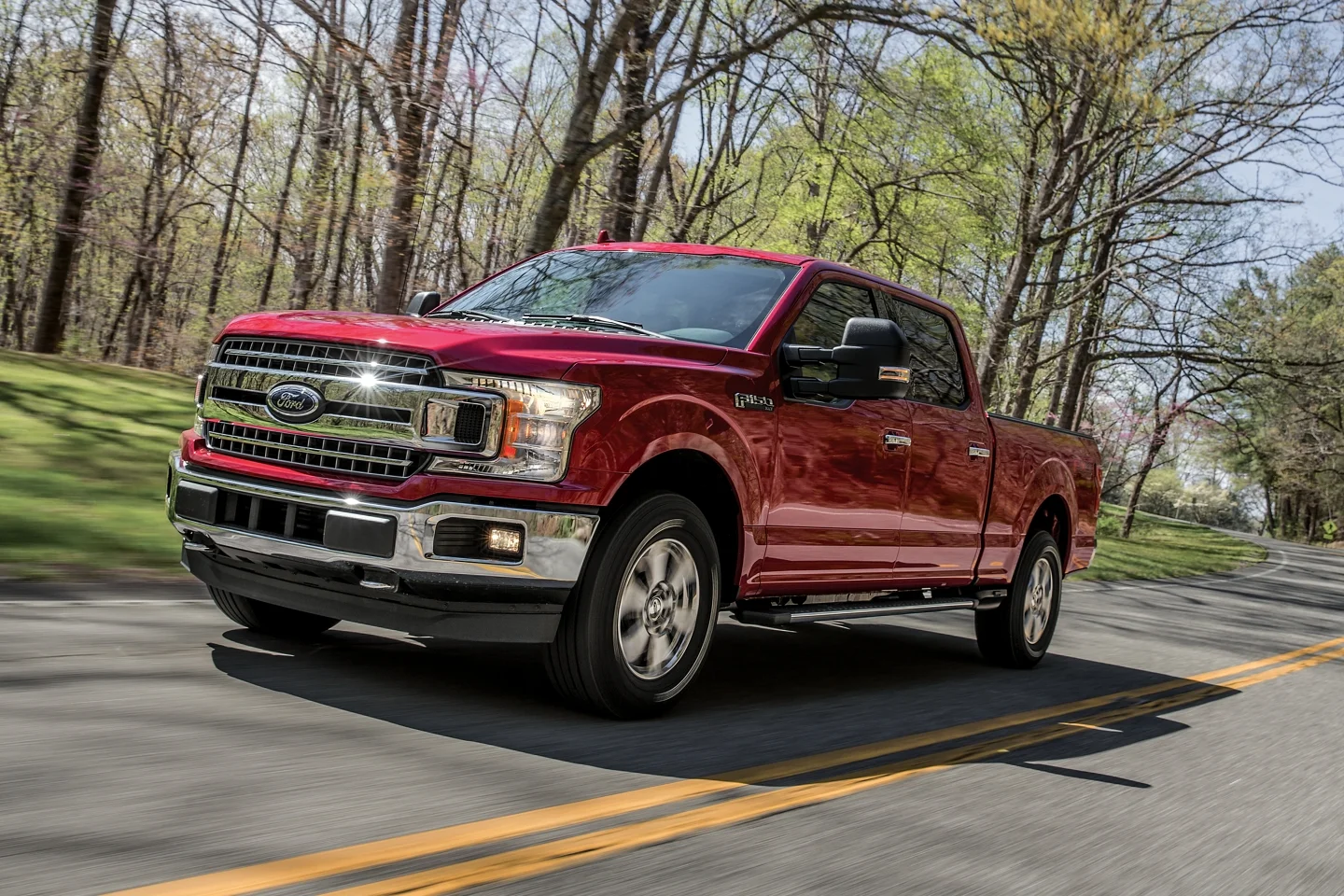
Ford F-150
The Ford F-150 continues to be one of the best-selling trucks in North America, and it’s often praised for its combination of utility and everyday comfort. One area where the F-150 stands out is in the consistency of its seat belt performance. The seat belts, especially in models from 2020 onward, retract smoothly and reliably.
This may seem like a small benefit, but it quickly becomes noticeable when getting in and out of the truck multiple times throughout the day. Whether it’s the driver’s seat or the rear passenger seats, the belts tend to slide back into their holsters without much resistance. This is particularly helpful in work environments where quick and repeated access to the vehicle is common.
Owners have often noted that the seat belts in the F-150 feel “well-tuned.” They don’t tug too tightly during normal driving, but they also don’t hang loose or flap around. This balance is important because it prevents both discomfort and distraction.
When retracting, the belts snap back with just the right amount of speed and strength, fast enough to avoid hanging slack but slow enough not to whip back aggressively. Ford seems to have made deliberate design choices around the spring tension and guide path within the belt mechanism, which has contributed to this positive experience across multiple trim levels.
Another reason the F-150 seat belts work well is the interior layout. The seats and trim around the belt system are built with enough clearance to avoid obstructions. This may sound basic, but in many trucks, belts get caught between seats or trim pieces, causing wear or jamming.
Ford avoids this by ensuring the belts have a clear and unhindered path, even when the seat is adjusted for different body types. This kind of thoughtful engineering helps the belt perform reliably over time and minimizes frustration for the driver and passengers.
Additionally, the materials used in the belt webbing and the retractor mechanism itself appear to hold up well under long-term use. Trucks often see extreme temperatures, from freezing mornings to sweltering afternoons, and the F-150 belts tend to function the same regardless of the weather. This kind of consistency isn’t accidental. It’s a sign of durability and good testing standards, which adds to the comfort and safety of the vehicle.
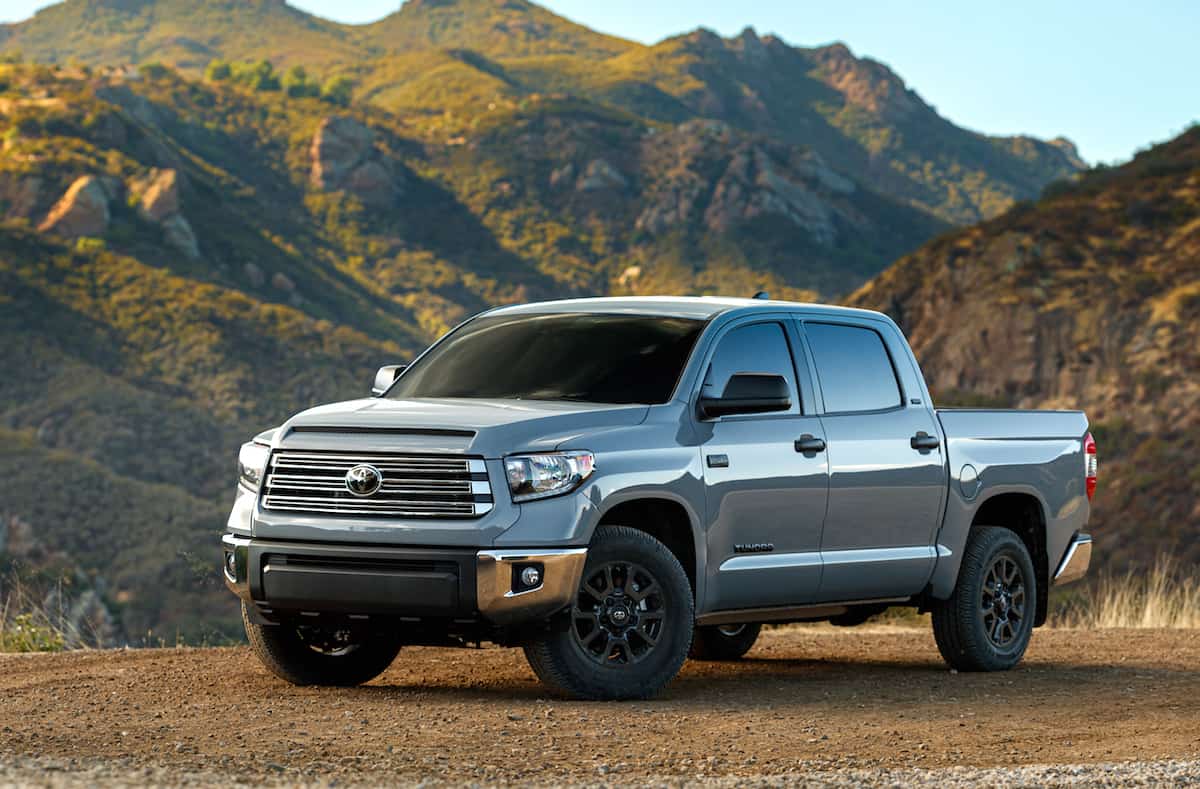
Toyota Tundra
The Toyota Tundra has long been known for its rugged build and dependable performance, but one feature that often goes underappreciated is the consistency of its interior components, including the seat belts. In the Tundra, the seat belt retractors are designed with a focus on long-term durability.
One of the key benefits owners notice is that the belt never seems to lag or hang loosely when unbuckled. Instead, it retracts steadily and fully, reducing the need for users to manually feed the belt back into its housing. This results in less wear on the belt itself and less annoyance for the driver. Toyota seems to have gotten the mechanics right here, and while it’s not something that gets advertised in brochures, it’s a product of well-engineered components behind the scenes.
What contributes to the Tundra’s strong showing in this category is the uniformity across different trims. Whether you’re dealing with the SR base model or the fully-loaded 1794 Edition, the seat belt quality feels consistent. Some brands tend to include smoother belt mechanisms only in higher trims, but Toyota keeps the performance level equal, which is especially important for fleet and commercial buyers who rely on base models.
The belt tensioners in the Tundra offer enough resistance to create a secure feel, but not so much that they make wearing the belt uncomfortable. Additionally, the belt tongue, the part that clips into the buckle, slides easily along the belt webbing without getting caught or stuck, which helps reduce wear on the internal spring systems over time.
Another element that plays a big role in the Tundra’s smooth seat belt action is its cabin layout. The seat belt stalks are mounted at an angle that keeps the belts from bending unnaturally or folding over on themselves when in use. This prevents common problems like twisting or uneven retraction, which are frequent complaints in trucks with poor design.
The retractor mechanism itself is also housed in a compartment that protects it from dust and debris, a crucial factor for a truck often used in construction sites or off-road environments. By protecting the moving parts, Toyota ensures the belts continue to operate without jamming even after extended use in harsh conditions.
Lastly, Toyota’s focus on reliability means that even after years of use, the retraction performance tends to remain intact. Owners who keep their trucks for extended periods often report that the belts still retract smoothly, even after a decade of daily use. This isn’t something that can be said for every manufacturer.
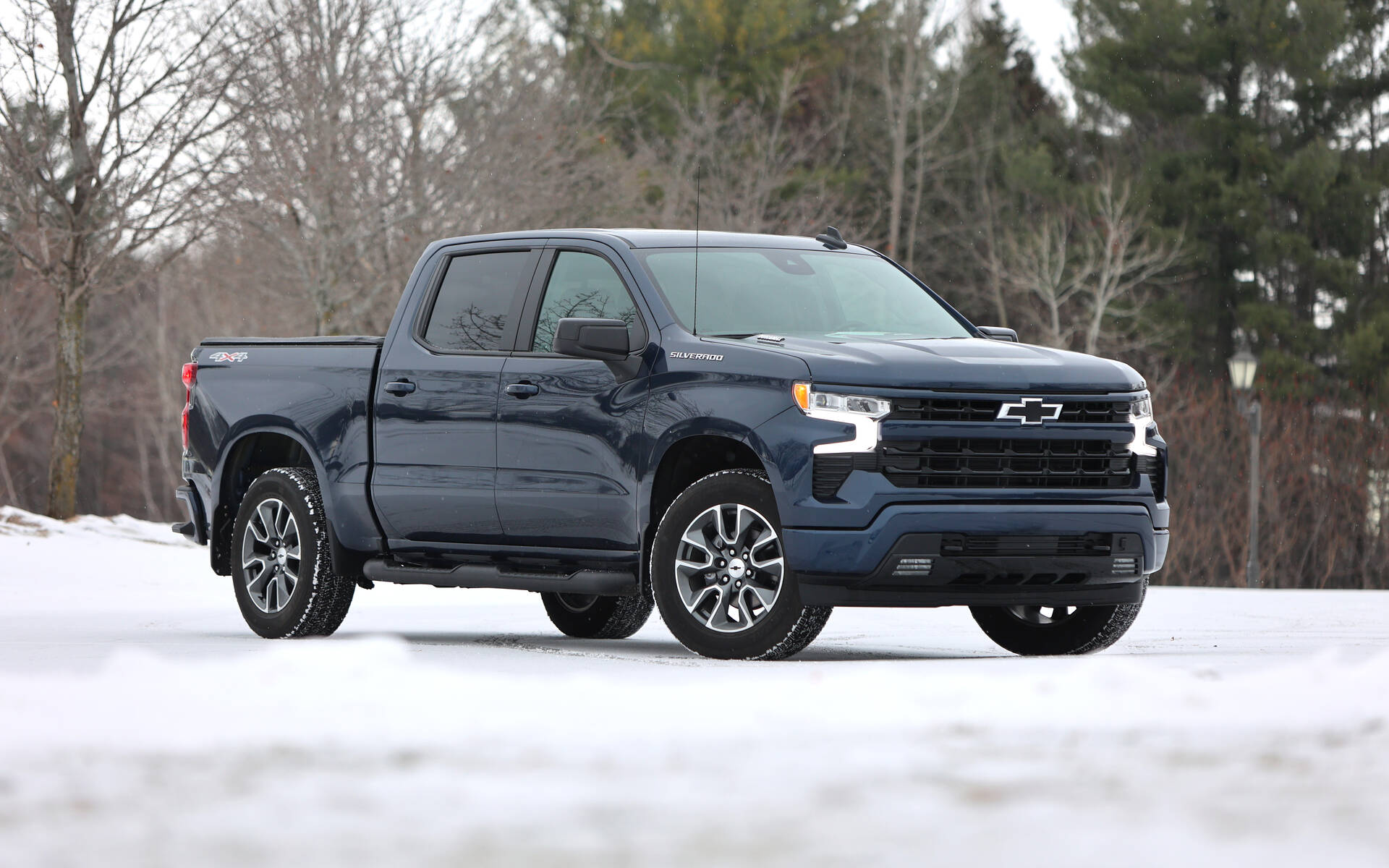
Chevrolet Silverado 1500
The Chevrolet Silverado 1500 offers more than just powerful towing and hauling capacity. It’s also a truck that pays attention to the smaller details, including seat belt functionality. In the Silverado, seat belts retract with a quiet smoothness that reflects thoughtful engineering.
Unlike some competitors, where the belt feels as though it’s struggling to roll back, the Silverado’s mechanism is responsive and fluid. It’s especially noticeable when passengers exit the truck, there’s no lag, no flapping belt left hanging outside the door, and no awkward need to guide the belt back into place. The system feels tight and reliable without being overly forceful.
Owners and reviewers alike have pointed out that the Silverado’s seat belts are among the easiest to use in its class. The belt webbing glides freely and without resistance, even after multiple adjustments. This becomes especially useful on long trips or when different drivers use the same truck, each adjusting the seat position.
In such situations, belts can sometimes bunch up or get caught in the seat track, but the Silverado’s setup avoids those issues. The anchor points are placed to minimize friction, and the belts adjust naturally to the user’s body shape and position. This not only improves comfort but also reduces the need for constant fiddling with the belt.
Another key aspect is how well the retraction system handles repeated use. Commercial truck owners, particularly those in delivery or utility services, often enter and exit their vehicles dozens of times a day. With this kind of repetitive motion, weaker belt systems tend to start failing or slowing down.
However, the Silverado has a reputation for holding up well under this kind of pressure. The combination of a durable return spring, reinforced guide channels, and smooth belt fabric allows it to maintain strong performance even after heavy usage. General Motors has invested in this part of the truck as much as the more visible performance features.
Finally, the Silverado 1500 does a good job of insulating the belt mechanism from environmental factors. Trucks are regularly exposed to temperature extremes, and these conditions can cause plastic parts to contract or expand, affecting how belts move. In this truck, the belt housing is set deep enough into the frame that it avoids direct sunlight and stays protected from debris and temperature changes.
Even during winter, when many vehicles struggle with slow or frozen retractors, the Silverado belt mechanism keeps working with the same consistency. This attention to detail helps ensure the belt is not only smooth and fast in normal conditions but also trustworthy when conditions get rough.
RAM 1500
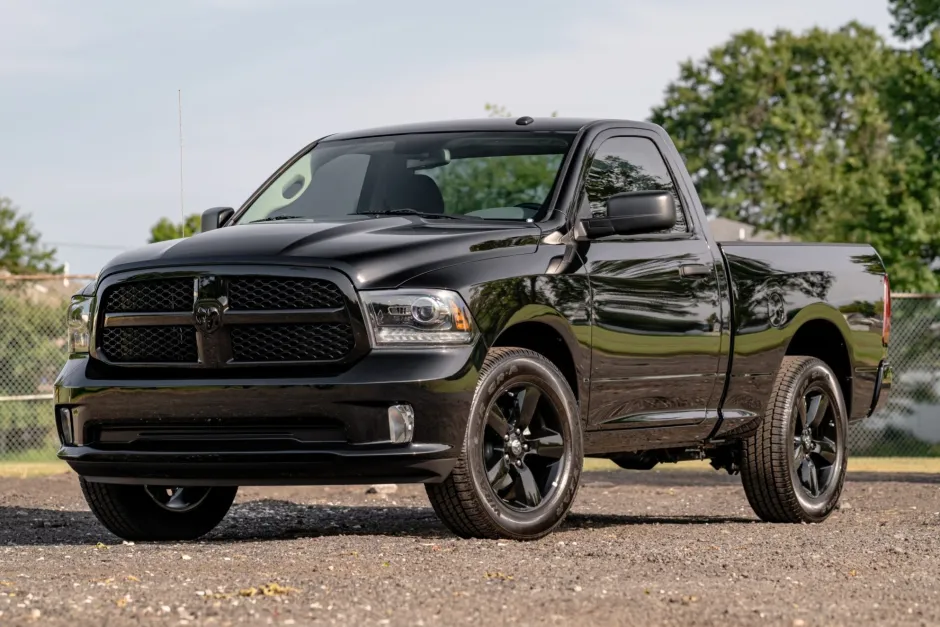
The RAM 1500 is known for its upscale interior and refined driving experience, but it also delivers when it comes to the more functional elements, like seat belt performance. One of the standout features in this truck is how the seat belts seem to return to their holders almost instinctively.
There is no fighting with Slack or having to manually push the belt back into place. From the front row to the rear bench, the belts retract efficiently and silently, creating a clean and tidy interior environment. This might not be the main reason someone chooses a RAM 1500, but it quickly becomes one of those daily conveniences that drivers grow to appreciate.
The ease of use stems from a very deliberate seat belt geometry. RAM has designed the belt mounts and guide loops in a way that creates a straight path for the belt to travel. This reduces the amount of friction that typically causes slower retraction or misalignment.
Furthermore, the retractor housing itself is built with tight tolerances that prevent the belt from shifting inside the casing, which is a common source of jammed or twisted belts in other trucks. The result is a mechanism that maintains its form and function even after repeated use. This is a big advantage for families or work crews who use their trucks often and need dependable, hassle-free safety equipment.
Another noteworthy point is the belt material used in the RAM 1500. The webbing is soft to the touch but also highly durable. It resists fraying and snagging, two common problems that often lead to retraction failures. The smoothness of the material means it glides easily through the guide loop without getting stuck or bunched up.
RAM has also done a good job of minimizing exposed seams and avoiding sharp angles in the belt path. This ensures the belt doesn’t wear out prematurely or pick up dirt that could clog the mechanism. The whole system works in unison to provide a seamless user experience.
The RAM 1500’s interior finish also contributes indirectly to how well the seat belts perform. The seats and door panels are shaped in a way that gives the belts space to move naturally. There’s less crowding, fewer pinch points, and more clearance around the belt path.
This means users are less likely to twist the belt or yank it free when getting in and out quickly. It’s this kind of attention to both function and form that makes the RAM 1500 not only a good truck but a practical one. The consistently smooth belt retraction is just another reflection of its thoughtful design.
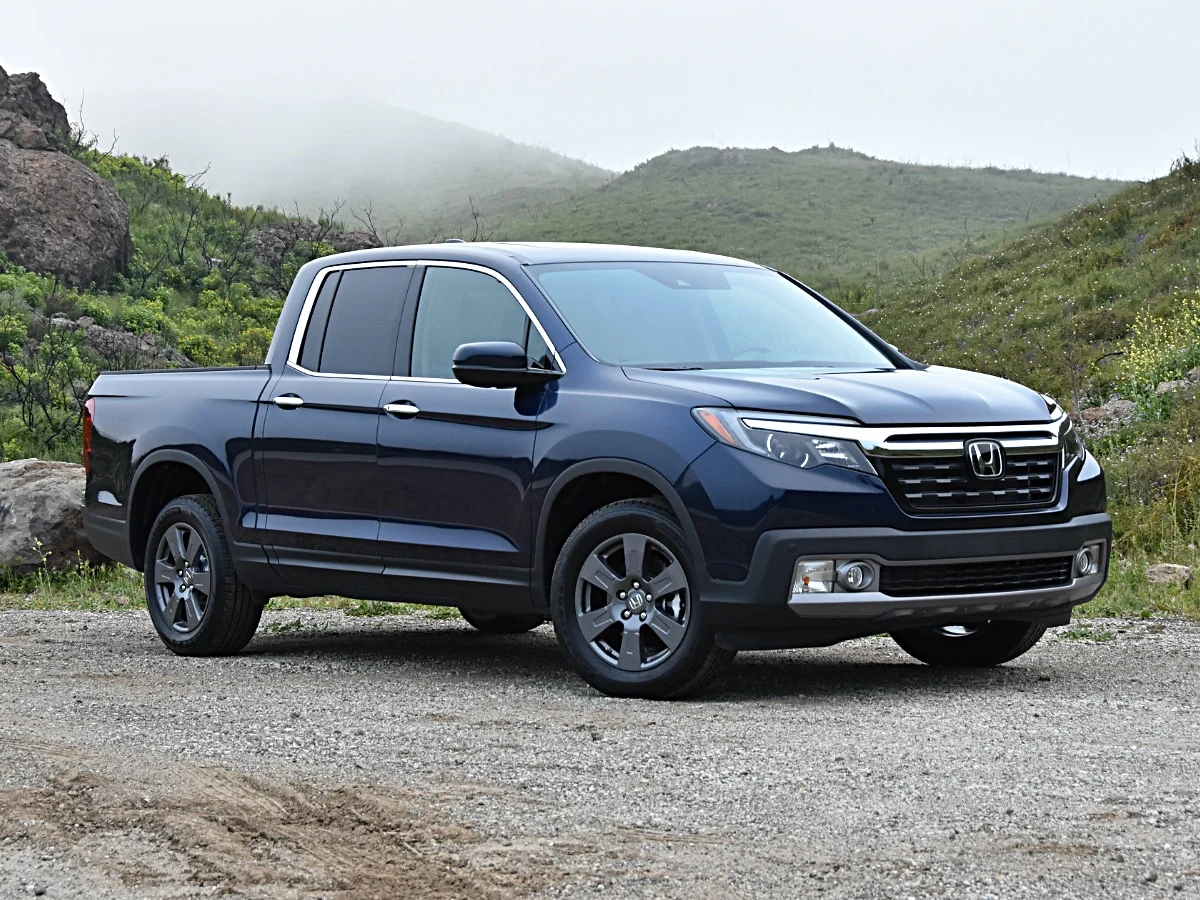
Honda Ridgeline
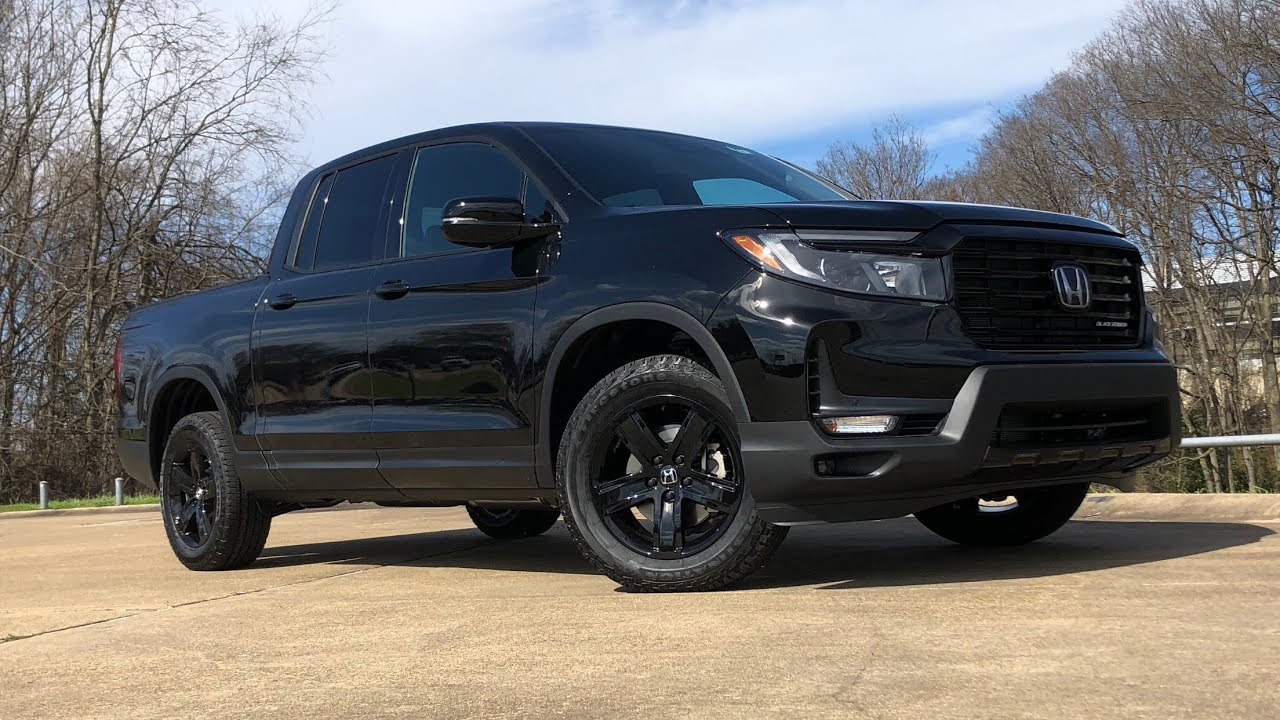
The Honda Ridgeline often gets labeled as a “non-traditional” truck because of its unibody construction and smoother ride, but it also brings along some smart interior choices, one of which is its seat belt system. The Ridgeline’s seat belts are some of the easiest to use in the midsize category.
They don’t sag, they don’t jam, and they always seem to retract evenly, no matter the seat position. This makes a huge difference in a truck that often serves dual purposes: part work vehicle, part family car. Whether the truck is being used for hauling gear or picking up kids from school, the seat belts behave reliably and quietly.
One reason for this smooth operation is that Honda applies lessons from its car lineup to the Ridgeline. The seat belt systems used in Honda sedans and SUVs are known for their simplicity and durability, and that same system finds its way into this truck.
The spring tension is well-calibrated, giving the belt just enough pull to retract quickly without snapping back aggressively. Even the rear seat belts, which are often overlooked in other trucks, receive the same level of care. They retract just as smoothly as the front belts, and that consistency is one of the truck’s subtle strengths.
The Ridgeline also benefits from Honda’s build quality in terms of material choices and part alignment. The belt fabric is soft yet strong, and the guide loops are shaped to allow smooth sliding without friction. There’s minimal plastic-on-fabric contact, which helps reduce the wear and tear that often leads to sticking or jamming over time.
5 Trucks Where Seat Belts Commonly Jam
Nissan Titan
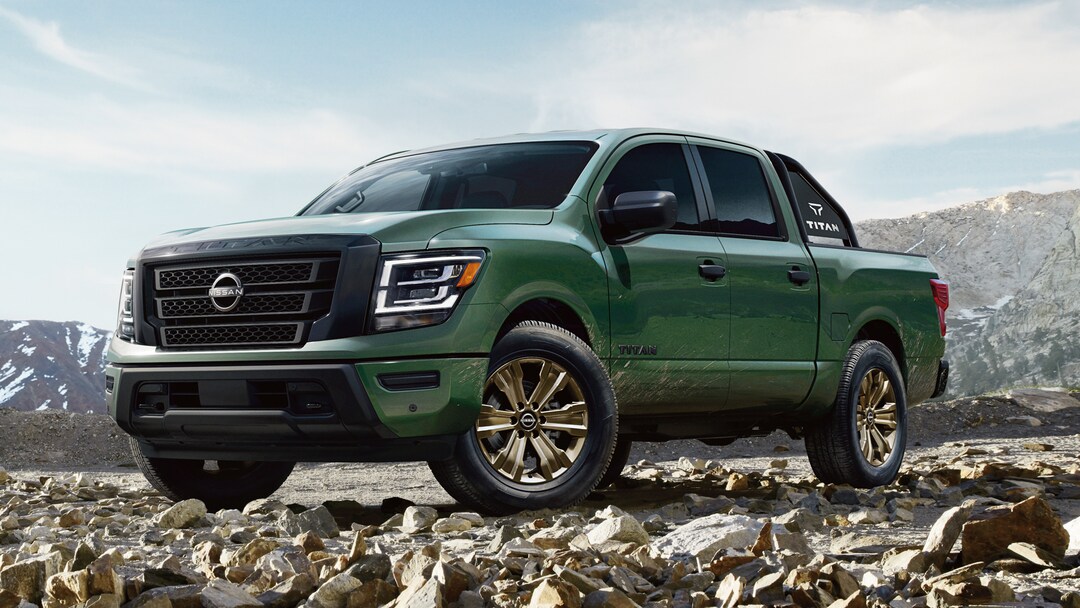
The Nissan Titan, while offering competitive performance specs and a comfortable ride, has been frequently reported by owners to suffer from seat belt jamming issues. One of the main complaints revolves around the retractor mechanism, which can sometimes become sticky or slow to retract, particularly in older models or trucks that have seen extensive use.
Drivers often find themselves tugging on the belt to release it fully, or having to manually push the belt back into place after unbuckling. This not only creates daily inconvenience but can also affect the sense of quality inside the vehicle.
A significant cause of the jamming problem in the Titan lies in the design of its seat belt channel and retractor housing. In some cases, the belt webbing can become twisted or misaligned inside the mechanism due to a narrow or uneven guide path. This leads to the belt bunching up or snagging on internal components, which then causes the slow or incomplete retraction.
Owners in dusty or muddy environments report that debris can infiltrate the mechanism and exacerbate the problem, as the Titan’s belt housing lacks sufficient sealing to prevent intrusion. Over time, this wear and buildup result in belts that refuse to slide smoothly and require forceful handling.
Another factor contributing to the issue is the material choice for the belt fabric and internal components. In some Titans, the webbing tends to wear unevenly or develop small frays that catch on the plastic edges inside the retractor. This means the belt does not glide freely and is prone to sticking or jamming during operation.
Some users also note that exposure to high heat, common in southern climates, accelerates this wear, causing the seat belt to feel rough or even sticky to the touch. Combined with the less robust internal spring mechanism, these issues create a frustrating user experience that detracts from the truck’s utility.
GMC Sierra 1500
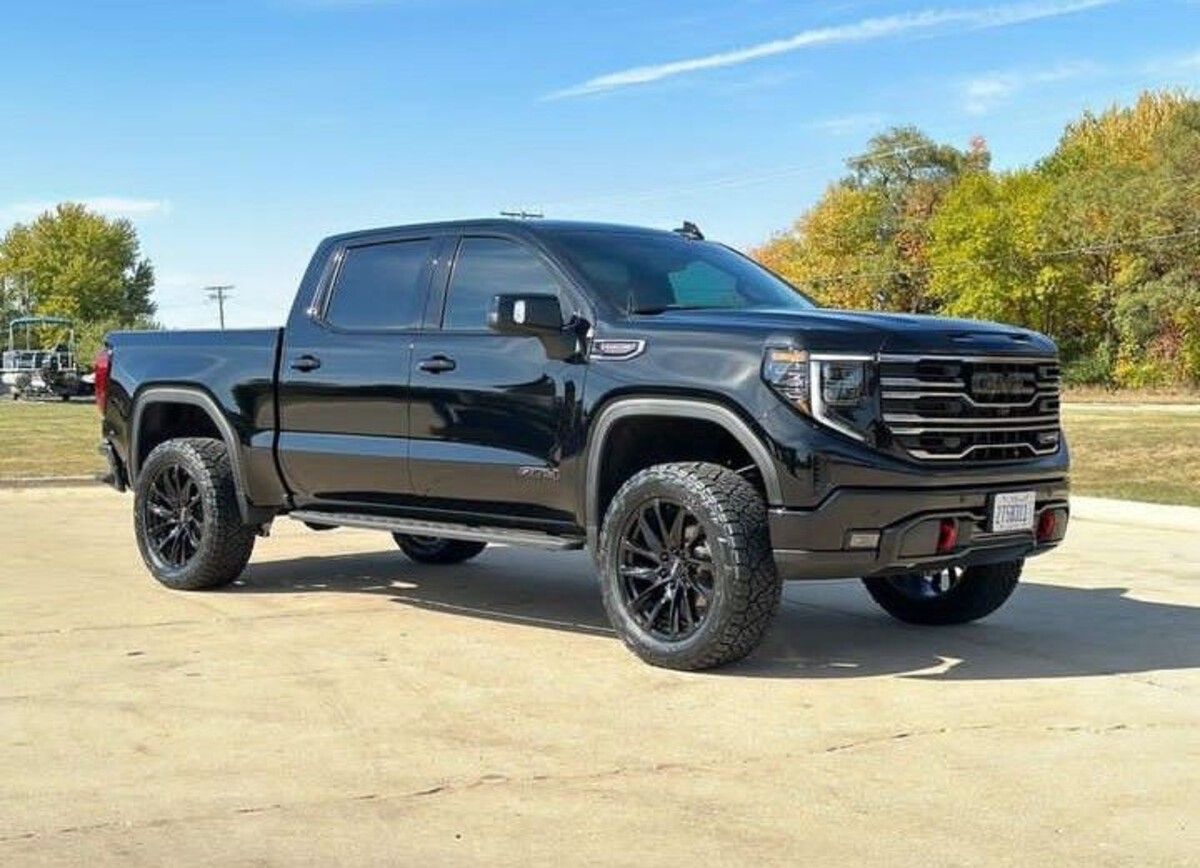
The GMC Sierra 1500 shares many components with its Chevrolet Silverado counterpart, but its seat belt system has drawn more mixed reviews. While the Silverado is praised for smooth retraction, the Sierra sometimes experiences issues with belts that stick or jam, especially in certain model years.
The jamming often occurs due to the way the seat belt retractor is mounted within the pillar. The tighter fit and less forgiving angles inside the housing create a situation where the belt webbing can bunch up or fold, preventing it from rolling back cleanly. This issue is often reported in colder climates, where stiffening of the belt material combined with slight misalignments can cause the mechanism to resist movement.
Owners report that the Sierra’s seat belts sometimes retract unevenly or require several tugs to fully retract after use. This intermittent jamming can be irritating during daily use, particularly when entering and exiting the vehicle multiple times a day.
Some users have noted that the belts feel “sticky” or that they catch on the trim pieces near the pillar, requiring manual adjustment to free them up. Despite the Sierra’s reputation for luxury and comfort, this inconsistency in the seat belt mechanism is a common complaint that impacts user experience. In some cases, the issue resolves temporarily with lubrication or cleaning, but the problem often returns over time.
What adds to the frustration is that the jamming problem is more pronounced in the rear seats than in the front. Passengers in the back often find their belts harder to retract, which can be particularly inconvenient in family or work settings where rear-seat use is frequent.
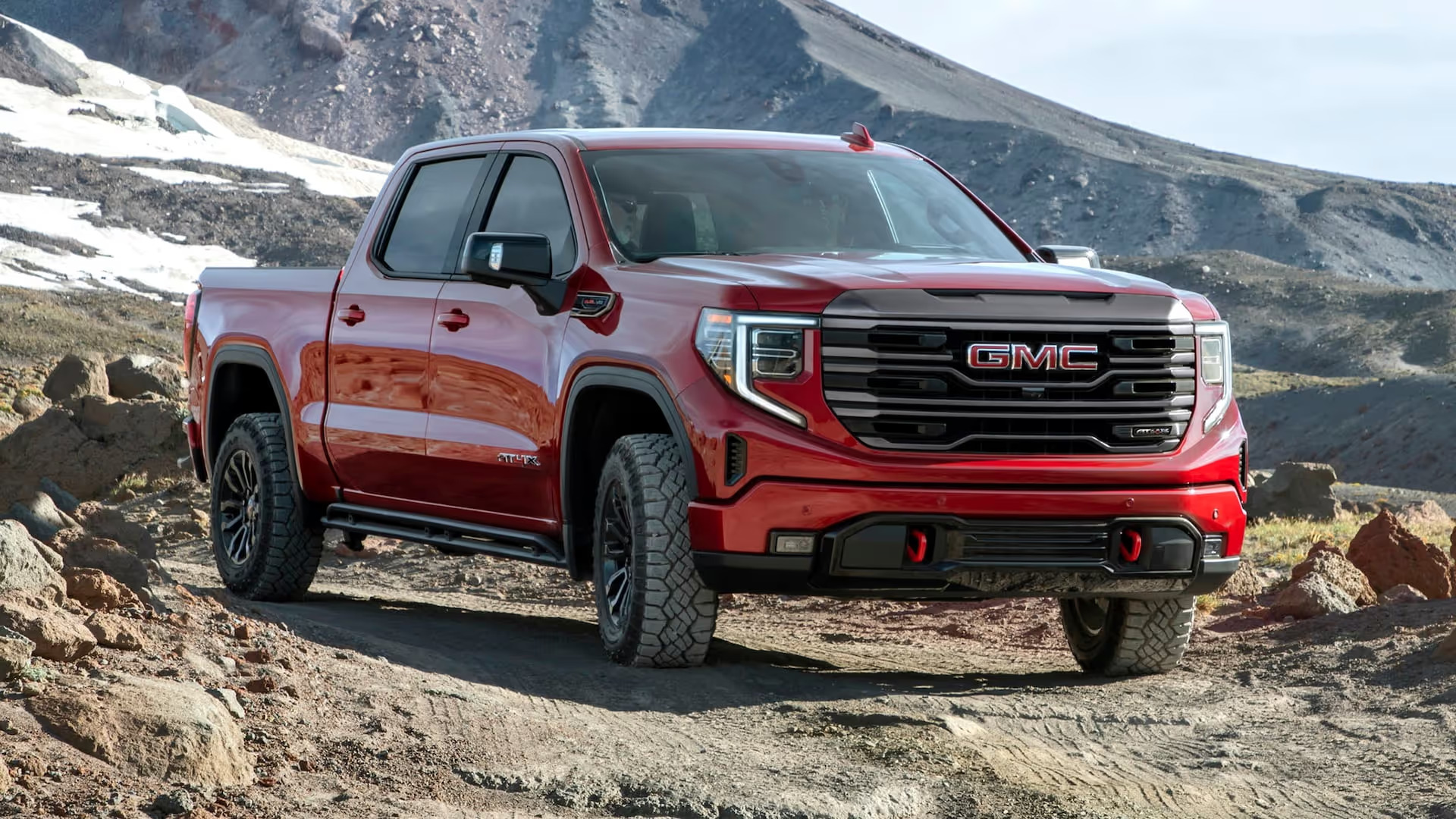
GMC Sierra 1500
The GMC Sierra 1500 shares many components with its Chevrolet Silverado counterpart, but its seat belt system has drawn more mixed reviews. While the Silverado is praised for smooth retraction, the Sierra sometimes experiences issues with belts that stick or jam, especially in certain model years.
The jamming often occurs due to the way the seat belt retractor is mounted within the pillar. The tighter fit and less forgiving angles inside the housing create a situation where the belt webbing can bunch up or fold, preventing it from rolling back cleanly. This issue is often reported in colder climates, where stiffening of the belt material combined with slight misalignments can cause the mechanism to resist movement.
Owners report that the Sierra’s seat belts sometimes retract unevenly or require several tugs to fully retract after use. This intermittent jamming can be irritating during daily use, particularly when entering and exiting the vehicle multiple times a day. Some users have noted that the belts feel “sticky” or that they catch on the trim pieces near the pillar, requiring manual adjustment to free them up.
Despite the Sierra’s reputation for luxury and comfort, this inconsistency in the seat belt mechanism is a common complaint that impacts user experience. In some cases, the issue resolves temporarily with lubrication or cleaning, but the problem often returns over time.
What adds to the frustration is that the jamming problem is more pronounced in the rear seats than the front. Passengers in the back often find their belts harder to retract, which can be particularly inconvenient in family or work settings where rear-seat use is frequent.
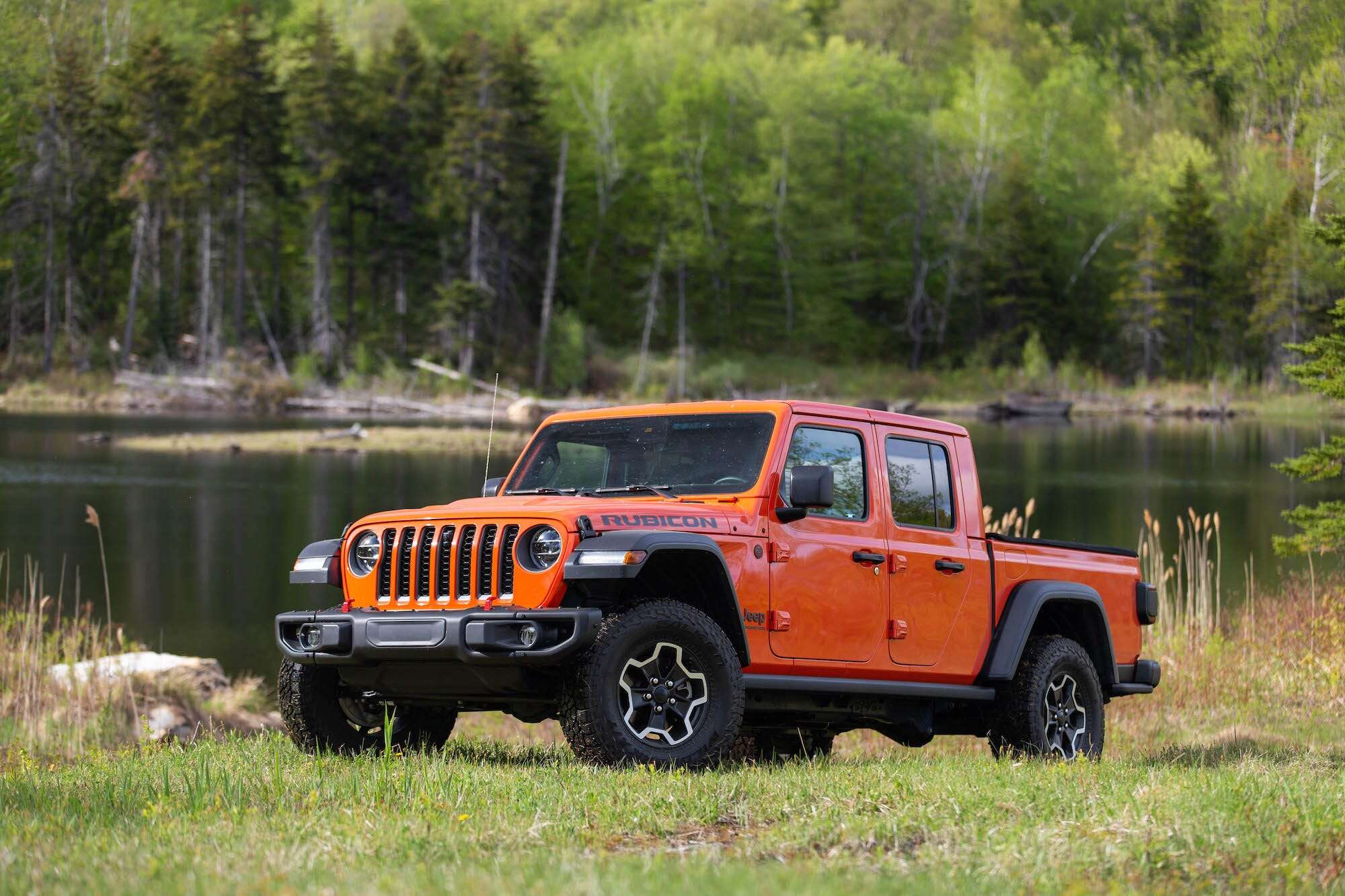
Jeep Gladiator
The Jeep Gladiator, a relatively new entry into the midsize truck market, combines off-road capability with rugged styling. However, a number of owners have reported problems with seat belts that fail to retract smoothly. This is particularly noticeable after extended use or exposure to harsh environments such as mud, sand, or salty conditions.
The belt webbing sometimes catches inside the retractor or gets stuck near the mounting points, resulting in belts that don’t roll back fully or retract slowly. Such issues can detract from the experience of owning a vehicle designed for adventure and durability.
One contributing factor is the Gladiator’s open-air design with removable doors and roof. While this design enhances the off-road experience, it also exposes interior components like the seat belt mechanisms to more environmental wear. Dust, debris, and moisture can infiltrate the retractor housing, causing internal components to degrade or stick.
Some users have reported the need to clean or lubricate their seat belt retractors periodically to maintain functionality. Unfortunately, the placement of the retractor makes this maintenance less accessible than it might be in other trucks, which can make dealing with jams more time-consuming.
Furthermore, the Gladiator’s seat belt webbing tends to be on the stiffer side compared to softer, more pliable materials found in other trucks. While stiffer webbing can provide a more secure feel in terms of safety, it also means that any misalignment or twisting in the belt path is more likely to cause jams. Once a belt webbing is caught or twisted inside the housing, it may fail to retract until manually adjusted.
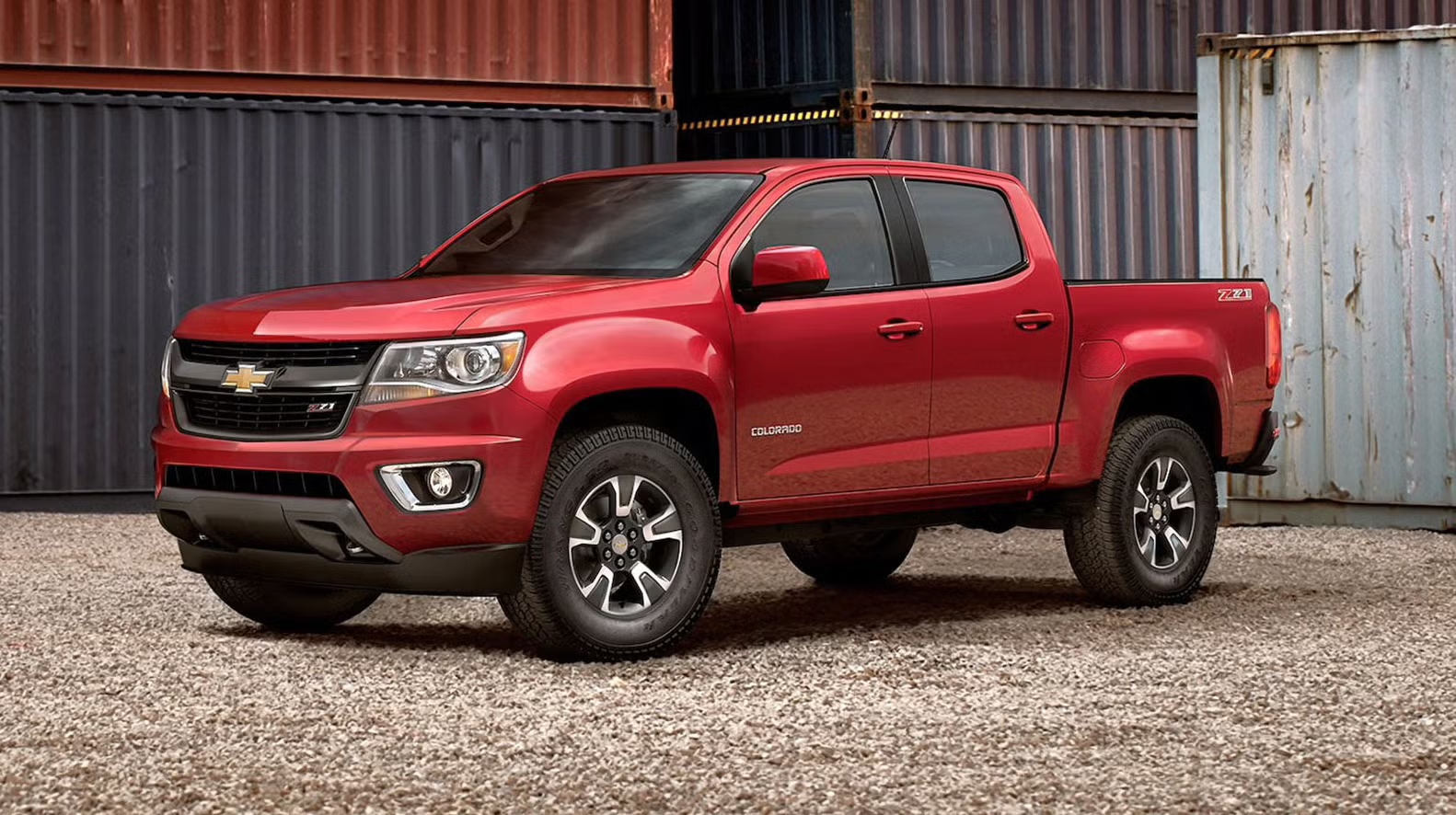
Chevrolet Colorado
The Chevrolet Colorado is a popular midsize truck, known for its balance between size, capability, and comfort. However, many owners have reported frustrations with the seat belt retraction system, especially in older model years. The problem tends to manifest as belts that stick partway when retracting or that fail to fully pull back into their housing.
This can lead to belts hanging awkwardly or catching on door frames, which not only affects convenience but also raises concerns about wear and proper safety function. Users often find themselves pulling or guiding the belt back manually, which defeats the purpose of a smooth and automatic retraction mechanism.
One of the root causes behind these issues appears to be the design of the seat belt retractor assembly itself. In many cases, the housing does not protect the internal spring and spool mechanism from dust and dirt effectively. In environments where the Colorado is often used, construction sites, rural roads, and off-road trails, particles can accumulate and cause internal sticking or increased friction.
The belt webbing is also somewhat prone to twisting in the narrow channel, which compounds the issue. This is particularly noticeable when the belt is pulled out at an angle or under tension, causing misalignment and increasing the likelihood of jams.
Moreover, the materials used for the webbing in Colorado sometimes contribute to the problem. The belt fabric can become stiff after exposure to heat and sunlight, reducing its flexibility. Over time, this stiffening causes the belt to catch inside the retractor or bind against plastic trim pieces.
