
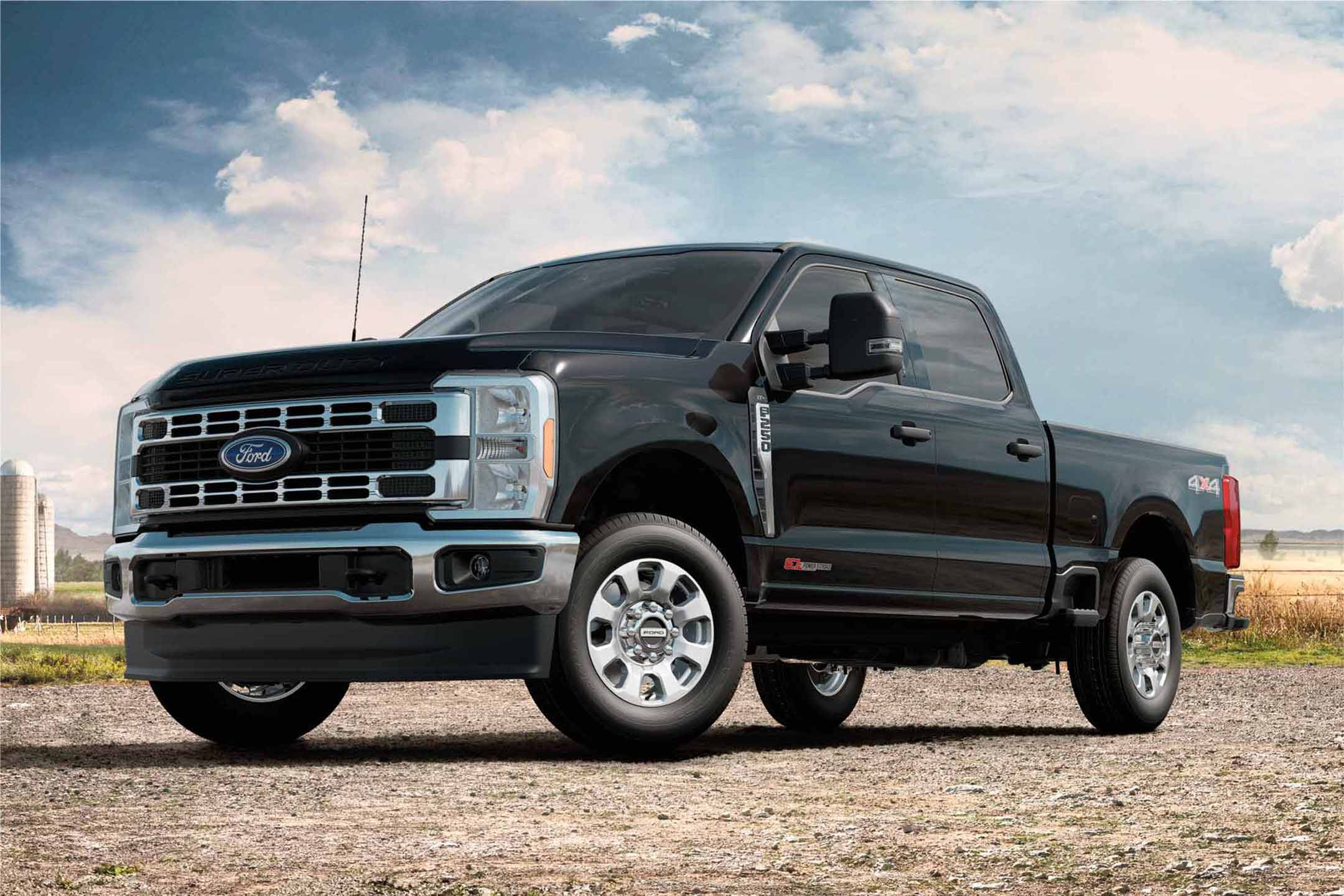
When it comes to serious work, trucks are more than just a mode of transportation; they are the backbone of many industries. From construction to farming, from delivery to towing, the expectations placed on these vehicles are incredibly high. One of the most critical factors buyers look for in a truck is its ability to handle heavy loads.
That means more than just payload capacity; it means a truck’s suspension strength, chassis durability, axle ratings, and engine torque must all work in unison. Some trucks consistently rise to the challenge, hauling thousands of pounds daily without buckling under pressure.
Others, despite their marketing or flashy design, simply do not meet the practical needs of load-hauling users. They sag under weight, offer poor ride quality, or suffer from long-term mechanical issues when pushed to their claimed limits.
Performance under pressure separates workhorses from showroom trophies. Some trucks are designed with real work in mind: stiff rear leaf springs, reinforced frames, high-quality shocks, and drivetrains built to endure repeated strain. These trucks often prioritize durability and function over comfort or aesthetics.
On the flip side, many trucks on the market look the part but fail to deliver. Whether it’s due to soft suspension tuning, lightweight components, or overestimated specifications, these trucks can bottom out even when carrying loads within their published ratings. That makes them a poor choice for professionals or anyone who demands reliable hauling.
This article offers a look at ten different trucks: five that are built to handle tough tasks, and five that fall short of expectations when it comes to carrying heavy loads. The aim here is not just to point out which trucks are better but also to highlight why some perform well while others falter.
There are no perfect trucks, but there are certainly better and worse options depending on how much abuse a truck is expected to take regularly. For anyone buying a truck with real work in mind, knowing which models can take the load without constant issues is crucial. It’s not just about towing numbers or payload charts; it’s about real-world performance where it counts.
Also read: 10 Cars Americans Stopped Buying in 2025 and Why
5 Trucks That Handle Heavy Loads Without Complaints
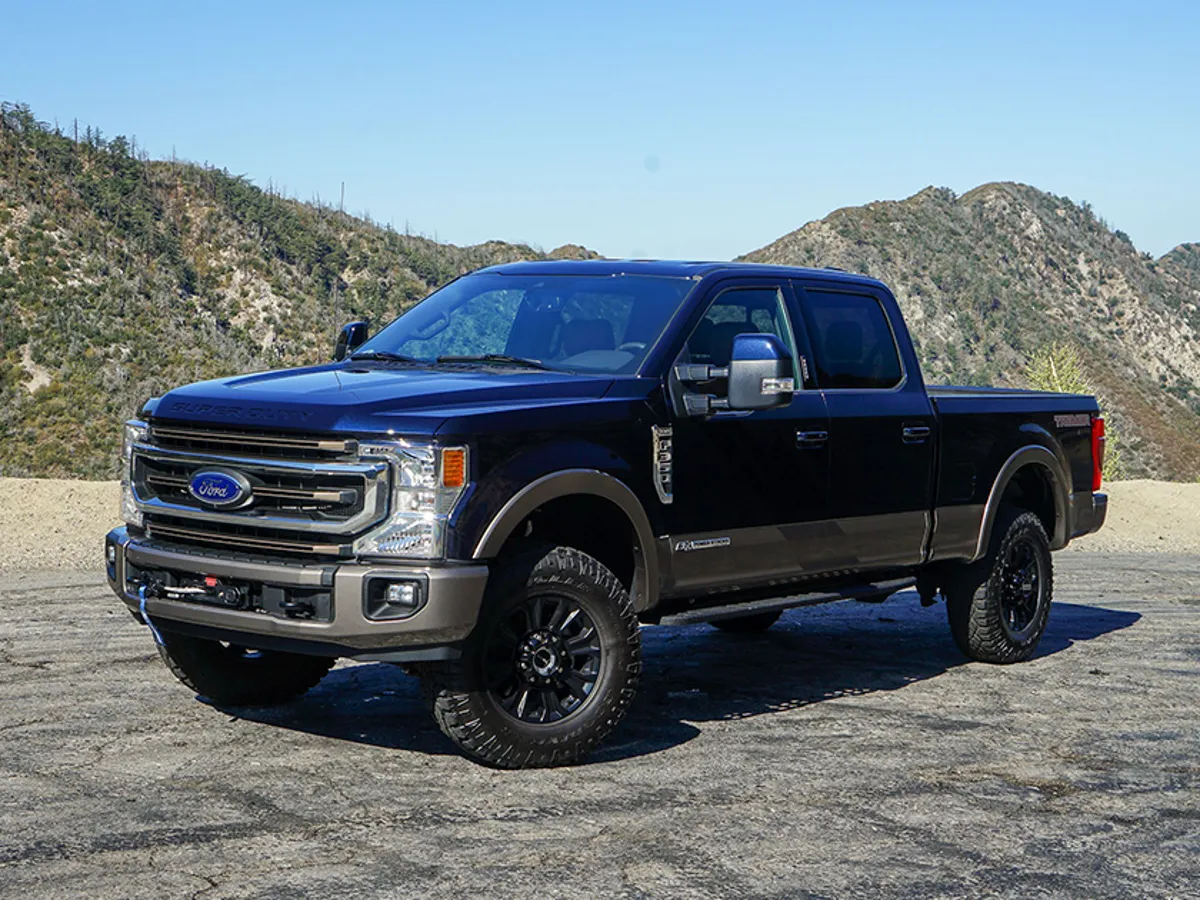
1. Ford F-350 Super Duty
The Ford F-350 Super Duty has long been a staple in heavy-duty trucking, especially for users who need consistent performance under full loads. This truck is built on a solid ladder frame that has been tested across many work sites, farms, and towing scenarios.
With available engine options like the 6.7L Power Stroke V8 turbo diesel, the F-350 has the torque to move massive loads without hesitation. Beyond just numbers, the truck’s build quality supports that power. The rear leaf springs are thick and stiff, specifically designed to keep the truck level under significant weight. This design means that when the bed is loaded with gravel, equipment, or construction materials, the truck doesn’t sag or bottom out.
Suspension plays a key role in how well a truck handles load pressure, and the F-350 excels in this department. Ford has tuned this truck to prioritize hauling, using reinforced shocks and load-rated tires to ensure stability even when close to max payload.
Drivers often report that the truck remains steady and controllable even under demanding conditions, which is a critical advantage when driving through uneven job sites or long highway stretches with a full load. The bonus of available rear air suspension on newer trims only improves its ability to manage heavy cargo.
Another major strength of the F-350 is how it handles long-term wear. Many trucks can carry loads for a few months without issue, but repeated hauling puts strain on the frame, suspension, and drivetrain.
The F-350 is built with high-strength steel and components that are designed to last under repeated stress. Commercial fleet owners often report running these trucks well past 200,000 miles with consistent hauling duties. Reliability becomes more than just a convenience; it becomes a necessity, and the F-350 delivers on that front.
Fuel economy isn’t its strength, but most buyers understand that’s not the priority here. What you get instead is a truck that can tow, haul, and work every day without protest. That’s why the F-350 remains a top choice for ranchers, contractors, and heavy-duty users across the board.
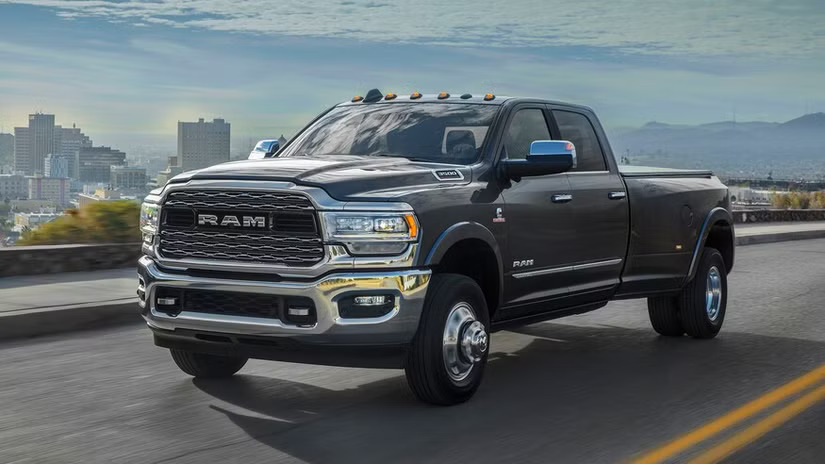
2. Ram 3500 Heavy Duty
The Ram 3500 Heavy Duty has earned a reputation as a powerful and durable truck that refuses to buckle under weight. With the available 6.7L Cummins Turbo Diesel engine, this truck delivers enormous torque that helps it pull and carry heavy payloads with authority.
But what makes it a favorite among those who haul regularly is not just its power, it’s the way the chassis and suspension manage that power under load. Ram has engineered this truck with serious hauling in mind, incorporating a heavy-duty rear axle and thick spring packs that keep the rear end from sagging even when fully loaded.
Owners who tow fifth wheels or carry heavy bed loads consistently report that the Ram 3500 maintains ride stability. The truck doesn’t feel overwhelmed, and it doesn’t bounce around like some lighter-duty models do when tasked with similar jobs.
The addition of an optional rear auto-leveling air suspension helps keep the truck level even with varying payloads, which not only improves control but also reduces strain on other mechanical components. This results in better braking, improved tire wear, and less stress on the frame.
One aspect that sets the Ram apart is its balance of strength and refinement. Even while carrying a full bed of concrete blocks or towing a trailer packed to its limit, the truck provides a stable, composed ride. The cabin stays comfortable, and the road doesn’t deteriorate under pressure. That makes a big difference for long hauls, where fatigue can become a factor. The Ram 3500 handles heavy work not as an exception but as a default part of its engineering.
Durability is another hallmark. The Cummins engine is widely known for its longevity, and when paired with a robust chassis and thoughtful design, it makes the Ram 3500 one of the most reliable options in its class. Whether it’s being used on farms, job sites, or by commercial fleets, this truck proves time and again that it’s more than capable of working without excuse.
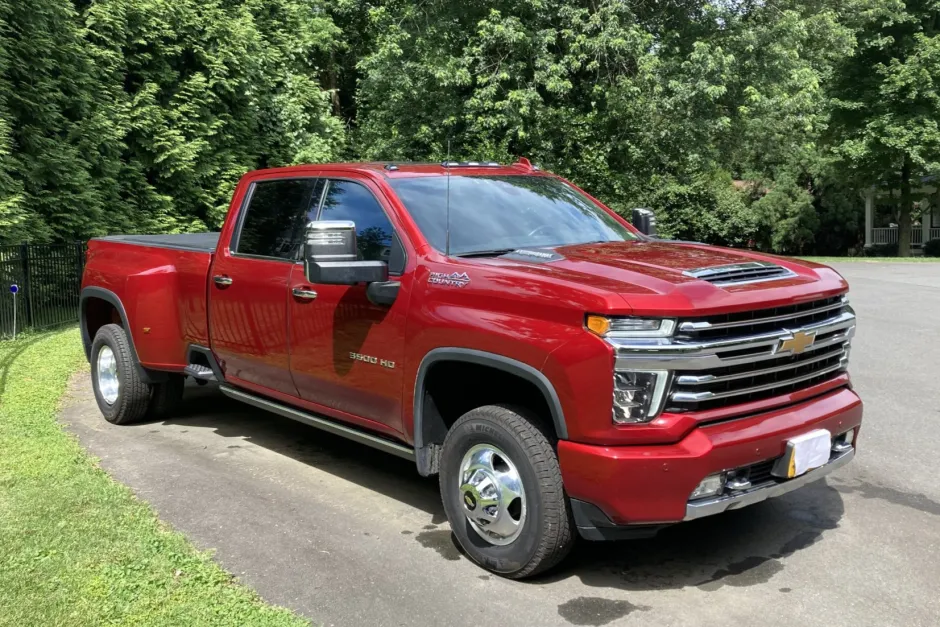
3. Chevrolet Silverado 3500HD
Chevy’s Silverado 3500HD may not always dominate headlines, but it is a consistently capable heavy-hauler that rarely disappoints. One of its biggest strengths lies in its chassis design. Chevrolet engineered the frame with boxed high-strength steel, designed specifically to resist flexing and bowing under heavy pressure.
This creates a solid foundation for load carrying and towing, and it shows in real-world performance. Even when pushed to its payload limit, the Silverado 3500HD maintains level ride height and solid road manners.
Under the hood, you’ll find options like the 6.6L Duramax diesel V8 paired with the Allison 10-speed transmission, a combination known for smooth power delivery and reliable towing capability. What this truck offers isn’t just brute force but consistent and controlled delivery of that force.
Drivers hauling trailers full of equipment or materials find that acceleration, shifting, and braking remain predictable even under heavy strain. That predictability becomes essential when working in tight job site conditions or navigating mountain roads with a full load.
The suspension system contributes heavily to the Silverado’s success as a load hauler. With twin-tube shock absorbers and multi-leaf rear springs, the truck is designed to carry weight without instability. It doesn’t suffer from excessive body roll or rear sag like some lighter-duty trucks do. Chevy’s design team focused on creating a setup that feels grounded, which is appreciated by those who regularly operate with trailers or bed loads that push the upper limits of capacity.
Chevrolet also emphasizes long-term toughness. Owners report minimal issues related to suspension fatigue or chassis wear, even after years of hauling. The Silverado 3500HD is a true work truck that doesn’t need to be babied, and that reliability builds confidence for business owners and workers who don’t have time for downtime. It’s a practical, powerful option that does its job without drawing too much attention, and sometimes that’s exactly what you want in a heavy-duty hauler.
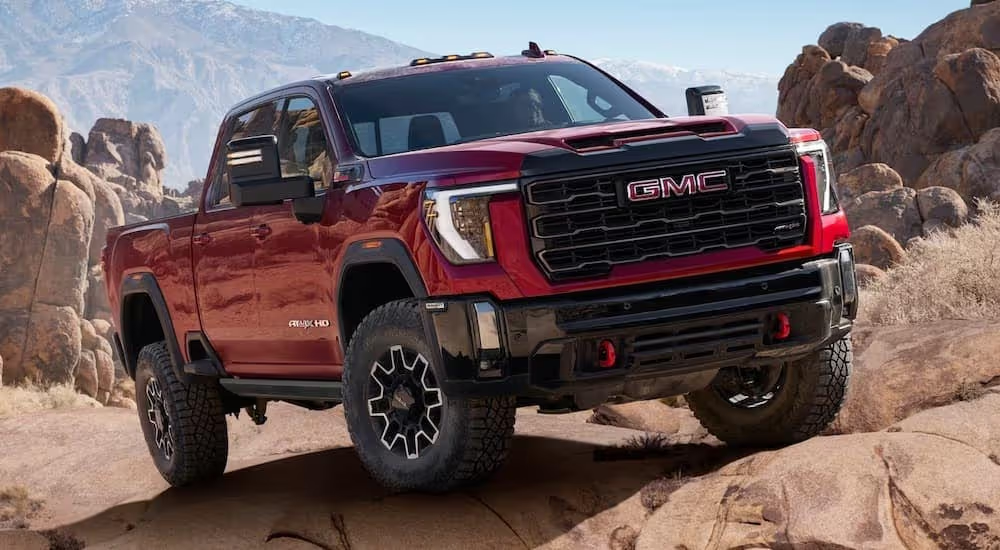
4. GMC Sierra 3500HD
The GMC Sierra 3500HD stands tall among heavy-duty pickups thanks to a solid blend of mechanical strength and user-focused features that make it suitable for heavy hauling. Its underlying structure shares much with the Silverado 3500HD, which means you get the same rigid steel frame and proven powertrain combinations, especially the formidable 6.6L Duramax diesel.
However, GMC tends to package its trucks with additional refinements that make a difference for those who spend long hours behind the wheel while still demanding performance under pressure. The Sierra 3500HD consistently earns high marks for how well it holds up when fully loaded, whether you’re filling the bed with tools or towing heavy trailers across uneven ground.
Suspension performance is one of the most critical factors for trucks expected to carry weight daily, and the Sierra delivers in this department. With strong rear leaf springs and available dual-rear-wheel setups, this truck resists the sagging that plagues less robust models.
Owners hauling supplies, heavy machinery, or loaded trailers report that the rear end stays firm and composed, which in turn improves braking, control, and even fuel efficiency. These features help prevent premature wear on critical suspension parts and tires, reducing long-term maintenance costs. In short, the Sierra’s suspension design isn’t just about load-carrying; it’s about doing so with confidence and safety.
GMC also outfits the Sierra 3500HD with available technologies that support heavy-duty work. Features like trailer sway control, exhaust braking, and integrated trailer brake controls provide practical tools that improve the truck’s ability to handle heavy weights consistently.
More importantly, these tools work as intended without needing constant adjustment or driver input, which is something professionals appreciate when they’re juggling complex loads. Many buyers don’t just want brute strength; they want a truck that’s smart enough to manage that strength in real-time, and the Sierra’s setup accomplishes that.
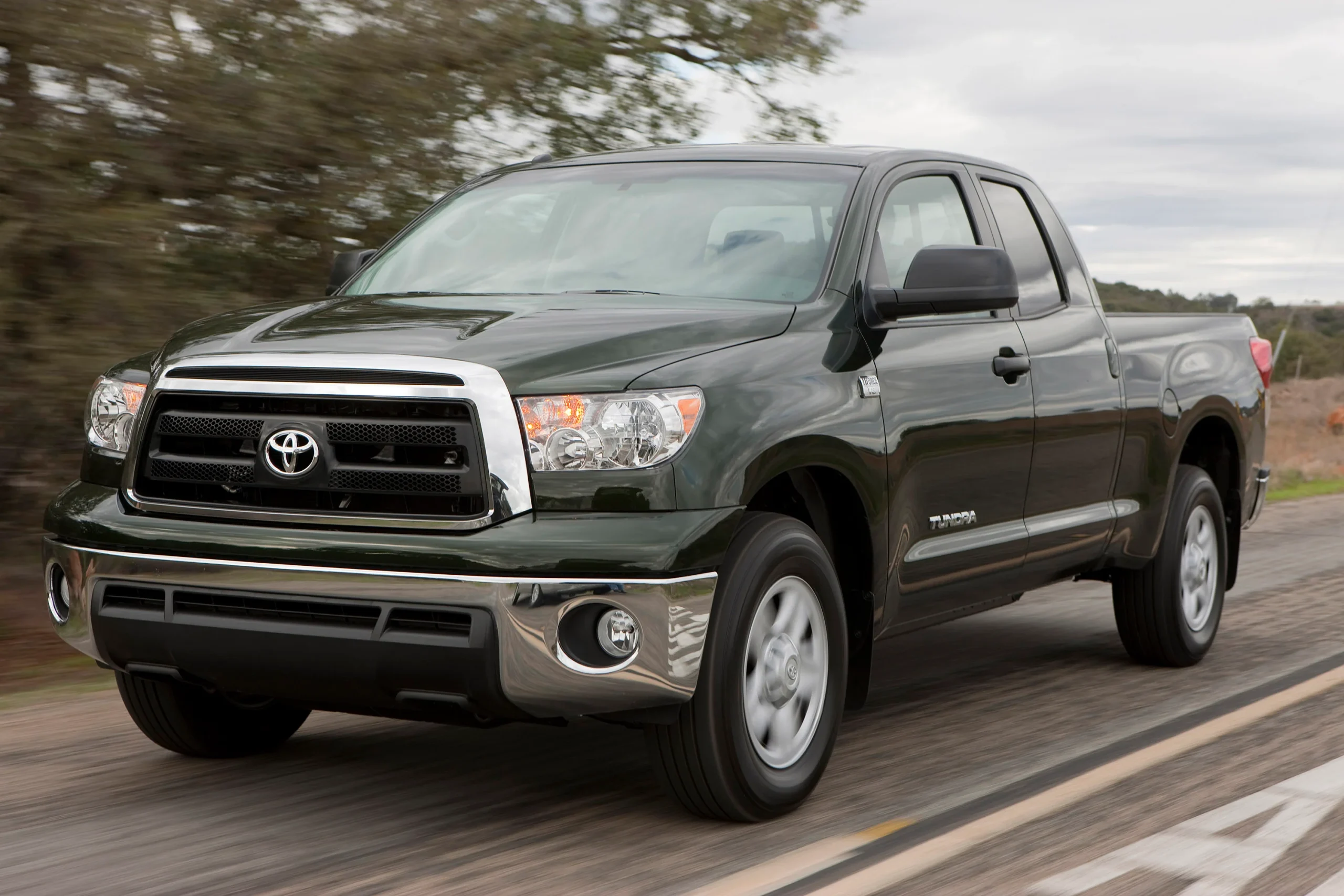
5. Toyota Tundra (2022 and Newer)
The Toyota Tundra might not immediately come to mind when discussing heavy-load champions, but the newer models, particularly the 2022 redesign and beyond, have made significant strides in this area. Toyota engineered the Tundra on a fully boxed steel frame with reinforced cross-members and an updated suspension that significantly improved the truck’s load-handling ability.
While it doesn’t match the payload or towing capacity of the heavy-duty American trucks, it punches above its weight class and outperforms many of its half-ton peers. For tradespeople and weekend haulers who need strength without jumping to a three-quarter or one-ton truck, the newer Tundra fills an important niche.
One major reason the Tundra earns a place on this list is the strength and consistency of its suspension tuning. Toyota ditched the outdated leaf-spring rear suspension in favor of a coil-spring setup that provides a better balance between comfort and control under load.
Even more impressively, the Tundra offers an available rear air suspension system on higher trims. When hauling lumber, gravel, or heavy equipment, the truck remains level and composed, avoiding the rear-end squat that can compromise visibility and handling. The air suspension works automatically and does not require constant adjustment, making it a user-friendly solution for drivers who frequently deal with changing load weights.
The powertrain has also seen major improvements. The Tundra’s twin-turbocharged V6 paired with a 10-speed automatic transmission offers excellent low-end torque, which is vital for getting heavy loads moving from a dead stop.
While the engine isn’t a diesel, it has been tuned with towing and hauling in mind, delivering enough grunt to pull heavy trailers or move bed loads up steep grades without straining. In practice, the Tundra rarely feels outmatched by its tasks, and drivers appreciate the smooth acceleration and controlled braking even when the truck is working hard.
Durability is another factor that helps the Tundra stand out. Toyota has a long-standing reputation for building vehicles that last, and the redesigned Tundra continues that legacy. The new frame, updated suspension, and improved cooling systems mean the truck can handle regular hauling without suffering long-term mechanical issues.
While it may not compete with the absolute biggest trucks in pure numbers, the Tundra makes this list because of how well it performs within its limits and because those limits are more than sufficient for many real-world applications.
Also read: 10 Best-Selling Cars in the U.S. and What Makes Them Stand Out
5 Trucks That Constantly Bottom Out
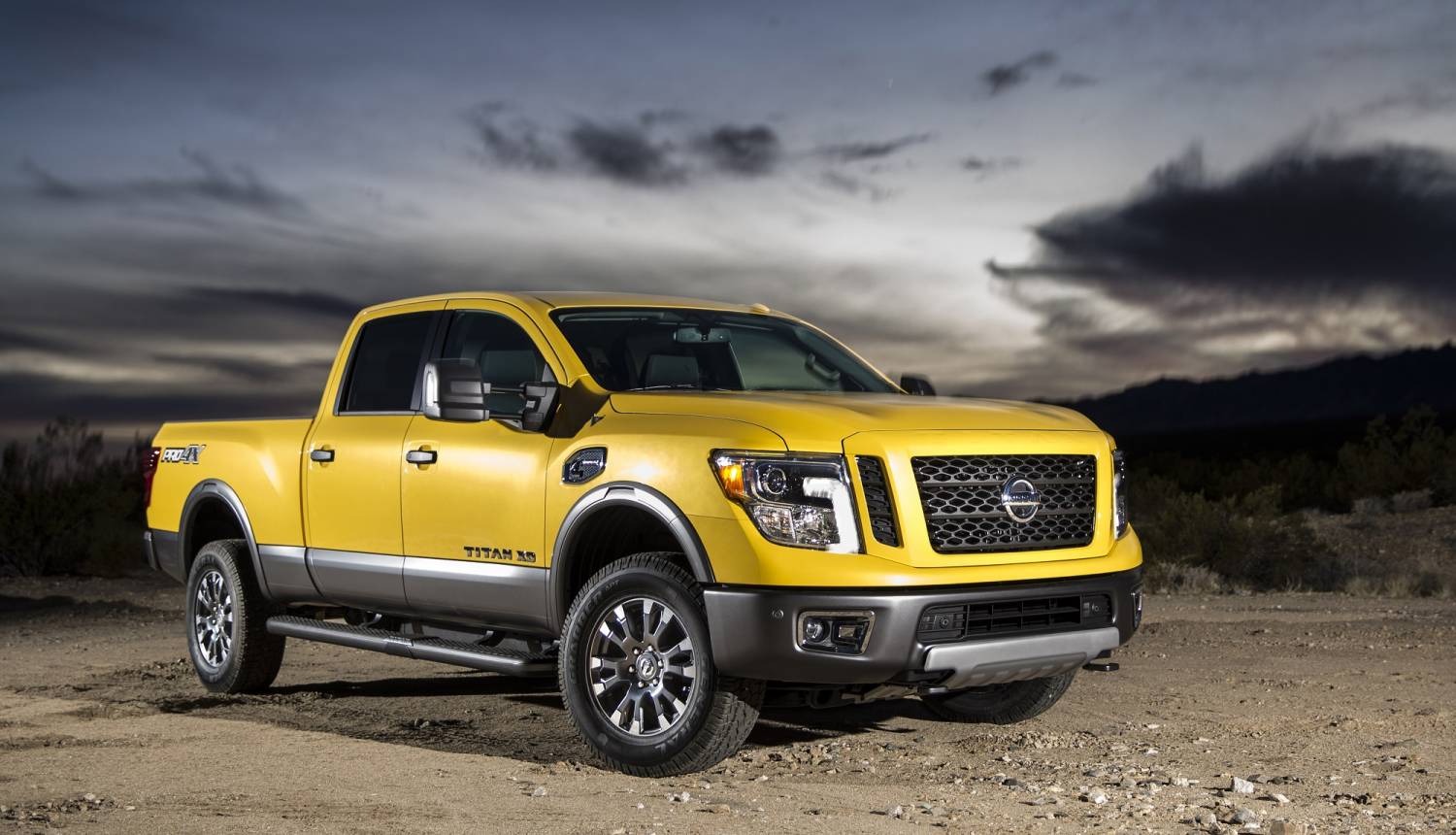
1. Nissan Titan XD
The Nissan Titan XD occupies a strange position in the truck market. It was designed as a bridge between half-ton and three-quarter-ton trucks, promising more strength than a regular Titan but without the full size and weight of a heavy-duty model. In theory, it sounded like a practical idea.
Unfortunately, in practice, the Titan XD has earned a reputation for struggling under loads that its rivals handle with ease. The main issue lies in its confused identity. The suspension and chassis just aren’t as robust as Nissan claims, especially when compared to true HD trucks. When fully loaded, the rear end of the Titan XD often sags more than expected, which affects stability and makes it more prone to bottoming out over dips or uneven roads.
One of the primary complaints from Titan XD owners is the overly soft rear suspension. Despite the truck’s “XD” label and its attempt to position itself as a heavier-duty offering, the rear leaf springs don’t offer the stiffness necessary to keep the bed level under weight.
When loaded with construction materials or towing a trailer, the rear wheels can compress too much, causing the truck to sit low and handle poorly. This becomes especially noticeable when the truck is loaded near its published payload limit. In many cases, it simply feels overwhelmed, and that loss of composure makes it harder to control, particularly during turns or emergency braking situations.
Another problem is the weight-to-power ratio. While the Titan XD came with an optional Cummins diesel in early versions, the power output never matched the truck’s size and purpose. The engine worked hard, but with little to show for it in terms of hauling strength.
As a result, not only does the truck sag under weight, but it also struggles to get moving when the load gets heavy. Combined with soft suspension and a heavy curb weight, the result is a truck that feels sluggish and overmatched, especially on hills or under repeated stress.
Longevity is also a concern. Many users who push the Titan XD hard find that its rear suspension and bushings wear prematurely. Shocks degrade quickly, and the rear frame components show more wear than they should for trucks in this class. While the Titan XD might be suitable for light hauling or occasional work, it doesn’t belong on a list of dependable load-haulers. It simply doesn’t live up to the standards expected of a truck designed for anything more than weekend chores.
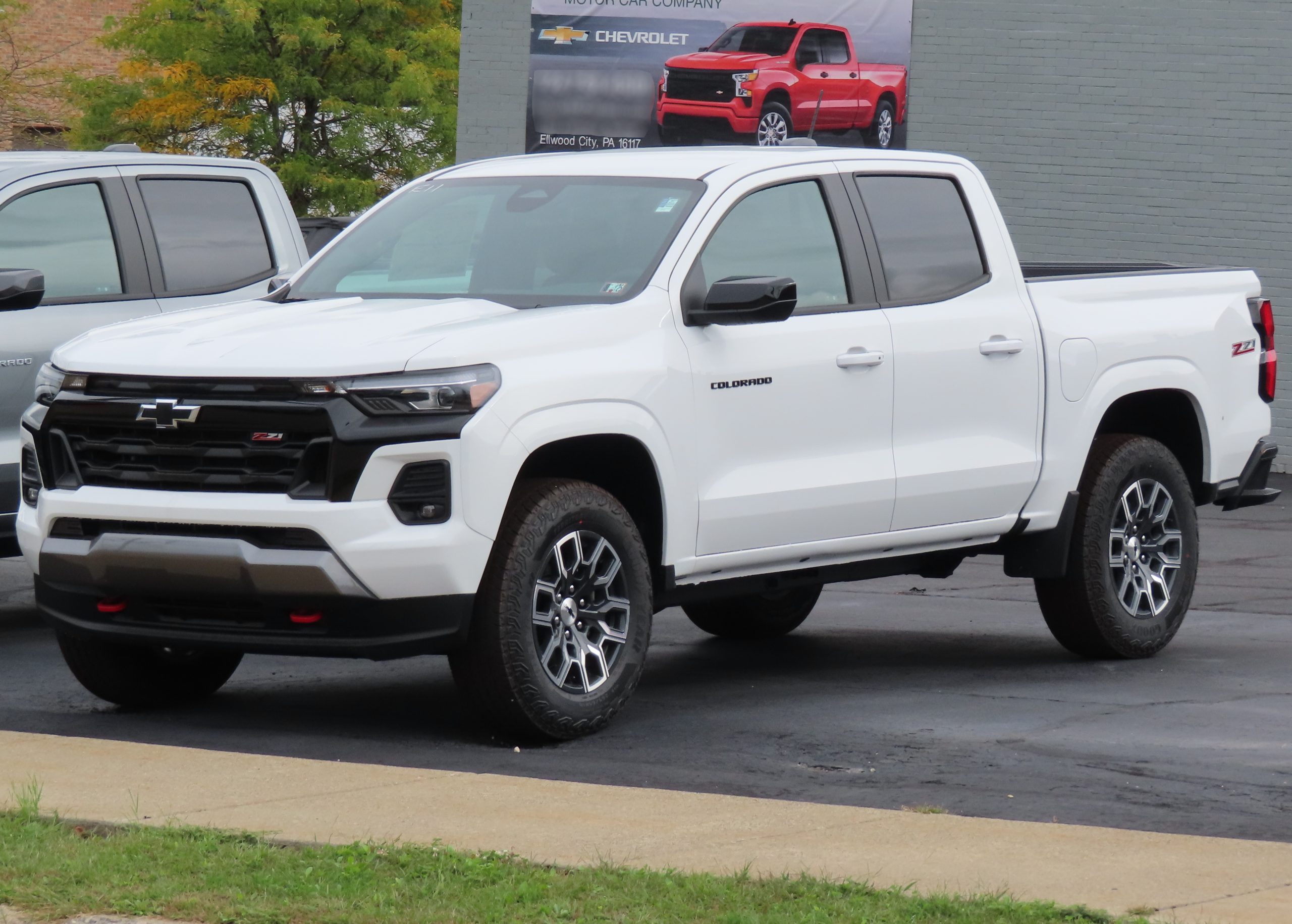
2. Chevrolet Colorado (Previous Generations)
The Chevrolet Colorado has long been seen as a midsize truck option for those who don’t need full-size strength, and that’s exactly how it should be marketed. But in past generations, especially before the 2023 redesign, the Colorado often gave buyers the illusion that it could handle heavier jobs than it was built for.
Many owners found themselves disappointed after loading up the bed with gravel, equipment, or even a heavy toolbox, only to watch the rear suspension sag noticeably. The truck’s rear leaf springs were relatively soft, and the shock absorbers weren’t tuned to control rebound under high stress, resulting in bottoming out over potholes or dips.
This wasn’t just an aesthetic issue. Once the truck bottomed out or sagged under load, handling became significantly compromised. The front end would feel lighter, steering would be less precise, and braking distances would increase. On uneven terrain or backroads, it could even feel unsafe.
While it may have offered decent payload numbers on paper, usually just above 1,500 lbs, the reality was that even approaching those limits would stress the suspension and cause problems. For buyers expecting a mini workhorse, the older Colorado was often a letdown when it came to real-world performance.
One of the other issues with the older Colorado models was the lack of frame stiffness. Compared to body-on-frame trucks in the same category, the Colorado tended to flex more under stress. When you loaded it up, especially toward the rear of the bed, it wasn’t unusual to see the truck squat dramatically and lose ride quality.
Long trips with weight in the bed became tiring due to the bouncing and swaying, even on paved roads. It was the kind of truck you could use for light gear and supplies, but if you tried to make it pull its weight in a more literal sense, it rarely responded well.
Long-term reliability was another area that raised concerns when the truck was regularly overburdened. Owners who consistently carried heavier loads often experienced early suspension wear, including blown rear shocks and sagging springs.
3. Honda Ridgeline
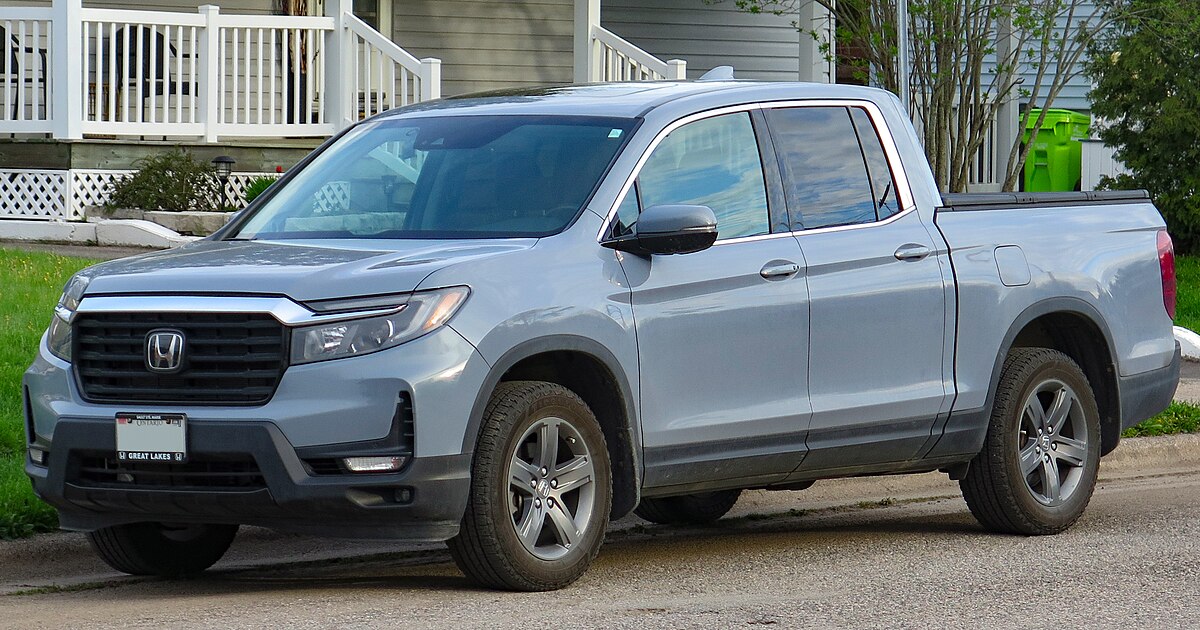
The Honda Ridgeline has always been something of an outlier in the truck world. It’s built on a unibody platform rather than a traditional body-on-frame layout, which gives it a smoother ride and car-like handling, but at the expense of real truck toughness.
While Honda marketed the Ridgeline as a capable pickup with innovative features and respectable payload ratings, the truth is that it consistently struggles under heavier loads. Its rear suspension simply isn’t built to hold substantial weight, and that becomes obvious as soon as you try to push it beyond light-duty use.
One of the most visible problems is how drastically the Ridgeline squats when the bed is fully loaded. Even if you’re just loading in some bags of concrete or hauling materials, the rear end tends to drop more than what feels normal.
This is especially disappointing given the truck’s midsize footprint and decent engine performance. But the unibody frame can’t distribute weight the same way as a traditional truck, and the suspension tuning prioritizes comfort over durability. That leads to noticeable bottoming out, especially when driving over uneven surfaces or hitting dips at speed.
Handling suffers too. While unladen, the Ridgeline might offer one of the most comfortable rides in the segment, but that quickly changes once it’s carrying weight. The rear end becomes soft and bouncy, and you start to feel every imperfection in the road.
Control becomes harder to maintain, especially if you’re towing or dealing with dynamic weight shifts in the bed. The problem isn’t just the rear suspension itself, but also the fact that the rest of the truck isn’t set up to balance or counteract that kind of stress. It wasn’t engineered to behave like a work truck; it was designed for comfort and convenience.
There’s no doubt the Ridgeline is a smart choice for people who need a crossover with a bed, or who only plan to carry lighter loads like bikes, coolers, or camping gear. It’s great for road trips and tailgates.
4. Toyota Tacoma (Pre-2024 Models)
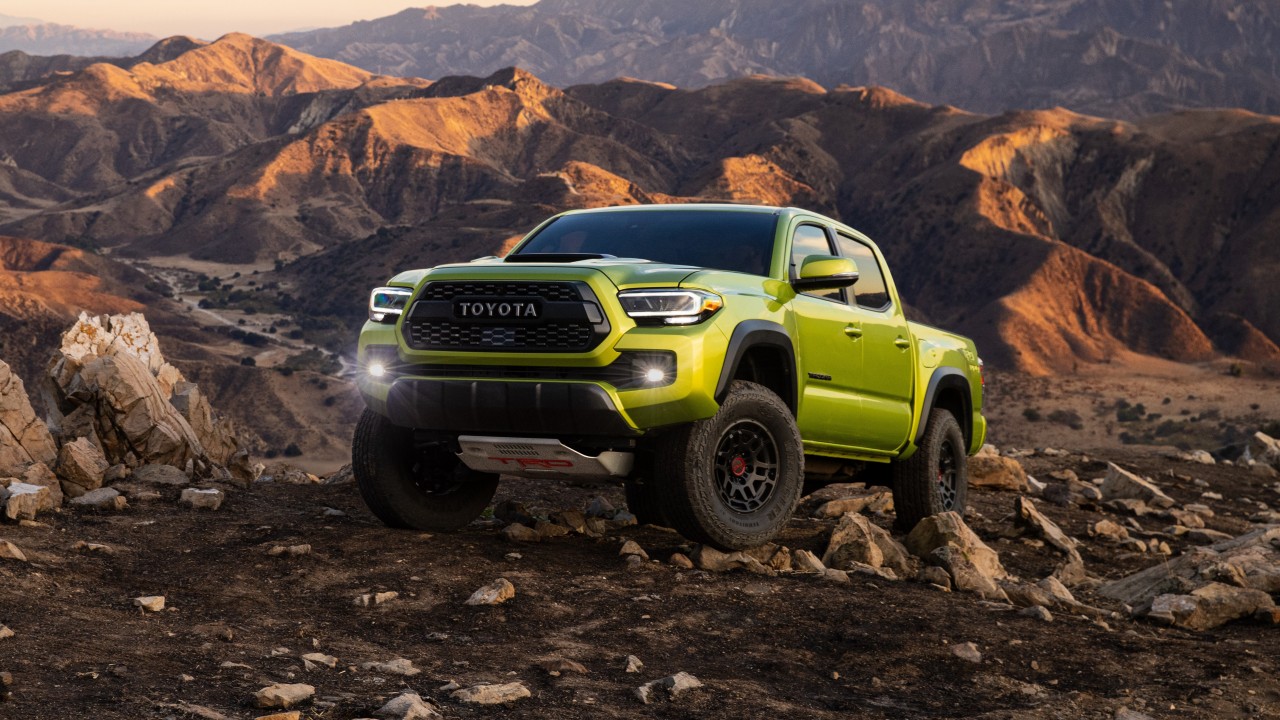
The Toyota Tacoma has long enjoyed a loyal fanbase, with many buyers appreciating its rugged styling, off-road ability, and reputation for long-term reliability. However, in terms of load-carrying capacity, especially in models produced before 2024, it often underdelivered.
Despite being a midsize truck, many owners attempted to push it to the limits of what a full-size truck could do. That often resulted in a rear suspension that sagged under moderate weight and a truck that would frequently bottom out on driveways, job sites, or even mildly uneven roads when loaded close to capacity.
The problem wasn’t necessarily that the Tacoma was weak, but rather that it was misused or overestimated. Its suspension was designed with off-road articulation in mind, not heavy hauling. That meant softer springs and shocks tuned for movement and comfort, not for maintaining level ride height under load.
The rear end of the Tacoma would often droop significantly, even when hauling things like soil, building materials, or a small ATV. That drop would alter the handling dynamics, sometimes dangerously so, as braking and steering performance declined.
One of the more frustrating aspects of the Tacoma’s suspension issues was that they weren’t always obvious during test drives or early ownership. Many problems emerged only after repeated use under load. Rear shocks would wear out prematurely, spring fatigue would occur, and even axle components would begin to show signs of strain.
Some owners added aftermarket lift kits or helper springs to improve the load capacity, but those were workarounds, not solutions. The factory setup simply wasn’t built for hauling serious weight regularly.
To be fair, the Tacoma was and remains an excellent choice for off-roading, light gear hauling, and general-purpose use. But when judged purely by its ability to carry heavy loads without complaint, it falls short.
5. Ford Ranger (Recent Models)
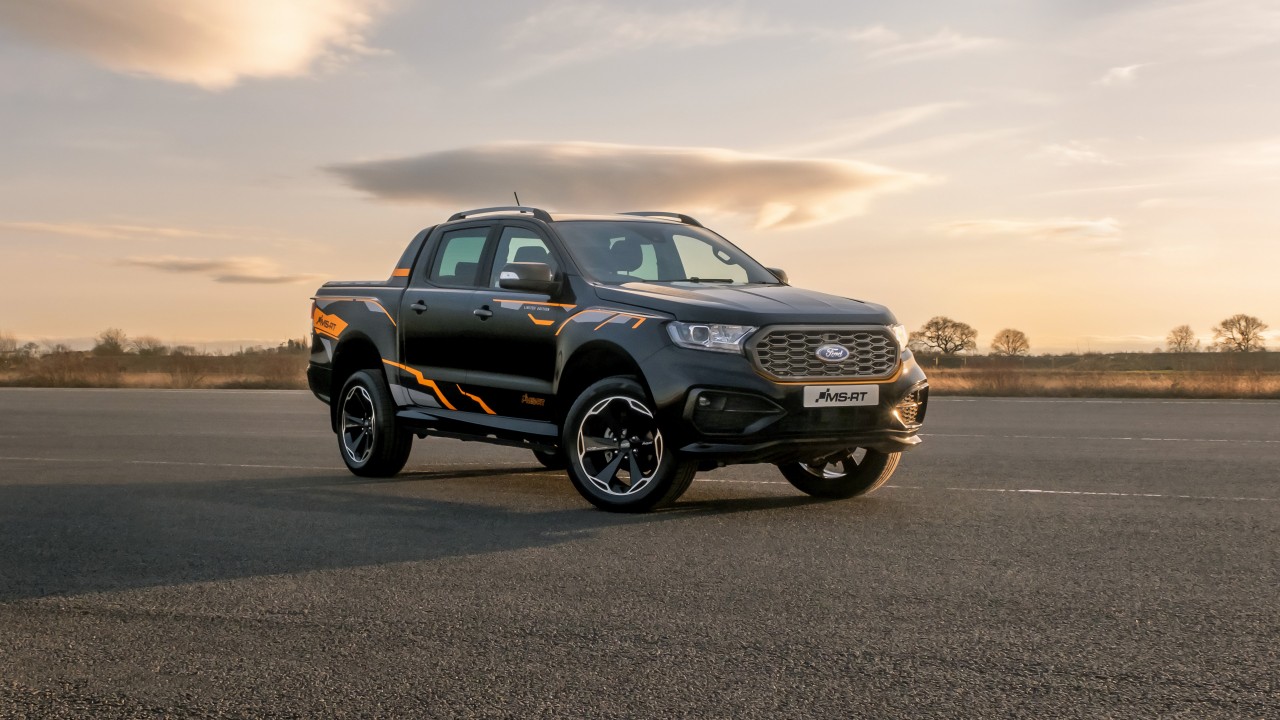
The modern Ford Ranger, reintroduced in the U.S. market in 2019, aimed to capture the midsize truck segment with a combination of turbocharged power and solid technology. It looked promising on paper, with a high towing capacity and competitive payload figures.
But when it came to carrying real loads in real-world conditions, the Ranger began to show its limits quickly. One of the biggest complaints from owners was how much the rear end of the truck sagged, even under moderate bed loads. This is a telltale sign of a suspension not tuned for consistent weight-bearing.
The culprit is largely the rear suspension, which uses relatively soft leaf springs that don’t offer the necessary resistance under load. While this soft setup helps the Ranger feel more car-like when driving unladen, it compromises the truck’s composure when hauling materials, tools, or heavier cargo.
Many users experienced rear-end squat with just a few hundred pounds in the bed, and it only got worse as the load increased. Over bumps, dips, or uneven terrain, the truck would bottom out or exhibit a harsh jolt as the suspension compressed fully.
Handling and control are also negatively impacted. Once the truck’s balance is thrown off by a sagging rear, the nose lifts, braking efficiency drops, and steering becomes less precise. That becomes particularly noticeable when cornering or descending hills with a load.
The powertrain may be up to the task, thanks to the 2.3L EcoBoost’s solid torque, but if the suspension can’t hold the truck level, the driving experience becomes unpredictable and unpleasant. A strong engine can’t compensate for suspension geometry that’s misaligned under weight.
The Ranger remains a capable light-duty truck for those who mostly plan to use it for commuting, weekend hauling, or occasional towing. But as a serious work truck expected to carry loads daily or handle rugged job site demands, it doesn’t hold up.
