
SUVs have evolved into some of the most popular and versatile vehicles on the road today. From compact crossovers to full-size off-road beasts, they serve a broad range of lifestyles. Whether you’re navigating congested urban streets, rural backroads, or long highway routes, visibility remains one of the most critical safety factors.
Among the many features that contribute to visibility, windshield wipers are often overlooked until it rains or snow piles up. This seemingly basic component can make the difference between a safe trip and a dangerous one.
Yet, it’s surprising how inconsistent wiper performance can be, especially across different SUV models. Some vehicles are equipped with wiper systems that sweep nearly every corner of the windshield, while others have frustrating blind spots that remain even after multiple swipes.
When evaluating an SUV’s quality, people often look at engine performance, fuel efficiency, infotainment systems, and comfort. Wipers rarely make the shortlist, but anyone who has driven through a heavy downpour or a snowstorm knows how frustrating it is to strain your neck trying to see through uncleared sections of the windshield.
Inadequate wiping areas aren’t just an annoyance; they can become genuine hazards. If an SUV has a wide windshield but a poorly designed wiper arc, the top corners or edges can remain perpetually foggy or wet.
This not only distracts the driver but also limits peripheral vision, especially when turning at intersections or merging on highways. Visibility gaps can compromise reaction time and raise the chances of missing key road signs or potential hazards.
Manufacturers often cut corners or make odd design choices with windshield angles or cowl placement, leading to less effective wiper reach. Some SUVs try to compensate with rain-sensing technology or heated wiper areas, but those can’t entirely make up for physical design limitations.
Other brands, however, have invested in making sure their wipers do the job properly, clearing up as much glass as possible with each swipe. The difference becomes very noticeable when moving from one vehicle to another, especially during heavy weather. This article highlights five SUVs that excel in wiper coverage and five that fall disappointingly short, with specific attention to the practical implications of each design.
Also Read: 5 Turbo Engines That Stay Reliable and 5 That Always Break
5 SUVs with Wipers That Clear Fully
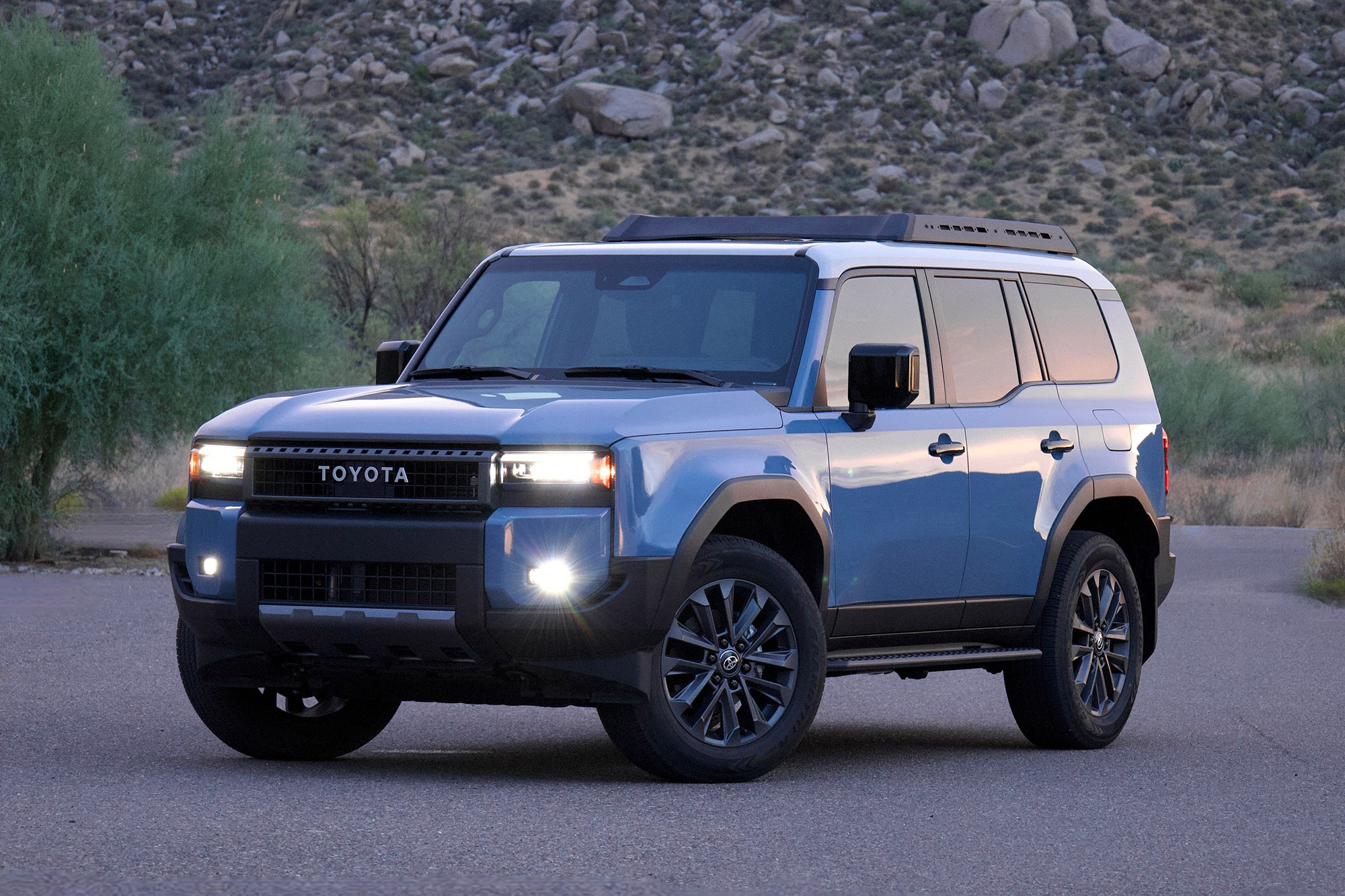
1. Toyota Land Cruiser
The Toyota Land Cruiser has long been celebrated for its durability, reliability, and off-road capability. One of the underrated strengths of the vehicle is how well it handles adverse weather conditions, and part of that resilience lies in its practical design. The wiper system on the Land Cruiser is engineered to clear nearly the entire windshield, from edge to edge.
This is particularly important for a vehicle that is often used in remote areas where weather changes can be sudden and severe. The wiper arms are long, sturdy, and positioned in a way that allows for a wide arc, leaving little to no blind spots even in heavy rain or snow.
Visibility in the Land Cruiser remains consistent due to its flat windshield design, which pairs well with its large wiper blades. Unlike many modern SUVs that have adopted steep windshield angles for style or aerodynamics, the Land Cruiser keeps things straightforward, which helps with even water displacement.
In cold climates, the wipers also benefit from being partially recessed and heated, preventing ice buildup and skipping, two issues that can leave large portions of the windshield dirty or wet on lesser vehicles. Drivers have noted that even after hours of continuous use, the wipers maintain strong contact with the glass and resist streaking.
Another reason the Land Cruiser performs so well in this category is Toyota’s focus on practical engineering over purely aesthetic concerns. The company seems to recognize that visibility is a critical factor for both safety and usability, particularly in an SUV often driven in challenging environments.
While other brands might prioritize a sleek hoodline or curved windshield for a more modern appearance, Toyota maintains functionality. In combination with a high seating position and good mirror placement, the Land Cruiser offers one of the best visibility packages in its class.
When it comes to all-weather capability, the wiper design of the Land Cruiser is not just a bonus; it’s part of what makes the vehicle so well-rounded. Owners who have driven through dust storms, snowy mountains, and tropical rain consistently report that the wipers do their job with minimal fuss.
Toyota didn’t treat this feature as an afterthought. The effective wiping system complements the rest of the vehicle’s robust build, adding yet another reason to trust it when conditions turn harsh.
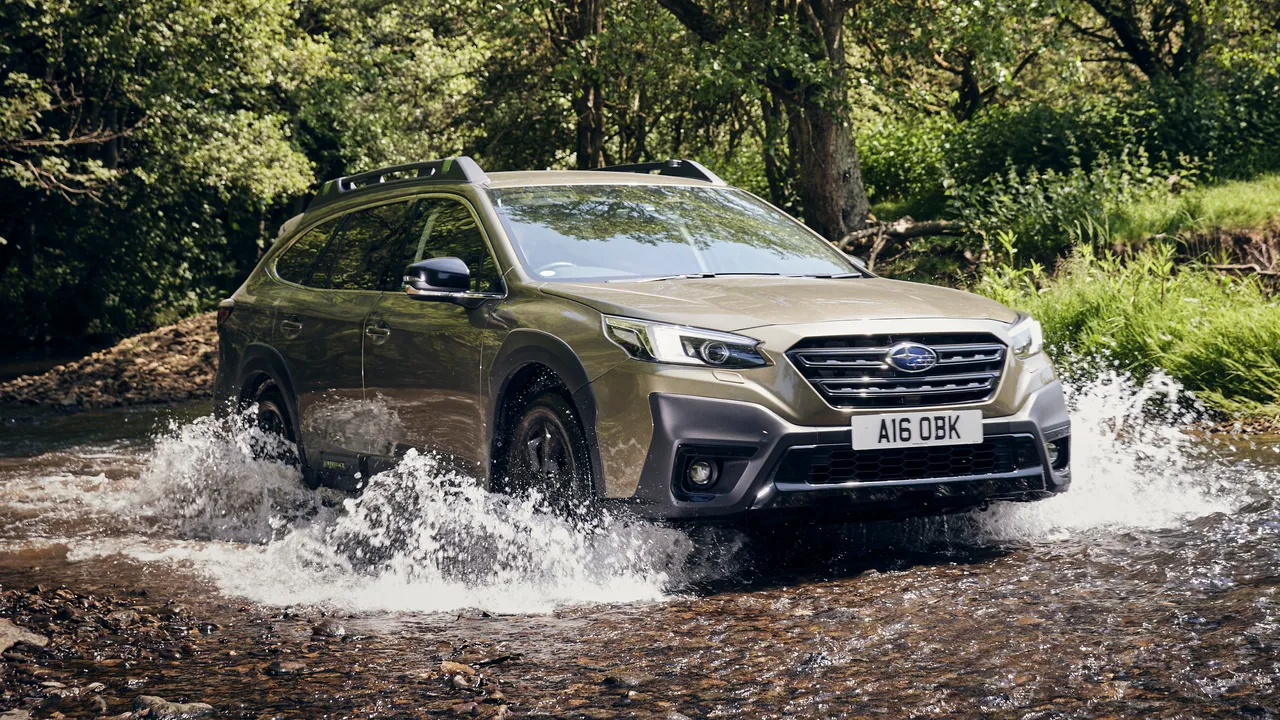
2. Subaru Outback (Wilderness Trim)
The Subaru Outback, especially in its Wilderness configuration, stands out as one of the most weather-ready vehicles in the crossover SUV segment. While it straddles the line between wagon and SUV, its dimensions and capabilities qualify it for this comparison.
Subaru has put noticeable effort into visibility, and the windshield wipers reflect this attention to detail. On the Wilderness trim, the blades are not only larger but designed to work in unison to clear nearly the entire windshield, including the high corners and low edges that are often neglected in similar vehicles.
Subaru engineers often prioritize practicality, and the windshield angle on the Outback allows the wipers to travel a broad range without interruption. The result is a cleaner sweep and better rain dispersion, especially at higher speeds.
Even during sideways rain or slushy snow, the system clears effectively. In addition, Subaru includes a wiper de-icer grid along the base of the windshield, which helps prevent the blades from sticking in cold weather. This is especially useful in mountain states or colder regions where freezing rain and snow are common.
Another factor that helps the Outback stand out is the symmetry and coordination of its dual-blade setup. Some SUVs suffer from misaligned timing or poorly curved arms, causing overlap issues or missed sections, but the Outback’s design maintains a clean motion that covers all crucial viewing angles.
The top corners, which are often ignored in many designs, are well-covered thanks to the sweep of the driver’s side blade, which extends far enough to maximize vision. This can make a meaningful difference during highway lane changes or tight turns.
The Outback has become a popular choice among outdoor enthusiasts who require consistent performance in wet, muddy, or snowy environments. Its superior wiper performance contributes to this reputation, allowing drivers to maintain confidence even during the worst weather.
Visibility isn’t just about seeing forward; it’s about being able to respond quickly and accurately to the road ahead, and the Outback delivers on that expectation. Combined with its all-wheel-drive system and high ground clearance, the wiper coverage rounds out a vehicle built with function in mind.
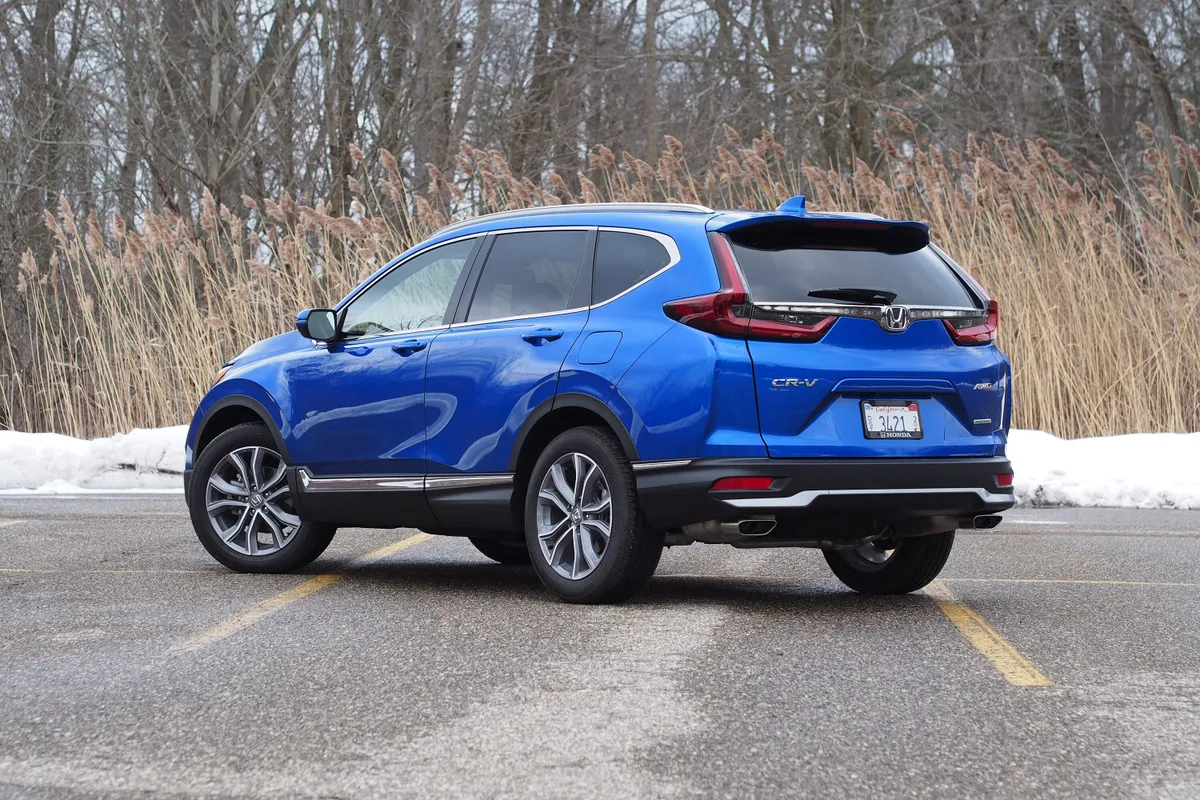
3. Honda CR-V
The Honda CR-V is a best-seller for good reason. It offers reliability, comfort, and value in a competitive SUV segment. While its reputation is built on practicality and user-friendliness, Honda has also equipped it with a wiper system that performs better than most in its class.
The windshield wipers are well-proportioned for the size of the glass, and the way they sweep ensures that both the central and peripheral zones are kept clear. This is especially appreciated during night driving or when dealing with light drizzles that can blur vision if not handled properly.
One area where the CR-V shines is the even pressure distribution across the wiper blades. This prevents streaking and ensures full contact with the glass at all times. Even with extended use or older blades, the system performs with minimal degradation.
This consistent performance is partly due to the motor calibration and blade angle, which Honda seems to have optimized through years of refinement. Rather than following the flashiest trends, the brand focuses on getting the basics right, and the windshield system is no exception.
The wiper speed settings on the CR-V are also thoughtfully arranged, with smooth transitions and responsive rain-sensing controls. For those who prefer manual control, the variable intermittent settings are genuinely useful and not just tacked on. In terms of real-world usage, this translates to less distraction and more confidence during wet weather, especially for drivers in rainy regions like the Pacific Northwest or coastal cities.
What truly elevates the CR-V’s system is that it doesn’t just perform well in ideal conditions, it continues to do its job effectively when visibility matters most. Whether you’re driving through city streets under a sudden downpour or facing early-morning fog on a country road, the CR-V helps keep your field of vision wide and clear. Its strong wiper performance complements a car designed to be an everyday workhorse for all kinds of drivers.
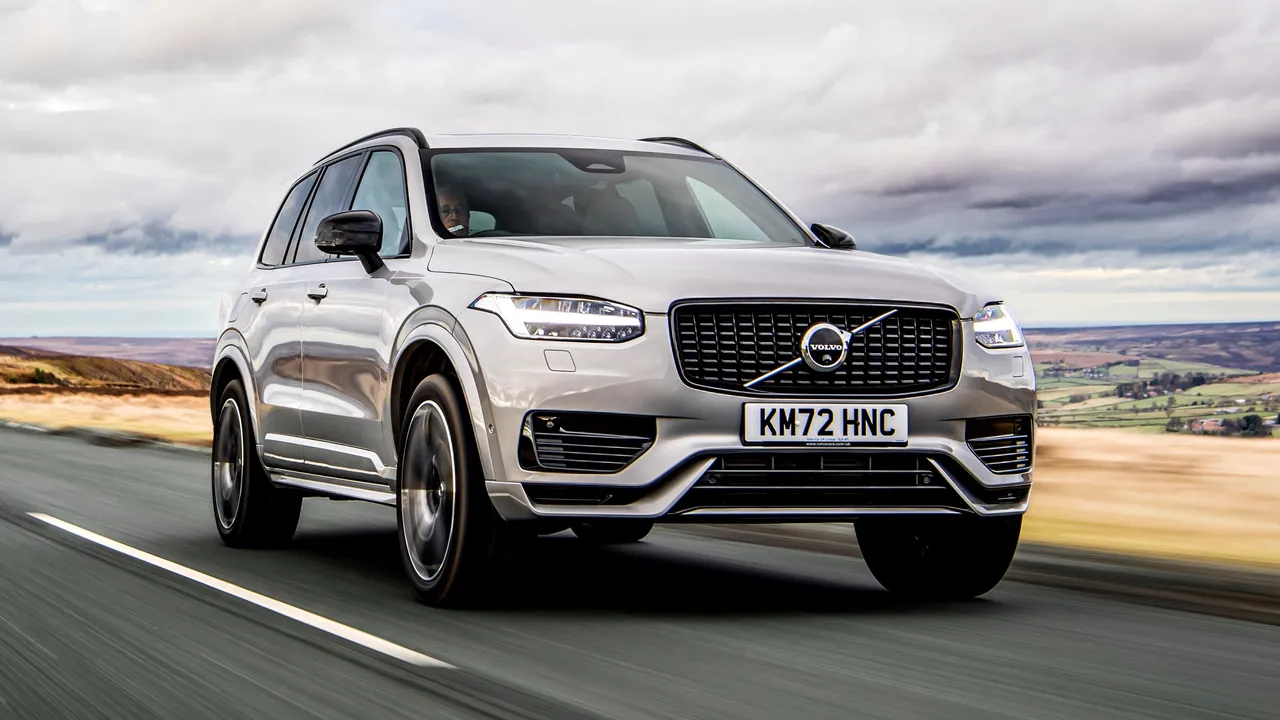
4. Volvo XC90
Safety has long been the cornerstone of Volvo’s design philosophy, and the XC90 continues that tradition in the mid-size SUV category. One area that reflects this commitment is the windshield wiper design.
Volvo uses a combination of long blade reach and advanced motion patterns to ensure that the majority of the windshield surface is wiped clean. Unlike many competitors, the XC90 has blades that reach higher into the corners and lower near the base of the windshield, leaving very few untouched zones.
A key feature of the XC90’s wiper system is its integration with a washer nozzle setup that sprays evenly across the windshield. This prevents the common issue of washer fluid pooling in one spot while the rest of the windshield remains smeared. The wiping system pairs with automatic sensors that activate with a surprising level of sensitivity.
Even light mist or road spray triggers the system, allowing for nearly uninterrupted visibility in unpredictable conditions. These sensors are tuned well, avoiding the annoying overcorrection some systems fall into.
Volvo has also implemented a system where the blades tuck away beneath the hood line when not in use, reducing exposure to the elements and helping them last longer.
Another point worth noting is the width of the XC90’s windshield, which is larger than that of many competitors in its category. While a wider windshield could pose a challenge for efficient coverage, Volvo has clearly accounted for this in its engineering.
The wipers’ path covers the full field of driver vision and provides excellent peripheral clarity, which is important when turning or navigating roundabouts. It also helps during long-distance driving, where uninterrupted forward visibility reduces eye strain and improves focus. Many luxury SUVs emphasized screens and ambient lighting, but Volvo sticks to what matters most for driving: clear, reliable visibility in any weather.
The attention to detail is also reflected in the smoothness of operation. The wiper motor on the XC90 is quiet and consistent, with no jerky stops or sluggish motion. Even on higher speed settings, the blades move fluidly across the glass, which minimizes distraction.
This also prevents wear over time that can occur when motors are overworked or poorly calibrated. Volvo’s experience in Scandinavian weather seems to influence these design choices, and it shows in the quality of execution.
Drivers who choose the XC90 for its family-friendliness, technology, and safety are also rewarded with a vehicle that doesn’t overlook the fundamentals.
A strong wiper system might not appear on the feature sheet as a highlight, but it plays a silent role in every drive during rain, snow, or icy fog. In this regard, the XC90 outperforms many of its competitors, including more expensive luxury SUVs that often prioritize aesthetics over function.
5. Jeep Grand Cherokee (New Generation)
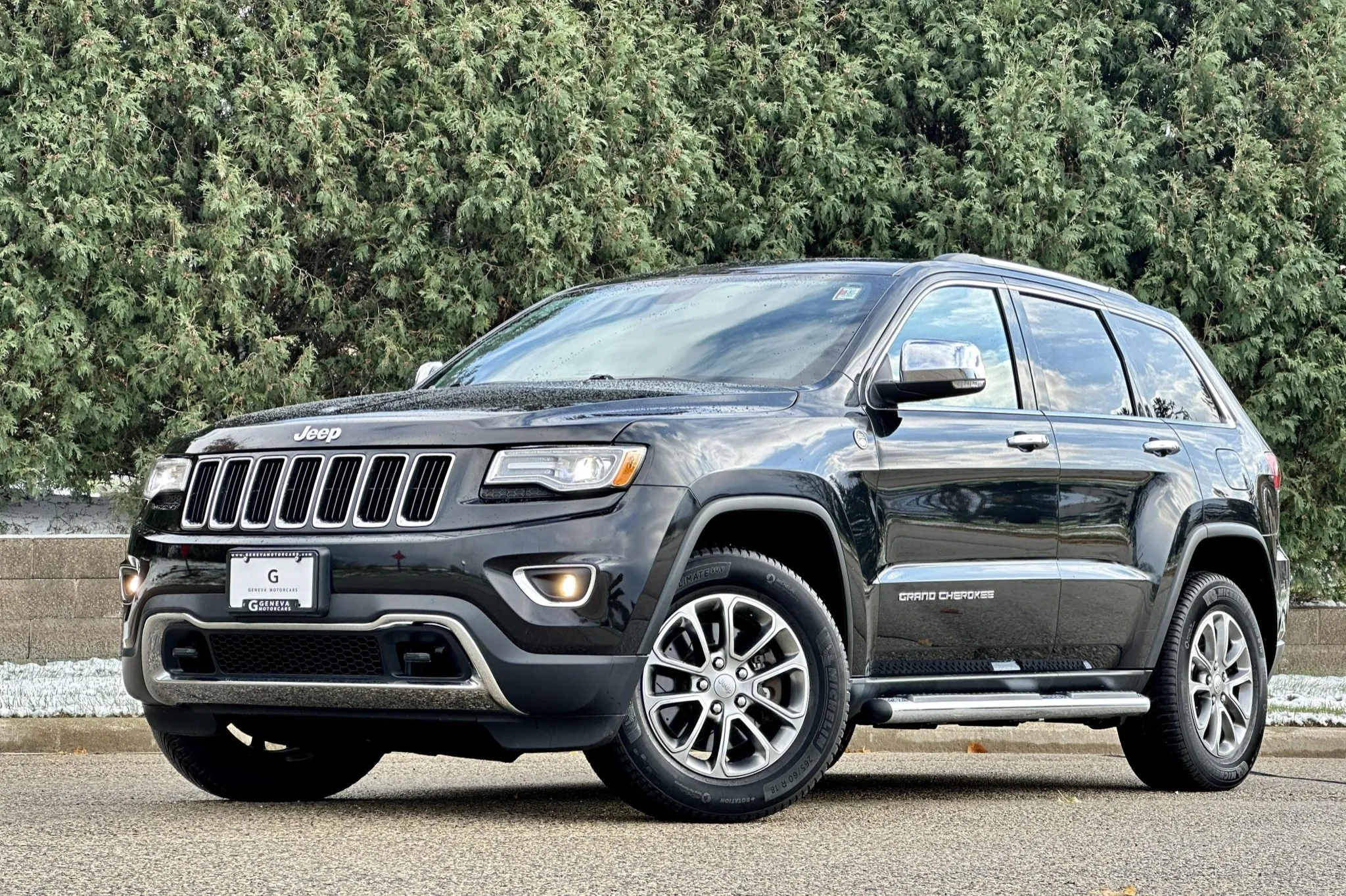
The Jeep Grand Cherokee has gone through several generations, and the newer models have made significant strides in comfort and refinement. Among the more practical upgrades is a windshield wiper system that clears a generous portion of the windshield.
This improvement is crucial for a vehicle that’s often marketed as an off-road-capable SUV but is just as likely to be used as a daily commuter in urban or suburban environments. The newer blade design and placement now allow for far better coverage than previous versions, addressing an old complaint many drivers had about earlier models.
One of the key strengths of the Grand Cherokee’s updated wiper system is the increased vertical reach of the driver’s side blade. The arc sweeps up into the upper-left corner, which is often neglected in other midsize SUVs. This helps ensure that drivers aren’t left with a blurry edge in their direct line of sight.
Additionally, the system is fast and responsive. Whether operating manually or using the rain-sensing mode, the wipers adjust quickly and clear the glass without lag, making it easier to maintain visual focus in rapidly changing conditions.
The placement of the blades also factors into their success. Jeep seems to have prioritized an unobstructed view by positioning the wipers low on the cowl but not so deeply recessed that they struggle to operate during snowfall. Unlike some SUVs that suffer from blocked wiper movement after heavy snow accumulation, the Grand Cherokee retains mobility.
It also benefits from a heated wiper park area in higher trims, which helps the blades stay flexible in freezing temperatures. That reduces the likelihood of tearing or bouncing across the windshield, which can happen with colder, hardened rubber.
Also Read: 5 V8 Engines That Refuse to Quit and 5 That Self-Destruct
5 SUVs with Wipers That Miss Half the Windshield
1. Tesla Model X
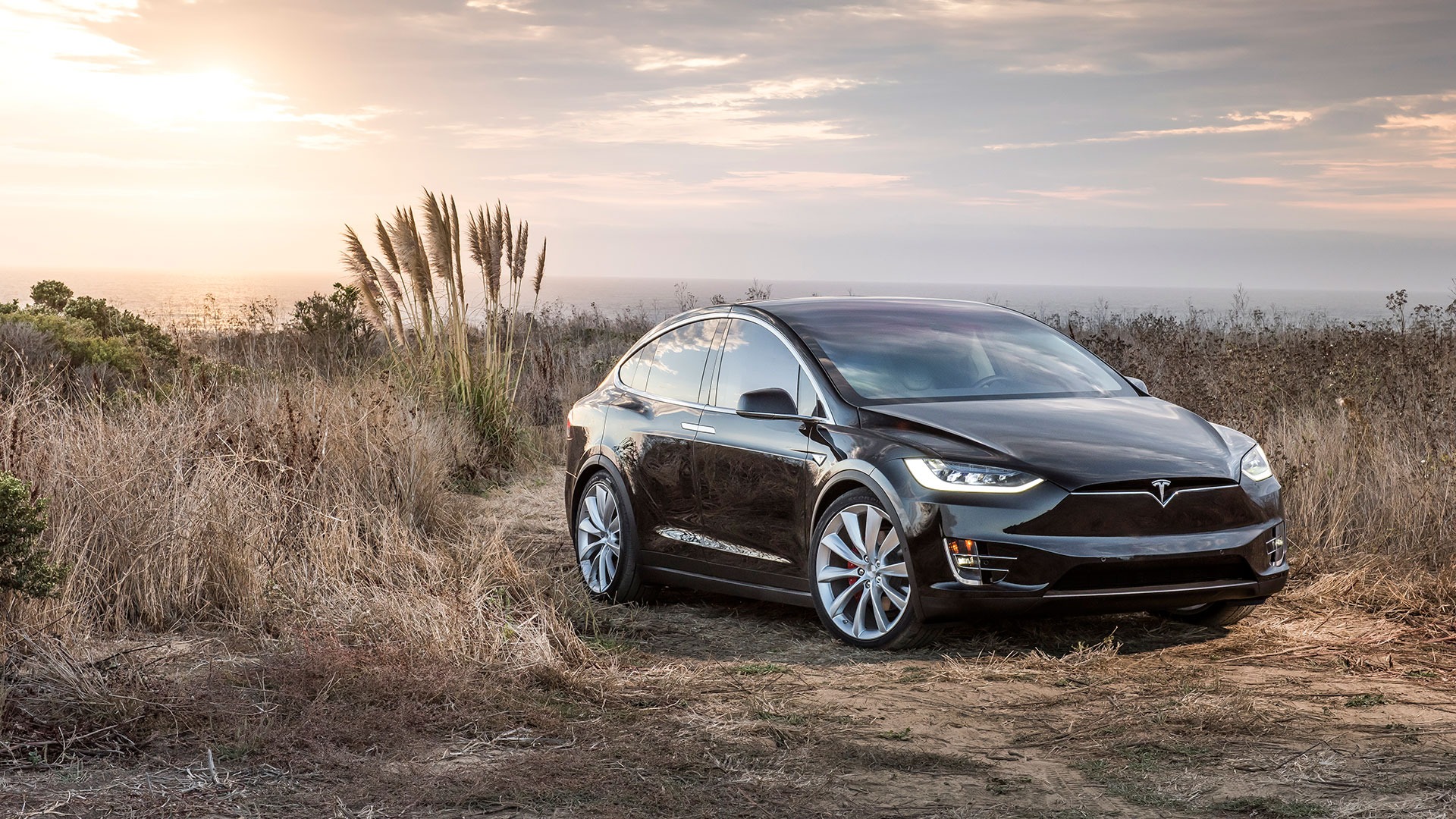
The Tesla Model X is packed with futuristic technology and unique design features, but it also suffers from one of the strangest and most controversial windshield wiper systems on the market. Tesla opted for a single large wiper blade that rests vertically along the driver’s side A-pillar when not in use.
This massive blade is supposed to be efficient, futuristic, and sleek, but in practice, it’s far from ideal. One of the main problems with this setup is that it doesn’t reach many of the far corners of the windshield, particularly on the passenger side. For a windshield that’s larger than most, that means a large surface area remains partially obscured during rain.
The size and design of the windshield itself compound the problem. It extends far above the driver’s head and well down the sides, which looks great in a showroom and creates a sense of openness. But when it rains, only the lower portion of the windshield, the traditional “driving zone”, gets consistent clearing.
The upper portion, which comes into play when driving uphill or when sunlight refracts through droplets, is largely untouched. Even worse, if the blade’s arm is slightly misaligned or worn down, the effectiveness drops quickly, leaving long streaks and missed sections.
Another practical issue arises from the fact that the blade’s unique length makes it more difficult and expensive to replace. Traditional wiper replacements don’t fit, so Tesla owners often need to seek service through the dealership or specialty parts providers.
This creates an added layer of inconvenience, especially for a component that sees wear fairly quickly. The washing fluid spray system also lacks precision, leading to moments where the spray lands unevenly or only partially preps the windshield before the wiper begins its sweep. The result is uneven cleaning and a less-than-ideal driving experience in wet conditions.
For a vehicle that prides itself on cutting-edge engineering, it’s surprising that the Model X stumbles on something so essential. The windshield design was clearly made to impress, but the wiper system feels like an afterthought.
Visibility gaps, especially on the upper and far-right portions of the windshield, make the driving experience during heavy rain or snow far less safe than it could be. Even the most impressive navigation screen can’t help if the driver can’t see the road clearly.

2. Ford EcoSport
The Ford EcoSport is a compact SUV aimed at city drivers and those seeking a budget-friendly option, but its wiper performance leaves much to be desired. The design of the windshield, combined with small wiper blades, results in poor coverage.
One of the more glaring issues is that the blades don’t adequately reach the upper corners of the windshield, especially on the passenger side. Even during moderate rain, large sections of glass stay foggy or spotted, which can be distracting to both the driver and front passenger.
In particular, the driver’s side coverage is narrow and often doesn’t fully clear the field of vision, especially near the top-left and mid-left edge. This is an unusual oversight, given that most manufacturers prioritize this exact area for safety.
The wiper blade arms seem slightly underpowered and short, and the angle at which they sweep misses key visibility zones. This becomes particularly problematic at night, when lights from oncoming vehicles or streetlamps reflect off the uncleared sections and reduce clarity.
The washer nozzles also struggle to provide even distribution. On some EcoSport models, the spray seems to favor the lower part of the windshield, leaving the upper half with only a thin film of fluid that the wipers can’t fully clear. In heavy rain, the blades also have a tendency to bounce slightly on the glass, creating streaks rather than a clean sweep. Owners have noted that even upgrading to higher-end aftermarket blades doesn’t fully solve the issue due to limitations in wiper arm length and motion pattern.
The wiper system on the Ford EcoSport reflects some of the cost-cutting that comes with an entry-level vehicle. While the SUV may provide decent performance in dry conditions, its wet-weather visibility is compromised by a subpar wiper design.
This is especially concerning for new or less confident drivers who rely heavily on clear forward vision to feel safe on the road. Inconsistent wiping in an urban setting filled with sudden stops, pedestrians, and heavy traffic can be both stressful and dangerous.
3. Chevrolet Tahoe
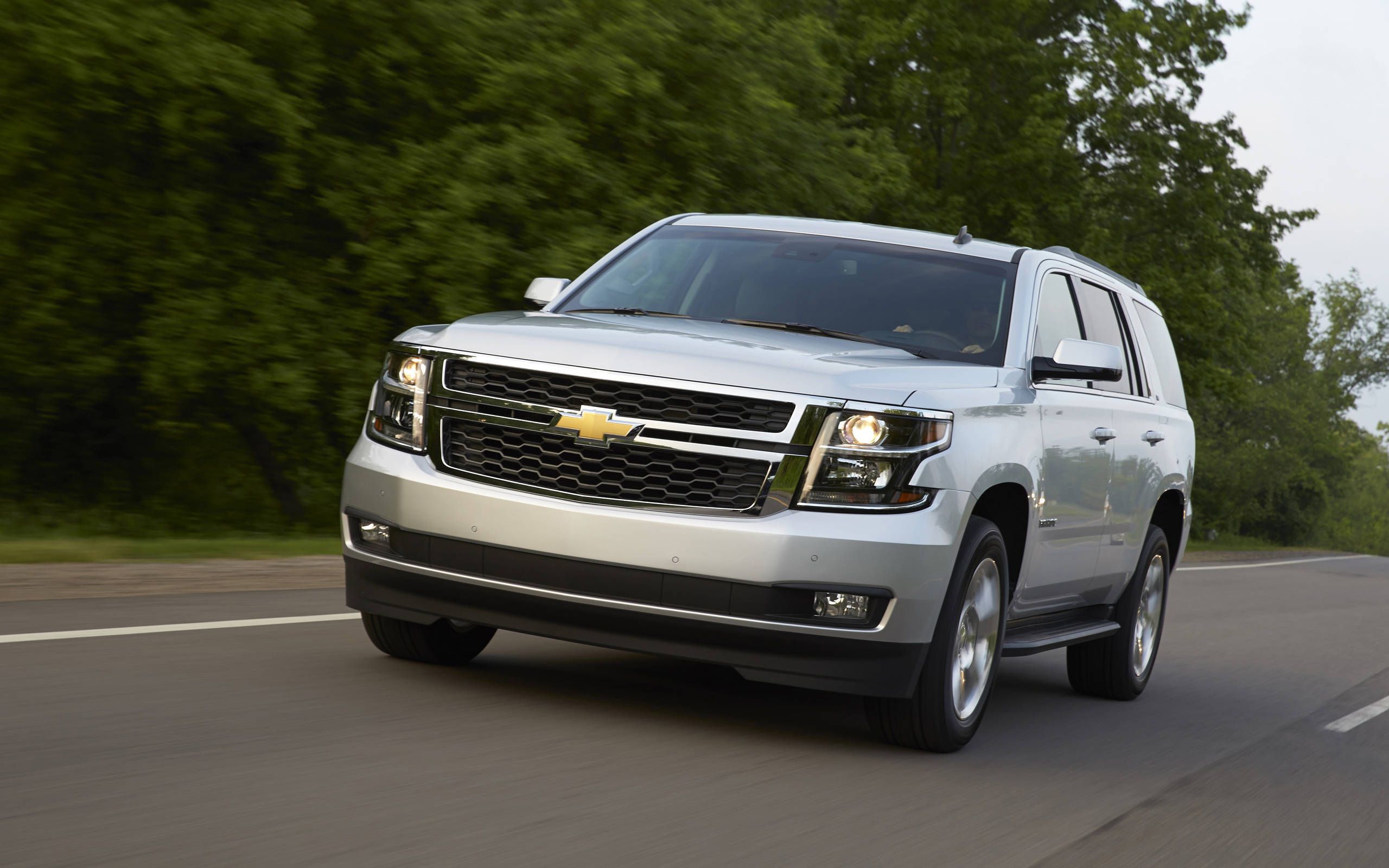
The Chevrolet Tahoe is a large, full-size SUV built for power and space, often used by families, law enforcement, and fleet services. Given its size and price, one would expect its visibility features to be rock solid, but the wiper system on many Tahoe models doesn’t measure up.
The windshield is tall and wide, but the wiper blades are relatively short and sweep in a pattern that leaves significant areas untouched, especially near the corners and far edges. On both the driver’s and passenger’s sides, the top sections remain slightly foggy or streaky after a single pass, and the blades often need multiple cycles to clear a moderate downpour.
The design of the windshield contributes to this issue. It’s sloped and stretches wide, but the wiper arms don’t compensate enough for this added surface area. As a result, during rain or snow, the driver may find themselves peering through streaks or shifting in their seat to look around uncleared areas.
This becomes even more problematic during highway driving, where maintaining constant focus on the road ahead is critical. If the outer sections are not fully cleared, spotting vehicles in adjacent lanes can be delayed by a second or two, a dangerous margin when traveling at high speed.
In snowy climates, the problems multiply. The wiper blades sit high on the glass when not in use and are exposed to the elements, leading to ice accumulation. Without a heated wiper park area, the blades can freeze in place, especially after the vehicle has been parked outside overnight.
On startup, they may skip or smear the glass instead of clearing it. Even when functioning, the wipers struggle to move heavy, wet snow off the wide windshield, and since the motor is not particularly powerful, the blades can slow down or lose contact with the glass altogether.
4. Mazda CX-30
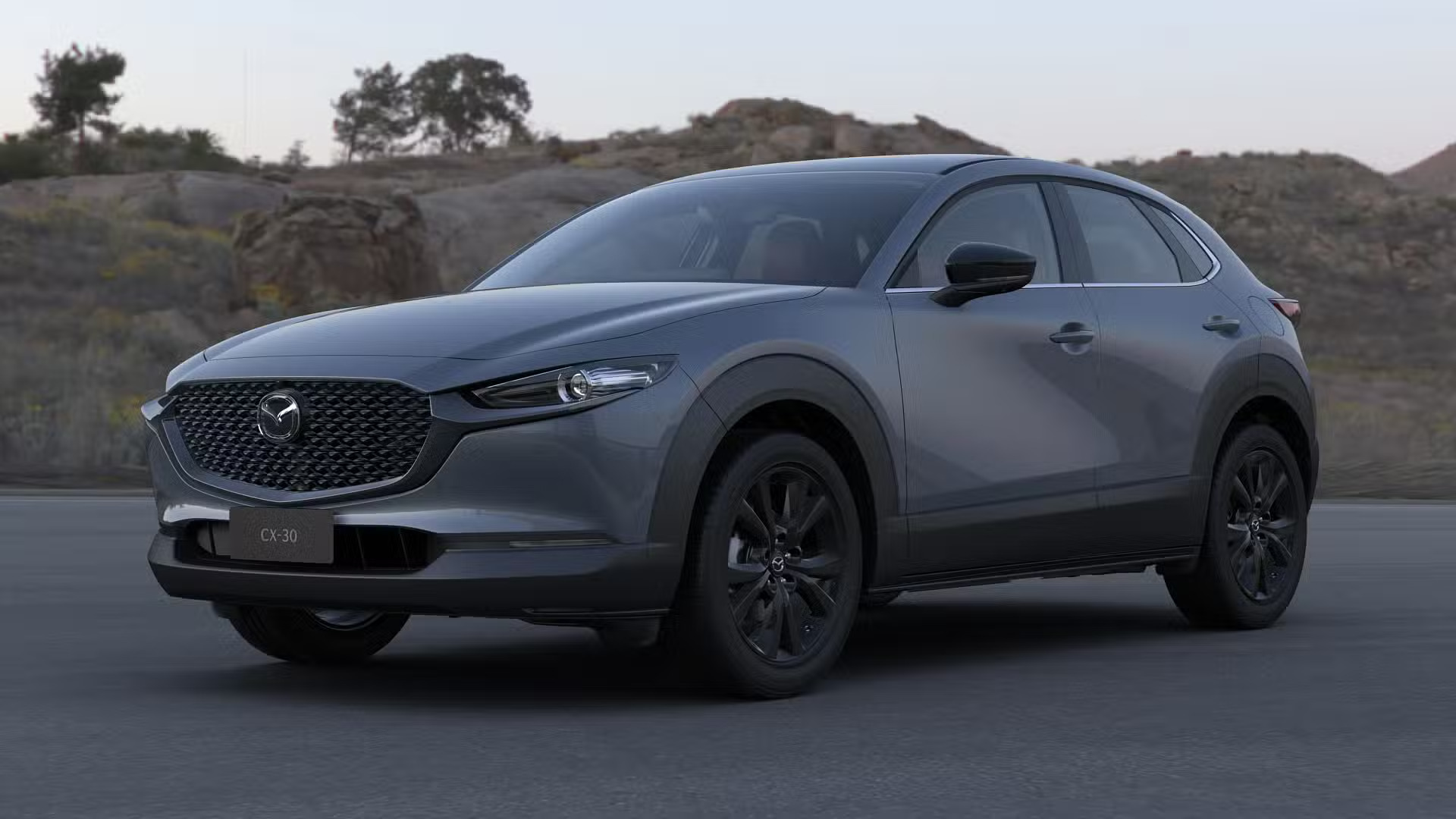
The Mazda CX-30 is a compact crossover that impresses in many areas, such as styling, handling, and interior quality, but the wiper performance is an area that stands out for the wrong reasons. The design of the windshield is steeply raked for a sportier look, which unfortunately limits the reach of the wiper blades.
While the motion of the blades covers the central viewing area fairly well, the corners, particularly the top right and left, are consistently left uncleared. Even when both blades are in motion, their arc doesn’t stretch far enough to handle the full height of the glass.
This limitation becomes more noticeable in specific driving situations. For example, during uphill driving or when cresting a hill, the uncleared portions of the windshield can distort the driver’s perspective.
Add some glare from streetlights or approaching headlights, and the streaky upper corners become more than a cosmetic nuisance. Passengers have also noted that their side often appears partially fogged or misted during wet conditions, requiring the use of the HVAC system to compensate for visibility loss that the wipers should handle.
Another issue is the pressure distribution across the blades. The wiper arms on the CX-30 appear to apply uneven force, which leads to the blades skipping or chattering against the glass during light rain or mist. This results in streaks across the central field of view, especially if the blades are even slightly worn.
The washer fluid system doesn’t help much either, as the nozzles often miss the upper portions of the windshield, focusing mainly on the lower center. This leads to inconsistent wiping, where one portion of the windshield is soaking wet while another is just smeared with road grime.
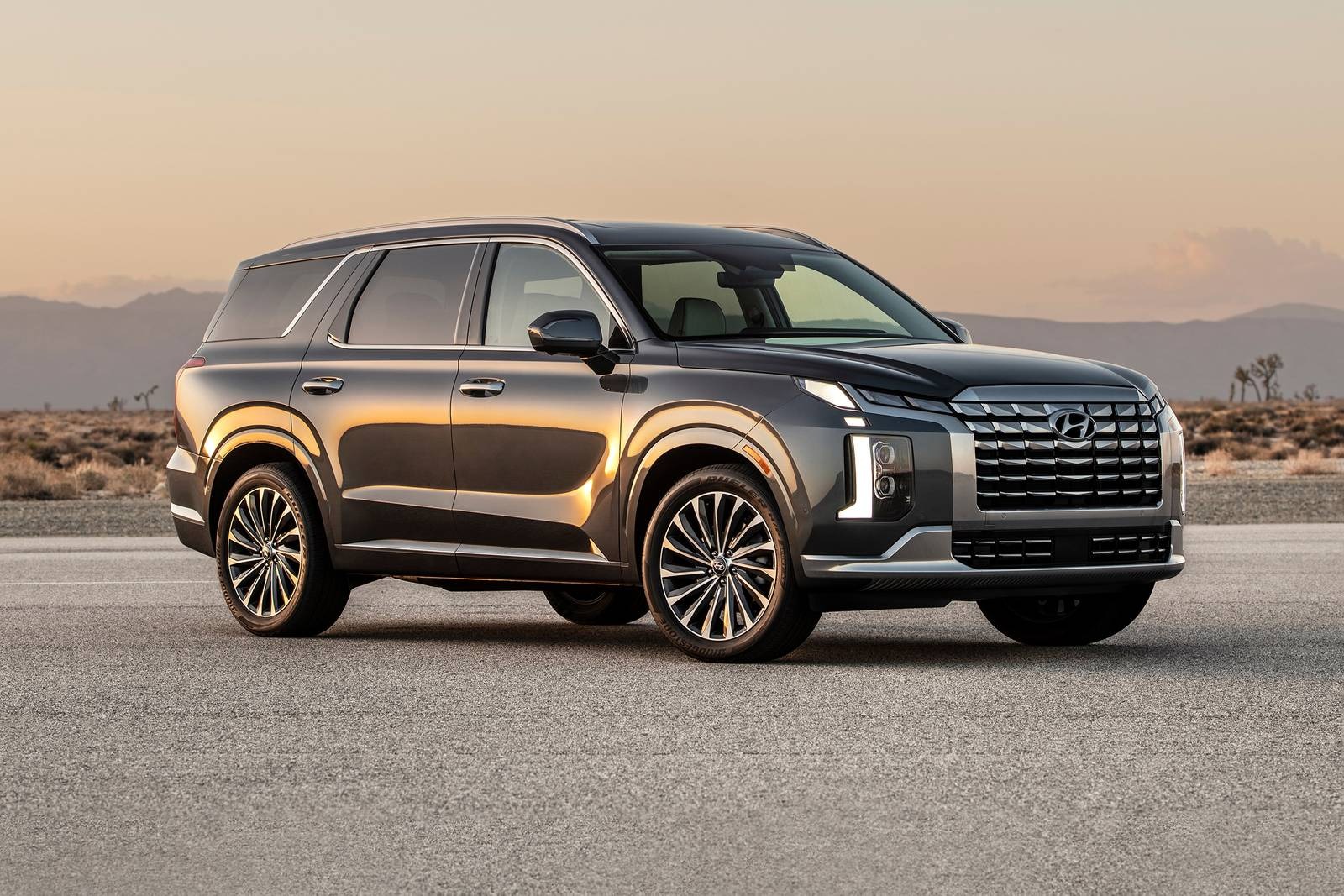
5. Hyundai Palisade
The Hyundai Palisade is one of the most popular three-row SUVs in its segment, offering a luxurious interior, competitive pricing, and plenty of tech. But when it comes to windshield wiper coverage, it disappoints in a surprisingly consistent way. The blades on the Palisade are set relatively low, and their arc fails to reach the top corners and outer edges of the windshield.
This leaves noticeable blind spots in rain, especially when visibility is already compromised by traffic spray or fog. The missed areas become more obvious at night, when droplets on the untouched glass refract light and cause glare.
The problem isn’t just with coverage, but also with motion efficiency. The blades move across the glass in a pattern that doesn’t quite maximize their reach. Instead of sweeping out toward the far corners, they seem to pull back too early, which creates a frustrating band of uncleaned space right in the driver’s peripheral vision.
This can be particularly distracting during highway driving or lane changes, where full awareness of surrounding traffic is essential. Given the width of the Palisade’s windshield, a more expansive sweep would significantly improve driver confidence.
The washer nozzles contribute to the problem. Positioned closer to the base of the windshield, they do not distribute fluid evenly across the full height of the glass. As a result, the upper third of the windshield often remains slightly dirty even after a spray and wipe cycle.
In dusty or muddy conditions, this means the wipers just smear residue upward without properly removing it. While the vehicle does have rain-sensing wipers, the system can be slow to activate or overly aggressive once it does, neither of which solve the problem of poor coverage.
