
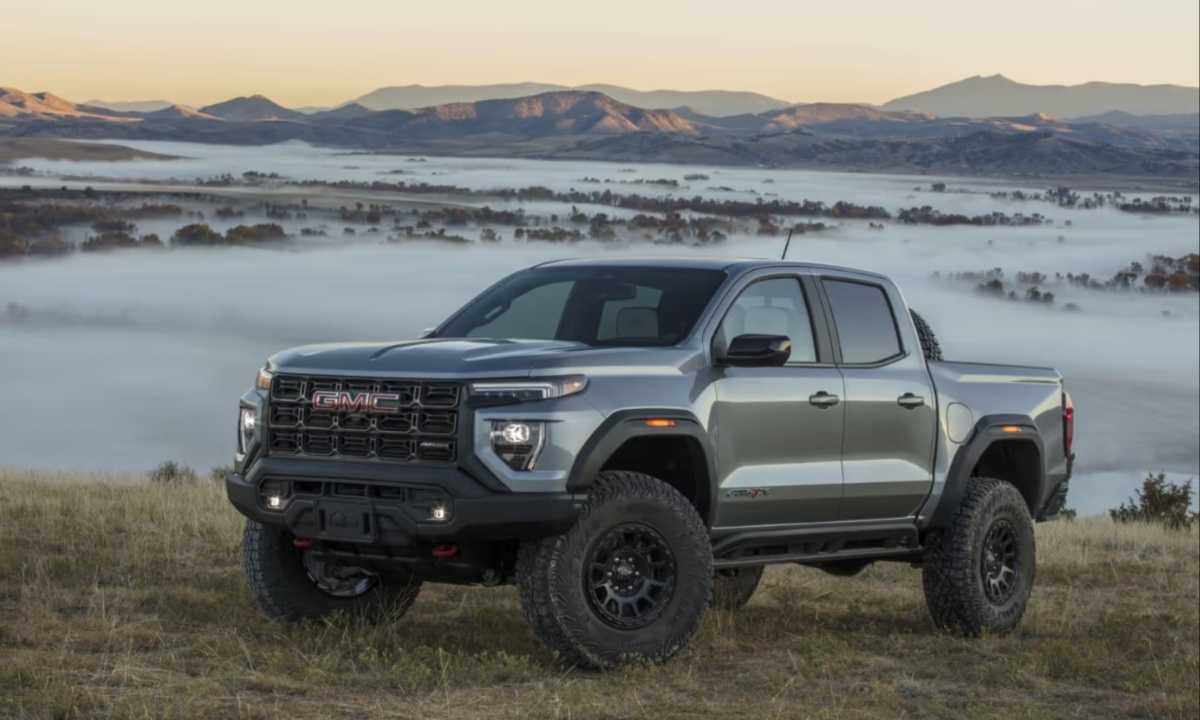
When it comes to vehicle reliability, most discussions revolve around engine performance, transmission durability, or fuel efficiency. While these are important factors, smaller components like lighting systems can tell you a lot about long-term ownership experience. Tail lights, for example, are often overlooked until they fail.
A burnt-out tail light may not stop a truck from running, but it can create a legal issue, reduce visibility at night, and increase the risk of rear-end collisions. Not to mention, constantly replacing bulbs or repairing the housing becomes a hassle over time, especially for those who use their trucks daily for work, hauling, or commuting.
What’s more frustrating is that tail light failure can stem from poor wiring, bad sockets, cheap bulbs, or low-quality housing materials, not just bulb longevity. Some truck manufacturers seem to have nailed this aspect of design, producing models that go years without a single issue, while others leave owners dealing with repeated failures, service visits, or even recalls.
Drivers who depend on their trucks, whether for construction, ranching, or delivery work, often seek vehicles that don’t require frequent repairs or constant attention to small parts. A tail light that holds up over hundreds of thousands of miles saves time, energy, and money.
On the other hand, if you’re having to replace your taillights once a year or more, that reflects poorly on the vehicle’s design quality, especially if the issue stems from something more complicated than a simple bulb replacement. Owners begin to notice when something as small as lighting turns into a recurring issue.
In this article, we’ll break down five trucks known for their dependable, long-lasting tail lights and contrast them with five that have built reputations for frequently burning out. We aren’t talking about isolated cases either. These patterns are based on user feedback, design choices, and known tendencies across multiple model years.
Whether you’re in the market for a truck or just curious about which brands go the distance with their lighting systems, this comparison should give you a clear picture of what to expect.
Also Read: 5 Cars With Lifetime Engine Seals vs 5 That Leak Oil by 100,000 Miles
Trucks with Tail Lights That Last (Rarely Burn Out)
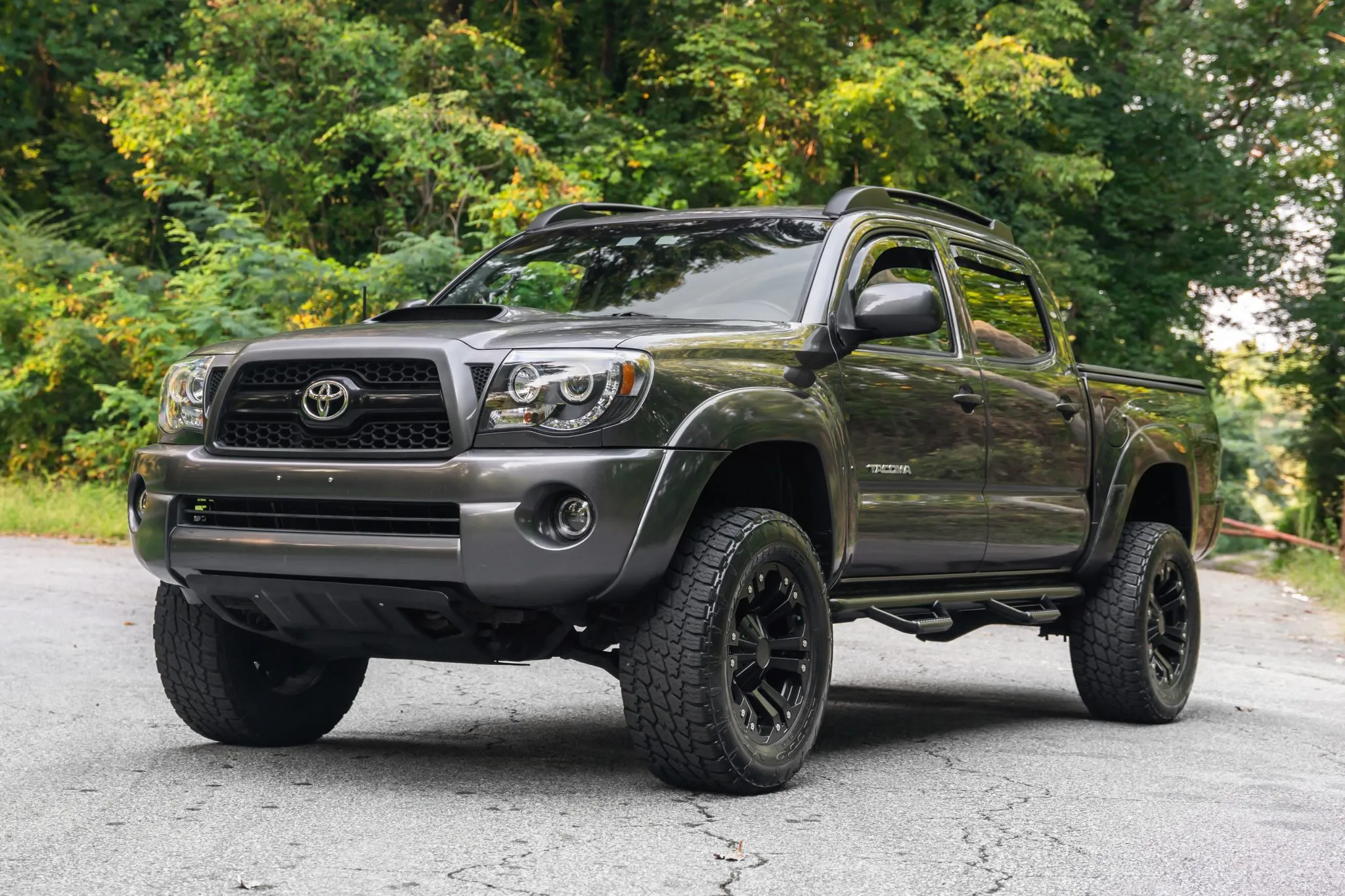
1. Toyota Tacoma
The Toyota Tacoma has built a reputation for reliability, and its lighting system is no exception. Tail lights on the Tacoma are generally sealed tightly, with high-quality connectors and durable bulbs. Many long-term owners report that they’ve never needed to replace a taillight bulb even after over 150,000 miles.
This isn’t just luck; it’s a reflection of good engineering. The tail lights are often LED-based, especially in more recent models, which last significantly longer than traditional halogen bulbs. Toyota’s use of dependable electronics means fewer shorts and better resistance to moisture intrusion, which is often the root cause of early bulb failure in many other trucks.
Tacomas that use LEDs benefit from the extended lifespan that these lights naturally offer, sometimes lasting for the life of the truck. Even on models with halogen taillights, the build quality remains impressive. The socket connections are snug, preventing looseness or vibrations that can shorten a bulb’s life.
The housings are also robust, reducing the risk of cracks or leaks that can allow moisture in. This kind of attention to detail ensures that lighting issues are virtually a non-topic for most Tacoma owners. It becomes one less thing to worry about.
Another aspect that works in Tacoma’s favor is its loyal community. Owners often share detailed maintenance records, and it’s rare to see tail light issues mentioned as a common complaint. Forums and user groups filled with high-mileage Tacomas show consistently reliable performance, including lighting systems.
Toyota’s reputation for engineering small parts with the same care as larger components shows clearly in this example. From bulb choice to circuit reliability, everything seems to have been considered.
Tacoma is the kind of truck you can drive for years without giving your taillights a second thought. That kind of dependability matters when you’re using the truck for both work and play. Whether navigating construction sites or mountain roads, you don’t want your rear lights giving out. With the Tacoma, they rarely do.
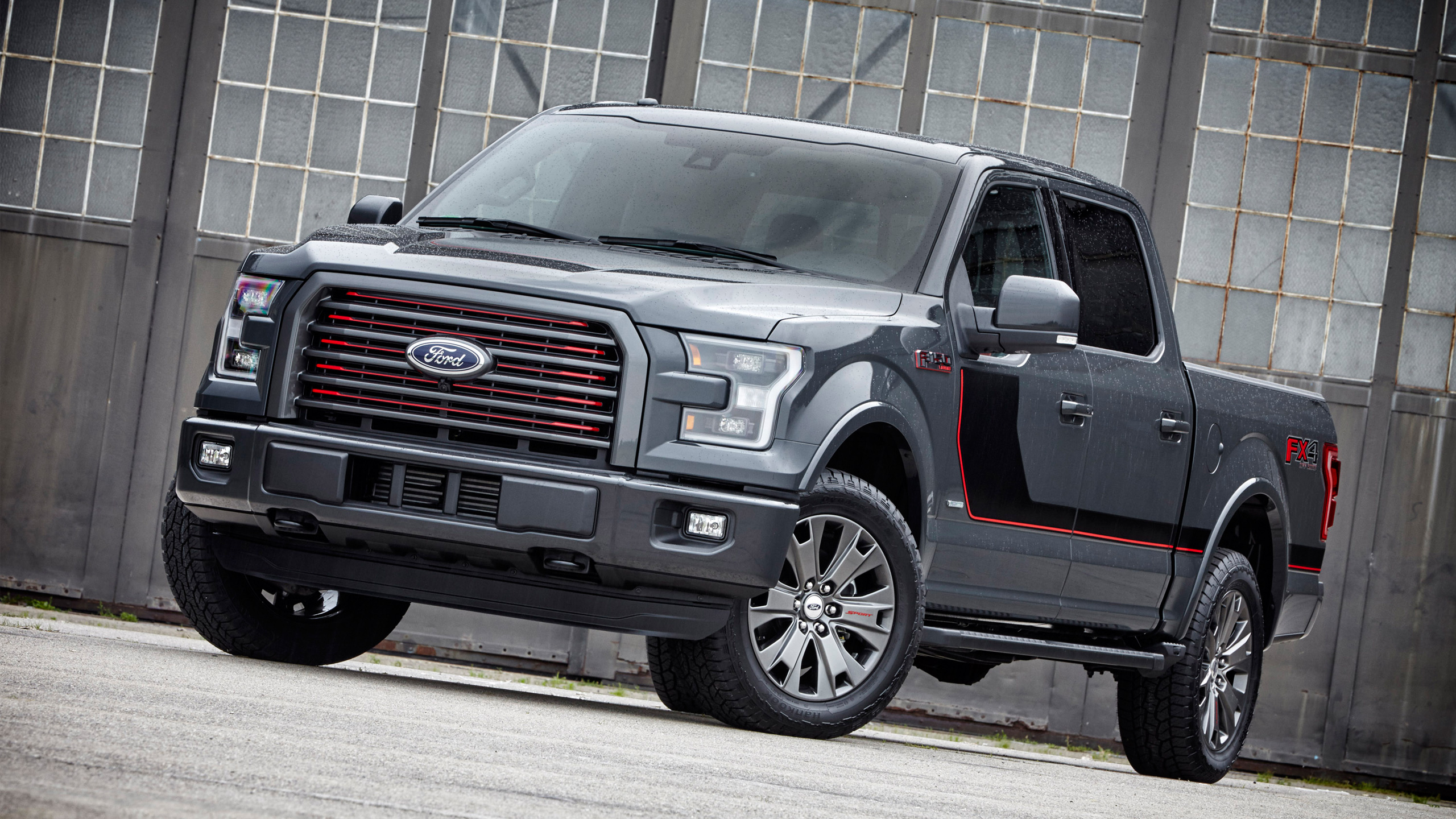
2. Ford F-150 (Recent Models with LED Packages)
The Ford F-150 has long been America’s top-selling truck, and part of its success comes from modern innovations in lighting. The recent models equipped with LED taillights have significantly reduced the frequency of lighting problems. Ford’s upgraded lighting systems use sealed LED units that are designed to last the life of the vehicle.
These lights consume less power, produce less heat, and are more resistant to wear and tear caused by vibration and weather conditions. For truck owners, that means a sharp drop in maintenance and replacement needs over time.
Ford also improved its taillight circuitry, eliminating many of the common issues that used to cause premature failure in older models. Early F-150s were more likely to suffer from corrosion in the sockets or water entering the housing. In contrast, the LED-equipped versions are much better sealed and made from high-quality materials.
The use of integrated circuit boards, rather than traditional wiring harnesses, also helps prevent shorts and flickering. These innovations make it much harder for something to go wrong unless there’s actual physical damage involved.
What’s particularly impressive is how consistent the performance has been across different trims and years once the LED taillights became standard or available. Truck owners who use their F-150s for heavy towing or off-roading report few, if any, issues with the lighting system, even under rugged use.
These trucks take a beating, yet the taillights continue to perform reliably, year after year. Ford’s investment in modernizing the lighting package seems to have paid off for owners who value low maintenance.
If you’re choosing between trims or packages and want maximum longevity from your taillights, going for the LED-equipped F-150 is a smart move. While it might cost more upfront, the savings on replacements and repairs more than make up for it. For truck owners who don’t want to worry about whether their rear lights are going to fail on a rainy night, this version of the F-150 is a clear winner.
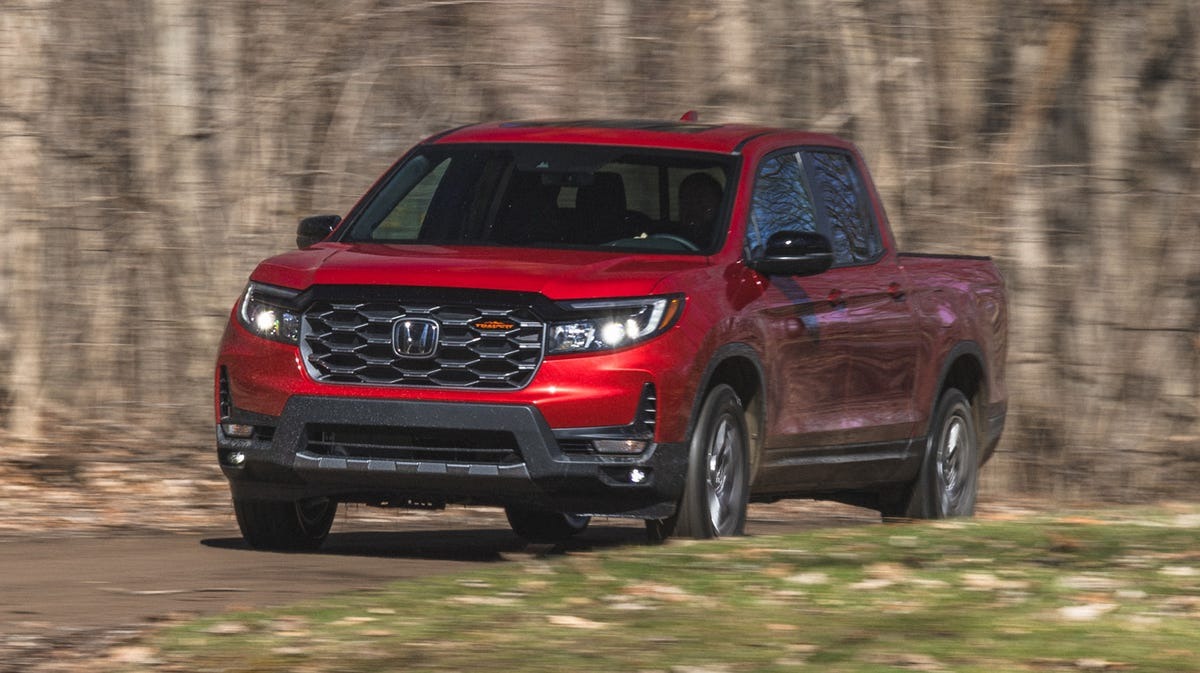
3. Honda Ridgeline
The Honda Ridgeline is often labeled as unconventional in the world of pickup trucks, but it has carved out a solid niche among drivers who value reliability and comfort over raw hauling power. One area where the Ridgeline shines is its lighting system. Tail lights on this truck are known to last for years without any issues.
Part of this reliability comes from Honda’s decision to focus on sealed, well-protected units and solid internal circuitry. The Ridgeline’s taillights resist moisture, debris, and electrical failures much better than many other trucks in its size range.
The Ridgeline’s build quality is a huge asset when it comes to lighting longevity. Since the truck is built on a unibody platform, rather than a traditional body-on-frame, less flex and fewer vibrations is reaching the taillight housings.
This reduces the wear that often leads to early bulb failure. The internal wiring is also more refined and tucked away safely, reducing exposure to elements that could cause corrosion or damage. These small design advantages contribute to the long life of the lighting system.
Most owners report that their taillights are one of the least problematic components of the vehicle. Unlike some trucks where lighting issues become a regular annoyance, the Ridgeline keeps things simple and reliable. Whether it’s used for daily commuting, light towing, or outdoor adventures, the lighting system holds up. This consistent reliability makes the Ridgeline appealing to those who prioritize low maintenance and long-term dependability.
It’s worth mentioning that Honda has a general reputation for building long-lasting electronics across all their vehicles, and the Ridgeline is no exception. Tail lights are often seen as just another thing you don’t have to worry about with this truck. Whether you keep it for five years or fifteen, chances are good you won’t need to touch the tail lights unless something breaks from impact, not from wear.
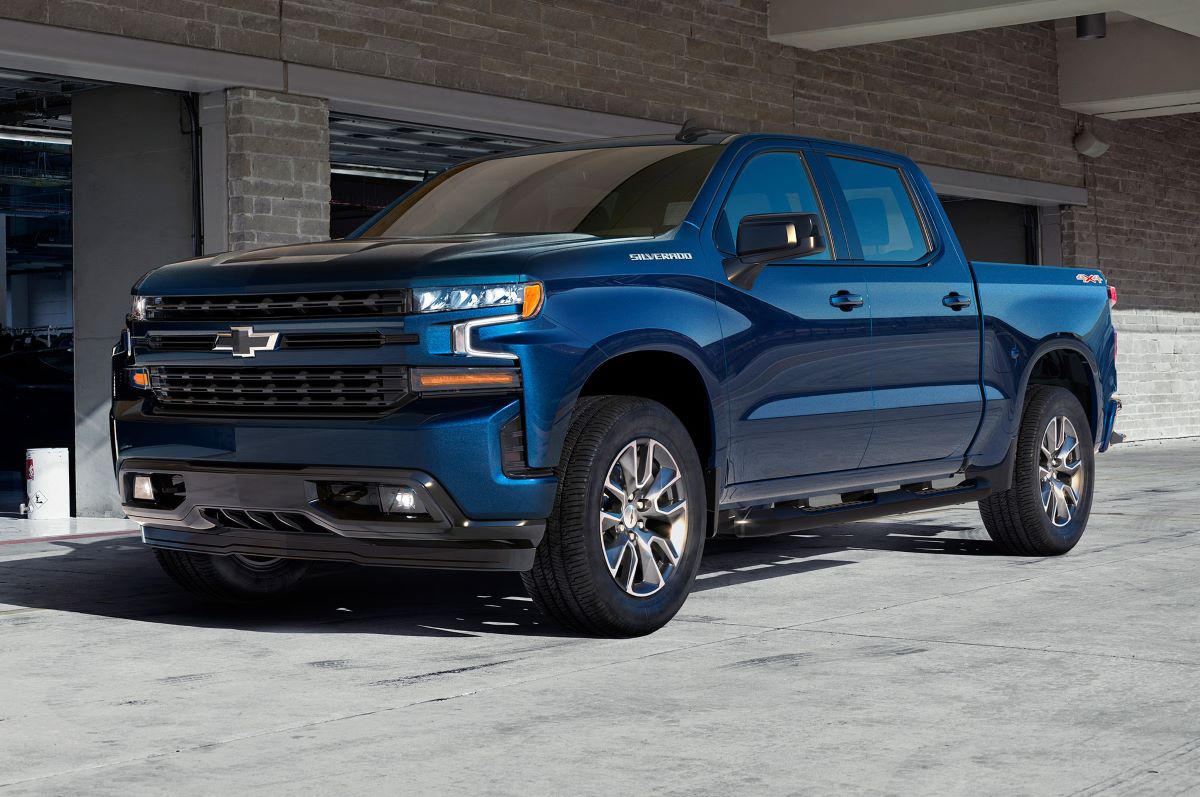
4. Chevrolet Silverado (LED Models)
Chevrolet’s Silverado, particularly in the trims that include LED taillights, has shown good reliability when it comes to lighting. Unlike halogen bulbs, which have filaments that are prone to breaking with vibration or age, the LED units used in higher trims of the Silverado are built to last.
These LEDs are encased in well-sealed housings that prevent dust and water intrusion, two common causes of early tail light failure in many trucks. The result is fewer repairs and fewer visits to the parts store.
GM has improved its lighting systems over the years, and by the time the modern Silverado models came around, the company had implemented better materials and wiring standards.
The use of stronger gaskets, improved seals, and cleaner electrical connections helps the lights last longer without flickering or burning out. Owners of these trucks often go years before even thinking about their taillights. It’s simply not something that fails often, which is a plus for those who depend on their trucks daily.
Many Silverado owners use their trucks in rough conditions, construction sites, farms, and long-distance towing. Despite these tough environments, the LED tail lights continue to function well. They’re resistant to shaking, dirt, and mud, and don’t need frequent maintenance.
There’s also less heat produced compared to traditional bulbs, which reduces strain on the entire lighting system. This attention to detail in manufacturing helps Chevy avoid the common issues that plague lower-end truck lighting systems.
If you’re buying a Silverado and tail light reliability is high on your list, choosing a trim with the full LED lighting package is a wise decision. You’ll likely avoid many of the problems associated with cheaper bulbs and poor housing design.
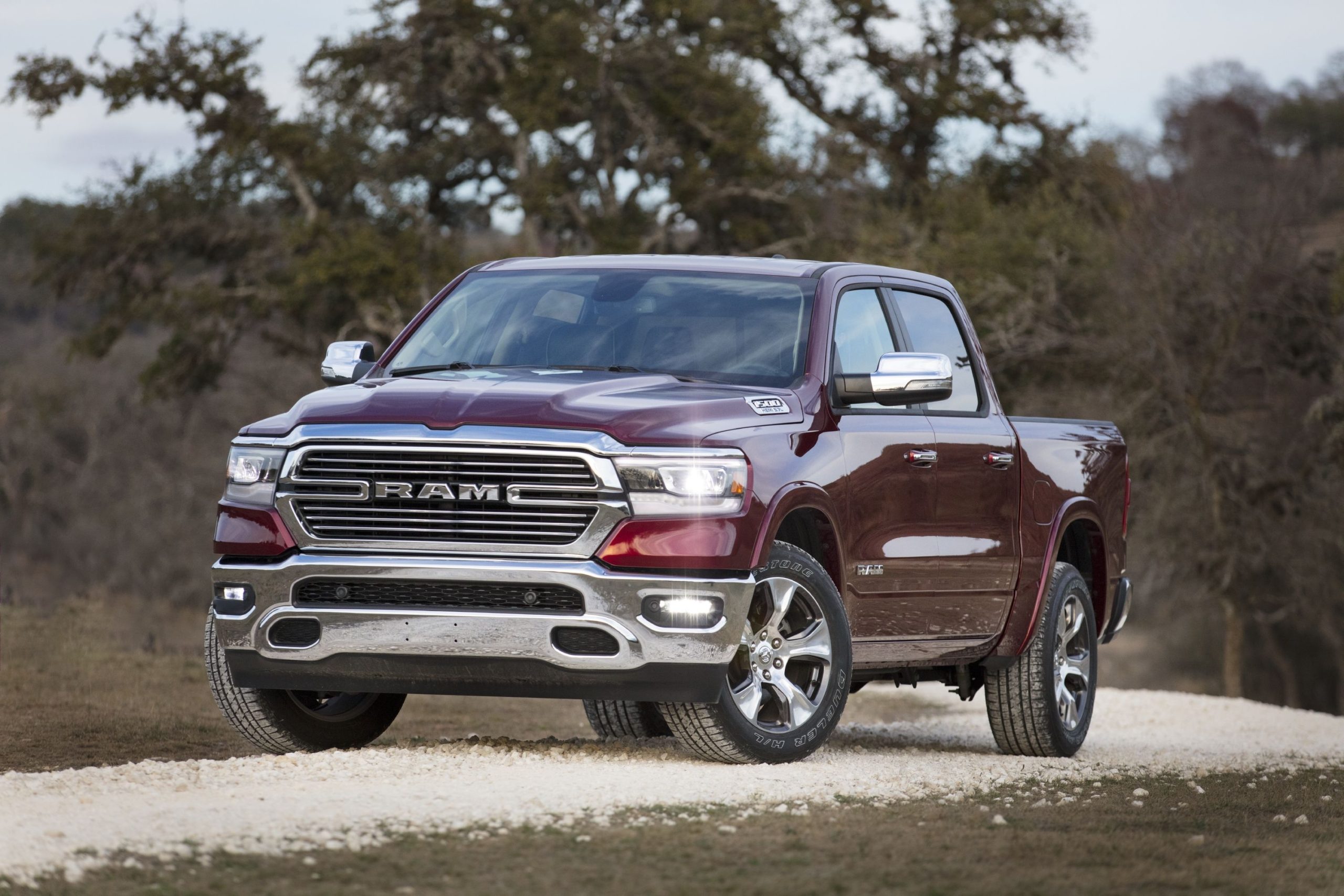
5. RAM 1500 (LED Models)
The RAM 1500, particularly in recent model years with LED taillights, has joined the ranks of trucks that rarely suffer from lighting problems. The LED systems installed in RAM trucks are durable, tightly sealed, and mounted in a way that minimizes exposure to vibration, dust, and water.
One of the often-overlooked advantages of the RAM’s tail light setup is the way the electrical system is designed. The truck includes smart modules that regulate voltage and prevent surges from damaging the lighting components. This means that even if other systems in the truck have minor electrical hiccups, the tail lights remain protected and continue functioning reliably.
Unlike halogen-based systems, LED lights in the RAM 1500 are less susceptible to failure from physical wear. The filaments found in older bulbs are fragile and degrade over time, especially in work trucks that are constantly moving across uneven terrain.
LED lighting doesn’t rely on such delicate internal parts, allowing it to last much longer in everyday driving conditions. RAM has also done a solid job in designing the taillight housings with materials that don’t easily degrade or yellow, which helps maintain visibility and aesthetic quality as the truck ages. It’s not just about the bulb; it’s the entire assembly working together.
Owners frequently praise the RAM 1500’s low-maintenance lighting setup. Even after years of use, very few mention having to replace their taillights unless the truck was involved in an accident or some kind of external damage. It’s this kind of durability that appeals to fleet managers and solo operators alike.
Whether the truck is used for towing heavy loads, traversing muddy job sites, or just serving as a dependable daily driver, the taillights hold up. This takes one more possible issue off the maintenance checklist and contributes to the appeal of the vehicle.
Some drivers might be hesitant about LED systems due to the higher cost of replacement compared to traditional bulbs. However, in the case of the RAM 1500, this concern is offset by how rarely those replacements are necessary.
If you can go ten years without touching the taillights, that’s more than worth the initial price. For anyone prioritizing durability in their next truck purchase, this model stands out for offering longevity where it matters, even in the smallest details.
Also Read: 5 Cars That Go 100,000 Miles on Original Brake Pads vs 5 That Burn Through Pads Quickly
Trucks with Tail Lights That Burn Out Yearly
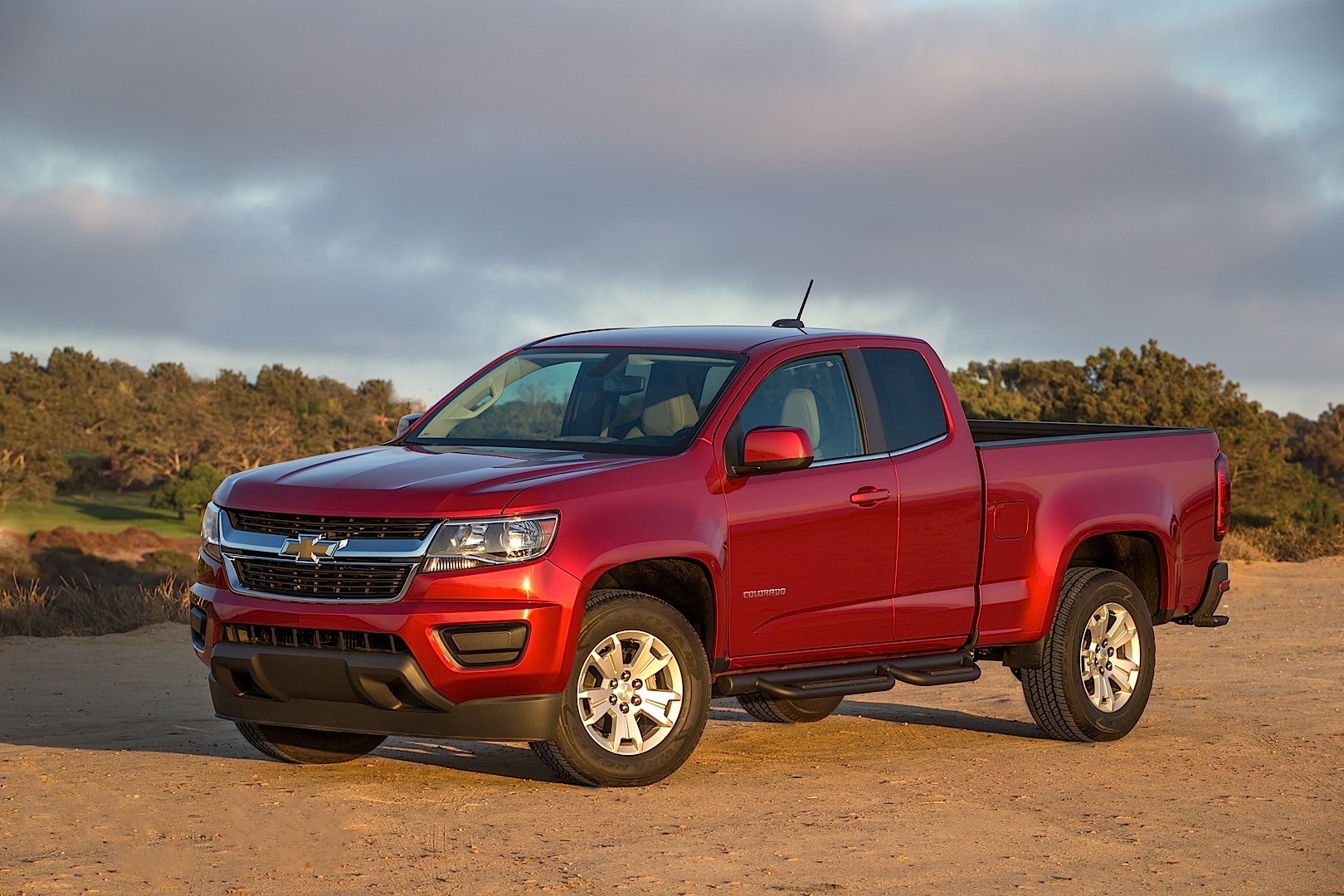
1. Chevrolet Colorado (Older Model Years)
While the Chevrolet Colorado has seen improvements over the years, older model years, especially those before major redesigns, were notorious for taillight problems. Owners consistently reported having to replace bulbs once a year, sometimes even more frequently.
The issue wasn’t just the quality of the bulbs themselves, but the entire taillight system. The sockets were often prone to corrosion, especially in humid or wet environments. Once moisture entered the housing, it would wreak havoc on the wiring and bulb contacts, leading to flickering, dimming, or complete failure of the tail lights.
One particularly frustrating aspect of Colorado’s taillight system was the loose bulb fitment in the sockets. Even a slightly poor connection could result in intermittent lighting, triggering dashboard warnings or citations from law enforcement. In many cases, the light wouldn’t even be visibly out, it might just be weak enough not to meet visibility standards.
This inconsistency made it difficult for owners to trust their vehicle’s lighting, especially for those who drove long distances at night or in poor weather conditions. For a truck that otherwise handled decently on the road, this became a recurring annoyance.
Repair solutions often didn’t last long. Some drivers replaced bulbs only to have them fail again within a few months. Others resorted to modifying the sockets or installing aftermarket lighting kits just to avoid dealing with the factory components.
These are not the kinds of fixes that should be necessary on a truck that’s supposed to serve as a dependable workhorse. The issues seemed to cross model years and weren’t confined to high-mileage vehicles, suggesting it was a design flaw rather than an age-related problem.
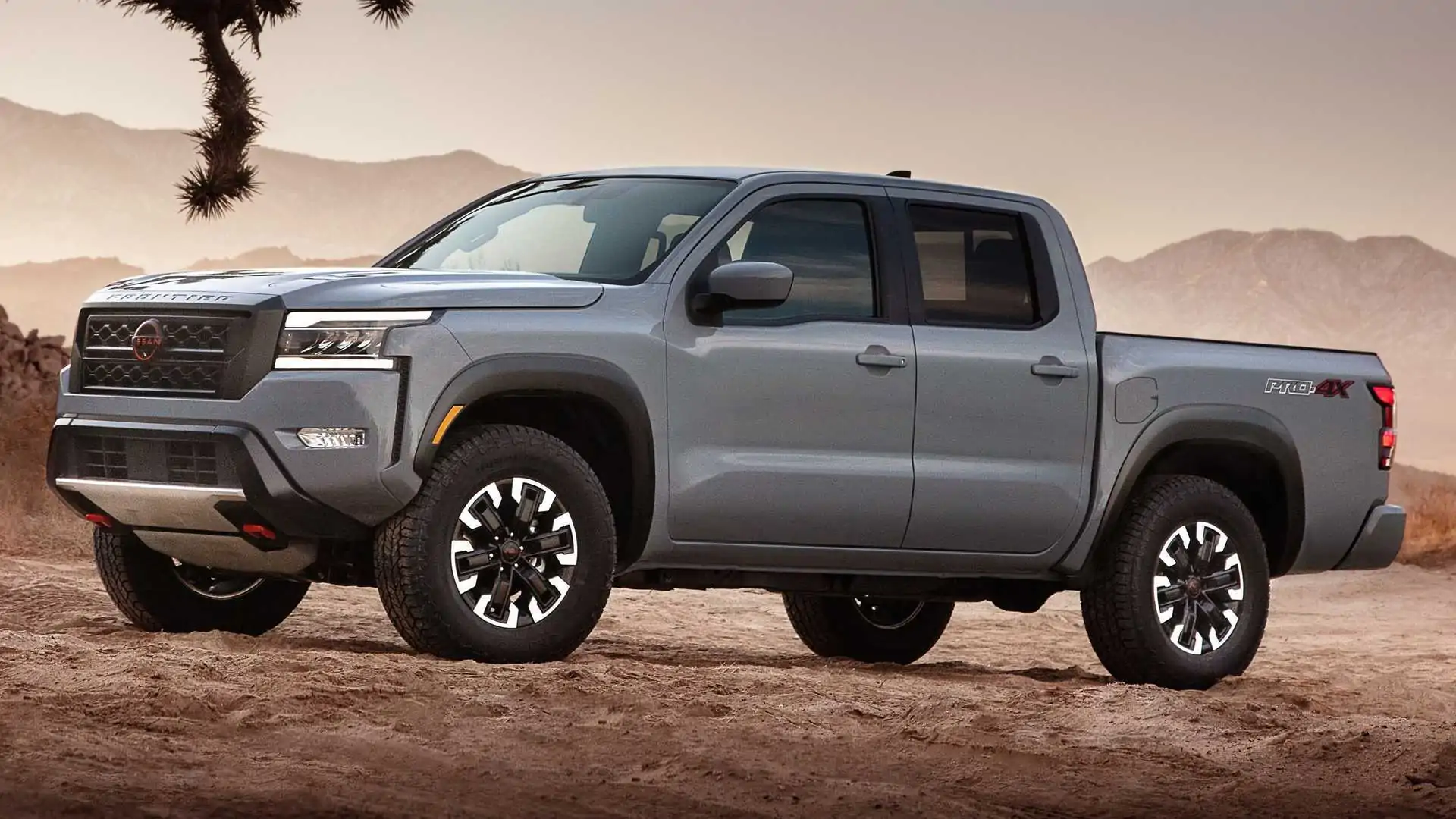
2. Nissan Frontier (Pre-2022 Models)
The Nissan Frontier, especially models from the early 2000s through the late 2010s, struggled with various minor electrical problems, and tail light burnout was among the most common complaints. Many drivers reported that tail lights would fail at least once per year, sometimes more frequently if the truck was used in wet or off-road conditions.
The root cause often came down to poor sealing around the housing, which allowed moisture and dust to enter and cause premature corrosion or failure. Unlike better-sealed units found in more modern designs, these Frontier tail lights didn’t hold up well under stress.
Adding to the problem was the quality of the connectors and wiring. Many owners noticed that even after replacing bulbs, the issues didn’t go away. Some bulbs would burn out again quickly, while others wouldn’t work at all due to corroded sockets or shorted wiring.
Repeated replacements became a norm for some Frontier owners, turning what should be a simple maintenance task into a persistent headache. It wasn’t uncommon to hear of people changing out the same bulb two or three times in a single year.
This pattern of failure often caught owners off guard. One of the more frustrating aspects of the problem was that the failures weren’t always immediately obvious. Drivers wouldn’t realize their taillights were out until someone else pointed it out, or until they received a ticket.
There were also instances where bulbs appeared to be functioning properly but would flicker or dim unexpectedly, reducing rear visibility. This is particularly dangerous in situations like highway driving or foggy conditions when rear lighting is critical for safety.
The Frontier underwent a much-needed redesign in 2022, and many of these issues were addressed in newer models. However, the reputation for electrical issues, especially with lighting, still lingers for the earlier versions. For anyone looking at buying a used Frontier, it’s worth checking the taillights carefully, inspecting for corrosion, and maybe even budgeting for aftermarket replacements to avoid repeated headaches.
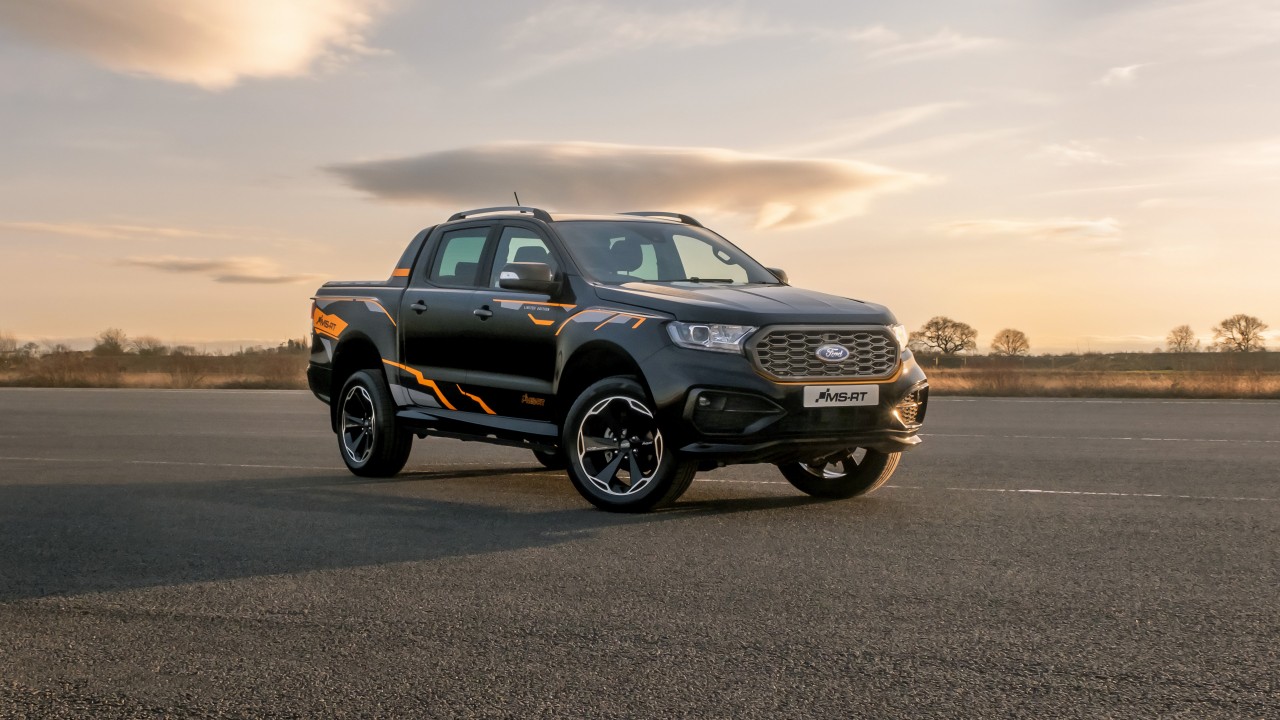
3. Ford Ranger (2000s Models)
The Ford Ranger has a strong fanbase, but older models, particularly from the early and mid-2000s, were plagued by recurring tail light problems. A lot of these trucks were built with simple halogen lighting systems that, over time, suffered from socket degradation, weak housings, and subpar wiring.
As a result, tail lights often failed after just a year or less of use. Owners frequently had to replace the bulbs as part of their regular maintenance routine, and in many cases, that didn’t solve the problem permanently. This pattern became a sore point for drivers who otherwise appreciated the Ranger’s durability and handling.
What made the situation worse was the design of the taillight assemblies themselves. The housings were not well sealed, allowing moisture to get in and create condensation or rust inside the light chamber. The bulb sockets weren’t designed with corrosion resistance in mind, and many owners found that the connections would become unreliable over time.
Even simple road grime could find its way into the assembly, leading to shorts or premature bulb burnout. The fact that these issues occurred across different trims and engine options suggests that it was a system-wide problem, not just bad luck for a few owners.
Another frustration for Ranger owners was that replacement parts didn’t always fix the issue. Aftermarket bulbs or tail light units sometimes failed just as quickly because the root cause, poor electrical design, hadn’t been solved.
Some drivers went as far as rewiring parts of the taillight circuit or switching to entirely different lighting assemblies just to avoid dealing with the factory issues. It’s one thing to replace a headlight now and then, but tail lights going out every few months can become a major hassle, especially for those who use their truck daily or rely on it for work.
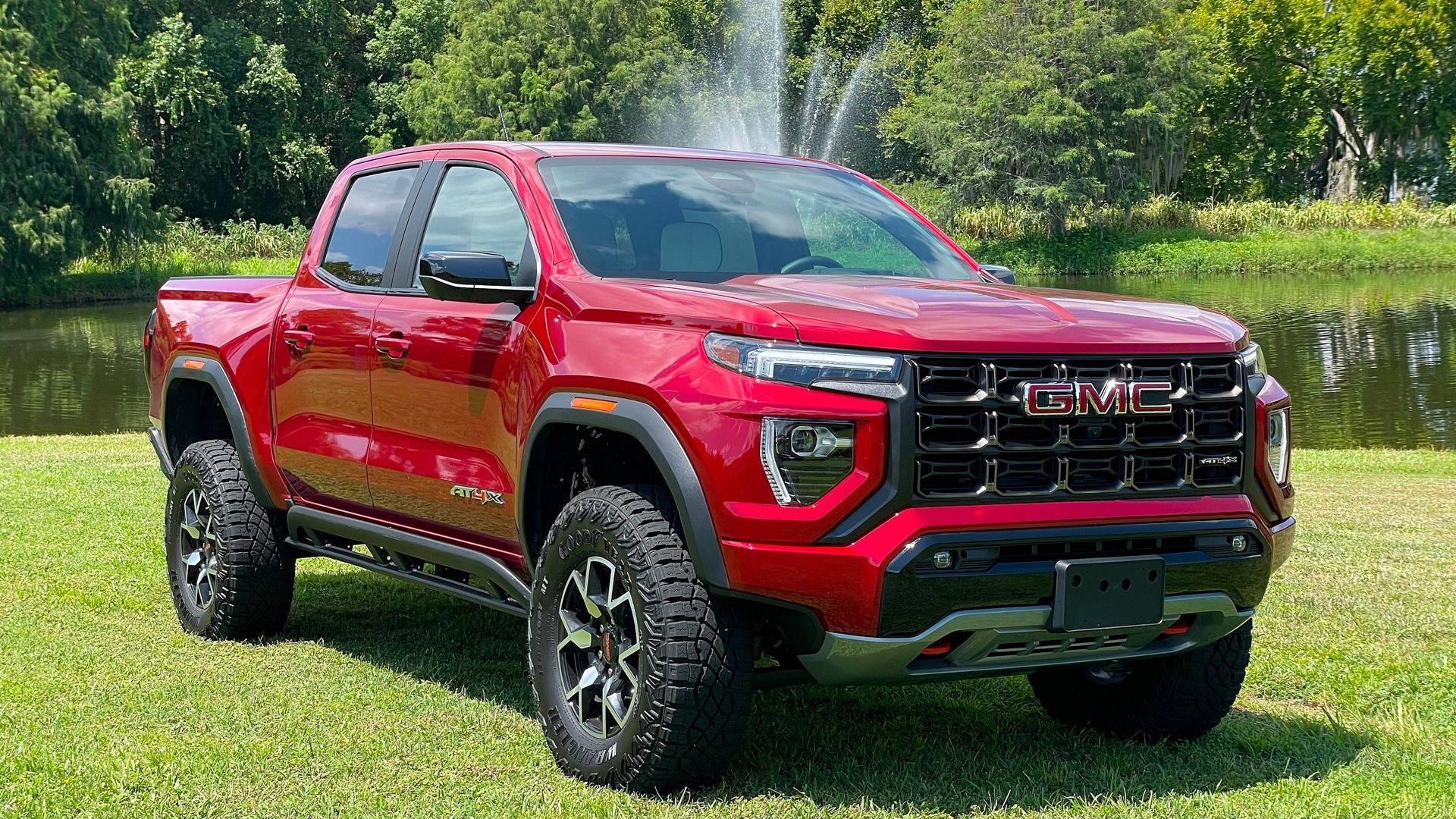
4. GMC Canyon (Older Models)
The GMC Canyon, sibling to the Chevrolet Colorado, shares many of the same problems when it comes to tail light burnout, particularly in models built before 2015. Much like the Colorado, the Canyon used halogen bulbs in weakly protected housings that allowed moisture and dirt to accumulate.
Once inside, these elements would corrode the socket contacts or wiring, causing bulbs to fail at an unusually high rate. Annual replacements became expected for many owners, and in some cases, they had to replace bulbs multiple times in a single year just to keep everything working.
What was especially aggravating about the Canyon’s lighting issues was how difficult they were to pin down. Sometimes the problem was a burned-out bulb, but just as often it was a loose socket, poor ground connection, or internal wiring failure.
This meant that even if the bulb was new and properly installed, it still might not light up reliably. These kinds of intermittent issues are some of the most difficult to fix because they don’t always present obvious symptoms until the light fails.
The design of the tail light housing didn’t help matters. Many of them were made from cheap plastic that would crack or warp over time, especially in hotter climates. These cracks let in moisture and fine dust, leading to more than just bulb burnout. Over time, the inside of the tail light assembly could become cloudy or stained, reducing the visibility of the lights even when they were functioning.
For those driving in fog, rain, or snow, this reduced effectiveness posed a safety issue. It also created a maintenance dilemma: replacing the entire assembly was often the only way to fix the root problem, but that wasn’t a cheap or easy task. Many drivers found themselves either doing patchwork repairs with silicone sealant or upgrading to aftermarket lights entirely to avoid further issues.
The frustration among Canyon owners was widespread enough that some online forums dedicated long threads to tail light problems alone. Multiple DIY guides popped up showing how to clean corroded sockets, replace wire terminals, and seal light housings with aftermarket gaskets.
While these efforts often produced decent short-term fixes, they speak to how poorly the stock system held up over time. It shouldn’t take that much effort to keep something as basic as a taillight operational on a vehicle that’s otherwise positioned as a rugged mid-size pickup.
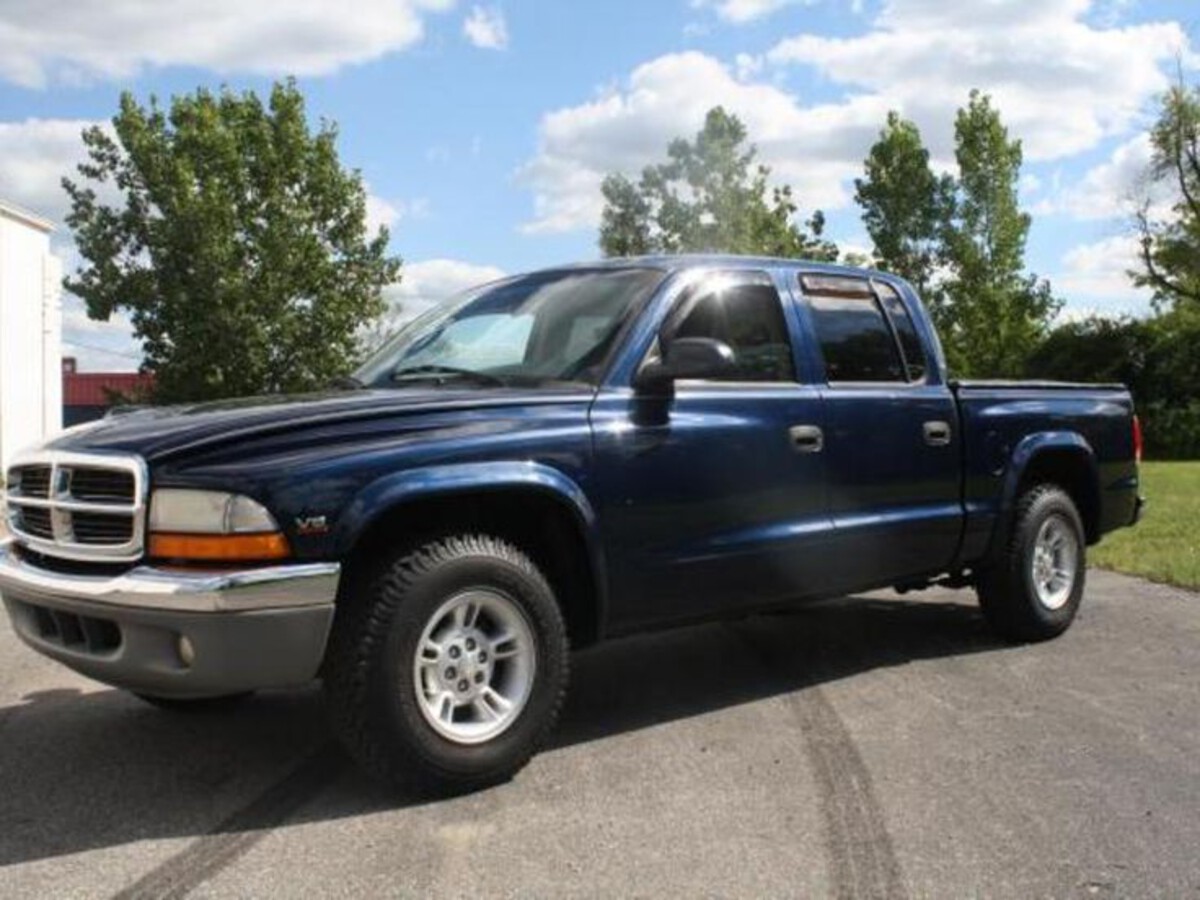
5. Dodge Dakota
The Dodge Dakota, particularly the models from the early 2000s to its final production years, rounds out the list of trucks with taillights that seemed to have a yearly expiration date. Many Dakota owners reported similar experiences: tail light bulbs burning out frequently, even under normal driving conditions.
What made this issue more frustrating was that replacements didn’t always solve the problem for long. The underlying cause often came from a mix of subpar sockets, poor heat dissipation, and circuit boards that didn’t handle the demands of the lighting system well. These components would degrade faster than expected, resulting in repeated failures.
Some Dakota owners described a pattern where they’d change a bulb only to have the replacement fail again within a few months. This was often due to poor contact inside the sockets, which either allowed small amounts of moisture in or didn’t grip the bulb tightly enough to maintain a solid electrical connection.
As the contact degraded, the electrical resistance would increase, generating more heat and hastening the bulb’s failure. In some cases, this even led to partial melting or discoloration of the socket. The entire tail light assembly could be affected over time, requiring full replacement well before what most drivers would consider acceptable.
Another issue involved the Dakota’s rear lamp boards in some trim levels. Instead of using individual wires, the truck used an integrated circuit board for its rear lights. While this design was cleaner in theory, in practice, it introduced additional failure points.
Cracks in the board, warping due to heat, and faulty solder points could all lead to tail lights that flickered or failed. This became especially annoying for drivers who didn’t have the tools or knowledge to diagnose electronic faults. Most would replace the bulbs and assume the issue was solved, only to have the lights go out again in a few weeks.
For anyone using the Dakota as a work truck or for daily commuting, these recurring lighting issues became more than just a nuisance. Constantly checking and replacing taillights eats up time and adds unnecessary maintenance to the ownership experience.
Add the risk of legal trouble from a non-working light, and you’ve got a small but persistent issue that can overshadow the truck’s other strengths. The Dakota had solid engine options and decent towing capabilities, but its reputation for tail light problems is one area where it truly fell short.
