

Driving at night, especially on dark, rural roads without much artificial lighting, can become stressful if your vehicle’s headlights are not up to the task. Visibility plays a vital role in road safety, and headlights that fail to adequately illuminate the road ahead can lead to dangerous situations.
The difference in lighting performance between various SUV models is often wider than many drivers assume. While some SUVs are equipped with powerful, well-focused headlight systems that confidently light up the road and shoulders, others fall short, leaving drivers struggling to see far enough ahead or missing obstacles off to the sides.
Not every SUV is built with lighting in mind, and headlight technology varies greatly depending on manufacturer choices, model trims, and even cost-saving decisions.
For buyers living in remote or suburban areas, where long night drives are common and street lights are few and far between, headlights should be a key factor in choosing a vehicle. LED and projector-style lights often offer better range, focus, and side illumination compared to halogen reflector setups, but even within LED systems, quality can differ.
Beam pattern, brightness, cutoff sharpness, and lens clarity all impact how well headlights perform. This means two SUVs might both come with LED headlights, but one can still outshine the other by a large margin. Headlight technology is not only about looking good or modern; it directly affects how safely and confidently you can navigate through the night.
Many drivers don’t realize the limits of their headlights until they find themselves on a dark highway or winding backroad. In some cases, poor lighting results in reduced reaction time, which can be the difference between avoiding an obstacle or hitting it.
A well-designed headlight system doesn’t just shine far, it illuminates evenly across the road, covers the ditches and shoulder areas, and does so without blinding other drivers. On the flip side, SUVs with underperforming headlights often suffer from scattered beams, weak reach, or poor side coverage, making night driving feel uncomfortable and unsafe.
This article highlights five SUVs that offer strong, reliable headlight performance suited for dark, unlit roads, and compares them against five SUVs whose headlights tend to underperform in real-world conditions. If you’re considering an SUV and night visibility matters to you, knowing which models shine brighter, literally, can help you make a smarter choice.
Also Read: 5 Cars With Lifetime Engine Seals vs 5 That Leak Oil by 100,000 Miles
5 SUVs With Headlights Bright Enough for Dark Roads
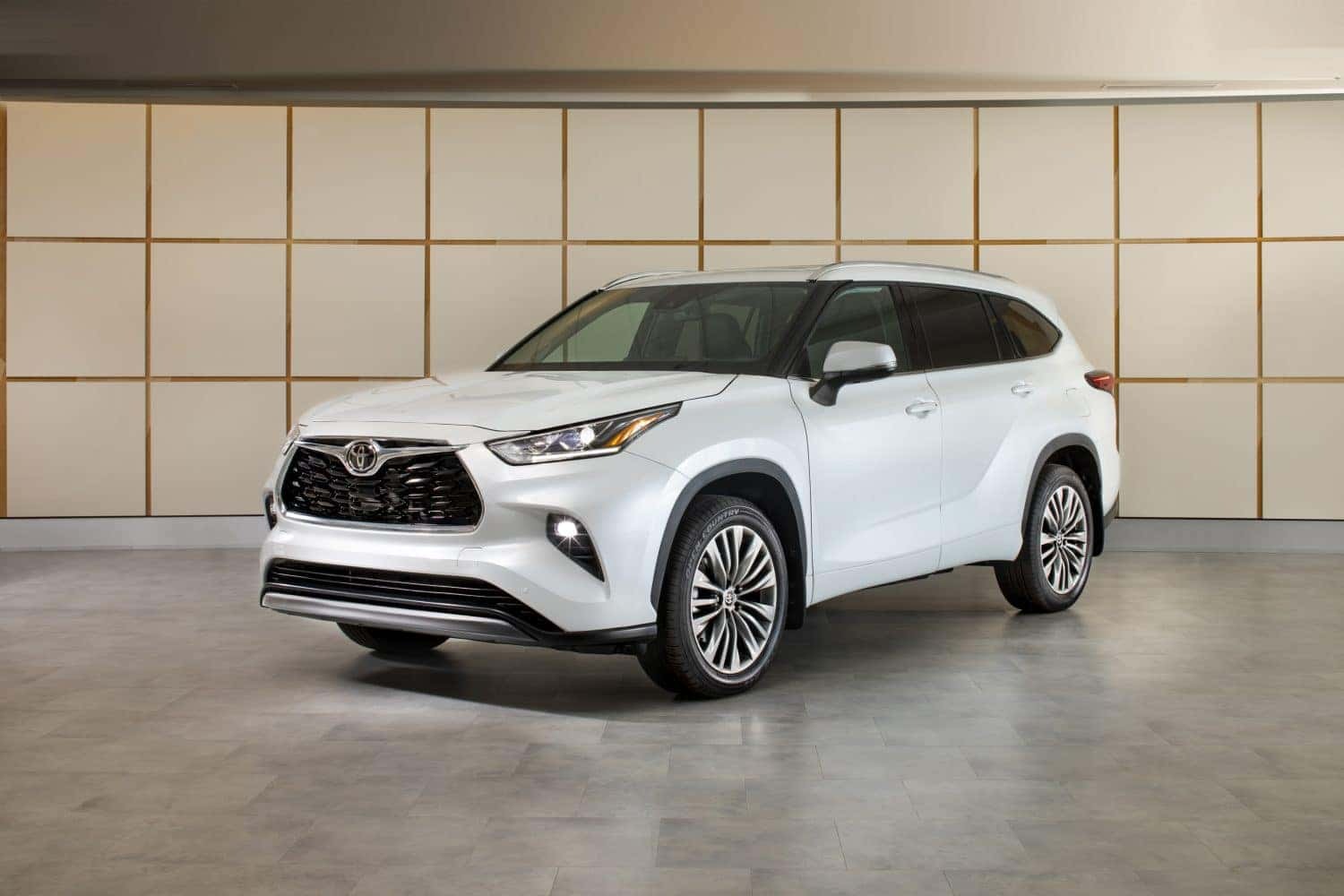
1. Toyota Highlander (Higher trims with LED projector headlights)
The Toyota Highlander, especially in its higher trims, offers strong lighting performance. Its LED projector headlights are not just bright, but also produce a beam that is both wide and well-focused. This setup helps in illuminating not only the road directly ahead but also the shoulders, which can be crucial for spotting animals or pedestrians at night. The transition between high and low beams is smooth, giving drivers confidence when switching on empty roads or when approaching traffic.
What makes the Highlander’s headlights particularly useful is their beam consistency. Some headlights throw out bright light in the center but fade significantly at the edges, which can leave gaps in visibility. The Highlander’s beam pattern maintains brightness across a broad horizontal range.
This helps drivers anticipate turns, spot potential hazards early, and reduce eye strain during extended nighttime driving. The high beams add even more clarity without feeling scattered or overly intense.
The vehicle also features automatic high-beam assist in many trims, which adjusts the lights based on oncoming traffic. While this feature is becoming more common across SUVs, its implementation in the Highlander feels more refined.
It reacts quickly and correctly in most situations, unlike some systems that either switch too late or too early. It reduces driver workload and helps keep the road illuminated at its safest level without needing constant manual intervention.
If you’re someone who frequently drives on long rural stretches or country roads, the Highlander offers a dependable solution. Its lighting system consistently ranks high in comparison tests, and the LED projectors provide peace of mind when the sun goes down. While it may not be the flashiest SUV on the market, its visibility-focused design makes it a top pick for nighttime safety.
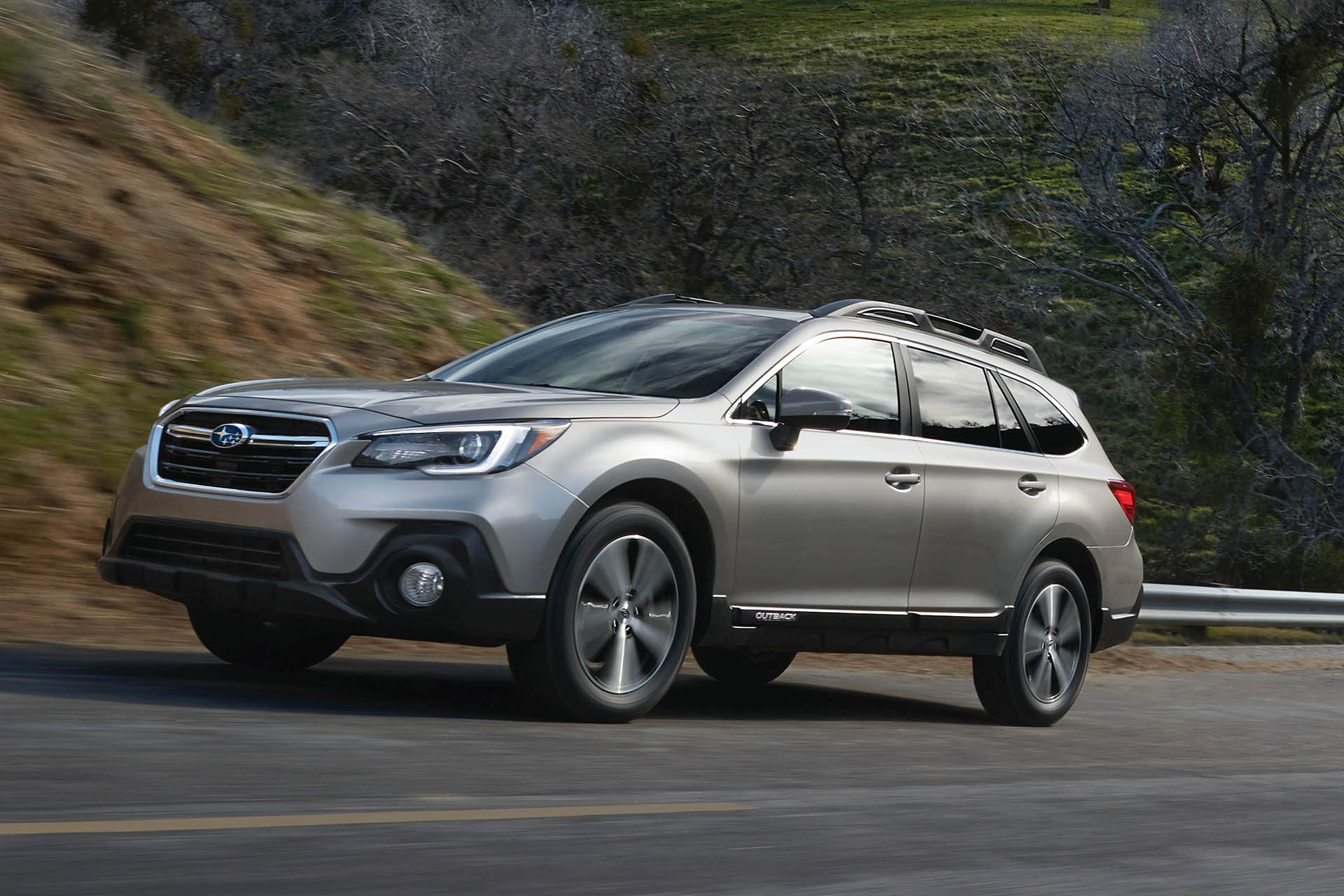
2. Subaru Outback (Newer models with steering-responsive headlights)
The Subaru Outback, while technically a crossover, competes in the midsize SUV space and performs exceptionally well in headlight effectiveness. Subaru has long focused on all-weather driving, and its lighting system reflects that dedication.
The newer models feature steering-responsive LED headlights that turn slightly with the steering wheel to help drivers see better through curves. This feature is especially helpful on winding roads where traditional headlights might leave the corners in shadow.
Brightness and beam pattern are both strengths of the Outback’s headlights. The lights produce a uniform, clear white light that extends across both sides of the road. The brightness level is not overwhelming but effective, offering a good balance between visibility and driver comfort. Unlike some overly bright lights that can cause glare or eye fatigue on long drives, the Outback provides a more natural and even light field.
Another advantage is how well the headlights adapt to different driving environments. Whether you’re on a paved highway, gravel road, or navigating through foggy weather, the beam maintains a solid field of vision. Subaru’s lighting system also tends to age better, with lens covers and housing that don’t yellow or cloud as quickly, which is an often-overlooked factor in long-term headlight performance.
Drivers who value safety, practicality, and reliable performance in low-light conditions will find the Subaru Outback to be a strong option. Its lighting technology contributes significantly to its reputation as a safe and dependable vehicle for all types of terrain and visibility conditions. The combination of beam clarity, coverage, and adaptive direction makes it a top performer on poorly lit roads.
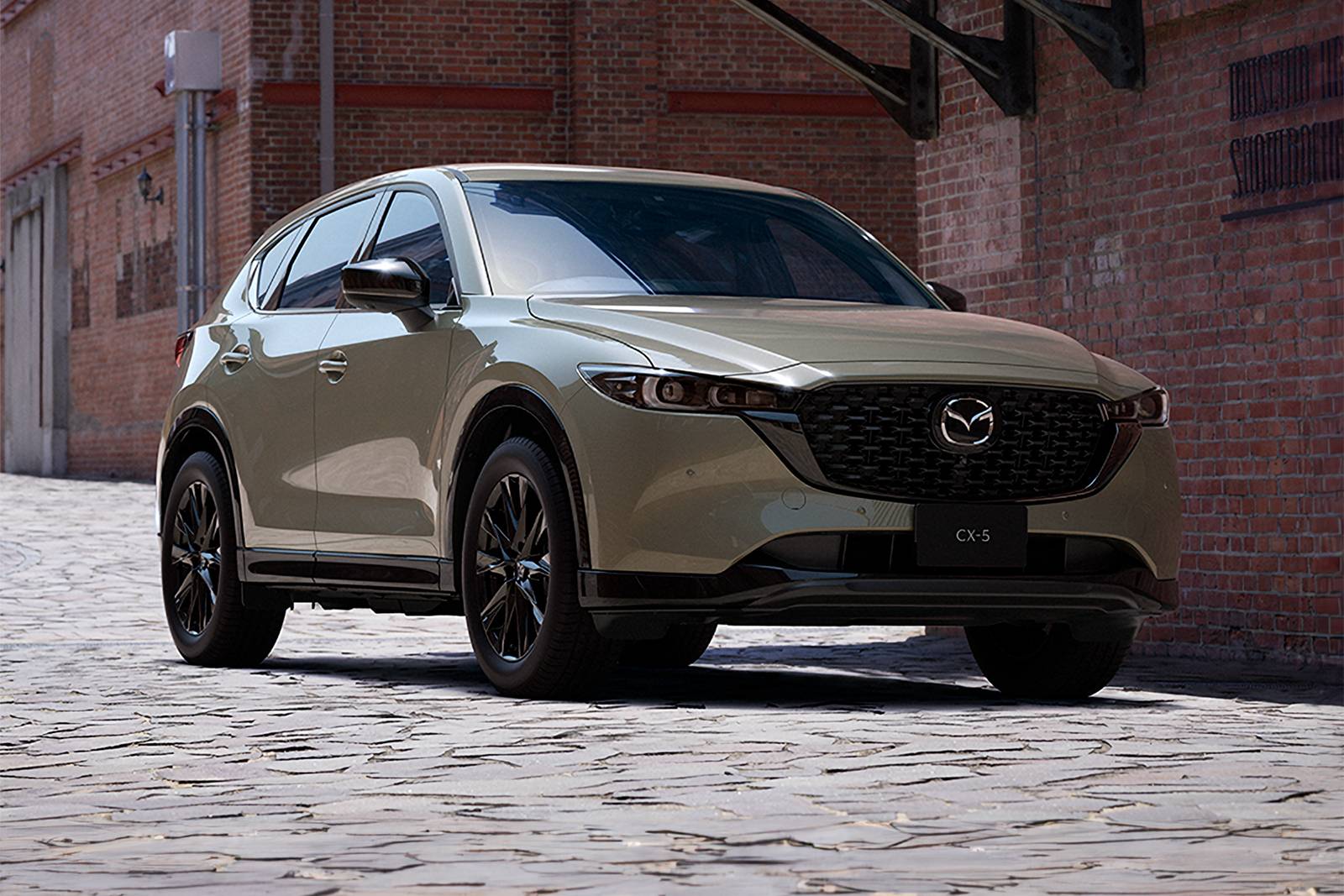
3. Mazda CX-5 (Top trims with adaptive LED lighting)
The Mazda CX-5 is often praised for its design and driving dynamics, but its top trims also come with a very capable headlight system. These trims feature adaptive LED headlights that adjust based on vehicle speed and steering input.
The light is not only bright but intelligently directed, helping drivers see better during both fast highway driving and slower, more technical turns. It’s the kind of lighting system that feels like it was made with night drivers in mind.
One of the standout aspects of the CX-5’s headlights is how clean and sharp the beam cutoff is. This means the light does not scatter unnecessarily and doesn’t blind oncoming traffic, while still maintaining excellent road visibility.
The adaptive lighting gives the driver a feeling of connection to the road ahead, enhancing safety without requiring driver input. It works seamlessly in the background but makes a noticeable difference on dark roads.
The light color temperature is another strength. The LEDs produce a slightly cool white light that closely resembles daylight, improving contrast and making it easier to distinguish objects in the dark. Road signs, lane markers, and even surface imperfections are more visible, reducing reaction time and improving comfort during long nighttime drives.
Overall, the CX-5 is a solid choice for drivers who value both aesthetics and function. Its headlights are more than a design feature; they are practical tools for safe travel. If you regularly find yourself driving in areas with limited lighting, this SUV provides a sophisticated, well-engineered solution.
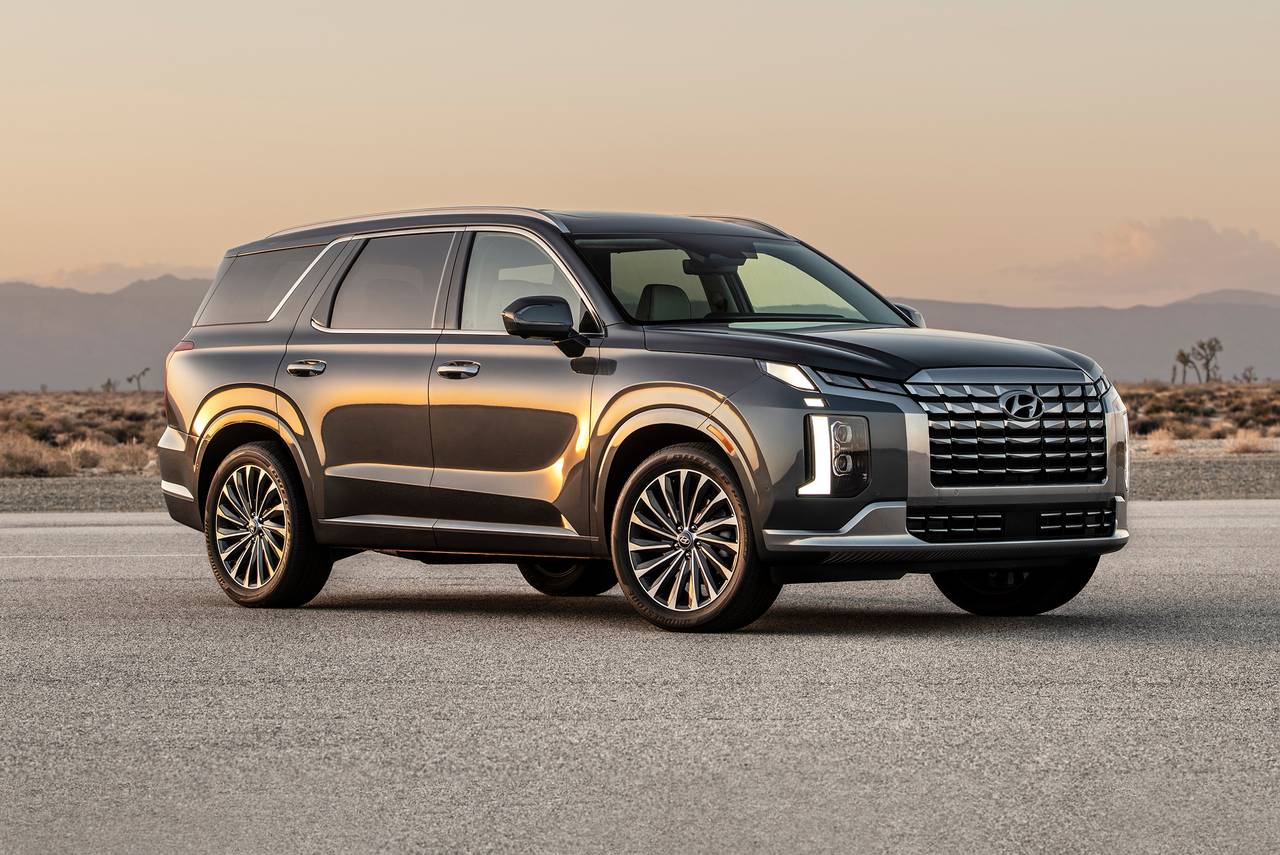
4. Hyundai Palisade (Limited and Calligraphy trims)
The Hyundai Palisade’s upscale trims come with LED projector headlights that compete with luxury-brand lighting systems. These lights are known for their exceptional reach and width, making them ideal for dark roads and long highway drives. The beam pattern is symmetrical and consistent, ensuring no dark spots or poorly lit areas, which is especially important on two-lane roads where lighting imbalance can affect your confidence behind the wheel.
Unlike halogen lights that fade at distance, the Palisade’s LEDs maintain strength even hundreds of feet ahead, providing early warning for obstacles or sharp turns. The wide angle of the lights also improves visibility at intersections and trail entrances. This wide beam helps prevent tunnel vision and makes night driving feel less claustrophobic or uncertain.
The Palisade also includes automatic high-beam functionality that is quick and accurate in detecting other vehicles. It switches between high and low beams intelligently and has fewer false triggers compared to some competitors. This is particularly useful for long night drives where manually switching beams becomes a chore. The overall experience feels refined and reduces driver effort during nighttime travel.
While the Palisade is often chosen for its size, comfort, and tech features, its lighting performance is another strength that deserves attention. For anyone who drives in low-light or remote areas, the visibility offered by this SUV can be a deciding factor. It’s a well-rounded option that offers brightness, coverage, and consistency all in one.
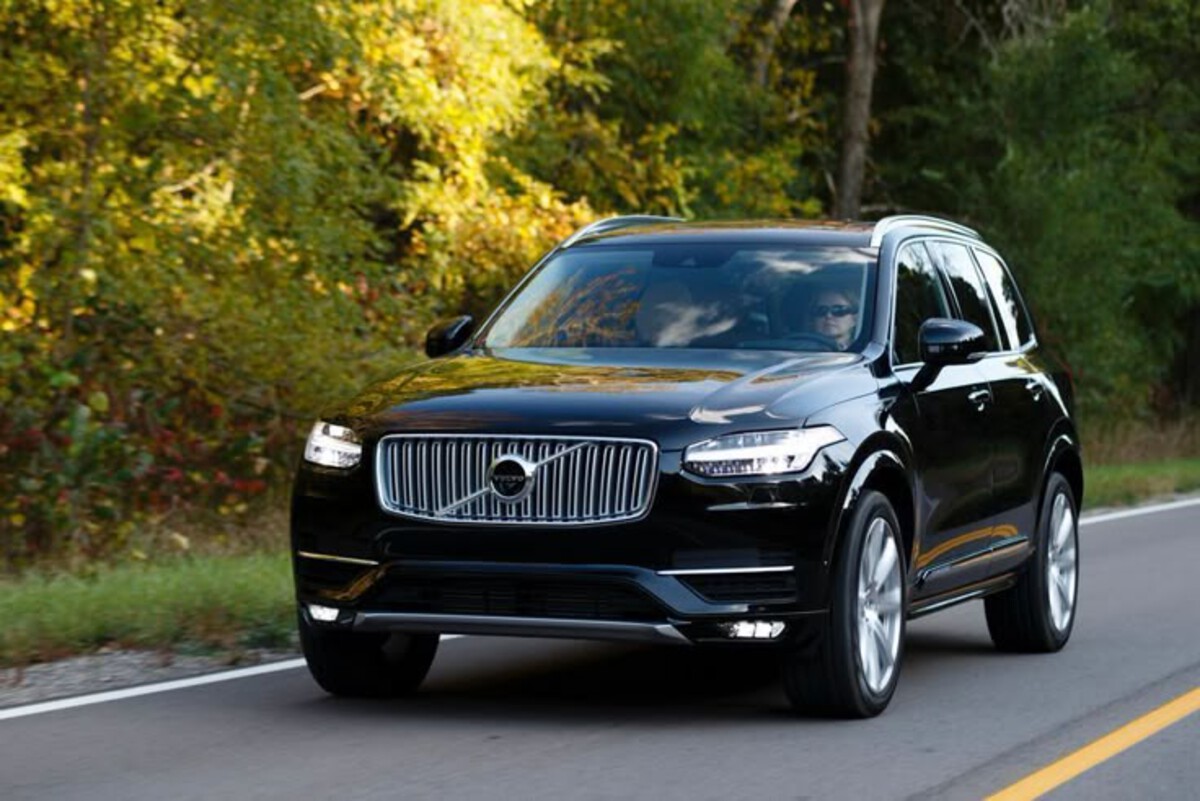
5. Volvo XC90 (With full LED active bending lights)
The Volvo XC90 is known for its emphasis on safety, and its lighting system is no exception. Equipped with full LED active bending lights, the XC90 offers precise and adaptive illumination that adjusts to steering inputs and road curvature. These lights aren’t just bright; they intelligently reshape the beam to suit driving conditions, ensuring the road is visible even in tight turns or over hills.
Brightness is only part of what makes the XC90’s headlights effective. The clarity and color accuracy of the light also play a role. Objects appear more defined, and there’s less eye strain over time. This improves reaction time and driver confidence, especially in unfamiliar or rural environments.
Whether it’s narrow backroads with wildlife or mountainous highways with sharp turns, the XC90’s lighting system responds smoothly to your steering. The active bending function ensures that more of the road is illuminated ahead of time, not just directly in front of the vehicle.
That extra visibility allows for safer, more proactive driving in dark and unpredictable environments. It’s especially helpful in rain or on roads where reflective lane markings are missing. Instead of relying solely on where the wheels point, the headlights anticipate and extend visibility into the turns, giving a strong advantage in spotting potential dangers early.
Volvo has a reputation for making its vehicles feel secure, and the XC90’s headlights contribute greatly to that sensation. The light output is strong without being harsh, and the beam pattern is carefully engineered to avoid glaring into the eyes of other drivers.
Many systems claim to offer smart lighting, but the XC90’s implementation feels more accurate and usable in real-world situations. There’s no annoying flickering or abrupt cutoff when the beams adjust, just a seamless experience that helps the driver stay focused.
Another key benefit is how evenly the light is distributed across the road. Some vehicles throw out hotspots of light that brighten a small portion ahead but leave everything else dim. The XC90 avoids this issue with a well-balanced beam that stretches broadly from side to side. Pedestrians, road signs, animals, or trash bins that might be invisible in other cars become easily noticeable, helping to avoid last-minute surprises that can lead to close calls or worse.
For drivers who prioritize safety and appreciate a well-engineered driving experience, the XC90’s lighting package is a true asset. While it does come with a higher price tag, the peace of mind it offers during nighttime driving is a significant value in itself. It’s not just about the luxury, it’s about being able to see clearly, respond quickly, and feel confident every time the road ahead disappears into darkness.
5 SUVs With Headlights That Barely Help on Dark Roads
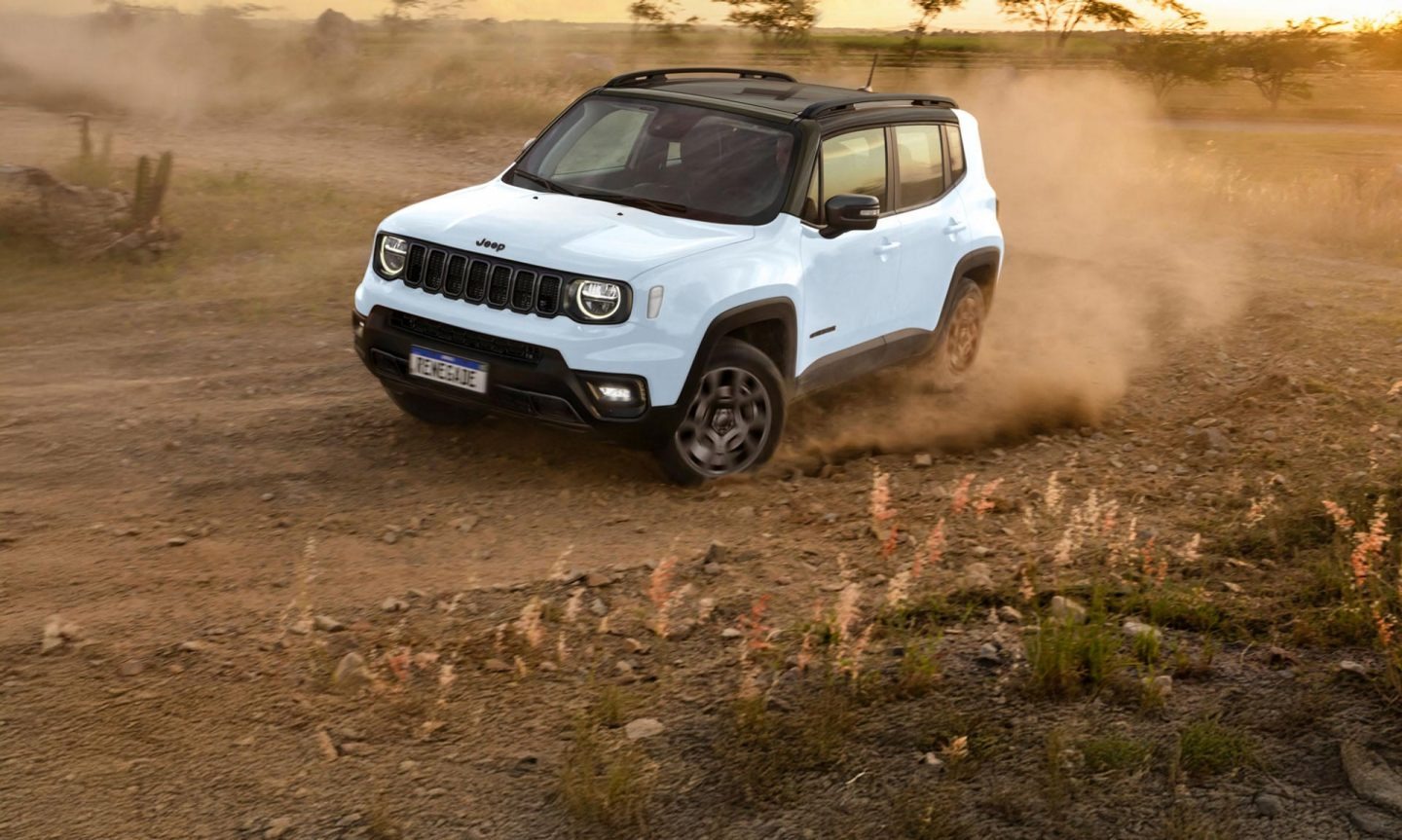
1. Jeep Renegade (Base and mid trims with halogen reflectors)
The Jeep Renegade may present itself as a rugged, adventure-ready SUV, but when it comes to lighting performance, especially in base and mid-level trims, its headlights are a letdown. Many trims come equipped with halogen reflector lights, a setup that is increasingly outdated and inadequate for modern road conditions.
While halogen lights once served as a standard, they pale in comparison to today’s more advanced LED and HID systems. In the Renegade, this becomes especially noticeable on rural or poorly lit roads where the output simply doesn’t go far enough.
The beam throw is one of the biggest weaknesses in the Renegade’s headlight design. The light fades quickly into the distance, leaving much of the road ahead underlit. Even with high beams on, visibility often feels limited. Drivers may find themselves straining to see road signs in time or detect changes in the road surface.
It’s not just about brightness either; the beam pattern lacks focus, often creating dark patches between lit areas. This inconsistency can create a stop-and-go effect in visibility, which leads to uncertainty and slower reaction times.
Side illumination is also lacking. The Renegade’s headlights do a poor job of lighting up the shoulders and ditches where animals or objects might suddenly appear. On backroads or two-lane highways, this kind of coverage is crucial.
The lack of side spill means you’re often driving with a narrow tunnel of light, increasing the risk of surprises. For a vehicle marketed with off-road appeal, it’s ironic that the lighting system feels like an afterthought, especially since off-road travel often takes place away from streetlights and in total darkness.
Even in urban settings, the headlights feel behind the times. When compared to other small SUVs in its class, the Renegade doesn’t offer much in terms of modern lighting features like automatic high-beam assist, adaptive lighting, or even clean light color temperature.
Drivers upgrading from older vehicles might not notice right away, but after driving other cars with improved systems, it’s hard to go back. The Renegade is proof that not every SUV that looks capable is truly equipped for safe nighttime driving.
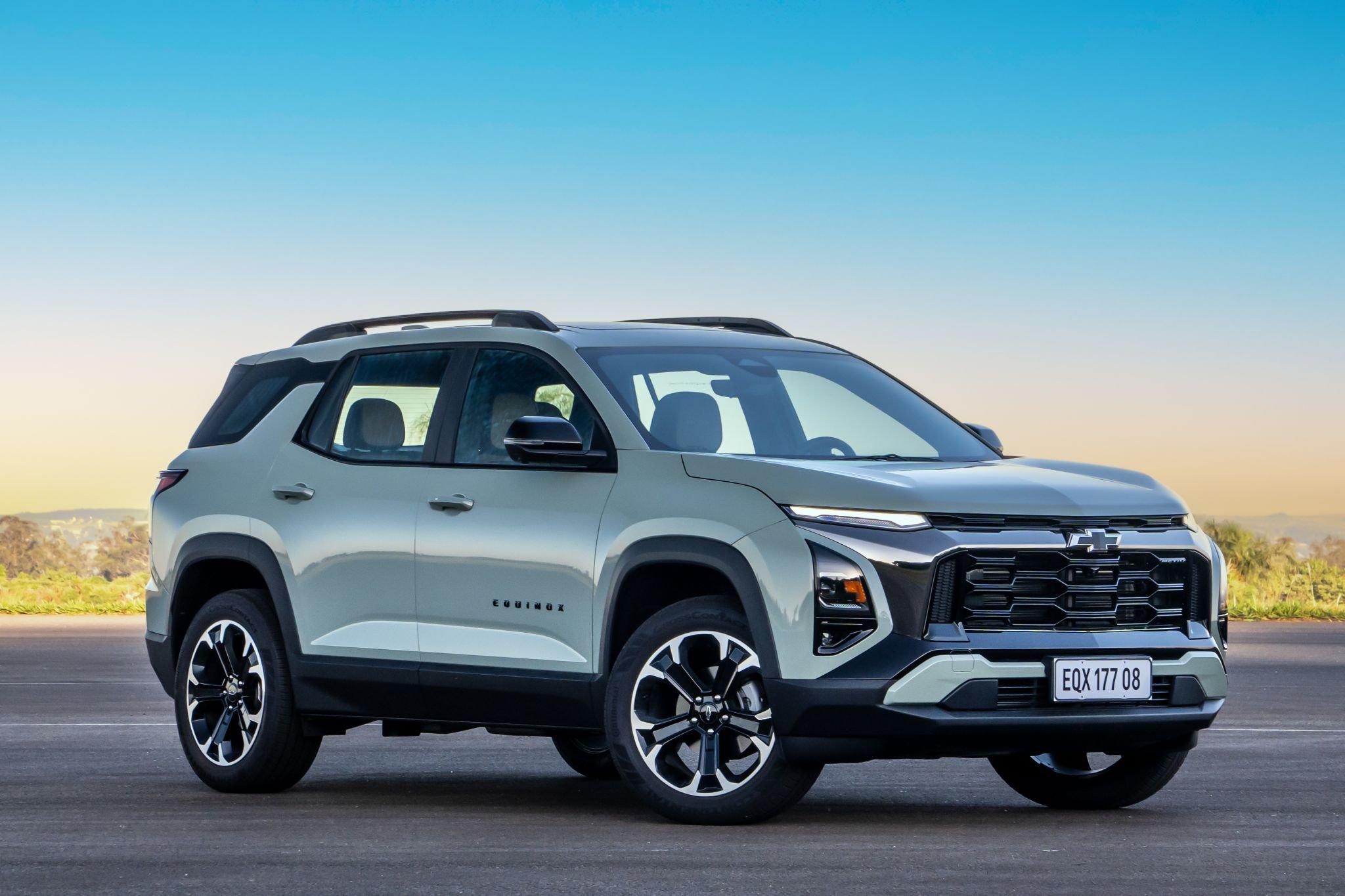
2. Chevrolet Equinox (Lower trims with halogen headlights)
The Chevrolet Equinox is a popular choice among compact SUV buyers due to its affordability and practicality. However, when it comes to night driving, especially in the lower trim levels, it doesn’t inspire much confidence. The standard halogen reflector headlights feel like a budget compromise and perform poorly when compared to newer lighting technologies. This creates a real safety concern for those who often drive at night, especially on unlit roads where your headlights are your only source of visibility.
The biggest issue with the Equinox’s headlights is their limited beam reach and narrow coverage. The lights cast a short, dim beam that fails to illuminate the road ahead sufficiently. You can often find yourself outrunning the headlights at highway speeds, meaning you don’t have enough time to react to obstacles.
In addition, the beam pattern is poorly shaped, with uneven brightness and several areas where the light cuts off abruptly. This leaves the driver guessing about what’s just beyond the reach of the headlights, which isn’t an ideal scenario at any speed.
Color temperature is another weak point. Halogen bulbs tend to emit a yellowish light that doesn’t provide the same contrast or clarity as LEDs. This makes spotting small but important details, like potholes, road debris, or even pedestrians, more difficult. On foggy or rainy nights, this becomes even more dangerous as the weaker light gets absorbed or scattered easily. The Equinox may have a modern-looking design, but that modernity doesn’t extend to its base lighting system.
For buyers who don’t specifically upgrade to a trim level that includes LED lighting, the default headlights can be a daily frustration. They not only make nighttime driving harder but also add strain to the driver’s eyes. If visibility and safety are priorities, it’s worth either choosing a higher trim or looking at competing models that provide better lighting at a similar price point. Otherwise, you’re paying for a vehicle that doesn’t help you see as clearly as it should.
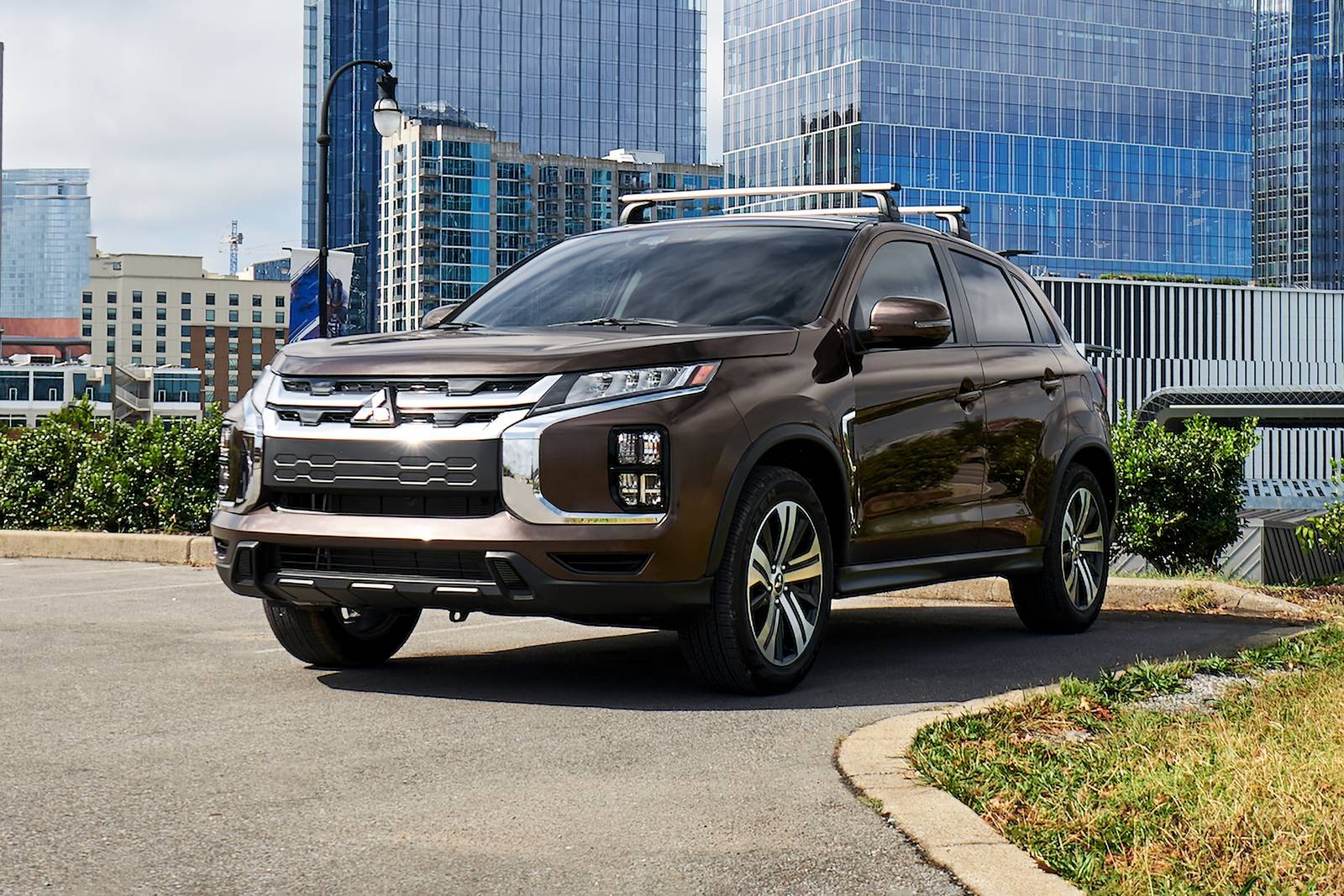
3. Mitsubishi Outlander Sport (Base halogen setup)
The Mitsubishi Outlander Sport has managed to stay on the market for years, largely due to its value-focused pricing and compact footprint. Unfortunately, one area where it falls far behind is in its headlight performance.
The base halogen lights are particularly underwhelming, and even upper trims don’t significantly improve the situation unless you opt for specific upgrade packages. For drivers frequently on the road at night, especially outside of city centers, the Outlander Sport leaves much to be desired.
The beam strength on this SUV is noticeably weak. Even when the road ahead is completely dark, the headlights barely project a strong enough beam to see far beyond 50 or 60 feet clearly.
This makes it extremely difficult to anticipate road curves, intersections, or debris on the pavement. In the worst-case scenarios, such limited visibility could lead to missed turns or close calls with wildlife. The high beams do help, but their reach is still unimpressive compared to LED systems in rival vehicles.
Adding to the problem is the poorly controlled light pattern. The reflectors don’t focus the light in a coherent, useful way. Instead of a wide, consistent beam that helps reveal the road edges and ditches, the Outlander Sport’s lights tend to concentrate the brightness in a narrow center patch with dark zones around it.
This tunnel effect can be disorienting, especially during longer trips or when fatigue sets in. It also makes passing slower vehicles or turning at unfamiliar intersections much more stressful than it should be.
Another concern is long-term durability. The headlights seem prone to yellowing or clouding more quickly than average, which only further degrades the already weak light output.
Drivers who’ve owned the vehicle for several years often report worsening night visibility, even after bulb replacements. While the Outlander Sport might appeal from a budget perspective, it sacrifices a core element of driving safety in the process. A better headlight system would drastically improve the driving experience, but as it stands, this SUV underdelivers where it matters most at night.
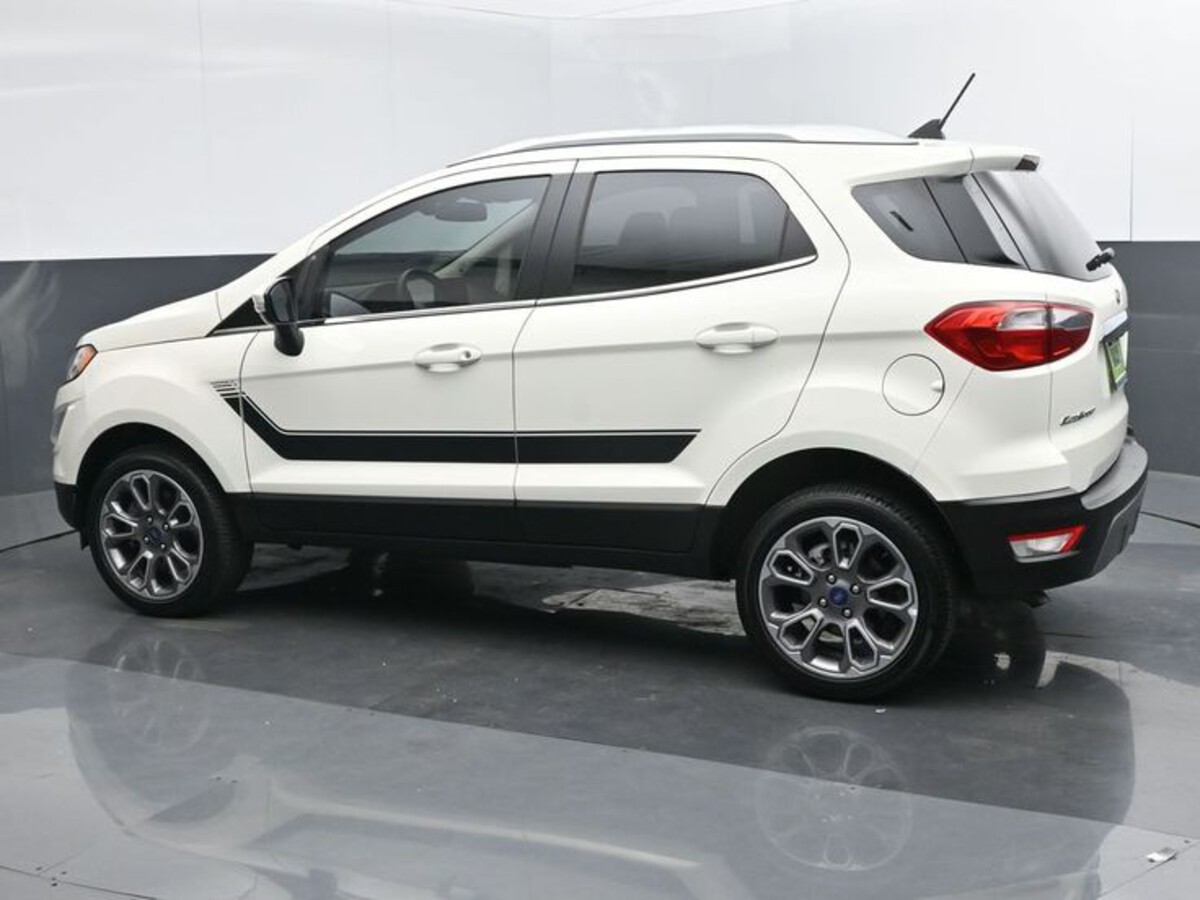
4. Ford EcoSport (Standard halogen setup)
The Ford EcoSport represents Ford’s attempt to provide a compact SUV that fits into urban lifestyles and small driveways, but it falls behind when driving extends beyond well-lit streets.
The headlights on standard trims are halogen reflector units that feel outdated and underpowered. For night driving, particularly on roads without overhead lights, these headlights leave the driver squinting into the darkness, unsure of what’s coming up next. It’s a frustrating experience that doesn’t match the expectations for a modern SUV.
Visibility ahead is compromised by a weak beam with limited reach. Even with high beams activated, the illumination doesn’t extend far enough to make the driver feel secure at speed. The cutoff is abrupt and uneven, leading to shadows and dark zones that reduce awareness.
Drivers often find themselves leaning forward, straining to interpret what’s just beyond the beam. On curvy roads or those with trees and vegetation along the edge, that lack of side illumination becomes even more noticeable and concerning.
Unlike competitors that offer at least a basic LED setup or projector-style lights in mid-range trims, the EcoSport sticks with an older system unless buyers upgrade to a higher package. Even then, the lighting quality doesn’t leap ahead in a meaningful way. It may look decent from the outside, but it’s what’s missing in the real-world performance that becomes apparent once you leave urban environments.
This SUV might serve well enough for daytime commuting or city use, but it’s not built for confident nighttime travel. The standard headlight design feels more like a cost-cutting decision than a well-rounded engineering choice. For those who plan to take trips, drive in fog, or navigate winding country roads, the lighting shortcomings of the EcoSport are a major drawback that shouldn’t be overlooked.
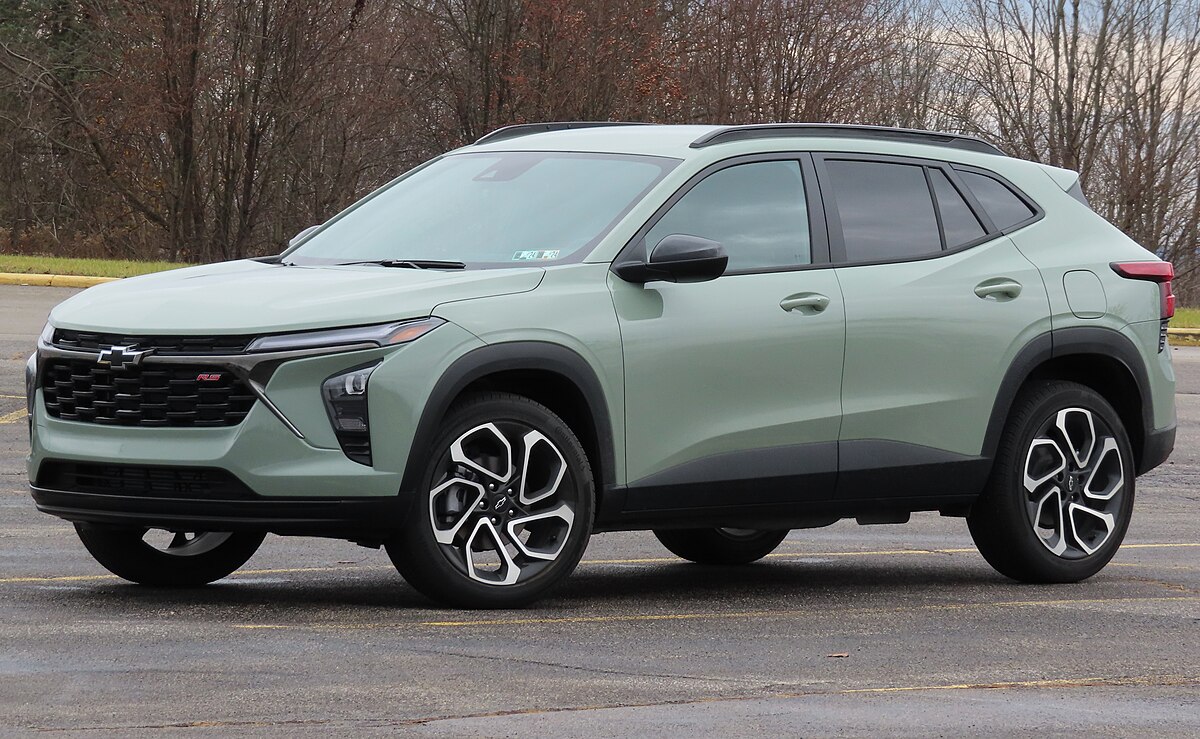
5. Chevrolet Trax (Early models and base trims)
The Chevrolet Trax, particularly older models and lower trims, comes equipped with some of the weakest lighting in its category. The halogen headlights have poor brightness and a dull yellow hue that fails to provide the kind of clarity needed for dark driving conditions.
For drivers on a budget, the Trax might seem like a reasonable deal, but the compromise in lighting becomes immediately apparent the first time you’re on an unlit road after sundown.
One of the main issues with the Trax’s headlights is the spread, or lack of it. The beam is narrow and doesn’t extend to the sides enough to illuminate potential hazards or turns. It creates a feeling of driving with blinders on.
Even straight-line driving feels less secure when you can’t see more than a short distance ahead. Drivers have to be extra cautious, not because the roads are necessarily dangerous, but because they simply can’t see enough to drive normally.
There is also a problem with uneven light distribution. The center of the beam is modestly lit, but the rest fades quickly, creating dark patches. In fog or rain, this effect becomes worse, as the already weak lights get scattered or reflected in ways that make visibility drop even further. Night driving turns into a stressful task, one that requires more attention and often causes fatigue sooner than it should.
While some later versions of the Trax started including LED headlights in higher trims, many models still on the road today continue to suffer from these weak setups. This issue affects not just safety but also comfort and confidence while driving. If night visibility is something you value, and it should be, the base Trax is a model best avoided unless aftermarket upgrades are planned.
Also Read: 5 Cars That Go 100,000 Miles on Original Brake Pads vs 5 That Burn Through Pads Quickly
Headlight performance is one of the most critical yet commonly overlooked aspects of choosing a reliable SUV, especially for those who frequently drive at night or in areas with limited street lighting.
While the styling, horsepower, and tech features of a vehicle often get more attention, the simple ability to see clearly on a dark road can have a far greater impact on safety and comfort. The contrast between SUVs with strong, well-designed headlight systems and those with outdated, underperforming ones is significant, and it can change the entire driving experience.
The five SUVs highlighted for their strong lighting systems, the Toyota Highlander, Subaru Outback, Mazda CX-5, Hyundai Palisade, and Volvo XC90, offer not just brightness, but beam precision, coverage, and consistency.
These factors make a difference when visibility is poor, when wildlife or sharp turns suddenly appear, or when you’re driving for hours with little rest. Their headlights are engineered to enhance both safety and driver confidence, reducing fatigue and improving reaction time when it matters most.
On the other hand, models like the Jeep Renegade, Chevrolet Equinox, Mitsubishi Outlander Sport, Ford EcoSport, and early Chevrolet Trax trims fall short in providing adequate nighttime visibility. Their weaker halogen setups lack the brightness, beam control, and side illumination needed for safe driving in darker environments. These shortcomings can turn even a short night drive into a frustrating or risky experience.
Choosing an SUV should go beyond horsepower and interior features. For anyone who values visibility, night driving safety, or simply peace of mind after the sun sets, headlight quality deserves a place near the top of the priority list. The difference between a good and bad lighting system isn’t just technical; it’s the difference between seeing what’s ahead and hoping nothing’s there.
