
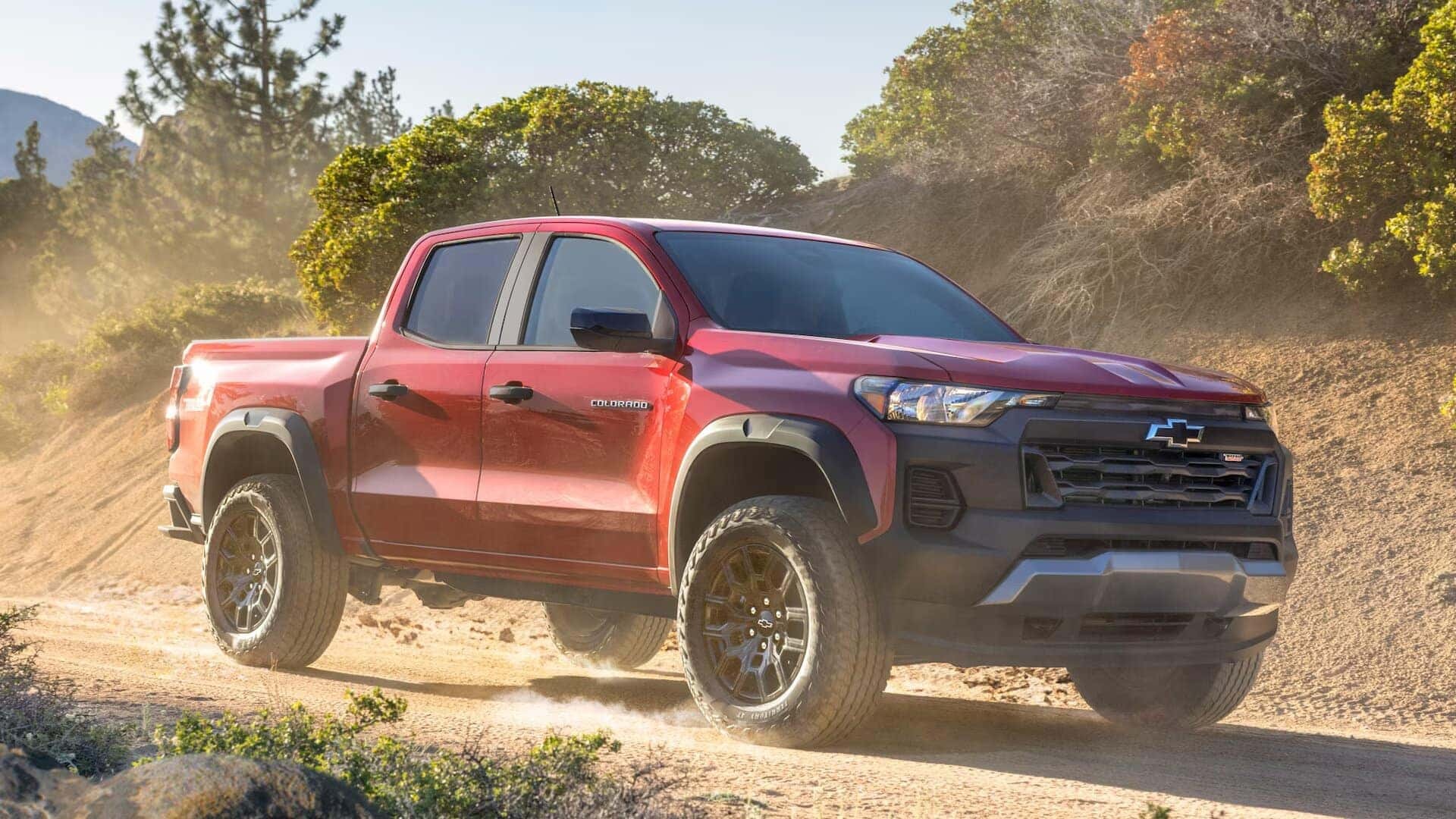
Choosing the right truck is rarely a simple decision, as the market offers a vast array of models, each catering to different needs, budgets, and lifestyles. Among the many features that influence a buyer’s choice, such as engine power, towing capacity, fuel economy, and technology, security often takes a backseat despite its crucial role.
Specifically, the security of the tailgate is an important consideration for many truck owners, especially those who frequently haul valuable cargo, tools, or equipment. Tailgates serve as the main access point to the truck bed, making them a potential weak spot if not properly secured.
Theft and accidental openings can cause significant losses and frustrations, impacting both personal and professional users.
This article compares five trucks with tailgates that lock securely against five trucks that lack secure tailgate locking mechanisms. The aim is to provide a detailed examination of how tailgate security influences usability, peace of mind, and the safeguarding of assets.
For individuals relying on their trucks for work or recreation, the importance of a secure tailgate cannot be overstated. Whether carrying construction tools, sports gear, or camping equipment, the bed is often a storage area that is vulnerable when left unattended.
A locking tailgate acts as a primary defense, preventing unauthorized access and reducing the risk of theft. Additionally, it prevents accidental openings while driving, which could not only lead to cargo loss but also create hazardous situations on the road.
Despite the critical nature of this feature, tailgate locking mechanisms vary widely among manufacturers and models. Some trucks come with sophisticated, electronically integrated locks that provide seamless security and convenience, while others rely on basic manual locks that require separate keys and manual engagement.
This distinction creates a clear divide between trucks that offer enhanced protection and those that leave owners exposed to risk. Trucks equipped with secure tailgate locks often incorporate a range of technologies and design improvements that go beyond simple mechanical latches.
These systems might include electronic actuators connected to the vehicle’s central locking system, reinforced locking components that resist forced entry, and even remote control features allowing owners to lock or unlock the tailgate via key fob or smartphone app.
These enhancements not only protect the contents of the truck bed but also simplify day-to-day use. Conversely, trucks without secure tailgate locks typically use standalone mechanical locks, often located in the tailgate handle or on the tailgate itself, which do not benefit from integration with the vehicle’s security system.
Such setups require owners to remember an additional locking step and can leave the tailgate more vulnerable to tampering, theft, or accidental opening.
This comparison highlights how important it is to consider the level of security built into the tailgate design, as it can have a direct impact on cargo safety, convenience, and satisfaction with the vehicle.
Throughout this article, we will discuss specific truck models that represent each category, examining the security features of their tailgates in detail.
We will analyze how the differences in locking mechanisms affect real-world usage, including considerations such as cost, durability, user-friendliness, and integration with other vehicle security systems.
By providing a clear comparison of trucks with secure tailgate locks versus those without, readers can better understand the practical implications of these features.
This information is especially valuable for prospective truck owners who prioritize cargo security, but it also benefits anyone looking to maximize the utility and safety of their vehicle.
Whether you are a contractor, outdoor enthusiast, or casual driver, the choice of a tailgate locking system can influence your experience with the truck on a daily basis.
Also Read: 5 Cars With Legendary Battery Life and 5 That Need Jumping Weekly
Trucks with Tailgates that Lock Securely
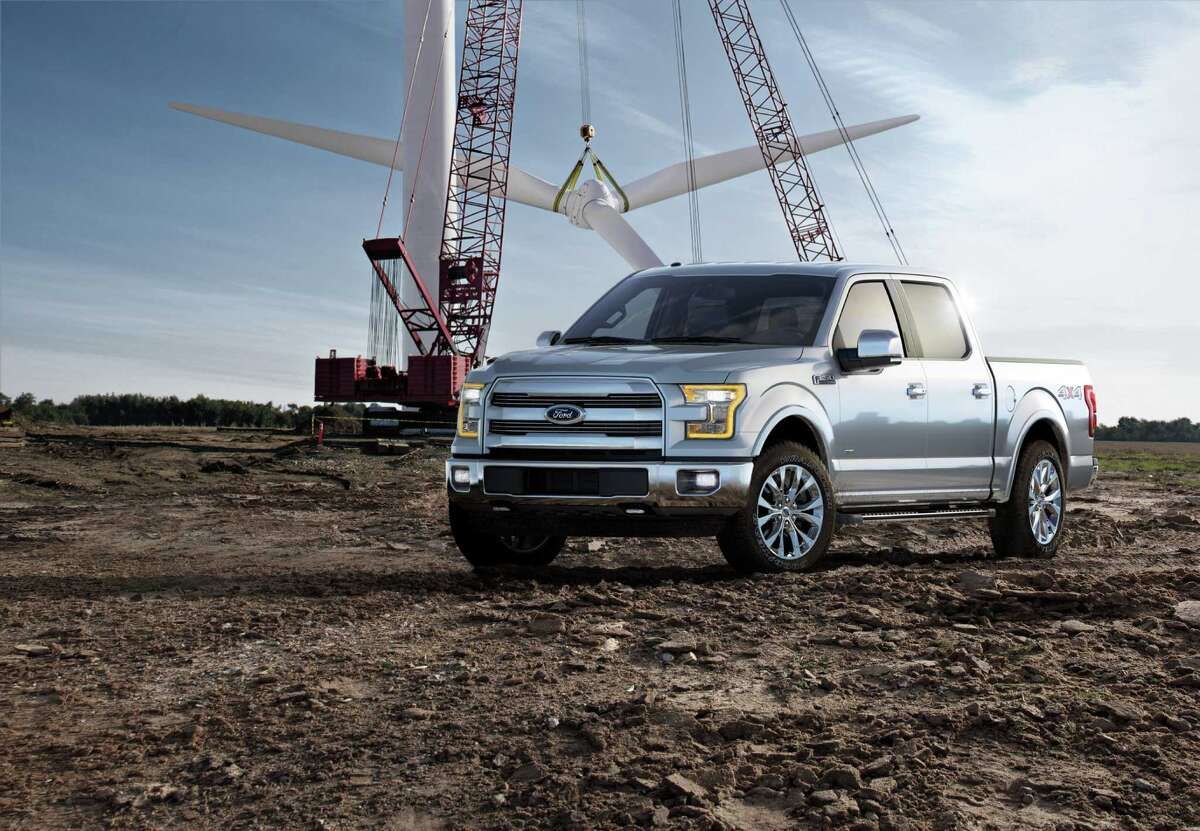
1. Ford F-150
The Ford F-150 stands out as a benchmark in the full-size pickup market, renowned not only for its performance and capability but also for its thoughtful inclusion of security features such as a securely locking tailgate.
Ford’s approach integrates the tailgate lock directly with the vehicle’s central locking system, meaning that when the truck is locked using the key fob, all doors, including the tailgate, are simultaneously secured.
This electronic locking mechanism ensures that the tailgate remains inaccessible to unauthorized individuals without the proper key or digital access.
For owners who depend on their trucks to safeguard expensive tools, sensitive materials, or personal belongings, this level of security significantly mitigates the risk of theft and provides peace of mind, especially when parking in public or less secure locations.
The robust nature of the F-150’s tailgate lock is reinforced by high-quality materials and design choices. The latch mechanism itself is engineered to withstand both environmental stresses and attempts at forced entry.
Reinforced hinges prevent the tailgate from being pried open easily, and the electronic actuator is sealed to resist corrosion and damage from dirt and moisture.
The design reflects Ford’s commitment to combining durability with security, creating a tailgate lock system that not only protects but also lasts through years of demanding use.
This reliability is critical for commercial users who cannot afford downtime caused by security breaches or lock malfunctions.
Another aspect of the F-150’s locking tailgate is the user experience. Because the lock is integrated with the central system, it automatically secures when the truck is locked remotely or through keyless entry.
This automation removes the guesswork and ensures that the tailgate is never accidentally left unlocked, which is a common oversight in trucks with manual tailgate locks.
Moreover, the tailgate can be opened conveniently using the handle or remote commands, offering flexibility without compromising security. This balance between convenience and protection is a hallmark of the F-150’s design and is one reason why it remains popular among both private owners and fleet operators.
Finally, the F-150’s secure tailgate lock complements an array of other security measures offered by Ford. These include alarm systems, immobilizers, and optional cargo bed covers that work in tandem to protect the truck’s contents.
For anyone relying on their truck for work, recreation, or travel, this integrated security approach means greater assurance that valuables will remain safe.
The F-150’s locking tailgate is not just a feature but part of a larger ecosystem designed to provide a secure, user-friendly experience that stands up to the challenges of daily life and heavy use.
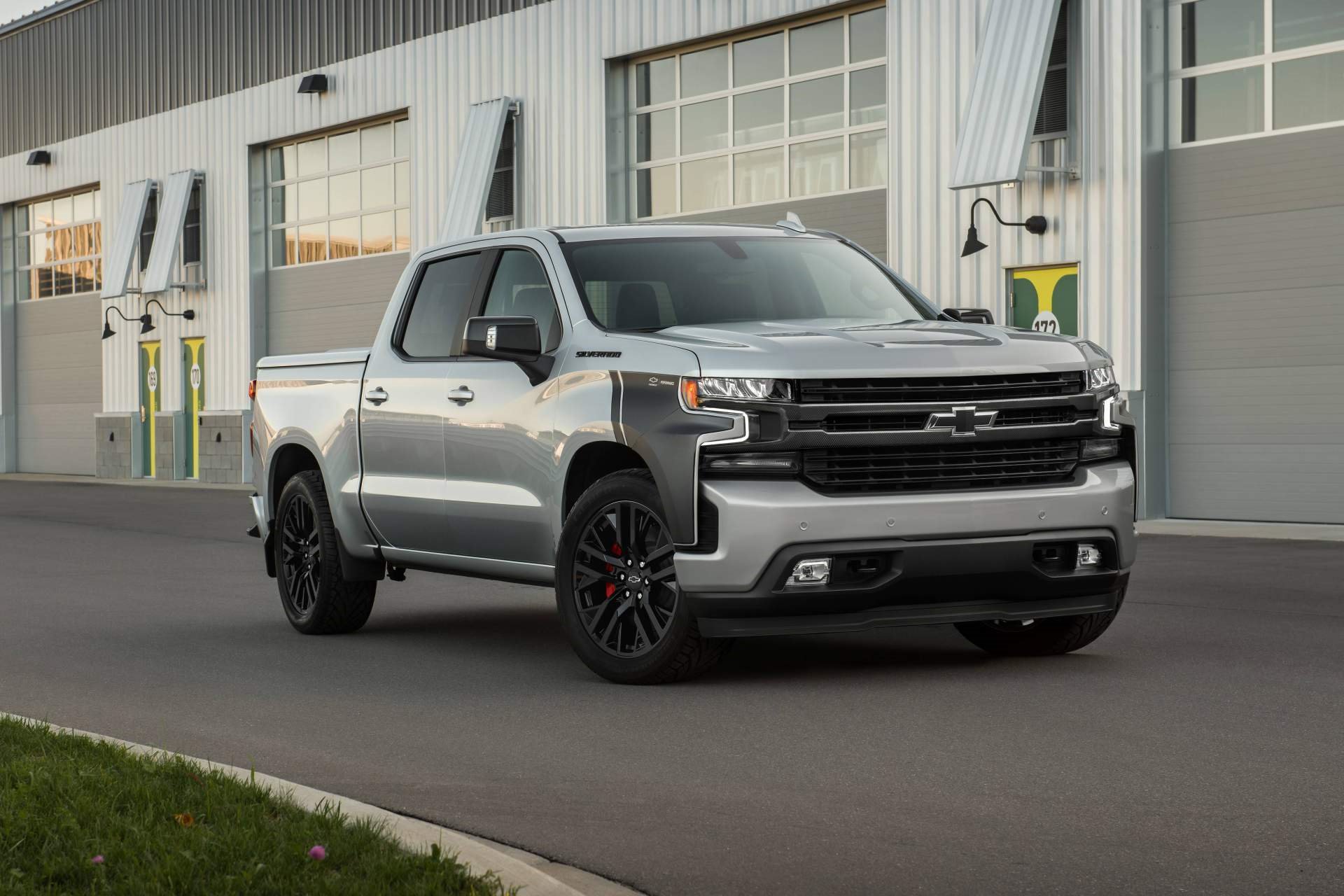
2. Chevrolet Silverado 1500
The Chevrolet Silverado 1500 offers a highly reliable and secure tailgate locking system designed to meet the needs of users who prioritize cargo protection and ease of use. The tailgate lock is ingeniously built into the tailgate handle, which is a familiar and intuitive location for users.
This lock engages either manually using a key or automatically when the vehicle’s central locking system is activated.
The integration with the central locking system means that the tailgate will not open unless the truck itself is unlocked, providing a seamless security solution that simplifies the user’s responsibilities.
The Silverado’s locking system features a durable latch and a reinforced catch plate that provide formidable resistance against tampering or forced entry. This design has been tested extensively to endure both mechanical stresses and environmental wear.
For owners who work in harsh conditions or frequently expose their vehicles to rough terrain and weather, this durability is essential. It helps ensure that the tailgate remains secure over time without the need for frequent repairs or replacements, saving money and reducing frustration.
In addition to security, the Chevrolet Silverado’s locking tailgate enhances safety during transport. When hauling loose materials or cargo that might shift in the bed, a locked tailgate prevents accidental openings that could result in spills, property damage, or even hazards on the road.
This reliability extends the truck’s usability and makes it a preferred choice for contractors, landscapers, and outdoor enthusiasts alike. The ease of locking and unlocking the tailgate without fuss or additional keys adds to its appeal as a practical and well-designed feature.
Chevrolet also provides options for further securing the cargo bed, such as lockable tonneau covers and cargo management systems that work in harmony with the tailgate lock.
This multi-layered security approach offers a comprehensive solution for theft prevention and cargo protection. The Silverado’s tailgate locking mechanism is just one part of a broader system that emphasizes user convenience, durability, and security, making it a standout in its class.
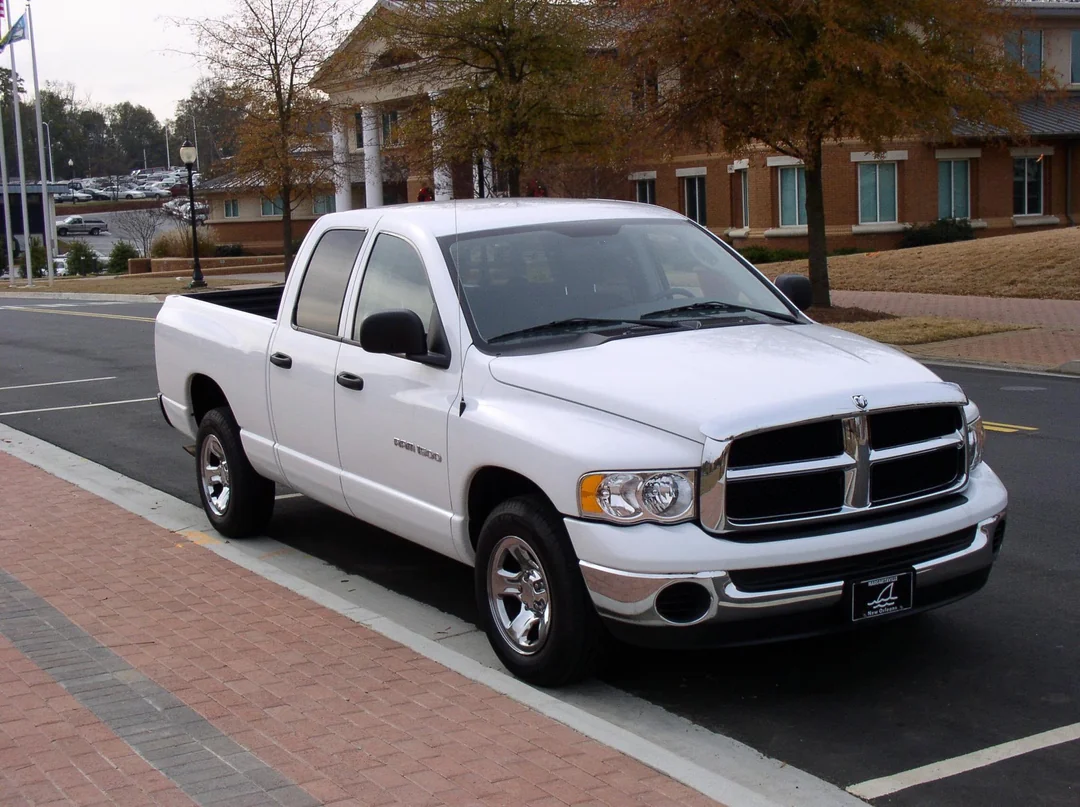
3. RAM 1500
The RAM 1500’s tailgate locking system represents a well-engineered blend of mechanical strength and electronic convenience. Its locking mechanism is electronically controlled, linking directly to the vehicle’s central locking system to ensure that the tailgate locks and unlocks simultaneously with the doors.
This eliminates the need for a separate key for the tailgate and reduces the risk of forgetting to secure it independently. The lock uses a robust actuator that provides a smooth and reliable locking action, adding a layer of convenience while maintaining high security standards.
The mechanical components of the RAM 1500’s tailgate lock are built for strength. Reinforced latches and hinges resist prying and forced entry attempts, which is especially important for users who carry valuable cargo in urban or unsecured areas.
The design also focuses on durability to withstand weather, dirt, and wear over time without compromising performance. For owners who rely on their truck daily, this means fewer maintenance issues and consistent security.
One feature that adds significant value to the RAM’s locking system is the ability to remotely unlock the tailgate via the key fob.
This is useful in situations where the user needs quick access to the cargo bed without walking around to the back of the vehicle. It also enhances safety when accessing the truck in poorly lit or potentially unsafe locations.
The convenience offered by this feature is often highlighted by RAM owners as a major benefit that complements the truck’s utility.
Furthermore, the RAM 1500’s locking tailgate integrates well with aftermarket or factory-installed security accessories like bed covers and cargo organizers. This compatibility allows users to create a secure, versatile storage environment in the truck bed, tailored to their specific needs.
The combination of electronic integration, strong mechanical design, and practical convenience makes the RAM 1500’s tailgate lock a significant advantage for those seeking a secure and user-friendly truck.
4. Toyota Tundra
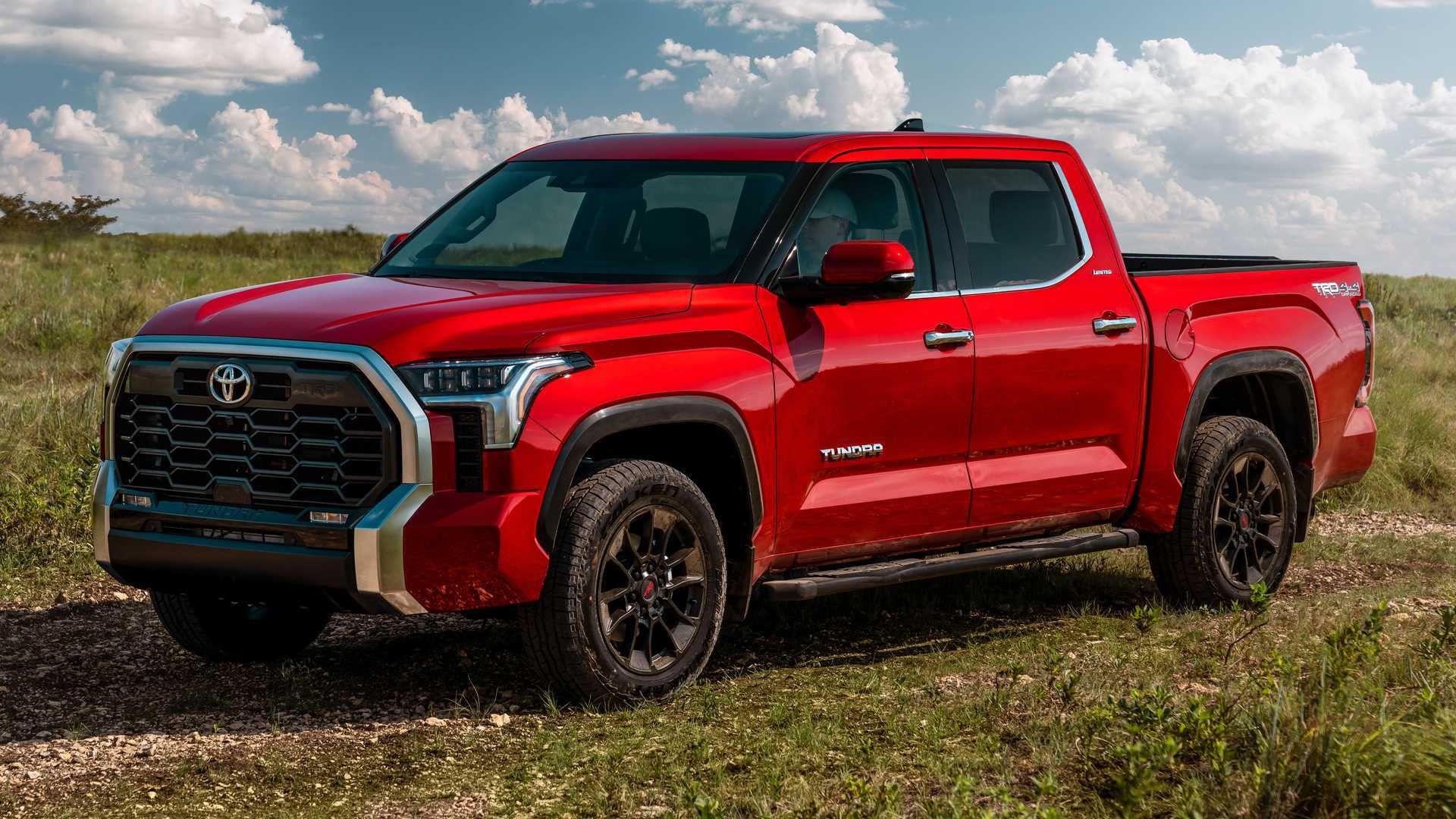
The Toyota Tundra provides a tailgate locking system that is both secure and straightforward, blending mechanical reliability with integration into the vehicle’s central locking system.
The lock is situated within the tailgate handle, allowing it to be engaged either manually or automatically when the truck’s doors are locked. This simple yet effective design helps protect the cargo bed from unauthorized access, offering a solid defense against theft while maintaining user convenience.
Toyota has engineered the Tundra’s tailgate lock to be robust and weather-resistant, incorporating materials and seals that help prevent corrosion, rust, and malfunction due to dirt or moisture.
The latch and hinge system supporting the tailgate is equally well constructed, ensuring that the tailgate remains firmly closed during transport and resists accidental openings caused by road bumps or cargo shifting.
This reliability is particularly valuable for users who operate in tough environments or use their trucks for demanding tasks.
The automatic locking feature of the tailgate enhances the user experience by simplifying security. When the vehicle is locked remotely or with keyless entry, the tailgate locks automatically without requiring extra steps.
This reduces the chances of forgetting to secure the tailgate, which can be a common oversight in trucks with manual locking systems. The efficiency and quiet operation of this mechanism contribute to the Tundra’s reputation for reliability and ease of use.
In addition to the lock itself, Toyota offers various accessories such as bed liners and tonneau covers that can be used to augment cargo security.
This approach enables owners to create a secure, protected space that suits their lifestyle or work needs. The Tundra’s tailgate lock is a critical part of the vehicle’s design philosophy, which balances ruggedness, functionality, and security.
5. GMC Sierra 1500
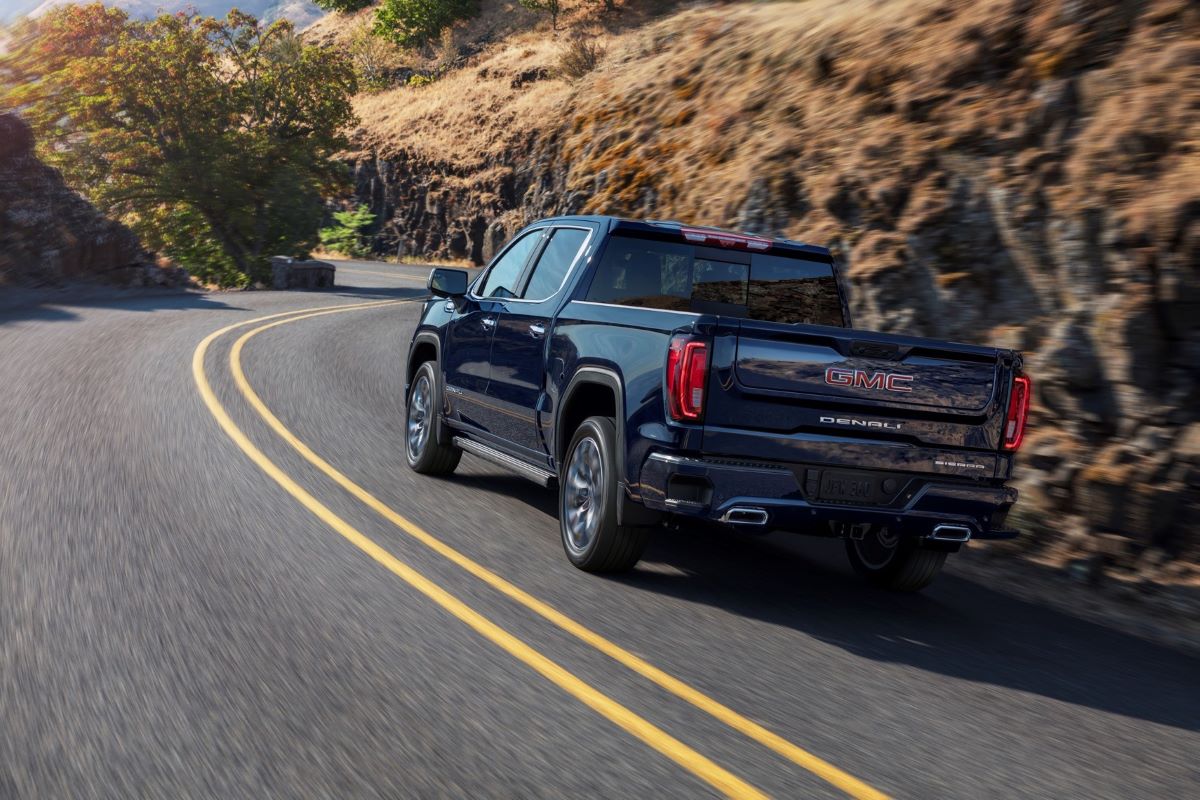
The GMC Sierra 1500 offers a tailgate locking system that closely resembles that of its corporate sibling, the Chevrolet Silverado, with a focus on security, durability, and user convenience.
The lock is integrated into the tailgate handle and connected to the vehicle’s central locking system, so the tailgate secures automatically when the truck doors are locked. This feature provides an intuitive and effective way to prevent unauthorized access to the truck bed.
The locking mechanism is designed to withstand frequent use and resist tampering. It features a heavy-duty latch and reinforced components that maintain their integrity under pressure and exposure to the elements.
GMC emphasizes smooth operation, ensuring that the tailgate lock does not stick or jam, which can be a common problem in vehicles exposed to harsh conditions. This reliability improves the ownership experience by reducing maintenance concerns and providing consistent security.
Beyond the lock itself, the Sierra’s tailgate locking system integrates well with other cargo security products offered by GMC, such as bed liners, tonneau covers, and cargo organizers.
These accessories add multiple layers of protection, helping users safeguard tools, equipment, or recreational gear more effectively.
The combination of a strong factory lock and compatible security accessories makes the Sierra a preferred choice for owners who need a truck that can handle demanding jobs while protecting valuable cargo.
In daily use, the automatic locking of the tailgate when the vehicle is secured provides peace of mind. Drivers can trust that their cargo area remains locked without extra effort, reducing the chances of theft or accidental openings.
This convenience and security synergy is a key factor in the Sierra’s popularity and reflects GMC’s commitment to delivering a well-rounded pickup truck experience.
Trucks Without Secure Tailgate Locks
1. Nissan Frontier
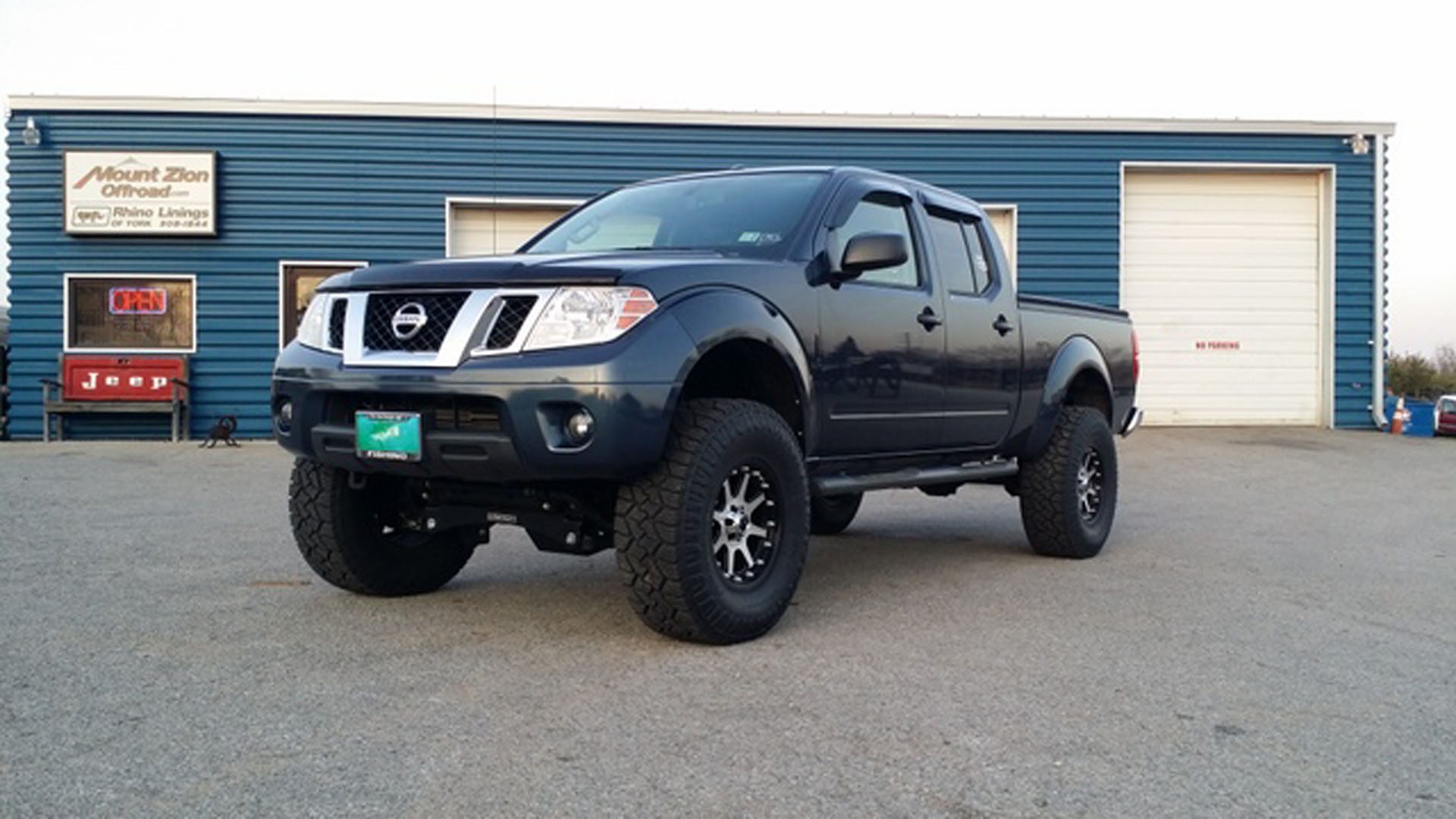
The Nissan Frontier offers a dependable truck experience with many strengths, but it falls short in the area of tailgate security compared to more advanced models.
The Frontier’s tailgate lock is a basic mechanical lock located within the tailgate handle, which must be locked manually using a separate key.
Unlike trucks with integrated central locking systems, the Frontier’s tailgate lock does not automatically engage when the vehicle is locked, requiring the driver to remember an additional step to secure the cargo bed.
This manual approach to tailgate security introduces vulnerabilities. Because the lock is not connected to the truck’s main security system, it is more susceptible to being forgotten or overlooked, increasing the risk of leaving the tailgate unlocked unintentionally.
Furthermore, the lock itself is relatively simple and lacks reinforced components found in higher-end trucks. This simplicity means the lock is more vulnerable to forced entry techniques or tampering, which could result in theft of valuable cargo.
In terms of durability, the Frontier’s mechanical lock may be more prone to wear and corrosion, especially if frequently exposed to the elements or heavy use.
Over time, this can reduce the effectiveness of the lock and increase maintenance needs. For users who rely heavily on their trucks to secure tools or equipment, this can be a significant disadvantage and may require the installation of aftermarket security solutions.
Owners of the Frontier often find themselves balancing cost and security, as the truck’s affordability comes at the expense of advanced locking features.
To compensate, some opt for additional security products such as bed covers, locks, or alarm systems. While these accessories can improve security, they add complexity and expense and do not fully replicate the convenience and integration offered by factory-installed secure tailgate locks.
2. Toyota Tacoma (older models)
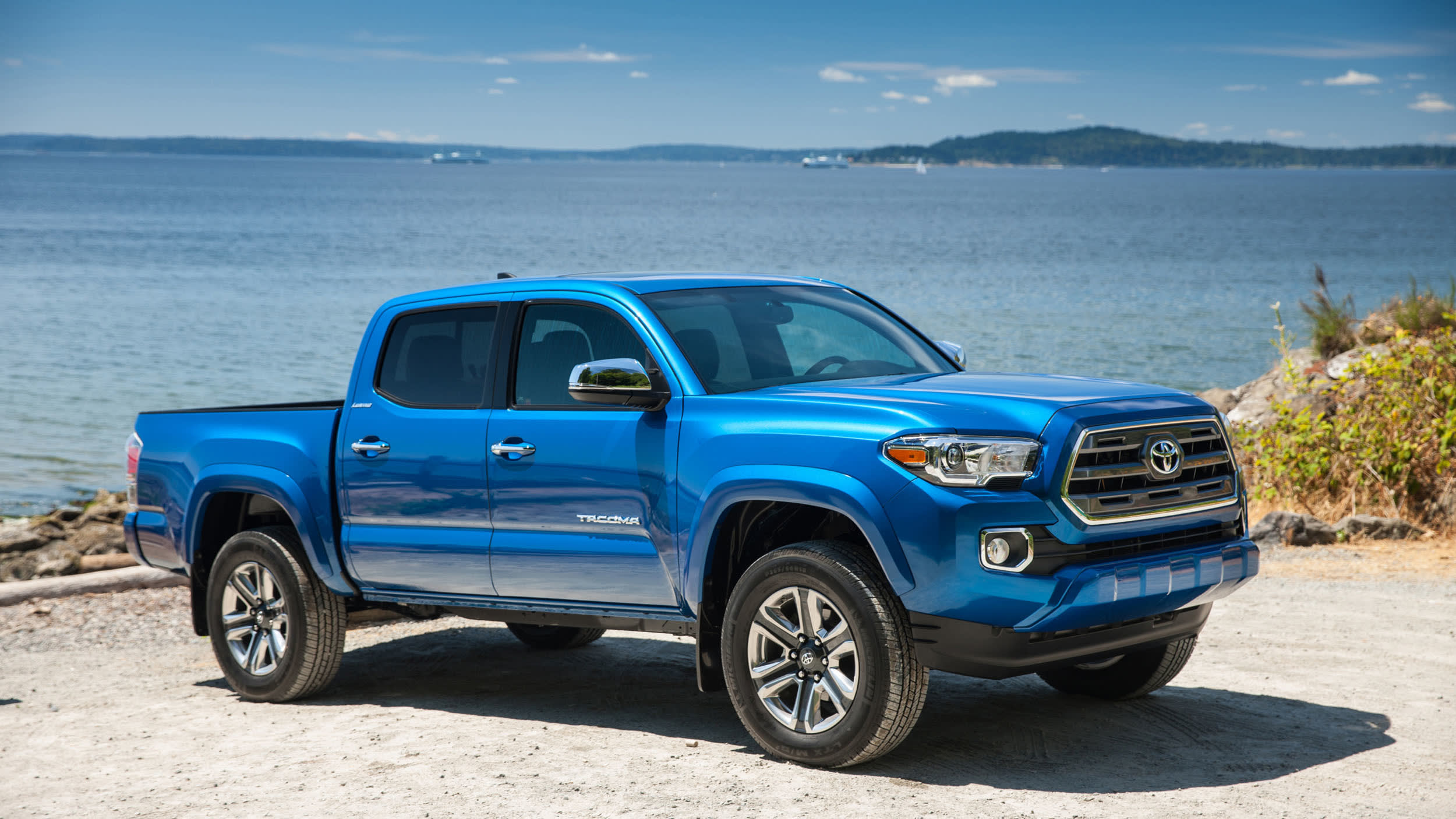
Older Toyota Tacoma models provide excellent reliability and off-road capability, but their tailgate locking systems often lack integration and advanced security features.
In many of these earlier models, the tailgate lock is a separate mechanical lock that does not engage automatically with the central locking system. This means that drivers must manually lock the tailgate, and failure to do so can leave the truck bed vulnerable to unauthorized access.
The mechanical locks on these older Tacomas are simple in design and can be more easily compromised compared to the integrated electronic locks found in newer models. Additionally, the lock’s physical components may wear over time, becoming easier to pick or force open.
The vulnerability of these systems can be concerning for users who store valuable tools or equipment in the truck bed, especially if parking in unsecured or public areas.
Convenience is another issue, as the lack of automatic locking requires extra attention from the driver. Forgetting to lock the tailgate separately can result in cargo theft or accidental openings during transport. This additional responsibility reduces ease of use and detracts from the ownership experience.
In many cases, Tacoma owners with older models choose to invest in aftermarket locking devices or bed covers to bolster security. While these solutions help mitigate some risks, they introduce added cost and do not always integrate as seamlessly with the truck’s systems.
Buyers of older Tacomas should carefully weigh these factors against their security needs and consider whether upgrades or newer models might be a better fit.
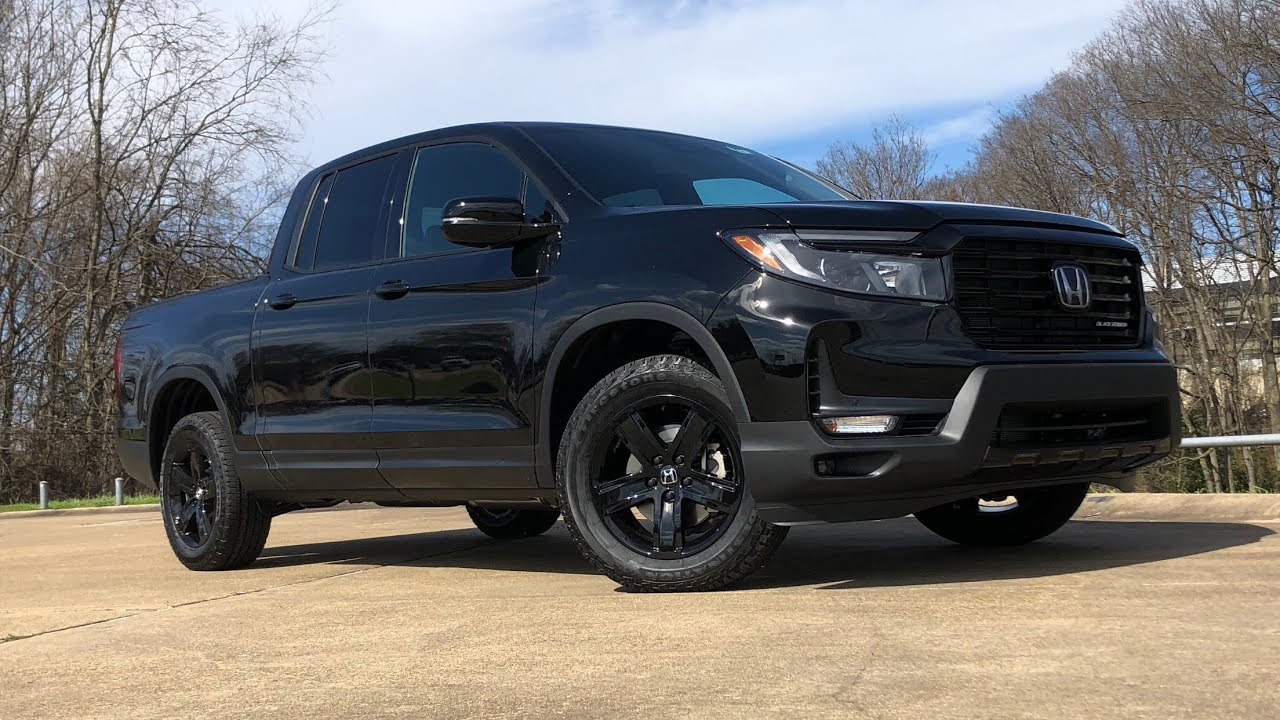
3. Honda Ridgeline (early models)
Early versions of the Honda Ridgeline provide a smooth ride and a comfortable cabin, but their tailgate security systems are less advanced compared to competitors.
The tailgate lock in these models is mechanical and separate from the vehicle’s central locking system, requiring its own key to secure the tailgate. This separation means the tailgate remains unlocked unless manually secured, which can be a security risk and an inconvenience.
The basic mechanical lock design is susceptible to tampering and can be more easily bypassed than integrated electronic locks.
Additionally, these locks may experience wear and tear over time, especially if exposed to frequent use or harsh weather. This can lead to malfunctions or easier forced entry attempts, undermining the truck’s ability to protect its cargo effectively.
From a user perspective, the requirement to manually lock the tailgate each time adds a layer of hassle and potential for error.
Drivers who forget this step risk exposing their belongings to theft or accidental loss. The lack of integration also means there is no automated safeguard, unlike more modern trucks with electronic locking tied to the vehicle’s security system.
Many early Ridgeline owners turn to aftermarket options like locking bed covers or additional security devices to compensate for this weakness. These solutions provide improved protection but come at additional cost and complexity. The early Ridgeline’s tailgate locking system is thus a drawback for those prioritizing security.
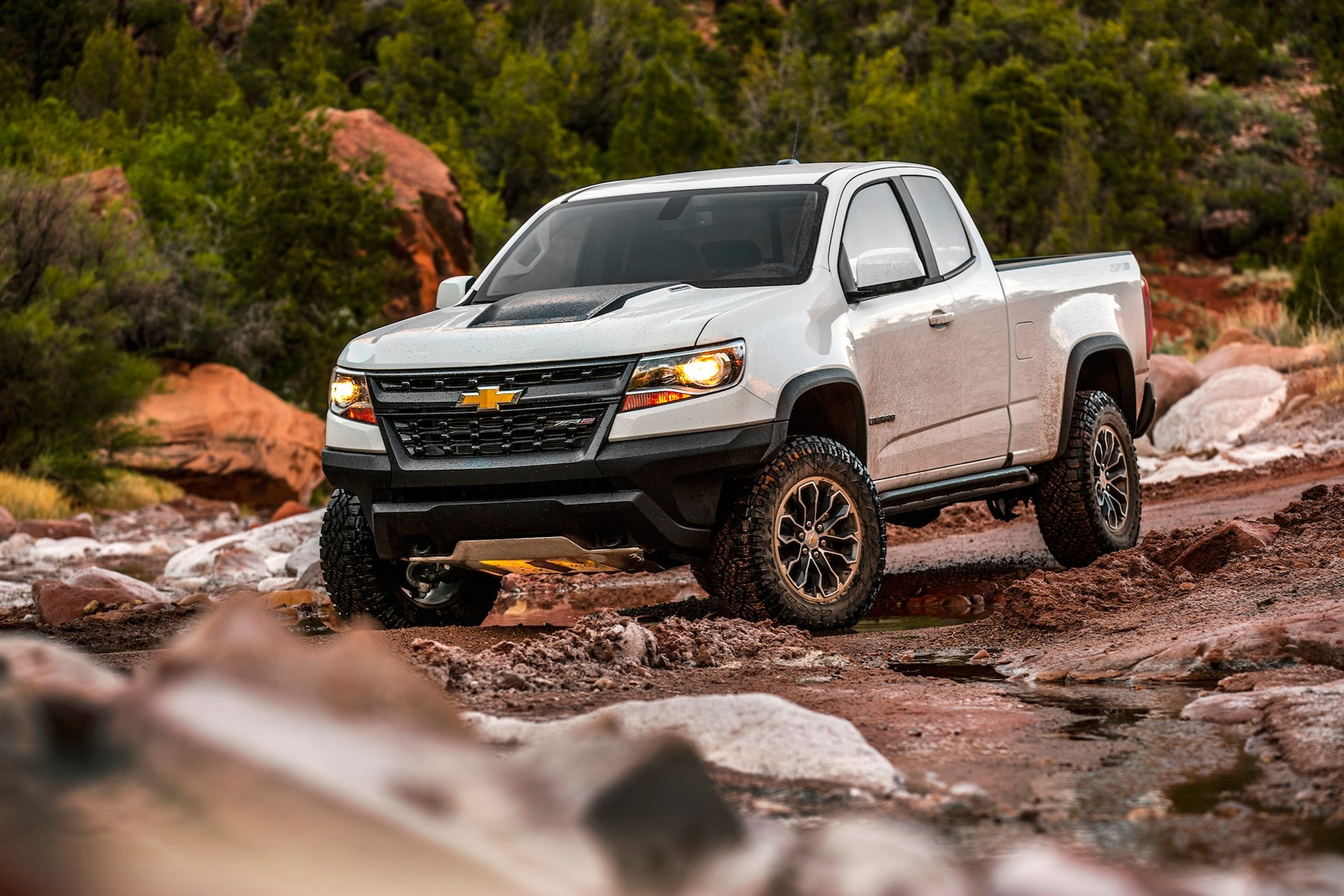
4. Chevrolet Colorado (base models)
The base models of the Chevrolet Colorado come with functional but basic tailgate locking mechanisms. These locks are typically mechanical, requiring manual locking and unlocking with a separate key.
Unlike more advanced pickups, the base Colorado models do not integrate the tailgate lock with the vehicle’s central locking system. This creates potential security vulnerabilities and convenience issues for owners.
Because the tailgate lock is not connected to the truck’s security system, it can easily be overlooked or forgotten when locking the vehicle.
This increases the risk of unauthorized access to the truck bed and potential theft of cargo. The mechanical locks used are simpler and lack reinforcement, making them more susceptible to forced entry compared to trucks with more secure designs.
Durability is another concern, as the lock and latch mechanisms in these base models may degrade more quickly with exposure to environmental factors such as rain, snow, and road salt. Wear and corrosion can reduce lock effectiveness over time, creating maintenance headaches and increased security risks for the owner.
For drivers requiring reliable cargo protection, these limitations mean that additional security measures, such as aftermarket locks or bed covers, may be necessary. However, these solutions add cost and may not offer the same convenience or seamless integration as factory-installed secure locking systems. Buyers should consider these trade-offs when evaluating the base Colorado.
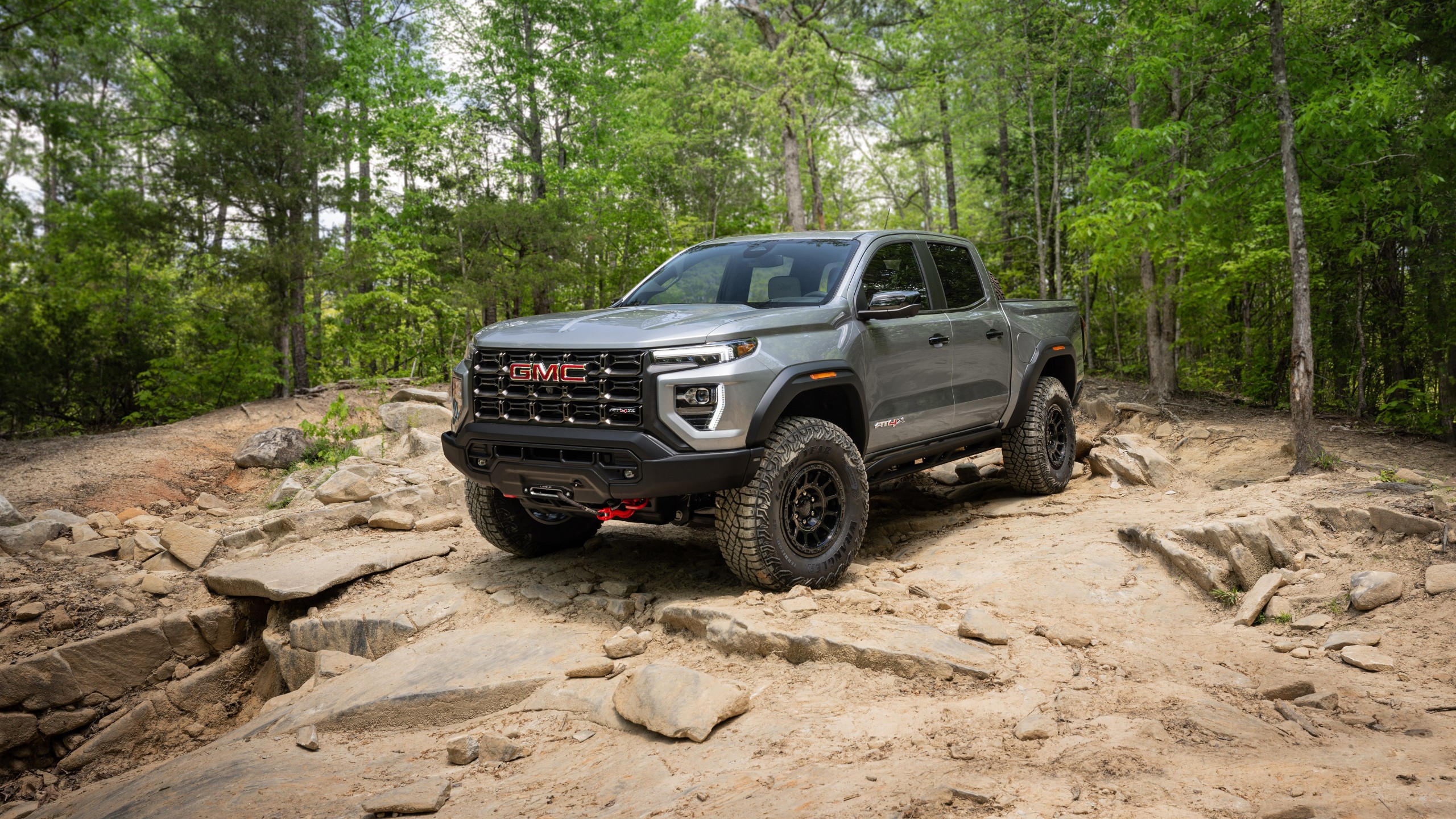
5. GMC Canyon (older models)
Older models of the GMC Canyon share many characteristics with the Chevrolet Colorado base trims in terms of tailgate security. Their tailgate locks are manual mechanical units separate from the vehicle’s central locking system.
This means owners must lock the tailgate independently of the doors, adding an extra step to the security routine that can be easily forgotten.
The lock mechanisms themselves are relatively simple and lack the reinforcement and tamper resistance found in newer or higher-end trucks.
The manual mechanical lock on older GMC Canyon models requires a separate key and physical action to secure the tailgate, which often proves inconvenient and less reliable than integrated locking systems.
Because this lock does not engage automatically when the vehicle’s doors are locked, it depends entirely on the driver’s vigilance to ensure the tailgate is properly secured each time the truck is parked.
This creates a potential security gap that can be exploited by opportunistic thieves, especially in areas where the vehicle may be left unattended for long periods or in less secure environments.
The design also lacks modern tamper-resistant features such as reinforced latches or electronic deadbolts, which reduces its effectiveness against more sophisticated break-in attempts.
Durability is another important factor in the tailgate lock’s performance, and the older Canyon’s lock system is vulnerable to environmental wear. Exposure to moisture, dirt, road salt, and temperature fluctuations can cause corrosion or mechanical failure over time.
This can lead to difficulties in locking or unlocking the tailgate, or even complete lock failure, which not only compromises security but also diminishes user convenience.
Repair or replacement of these locks can be an additional cost and hassle for owners, especially since the locks are not integrated into the vehicle’s central system and require separate servicing or key replacement.
In practical terms, the older GMC Canyon’s tailgate security limitations can significantly affect everyday use, especially for owners who haul valuable tools, equipment, or cargo.
The lack of automation means drivers must remember to secure the tailgate manually each time, and failure to do so can result in theft or accidental loss of cargo during transit.
This gap in security also places more responsibility on the driver to monitor and maintain the lock mechanism regularly to prevent malfunction. Given these challenges, many Canyon owners resort to aftermarket solutions such as bed covers, cable locks, or additional alarm systems to compensate for the truck’s lack of integrated tailgate security.
Despite these shortcomings, the GMC Canyon’s older tailgate locking system is still functional and can provide basic protection when properly maintained and used carefully. However, compared to newer trucks equipped with integrated, electronically controlled tailgate locks, it falls short in terms of convenience, security, and durability.
Prospective buyers or current owners of these models should weigh the benefits of aftermarket security enhancements or consider upgrading to newer models that offer more advanced tailgate locking technologies. This is especially relevant for users who prioritize cargo security and want to minimize the risks associated with unattended or valuable loads.
