
Choosing an SUV often comes down to space, comfort, and practicality. For many drivers, one underrated but important factor is how easy it is to fold down the rear seats. Whether it’s loading up for a road trip, fitting in some furniture, or just needing more room for groceries, a simple seat-folding mechanism can make all the difference in day-to-day convenience.
On paper, most SUVs boast “fold-flat” seats and “versatile configurations,” but in practice, not all of them are created equal. Some fold smoothly with a single lever or button. Others feel like a tug-of-war with the car itself, leaving you sweaty, frustrated, and questioning your upper body strength.
Seat folding should be an intuitive process. Ideally, the seats fold flat or nearly flat without needing to remove the headrests or unbuckle anything. Bonus points if they fold from the back of the vehicle with a remote switch or handle, saving you a trip to each door.
But some manufacturers seem to miss this entirely, creating awkward, heavy systems that turn what should be a one-handed task into a mini workout. This issue doesn’t always get a spotlight in reviews or spec sheets, but it can have a major impact on how useful your SUV feels in real life.
This article breaks down ten SUVs based on this very factor. The first five are models that stand out for having truly easy-to-fold seats. These vehicles understand how to make interior flexibility feel like second nature. You’ll find that these models offer smart engineering that gets out of your way, letting you switch between passenger and cargo mode in seconds. The next five? Not so much.
These SUVs might be excellent in other areas, but folding down the seats can be a frustrating, overly manual experience. Whether it’s due to clunky design, inconvenient placement of levers, or simply a lack of thought toward ergonomics, they fall short in this specific category.
If you’re someone who regularly needs extra cargo space or often transitions between seating passengers and hauling gear, these differences will matter. Here’s a breakdown of five SUVs that make seat folding a breeze and five that turn it into a hassle.
Also Read: 5 Engine Sensors That Keep Working Vs. 5 That Throw CEL Errors
5 SUVs with Easy-to-Fold Seats
1. Honda CR-V
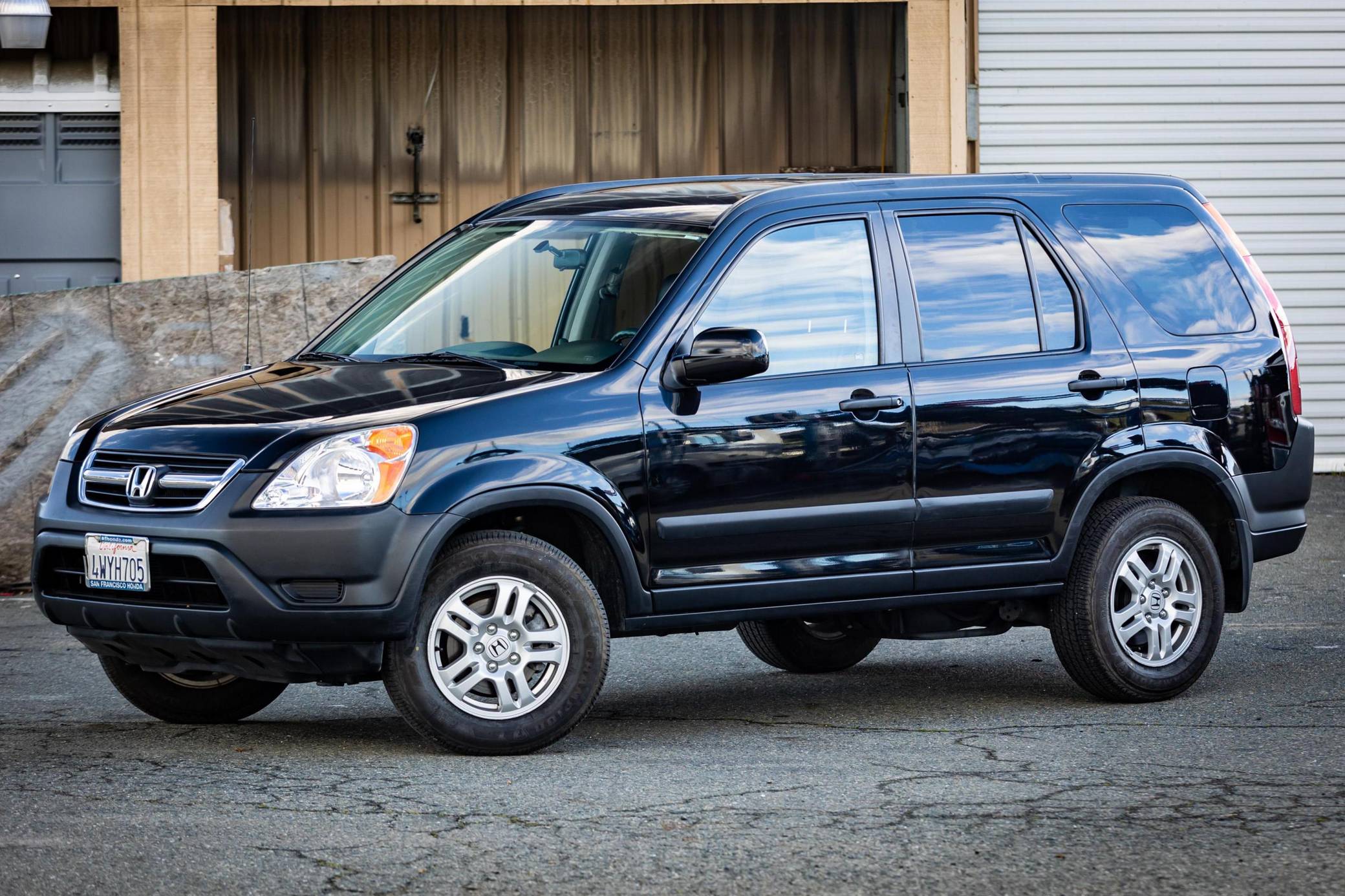
The Honda CR-V has long been praised for its practical, user-friendly design, and its rear seat-folding system is a standout feature. One pull of a lever located in the cargo area instantly collapses the rear seatbacks forward. Even better, the seat bottoms automatically drop down as the seatbacks fall, allowing the entire second row to fold nearly flat. There’s no need to remove headrests or fiddle with multiple steps. It’s a one-and-done setup that just works.
From a cargo-loading perspective, this ease of use matters. Whether you’re trying to fit in a bike, some flat-pack furniture, or just an odd-shaped box, being able to drop the seats while standing at the tailgate saves you a trip around the vehicle. It also means that if your hands are full, you’re not fumbling around trying to find a second lever or wondering if something didn’t lock properly. The flat floor that results is also free of annoying gaps or ledges that can make sliding cargo a chore.
What makes the CR-V’s system even more user-friendly is the lightness of the seats. They don’t require much effort to move, and even smaller drivers or teenagers could fold the seats down without any trouble. The mechanism feels solid and consistent, not like it’s going to wear out after a few years of use. It’s clear Honda has thought about everyday convenience and made it part of the core design.
In daily life, this kind of flexibility becomes something you take for granted, which is exactly how it should be. You shouldn’t have to wrestle with your car to get it to do something basic. The CR-V makes the transition from five-passenger SUV to gear hauler feel like a natural part of its personality. For people who frequently switch between people and cargo, this is a serious advantage.
2. Toyota RAV4
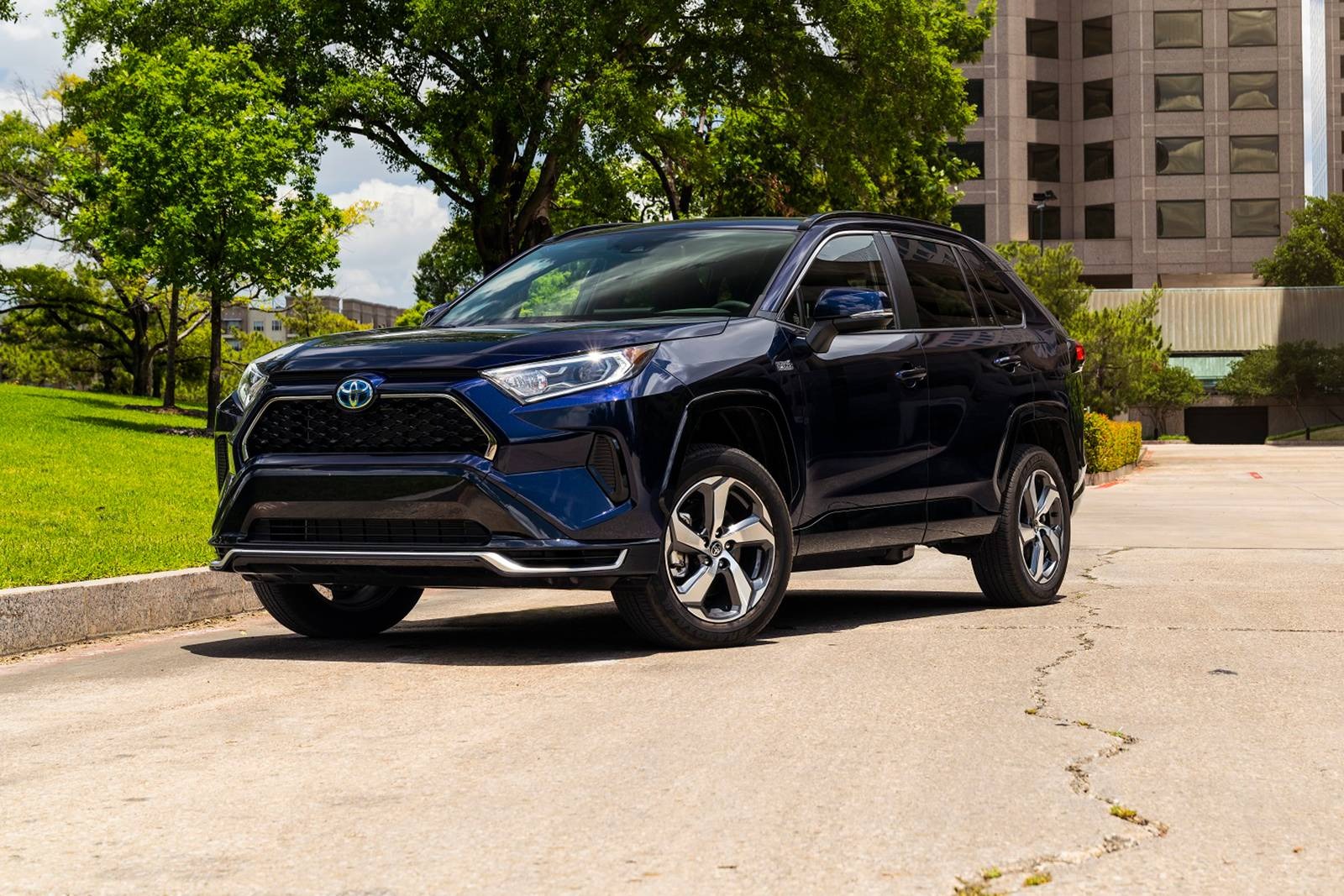
The Toyota RAV4 is another SUV that understands how important it is to have a flexible interior. With a simple pull of the release levers, located either on the shoulder of the seats or accessible from the cargo area, the rear seats fold down quickly and easily. The folding process is smooth, and while it doesn’t offer the completely flat cargo floor some others do, it’s close enough to make a big difference for most daily needs.
One thing Toyota has done well is keep the system low-tech but dependable. There are no motors or unnecessary mechanical steps. It’s just a straightforward, lever-based action that works every time. The headrests don’t need to be removed, and there’s no secondary step required to push the seat bottoms around. The simplicity of the process makes it reliable and less prone to wear or misalignment.
From a practical standpoint, the RAV4’s system is well-suited for drivers who frequently haul larger items or need quick conversions. It’s particularly helpful for those living in urban or suburban areas, where time and space are limited, and quick loading is important. The rear seats are light enough that even older passengers or teenagers can manage them, making the RAV4 a solid choice for families or carpoolers.
Drivers who appreciate functional, no-nonsense design will find a lot to like in the RAV4’s approach. Toyota didn’t try to overengineer the process or add gimmicks. They just made it work well. For people who find themselves regularly needing to switch configurations, the RAV4 delivers a reliable experience that doesn’t require learning a system or fighting with stuck latches.
3. Subaru Forester
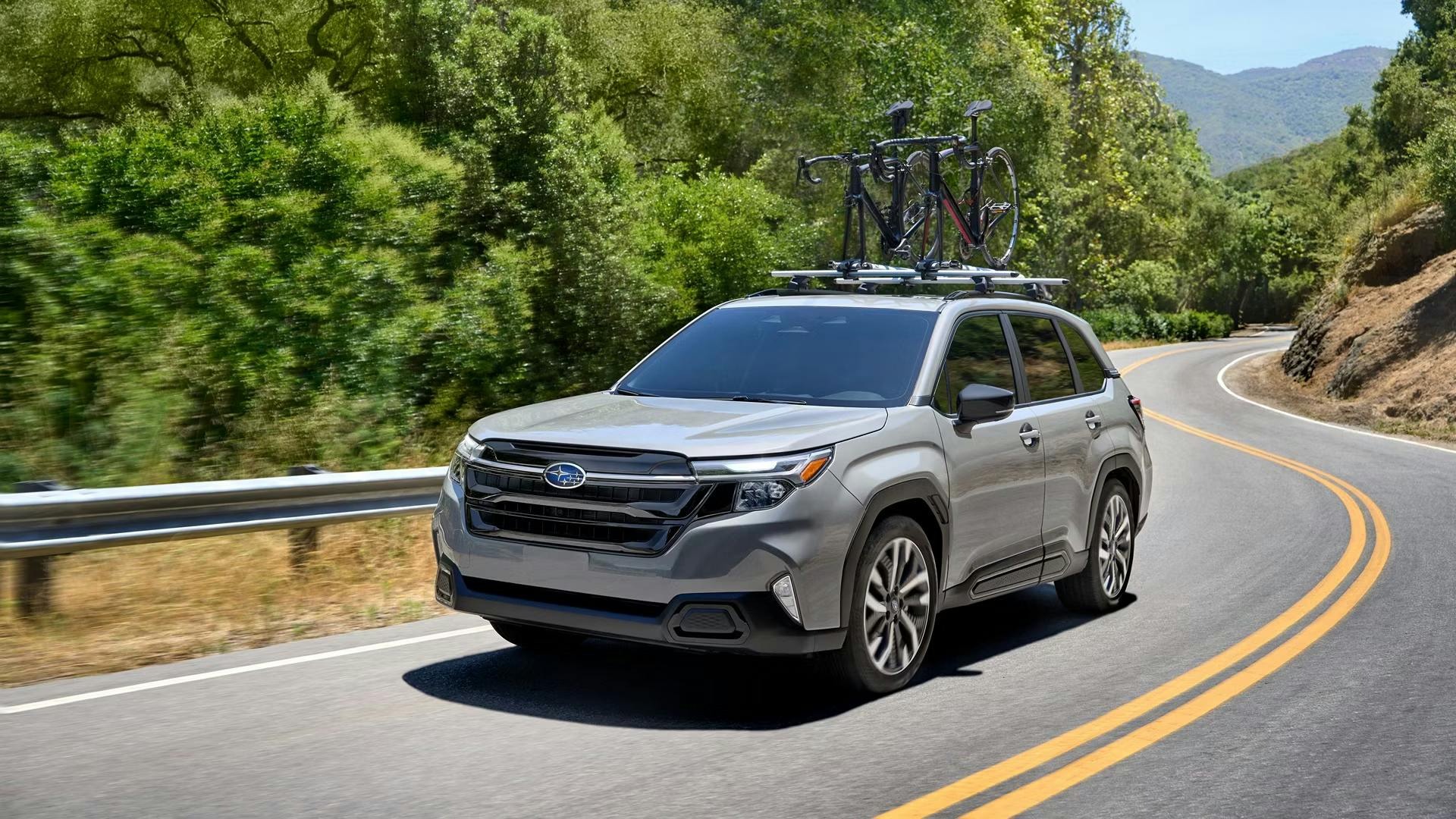
The Subaru Forester might not be the flashiest SUV on the market, but it nails the basics, and that includes seat folding. The rear seats are operated with simple pull-tabs or levers in the cargo area. They drop forward with minimal effort and create a low, mostly flat cargo space that’s ideal for hauling gear, boxes, or pets. The lack of drama in the process is part of its charm.
One of the reasons the Forester’s seats are so easy to work with is the straightforward design of the cabin. The seatbacks aren’t too heavy, and there’s no need to remove or adjust headrests to get them to fold flat. Even better, Subaru often includes a split-folding rear seat in nearly every trim, allowing for flexible combinations of passengers and cargo.
For people who like to take their vehicles camping or on outdoor trips, this ease of reconfiguration is a major plus. Being able to quickly lay down the seats for a sleeping bag, a bike, or some camping gear can save time and frustration, especially when you’re working in poor weather or dim lighting. The Forester’s big windows and square cargo opening further enhance the usefulness of this feature.
Subaru’s reputation for practicality is well-earned, and the ease with which the rear seats fold plays directly into that image. It’s not just about numbers on a spec sheet, but how easily and predictably the vehicle responds when you ask it to change its layout. The Forester doesn’t require any extra steps or careful alignment, it just works.
4. Ford Escape
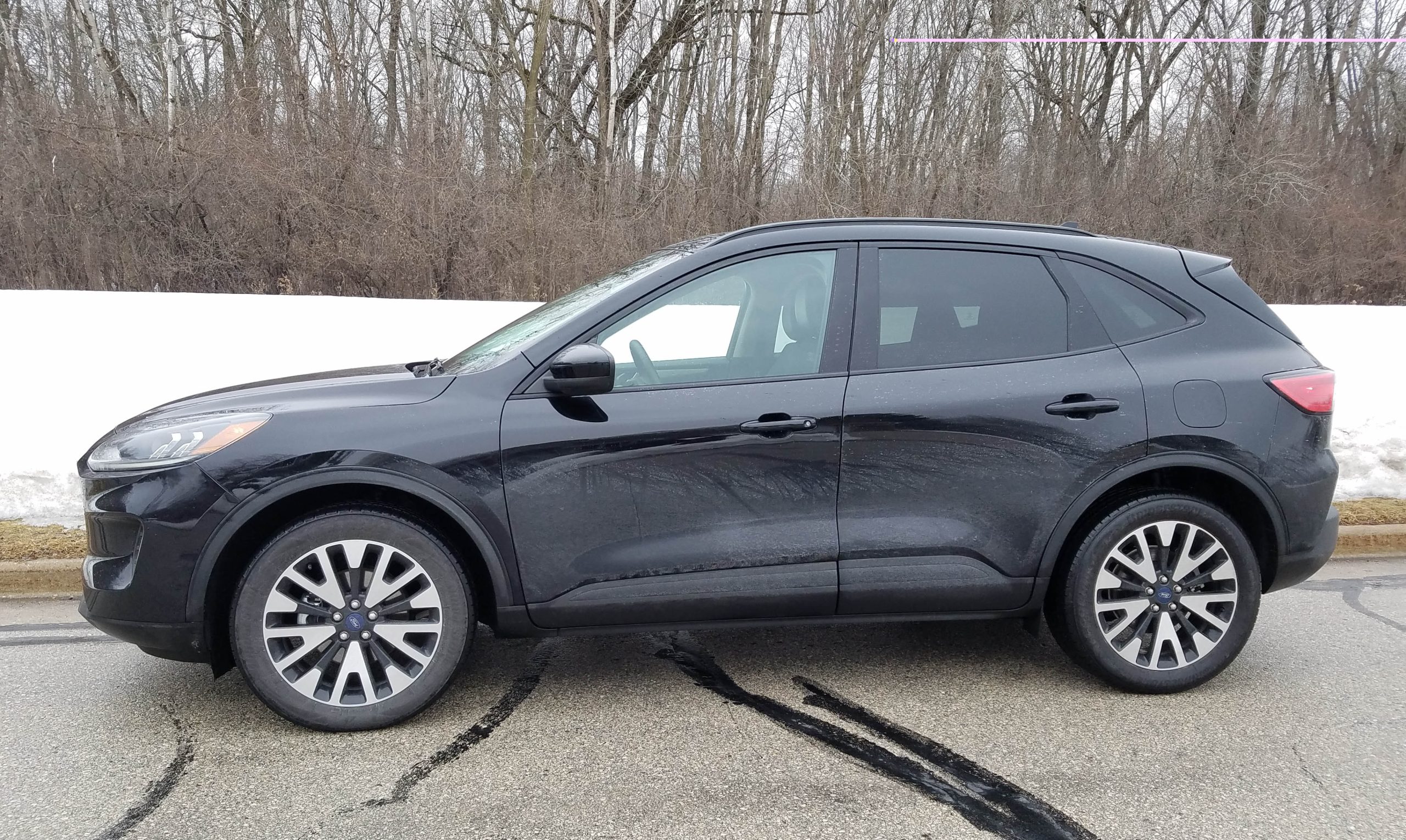
The Ford Escape is a strong performer in the compact SUV class, and its rear-seat folding mechanism is one of its more underrated features. With a simple lever located either at the top of the seat or accessible from the trunk area, the second-row seats drop forward with little resistance. They also sit low to the floor, which means that when folded, the cargo space is relatively flat and quite usable.
The system feels light and refined, with well-balanced hinges that don’t require muscle to move. This is particularly important for people who may need to fold the seats often and don’t want to strain their backs doing it. The seatbacks move smoothly, and there are no confusing steps or hidden latches to find. Just pull and fold, it’s as easy as that.
Families especially benefit from this kind of setup. Whether you’re dealing with groceries, school bags, sports gear, or strollers, having the ability to switch to cargo mode quickly can save precious time and effort. Even better, the wide-opening doors and easy access to the second row make things like loading car seats or rearranging interior space much less stressful.
Ford’s approach to the Escape shows a strong understanding of daily use. The SUV isn’t trying to reinvent the wheel, but it makes each task feel a bit easier. For those looking for a vehicle that can flexibly go from weekday commuter to weekend gear hauler without adding any stress, the Escape checks all the right boxes in terms of seat folding ease.
5. Kia Telluride
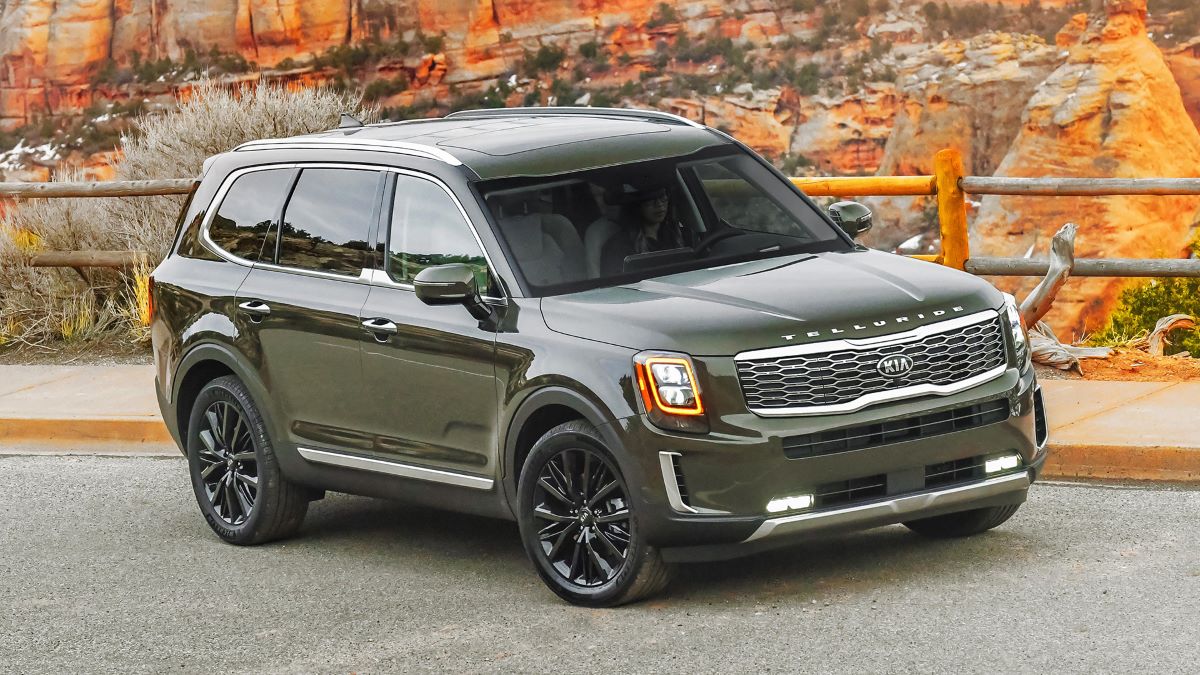
The Kia Telluride is a larger SUV, and that size comes with a lot of flexibility, especially when it comes to the rear seats. In many trims, the Telluride includes buttons near the tailgate and at the sides of the second row that electronically fold the seats down. This hands-off feature makes it especially convenient when you’re loading things by yourself or juggling multiple tasks.
The power-folding feature on the Kia Telluride is especially useful when the third row is involved. Many three-row SUVs have rear seats that are awkward to reach, let alone fold down smoothly.
Kia solves this by placing clearly labeled buttons within reach of the rear hatch and along the interior sides, letting you control the second and third rows independently without breaking a sweat. If you’re standing at the back of the vehicle with your hands full, this kind of access is a huge help. Plus, the system is responsive without being too fast or jerky, which adds to the user-friendliness.
Another strength of the Telluride’s seat-folding design is how well it integrates into the cabin layout. Even with all the seats folded, the resulting floor space is relatively flat and free of awkward bumps or uneven sections.
That kind of flush cargo floor makes it easy to slide in boxes or long items without worrying about catching edges or damaging the seats. There’s no need to struggle with folding headrests or worry about angling items just right; they just fit. The cargo capacity itself is generous, and thanks to the intelligent folding system, it’s also fully accessible.
Kia also deserves credit for making this system available on several trims, not just the highest-end versions. While basic versions may lack full power-folding, they still benefit from well-placed manual levers that are smooth and intuitive to use. That kind of consistency across a vehicle’s lineup ensures more people can take advantage of the Telluride’s practicality. Even in a larger SUV, Kia manages to keep the seat-folding process easy and logical, which is not always a guarantee in this segment.
The Telluride’s design shows how much thought went into everyday use. Kia wasn’t content with simply offering folding seats; they wanted the process to feel seamless. And it does. Whether you’re picking up flat-pack furniture, transporting sports gear, or preparing for a family vacation, folding the seats in the Telluride feels like a natural part of using the vehicle, not a mechanical challenge.
6. Jeep Wrangler Unlimited
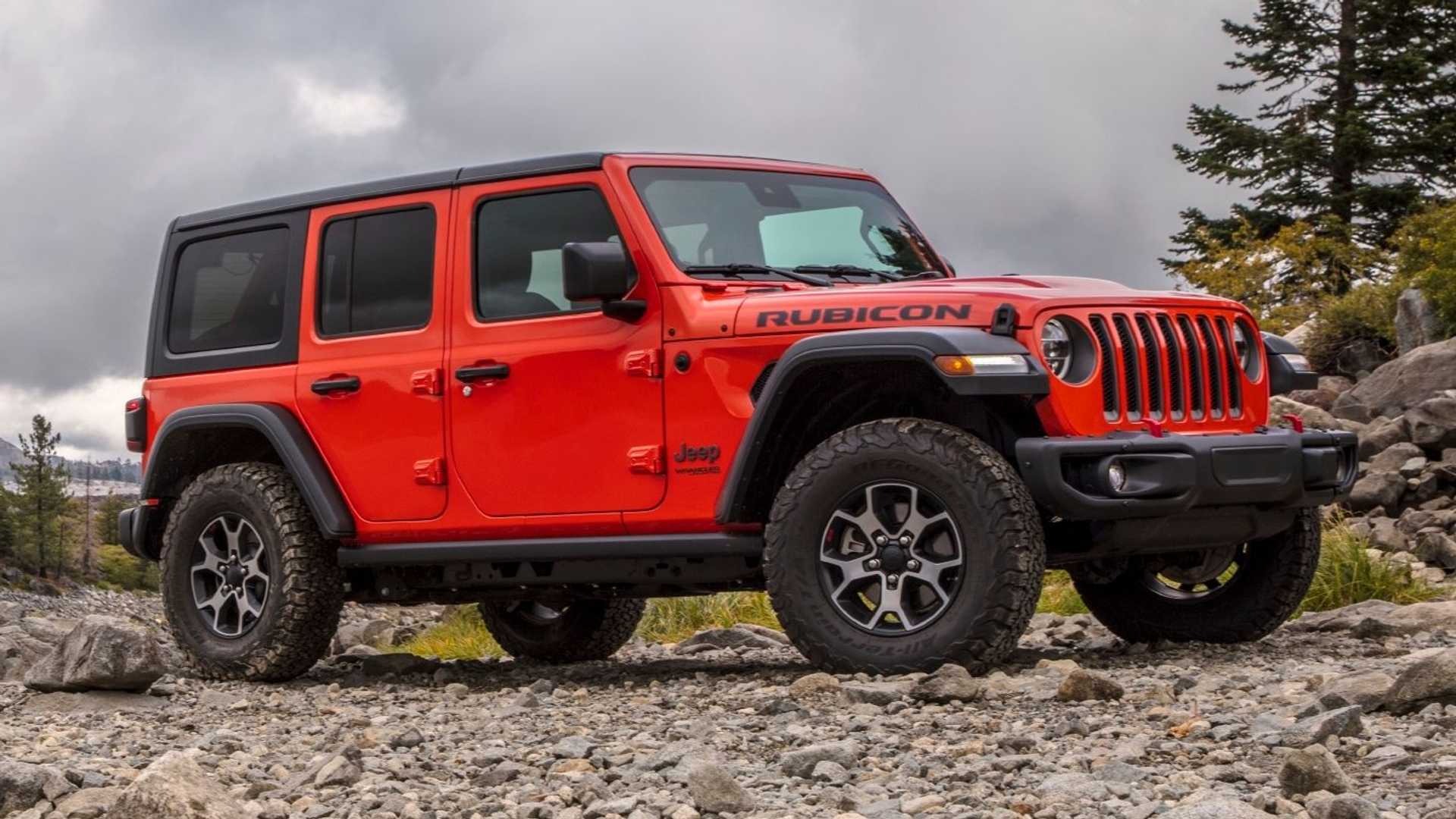
The Jeep Wrangler Unlimited is built for off-road ruggedness, not necessarily interior convenience. While it’s packed with character and trail capability, it’s not the most user-friendly SUV when it comes to folding the rear seats. For starters, the process isn’t straightforward. You have to first flip the seat bottoms forward before the seatbacks can be folded down. This two-step process is awkward and not intuitive, especially for people new to the model. It’s not something you can do quickly while loading items in the back.
What makes it more frustrating is how the seats rarely fold completely flat. The resulting cargo space is uneven, with a noticeable height difference between the folded seat area and the rear floor.
That makes it tough to slide in larger items or stack things securely. The seatbacks themselves feel stiff and require a fair bit of muscle to move, and the seat bottom must be pushed forward far enough for the back to fall properly. It’s easy to get one side misaligned or stuck, which adds to the hassle.
Another issue is the weight and bulk of the seats themselves. While the Wrangler is marketed as an adventure vehicle, it still serves daily-driver duty for many people. If you’re trying to quickly reconfigure your cargo area after a Costco run or load in gear for a camping trip, the whole process feels more tedious than it should be. Add in the fact that you often need to move front-row seats forward just to make space for the rear seats to fold, and it becomes even less convenient.
For people who love the Wrangler, this may seem like a minor issue, but for those who want a flexible interior to match the rugged exterior, it’s a letdown. Jeep could modernize this process considerably by simplifying the mechanism or offering a more intuitive lever system. Until then, you’ll probably end up sweating and wrestling the seats every time you try to use the cargo area efficiently.
7. Chevrolet Tahoe
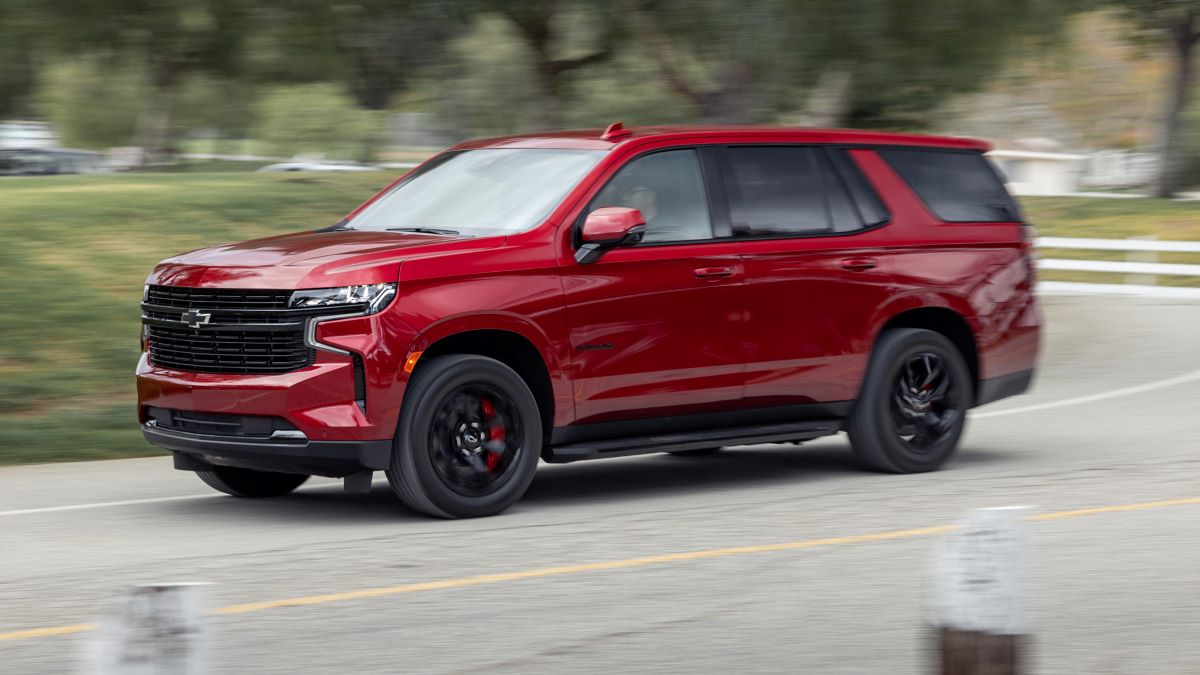
The Chevrolet Tahoe is a full-size SUV with massive cargo potential, but unless you’re buying one of the high-end trims with power-folding seats, reconfiguring the interior is surprisingly labor-intensive. For lower trims, the second and third rows require manual folding, and it’s not just a matter of pulling a lever. You often need to push, tug, and sometimes remove the headrests just to get things flattened out. The process feels clunky, and in a vehicle this size, that’s especially disappointing.
The third row in particular is difficult to manage. It’s heavy and awkward, requiring both hands and a fair amount of strength to pull up or fold down. The latches can be stiff, and if you’re not standing at the right angle, the whole process becomes a chore. The folding path also isn’t as smooth as it should be, with a tendency to get stuck partway if the alignment isn’t perfect. For a vehicle that’s often used by families and travelers, this setup misses the mark on convenience.
Chevrolet has added power-folding seats to higher trims, and those work relatively well, but the gap between trims in terms of usability is too wide. Someone buying a Tahoe LS or LT will have a completely different experience than someone in a Premier or High Country model. That kind of inconsistency means a lot of customers get stuck with a folding system that feels like it’s from another era. And for a modern SUV, that’s not a good look.
It’s not just about convenience; safety and ease of use matter too. Wrestling with the seats can lead to pinched fingers or strained backs, especially when dealing with the third row in tight spaces. For an SUV of this size and price, it’s reasonable to expect an easier folding process regardless of trim. Until Chevy makes the more efficient system standard, many Tahoe owners will be stuck fighting with their seats.
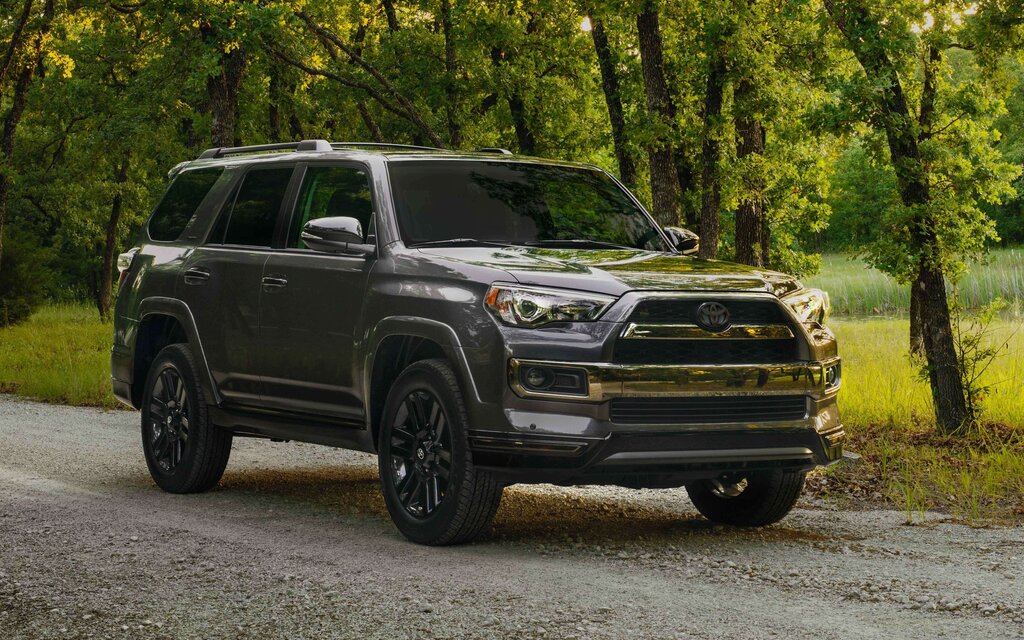
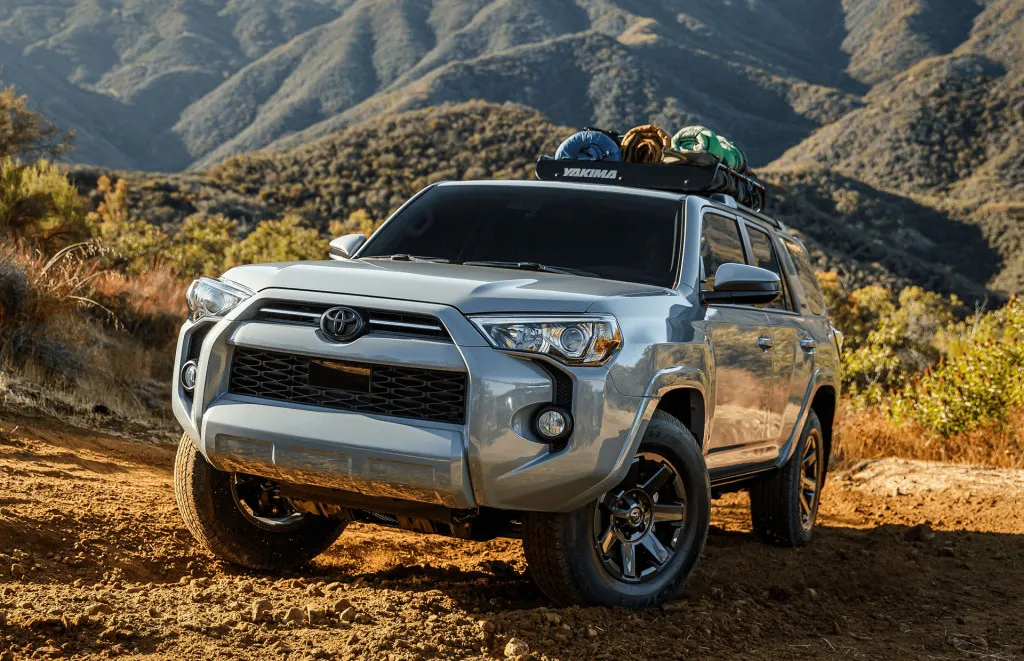
8. Toyota 4Runner
The Toyota 4Runner has built its reputation on reliability and off-road toughness, but interior convenience isn’t its strong point. The rear seat-folding system is a perfect example. Unlike more modern crossovers, the 4Runner sticks to an outdated setup where the seat bottoms must be flipped forward before you can push the seatbacks down. This two-step process is cumbersome and feels unnecessarily dated for a vehicle that costs well over thirty grand.
The folding operation isn’t smooth either. The seats are heavy, and the mechanism doesn’t always engage cleanly, requiring you to apply significant pressure. Worse still, the resulting cargo floor isn’t flat. The seat bottoms get in the way, leaving an uneven surface that makes it difficult to lay items down or slide gear across.
For campers, DIYers, or families who need true flat storage, this is a real drawback. The floor height also varies across trims due to the optional sliding cargo tray, which adds another layer of complication.
Another challenge is the awkward access. The 4Runner’s tall ride height and relatively narrow rear opening make it harder to maneuver the seats from the back of the vehicle. If you’re trying to fold the seats while standing outside, you often have to stretch or climb in just to reach the release mechanisms. That’s a far cry from the simple pull-handles and buttons found in many competitors, and it makes the whole process feel like something out of the early 2000s.
Even though the 4Runner remains popular for its off-road credibility, Toyota hasn’t prioritized convenience features in the cabin. While fans may accept the trade-off, there’s no question that the rear seat design could be modernized without hurting the rugged character of the SUV. Until then, anyone trying to use it for both adventure and utility will need to budget some extra time and patience every time they fold the seats.
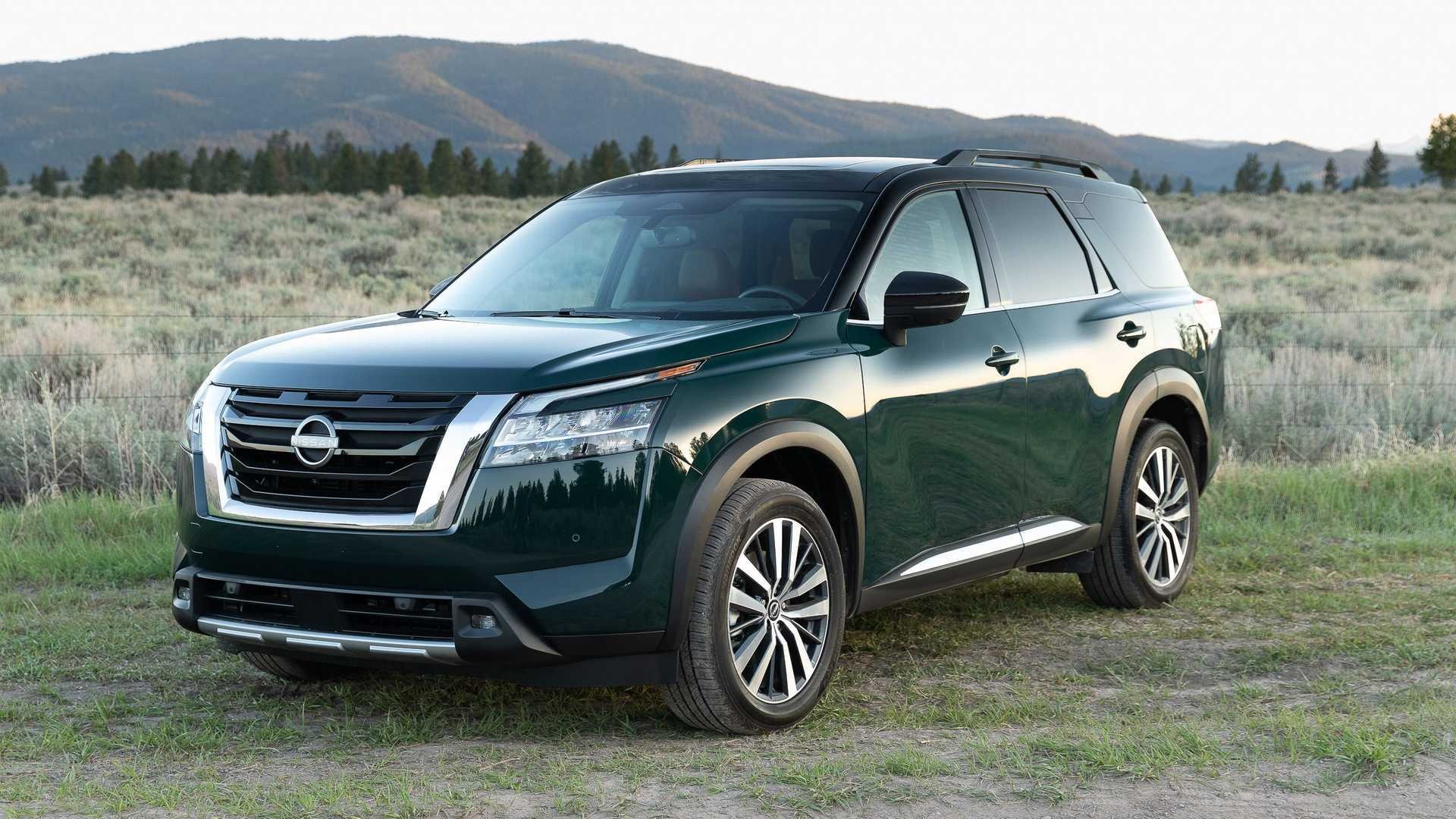
9. Nissan Pathfinder
The Nissan Pathfinder has gone through several generations, and while its latest redesign fixed many past complaints, the folding seat process still isn’t as fluid as it should be. While Nissan does offer a clever one-touch tilt-and-slide second-row feature (great for accessing the third row), actually folding those seats flat is not a simple matter. You have to move multiple parts, including seat cushions and headrests, and sometimes adjust the front seats to make enough room.
One of the biggest complaints is that the third-row seats are awkward and heavy. They don’t fold smoothly and often require leaning over or stepping into the cargo area to get the right leverage. The latches can be stiff or inconsistent, and if anything isn’t aligned perfectly, the seats won’t lock into place properly.
The second-row captain’s chairs don’t always fold evenly either, which leads to a cargo floor that isn’t level or flush. That makes loading long items frustrating and harder than necessary.
Adding to the problem is the fact that Nissan has not made power-folding seats standard or even widely available across all trims. So unless you’re paying for the highest-level models, you’re left with a system that feels manual and finicky. The folding sequence can become particularly frustrating when you’re in a rush or working in low-light conditions. For families or travelers, that can turn a routine task into a real headache.
Nissan aimed to improve the Pathfinder’s layout and comfort, and they succeeded in many ways. But the seat-folding experience still falls short of what you’d expect from a modern three-row SUV. It’s not that it’s impossible; it just takes more effort and more time than it should. For people who often switch between hauling people and gear, that extra effort adds up quickly, making the Pathfinder’s seats more of a hassle than a help.
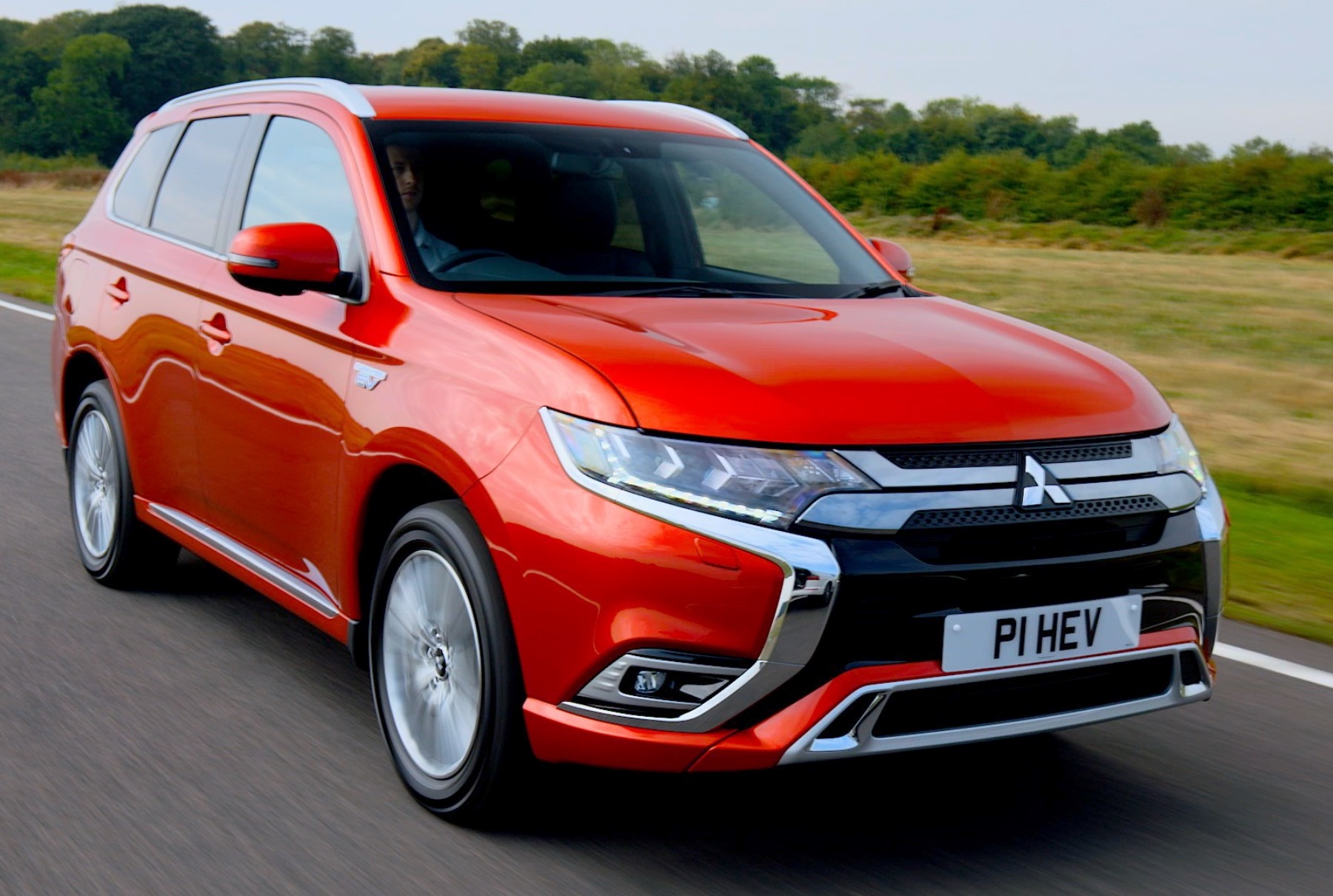
10. Mitsubishi Outlander
The Mitsubishi Outlander tries to stand out with a unique design and available third-row seating in a compact footprint, but one area where it consistently frustrates owners is the seat-folding process. The second-row seats are stiff, and the third row, while useful in theory, is difficult to operate.
Folding them flat requires a specific sequence that includes flipping cushions, moving seatbacks, and often adjusting front seats to make everything fit. If you don’t follow the steps in the right order, the seats either won’t fold properly or won’t lock into place.
The folding mechanism feels cheap in some trims, and the levers don’t always respond the first time. The third-row headrests must be removed manually, and if you forget, the seats won’t fold completely. This isn’t just inconvenient; it adds small pieces you now have to store somewhere in the cabin. The whole process requires a level of attention that doesn’t fit the idea of quick, flexible cargo space. Even when folded, the resulting surface isn’t level, which limits its usefulness for carrying larger loads.
Adding to the awkwardness is the limited space between seat rows. Trying to maneuver your hands in tight gaps just to pull a strap or release a latch makes things harder than they need to be. For a family vehicle, ease of use should be a priority, but the Outlander’s system feels like it was designed without much thought to real-world use. Even average-height adults may find it physically uncomfortable to manage the seats from within the cabin.
Mitsubishi could benefit greatly from a redesign that prioritizes user-friendly folding systems, like those found in competitors. Right now, the Outlander demands too much effort for a feature that should be simple. For buyers hoping to use all three rows and still have cargo flexibility, it’s a constant trade-off. Unless you rarely use the third row or are okay with frequent contortions, the Outlander’s seat-folding mechanism will likely disappoint.
Also Read: 5 Engines That Survive Hauling and 5 That Can’t Handle Towing
When it comes to SUVs, convenience often makes the difference between a good ownership experience and a frustrating one. Seat-folding mechanisms may seem like a small detail, but in daily use, they can either make your life easier or add unnecessary hassle.
The five SUVs with easy-to-fold seats, the Honda CR-V, Toyota RAV4, Subaru Forester, Ford Escape, and Kia Telluride, highlight how smart design can simplify everyday tasks. These models offer intuitive systems that don’t require extra strength, obscure steps, or special instructions. They let you convert passenger space into cargo room quickly, which is exactly what many SUV buyers are looking for.
On the flip side, the five SUVs with more frustrating setups, the Jeep Wrangler Unlimited, Chevrolet Tahoe, Toyota 4Runner, Nissan Pathfinder, and Mitsubishi Outlander, show that even well-respected models can fall short in this area.
Whether it’s because of outdated designs, heavy components, or overly complicated folding sequences, these vehicles turn what should be a quick process into something that takes more time and effort than necessary. It’s not just about inconvenience; it’s about usability and practicality. If you frequently switch between carrying people and gear, these flaws become hard to ignore.
Choosing the right SUV involves looking at the complete picture, not just engine specs or styling, but also how well the vehicle fits into your routine. Seat-folding ease is a perfect example of a feature that’s often overlooked until it becomes a problem.
By paying attention to this aspect, buyers can avoid surprises and choose a model that truly works for their needs. Whether you’re hauling sports equipment, furniture, camping gear, or just trying to make school drop-offs smoother, having rear seats that fold easily can be a quiet but constant advantage in daily life.
