
Brake pads are among the most frequently replaced components on a vehicle, but not all cars are created equal when it comes to brake wear. For some drivers, replacing brake pads feels like an annual tradition. For others, it might be something they hardly think about over the life of the car.
The reasons vary, and while driving habits, terrain, and weather conditions all play a role, the vehicle’s engineering and braking system design also make a big difference. Some cars are simply built in ways that extend the life of their brake components, while others chew through them in relatively short order.
Automakers approach braking systems with different priorities. Some prioritize performance and responsiveness, which often leads to more aggressive braking setups and softer pad materials that wear out quickly. Others focus on longevity and daily usability, tuning their systems to be less harsh and more forgiving.
There’s also the factor of vehicle weight, tire grip, and regenerative braking in hybrids or electric cars, which can extend the lifespan of the brakes significantly.
In performance vehicles, faster speeds and more frequent hard braking naturally cause the pads to wear out quickly. In contrast, certain hybrids and some luxury sedans make use of regenerative braking systems that use the electric motor to slow the car before the hydraulic brakes even engage.
It’s important to note that every car will eventually need new brake pads, but some models can go 70,000 miles or more on a single set, while others may barely reach 25,000 before the squealing starts. This list breaks down five cars known for brake pad longevity and five that tend to wear through them rapidly.
This isn’t about judging which cars are better, but rather understanding which vehicles tend to place more demand on their braking components and why.
Whether you’re a commuter looking to minimize maintenance or a driving enthusiast who accepts higher wear as the cost of performance, it’s useful to know what you’re signing up for.
Also Read: 5 Cars with Backup Cameras You Can Trust vs 5 That Are Blurry and Useless
Cars That Rarely Need Brake Pad Replacements
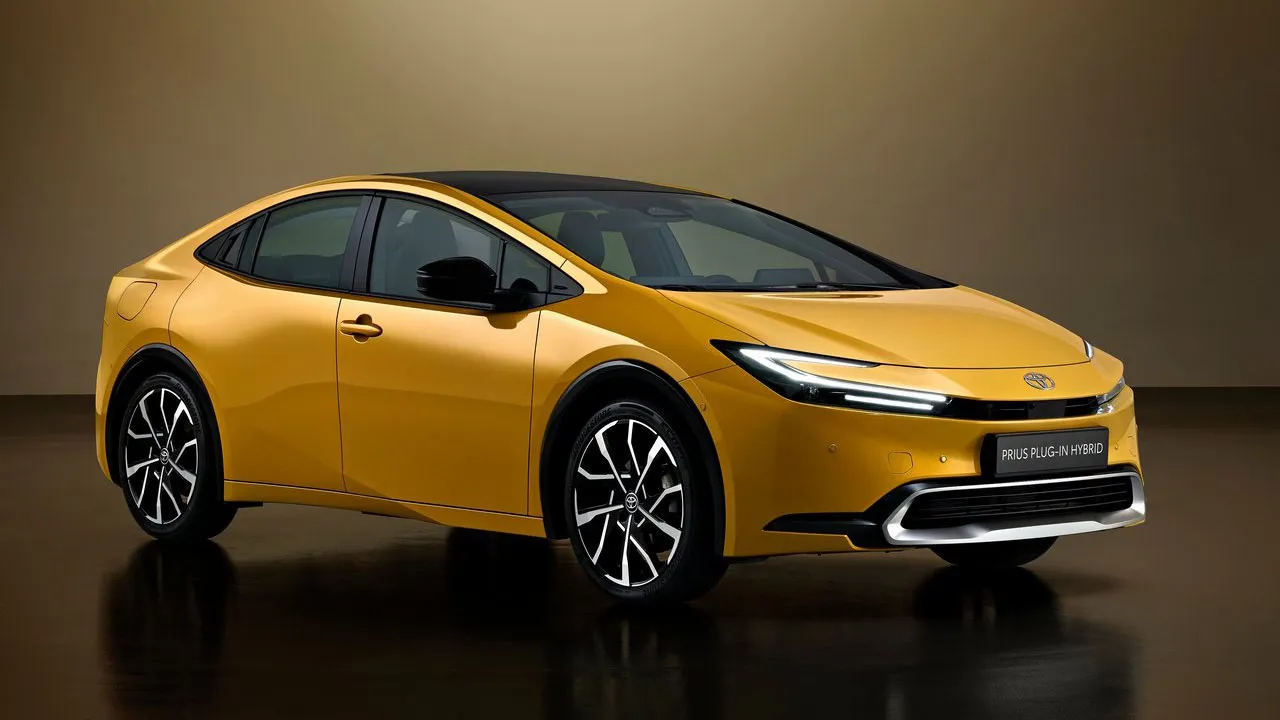
1. Toyota Prius
The Toyota Prius has earned a reputation for being one of the lowest-maintenance vehicles on the road, and brake longevity is one of the key reasons. Thanks to its hybrid design, the Prius uses regenerative braking as the primary means of slowing down in many situations.
This system allows the electric motor to convert motion into energy, slowing the car while recharging the battery. In doing so, it takes much of the workload off the traditional friction brakes, reducing wear significantly.
Owners regularly report going well beyond 70,000 miles before even thinking about changing brake pads. Some manage to reach 100,000 miles or more on original pads, especially if most of their driving is done in urban or stop-and-go environments where regenerative braking is most effective.
The wear pattern on the pads also tends to be very even, reducing the chances of premature failure or the need for early replacement.
The Prius is also a lightweight vehicle compared to many modern cars. This reduced weight means less momentum to slow down, which in turn lowers the stress on the braking system.
The smaller tires and less aggressive grip also contribute to reduced brake usage, making for a very gentle braking experience. While it may not be built for spirited driving, it’s a masterclass in efficient brake system design.
It’s not just the technology, though. Toyota’s engineering and component quality also deserve credit. The materials used in the calipers and pads are designed for long-term durability, and the car’s computer system manages braking in a way that minimizes waste.
For drivers focused on efficiency and minimal maintenance, the Prius is a standout example of brake pad longevity done right.
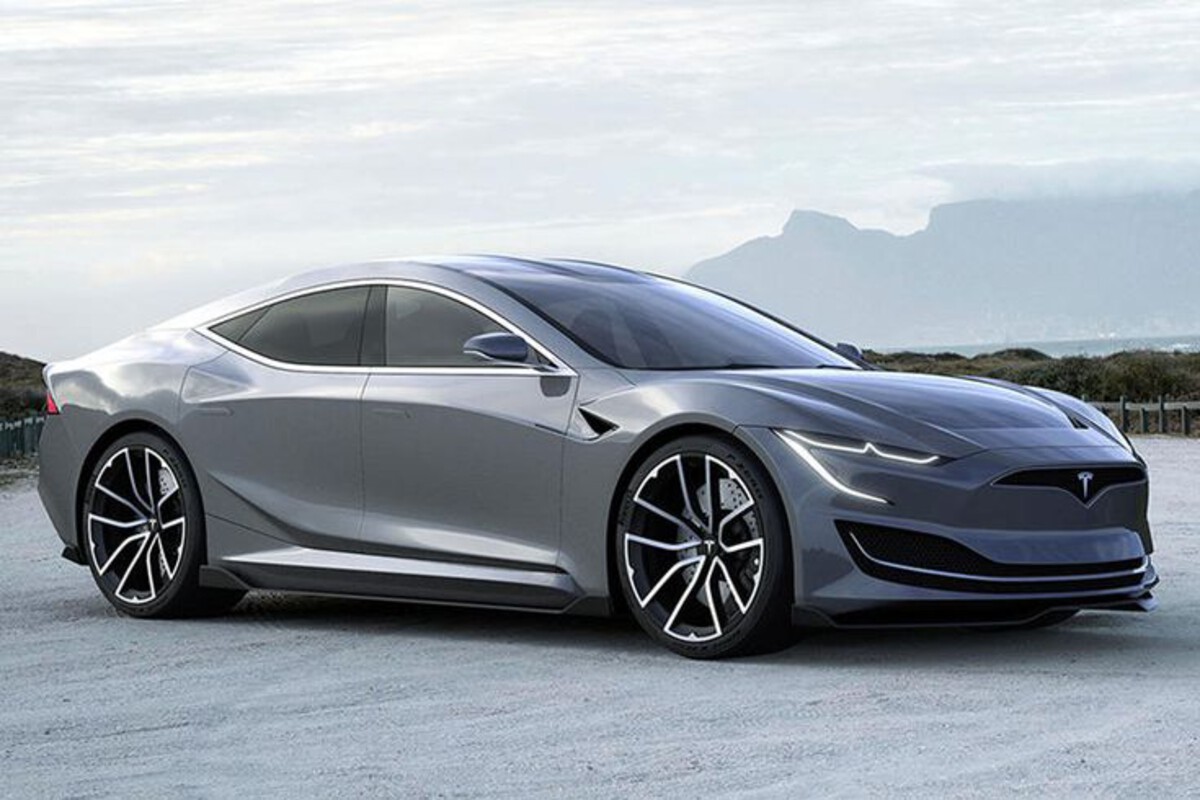
2. Tesla Model 3 (Standard or Long Range)
Tesla’s Model 3 benefits from regenerative braking that can make a dramatic difference in brake pad wear. When set to the strongest level, the regenerative system begins slowing the car almost immediately when the driver lifts off the accelerator, capturing kinetic energy and feeding it back into the battery. This reduces reliance on the traditional disc brakes in everyday driving, particularly in city environments.
Many Tesla owners report driving 100,000 miles or more before needing to replace their brake pads. Because the regenerative braking handles so much of the stopping duty, the pads often show minimal wear even after years of regular use.
This kind of longevity is almost unheard of in traditional gas-powered vehicles, making the Model 3 a clear standout for brake efficiency.
Another factor is the Model 3’s smooth driving dynamics and one-pedal driving mode, which encourages gradual deceleration without ever touching the brake pedal.
Drivers learn to modulate their speed using only the accelerator, which keeps the mechanical brakes cool and untouched for long stretches. This not only extends pad life but also reduces the chance of warping rotors due to heat.
Even though the Model 3 is a performance-oriented vehicle in some configurations, including the dual-motor versions, the braking system is well-optimized to balance power and efficiency.
Tesla also uses quality components in its braking system, ensuring they last even when they are occasionally called into action. The result is a vehicle that balances speed and efficiency without burning through brake pads unnecessarily.
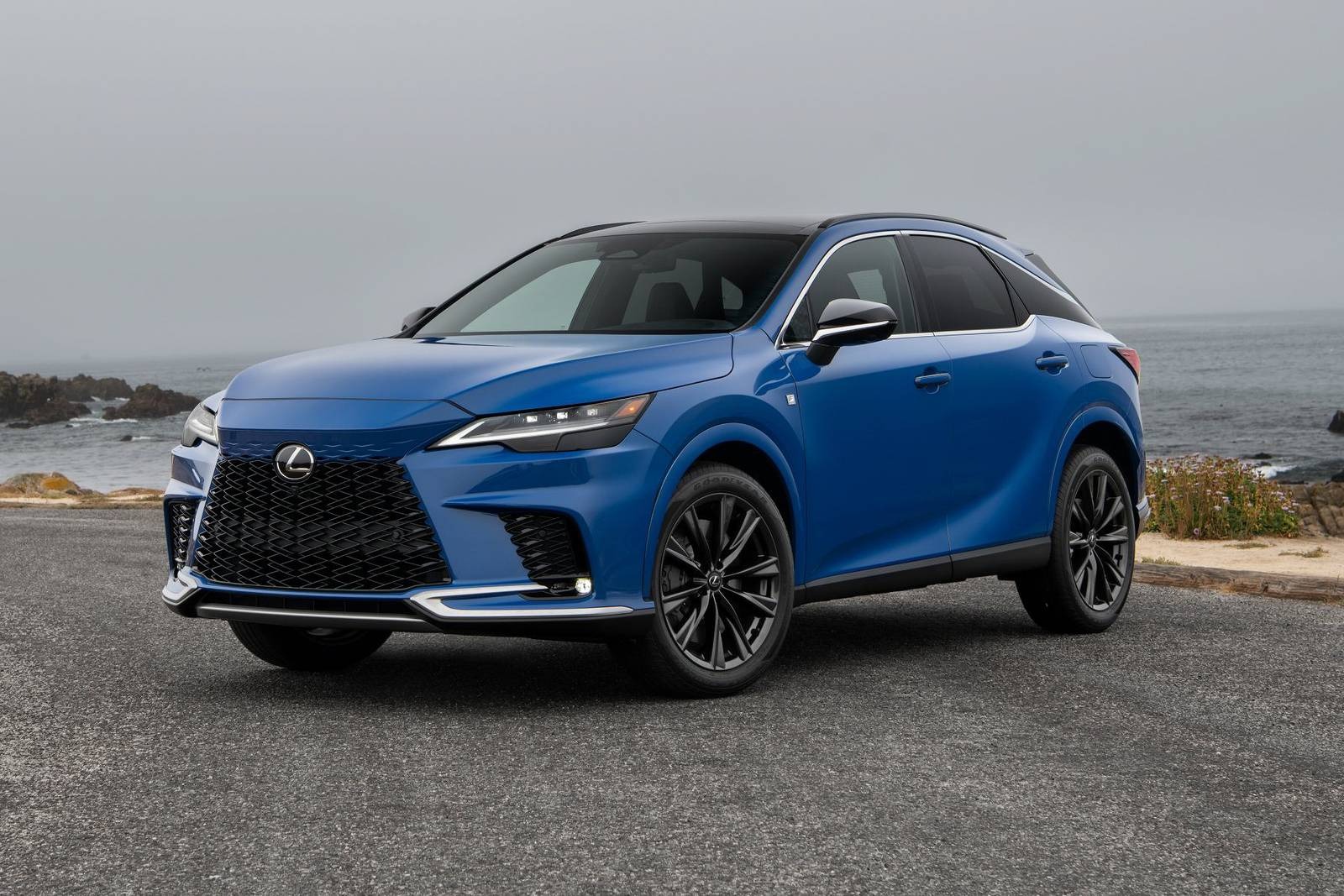
3. Lexus RX
The Lexus RX is a midsize luxury SUV that has long been praised for its comfort, reliability, and low running costs. Part of that low-cost equation is brake pad longevity.
Whether you’re driving a traditional gas-powered RX or the hybrid version, both tend to go longer between brake pad replacements than many rivals in the segment.
This is partly due to the RX’s smooth, conservative driving characteristics. It’s not built for performance or aggressive acceleration, so the braking system is tuned more for steady, gradual stops.
This kind of setup reduces wear and allows the pads to maintain their integrity for longer periods. It’s a calm, composed driving experience, which translates into fewer trips to the mechanic.
The RX Hybrid benefits from regenerative braking, just like the Prius, which further extends pad life. While it may not be as aggressive as Tesla’s system, it still contributes significantly to reduced brake usage in daily driving. Even in hilly or urban areas, drivers can expect their pads to last significantly longer than average.
Lexus also emphasizes material quality and long-term reliability in its components. The calipers, rotors, and pads are designed with longevity in mind, and it’s not uncommon for original brakes to last 80,000 miles or more with routine driving.
Combine this with a smooth transmission and predictable throttle response, and you get a vehicle that doesn’t demand sudden stops or hard braking. All these factors contribute to the RX’s reputation for brake durability.
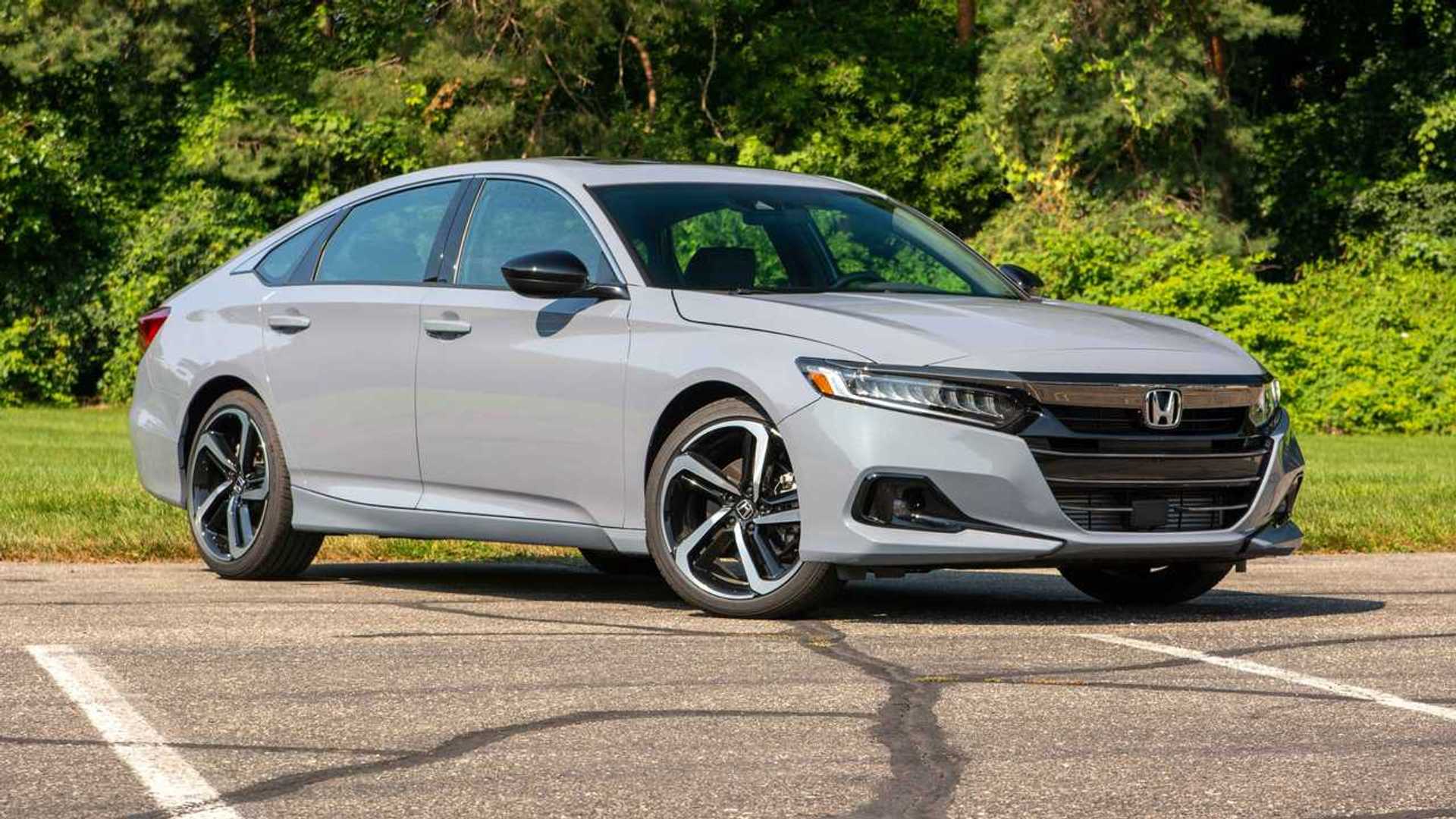
4. Honda Accord (Hybrid)
The Honda Accord Hybrid combines efficiency with mid-size sedan practicality, and it brings regenerative braking into the mix in a way that really helps with brake pad preservation.
Like other hybrids, it uses its electric motor to slow the car under light braking or deceleration, meaning the friction brakes are used far less frequently than in a traditional gasoline vehicle. Drivers regularly report brake pads lasting upwards of 70,000 miles or more on hybrid Accords.
Because the regenerative braking system is active during most low-speed and moderate-speed deceleration, the actual physical brake components stay in much better condition than in the non-hybrid version. Even during highway driving, the system recaptures energy and reduces brake dependency.
The Accord Hybrid is also tuned for comfort and fuel economy, not aggressive driving. The result is a car that encourages smooth acceleration and gentle braking.
This kind of driving style is naturally easier on brake components. Combine that with good weight distribution and Honda’s reliable build quality, and you get a car that doesn’t eat through pads prematurely.
Maintenance intervals for the Accord Hybrid are also well-managed by the car’s onboard computer, which alerts drivers when service is needed.
This ensures pads aren’t replaced unnecessarily, and that they are replaced only when wear has actually occurred. It’s an efficient, balanced system that contributes to lower long-term ownership costs and reduced downtime in the shop.
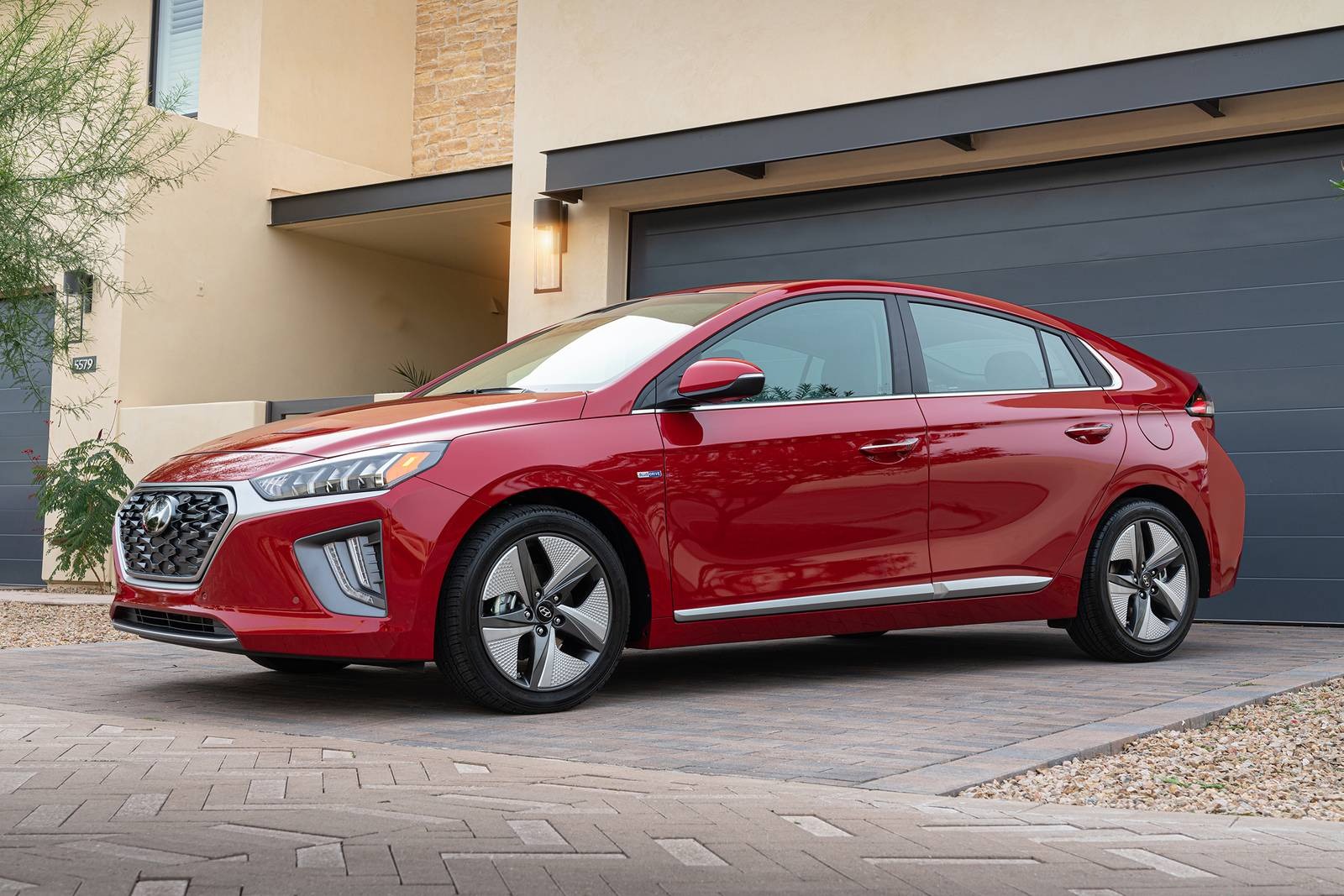
5. Hyundai Ioniq Hybrid
Hyundai’s Ioniq Hybrid was designed to compete directly with the Prius, and in many ways, it follows the same playbook. This includes a highly efficient regenerative braking system that works seamlessly to reduce wear on the traditional hydraulic braking components. As a result, the Ioniq is another car that tends to go a long time between pad replacements.
Brake pad longevity on the Ioniq often exceeds 80,000 miles under normal conditions. Since the system captures energy during braking and slows the vehicle using the electric motor in most low-stress scenarios, the physical pads are rarely put under significant strain. This is especially true in city traffic or stop-and-go commuting.
In addition to the tech, the Ioniq is a relatively lightweight car with a compact footprint. Less mass means less force is needed to stop the vehicle, which further reduces stress on the brake system. The car also features low rolling resistance tires that provide minimal grip under braking, reducing pad wear even more in typical driving situations.
Hyundai includes a smart energy management system that helps the driver understand how regenerative braking is being used.
This allows for more informed driving habits, which further extends pad life. The combination of engineering, technology, and everyday usability makes the Ioniq one of the most low-maintenance vehicles in terms of brake usage.
Cars That Burn Through Brake Pads Quickly
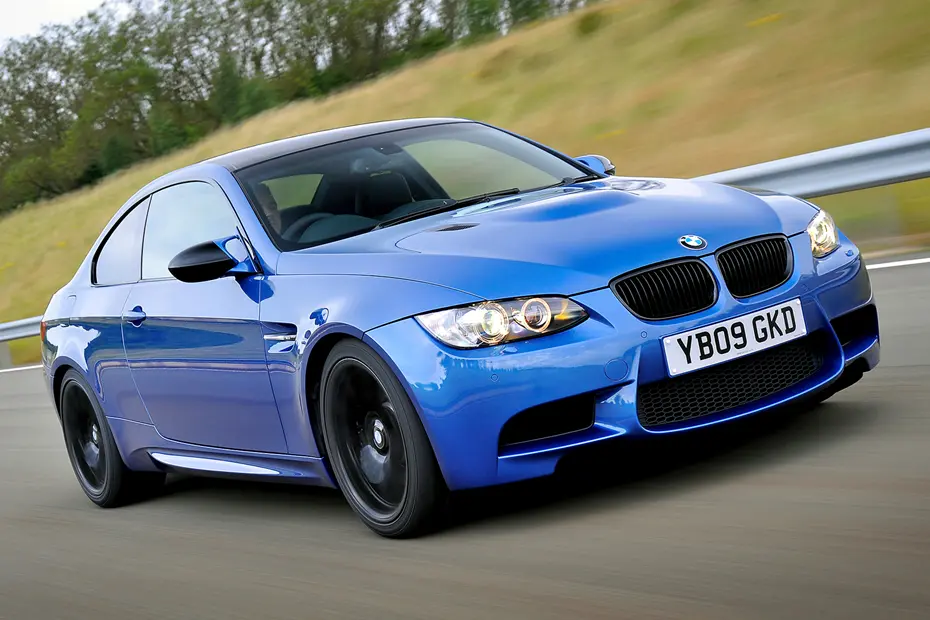
1. BMW M3 (F80/F82 and newer)
The BMW M3, especially from the F80 and F82 generations onward, is a performance sedan that demands a lot from every component, especially the brakes. Designed with track capabilities in mind, the M3 uses a high-performance braking system that includes multi-piston calipers and large ventilated rotors.
While this setup offers excellent stopping power and heat dissipation, it also means the brake pads are under constant stress during spirited driving.
Drivers who enjoy the performance of the M3 often find themselves going through brake pads every 20,000 to 30,000 miles, and sometimes sooner, depending on driving style and road conditions.
One key reason for accelerated brake pad wear on the M3 is the sheer speed and power of the vehicle. With turbocharged engines producing over 400 horsepower, acceleration is quick and braking needs to be equally strong. Whether on a backroad or a track, drivers tend to brake hard and often.
This aggressive use of the brake system, combined with the car’s weight and grip levels, means the pads are pushed to their limits. Even with high-quality OEM pads, performance driving conditions will always wear them down faster than in a commuter vehicle.
Another contributing factor is the pad material itself. BMW equips the M3 with high-friction performance pads that provide excellent stopping power but tend to wear out faster than standard or touring-oriented compounds. These pads are designed to deliver a consistent braking feel, resist fade, and handle heat, not to last 80,000 miles.
Additionally, many owners upgrade to even more aggressive pads for track days or canyon driving, which further increases wear. These types of pads offer more bite but are notorious for leaving brake dust and wearing down quickly.
Maintenance expectations for the M3 should always include relatively frequent brake service. Replacing pads and even rotors isn’t unusual at relatively short intervals, especially for owners who drive the car the way it was designed to be driven.
The car delivers incredible performance and rewards the driver with control and feedback, but those advantages come with the cost of higher brake pad consumption. Anyone considering an M3 needs to account for this as part of routine ownership.
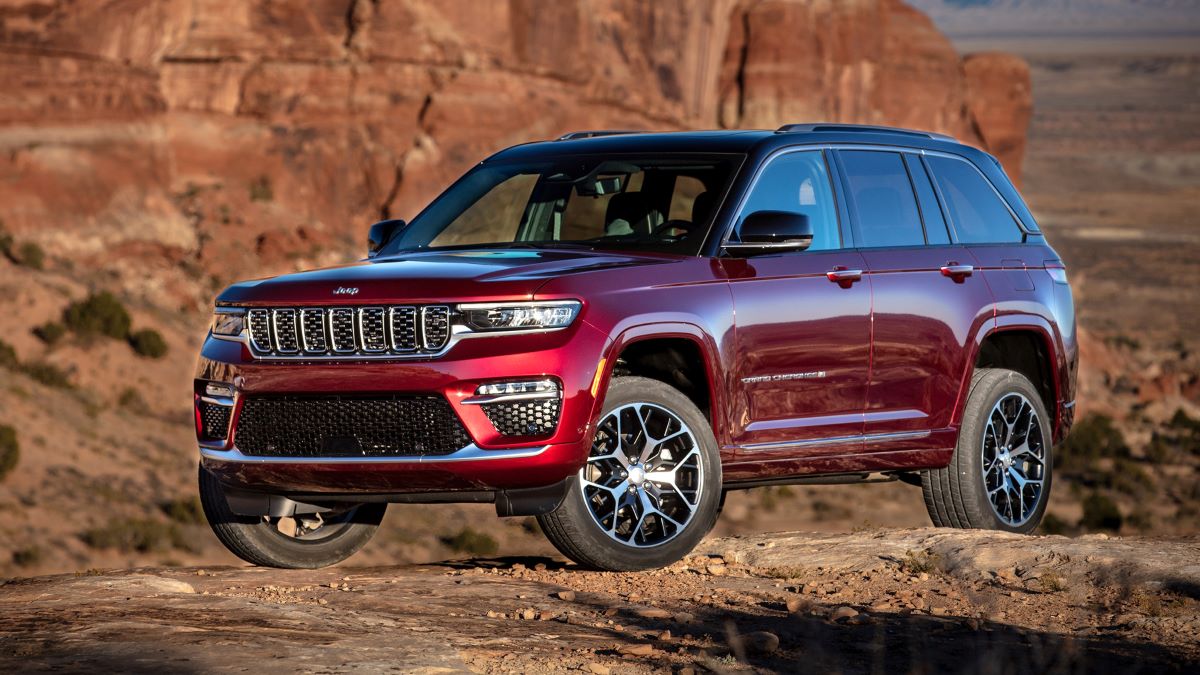
2. Jeep Grand Cherokee (Especially SRT and Trackhawk Models)
The Jeep Grand Cherokee is a popular SUV, but its higher-performance trims like the SRT and Trackhawk are known for being particularly hard on brake pads. These versions are equipped with powerful V8 engines, with the Trackhawk pushing out over 700 horsepower thanks to its supercharged V8.
With that kind of power, the vehicle requires an equally powerful braking system. Large Brembo brakes come standard, providing excellent stopping ability, but they don’t come without trade-offs. Brake pad replacement on these trims is a frequent and often expensive task.
The weight of the Grand Cherokee also plays a huge role in how quickly its brake pads wear out. These SUVs weigh over 5,000 pounds, and bringing that much mass to a stop requires a great deal of force.
Over time, this force wears down the pads much faster than in smaller or lighter vehicles. Even with careful driving, the mass alone creates more friction and heat, which accelerates the wear process. In urban driving or heavy commuting, the issue becomes even more pronounced due to repeated stops and starts.
Drivers who use their Grand Cherokee SRT or Trackhawk as daily drivers often find themselves replacing brake pads at intervals as short as 15,000 to 25,000 miles. This is especially true for those who enjoy the performance capabilities of the vehicle.
Frequent heavy acceleration followed by hard braking creates the perfect environment for rapid pad degradation. Additionally, since these vehicles are often fitted with larger, stickier tires for performance driving, the added grip increases the braking forces and leads to even faster wear.
Maintenance costs for the braking system on these high-performance SUVs can be substantial. OEM pads and rotors aren’t cheap, and some owners opt for upgraded aftermarket solutions in hopes of extending lifespan or improving performance.
However, even upgraded parts won’t eliminate the basic physics involved. If you’re driving a 700-horsepower SUV like the Trackhawk, you should expect to spend more on brakes and more often than with more pedestrian vehicles.
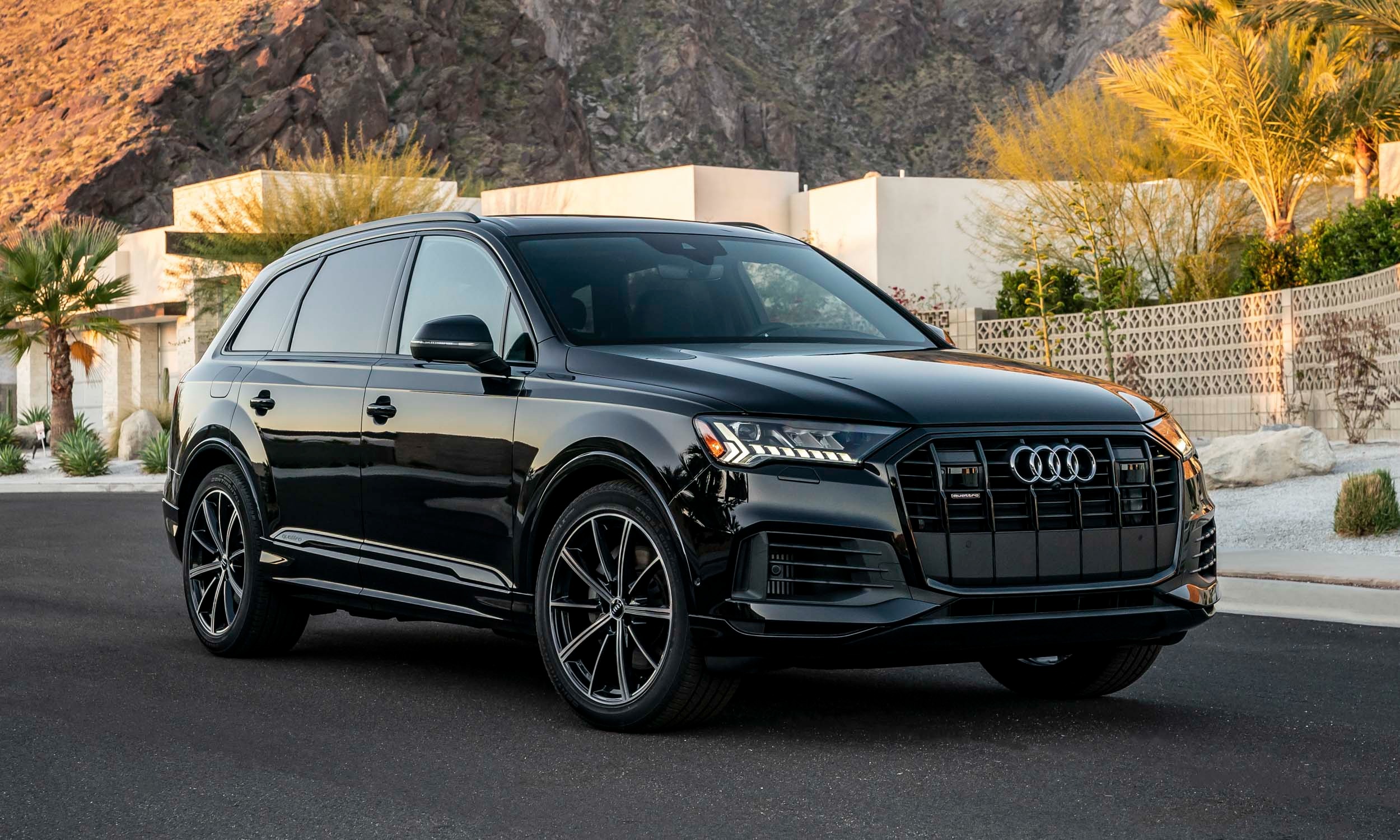
3. Audi Q7
The Audi Q7, especially in its more powerful configurations like the 3.0T or SQ7, tends to go through brake pads much faster than some might expect for a luxury SUV.
While it offers a premium driving experience with a focus on smoothness and refinement, the weight of the vehicle is a significant factor in brake wear. Weighing over 5,000 pounds and often carrying additional passengers or cargo, the Q7 places heavy demand on its braking system in everyday driving.
Audi equips the Q7 with a large braking setup designed to match its mass and performance expectations. While this ensures adequate stopping power and safety, it also means the pads are doing more work more often, especially in city or suburban environments.
Many owners find themselves replacing pads around the 25,000 to 35,000-mile mark, even with moderate driving habits. This is lower than average for a vehicle that isn’t pushed hard on performance fronts, making it a surprise for those expecting longer wear intervals.
Another issue lies in the material and design of the factory brake pads. Audi uses relatively soft pad compounds in the Q7 to reduce noise and vibration while maintaining braking performance. These pads provide a quiet and comfortable braking experience, which aligns with the luxury image of the brand.
However, the downside is that softer pads wear out faster, particularly when the car is driven in stop-and-go traffic or hilly terrain. The weight of the vehicle, combined with the softer material simply accelerates the wear process.
Additionally, some Q7 models come with automatic braking or adaptive cruise control, which uses the brake system frequently without the driver realizing it. These features, while convenient and safety-enhancing, can contribute to more frequent brake usage and, therefore, faster pad degradation.
While these systems help reduce collision risk, they often use the brakes more than a human driver might, compounding wear even in seemingly relaxed driving scenarios. The result is a car that feels smooth and controlled but goes through brake pads quicker than many owners would like.
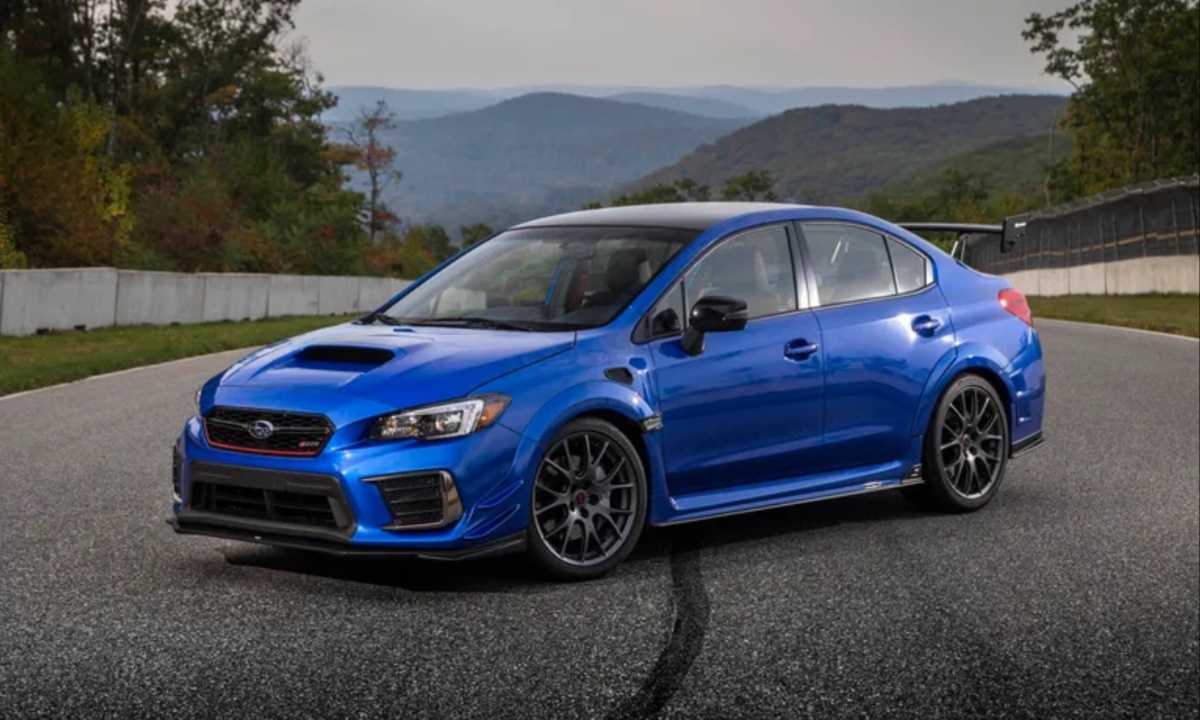
4. Subaru WRX
The Subaru WRX is built for drivers who love sharp handling and quick acceleration, and its braking system is designed to match its performance characteristics. However, this means that the WRX tends to be fairly aggressive on its brake components, especially the pads.
Whether in daily driving or weekend canyon runs, WRX owners often report frequent pad replacements, sometimes as early as 20,000 to 30,000 miles. This may be expected in a performance car, but it’s worth noting if you’re budgeting for long-term ownership.
One of the key contributors to brake wear in the WRX is the way it’s driven. Even if the car isn’t taken to the track, owners often use the vehicle for spirited driving, which includes hard braking and late braking into turns.
This behavior significantly increases friction and heat in the braking system, wearing down pads more quickly. While the WRX’s pads are relatively affordable, the frequent need for replacement can add up over time, especially if rotors also need to be resurfaced or replaced.
The WRX is also equipped with relatively high-performance brake pad material from the factory, which, while providing solid bite and feedback, doesn’t last as long as more commuter-oriented compounds.
Some owners try aftermarket performance pads to handle more heat or offer better durability, but even those tend to wear out quickly when pushed.
Combined with sticky tires and the car’s symmetrical all-wheel-drive system, which provides great traction, the braking forces are amplified and contribute to faster pad wear.
Finally, the WRX lacks regenerative braking or other technologies that might otherwise reduce wear on the mechanical brakes. It’s a mechanical, driver-focused car without much computer intervention in the braking system.
This is part of its charm, but it means that brake pads take the full brunt of every deceleration. While enthusiasts may accept the trade-off, the WRX is not a car that lets you forget about your brakes for tens of thousands of miles.
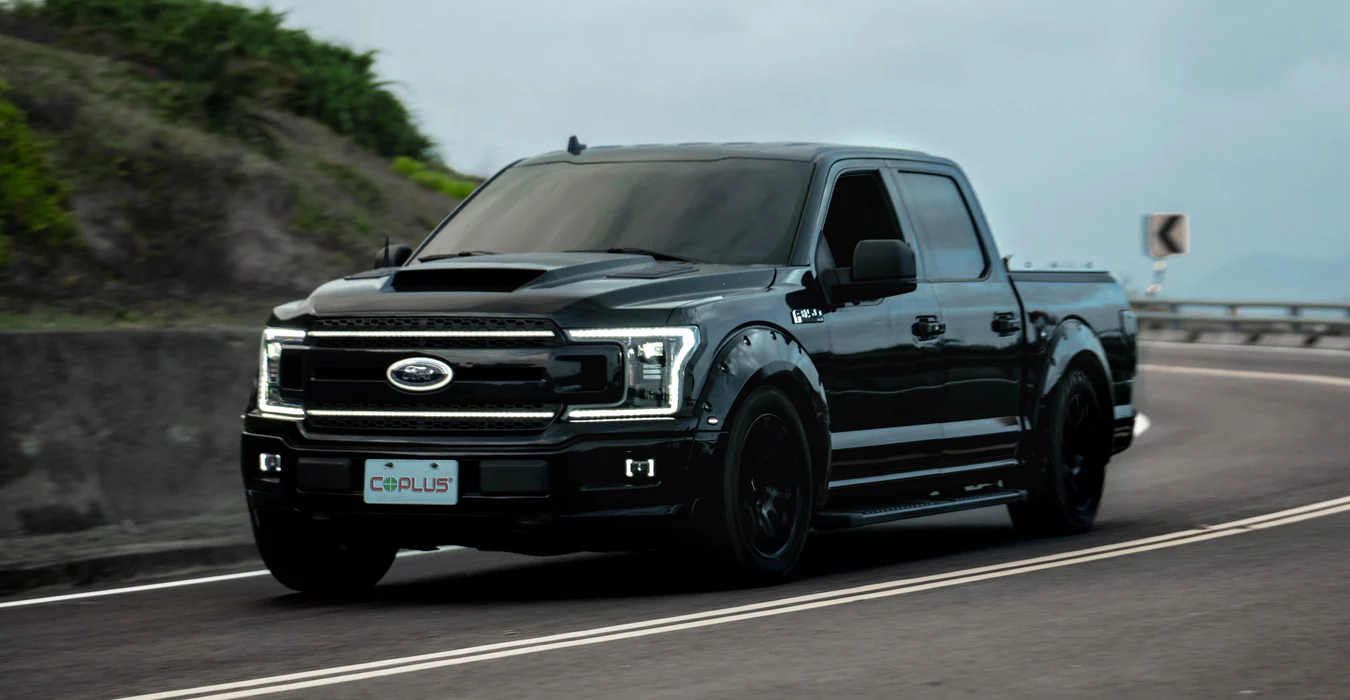
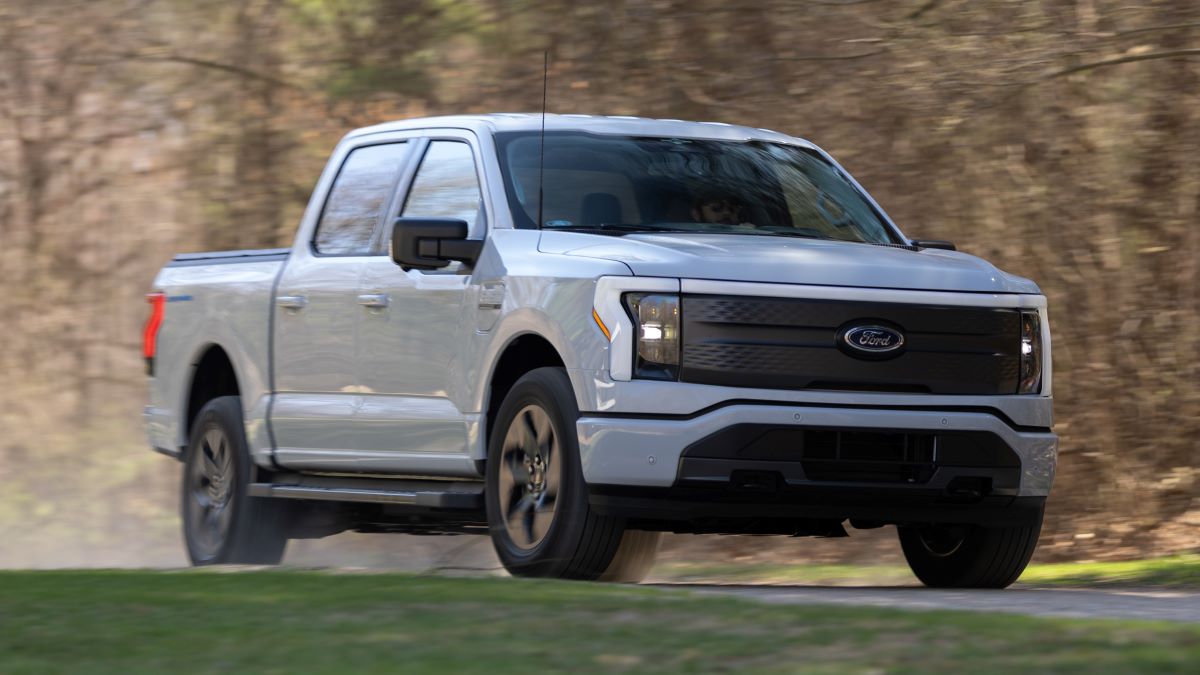
5. Ford F-150 (Especially Towing Packages)
The Ford F-150 is America’s best-selling vehicle, but it’s also one that’s known to go through brake pads faster than many expect, especially when equipped with towing packages or used for hauling heavy loads.
The issue isn’t poor design, it’s simply a result of how the truck is used. F-150s often pull trailers, carry gear, or operate in rugged environments. All of this puts more strain on the braking system and leads to shorter pad life.
Even in regular commuting, the F-150 is a large, heavy vehicle. The mass alone makes brake pads wear out more quickly than in smaller sedans or crossovers. When you add the extra load of a trailer or heavy cargo bed, the pads are required to do even more work.
On downhill grades, this is especially noticeable, as drivers are forced to ride the brakes to maintain control. This sustained pressure generates heat and grinds down pads faster than normal.
The braking systems on F-150s with tow packages are upgraded to handle the extra weight, often with larger rotors and stronger calipers. But even with these enhancements, the fundamental issue of extra load remains.
Many drivers who frequently tow report needing new pads in as little as 20,000 miles, especially when traveling through mountainous areas or on long-distance hauls. The heavy-duty brake systems help with performance, but they don’t necessarily reduce wear.
There’s also the matter of driving environment. Rural drivers or those in construction, agriculture, or other work-related uses tend to stop more abruptly or more often, which adds to brake wear.
Off-road driving or driving on dirt roads introduces dust and grit into the braking system, which can further reduce pad lifespan. While the F-150 is built to handle tough tasks, its brakes are a wear item that needs attention more frequently than in lighter, less demanding vehicles.
Also Read: 10 Cars With Tricky Seatbelt Buckles for Elderly Passengers
Brake pad wear is often overlooked when people compare cars, but it can have a major impact on long-term ownership costs, maintenance schedules, and convenience.
As this comparison shows, the difference in how often brake pads need to be replaced can vary dramatically between vehicle types, even within similar segments.
Factors such as vehicle weight, performance tuning, driving style, and the presence of regenerative braking systems all play a significant role in determining how quickly a car burns through its brake pads.
Vehicles like the Toyota Prius, Tesla Model 3, and Honda Accord Hybrid stand out not just for their efficiency, but also for how well they manage brake system usage. These cars benefit from regenerative braking systems and smooth driving characteristics that significantly reduce the stress placed on friction brakes.
As a result, drivers can go tens of thousands of miles further between replacements, saving time and money on routine service. In many cases, these cars can go 70,000 miles or more without needing new pads, which is a testament to both smart engineering and thoughtful system integration.
On the other end of the spectrum are performance cars and heavy-duty vehicles that place a much higher demand on their braking systems. Models like the BMW M3, Jeep Grand Cherokee SRT, and Ford F-150 with towing setups are built to deliver high power, speed, or load-bearing capacity.
These capabilities come with the cost of faster brake wear. In some cases, pads may need replacing in under 25,000 miles, particularly if the vehicle is driven hard or used for demanding tasks. These cars are not poorly made, but rather optimized for performance, which naturally comes with increased maintenance needs.
Understanding how different cars use their brakes helps owners make better decisions based on their needs. Those who prioritize low maintenance and cost savings might lean toward hybrid sedans or electric vehicles with regenerative systems.
Meanwhile, drivers who demand speed, towing strength, or off-road capability must accept more frequent brake pad replacements as part of the ownership experience.
Neither group is right or wrong; it simply comes down to priorities. By knowing which vehicles are gentler on their brake systems and which ones require more frequent attention, buyers can better plan for both their driving habits and maintenance budgets.
