
Visibility plays a crucial role in safe driving, especially when it comes to SUVs. Due to their size and design, SUVs can either offer excellent visibility or pose significant challenges for drivers. Being able to see clearly in all directions helps prevent accidents, improves confidence on the road, and reduces stress in heavy traffic.
When visibility is poor, blind spots increase the risk of collisions, particularly during lane changes or merging. Therefore, choosing an SUV with optimal visibility can be an important factor for many buyers who prioritize safety and ease of driving. This article will discuss five SUVs known for their excellent visibility in traffic and five SUVs that are notorious for having dangerous blind spots, helping drivers make informed choices.
SUVs tend to vary widely in their design features that affect visibility. High seating positions generally improve forward and side views, but large rear pillars or thick door frames can restrict sight lines. Additionally, the size and shape of windows, the height of the beltline, and the design of the rear hatch or tailgate can influence rear visibility.
Some modern SUVs also come equipped with advanced camera systems, blind-spot detection, and parking sensors to help mitigate these issues, but the physical design of the vehicle remains a primary factor. Visibility becomes especially critical in urban traffic where constant vigilance is required to monitor surrounding vehicles, pedestrians, and cyclists. When SUVs offer clear, unobstructed views, it enhances driver awareness and response time, which is vital in preventing accidents.
The SUVs with the best visibility often feature large windows, slim pillars, and thoughtful ergonomic designs that minimize blind spots. Their mirrors tend to be well-sized and positioned for maximum coverage, and the cabin layout helps drivers quickly scan their surroundings.
On the other hand, SUVs with dangerous blind spots may have bulky rear pillars, small rear windows, or high beltlines that create large areas drivers simply cannot see without turning their heads or relying on electronic aids. These blind spots become particularly hazardous when changing lanes on highways or backing out of parking spots. Drivers of SUVs with poor visibility must be extra cautious and frequently check their mirrors and use technology to compensate.
This article is structured to first highlight five SUVs that are generally regarded as offering the best visibility in traffic. Each model will be described in terms of what makes its visibility stand out, with attention to design features and driver experience.
Following that, the article will examine five SUVs known for having dangerous blind spots, identifying the design elements that contribute to these issues and the potential risks for drivers. Whether you are looking to buy a new SUV or just want to better understand your current vehicle’s strengths and limitations, this article will provide valuable insights about visibility and safety on the road.
Also Read: 5 Porsche 911 Model That Stayed Reliable Over The Years
5 SUVs with the Best Visibility in Traffic
1. Subaru Forester
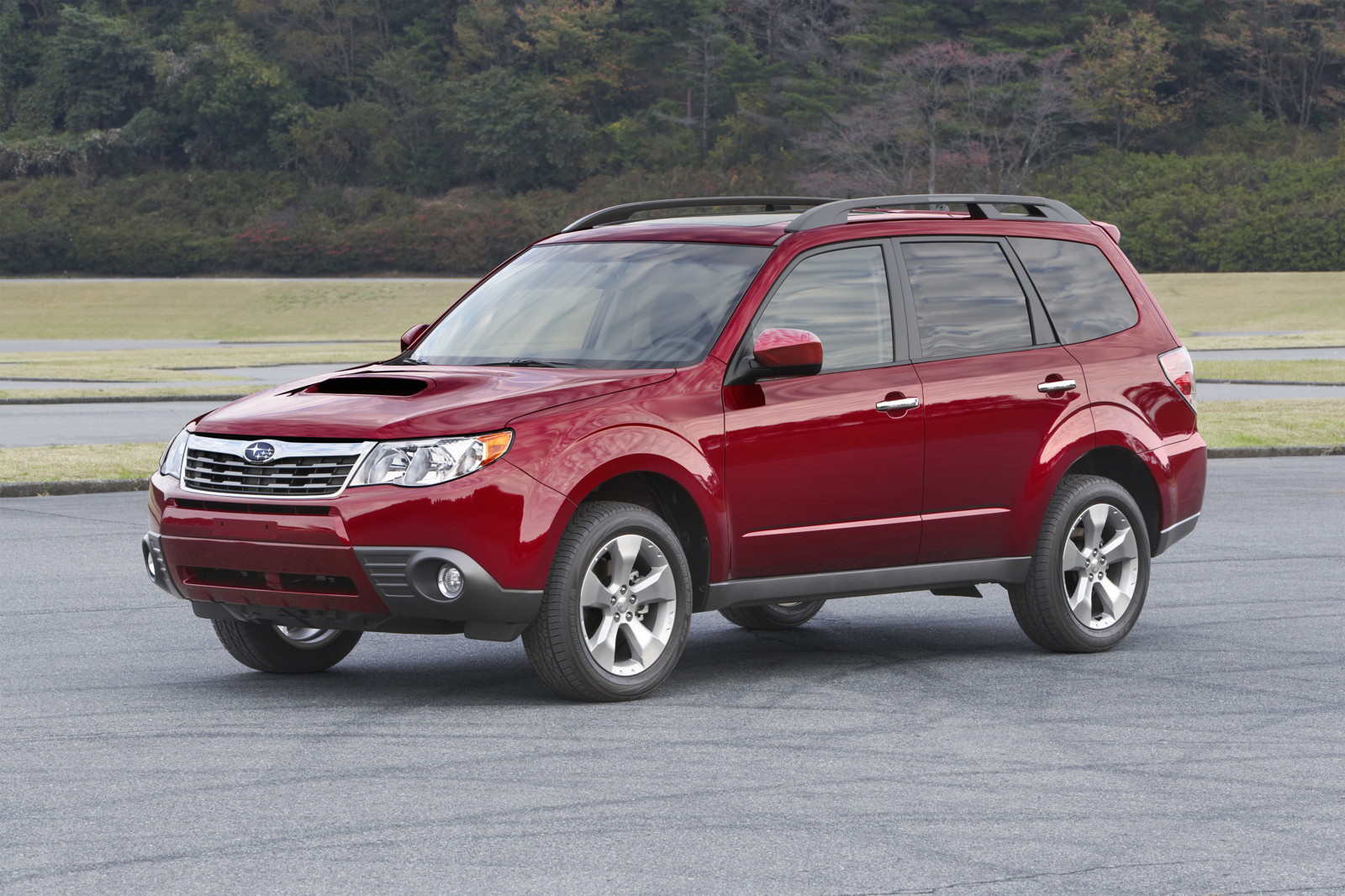
The Subaru Forester is often praised for its exceptional visibility, which is one of the reasons it has remained popular among families and outdoor enthusiasts alike. Its design includes large windows that wrap around the cabin, giving drivers a wide and unobstructed field of view.
The A-pillars, those vertical supports on either side of the windshield, are notably thin in the Forester, minimizing blind spots that can obstruct side views. This makes navigating city streets, intersections, and parking lots much easier and safer. The Forester’s elevated seating position also allows drivers to see over most cars on the road, improving situational awareness.
In addition to the design of the windows and pillars, the rear visibility in the Forester is also commendable. The rear window is large, and the rear hatch window is positioned relatively low, which, combined with the vehicle’s boxy shape, allows for clear sight lines when reversing or merging.
Many models come equipped with a rearview camera and blind-spot monitoring systems to further aid visibility. The mirrors on the Forester are well-sized and adjustable, helping to cover the areas alongside the vehicle efficiently. The combination of natural visibility and technological assistance makes it one of the best SUVs for safe driving.
The interior layout of the Forester also contributes to its visibility advantages. The dashboard is designed to be low and unobtrusive, allowing the driver’s eye line to remain high and unobstructed. Additionally, the window controls and other features are ergonomically placed so that the driver can adjust without losing focus on the road.
Drivers often report feeling more confident when driving the Forester in tight urban environments because they can see other vehicles, cyclists, and pedestrians around them.
The Subaru Forester’s thoughtful design choices provide a comprehensive solution to visibility challenges. Whether on highways or crowded city streets, the Forester consistently ranks high for driver visibility. This makes it a practical and safe option for those who prioritize clear sight lines and want to reduce the risk associated with blind spots.

2. Honda CR-V
The Honda CR-V is another SUV well-known for its excellent visibility, which adds to its reputation as a comfortable and driver-friendly vehicle. One of the standout features is the large glass area, which includes expansive front and side windows that allow a broad field of vision.
The CR-V’s windshield is wide and steeply raked, reducing glare and enhancing the driver’s view of the road ahead. This is especially helpful in urban traffic where quick reactions to changes in traffic flow are necessary. The slim A-pillars and the placement of the side mirrors further minimize blind spots, allowing the driver to keep a close watch on adjacent lanes.
Rear visibility in the CR-V also benefits from a relatively large rear window and a well-positioned rearview mirror. The tailgate window is broad, and the rear pillars, though slightly wider than some competitors, do not obstruct much of the rearward view.
The CR-V’s backup camera system is standard on most trims, which greatly assists drivers when reversing out of parking spaces or navigating tight areas. Honda also incorporates blind-spot warning and cross-traffic alert systems, which work alongside the vehicle’s good natural visibility to improve safety.
Ergonomics inside the cabin further supports good visibility. The driver’s seat is adjustable to multiple heights, allowing drivers to find the most comfortable and optimal eye level for the best views. Controls and instrument clusters are laid out in a manner that avoids blocking the driver’s peripheral vision. Additionally, the CR-V’s mirrors are designed to be wide and clear, aiding in lane changes and merges on busy highways.
Due to these features, the Honda CR-V has consistently earned praise in safety ratings and driver satisfaction surveys related to visibility. It combines practical design with modern technology to reduce blind spots and enhance driver confidence. For those seeking an SUV with clear sight lines and a user-friendly driving experience, the CR-V remains a top contender.
3. Toyota RAV4
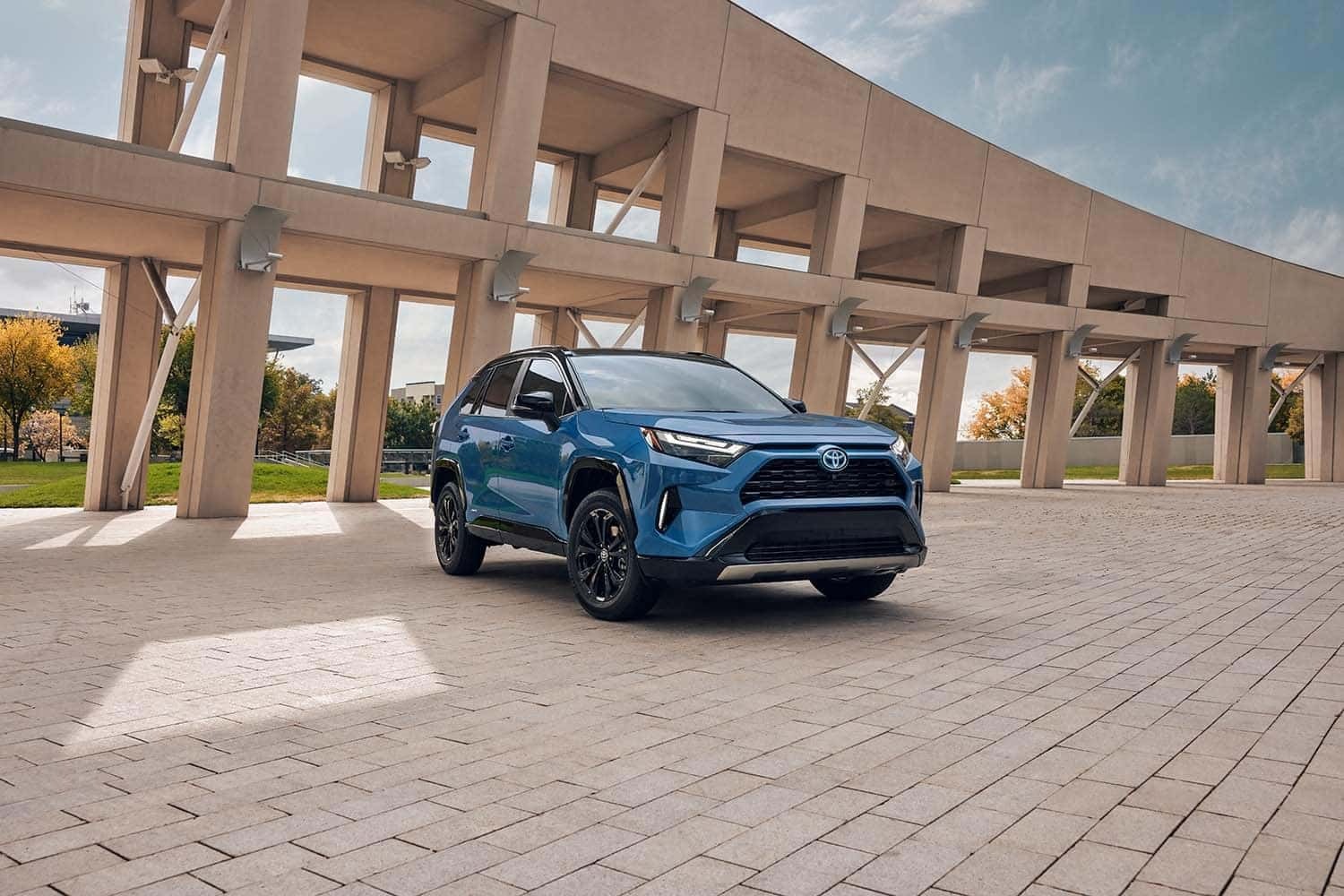
The Toyota RAV4 has long been a popular choice in the compact SUV segment, partly because of its driver-friendly design that emphasizes visibility. The vehicle’s window design includes large side windows and a generously sized windshield, which provide an expansive view of the road.
The RAV4’s A-pillars are engineered to be slim and positioned to reduce blind spots when turning or checking for oncoming traffic at intersections. The high seating position allows drivers to see over many vehicles, improving traffic awareness and enabling earlier reaction to road hazards.
At the rear, the RAV4 offers a good amount of visibility despite its rugged styling. The rear window is sufficiently large and set low on the tailgate to provide clear rearward sight lines. The rear pillars are somewhat wide, but they are tapered in a way that limits obstruction. Backup cameras and sensors come standard on most RAV4 models, which compensate for any minor limitations and increase driver confidence when reversing or parking.
Inside the cabin, Toyota’s attention to driver comfort and visibility is evident. The dashboard is low and angled to avoid blocking the forward view. The side mirrors are large and mounted on the doors rather than the pillars, which helps reduce blind spots. The driver’s seat can be adjusted to optimize height and seating position, ensuring the best possible line of sight for different driver heights.
Toyota RAV4 balances its style and ruggedness with practical design elements that prioritize visibility. Drivers appreciate the clear sight lines combined with advanced safety features, making it a safe and reliable choice for city and highway driving.
4. Mazda CX-5
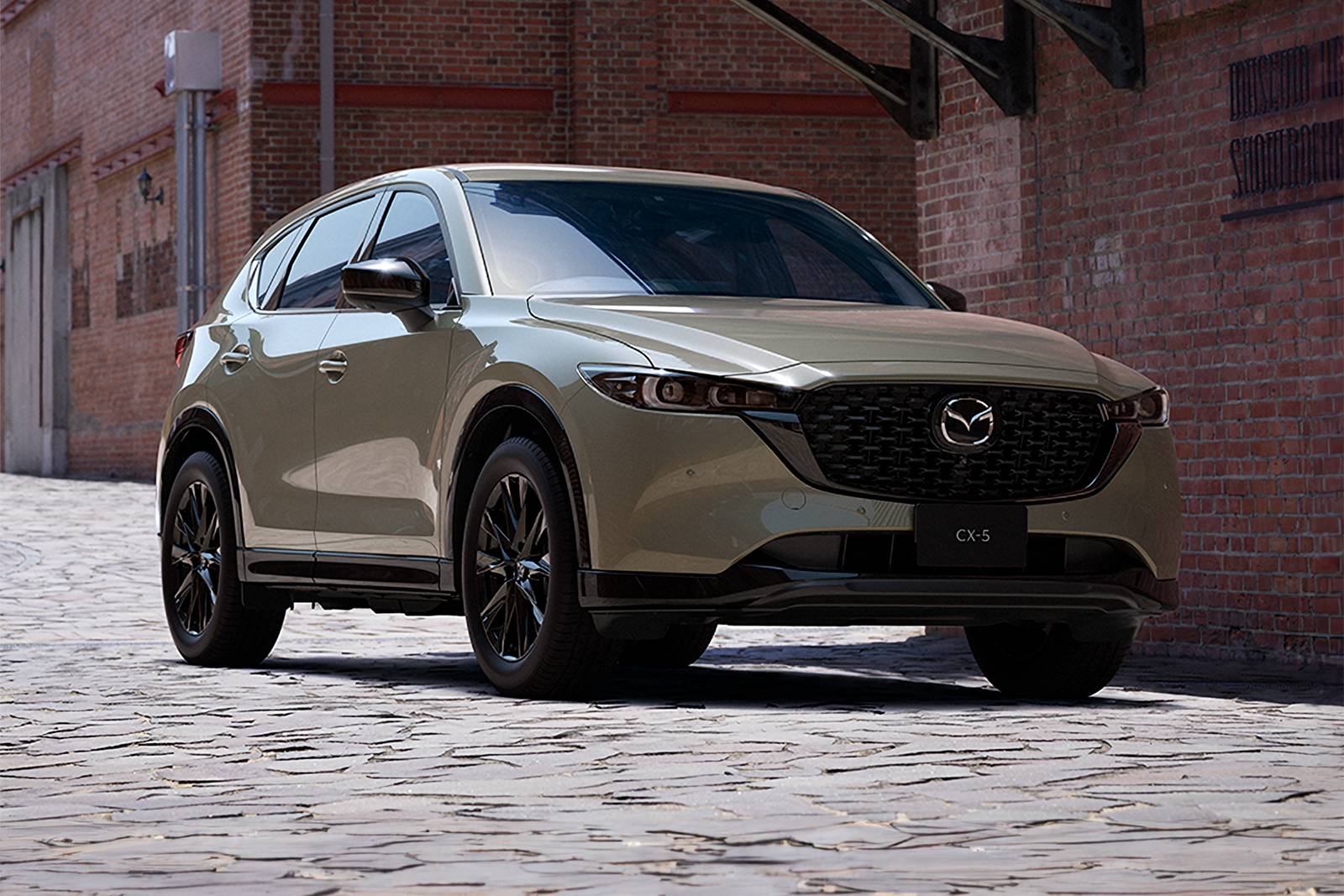
The Mazda CX-5 stands out for its sleek design and exceptional driver visibility. Despite its sporty styling, Mazda has managed to include large windows that offer expansive views around the vehicle. The front windshield is wide, and the side windows extend far back, minimizing blind spots on the sides. The A-pillars are carefully designed to be thin without compromising structural integrity, which improves visibility at intersections and when scanning for pedestrians or other vehicles.
Rear visibility in the CX-5 is also notably good. The rear window is wide, and the tailgate design allows a clear view behind the vehicle. The rear pillars are moderately sized but tapered to reduce obstruction. Backup cameras and rear cross-traffic alerts are typically included, further assisting drivers when maneuvering in tight spaces or busy parking lots.
Inside, the driver’s seating position in the CX-5 is elevated and adjustable, helping drivers find the ideal height to maximize visibility. The dashboard and instrument cluster are positioned to avoid blocking the forward view. Additionally, the side mirrors are well-sized and positioned on the doors, improving side visibility and helping to reduce blind spots.
Mazda’s focus on driver engagement extends to visibility as well, as drivers consistently report feeling connected to their surroundings while behind the wheel of a CX-5. The combination of good natural visibility and technology makes the CX-5 a safe and enjoyable SUV to drive in traffic.
5. Ford Escape
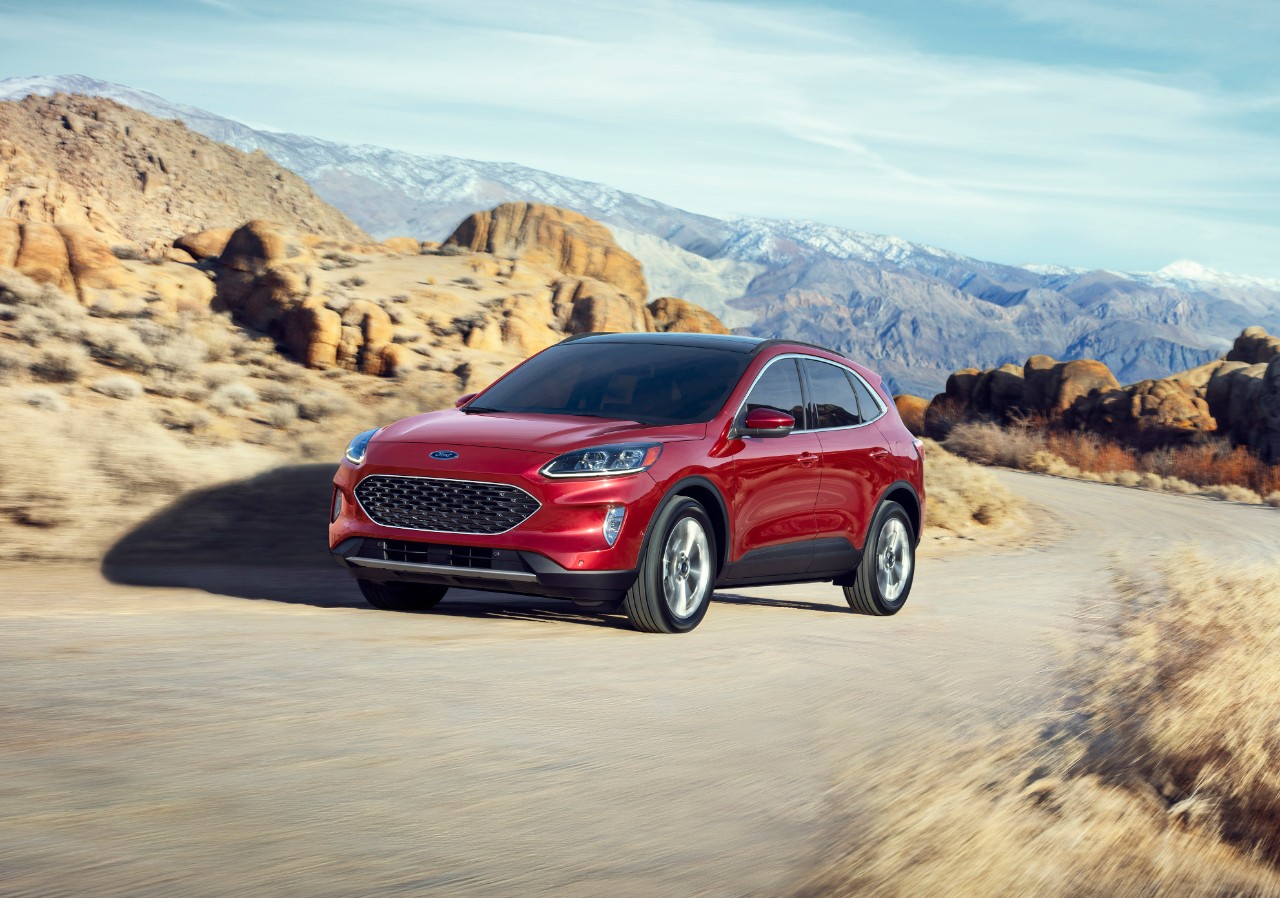
The Ford Escape is widely regarded for its driver-friendly design that offers excellent visibility in traffic conditions. The Escape’s large windows, particularly the expansive windshield and side windows, allow drivers to have a clear and unobstructed view of their surroundings. The A-pillars are thin and strategically placed, which reduces blind spots and makes it easier to see other vehicles and pedestrians, especially at intersections or when making turns.
At the rear, the Escape’s visibility is enhanced by a large rear window and a relatively low tailgate window. The rear pillars are somewhat wide, but they are designed with tapered edges to help minimize obstruction. The Escape typically comes with a rearview camera and available blind-spot monitoring systems, which help compensate for any small blind spots when backing up or changing lanes.
The interior of the Escape also supports good visibility, with a well-thought-out dashboard layout and an adjustable driver’s seat that allows drivers to find the best position for clear sight lines. Side mirrors are large and mounted in positions that improve coverage and reduce blind spots during lane changes.
For drivers who spend a lot of time in stop-and-go traffic or need to navigate tight city streets, the Ford Escape provides the visibility and safety features necessary to drive confidently and comfortably.
5 SUVs with Dangerous Blind Spots
1. Jeep Grand Cherokee
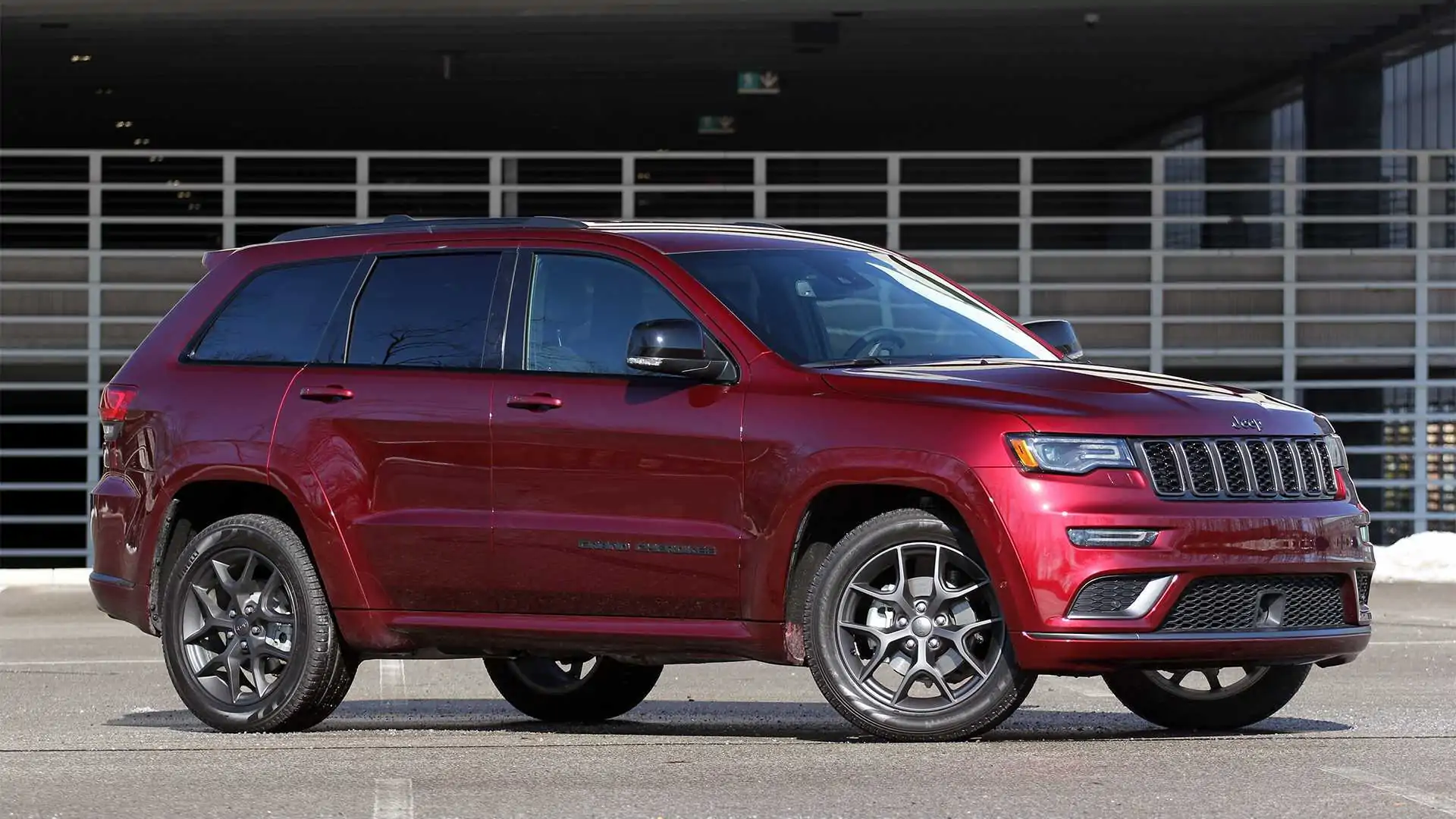
The Jeep Grand Cherokee is a well-regarded SUV in many aspects, including off-road capability and luxurious interior appointments. However, when it comes to visibility, this vehicle poses significant challenges due to its design. The most glaring issue is the presence of thick rear pillars, particularly the D-pillars located near the back corners of the vehicle.
These pillars are quite bulky and create large blind spots that can hide vehicles, cyclists, or pedestrians from the driver’s view. This design flaw becomes particularly hazardous during highway driving when changing lanes or merging, as a vehicle can remain hidden until it’s dangerously close. While technology such as blind-spot monitoring is available, it only partially compensates for the fundamental issue caused by the structure.
In addition to the rear pillars, the Grand Cherokee’s high beltline further restricts visibility. The windows are relatively small compared to the body size, reducing the field of view from the driver’s seat. This means drivers have to rely more on their mirrors and physical head checks to monitor their surroundings.
The front windshield and side windows offer decent visibility, but the wide, chunky pillars still obstruct certain angles, making it difficult to spot smaller objects or pedestrians at intersections or in parking lots. This can create safety concerns in urban environments where constant vigilance is necessary.
The interior layout, while comfortable and premium, does not help to alleviate these visibility concerns. The rearview mirror’s effectiveness is compromised by the small rear window and the thick rear pillars, which limit how much of the space behind the vehicle can be seen directly. Drivers often find themselves needing to use the backup camera frequently to avoid collisions when reversing. Even then, the limited rearward visibility increases the risk of accidents, especially in tight or crowded areas.
While the Jeep Grand Cherokee remains a popular choice for many drivers due to its power and versatility, it requires a heightened awareness of its visibility shortcomings. Drivers must actively compensate by using all available technology and physically checking blind spots more often than with other SUVs. Failure to do so could increase the likelihood of accidents, particularly in heavy traffic or complex driving situations.
2. Range Rover
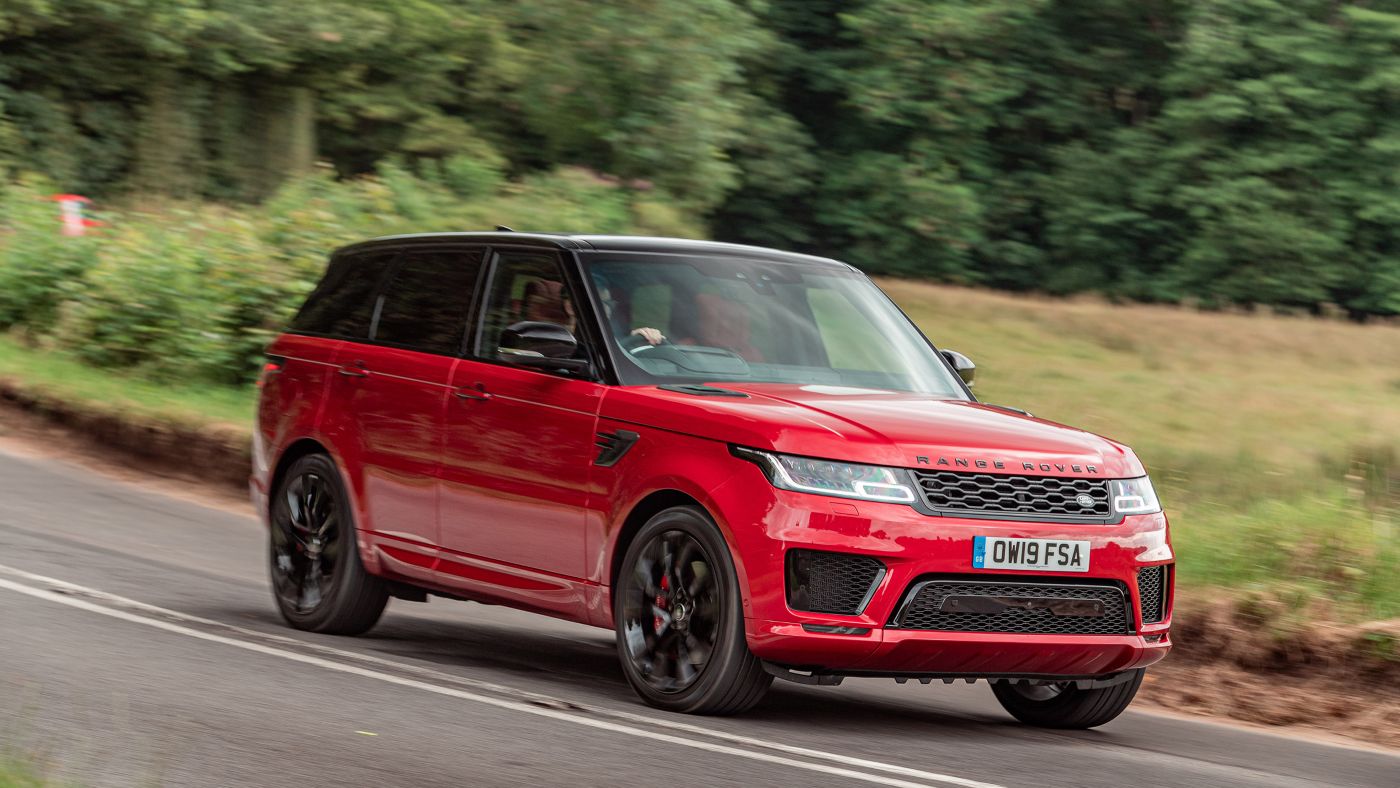
The Range Rover is synonymous with luxury and off-road capability, but it has long been criticized for its poor visibility, especially concerning blind spots. Its design includes thick rear pillars that create large, hard-to-see areas on both sides near the back of the vehicle.
These blind spots are especially problematic because the rear windows are relatively small and set high on the tailgate, which limits the driver’s ability to see directly behind or beside the vehicle. When reversing or parking, this restricted rearward visibility can result in minor collisions or scrapes that might otherwise be avoidable with better sight lines.
The front visibility benefits from a high seating position, which generally helps drivers see over smaller cars and obstacles. However, the thick A-pillars on the Range Rover can block views at intersections, especially when looking for pedestrians or cyclists crossing the road.
This is a critical blind spot because it requires drivers to either lean forward or turn their heads sharply to see clearly, which can momentarily distract them from other traffic cues. While modern versions include cameras and sensors to mitigate these issues, the structural challenges remain significant.
Inside the cabin, the visibility issues extend beyond just the windows and pillars. The high beltline and dashboard layout contribute to limiting the driver’s peripheral views, reducing the ability to quickly scan the sides of the vehicle. The mirrors are technologically advanced and quite large, but their effectiveness is diminished by the large blind areas created by the design. This means drivers have to rely heavily on electronic aids, which, while helpful, can sometimes delay the driver’s reaction time.
The Range Rover’s visibility challenges require drivers to adopt a more cautious driving style. Because of these blind spots, lane changes and merging maneuvers must be executed with extra care, and it’s advisable for drivers to use all available safety features and perform thorough visual checks.
These limitations can be particularly intimidating for new drivers or those unfamiliar with the vehicle, making the Range Rover a less ideal choice for those who prioritize clear sight lines in their driving experience.
3. Chevrolet Tahoe
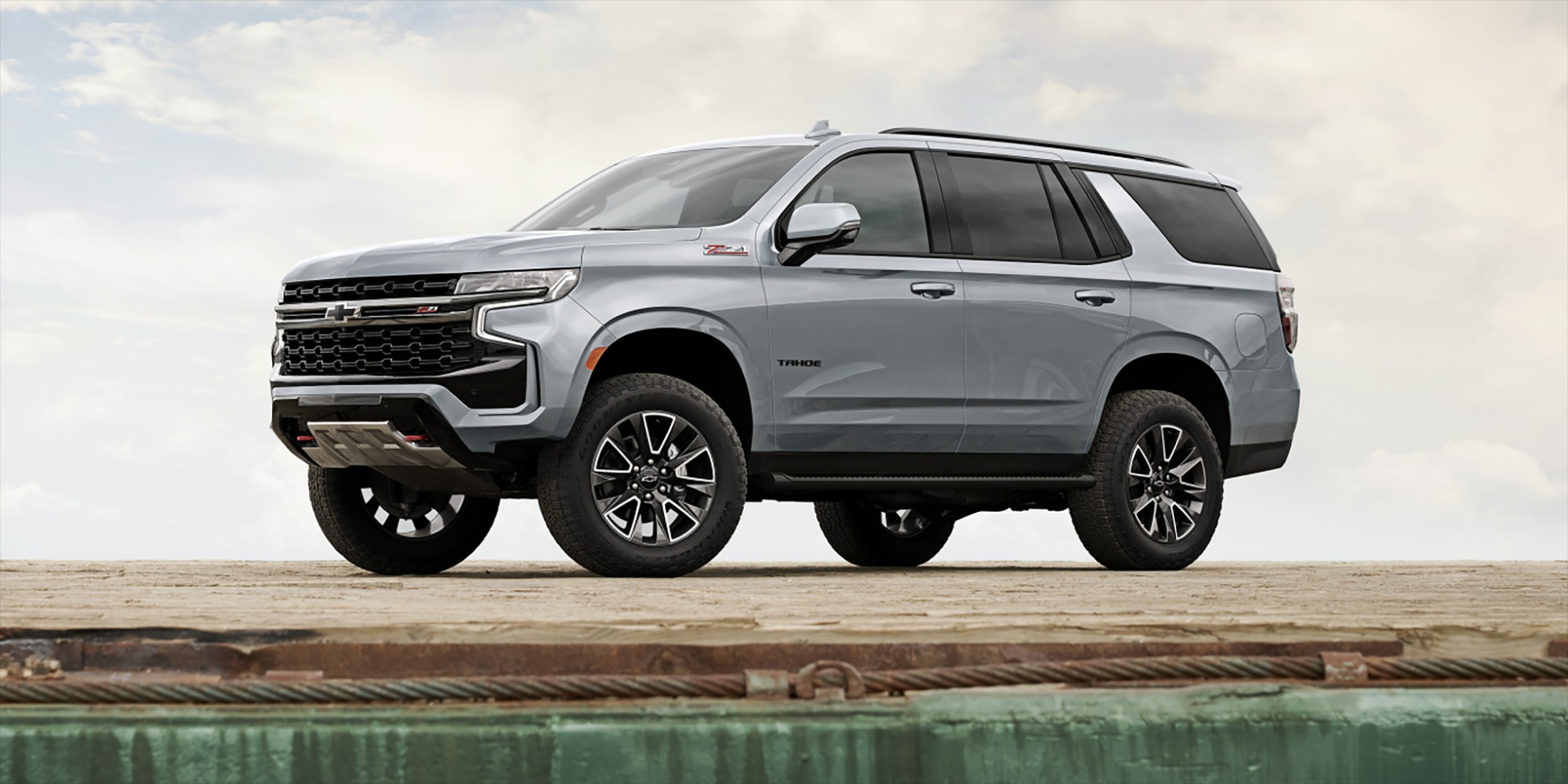
The Chevrolet Tahoe is a full-size SUV designed to offer spaciousness and power, but this size comes with visibility trade-offs. One of the most prominent issues is the presence of large C- and D-pillars at the rear sides of the vehicle.
These thick, boxy pillars obstruct significant portions of the driver’s view to the sides and rear, especially when checking for traffic in adjacent lanes. Such large blind spots increase the risk during lane changes or highway merges, as vehicles hidden in these areas can go unnoticed until it is too late. The problem is compounded by the Tahoe’s high beltline, which reduces the size of the side windows relative to the body.
Rear visibility is further compromised by the design of the rear window, which is small and set high on the tailgate. This placement restricts the driver’s ability to see directly behind the vehicle without relying heavily on the rearview camera.
While the Tahoe is equipped with modern technological aids such as rearview cameras and blind-spot detection systems, these do not fully overcome the structural visibility challenges. Drivers still need to be vigilant and use frequent head checks when driving in traffic.
The side mirrors on the Tahoe are large, but due to the size of the blind spots, they do not provide complete coverage. Many drivers find themselves struggling to get a clear view of adjacent lanes, which can cause anxiety in busy traffic or when passing large vehicles like trucks. The interior driver’s position is relatively high, which helps somewhat with forward visibility, but the thick pillars and limited window space create ongoing challenges on the sides and rear.
In daily driving, these visibility issues mean the Chevrolet Tahoe demands extra caution. Drivers must be constantly aware of the blind spots and avoid relying solely on mirrors or electronic aids. Careful checking over the shoulder and slower lane changes become necessary, particularly on highways and in congested traffic. For families or individuals seeking a large SUV, understanding these limitations is critical for safe vehicle operation.
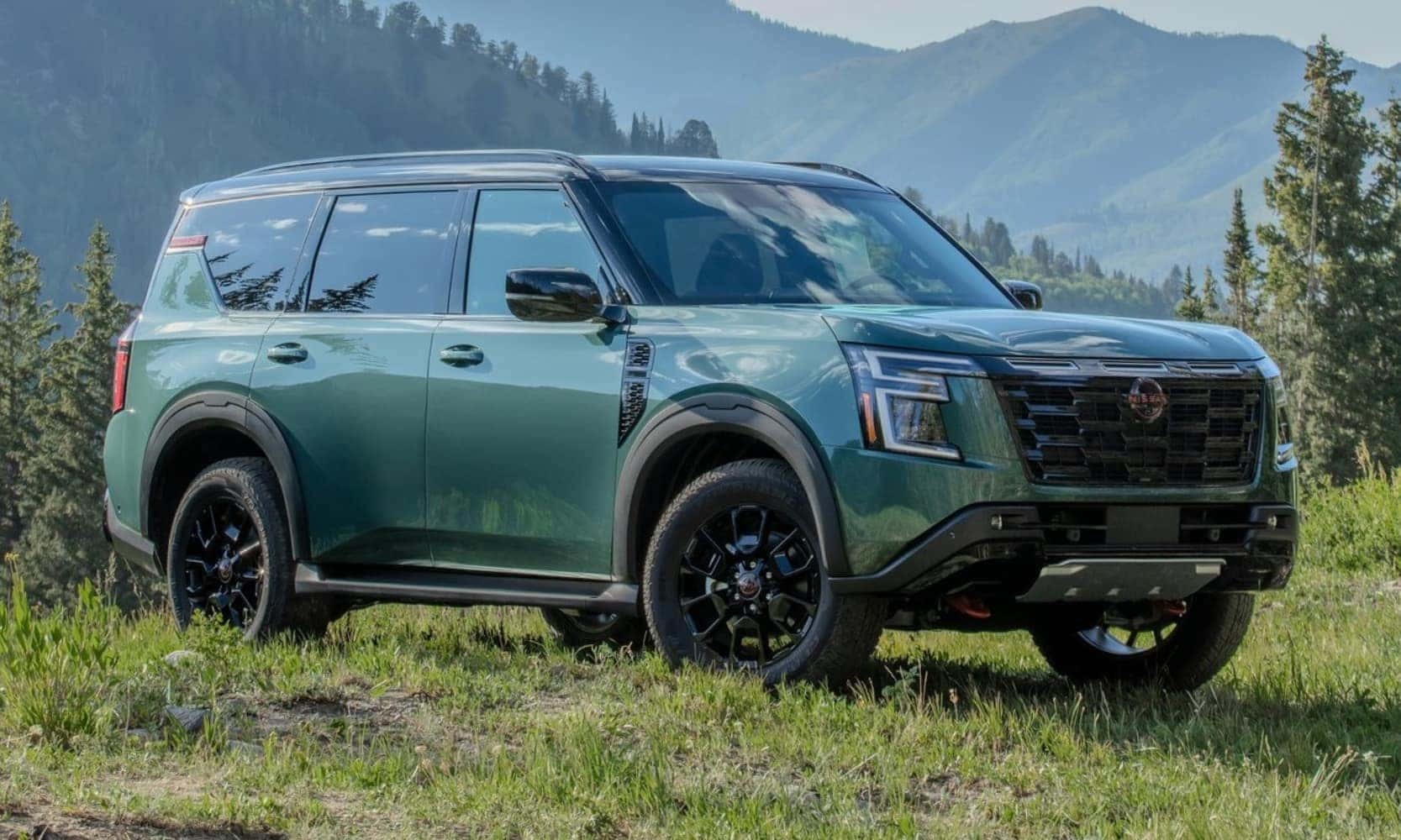
4. Nissan Armada
The Nissan Armada is a large, powerful SUV often chosen for its towing capacity and spacious interior. However, its design results in notable blind spot issues that drivers should be aware of. The thick rear pillars near the back corners create substantial blind areas that obstruct the driver’s view to the sides and rear.
These blind spots can conceal smaller vehicles, motorcycles, or even pedestrians, increasing the risk of accidents during lane changes or turns. The Armada’s high beltline and relatively small side windows contribute to these visibility challenges, making it harder to get a clear view of surrounding traffic without turning one’s head extensively.
Rear visibility is also limited by the small and elevated rear window. This window placement makes it difficult for the driver to see directly behind the vehicle without assistance. While the Armada is equipped with backup cameras and rear cross-traffic alert systems, drivers still face challenges in accurately judging distances and spotting obstacles when reversing or maneuvering in tight spaces.
The thick A-pillars on the front also contribute to visibility problems, especially at intersections. These pillars can block views of pedestrians, cyclists, or oncoming vehicles, requiring drivers to lean forward or move their heads to see clearly. This momentary distraction can be risky in busy urban environments or on narrow roads.
Despite its many strengths in performance and interior comfort, the Nissan Armada requires drivers to be highly vigilant regarding visibility. Reliance on technology helps, but the structural blind spots remain significant. Drivers should practice thorough mirror checks and shoulder checks before lane changes or turns, and be cautious when reversing or parking in crowded areas.
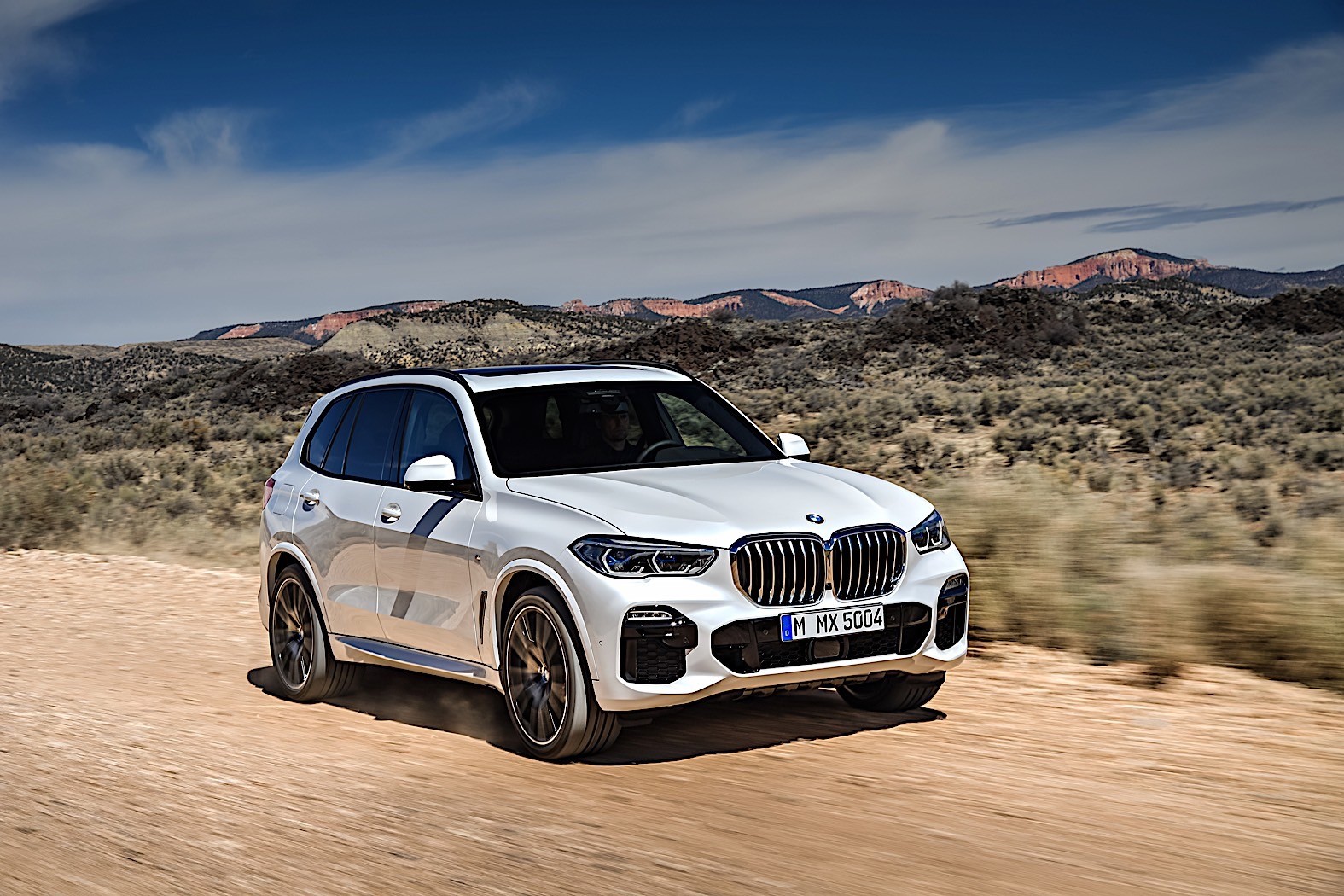
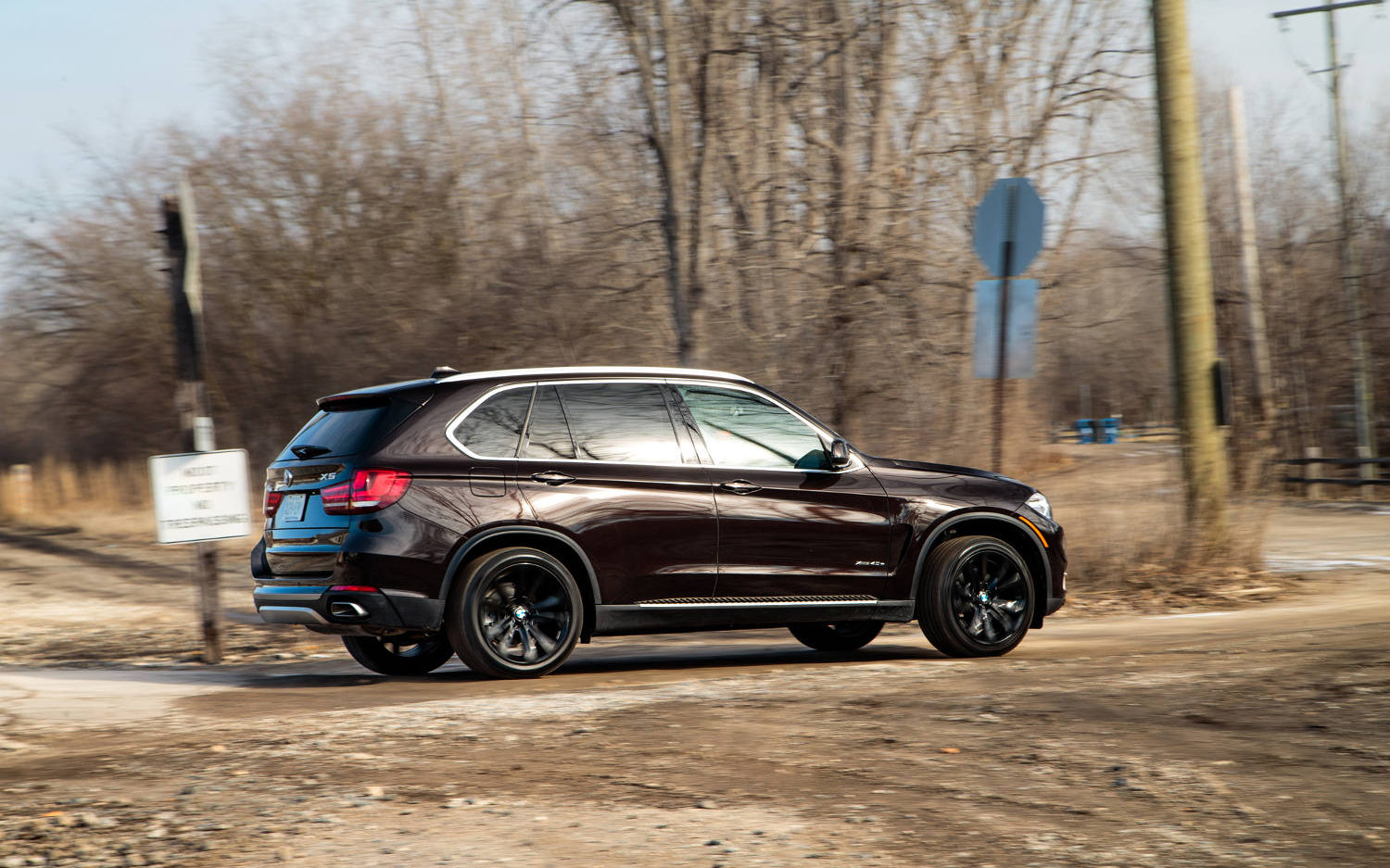
5. BMW X5
The BMW X5 is well-known for blending luxury with sporty driving dynamics, but it comes with some visibility drawbacks that drivers should consider. The design features thick rear pillars and a relatively small rear window, both of which create large blind spots behind and alongside the vehicle.
These blind spots can hide other vehicles or obstacles, making lane changes, merging, and reversing more hazardous without careful attention. The sloping roofline, which adds to the X5’s sporty appearance, further limits rearward visibility, especially when backing into tight spaces.
Front visibility is also somewhat compromised by the thick A-pillars, which can obstruct views of pedestrians or cyclists at intersections. These pillars are necessary for structural rigidity and safety, but their size means drivers have to move their heads more frequently to get a complete view when turning or scanning the sides of the road. This can create small but critical moments where other hazards are harder to detect.
The interior layout helps somewhat by positioning the driver’s seat at a good height, and the side mirrors are large and carefully shaped to maximize coverage. Still, these features cannot fully offset the blind spots created by the exterior design. The X5 does include advanced safety features like blind-spot detection and 360-degree camera systems, which help mitigate these risks but require driver attention to use effectively.
For drivers who appreciate the BMW X5’s performance and luxury, it’s important to recognize these visibility limitations and adapt driving habits accordingly. Extra caution during lane changes, merging, and parking maneuvers is essential. Using all available technology combined with manual head checks will help ensure safe driving despite the SUV’s blind spot challenges.
Also Read: 5 Cars with Backup Cameras You Can Trust vs 5 That Are Blurry and Useless
Visibility is one of the most critical factors affecting driver safety, especially in SUVs, which are larger and often more complex to maneuver than smaller cars. As this article has shown, some SUVs are thoughtfully designed to offer drivers excellent visibility, with large windows, slim pillars, and driver-friendly ergonomics that reduce blind spots and increase awareness of surrounding traffic.
Vehicles like the Subaru Forester, Honda CR-V, Toyota RAV4, Mazda CX-5, and Ford Escape demonstrate that it is possible to combine the benefits of an SUV’s elevated seating and spacious cabin with clear sight lines and minimal blind spots. These models not only provide a safer driving experience but also help reduce driver stress and fatigue by making it easier to monitor other vehicles, pedestrians, and cyclists on the road.
On the other hand, SUVs such as the Jeep Grand Cherokee, Range Rover, Chevrolet Tahoe, Nissan Armada, and BMW X5 show how certain design choices can create dangerous blind spots. Thick rear pillars, high beltlines, and small rear windows contribute to large areas where drivers have limited or no visibility without turning their heads or relying heavily on electronic aids.
While modern safety technologies like blind-spot detection and backup cameras are helpful, they cannot fully compensate for poor physical visibility caused by vehicle design. Drivers of these SUVs must remain extra vigilant, frequently checking mirrors and blind spots manually to avoid potential accidents.
