
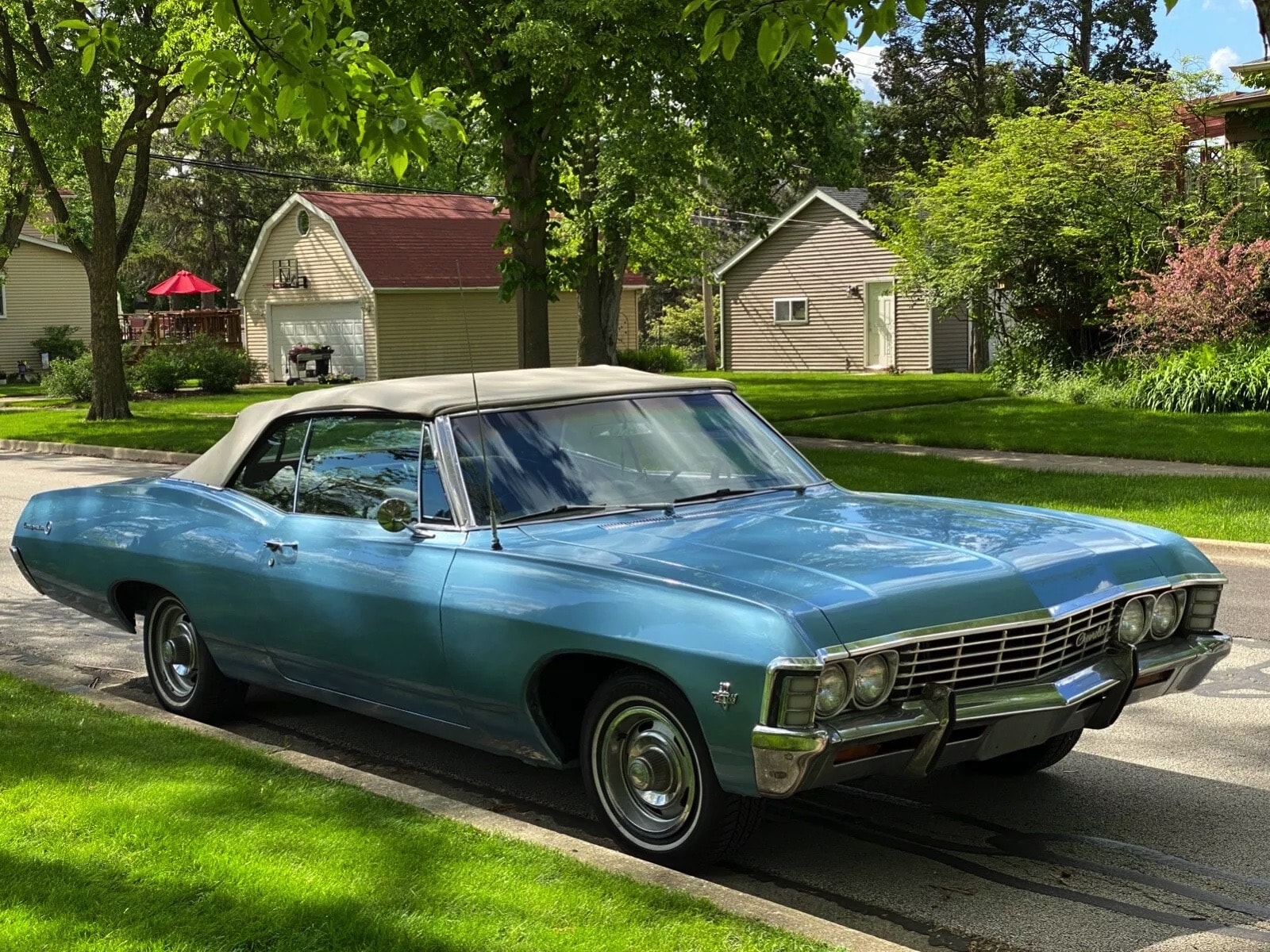
The Chevy Impala has been a well-known and respected vehicle for decades, appreciated for its comfort, style, and reliability. It’s a car that many people buy expecting it to last them for years, and with proper care, it usually will. However, even the most solid vehicles can be ruined by poor maintenance, bad habits, or simple neglect.
Owners who fail to understand what their vehicle needs or ignore the warning signs it gives will often find themselves dealing with expensive repairs or premature wear and tear.
Unfortunately, many people don’t realize they’re doing anything wrong until it’s too late. The problems often begin small and are easy to ignore, but over time, they accumulate, eventually leading to serious issues that could have been avoided altogether.
It’s easy to think that a car as well-built as the Impala can handle a bit of rough use or missed maintenance. The truth is, cars are machines with specific tolerances, and they need regular attention to function as intended. Neglecting certain responsibilities as an owner isn’t just irresponsible; it’s costly.
Not only does it lead to breakdowns, but it also reduces the vehicle’s resale value and can even make the car unsafe to drive. When owners cut corners or delay needed repairs, the long-term consequences can be severe. Even something as simple as skipping oil changes or using the wrong fuel can snowball into much bigger problems.
The goal here is to point out the most common and damaging mistakes that Impala owners make so that they can avoid them and keep their cars running smoothly. Every car has its quirks, and the Impala is no different. Knowing what to look out for and what habits to avoid is half the battle.
Each of the eight points listed in this article is based on common issues reported by drivers, mechanics, and longtime Chevy owners. Some of these mistakes might seem minor on the surface, but over time, they can turn into serious problems that cost thousands of dollars to fix. Taking the time to understand these risks now can make all the difference later on.
Also Read: 5 Cars with Climate Control That Works vs 5 That’s Just for Show
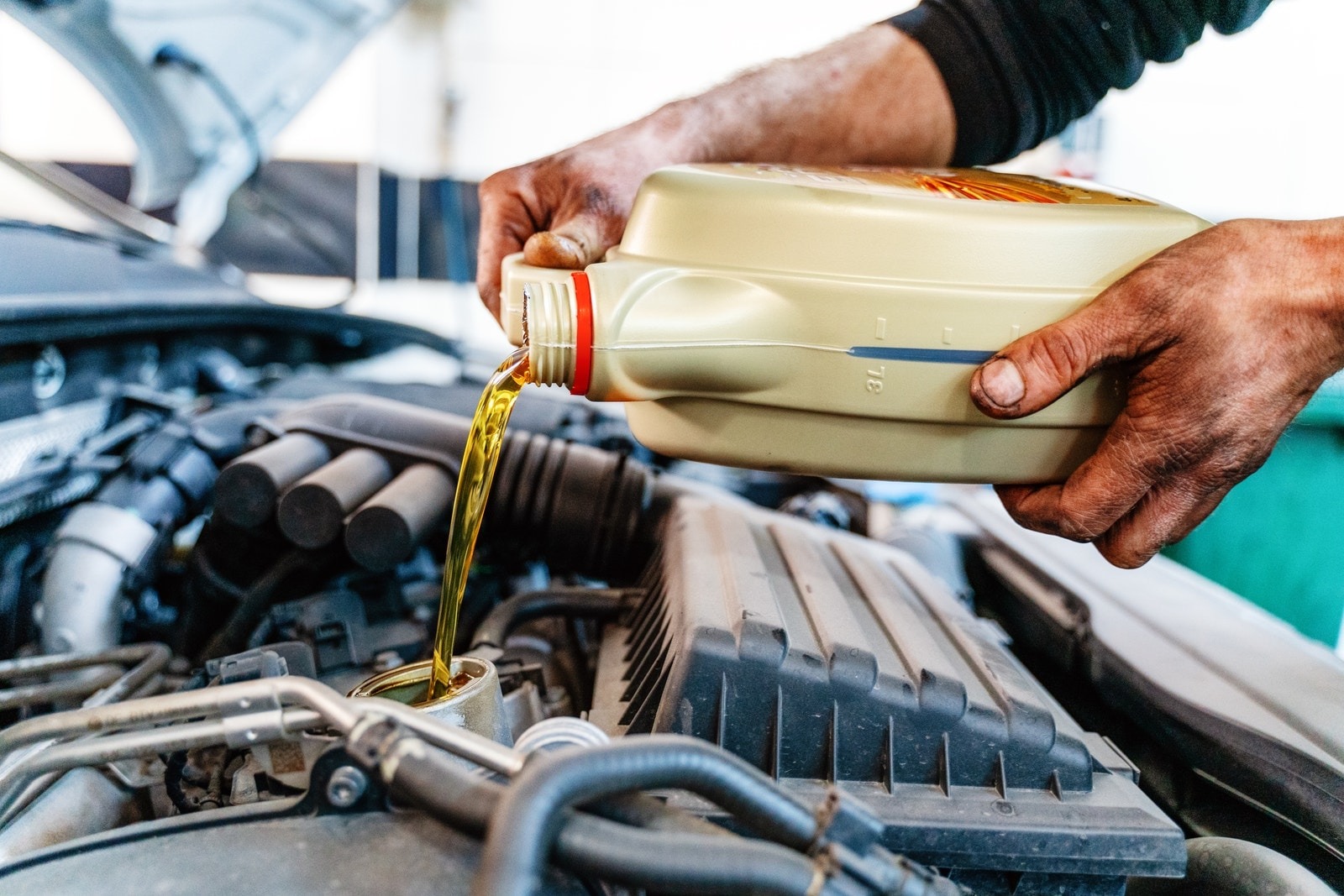
1. Ignoring Routine Oil Changes
One of the quickest ways to ruin a Chevy Impala is by neglecting regular oil changes. Oil is the lifeblood of any engine, and when it becomes dirty or runs low, it no longer performs its job properly. In the Impala, especially in older models or those with high mileage, clean oil is essential to keep internal parts moving smoothly.
Skipping oil changes leads to sludge buildup, which clogs passages, reduces engine efficiency, and accelerates wear. Over time, this can result in engine knocking, overheating, or complete engine failure.
Some owners make the mistake of relying solely on mileage recommendations without considering how they drive. If the Impala is used in stop-and-go traffic, driven in harsh weather, or used for short trips frequently, oil degrades faster. This means the car might need oil changes more often than the manufacturer suggests.
Waiting until the oil light comes on is too late, as that usually indicates a problem already exists. Staying on top of oil changes, checking the dipstick regularly, and listening for unusual engine noises can prevent major issues down the line.
Using the wrong type of oil is another mistake that can shorten the life of the engine. The Impala’s engine is designed to work with specific oil viscosity and quality standards. Choosing cheaper or incompatible oil types might save money at first, but it increases the risk of damage in the long run. It’s also important to replace the oil filter during each oil change to keep contaminants from circulating. A clogged or dirty oil filter can be just as harmful as dirty oil itself.
Finally, some drivers mistakenly believe synthetic oil means they can go much longer without a change. While synthetic oil does offer extended protection, it’s still necessary to follow realistic change intervals based on driving habits and vehicle condition. Regular oil changes are one of the simplest and most affordable ways to protect a Chevy Impala. Ignoring them is one of the most damaging mistakes an owner can make.
2. Overlooking Transmission Fluid Maintenance
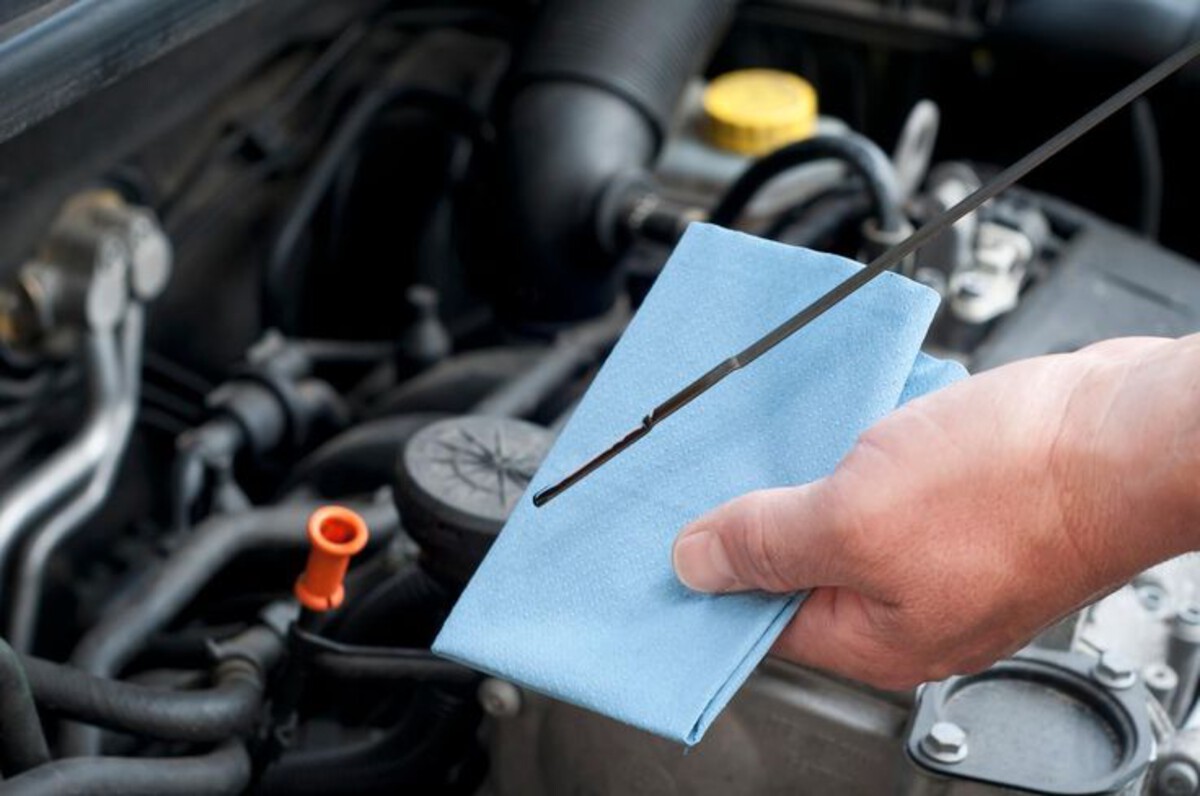
Transmission problems can destroy a vehicle faster than almost anything else, and the Impala is no exception. Many owners don’t realize how critical it is to keep an eye on transmission fluid levels and condition. Transmission fluid lubricates, cools, and helps power the transmission.
If it’s low, dirty, or old, the car will begin to shift roughly, slip between gears, or even refuse to move. These are signs that immediate attention is needed. Ignoring them almost always leads to expensive repairs or total transmission failure.
Transmission fluid needs to be changed according to a schedule, just like engine oil. In many models of the Impala, especially those with automatic transmissions, the fluid should be inspected regularly and changed every 60,000 to 100,000 miles, depending on usage.
People often assume that transmission fluid lasts forever or that it’s a “lifetime fluid,” but that’s rarely true in practice. Heavy loads, stop-and-go driving, and towing can all wear out transmission fluid much faster than expected.
Another common issue is topping off the fluid without actually changing it. This gives a false sense of security. Dirty transmission fluid doesn’t function the same way clean fluid does. It may contain metal shavings, clutch material, and debris that continue to circulate and cause damage. Changing the fluid and filter, rather than just adding more, is the only way to keep the transmission healthy over time.
Finally, using the wrong type of fluid can be just as damaging as not changing it at all. Each Impala model has specific requirements for the type of transmission fluid it uses. Using a general-purpose or incorrect fluid can lead to poor performance and long-term damage.
When the transmission fails, the repair is often so expensive that many owners consider getting rid of the car altogether. Staying on top of fluid changes and using the right products is a critical part of keeping the Impala on the road.

3. Letting Brake Issues Go Unchecked
Brakes are one of the most important safety components on any car, and ignoring brake problems is a serious mistake. The Impala is a heavy car, which means it relies on a properly functioning braking system to stop safely. When owners hear squealing, grinding, or feel a pulsing brake pedal, these are early signs that the brakes need attention. Allowing these signs to go unaddressed can quickly turn a simple pad replacement into a full rotor or caliper replacement.
One of the biggest errors people make is waiting too long to replace brake pads. Pads are designed to wear down over time, but once they’re gone, metal parts begin to grind against each other.
This not only reduces braking performance but also causes damage to the rotors. Replacing rotors is far more expensive than replacing pads, and repeated damage can eventually affect the wheel bearings and other suspension parts. Regular inspections and timely pad replacement help avoid all of this.
Another issue is ignoring the brake fluid. Brake fluid absorbs moisture from the air over time, which reduces its effectiveness. If the fluid becomes too contaminated, it can boil under hard braking, leading to brake fade or failure. This is especially dangerous in emergencies. Flushing and replacing brake fluid every couple of years is a cheap way to keep the braking system functioning properly.
Lastly, some owners install cheap, low-quality brake parts to save money. While this might seem like a good idea in the short term, poor-quality components can wear out faster, cause noise, or provide weak stopping power. The Impala deserves parts that match its weight and performance, especially when it comes to safety. Investing in the right brake components and addressing issues early keeps the car safer and avoids costly repairs.
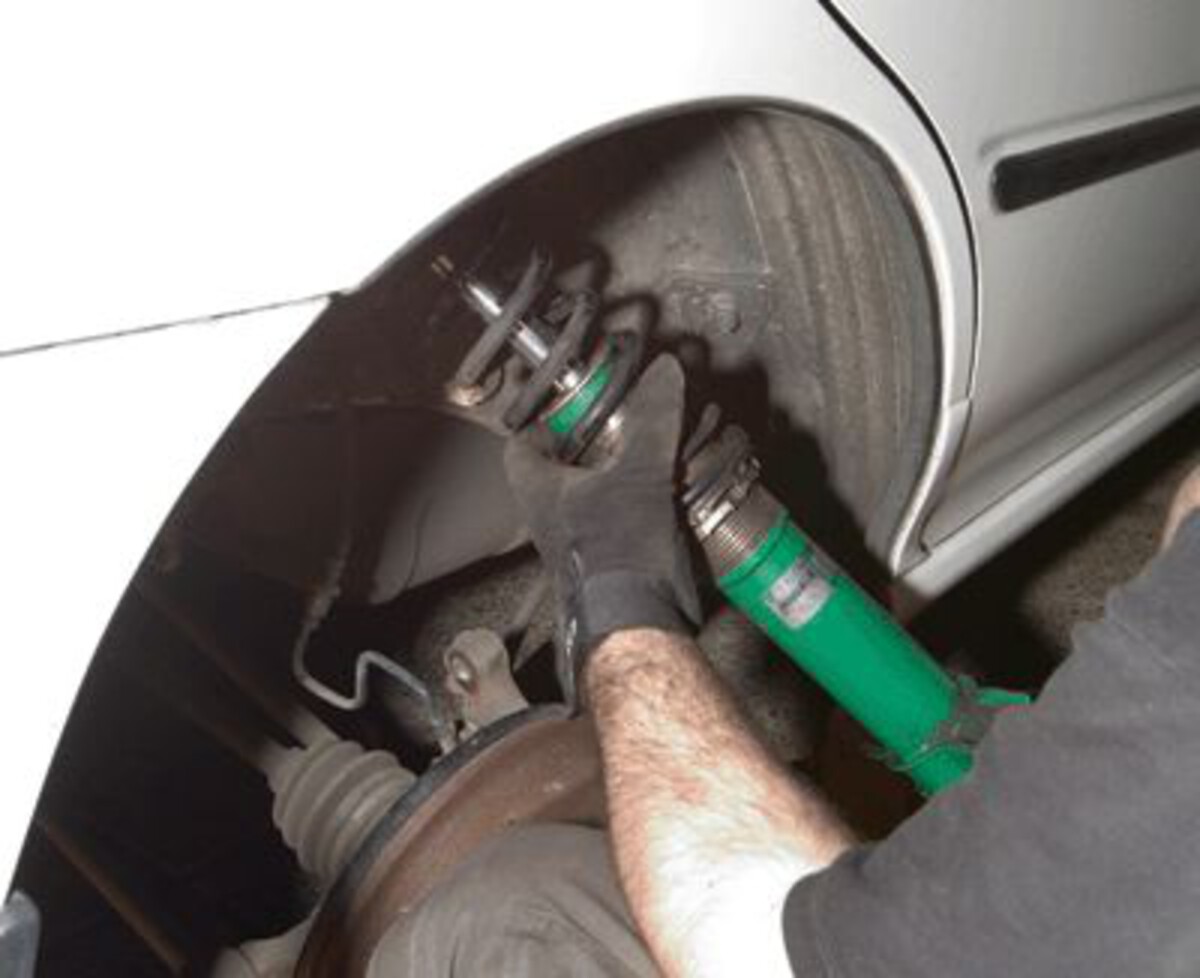
4. Driving With Worn Suspension Components
Suspension problems in a Chevy Impala are often overlooked until they cause bigger issues. The suspension system affects everything from ride comfort to tire wear and steering response.
When components like struts, shocks, or control arms begin to fail, the signs are often subtle at first. A little bouncing over bumps or a small pull in the steering might not seem like a big deal. However, driving on worn suspension parts for too long puts stress on other systems and can become dangerous over time.
One of the common mistakes is ignoring noise from the suspension. Clunks, squeaks, or rattles when driving over uneven surfaces are usually signs that something is loose or worn out. People often assume these noises are harmless or too minor to worry about, but they rarely go away on their own. Over time, loose suspension parts can break or affect steering control, especially at high speeds or during sudden turns.
Another issue is not getting an alignment after replacing suspension parts. When new components are installed, the alignment often changes, which can lead to uneven tire wear and poor handling.
Skipping the alignment is a mistake that results in the new parts wearing out faster and the tires needing replacement sooner than expected. Alignments should also be checked periodically even if no parts have been replaced, especially after hitting potholes or curbs.
Lastly, ignoring the effect of suspension on braking distance is another costly oversight. A sagging or bouncing suspension reduces the tire’s ability to stay in contact with the road during hard braking, increasing stopping distance and the risk of losing control. Replacing worn shocks and struts at the recommended intervals is crucial. While it might not seem urgent at first, maintaining the suspension is essential for both comfort and safety in the long run.
5. Using Cheap or Incorrect Replacement Parts
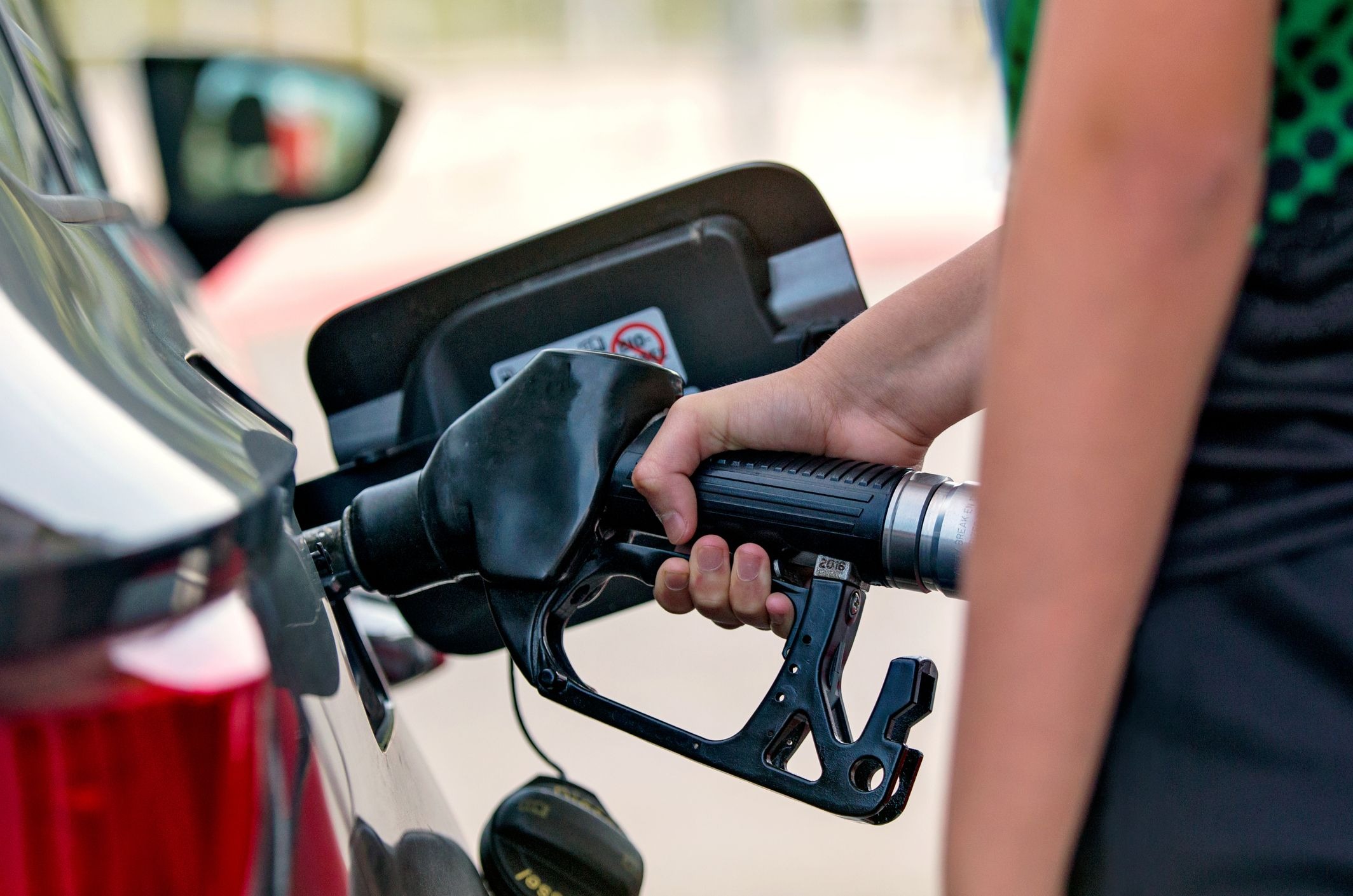
One of the more damaging choices Impala owners make is using cheap or incorrect parts when replacing worn or broken components. While it’s tempting to cut costs on car maintenance, low-quality parts often come with hidden risks that far outweigh the short-term savings.
Whether it’s engine components, sensors, or suspension parts, choosing the wrong items can lead to performance problems, reduced reliability, and more frequent repairs. The Impala, like any vehicle, was engineered with specific tolerances and part specifications in mind. Swapping those out for substandard alternatives can throw off the entire system.
This issue becomes especially important when dealing with electronic or engine management parts. Knock-off sensors or poorly built modules may not communicate properly with the car’s computer system. That leads to incorrect readings, false warning lights, or poor engine behavior.
Even something as simple as a replacement spark plug or mass airflow sensor can cause rough idling, misfires, or a drop in fuel efficiency if it’s not matched correctly to the engine. The problem is that these symptoms aren’t always immediate. A car might seem to run fine at first, but over time, the damage becomes more apparent and more costly.
Another problem is premature failure. Cheaper parts often wear out much faster than OEM (Original Equipment Manufacturer) parts or trusted aftermarket brands. For example, low-end struts or bushings might only last half as long as better-quality parts.
That means the labor for installation, which is usually the more expensive part of the job, ends up being repeated far more often. In the long run, the total cost ends up being higher, even though the initial price tag was lower. Unfortunately, many owners don’t calculate these long-term consequences before making their decisions.
Finally, the use of improper parts can also impact the resale value of the car. When it comes time to sell or trade in the Impala, buyers and mechanics who inspect the vehicle will often notice if aftermarket parts were used inappropriately or if critical components appear mismatched.
That lowers trust and reduces the value of the vehicle. In some cases, it may even void warranties or make it harder to pass emissions tests. It’s always better to spend a little more upfront and use the correct parts than to deal with the costly aftermath of cutting corners.

Also Read: 10 Cars With Tricky Seatbelt Buckles for Elderly Passengers
6. Allowing Cooling System Problems to Persist
The cooling system in a Chevy Impala is crucial for keeping the engine temperature in check. When this system is neglected or allowed to operate with problems for too long, it can lead to severe engine damage. One of the most common issues is a failing thermostat, which might stick open or closed.
If it stays open, the engine runs too cool and may operate inefficiently. If it sticks closed, the engine can overheat rapidly, especially in traffic or during long drives. Either way, ignoring temperature fluctuations or the check engine light is a mistake that leads directly to trouble.
Leaks in the radiator or hoses are another common problem that is often ignored. A small leak might not seem urgent, but coolant loss over time puts the engine at risk. Some drivers just keep adding coolant, thinking they’re maintaining the system, but that doesn’t fix the underlying issue.
Eventually, the leak gets worse, or the cooling system loses pressure, leading to an overheated engine. By then, the damage is often already done. Head gaskets, cylinder heads, and even the engine block can suffer damage from high heat, turning what could have been a small repair into a major financial burden.
It’s also important not to forget about the water pump, which circulates coolant throughout the engine. A failing water pump often gives off subtle warning signs like a small drip under the car, a squealing noise, or overheating during idle. Many people ignore these signs, especially if they go away after the engine is moving.
But if the water pump fails completely, the engine will overheat within minutes. At highway speeds, that kind of overheating can warp internal engine parts almost immediately. Replacing a water pump isn’t cheap, but it’s far more affordable than replacing the entire engine.
Another overlooked part of the system is the coolant itself. Coolant degrades over time and loses its ability to protect the engine from rust, corrosion, and scale buildup. Old coolant becomes acidic and starts damaging the radiator, hoses, and metal components. The Impala’s cooling system should be flushed and refilled every few years to stay in top shape. Letting this task slide is a quiet mistake, but one that leads to slow and steady damage that most owners won’t even notice until it’s too late.
7. Driving on Worn or Unbalanced Tires
The tires on a Chevy Impala do more than just support the car; they’re critical to safety, performance, and fuel economy. Driving on worn or unbalanced tires can lead to a host of problems, some of which may not be obvious until they’ve already caused damage.
Worn tires reduce traction, especially in wet or slippery conditions, making the vehicle more difficult to control. In a heavier car like the Impala, which already requires more distance to stop, poor tires increase that distance even further, creating a dangerous situation in emergency braking.
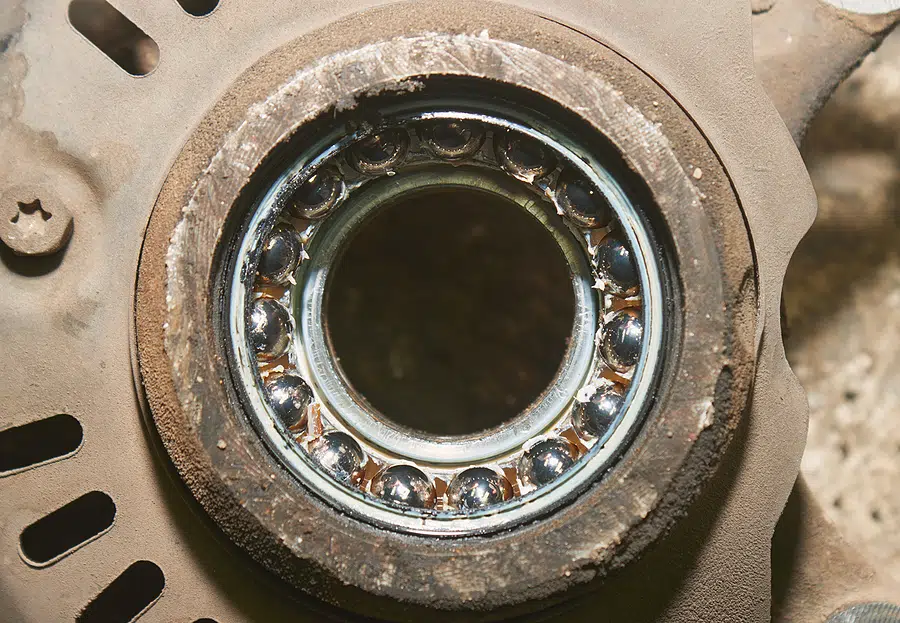
Unbalanced tires create vibrations that affect more than just ride comfort. That shaking translates into extra wear on suspension components, steering parts, and even the wheel bearings. Over time, these vibrations can lead to premature failure of these systems, all of which are costly to repair.
Many owners mistake the vibration as a small annoyance or something they can ignore, not realizing the damage it’s slowly causing underneath. A proper tire balance is a simple, affordable service that can prevent hundreds of dollars in repairs down the line.
Tire alignment is another overlooked factor. If your Impala’s wheels are not properly aligned, the tires will wear unevenly and much faster than they should. Misalignment also causes the car to pull to one side, which leads to driver fatigue and further mechanical wear.
Even worse, it reduces fuel efficiency since the car is constantly fighting resistance from dragging tires. Many drivers go years without an alignment check, only getting one after they’ve replaced tires that wore out far too early. This avoidable mistake adds significantly to the total cost of ownership.
Lastly, incorrect tire pressure is a silent killer. Underinflated tires reduce gas mileage, overheat more easily, and can fail under stress. Overinflated tires wear unevenly and provide poor road grip, increasing the risk of hydroplaning or loss of control. Many Impala owners forget to check tire pressure regularly or assume the car’s sensor will always catch it.
However, sensors can fail or misread, and seasonal temperature changes affect pressure dramatically. Regular tire checks and proper maintenance go a long way toward keeping the Impala running efficiently and safely.
8. Failing to Address Electrical Issues Early
Electrical problems in the Chevy Impala, particularly in newer models, are often dismissed or overlooked. Many people assume that flickering dashboard lights, a slow-starting engine, or a glitchy radio are minor annoyances rather than symptoms of larger issues. However, modern vehicles rely heavily on electronic systems to manage everything from engine timing to braking assistance. Ignoring the early signs of electrical trouble is a common mistake that can lead to serious system failures down the road.
One of the most frequent issues arises from a failing battery or alternator. The symptoms can be subtle at first, maybe a dim headlight or a slow crank when starting the car. Left unchecked, these signs can evolve into a dead battery on the side of the road or a complete electrical failure while driving.
A weak alternator may still power the car for a short time, but eventually it will fail to charge the battery, cutting off power to all electrical systems. For a car like the Impala, which relies on electronics for critical safety systems, this kind of failure can be dangerous.
Faulty sensors are another area where owners often ignore the signs. The Impala is equipped with multiple sensors that control things like fuel injection, emissions, and even transmission shifting. A failing oxygen sensor, for example, may cause the engine to run rich or lean, damaging the catalytic converter over time.
Similarly, a bad throttle position sensor can cause poor acceleration or stalling. These problems don’t always trigger a clear warning light right away, which is why unusual performance issues should never be ignored.
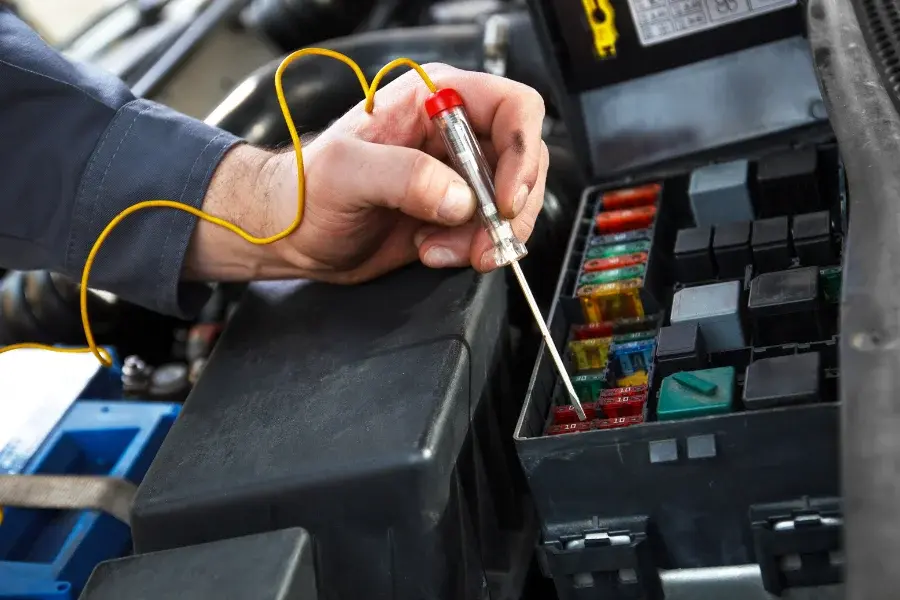
Wiring issues, particularly in older models or cars exposed to moisture, can also be problematic. Rodents, corrosion, or wear and tear can lead to shorts, blown fuses, or erratic behavior in electrical components. Unfortunately, tracking down wiring issues can be time-consuming and expensive.
Many owners let these issues linger, especially if the car still starts and drives. However, waiting too long can lead to more serious consequences and higher repair bills. The best way to protect the Impala’s electrical system is to act early when signs of trouble first appear.
9. Neglecting the Fuel System
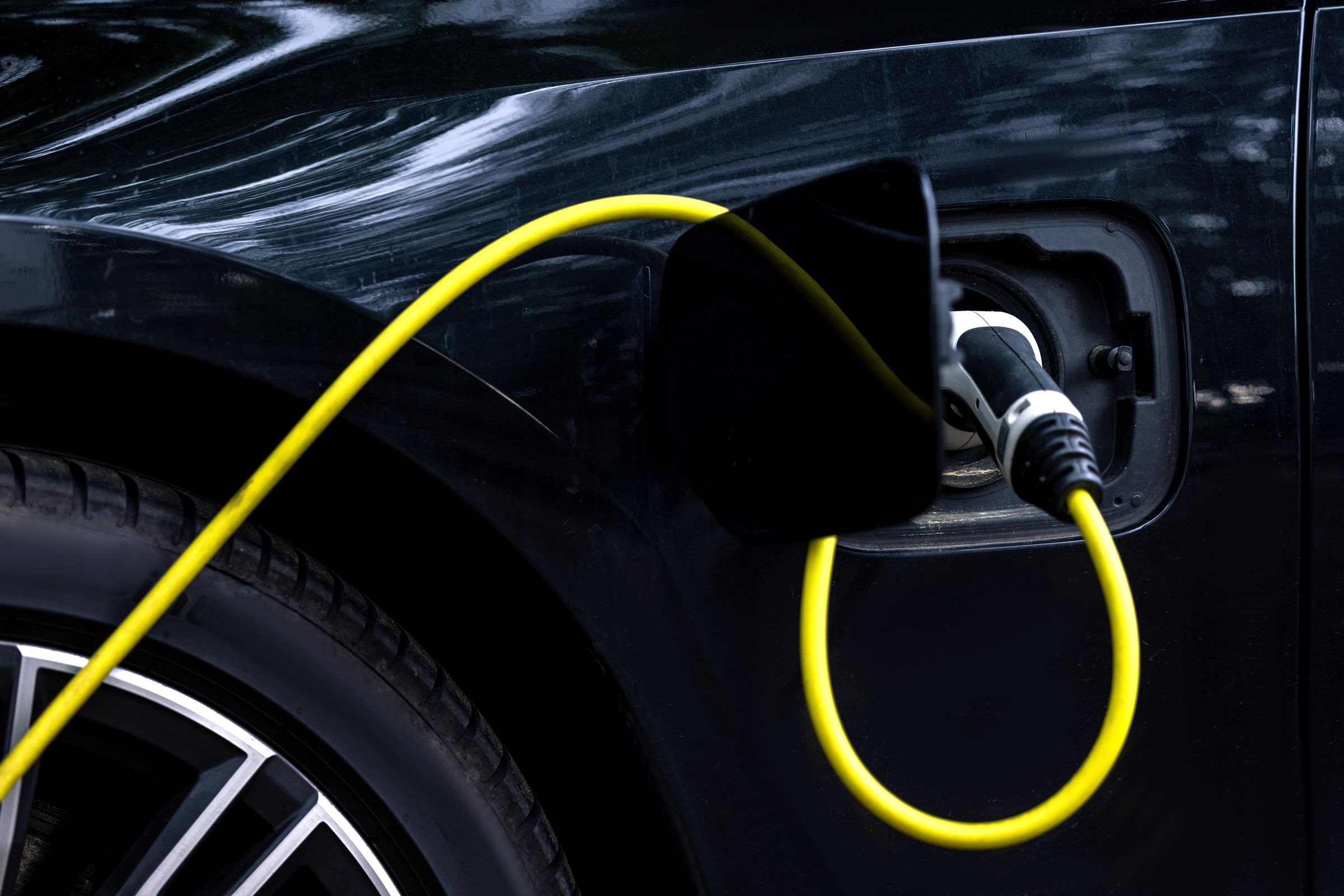
The fuel system in a Chevy Impala plays a key role in how well the engine performs, how efficiently it runs, and how long it lasts. Unfortunately, many owners neglect this system until problems become noticeable. One of the most common mistakes is running the car consistently on a nearly empty tank.
While it might seem harmless, this habit forces the fuel pump to work harder and increases the chances of it overheating or wearing out prematurely. The fuel pump is cooled and lubricated by the gasoline in the tank, so when the fuel level is low, the pump isn’t properly protected.
Another issue is using low-quality gasoline or the wrong octane rating. The Impala is designed to run on a specific fuel grade, and ignoring this can lead to knocking, poor acceleration, and long-term engine damage.
Cheaper fuel may also contain higher levels of ethanol or contaminants, which over time can clog fuel injectors and reduce engine efficiency. Some drivers choose the cheapest gas available out of habit or to save money, not realizing the added strain it puts on the system. Over time, poor fuel quality can lead to a rough idle, hard starts, and reduced performance.
Dirty or clogged fuel filters are another often-overlooked problem. As fuel flows through the system, the filter catches debris and contaminants to protect the injectors and engine. However, once the filter is saturated, fuel flow is restricted, which can cause the engine to hesitate, stall, or run lean. In older models or high-mileage Impalas, replacing the fuel filter is critical.
Yet many owners don’t think about the filter until they’re dealing with major performance issues, even though replacing it is a relatively simple and low-cost maintenance task.
Finally, fuel injector maintenance is often ignored until drivability problems appear. Over time, injectors can become dirty or partially blocked, leading to misfires, poor throttle response, and reduced fuel economy. Some owners try to solve the issue with fuel additives alone, which sometimes helps but isn’t a guaranteed fix.
A professional cleaning is sometimes needed to fully restore injector performance. Maintaining the entire fuel system, from tank to injectors, not only keeps the engine running smoothly but also helps prevent larger problems that can lead to costly repairs or breakdowns.
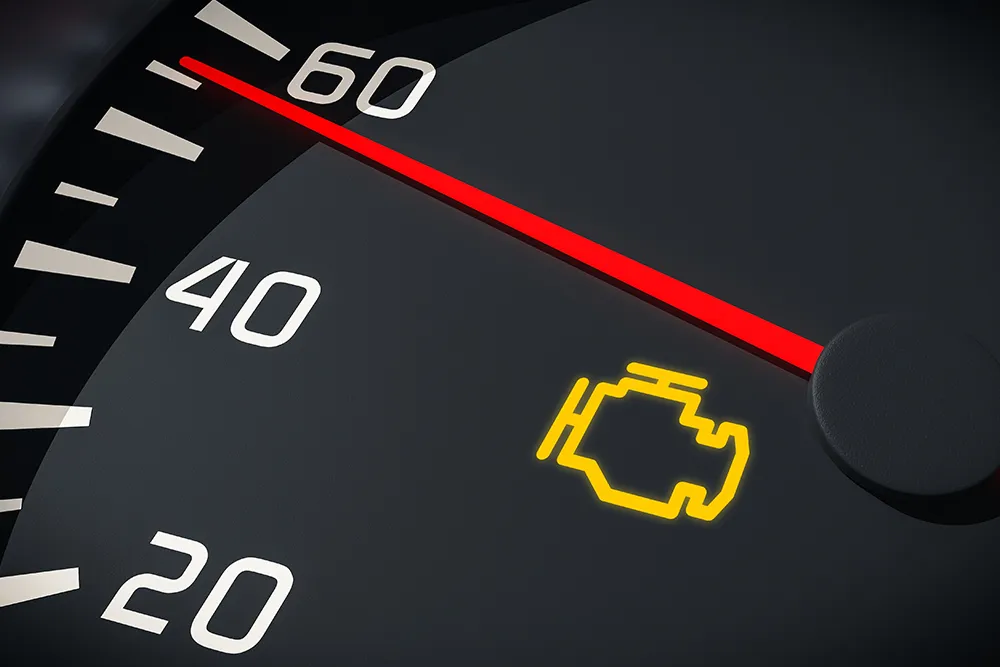
10. Postponing Check Engine Light Diagnostics
One of the most common and dangerous mistakes Impala owners make is ignoring the check engine light when it comes on. Some people continue to drive the car for weeks or even months with the light glowing on the dashboard, assuming it’s just a minor sensor or something that can wait.
But that light exists for a reason, and it’s often the first and only warning a driver will get before a serious issue develops. When left unchecked, what started as a small problem can quickly become a major engine or transmission failure.
A frequent reason people postpone diagnostics is cost. They worry that taking the car to a mechanic will lead to an expensive repair bill, so they avoid it entirely. However, diagnostic scans are usually inexpensive and can pinpoint the exact issue early, which saves money in the long run.
For example, a misfiring cylinder could be caused by a faulty coil or plug, which is cheap and easy to fix. But ignoring it can damage the catalytic converter, one of the most expensive parts in the exhaust system. So waiting doesn’t save money, it usually leads to a much bigger repair.
Another reason this light is often ignored is confusion or misunderstanding. Some drivers assume that as long as the car is running fine, the light must not be important. But many engine management issues don’t affect performance right away.
The computer system may detect a problem with emissions, timing, or fuel delivery that isn’t yet noticeable to the driver. By the time symptoms like rough running or reduced power appear, the issue may have already caused lasting damage. Trusting that the car “feels fine” isn’t a reliable method of diagnosis.
Even worse, some owners try to clear the light themselves using cheap code readers or apps, without fixing the underlying issue. While this might make the dashboard look better temporarily, it does nothing to address the actual problem.
In fact, it can interfere with future diagnostics by resetting long-term data the computer needs to identify problems accurately. The check engine light is not something to ignore, guess at, or reset without proper investigation. Paying attention to it early can mean the difference between a $60 repair and a $3,000 one.
