

The Ford Ranger has earned its place as one of the most reliable and versatile midsize trucks in the world. Known for its durability, power, and performance on and off the road, it appeals to both urban drivers and outdoor enthusiasts.
Yet, even the toughest vehicles need care and smart maintenance strategies to remain dependable over the long haul. It’s not just about changing the oil or rotating the tires. To truly keep a Ford Ranger in excellent condition for its lifetime, the owner needs to take a more deliberate approach focused on safety, longevity, and efficiency.
The concept of vehicle safety is usually associated with airbags, anti-lock braking systems, or crash ratings. While those features are important, they only tell part of the story. The safety of a vehicle over its lifetime is influenced by the way it’s driven, how it’s maintained, and the attention given to small details that often go unnoticed.
With a truck like the Ranger, which is frequently used for hauling, towing, and navigating less forgiving terrain, the stakes are even higher. Failure to maintain critical components can compromise not only performance but also the safety of the driver and passengers.
Preventative action is always cheaper and safer than reactive repairs. Catching problems before they escalate into failures can make all the difference in how long the vehicle serves its purpose. It also contributes to reducing ownership costs over time.
The goal is not just to avoid breakdowns, but to ensure that the vehicle remains just as safe and trustworthy 10 or 15 years down the line as it was when it first left the dealership. That kind of long-term performance is never an accident. It requires smart decisions, good habits, and a consistent strategy.
Below are ten smart moves that every Ford Ranger owner can take to ensure their truck remains safe for life. These moves go beyond basic upkeep. They focus on proactive measures that enhance safety, preserve mechanical integrity, and prevent expensive problems before they ever begin. Whether your Ranger is fresh off the lot or already a seasoned veteran, these steps can extend its life and protect everyone who rides in it.
Also Read: 10 Cars With Tricky Seatbelt Buckles for Elderly Passengers
1. Regular and Timely Fluid Checks
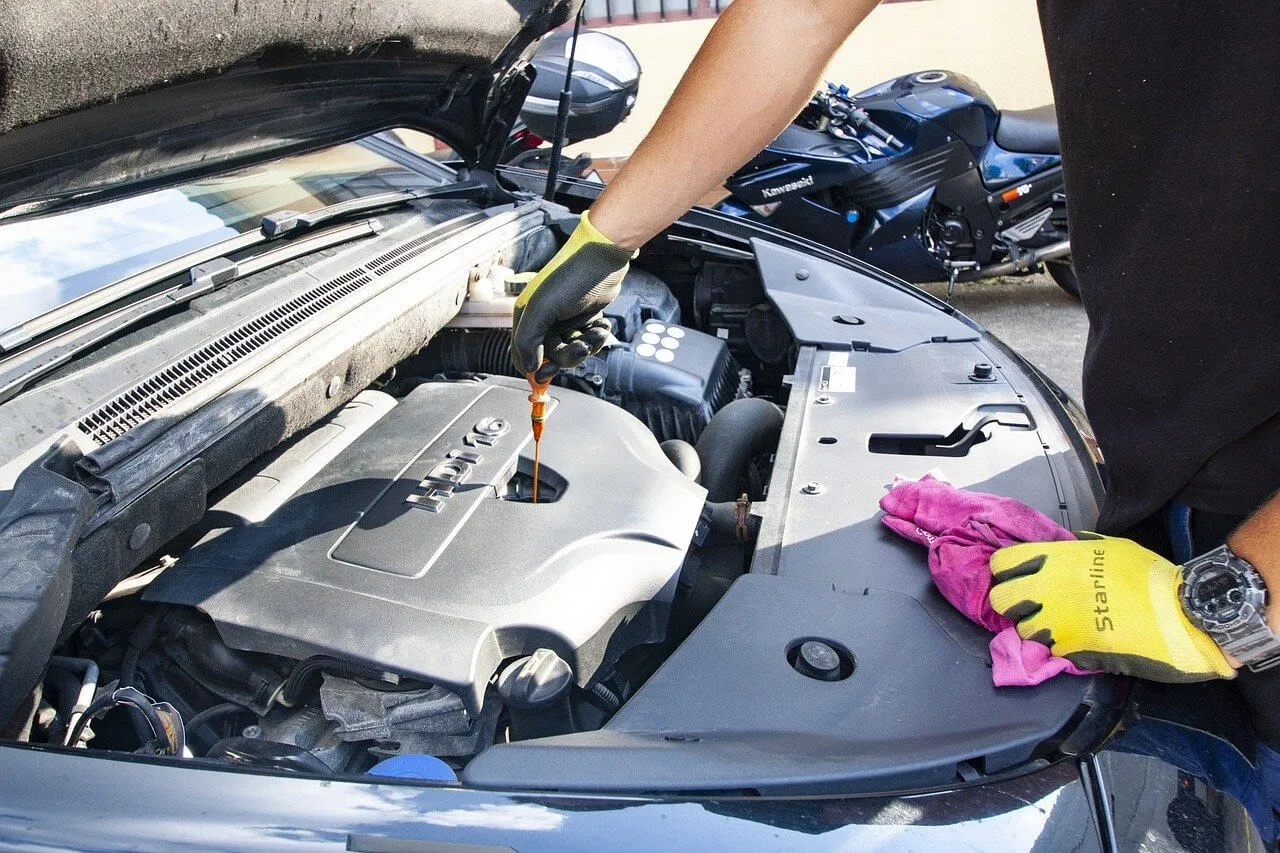
The various fluids in your Ford Ranger serve as the lifeblood of its systems. Engine oil, transmission fluid, coolant, brake fluid, and power steering fluid all play distinct roles in keeping the vehicle running safely. One of the simplest yet most effective ways to maintain safety is to regularly check and replace these fluids as needed.
Even the highest-quality synthetic oil loses effectiveness over time. Neglecting to change it can result in increased engine wear, overheating, and in extreme cases, engine failure. Keeping oil fresh means the engine remains lubricated and cool, which directly affects driving safety.
Transmission fluid is another often-overlooked component. This fluid ensures smooth gear shifts and prevents excessive wear in the transmission system. If you notice delayed shifting or grinding, it’s a sign that the fluid might be low or degraded.
In vehicles like the Ranger, which may be used to tow or drive off-road, the transmission works under more stress than usual. Fresh, high-quality fluid can reduce the risk of overheating and failure. A properly shifting transmission ensures better control, which directly improves driving safety, especially in critical moments when quick response is required.
Coolant is essential for maintaining engine temperature, especially during long drives or in hot weather conditions. An overheated engine can seize, crack, or cause a complete breakdown. Worse, it can leave you stranded in unsafe conditions. Monitoring coolant levels and replacing it periodically keeps the engine operating within a safe temperature range.
It’s not just about preventing mechanical failure; it’s also about ensuring the vehicle doesn’t overheat in traffic, on highways, or while hauling heavy loads.
Brake fluid might be the most safety-critical fluid of them all. It enables the hydraulic system to apply pressure to your brakes. Old or contaminated brake fluid can introduce air into the lines, leading to spongy pedal response or even brake failure. By replacing it according to the service schedule or when performance declines, you maintain the integrity of your braking system. For a truck that often carries cargo or drives in challenging conditions, responsive brakes are essential.
2. Maintain Tire Quality and Pressure
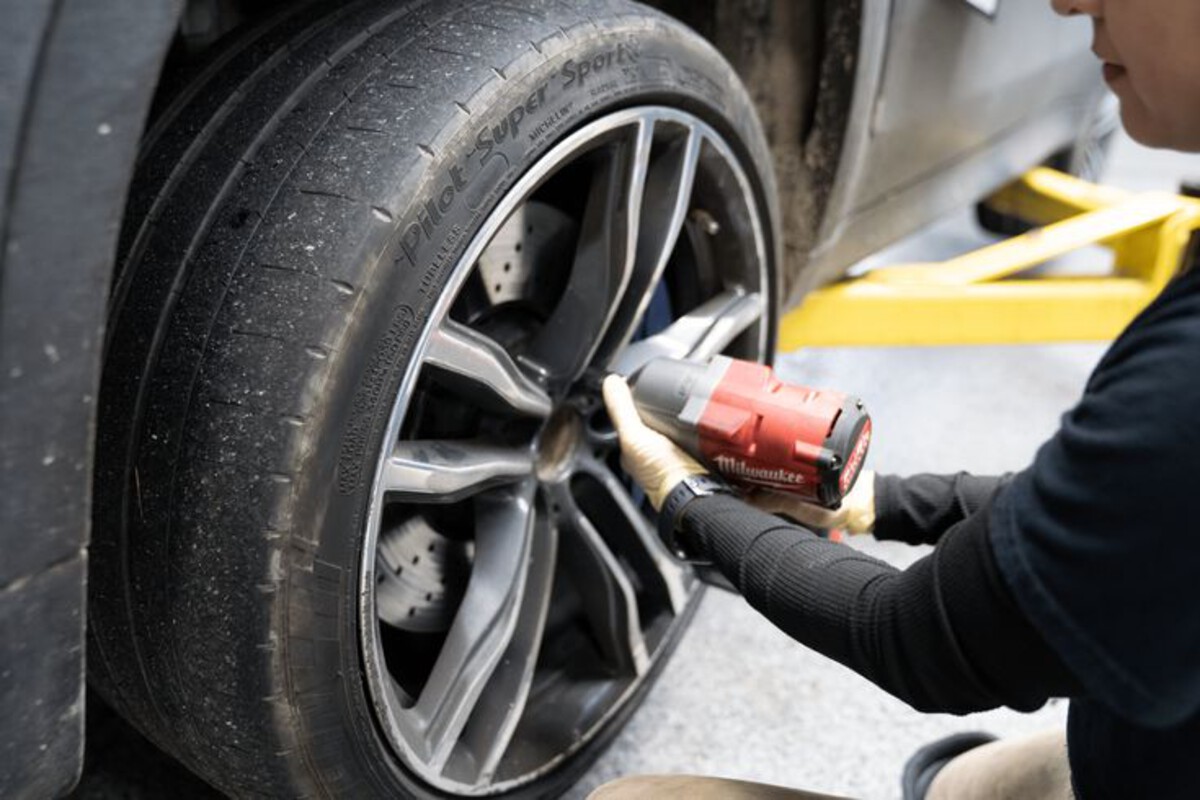
Tires are the only contact point between your Ford Ranger and the road. Their condition significantly impacts traction, braking, steering, and fuel efficiency. Worn-out tires can lead to dangerous hydroplaning, poor stopping distance, and a higher risk of blowouts. Regularly inspecting your tires for signs of wear, damage, and uneven tread is one of the easiest safety measures you can take. It’s not just about having good tires; it’s about having the right tires for the season and your driving environment.
Proper tire pressure is often overlooked but has a major effect on safety. Low tire pressure can cause the sidewalls to flex too much, leading to blowouts or loss of control. Overinflated tires reduce traction, especially in wet conditions.
The recommended pressure is not a suggestion; it is a calculated balance that maximizes grip, handling, and durability. Checking tire pressure at least once a month can prevent problems before they happen. In cold weather, pressure drops faster, so winter months require even closer monitoring.
Another key aspect of tire maintenance is alignment and rotation. Misaligned wheels can cause uneven tire wear, pull the vehicle to one side, and reduce fuel efficiency. Over time, this can make the Ranger harder to handle, especially at high speeds or on slick roads. Rotating tires every 6,000 to 8,000 miles promotes even wear and extends tire life. It also ensures consistent performance from all four wheels, which is essential for safety in emergency maneuvers or rough terrain.
Choosing the right tires for your driving conditions is also a strategic move. All-terrain tires may be suitable for those who frequently drive off-road or tow heavy loads, while highway tires offer better mileage and comfort for city driving. In snowy regions, winter tires are not optional if safety is the priority. Using seasonally appropriate tires maximizes grip and control, reducing the chance of accidents caused by poor traction or skidding.
3. Inspect and Maintain the Braking System
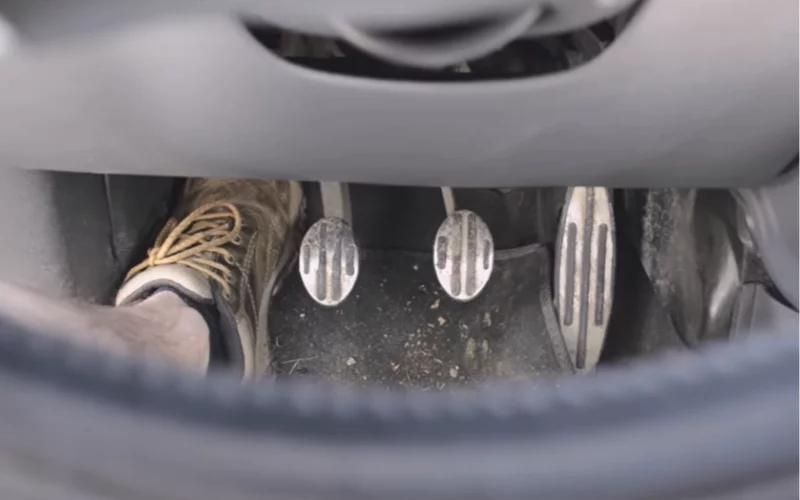
The braking system is arguably the most critical safety component in any vehicle, and the Ford Ranger is no exception. As a vehicle often used for hauling and towing, it puts greater demand on its brakes compared to sedans or smaller cars. Ensuring that all parts of the braking system are functioning optimally is not a luxury but a necessity.
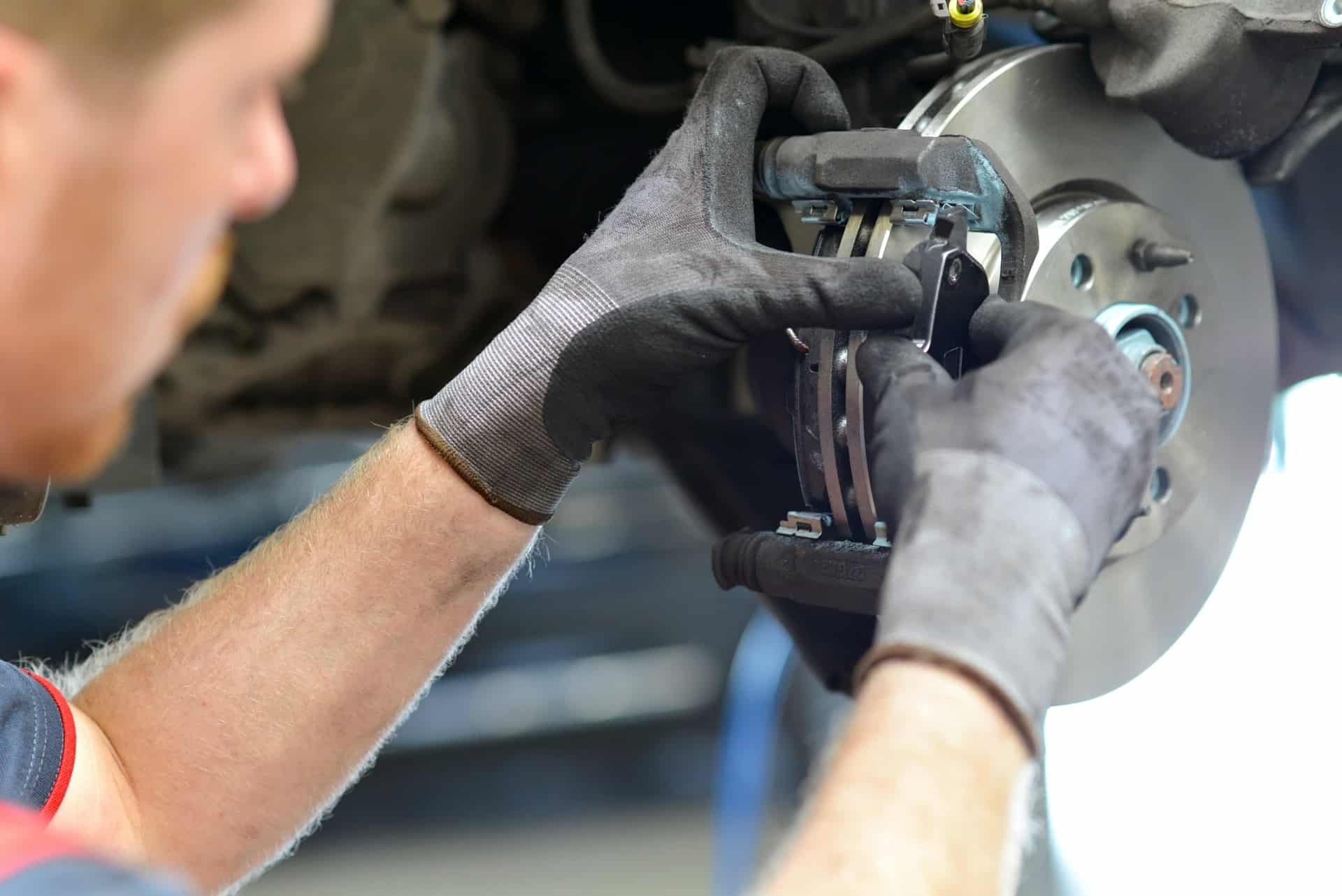
Regular inspection of brake pads, rotors, and calipers should be part of your maintenance routine. Worn-out pads not only reduce braking effectiveness but can also damage the rotors, leading to more expensive repairs and compromised safety.
Brake rotors should be checked for grooves, warping, or excessive thinning. Warped rotors can cause vibrations or pulsating when braking, which may reduce control and increase stopping distances. If you’re hearing squealing or grinding sounds when braking, that’s a clear signal that the system needs attention. Replacing components before they completely fail is crucial. Waiting too long may put you in a dangerous situation, especially if the brakes fail while towing or navigating steep roads.
Brake fluid, as mentioned earlier, is another part of this system that should not be ignored. Moisture can build up in the brake fluid over time, reducing its effectiveness and leading to corrosion inside the system.
This can cause soft braking, inconsistent pressure, or even total failure under stress. Brake fluid should be flushed and replaced according to the vehicle’s maintenance schedule. A clean, well-sealed system gives you responsive braking every time you press the pedal.
Finally, it’s wise to consider driving habits that preserve brake health. Avoid constant hard braking, especially when driving downhill. Use engine braking where possible, and maintain safe following distances to reduce the need for sudden stops. These habits don’t just protect the braking system; they make driving safer and more predictable. For a truck like the Ranger, especially when loaded, brake management can be the difference between safety and disaster.
4. Monitor Suspension and Steering Components
The suspension and steering systems play a major role in vehicle safety, especially when it comes to handling and stability. If either system becomes compromised, the ability to control the Ford Ranger under normal or emergency conditions can be significantly reduced.
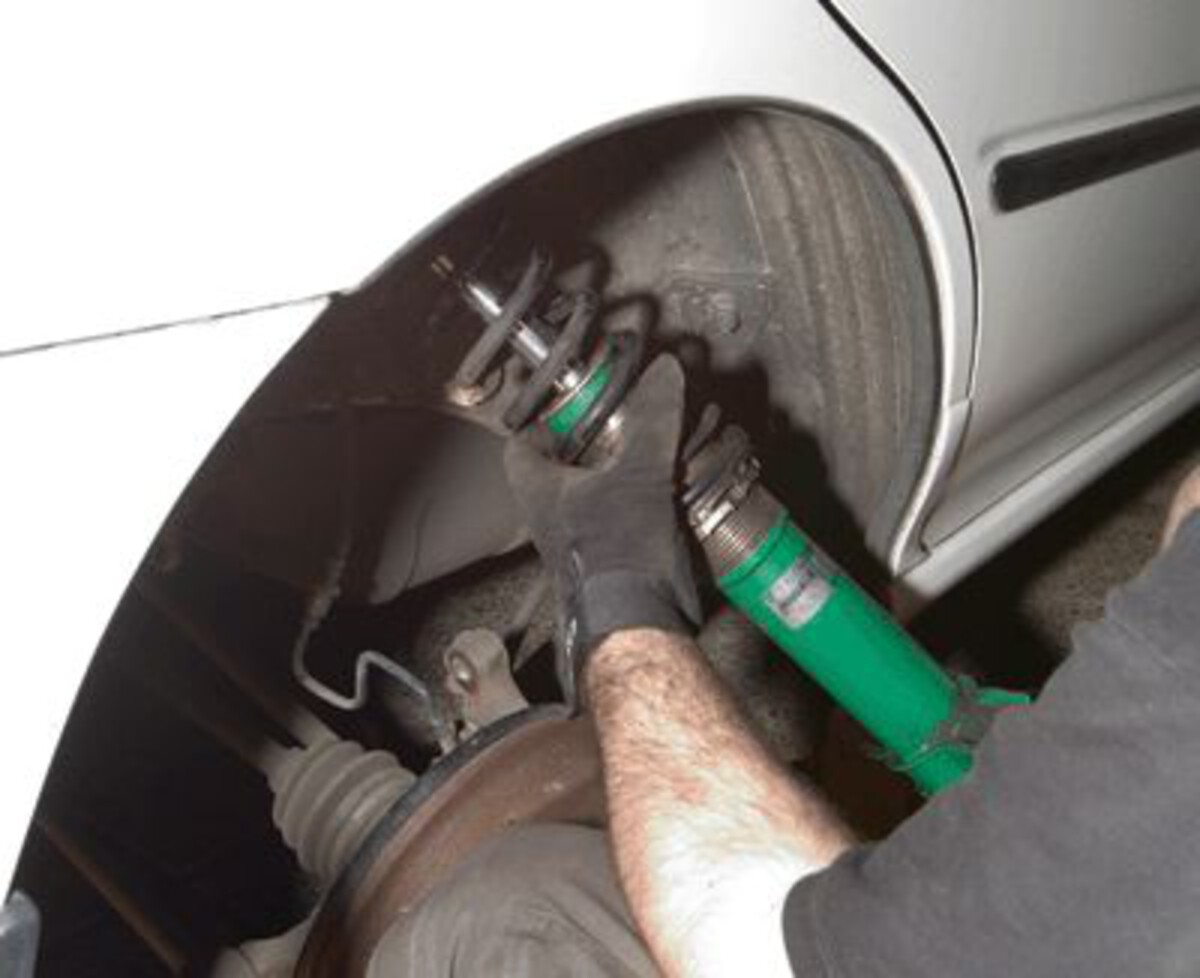
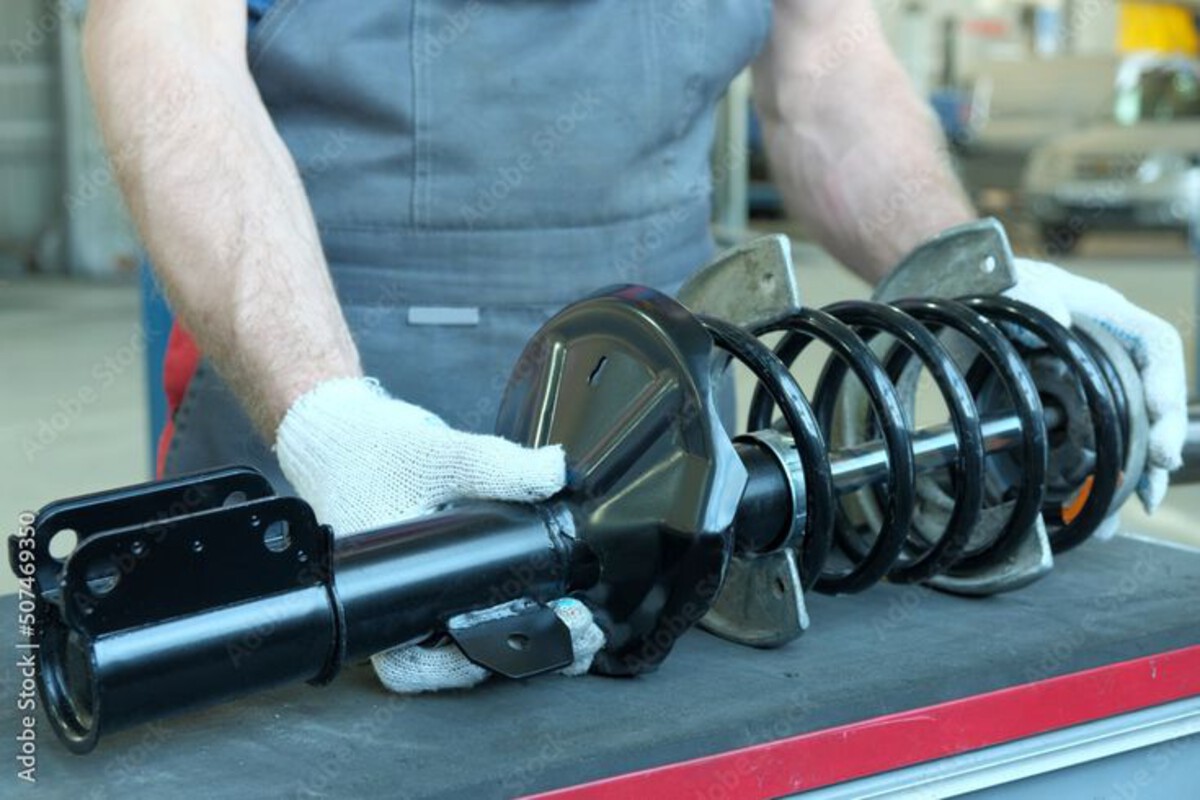
Components like shocks, struts, tie rods, and ball joints work together to ensure that the truck handles predictably and comfortably, regardless of terrain. Worn or damaged parts can lead to poor alignment, increased tire wear, and unstable steering responses.
Shocks and struts help to absorb the energy from road imperfections, ensuring the tires maintain contact with the ground. When these components are worn out, the vehicle may bounce excessively, sway on turns, or dip sharply during braking. This not only compromises comfort but also reduces traction and response time in sudden maneuvers. Regular inspection can help identify leaks, wear, or weakened performance in these components before they cause larger problems.
Steering components such as the rack and pinion, tie rods, and steering linkage must also be maintained. If steering feels loose, noisy, or unresponsive, there may be play in the system or worn parts that require replacement.
Ignoring these early warning signs could result in complete steering failure. A misaligned or faulty steering system reduces your ability to make quick adjustments, especially when avoiding obstacles or navigating sharp turns at speed.
Another important but often overlooked component is the wheel bearing. Worn wheel bearings can cause noise, wheel wobble, and uneven tire wear, all of which compromise safety. They also put stress on other suspension components.
Detecting a failing bearing early, often through changes in noise or handling, can prevent more severe damage and improve driving safety. Regular maintenance and inspections of suspension and steering parts are vital to keeping the Ford Ranger responsive and stable on all road surfaces.
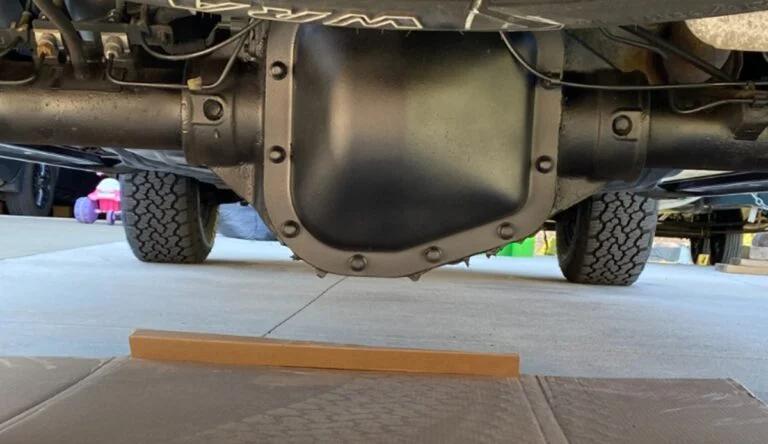
5. Keep the Undercarriage Clean and Protected
The undercarriage of the Ford Ranger takes a beating, especially in off-road or winter conditions. Mud, road salt, and debris can accumulate underneath the truck, leading to corrosion, rust, and deterioration of critical components like brake lines, the exhaust system, and frame.
Keeping the underside of the vehicle clean is a simple but smart move that many drivers overlook. Washing the undercarriage regularly helps preserve the integrity of these parts and improves long-term safety.
Road salt is especially damaging. In cold climates, salt is used to melt ice on roads, but it sticks to the undercarriage and rapidly accelerates rusting if not cleaned off.
Rust on the frame or suspension can weaken the structure and even cause parts to fail under pressure. Over time, rusted brake lines can leak, resulting in total brake failure. Fuel lines and other metal components are equally vulnerable. A simple wash after driving in salty or muddy conditions can prevent thousands in future repairs.
Another protective step is to apply undercoating or rust-proofing treatments. These add a barrier against moisture and salt, especially during winter or wet seasons. While some vehicles come with factory coatings, reapplying protective layers every few years ensures continued defense against corrosion. These treatments aren’t just cosmetic; they directly affect the durability and reliability of key systems under the vehicle.
Visual inspections of the undercarriage should be performed at regular intervals. Look for signs of rust, loose hardware, damaged shields, or leaking fluids. Any leaks from the transmission, engine, or fuel system should be addressed immediately.
Small problems under the truck can escalate quickly if ignored. For those who take their Ranger off-road or drive through water crossings, checking for trapped debris and damage becomes even more important. A clean and protected undercarriage is safer and extends the life of the vehicle.
Also Read: 5 Cars with Climate Control That Works vs 5 That’s Just for Show
6. Update and Calibrate Safety Systems
Modern Ford Rangers come equipped with various safety systems designed to assist the driver and prevent accidents. These include features such as traction control, lane-keeping assist, automatic emergency braking, rearview cameras, and blind-spot monitoring. While these systems offer valuable support, they must be kept in proper working order to be effective. Calibration, software updates, and sensor maintenance are essential to ensure these tools provide the safety they’re designed for.
Traction and stability control systems rely on sensors located in the wheels and steering components. If these sensors are dirty, misaligned, or damaged, the system may respond incorrectly or not at all. Regular diagnostic checks can help identify faults in these systems before they compromise performance. Warning lights on the dashboard should never be ignored, even if the vehicle seems to drive normally.
The rearview camera and parking sensors are particularly helpful in preventing minor accidents, especially in crowded urban environments. However, they are susceptible to dirt and damage. Cleaning these sensors regularly ensures a clear image and accurate distance readings.
If the camera becomes blurry or the sensors are unresponsive, they should be repaired or replaced promptly. These features may not seem critical, but they provide an extra set of eyes that can prevent costly or dangerous mistakes.
Software updates are often released by the manufacturer to improve performance, fix bugs, or enhance safety systems. These updates can be done during routine service appointments or through over-the-air updates, depending on the model year. Keeping the system software current is just as important as checking hardware components. It ensures compatibility with new technology and helps the systems respond appropriately in real-world scenarios.
Some advanced features like adaptive cruise control or lane-keeping assist require professional calibration after repairs, tire changes, or alignment work. Failing to recalibrate can lead to false alerts or improper intervention by the system. Ensuring that all driver-assist tools are functioning properly increases safety and gives peace of mind during every drive. Technology is only as good as the care taken to maintain it.

7. Drive Conservatively and Responsibly
Driving habits have a long-term effect on the health and safety of a vehicle. Aggressive driving such as rapid acceleration, hard braking, sharp cornering, and speeding puts excessive stress on critical systems.
Over time, this behavior leads to premature wear and increases the risk of mechanical failure. Adopting a conservative driving style is not just better for the truck’s longevity; it also keeps the driver and passengers safer.
Smooth acceleration allows the engine and transmission to operate within ideal parameters. This reduces strain on belts, fluids, and internal parts. Hard acceleration, especially when the engine is cold, increases wear and can lead to overheating. For a Ranger that may carry extra weight or tow trailers, smooth throttle input becomes even more important to preserve drivetrain components.
Braking habits matter just as much. Repeated hard braking can warp rotors, glaze brake pads, and overheat brake fluid. These issues reduce stopping power and increase the chance of failure during emergencies. By maintaining safe distances and anticipating stops, a driver reduces the need for abrupt braking. In addition, letting the vehicle coast before applying the brakes gives more time for the system to work gradually and efficiently.
Cornering at high speeds stresses the suspension, tires, and chassis. It also increases the risk of rollover in a high-riding truck like the Ranger. While the vehicle is designed to handle various terrains, driving it like a sports car is not a wise strategy. Slower turns, careful lane changes, and awareness of weight distribution are essential habits that keep the truck planted and under control.
Responsible driving habits are especially important when towing. The added mass changes stopping distances and affects handling. Safe towing includes proper load distribution, slower speeds, and earlier braking. Using tow-haul mode, where available helps maintain control on grades and prevents transmission strain. Whether empty or loaded, driving responsibly is one of the smartest safety strategies a Ranger owner can practice every day.
8. Stick to a Consistent Maintenance Schedule
One of the most important long-term strategies for keeping a Ford Ranger safe is following a consistent and thorough maintenance schedule. Many drivers fall into the trap of only addressing problems when something goes wrong.
This reactive approach may seem sufficient in the short term, but it often leads to bigger failures, more expensive repairs, and increased safety risks. Preventive maintenance is the key to avoiding unexpected breakdowns and ensuring that every part of the vehicle performs as intended. Even systems that seem fine on the surface can be hiding wear or degradation that only regular inspections can catch.
Scheduled maintenance isn’t just about oil changes. It involves a detailed list of checks and services based on mileage and time, such as replacing belts and hoses, inspecting drive components, topping off fluids, checking the battery, and testing the HVAC system.
These small actions, when done consistently, prevent wear from turning into damage. For example, catching a cracked belt before it snaps can avoid being stranded in traffic or losing power steering or cooling function while driving. A small leak in a hose, when caught early, is a cheap fix. If ignored, it could lead to overheating and possible engine damage. These things are not always obvious, but a professional technician will know how to spot them during a routine checkup.
Adhering to a schedule also helps document the vehicle’s health, which is important if any warranty claims are needed. If a component fails under warranty but the maintenance schedule was not followed, the claim could be denied. Keeping detailed service records creates a clear history that proves the vehicle has been cared for responsibly.
This documentation also boosts resale value if the truck is ever sold or traded in. A well-maintained vehicle is far more attractive to buyers than one with missing records or gaps in service.
Most importantly, a consistent maintenance plan increases peace of mind. When you’re driving a well-maintained Ford Ranger, you can trust that the brakes will work when you need them, the tires will hold in bad weather, and the engine will respond during heavy loads or long road trips.
That confidence is critical when transporting your family, hauling heavy cargo, or traveling in remote areas. A truck that’s been regularly serviced will serve longer, drive safer, and perform better in every situation. Maintenance isn’t just about the vehicle’s lifespan, it’s about protecting the driver and passengers every time they hit the road.
9. Protect Electrical Systems and Battery Health
The electrical system in the Ford Ranger plays a crucial role in everything from starting the engine to operating safety features like airbags, stability control, lighting, and sensors. A failure in the electrical system can leave you stranded or compromise critical safety features at the worst possible moment.
Taking care of the battery, alternator, and wiring ensures that all systems stay online and dependable. While the engine and mechanical systems often receive more attention, ignoring the electrical system is a mistake that can lead to unsafe conditions or even vehicle shutdown.
Battery maintenance should not be left to chance. A weak or dying battery can affect the performance of the entire vehicle, including the engine’s ability to start reliably. In colder climates or after extended periods of disuse, batteries can lose charge rapidly.
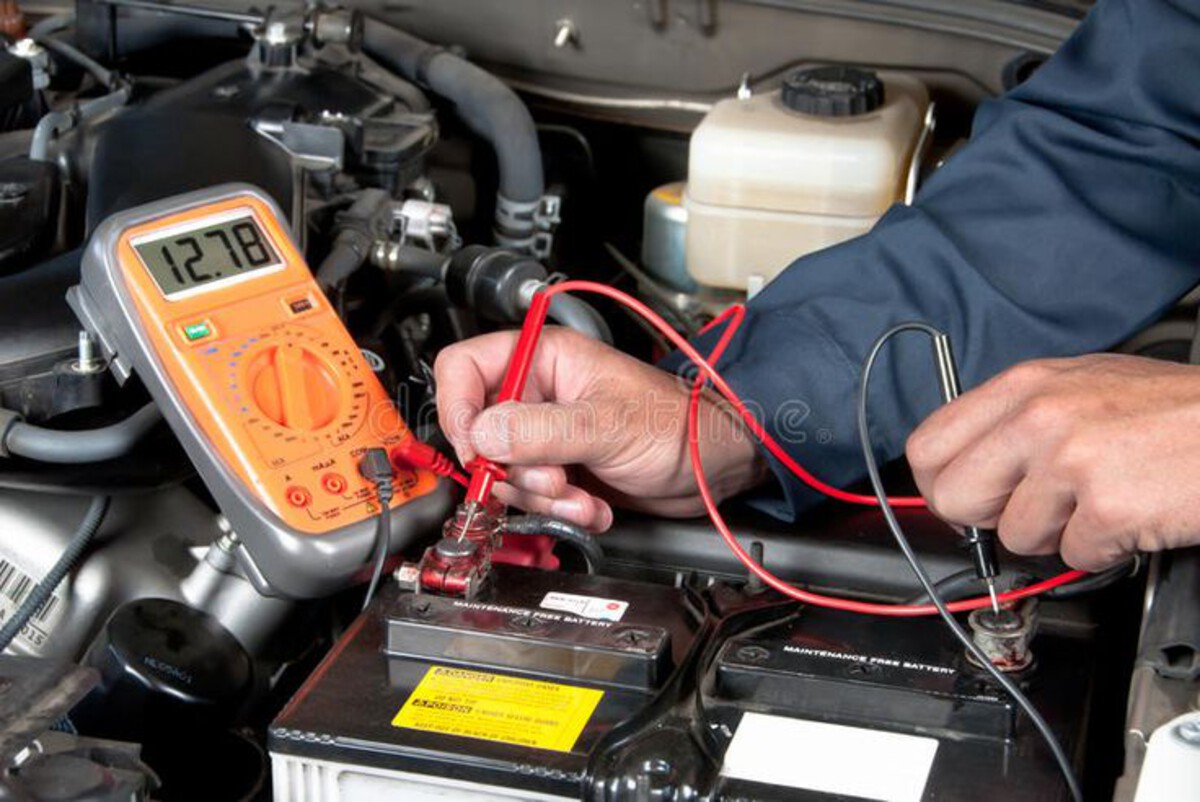
Inspecting the battery for corrosion, checking voltage, and replacing it every few years (or sooner if needed) is essential. Corroded terminals or loose connections can result in poor power delivery and even cause shorts in the electrical system. Regularly cleaning the battery terminals and ensuring a secure fit for all cables adds another layer of protection to the truck’s reliability.
The alternator is another essential component, as it powers the truck’s electronics while the engine is running and recharges the battery. If the alternator fails or is struggling, it can lead to flickering lights, a failing battery, or sudden loss of function in systems like power steering, brakes, or dashboard electronics.
A failing alternator may not cause immediate engine shutdown, but it’s a serious safety issue that often gives only a short window to respond before failure occurs. Unusual electrical behaviors, such as dimming headlights or slow cranking, should be addressed immediately by a professional.
Finally, don’t ignore wiring and fuses. Rodents, moisture, and age can all damage wiring insulation, leading to shorts, sensor errors, or disabled safety features. Water ingress through poorly sealed components can cause corrosion and disrupt communication between modules.
In modern vehicles, even one bad wire can knock out a camera, airbag, or sensor. A regular diagnostic scan can detect hidden faults before they become visible problems. Protecting the truck’s electrical system may not seem as urgent as other tasks, but it plays a silent and critical role in keeping the Ranger safe and reliable throughout its lifetime.
10. Invest in Quality Repairs and OEM Parts
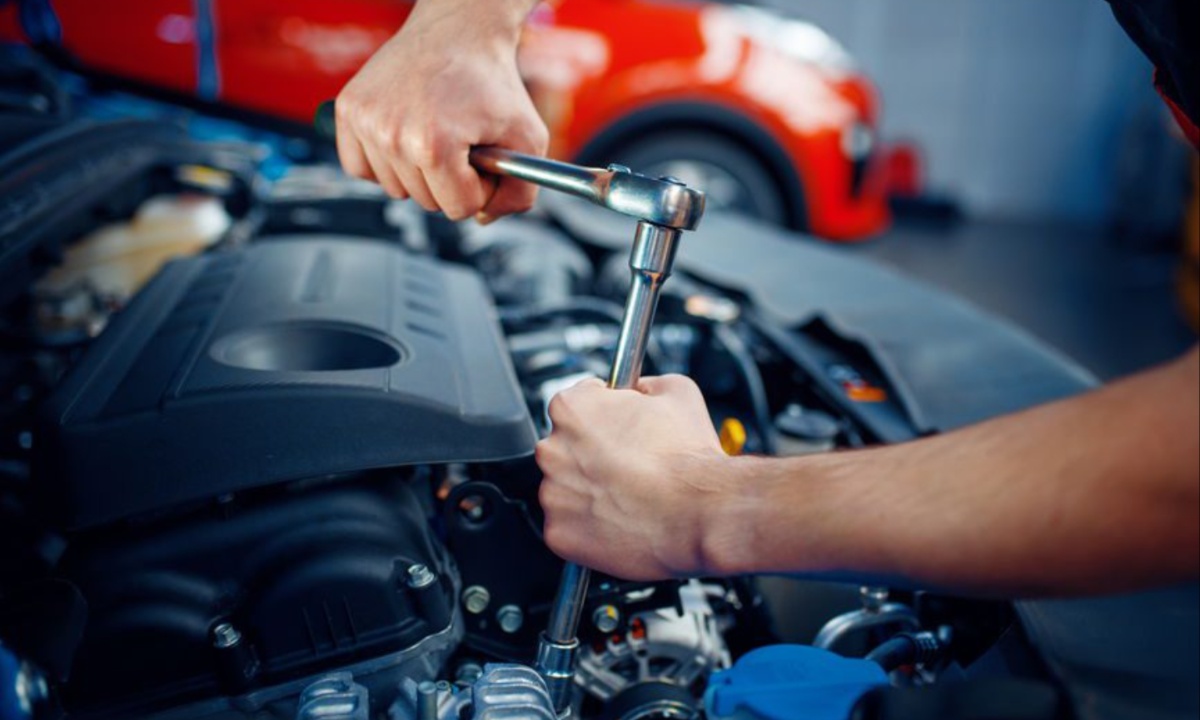
Cutting corners on repairs may save money up front, but it often creates larger problems in the long run. A Ford Ranger is a complex machine, and using low-quality parts or untrained technicians introduces unnecessary risk. Each component is designed to work in harmony with the others, and even a small deviation in quality or fit can throw off that balance.
Whether it’s replacing brake pads, engine sensors, suspension components, or body parts, investing in original equipment manufacturer (OEM) parts and qualified service ensures the vehicle maintains its factory-level safety and performance.
OEM parts are designed specifically for the Ranger’s exact model and specifications. This means they meet strict quality standards and are tested to perform under the same conditions as the originals. While aftermarket parts can sometimes offer cost savings, their fit, performance, and durability may not always match.
Using incorrect or poorly manufactured parts can result in unusual noises, premature wear, or complete failure. In safety-critical areas like brakes, steering, or airbag systems, even a small difference in part quality can be dangerous. It’s not worth gambling with safety to save a few dollars on a repair.
Choosing a skilled and experienced technician is just as important. Many shops are equipped to handle general maintenance, but not all are familiar with the systems specific to the Ford Ranger. A certified technician will know how to properly diagnose and repair problems using the correct tools and procedures.
This reduces the risk of misdiagnosis or improper installation. It also ensures that repairs are done according to factory recommendations, which protects the integrity of the truck and helps preserve warranty coverage.
In some cases, it might be tempting to attempt DIY fixes, especially for seemingly minor issues. While there are certainly tasks that can be safely handled by a knowledgeable owner, mistakes in complex systems, like electronics, drivetrain, or suspension, can create more expensive problems or unsafe conditions.
Knowing when to bring in a professional is a smart part of vehicle ownership. Spending a little more now on proper parts and repairs prevents repeated visits to the shop and keeps the Ranger on the road, safe and strong, for years to come. Quality work now always pays off later.
