

The Hyundai Sonata is a popular midsize sedan known for its reliability, comfort, and value. Like any vehicle, however, its longevity depends heavily on proper care and maintenance. The engine, being the heart of the car, requires special attention to ensure it keeps running smoothly for years.
Whether you have a newer model or one that’s been on the road for several years, there are practical and effective ways to extend the life of your Sonata’s engine. Regular maintenance not only saves you money in the long run but also preserves performance, fuel efficiency, and driving satisfaction.
Neglecting even minor issues can lead to costly repairs or premature engine failure, so understanding these fixes and preventive measures is essential for any Sonata owner who wants to get the most mileage out of their car.
Many drivers tend to overlook small but critical maintenance tasks that can prevent wear and tear on the engine’s components. From fluid changes to monitoring engine behavior, these fixes help avoid breakdowns and maintain optimal function.
The tips outlined here come from common best practices that apply to the Hyundai Sonata and most internal combustion engines. They include both routine upkeep and simple adjustments that address common problems unique to this model.
Whether you’re mechanically inclined or just want to know what to ask your mechanic during service, these nine fixes will help keep your Sonata’s engine in top shape. By investing a little time and effort, you can avoid the frustration and expense of major engine repairs down the line.
Engines in modern vehicles like the Sonata benefit greatly from preventative care. Many of the solutions are inexpensive and straightforward but can have a profound impact on how long your engine lasts. These fixes don’t necessarily require advanced tools or expertise, but do require consistency and awareness.
For example, changing the oil regularly, using quality fuel, and addressing overheating issues quickly all contribute to longer engine life. Additionally, being mindful of driving habits can reduce stress on engine components. Keeping an eye on warning signs such as unusual noises, loss of power, or fluid leaks helps catch problems early.
As engines age, some wear is inevitable, but these nine fixes provide a solid foundation for maintaining your Hyundai Sonata’s engine well beyond its expected lifespan.
In the following sections, each fix will be explained with practical details to help you apply it effectively. Whether you’re looking to avoid common pitfalls or improve your Sonata’s performance, these fixes offer a clear path to extending engine life. Let’s start with the most essential maintenance task and work our way through the others, focusing on how they contribute to engine health and reliability.
Also Read: 5 Steering Racks That Stay Tight vs 5 That Loosen Quickly
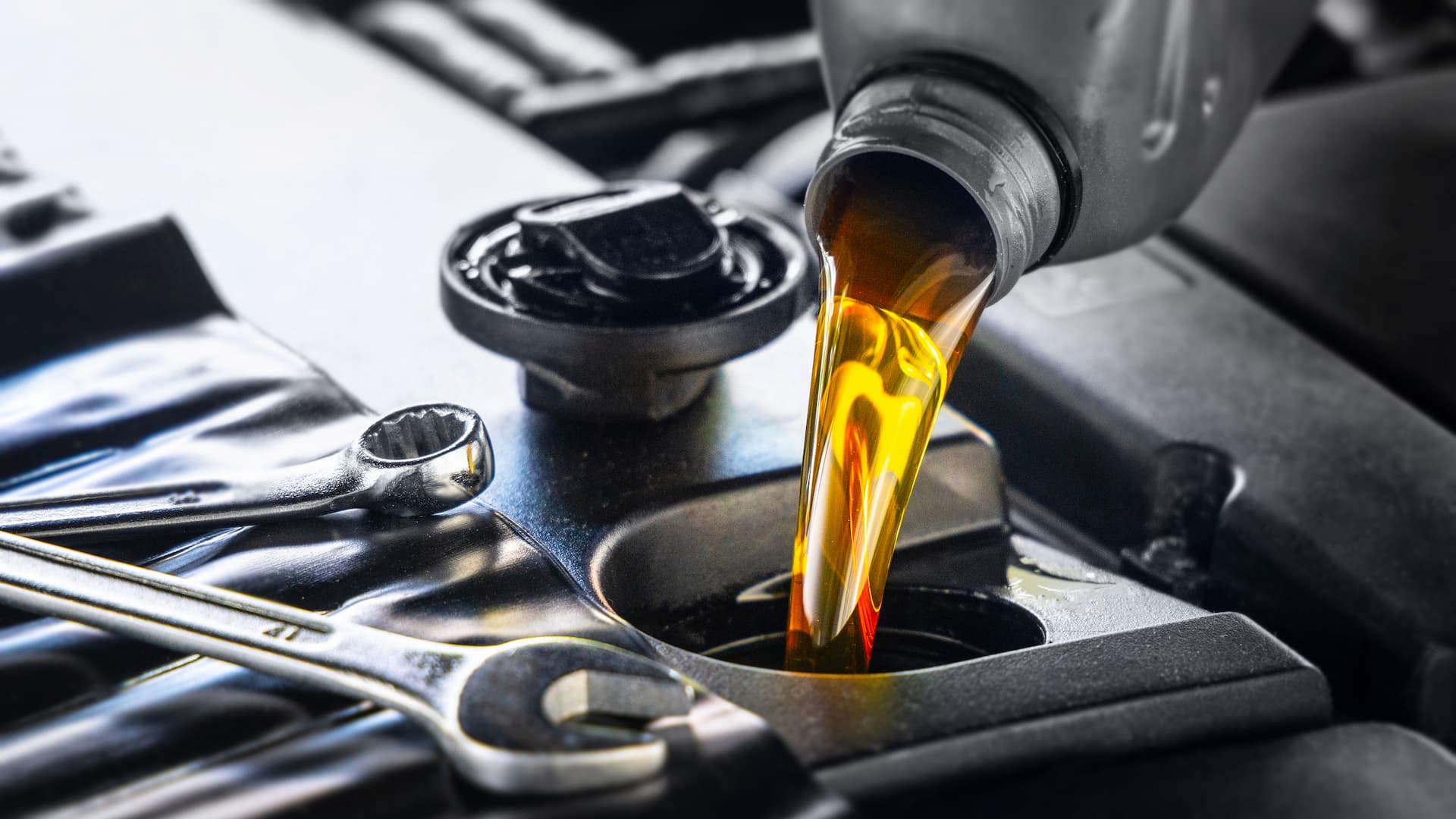
1. Regular Oil Changes with High-Quality Oil
Oil is the lifeblood of any engine. It lubricates moving parts, reduces friction, helps cool the engine, and prevents corrosion. Over time, engine oil breaks down and becomes contaminated with dirt, metal particles, and combustion byproducts.
This dirty oil loses its effectiveness and can cause increased wear or damage. For the Hyundai Sonata, adhering to the manufacturer’s recommended oil change intervals is critical to engine longevity.
Using high-quality synthetic oil often provides better protection than conventional oil, especially in extreme temperatures or under heavy driving conditions.
Synthetic oils maintain their viscosity longer and resist breakdown, which helps maintain proper lubrication between engine components. The Sonata’s engine, depending on the model year and engine type, generally performs best with synthetic or synthetic blend oils that meet specific industry standards such as API SN or newer.
Oil changes should not be delayed past the recommended mileage or time interval because dirty oil leads to sludge buildup, which can clog oil passages and reduce oil flow. Poor oil circulation causes increased engine wear, overheating, and even eventual engine failure. Regular oil changes also include replacing the oil filter, which traps contaminants and prevents them from circulating inside the engine.
For Sonata owners who want to extend engine life, establishing a strict oil change schedule is a must. Many Hyundai dealerships and independent mechanics recommend oil changes every 5,000 to 7,500 miles for newer models using synthetic oil.
For older models or more severe driving conditions, changing oil every 3,000 to 5,000 miles may be beneficial. Checking the oil level frequently and topping off as necessary also helps prevent running the engine low on oil, which can cause significant damage.

2. Maintain the Cooling System to Prevent Overheating
Overheating is one of the most common causes of engine damage and failure. The Hyundai Sonata’s cooling system plays a vital role in maintaining the engine’s operating temperature within a safe range. This system includes the radiator, thermostat, water pump, coolant, hoses, and fans. Proper maintenance of these components prevents excessive heat buildup that can warp engine parts, cause head gasket failure, or lead to total engine seizure.
Regularly checking coolant levels and topping up with the recommended type of antifreeze is an essential step in preserving engine health. Using the wrong type of coolant or mixing incompatible coolants can cause corrosion and blockages inside the cooling system. This leads to reduced coolant flow and hotspots within the engine, increasing the risk of overheating.
Flushing the cooling system every few years helps remove rust, scale, and debris that accumulate over time. This process restores the coolant’s effectiveness and prevents clogging of small passages in the radiator and engine block. Additionally, inspecting and replacing worn or cracked hoses and belts keeps the cooling system functioning reliably.
Thermostats and water pumps are wear items that should be checked periodically. A failing thermostat may stick closed, preventing coolant flow and causing rapid overheating. A failing water pump reduces coolant circulation, resulting in uneven temperature distribution inside the engine. Replacing these parts before they fail is a proactive way to avoid engine damage.
Hyundai Sonatas can sometimes experience overheating in extreme driving conditions, such as heavy traffic or hot climates. Monitoring the temperature gauge during drives and stopping if overheating symptoms appear can save the engine. Addressing overheating issues immediately, whether due to coolant leaks, faulty fans, or radiator problems, prevents severe engine damage and costly repairs.
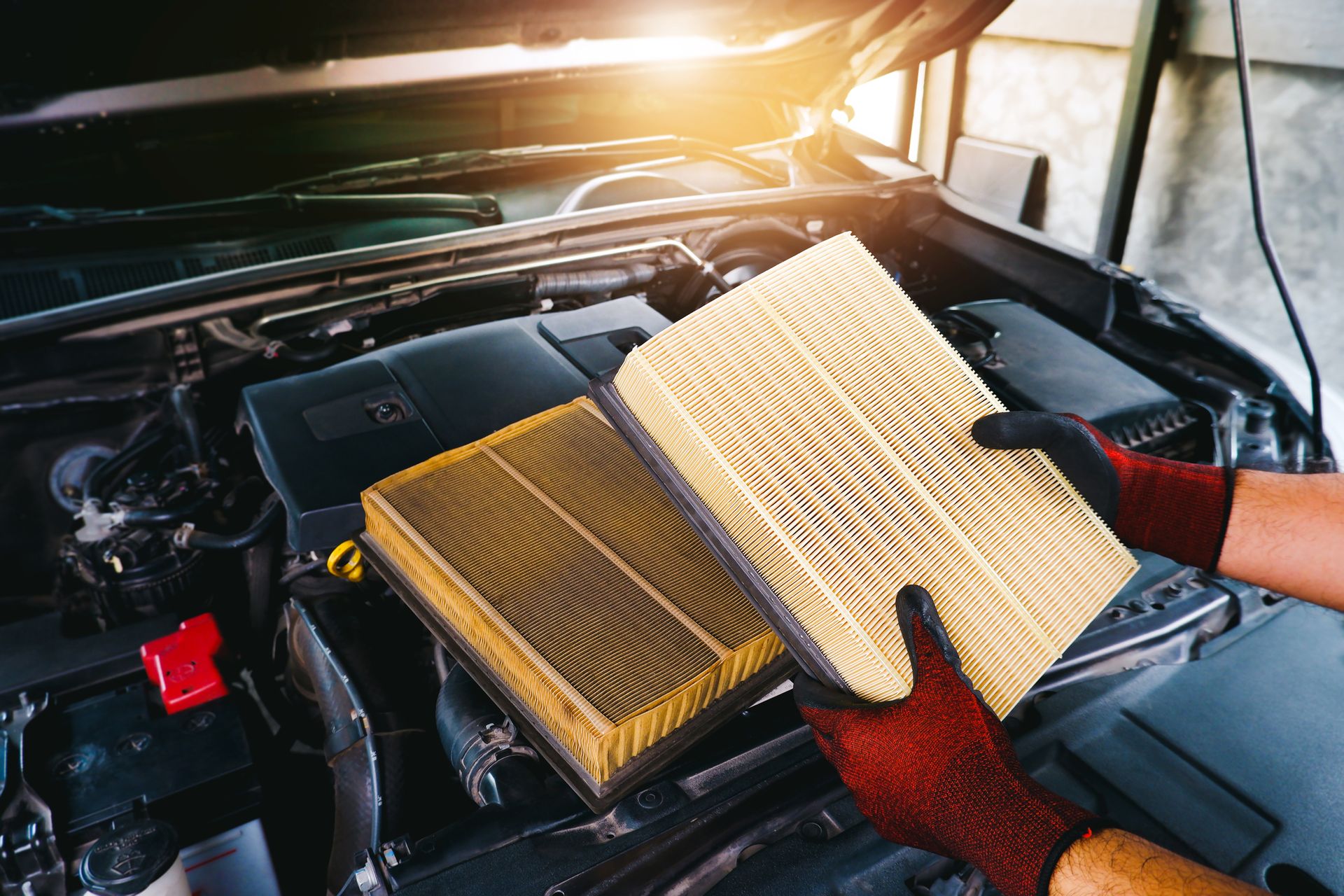
3. Replace Air Filters Regularly for Optimal Airflow
Clean air is essential for the combustion process in your Hyundai Sonata’s engine. The air filter’s job is to prevent dust, dirt, pollen, and other particles from entering the engine, where they can cause abrasion and wear on internal components. Over time, the air filter collects contaminants and becomes clogged, restricting airflow to the engine and reducing performance.
A clogged air filter forces the engine to work harder to pull in air, leading to decreased fuel efficiency, sluggish acceleration, and increased emissions. For the Sonata, replacing the air filter according to the manufacturer’s schedule, or more frequently in dusty environments, ensures the engine receives the proper amount of clean air.
Aside from improving engine performance, a clean air filter helps maintain the correct air-fuel mixture, which prevents incomplete combustion and carbon buildup on valves and spark plugs. This buildup can cause misfires, rough idling, and increased engine wear. By replacing the air filter regularly, you reduce the risk of these problems and promote smoother engine operation.
Replacing the air filter is a simple and inexpensive maintenance task. Many owners can do this themselves without special tools, while mechanics can complete the job quickly during routine service. Keeping the air filter clean is one of the easiest ways to extend the life of your Sonata’s engine and maintain reliable performance over time.

4. Use Quality Fuel and Avoid Contaminants
The quality of fuel you put into your Hyundai Sonata has a direct impact on engine health and longevity. Using low-quality or contaminated fuel can cause deposits to form inside the engine’s fuel system, including injectors, intake valves, and combustion chambers. These deposits reduce fuel efficiency, power output, and can lead to costly repairs.
High-quality gasoline that meets the recommended octane rating for your Sonata model helps prevent knocking and premature ignition inside the engine cylinders. Knocking causes shock waves that can damage pistons, rings, and cylinder walls. The Hyundai Sonata typically requires regular unleaded gasoline with an octane rating of 87 or higher, but always check the owner’s manual for the exact specification.
Fuel additives designed to clean the fuel system and improve combustion can be beneficial when used occasionally. These additives help dissolve carbon deposits and keep fuel injectors clean, which improves engine smoothness and efficiency. However, excessive or improper use of additives can cause harm, so it’s important to follow product instructions carefully.
Avoiding contaminants such as water or dirt in the fuel tank is crucial. Refueling at reputable stations reduces the risk of contaminated fuel. If your engine begins to run rough, hesitate to accelerate, or shows reduced power, fuel contamination could be a cause. In such cases, having the fuel system inspected and cleaned by a professional can prevent further engine damage.
Using quality fuel consistently, along with proper maintenance of the fuel system, helps your Sonata’s engine operate cleanly and efficiently. This contributes significantly to extending its service life and reducing the likelihood of breakdowns related to fuel issues.
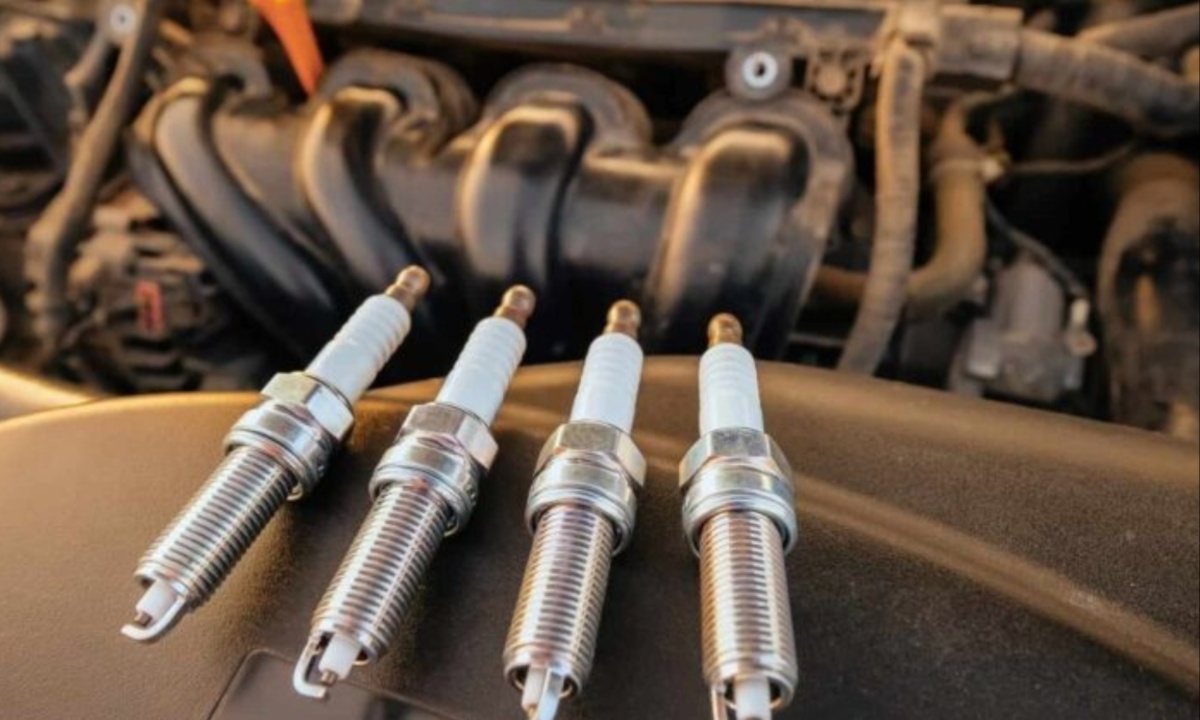
5. Regularly Check and Replace Spark Plugs
Spark plugs play a crucial role in your Hyundai Sonata’s engine by igniting the air-fuel mixture within the combustion chamber. Proper ignition ensures smooth engine operation, efficient fuel consumption, and reduced emissions.
Over time, spark plugs wear out, become fouled, or develop deposits that interfere with their ability to generate a strong spark. This leads to engine misfires, rough idling, difficulty starting, and reduced power. Regular inspection and timely replacement of spark plugs are essential to maintain engine performance and extend its life.
The lifespan of spark plugs varies depending on the type and model of the Sonata. Conventional copper spark plugs typically need replacement every 30,000 to 50,000 miles, while platinum or iridium spark plugs can last much longer, often up to 100,000 miles.
However, even these longer-lasting plugs should be checked during routine service intervals for wear or fouling. Signs of spark plug issues include poor acceleration, decreased fuel efficiency, and engine hesitation.
Replacing spark plugs restores proper combustion, which reduces strain on engine components such as the catalytic converter and ignition coils. Faulty spark plugs cause incomplete combustion, which produces unburned fuel and carbon buildup inside the engine.
This buildup can damage valves, pistons, and spark plug wells. By maintaining spark plugs in good condition, you ensure the engine runs efficiently and reduces internal wear.
Spark plug replacement is a relatively straightforward maintenance task that can be performed by most mechanics and experienced DIYers. However, it requires using the correct type and gap setting specified by Hyundai to avoid engine damage.
Proper torque and installation are also important to prevent issues such as cross-threading or plug loosening. Staying on top of spark plug maintenance contributes significantly to a Sonata engine’s longevity and reliable operation.
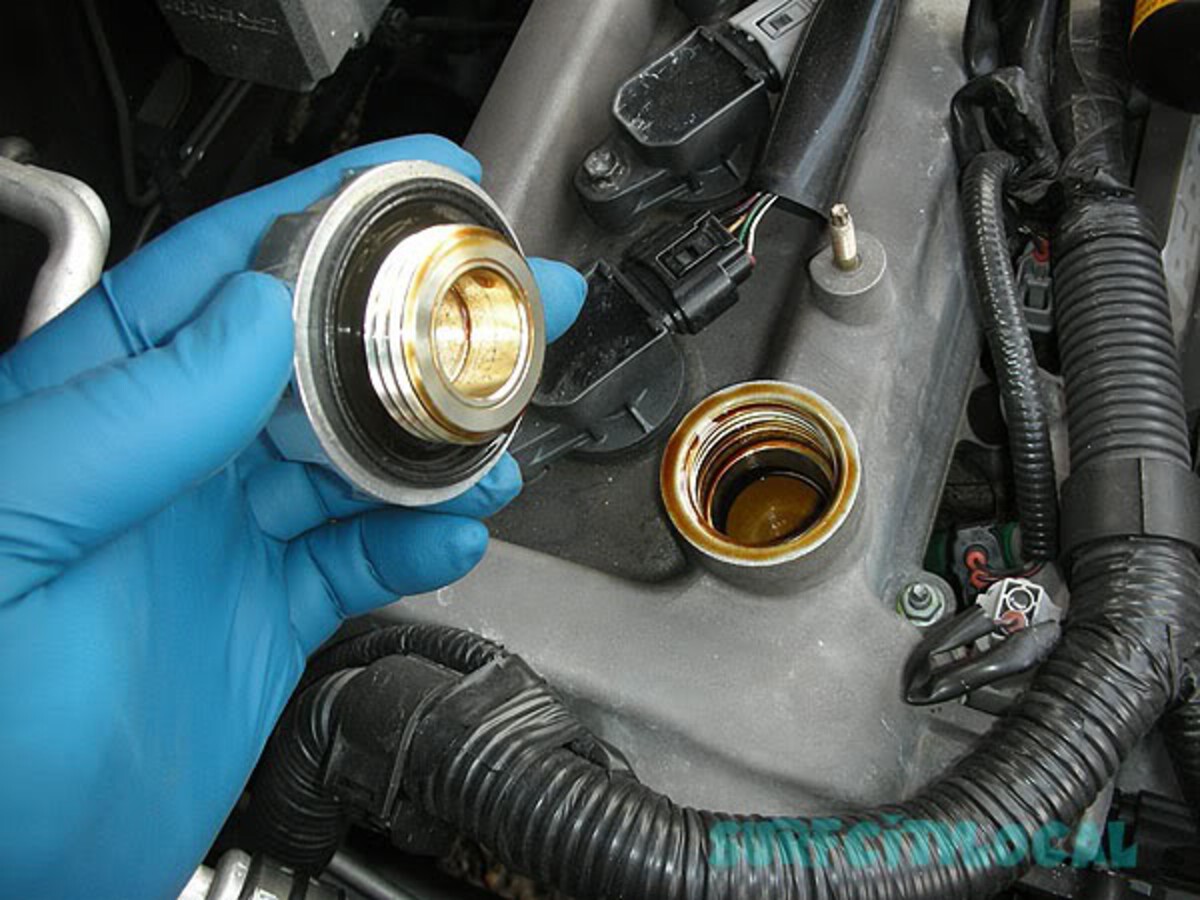
6. Monitor and Repair Oil Leaks Promptly
Oil leaks, while sometimes appearing minor, can cause serious damage to a Hyundai Sonata’s engine if left unattended. Engine oil lubricates and cools vital moving parts, and a leak reduces the amount of oil circulating inside the engine. Low oil levels increase friction and heat, which accelerates wear on components such as bearings, camshafts, and pistons. Catching and repairing oil leaks early prevents major damage and costly repairs.
Common sources of oil leaks in the Sonata include valve cover gaskets, oil pan gaskets, rear main seals, and oil filter housings. These seals and gaskets deteriorate over time due to heat cycles, age, or improper installation, allowing oil to seep out. Leaks may manifest as visible oil spots under the vehicle or a burning oil smell when oil drips onto hot engine parts.
Regularly checking the oil level with the dipstick helps identify leaks before they become severe. If you notice the oil level dropping faster than usual or find oil spots where you park, it’s important to have the leak diagnosed promptly. Small leaks can often be repaired by replacing gaskets or seals, but ignoring them may lead to low oil pressure or catastrophic engine failure.
In addition to physical damage, oil leaks can pose safety risks. Oil dripping onto hot exhaust components can cause smoke or even fire hazards. Leaked oil on roadways or driveways is also an environmental concern.
Therefore, addressing oil leaks not only protects your Sonata’s engine but also ensures safety and environmental responsibility. Proactive monitoring and prompt repair extend engine life and avoid unnecessary breakdowns.
7. Maintain the Timing Belt or Chain System
The timing belt or chain in a Hyundai Sonata synchronizes the rotation of the crankshaft and camshaft(s), ensuring the engine’s valves open and close at the right times during each cylinder’s intake and exhaust strokes. Proper timing is critical for engine performance and preventing severe internal damage.
Failure of the timing belt or chain can cause valves to collide with pistons, leading to bent valves, damaged pistons, and expensive repairs. Therefore, maintaining this system is vital to extending engine life.
Many Sonata models use a timing chain, which is generally more durable than a timing belt and can last the engine’s life if properly maintained. However, timing chains can stretch or wear out, causing rattling noises, poor engine performance, or even failure if neglected. On models equipped with timing belts, replacement is usually recommended between 60,000 and 100,000 miles, depending on the engine type.
Regular inspections include listening for unusual noises from the engine, such as rattling or slapping sounds, which may indicate chain wear or tensioner problems. Replacing the timing belt or chain tensioners, guides, and related components at recommended intervals helps avoid sudden failure. Additionally, oil quality and level affect timing chain lubrication, so maintaining oil changes supports timing system longevity.
Ignoring timing system maintenance can result in the engine becoming inoperable and requiring costly rebuilds. For Sonata owners seeking to maximize engine lifespan, adhering to timing belt or chain service schedules is a preventative measure that safeguards against catastrophic engine damage. Professional inspection and service ensure this critical system functions reliably throughout the vehicle’s life.
8. Use Proper Driving Habits to Reduce Engine Stress
How you drive your Hyundai Sonata has a significant impact on the engine’s longevity. Aggressive driving habits such as rapid acceleration, hard braking, and high RPM driving put extra stress on the engine and other drivetrain components. This increased stress leads to faster wear, overheating, and potential premature engine failure. Adopting smoother, more conservative driving techniques helps reduce mechanical strain and extends engine life.
Starting the engine gently, allowing it to warm up before pushing it hard, especially in cold weather, helps protect internal components from thermal shock. Cold starts increase wear because oil takes time to circulate and reach full operating viscosity. Avoiding revving the engine excessively during warm-up reduces friction and prolongs engine health.
Maintaining steady speeds and avoiding excessive idling also benefits the engine. Stop-and-go traffic and frequent short trips can prevent the engine from reaching optimal operating temperature, which promotes fuel residue buildup and corrosion inside the engine. Taking longer drives when possible helps burn off deposits and maintain engine cleanliness.
Additionally, shifting gears smoothly (for manual transmissions) or avoiding unnecessary towing or heavy loads beyond the vehicle’s rating prevents undue engine strain. Regularly monitoring the engine’s response, such as unusual noises or reduced power, and addressing issues promptly, minimizes damage caused by poor driving habits. Thoughtful driving can add years to your Hyundai Sonata’s engine life.

9. Perform Routine Engine Tune-Ups and Diagnostics
Routine engine tune-ups and diagnostics are essential for maintaining the health and efficiency of your Hyundai Sonata’s engine. Tune-ups typically include checking and adjusting ignition timing, inspecting and replacing spark plugs, cleaning fuel injectors, and testing the battery and charging system. These procedures identify potential issues before they escalate into major problems and help maintain optimal engine performance.
Modern vehicles like the Sonata are equipped with onboard diagnostic systems (OBD-II) that monitor engine parameters and alert drivers to faults through warning lights. Using a diagnostic scanner during routine maintenance allows mechanics to read error codes, identify malfunctions, and reset systems after repairs. This proactive approach ensures that issues such as misfires, sensor failures, or emissions problems are addressed promptly.
Cleaning or replacing fuel injectors during tune-ups improves fuel atomization and combustion efficiency, which reduces engine deposits and improves throttle response. Inspecting ignition components such as wires and coils prevents misfires and poor fuel economy. Battery and alternator checks ensure reliable starts and proper electrical system function, which are critical to engine control systems.
By scheduling tune-ups according to Hyundai’s recommended intervals, Sonata owners can catch minor problems early and keep the engine running smoothly. Ignoring routine diagnostics often leads to reduced engine efficiency, higher emissions, and accelerated wear on parts. Regular tune-ups are a key component of extending your Sonata’s engine life and maintaining its value.
10. Ensure Proper Engine Oil Level and Quality
Maintaining the correct engine oil level and quality is critical for the long-term health of your Hyundai Sonata’s engine. Even if you change the oil regularly, failing to monitor the oil level between changes can lead to running the engine with insufficient lubrication. Low oil levels increase friction among moving parts, cause overheating, and accelerate wear and tear. On the other hand, overfilling the engine with oil can lead to aeration, which reduces oil’s effectiveness and potentially causes leaks or damage to seals.
Checking the oil level regularly using the dipstick, ideally once a month or before long trips, helps catch leaks or consumption problems early. Engines naturally consume a small amount of oil, but sudden drops in oil level might indicate leaks or burning oil issues that need immediate attention.
Using the correct oil grade and viscosity recommended by Hyundai is equally important because oil formulations vary in thickness and performance characteristics. The wrong oil can either fail to lubricate adequately or create excessive resistance that stresses the engine.
Additionally, the oil quality affects engine cleanliness. Over time, engine oil breaks down and accumulates contaminants like metal shavings and combustion byproducts. This dirty oil can cause sludge buildup, clog oil passages, and interfere with cooling.
High-quality synthetic oils tend to resist breakdown better and maintain their protective properties longer than conventional oils, especially under high-temperature or demanding driving conditions. By consistently using the right oil and maintaining proper levels, you reduce engine wear, prevent overheating, and promote smoother engine operation.
11. Address Engine Warning Lights Without Delay
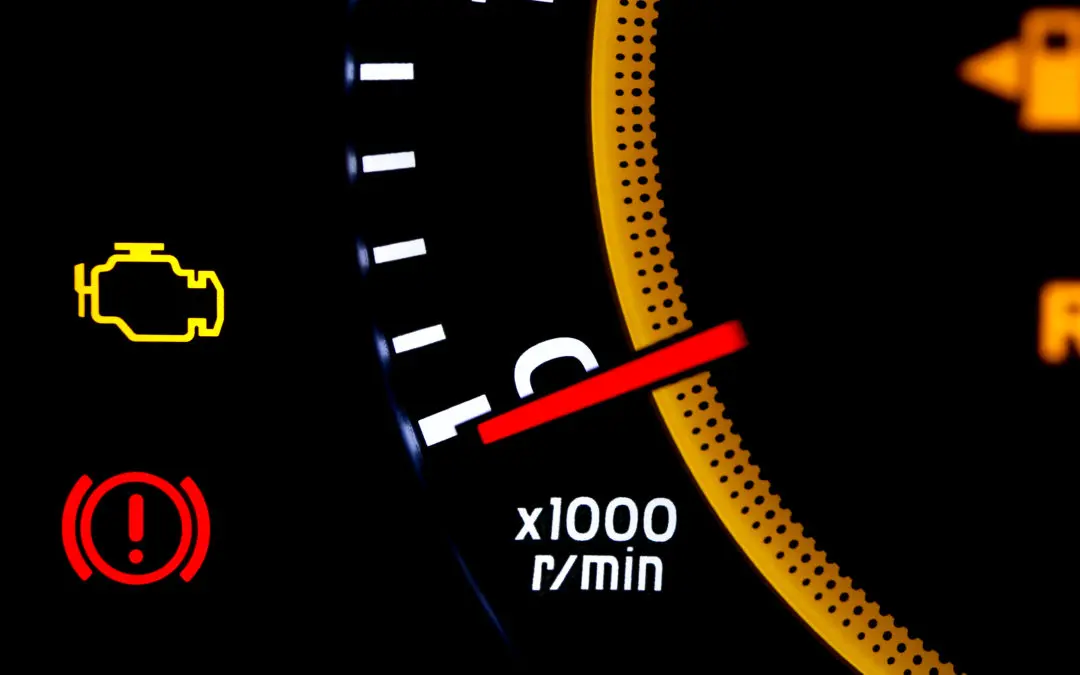
Modern Hyundai Sonatas come equipped with sophisticated engine management systems that monitor various parameters to ensure optimal performance and detect potential problems early. When the check engine light or other warning indicators illuminate on your dashboard, it signals that the engine’s onboard diagnostics have detected a fault. Ignoring these warning lights can lead to worsening issues and potential engine damage, so it is essential to address them promptly.
The check engine light can indicate a range of issues, from minor problems like a loose gas cap to more serious faults involving sensors, emissions systems, or fuel delivery. Delaying diagnosis and repair may cause the engine to run inefficiently, increase emissions, or suffer from increased mechanical stress. For example, if a sensor responsible for regulating air-fuel mixture malfunctions, the engine may run too rich or too lean, causing damage over time.
Using an OBD-II scanner to retrieve error codes helps identify the specific problem quickly. Many auto shops and even some automotive stores offer free or inexpensive code-reading services. Once the issue is identified, timely repairs or component replacements can prevent further deterioration. Regularly clearing and monitoring error codes after repairs ensures the engine system operates correctly.
Responding to warning lights without delay also protects other vehicle systems connected to the engine. For example, an unresolved issue might damage the catalytic converter, a costly component to replace. Prompt attention to engine warnings preserves engine health, improves fuel efficiency, and prevents costly breakdowns.
12. Keep the Engine Bay Clean and Free of Debris
While often overlooked, keeping the Hyundai Sonata’s engine bay clean and free of dirt, dust, leaves, and other debris plays a role in maintaining engine longevity. A clean engine bay helps ensure that cooling systems work efficiently, electrical connections remain reliable, and engine components are protected from premature wear caused by dirt and grime.
Debris accumulation in the engine compartment can clog air intakes, block cooling fans, or insulate heat in unwanted areas, causing the engine to run hotter than normal. This elevated heat stresses engine parts and can accelerate fluid breakdown or degrade rubber seals and hoses. Additionally, dirt and moisture buildup can cause corrosion on metal components, leading to leaks or failures in parts such as battery terminals, wiring harnesses, and sensor connectors.
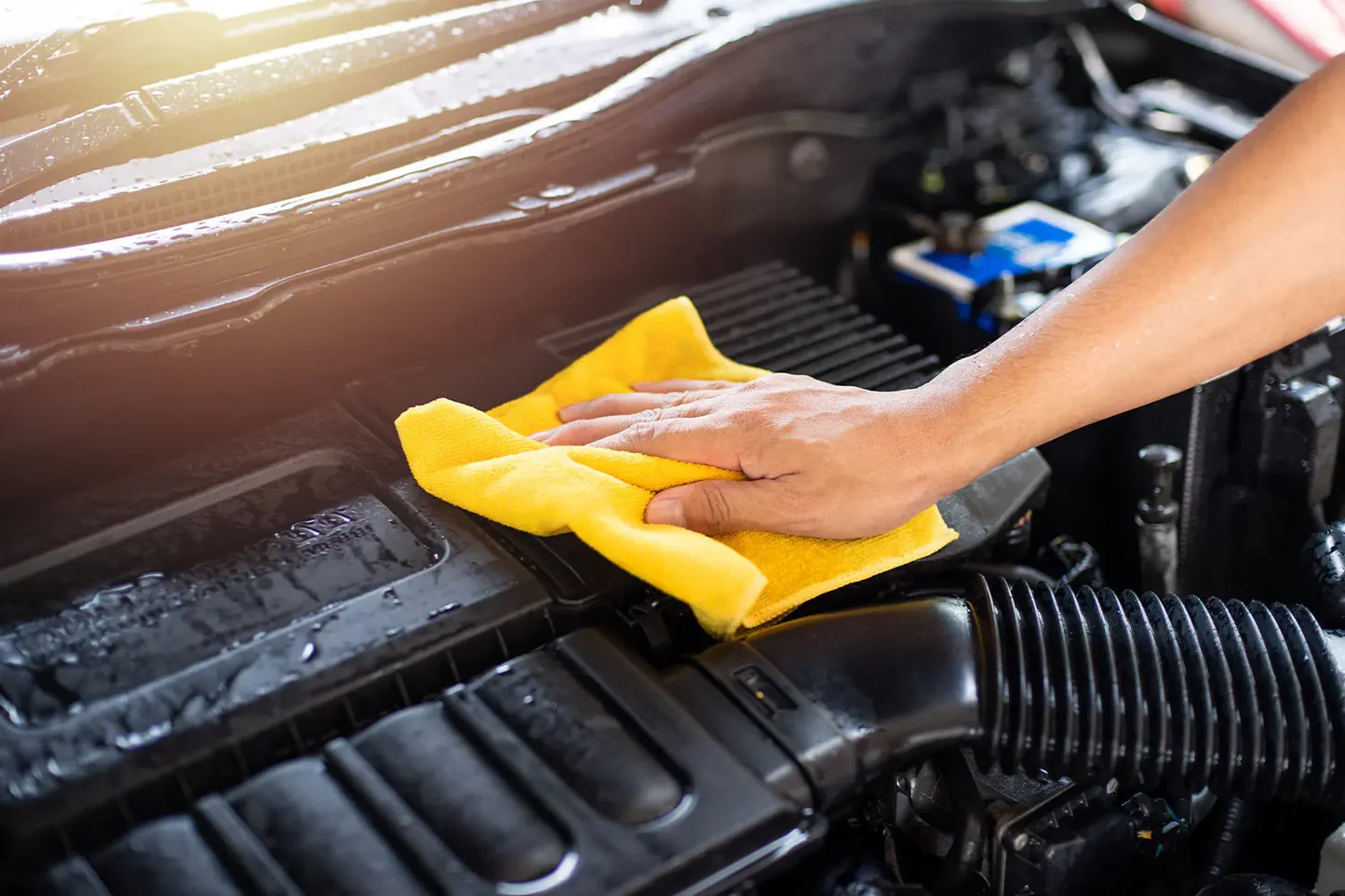
Cleaning the engine bay periodically, using appropriate cleaners and avoiding direct water sprays on sensitive electrical parts, helps maintain proper airflow and reduces the risk of damage. Care should be taken to cover delicate components such as the alternator and air intake when cleaning. Removing leaves or twigs that accumulate around the radiator or under the hood prevents blockages that could impair cooling efficiency.
A well-maintained and clean engine bay also makes it easier to spot leaks, worn belts, or damaged hoses during inspections. Identifying these issues early helps prevent breakdowns and prolongs the engine’s lifespan. Routine cleaning is a simple but effective way to support the engine’s health and ensure the Hyundai Sonata runs reliably for many years.
