
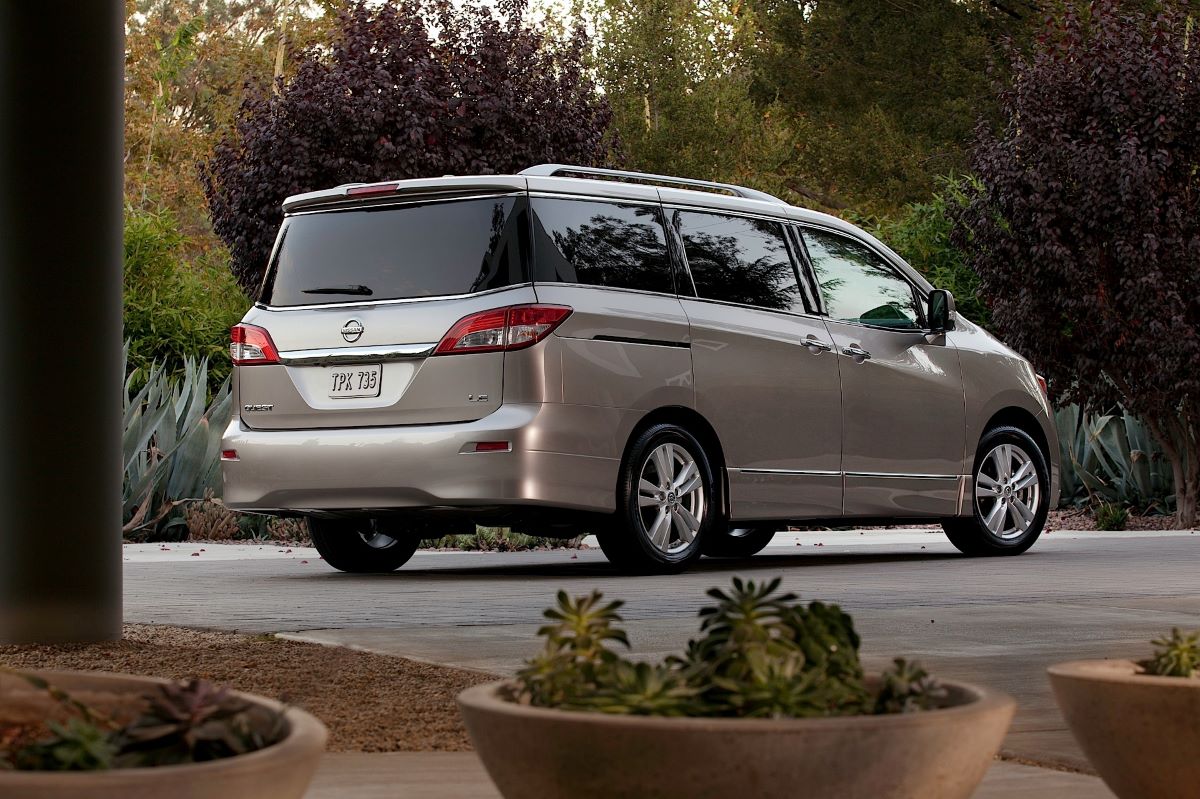
The Nissan Quest minivan is a reliable family vehicle that has earned a place in many households due to its spacious interior, comfortable ride, and versatile features. Like any vehicle, the Quest requires consistent care and attention to stand the test of time, especially to reach the impressive milestone of 15 years on the road.
While Nissan’s engineering provides a solid foundation, longevity depends greatly on how owners maintain their vehicles. The Quest, known for its comfortable driving experience and family-friendly design, can remain dependable well beyond a decade with the right approach to upkeep.
Achieving 15 years of service from a Nissan Quest isn’t simply about clocking miles; it’s about understanding the needs of the vehicle and addressing potential issues before they grow into costly repairs. Regular maintenance, timely replacements, and attention to detail create a formula for endurance.
Whether it’s an older 1998 model or a more recent version, each Nissan Quest has components that demand care, including its engine, transmission, suspension, and interior electronics. Consistency is key; an owner who respects the vehicle’s requirements tends to experience fewer breakdowns and better performance over the long haul.
Moreover, a Nissan Quest’s longevity is influenced by how it’s driven and stored. Gentle driving habits reduce wear on mechanical parts, while protecting the vehicle from harsh weather conditions, extending the life of its paint, seals, and interior materials.
Owners who keep records of maintenance and stay ahead of preventative repairs usually find that their Quest minivan remains comfortable and safe for many years. In the following sections, specific steps will outline practical, actionable strategies for ensuring a Nissan Quest endures through 15 years of use, offering value and reliability to its owner throughout that time.
Understanding these steps not only benefits Nissan Quest owners but also illustrates general best practices for maintaining any family vehicle designed to last. The combination of mechanical care, mindful driving, and environmental protection creates the foundation for a minivan that can comfortably carry families and goods through many seasons.
From the engine’s smooth operation to the condition of the tires, each element plays a role in the lifespan of the Quest. The following ten steps focus on comprehensive maintenance, preventative actions, and lifestyle habits that can help a Nissan Quest minivan stay on the road, performing reliably, year after year.
Also Read: 5 Infotainment Units With Reliable Software vs. 5 That Are Glitchy
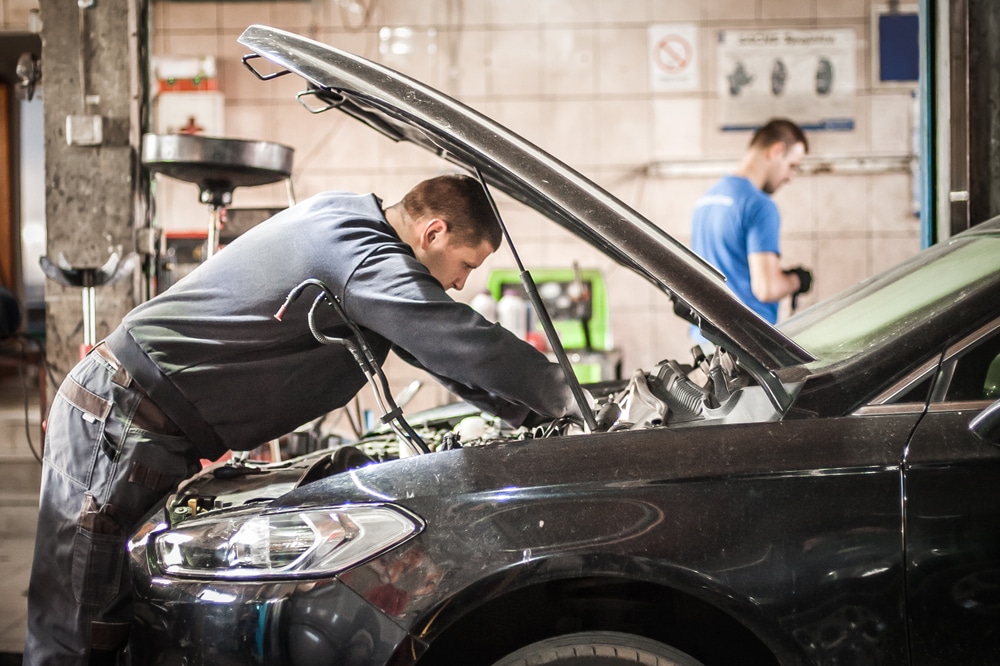
1. Stick to a Regular Maintenance Schedule
One of the most important factors in ensuring a Nissan Quest lasts 15 years is adhering strictly to the manufacturer’s maintenance schedule. This schedule is designed based on extensive testing and real-world data to keep the vehicle operating efficiently and safely.
This means changing the oil and oil filter at recommended intervals, typically every 3,000 to 5,000 miles for older models or longer intervals if synthetic oil is used in newer ones. Regular oil changes keep the engine lubricated and free of harmful debris, reducing wear and tear on moving parts.
Neglecting this step can cause the engine to suffer from sludge buildup, overheating, or premature wear, which are common reasons for early engine failure. Owners often underestimate the importance of this basic maintenance, yet it is the cornerstone of engine longevity.
Beyond oil changes, other fluid replacements and inspections are equally critical to the Quest’s lifespan. Transmission fluid, coolant, brake fluid, and power steering fluid need to be checked and replaced as specified by Nissan’s guidelines. These fluids maintain system integrity and performance, and their degradation over time can lead to component failures.
For example, failing to replace transmission fluid can cause shifting problems or total transmission failure, which is often an expensive repair. Brake fluid absorbs moisture from the air over time, which reduces braking efficiency and can corrode brake components. By following the scheduled inspections, owners allow early detection of worn belts, hoses, or leaks that could escalate into bigger issues if ignored.
During regular maintenance visits, technicians also perform tire rotations, brake inspections, and alignment checks. Tire rotations ensure even tread wear, which helps prevent blowouts and maintains safe handling. Brake inspections can reveal thinning pads or warped rotors before they compromise stopping power.
Alignment keeps the vehicle stable and prevents uneven tire wear, contributing to smoother driving and longer tire life. Skipping these steps can lead to uneven tire degradation and increased risk on the road, especially for family vehicles like the Quest. Keeping tires in good condition also reduces stress on suspension components, further enhancing vehicle longevity.
Many Nissan Quest owners keep detailed records of maintenance, which serves two purposes. First, it ensures that no important services are missed or delayed. Second, it helps maintain resale value when the time comes to sell or trade the vehicle.
A well-documented maintenance history indicates that the vehicle was cared for responsibly, often reassuring potential buyers about its condition. In fact, Nissan Quests that have been consistently maintained can sometimes sell for more than similar models with spotty service records.
An often overlooked aspect of maintenance is addressing minor problems promptly before they become major issues. For instance, a small oil leak or a worn belt might seem trivial, but left unattended, these can lead to engine damage or breakdowns.
Early diagnosis and repair during routine maintenance visits prevent costly repairs down the road. The peace of mind that comes with knowing your Nissan Quest is properly maintained is invaluable, especially for families relying on this vehicle daily. Therefore, treating maintenance as a non-negotiable routine rather than a reactive measure pays dividends in longevity and performance.
2. Monitor and Maintain the Cooling System
The cooling system plays a vital role in preserving the Nissan Quest’s engine health, especially as it ages. The engine generates a lot of heat while running, and without proper cooling, temperatures can quickly rise to dangerous levels. Over time, radiators, hoses, water pumps, and thermostats can wear down, increasing the risk of overheating.
An overheated engine can cause severe damage, including warped cylinder heads or a blown head gasket, which are expensive to fix and could potentially end the vehicle’s lifespan prematurely. Therefore, monitoring the cooling system closely and performing regular flushes is essential to prevent these failures.
Coolant should be checked regularly to ensure proper levels and condition. Old or contaminated coolant loses its effectiveness in regulating temperature and protecting against corrosion inside the engine.
Flushing the radiator and refilling with fresh coolant every few years or according to the vehicle’s maintenance schedule prevents rust buildup inside the engine block and radiator.
This rust can clog passages and reduce cooling efficiency, causing hot spots and eventual engine damage. Maintaining the cooling system also helps maintain the engine’s efficiency and emission control.
Checking radiator hoses for cracks, swelling, or leaks is equally important. These rubber components degrade with heat and time, becoming brittle or soft. A failure during operation can lead to sudden coolant loss and engine overheating. Even small leaks should be repaired promptly to avoid major breakdowns.
Similarly, the water pump, which circulates coolant through the engine and radiator, should be inspected and replaced if there are signs of leakage or unusual noises. A failing water pump often results in overheating and should not be ignored.
The thermostat, responsible for regulating coolant flow based on engine temperature, can also wear out or stick open or closed. A thermostat stuck closed prevents coolant from circulating properly, causing overheating.
One stuck open may result in longer warm-up times and reduced fuel efficiency. Regular checks and replacement of a faulty thermostat ensure the engine runs at the correct temperature for optimal performance.
It’s also important to keep the radiator clean from debris such as leaves, bugs, and dirt. Blocked airflow reduces the radiator’s ability to dissipate heat effectively.
In addition, owners should pay attention to the radiator cap, which maintains pressure in the cooling system. A faulty cap can cause coolant to boil over or leak, leading to overheating. Replacing worn caps as part of maintenance helps avoid these issues.
During extreme weather conditions, such as very hot summers or freezing winters, the cooling system is under extra stress. Proper antifreeze concentration protects against freezing and boiling over, ensuring the vehicle operates reliably in all seasons. Owners should consider the climate they live in when scheduling cooling system service to keep their Nissan Quest ready for any weather.
Keeping the cooling system in top condition also supports the efficiency of the Nissan Quest. When the engine runs at optimal temperature, fuel combustion is cleaner, emissions are reduced, and power delivery remains consistent.
This contributes to smoother performance, better fuel economy, and lower operating costs. As such, cooling system maintenance is a cornerstone step in extending the life of the Quest minivan and avoiding costly engine repairs.
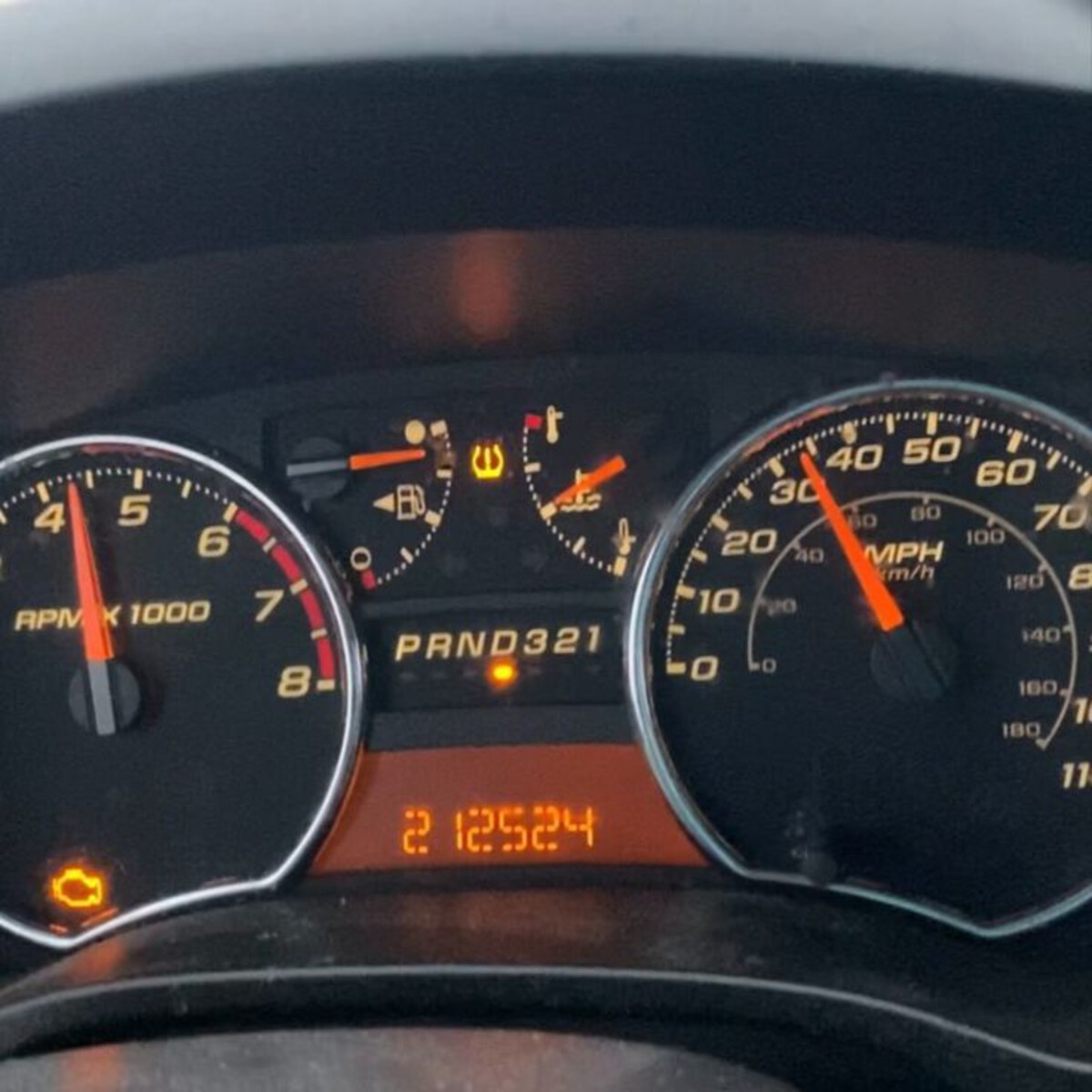
3. Address Transmission Health Proactively
Transmission problems are among the most frequent and expensive issues faced by aging Nissan Quests. Because the transmission is the vehicle’s connection between the engine’s power and the wheels, keeping it healthy is crucial to long-term performance and reliability.
Automatic transmissions, common in most Quest models, rely heavily on clean transmission fluid and proper mechanical adjustments to operate smoothly. Neglecting this care can cause costly failures that may limit the vehicle’s lifespan.
Changing transmission fluid and replacing the filter according to Nissan’s recommended schedule is essential. Transmission fluid acts as both a lubricant and a hydraulic fluid to control gear shifts. Over time, it becomes contaminated with metal particles and loses its viscosity.
Dirty fluid causes increased friction and heat, accelerating wear on gears and clutches. Symptoms of fluid-related transmission issues include delayed or harsh shifting, slipping between gears, and unusual noises. Ignoring these warning signs often leads to more severe internal damage, such as worn clutch packs or burnt bands.
In addition to fluid changes, owners should be vigilant about leaks around the transmission pan and cooler lines. Transmission fluid leaks reduce hydraulic pressure, resulting in erratic shifting or complete transmission failure. Detecting leaks early and repairing seals or gaskets can save thousands of dollars in repairs.
Some Nissan Quest models may also require software updates or valve body adjustments to improve shifting performance, which can be performed at authorized service centers.
Driving habits also play a large role in transmission health. Aggressive acceleration, excessive towing, or frequent stop-and-go traffic places additional stress on the transmission.
Allowing the vehicle to warm up before driving in cold weather gives the transmission fluid time to circulate and reach optimal temperature, reducing wear on internal components. Owners should avoid sudden acceleration and allow smooth gear changes to protect the transmission from shock loads.
Some Nissan Quest owners choose to install an auxiliary transmission cooler, especially if the vehicle is regularly towing or driving in hot climates. These coolers help maintain lower transmission temperatures, prolonging the life of the fluid and mechanical parts. While this is an aftermarket modification, it is often recommended for extended vehicle life.
Periodic professional transmission inspections are recommended to assess fluid condition, check for worn parts, and perform any needed adjustments. Transmission rebuilds or replacements can be costly and time-consuming, so preventing such repairs by maintaining the transmission proactively is the wisest approach.
Consistent care and gentle driving habits give the Nissan Quest transmission the best chance to last through 15 years or more.
4. Maintain Suspension and Steering Components
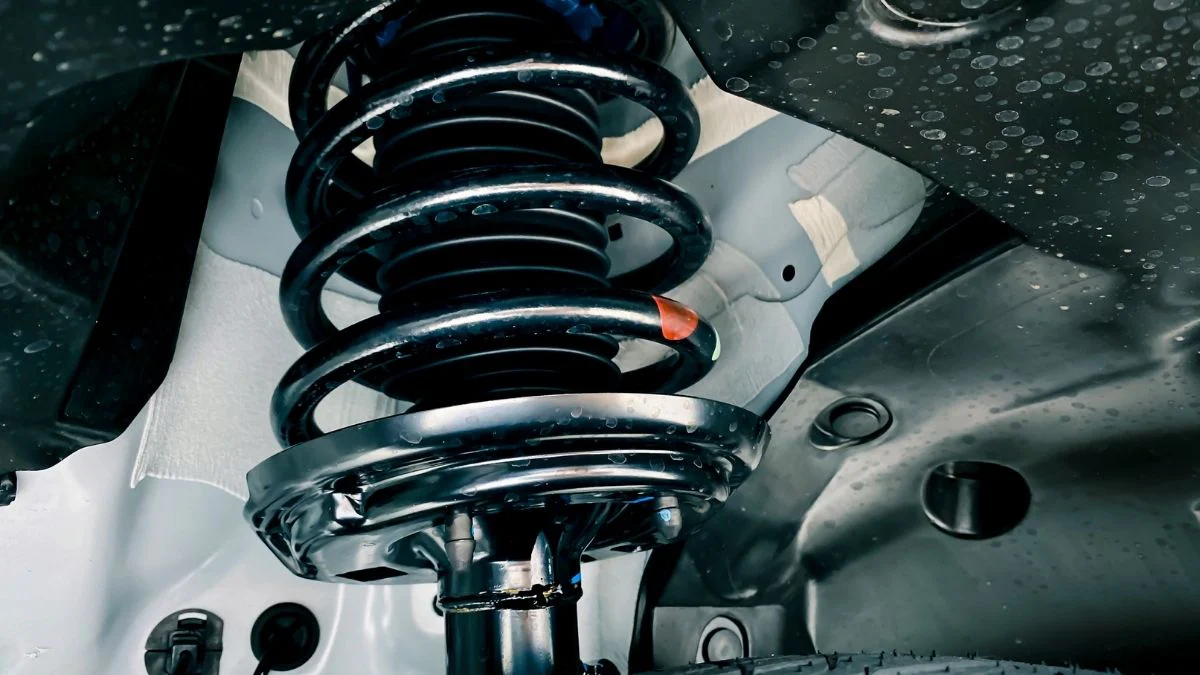
The suspension and steering systems are central to the Nissan Quest’s safety, comfort, and drivability. These systems absorb bumps, maintain tire contact with the road, and allow precise control of the vehicle’s direction. Over the course of 15 years, components such as bushings, ball joints, tie rods, shocks, and struts naturally wear out and require replacement to keep the vehicle performing well.
Regular inspections during maintenance visits allow early detection of worn suspension parts. Rubber bushings, which isolate vibrations and allow flexibility, can crack, dry out, or crumble with age and exposure to elements.
When these bushings wear out, drivers may notice increased noise, vibrations, or clunks while driving, especially over bumps. Replacing deteriorated bushings restores smooth ride quality and helps maintain proper wheel alignment.
Shocks and struts lose their damping ability over time, leading to a harsh, bouncy ride and reduced control during cornering or emergency maneuvers.
Worn shocks allow the vehicle to sway excessively, increasing the risk of losing traction or control, especially when the Quest is fully loaded. Replacement of these components at the recommended intervals restores ride comfort and safety, preventing further damage to other suspension parts.
Steering components such as tie rods and ball joints require attention as well. Tie rods connect the steering rack to the wheels and allow precise turning control. Worn tie rods cause play in the steering wheel, uneven tire wear, and can eventually lead to loss of steering control if ignored.
Ball joints act as pivot points for the steering and suspension, and excessive play or wear in these joints leads to unstable handling. Checking these parts during routine service prevents steering failures.
Power steering fluid should be monitored and replaced according to schedule to maintain smooth steering operation. Leaks or low fluid levels in the power steering system make steering effort heavier and can damage the power steering pump.
Some Nissan Quest models use hydraulic power steering systems, which require more fluid attention than modern electric systems. Maintaining the power steering system prevents premature pump failure and costly repairs.
Proper suspension and steering maintenance also contributes to tire longevity and fuel economy. When components wear unevenly, they cause tires to wear irregularly, reducing grip and increasing replacement frequency.
A well-maintained suspension system keeps tires properly aligned, improving fuel efficiency by reducing rolling resistance. Given the size and weight of the Quest, even small improvements in rolling resistance can save fuel and extend tire life.
In addition to professional inspections, Nissan Quest owners should be attentive to changes in driving feel. Excessive vibration, pulling to one side, unusual noises, or poor handling should prompt an immediate check of suspension and steering components.
Addressing these symptoms early not only extends the vehicle’s life but also ensures passenger safety. For a family minivan expected to last 15 years, maintaining suspension and steering is an indispensable part of the care routine.
5. Keep the Electrical System in Check
The electrical system of a Nissan Quest may seem less obvious compared to engine or transmission care, but it is equally important for long-term reliability. Modern vehicles rely heavily on their electrical systems to operate everything from engine controls and lighting to infotainment and safety features.
Over 15 years, electrical components can degrade, causing intermittent failures or complete breakdowns that affect the vehicle’s usability and safety.
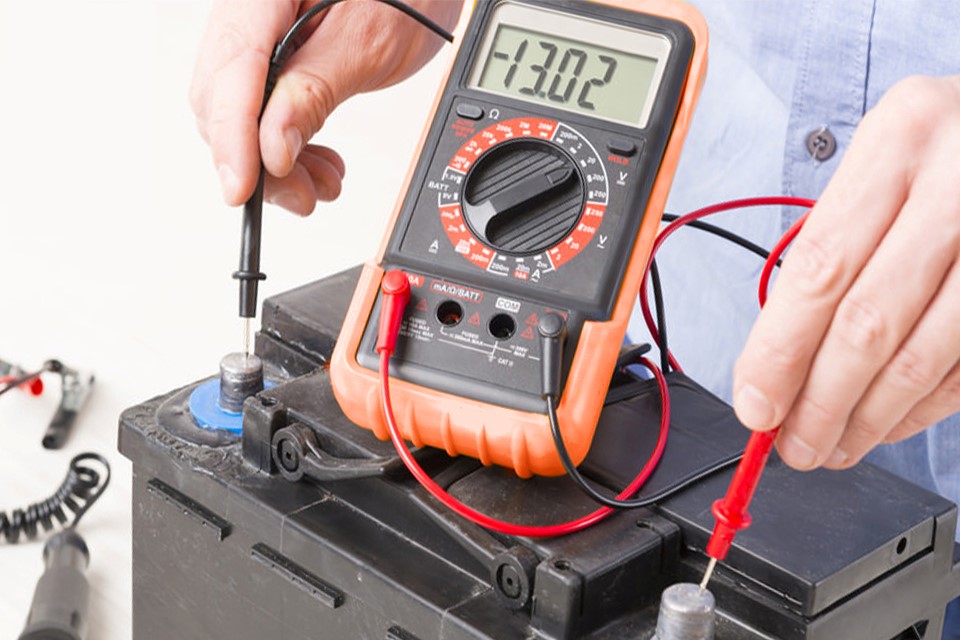
Battery health is a key starting point in electrical maintenance. Batteries typically last around 3 to 5 years, depending on climate and usage. Regularly checking the battery terminals for corrosion and cleaning them helps maintain a strong electrical connection.
Corroded terminals can cause starting issues or even leave the driver stranded. Using a battery tester during routine maintenance ensures the battery holds a proper charge, allowing for timely replacement before complete failure.
The alternator, responsible for charging the battery while the engine runs, is another vital component. A failing alternator can cause the battery to drain quickly and trigger warning lights on the dashboard. Alternator problems often show as dimming headlights, flickering dashboard lights, or electrical accessories malfunctioning.
Early diagnosis can prevent the battery from being drained repeatedly, which can also reduce battery life. Checking the alternator belt tension and condition helps maintain its proper function.
Fuses and relays protect various electrical circuits in the Nissan Quest and should be inspected if electrical systems behave erratically. Blown fuses or corroded relay contacts can cause sudden loss of power to critical systems such as the fuel pump, lights, or power windows.
Keeping a set of spare fuses and knowing their locations helps in quick troubleshooting during emergencies. Regular inspection and replacement of worn electrical connectors ensure stable connections and prevent intermittent issues.
Wiring harnesses are generally durable but can suffer from wear, chafing, or rodent damage over many years. Damaged wiring can cause shorts or open circuits, leading to malfunctioning systems or warning lights.
During routine servicing, technicians often inspect wiring integrity, especially in areas prone to movement or exposure. Using dielectric grease on connectors prevents corrosion and enhances connection stability.
Lighting systems, including headlights, brake lights, and turn signals, are essential for safety and should be checked frequently. Replacing bulbs before they burn out and cleaning lens covers maintains visibility.
Upgrading to longer-lasting LED bulbs can be a worthwhile investment for older Nissan Quests, as LEDs consume less power and last much longer. Maintaining clear and functional lighting ensures the minivan remains safe and roadworthy.
Another important electrical aspect is the vehicle’s onboard computer and sensor systems. Many older Nissan Quests use electronic control modules (ECMs) to manage engine performance, emissions, and safety features.
6. Protect the Body and Frame from Rust and Corrosion
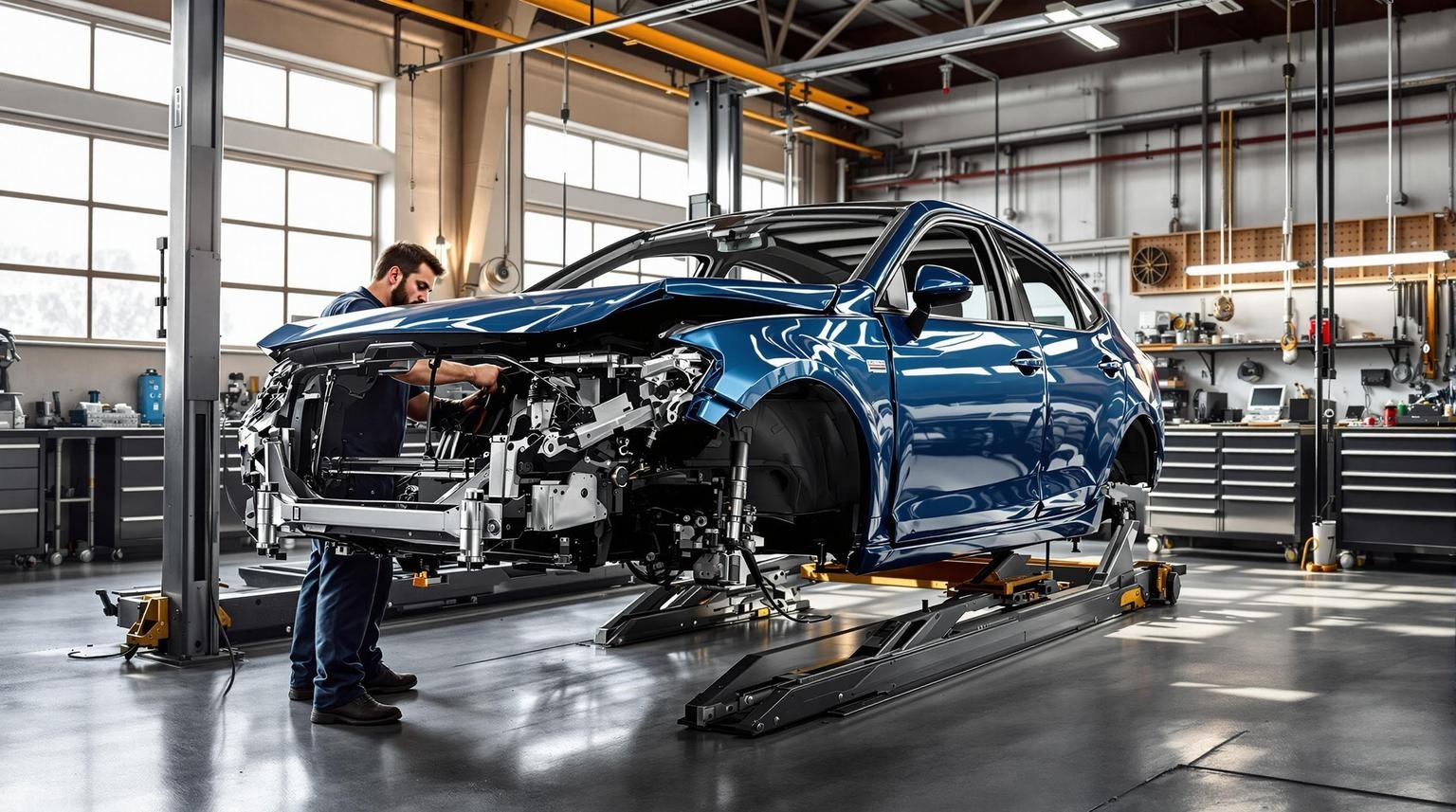
Rust and corrosion can silently degrade the structural integrity and appearance of any vehicle, including the Nissan Quest. Since many Quests are used as family vehicles, they frequently encounter various weather conditions, road salts, and moisture that accelerate corrosion. Protecting the body and frame from rust is critical to maintaining safety and resale value over 15 years.
Regular washing and waxing of the Nissan Quest’s exterior helps protect the paint and underlying metal. Dirt, salt, and grime build-up on the vehicle’s surface trap moisture against the metal body panels, accelerating rust formation.
Washing the vehicle frequently, especially in winter months or after exposure to salty roads, removes these corrosive agents. Waxing creates a protective barrier that helps repel water and contaminants, preserving the paint and metal beneath.
Special attention should be paid to vulnerable areas such as wheel wells, undercarriage, door sills, and around windshield edges. These spots are more prone to accumulating dirt and moisture and can start to rust unnoticed.
Many owners invest in undercoating treatments or rust-proofing sprays that form a protective layer against moisture and salt. While these treatments are not foolproof, they can significantly slow down the progression of rust if applied regularly.
Inspecting the vehicle for any chips or scratches in the paint and repairing them promptly prevents rust from starting in those exposed areas. Touch-up paint kits designed for the Nissan Quest can seal minor damage and stop rust at its earliest stage. Ignoring paint damage allows moisture to penetrate, which leads to bubbling, flaking, and eventual metal deterioration beneath.
The frame, although typically coated with rust-resistant materials at the factory, is also vulnerable over time. Severe rust in the frame can compromise the vehicle’s structural safety, especially in the event of an accident.
Checking for signs of frame rust, such as flaking metal, discoloration, or weakened spots, is important during professional inspections. If rust is detected early, it can often be treated with rust converters or professional repair to prevent further spread.
7. Use Quality Replacement Parts and Fluids
The choices made when replacing parts or fluids can have a significant impact on the long-term durability of a Nissan Quest. Using quality OEM (Original Equipment Manufacturer) parts or high-quality aftermarket components ensures that the vehicle’s systems work as intended, maintaining reliability and performance over the years.
Cutting corners on parts or fluids can cause premature wear or failure, shortening the vehicle’s lifespan and increasing repair costs.
When replacing parts such as brake pads, filters, belts, or suspension components, opting for those specifically designed for the Nissan Quest ensures proper fitment and compatibility. OEM parts are tested to meet exact standards set by Nissan and generally provide longer service life.
While aftermarket parts can be less expensive, it’s important to choose reputable brands with positive reviews and warranties. Cheap, substandard parts may save money upfront, but often lead to more frequent repairs and poorer performance.
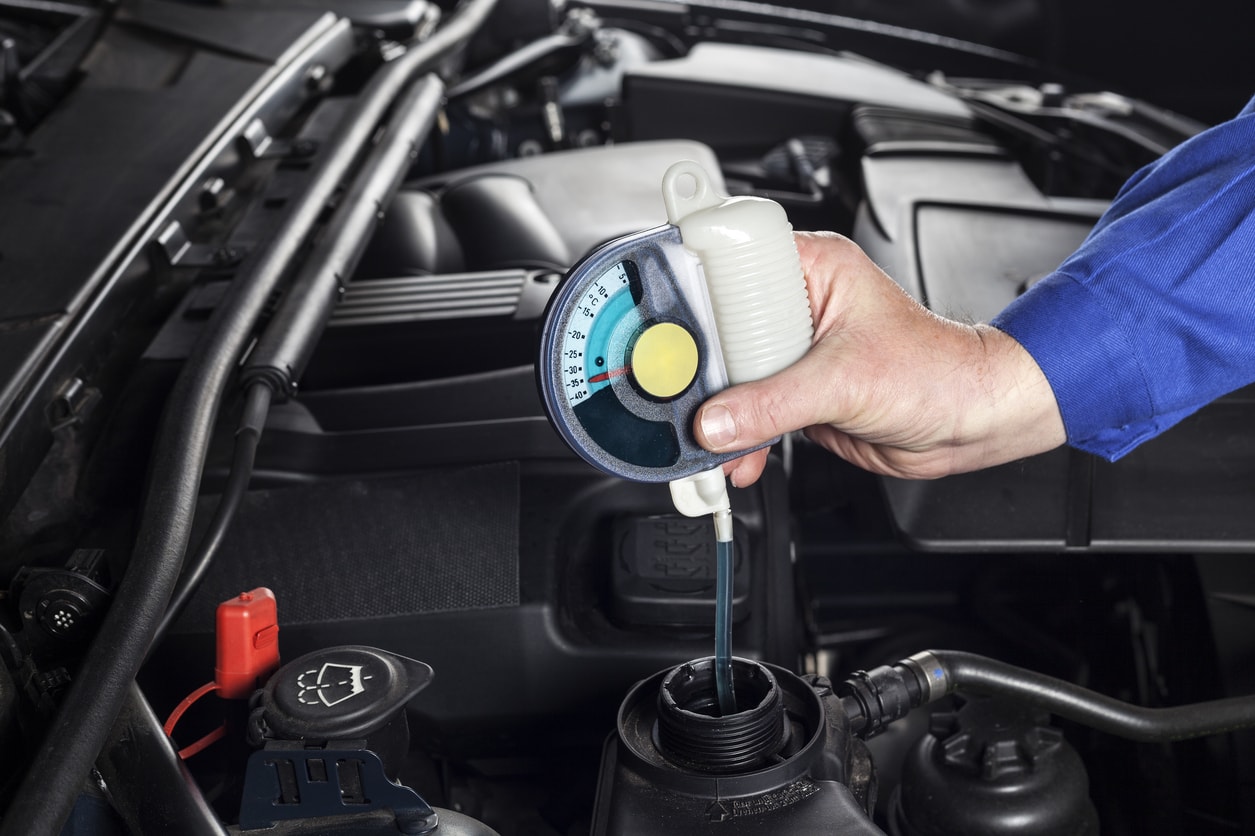
Fluids are another area where quality matters greatly. Engine oil, transmission fluid, coolant, brake fluid, and power steering fluid should meet or exceed Nissan’s specifications. For example, using the correct grade of engine oil and changing it at recommended intervals protects internal engine parts from excessive wear and heat damage.
Synthetic oils, while more expensive, often provide better protection and longer intervals between changes, which can be cost-effective in the long run.
Transmission fluid quality is equally critical. Using the wrong type or low-quality fluid can cause shifting problems or damage internal transmission components. Similarly, brake fluid must be replaced regularly with fluid that meets the required DOT standards to maintain braking efficiency and prevent moisture-related corrosion inside brake lines and calipers.
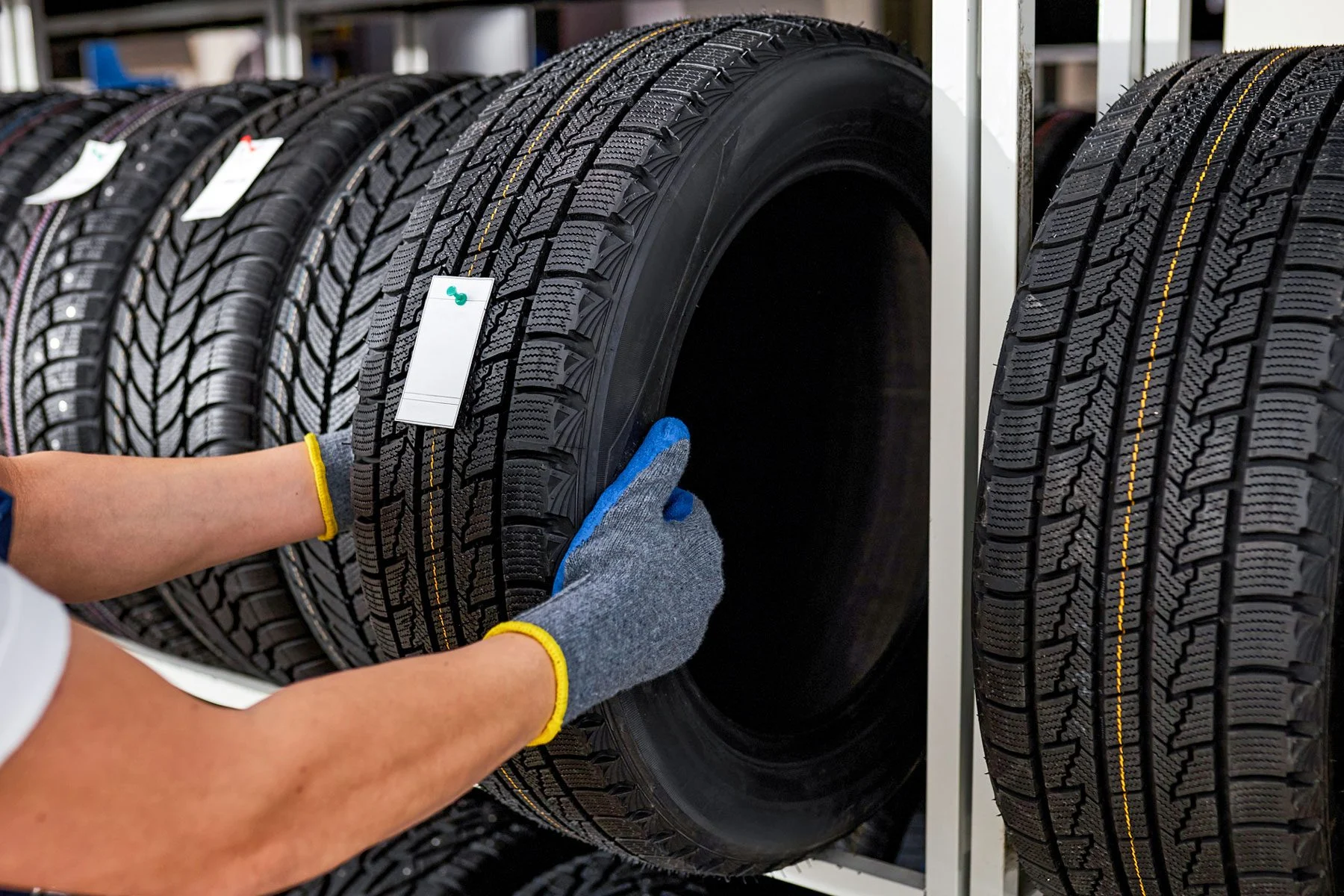
8. Maintain Proper Tire Care and Alignment
Tires are the only part of the Nissan Quest that directly touch the road, making their condition essential for safety, ride comfort, and vehicle longevity. Proper tire care, including regular inspections, rotations, inflation checks, and alignment, plays a crucial role in preventing premature tire wear and maintaining fuel efficiency.
Tire pressure should be checked at least once a month and before long trips. Proper inflation prevents uneven tire wear, improves fuel economy, and ensures safe handling.
Overinflated tires can cause a harsh ride and reduced traction, while underinflated tires increase rolling resistance and heat buildup, leading to faster wear and risk of blowouts. The recommended tire pressure for the Quest can be found on the driver’s door placard or in the owner’s manual.
Rotating tires every 5,000 to 7,000 miles promotes even wear on all four tires. Front tires on a front-wheel-drive vehicle like the Nissan Quest tend to wear faster due to steering and power delivery.
Regular rotation equalizes wear patterns, extending tire life and improving balanced handling. Neglecting rotation often results in uneven tire wear and the need to replace tires sooner than expected.
Wheel alignment checks are important to ensure the tires roll straight and true. Misalignment causes the vehicle to pull to one side, uneven tire wear, and reduced steering precision. Proper alignment prevents premature tire wear, enhances stability, and improves fuel economy.
It also reduces strain on suspension and steering components. Alignment should be checked during routine service, after hitting potholes or curbs, or if the vehicle exhibits pulling or vibration.
Tire tread depth must be monitored for safety. Worn tires with shallow tread reduce traction, especially on wet or slippery surfaces, increasing the risk of accidents. Many states require a minimum tread depth for roadworthiness, and replacing tires before they reach this limit is essential. Regularly inspecting tires for cuts, bulges, or embedded objects helps prevent blowouts or sudden tire failure.
Balancing tires during mounting or rotation eliminates vibrations that cause uneven wear and discomfort. Imbalanced tires place extra stress on wheel bearings and suspension components. Proper balancing ensures a smooth ride and protects vehicle parts.
Also Read: 5 Cars That Are Suited For Teen Drivers and 5 That Fail To Deliver
