
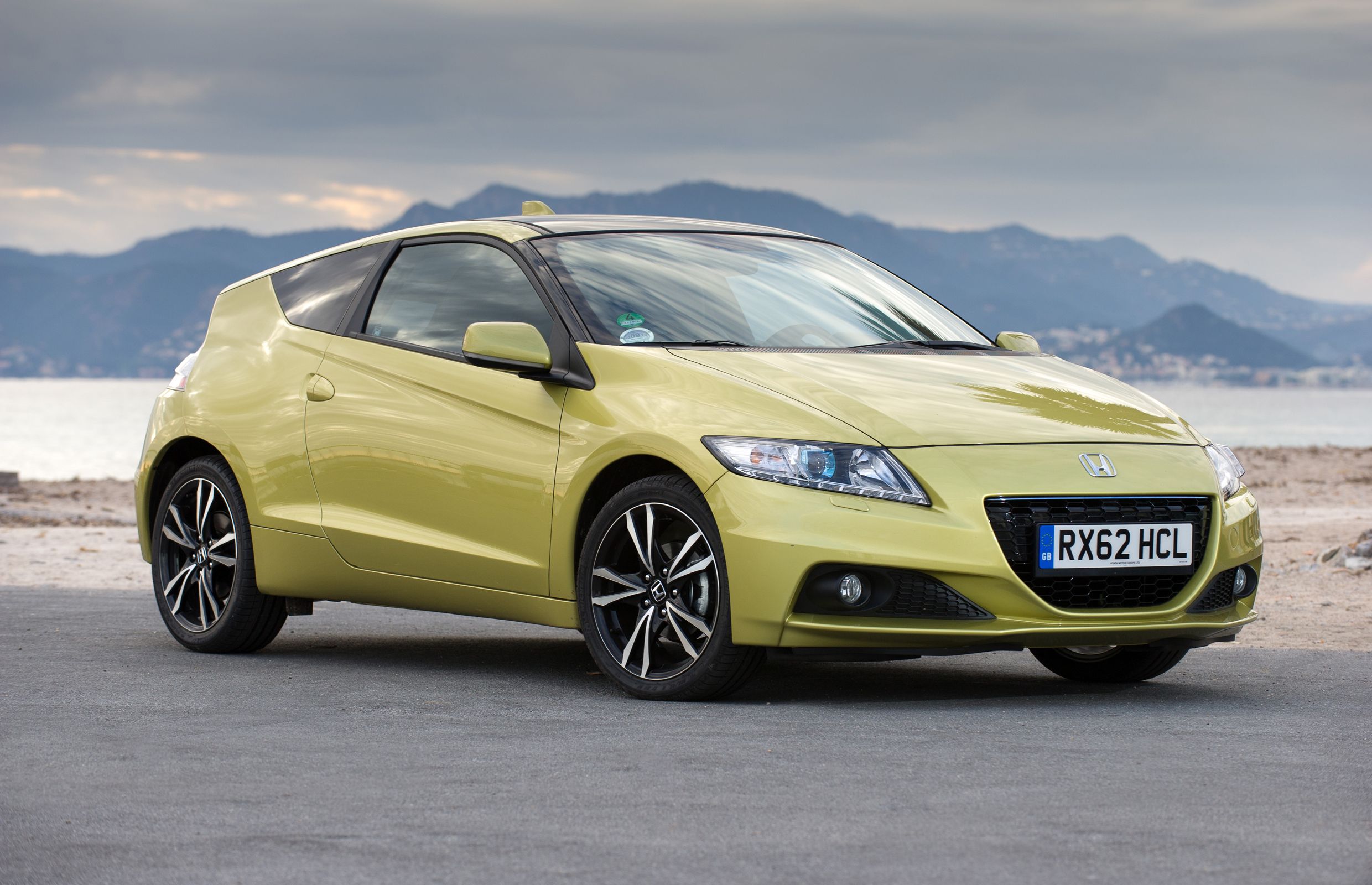
The Honda CR-Z stands out as a unique blend of sportiness and hybrid efficiency, making it a beloved choice among compact car enthusiasts who want both performance and eco-friendliness.
When it first came onto the scene, the CR-Z gained attention for its distinctive design, spirited driving experience, and innovative hybrid technology that aimed to reduce fuel consumption without sacrificing fun. However, like any car, maintaining its longevity requires understanding the common pitfalls that can reduce its lifespan.
Even though Honda’s engineering is generally reliable, certain mistakes can cause premature wear or damage to key components of the CR-Z, cutting its life short and leading to costly repairs. For those who cherish this hybrid hatchback and want it to last as long as possible, knowing what not to do is just as important as knowing how to care for it properly.
This article will outline nine specific mistakes that are frequently made by CR-Z owners or mechanics that contribute to the car’s early decline. These errors often involve neglecting routine maintenance, misunderstanding the hybrid system, or pushing the car beyond its intended limits.
Each mistake affects different parts of the car, from the engine and transmission to the battery and suspension. By avoiding these errors, owners can preserve their Honda CR-Z’s performance, efficiency, and reliability.
The information here is intended to help owners be proactive and informed, giving them a better chance of keeping their car running smoothly for many years and miles. While some problems are inevitable due to normal wear and tear, many issues that kill a CR-Z prematurely are completely avoidable with proper care and attention.
Maintaining a Honda CR-Z requires not only regular upkeep but also a mindset of understanding the car’s unique hybrid system and respecting its engineering limits. For example, this model’s hybrid battery needs special attention compared to conventional vehicles, and the sporty engine needs regular monitoring to avoid damage caused by neglect or abuse.
This article breaks down the most common mistakes and explains why they are harmful, how to recognize them, and what to do instead. Whether you own a CR-Z now or are considering buying one, being aware of these nine critical mistakes will help you protect your investment and enjoy this fun hybrid longer.
Also Read: 5 Steering Racks That Stay Tight vs 5 That Loosen Quickly
1. Ignoring Hybrid Battery Health and Maintenance
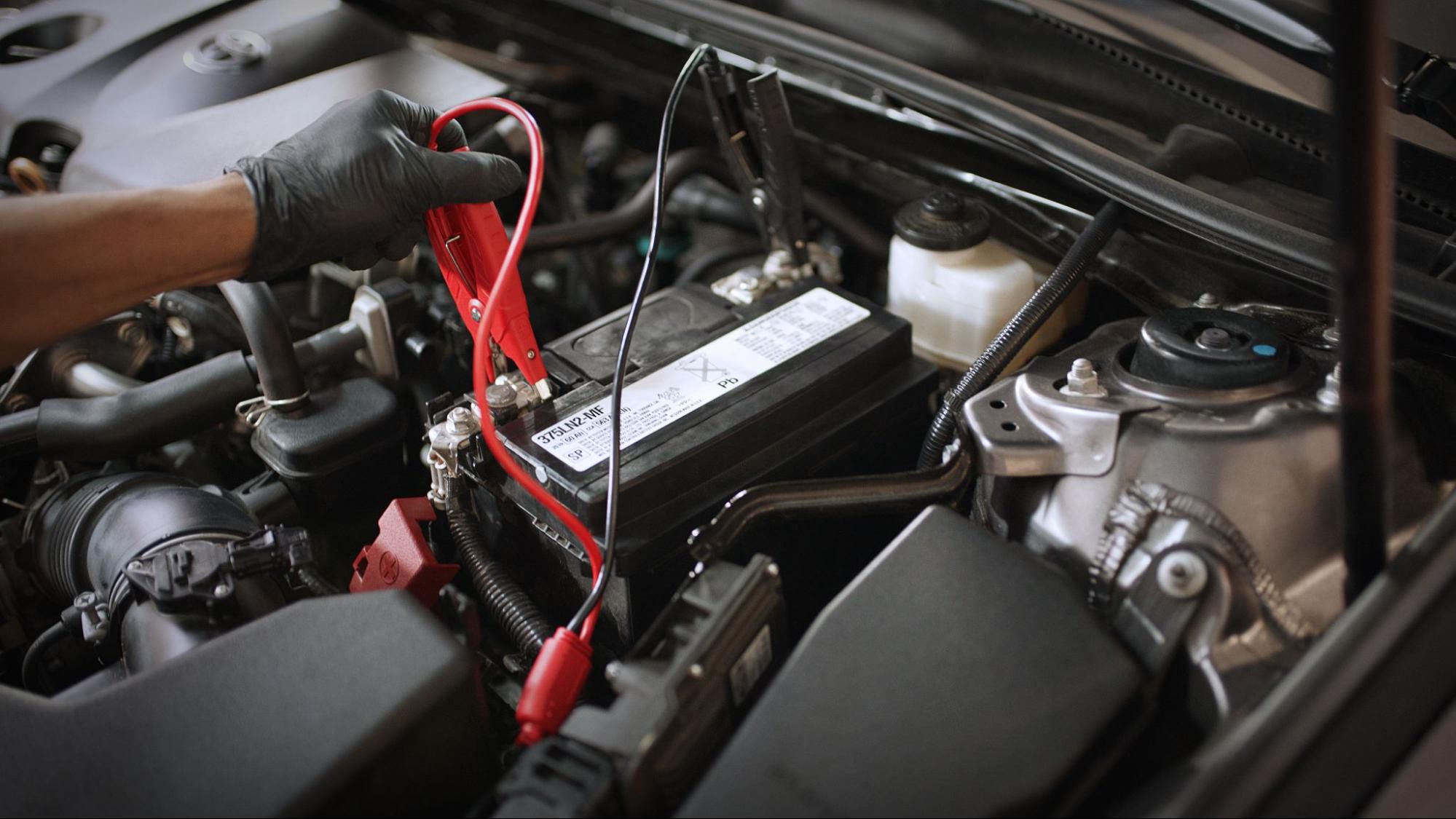
One of the most crucial and expensive parts of the Honda CR-Z is its hybrid battery pack. The battery is the heart of the hybrid system, responsible for powering the electric motor and helping the gasoline engine run more efficiently. Unfortunately, many owners do not give enough attention to the battery’s health until problems arise, which can be too late for simple fixes.
Hybrid batteries degrade over time naturally, but neglecting proper care accelerates this process significantly. Excessive heat, deep discharging, or infrequent driving can shorten the battery’s lifespan.
Unlike traditional car batteries, hybrid batteries need more precise monitoring because they involve complex cell balancing and cooling systems. Owners who rarely drive their CR-Z or take it on only short trips may not allow the battery to charge and discharge optimally, leading to sulfation and capacity loss.
Additionally, failing to keep the battery pack’s cooling system clean or functional can cause overheating, which damages cells irreversibly. Some CR-Z owners also neglect periodic software updates or diagnostic checks that can help detect battery health issues early.
Ignoring warning signs such as reduced fuel efficiency, sudden drops in electric assist, or dashboard hybrid system alerts can result in a complete battery failure. Since replacement hybrid battery packs are expensive, often costing thousands of dollars, preventive maintenance is critical.
Simple steps like regular driving at highway speeds, keeping the cooling system clean, and getting professional hybrid system diagnostics can extend battery life significantly. By treating the hybrid battery as a vital and sensitive component rather than a “set-it-and-forget-it” part, CR-Z owners can avoid premature battery deaths that cripple the car’s hybrid functionality.
2. Neglecting Oil and Engine Maintenance
Despite being a hybrid, the Honda CR-Z still relies on a traditional gasoline engine that requires routine maintenance like any combustion engine. One common mistake is treating the CR-Z as if it needs less engine care simply because it’s a hybrid.
This leads some owners to skip or delay oil changes, filter replacements, or spark plug maintenance, all of which are essential for the engine’s longevity. Poor oil quality or old oil can cause excessive engine wear, sludge buildup, and overheating over time.
The CR-Z’s 1.5-liter inline-4 engine benefits from timely oil changes using the recommended synthetic oils to maintain proper lubrication and cooling. Failing to do so can result in worn piston rings, valve damage, or compromised timing components.
Because the engine cycles between electric and gas power, it may run differently from a conventional engine, but this does not reduce its need for regular maintenance. Additionally, the CR-Z uses a specific type of spark plug optimized for its hybrid system. Using incorrect or worn spark plugs reduces combustion efficiency and increases emissions, putting more strain on the engine.
Another maintenance aspect often overlooked is the engine’s cooling system. Radiator, coolant levels, and thermostat function are vital to prevent overheating, especially since hybrids generate heat differently during electric/gas mode transitions.
Owners who ignore engine warning lights or skip scheduled inspections risk engine damage that can be costly to repair. Following Honda’s maintenance schedule closely and addressing engine problems promptly helps ensure the CR-Z’s gasoline engine remains reliable and robust.
3. Misusing or Overstressing the Transmission
The Honda CR-Z features a unique transmission setup that varies by model year and trim. Many CR-Zs come with a manual transmission option, but some models use Honda’s Integrated Motor Assist (IMA) hybrid system paired with a continuously variable transmission (CVT).
Both transmissions require proper handling and care to avoid premature failure. One mistake is overloading or aggressively driving the car beyond its design limits, especially with the manual transmission.
Hard launches, excessive clutch slipping, and frequent high-revving put undue stress on the manual gearbox, clutch, and related components. Many CR-Z owners appreciate the sporty feel but don’t realize how aggressive driving can wear down the transmission and clutch much faster than normal use.
For the CVT-equipped CR-Zs, harsh acceleration, towing, or driving in hilly terrain without proper maintenance can cause belt wear, overheating, and fluid degradation.
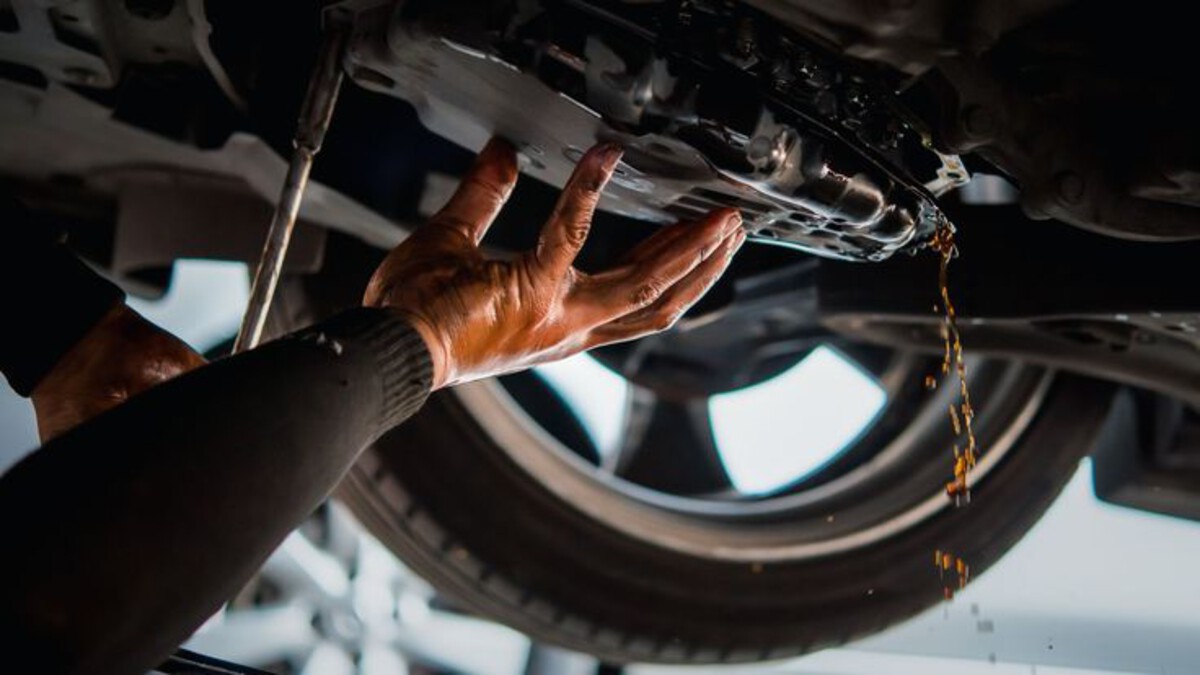
Neglecting transmission fluid changes is another common mistake. The CR-Z’s transmission fluids have specific properties that maintain smooth gear shifts and cool the transmission.
Old or low fluid leads to increased friction, slipping, and overheating, which shortens transmission life. Additionally, many owners avoid regular inspections or fluid flushes because they underestimate the importance of transmission care in hybrid vehicles.
To maximize transmission life, owners should adopt smooth driving habits, avoid unnecessary strain on the gearbox, and adhere to recommended fluid service intervals. For manual transmissions, clutch engagement should be gradual to prevent slipping.
For CVT models, keeping transmission fluids fresh and monitoring for slipping or unusual noises can prevent early failures. Proper transmission use and maintenance are vital to the CR-Z’s drivability and longevity.
4. Overlooking Suspension and Brake System Wear
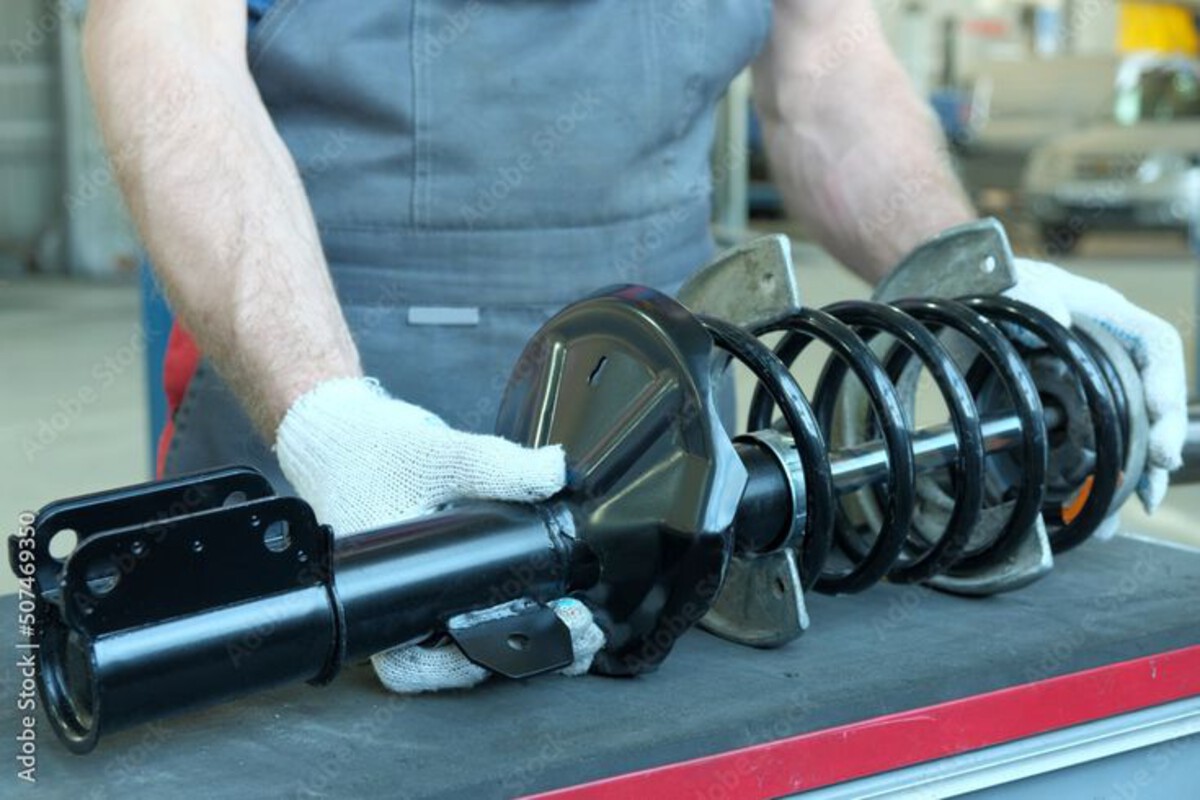
The Honda CR-Z’s sporty nature means it has a suspension and brake setup designed for responsive handling and efficiency. However, many owners neglect these systems, resulting in uneven tire wear, poor handling, and compromised safety. Because the CR-Z is a lighter, smaller car, owners may underestimate the importance of regular suspension checks and brake maintenance.
Suspension components such as shocks, struts, bushings, and control arms wear out over time due to road conditions and driving style. Neglecting worn parts leads to vibrations, poor ride quality, and reduced vehicle control.
For a hybrid like the CR-Z, where regenerative braking is involved, the brake system has both traditional components and electronic control units working together. Failing to maintain brake pads, rotors, and brake fluid can cause reduced braking efficiency or premature component failure.
Many CR-Z owners do not bleed the brake system or replace brake fluid as often as recommended, allowing moisture buildup that causes corrosion and decreases braking power. Furthermore, ignoring warning noises, vibrations, or a soft brake pedal can lead to safety risks. Properly maintaining suspension alignment and balancing tires are also crucial to avoid uneven wear and maximize fuel efficiency.
Regular inspections of suspension and brake components, timely replacements, and adherence to brake fluid service intervals keep the CR-Z’s driving dynamics sharp and safe. Since the hybrid system partially relies on regenerative braking, ensuring mechanical brakes are well-maintained reduces strain on the hybrid battery and related electronics.

5. Using Incorrect or Low-Quality Replacement Parts
When it comes to repairing or maintaining a Honda CR-Z, the choice of replacement parts plays a significant role in the vehicle’s long-term reliability. One common mistake is settling for cheaper aftermarket parts that may not meet Honda’s strict standards.
While it’s tempting to save money upfront by purchasing inexpensive components, these parts often lack the precision and quality control of genuine or high-quality OEM parts. In the case of the CR-Z, which combines a conventional engine with a hybrid electric system, part compatibility is especially critical.
Using inferior components in either the mechanical or electrical systems can lead to unexpected failures, poor performance, and even damage to other interconnected parts.
For example, the hybrid battery and inverter assembly require components designed specifically for the CR-Z’s electrical architecture. These systems are highly sensitive, and improper parts can cause short circuits, overheating, or poor battery management, which drastically reduces the hybrid system’s effectiveness.
Similarly, critical engine parts like air filters, spark plugs, and oil filters must meet specific requirements to ensure optimal combustion and engine longevity. Using generic or substandard parts in these areas can lead to decreased fuel efficiency, increased emissions, and engine wear. Many owners do not realize that even small components, like hoses or belts, have precise specifications, and deviations can affect vehicle reliability.
Another area where low-quality parts cause issues is the suspension and brake system. Components like brake pads and rotors influence stopping power and wear rates. Non-OEM brake pads might cause uneven rotor wear or generate excessive noise, while cheaper suspension parts such as bushings or shocks may deteriorate prematurely, leading to a rougher ride and compromised handling.
This is especially important for the CR-Z, which prides itself on sporty driving dynamics. When suspension or braking components fail prematurely, it not only impacts safety but can also increase the stress on the hybrid system due to erratic driving behavior in response to poor vehicle control.
Lastly, owners should be cautious about warranties and service agreements. Some aftermarket parts come with limited or no warranties, and installing them can sometimes void manufacturer warranties on related components. Additionally, improperly installed or incompatible parts may cause cascading failures that increase repair costs in the long run.
To ensure peace of mind and maintain the CR-Z’s value, it’s best to invest in certified OEM or high-quality aftermarket parts from reputable suppliers. Doing so protects the car’s complex systems and ensures the replacement parts will perform as expected over the long term.
6. Ignoring Software Updates and Hybrid System Diagnostics
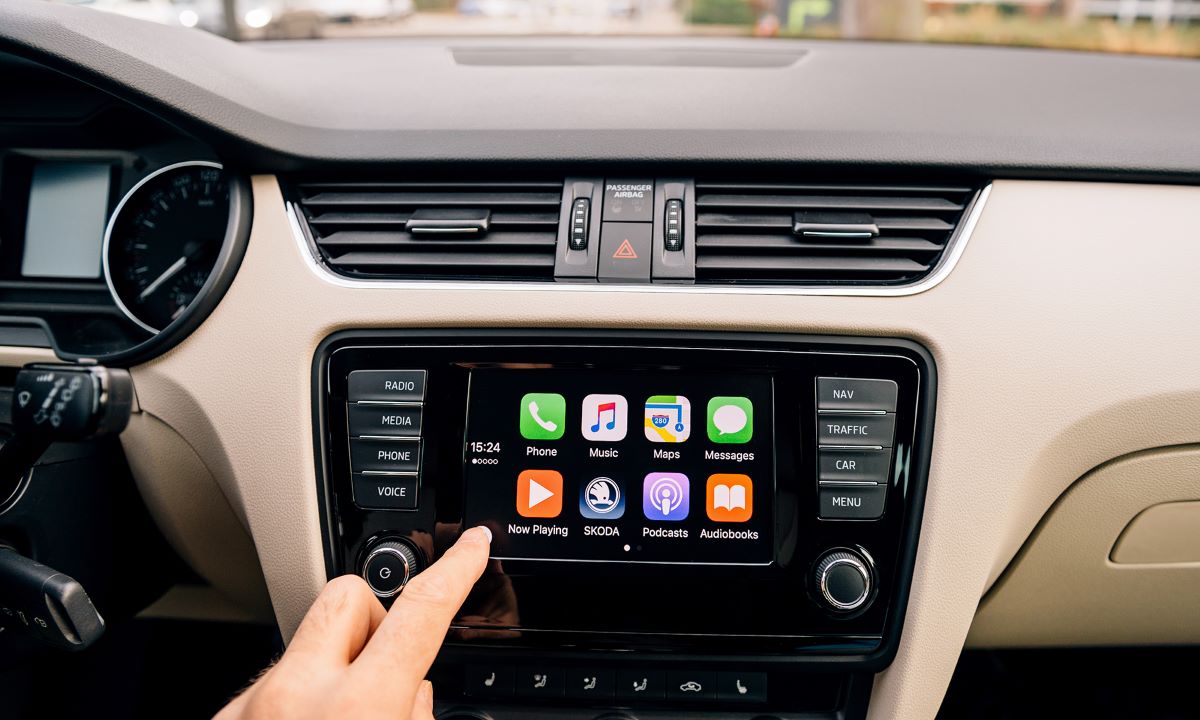
The Honda CR-Z relies on sophisticated software to manage its hybrid components, engine operation, and performance. One mistake that many owners make is overlooking the importance of regular software updates and hybrid system diagnostics.
These updates are not merely about fixing bugs; they often include improvements to battery management, fuel efficiency algorithms, and fault detection capabilities that can extend the car’s life. The hybrid system uses real-time data to balance electric and gas power, optimize battery charging, and ensure smooth operation. Without up-to-date software, the system may run less efficiently or fail to detect issues early.
Software updates for the CR-Z are typically performed at Honda dealerships or specialized hybrid service centers. However, many owners don’t schedule these updates because they are unaware they exist or do not perceive immediate benefits.
Ignoring these updates means missing out on enhancements designed to improve battery health, reduce wear on hybrid components, and increase vehicle reliability. For instance, updates might refine the battery charging algorithm to prevent excessive cycling or adjust cooling system parameters to protect components from overheating, especially in warmer climates.
In addition to updates, regular hybrid system diagnostics are crucial. The CR-Z’s electronic control units continuously monitor hundreds of data points, but sometimes problems develop in subtle ways that don’t immediately trigger warning lights.
Professional diagnostic tools can identify cell imbalances within the battery pack, inverter inefficiencies, or motor controller issues before they escalate into catastrophic failures. Early detection through diagnostics allows owners to take preventive action, such as balancing battery cells, replacing a failing sensor, or correcting software errors, thus avoiding costly repairs and sudden breakdowns.
CR-Z owners need to understand that the hybrid system is more than just a set-and-forget component. Staying proactive with software updates and diagnostics ensures the vehicle operates at peak efficiency and longevity.
Since the hybrid system controls a significant part of the vehicle’s powertrain, neglecting this maintenance aspect undermines the benefits of owning a hybrid. Regularly consulting with qualified technicians and following Honda’s recommendations for hybrid system care is essential for maximizing the CR-Z’s lifespan.
7. Neglecting Tire Care and Proper Inflation
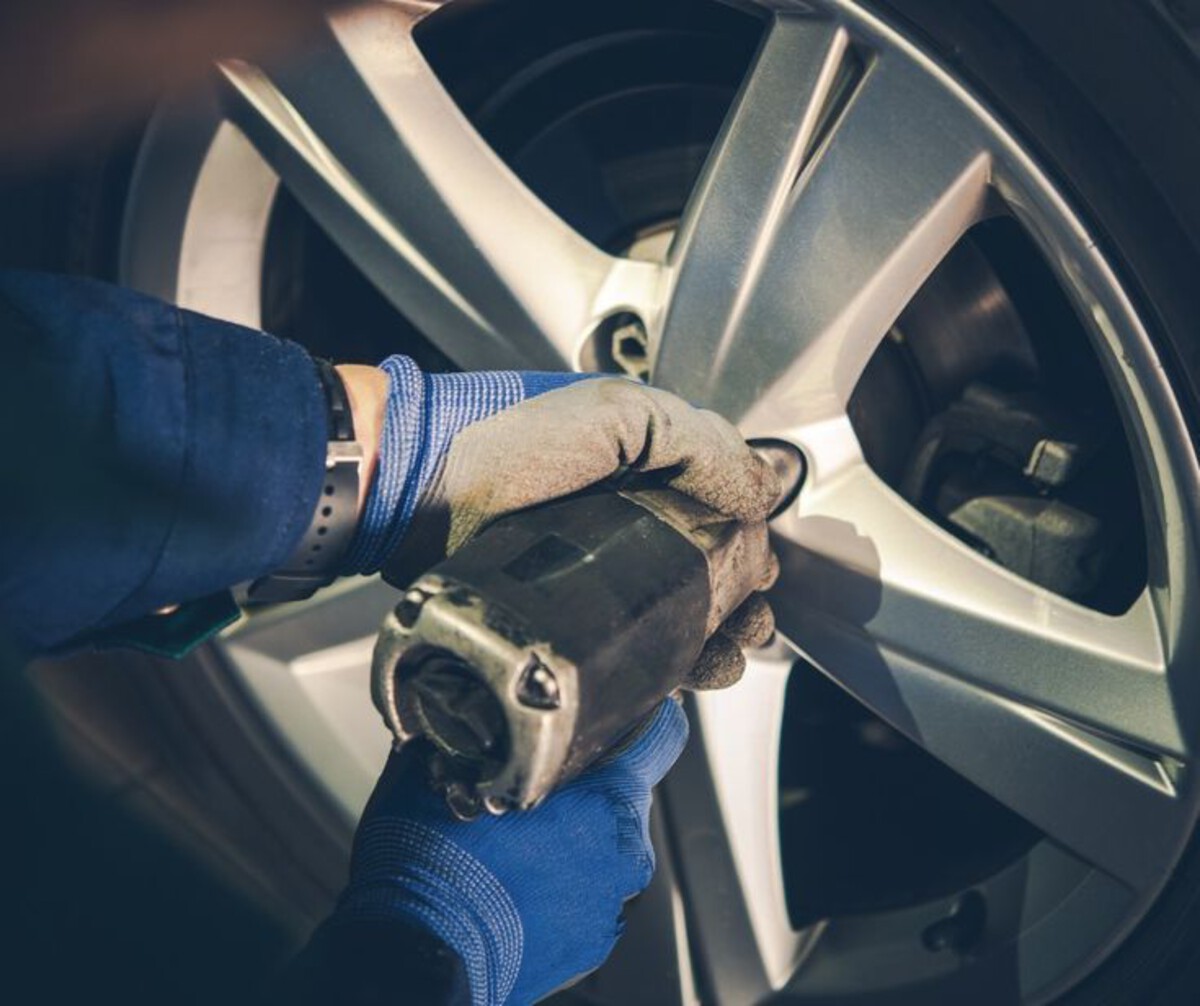
Tires are often overlooked when considering factors that affect a car’s performance and longevity, but for the Honda CR-Z, they are especially important. The CR-Z’s hybrid drivetrain and sporty suspension demand that tires be maintained properly to ensure optimal fuel efficiency, handling, and safety.
One of the most common mistakes owners make is neglecting tire pressure checks and rotations. Incorrect tire pressure causes uneven wear, reduces grip, and can significantly impact the hybrid system’s effectiveness. Underinflated tires increase rolling resistance, making the electric motor and gasoline engine work harder, which leads to reduced fuel economy and battery range.
Since the CR-Z is designed to maximize efficiency, maintaining the correct tire pressure recommended by Honda is critical. While the car is equipped with a Tire Pressure Monitoring System (TPMS), the system typically only alerts drivers when tire pressure is dangerously low, not when it’s slightly off optimal levels.
Regular manual checks with a quality pressure gauge are necessary to maintain exact pressures, which improves ride quality and tire longevity. Overinflated tires, on the other hand, reduce the contact patch with the road, decreasing traction and causing a harsher ride, which can be uncomfortable and unsafe.
In addition to proper inflation, tire rotation is an important maintenance step that many CR-Z owners overlook. Because of the vehicle’s front-wheel-drive layout, the front tires tend to wear faster due to steering and power delivery forces.
Rotating the tires every 5,000 to 7,000 miles ensures even wear, prolonging the life of the tires and maintaining balanced handling. Uneven tire wear can lead to vibrations, poor cornering, and premature tire replacements, all of which detract from the driving experience and increase costs.
Choosing the right tires also matters for the CR-Z. Some owners, eager for improved grip or a different look, install wider or heavier tires. However, heavier tires increase unsprung weight and rolling resistance, which can negatively impact the car’s hybrid efficiency and acceleration.
It’s best to stick with Honda’s recommended tire size and opt for quality tires designed for low rolling resistance and good grip. Proper tire maintenance combined with suitable tire choice keeps the CR-Z performing as intended, supporting both safety and the hybrid’s fuel-saving benefits.
8. Improper Storage and Long Periods of Inactivity
Proper storage is essential for preserving the Honda CR-Z, especially for owners who don’t drive the car regularly. The CR-Z’s hybrid battery and electrical systems are particularly vulnerable to degradation if the vehicle sits unused for extended periods without proper preparation.
One major mistake is allowing the car to sit idle for months without starting or moving it, which can lead to battery discharge, fluid deterioration, and mechanical problems. Unlike conventional vehicles, hybrids have complex battery management systems that require occasional cycling to maintain optimal health.
When a CR-Z sits inactive, the hybrid battery may enter a deep discharge state, reducing its capacity and potentially causing irreversible damage. Additionally, the 12-volt auxiliary battery that powers the vehicle’s electronics can also discharge completely, preventing the car from starting.
Tires can develop flat spots from sitting on the same patch of pavement for too long, leading to vibrations and uneven wear when the car is driven again. Brake components may corrode or stick, especially if the vehicle is stored in humid or salty environments.
Storage conditions also influence the car’s longevity. Exposure to extreme temperatures, especially heat, accelerates chemical degradation inside the hybrid battery and other components.
Moisture can cause rust and electrical corrosion, damaging connectors and sensors. Direct sunlight can fade paint and dry out rubber seals, leading to leaks. Owners should consider storing the CR-Z in a cool, dry, and shaded location, ideally inside a garage, to mitigate these risks.
To protect the CR-Z during long periods of inactivity, owners should follow a few simple guidelines. Keeping the hybrid battery partially charged by occasionally driving the car or using a trickle charger is vital. Disconnecting the 12-volt battery or using a battery maintainer prevents deep discharge.
Covering the vehicle with a breathable car cover shields it from dust and UV rays. Performing a startup and a short drive every few weeks helps circulate fluids, prevents flat spots, and keeps mechanical components lubricated. Proper storage practices prevent many avoidable issues that otherwise reduce the CR-Z’s lifespan.
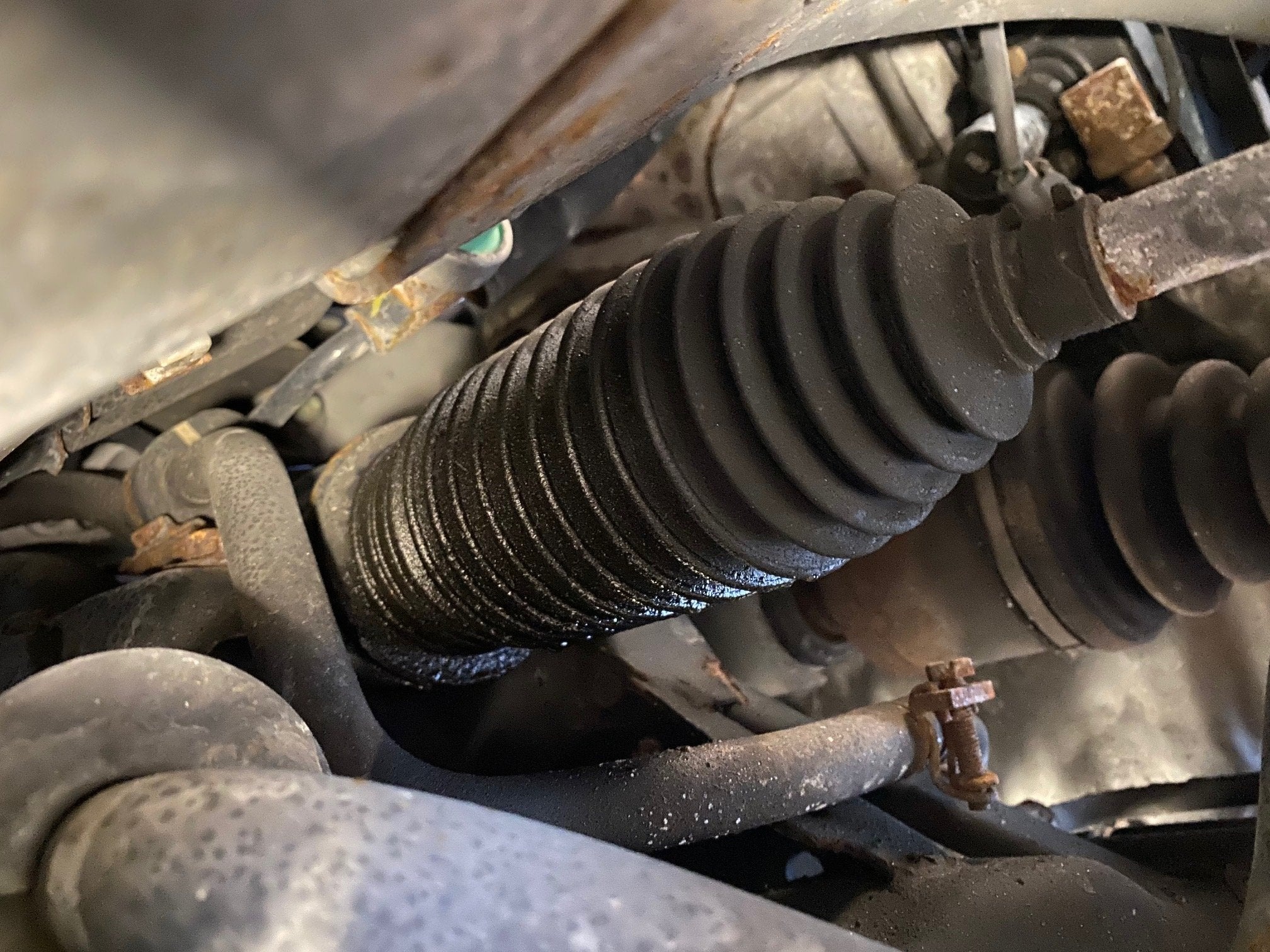
9. Failing to Address Small Problems Promptly
A tendency to ignore minor issues is one of the biggest reasons why many cars, including the Honda CR-Z, suffer premature damage. Small warning signs often appear before serious failures, but if left unattended, they can quickly escalate into costly repairs or even safety hazards.
For hybrid vehicles like the CR-Z, this is especially true because the system’s complexity means minor symptoms can indicate deeper issues within the battery, inverter, or engine systems.
For example, a slight drop in electric motor assist or occasional hesitation during acceleration might be dismissed as normal or temporary, but these symptoms could signify a failing battery cell or an inverter malfunction.
Similarly, dashboard warning lights related to the hybrid system or engine should never be ignored, as they provide early indicators of component degradation or faults. Owners who delay diagnostics risk causing additional damage that affects multiple systems, increasing repair time and expense.
Mechanical issues, such as unusual noises from the suspension, brake squeals, or vibrations, also warrant immediate attention. Even minor fluid leaks or slow steering response can point to worn parts or failing seals that compromise safety and drivability. Waiting until a complete failure or breakdown forces emergency repairs that often cost more and cause greater inconvenience.
Regular inspections, prompt repairs, and responding quickly to any warning signs help maintain the CR-Z’s reliability and safety. Routine visits to a trusted mechanic who understands hybrid technology can catch problems early and perform necessary maintenance before issues worsen.
Owners who adopt a proactive approach, rather than a reactive one, greatly increase their chances of enjoying their CR-Z for many years without unexpected breakdowns or expensive repairs.

10. Overlooking the Importance of Proper Driving Habits
Driving style plays a significant role in how long a Honda CR-Z lasts, especially given its hybrid nature and sporty characteristics. One critical mistake that shortens the vehicle’s lifespan is adopting aggressive driving habits, such as rapid acceleration, harsh braking, and frequent high-revving.
The CR-Z’s hybrid system is designed to balance power delivery smoothly between the gasoline engine and electric motor, but aggressive driving forces the components to work harder, causing unnecessary wear and tear on the engine, transmission, brakes, and battery.
Rapid acceleration not only puts extra strain on the engine and transmission but also forces the hybrid battery to supply a surge of power, which can accelerate battery degradation over time. The gasoline engine, although sporty, isn’t built to withstand constant high RPMs or sudden bursts of power without proper warm-up and cooldown cycles.
Additionally, frequent hard stops reduce the life of brake pads and rotors, even though the CR-Z benefits from regenerative braking. The hybrid battery and brake system work together to recapture energy during braking, but aggressive stops limit this benefit, causing the mechanical brakes to wear faster.
Another aspect of proper driving habits is smooth, steady throttle application and anticipating traffic flow to avoid unnecessary stops and starts. The CR-Z’s hybrid system works most efficiently during steady-state driving or gentle acceleration, where the electric motor can assist the engine optimally and maximize fuel economy.
Stop-and-go driving, especially with abrupt acceleration or braking, causes the hybrid system to cycle rapidly between battery charge and discharge states, which over time contributes to increased wear on battery cells and electric components.
Owners who respect the CR-Z’s unique engineering and drive in a calm, consistent manner can greatly extend the life of its drivetrain and hybrid system. Adopting efficient driving habits also enhances the ownership experience by improving fuel economy, reducing emissions, and minimizing repair costs.
By treating the CR-Z not just as a sporty car but as a hybrid with specific needs, owners can enjoy its full benefits while ensuring it remains reliable for many years.
Also Read: 5 Infotainment Units With Reliable Software vs. 5 That Are Glitchy
The Honda CR-Z is a unique vehicle that combines sporty performance with hybrid efficiency, but like any car, it requires careful maintenance and mindful use to reach its full potential. Many of the common mistakes that lead to premature wear and failure are avoidable through simple, consistent attention to detail.
From regular maintenance and using proper parts to adopting thoughtful driving habits and addressing minor issues promptly, each factor plays a crucial role in preserving the vehicle’s longevity.
Ignoring the specific needs of the CR-Z’s hybrid system, such as neglecting software updates or skipping hybrid diagnostics, often results in costly repairs that could have been prevented.
Similarly, improper storage, tire neglect, and using substandard parts add unnecessary stress to the car’s mechanical and electrical components. These mistakes not only reduce reliability but also compromise safety, efficiency, and the driving experience.
It’s important to recognize that the CR-Z’s hybrid technology requires a balance of care and knowledge. Owners who take the time to understand the vehicle’s requirements, like maintaining correct tire pressure, using genuine replacement parts, and adopting smooth driving styles, can significantly extend the life of their car.
Regular checkups and being proactive about small problems are investments that pay off by avoiding breakdowns and preserving resale value.
The key to keeping a Honda CR-Z running well is respect for its design and engineering. The car’s blend of electric and gasoline power delivers unique benefits, but these benefits come with responsibilities.
By avoiding the common pitfalls outlined here, CR-Z owners ensure their vehicle remains enjoyable, efficient, and dependable for years to come. Taking care of the CR-Z is more than just maintenance; it’s about embracing a mindset of attentive, informed ownership that honors what makes this car special.
