

The Toyota Land Cruiser has built a legendary reputation for durability, toughness, and longevity. It’s the vehicle of choice in some of the harshest terrains on earth, from the Australian outback to the African savannah, and even military operations in war zones.
This model isn’t just popular because of marketing or design; it has earned its place through decades of consistent performance. But owning a Land Cruiser doesn’t automatically mean it will last forever. What truly makes the difference is how it’s maintained, how it’s driven, and how much care the owner puts into it.
Most Land Cruisers are over-engineered. That’s part of what makes them so reliable. Toyota intentionally built them to outlast nearly every other vehicle in their class. However, even the most robust engineering can’t survive long-term neglect. Many owners make the mistake of thinking that a Land Cruiser is indestructible.
While it can certainly take a beating better than most SUVs, it still requires smart habits, scheduled maintenance, and a few long-term strategies to keep it running for hundreds of thousands of miles.
A well-maintained Land Cruiser can easily exceed 300,000 miles and still run strong. Some have even crossed the million-mile mark. These milestones are not the result of luck, they’re the product of discipline and attention to detail.
Whether someone has a classic 70 series or a modern 200 or 300 series, the same core principles apply. The key is consistency. It’s not always about expensive upgrades or constant modifications, but more about sticking to routines that keep the vehicle in optimal condition.
This article outlines ten specific tricks that, when followed, can make a Land Cruiser last what seems like forever. These are habits and practices gathered from long-time owners, mechanics, and Toyota enthusiasts who understand what makes this vehicle tick. Some may seem obvious, while others are often overlooked. All of them, however, play a critical role in extending the life of a Land Cruiser far beyond what most people expect from a vehicle.
Also Read: 5 SUVs with Seats Comfortable for 8-Hour Drives and 5 That Cause Back Pain
1. Stick to the Maintenance Schedule Religiously
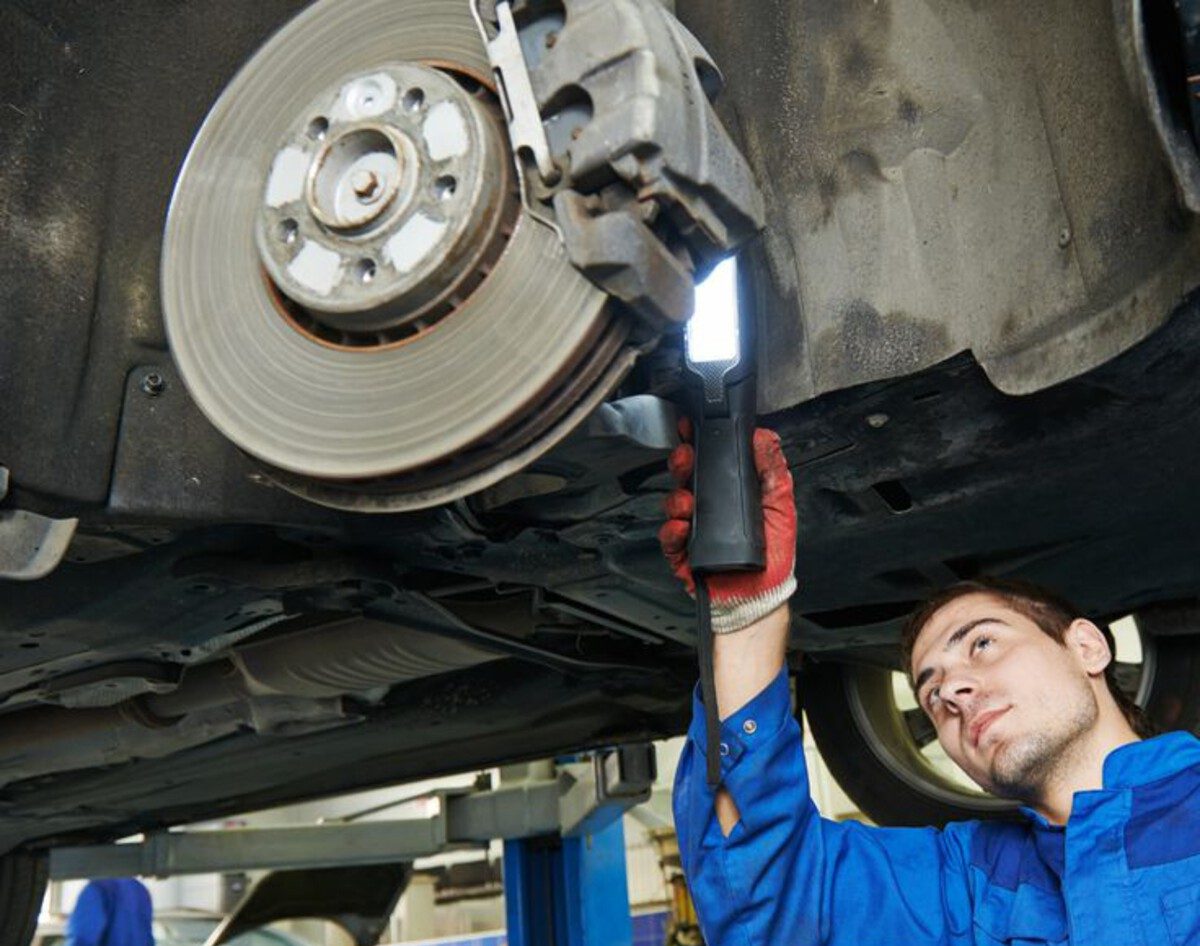
Routine maintenance is the foundation of any long-lasting vehicle, and it’s especially important for the Toyota Land Cruiser. Skipping oil changes or forgetting timing belt replacements might not immediately break the engine, but over time, it leads to wear that can cut its life short. Toyota provides a detailed maintenance schedule for every Land Cruiser model, and it’s not just a suggestion; it’s a roadmap to longevity. Following that schedule ensures the vehicle gets what it needs, when it needs it.
Changing the oil and filter at the correct intervals is one of the most important things a Land Cruiser owner can do. While the engine is robust, dirty or old oil can create sludge that slowly destroys internal components. Some owners like to stretch oil changes, but this habit is risky.
Using high-quality synthetic oil can also make a difference in how long the engine lasts. Pair that with a reliable oil filter, and the engine has a much better chance of lasting through decades of use.
The transmission, transfer case, and differentials all have their own fluid change intervals. These are commonly ignored by owners who focus only on the engine. But these systems endure a lot of stress, especially on 4WD vehicles that are used off-road. Ignoring their service schedules can result in expensive rebuilds down the line. Flushing or replacing these fluids at proper intervals helps the Land Cruiser run more smoothly and ensures power is transferred effectively and safely.
There are also timing belts, water pumps, spark plugs, air filters, and other consumables that need attention. Toyota often recommends changing the timing belt every 90,000 to 100,000 miles on certain Land Cruiser engines. Failure to do so can result in catastrophic engine damage.
Staying on top of these small yet essential components is how some Land Cruisers manage to reach 500,000 miles or more without a major repair. It’s about discipline, not shortcuts.
2. Use Genuine or High-Quality OEM Parts Only
Parts matter, especially for a vehicle designed to last for decades. Toyota engineered the Land Cruiser to handle extreme environments, but only if it’s using components that meet strict quality standards.
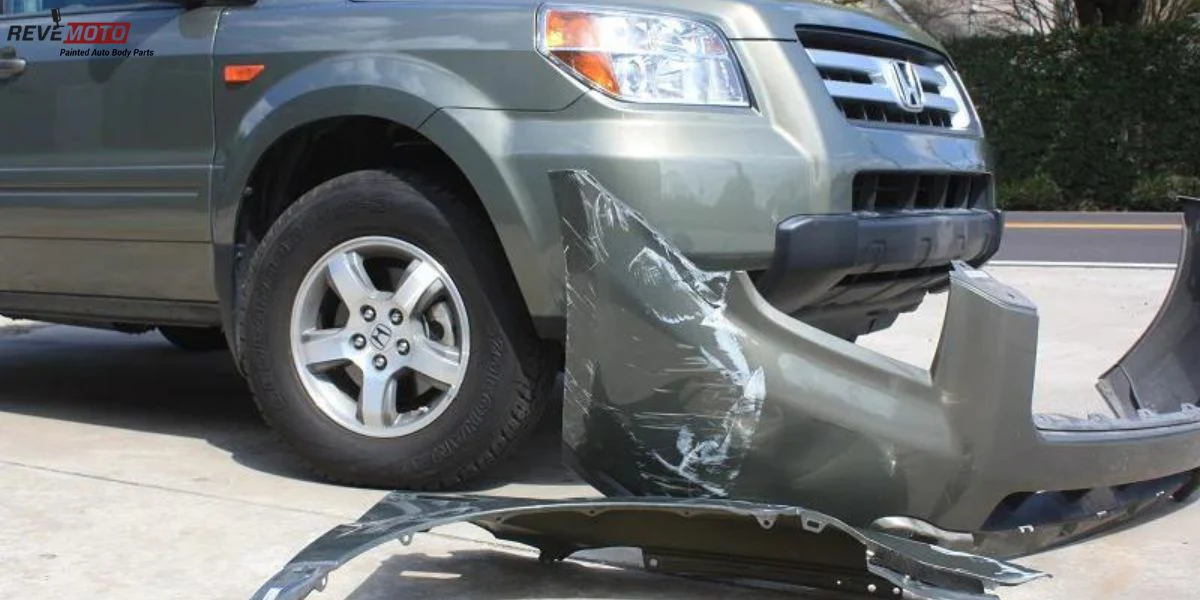
Choosing cheap aftermarket parts to save money might seem harmless, but it can lead to poor performance, premature wear, or even dangerous failures. Not all parts are created equal, and that’s especially true for a machine as intricate as the Land Cruiser.
Genuine Toyota parts are made to precise specifications and are tested for compatibility and durability. They may cost more up front, but they often last much longer than cheaper alternatives. For example, a genuine Toyota fuel filter or suspension bushing may last twice as long as a budget version. Over time, those savings add up, not just in parts costs, but in avoiding repeat labor or roadside breakdowns.
That doesn’t mean every part must come from Toyota itself. Some high-quality OEM (original equipment manufacturer) parts made by companies like Denso, Aisin, or KYB are just as reliable.
These are often the same suppliers Toyota uses in its manufacturing process. For example, Aisin produces many of Toyota’s transmissions, and Denso supplies spark plugs and sensors. Choosing these brands offers the same quality while sometimes saving a bit of money compared to dealership prices.
The real risk lies in the flood of low-cost, low-quality parts on the market. These might work temporarily but tend to fail early and often don’t meet Toyota’s design tolerances. Installing one poor-quality component can create a chain reaction of wear and damage. Serious Land Cruiser owners treat parts like an investment. They’d rather pay a little more today to avoid a much larger repair bill tomorrow.
3. Protect the Frame and Undercarriage From Rust
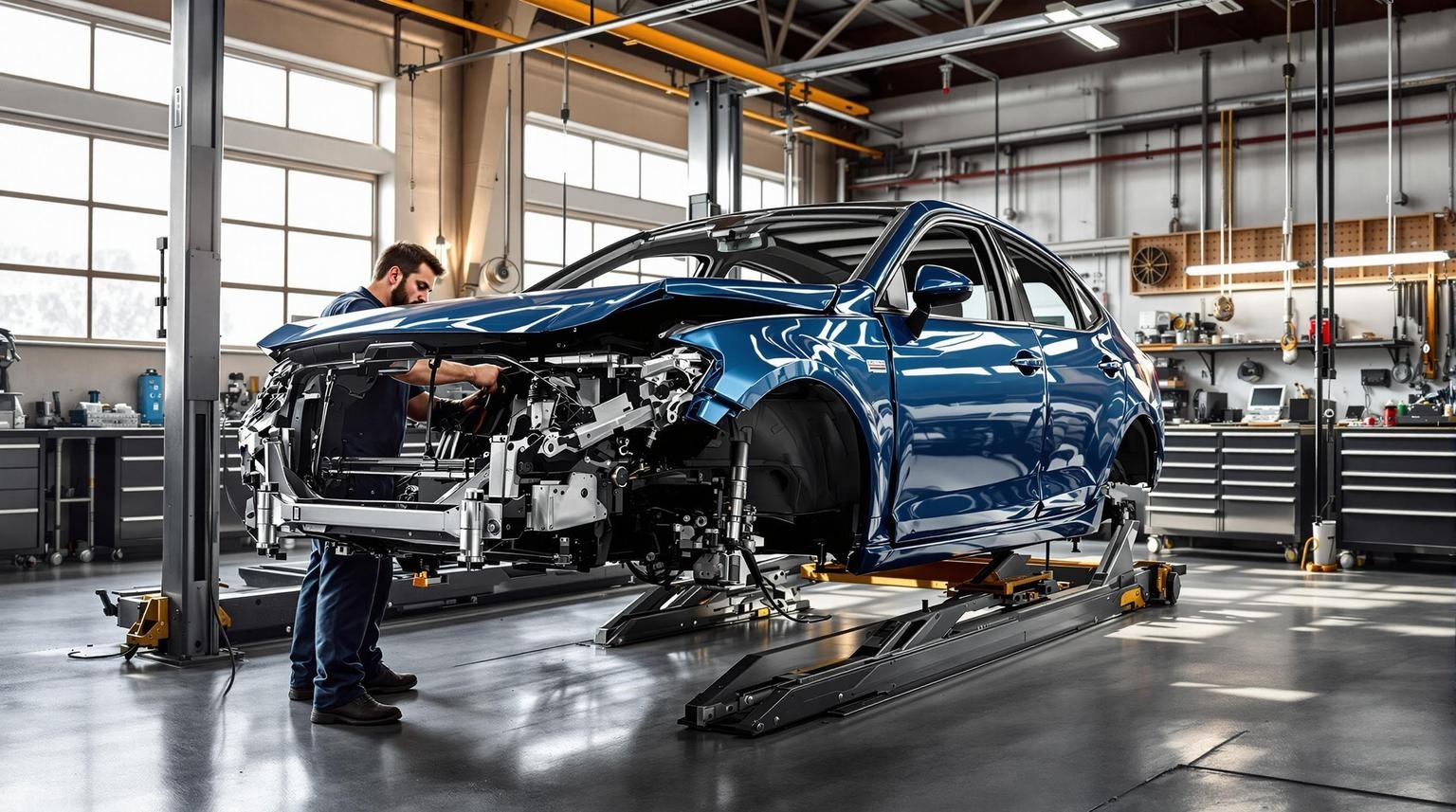
Rust is one of the biggest threats to the long-term health of any vehicle, and it doesn’t care how strong the engine is or how many features are on the dashboard. The frame and undercarriage of the Land Cruiser need regular attention to prevent corrosion, especially in regions with snow, salted roads, high humidity, or coastal exposure. Once rust takes hold, it can weaken structural components and compromise safety.
One of the simplest things owners can do is wash the undercarriage regularly, especially after driving in snow or off-road conditions. Salt and mud can trap moisture against the frame, leading to corrosion over time. High-pressure washes or specialized undercarriage sprayers are a good investment. It’s not just about cleanliness, it’s about removing corrosive materials that quietly eat away at metal.
Applying rust prevention coatings can make a huge difference. Products like oil-based rust inhibitors or undercoating sprays form a barrier that keeps moisture out. These need to be applied carefully and often require reapplication every year or two.
Some owners go even further and perform full rust-proofing jobs when the vehicle is new or after restoring a used Land Cruiser. These treatments might seem excessive, but they have saved many vehicles from early retirement.
It’s also important to inspect the frame, control arms, brake lines, and fuel lines regularly. Catching rust early is key. Small patches can be treated, repainted, or sealed before they become a larger issue.
Leaving corrosion unchecked can eventually lead to frame holes, brake line failure, or fuel leaks. The Land Cruiser may be a tank, but even tanks rust when neglected. Preventive care here can easily add another decade to its usable life.

4. Don’t Ignore the Cooling System
The cooling system is critical for keeping the engine at a safe operating temperature. If this system fails, even a short drive can result in serious engine damage. Many Land Cruisers have lost their lives to overheating that could have been prevented. The radiator, hoses, thermostat, water pump, and coolant itself all play essential roles and should be treated as vital components rather than afterthoughts.
Coolant doesn’t last forever. Over time, it breaks down and loses its ability to regulate temperature and resist corrosion. Old coolant can also become acidic, leading to internal rusting in the engine and radiator.
That’s why flushing and replacing coolant every few years is more than just a box to check, it’s a way to preserve the heart of the vehicle. Using the right type of coolant is equally important. Toyota-specific coolant is designed for compatibility and corrosion resistance.
Radiators should be inspected regularly for signs of leaks or buildup. Debris from bugs, dirt, and dust can clog the radiator fins and reduce cooling efficiency.
Off-road use makes this problem even worse. Cleaning the front grille and radiator area can help improve airflow and prevent overheating. Likewise, the fan clutch or electric fans should be working properly, as these help regulate temperature when the vehicle is under load or sitting idle.
Hoses and the water pump tend to wear out gradually. Soft hoses, leaks, or weeping around the pump are signs of pending failure. Many Land Cruiser owners replace the water pump as a preventative measure, especially when doing a timing belt replacement, since it’s often in the same area. Paying attention to these details keeps the engine cool, running efficiently, and protected from heat-related failures.
5. Keep the Suspension in Top Shape
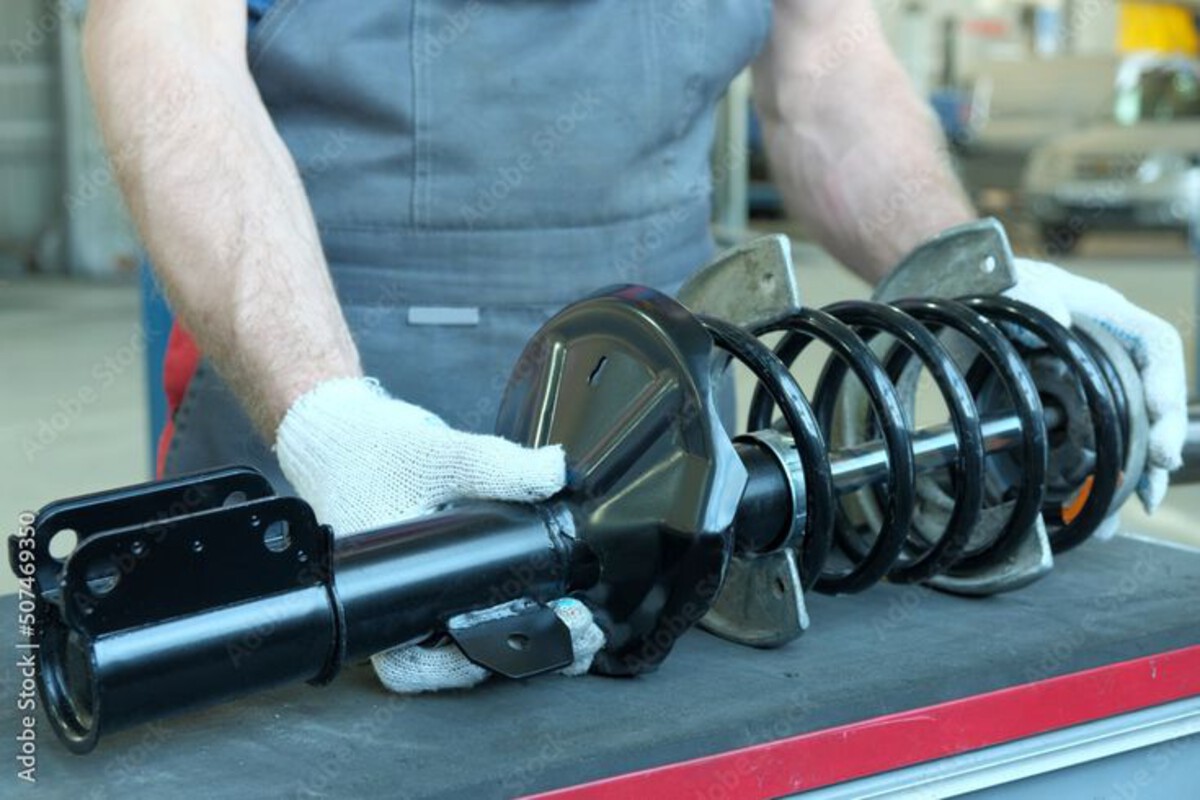
The suspension system of the Land Cruiser is one of the most important parts of its reliability and performance. It does far more than just make the ride comfortable. It carries the full weight of the vehicle and absorbs the stress from every bump, pothole, and off-road trail.
When neglected, worn suspension parts lead to poor handling, uneven tire wear, reduced braking performance, and added stress on other components. Maintaining the suspension doesn’t just make the vehicle drive better; it helps it last longer.
Land Cruisers are known for their heavy-duty suspension setups, especially in models like the 80 and 100 series, which use solid axles. These systems are durable but still require attention. Bushings wear out. Shocks and struts lose damping ability. Ball joints develop play.
These issues often happen gradually, so drivers get used to the changes without realizing the vehicle is no longer performing like it should. A worn suspension doesn’t immediately break the vehicle, but it slowly increases the wear on related systems and leads to larger issues down the road.
Routine inspection and replacement of components is the key. High-quality bushings, like polyurethane or OEM rubber, can restore ride quality and reduce vibration. Shocks and struts should be replaced every 50,000 to 100,000 miles, depending on use.
Off-roaders should inspect suspension more frequently, as aggressive terrain accelerates wear. Don’t forget the control arms, sway bar links, and other small components. These may not seem critical, but when they fail, they compromise the performance of the whole suspension system.
Some owners also choose to upgrade their suspension to heavy-duty or long-travel setups. While this can improve off-road performance, it’s important to choose parts that maintain the Land Cruiser’s geometry and don’t create extra stress on driveline components.
Not every lift kit is equal, and poorly designed ones can shorten the lifespan of the vehicle. Whether stock or modified, the key is making sure the suspension is properly maintained and aligned. When everything is in good shape, the vehicle handles better, lasts longer, and gives fewer surprises over time.

6. Don’t Overload the Vehicle
The Land Cruiser is often marketed as a go-anywhere, carry-anything SUV, and for good reason. It has impressive load capacity and is often used to haul gear, tow trailers, and carry heavy roof loads during overland trips. But even a vehicle as tough as the Land Cruiser has limits.
Overloading it consistently can strain the suspension, brakes, drivetrain, and even the frame. To make a Land Cruiser last a lifetime, owners must respect its capacity and avoid turning it into a pack mule permanently.
Payload ratings are there for a reason. While it might be tempting to load the back with tools, jacks, tents, spare tires, extra fuel, and more, the total weight must stay within what the manufacturer recommends. When that limit is exceeded, the suspension sags, tires heat up, and stopping distances increase.
Over time, the added weight wears out shocks, control arms, wheel bearings, and bushings prematurely. Many owners don’t notice the wear happening because it builds up gradually, but eventually it leads to breakdowns.
Roof racks are another common source of overload. While they’re great for carrying light gear like sleeping bags or recovery boards, some owners go too far by placing spare wheels, jerry cans, rooftop tents, and storage boxes all at once. This raises the vehicle’s center of gravity, stresses the roof rails, and can even crack the roof if too much weight is concentrated. When the roof load shifts or flexes over rough terrain, it can also damage door seals and introduce water leaks over time.
Towing is another area where owners should exercise caution. The Land Cruiser is capable of pulling trailers and boats, but proper towing practices must be followed. This includes checking tongue weight, using a brake controller, and ensuring the transmission has proper cooling.
Regularly towing at or above the limit without these precautions can cause transmission overheating, frame fatigue, and brake wear. Responsible loading keeps the Land Cruiser in its best condition for the long haul.
7. Monitor and Maintain the Drivetrain
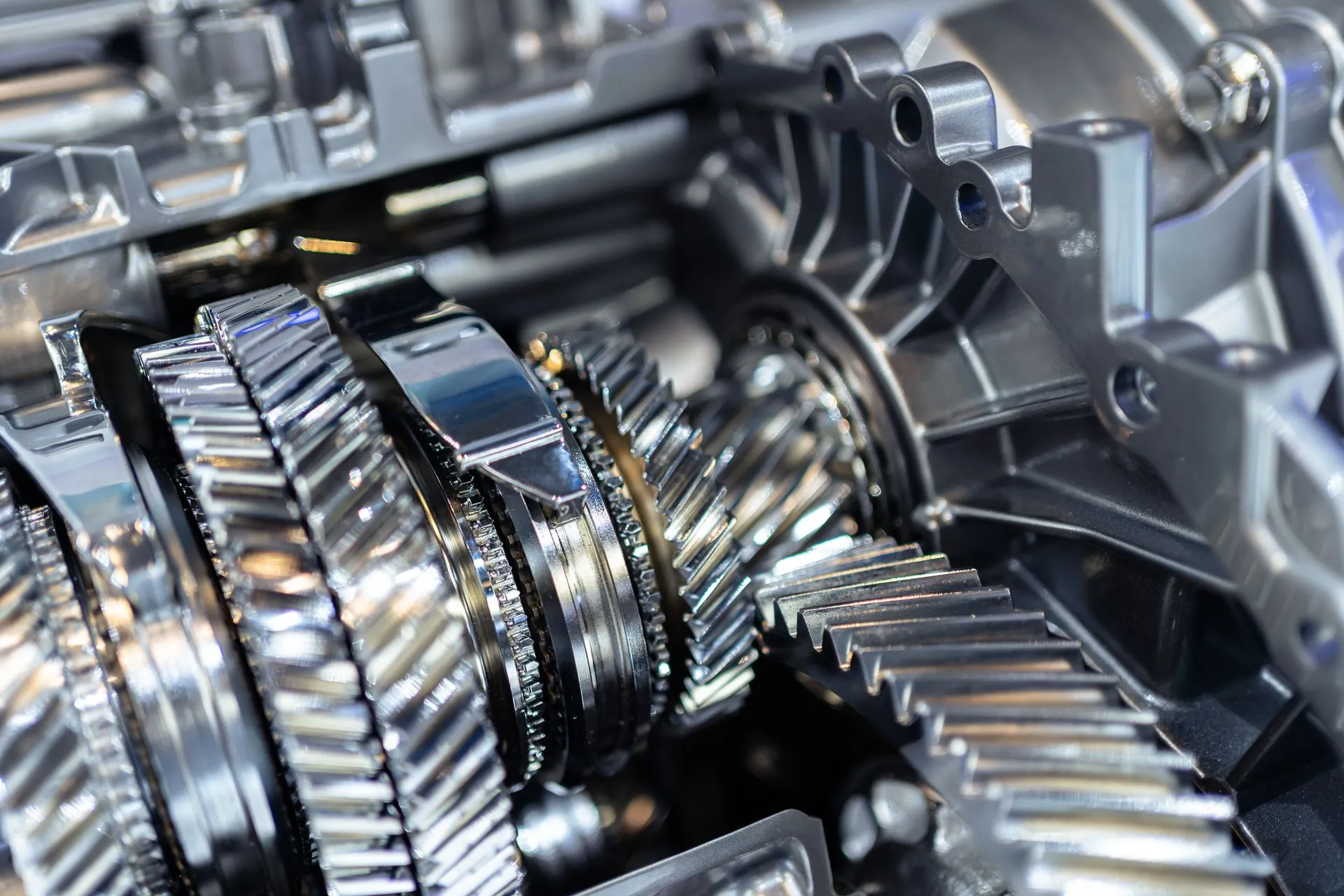
The drivetrain is the backbone of what makes the Land Cruiser a true 4WD legend. From the transmission to the transfer case to the front and rear differentials, these components take the engine’s power and translate it into movement. When one part of the drivetrain fails, it often impacts others.
This system experiences stress every time the vehicle accelerates, decelerates, or climbs over uneven terrain. Keeping it healthy requires more than just fluid changes; it means understanding how it works and catching problems early.
Regularly checking and replacing the fluids in the drivetrain is essential. Each part, the transmission, transfer case, and both differentials- has its own oil, each with its own drain and fill plugs. These oils lubricate gears and prevent metal-on-metal contact.
Over time, they become contaminated with metal shavings and lose their protective qualities. Using high-quality gear oil, preferably synthetic, and changing it at the recommended intervals can prevent wear and ensure smooth operation across thousands of miles.
Universal joints (U-joints) and CV joints are often neglected but are just as important. These joints allow the driveshaft to move flexibly with the suspension and transfer torque smoothly. A failing U-joint can cause vibrations and clunking sounds, and if it breaks entirely, it can lead to a lost driveshaft at highway speeds. These components should be inspected for play and greased if they’re serviceable. Land Cruisers that are frequently off-roaded or used for towing need even more frequent inspection in this area.
Finally, the locking differentials and 4WD components should be exercised regularly. Letting them sit unused for years can cause the actuators and internal gears to seize. At least once a month, the center differential lock and low-range gearbox should be engaged briefly, even if only on a dirt road or loose gravel.
This keeps the parts moving and lubricated. Keeping the drivetrain in excellent condition not only preserves reliability, it ensures the Land Cruiser is ready for action when the road gets rough.
8. Pay Attention to Electrical Systems
The Land Cruiser is not known for having fragile electronics, but like all modern vehicles, it still relies on a network of sensors, relays, wires, and control modules. Over time, especially with exposure to water, heat, and vibration, these systems can develop problems.
Faulty electronics can lead to poor engine performance, inaccurate sensor readings, or total failure of key systems like ABS, airbags, or fuel delivery. Electrical issues are often harder to diagnose than mechanical ones, which makes prevention even more important.
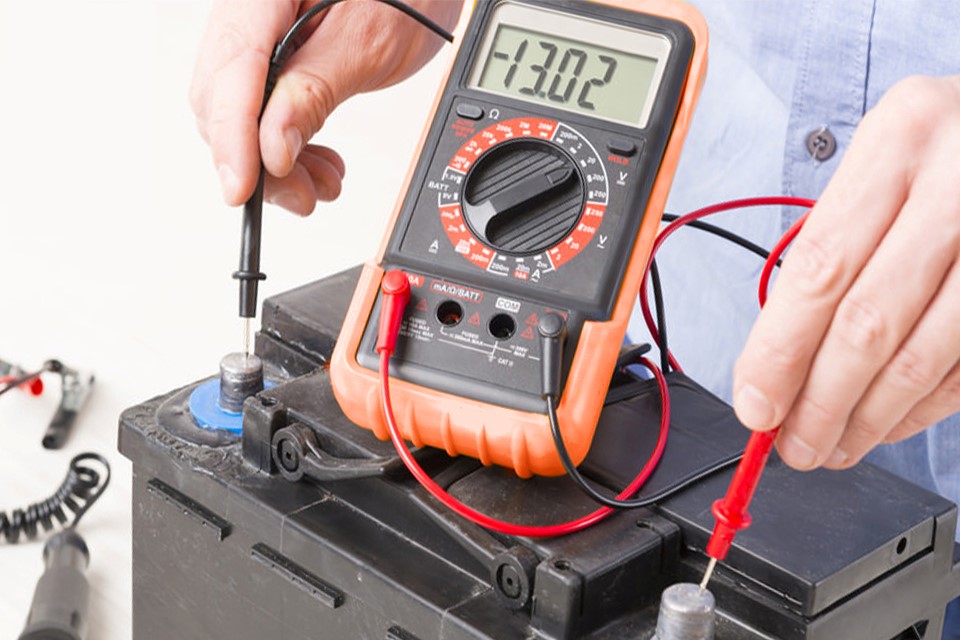
Battery health is often overlooked but is one of the most crucial aspects of the electrical system. A weak or corroded battery can cause no-start issues, low voltage problems, or even damage to the alternator. Keeping terminals clean, ensuring proper voltage levels, and replacing the battery every few years helps maintain a stable power supply. Land Cruisers with extra lights, winches, or aftermarket sound systems should consider upgrading to a dual battery system to avoid overloading the main battery.
Wiring harnesses should also be inspected periodically, especially in older models. Rodents, moisture, or simple wear and tear can expose wires, leading to shorts or open circuits. Off-road use can also jostle connectors loose. Owners who install aftermarket equipment should take care not to overload circuits or make messy splices. A clean, organized wiring job makes future troubleshooting easier and prevents random electrical gremlins from appearing.
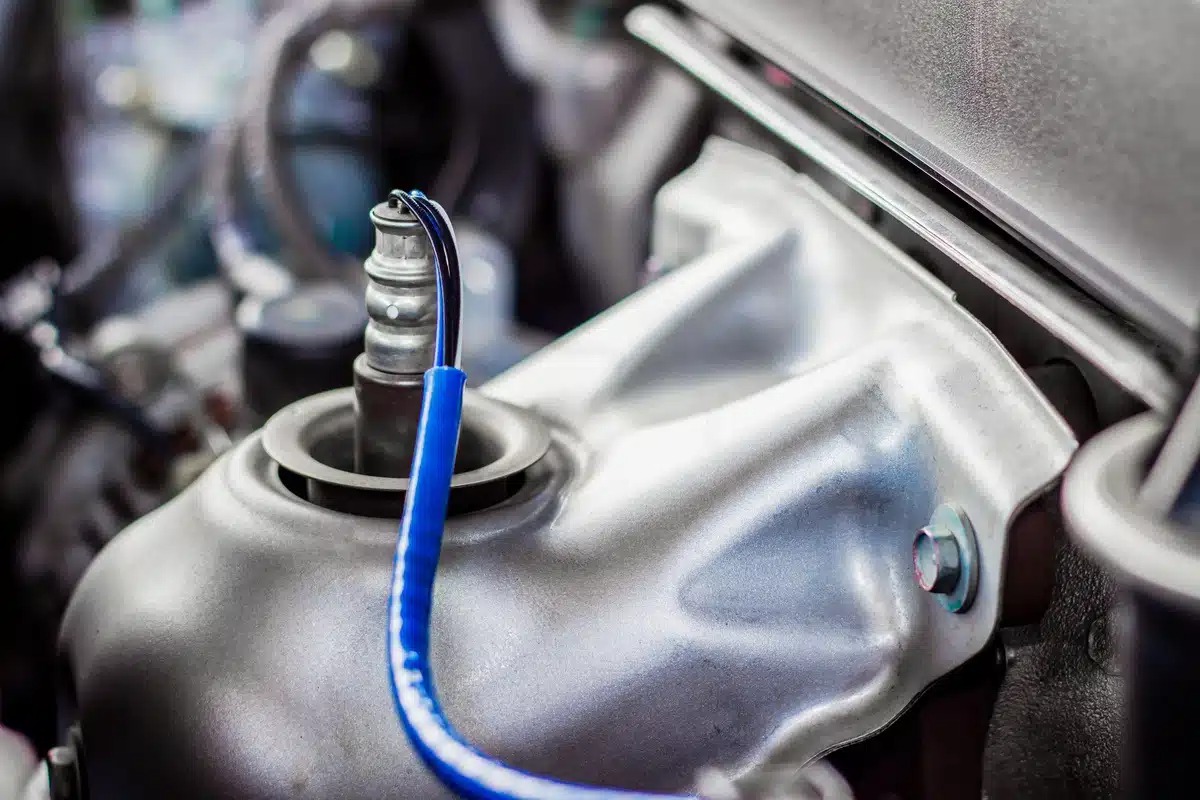
Sensors like the MAF (mass airflow), oxygen sensors, and crank position sensors can all fail gradually. Rather than waiting for a check engine light, owners can use an OBD scanner occasionally to catch issues before they escalate.
A Land Cruiser that starts acting sluggish, burns more fuel, or stalls unexpectedly may be having an electrical or sensor issue. Monitoring these systems and addressing even small faults early helps preserve the harmony of the vehicle and keeps it running at peak performance.
9. Drive it Like You Want It to Last
How a Land Cruiser is driven has a bigger impact on its lifespan than most people realize. Even the most overbuilt machine can wear down faster when it’s constantly pushed to its limits. Smooth, mindful driving habits go a long way in preserving everything from the engine and transmission to the brakes and suspension. The goal isn’t to baby the vehicle, but to avoid unnecessary stress that adds up over time and shortens the life of major components.
Abrupt acceleration and hard braking are some of the most damaging driving habits. They not only wear out brake pads and rotors faster but also put added strain on the transmission and suspension.
This becomes even more important when carrying passengers, cargo, or towing a load. Smooth throttle input and gradual braking allow all mechanical systems to work within their designed tolerances. It’s a simple shift in behavior that can dramatically reduce wear and tear.
Off-road driving is one of the Land Cruiser’s specialties, but it must be approached with the same care. Many drivers get overly confident, charging through mud, rocks, or water crossings without considering the consequences.
Every hard landing or sudden jolt sends shockwaves through the chassis, control arms, and driveshafts. Responsible off-roading means picking smart lines, airing down tires when necessary, and keeping momentum controlled. The more careful the approach, the fewer repairs and replacements are needed later.
Highway driving is another area where good habits matter. Keeping the engine within reasonable RPMs, avoiding prolonged idling, and not driving at redline speeds helps preserve engine and transmission health. It’s also important to let the vehicle warm up for a short time before heavy driving.
Cold fluids don’t lubricate as well, and putting the drivetrain under heavy load before it’s warmed up increases friction and internal wear. Over time, that wear turns into noise, leaks, and failures. Treating the Land Cruiser with mechanical sympathy is one of the most cost-effective tricks to keep it alive for decades.
10. Build a Relationship With a Knowledgeable Mechanic
Even the most hands-on Land Cruiser owner can’t do everything alone. Sooner or later, a complex issue will arise, whether it’s a strange noise, a mysterious check engine light, or a drivetrain vibration that won’t go away.
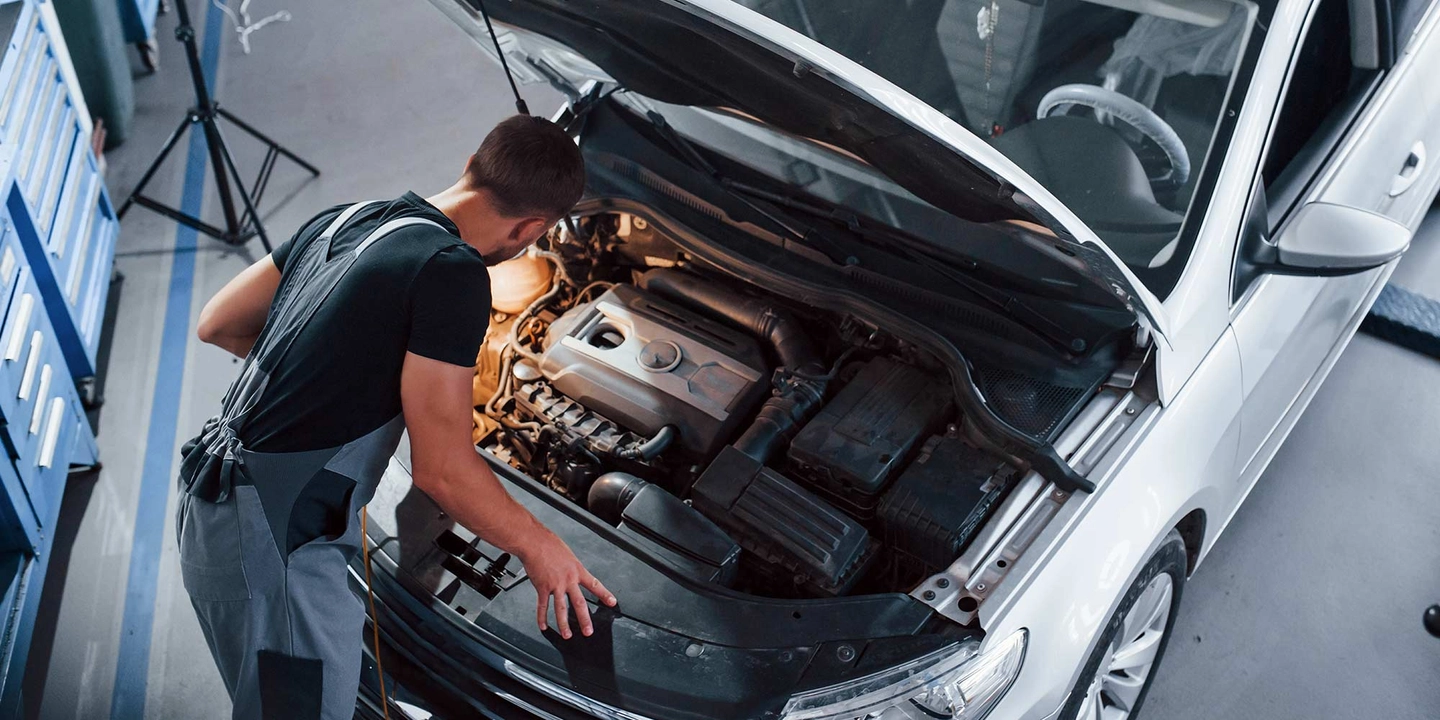
In these situations, having a reliable and experienced mechanic is not just helpful, it’s essential. A good mechanic with Toyota or Land Cruiser experience can mean the difference between a quick fix and a costly mistake that shortens the life of the vehicle.
Mechanics familiar with the Land Cruiser platform understand its quirks. They know how the transfer case should sound, how the suspension behaves when bushings wear out, or how to spot the early signs of rust in hidden places. Their experience allows them to diagnose and repair problems more efficiently, often saving the owner both time and money. This becomes especially valuable on older models, where finding the root cause of a problem can require deep knowledge of how the systems interact.
Trust is also important. Many shops may upsell services that aren’t needed or install lower-quality parts to save on labor time. A trusted mechanic will give honest feedback, show the parts removed, and recommend only what the vehicle truly needs. That trust is earned over time, but once established, it makes every visit less stressful.
Many long-term Land Cruiser owners have relied on the same independent Toyota specialist or dealership technician for decades, building a partnership based on mutual respect and a shared interest in keeping the vehicle alive.
Regular communication and proactive service are key to this relationship. Don’t wait until something breaks to see your mechanic. Routine checkups, even just once or twice a year, allow a professional to spot problems early, cracked hoses, leaking seals, worn bushings, or unusual tire wear patterns. They may notice things that even attentive owners miss. The goal is to treat the mechanic not as a last resort, but as an ally. With that kind of support, even the oldest Land Cruisers can stay strong for generations to come.
Also Read: 8 Worst Mistakes That Ruin a Honda Fit in Under 10 Years
The Toyota Land Cruiser has earned its reputation as one of the toughest, longest-lasting vehicles ever built. But no vehicle, no matter how strong, is immune to wear and aging. Keeping a Land Cruiser running for hundreds of thousands, or even a million, miles isn’t about luck or magic.
It’s about the method. Every trick listed in this article is rooted in real-world experience, practical knowledge, and a long-term mindset. From using the right parts to driving with care and staying on top of maintenance, it all comes down to consistency and commitment.
Land Cruisers are overbuilt, yes, but they are not invincible. Owners who treat them with care and patience often enjoy decades of dependable service. Those who skip maintenance, overload their rigs, or chase cheap fixes usually pay the price later.
The good news is that these habits are easy to learn and adopt. Anyone can do them, and they don’t require fancy tools or deep mechanical knowledge, just respect for the machine and a willingness to stay disciplined.
Whether you’re driving a classic 60 series with a diesel engine or a modern 300 series loaded with electronics, the principles remain the same. Protect the engine, preserve the frame, don’t abuse the systems, and use quality components. And when you don’t know something, seek help from someone who does.
Land Cruisers aren’t just cars; they’re long-term companions, family haulers, expedition partners, and sometimes even rescue vehicles. They deserve to be treated with the kind of care that honors what they’re built for.
If you want your Land Cruiser to outlive other vehicles and still feel solid after decades of use, the tricks in this article are your playbook. These aren’t gimmicks or shortcuts. They are the real practices that keep these legendary machines on the road, on the trails, and in the stories of people who rely on them. Follow them closely, and your Land Cruiser might just become one of the few that truly does last forever.
