
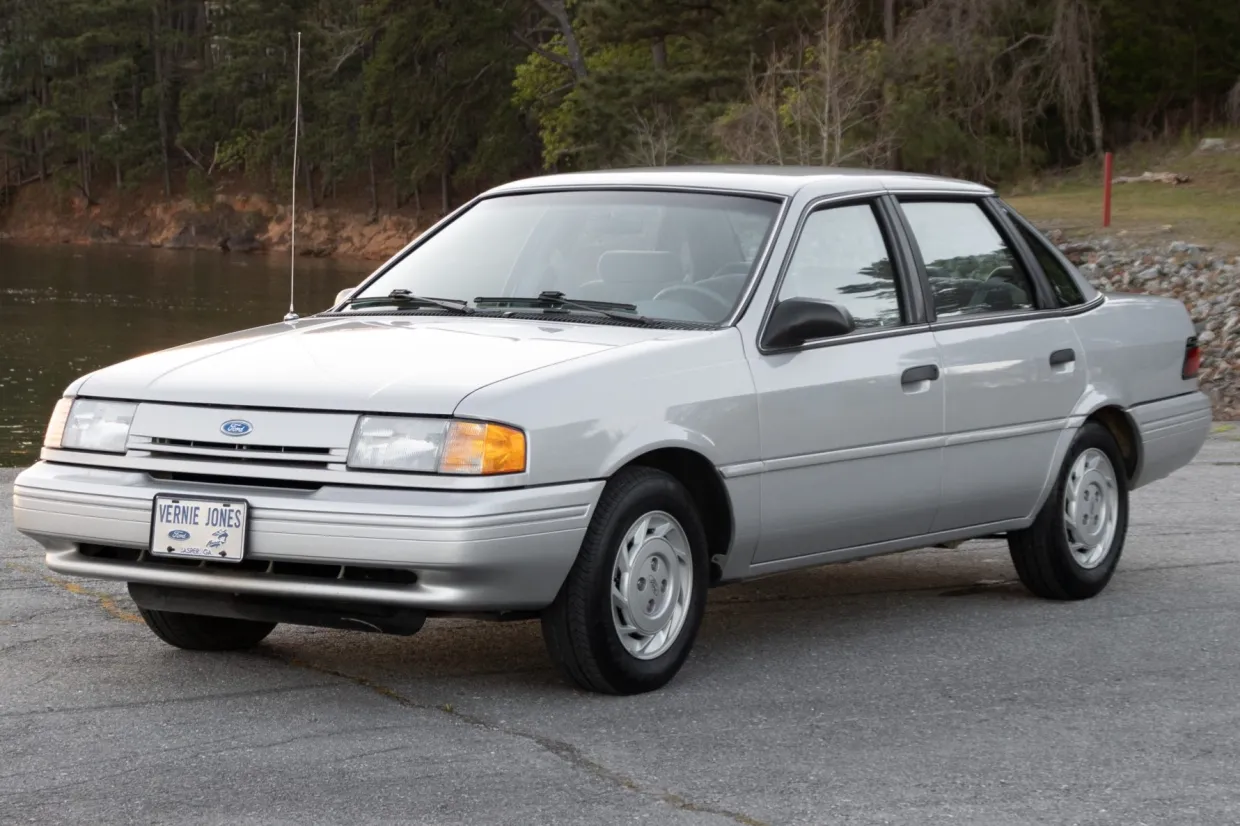
The Ford Tempo, a compact car produced by Ford from the early 1980s through the mid-1990s, has earned a reputation as a practical, affordable vehicle. Despite its modest performance and somewhat basic design, the Tempo’s engine has a dedicated following due to its straightforward mechanics and potential for longevity when properly maintained.
However, like any vehicle, the Ford Tempo’s engine is vulnerable to certain common mistakes that can lead to premature failure. These errors often stem from neglect, improper care, or simply misunderstanding the mechanical needs of the engine. For owners and enthusiasts aiming to keep their Ford Tempo running smoothly, understanding what damages the engine quickly is essential.
The engine in the Ford Tempo, typically a four-cylinder inline or a V6 in later models, is designed to operate efficiently when cared for correctly. Yet, a handful of avoidable mistakes can cause significant wear and tear, reduce engine life, and lead to expensive repairs.
Some of these mistakes are subtle and may not be immediately obvious to the driver, while others are more straightforward but persist due to a lack of attention or knowledge. From skipping routine maintenance to ignoring early warning signs of mechanical issues, these missteps accelerate engine deterioration.
This article identifies nine critical mistakes that commonly lead to the rapid decline of a Ford Tempo engine. Each mistake is broken down in detail, explaining why it harms the engine, how it manifests in daily driving, and what preventative measures can be taken.
The goal is to equip Tempo owners and mechanics with practical knowledge to avoid these pitfalls, thus preserving engine health and extending the life of this classic vehicle. Whether you’re an owner looking to maintain a Tempo for years to come or a mechanic troubleshooting engine problems, understanding these damaging errors will prove invaluable.
Let’s examine each of these nine mistakes thoroughly and discuss how they contribute to the quick death of a Ford Tempo engine. The following sections will cover topics such as neglecting oil changes, running the engine with low coolant, using poor-quality fuel, and other behaviors or oversights that lead to engine damage. By addressing these issues, drivers can not only prevent costly repairs but also enhance their vehicle’s performance and reliability.
Also Read: 10 Cars With Tricky Seatbelt Buckles for Elderly Passengers
1. Skipping Regular Oil Changes
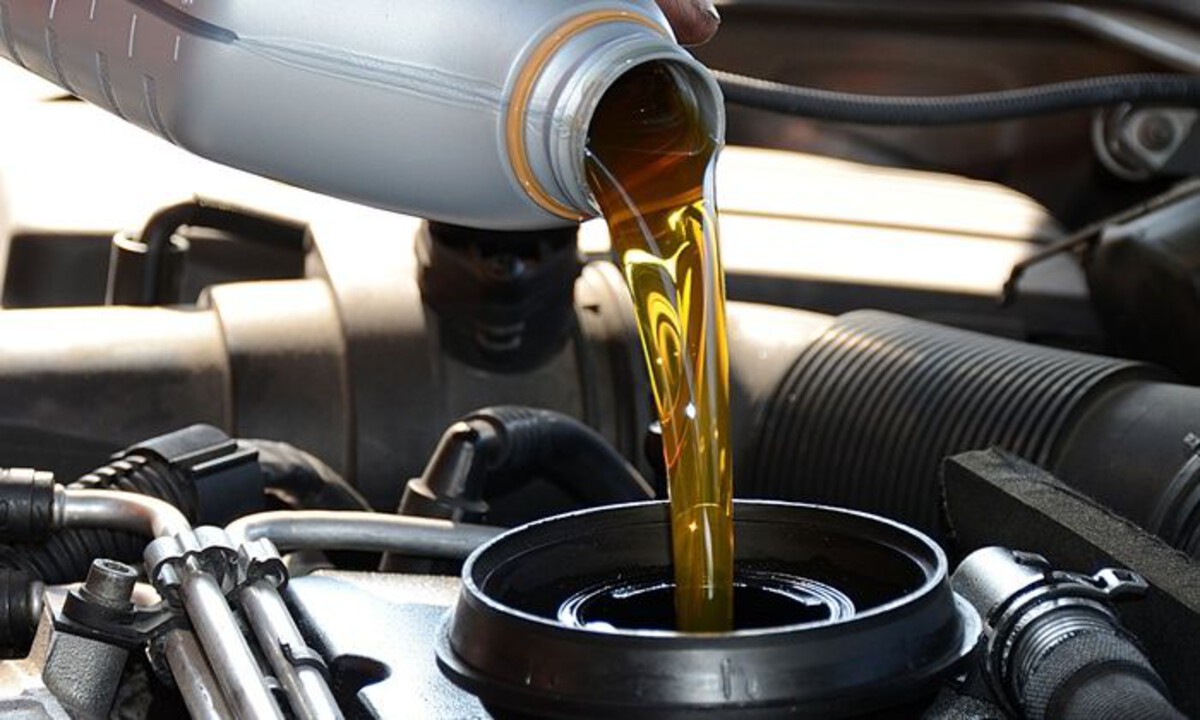
One of the most common and damaging mistakes any vehicle owner can make is neglecting regular oil changes. For the Ford Tempo, which relies heavily on consistent lubrication for its engine parts, the importance of fresh, clean oil cannot be overstated.
The oil in the engine performs several critical functions, it reduces friction, carries heat away from moving parts, and helps keep internal components clean by suspending dirt and metal particles.
When oil changes are skipped or intervals extended beyond manufacturer recommendations, the oil begins to break down and lose its effectiveness. Contaminants like dirt, metal shavings, and combustion byproducts accumulate, turning the oil into a thick, sludge-like substance.
This sludge can clog oil passages and restrict lubrication to vital components such as the crankshaft, camshaft, and pistons. Over time, insufficient lubrication causes increased friction and heat, leading to accelerated wear and, eventually, engine failure.
Another consequence of poor oil maintenance is the buildup of carbon deposits inside the engine. These deposits affect valve performance, reduce compression, and impair the combustion process.
The Ford Tempo’s relatively simple engine design does not have the tolerance for such neglect that modern engines might sometimes endure. The result is often costly repairs like worn bearings, seized pistons, or even a completely ruined engine block.
Changing oil regularly is a straightforward and relatively inexpensive way to prevent these issues. Using the recommended grade and quality of oil, along with a proper oil filter, ensures that the engine receives optimal protection. Ignoring this maintenance step is essentially a slow path to engine death, and many Tempo owners have experienced early engine failure simply because they underestimated the importance of clean oil.
2. Running the Engine with Low or Contaminated Coolant
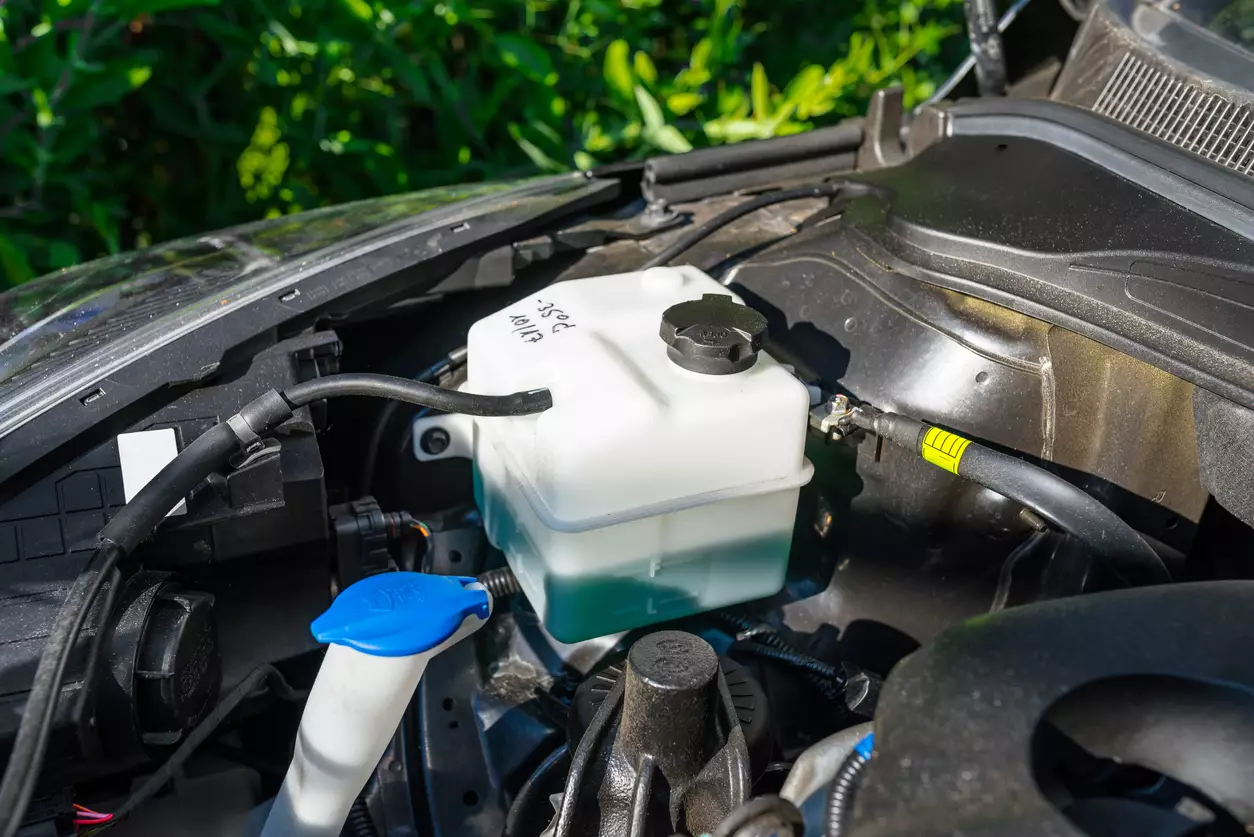
The cooling system in the Ford Tempo plays a vital role in regulating engine temperature. Without adequate cooling, the engine can quickly overheat, causing serious damage.
Running the engine with low coolant levels or using contaminated coolant is a mistake that drastically shortens engine life. Coolant, or antifreeze, circulates through the engine and radiator to absorb and dissipate heat, preventing the engine from reaching critical temperatures.
When coolant levels drop too low, either due to leaks or evaporation, the engine’s temperature rises unchecked. Overheating causes metal parts to expand beyond design tolerances, warping cylinder heads or damaging the head gasket.
These issues lead to compression loss, coolant leaks into the oil, and eventual engine seizure. For the Tempo, overheating is a common problem, especially in older vehicles with aging cooling components.
Using contaminated coolant compounds compounds the problem. Coolant can become acidic or filled with rust and debris if not replaced at recommended intervals. This contaminated fluid fails to protect the engine’s internal surfaces, leading to corrosion and pitting. The water pump, radiator, and heater core are particularly vulnerable, resulting in leaks and inefficiency in cooling.
Ignoring the cooling system’s health can cause a chain reaction of failures. A small coolant leak may seem harmless initially, but it can rapidly escalate to a catastrophic engine failure if left unchecked. Proper maintenance includes regular checks of coolant levels, timely coolant flushes, and addressing leaks promptly. For Tempo owners, keeping the cooling system in top condition is a non-negotiable step toward engine longevity.
3. Using Poor-Quality or Incorrect Fuel
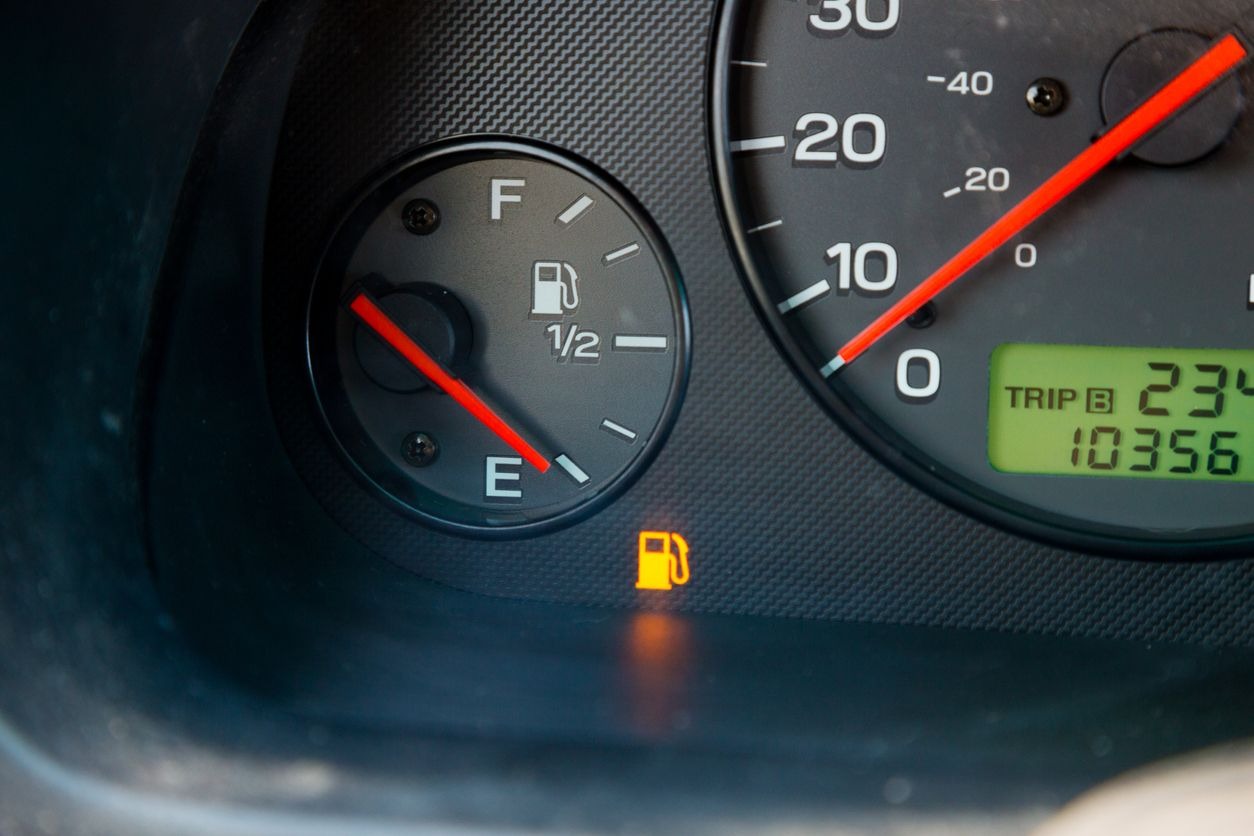
The Ford Tempo’s engine was designed to run on regular unleaded gasoline with a specific octane rating. Using poor-quality fuel or the wrong type of fuel can cause a range of engine problems that reduce performance and cause premature wear. Fuel quality affects how efficiently the combustion process occurs inside the cylinders.
Low-quality fuel often contains impurities and additives that can clog fuel injectors and intake valves. These contaminants reduce fuel atomization and combustion efficiency, causing misfires, hesitation, and rough idling.
Over time, deposits accumulate inside the engine, particularly in the combustion chambers and on spark plugs. This buildup negatively impacts fuel economy and power output, forcing the engine to work harder and leading to increased wear.
Using fuel with an octane rating lower than recommended can cause engine knocking or pinging, a condition where fuel detonates prematurely. Knocking creates abnormal pressure spikes in the cylinder, which can damage pistons, valves, and connecting rods. For the Ford Tempo, which was not designed with knock sensors in early models, persistent knocking often goes unnoticed until it causes serious damage.
Avoiding this mistake requires using fuel from reputable stations and adhering to the manufacturer’s recommendations. Some Tempo owners try to save money by using cheaper or off-brand fuels, but this is a false economy that leads to engine damage and costly repairs. Fuel additives and injector cleaners can help maintain fuel system cleanliness, but should not be relied upon as substitutes for quality fuel.
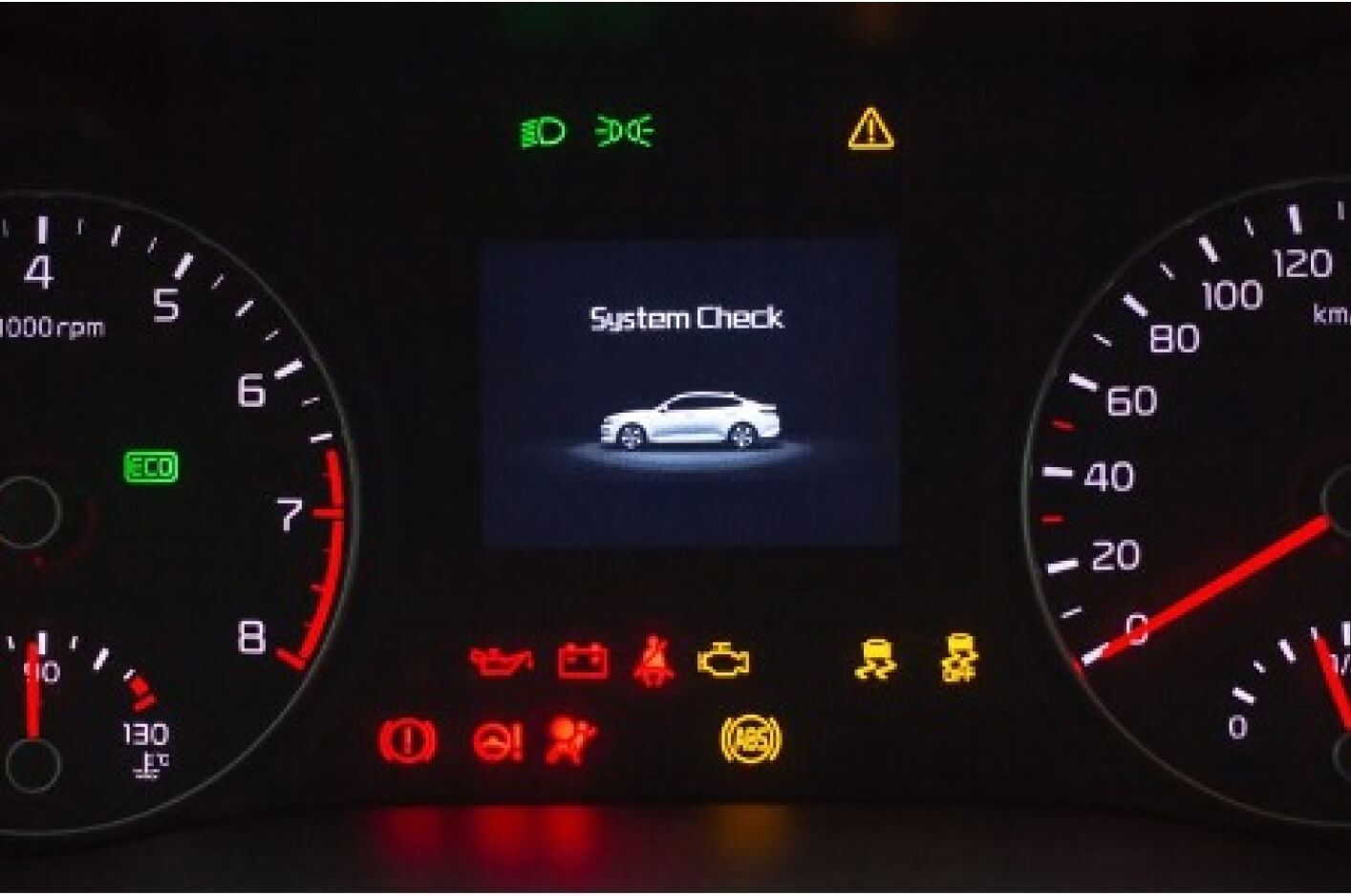
4. Ignoring Engine Warning Lights and Symptoms
Modern vehicles come equipped with engine warning lights and diagnostic systems, and though the Ford Tempo is an older model with fewer electronic sensors, it still provides warning signs when the engine is in trouble. Ignoring these signs or warning lights can allow small problems to escalate into severe engine damage.
Symptoms such as unusual noises, loss of power, rough idling, smoke from the exhaust, or increased fuel consumption indicate that the engine is not operating as it should. Often, these signs point to issues like failing spark plugs, clogged air filters, or exhaust restrictions, all of which put additional stress on the engine.
For example, ignoring a check engine light or warning light can mean running the engine with a misfire or a failing oxygen sensor. These conditions can increase emissions and cause unburned fuel to enter the exhaust system, damaging the catalytic converter and causing overheating in certain parts of the engine.
Many Tempo owners are tempted to overlook these signs either out of convenience or because of uncertainty about the severity of the issue. However, early diagnosis and repair prevent more serious damage down the line. Routine engine inspections and timely repairs based on warning signs are essential to prevent minor issues from becoming engine killers.

5. Neglecting the Timing Belt or Chain Maintenance
The timing belt or chain in the Ford Tempo engine is crucial for synchronizing the rotation of the crankshaft and camshaft. This synchronization ensures that engine valves open and close at the right times during the combustion cycle.
Failure to maintain or replace the timing belt or chain within recommended intervals can lead to catastrophic engine damage. The timing belt is typically made of rubber and can deteriorate over time, while timing chains are metal but can still wear out or stretch.
When the timing belt breaks or slips, the engine’s valves and pistons can collide, causing bent valves, damaged pistons, or even a cracked cylinder head. This type of failure is often referred to as a “timing belt failure” and usually results in a very expensive repair or a complete engine replacement.
The Ford Tempo’s engines, especially the 4-cylinder versions, are often “interference” engines, meaning the valves and pistons occupy the same space at different times. This makes proper timing absolutely critical.
Neglecting timing belt replacement is frequently due to oversight or underestimating the severity of the issue. Some drivers avoid the cost or hassle of maintenance until symptoms arise, such as unusual engine noises, misfires, or difficulty starting.
However, by the time these symptoms appear, internal damage may have already occurred. Regular replacement according to Ford’s service schedule, often every 60,000 to 90,000 miles, is essential to avoid sudden failure.
Timing chain-equipped models may require less frequent maintenance, but they are not immune to wear. Chains can stretch or the tensioner can fail, leading to timing problems and poor engine performance. In both cases, careful attention to timing components is a must to keep the engine running smoothly. Failure to do so is a major factor that shortens the life of the Ford Tempo engine quickly.
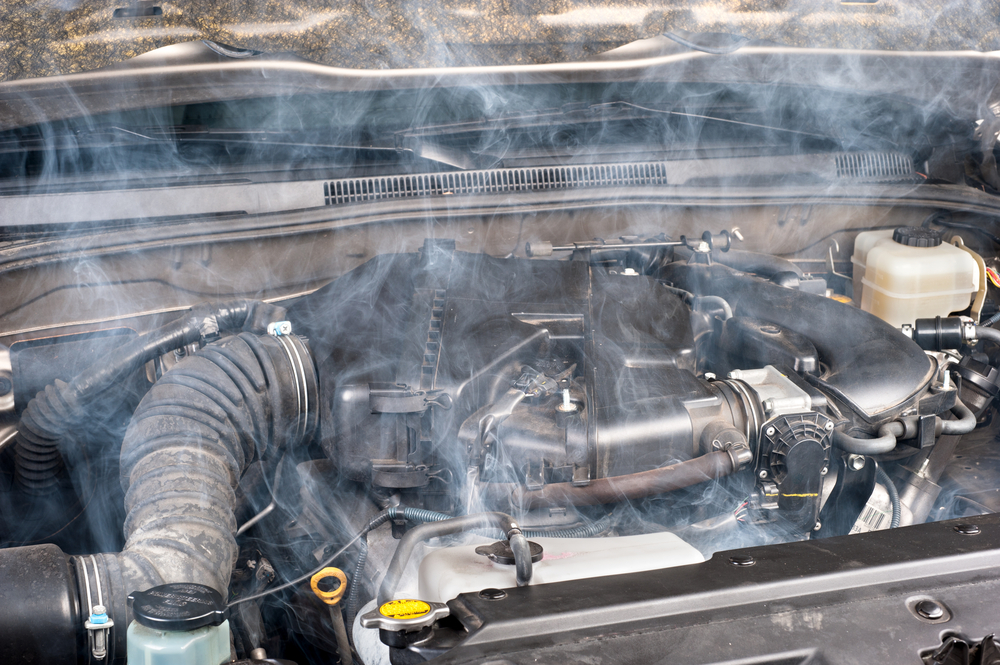
6. Overheating Due to Radiator or Thermostat Failure
Overheating is a common killer of engines, and the Ford Tempo is no exception. The radiator and thermostat work together to regulate engine temperature, but if either component fails, the engine is at high risk of overheating. The radiator’s job is to dissipate heat from the coolant, while the thermostat controls the flow of coolant based on temperature. Failure in either part disrupts this balance.
A malfunctioning thermostat that remains closed traps coolant in the engine, preventing it from circulating to the radiator for cooling. This quickly raises engine temperature, often without the driver realizing it until the temperature gauge spikes. Similarly, a clogged, leaking, or damaged radiator cannot effectively cool the fluid, causing overheating under normal driving conditions.
Continued driving while the engine is overheating causes metal parts to warp, gaskets to fail, and in worst cases, the engine block can crack. Overheating also breaks down engine oil, reducing its lubrication effectiveness and accelerating wear. Many Ford Tempo owners underestimate the seriousness of overheating or delay repairs because they don’t immediately notice the damage being done.
Preventing this mistake involves regularly checking the cooling system’s components, flushing coolant as recommended, and addressing any leaks or mechanical failures promptly. Replacing the thermostat and radiator when signs of failure appear can save the engine from irreversible damage. Overheating is one of the fastest ways to kill a Tempo engine, and it often occurs due to avoidable issues with these critical cooling components.
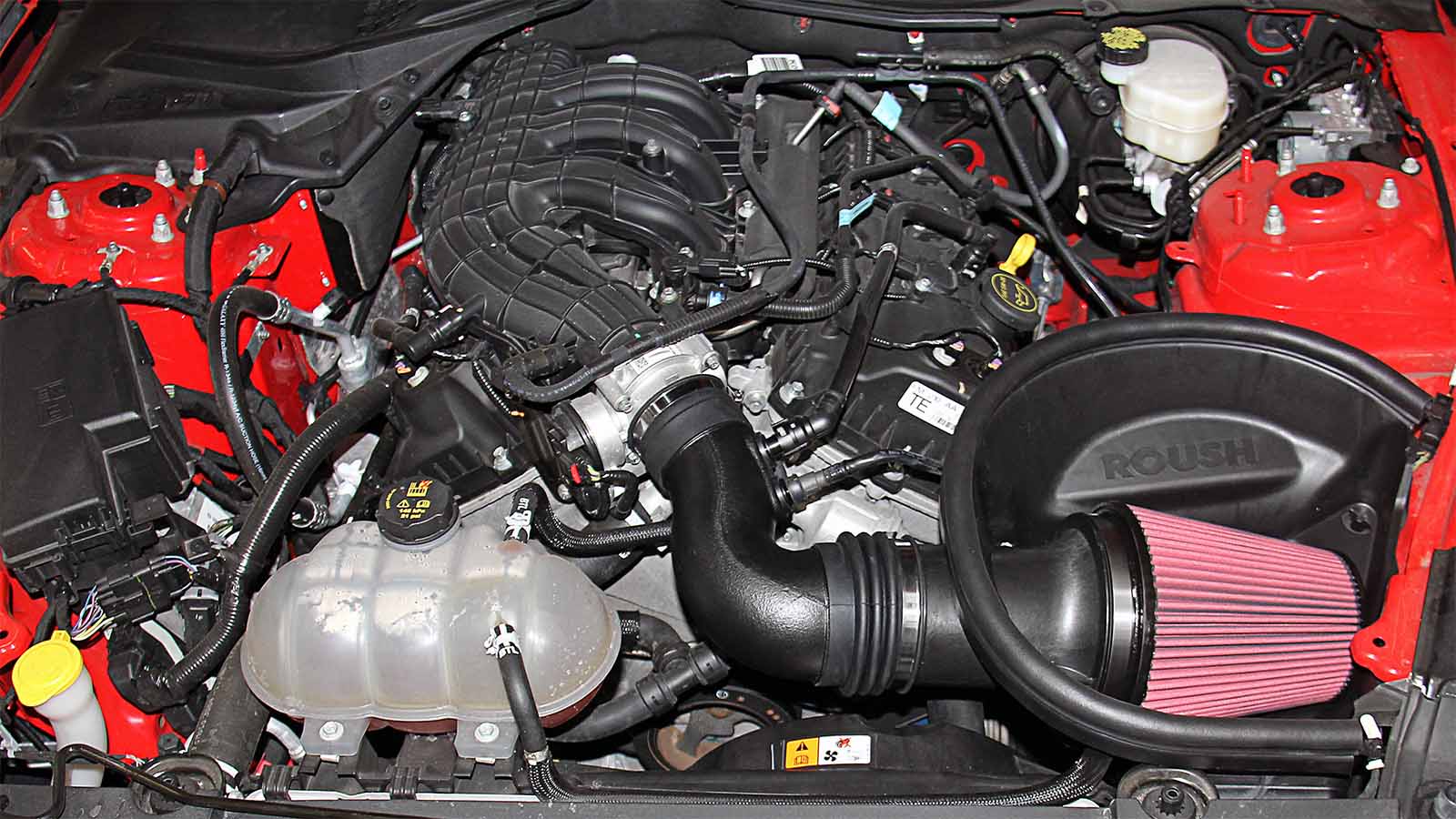
7. Ignoring Air Filter Replacement
The air filter in the Ford Tempo is responsible for cleaning the air before it enters the engine for combustion. This air needs to be free of dust, dirt, and other debris to protect engine components and ensure efficient fuel burning. Neglecting to replace the air filter regularly allows contaminants to enter the engine, causing wear and reducing performance.
A clogged air filter restricts airflow, leading to a richer fuel mixture where more fuel is present than air. This imbalance causes inefficient combustion, resulting in increased fuel consumption, rough idling, and higher emissions. Over time, deposits can form on spark plugs and valves, further degrading engine efficiency.
Beyond poor fuel economy and power loss, dirty air can accelerate engine wear. Dust and small particles that bypass the air filter act as abrasives inside the cylinders, damaging piston rings and cylinder walls. This abrasion causes reduced compression and oil contamination, shortening engine life.
Replacing the air filter is one of the simplest maintenance tasks, but it is often overlooked, especially on older vehicles like the Ford Tempo. Many drivers delay this service, assuming it to be minor, but regular air filter replacement is vital for maintaining engine health. A clean air filter ensures the engine breathes properly, runs efficiently, and avoids unnecessary internal wear.
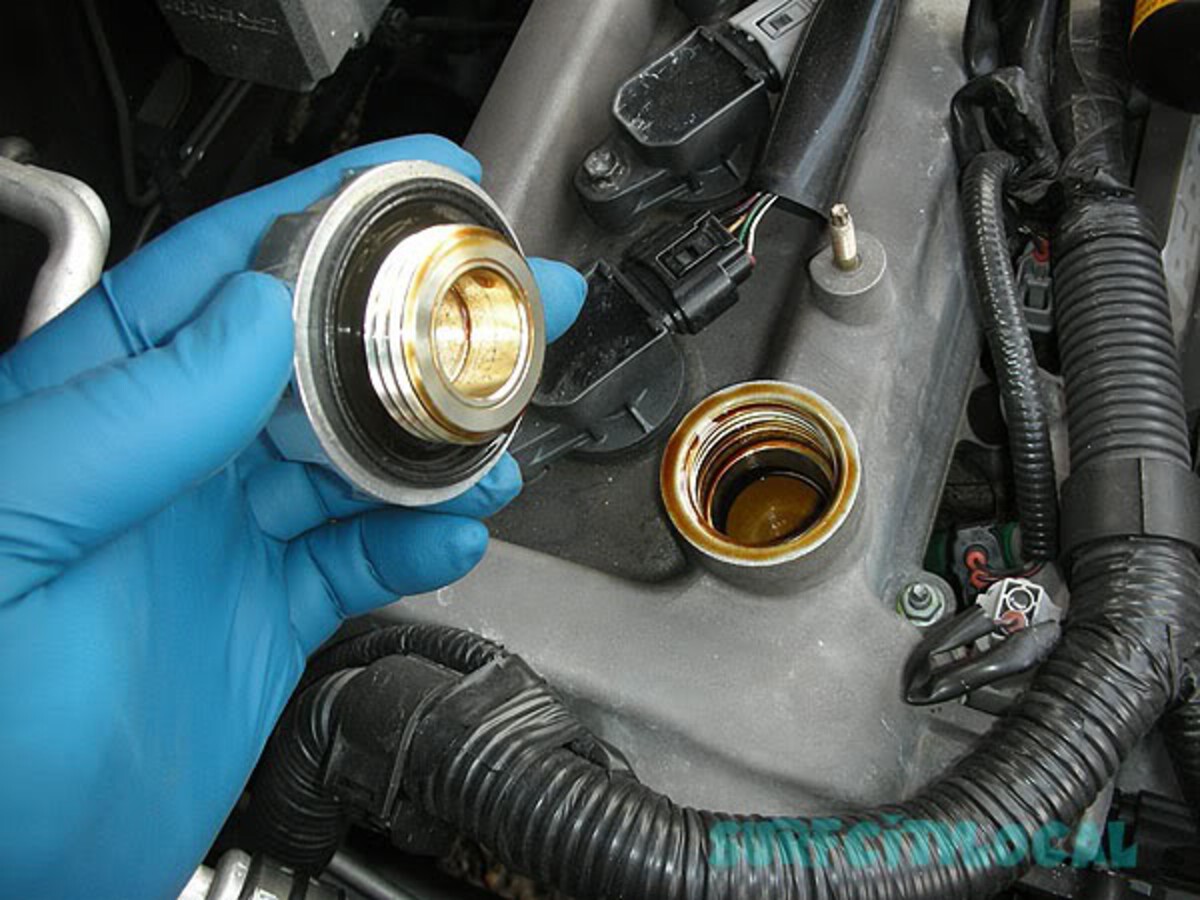
8. Using Incorrect or Poor-Quality Engine Oil
While skipping oil changes is a major problem, using the wrong type or poor-quality engine oil can be just as damaging to the Ford Tempo engine. The engine is designed to operate with a specific oil viscosity and quality that provides optimal lubrication under the conditions it faces. Using an oil that does not meet these specifications can compromise engine protection.
Incorrect oil viscosity affects the oil’s ability to flow properly and maintain the right pressure throughout the engine. Oil that is too thick may not reach tight clearances quickly enough during cold starts, leading to increased wear. Conversely, oil that is too thin may not provide adequate film strength, resulting in metal-to-metal contact under heavy loads or high temperatures.
Poor-quality oil lacking essential additives and detergents can lead to sludge formation, corrosion, and increased oxidation inside the engine. This degrades the oil’s protective qualities and promotes deposit buildup on critical components. For older vehicles like the Tempo, which rely on consistent lubrication, this can accelerate wear on camshafts, lifters, and piston rings.
Many drivers try to cut costs by using cheaper oil brands or mixing different oils, but this false economy often leads to accelerated engine wear and expensive repairs. Sticking to Ford’s recommendations for oil grade and using reputable brands with quality certifications is a key part of engine maintenance. Proper oil selection combined with timely changes helps prevent premature engine failure and keeps the Tempo running smoothly.

9. Frequent Short Trips Without Proper Warm-Up
The way a Ford Tempo is driven also plays a significant role in engine longevity. Frequent short trips without allowing the engine to reach proper operating temperature can lead to accelerated wear and tear. Engines are designed to operate most efficiently at a certain temperature range, where fuel combustion is complete and oil viscosity is optimal.
When the engine is constantly started and stopped before warming up, several harmful effects occur. First, fuel combustion is incomplete, leading to carbon deposits on valves, spark plugs, and inside the combustion chamber. These deposits affect performance and fuel efficiency, causing the engine to work harder.
Second, oil circulating in a cold engine is thicker and less effective at lubricating tight clearances. This causes increased metal-to-metal contact and wear, especially in components like piston rings and cylinder walls. Over time, this wear leads to reduced compression and oil consumption.
Third, the moisture produced during combustion does not evaporate properly when the engine does not reach its normal temperature. This moisture mixes with oil, creating sludge and corrosion inside the engine. This sludge clogs oil passages and degrades engine components.
Owners who frequently use their Ford Tempo for short drives, such as quick errands or stop-and-go traffic, without warming up the engine properly, may unknowingly shorten its lifespan. Allowing the engine to reach operating temperature before heavy acceleration and avoiding excessive short trips can help protect the engine from these problems.
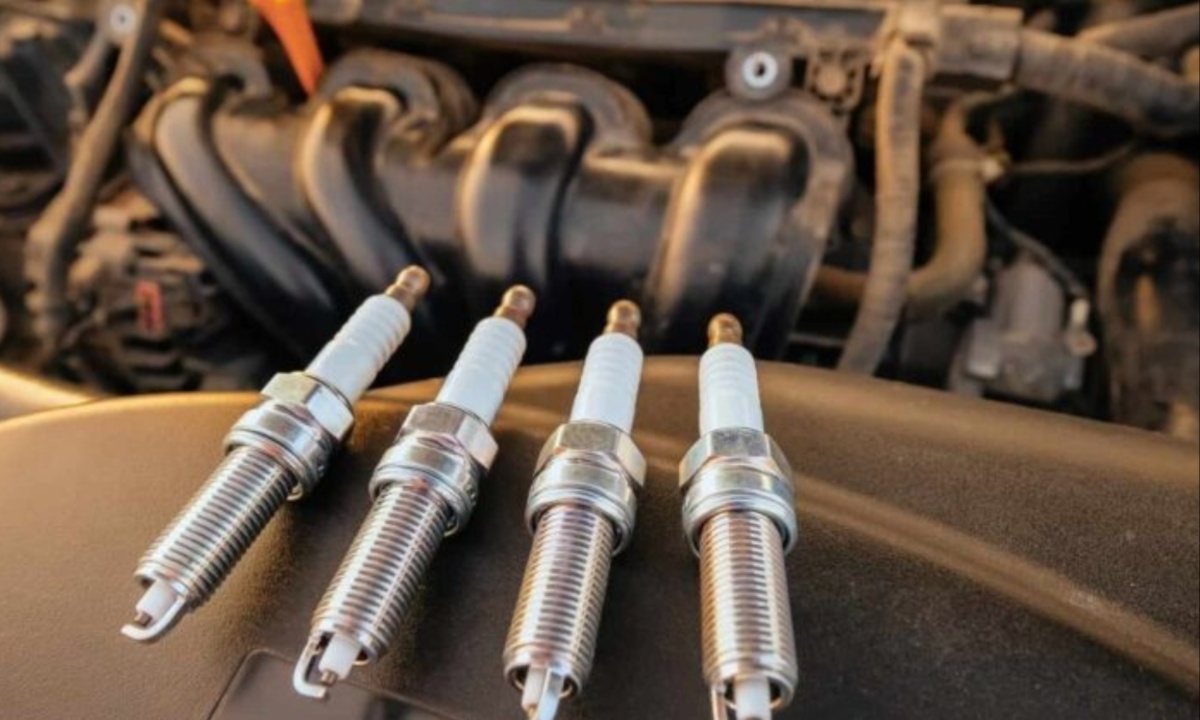
10. Using the Wrong Spark Plugs or Ignoring Ignition Issues
Spark plugs play a key role in engine performance by igniting the air-fuel mixture within the combustion chamber. The Ford Tempo relies on a consistent, clean ignition to maintain smooth operation and prevent misfires. Using the wrong type of spark plugs or failing to replace them at proper intervals can cause significant engine strain.
While it may seem like a small component, faulty or incorrect spark plugs create combustion issues that ripple through the engine’s systems.
One common issue is using spark plugs that don’t match the required heat range for the Tempo’s engine. If the plug is too hot, it can lead to pre-ignition and detonation, both of which place enormous stress on the pistons and valves. If the plug is too cold, it may foul easily and fail to burn off deposits, leading to misfires and rough engine operation. In both cases, performance is compromised and engine damage becomes more likely over time.
Worn or old spark plugs can also increase fuel consumption and reduce power. Misfires caused by spark plugs result in unburned fuel entering the exhaust system, potentially damaging the catalytic converter and creating backpressure issues.
In an older engine like that of the Ford Tempo, these effects are magnified due to less advanced engine management systems. Over time, repeated misfires can lead to cylinder damage, low compression, and eventual engine failure.
Regular inspection and timely replacement of spark plugs, along with checking ignition wires, distributor caps (for older models), and ignition coils, is critical.
Even slight delays in replacing worn ignition parts can lead to chain reactions that destroy engine performance. Using OEM-recommended spark plugs and components ensures proper timing, combustion, and reliability. Ignoring these small but essential elements often leads to bigger, more expensive engine issues in the long run.
11. Letting Vacuum Leaks Go Unchecked
The Ford Tempo engine relies heavily on vacuum-operated systems for fuel delivery, emissions control, and idle stability. A vacuum leak occurs when air enters the engine through an unintended path, bypassing the throttle body.
These leaks create an imbalance in the air-fuel mixture, often resulting in a lean condition that makes the engine run hotter and rougher than normal. Left unchecked, vacuum leaks can cause long-term internal damage and significantly reduce the engine’s lifespan.
One of the first signs of a vacuum leak is a rough or fluctuating idle, often accompanied by engine stalling or hesitation during acceleration. Drivers may also notice whistling or hissing noises under the hood. These symptoms are commonly dismissed or attributed to other causes, but ignoring them leads to incomplete combustion and high combustion chamber temperatures. These conditions stress components like pistons, valves, and head gaskets over time.
Vacuum leaks also interfere with the vehicle’s emissions system. On the Ford Tempo, this can cause sensors like the MAP sensor (manifold absolute pressure) or O2 sensors to give incorrect readings. This leads to incorrect fuel trimming, which may cause the engine to run too lean or rich.
A lean condition increases the chance of engine knock and valve damage, especially under load or at highway speeds. All these effects compound into greater internal engine stress.
Fixing vacuum leaks is not particularly difficult or expensive, but diagnosing them can be tricky without proper tools or experience. That’s why many Tempo owners let the issue persist. Hoses, intake gaskets, and throttle body seals should be regularly inspected and replaced as needed. Sealing these leaks maintains proper air-fuel ratios, stabilizes engine performance, and significantly improves long-term engine health.

12. Driving with a Failing Fuel Pump or Dirty Fuel Filter
The fuel system in the Ford Tempo must deliver the right amount of fuel at the correct pressure to support combustion. A failing fuel pump or clogged fuel filter interrupts this process, leading to lean fuel conditions, poor performance, and potentially severe engine damage.
Many drivers don’t realize that fuel delivery issues can cause long-term internal harm, especially when the engine is starved of fuel under load.
A weak or inconsistent fuel pump cannot maintain the pressure needed during acceleration or high-speed driving. This results in hesitation, engine knocking, or stalling. When the fuel supply drops below required levels, the engine runs lean.
This condition raises combustion temperatures and increases stress on pistons, valves, and cylinder walls. Prolonged exposure to lean conditions can lead to burnt valves, cracked pistons, or even melted components in extreme cases.
The fuel filter, often located in-line under the car or in the fuel tank, is responsible for keeping debris and contaminants from entering the engine. Over time, the filter becomes clogged and restricts fuel flow. A restricted filter can cause the same lean-running problems as a weak fuel pump. Furthermore, clogged filters force the pump to work harder, shortening its lifespan and increasing the chance of sudden failure.
Replacing the fuel filter at regular intervals and monitoring the health of the fuel pump should be part of routine maintenance. Drivers often ignore subtle signs like reduced power or hard starts until the system fails.
Addressing these problems early not only prevents engine damage but also avoids breakdowns and costly repairs. For a car like the Ford Tempo, with a relatively simple fuel system, early intervention makes all the difference between a reliable engine and one that’s headed for failure.
Also Read: 5 Cars with Climate Control That Works vs 5 That’s Just for Show
The Ford Tempo may not be a high-performance machine or a showcase of modern automotive innovation, but its engine was built with durability in mind, provided it receives the attention it deserves.
As outlined in the twelve key mistakes discussed above, the path to a prematurely destroyed engine is often paved with neglect, incorrect assumptions, and delays in addressing seemingly minor issues. Understanding how these specific habits and oversights directly contribute to engine failure can help Ford Tempo owners make more informed decisions about their vehicle’s care.
Each of these mistakes, whether it’s skipping oil changes, running with low coolant, using the wrong fuel, or ignoring spark plug and ignition health, has its own set of consequences. While any one of them might not instantly destroy an engine, their cumulative effect over time is undeniable.
Sludge buildup, overheating, carbon deposits, and lean fuel conditions slowly degrade internal components, reducing compression, increasing friction, and causing irreversible mechanical stress. The Ford Tempo’s engine, while relatively simple, is not forgiving when these problems are left unchecked. What starts as a small issue, like a clogged air filter or delayed oil change, can grow into a complete engine overhaul if ignored long enough.
The other critical factor is how a Tempo is driven and maintained under real-world conditions. Frequent short trips, for instance, don’t allow the engine to warm up properly, increasing condensation, fuel dilution, and sludge formation.
Similarly, failing to replace timing belts or allowing vacuum leaks to persist are often seen as minor or low-priority, but they are directly responsible for engine damage in the long term. The absence of immediate symptoms does not mean an issue isn’t developing behind the scenes. By the time the engine exhibits obvious trouble, the damage may already be advanced and costly to repair.
