
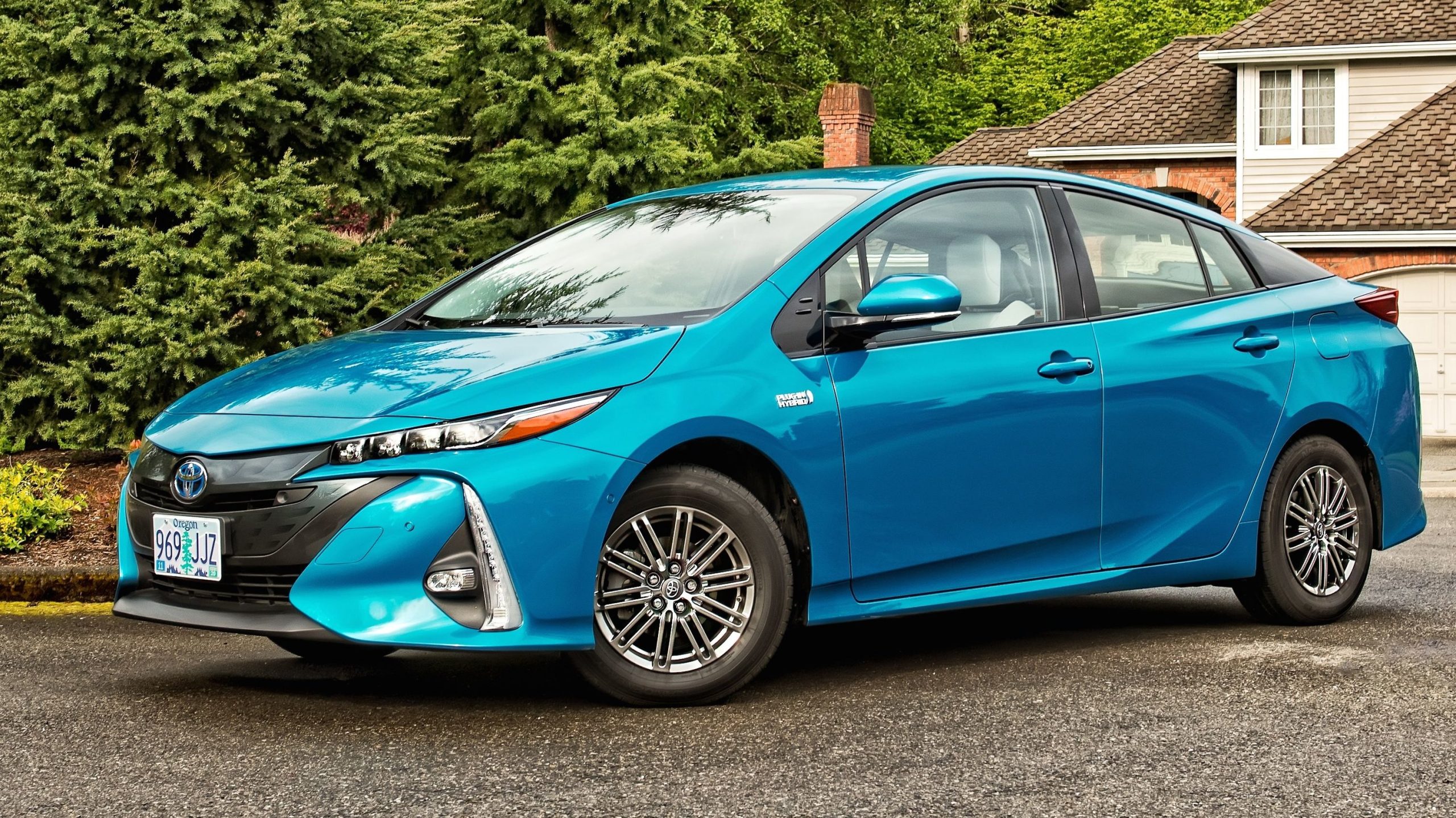
The Toyota Prius Prime is a popular plug-in hybrid electric vehicle (PHEV) known for its fuel efficiency, quiet operation, and low emissions. One of its most critical components is its high-voltage lithium-ion battery, which plays a significant role in powering the electric motor and improving performance.
Unlike traditional internal combustion engines that rely mainly on mechanical parts, hybrid and electric vehicles require special attention to battery care to maintain their long-term reliability.
The battery not only supports electric driving but also contributes significantly to fuel economy, making its health essential for drivers who want to get the most out of their vehicle. A healthy battery also means fewer repair costs and more consistent performance over time.
Maintaining the Prius Prime’s battery doesn’t require a technical background or specialized knowledge. Many of the key steps involve habits that any driver can incorporate into their daily routine. Small changes in driving behavior, charging habits, and parking practices can add years of life to the battery.
With the rise of plug-in hybrids like the Prius Prime, more people are looking for practical, real-world strategies that actually work. Fortunately, Toyota has designed the Prius Prime with a strong built-in battery management system (BMS), but even that can only go so far if the car is not treated properly.
Inconsistent charging patterns, extreme temperatures, and aggressive driving are some of the most common reasons batteries degrade prematurely. Many owners unintentionally stress the battery through these behaviors, thinking that as long as the vehicle runs, everything is fine.
However, the damage often happens quietly and becomes noticeable only when the range starts to drop or the car doesn’t perform the way it used to. To avoid this, it helps to follow best practices that have proven effective in preserving battery health. These tricks don’t require significant money or time, but they do require consistency.
Whether you’re a new Prius Prime owner or someone who has had the vehicle for years, following the right steps can make a noticeable difference. Below are 10 tricks that can help keep your Prius Prime’s battery running efficiently for years to come.
Also Read: 5 Hyundais That Rarely Fail Brakes vs 5 That Burn Pads Monthly
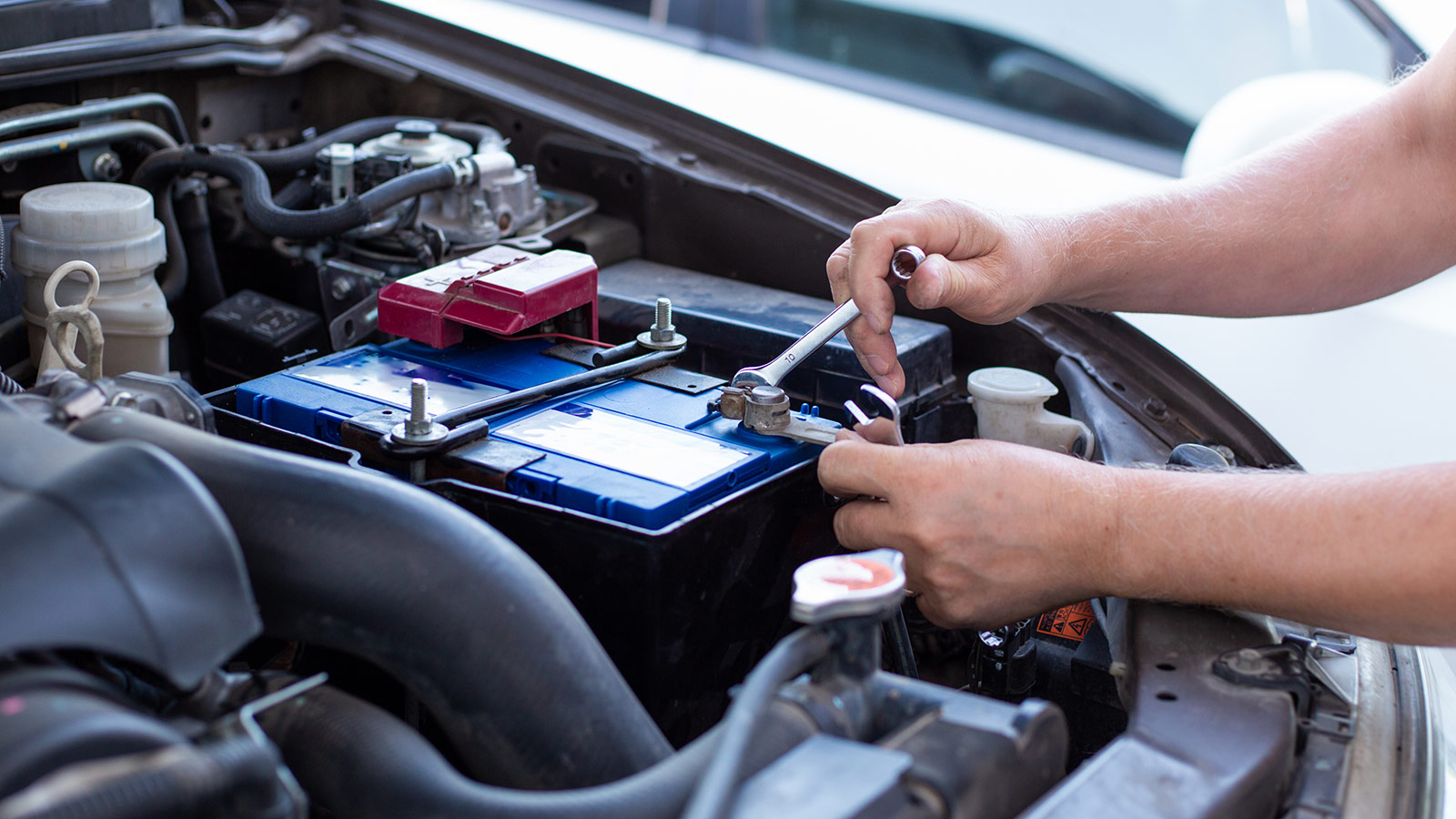
1. Charge to 80% instead of 100% When Possible
Charging your Prius Prime to 100% may seem like the best way to maximize your electric range, but doing so regularly can put unnecessary stress on the battery. Lithium-ion batteries naturally degrade faster when they remain at full charge for extended periods.
The battery cells are under greater chemical stress when they are near their maximum voltage, and this accelerates wear. For this reason, many electric vehicle enthusiasts recommend charging only up to 80% for daily use unless the full range is necessary.
While Toyota’s battery management system helps prevent overcharging, it still allows the battery to hit a high state of charge that isn’t ideal for long-term health. Charging to 80% gives the battery some breathing room and helps maintain cell integrity over thousands of cycles.
This trick becomes especially useful for drivers who charge overnight and don’t plan to use the full battery the next day. It’s an easy adjustment to make, and many smart chargers and apps allow you to set custom charging limits for convenience.
In stop-and-go urban driving, the extra 20% of battery might not be needed anyway. In those cases, the added benefit of a longer-lasting battery outweighs the marginal increase in electric range. Many Prius Prime drivers who adopt this habit report that their battery capacity remains consistent over the years, avoiding the early onset of range loss that some others experience. It’s a strategy borrowed from long-time EV owners and applies well to hybrids, too.
If you’re planning a long trip or know you’ll need the full electric range, charging to 100% is still fine occasionally. The trick is to avoid keeping it at full charge for long durations. Letting the charge drop slightly or timing the charge so the vehicle reaches full just before departure can help reduce unnecessary battery stress.
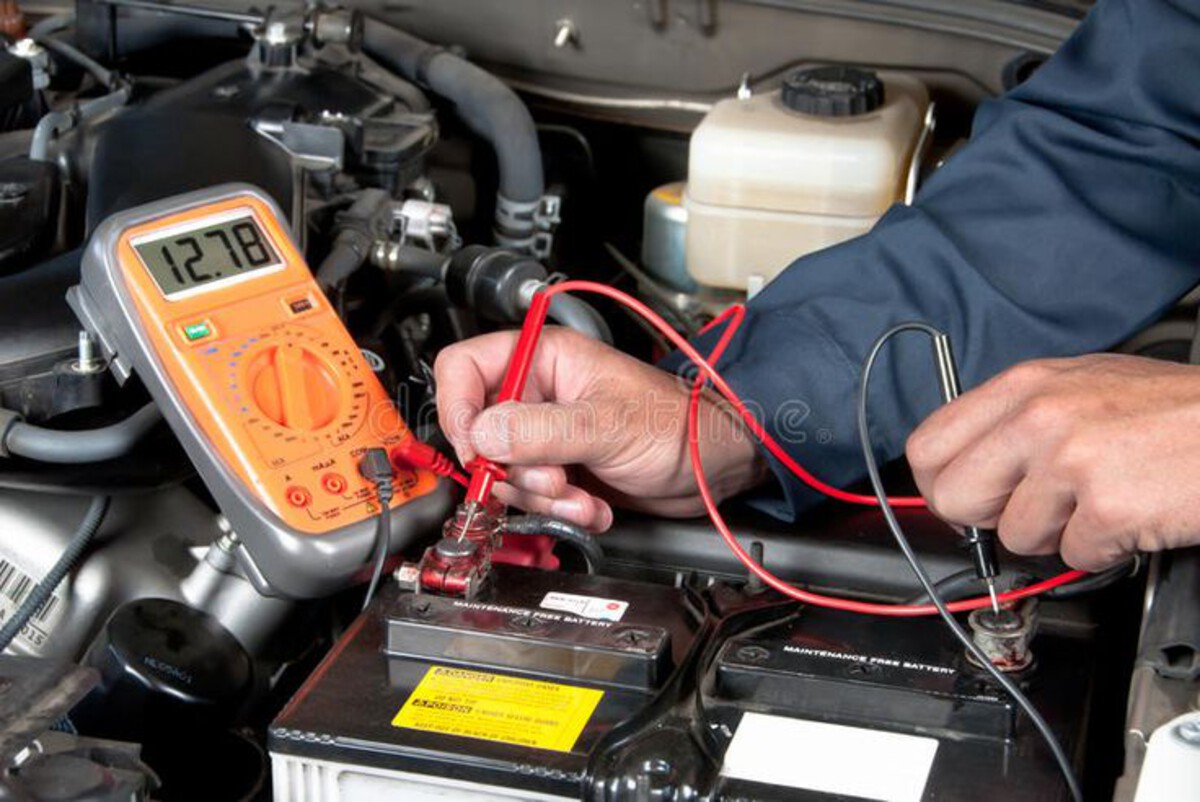
2. Avoid Letting the Battery Drain to Zero
Just as keeping the battery fully charged isn’t ideal, letting it drop to zero is another practice that should be avoided. While the Prius Prime doesn’t truly let its battery reach absolute zero, thanks to a buffer built into the battery management system, it still shouldn’t be allowed to consistently run down to its minimum state of charge. Doing so forces the battery cells to operate at low voltages, which can shorten their lifespan.
Some drivers mistakenly believe it’s beneficial to completely deplete the battery regularly to “exercise” it, but this doesn’t apply to lithium-ion chemistry. Unlike nickel-based batteries that have a memory effect, lithium-ion batteries do not need full discharge cycles to stay healthy.
In fact, frequent deep discharges can lead to reduced capacity and a shorter battery life. The best approach is to use the battery partially and recharge it before it gets too low, ideally when it’s around 20–30%.
Occasional deep discharges are unavoidable in real-world driving, especially on longer trips, but they shouldn’t become a regular habit. Keeping an eye on the battery level and planning routes with nearby charging stations can help avoid hitting low charge too often. The car provides enough warning and range predictions to give drivers ample time to find a charger or switch to hybrid mode if necessary.
The Prius Prime’s hybrid system is designed to automatically switch between electric and gas when the battery gets low, but that doesn’t mean the battery is immune to stress. The internal components still experience wear. By maintaining moderate charge levels more consistently, you protect the battery’s chemistry from harsh voltage extremes and contribute to a longer service life.
3. Use Regenerative Braking Efficiently
The Prius Prime’s regenerative braking system is one of its most useful features, allowing drivers to recapture energy during deceleration. This energy is then sent back to the battery, reducing wear on the brake pads and improving electric efficiency. However, using regenerative braking properly can also influence battery health in a positive way. Smooth and consistent use of this system is key.
Many drivers rely heavily on aggressive regenerative braking or “one-pedal” style driving, which can result in sudden charging spikes to the battery. While regenerative braking is far gentler than plugging into a Level 2 charger, frequent, abrupt regeneration can cause stress over time.
The battery prefers gradual, even charging, which comes from controlled deceleration rather than abrupt stops. Adopting a driving style that favors early braking and long coast-downs helps the battery take in energy more comfortably.
Using the B-mode (engine braking mode) when going downhill is another good practice. It increases regenerative braking and reduces strain on the traditional brakes. However, it should be used wisely and not overused, especially on small hills where standard regenerative braking is sufficient. Overuse of B-mode can lead to overcharging in certain conditions, particularly if the battery is nearly full.
Drivers can also benefit by anticipating traffic patterns and slowing down early rather than waiting until the last moment to stop. This not only contributes to battery health but also improves fuel economy and enhances driving comfort. It’s about being intentional with how energy is used and recaptured, making the most out of the vehicle’s hybrid design without forcing the system to work harder than it needs to.
4. Keep the Battery Cool During Hot Weather
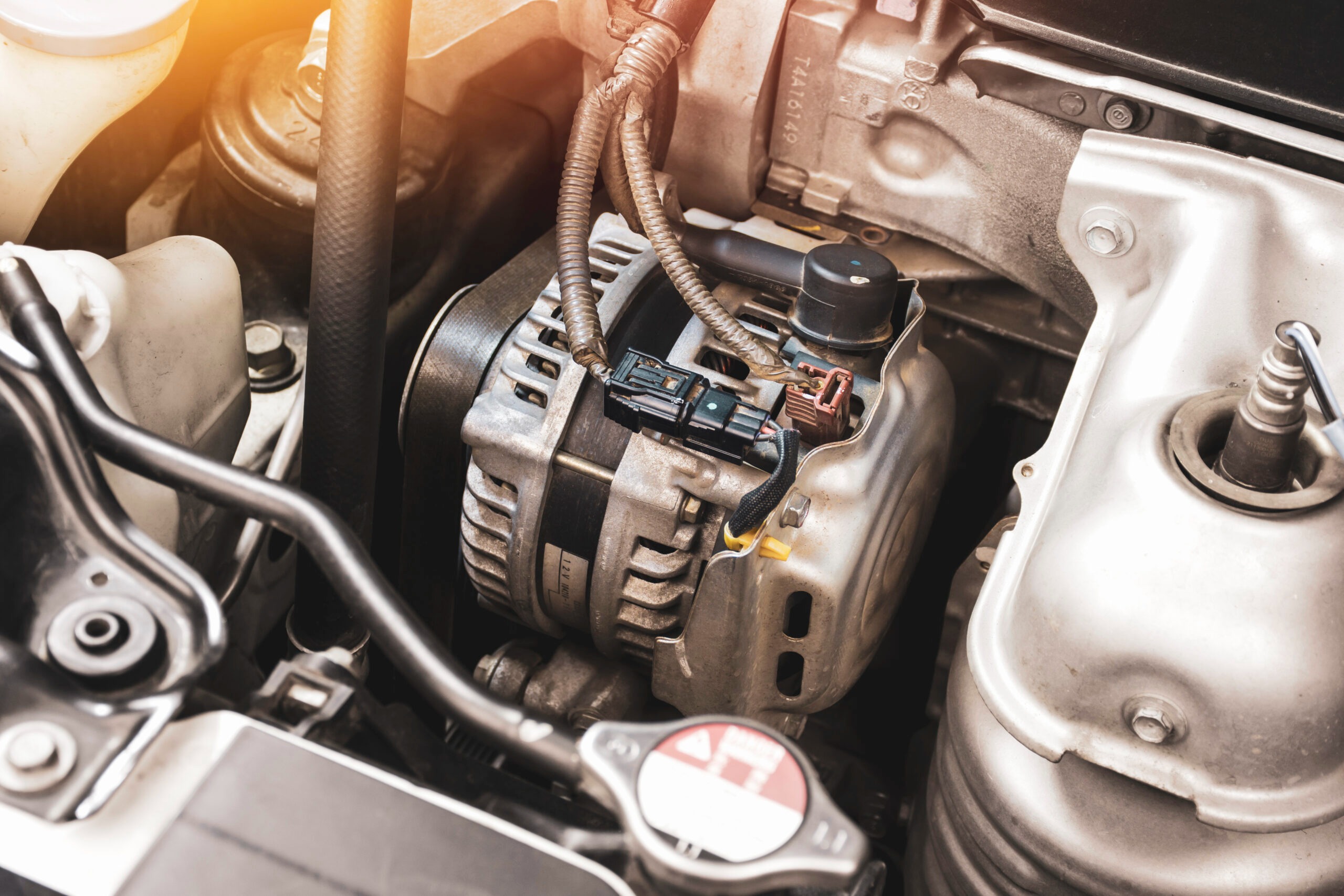
Heat is one of the most damaging factors for lithium-ion batteries. High temperatures can accelerate chemical reactions inside the battery that lead to degradation, swelling, and reduced capacity. While the Prius Prime has built-in thermal management to protect its battery, it’s not immune to the effects of extreme heat.
For drivers living in warmer climates or during summer months, taking steps to keep the battery cool can make a noticeable difference in long-term performance.
Parking the vehicle in shaded areas or garages can help prevent heat buildup when the car is not in use. Leaving it in direct sunlight for hours at a time can raise internal temperatures, including those of the battery pack. Using sunshades or reflective windshield covers can also help keep cabin and battery temperatures lower, indirectly protecting the battery from overheating.
Avoiding fast charging during the hottest parts of the day is another helpful trick. High charging currents combined with ambient heat can warm the battery significantly, pushing it closer to its thermal limits. If possible, schedule charging during the early morning or late evening when temperatures are cooler. This keeps the battery in a more comfortable range and helps reduce thermal wear.
It’s also a good idea to precondition the vehicle using the remote climate control features available through the Toyota app. Pre-cooling the cabin while the car is still plugged in can help reduce battery strain by letting the climate system draw power from the charger instead of the battery. This keeps the battery cooler and reduces workload when starting your drive.
5. Avoid Frequent Fast Charging Unless Necessary
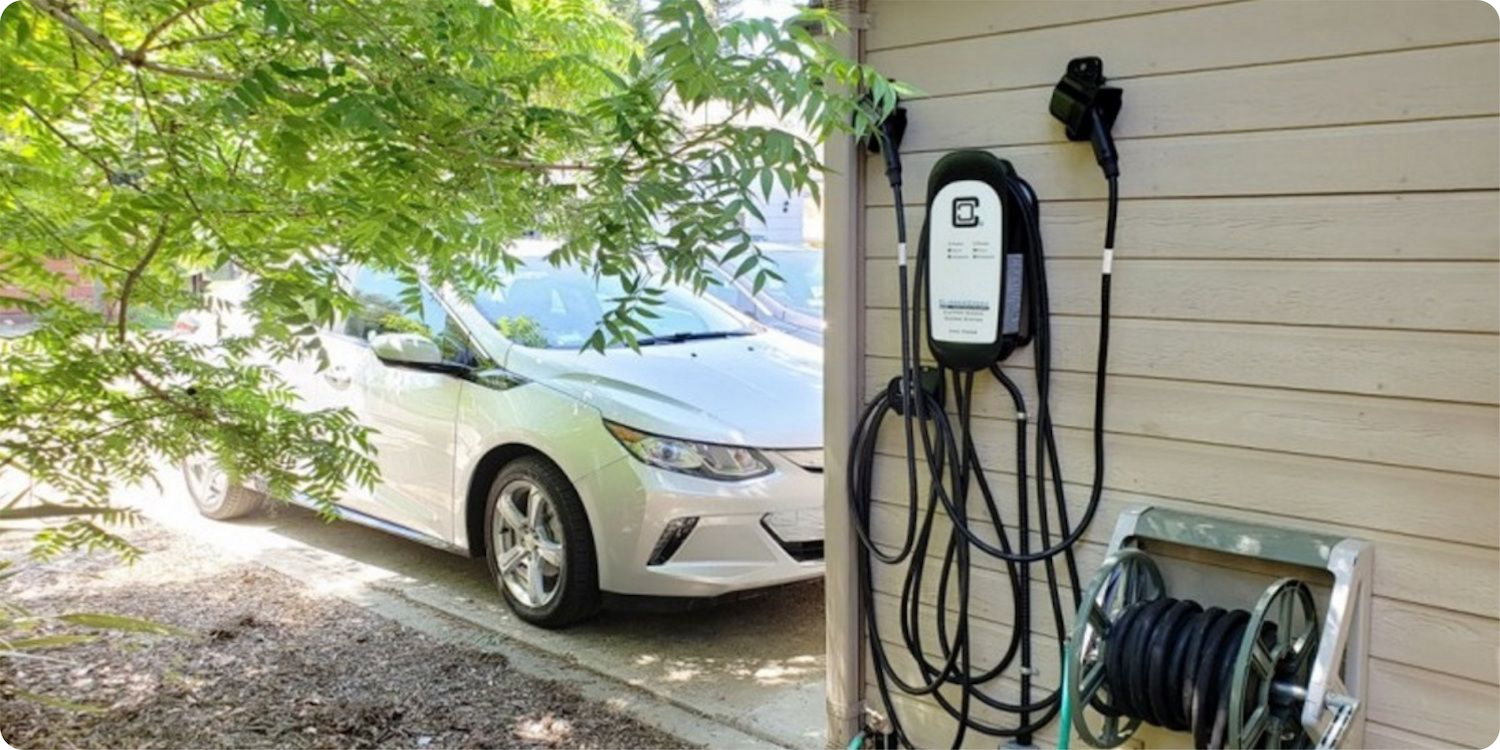
Fast charging can be convenient, especially during long trips or when you’re in a hurry, but it shouldn’t be used as a daily charging method. The Prius Prime supports Level 2 charging, which is already fast enough for most users, especially when you consider that its battery is smaller than that of fully electric vehicles.
Subjecting the battery to high current levels regularly accelerates degradation and may reduce the battery’s capacity over time. Just like with temperature, lithium-ion batteries experience increased wear when charged rapidly and repeatedly.
One of the reasons fast charging wears down batteries is that it generates more internal heat. Even with cooling systems in place, that excess thermal buildup stresses battery components at the molecular level. Charging more slowly not only reduces this internal heating but also allows for a more uniform and complete charge. With slower charging, the battery management system can more carefully balance the individual cells, contributing to longer-lasting battery performance.
For daily charging, using a Level 1 (standard wall outlet) or Level 2 charger set to a lower amperage can be beneficial. Since the Prius Prime’s battery is relatively small, even a Level 1 charger can fully recharge it overnight, which eliminates the need for rapid charging in most cases. In fact, using slower charging gives you more control over timing and charging level, which complements other tricks like charging only to 80%.
Of course, emergencies or special circumstances sometimes require fast charging. It’s not something to fear occasionally, but rather something to use sparingly. The goal is not to avoid it entirely but to recognize when it’s needed and when it’s not.
Long road trips, unexpected errands, or last-minute plans might justify a fast charge. But using it routinely, when slower options are available, is where problems tend to build up. Keeping this balance in mind can preserve the battery’s health and delay any noticeable capacity loss for many years.
6. Don’t Leave the Car Fully Charged When Parked for Long Periods
Leaving your Prius Prime at 100% charge for extended periods, such as when parked at the airport or stored in a garage while on vacation, can stress the battery even if the car isn’t being driven. Batteries degrade faster when left in a high-voltage state for too long.
Over time, the chemical composition inside the battery becomes less stable, and the cells can begin to lose their ability to hold a full charge. Even if degradation isn’t immediately noticeable, this habit can chip away at the battery’s long-term performance.
The best practice is to store the car with the battery at a moderate state of charge, ideally between 50% and 60%. This range is considered the “resting sweet spot” for lithium-ion batteries. If you know you won’t be driving for several days or weeks, plan your last charge accordingly so the car isn’t sitting at a full charge. This may require a little planning, but it is one of the most effective habits for preserving battery chemistry.
Another tip for long-term parking is to disconnect any accessories or chargers that might be drawing power. While the high-voltage battery is separate from the 12-volt battery used for auxiliary systems, keeping all systems off while in storage helps maintain energy levels. It’s also helpful to occasionally check on the car or start it up once in a while, especially during long idle periods, though this is more important for the auxiliary systems than the high-voltage battery.
Toyota’s system is relatively conservative and does a decent job of protecting the battery from extreme situations, but it can’t make up for user habits. The software won’t discharge the battery just because the car has been idle, and it won’t lower a high charge state once the car is unplugged. That’s why the responsibility falls on the driver to avoid storing the car at 100%. It’s a small act with big benefits down the road.

7. Park Indoors or in the Shade When Possible
Environmental conditions have a huge impact on battery life, especially temperature and exposure to sunlight. Parking the Prius Prime in a garage or shaded area helps regulate the internal temperature of the car and, by extension, the battery.
Constant exposure to direct sunlight can cause both the cabin and the battery pack to heat up significantly, even if the car isn’t running. This is particularly true during summer months or in warmer climates where ambient temperatures already place the battery under stress.
Repeated heat exposure can weaken the chemical bonds inside the battery, reducing its capacity and increasing internal resistance. Over time, this leads to lower efficiency and shorter electric driving range. Additionally, when the battery gets too hot, the car’s cooling systems have to work harder, which drains additional energy and reduces performance.
These systems are effective, but they can’t fully eliminate the effects of extreme environmental exposure. Keeping the car in cooler conditions helps reduce how often and how hard these systems need to work.
Parking indoors also helps protect the vehicle from wide temperature swings. Cold temperatures, while less damaging than heat in the long term, can still cause temporary performance issues. The car might rely more heavily on the gasoline engine in cold conditions, and charging might slow down. Indoor or underground parking helps maintain a more stable thermal environment, minimizing the impact of both high and low extremes on the battery system.
Even if a garage isn’t available, something as simple as using a windshield cover or parking beside a building to block the sun can make a difference. Drivers who live in apartments or urban areas without garage access may have limited choices, but any step toward reducing direct sunlight is beneficial. Battery degradation from heat happens slowly and silently, so the benefits of good parking habits often show up later, when the car is still holding a strong charge even after several years of use.

8. Don’t Overuse EV Mode in Aggressive Driving
The EV mode in the Prius Prime lets the vehicle run purely on electric power, which is great for short trips and city driving. However, pushing the EV mode too hard during aggressive driving can cause the battery to drain faster and heat up more than necessary.
Rapid acceleration, sudden braking, and high-speed driving in EV mode force the battery to work harder than it’s designed to during light-duty operation. Over time, this can contribute to stress and wear on the battery cells.
EV mode is most efficient when used in slow to moderate driving conditions. It shines in city environments with lots of stop-and-go traffic, where regenerative braking can recover energy and driving demands are relatively low.
Trying to push the vehicle to highway speeds or accelerate hard while in EV mode disrupts this balance. It not only depletes the battery quickly but also increases internal temperature and voltage strain, which may gradually wear out the battery.
It’s also worth noting that the Prius Prime automatically switches to hybrid mode when power demands exceed what the battery can comfortably provide. However, if a driver consistently pushes the limits in EV mode, the car may rely more heavily on both propulsion systems, which defeats the purpose of energy-efficient driving. Instead of maximizing range, it ends up cycling through energy faster and putting additional load on both systems.
The better strategy is to use EV mode when the driving conditions are suited to it, flat roads, light traffic, and smooth acceleration. Switching to hybrid mode for higher speeds or heavy loads lets the gasoline engine take over when it’s more efficient to do so.
This division of labor not only extends the electric range but also protects the battery from unnecessary stress. Learning to match your driving style with the right mode improves battery longevity and results in a smoother, more balanced experience behind the wheel.
9. Use the Climate Control System Wisely
Running the air conditioning or heater while in EV mode draws power directly from the battery. While comfort is important, excessive use of climate controls can accelerate battery drain and cause the battery to cycle more frequently than necessary.
In warmer months, for example, setting the temperature too low or leaving the system running continuously can shorten the electric range significantly. This leads to more frequent recharging and places added stress on the battery’s charge cycles.
One solution is to precondition the cabin while the car is still plugged in. The Toyota app or vehicle settings allow remote activation of the climate control system before departure, drawing energy from the wall outlet instead of the battery. This cools or heats the cabin to a comfortable temperature before you even start driving. It’s a more efficient way to use climate controls and helps preserve more energy for actual driving.
Another good habit is to adjust the climate settings incrementally rather than all at once. Using the fan at lower speeds, selecting ECO climate mode, or even just opening windows in mild weather can help reduce reliance on battery power. Similarly, using seat warmers instead of cabin heat in the winter uses less energy, giving you a little extra range and keeping the battery from discharging too quickly.
It’s not about sacrificing comfort but rather about optimizing how energy is used. The Prius Prime’s energy usage screen provides helpful feedback, letting you see in real-time how much power the climate system is consuming. Over time, drivers can learn to fine-tune their preferences to match weather conditions and battery goals.
These small changes in how the climate system is used can result in longer battery life, better electric range, and less wear from frequent full charge and discharge cycles.
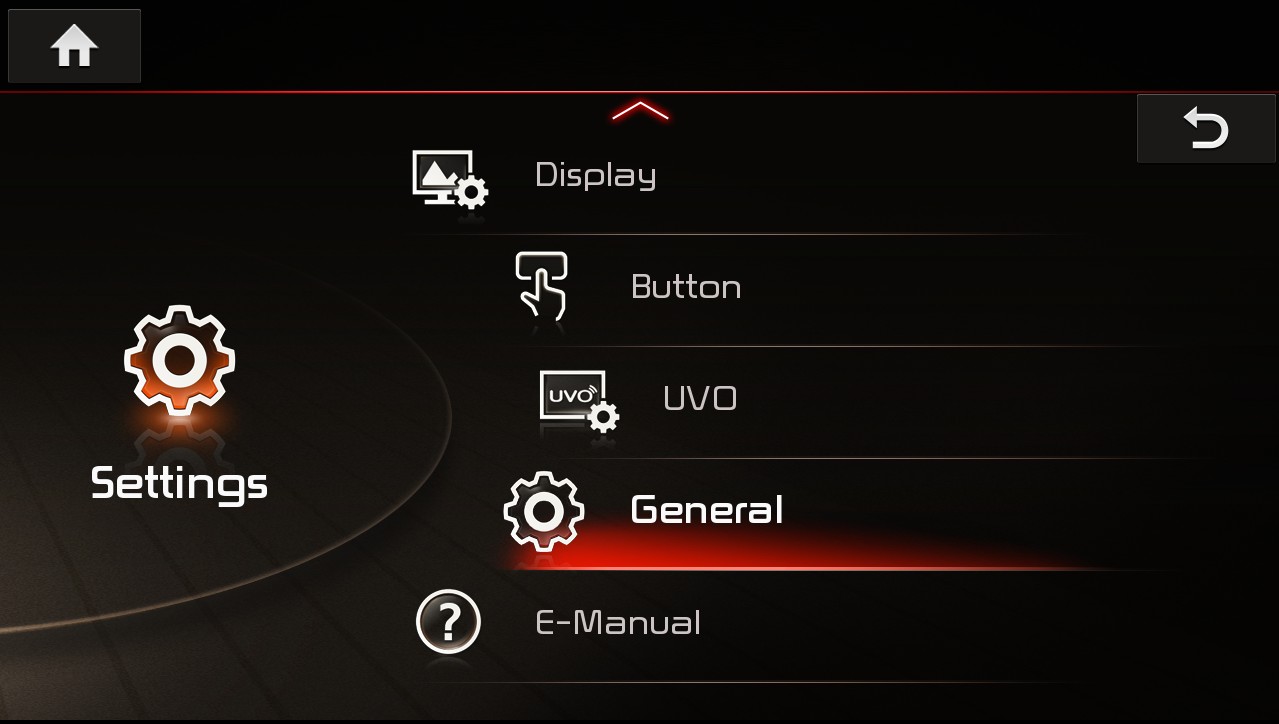
10. Keep Software and System Updates Current
The software that controls the Prius Prime’s battery management system plays a crucial role in maintaining its health. It monitors temperature, voltage, charging cycles, and more. Like any modern technology, this system is improved over time through firmware updates and diagnostic checks. Failing to keep your vehicle updated can result in outdated battery handling protocols that don’t take advantage of newer improvements or fixes released by Toyota.
Updates can improve everything from charging efficiency to thermal management. In some cases, Toyota may release a software patch that changes the way the car balances cells or limits fast charging to prevent overheating.
These changes can extend battery life significantly, but only if the vehicle is kept current. Dealers typically apply these updates during routine maintenance visits, but it’s also wise to ask specifically whether battery management firmware has been updated recently.
In addition to updates, the car’s onboard diagnostics can detect early signs of battery imbalance or thermal irregularities. If you’re not visiting the dealership regularly, these signs might go unnoticed. That’s why it’s important to follow the maintenance schedule even if the vehicle seems to be running perfectly. A well-maintained Prius Prime has fewer surprises, and proactive care often leads to better battery retention in the long term.
Finally, be cautious when modifying or “hacking” the vehicle’s settings through unofficial means. Some owners attempt to bypass factory settings to unlock extra EV range or alter the battery’s charging parameters. These changes often override safety margins set by Toyota and can lead to faster degradation or void warranty protection.
Keeping your system official, updated, and working as intended is one of the most straightforward ways to ensure long-term battery health and performance.
Also Read: 5 Infotainment Units With Reliable Software vs. 5 That Are Glitchy
Keeping the Toyota Prius Prime’s battery healthy doesn’t require advanced knowledge or expensive tools—it just takes a little awareness and consistent habits. The battery is the heart of the hybrid-electric system, and its condition affects everything from fuel efficiency to driving performance.
Many drivers assume the built-in protections are enough, and while Toyota’s design is robust, no system can fully compensate for poor user behavior over time. That’s why small actions like charging to 80%, avoiding deep discharges, and limiting fast charging can make such a big difference in the long run.
Parking in shaded areas, using regenerative braking smoothly, and planning for temperature changes all contribute to a less stressful environment for the battery. These aren’t complicated steps, but when combined, they form a strong foundation for long-term reliability.
Understanding when and how to use EV mode, avoiding aggressive acceleration, and managing climate control use wisely are all part of a smarter, more battery-friendly driving style. These are strategies that protect not just the battery but also enhance your experience with the vehicle.
In addition to physical care, staying current with software updates and regular service visits ensures the car’s systems continue to function optimally. New firmware can include small but meaningful improvements in how the battery is charged, cooled, or balanced internally. Ignoring these updates can lead to missed opportunities to extend the life of the battery and improve performance.
The goal is not to overthink every mile but to form habits that reduce stress on the battery wherever possible. By integrating these ten tricks into your daily routine, you’ll not only maintain the health of your Prius Prime’s battery but also enjoy better performance, reliability, and value over time. A well-cared-for battery supports a better driving experience today and preserves your investment for years to come.
