
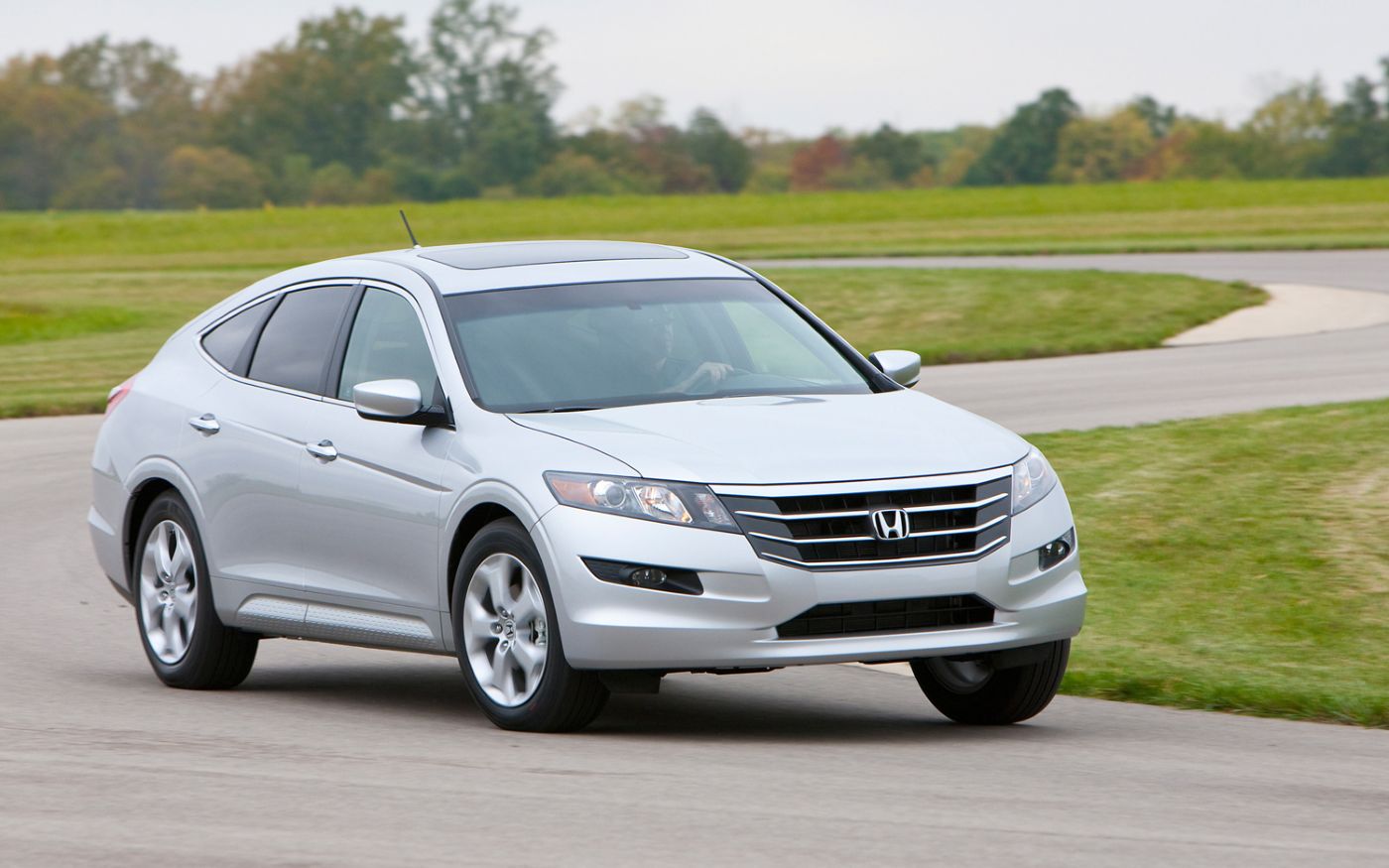
The Honda Crosstour is often seen as a reliable crossover that combines elements of a sedan and SUV. Owners typically praise its comfort, decent cargo space, and Honda’s solid engineering. But even a dependable vehicle can turn into a costly headache if it isn’t treated right.
Some drivers get frustrated when their Crosstour starts falling apart before it even reaches 150,000 miles, but the truth is that many of those failures are preventable. Mechanical breakdowns don’t just appear out of nowhere. Often, they are the result of neglect, bad habits, or the kind of maintenance shortcuts that seem harmless in the moment but build up over time.
There’s a certain level of mechanical sympathy that every vehicle owner needs to practice if they want their car to last. That means understanding what the car needs and knowing when to give it attention. A Crosstour isn’t some delicate European luxury car, but it’s not indestructible either.
Pushing it hard without proper upkeep or using it in ways it wasn’t designed for can lead to early transmission failure, suspension wear, engine problems, and more. Some of the most common issues with early Crosstour failures come from drivers who don’t know they’re doing anything wrong. What seems like an innocent oversight, like skipping transmission fluid changes or driving on worn tires, can slowly cause major components to wear down.
It’s not just about mileage, either. Some Crosstours hit 200,000 miles without serious issues, while others are on life support by 120,000. The difference usually lies in how they’ve been driven and maintained. The following list of “moves” includes both driving habits and maintenance decisions that can easily shorten the life of a Honda Crosstour.
Each one has the potential to lead to repairs that cost thousands of dollars or make the car not worth fixing. If you’re an owner who wants to get the most out of your Crosstour, or if you’re considering buying a used one, these are the pitfalls to avoid.
Also Read: 7 Pro Tips That Keep a Subaru Outback Winter-Ready for Life
1. Ignoring Transmission Maintenance
One of the fastest ways to ruin a Honda Crosstour is by neglecting its transmission. This car often came with a five-speed or six-speed automatic transmission, which, while smooth and well-calibrated, is not immune to long-term wear. The factory schedule for transmission fluid changes is conservative, but that doesn’t mean you can just forget about it.
Many people assume that transmission fluid lasts forever or only needs to be changed if there’s a problem. That’s a dangerous mindset. Over time, the fluid breaks down, loses its ability to lubricate properly, and becomes contaminated with metal shavings and clutch debris.
Skipping fluid changes can cause the internal parts of the transmission to wear much faster. Clutches inside the transmission begin to slip. Valve bodies start sticking. Eventually, you may get harsh shifts, delayed engagement, or a transmission that won’t move the car at all.
Replacing or rebuilding an automatic transmission can easily cost several thousand dollars, often more than the car is worth by that point. What’s worse is that by the time symptoms appear, it’s often too late to save the transmission with a simple fluid service. Regular fluid changes, ideally every 30,000 to 50,000 miles, are a must if you want the Crosstour’s transmission to last.
Some people make the mistake of using the wrong type of transmission fluid, especially if they go to quick-lube places that use generic fluids. Honda transmissions are picky and require specific fluid formulations. Using the wrong kind can affect shift quality and accelerate wear.
Even a well-meaning fluid change can cause damage if the shop doesn’t know what it’s doing. Always check the service and ask what fluid they’re using before agreeing to the job.
There’s also a misconception that flushing the transmission is the same as a fluid change. In fact, flushing can sometimes cause problems by dislodging debris and pushing it into small passages. A simple drain-and-fill using genuine Honda fluid is usually safer and more effective. Paying attention to this one maintenance item can add years to the life of your Crosstour.

2. Letting the Engine Run Hot
Overheating is one of the fastest routes to engine failure. The Honda Crosstour’s engine, whether it’s the 2.4L inline-4 or the more popular 3.5L V6, needs to stay within a specific temperature range to operate properly. If the cooling system isn’t functioning at full capacity, the engine may start to run hot.
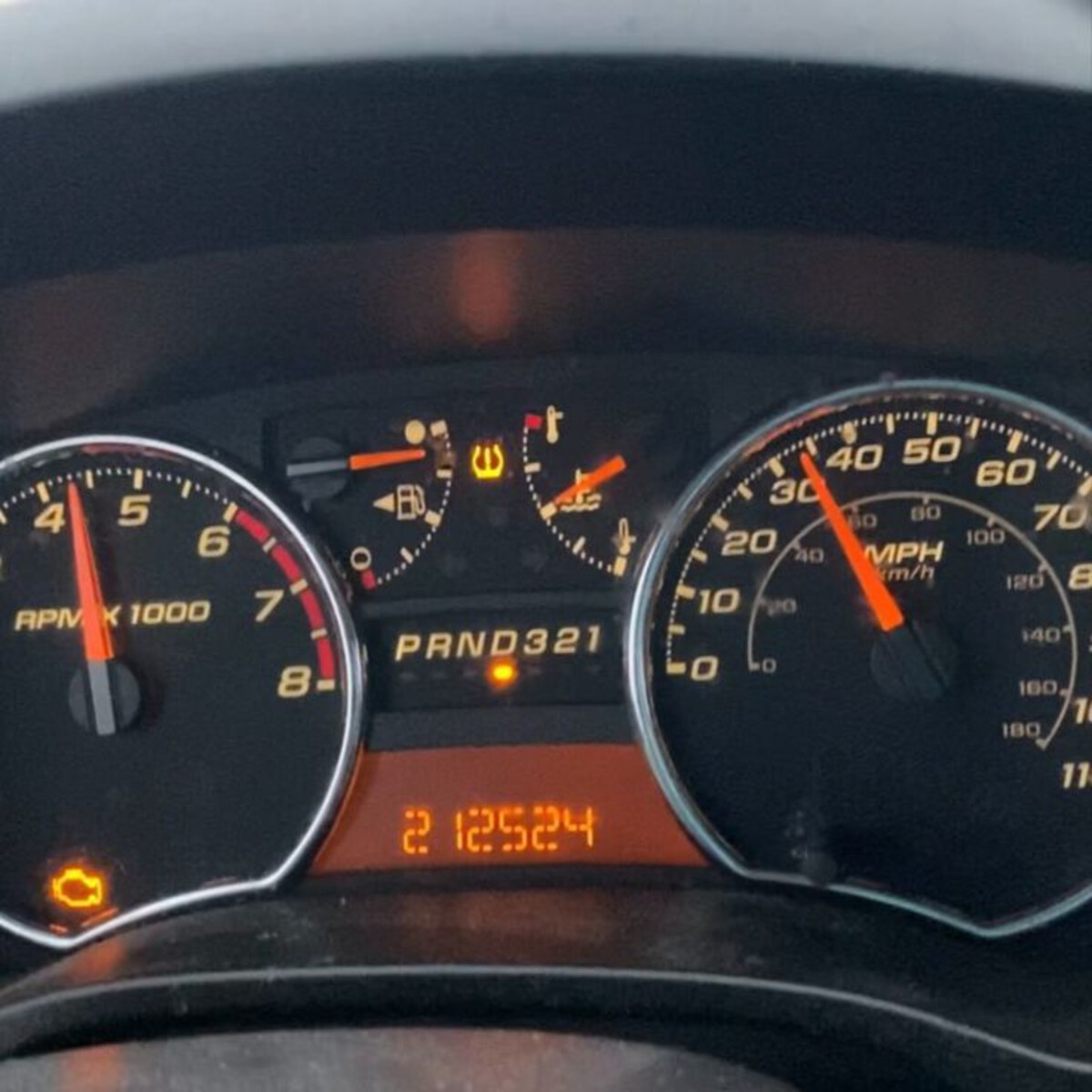
Some drivers ignore the early signs, like the temperature needle creeping higher than usual or the fan staying on longer after shutdown. These are warnings that the cooling system is struggling and needs attention.
A common culprit is a low coolant level, which may happen due to a small leak in a hose, radiator, or water pump. If you keep topping off the coolant without finding and fixing the leak, you’re playing a dangerous game. Eventually, the system runs dry or can’t maintain pressure, and the engine overheats.
The consequences can be severe: warped cylinder heads, blown head gaskets, or even a cracked engine block. Any of those can cost thousands to fix or require engine replacement. In many cases, the car ends up being junked because the repairs exceed its value.
Another often-overlooked problem is a stuck thermostat. This simple part regulates engine temperature by controlling coolant flow. If it fails in the closed position, the engine can overheat rapidly. Some people ignore warning lights or think a brief overheating episode isn’t a big deal. Unfortunately, just a few minutes of extreme heat can do irreversible damage. Honda engines are made with tight tolerances, and they don’t tolerate high temperatures well.
Fans, radiators, and sensors also wear out with age. If your fan isn’t coming on or your radiator is clogged with debris, your cooling system can’t keep up during hot weather or while idling in traffic. Performing cooling system inspections every year and replacing coolant at the recommended interval will help prevent most of these issues. Treat any overheating symptom as urgent. Waiting could mean the difference between a minor repair and a full engine teardown.
3. Using Cheap or Incorrect Oil
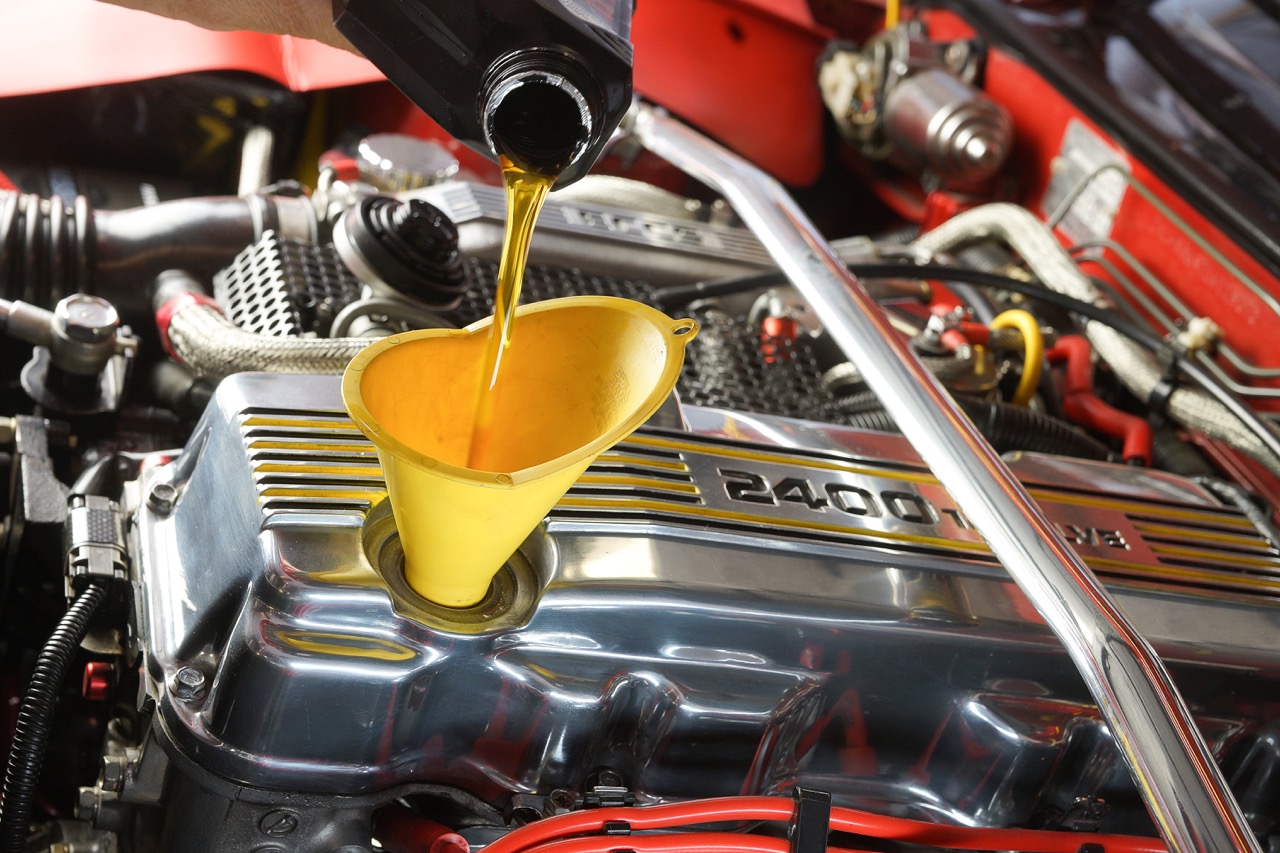
Engine oil is the lifeblood of any vehicle, and the Crosstour is no different. Yet many people make the mistake of using cheap oil or going far too long between oil changes. Both of these decisions can seriously impact the longevity of the engine. Honda engines, particularly the 3.5L V6 with VTEC and variable cylinder management (VCM), require clean, high-quality oil to function properly. Low-grade oil or dirty oil can clog tiny oil passages and cause components to wear faster than they should.
One of the most damaging moves is ignoring the oil life monitor or assuming you can stretch oil changes to 10,000 miles no matter what. The system isn’t perfect, and it doesn’t account for every driving condition. If you’re doing lots of short trips, cold starts, or stop-and-go driving, you need to change the oil more often.
Contaminants build up, and moisture doesn’t burn off as it would on longer highway runs. Left unchecked, that buildup causes sludge to form, which restricts oil flow and increases friction inside the engine.
Using the wrong viscosity is another common error. The Crosstour typically requires 0W-20 or 5W-20 full synthetic oil. Using thicker oil like 10W-30 or a cheap blend from a bargain store, can result in poor lubrication, especially during cold starts. It also increases engine drag and reduces efficiency.
Variable valve timing systems like Honda’s VTEC are sensitive to oil pressure and quality, and the wrong oil can make the engine run rough or throw error codes.
If you’re buying used, check under the oil cap and inspect for signs of sludge or heavy varnish. That can tell you a lot about how the previous owner maintained the vehicle. Sticking to high-quality synthetic oil and changing it every 5,000 to 7,000 miles, even if the monitor says you can wait longer, is one of the simplest ways to keep a Crosstour’s engine healthy for the long haul.
4. Never Flushing the Brake Fluid
Many people overlook brake fluid, thinking it’s a “lifetime” fluid or something that only needs attention if the brakes feel soft. But failing to change the brake fluid in a Honda Crosstour can lead to a range of problems that affect both safety and longevity.
Brake fluid is hygroscopic, which means it absorbs moisture over time. That moisture leads to internal corrosion of brake lines, calipers, and the master cylinder. It also lowers the boiling point of the fluid, which can result in brake fade during heavy use.
Once corrosion starts inside the brake system, the repair costs add up fast. Replacing rusty lines, seized calipers, or a failed ABS module can cost far more than a few fluid flushes would have. Worse, dirty fluid can cause premature wear of seals and moving parts.
As debris circulates through the system, it scratches and damages components that were meant to operate in a clean, fluid-filled environment. Some owners experience dragging brakes, uneven pad wear, or even complete brake failure because the fluid was never replaced.
Honda recommends changing the brake fluid every 3 years, regardless of mileage. That’s a time-based recommendation, not a distance-based one. Even if you rarely drive the vehicle, moisture still gets in. Climate plays a big role here too. In humid areas, brake fluid degrades faster. Ignoring this simple
condition. Yet many owners wait until there’s a braking issue before addressing it. By then, it’s often too late. Sticky calipers can cause one wheel to drag, leading to uneven tire wear and poor fuel economy.
Drivers may notice their Crosstour pulling to one side during braking or hear strange grinding noises. These are all warning signs that the brake system is suffering from neglect. The root cause often traces back to contaminated or old fluid, which could have been addressed with a simple flush every few years.
Some might argue that their brakes “feel fine” and therefore don’t need servicing. This is a risky assumption because degradation often happens slowly and quietly. A system can be heavily corroded inside without showing immediate signs. Just because the pedal isn’t spongy doesn’t mean everything’s functioning correctly.
Brake fluid is cheap compared to the cost of a failed ABS pump, a part that can exceed $1,000 to replace. Regular fluid changes keep those expensive components clean, lubricated, and functioning like they should.
5. Driving with Worn or Mismatched Tires
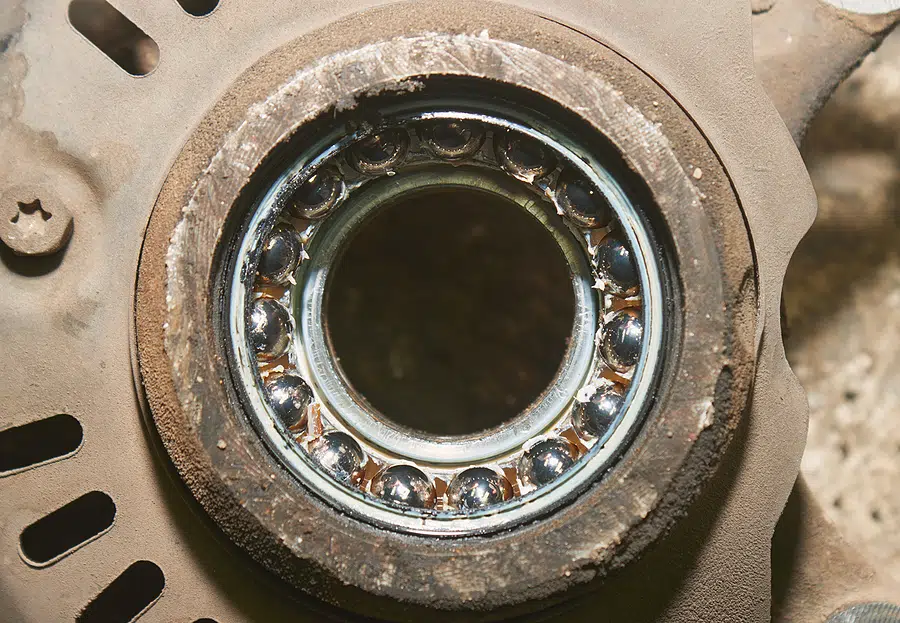
Tires are more than just rubber that keeps your Crosstour connected to the road. They play a vital role in the safety, suspension longevity, fuel economy, and balance of the vehicle.
Many Crosstour owners don’t realize that driving with worn tires can have long-term effects that go beyond just poor traction. When tires wear unevenly or are mismatched in size or tread depth, it puts additional strain on the suspension and drivetrain. That stress can result in early failure of components that aren’t cheap to replace.
Worn tires also reduce the vehicle’s ability to stop effectively in an emergency. The Crosstour is a relatively heavy vehicle, and it needs solid grip to maintain control under hard braking or during sharp turns. If one or more tires are bald or nearing the end of their life, braking distances increase, and hydroplaning becomes a serious risk.
Combine that with worn shocks or misaligned wheels, and the handling of the vehicle can become unpredictable. Accidents aside, this instability accelerates wear on control arms, ball joints, and bushings.
Another common mistake is mixing tires with different brands, types, or tread patterns. This might seem harmless, especially if you’re only replacing one tire at a time, but mismatched tires affect how the car drives. The Crosstour’s AWD system (if equipped) is sensitive to differences in rolling diameter.
Mismatched tires can confuse the system, causing it to engage unnecessarily or strain components like the rear differential. This leads to driveline vibration, noise, or, in some cases, expensive mechanical failure. Even on FWD models, mismatched tires can lead to alignment issues and inconsistent performance.
Tire rotation is another habit that many Crosstour owners ignore. Without regular rotation, the front tires (which carry more weight and handle steering) wear out faster. This not only leads to uneven wear but can also throw off the vehicle’s balance.
A proper rotation schedule, every 5,000 to 7,000 miles, helps ensure that tires wear evenly, maintain traction, and don’t prematurely damage the suspension. Inconsistent tire care is a silent killer that eats away at the longevity of the car over time.
6. Skipping Timing Belt Replacement
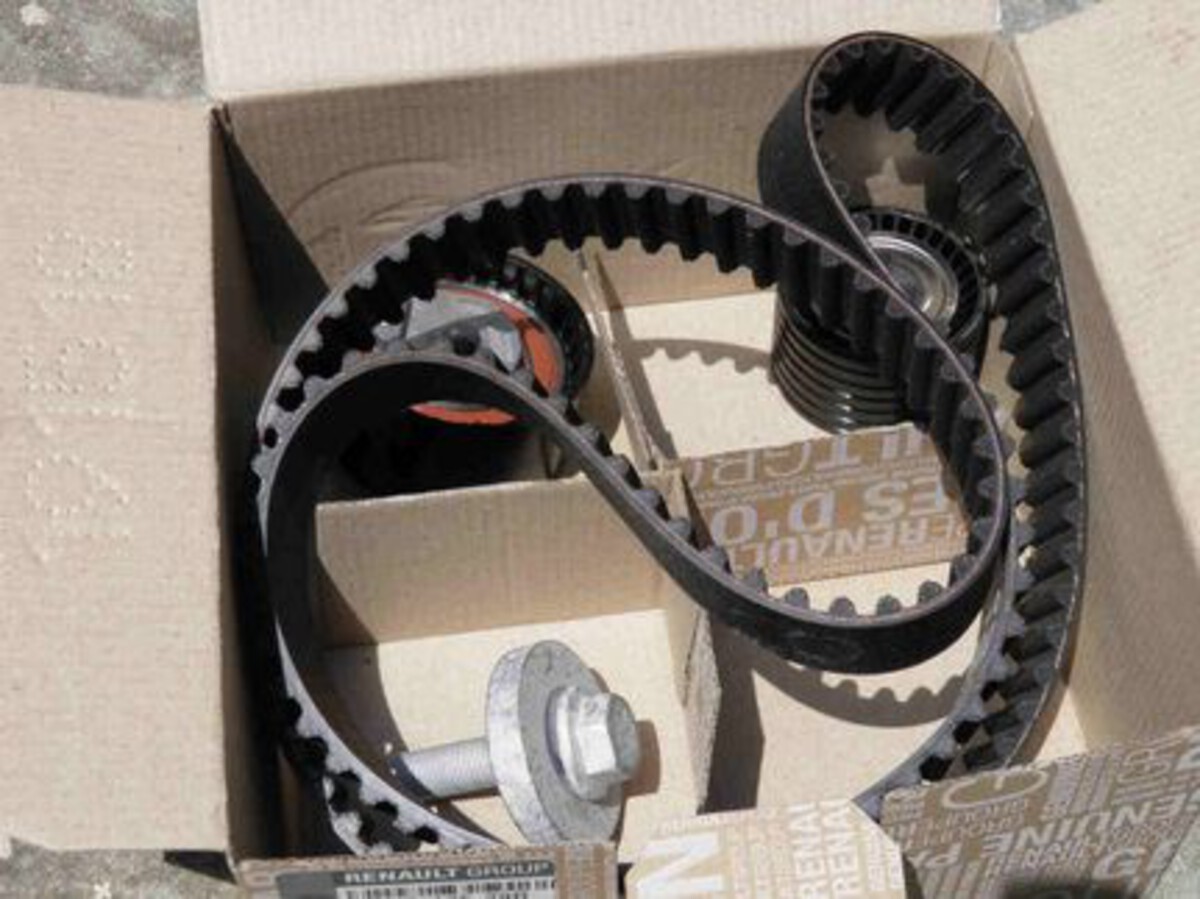
If your Crosstour has the 3.5L V6 engine, you’re dealing with a timing belt, not a timing chain. And this single component has the power to determine whether your engine lives or dies. Honda recommends replacing the timing belt around 100,000 miles, but some owners try to stretch that interval to 120,000 or beyond.
This gamble often ends badly. A broken timing belt can cause the pistons to collide with the valves, leading to catastrophic engine damage. The cost of fixing that damage can easily exceed the value of the car.
A failed timing belt doesn’t usually give warning signs. It’s a silent part that does its job until it doesn’t. That’s why preventative replacement is so important. If it snaps while the engine is running, the repair bill could include bent valves, damaged pistons, and possibly a new engine head.
Some mechanics describe it as a “grenade” inside your motor. And once it goes off, there’s no cheap fix. On top of that, many shops recommend replacing the water pump, tensioners, and cam seals at the same time. These parts are all in the same area, and doing them together saves on labor.
Another danger is choosing cheap parts or unskilled labor for the job. Aftermarket timing belts vary in quality, and using a low-end belt to save money can lead to early failure. Likewise, if the mechanic doesn’t set the timing correctly or misses a worn tensioner, the new belt could fail prematurely.
This is one job where it’s worth using OEM parts or trusted brands and working with someone who has specific experience with Honda engines.
Even if your Crosstour has lower mileage, don’t assume you can delay the timing belt replacement indefinitely. Time also plays a factor. Rubber degrades over the years, especially with exposure to heat.
If your car is ten years old with only 80,000 miles, the belt still needs replacement based on age. Ignoring this major maintenance item is like driving with a ticking time bomb under the hood. Many Crosstours have been lost before reaching 150,000 miles because their owners rolled the dice and lost.

7. Hauling More Weight Than It Can Handle
The Honda Crosstour looks like a sporty SUV and can carry a fair amount of cargo, but it’s not designed to haul heavy loads like a truck or full-size SUV. Some owners make the mistake of regularly overloading the vehicle, whether it’s towing beyond the rated capacity, loading up the rear with equipment, or packing the roof with gear.
This kind of use puts enormous stress on the suspension, brakes, and transmission, especially over time. Repeated overloading causes parts to wear out faster and leads to structural fatigue.
Suspension components are particularly vulnerable. Springs, shocks, and struts are designed to support a certain amount of weight. When overloaded, they bottom out more easily, which not only makes for an uncomfortable ride but also causes faster deterioration of rubber bushings and mounting points.
The alignment can also be thrown off, leading to uneven tire wear and poor handling. Over time, the car may begin to sag, creak, or bounce excessively over bumps, all signs that the suspension is no longer doing its job.
Brakes also suffer from excessive weight. Stopping a heavier load requires more force and creates more heat. Brake pads wear out faster, rotors are more likely to warp, and calipers have to work harder. In some cases, brake fade becomes a real danger, especially when driving downhill or in stop-and-go traffic with a fully loaded vehicle.
Owners who use their Crosstour for frequent road trips with a full cabin and trunk often don’t realize how much strain this puts on the braking system until something fails.
The transmission and engine are affected, too. Hauling too much weight, especially while climbing hills or in hot weather, causes the transmission to overheat. This shortens the life of the fluid and can cause internal damage. While the V6 engine has enough power to manage moderate loads, constantly pushing it near the limit causes long-term stress.
If you treat the Crosstour like a truck, expect it to wear out like one. Owners who stay within the recommended payload and towing limits give their vehicle a much better shot at reaching 150,000 miles and beyond.
8. Letting Small Leaks Go Unchecked
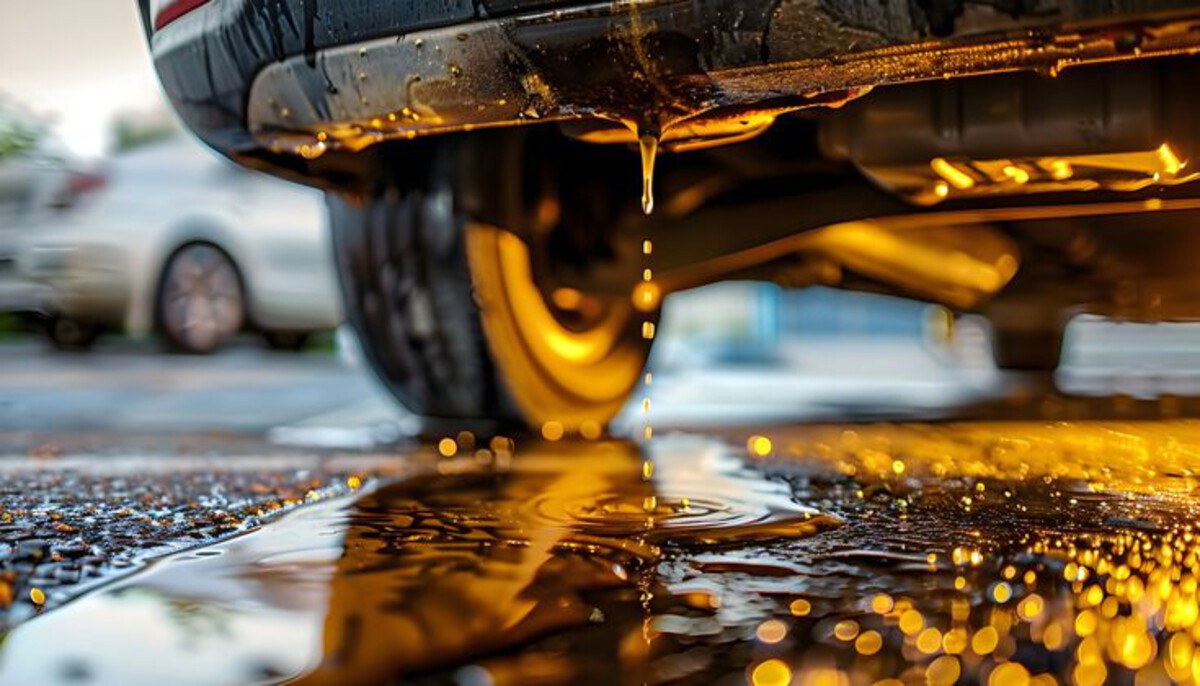
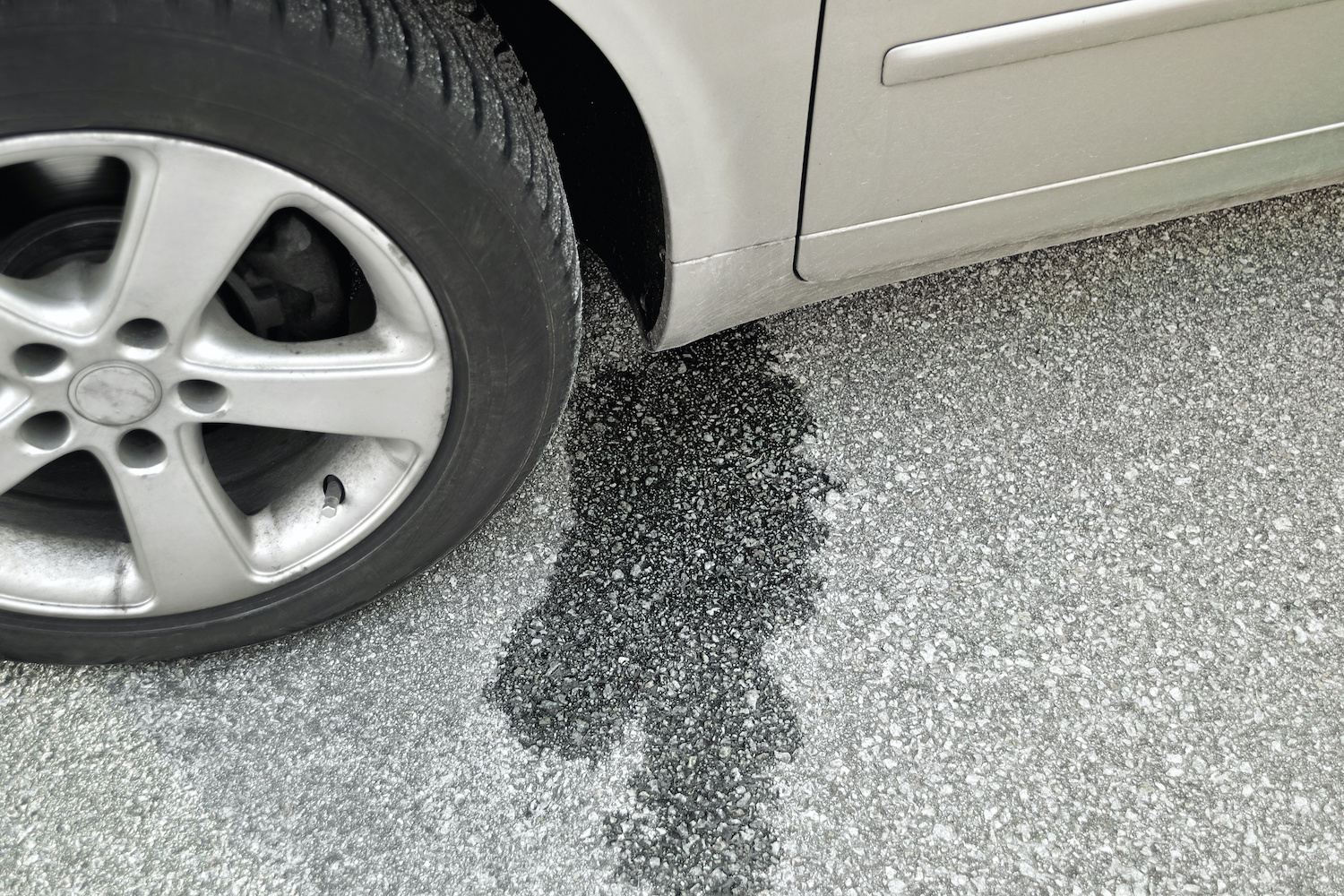
A small oil drip on the driveway or a little puddle of coolant under the engine might seem harmless at first, but ignoring these early warning signs is another move that can drastically shorten the life of a Honda Crosstour. Minor leaks often indicate worn gaskets, aging seals, or loose fittings.
Over time, these leaks don’t just stay small, they usually get worse. And the longer they go unchecked, the more damage they can cause. Many owners are surprised to find that what started as a slow leak has turned into a major repair involving oil-soaked engine mounts, degraded wiring, or failing sensors.
One of the most commonly ignored leaks is engine oil. If your Crosstour’s engine is slowly losing oil, you might not notice the drop in the dipstick until it’s already running low. Low oil levels reduce lubrication, increase engine temperature, and speed up internal wear.
Components like camshafts, bearings, and lifters suffer first. The V6 engine in particular is sensitive to oil starvation. By the time you hear ticking noises or notice performance issues, it may be too late to reverse the damage. Catching and fixing a $200 valve cover gasket leak is far better than replacing a $4,000 engine.
Coolant leaks can be just as deadly. A small crack in a radiator hose or a seeping water pump might not leave much fluid on the ground, but it can cause the system to run low over time. This affects the engine’s ability to cool itself and raises the risk of overheating.
Even if the car isn’t redlining on the temperature gauge, it might be running hotter than it should, gradually wearing down components like head gaskets or plastic fittings. These slow, hidden problems add up over the years and can quietly cut the engine’s life short.
Transmission fluid, power steering fluid, and brake fluid leaks are also commonly dismissed. Each one has the potential to damage systems that are costly and labor-intensive to repair. A transmission fluid leak, for example, may seem minor but will slowly lower fluid levels and lead to harsh shifting or overheating.
The key is to inspect your vehicle regularly and take action when you spot a leak, no matter how small. What starts as a drip can end in a breakdown. Staying on top of it is not just about cleanliness; it’s about preserving the machine.
9. Ignoring Suspension Clunks and Noises
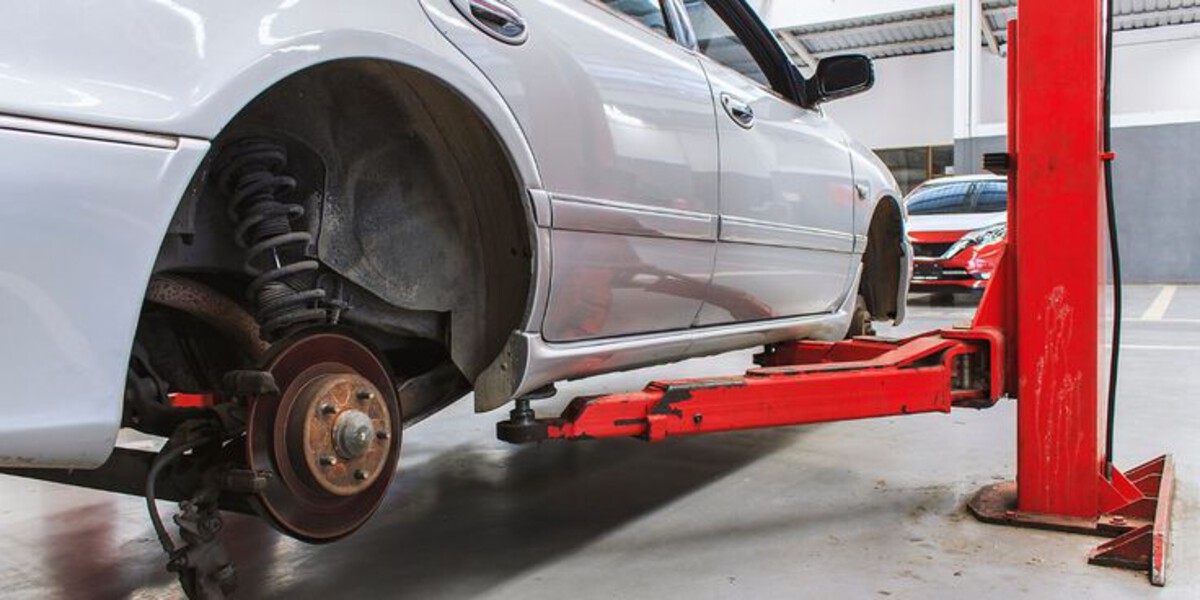
One thing that leads many Crosstours toward an early grave is neglecting the suspension system when it starts to show signs of wear. You might hear a clunk over bumps, a creak when turning, or a subtle vibration at highway speeds. These noises are often dismissed as “normal for an old car,” but they usually signal a developing problem.
Suspension components wear out over time, especially in vehicles that see rough roads or carry heavy loads. If these issues are ignored, they don’t just make the ride worse; they can lead to expensive damage to other systems.
Worn ball joints, bushings, and control arms can shift the geometry of the suspension, throwing off alignment and causing tires to wear unevenly. Not only does this shorten the life of your tires, but it also affects fuel economy and stability.
The car may start to pull to one side, drift on the highway, or feel loose in corners. This kind of instability makes driving more dangerous, especially in emergencies. Many Crosstour owners end up replacing tires more often than necessary simply because worn suspension parts weren’t fixed in time.
Shocks and struts are also a big deal. Once they wear out, the car begins to bounce excessively, nose-dive under braking, and lose grip in corners. This not only makes the ride uncomfortable but also increases the stress on the rest of the suspension.
The added movement causes mounts and bushings to wear out faster, and can even damage wheel bearings if left unchecked. If your Crosstour feels like it’s floating or crashing over bumps, the suspension is crying out for help. It’s a mistake to ignore these symptoms or assume they’re harmless.
Letting these problems linger often leads to a domino effect. What starts as a single worn part can turn into multiple failures, all of which compound the repair cost. Replacing a sway bar link or a single strut is relatively affordable.
But waiting until the noise becomes unbearable could mean replacing control arms, sway bar bushings, shocks, strut mounts, and even steering components all at once. Owners who pay attention to how their Crosstour rides and feels, especially as it ages, are the ones who keep it alive for the long haul.
10. Driving It Like a Sports Car
The Honda Crosstour may have a sleek, aggressive design, especially the V6 models with all-wheel drive. Some owners even get lulled into thinking it’s a performance vehicle. While the V6 does provide strong acceleration, the Crosstour is not a sports car. It’s a heavy crossover built for comfort and moderate driving.
When drivers treat it like a performance machine, hard acceleration, sudden braking, and aggressive cornering, they put a level of stress on the drivetrain and suspension that it wasn’t built to handle. This habit drastically shortens the life of many core components.
Hard driving wears out brakes quickly. Constantly slamming on the pedal overheats rotors, leads to warped discs, and wears out pads unevenly. That means more frequent brake jobs and a higher chance of failures under real-world conditions. It also stresses the ABS, which has to intervene more often and can wear down its sensors and actuators.
Owners who habitually brake hard find themselves spending more money on repairs, and the braking system becomes unreliable over time. This kind of abuse builds slowly and often isn’t noticed until the damage is done.
The transmission suffers too. Sudden downshifts, hard launches, and full-throttle shifts generate heat and friction that accelerate the wear on clutches and valve bodies. Even with regular fluid changes, a transmission that is constantly abused will wear out early.
Symptoms like slipping, delayed engagement, or harsh shifts begin to show up around 100,000 to 120,000 miles in vehicles that were driven too hard. The replacement cost is high, and at that point, some owners simply scrap the vehicle rather than spend the money. What feels like fun driving can quietly be destroying your Crosstour’s internals.
