
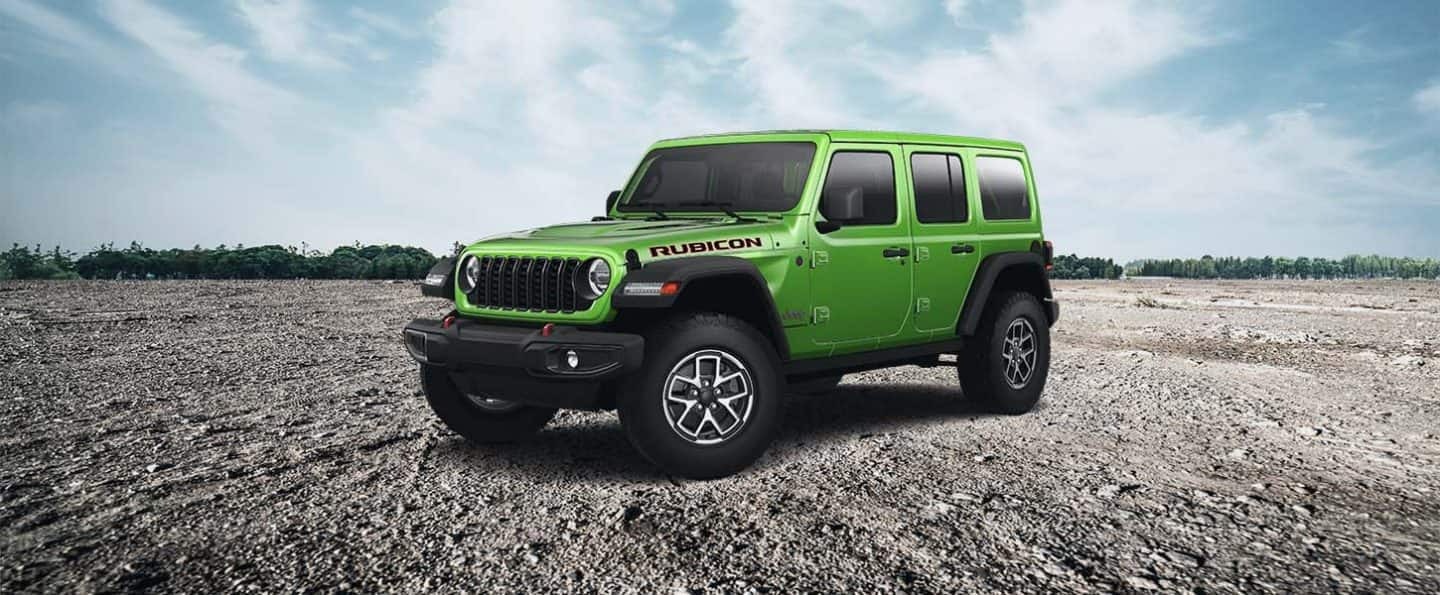
The Jeep Wrangler Unlimited has established itself as an icon among off-road vehicles, blending ruggedness with versatility in a way few other SUVs can match. Its timeless design, solid axles, and powerful 4×4 capabilities have endeared it to outdoor enthusiasts, adventure seekers, and daily drivers alike.
Yet, despite its reputation for durability and toughness, the Wrangler Unlimited isn’t invincible. Without proper care and attention, even this legendary vehicle can suffer from issues that drastically shorten its useful life.
Many owners inadvertently accelerate wear and damage by overlooking key maintenance practices or making common errors that cause stress on critical components. Whether it’s due to neglect, lack of knowledge, or simply underestimating the importance of certain checks, these oversights often lead to expensive repairs and frustration.
It’s essential to understand that the Wrangler Unlimited is built with a unique purpose in mind. It’s designed to handle difficult terrain, heavy loads, and harsh conditions. This means it’s subject to wear patterns and mechanical demands that differ significantly from typical road vehicles.
For example, its solid axles, while excellent for off-road durability, require more attention to articulation joints and seals. The removable doors, exposed undercarriage, and use of durable yet potentially rust-prone materials all demand proactive care.
When owners treat it as a regular street car without addressing these specifics, problems inevitably arise sooner than expected. These problems, if left unaddressed, erode the very qualities that make the Wrangler Unlimited special.
Beyond mechanical care, many drivers overlook the impact their own usage patterns have on their Jeep’s longevity. Overloading the vehicle, improper tire selection, or aggressive driving on rough trails place added strain on the frame, suspension, and drivetrain components. Ignoring such factors can cause irreversible damage to parts not designed to handle excessive stress.
Furthermore, some common mistakes involve shortcuts like using low-quality parts or neglecting the electrical system, which, while not immediately obvious, lead to chronic reliability issues and even sudden failures.
This article identifies nine crucial oversights that commonly lead to the premature demise of the Jeep Wrangler Unlimited. By shining a light on these areas, owners can avoid the pitfalls that detract from their vehicle’s lifespan and performance. From routine maintenance and rust prevention to suspension care and driving techniques, each section focuses on practical knowledge that will keep your Wrangler running smoothly and reliably for many years.
A thorough understanding of these topics is the best defense against costly repairs and the frustration that comes with unexpected breakdowns. Let’s begin by looking at how regular maintenance, the foundation of any durable vehicle, plays a vital role in keeping your Jeep alive.
Also Read: 5 Cars That Rarely Need Brake Pad Replacements vs. 5 That Burn Through Them
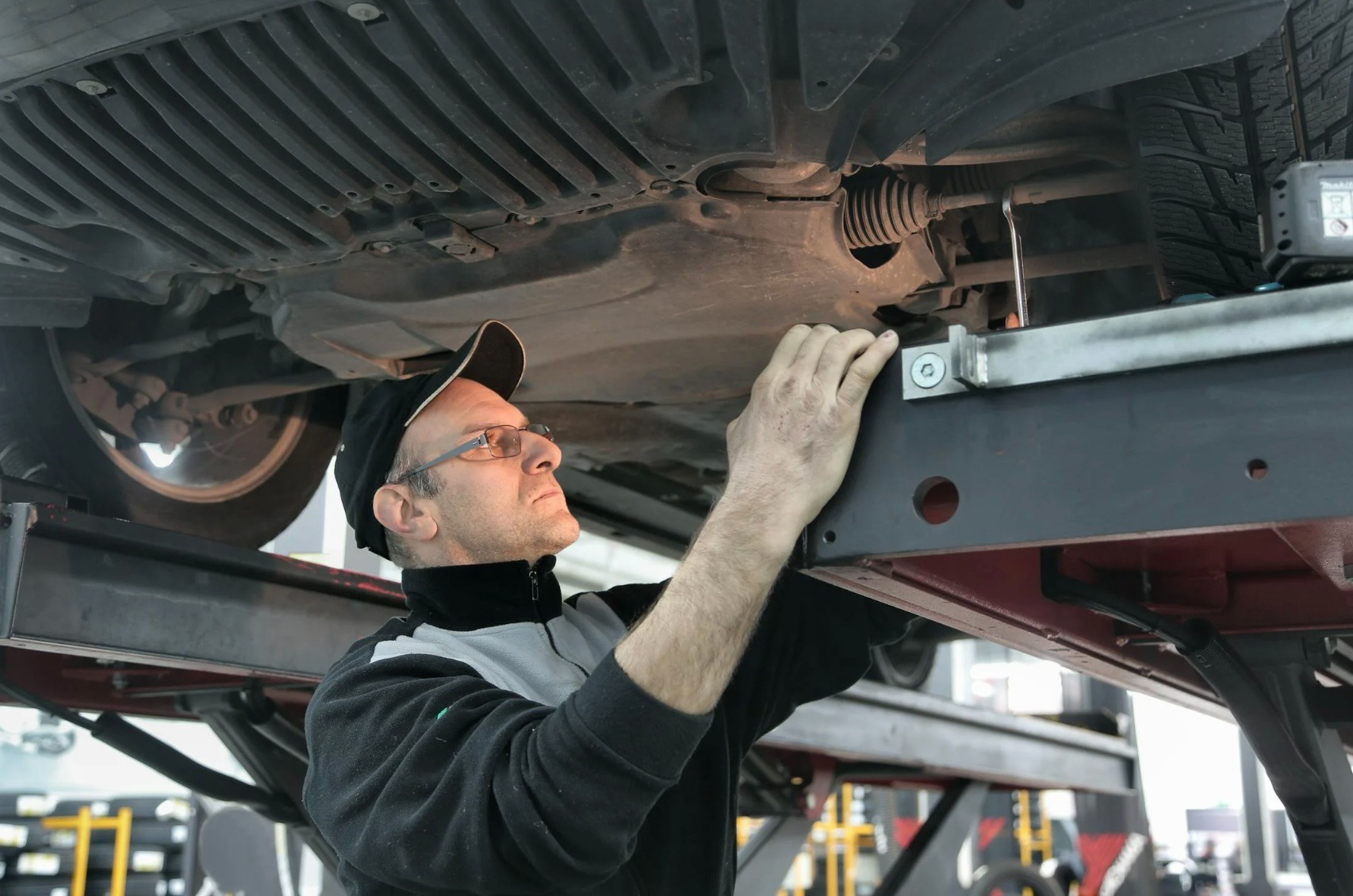
1. Neglecting Regular Maintenance and Fluid Changes
Proper maintenance is the single most important factor in preserving the life of any vehicle, and the Jeep Wrangler Unlimited is no exception. While its rugged build may suggest that it can handle neglect, this is far from the truth.
The engine, transmission, differentials, and transfer case all depend heavily on clean, fresh fluids to operate efficiently and withstand the tough environments that Wranglers frequently encounter. Ignoring fluid changes or skipping routine checks causes these essential lubricants to break down, lose effectiveness, and allow contaminants to damage the internal components. Over time, this neglect accelerates wear and can lead to expensive mechanical failures.
The engine oil is perhaps the most critical fluid. It lubricates countless moving parts, reduces friction, dissipates heat, and keeps the engine running smoothly. Without regular oil changes, the oil becomes thick, gritty, and unable to protect the engine properly.
This leads to increased metal-to-metal contact, overheating, and eventually, engine wear or catastrophic failure. Jeep owners who overlook oil change intervals often notice reduced fuel efficiency, increased engine noise, or poor performance before a more serious problem arises. Replacing engine oil and filters as recommended by Jeep’s maintenance schedule is essential to avoid these costly consequences.
Similarly, the transmission fluid plays a crucial role in protecting the transmission’s gears and hydraulic components. Dirty or degraded transmission fluid causes the transmission to shift roughly, slip between gears, or even overheat. This places tremendous stress on the transmission system, leading to premature wear or internal damage.
Since the Wrangler Unlimited often tackles challenging terrain or heavy loads, the transmission’s workload increases substantially, making fluid quality even more vital. Ignoring transmission fluid changes is a common oversight that results in some of the most expensive repairs Wrangler owners face.
The differentials and transfer case require specialized gear oils to lubricate their gears and bearings effectively. These fluids prevent metal surfaces from grinding against each other and keep components cool. When fluid is old, contaminated, or leaking, metal shavings can accumulate inside the housing, causing further damage.
This can lead to differential failure, which not only affects performance but also can be dangerous if it occurs while driving off-road. Leaks in these systems often go unnoticed until the damage is severe, so proactive checks and regular fluid replacements are critical.
Brake fluid and engine coolant are often overlooked, but equally important. Brake fluid is hygroscopic, meaning it absorbs moisture from the air, which can cause corrosion inside brake lines and reduce braking efficiency over time. This is particularly dangerous for vehicles that carry heavy loads or drive on challenging terrain.
Engine coolant, meanwhile, prevents overheating and protects the cooling system from corrosion and buildup. Using the correct coolant type and maintaining proper fluid levels protects the engine’s lifespan and performance. Wranglers driven aggressively or in extreme climates especially benefit from vigilant coolant checks.
2. Overlooking Rust Prevention and Undercarriage Care
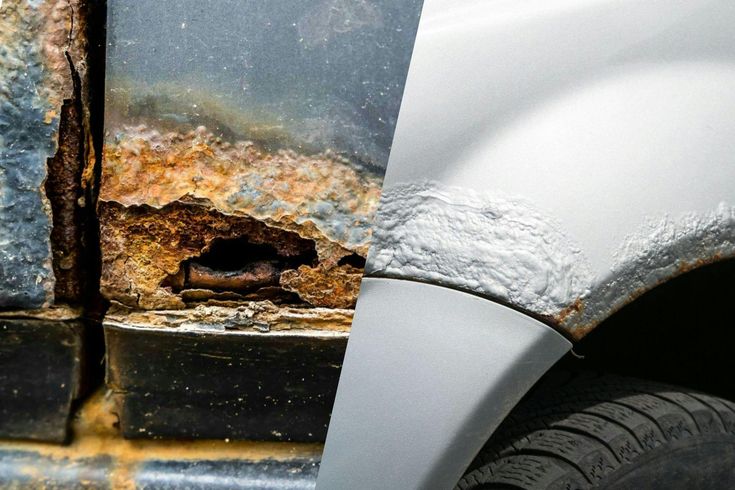
Rust is an insidious problem that many Jeep Wrangler Unlimited owners underestimate until it becomes a severe issue. Given the Wrangler’s design, which exposes much of the undercarriage and bodywork to elements, rust prevention is not merely cosmetic; it’s essential for structural integrity and safety.
Rust begins with moisture trapped in areas difficult to clean or inspect, such as frame rails, suspension mounts, brake lines, and inside door panels. If allowed to progress, rust can weaken these critical parts, eventually leading to expensive repairs or safety hazards.
One reason rust is so problematic is the Wrangler’s frequent use in environments where moisture, mud, salt, and debris are unavoidable. Salt, especially from winter road treatments or coastal air, accelerates corrosion dramatically.
Off-road driving can leave mud and water splashed into hidden cavities, promoting long-term rust development if not cleaned. Many owners focus on washing the visible body but neglect the undercarriage, where rust silently spreads. Dirt and salt caked on the frame trap moisture against the metal, allowing corrosion to take hold rapidly.
The frame and suspension mounting points are particularly vulnerable. These areas bear the vehicle’s weight and endure constant stress, so rust here compromises the Jeep’s ability to handle loads safely. A rusty frame can develop cracks or weaken, making the vehicle unstable or even unsafe to drive.
Rust near brake lines can lead to leaks or failures in the braking system, presenting a serious hazard. Additionally, surface rust on body panels, if ignored, leads to bubbling, flaking paint, and eventually holes, which diminish the vehicle’s appearance and resale value.
Combatting rust requires consistent preventative measures. After muddy or salty trips, thorough washing of the undercarriage is essential. Some Jeep owners invest in professional rust-proofing treatments or apply aftermarket undercoatings to protect vulnerable areas.
Regular inspections, especially before and after harsh seasons, help catch rust early while it can still be treated effectively. Sanding, priming, and repainting small rust spots can prevent larger problems from developing. Ignoring rust prevention and undercarriage care is a surefire way to undermine the Wrangler’s durability and safety over time.
3. Ignoring Suspension and Steering Components
The suspension and steering systems are central to a Jeep Wrangler Unlimited’s off-road prowess and on-road stability. These components absorb shocks, maintain wheel alignment, and provide precise control. Despite their importance, many owners neglect regular inspections, lubrication, and timely repairs of suspension and steering parts. Over time, this oversight leads to degraded ride quality, unsafe handling, and accelerated wear on related systems.
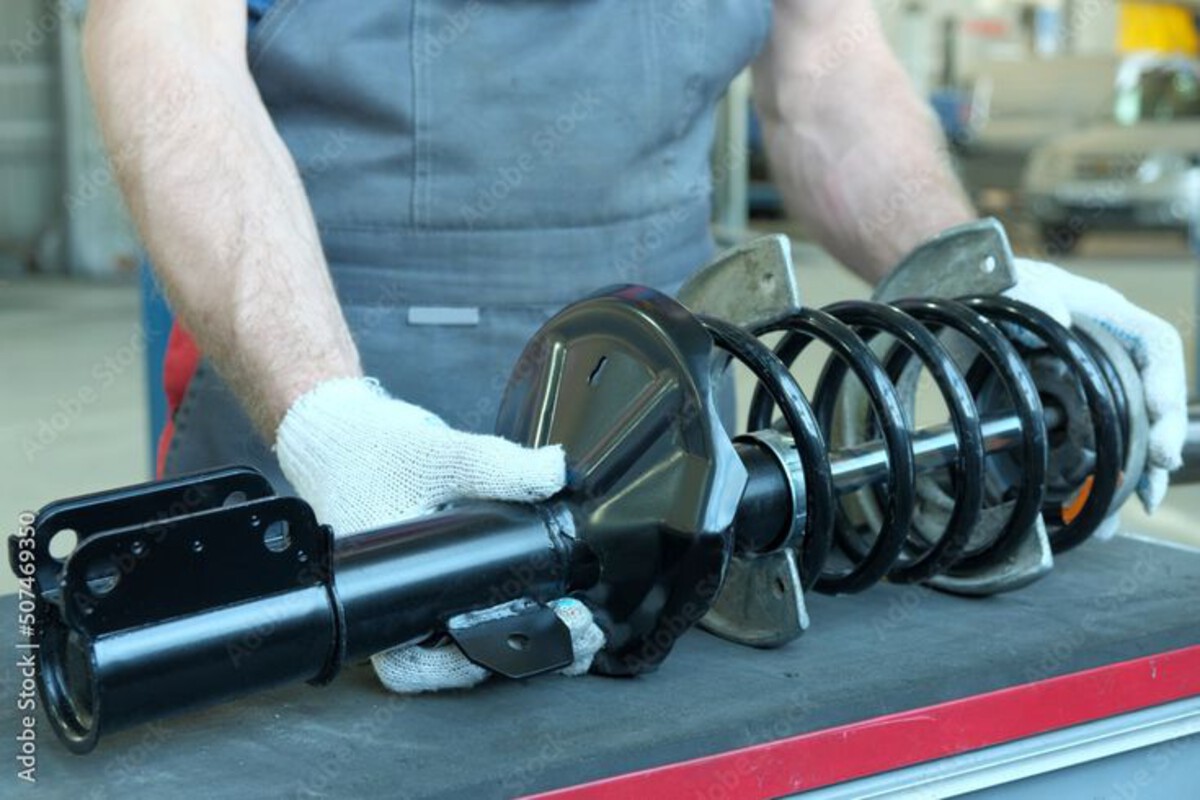
The Wrangler’s suspension components, such as control arms, ball joints, bushings, and shocks, endure enormous forces, especially during off-road use. Driving over rocks, deep ruts, and uneven terrain places heavy loads on these parts.
Over time, bushings dry out, ball joints loosen, and shocks lose their damping ability. This causes clunking noises, uneven tire wear, vibrations, and a generally unstable ride. If left unaddressed, worn suspension components may fail completely, leading to loss of control and costly repairs.
Steering components such as tie rods, drag links, and the steering box must remain tight and responsive. Loose or worn parts cause steering play, making the vehicle wander on highways and reducing precision off-road. This can be dangerous at higher speeds or in tricky terrain where quick response is needed. Power steering fluid levels and pump condition also impact steering feel. Failure to maintain these systems results in harder steering, noise, or even loss of steering assistance.
One common mistake is neglecting regular lubrication of suspension and steering joints. The Wrangler’s solid axles rely on grease fittings to keep ball joints and U-joints protected from wear and corrosion. Off-road use often washes away lubricants, making routine greasing essential. Additionally, improper suspension modifications or poor installation of aftermarket lift kits can misalign components and accelerate wear.
Ensuring suspension and steering components are inspected regularly, lubricated properly, and replaced when worn maintains the Jeep’s safety and performance. Owners who pay attention to these details experience more comfortable rides, better handling, and avoid unexpected breakdowns during off-road excursions.

4. Overloading and Improper Weight Distribution
While the Jeep Wrangler Unlimited is a tough and capable vehicle, it has strict limits on the amount of weight it can safely carry or tow. Overloading the vehicle with too much cargo, passengers, or aftermarket accessories beyond its rated capacity places excessive stress on multiple systems. This stress leads to premature wear, mechanical failures, and negatively impacts safety and drivability.
Many Jeep owners use their Wranglers for outdoor adventures, packing gear, tents, roof racks, and sometimes towing trailers. While these uses are perfectly valid, exceeding the recommended payload or towing limits overextends the suspension, brakes, axles, and frame. Excessive weight compresses the suspension beyond its design, causing shocks and springs to bottom out frequently. This results in a harsh ride, loss of ground clearance, and increased risk of suspension damage.
Braking performance also suffers with overloading. The brakes must work harder to stop the heavier load, causing increased heat buildup, faster wear of pads and rotors, and in extreme cases, brake fade or failure. This compromises driver control and increases stopping distances, especially dangerous on downhill slopes or off-road descents.
Weight distribution plays an equally important role. Concentrating too much weight at the rear or mounting heavy gear on the roof without proper support shifts the vehicle’s center of gravity backward or upward. This imbalance reduces stability, increases body roll, and places uneven stress on axles and frame components. Uneven loading also leads to irregular tire wear and handling difficulties.
To protect the Jeep and maintain safety, owners must follow the manufacturer’s payload and towing ratings carefully. Properly securing and distributing cargo inside the cabin and cargo area helps maintain balance. Using aftermarket equipment designed for heavy loads and upgrading suspension components appropriately can improve load capacity while preserving ride quality and control.
Understanding and respecting these weight limits ensures the Wrangler Unlimited remains reliable, safe, and enjoyable, no matter the adventure.
5. Neglecting Tire Care and Alignment
Tires are one of the most vital components for any vehicle, especially for a Jeep Wrangler Unlimited designed to tackle varied and often harsh terrain. Proper tire maintenance is essential not only for safety but also for preserving suspension components and drivetrain longevity. Unfortunately, tire care is often overlooked, leading to premature tire wear, poor handling, and costly damage.
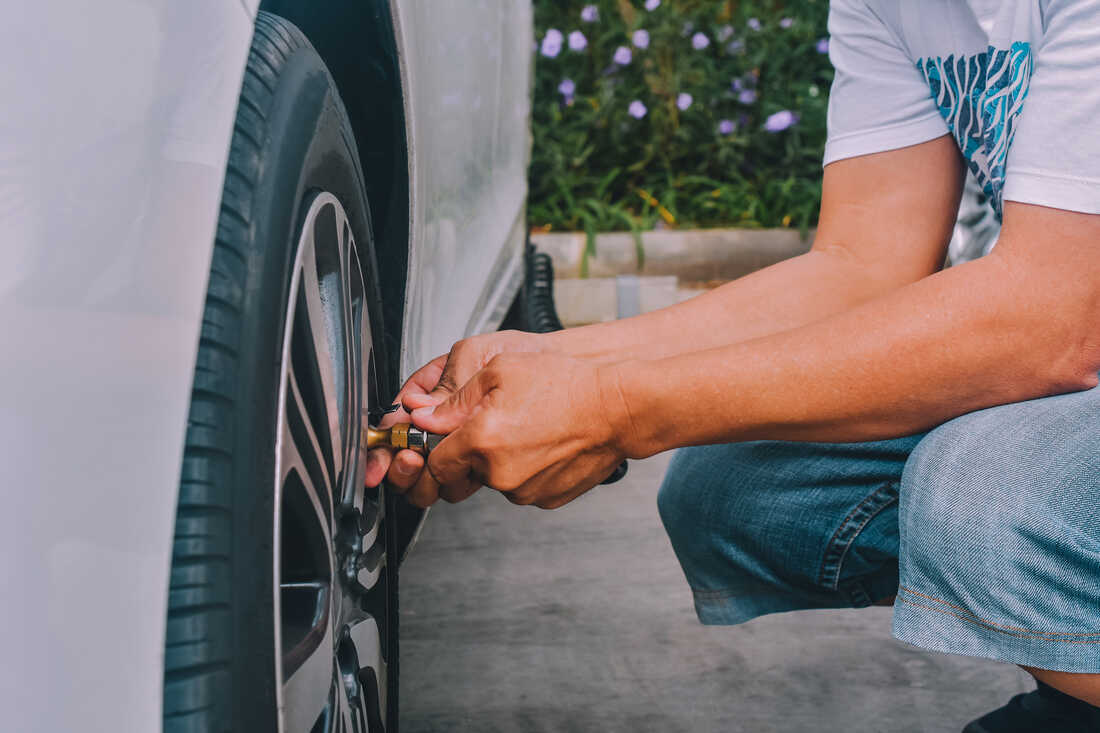
The Wrangler frequently uses aggressive off-road tires with larger treads and tougher sidewalls. While these tires enhance traction and durability, they require more attention. Off-road conditions can cause cuts, punctures, and uneven tread wear. Driving on underinflated or overinflated tires also accelerates wear and reduces control. Tire pressure should be checked regularly and adjusted for load and terrain to optimize performance and safety.
Wheel alignment is equally important. The rugged use and impacts from rocks or potholes often knock alignment out of spec. Misaligned wheels cause uneven tire wear, pulling to one side, and increased fuel consumption. More importantly, poor alignment puts additional stress on suspension and steering components, accelerating their deterioration.
Rotating tires regularly according to the vehicle’s recommended intervals promotes even tread wear across all tires. Balancing the tires reduces vibrations that can damage wheel bearings and suspension parts. Inspecting tires frequently for damage or excessive wear and replacing them promptly helps avoid blowouts or loss of traction.
By committing to consistent tire care and alignment checks, Jeep owners improve safety, prolong tire life, and protect suspension components from undue stress. These efforts contribute significantly to the Wrangler Unlimited’s dependable performance on- and off-road.
6. Failing to Inspect and Maintain the Drivetrain
The drivetrain of the Jeep Wrangler Unlimited includes several key components responsible for transmitting power from the engine to the wheels. This includes the transmission, transfer case, differentials, driveshafts, and axles.
These components are under constant strain, especially during off-road use, where torque demands and articulation angles increase significantly. Failure to properly maintain the drivetrain often results in mechanical breakdowns and costly repairs.
The transfer case allows the Jeep to switch between two-wheel drive and four-wheel drive modes and is crucial for distributing power to the axles. It requires clean, high-quality gear oil to lubricate internal gears and bearings. When this oil becomes dirty, low, or contaminated, it causes excessive friction, heat, and wear, which can lead to transfer case failure. Leaks often develop around seals due to off-road impacts or aging components and should be repaired immediately to avoid fluid loss.
Differentials are similar in that they must be properly lubricated to prevent gear damage. The front and rear differentials handle uneven torque distribution to the wheels, and worn fluid or leaks cause increased wear and noise. Metal shavings in the fluid are a warning sign that the differential may soon fail.
The driveshafts and axle shafts are exposed to constant torque and articulation. U-joints and CV joints within these shafts require regular inspection and lubrication to prevent binding, vibrations, and eventual joint failure. If ignored, worn joints may cause drivetrain binding or damage other drivetrain components.
Many Jeep owners install larger tires or suspension lifts, which place additional strain on drivetrain parts. Without upgrading or reinforcing components accordingly, these modifications accelerate wear and increase the likelihood of failure. Routine inspection, fluid changes, and proper maintenance of the drivetrain extend its life and preserve the Jeep’s capability.
7. Using Poor Quality or Incorrect Replacement Parts
When maintaining or repairing a Jeep Wrangler Unlimited, the choice of replacement parts is critical. Using low-quality or incorrect parts is a mistake that many owners make, often in an attempt to save money, but it invariably leads to frustration, additional repairs, and potential safety issues. The Wrangler’s unique design and demanding use require parts that meet strict durability and compatibility standards.
Original Equipment Manufacturer (OEM) parts are engineered specifically for the Jeep model, ensuring they fit correctly and perform as intended. These parts are tested to withstand the stresses typical of Jeep driving conditions, such as off-road impacts and high torque loads. Choosing aftermarket parts without careful consideration can result in components that don’t fit properly, wear prematurely, or cause other systems to fail.
Brake pads and rotors provide a clear example. Cheaper brake components often have lower heat tolerance, reduced stopping power, or produce excessive noise and dust. This reduces safety and causes faster wear of associated parts. Similarly, suspension components made with subpar materials can bend or break, creating costly damage to mounting points or related parts.
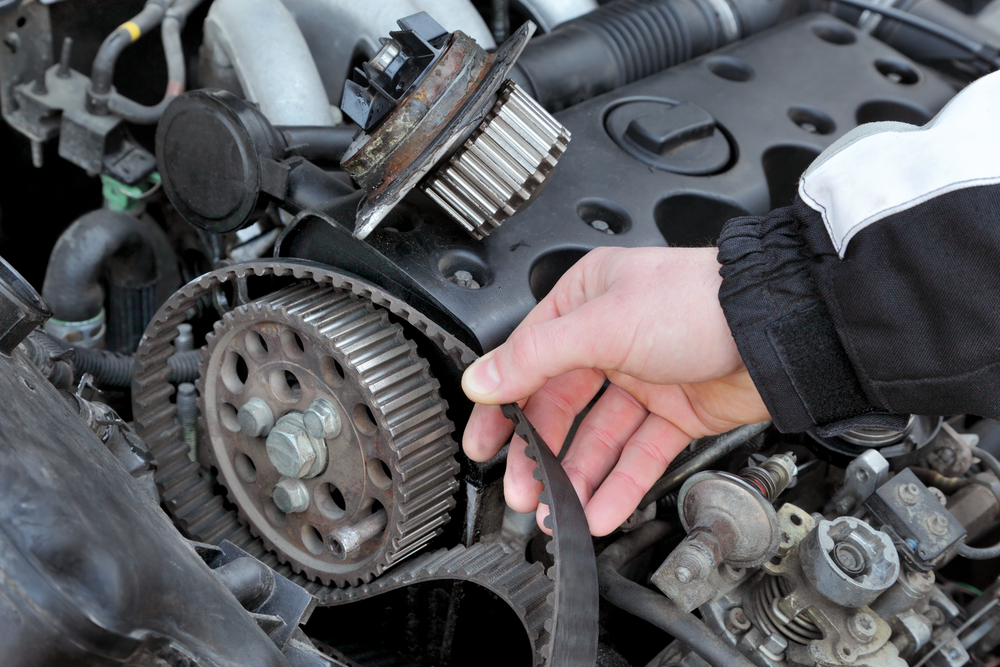
Even smaller components such as air filters, belts, hoses, and fluids must meet Jeep’s specifications. Incorrect filters may not properly trap contaminants, while wrong fluids can cause accelerated wear or damage to engines and transmissions. Buying from reputable suppliers, verifying part numbers, and prioritizing quality over price ensure repairs last longer and maintain the Jeep’s performance and safety.
Investing in quality parts and proper installation not only protects your vehicle but also preserves its value and reliability over time.
8. Neglecting Electrical System Checks
The electrical system of the Jeep Wrangler Unlimited is responsible for controlling engine functions, lighting, infotainment, safety features, and accessories. Though often overlooked, neglecting electrical maintenance can lead to frustrating issues ranging from dead batteries to malfunctioning sensors or complete electrical failures that can leave you stranded.
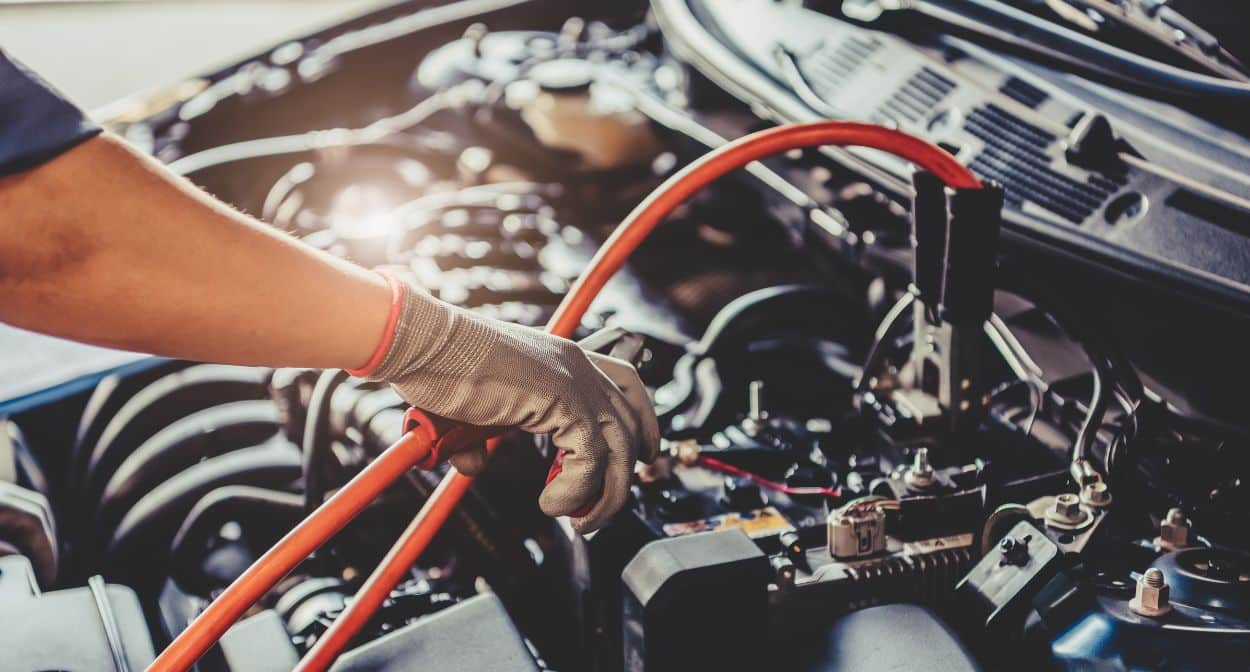
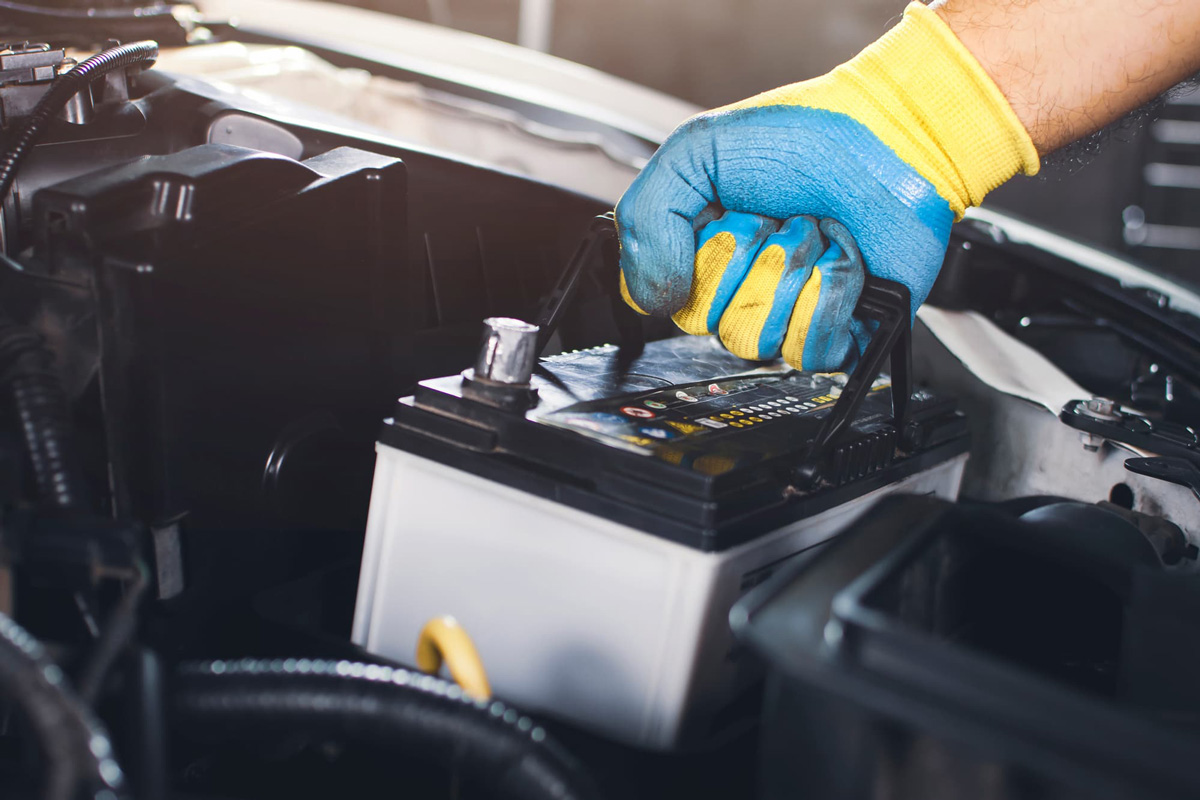
Batteries and their terminals are a common source of problems. Corrosion builds up on battery terminals, impeding electrical flow and causing starting issues. Loose or damaged cables also disrupt power delivery. Off-road vibrations and exposure to water increase the risk of wiring damage or connector corrosion, which can cause intermittent electrical faults that are hard to diagnose.
Additionally, the alternator, fuses, relays, and sensors require periodic checks to ensure they are functioning correctly. Warning lights on the dashboard are signals that something might be wrong in the electrical system. Ignoring these warnings can lead to engine performance issues, lighting failures, or other safety-related malfunctions.
Owners who add aftermarket accessories such as auxiliary lights, winches, or audio systems must ensure proper wiring and fuse protection. Overloading the electrical system without upgrading wiring or alternator capacity can cause failures or even fires.
Regular inspections, cleaning battery terminals, securing wiring harnesses, and promptly addressing warning lights maintain the Jeep’s electrical reliability. This prevents inconvenient breakdowns and supports the many modern features that enhance safety and enjoyment.
9. Disregarding Proper Off-Road Driving Techniques and Aftercare
The Jeep Wrangler Unlimited is built for off-road adventure, but many owners unintentionally shorten their vehicle’s lifespan through improper driving techniques and neglecting post-trip care. Off-road driving places intense loads and stresses on the suspension, drivetrain, tires, and body. Without careful handling and routine inspections afterward, damage can accumulate unnoticed, leading to premature wear and costly repairs.
Off-road conditions such as rocks, deep mud, water crossings, and uneven terrain cause shocks and impacts that strain every mechanical system. Aggressive driving practices like sudden acceleration, harsh braking, or spinning tires increase heat and stress on drivetrain components, brakes, and tires. Using four-wheel drive improperly, such as on dry pavement, wears out differentials and transfer cases prematurely.
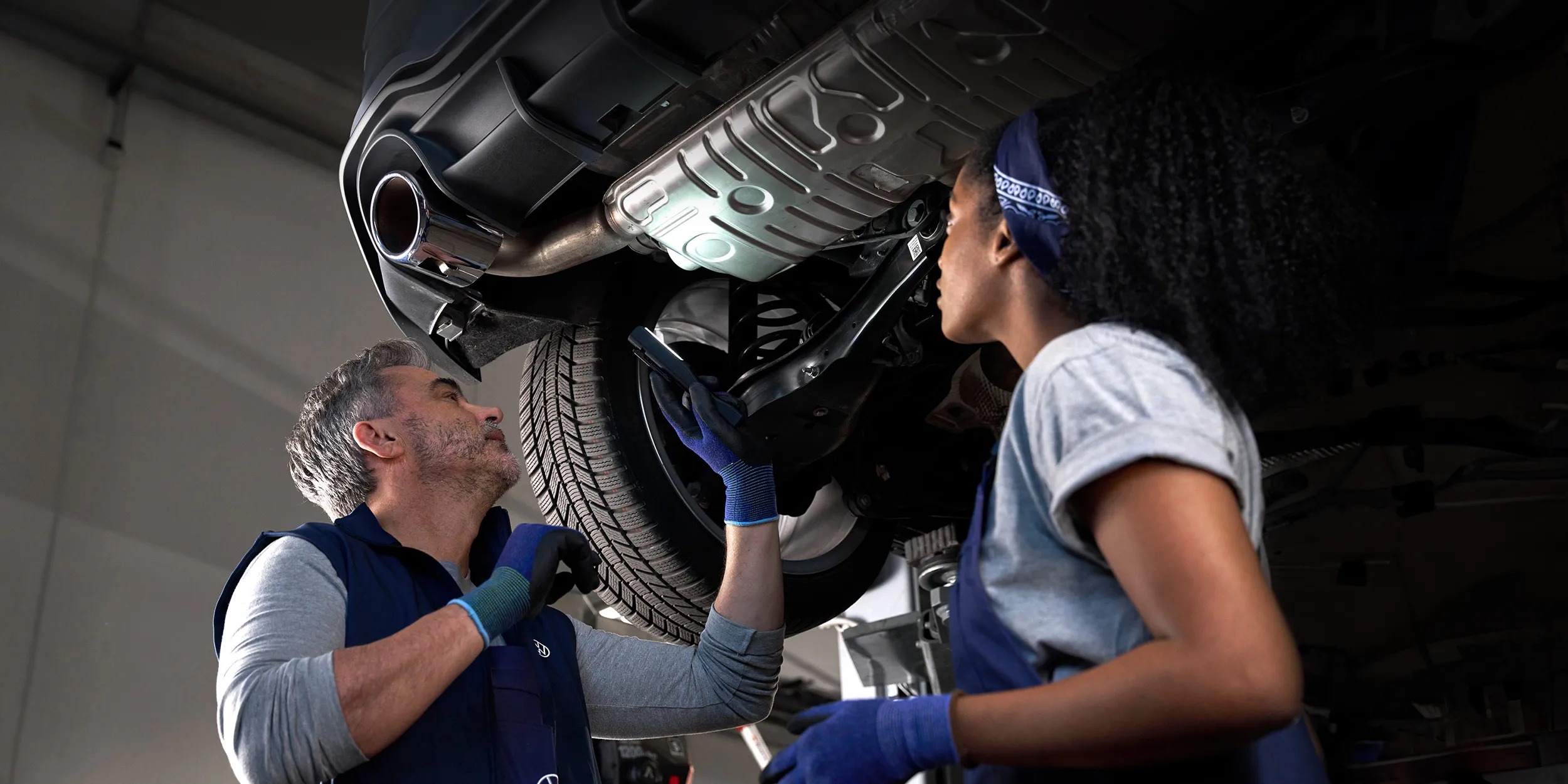
After each off-road excursion, a thorough inspection of the vehicle is crucial. Checking the undercarriage for dents, cracks, or bent components catches damage early. Examining the suspension, steering, tires, and drivetrain for wear, leaks, or loose bolts helps prevent breakdowns. Cleaning off mud, salt, and debris is essential to prevent corrosion and maintain component function.
Neglecting these post-trip steps leaves hidden problems to worsen over time. Rust, cracked seals, or bent suspension parts become more costly to fix and reduce vehicle reliability. Learning and practicing proper off-road driving techniques reduces unnecessary wear, while routine maintenance after trips preserves the Jeep’s ruggedness and readiness for future adventures.
10. Skipping Regular Inspection of the Cooling System
The cooling system in the Jeep Wrangler Unlimited plays a vital role in keeping the engine operating within safe temperature limits. Because Wranglers often face heavy loads, slow-speed crawling, or stop-and-go traffic in hot conditions, the cooling system endures significant stress. Skipping regular inspections and maintenance of this system is a frequent oversight that can lead to overheating, engine damage, and costly repairs.
The cooling system consists of several components including the radiator, water pump, thermostat, hoses, coolant reservoir, and the cooling fan. Each part must be in good working condition to ensure the proper circulation of coolant and effective heat dissipation.
Over time, coolant degrades and loses its ability to prevent corrosion and freezing. Old or contaminated coolant can cause buildup of deposits inside the radiator and engine passages, restricting flow and reducing cooling efficiency. This leads to higher engine temperatures, which accelerate wear on pistons, cylinder walls, and head gaskets.
Hoses and clamps also demand close attention. Heat and age cause rubber hoses to crack, swell, or leak, which reduces coolant circulation and can lead to sudden loss of coolant. A minor leak often goes unnoticed until the engine overheats.
The water pump, responsible for circulating coolant through the system, has bearings and seals that wear out and require replacement periodically. A failing water pump can cause insufficient coolant flow, overheating, and eventually engine failure.
The cooling fan, which operates electrically or mechanically depending on the model, must function properly to pull air through the radiator when the vehicle is stationary or moving slowly. Failure of the fan motor, relay, or wiring can lead to rapid temperature spikes, especially in hot weather or during off-road crawling.
Routine checks of coolant level, condition, and system pressure, as well as inspection of hoses and clamps for leaks or damage, are essential. Flushing and replacing coolant at recommended intervals helps prevent buildup and corrosion. Replacing worn hoses and ensuring the fan operates correctly keeps the engine temperature stable under demanding conditions.
Neglecting the cooling system may not show immediate symptoms but can cause severe engine damage over time. For Jeep owners who expect reliability and longevity from their Wrangler Unlimited, maintaining the cooling system is a critical task that protects the heart of the vehicle, the engine, from premature failure.
Also Read: 10 Cars That Rarely Sit Unsold In The Lot Due To High Demand in 2025
Maintaining the longevity of a Jeep Wrangler Unlimited requires more than just relying on its rugged reputation; it demands consistent attention to detail and an understanding of the vehicle’s unique needs. The ten oversights covered in this article represent common mistakes that can drastically shorten the life of this beloved SUV if left unchecked.
From neglecting routine maintenance like fluid changes and suspension care to ignoring rust prevention and electrical system inspections, each oversight chips away at the Wrangler’s reliability and performance over time.
Owners often underestimate how crucial preventive care is, especially given the Wrangler’s exposure to harsh conditions and demanding off-road use. Overloading the vehicle, improper tire maintenance, or skipping drivetrain inspections may seem minor at first, but have compounding effects that lead to costly failures.
Similarly, the temptation to use cheaper replacement parts or neglect cooling system upkeep can compromise safety and durability. Even the way the vehicle is driven and cared for after off-road adventures plays a significant role in preserving its mechanical integrity.
The Wrangler Unlimited’s design offers exceptional capability and adaptability, but it cannot compensate for avoidable neglect. Investing time and resources into regular inspections, quality parts, proper driving techniques, and prompt repairs ensures that the Jeep not only survives but thrives for many years. Avoiding these oversights protects your investment, keeps you safe, and allows you to enjoy the freedom and adventure that the Wrangler promises.
In essence, treating the Jeep Wrangler Unlimited with the respect it deserves is the key to unlocking its full potential and extending its lifespan. With the right care, this iconic vehicle can continue to serve as a dependable partner on countless journeys, proving that true toughness is about preparation as much as raw power.
