
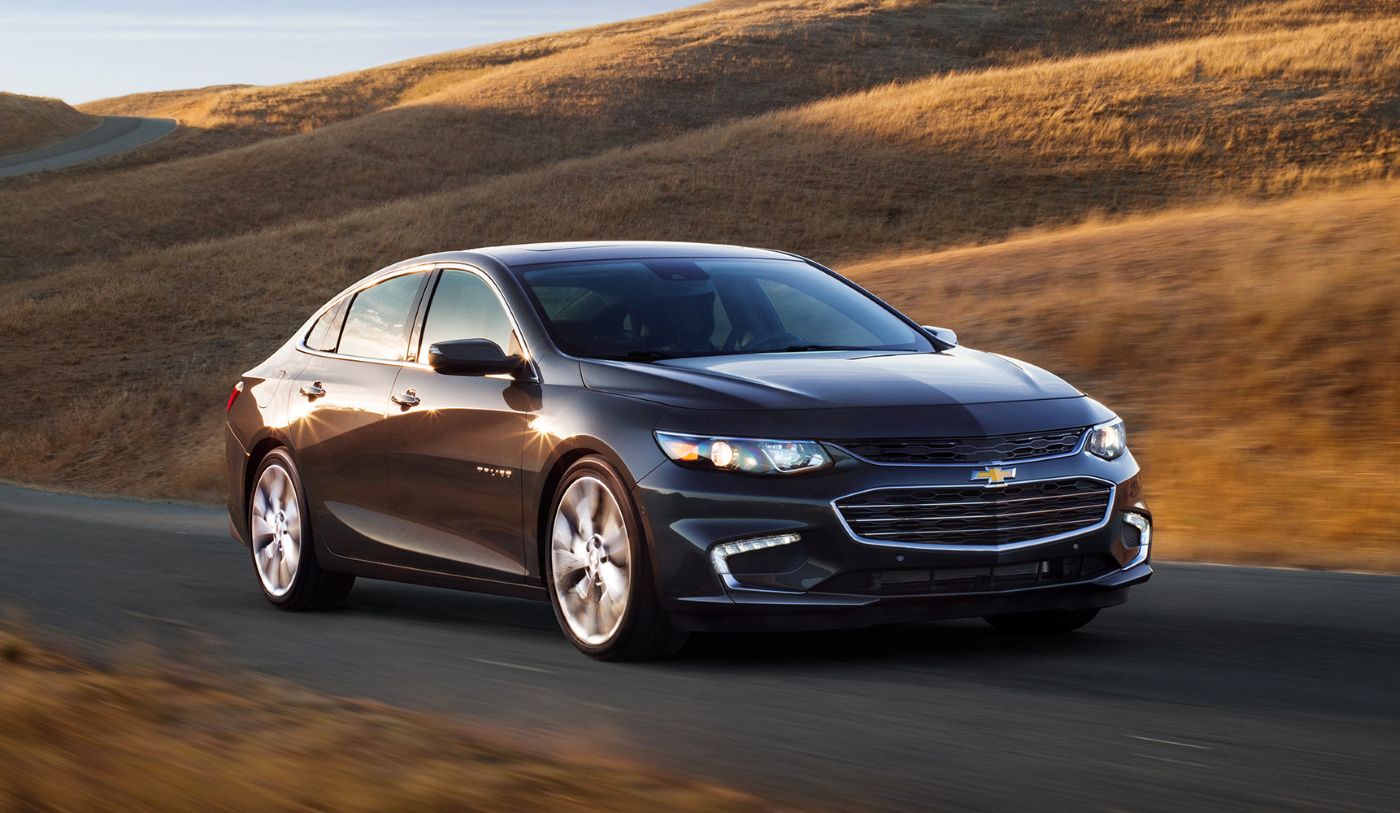
The Chevy Malibu Hybrid stands out as a smart, efficient, and reliable choice in the hybrid sedan market. Its blend of gasoline and electric power delivers a balance of performance and fuel economy that appeals to drivers looking to save at the pump without compromising on comfort or style.
However, like any vehicle, keeping a Malibu Hybrid running strong requires attention to key components and maintenance practices. The hybrid system is more complex than a conventional engine, integrating electric motors, batteries, and a gasoline engine into one seamless driving experience.
Understanding what keeps these parts working together smoothly is essential for anyone wanting to get the most from their vehicle and ensure it lasts for years.
In this article, we’ll break down ten critical factors that contribute to the health and longevity of the Chevy Malibu Hybrid. These include routine maintenance tasks, understanding the unique features of the hybrid system, and recognizing signs that certain parts may need attention.
The goal is to provide a clear guide for owners to maintain their car’s performance, reliability, and fuel efficiency. From the heart of the powertrain to the subtle details in electronics and fluids, each element plays a role in keeping the Malibu Hybrid in top shape. Whether you are a current owner or considering purchasing one, knowing these points will help you make informed decisions about care and upkeep.
Keeping a hybrid running isn’t just about oil changes or tire rotations. The integration of battery technology and electric motors means extra systems must be cared for properly.
This article aims to offer practical advice and insight based on the Malibu Hybrid’s design and typical maintenance needs. With attention to these ten key areas, owners can enjoy smooth drives, avoid costly repairs, and maintain the vehicle’s excellent fuel economy for the long haul.
Also Read: 5 Cars That Rarely Need Brake Pad Replacements vs. 5 That Burn Through Them
1. Regular Battery Maintenance and Care
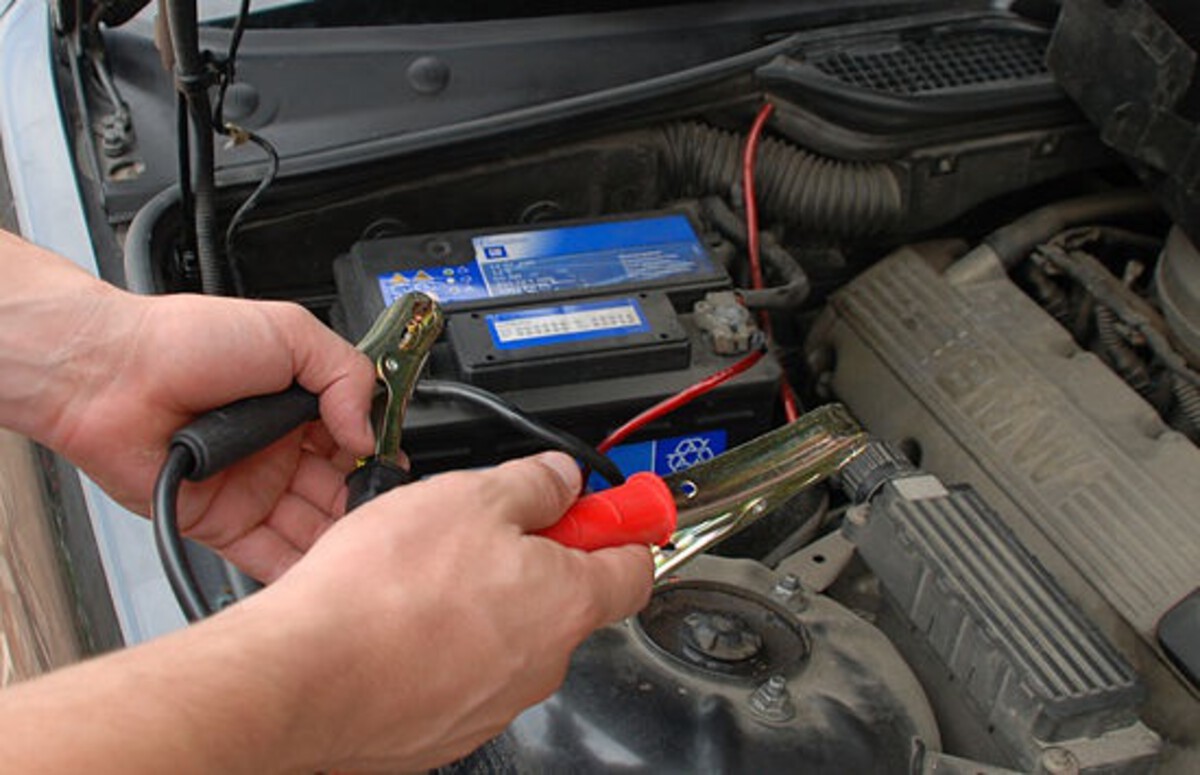
The hybrid battery is the core of the Malibu Hybrid’s powertrain. Unlike traditional cars that only rely on a gasoline engine, the Malibu uses a high-voltage battery pack to power its electric motor, which helps improve fuel economy and reduce emissions. Taking care of this battery is essential to keep the hybrid system running efficiently.
One of the primary concerns is temperature management. Extreme heat or cold can reduce battery life, so parking in shaded areas or garages during hot summers and using a block heater or insulated cover in cold climates can help extend the battery’s health.
The battery pack itself is made up of numerous individual cells, and the performance depends on each cell’s health. Over time, cells may degrade unevenly, leading to a drop in capacity and efficiency.
While the Malibu Hybrid’s battery management system actively balances the cells, owners should be aware that battery health diminishes naturally with age and use. Avoiding frequent rapid acceleration or heavy loads on the battery can reduce stress and extend its service life.
Charging cycles also matter, though the Malibu Hybrid automatically manages charging through regenerative braking and the gasoline engine, owners should avoid habits that might put excessive strain on the battery.
For instance, leaving the car idle for extended periods or frequently driving only short distances can limit the battery’s ability to recharge fully. It’s important to take the vehicle on longer trips periodically to allow the battery to cycle correctly.
Monitoring the battery’s condition during scheduled maintenance is vital. The Malibu Hybrid’s onboard computer provides diagnostic information about battery health, so technicians can identify issues before they become serious problems. Some models also have software updates to optimize battery management, which should be applied during service visits. Replacing the battery is costly, so preventive care is always better.
Finally, keeping the battery terminals and connections clean and free from corrosion helps maintain reliable performance. Although the battery pack is sealed, connections can sometimes accumulate dirt or moisture.
Periodic inspections can prevent electrical problems and ensure the hybrid system stays responsive and efficient. Owners should also be cautious to avoid DIY repairs on the battery pack because of the high-voltage risk involved and instead rely on trained technicians.
2. Engine Oil and Fluid Checks
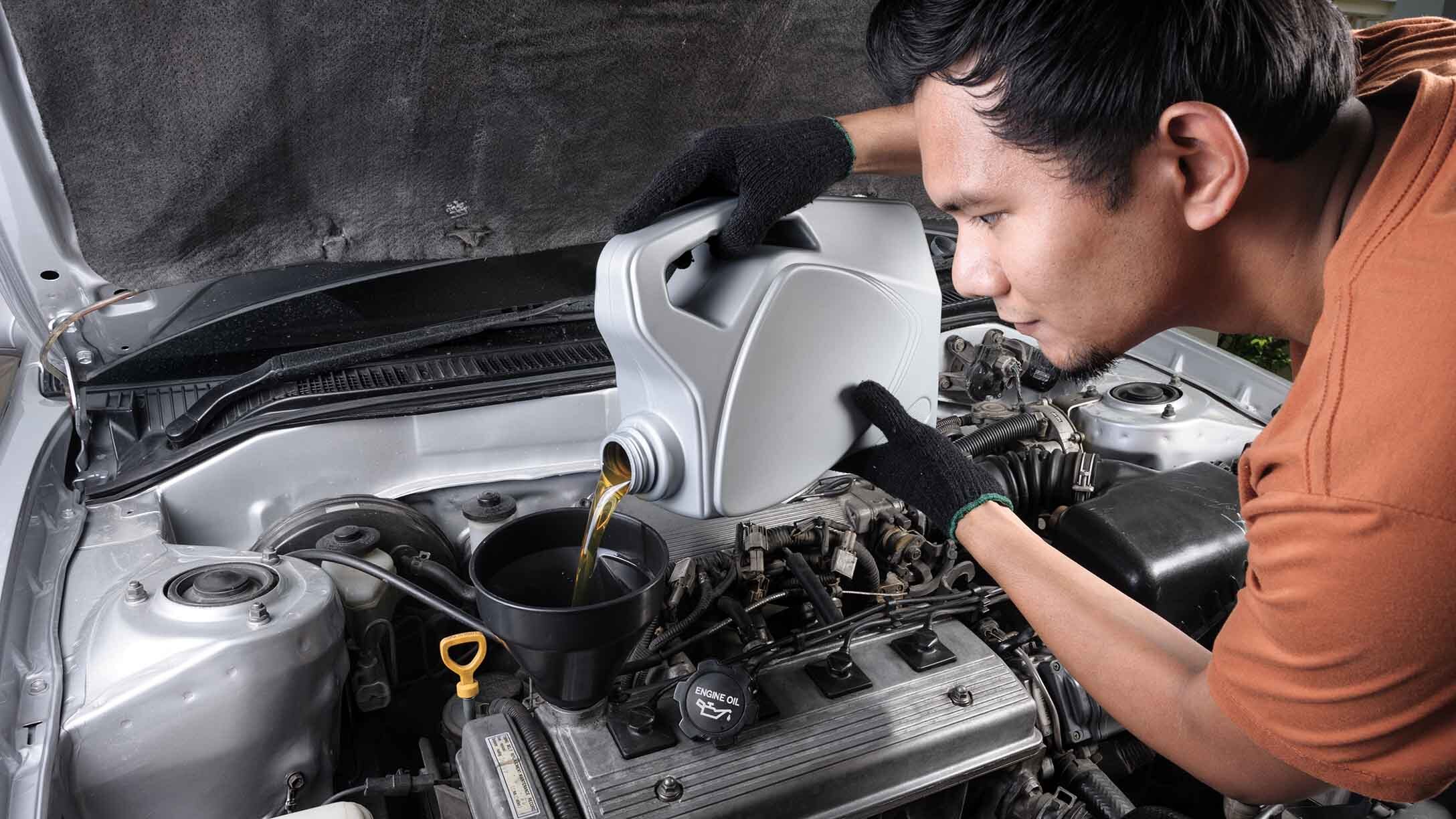
Even though the Chevy Malibu Hybrid incorporates an electric motor, it still relies on a traditional gasoline engine for power and recharging the battery. The health of this engine is just as important as the hybrid components. Regular oil changes are crucial because oil lubricates the engine parts and keeps them cool during operation. Neglecting oil changes can cause engine wear, reduce efficiency, and potentially lead to costly repairs.
Hybrid engines tend to run at variable loads, switching between electric and gasoline power. This can cause different thermal and mechanical stresses compared to conventional engines.
Therefore, using the right type of oil specified for the Malibu Hybrid is even more important. Hybrid engines often require synthetic blends designed to handle different operating conditions and to maintain cleanliness within the engine. Using inferior or incorrect oil types can accelerate engine wear and may void warranties.
Beyond engine oil, checking other fluids like coolant, brake fluid, and transmission fluid is necessary. The Malibu Hybrid’s cooling system not only manages the engine’s temperature but also cools the hybrid battery and power electronics. Maintaining proper coolant levels and condition helps prevent overheating and damage to these sensitive components. Coolant can degrade over time, so flushing and refilling it on schedule is a critical part of care.
Brake fluid is another key maintenance item because the Malibu Hybrid uses regenerative braking in addition to traditional brakes. This system can be complex, and fluid quality affects braking performance and safety. Brake fluid absorbs moisture over time, which can cause corrosion and reduce braking efficiency. Flushing and replacing brake fluid on a regular basis ensures optimal braking function.
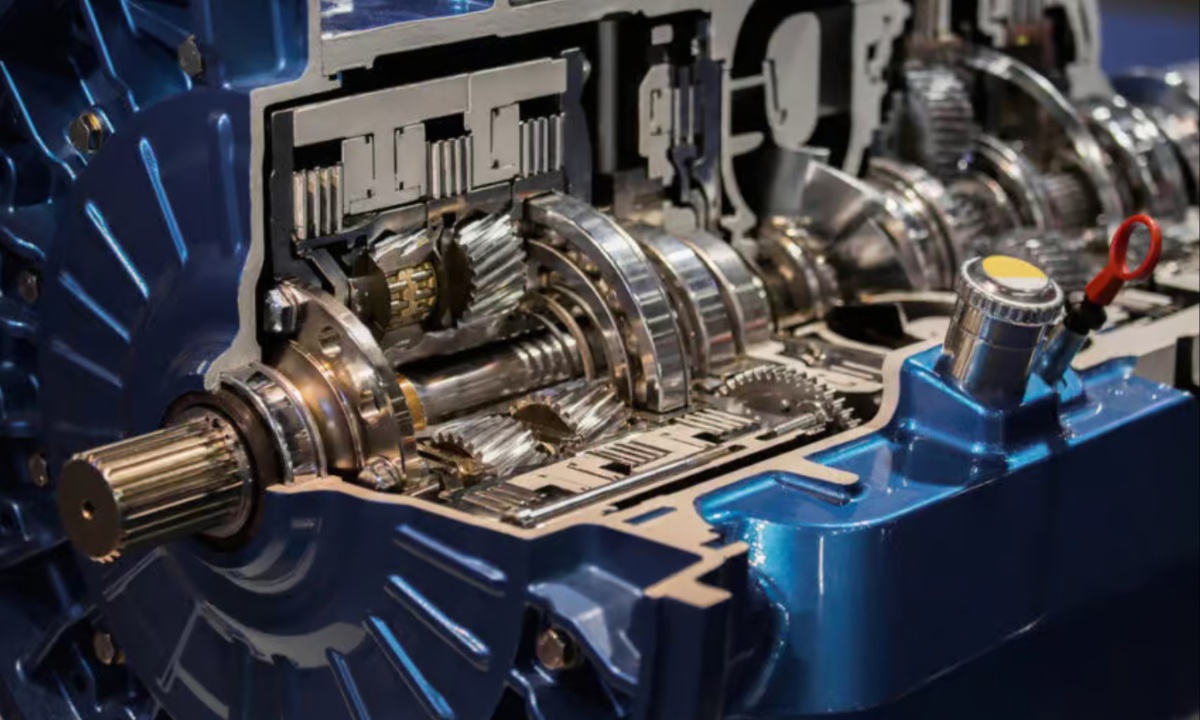
Transmission fluid lubricates the continuously variable transmission (CVT) or electronic transmission system, helping smooth power delivery between the engine and wheels. Regular checks and fluid replacements keep these systems running reliably. Transmission fluid degradation can cause slipping, rough shifts, or damage to internal components, so it should not be overlooked during maintenance visits.

3. Tire Care and Alignment
Tires may seem like a straightforward aspect of vehicle maintenance, but they play an especially important role in the efficiency and safety of a hybrid like the Malibu. Proper tire pressure reduces rolling resistance, which directly impacts fuel economy. Underinflated tires cause the engine and electric motor to work harder, draining both gasoline and battery power faster. In addition, overinflated tires can reduce traction and lead to uneven wear.
Checking tire pressure monthly and before long trips is a good habit. The recommended tire pressures for the Malibu Hybrid are usually found in the driver’s door jamb or owner’s manual.
Maintaining consistent pressure improves handling, braking, and ride comfort. Tire pressure monitoring systems (TPMS) in the Malibu Hybrid alert drivers to significant pressure drops, but manual checks remain important because the system doesn’t warn for smaller pressure losses.
Besides pressure, tire condition affects ride quality and handling. Worn or damaged tires can lead to uneven wear and poor traction, which is dangerous and inefficient. Inspecting tires for signs of damage such as cuts, bulges, or uneven tread wear can prevent blowouts and costly repairs. Proper tire selection also matters; using tires rated for low rolling resistance can enhance fuel savings.
Wheel alignment is another critical factor. Misaligned wheels cause uneven tire wear and increase resistance when driving, which can hurt fuel efficiency and create unnecessary strain on suspension components. A hybrid’s powertrain is designed to work efficiently with minimal friction, so keeping wheels properly aligned ensures the entire system operates smoothly.
Rotation of tires every 6,000 to 8,000 miles helps distribute wear evenly and extends tire life. This maintenance step supports balanced handling and consistent contact with the road, enhancing safety and comfort on every drive. Additionally, balancing tires prevents vibrations and reduces strain on suspension parts.

4. Hybrid System Diagnostics and Software Updates
The Chevy Malibu Hybrid is equipped with an advanced computer system that manages the complex interactions between its gasoline engine, electric motor, and battery. Keeping this system in good condition is a major part of maintaining the vehicle’s performance. Regular diagnostics by a certified technician can reveal problems before they escalate into major issues.
This diagnostic process typically involves scanning the vehicle’s onboard computer for trouble codes and reviewing sensor data. Sensors monitor numerous aspects such as battery temperature, state of charge, motor function, and powertrain efficiency. Detecting sensor malfunctions early can prevent breakdowns and ensure smooth operation.
Software updates for the hybrid control system are sometimes issued by Chevy to improve fuel economy, optimize battery performance, or address bugs. Staying current with these updates ensures that the vehicle runs as efficiently as possible. These updates may not be visible to the driver but can significantly impact the driving experience.
The diagnostic system also monitors other components such as sensors, electric motor health, and regenerative braking function. Early detection of sensor failures or wiring issues can prevent breakdowns and costly repairs. Diagnostic scans are typically part of routine maintenance visits, where trouble codes and performance data are reviewed.
For owners who like to track their vehicle’s health, some Malibu Hybrid models offer apps or display screens that show energy flow, battery charge status, and upcoming maintenance alerts. Using this information helps catch potential problems early and maintain the vehicle’s reliability.
5. Brake System Maintenance
The Chevy Malibu Hybrid uses a combination of regenerative braking and traditional friction brakes. Regenerative braking recaptures energy that would otherwise be lost during deceleration and sends it back to the battery. This system relies on electric motors and sensors working together seamlessly, which requires proper maintenance.
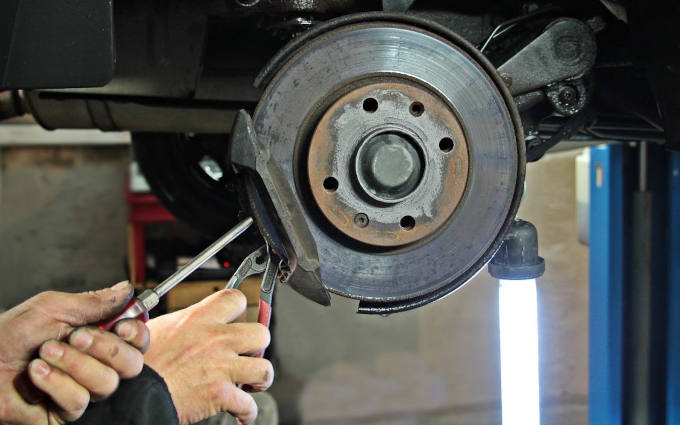
One important maintenance step is checking the brake pads and rotors regularly. Because the regenerative system handles much of the braking effort, the wear on pads can be less frequent, but when brakes do engage, they must be in good condition to stop the vehicle safely. Worn pads or warped rotors can reduce braking effectiveness and cause noise or vibration.
Brake fluid condition also matters because it transfers the force from the brake pedal to the brake calipers. Over time, brake fluid absorbs moisture and loses its effectiveness, which can compromise braking performance. Flushing and replacing brake fluid as recommended by Chevy helps maintain safety and responsiveness.
Additionally, the regenerative braking system includes sensors and electronic components that should be inspected during service. Any fault in these systems might trigger warning lights or reduce the efficiency of energy recovery, so early repairs keep both safety and fuel economy intact.
Regular brake system inspections also include checking the electronic control unit (ECU) related to braking and ensuring the regenerative system’s components are clean and functioning properly. This helps maintain the balance between electric and friction braking, which is crucial for consistent pedal feel and optimal energy recovery.
6. Air Filter Replacement
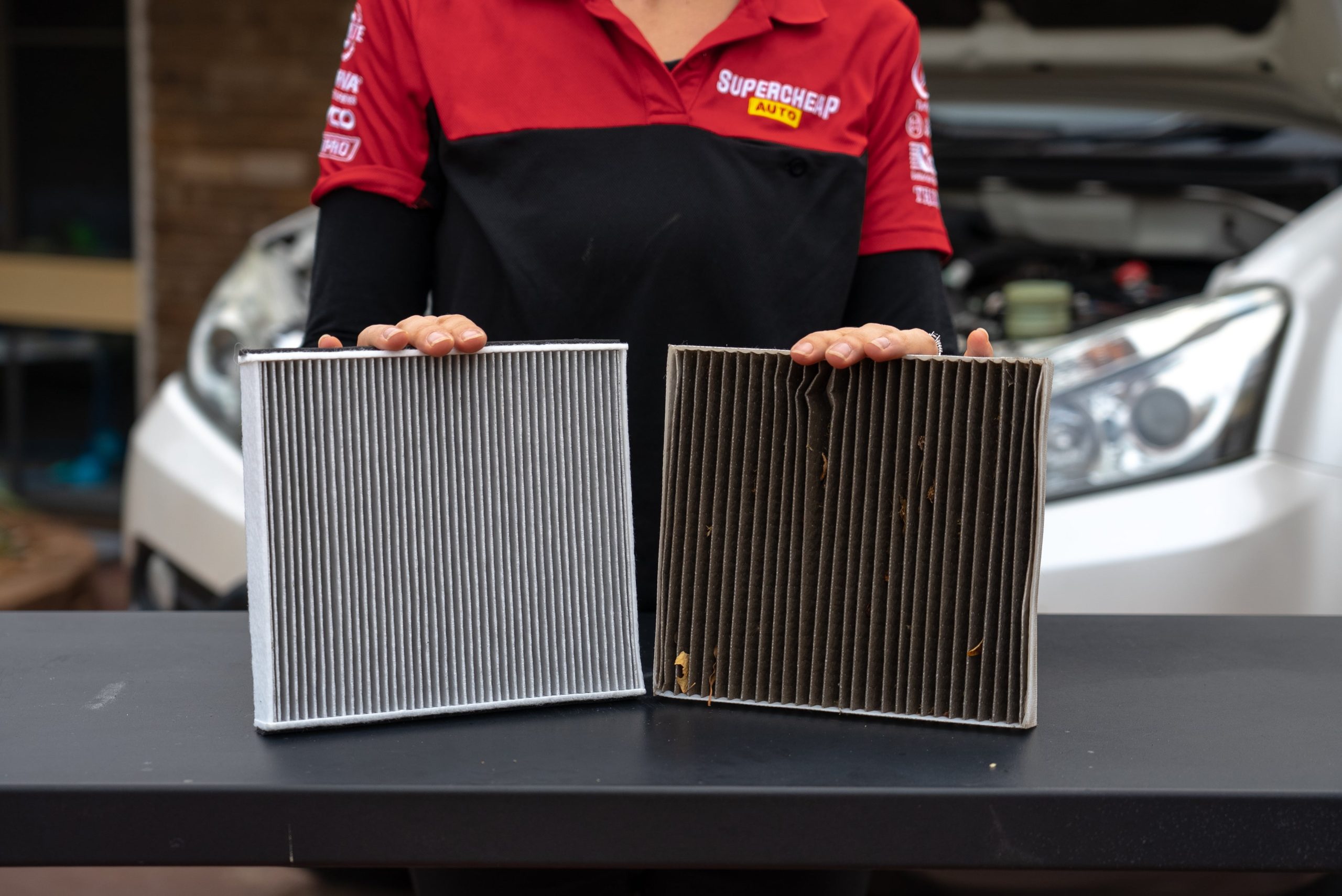
Air filters are often overlooked but are essential to maintaining the Chevy Malibu Hybrid’s engine performance and cabin comfort. The engine air filter’s primary role is to prevent dust, dirt, and debris from entering the engine’s combustion chamber. A clean air filter allows the engine to breathe freely, enabling efficient fuel combustion. When the air filter becomes clogged or dirty, the engine has to work harder, which reduces fuel efficiency and power output.
Replacing the engine air filter regularly according to the manufacturer’s schedule helps prevent these issues. It also protects internal engine components from premature wear caused by contaminants. In hybrids like the Malibu, the air filter’s condition can affect the delicate balance between electric and gasoline power since the engine’s efficiency impacts how often it needs to engage.
The Malibu Hybrid also features a cabin air filter that improves passenger comfort by filtering pollen, dust, and other airborne particles from the air entering the vehicle’s interior. This filter is especially important for those with allergies or respiratory sensitivities. Over time, a clogged cabin air filter can reduce airflow through the HVAC system, leading to poor heating and cooling performance.
Regularly replacing the cabin air filter ensures the HVAC system works efficiently and maintains clean, fresh air inside the cabin. Both air filters are relatively easy to replace and inexpensive, making them simple yet effective ways to protect both the vehicle and its occupants.

7. Cooling System Care
The cooling system in the Chevy Malibu Hybrid is a critical component that helps regulate temperatures across multiple key systems. Unlike conventional vehicles, the Malibu’s cooling system manages not just the gasoline engine but also the hybrid battery pack, electric motor, and power electronics. This complexity makes proper cooling system maintenance essential to avoid overheating and ensure all components operate optimally.
Coolant plays a vital role by absorbing and dissipating heat. Checking coolant levels regularly and inspecting for leaks helps prevent the system from running dry or becoming inefficient. Using the correct type of coolant is important, as hybrid systems often require special formulations that protect sensitive electronic components and battery modules.
The Malibu Hybrid’s cooling system includes radiators, electric pumps, fans, and thermostats. Any failure or blockage in these parts can cause temperature spikes that might damage expensive components. For example, battery overheating can reduce lifespan or cause performance issues, so preventing such conditions through maintenance is key.
In addition to physical components, sensors in the cooling system monitor temperatures and flow rates, providing real-time data to the vehicle’s computer. Regular inspections and diagnostic checks ensure these sensors function correctly. Preventative cooling system care not only protects vital hybrid parts but also supports vehicle reliability and performance.
Also Read: 10 Cars With Tricky Seatbelt Buckles for Elderly Passengers
8. Transmission Maintenance
The transmission system in the Chevy Malibu Hybrid is designed to handle power delivery from both the gasoline engine and the electric motor seamlessly. Often this involves a continuously variable transmission (CVT) or a similarly advanced mechanism that differs from traditional automatic transmissions in operation and maintenance needs.
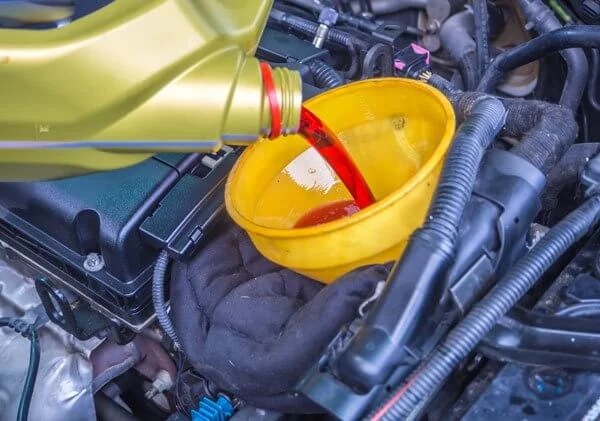
Transmission fluid is critical to lubricate the moving parts, cool the system, and enable smooth gear transitions. Over time, transmission fluid degrades due to heat and friction, which can lead to rough shifting, slipping, or even transmission failure. Regular fluid changes as recommended by Chevy help maintain performance and prolong the transmission’s life.
Because hybrids have different power flow characteristics, including the interplay between electric and gasoline propulsion, the transmission is under unique stresses. Ensuring fluid quality and level is part of adapting maintenance to these hybrid-specific needs. Some Malibu Hybrid models have sealed transmissions requiring less frequent fluid changes, but scheduled service checks remain important.
Additionally, transmission diagnostics during maintenance visits can detect early signs of problems such as slipping, delayed shifts, or unusual noises. Addressing these issues promptly helps avoid costly repairs and keeps the Malibu Hybrid running smoothly. The transmission plays a central role in the driving experience, making its maintenance vital for vehicle health.
9. Tire and Suspension Inspection
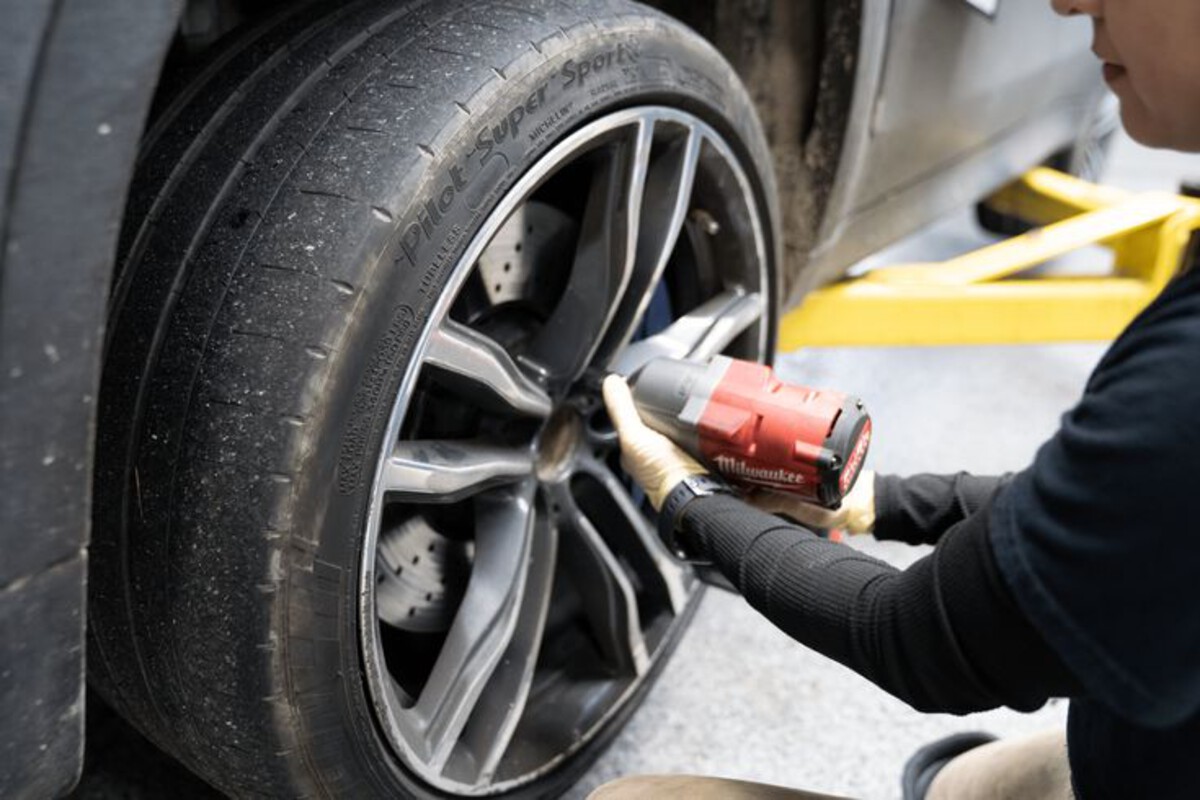
While proper tire care such as inflation and rotation is essential, inspecting the suspension system adds another layer of importance for the Chevy Malibu Hybrid. The suspension system absorbs shocks from the road, maintains tire contact, and stabilizes the vehicle, directly affecting safety and comfort.
Key suspension components include shocks, struts, springs, and bushings. Over time, these parts wear out or become damaged due to road conditions, mileage, or driving style. Worn suspension can cause uneven tire wear, poor handling, increased braking distances, and a rough ride.
Regular suspension inspections help identify worn or failing parts early, allowing for timely replacements that prevent further damage. For hybrids, smooth operation reduces unnecessary strain on the drivetrain and helps maintain efficiency. A compromised suspension system may lead to inefficient energy use and increased wear on tires and other components.
Suspension issues may also impact wheel alignment, causing further uneven tire wear and decreased fuel economy. Balancing suspension maintenance with tire care ensures the Malibu Hybrid drives safely and efficiently, contributing to a longer lifespan and better performance.

10. Proper Driving Habits and Routine Checkups
The way a Chevy Malibu Hybrid is driven greatly influences its long-term health and performance. Smooth acceleration, gentle braking, and avoiding sudden stops reduce wear on the engine, battery, brakes, and transmission. This driving style also helps maximize fuel economy, one of the primary benefits of owning a hybrid.
Using the vehicle’s electric mode effectively is another key habit. For example, in stop-and-go traffic or short trips, allowing the car to run primarily on electric power minimizes gasoline consumption and reduces engine wear. Avoiding excessive idling or heavy loads helps prevent overheating and battery strain.
Routine checkups with a certified Chevy technician are essential to maintaining the Malibu Hybrid’s health. These visits allow professionals to perform comprehensive inspections, update software, and address any issues before they become major problems. Following the recommended maintenance schedule supports reliability and resale value.
Keeping detailed maintenance records also benefits owners, providing proof of care and supporting warranty claims or resale negotiations. Combining responsible driving with regular professional checkups creates a strong foundation for keeping the Malibu Hybrid running well over the long term.
11. Maintaining the Electrical System
The electrical system in a hybrid vehicle like the Chevy Malibu Hybrid is far more complex than that of a traditional gasoline-powered car. It controls everything from the infotainment and climate control to crucial hybrid system components like the battery management system, electric motor controller, and regenerative braking circuitry. Regular checks and proper care of this system are essential for ensuring the vehicle continues to operate efficiently and safely.
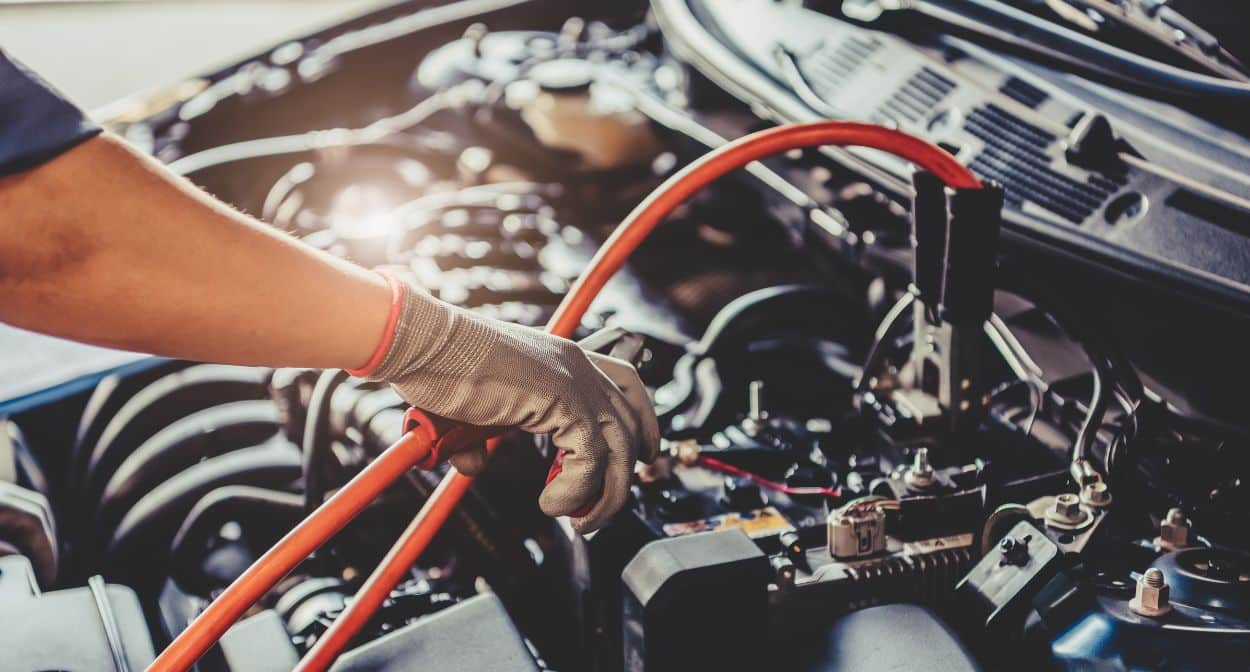
Battery cables and terminals should be inspected for corrosion, wear, or loose connections. While the high-voltage hybrid battery is sealed and maintained differently, the 12-volt auxiliary battery that powers the electronics can degrade over time. If this smaller battery weakens or fails, it may prevent the vehicle from starting or cause malfunctions in the hybrid system, even if the high-voltage battery is in good shape.
Wiring harnesses and fuses are also integral parts of the electrical system. Damage caused by rodents, moisture, or wear and tear can lead to intermittent problems, especially in sensor communication or onboard computer performance. Any signs of flickering dashboard lights, warning indicators, or inconsistent system behavior should prompt a full diagnostic inspection.
Because many parts of the Malibu Hybrid’s electrical system are tied to its control modules and software, staying on top of any recalls, technical service bulletins (TSBs), or software patches is important. These updates can enhance system stability and prevent unexpected failures. Scheduling regular electrical system inspections during maintenance appointments helps ensure ongoing performance and reliability.
12. Monitoring Fuel System Health
Although the Malibu Hybrid relies heavily on its electric powertrain, the gasoline engine and fuel system remain vital. Clean fuel delivery ensures efficient combustion, smooth engine operation, and consistent hybrid engagement. Fuel system components include the fuel pump, injectors, fuel filter, and fuel tank sensors—all of which must function properly to keep the engine running at its best.
Clogged or dirty fuel injectors can cause rough idling, reduced fuel economy, and difficulty starting. Over time, carbon buildup can affect spray patterns, leading to incomplete combustion. Using high-quality gasoline and occasionally adding fuel injector cleaner can help maintain the cleanliness of the injectors and fuel lines.
The fuel filter is another critical component, though in some Malibu Hybrid models, it is built into the fuel pump and not designed for frequent replacement. Still, understanding whether your model has a serviceable filter or not can make a difference in long-term care. A clogged filter restricts fuel flow, which can stress the pump and affect performance.
Fuel system diagnostics during regular service appointments can catch early warning signs such as fuel pressure irregularities or sensor failures. Ensuring that the fuel cap seals properly and avoiding overfilling at the gas station can also help prevent vapor leaks and emission system warnings. These simple habits support the longevity of the fuel system and hybrid performance.

13. Climate Control System Efficiency
The climate control system in a hybrid vehicle serves more than just passenger comfort—it also helps regulate temperatures for the hybrid components, especially the battery pack. In the Chevy Malibu Hybrid, ensuring that the climate system works efficiently helps both the occupants and the technology that powers the vehicle. A properly functioning air conditioning system can prevent battery overheating in warm weather.
Cabin filters, blower motors, and refrigerant levels all play a part in the climate system’s performance. Low refrigerant can cause the A/C to blow warm air or work harder than necessary, putting strain on the system. Regular recharging of the A/C system and checking for leaks ensures proper function and comfort during hot months.
The hybrid system often relies on an electric air conditioning compressor, unlike the belt-driven versions found in conventional cars. This allows the A/C to operate even when the engine is off. However, it also means the compressor is powered directly by the hybrid battery. A faulty compressor or cooling fan could affect not just comfort but system balance and energy distribution, so early detection is crucial.
Additionally, proper ventilation of the battery area is maintained through ducts and fans that may be tied to the HVAC system. Blockages or fan failure in this area can cause battery temperatures to rise, reducing efficiency or triggering warning lights. Keeping vents clear and having the entire climate system inspected periodically protects both comfort and component longevity.
14. Keeping the Exhaust and Emissions System Clean
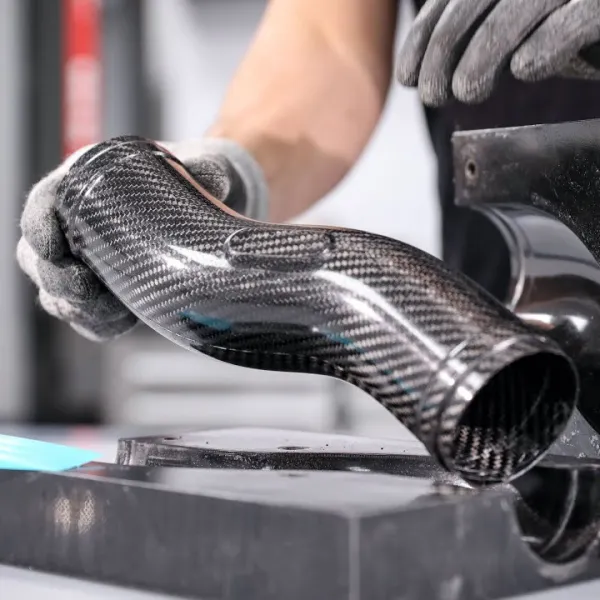
The emissions system in the Malibu Hybrid plays a crucial role in ensuring the vehicle meets environmental standards and operates efficiently. While hybrids emit less pollution than traditional gasoline vehicles, the gasoline engine still produces exhaust gases that must be treated and filtered through components such as the catalytic converter, oxygen sensors, and exhaust manifold.
Over time, carbon buildup in the exhaust system can reduce its effectiveness, especially if the vehicle frequently drives short distances or doesn’t reach optimal engine temperature. The catalytic converter may become clogged or less efficient, leading to poor performance and increased emissions. Ensuring the engine reaches operating temperature during trips helps maintain the health of these components.
Oxygen sensors monitor the air-fuel mixture and send feedback to the engine control unit to adjust fuel injection for optimal combustion. Faulty sensors can cause the engine to run rich or lean, reducing fuel economy and increasing emissions. Replacing worn sensors on schedule or when check engine lights appear can prevent larger issues from developing.
Another aspect to monitor is the evaporative emissions system, which includes the fuel tank, vapor lines, and charcoal canister. This system prevents fuel vapors from escaping into the atmosphere. Leaks or cracks in this system can trigger emissions warnings and reduce environmental performance. A loose gas cap can even cause issues, so making sure it’s tightly secured after refueling is an easy but important step.
Routine emissions system diagnostics help keep the Malibu Hybrid compliant with regulations and running efficiently. It’s especially important to maintain these systems for passing state inspections and preserving fuel economy, as malfunctioning emissions components can subtly degrade performance over time.
