

The Dodge Daytona Turbo, especially the models produced throughout the 1980s and early 1990s, holds a specific place in American automotive history. It represents a period when turbocharging became more accessible to the average enthusiast and performance met affordability in an entirely new way.
Despite not being the most exotic or powerful machine ever made, it carried a certain charm, sharp lines, pop-up headlights, front-wheel-drive dynamics, and a surprising amount of boost from its turbocharged four-cylinder engine. When properly maintained and driven with some mechanical sympathy, the Daytona Turbo can be a reliable and entertaining ride even decades after it first hit the road.
However, there are plenty of owners who unintentionally cut short the lifespan of this vehicle due to poor maintenance choices, bad driving habits, and a general misunderstanding of what it takes to keep a turbocharged vehicle from the ’80s running strong.
The Daytona Turbo was never meant to be babied, but it also wasn’t designed to endure abuse without proper care. Unlike modern turbocharged engines with complex engine management systems and robust fail-safes, the early turbo setups in cars like the Daytona required a much more hands-on approach.
They responded well to regular maintenance, proper warm-up routines, and the use of high-quality fluids. When any of these elements are neglected, the consequences can be harsh and, in some cases, irreversible. Additionally, aftermarket mods done without proper knowledge or tuning can wreak havoc on an engine that was already built to tight margins from the factory.
A lot of the mistakes that doom these cars aren’t flashy. They’re small, seemingly insignificant decisions that slowly erode the health of the turbo, engine, transmission, or suspension. If you’ve just bought a Daytona Turbo or are thinking about restoring one, knowing what to avoid can save you thousands in repairs and hours of frustration.
This article will walk through eight common and preventable mistakes that have prematurely ended the lives of many Dodge Daytona Turbos. Each point will highlight what goes wrong, why it matters, and how to avoid it, giving you a better shot at keeping your Daytona alive and well.
Also Read: 5 Transmissions Built for Abuse vs 5 That Kill Torque Converters Early

1. Neglecting Turbo Cool-Down After Hard Driving
One of the most important routines with any turbocharged car, especially older models like the Daytona, is letting the turbo cool down after spirited driving. Too many owners skip this crucial step, often without realizing the damage it’s causing.
After pushing the car on the highway or through a set of twisty roads, the turbocharger gets extremely hot. If the engine is shut off immediately, the oil inside the turbo stops circulating. Since the turbo is still hot, that oil can literally burn and harden, forming carbon deposits inside the turbo’s bearings and oil feed lines.
This is commonly referred to as “coking.” Over time, these deposits restrict oil flow, which leads to bearing failure and eventual turbo failure. A seized turbo is expensive to replace and often marks the beginning of the end for a car like the Daytona, especially if the parts are already rare or pricey.
Letting the engine idle for just a minute or two after driving hard allows cooler oil to continue flowing through the turbo. This helps to gradually bring down the temperature and prevent the oil from baking into sludge.
In colder weather, it also helps normalize engine temperature before shutdown. Some owners even install turbo timers to automate this process, though it’s not strictly necessary. A bit of patience is enough.
What makes this mistake even more frustrating is how easily it can be avoided. Letting the car idle for a couple of minutes is free, requires zero mechanical skill, and adds years to the life of the turbo.
But in the rush to get out of the car or save a few seconds, some owners skip this step again and again until the damage becomes permanent. For an older turbo system like the one in the Daytona, cool-down is non-negotiable. It’s one of the easiest ways to protect your investment.
2. Using Cheap Oil or Skipping Oil Changes
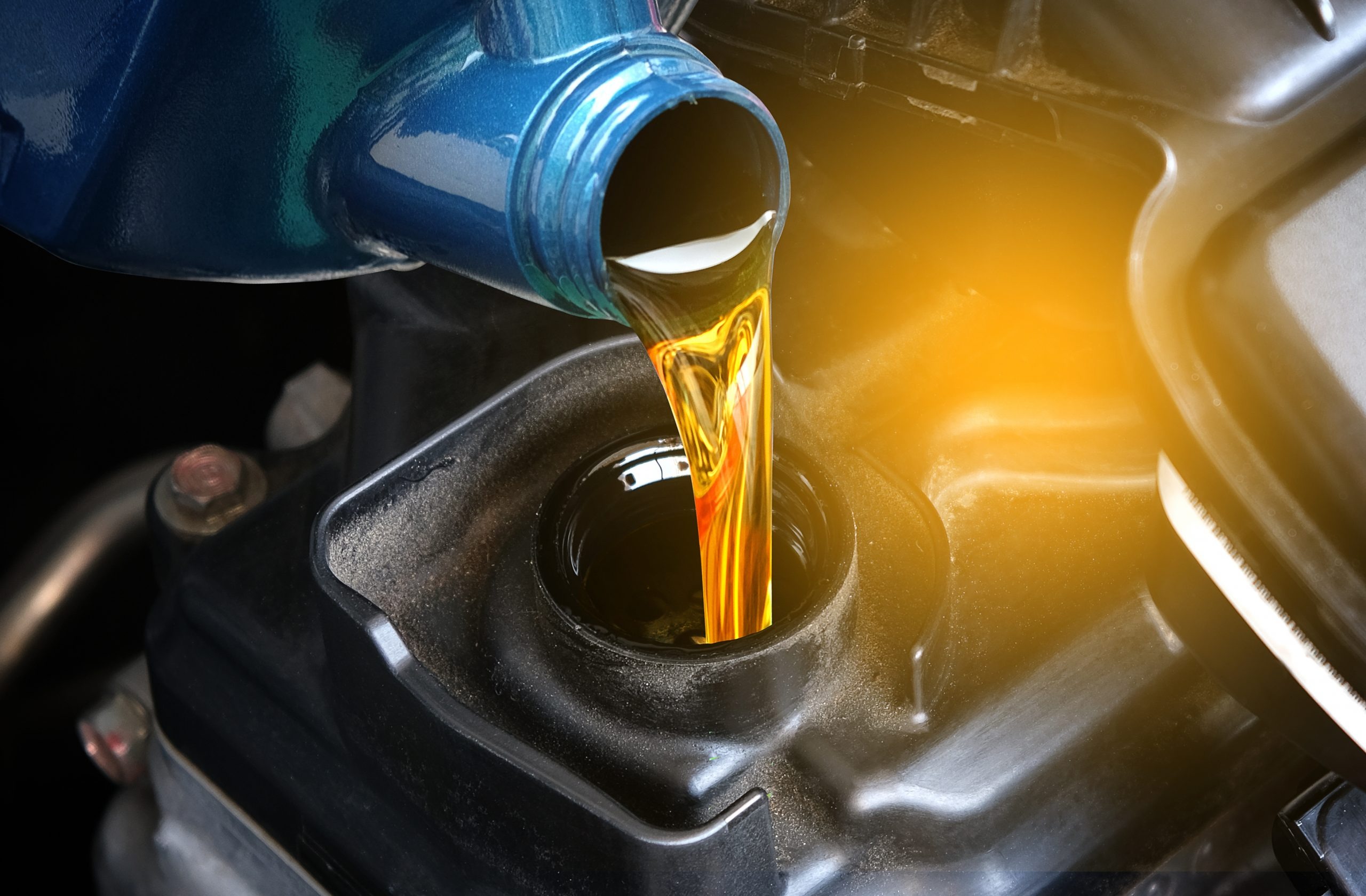
Oil is the lifeblood of any internal combustion engine, but in a turbocharged setup, its importance increases exponentially. The turbo spins at extremely high speeds and gets much hotter than the rest of the engine.
If the oil can’t keep up with those demands, things start to break down fast. One of the most common ways Daytona Turbos die is through poor oil management, either by using subpar oil or not changing it often enough.
Cheap oil breaks down faster and can’t hold up under the intense heat and pressure that a turbocharger produces. It loses viscosity, becomes less effective at lubricating engine parts, and in some cases, even leaves behind residue that clogs vital components.
In a vehicle that relies on oil both for lubrication and cooling, especially in the turbo area, that’s a death sentence. Once oil begins to degrade or form sludge, the damage can start small and invisible: lower efficiency, slight ticking noises, or an occasional hesitation. But it escalates quickly to worn bearings, clogged lines, and complete engine failure.
Skipping oil changes is another silent killer. Older engines don’t have the same sludge resistance or extended oil change intervals of modern cars.
The Daytona Turbo thrives on regular, clean oil changes. It’s not uncommon for older enthusiasts to change the oil every 3,000 miles or even sooner, especially if the car is driven hard. Waiting for the oil light to come on, or trusting a 5,000- or 7,000-mile interval, is simply too long for a car from this era.
If you’re serious about keeping your Daytona alive, it’s not enough to just add oil when it runs low. You have to use high-quality oil (preferably synthetic, if the seals can handle it), change it on time, and check it frequently. Skipping this basic step doesn’t just damage the turbo; it compromises the entire engine. No amount of tuning or restoration can make up for poor lubrication.
3. Ignoring Cooling System Maintenance
Heat management is a constant battle in any turbocharged vehicle. The Dodge Daytona Turbo, with its relatively compact engine bay and older design, isn’t particularly forgiving when it comes to running hot. One of the most overlooked mistakes is neglecting the cooling system, something that seems minor until it becomes catastrophic.
The turbo adds a significant heat load to the engine. When the radiator, hoses, thermostat, and water pump aren’t in peak condition, that heat builds up faster than it can be dispersed.
Overheating can cause blown head gaskets, warped heads, cracked blocks, and a host of other problems that will either kill the car or require a massive rebuild. And unlike other issues that give you warning signs, overheating can sometimes strike quickly and without much notice.
Old cooling systems tend to degrade over time. Radiators get clogged with sediment, hoses get soft or brittle, and thermostats begin to stick. Many Daytona owners don’t replace these items until something breaks.
But by that point, the damage is often already done. Keeping coolant fresh and the system flushed is essential. So is inspecting the radiator for signs of corrosion or blockage, checking hose integrity, and ensuring the fan operates as it should.
Another common issue is using the wrong type of coolant or mixing coolants. That can lead to internal corrosion and poor heat transfer. Using the right coolant mix, typically a 50/50 mix of antifreeze and distilled water, is critical. Also, always bleed the cooling system properly to remove any air pockets, which can cause hot spots and lead to overheating even if the system appears full.
It’s easy to underestimate the importance of cooling system maintenance, especially when the car runs fine for weeks or months. But all it takes is one overheating event to ruin the engine. For cars like the Daytona Turbo, heat is the silent destroyer that claims too many victims.

4. Modifying Without Proper Tuning
Every car enthusiast loves the idea of squeezing more performance out of their vehicle, and the Daytona Turbo is no exception. Its factory turbocharged setup lends itself well to modification, and with a little work, you can easily extract more power. The problem is that many owners bolt on parts without understanding the full impact of those changes or tuning the engine to accommodate them.
Installing a bigger turbo, changing injectors, adjusting boost pressure, or swapping out the fuel system components without proper engine management can do more harm than good.
The factory ECU on the Daytona wasn’t designed to handle major changes without help. When you increase boost without adjusting timing or fuel delivery, the engine can run lean, knock, and eventually blow a head gasket or damage pistons. It might feel fast for a little while, but you’re gambling with the engine’s life every time you push the throttle.
Fuel is often the first place where things go wrong. A bigger turbo may require more fuel to run safely, but if you’re still using stock injectors or a factory fuel pump, you might not be supplying enough. Without a wideband O2 sensor to monitor air-fuel ratios, you could be running dangerously lean and not even know it. That lack of feedback is one of the biggest risks with blind modification.
On the ignition side, failing to adjust timing as boost increases can also lead to detonation. This kind of engine knock is one of the most destructive forces an engine can experience, especially under high loads. The Daytona’s factory engine can take some abuse, but there’s a limit. Without proper tuning, you’re pushing that limit every time you drive.
A safe approach to modifying these cars is to upgrade in stages, using supporting mods like boost controllers, upgraded ECUs, and tuning tools to make sure the changes are matched and balanced. Skipping tuning in favor of quick gains almost always ends badly.

5. Disregarding Transmission Health
The Daytona Turbo’s manual transmission, especially the A555 and A520 units, was a strong point for the platform. These gearboxes were well-matched to the torque delivery of the turbocharged engine and allowed the car to deliver solid performance.
However, like any component in a high-performance drivetrain, they require proper maintenance and mechanical sympathy. One of the key mistakes owners make is assuming the transmission is bulletproof and treating it as such. Aggressive downshifting, hard launches, and improper clutch operation wear down the internals much faster than expected.
Over time, even a robust gearbox like the one found in the Daytona begins to show signs of abuse, synchro failure, gear grinding, and, in the worst cases, catastrophic breakage.
Another commonly overlooked issue is fluid neglect. Transmission fluid may not get the same attention as engine oil, but it plays a crucial role in preserving the gearbox. In manual transmissions, the fluid acts as a lubricant for the gears and synchros, helping them mesh properly and dissipate heat.
As it ages, the fluid can lose viscosity, collect metal shavings, and become contaminated. This leads to increased wear and inconsistent shifting. Too many Daytona owners never change the transmission fluid until a problem shows up; by then, it’s often too late. Using the correct type of fluid, checking levels regularly, and sticking to a maintenance interval can add years to the gearbox’s life.
Improper clutch usage is another silent killer. Riding the clutch, slipping it too much under load, or failing to adjust the clutch cable (in models that use them) can cause premature wear. Once the clutch begins to slip under boost, it not only affects performance but also risks heat-soaking the flywheel and pressure plate.
This can lead to hotspots, cracking, or complete clutch failure. Additionally, installing aftermarket clutches without considering drivability can stress the transmission further. A race clutch might sound appealing on paper, but if it’s too aggressive for street use, it leads to jerky engagement and additional strain on the gearbox.
Lastly, improper alignment or worn mounts can contribute to transmission issues. Engine and transmission mounts are often neglected, but they play a critical role in how power is delivered. If mounts are cracked or sagging, the drivetrain can shift during acceleration, placing extra stress on the transmission casing and internals.
Combined with hard driving, this can create alignment issues between the engine and transmission, leading to accelerated wear. Transmission longevity depends on more than just careful shifting. It’s a system, and when one part is ignored, the entire unit suffers. Taking care of it ensures the Daytona remains smooth and reliable under power.
Also Read: 5 Steering Racks That Stay Tight vs 5 That Loosen Quickly
6. Failing to Maintain Vacuum Lines and Sensors
The Daytona Turbo relies heavily on vacuum-actuated components and a variety of sensors to manage boost and engine behavior. These systems, while not as advanced as today’s electronic control units, still play a critical role in how the car drives and performs.
Unfortunately, many owners overlook the importance of vacuum lines, believing they are minor parts that don’t need attention. The reality is that a single cracked or disconnected vacuum hose can cause a host of drivability problems, from erratic idling to incorrect boost levels. When these issues go unaddressed, they create a feedback loop of poor performance that stresses other components, like the turbo, fuel system, and ECU.
The factory vacuum lines in these cars were made from rubber that naturally degrades over time, especially with heat cycles under the hood. After thirty or more years, it’s not a question of if the vacuum lines are leaking, but how badly. Soft hoses collapse under vacuum, brittle ones crack and leak, and some may even disconnect entirely if not secured.
Boost controllers, wastegates, and MAP sensors rely on consistent vacuum signals to function. When those signals are interrupted, the car may run lean, overboost, or enter limp mode. Without proper diagnostics, owners may end up replacing expensive parts like turbos or injectors without realizing the actual culprit is a simple vacuum leak.
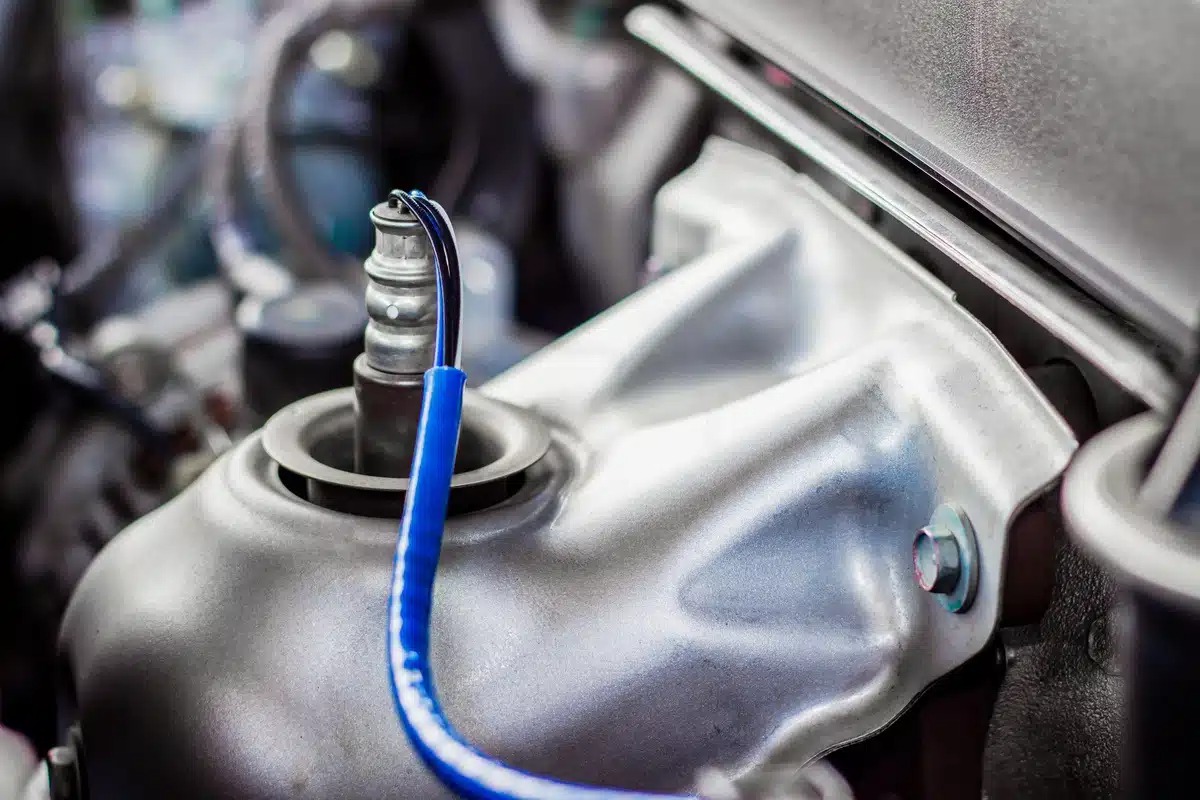
The sensors on the Daytona are just as critical and often ignored. The MAP sensor, oxygen sensor, coolant temperature sensor, and throttle position sensor all feed information to the engine control unit. If any one of them begins to fail or sends incorrect readings, the ECU cannot adjust fueling or timing properly.
Some of these sensors, like the coolant temp sensor, can cause the car to run rich or lean depending on how they fail. While the engine may still run, it will not run well, and prolonged operation in this state causes increased wear on the engine and turbo. In some cases, the car may start stalling or misfiring without any obvious cause, frustrating owners who don’t consider sensor health.
Proper maintenance in this area means more than just replacing visible hoses. It involves pressure testing the vacuum system, inspecting the check valves, and cleaning or replacing sensors at recommended intervals. It also means not assuming that just because a car “runs,” it’s running correctly.
Small inconsistencies add up. Replacing vacuum lines with high-quality silicone ones and regularly scanning for diagnostic trouble codes (when applicable) can help keep the engine operating within safe parameters. Ignoring these basics is often the first step toward more serious and expensive failures.
7. Running Incorrect Boost Levels Without Support
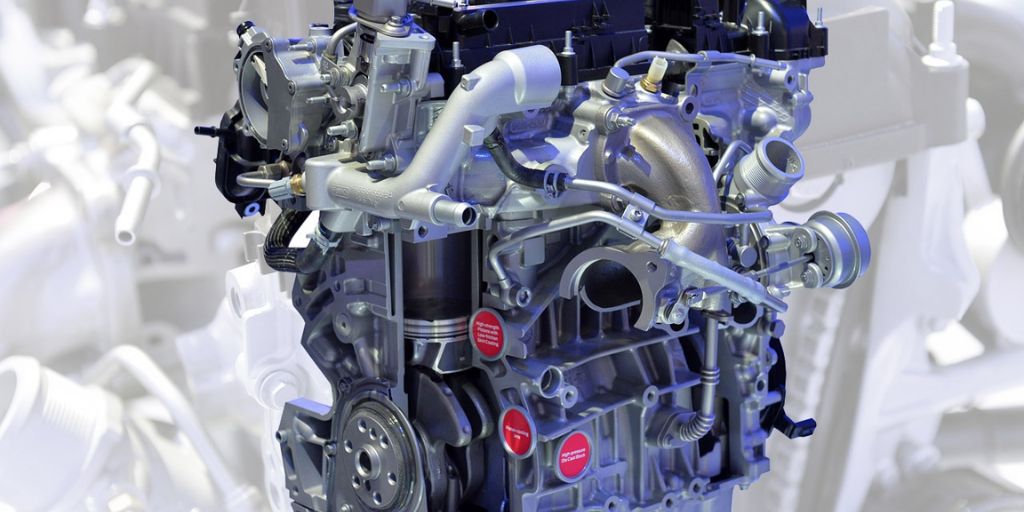
Boost is what makes a turbocharged car exciting, and the temptation to crank up the pressure is one of the first instincts many owners have. After all, a few turns on a manual boost controller can instantly add noticeable horsepower. However, doing this without understanding the supporting requirements is one of the fastest ways to kill a Daytona Turbo engine.
The stock internals of the 2.2L or 2.5L turbo engines can handle a moderate increase in boost, but only if the fuel system, cooling, and ignition are ready to handle it as well. Pushing too much boost on a stock tune causes knock, lean conditions, and excessive cylinder pressures.
One of the most common mistakes is increasing the boost before upgrading fuel injectors or fuel delivery. A stock fuel pump or old injectors may already be working at or near their limits. Adding more boost without giving the engine more fuel increases the chance of running lean under load.
This doesn’t just reduce power, it invites engine damage. Detonation under boost can chip pistons, blow head gaskets, or crack ring lands. Often, owners don’t feel the full extent of the damage until a misfire or loss of compression appears. By that point, you’re not dealing with a simple tuning issue anymore; you’re rebuilding an engine.
There’s also the issue of air-fuel monitoring. On many Daytona Turbos, especially earlier ones, there’s no factory-wideband sensor. That means there’s no real-time feedback on how safely the car is running at higher boost levels. Installing a wideband O2 sensor is a must if you plan to run any additional boost.
Without one, you’re flying blind. You might hear some pinging or see your boost gauge spike, but you won’t know if you’re in the danger zone until something breaks. Running high boost on guesswork is reckless and a gamble with expensive consequences.
Another overlooked factor is heat. Higher boost means higher intake and exhaust temperatures. The stock intercooler may no longer be adequate. The turbo itself may be pushed past its efficient range, generating more heat than power. Without upgrades to cooling systems and proper tuning to manage timing, boost increases do more harm than good.
There’s a fine line between performance and destruction, and many Daytona owners cross it without realizing. Boost is addictive, but in a car this old, moderation and preparation matter far more than raw numbers.

8. Letting the Car Sit for Long Periods
Letting a car sit unused might seem harmless, especially if it’s stored indoors, but prolonged inactivity is one of the quiet killers of vehicles like the Daytona Turbo. These cars were not built to sit for months or years without being started or moved. When they do, critical systems begin to deteriorate even if the car looks fine from the outside.
Fuel begins to degrade, rubber seals dry out, tires develop flat spots, and corrosion quietly takes hold in brake systems and electrical connections. The result is a car that seems to have aged ten years in a single season of inactivity.
Fuel is particularly problematic. Modern fuels, especially those with ethanol, begin to break down within a few months. As it degrades, it forms varnish and deposits that clog fuel injectors, corrode lines, and gum up the fuel pump. If the car is stored with a near-empty tank, moisture can also form inside, leading to rust in the tank itself.
This rusty debris then gets circulated through the fuel system when the car is finally started again, causing problems that are expensive and time-consuming to fix. Fuel stabilizers can help, but even they have limits. It’s far better to store a car properly prepared than to park it and forget it.
Another issue is with engine seals and gaskets. When the engine isn’t run regularly, oil drains down to the pan and leaves seals exposed to air. Over time, they dry out and shrink, which leads to leaks when the engine is finally started again. Valve cover gaskets, rear main seals, and turbo oil feed lines are all vulnerable.
Additionally, sitting without circulation means condensation can form inside the engine, leading to rust in the cylinder walls or on cam surfaces. Dry starts after long storage are particularly harsh and can cause excessive wear or scoring, especially if the oil hasn’t been changed in a long time.
To avoid this, it’s important to either properly prepare the car for long-term storage or start and drive it regularly. At the very least, the engine should be brought up to full operating temperature every couple of weeks, fluids should be circulated, and the tires should be moved to prevent flat spots.
Battery maintainers can help preserve electrical systems, and covering or garage-storing the car keeps UV damage and moisture out. Letting a Daytona Turbo sit unattended for long periods doesn’t preserve it, it deteriorates in slow motion. Active maintenance is the only way to keep it alive.
9. Overlooking Suspension and Chassis Wear
When people think about preserving a performance car like the Dodge Daytona Turbo, they often focus solely on the engine and powertrain. But one of the most common mistakes that shortens the usable life of these cars is ignoring the suspension and chassis.
These components may not stop the car from running outright, but they determine how well it handles, how safely it drives, and how much stress gets transferred to other parts. If suspension wear is left unaddressed, the entire car begins to feel loose, unpredictable, and, in extreme cases, unsafe at speed.
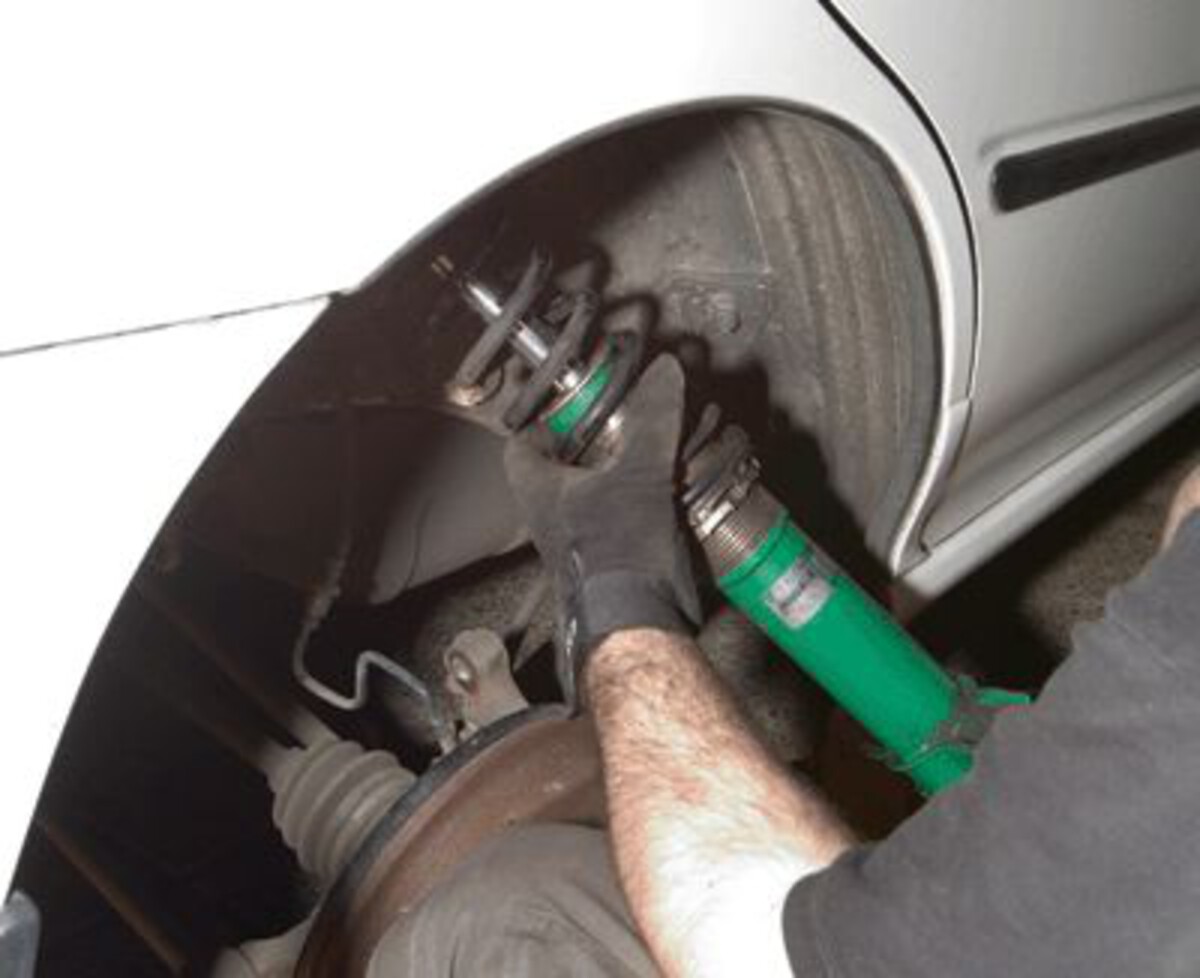
The original bushings in a Daytona are now several decades old. Made mostly of rubber, they degrade over time due to heat, oil contamination, and simply aging. When bushings start to break down, everything becomes sloppy, control arms shift, alignment goes out of spec, and the car becomes twitchy over bumps or during cornering.
This doesn’t just ruin handling; it also stresses other components. Worn bushings can lead to uneven tire wear, which then affects steering response. The domino effect continues with ball joints, struts, and mounts taking the hit for something that could have been fixed early.
The struts and shocks themselves are also critical. A car with worn dampers bounces excessively, loses traction over bumps, and becomes difficult to control during hard braking or acceleration. Many Daytona Turbos still on the road today are running original or low-quality replacement shocks that no longer provide adequate damping.
Combined with tired springs, the suspension may bottom out or allow body roll to get out of hand. This puts additional load on the chassis, especially in older cars with rust-prone subframes or towers. Over time, cracks can form, and structural rigidity is lost, even if the powertrain remains strong.
10. Using the Wrong Parts or Mixing Incompatible Components
The Daytona Turbo isn’t just old, it’s a vehicle with a very specific set of needs when it comes to parts compatibility. One of the major mistakes owners make, especially during restoration or modification, is using the wrong parts, mixing components from different years, or assuming that “close enough” is good enough.
Chrysler made frequent changes across the different Daytona generations and model years. Not all sensors, ECUs, wiring harnesses, or mechanical parts are interchangeable, and using the wrong ones can lead to chronic problems or even permanent damage.
One example is an ECU and sensor mismatch. A Daytona from 1985 might run a very different fuel and ignition system than one from 1988 or 1991. Swapping in parts from a later model without updating the supporting electronics can confuse the computer, leading to poor idle, incorrect fuel delivery, and random drivability issues.
Owners often buy used parts from junkyards or online without double-checking compatibility, especially if the parts look similar. The reality is that a connector might fit, but the signal may not be what the computer expects, leading to long-term issues that are hard to trace.
Aftermarket parts are another source of trouble. While it’s tempting to go for budget eBay parts or universal components, the Daytona Turbo requires a level of specificity, especially in areas like the turbo system, fuel delivery, and sensors. Installing an aftermarket blow-off valve that vents to atmosphere when the car was designed for recirculation, for example, can confuse the factory air metering and cause stalling.
Likewise, using a cheap turbo replacement without proper flow matching can result in turbo lag, poor performance, or even overboost. Owners who don’t understand the relationship between parts often learn the hard way when problems snowball into bigger issues.
