
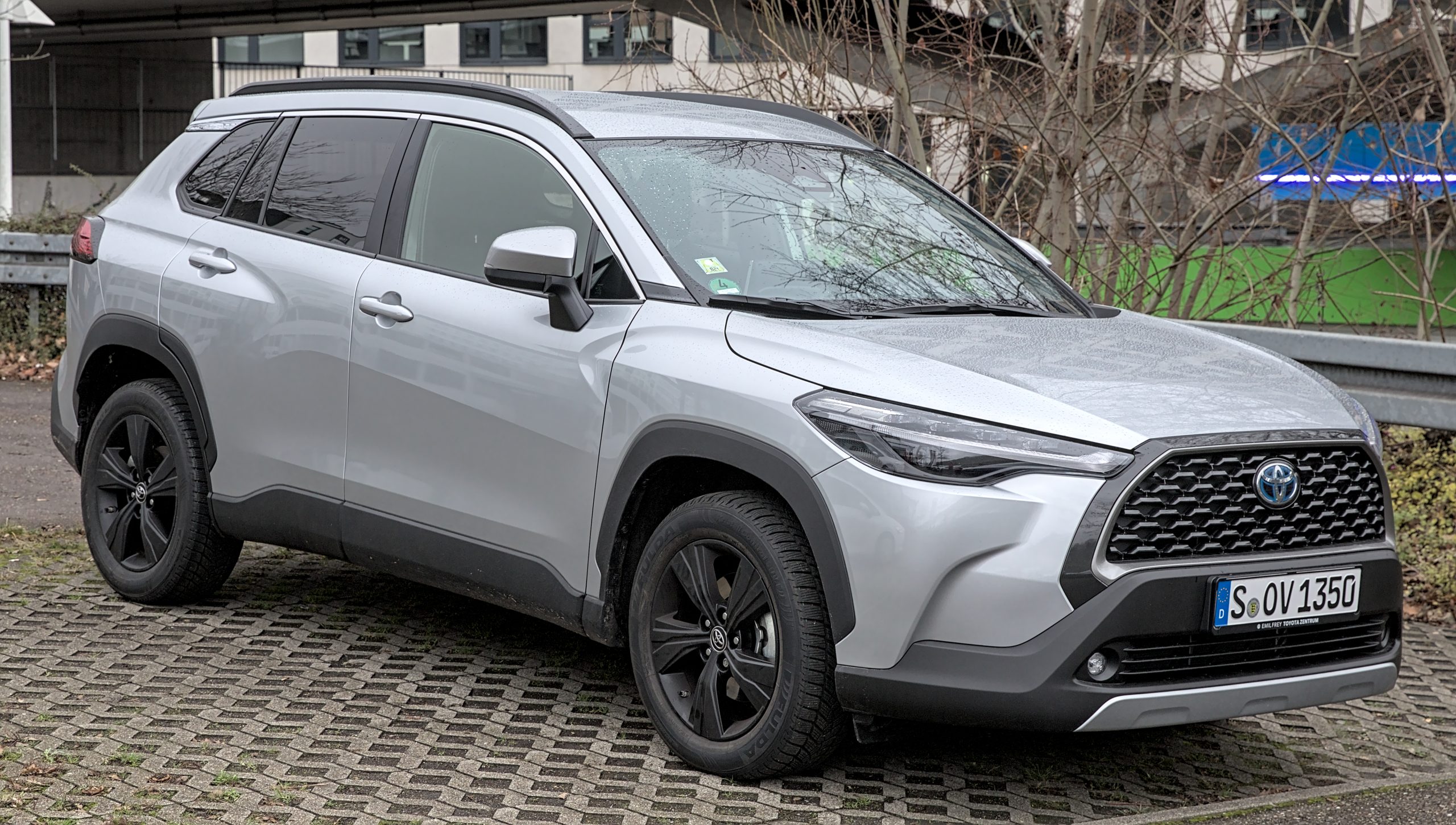
The Toyota Corolla Cross has quickly become a favorite among compact SUV owners who value reliability, efficiency, and comfort. It borrows much of its DNA from the legendary Corolla sedan, a vehicle long known for its dependability and long lifespan.
However, like any vehicle, how long a Corolla Cross lasts on the road largely depends on how well it’s maintained and cared for. Just because it’s a Toyota doesn’t mean it’s invincible.
To truly make the most of your investment and enjoy this vehicle for hundreds of thousands of miles, there are smart habits and practical maintenance routines that drivers should adopt early on.
Many car owners underestimate the importance of consistency. It’s not just about waiting for something to go wrong before reacting. It’s about taking small, routine steps that, over time, have a huge impact on the vehicle’s performance, fuel economy, and road life.
Some of these steps are mechanical, like regular oil changes and tire rotations. Others involve how you treat your car daily, such as the way you accelerate, brake, and even how often you clean it.
It’s not always about spending a lot of money, either. In fact, the most effective tricks that extend the road life of a vehicle are often simple, inexpensive habits that anyone can do.
What matters most is consistency, attention, and a bit of knowledge about how your Corolla Cross works. If you take care of it, it will return the favor many times over.
This article covers ten practical tricks that can help you get the longest possible life out of your Toyota Corolla Cross. Each tip is based on general automotive maintenance principles and habits that mechanics, long-term car owners, and experienced drivers swear by.
You don’t have to be a car expert to apply these methods. You just need to know what to do and when to do it. These ten tricks, if followed regularly, can make the difference between a car that runs well for a decade and one that starts falling apart in half that time.
Also Read: 7 Driving Habits That Destroy a Subaru Legacy Faster Than You Think
1. Stick to a Consistent Oil Change Schedule
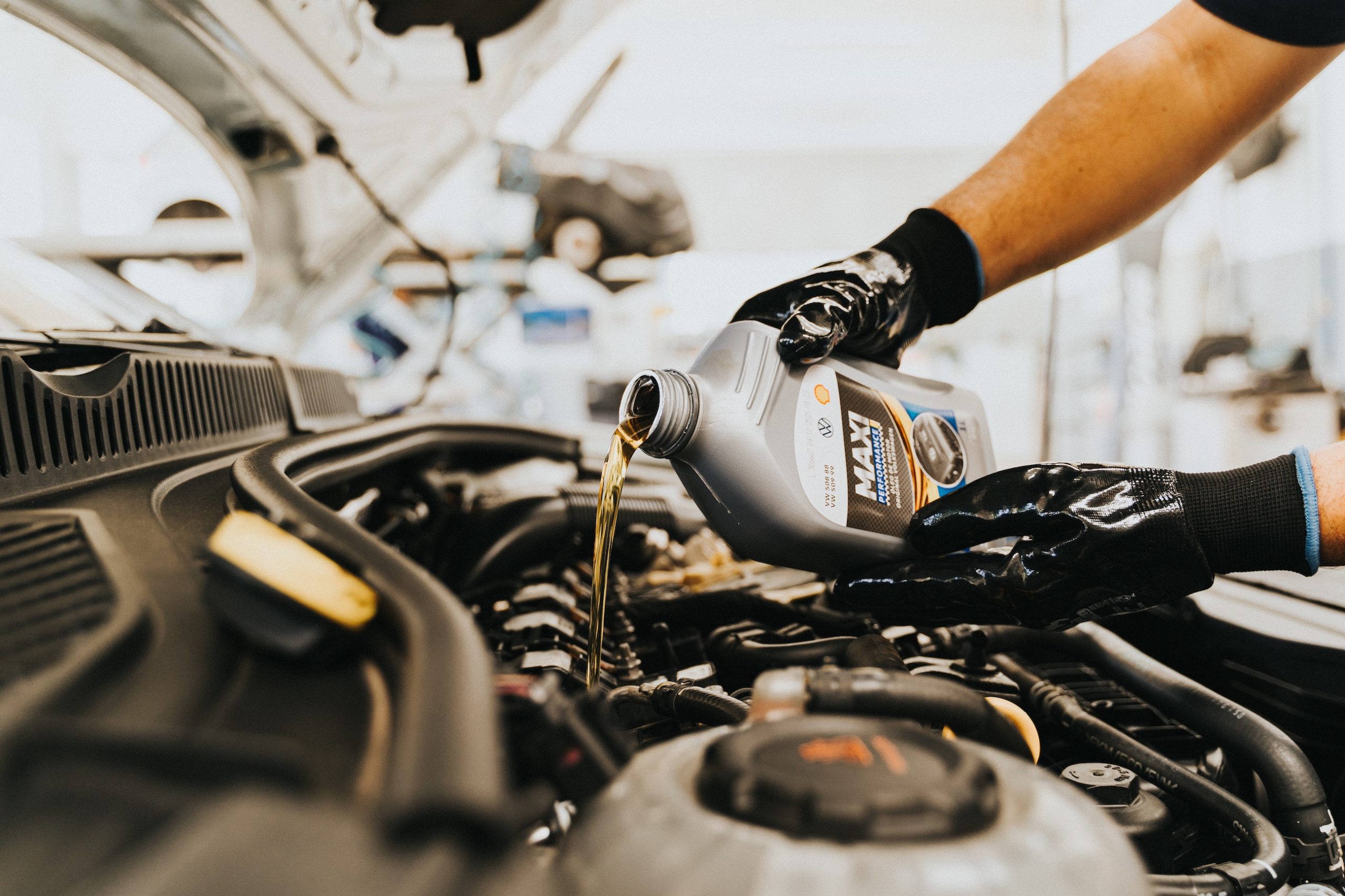
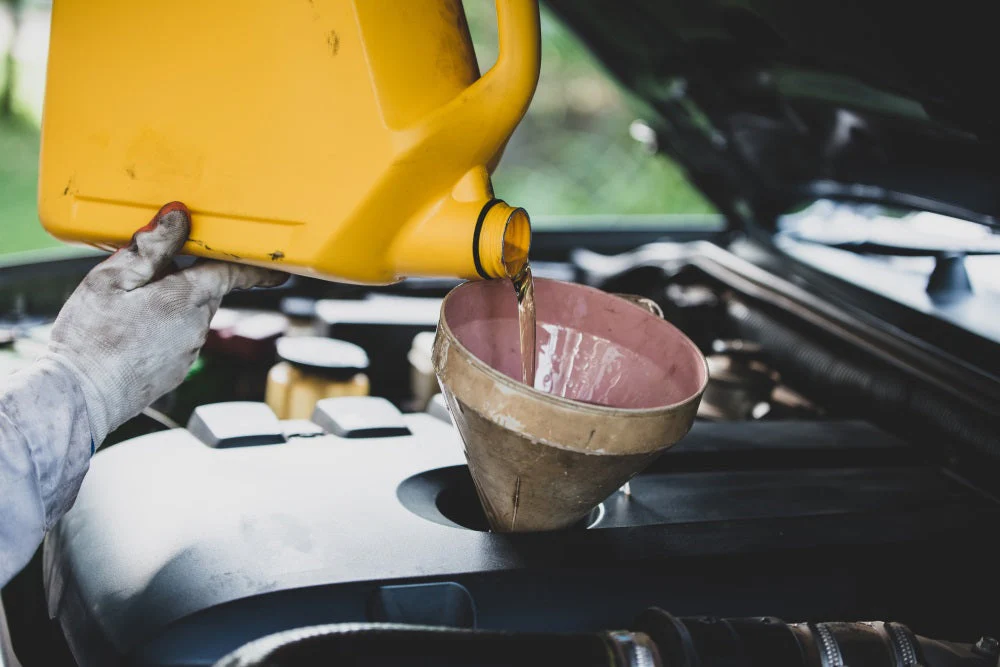
Regular oil changes are among the most important things you can do for your vehicle’s engine. The Corolla Cross, like most Toyotas, is built with an engine that can last well over 200,000 miles, but that engine relies heavily on clean, high-quality oil to operate smoothly.
Oil lubricates the engine’s moving parts and prevents friction that can lead to wear and damage. Over time, oil breaks down and becomes less effective, especially if the car is often driven in harsh conditions. Sticking to the recommended oil change schedule helps prevent long-term damage.
Toyota generally recommends oil changes every 5,000 to 10,000 miles, depending on the driving conditions and oil type.
However, many experts suggest not waiting until the maximum limit. Changing your oil around the 5,000-mile mark is a safe rule of thumb, particularly if you do a lot of city driving, frequent short trips, or drive in dusty or hot environments.
Clean oil not only keeps your engine running efficiently but also helps maintain fuel economy and reduces emissions.
Choosing the right oil is also part of the equation. While your Corolla Cross will likely run fine on conventional oil, synthetic oil offers better protection and performance over time, especially in extreme temperatures.
Synthetic oil resists breakdown longer and can help protect the engine during cold starts or when idling in traffic for extended periods. It may cost more upfront, but it often extends engine life in the long run.
It’s also important not to overlook the oil filter. Each time you change the oil, the filter should be replaced as well. A clogged or old oil filter won’t properly catch debris and contaminants, which can quickly circulate through the engine. Keeping up with both oil and filter changes ensures that your engine stays clean, lubricated, and healthy for many years to come.
2. Rotate Tires and Keep Them Properly Inflated
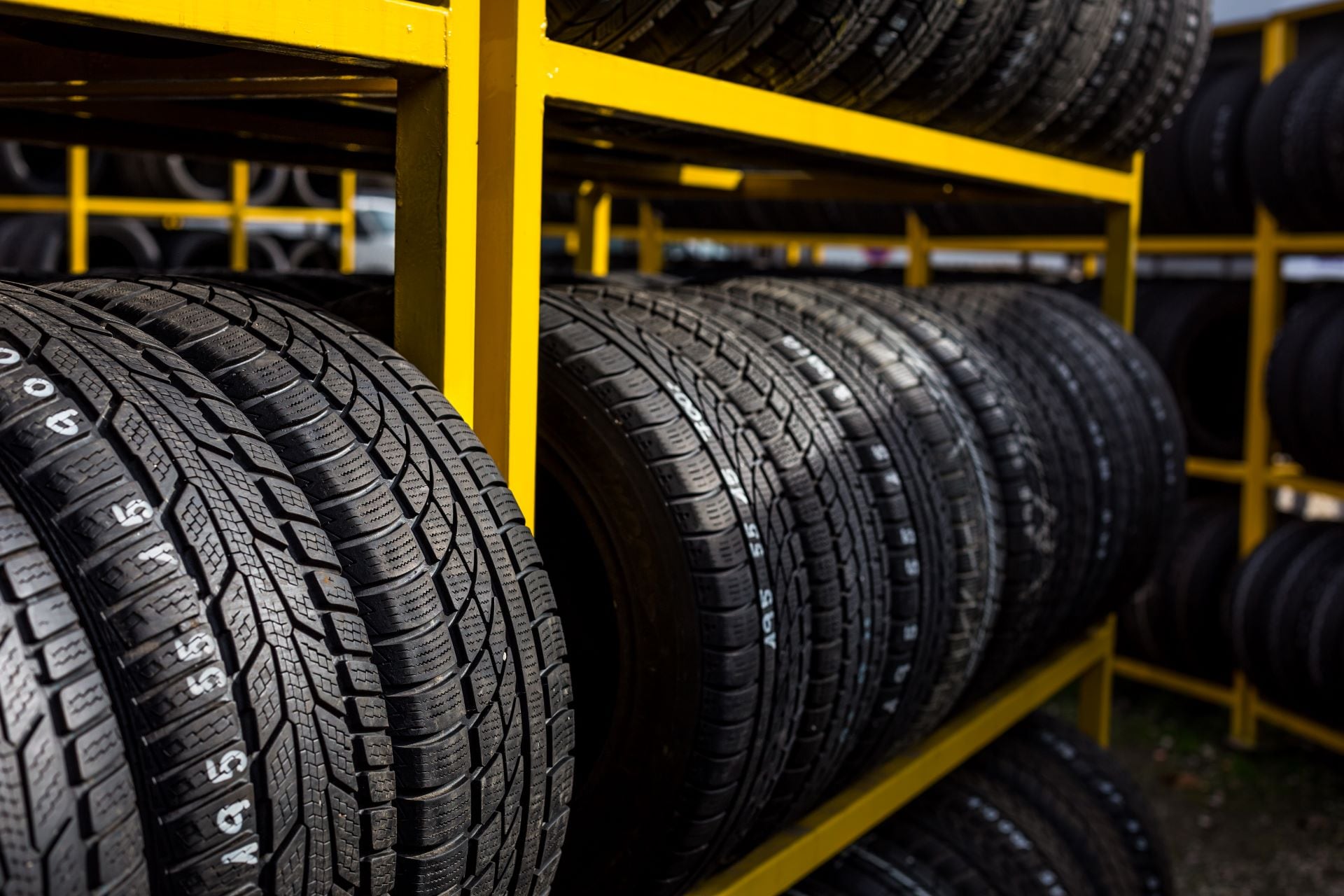
Your tires are your only contact with the road, and their condition directly affects the performance, safety, and longevity of your Corolla Cross. Regular tire rotation is an easy yet often neglected task that can significantly extend the life of your tires and improve vehicle stability.
Since front and rear tires wear differently depending on your driving habits and conditions, rotating them ensures even wear, which in turn extends the lifespan of each tire.
Rotating your tires every 5,000 to 7,500 miles is a good rule of thumb. This schedule often lines up with your oil change routine, so it’s easy to remember.
Front tires typically wear faster due to steering and weight distribution, especially on front-wheel-drive vehicles like the Corolla Cross. By rotating tires from front to back and side to side, you help all four tires wear evenly, reducing the need to replace them prematurely.
Equally important is maintaining proper tire pressure. Underinflated tires create more rolling resistance, which leads to lower fuel efficiency, uneven tread wear, and higher stress on the suspension. Overinflated tires can reduce traction and lead to a harsh ride.
Checking tire pressure once a month, or at least before long trips, is a small habit that pays off over time. Make sure to use the pressure recommended by Toyota, which can be found in your owner’s manual or on the driver-side door jamb.
Properly maintained tires don’t just improve fuel economy and handling, they also reduce the wear and tear on other components like suspension and brakes. Balanced, inflated tires also lower your risk of blowouts or loss of control, especially in bad weather.
When tires are treated well, they reward you with better road grip, longer life, and smoother rides, all of which help your Corolla Cross stay on the road longer.
3. Keep the Transmission in Good Shape
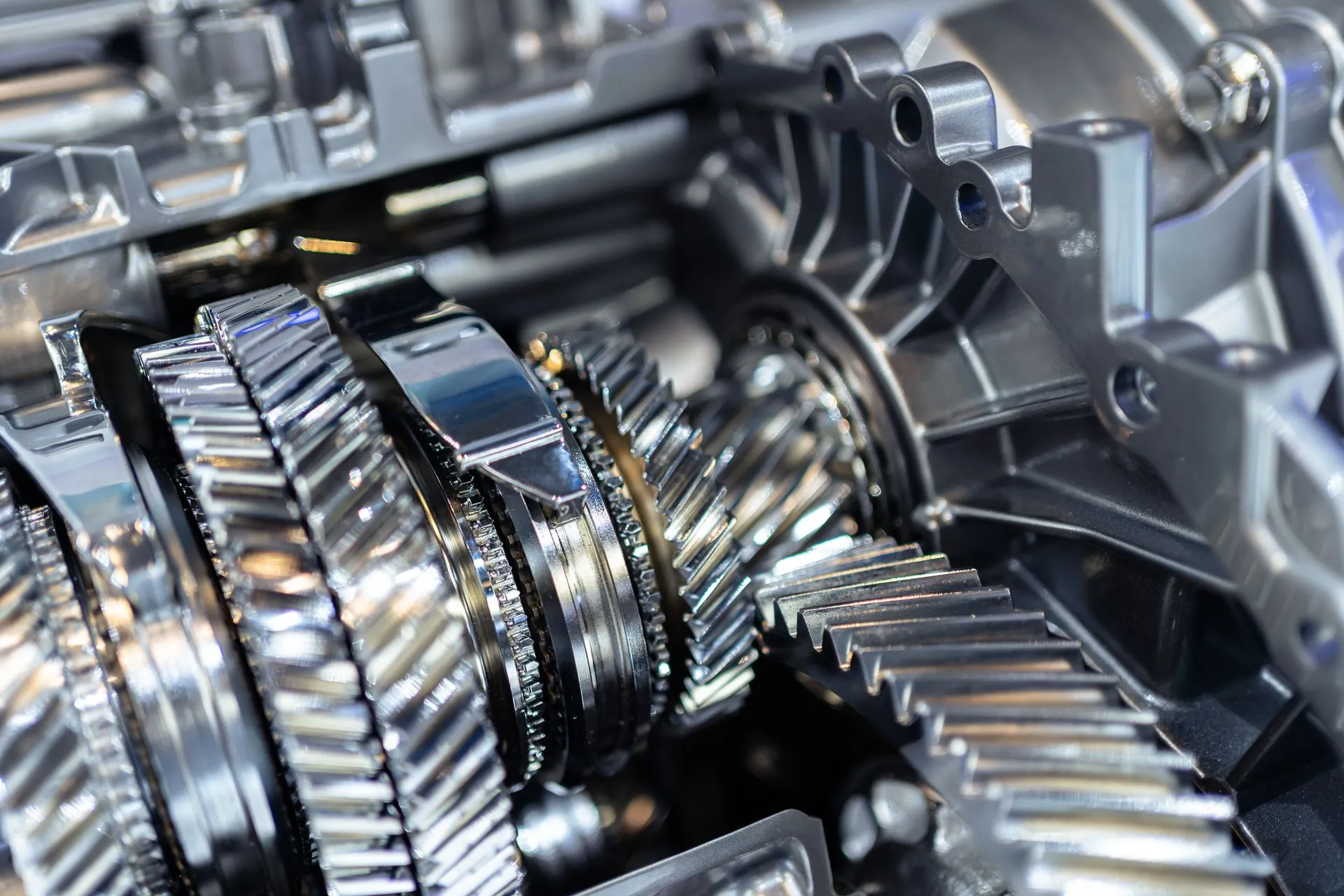
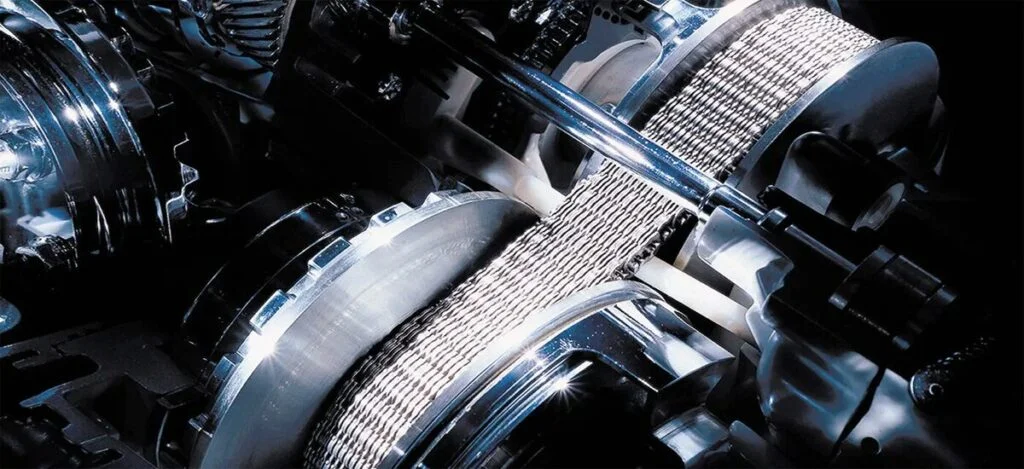
The transmission is one of the most complex and expensive parts of your Corolla Cross. Whether you’re driving the CVT (continuously variable transmission) or a more traditional setup, the transmission needs regular care to ensure a long service life.
Many drivers forget about the transmission until something goes wrong, but with a little attention, it can easily last as long as the engine or longer.
The first step in preserving your transmission is checking and maintaining fluid levels. Transmission fluid acts as a lubricant and coolant for the system, and over time, it can degrade or become contaminated. If you drive in stop-and-go traffic frequently or tow heavy loads, the fluid can wear out faster.
While Toyota may claim that some transmission fluids are “lifetime,” many mechanics still recommend having it checked around 60,000 to 100,000 miles, and sooner if you notice rough shifting or strange noises.
Driving habits also play a big role. Sudden acceleration, hard braking, and frequently shifting between reverse and drive without stopping can wear out the transmission faster. For CVTs, especially, smooth and consistent acceleration is important.
Abrupt speed changes can create unnecessary strain on the system, leading to early wear. Being mindful of how you drive and treating the transmission gently adds up over time.
Another way to protect the transmission is by warming up your car in cold weather. On chilly mornings, giving your vehicle a minute or two to warm up allows the fluids to circulate properly.
Jumping into a cold car and driving off aggressively can stress the transmission before it’s ready. And if your Corolla Cross has selectable drive modes (like Eco or Sport), using them wisely depending on the road conditions can also reduce strain on the system.
4. Don’t Skip Scheduled Maintenance
Toyota provides a scheduled maintenance guide for a reason. It’s not just about getting you back to the dealership for service, it’s designed to keep your car running safely and efficiently for years.
Following the recommended maintenance schedule ensures that every part of your Corolla Cross gets inspected and serviced at the right time, helping to avoid major breakdowns down the road.
Scheduled maintenance typically includes oil and filter changes, brake inspections, tire rotations, fluid top-offs, and various system checks. Skipping even one of these items can lead to a chain reaction of problems.
For instance, worn brake pads can damage rotors if not replaced in time, and old coolant can cause your engine to overheat. These issues are often preventable with routine checks and timely replacements.
In addition to mechanical upkeep, maintenance checks also help catch developing issues early. A technician might notice a small leak, a worn belt, or a failing sensor during a routine service.
Catching these early allows for simple, low-cost repairs instead of waiting until they cause bigger, more expensive damage. It’s also an opportunity to reset system alerts and keep your car’s software updated if needed.
One of the biggest mistakes new car owners make is assuming that modern vehicles don’t need as much attention. While the Corolla Cross is low-maintenance by design, that doesn’t mean it’s maintenance-free.
Modern vehicles use many sensors and electronic systems that still require periodic attention. Following the service schedule outlined in your owner’s manual is a practical and effective way to ensure a long and healthy life for your car.
5. Wash and Wax Regularly to Protect the Exterior
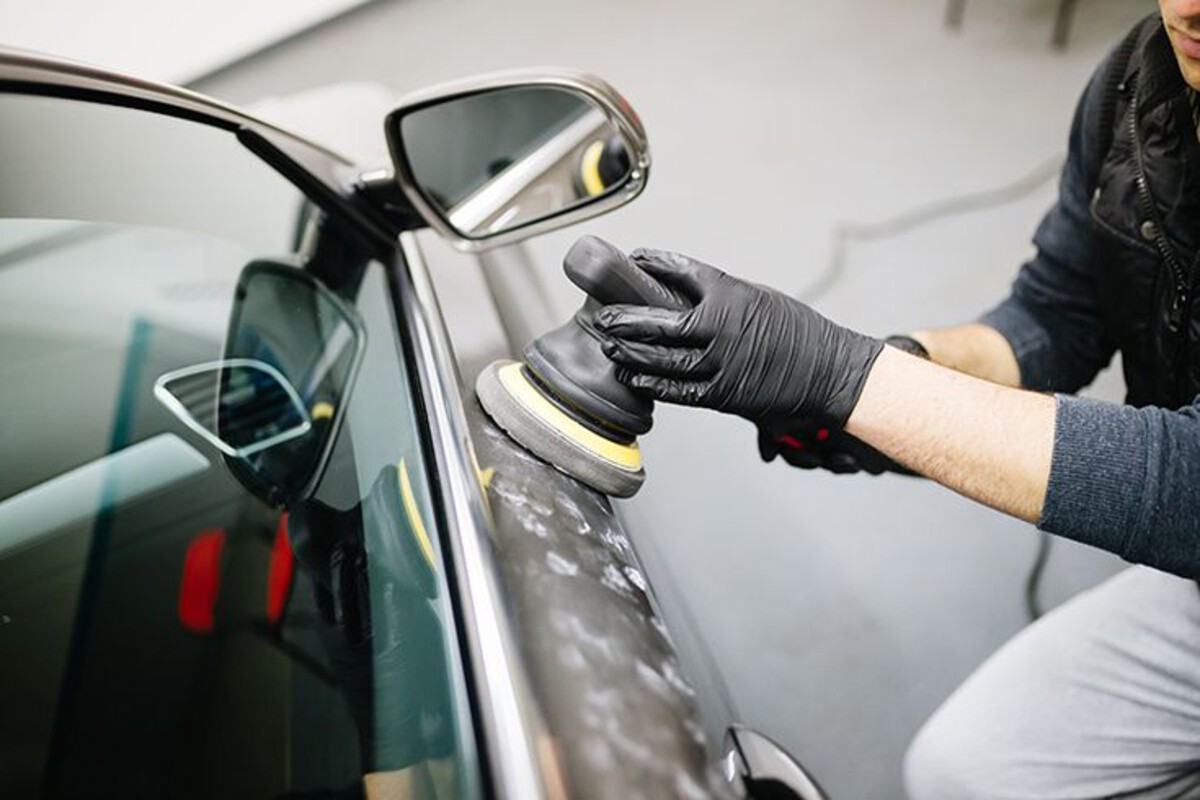
It’s easy to think of car washing as a cosmetic step, something done more for appearance than function. But regular cleaning is essential to preserving the exterior of your Toyota Corolla Cross. Dirt, bird droppings, tree sap, road salt, and pollutants from the air can gradually wear away at the clear coat and paint.
If left unattended, these substances don’t just make your car look dirty, they begin to corrode the surface and, over time, expose the metal underneath. Once the metal is unprotected, rust becomes a real threat, especially in areas with harsh winters or near coastal climates.
Washing your Corolla Cross at least once every two weeks is a good standard, and more often during winter or in dusty environments. Make sure to use a pH-balanced car shampoo and a soft cloth or sponge to avoid scratching the paint.
Automated car washes are convenient, but the harsh bristles and chemicals used at some locations may do more harm than good if the equipment isn’t well-maintained. A proper hand wash, although more time-consuming, provides the safest results for your paint.
Waxing your vehicle adds a crucial layer of protection that many drivers skip. A good coat of wax helps shield the paint from UV rays, acid rain, and road grime. It also makes future washes easier, since dirt and bugs won’t stick as easily to a waxed surface.
Depending on the product used, waxing should be done every three to six months. While it may seem like a minor step, this barrier can extend the life of your vehicle’s finish and prevent early rust spots from developing.
Beyond paint protection, regular cleaning also helps maintain the value of your vehicle. When the time comes to sell or trade in your Corolla Cross, a well-kept exterior makes a strong first impression.
Buyers will assume the rest of the vehicle has been taken care of with the same attention. Preventing cosmetic damage early means avoiding expensive bodywork later. Keeping your exterior in top shape ensures that your car looks good and stays structurally sound for the long haul.
6. Use Quality Fuel and Replace Filters on Time
The kind of fuel you put into your Toyota Corolla Cross directly affects how efficiently it runs. While it might be tempting to go for the cheapest gas available, lower-quality fuel can contain higher levels of detergents and additives that leave behind deposits.
Over time, these deposits can clog fuel injectors, reduce combustion efficiency, and lead to engine knocking. Toyota recommends using fuel with at least an 87-octane rating and from stations that meet Top Tier fuel standards for optimal performance and engine cleanliness.
Using high-quality fuel not only helps prevent buildup in the combustion chamber, but also improves long-term fuel economy. A cleaner engine burns fuel more efficiently, which translates into better mileage and smoother operation.
This difference might not be obvious in the short term, but it adds up significantly over several years of ownership. Sticking with reputable gas stations and occasionally adding a fuel system cleaner can help prevent carbon buildup and maintain consistent performance.
In addition to fuel quality, regular replacement of filters is key to a healthy fuel and air intake system. The fuel filter ensures that no debris or contaminants make their way into the engine. If it becomes clogged, fuel flow becomes restricted, which puts added stress on the fuel pump and can cause poor acceleration or stalling.
Similarly, the engine air filter is critical for maintaining the right mix of air and fuel during combustion. A dirty air filter reduces engine power and efficiency, and in severe cases, can cause the engine to run rich, wasting fuel and increasing emissions.
Toyota recommends checking the air filter at regular intervals, typically every 15,000 to 30,000 miles, depending on driving conditions. If you drive in dusty areas or stop-and-go traffic, you may need to replace it more often.
Cabin air filters, though not engine-related, also impact the comfort and quality of air inside your car and should be replaced on schedule. These small maintenance items might seem minor, but their combined impact on fuel economy, emissions, and engine wear is significant over the life of the vehicle.
7. Pay Attention to Warning Lights and Unusual Sounds
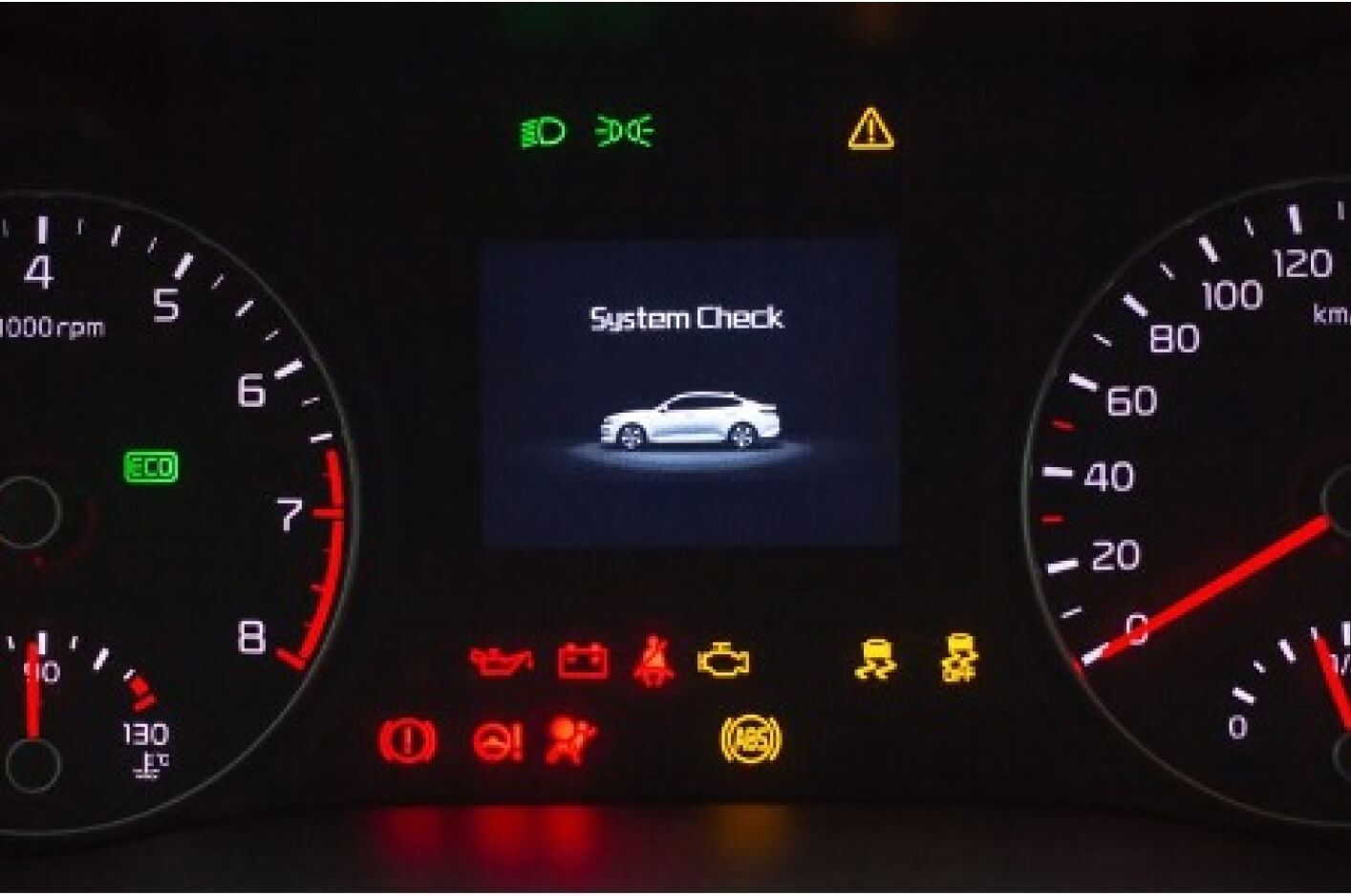
Your Toyota Corolla Cross is equipped with multiple sensors and systems designed to alert you when something isn’t right. Ignoring these warnings can be one of the fastest ways to shorten your vehicle’s lifespan.
The check engine light, ABS warning, tire pressure monitor, and other dashboard indicators are there for a reason. Even if the car seems to be running fine, continuing to drive with an active warning light can lead to more severe damage over time.
When a warning light comes on, it’s important to determine its cause as soon as possible. Some alerts, like low washer fluid or a loose gas cap, are minor and easy to fix. Others, like engine misfire codes or transmission warnings, require immediate attention.
If you’re unsure of the severity, most auto parts stores offer free diagnostic scans that can help identify the issue. Even if the light goes away on its own, the root cause might still need to be addressed.
Unusual sounds can also be early indicators of mechanical trouble. Squealing brakes, clunking suspension parts, whining belts, or a knocking engine sound should never be ignored. Vehicles often “talk” before a major failure occurs, and catching these signs early can prevent major repairs.
For example, a slight noise from the wheel well might be a worn bearing or a loose suspension component; if caught early, it’s a relatively easy fix. Left unresolved, it can lead to costly damage or even safety issues.
Another tip is to familiarize yourself with how your car normally behaves. When you understand what your Corolla Cross is supposed to sound, feel, and drive like, you’re more likely to notice when something’s off.
Many drivers wait until the vehicle stops functioning before taking action, but preventative attention can keep problems small. The earlier you respond to a warning sign, the less likely it is to result in expensive repairs or breakdowns that take your car off the road.

8. Store Your Vehicle Properly During Long Inactivity
Even a reliable car like the Corolla Cross needs proper attention when it’s not being driven regularly. If you plan to leave your vehicle unused for weeks or months, whether due to travel, seasonal changes, or working remotely, it’s essential to prepare it correctly.
Many car owners assume that just parking the car is enough, but inactivity can cause more harm than regular use if precautions aren’t taken.
The battery is often the first component to suffer. Batteries discharge slowly even when the car is turned off, and modern vehicles draw small amounts of power continuously to maintain system memory. If left unused for several weeks, a dead battery is likely.
Using a battery maintainer or disconnecting the battery altogether can help preserve it. If you’re parking the car in a garage, a trickle charger is the most reliable option. For outdoor parking, be sure to remove the battery if the area experiences extreme heat or cold.
Tire condition also becomes a concern during extended parking. Tires can develop flat spots when left in the same position for long periods. This is more common when the weather is cold or when tires are underinflated.
Inflating the tires to the upper limit of the recommended pressure before storing the car can help reduce this issue. If storing for several months, it might be worth placing the vehicle on jack stands to take the weight off the tires entirely, especially if it’s an older set.
Lastly, consider fuel, fluids, and pest prevention. Fuel stabilizer can be added to the tank to prevent the gasoline from breaking down and forming varnish deposits. Check and top off all fluids, coolant, brake, transmission, and washer fluid. Clean the car thoroughly inside and out to avoid attracting rodents or insects.
Covering the exhaust pipe and placing deterrents under the hood can further reduce the risk of pests nesting inside. By preparing your Corolla Cross properly for long-term storage, you avoid problems that could arise the next time you try to start it up.

9. Avoid Aggressive Driving and Heavy Loads
Your driving habits play a direct role in how long your Corolla Cross remains in good condition. Aggressive driving, characterized by rapid acceleration, hard braking, and sudden lane changes, puts unnecessary stress on the engine, transmission, suspension, and brakes.
While your vehicle is engineered to handle a variety of conditions, constant abuse through poor driving habits will wear components down faster and increase the risk of mechanical failure.
Rapid acceleration burns more fuel and causes the engine to work harder than necessary. Over time, this can lead to higher operating temperatures, increased engine wear, and reduced efficiency.
Likewise, hard braking wears down brake pads and rotors prematurely. Smooth acceleration and gradual stops not only improve fuel economy but also extend the life of the braking system. By driving gently, you reduce the wear on nearly every part of the vehicle.
Carrying excessive weight can also take a toll on your Corolla Cross. While it’s an SUV with decent cargo space, that doesn’t mean it’s meant to be overloaded. Exceeding the recommended weight limits stresses the engine, strains the suspension, reduces fuel efficiency, and increases stopping distances.
Roof racks and cargo boxes add wind resistance and weight, especially when driving at high speeds. If you’re going on a long trip, take time to pack smartly and only carry what’s necessary.
Driving with awareness and foresight, such as anticipating stops, keeping a steady speed, and avoiding unnecessary acceleration, doesn’t just improve your safety; it directly impacts your vehicle’s longevity.
Aggressive and careless driving might seem harmless day-to-day, but over time, it shortens the lifespan of your car. Treating your Corolla Cross with care while on the road ensures that its systems remain in top shape and last far beyond the standard mileage expectations.
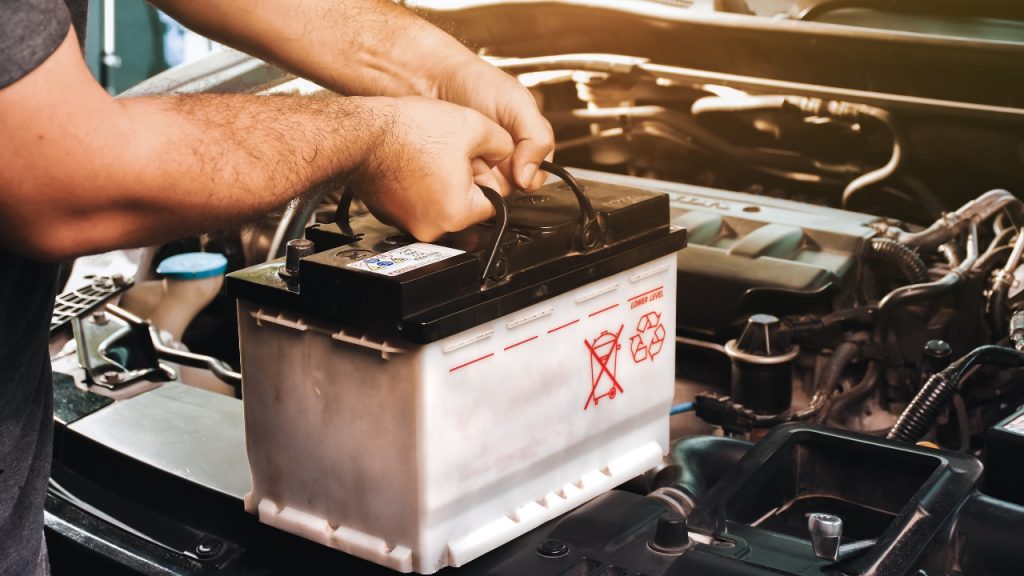
10. Keep the Battery and Electrical System in Good Shape
While many car owners focus on engine maintenance, the electrical system often doesn’t get the attention it deserves.
A failing battery or faulty electrical connection can leave you stranded without warning. In modern vehicles like the Corolla Cross, where almost every function depends on electronics, from fuel injection to stability control, a strong and stable electrical system is essential.
Start by checking your battery’s health at least once a year, especially after the second year of ownership. Most car batteries last between three to five years, but climate, driving habits, and how often the vehicle is started can all affect lifespan.
Look for signs of corrosion on terminals, low voltage during startups, or dimming lights. If you’re noticing slow engine cranks or electronics resetting, it could mean the battery is on its last legs.
It’s not just the battery that matters. Alternators, fuses, relays, and wiring all play key roles in the car’s electrical function. If you install aftermarket accessories like dash cams, LED lights, or audio upgrades, make sure they’re installed properly and don’t draw power when the car is off.
Poor installations can cause parasitic drains that wear out your battery and lead to confusing electrical issues. If in doubt, have a trusted mechanic do any electrical work.
Lastly, avoid jump-starting your vehicle unnecessarily or with incorrect tools. Jump-starts done improperly can damage sensitive electronics. If your battery dies often, investigate the root cause rather than relying on frequent jump-starts.
Keeping your Corolla Cross’s electrical system in good condition ensures reliable startups, stable power delivery, and full functionality of all vehicle systems. A well-maintained electrical system means fewer unexpected breakdowns and a longer-lasting vehicle.
Also Read: 7 Driving Habits That Destroy a Subaru Legacy Faster Than You Think
The Toyota Corolla Cross is built with the durability and reliability that drivers have come to expect from the Toyota brand. But even the most well-engineered vehicle requires care, attention, and consistent maintenance to achieve its full potential.
By following the ten tricks outlined in this article, you can significantly extend the lifespan of your Corolla Cross and avoid many of the common issues that shorten a vehicle’s road life.
None of these habits requires advanced mechanical skills or excessive spending. Instead, they rely on awareness, routine, and a willingness to take care of their investment. Regular oil changes, tire rotations, proper storage, and smooth driving aren’t just basic maintenance tasks; they’re smart strategies that protect your car’s key systems.
Paying attention to how the vehicle feels and sounds, staying on top of fluid levels, and responding to warning lights early can prevent small problems from becoming major repairs.
It’s also worth remembering that how you treat your car daily has a long-term impact. Simple actions like washing the exterior, checking tire pressure, and using quality fuel all play a part in keeping the vehicle running smoothly. Taking the time to do these things shows in the car’s performance, fuel economy, and resale value down the road.
The goal isn’t just to keep the Corolla Cross running, but to keep it running well, for as long as possible. With a bit of consistent care and good driving habits, reaching 200,000 miles or more is entirely within reach.
Whether you plan to keep your car for a few years or well over a decade, applying these tricks will give you the best chance of getting the most out of every mile.
