
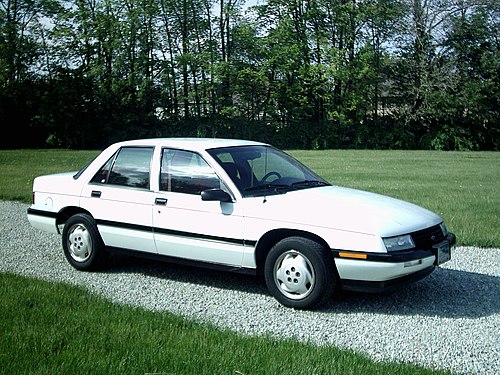
The Chevy Corsica was introduced in the late 1980s and quickly became a practical, affordable choice for drivers looking for a dependable sedan. Even now, decades after production ended, many Corsicas are still on the road, a testament to their solid engineering and straightforward design.
Maintaining a car for over twenty years requires a mix of regular care, smart upgrades, and knowing where to focus your efforts. For owners of the Chevy Corsica, understanding which parts and systems need the most attention is key to keeping these vehicles running smoothly and avoiding costly repairs.
Unlike some modern vehicles filled with complex electronics and systems, the Corsica benefits from simplicity. This simplicity makes it easier for owners to perform many repairs and maintenance tasks themselves, saving money and time. However, age does catch up with all cars, so taking preventive measures is essential.
The good news is that with a strategic approach, even Corsicas that are more than two decades old can continue to deliver reliable performance. This includes addressing wear on mechanical parts, staying on top of fluid changes, and making some thoughtful updates.
The following tricks focus on practical, proven methods that help extend the life of a Chevy Corsica. These tips are based on common issues reported by owners, mechanical insights into the vehicle’s design, and general principles of car care for older models.
They emphasize maintenance and repair techniques that are accessible to most owners, whether you’re a seasoned DIYer or someone who prefers to take your car to a trusted mechanic. Keeping Corsica reliable is not just about fixing things when they break, but about proactive steps that keep problems from starting in the first place.
As you read through these tricks, you’ll find advice on everything from engine upkeep and cooling system care to suspension and electrical system checks. Each one is designed to address areas where the Chevy Corsica is known to develop trouble or simply to prevent deterioration that naturally occurs over time.
Whether you use your Corsica as a daily driver, a weekend cruiser, or a backup car, these strategies will help ensure it remains a trustworthy vehicle long after its production ended. Maintaining a 20+ year-old car takes commitment, but the Chevy Corsica rewards owners who invest that care with dependable service and a strong connection to a vehicle that has earned its place in automotive history.
Also Read: 10 Pro Tips That Keep a Chevy HHR Reliable for Daily Driving
1. Keep the Cooling System in Top Shape
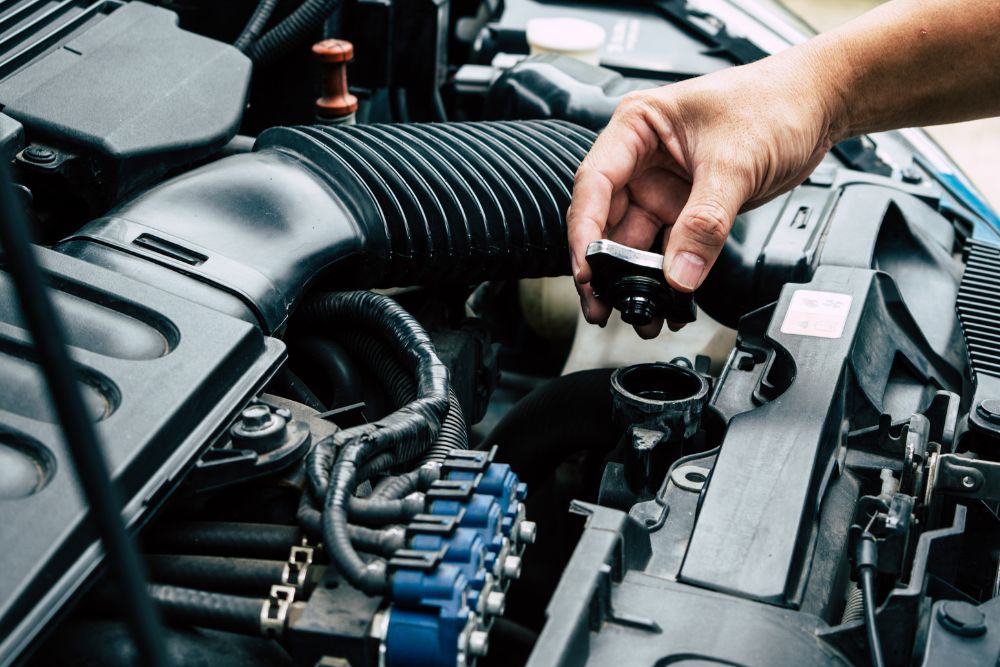
The cooling system of the Chevy Corsica is crucial for engine health, especially as the car ages. Over 20 years, the radiator, water pump, hoses, and thermostat all endure a lot of stress, and any failure can lead to overheating, a problem that causes major engine damage if not addressed promptly. Regular checks and replacements of cooling components are essential to avoid breakdowns.
One of the most important steps is to flush the cooling system every couple of years. This helps remove rust, scale, and other contaminants that build up inside the radiator and hoses, restricting flow and reducing cooling efficiency. Along with the flush, replacing the coolant with the right mix of antifreeze and water keeps the system balanced for all seasons. Using the proper coolant is particularly important because Corsica’s engine materials need protection against corrosion.
The thermostat plays a key role in regulating engine temperature by controlling coolant flow. A faulty thermostat can cause the engine to run too hot or too cold, both of which negatively affect performance and fuel efficiency. Replacing the thermostat proactively every 5 to 7 years is a good idea to maintain proper temperature control.
Hoses and clamps should be inspected regularly for signs of cracking, bulging, or leaks. Old rubber hoses degrade over time and can suddenly fail, leading to rapid coolant loss. Replacing these hoses before they fail can prevent unexpected roadside emergencies.
The water pump, which circulates coolant through the engine, also wears out and may need replacement after many years, often recommended every 80,000 to 100,000 miles, or sooner if leaking or noisy.
2. Regular Oil Changes with Quality Oil
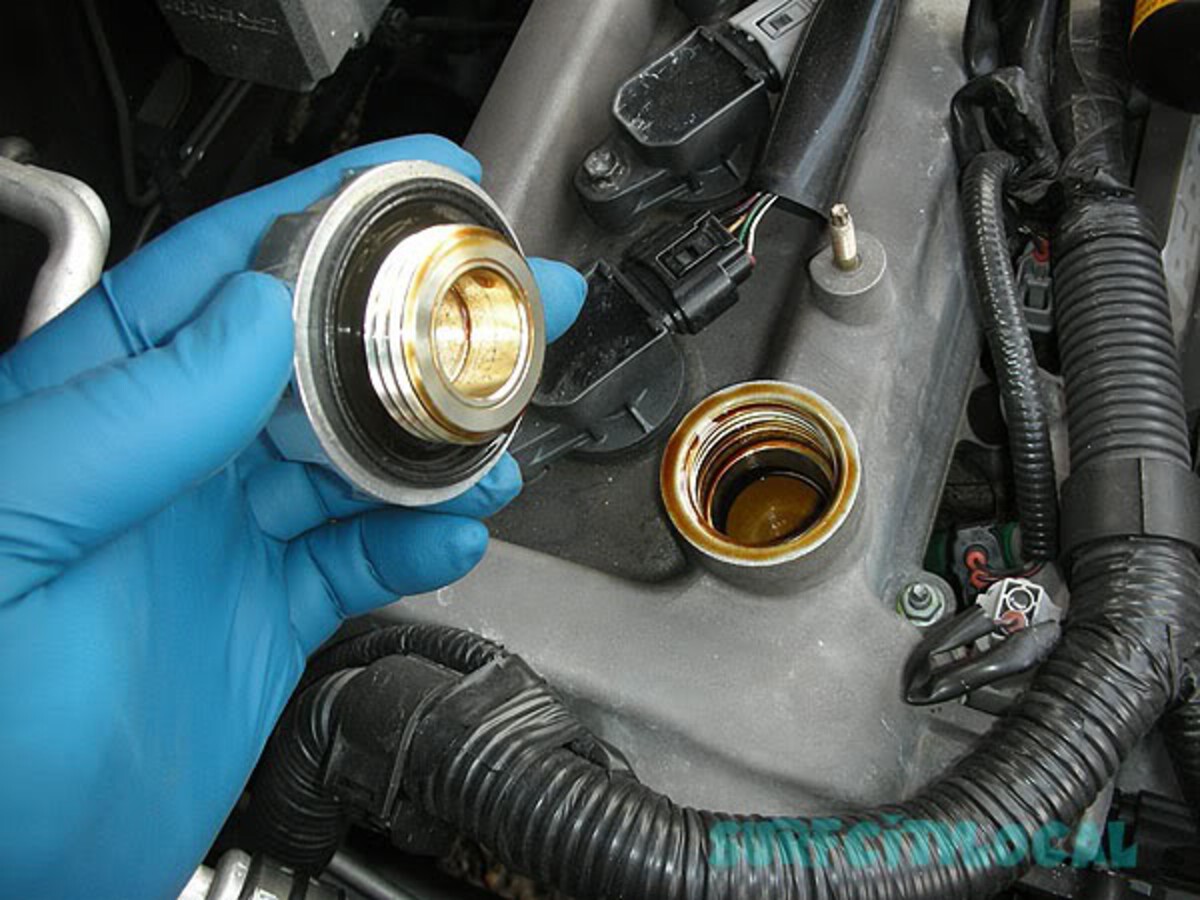
The engine oil is the lifeblood of the Chevy Corsica’s motor, and maintaining proper oil quality and levels is one of the simplest yet most effective ways to keep it running reliably after 20 years. Over time, oil breaks down and becomes contaminated with dirt, metal particles, and combustion byproducts, reducing its ability to lubricate and protect engine parts.
Regular oil changes at intervals recommended in the owner’s manual are vital, but for an older car like the Corsica, more frequent oil changes may be beneficial. Changing the oil every 3,000 to 5,000 miles using a high-quality oil suited for older engines ensures better protection against wear and sludge buildup. Older engines often benefit from oils with higher viscosity grades or those specially formulated to reduce leaks and consume less oil.
In addition to oil changes, replacing the oil filter each time helps remove contaminants before they can circulate through the engine. Using filters designed for Corsica’s engine can improve filtration efficiency and reduce wear. Paying attention to oil leaks and oil consumption is also important, as seals and gaskets wear out with age and can cause gradual oil loss that leads to engine damage if not monitored.
Finally, checking the oil level regularly between changes can alert owners to problems early on. Low oil levels often signal leaks or burning oil issues. Keeping the oil topped off and changing it regularly reduces friction, prevents overheating inside the engine, and extends the life of internal components such as bearings, pistons, and camshafts.
3. Maintain the Suspension and Steering Components
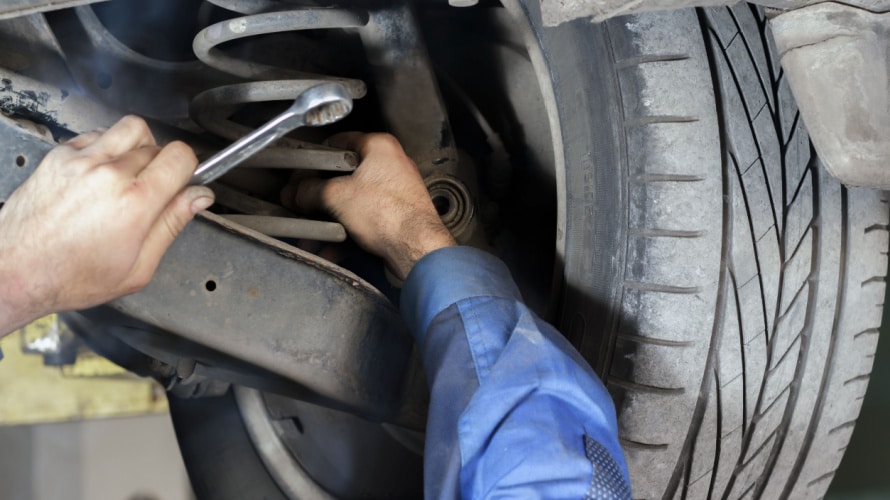
The suspension and steering system of the Chevy Corsica is essential for safe handling, ride comfort, and tire longevity. After 20 years, many of these components face wear and tear that can affect driving stability and safety. Staying on top of suspension maintenance not only improves the driving experience but also prevents further damage to the vehicle.
Key parts such as shocks and struts wear out gradually and lose their ability to absorb bumps and keep the tires in contact with the road. Replacing worn shocks and struts restores ride quality and prevents excessive tire wear and damage to other suspension parts. For a Corsica that has seen a lot of miles or rough roads, changing these every 50,000 to 70,000 miles is advisable.
Ball joints, tie rods, control arm bushings, and sway bar links also wear out over time. When these components become loose or damaged, steering precision suffers and the vehicle may develop alignment problems. Regular inspections, especially if you notice unusual noises, vibrations, or pulling to one side, can identify worn parts before they cause safety concerns.
Proper wheel alignment and balancing after suspension repairs or tire changes help maintain tire life and improve fuel efficiency. Checking tire pressure regularly is another simple way to extend tire life and ensure safe handling. Keeping these parts in good shape prevents uneven tire wear, reduces steering play, and maintains the stable handling characteristics that made the Corsica popular.
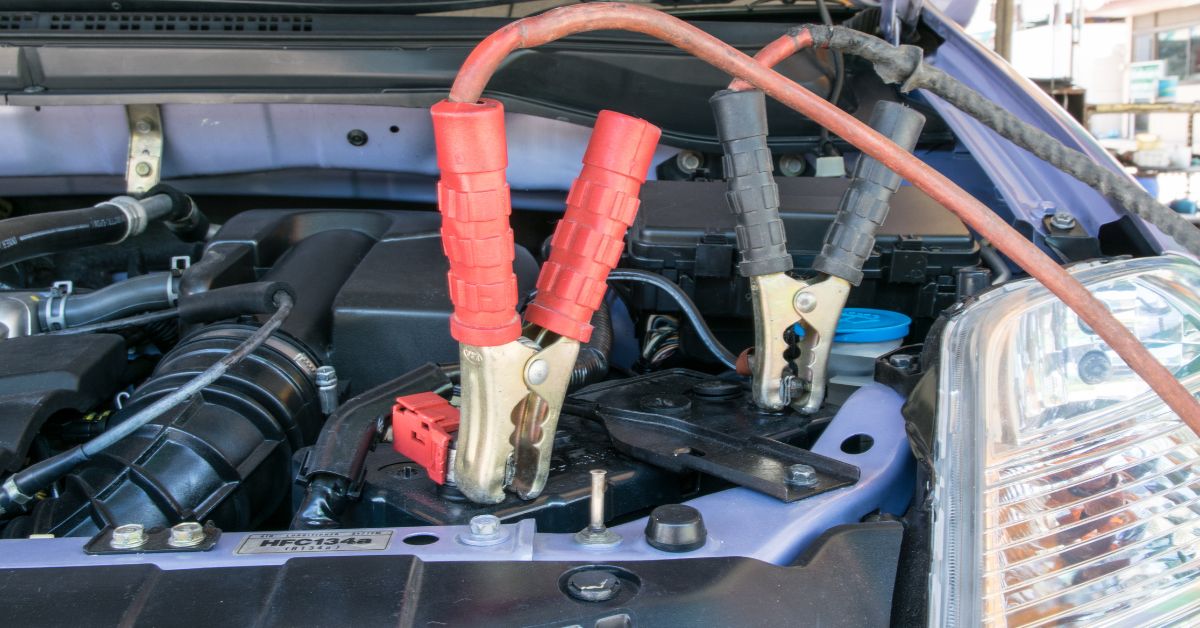
4. Electrical System Care and Battery Maintenance
The Chevy Corsica, while simpler than modern cars, still relies on a reliable electrical system to function properly. Over time, wiring connections corrode, switches wear out, and batteries lose their ability to hold a charge. Taking care of the electrical system is crucial to avoid frustrating breakdowns and ensure consistent starting and operation.
One of the most common issues in older Corsicas is corrosion on battery terminals and cables. Corrosion restricts the flow of electricity and can cause starting problems or electrical component failures. Cleaning terminals regularly and applying a protective spray or grease prevents corrosion buildup. Replacing old cables if they show signs of cracking or damage ensures good electrical conductivity.
The battery itself typically needs replacement every 3 to 5 years, but in an older car, frequent testing is recommended. Using a battery tester or having the battery load tested at a shop can prevent unexpected failures. Choosing a high-quality battery with proper cold cranking amps for your region’s climate improves reliability, especially in cold weather.
Electrical components such as alternators and starter motors also wear with age. A failing alternator can cause dimming lights or a dead battery, while a worn starter can make the engine hard to start. Having these parts checked during regular service intervals and replacing them when needed keeps the Corsica running smoothly. Inspecting fuses and relays, which can degrade or blow over time, is another important step to maintain electrical system health.

5. Replace and Maintain the Timing Belt or Chain
The timing belt or chain is a critical component in the Chevy Corsica’s engine that ensures the synchronization of the camshaft and crankshaft. This synchronization is essential for the engine’s valves to open and close at the right times during the combustion cycle.
Over time, this component experiences wear and stretching, and if it fails, it can lead to catastrophic engine damage. For a car that is over 20 years old, understanding and maintaining the timing mechanism is one of the most important steps in prolonging engine life.
The Chevy Corsica typically uses a timing chain rather than a belt, which tends to last longer but still requires regular inspection. Unlike timing belts that often have recommended replacement intervals, timing chains rely heavily on proper lubrication and tension.
Over years of use, the chain can stretch, and the tensioner or guides may wear out, causing noise and imprecise timing. If ignored, this can lead to poor engine performance, increased emissions, and eventual mechanical failure. Many owners find that replacing the timing chain tensioner and guides around the 150,000-mile mark helps prevent unexpected problems.
Proper oil changes also play a significant role in timing chain health since the chain relies on clean oil for lubrication. Neglecting oil changes or using the wrong type of oil can accelerate chain and sprocket wear.
If you notice rattling noises from the front of the engine or irregular engine timing symptoms like misfires or rough idling, it’s a sign the timing chain or related components may need inspection or replacement. Addressing these issues early can avoid costly engine repairs or replacements down the line.
Because replacing timing chain components can be labor-intensive, many Corsica owners choose to combine this service with other major maintenance tasks, such as water pump or accessory belt replacements. Finding a mechanic familiar with older Chevy engines or tackling this job yourself, if you have the skills, can ensure the timing system continues to operate reliably and keeps the engine running smoothly for many more years.

6. Upgrade or Maintain the Fuel System
The fuel system in a Chevy Corsica plays a fundamental role in delivering clean, pressurized fuel to the engine for combustion. Over the years, components like the fuel pump, fuel filter, injectors, and fuel lines face wear, clogging, or corrosion, which can negatively impact engine performance, fuel economy, and reliability. After two decades, a careful focus on the fuel system can prevent many common problems that cause stalling, rough idling, or hesitation during acceleration.
One of the first places to start is the fuel filter. This part traps dirt and debris before the fuel reaches the engine, protecting the injectors and combustion chambers.
Replacing the fuel filter regularly, approximately every 30,000 miles or sooner if performance issues arise, keeps the fuel flowing cleanly. A clogged fuel filter puts strain on the fuel pump and can cause a lean fuel condition that affects drivability.
The fuel pump itself, often located inside the fuel tank on the Corsica, is another part that tends to wear out with age. Symptoms of a failing pump include difficulty starting, loss of power under load, and inconsistent engine operation.
Since replacing the fuel pump involves removing the fuel tank, it’s a task best handled promptly when issues begin to surface. Installing a high-quality replacement pump can restore fuel pressure and improve engine responsiveness.
Fuel injectors, while designed to last long, can become dirty or clogged over time, especially if fuel quality has been inconsistent. Using fuel injector cleaner additives occasionally or having the injectors professionally cleaned can help maintain proper spray patterns and combustion efficiency.
Checking for leaks or cracked fuel lines is also important because degraded fuel lines can lead to dangerous fuel leaks and fire hazards. Regular fuel system maintenance not only helps the engine run better but also supports better emissions control and vehicle reliability.
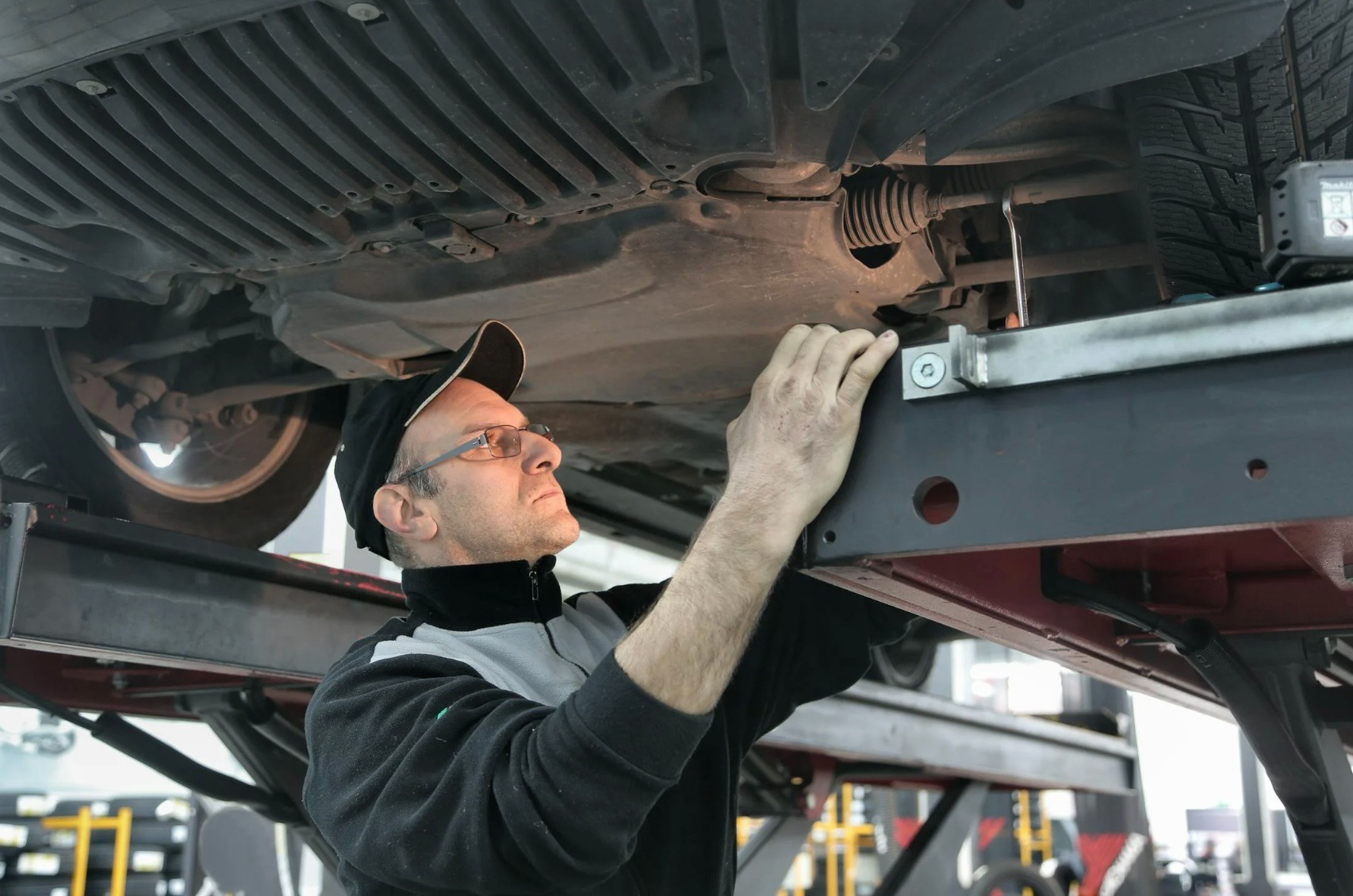
7. Monitor and Replace Brake Components Regularly
Safety is paramount, and one of the most crucial areas to keep the Chevy Corsica reliable after 20 years is the braking system. Brakes wear with use, and components such as pads, rotors, calipers, brake lines, and fluid degrade over time. Maintaining this system not only ensures your safety but also prevents damage to other parts and keeps your vehicle roadworthy.
Brake pads are the most frequently replaced item in the brake system. Worn pads reduce stopping power and can cause damage to rotors if left unattended. It’s important to inspect brake pads regularly and replace them when the thickness falls below the manufacturer’s minimum specification.
Using quality brake pads designed for your Corsica ensures consistent performance and minimizes dust and noise. Alongside pad replacement, rotors should be inspected for wear, warping, or grooves. Resurfacing or replacing rotors can restore smooth braking and prevent vibration or pulsation felt through the brake pedal.
Brake calipers, which apply pressure to the pads, can seize or leak as they age. A stuck caliper causes uneven brake wear and can lead to overheating and reduced brake effectiveness. Periodically checking caliper function and replacing or rebuilding them when necessary maintains even braking force across all wheels.
Brake lines, especially the rubber hoses, should be examined for cracks or leaks since failure in the lines could cause complete brake loss.
Brake fluid is hygroscopic, meaning it absorbs moisture over time, which lowers its boiling point and reduces braking effectiveness, especially under heavy use. Flushing and replacing brake fluid every two years is a wise practice to maintain hydraulic integrity.
This service helps prevent corrosion inside the brake system and keeps the brake pedal feel firm and responsive. Taking care of the entire braking system ensures your Chevy Corsica remains safe and reliable, which is especially important when the car is older and other components may be nearing the end of their lifespan.
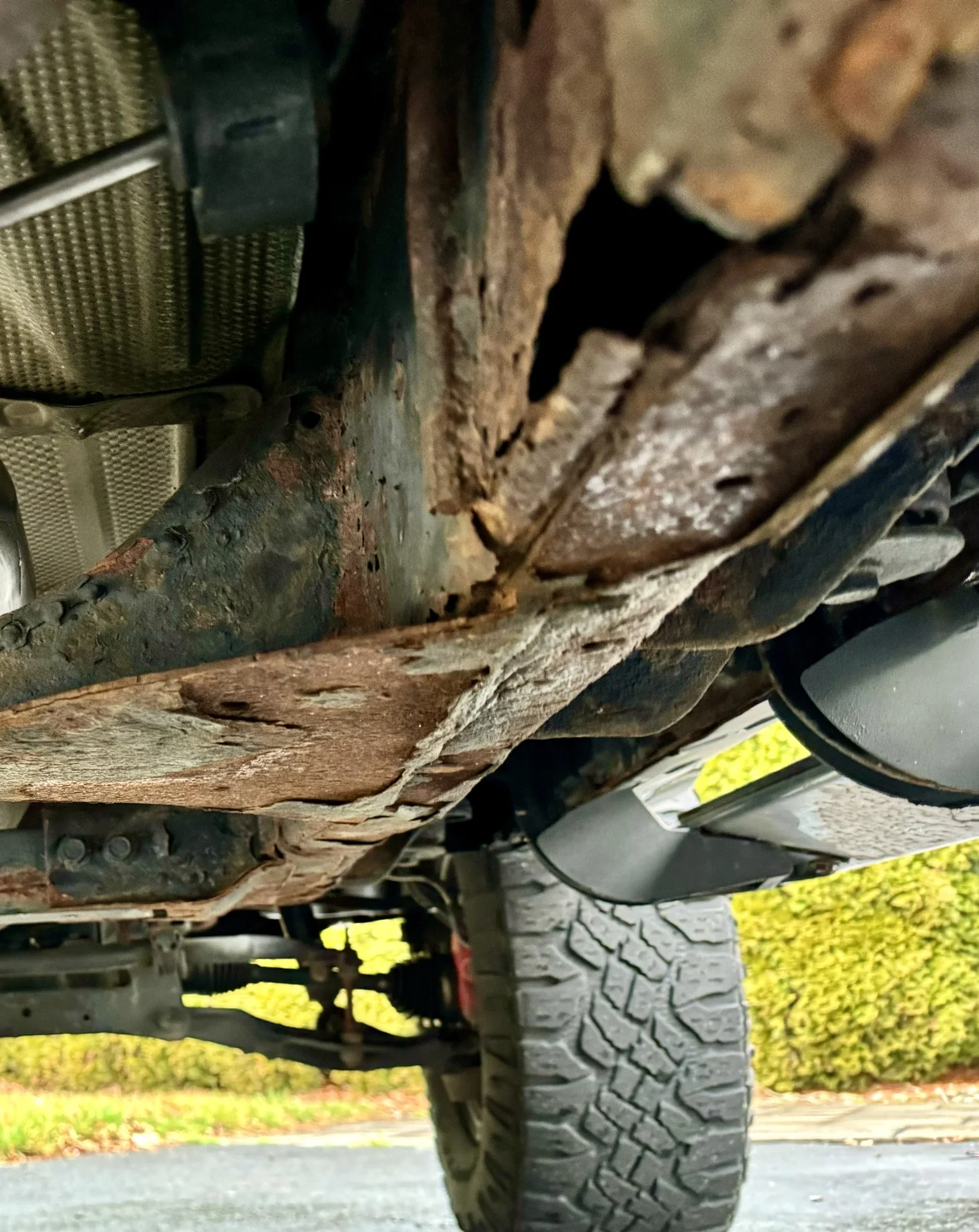
8. Protect the Body and Undercarriage from Rust
One of the biggest threats to any older vehicle, especially those driven in colder or coastal regions, is rust. The Chevy Corsica, like many cars of its era, has relatively simple body construction and less corrosion protection than newer vehicles.
Once rust takes hold, especially in structural areas, it can be difficult or even impossible to repair affordably. That’s why preventing rust before it starts is one of the most effective long-term strategies to maintain reliability and safety.
Start by washing the car regularly, especially after exposure to road salt, rain, or mud. Salt and moisture tend to collect in the wheel wells, under the rocker panels, and around suspension mounting points. Regular washing with a focus on the undercarriage helps remove these corrosive materials before they can do damage. Using a pressure washer, or visiting a car wash that includes underbody cleaning goes a long way in keeping rust from forming in hidden areas.
Applying a rust prevention treatment, such as undercoating or oil-based rust inhibitors, offers another layer of protection. These products help repel moisture and block salt and dirt from settling into the seams of the chassis and bodywork.
For Corsicas in already dry climates, occasional spot treatment may be enough, but for those in harsher environments, an annual application of rust inhibitor is a wise investment. It’s particularly important to apply these treatments inside doors, fender wells, and trunk seams where water can pool unnoticed.
Inspecting common rust-prone areas should also become part of regular maintenance. These include the bottoms of the doors, around the windshield and rear glass seals, the trunk floor, suspension mounting points, and the edges of the floor pans.
Catching surface rust early means you can sand it down, apply rust converter, and repaint it before it becomes a major issue. Preventing rust isn’t just cosmetic; when rust starts to affect the frame or structural parts of the car, safety and performance are compromised, and the car becomes much harder to repair or even legally drive.
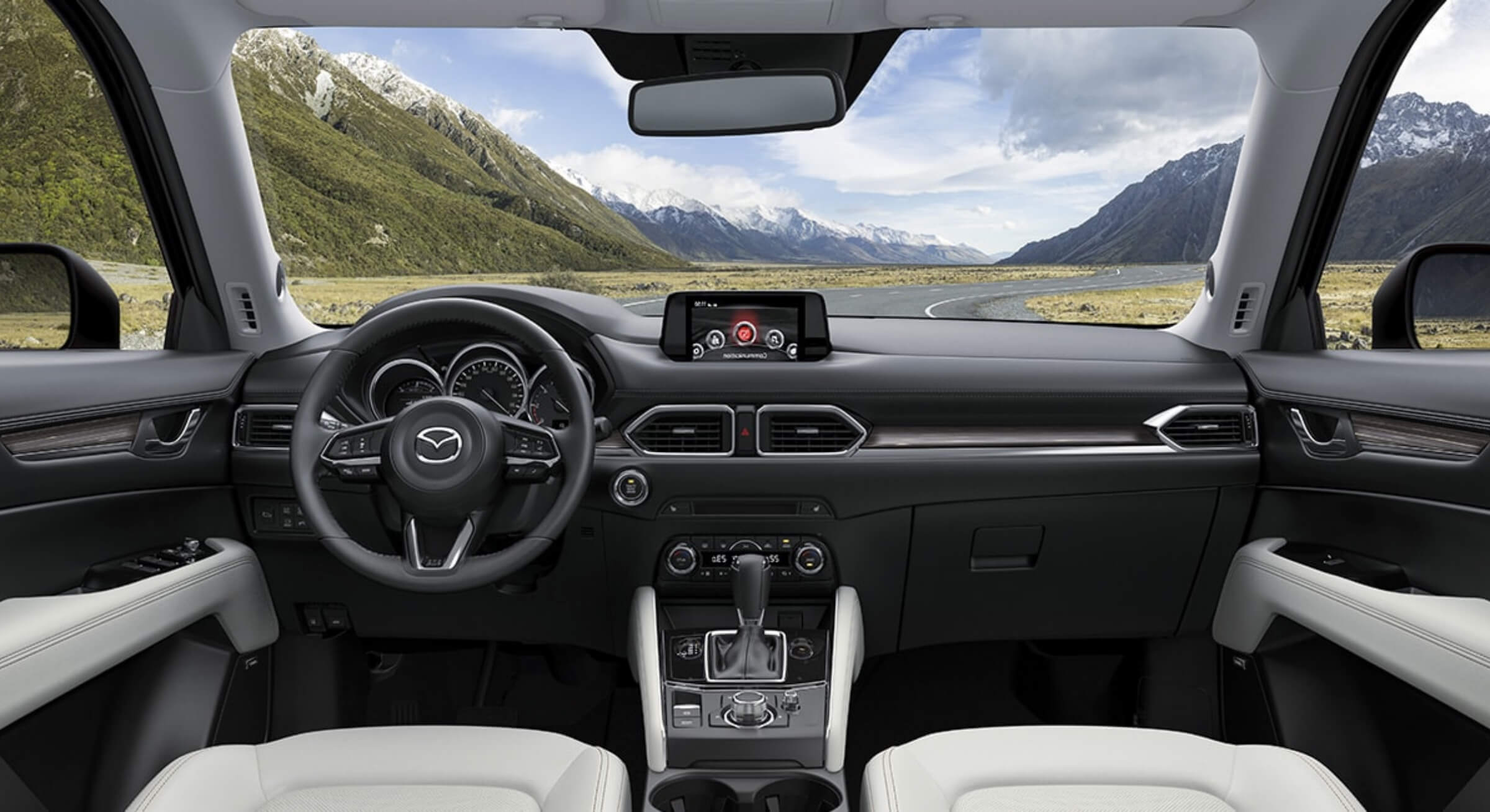
9. Keep Interior Components Functional and Preserved
While engine and suspension parts often get most of the attention, the interior of a 20-year-old car deserves just as much care. Interior wear may not stop the car from running, but it directly affects your driving experience, comfort, and even your ability to use critical systems like HVAC, gauges, and switches. On a car like the Corsica, which was never built as a luxury vehicle, preserving what’s there becomes even more important over time.
Start by protecting the dashboard and upholstery from sun damage, which can cause cracking, fading, and drying of materials. Using a windshield sunshade when parked and applying a UV protectant to vinyl and plastic surfaces helps keep the interior looking decent even after years of exposure.
Cloth seats are prone to staining and deterioration over time, so using seat covers not only protects the fabric but also enhances comfort. For cars with sagging headliners or worn carpets, replacing or repairing these areas adds value and makes the vehicle feel much more pleasant inside.
Electrical switches, window motors, and HVAC controls are other areas that tend to break down with age. On Corsica, power window switches and blower motors are known weak points that can fail after years of use. Lubricating window tracks and using the switches regularly helps prevent them from seizing up.
If interior electronics fail, replacing them with salvage yard parts or aftermarket replacements keeps things working without breaking the budget. Keeping these systems functional ensures good ventilation, window control, and visibility, things that are essential for safe and comfortable driving.
Lastly, don’t overlook the gauges and warning lights on the dashboard. If the speedometer, fuel gauge, or check engine light is acting erratically, it may be a sign of failing sensors or a worn-out instrument cluster. Diagnosing and fixing these issues helps you keep a better track of vehicle health.
Even replacing faded instrument lighting can make night driving more comfortable. A well-preserved interior doesn’t just make the car feel newer, it also contributes to the sense of control and confidence when driving a vehicle that’s older than many of today’s new drivers.
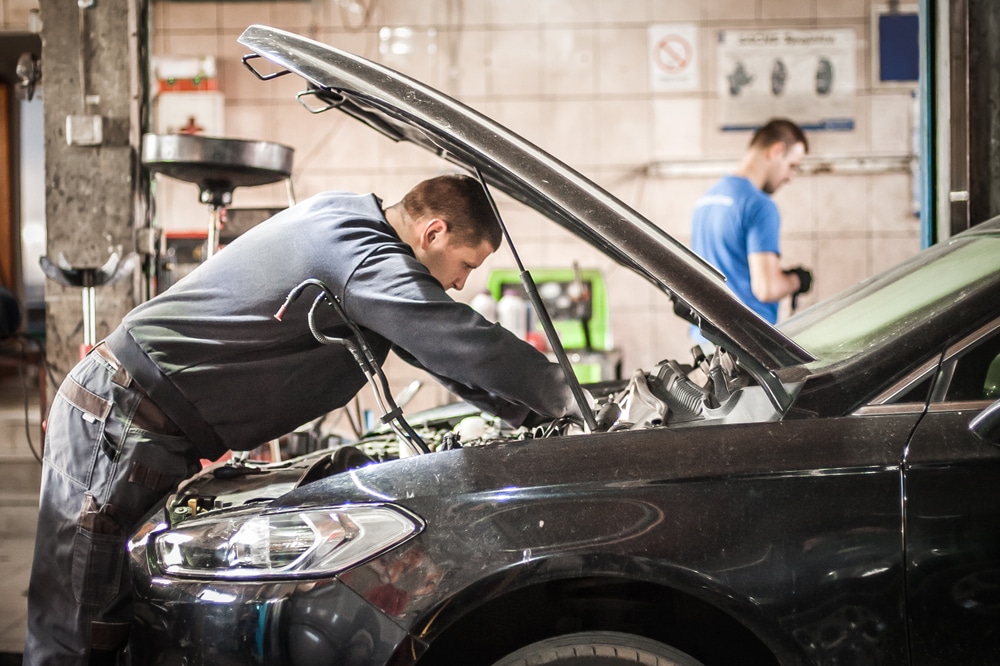
10. Stick to a Routine Inspection and Maintenance Schedule
Consistency is the backbone of reliability, especially with an aging vehicle like the Chevy Corsica. Skipping checks or letting small problems grow can turn minor issues into major repairs.
By creating and sticking to a routine maintenance schedule, owners can stay ahead of problems and keep the car dependable, even after decades of use. Routine doesn’t mean complicated; it means intentional attention to systems at regular intervals based on mileage, time, or seasonal change.
A good starting point is building a simple checklist of monthly, quarterly, and annual maintenance tasks. Monthly checks might include tire pressure, fluid levels (oil, coolant, transmission, brake), and a quick look under the hood for any leaks or loose parts.
Every few months, deeper inspections can be performed, such as checking battery terminals, testing lights, cleaning filters, and listening for unusual sounds during driving. Making these checks part of your routine makes it easier to notice when something’s off.
Seasonal maintenance, especially before winter or summer, helps prepare the Corsica for temperature extremes. In colder regions, this means inspecting the heater system, battery strength, and antifreeze levels, while in warmer climates, checking the cooling system, air conditioning, and tire condition becomes the priority.
Changing wiper blades, checking belts for cracks, and examining the exhaust system for rust or leaks should also be included in the seasonal checklist. Planning this work out on a calendar or setting reminders can make it easier to keep up with, even for busy owners.
Keeping a maintenance log is another useful habit. Writing down when parts were replaced, what fluids were used, and what repairs were done provides a clear record that can help diagnose future problems and guide future maintenance decisions.
This log also becomes valuable if you decide to sell the vehicle one day, showing potential buyers that the car has been well cared for. More than anything, sticking to a routine proves that even a modest car like the Corsica, with age and mileage behind it, can remain consistent and ready for use when treated with methodical attention and mechanical respect.
Also Read: 10 Pro Tips That Keep a Chevy HHR Reliable for Daily Driving
Keeping a Chevy Corsica reliable after two decades is not just about luck or buying the right parts; it’s about persistence, attention to detail, and making smart choices year after year. While some might see an older vehicle as a burden, Corsica owners who maintain their cars properly often find the opposite to be true.
These cars offer a balance of simplicity, ease of repair, and mechanical dependability that makes them more than capable of lasting far beyond what many people expect. What makes the difference is how well the car is cared for and whether problems are prevented rather than ignored.
The tricks outlined, from regular oil changes and cooling system maintenance to rust prevention and interior care, are all part of a long-term plan that extends the vehicle’s usefulness and reduces the risk of major breakdowns.
None of these steps on their own can guarantee reliability, but together, they form a complete approach that covers all major systems and problem areas. Many Corsicas still on the road today owe their longevity to owners who consistently applied these habits and made it a point to learn their car’s needs over time.
Reliability in an older car isn’t about perfection; it’s about stability. It’s about knowing your vehicle and addressing issues before they get serious. For a Chevy Corsica, this approach works especially well because of the vehicle’s straightforward design and availability of parts. Whether it’s your daily commuter or your weekend backup, keeping a Corsica going after 20 years is entirely possible with the right mindset and care.
At the end of the day, it’s not just about preserving a car; it’s about making the most out of something that has already proven its value. With patience and effort, your Corsica can continue to serve reliably well beyond expectations.
