
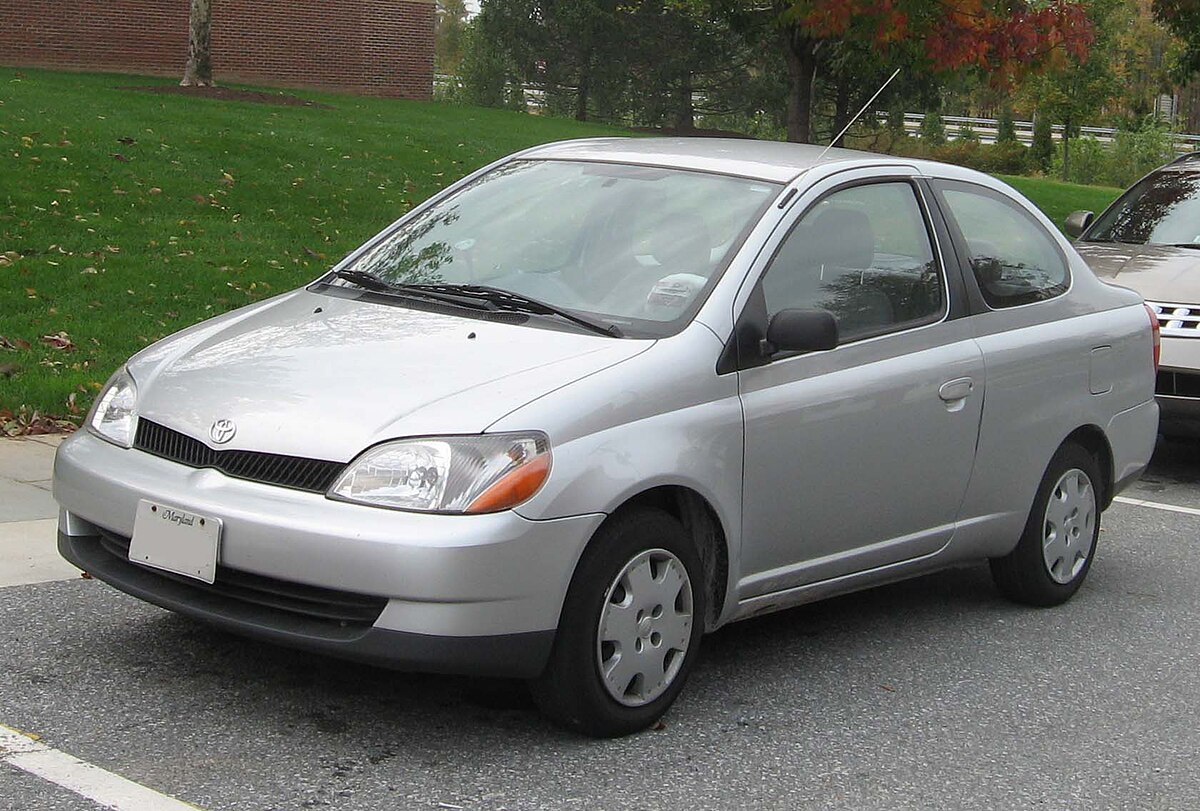
The Toyota Echo has built a reputation for being one of the most reliable and fuel-efficient subcompact cars ever produced. Known for its simplicity, affordability, and low-cost maintenance, many owners have found themselves pleasantly surprised by how far this little car can go.
With the right approach and consistent attention to detail, a Toyota Echo can not only reach 200,000 miles but also continue running reliably well past that milestone. Longevity, however, does not happen by accident. It is the result of careful driving habits, timely maintenance, and a deep understanding of what makes the Echo tick.
This car’s compact frame and minimalist design make it easy to work on and forgiving of minor wear and tear. While not the flashiest vehicle on the road, the Echo’s true value lies in its dependability. Unlike some newer cars packed with sensitive electronics and finicky components, the Echo sticks to the basics.
That’s why many owners with a mechanical mindset or a habit of keeping records have been able to stretch its lifespan for decades. But even those who are not mechanically inclined can still adopt a set of practices that contribute to the car’s long-term health.
The following ten hacks are more than just tips; they’re strategies developed from the experience of long-term Echo drivers and knowledgeable mechanics. These are the kinds of things that aren’t always found in an owner’s manual, but they make all the difference when you want your car to outlive expectations.
From oil habits to driving style, every point on this list focuses on helping the Echo perform reliably without breaking the bank. No advanced tools or technical expertise are required, just consistency, awareness, and a little patience.
If you own a Toyota Echo or plan on buying one, think of this article as your manual for the long haul. Whether your odometer reads 50,000 or 180,000 miles, these hacks can extend your Echo’s useful life significantly. A few extra steps here and there can mean the difference between junkyard retirement and another 100,000 miles of smooth driving.
Also Read: 10 Pro Tips That Keep a Chevy HHR Reliable for Daily Driving

1. Stick to a 3,000–5,000 Mile Oil Change Routine
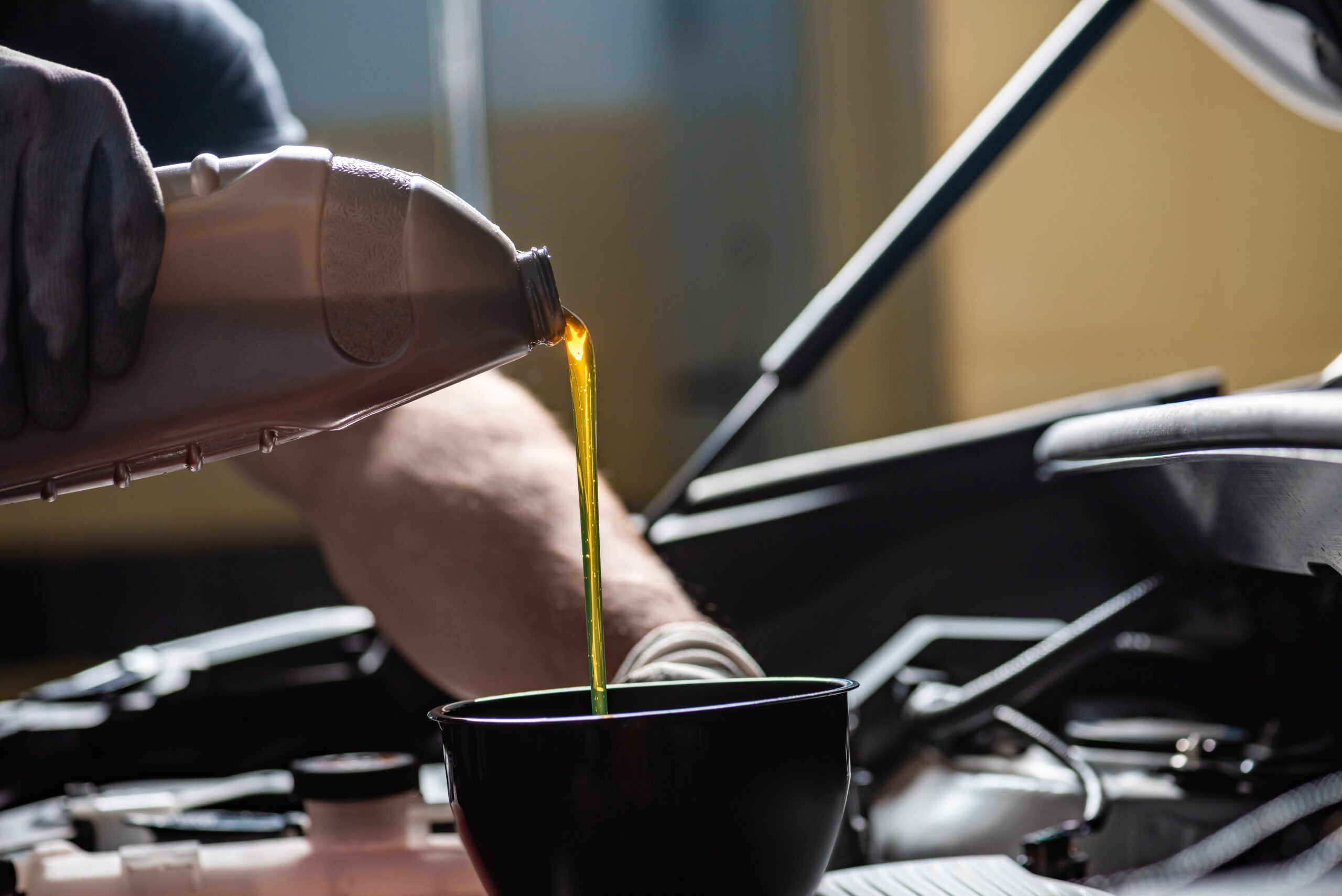
Regular oil changes are arguably the most important maintenance task for any car, and for the Toyota Echo, it’s absolutely critical. While some newer synthetic oils claim they can last up to 10,000 miles, the Echo benefits from a more conservative schedule.
Every 3,000 to 5,000 miles is a safe bet, especially if the car is used in dusty conditions, frequent stop-and-go traffic, or long highway drives. Keeping the oil fresh ensures that the engine components are always well-lubricated, reducing friction and preventing unnecessary wear.
Owners who have reached well past the 200,000-mile mark often swear by using high-mileage oils once the vehicle passes 150,000 miles.
These oils are specially formulated with additives that help reduce oil burn-off and prevent minor leaks, which become more common as engine seals age. Sticking to a routine and using the right type of oil not only protects the engine but also keeps things running smoothly in terms of fuel economy and throttle response.
It’s also important to be consistent with oil filter changes. A clean filter prevents contaminants from circulating back into the engine, which could otherwise degrade performance over time. Many owners opt to change both oil and filter together, which makes sense considering how inexpensive filters are. Even if the oil still looks clean, a clogged or old filter can sabotage your efforts to keep the car in great shape.
Another often-overlooked tip is to check oil levels between changes. Especially with older engines, slight oil consumption is common. If you’re not topping off regularly, the oil level might dip too low before the next scheduled change, leading to engine stress. Making a habit of checking the dipstick every couple of weeks is a simple way to prevent avoidable problems and keep your Echo’s engine happy for the long haul.
2. Flush the Coolant Every 2–3 Years
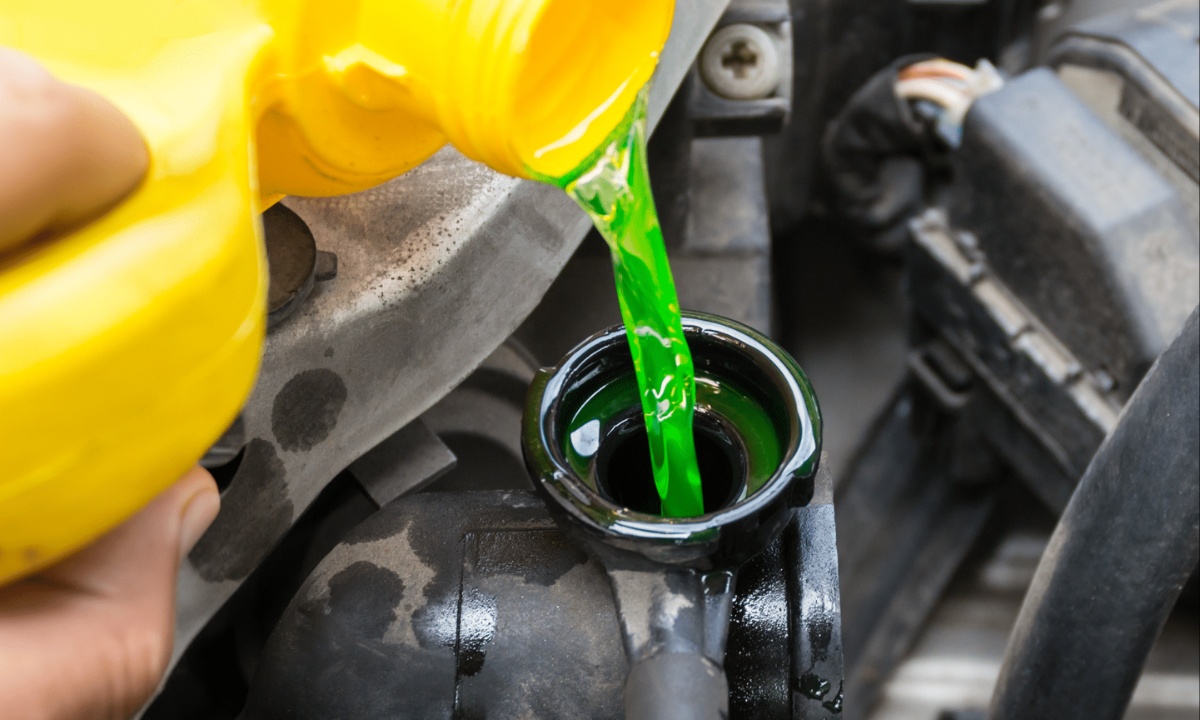
The Echo’s cooling system plays a key role in keeping the engine temperature stable and preventing overheating. Over time, coolant breaks down and loses its effectiveness, which can lead to scale buildup, corrosion, or even internal rust in your radiator and water pump. That’s why flushing the coolant every two to three years is a must. Neglecting this step is one of the quickest ways to shorten your engine’s lifespan, especially in older vehicles.
When coolant is left in the system for too long, it not only becomes less effective at managing heat but can also become acidic. Acidic coolant can slowly eat away at gaskets, hoses, and metal components.
Even if your car is still running fine, damage may be happening under the surface. That damage will show itself later in the form of leaks, overheating, or even head gasket failure, repairs that cost more than what the car is worth.
Regular coolant flushes are relatively easy and inexpensive, even if done at a shop. Doing it at home requires only a few tools, and the process can be learned with a little research and caution. After draining, it’s important to refill with the correct type of coolant recommended for the Echo. Mixing coolant types can cause gelling or reduced efficiency, both of which are harmful to your system.
One final tip: always check the coolant reservoir monthly. If the level keeps dropping, that’s a sign of a leak, even if you don’t see a puddle under the car. Slow leaks or internal leaks may go unnoticed until it’s too late. Regularly checking the level, color, and smell of the coolant can help catch these issues early, saving your engine and your wallet.
3. Replace Spark Plugs and Wires Around 100k Miles
The Toyota Echo’s small engine relies on a simple but effective ignition system, and keeping it in top shape is key to long-term reliability.
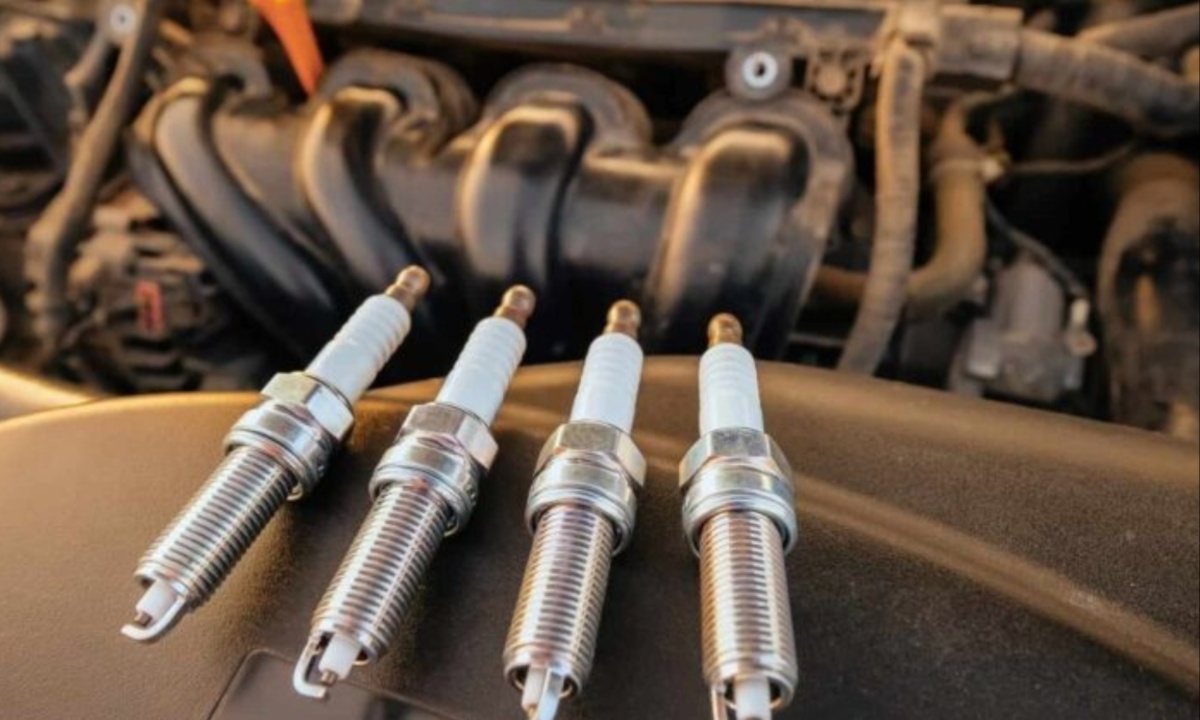
Spark plugs may seem like a minor component, but worn-out plugs can cause misfires, rough idling, and poor fuel economy. Replacing them every 80,000 to 100,000 miles ensures efficient combustion and helps the engine run as it should. Fresh plugs can even improve throttle response and make the car feel livelier.
Many owners overlook the spark plug wires, but these are just as important. As the car ages, the wires can become brittle or develop internal resistance, leading to weaker spark and reduced performance. If you’re replacing spark plugs, it makes sense to swap out the wires at the same time. Together, they restore full ignition strength and reduce the risk of engine hesitation or misfire codes.
When choosing spark plugs, sticking with OEM-recommended options is often the best route. The Echo isn’t a high-performance car, so there’s no need to buy expensive racing plugs or specialty brands. The stock plugs were designed to match the car’s engine perfectly. Spending extra doesn’t always mean better performance in this case. Reliable brands like NGK or Denso are excellent choices and widely available.
A clean ignition system also means fewer problems during cold starts and improved emissions, both of which become more important as a car ages. Drivers who stay on top of this maintenance item will notice better reliability, fewer CEL (check engine light) surprises, and more confidence in their daily drives. It’s a small investment with long-term benefits, especially if you’re aiming to push your Echo well past 200,000 miles.
4. Maintain Transmission Fluid at Proper Levels
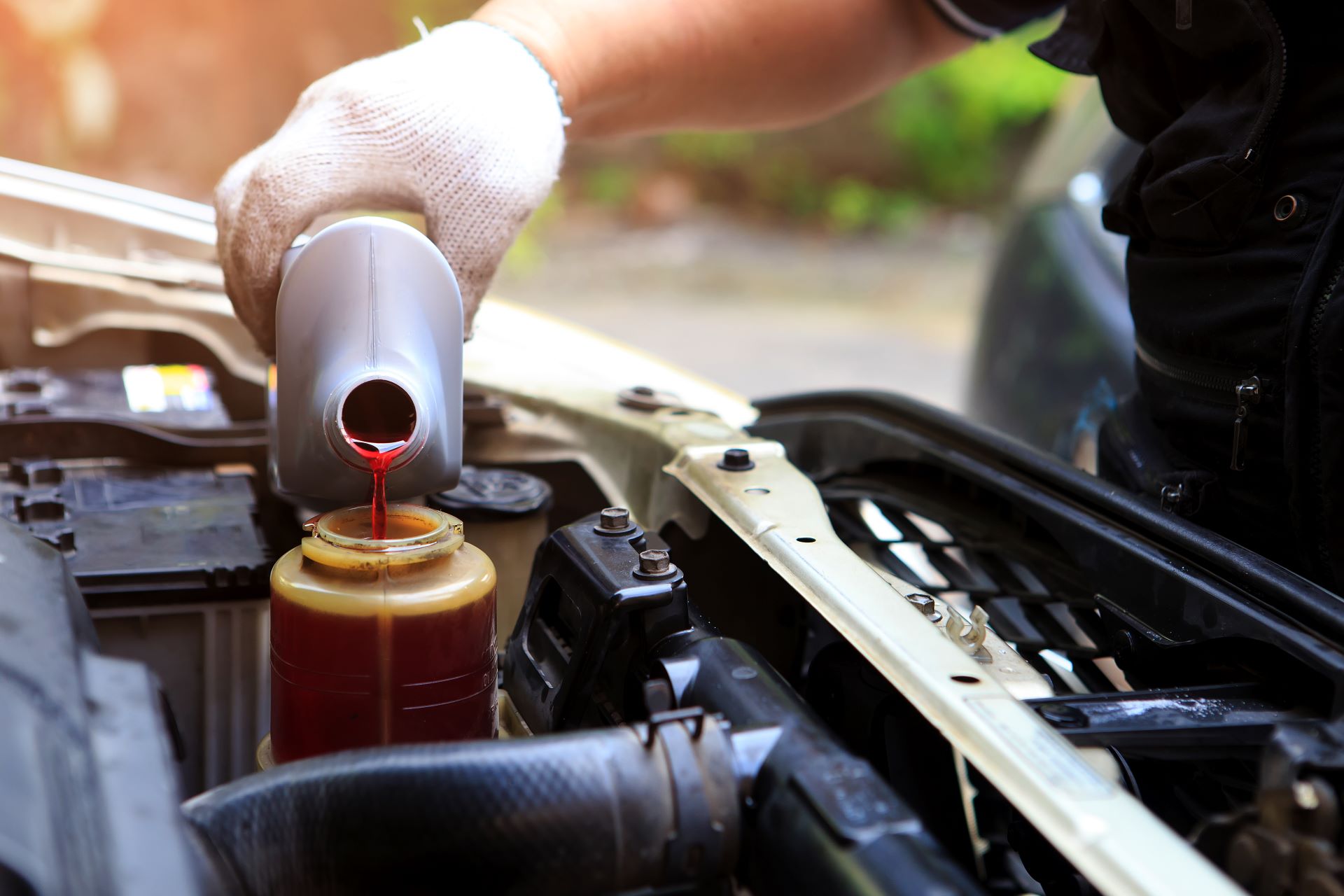
The Echo’s automatic and manual transmissions are generally dependable, but like any mechanical system, they need clean fluid to function properly. For automatic models, it’s wise to check the transmission fluid every 30,000 to 60,000 miles. Even though some automakers claim their transmissions are “lifetime filled,” real-world experience suggests otherwise. Fresh transmission fluid helps reduce internal wear and ensures smooth shifting.
Old or burned transmission fluid is a major cause of slipping, delayed shifting, or even complete failure in older cars. If your Echo feels sluggish when changing gears or you notice a burning smell, those are clear signs it’s time to replace the fluid. In some high-mileage vehicles, owners may be concerned that flushing could cause issues. However, doing a simple drain-and-fill instead of a full flush is usually safe and effective for maintaining older transmissions.
Manual Echo drivers aren’t off the hook either. Gear oil in manual transmissions also needs attention, though less frequently. Replacing it around the 100,000-mile mark is typically enough to keep things working smoothly. It’s an often-overlooked task that contributes significantly to the car’s ability to age gracefully. Smooth shifting and minimal grinding noise are signs your gearbox is in good shape.
Don’t forget the basics: always check the fluid color. Clean fluid should be reddish and clear, not brown or murky. If it smells burned or looks dark, it’s past its prime. Keeping the transmission healthy is just as important as maintaining the engine, and it’s often the difference between a car that reaches 250,000 miles and one that gets junked due to an expensive transmission failure.
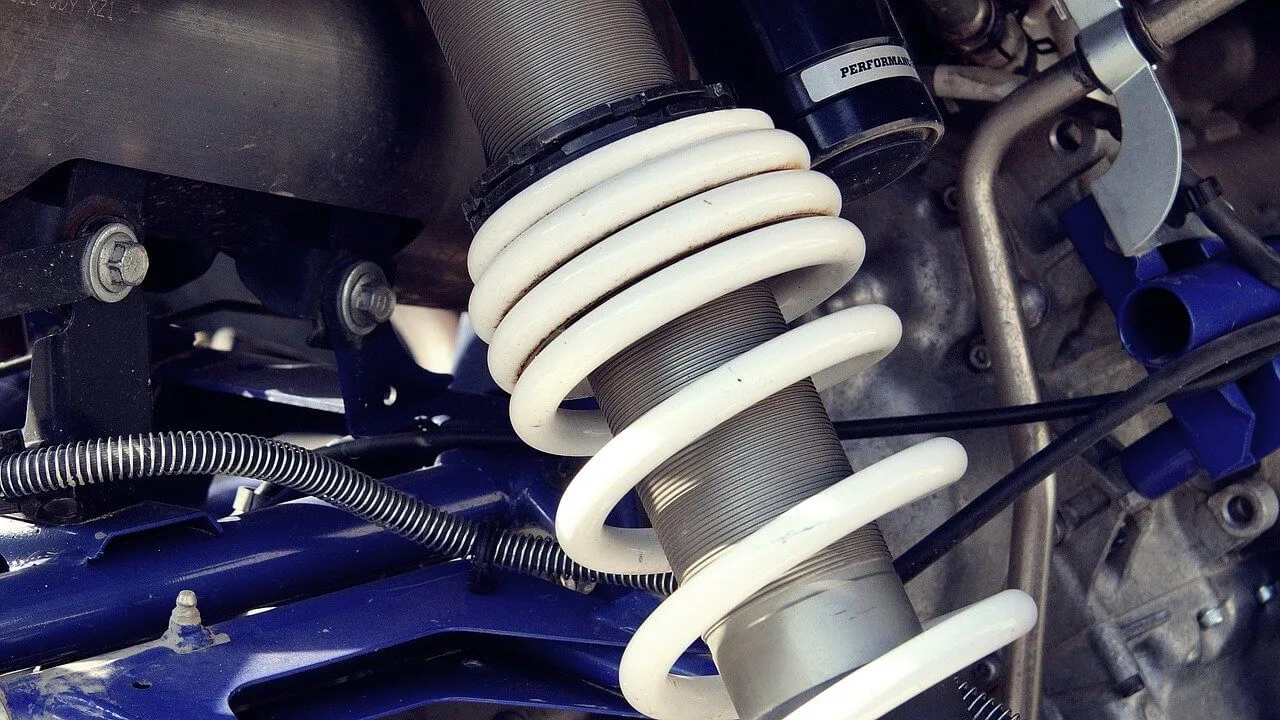
5. Replace Suspension Components Gradually
The suspension system of a Toyota Echo is relatively simple, but after many miles on the road, the wear becomes noticeable. The most common signs include clunking noises, uneven tire wear, or a floaty, unstable ride, especially when going over bumps or cornering.
While the car may still be drivable in this state, worn suspension parts can accelerate wear on other systems and cause more costly problems down the road. Instead of waiting for a complete failure, it’s smart to replace parts like struts, bushings, ball joints, and sway bar links one at a time, as needed.
Many Echo owners who’ve successfully driven beyond 200,000 miles have found that gradually replacing these components over time is more manageable and easier on the wallet. Rather than doing a complete overhaul all at once, focus on the parts that are showing signs of wear.
For instance, if the ride feels particularly bouncy, struts may be the culprit. If there’s play in the steering or knocking sounds during turns, check the tie rods or sway bar links. Replacing a few parts every 20,000 to 30,000 miles keeps the car feeling solid without overwhelming your budget.
A properly maintained suspension also improves tire wear and braking efficiency. When alignment angles are off due to worn bushings or sagging springs, your tires won’t contact the road evenly. That not only shortens tire life but can affect stopping distance and stability.
Keeping your suspension in good shape ensures that your Echo remains safe to drive, especially on rough or uneven roads. Many drivers underestimate how much control and safety is tied to suspension health.
Another reason not to ignore suspension maintenance is that it affects how much stress is placed on the chassis and body over time. If your Echo is bouncing excessively or leaning too far into turns, the frame and mounts endure more vibration than necessary.
That can create rattles, early rust in certain seams, or even damage to interior fittings. A tight suspension system keeps everything in harmony, and for those aiming to drive the Echo beyond 200,000 miles, it’s one of the most overlooked yet impactful areas to keep in check.
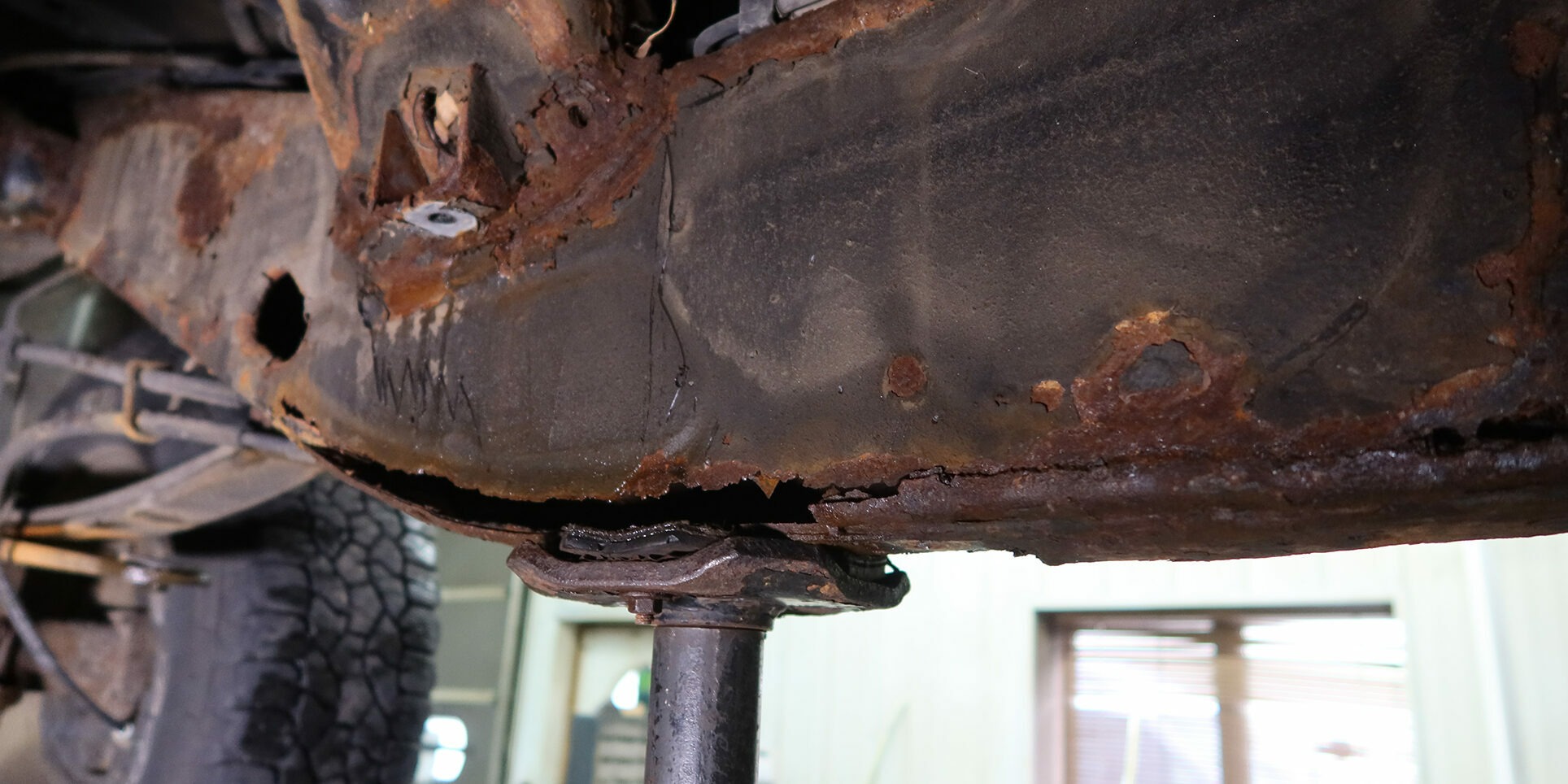
6. Prevent Rust with Regular Undercarriage Checks
One of the silent killers of older cars is rust. While Toyota Echos are relatively well-built, they are not immune to corrosion, especially in climates where roads are salted in the winter or if the car is frequently parked in damp environments. The undercarriage, wheel wells, and door sills are the most vulnerable areas. Once rust takes hold, it can spread quickly and compromise structural components. Preventing rust from forming in the first place is easier and more effective than trying to repair it later on.
Routine undercarriage inspections are key. Ideally, you should check for signs of rust every time you rotate your tires or change the oil. If you see surface rust, using a wire brush and some rust-converting primer can stop it from spreading.
For cars driven in snowy or coastal regions, an annual rust-proofing spray or oil treatment is a worthwhile investment. It’s not just cosmetic, this treatment protects brake lines, fuel lines, and other components that could become dangerous if rusted through.
Door bottoms, trunk seams, and the edge of the hood are also common places where rust can hide. It’s a good habit to open all doors and check the seals and seams for moisture buildup or bubbling paint. If you catch it early, you can treat the area and apply touch-up paint or sealant to stop it from worsening. Many long-time Echo owners credit their car’s rust-free bodies to regular visual checks and quick action at the first sign of corrosion.
Cleaning the undercarriage regularly, especially after driving on salted roads, also plays a major role in rust prevention. A simple rinse with a hose or car wash spray can remove harmful residues. Some owners go a step further and install splash guards or mud flaps to keep water and debris from constantly hitting the same parts of the car. Over time, these small steps prevent major repairs and extend the car’s life by preserving its structure and safety.
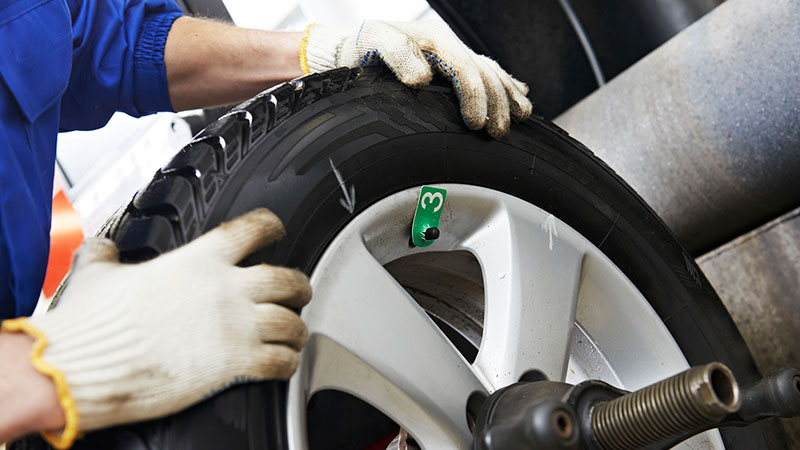
7. Keep Tires Aligned and Balanced
Tires are the only part of your vehicle that touch the road, and keeping them properly aligned and balanced not only improves driving comfort but also prolongs the life of various parts of your Echo.
Misaligned tires can lead to rapid tread wear, poor fuel economy, and added strain on the suspension. Having your alignment checked once a year or sooner if you notice uneven wear or the car pulling to one side, can make a huge difference in how your Echo handles over time.
Alignment issues often stem from hitting potholes, curbs, or rough roads, all of which can throw your wheels slightly out of spec. While the difference may be subtle at first, over thousands of miles, it leads to poor handling and increased rolling resistance.
That extra resistance means your engine has to work harder, costing you more in fuel and wear. Echo owners who regularly inspect their tires and maintain proper alignment tend to report fewer suspension issues and smoother driving experiences, even at high mileage.
Balancing tires is another overlooked step that plays a major role in ride quality. Unbalanced tires create vibrations at certain speeds, which can lead to uneven wear and even affect steering components over time. If you feel your steering wheel shaking or vibrating at highway speeds, that’s a common sign of imbalance. Balancing should be done whenever new tires are installed and checked every 10,000 to 15,000 miles after that. Keeping everything rotating evenly contributes to a smoother, quieter ride.
Tire pressure also deserves attention. Under-inflated or over-inflated tires affect traction, ride comfort, and fuel economy. It’s worth checking tire pressure at least once a month and before long trips. Proper tire maintenance isn’t just about keeping the car comfortable, it reduces stress on the drivetrain and suspension. For a vehicle like the Echo, which thrives on mechanical simplicity, healthy tires can help preserve other systems and keep the car rolling long after others have quit.
8. Use Only Quality Replacement Parts
One reason many Toyota Echos have made it past the 200,000-mile mark is the use of quality replacement parts during repairs and maintenance. While it can be tempting to save a few dollars by purchasing aftermarket components from unfamiliar brands, this can backfire in the long run.
Not all parts are created equal, and poorly made components can wear out quickly, create noise, or even fail entirely, putting other systems at risk. Choosing reputable brands or OEM (original equipment manufacturer) parts ensures you maintain the Echo’s original reliability.
The most critical areas where quality matters include brake components, suspension parts, belts, water pumps, and ignition system parts. Installing cheap brake pads might seem cost-effective at first, but they may wear unevenly or create squealing noises after just a few thousand miles. Inferior water pumps may leak prematurely, requiring another costly repair.
Over time, the price difference between cheap and quality parts often evens out due to longer life and better performance from the latter.
Online forums and Echo owner groups often recommend trusted brands based on years of trial and error. Brands like Denso, Aisin, KYB, and NGK consistently come up as reliable choices for replacement parts. They may cost a bit more than off-brand equivalents, but the peace of mind they provide is worth it, especially when aiming to reach or exceed 200,000 miles. When you use parts built to factory specs, you avoid compatibility issues and often enjoy a smoother installation process.
Another advantage of using higher-quality parts is the added confidence they bring. When you know the part you’re installing is made to last, you’re more likely to stick with your maintenance routine. That confidence adds up over time and builds a mindset of keeping your Echo running like new. It’s not about spending a fortune, it’s about being smart with your choices and avoiding the cycle of constant re-repair that comes with subpar components.
9. Don’t Ignore the Check Engine Light
Many drivers get used to seeing the check engine light on and assume it’s harmless, especially in older cars. But ignoring that little light can mean missing early warnings of larger issues.
In the Toyota Echo, the check engine light is often triggered by relatively simple problems, such as a faulty oxygen sensor, a loose gas cap, or a misfiring cylinder, but even these minor issues can snowball into serious damage if left unaddressed. Getting the light checked as soon as it comes on is a small step that helps preserve your engine’s health and performance.
One of the best tools an Echo owner can keep in the glovebox is a cheap OBD-II scanner. These devices plug into the car’s diagnostic port and provide a code that tells you why the light is on. It’s an easy way to take control of the situation and decide whether the issue needs urgent attention or can wait until the next service. Even for those who aren’t mechanically inclined, looking up the code online or showing it to a mechanic can save time and money by narrowing down the cause.
Small problems like a worn-out sensor can trigger the check engine light, but don’t affect drivability right away. However, if ignored, they can lead to reduced fuel efficiency, failed emissions tests, or engine strain.
For example, a bad mass airflow sensor might cause the car to run rich, which can damage the catalytic converter, a costly part to replace. Catching the issue early means you can avoid damage and keep the engine running smoothly.
Another issue with ignoring the light is that it masks new problems. If the light is always on, you may not realize when something more serious arises. It’s easy to think “it’s just that old sensor again,” but what if it’s something new like a failing coil pack or an issue with the fuel system? Fixing the root cause keeps the system accurate, gives you confidence in your car, and eliminates the guessing game that often leads to bigger problems later on.

10. Drive Gently and Avoid Aggressive Habits
One of the most effective and least expensive ways to prolong the life of your Toyota Echo is to change the way you drive. Driving gently, meaning smooth acceleration, coasting when possible, and avoiding abrupt stops, puts far less stress on the engine, transmission, suspension, and brakes. The Echo isn’t designed to be driven like a sports car. It thrives when it’s treated like a long-distance runner rather than a sprinter. Gentle driving habits extend the lifespan of nearly every component in the car.
Many long-term owners credit their high-mileage Echos to a calm, consistent driving style. Accelerating slowly and avoiding redline shifts keeps engine stress to a minimum. Allowing the car to warm up for a minute or two before driving off gives the oil time to circulate and lubricate the engine properly.
Likewise, slowing down gradually rather than slamming the brakes protects the braking system and tires. These small habits don’t just make for a smoother ride; they actually prevent wear.
Aggressive driving can cause early failure of several systems. Hard braking wears pads and rotors faster, sharp turns damage tires and suspension parts, and rapid acceleration strains the drivetrain. Even if the Echo can handle short bursts of spirited driving, it’s not built for sustained punishment. Treating the car gently means that seals, gaskets, belts, and other components stay in better shape for longer, which translates directly into fewer repairs and lower maintenance costs.
In addition to physical wear, aggressive driving often results in poorer fuel economy. The Echo is known for its efficiency, but even a car that gets 40 mpg can drop significantly if it’s driven roughly. A consistent, steady pace keeps fuel consumption low and emissions cleaner.
Over time, this adds up to major savings at the pump and less wear on the engine. By respecting the design limits of the car and driving with intention, Echo owners can enjoy many more years and miles of dependable service.
Also Read: 10 Pro Tips That Keep a Chevy HHR Reliable for Daily Driving
The Toyota Echo has more than earned its place as one of the most dependable economy cars ever made. With simple engineering, low maintenance needs, and solid construction, it’s a car that rewards attentive ownership. But reaching and passing the 200,000-mile mark doesn’t happen without effort.
The drivers who see those big numbers on their odometers usually share something in common: they take small but consistent steps to care for their cars. They’re not doing anything dramatic. They’re just doing the basics right, over and over again.
From oil changes and spark plugs to driving style and rust prevention, every tip in this article centers on building habits that protect your investment. The goal isn’t to turn your Echo into a showroom piece. It’s to keep it reliable, safe, and economical for as long as possible. Maintenance doesn’t have to be expensive, and it certainly doesn’t have to be complicated. A little attention at the right time can prevent big problems later. That’s the real secret behind high-mileage Echos: consistency.
What sets the Echo apart is how well it rewards good treatment. Unlike cars that grow finicky and fragile with age, the Echo maintains a steady character if given basic care. The more attention you give to fluids, filters, tires, and parts, the more dependable it becomes.
And once you’ve formed these habits, keeping the car in top shape feels natural. Each oil change, each inspection, and each small repair is a step toward the next milestone.
If your Echo is approaching 100,000 miles or already near 200,000, don’t assume the end is near. In fact, that could be the beginning of a new phase. With the right approach, there’s no reason your Echo can’t keep going strong. These ten hacks aren’t just for squeezing a few more miles out of an old car; they’re the foundation for long-term reliability. Follow them, and you might just see your Echo hit 300,000 miles or more. At that point, it’s no longer just a car; it’s a legend in your driveway.
